Animals without backbones · Insects to corals
Invertebrates
Invertebrates are animals without backbones — insects, arachnids, molluscs, crustaceans and cnidarians that make up most of animal diversity. This is WARN's invertebrate section: 77 sourced species guides plus 6 type pages covering the everyday groups people search for.
- Insects
- Six legs; the most species-rich land animals
- Arachnids
- Eight legs — spiders and scorpions, not insects
- Krill
- Base of Southern Ocean food webs
- Corals
- Animals that build reefs for countless fish
Types
The everyday groupings people search for. Each type has its own page with identification pointers, FAQs and the matching species guides.
- 41 guides
Insects
Six-legged arthropods — bees, butterflies, beetles, ants, dragonflies and more.
Explore insects → - 13 guides
Arachnids
Eight-legged arthropods — spiders, scorpions, ticks and harvestmen.
Explore arachnids → - 8 guides
Molluscs
Soft-bodied animals — octopuses, squid, snails, clams and cuttlefish.
Explore molluscs → - 9 guides
Crustaceans
Jointed aquatic arthropods — crabs, lobsters, krill, shrimp and barnacles.
Explore crustaceans → - 1 guide
Cnidarians
Stinging-celled animals — corals, jellyfish, anemones and hydroids.
Explore cnidarians → - 1 guide
Microscopic invertebrates
Animals visible only with magnification — tardigrades, rotifers and meiofauna.
Explore microscopic invertebrates →
All 77 guides
Search by name, or filter by type, conservation status, region and letter.
Common names, scientific names and places are searchable.
Showing 1–24 of 77 guides
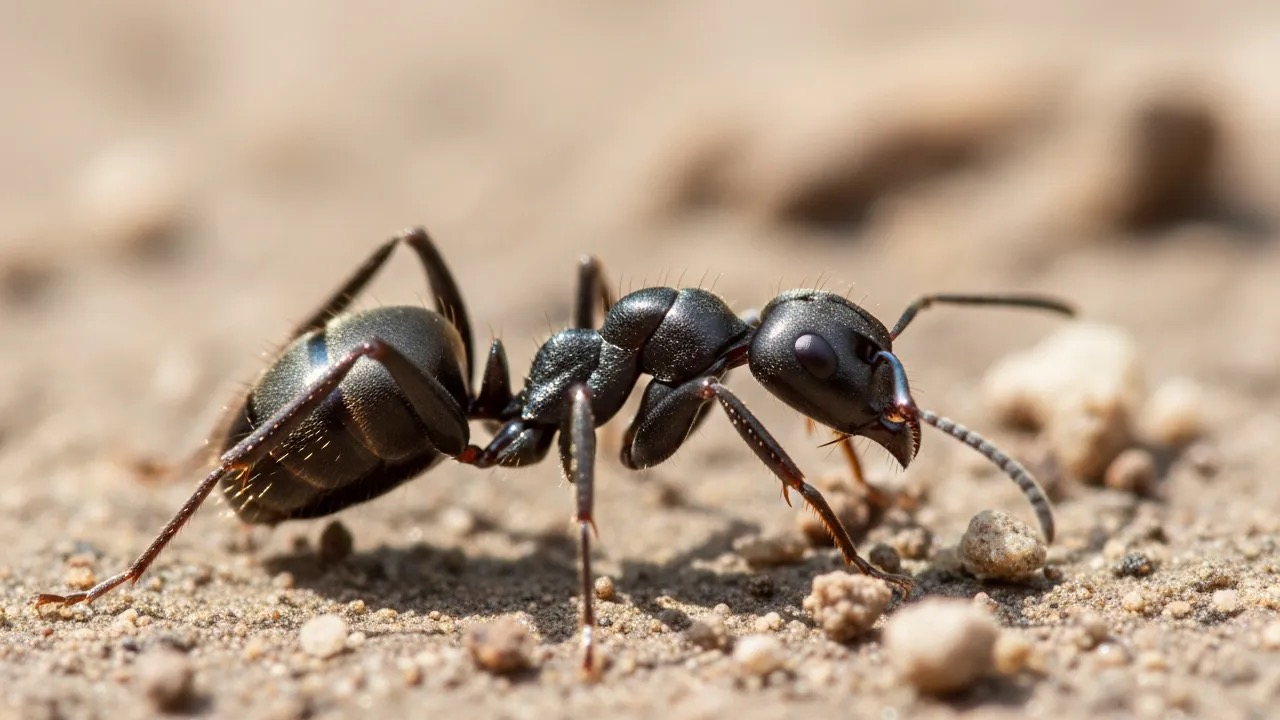
Insects
AAnt
Formicidae
The tireless team-working insect
Africa · Asia
Open guide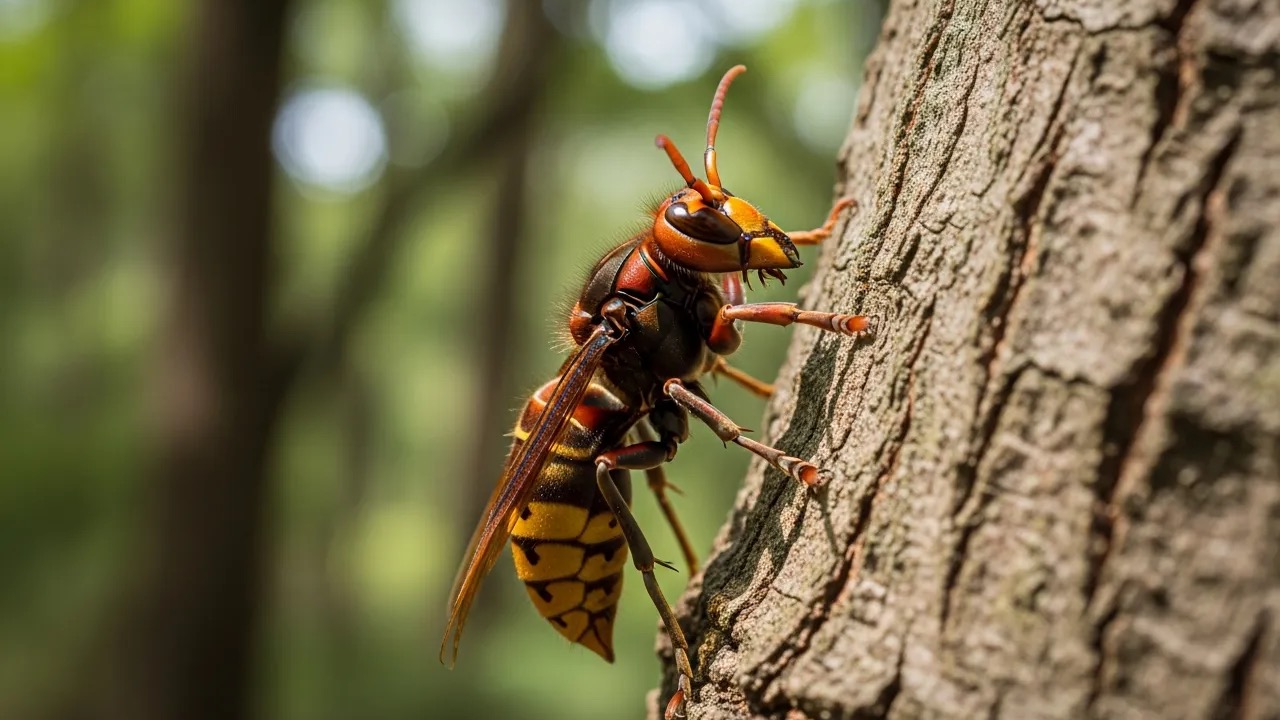
Insects
AAsian Giant Hornet
Vespa mandarinia
The world's largest hornet
Asia
Open guide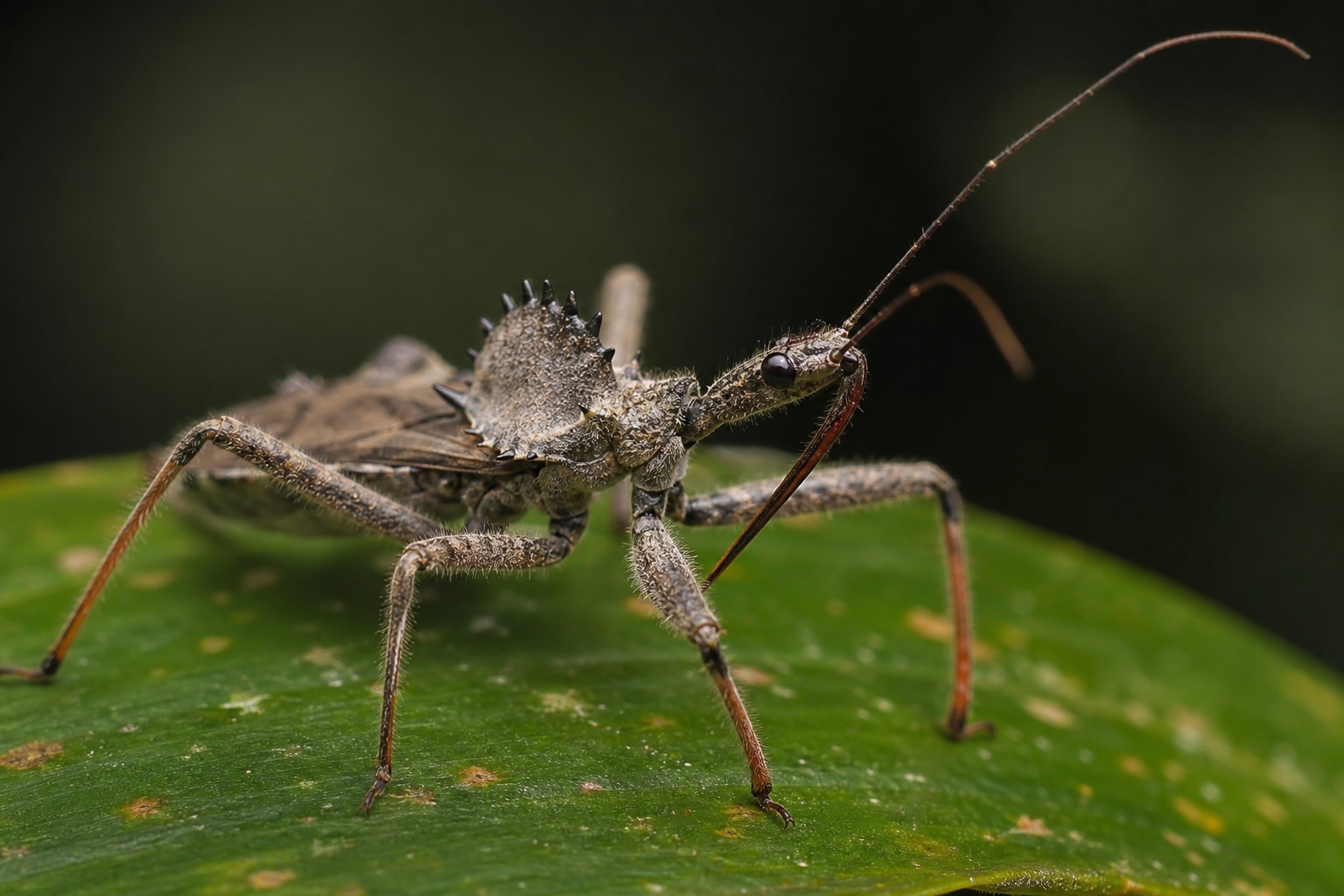
Insects
AAssassin Bug
Family Reduviidae — over 7,000 described species worldwide
A predatory bug that stabs prey with a needle rostrum — and some species wear their victims as camouflage.
Worldwide in temperate and tropical regions · Gardens, woodland and scrub
Open guide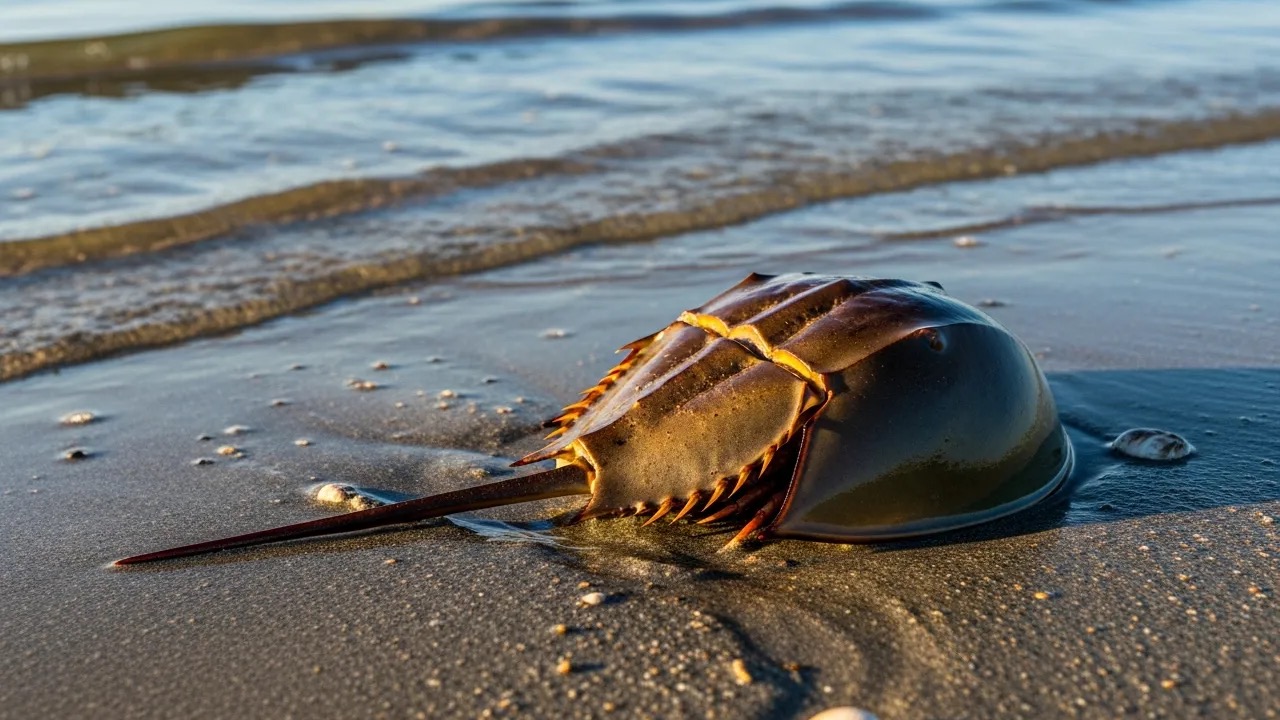
Crustaceans
AAtlantic Horseshoe Crab
Limulus polyphemus
The ancient living fossil with blue blood
Oceans · North America
Open guide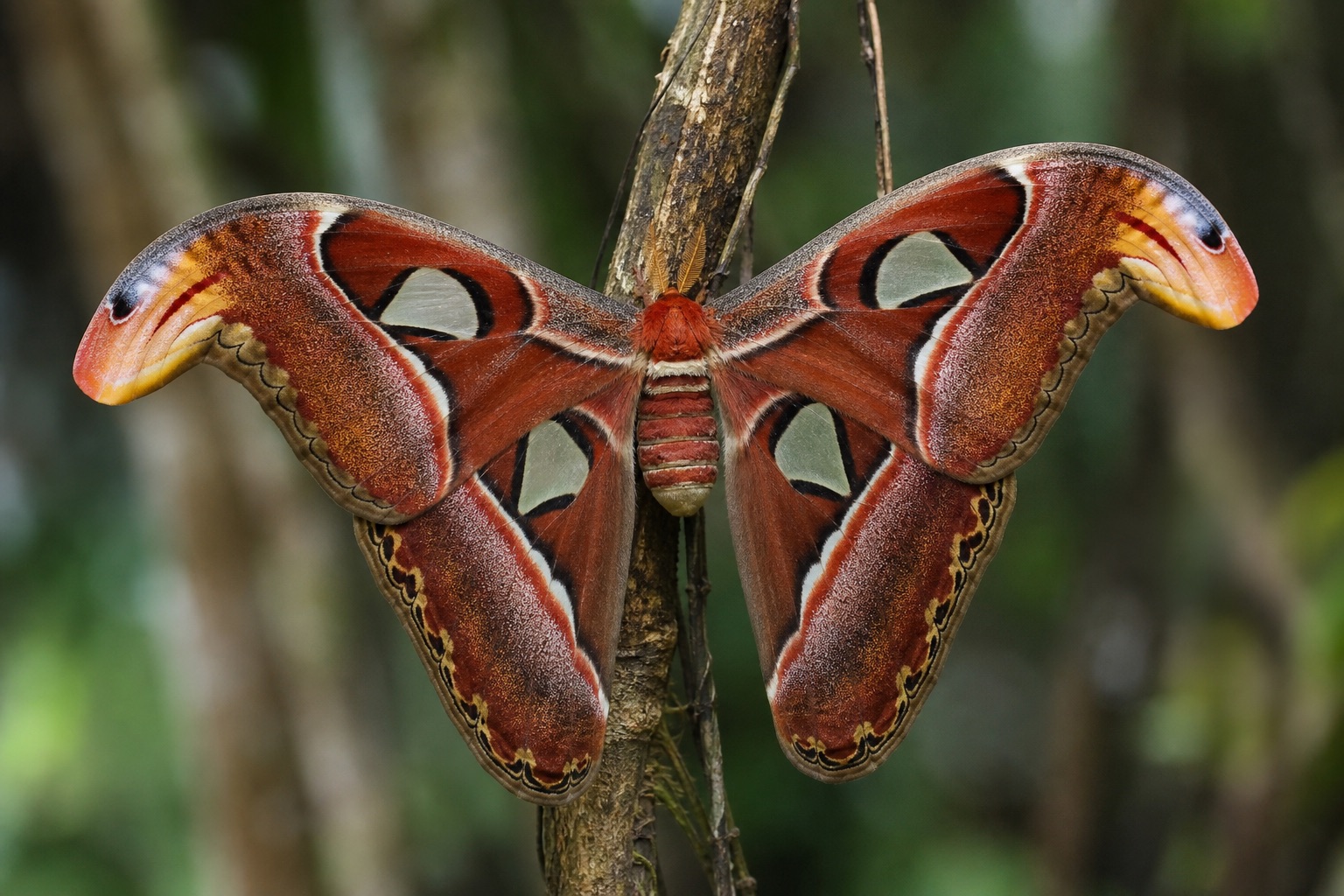
Insects
AAtlas Moth
Attacus atlas (Linnaeus, 1758) — family Saturniidae
One of the largest moths on Earth — no mouthparts, living on larval fat for a week or two as an adult.
Southeast Asia · Borneo, Sumatra, Malay Peninsula and tropical Asia
Open guide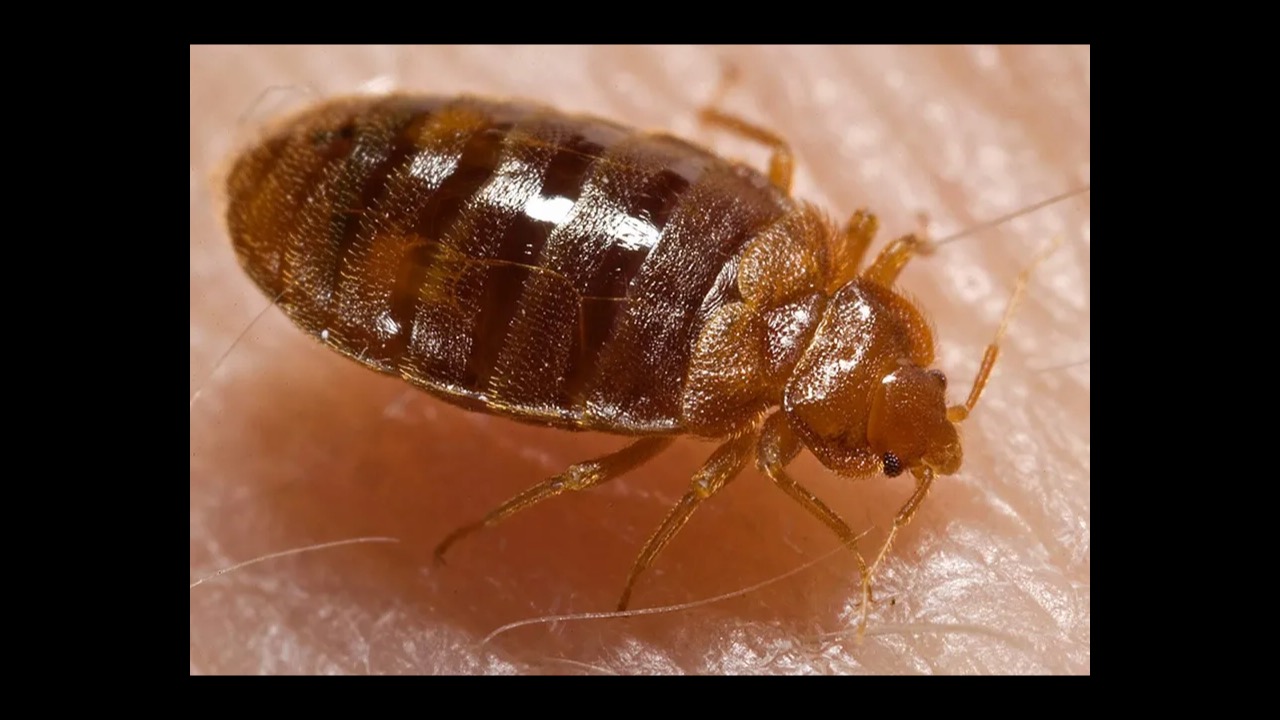
Insects
BBed Bug
Cimex lectularius
The blood-feeding pest of mattresses worldwide
Africa · Asia
Open guide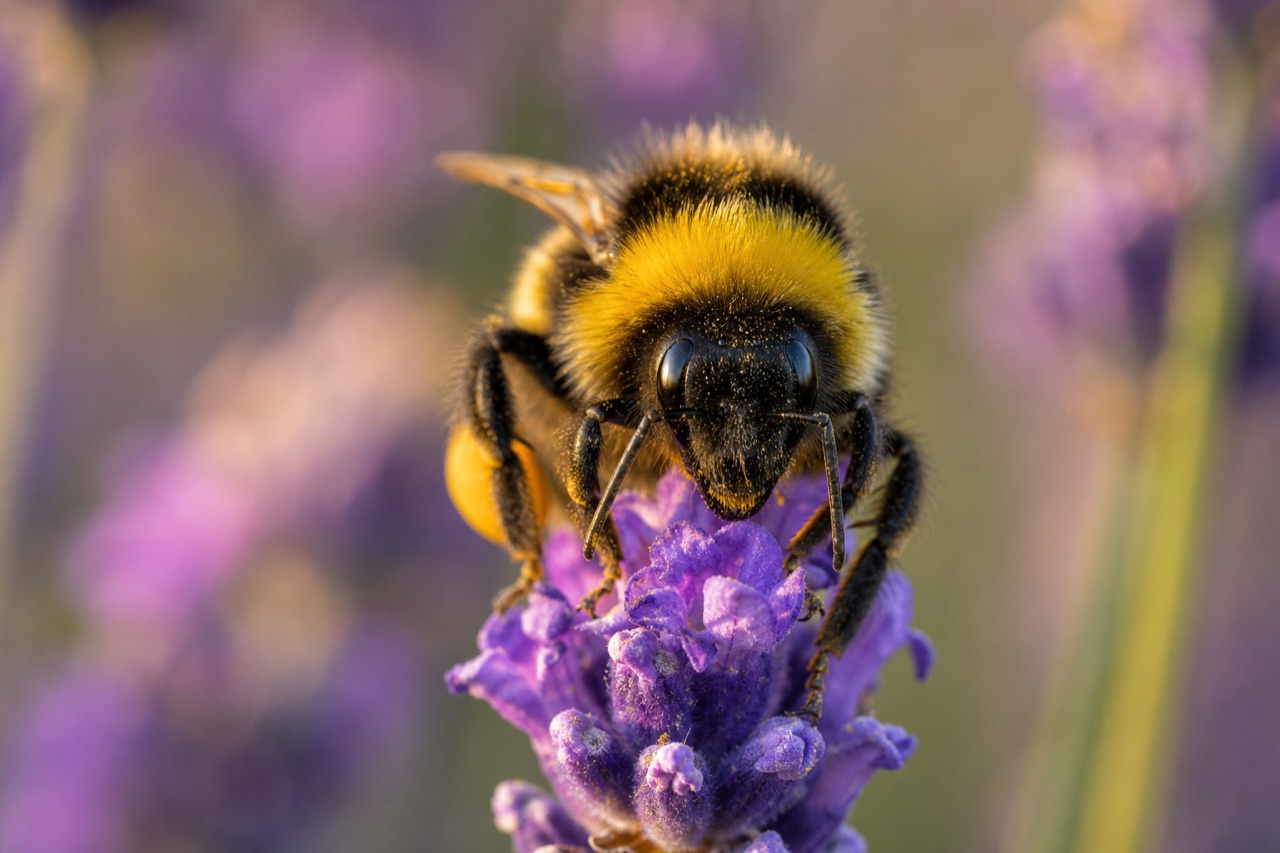
Insects
BBee
Superfamily Apoidea — roughly 20,000 species; family Apidae includes honey bees, bumblebees and stingless bees
Twenty thousand species, one famous hive — and most of them live alone.
Worldwide except Antarctica · Most diverse in temperate and arid regions; critical in both wild and farmed landscapes
Open guide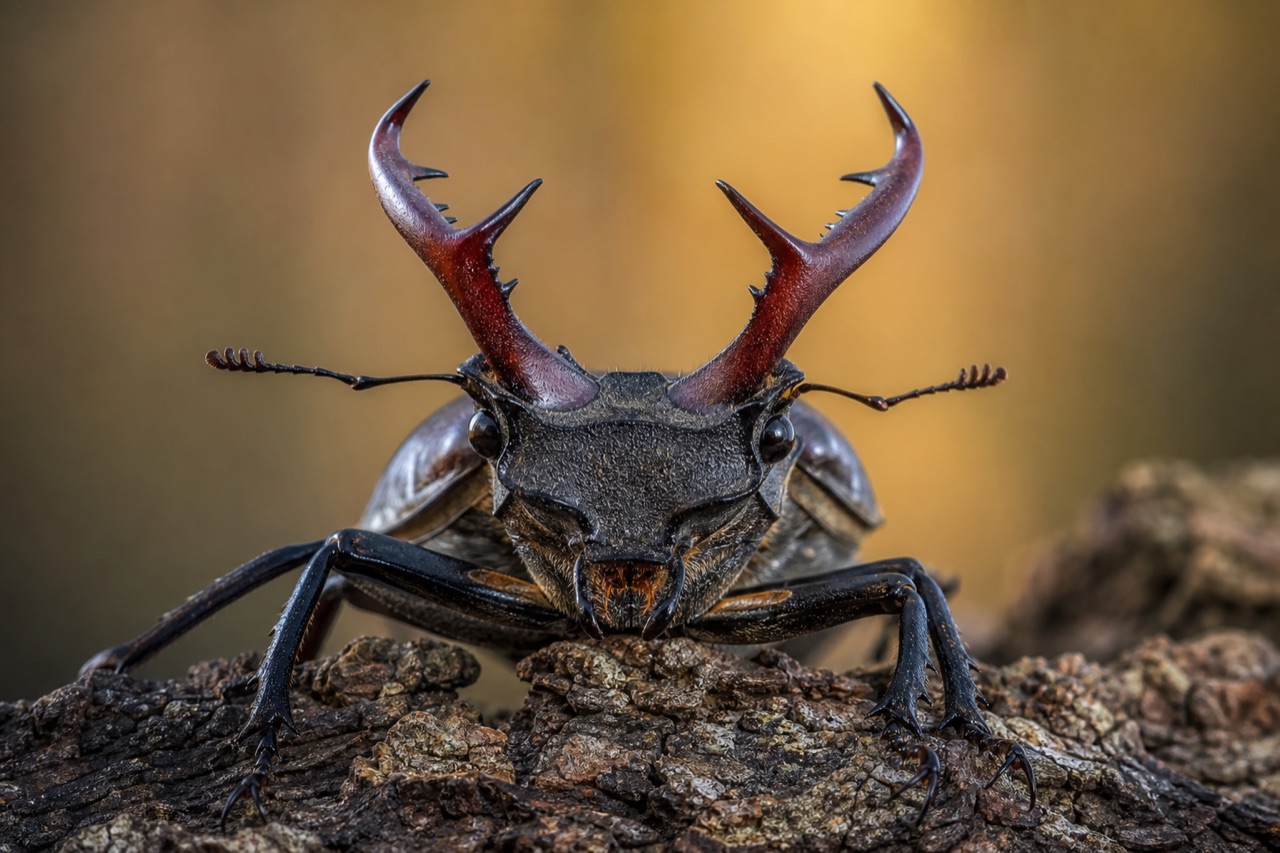
Insects
BBeetle
Order Coleoptera — more than 400,000 described species; roughly one in four of all known animals
One in four known animal species wears hardened wing-cases — and that is a low estimate.
Every habitat on Earth except the open ocean · From arctic tundra to tropical rainforest canopies and desert dunes
Open guide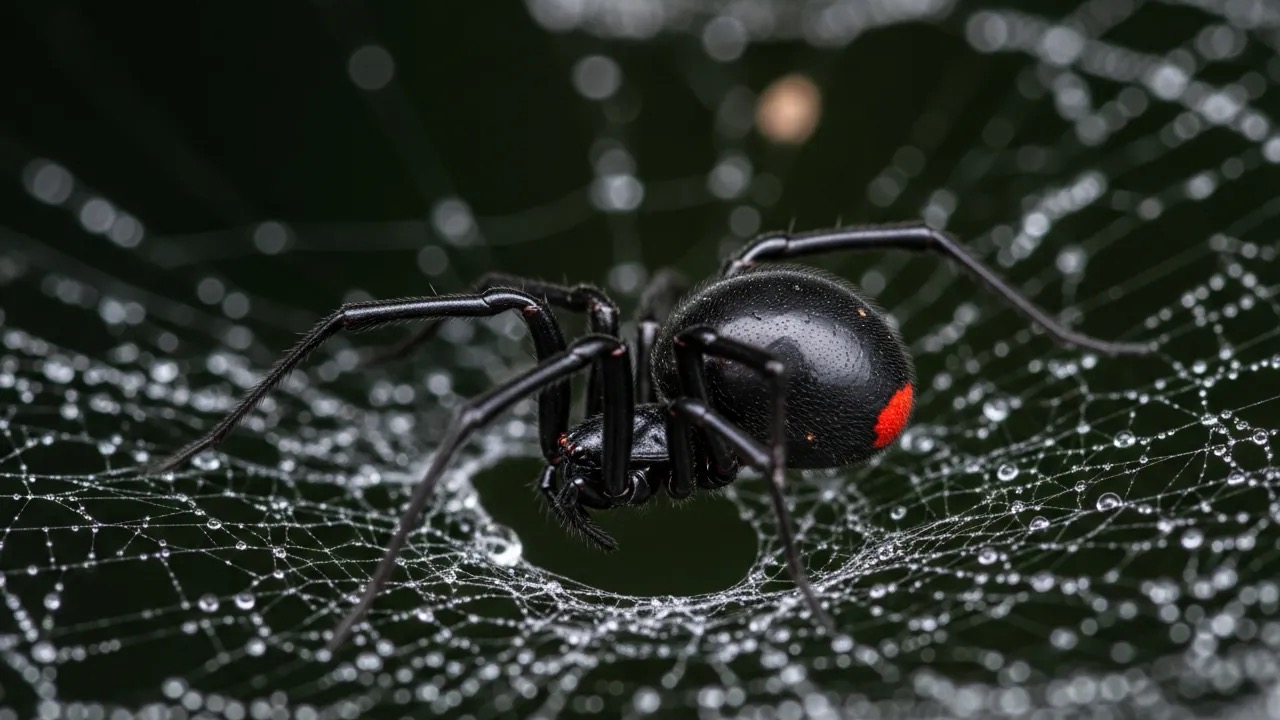
Arachnids
BBlack Widow Spider
Latrodectus mactans
The glossy black spider with the red hourglass
North America
Open guide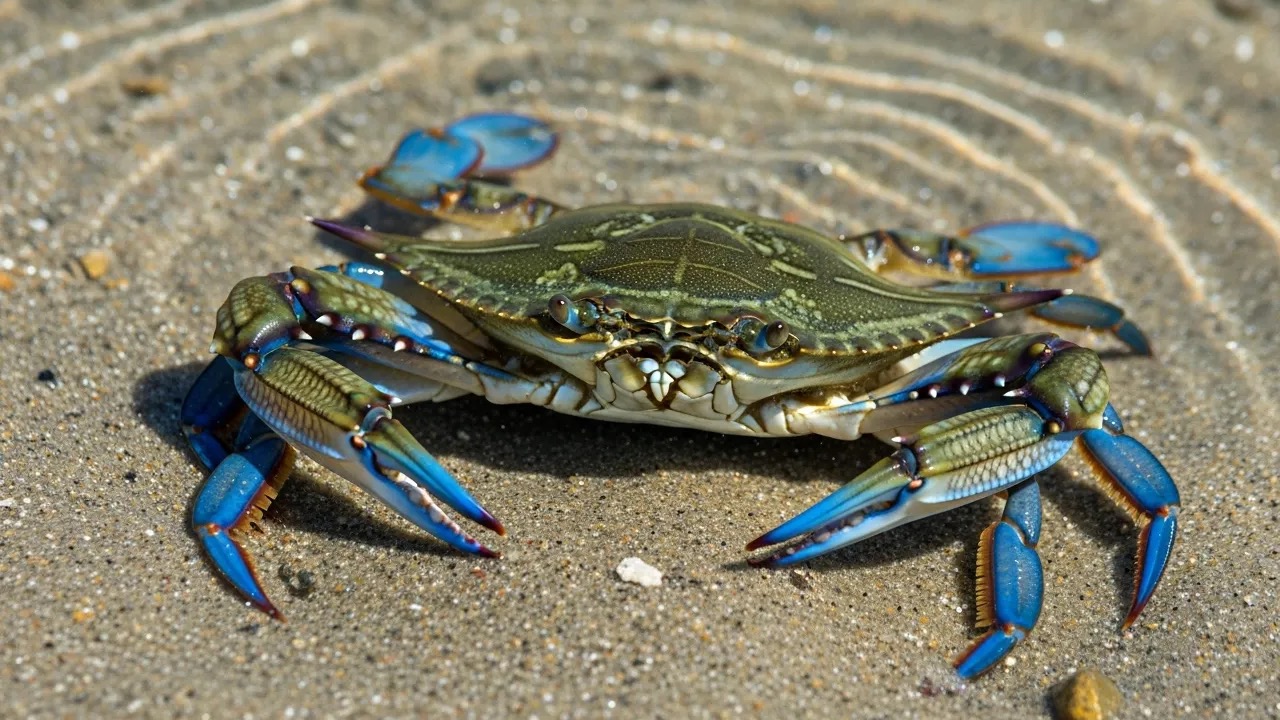
Crustaceans
BBlue Crab
Callinectes sapidus
The swift swimming crab of Atlantic estuaries
Oceans · North America
Open guide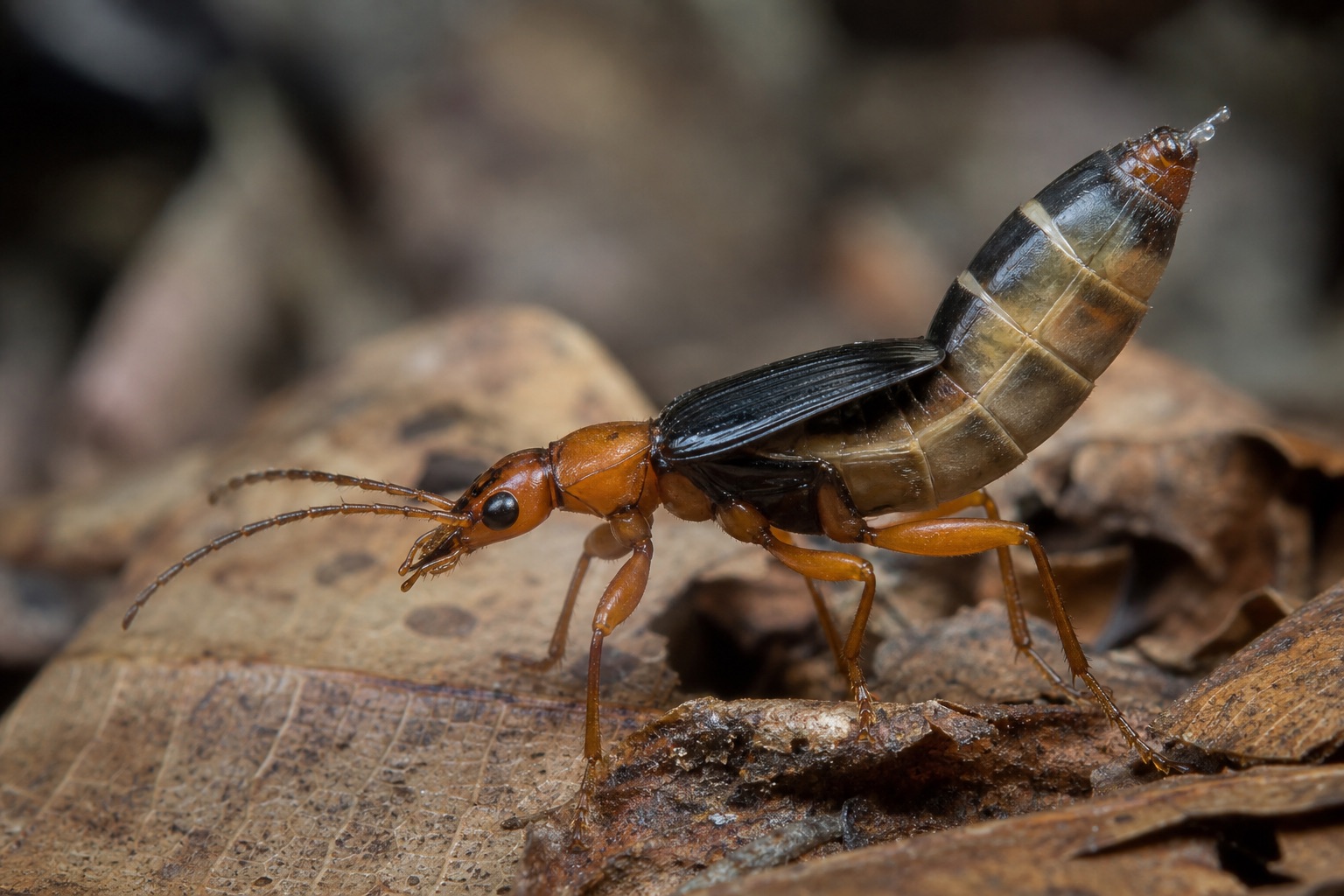
Insects
BBombardier Beetle
Brachinus spp. and related genera — family Carabidae
A beetle that fires a near-boiling chemical spray from its abdomen — by mixing two reactants at the moment of attack.
Worldwide except Antarctica · Most diverse in temperate and tropical regions
Open guide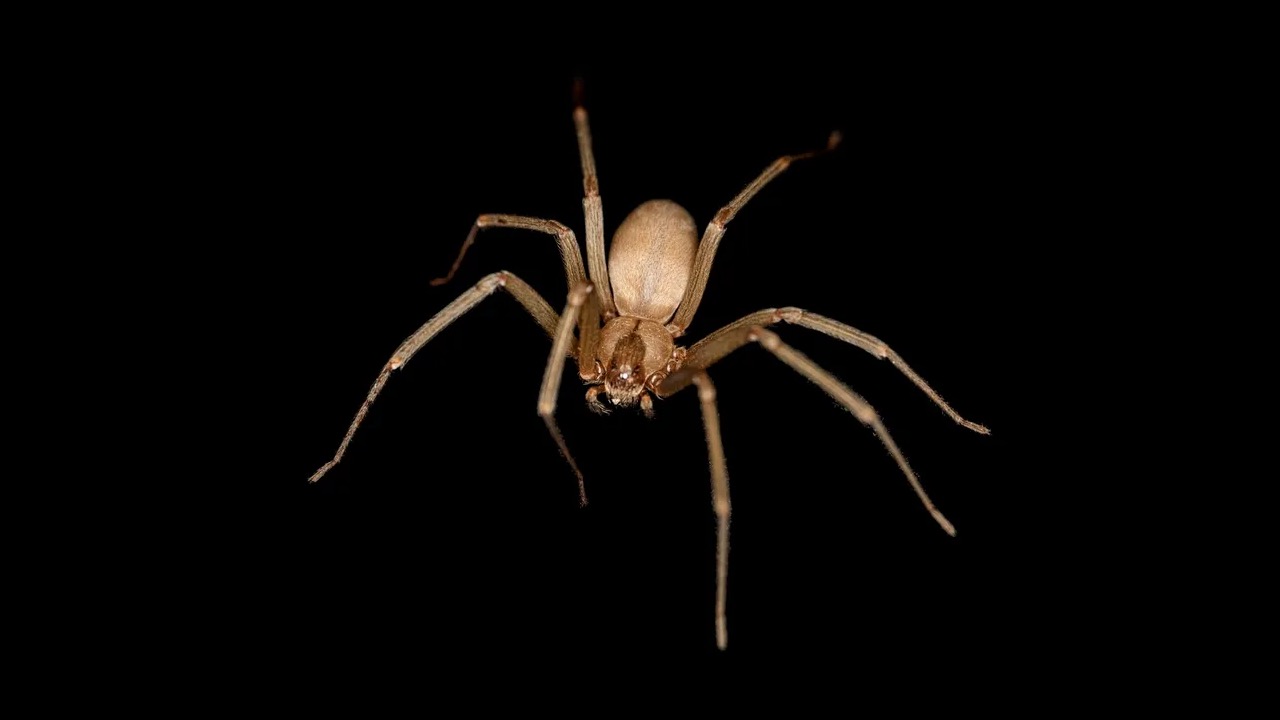
Arachnids
BBrown Recluse Spider
Loxosceles reclusa
The violin-marked spider of the American South
North America
Open guide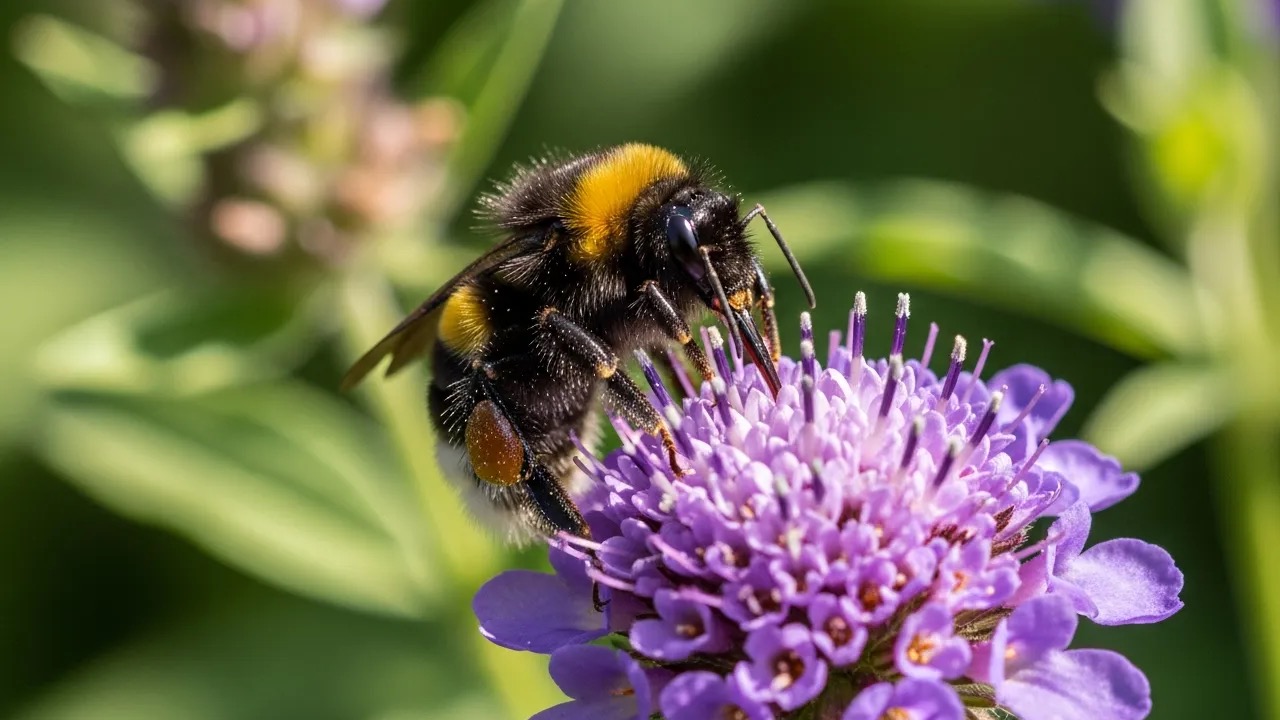
Insects
BBumblebee
Bombus terrestris
The fuzzy, hard-working pollinator of meadows and gardens
Europe · Asia
Open guide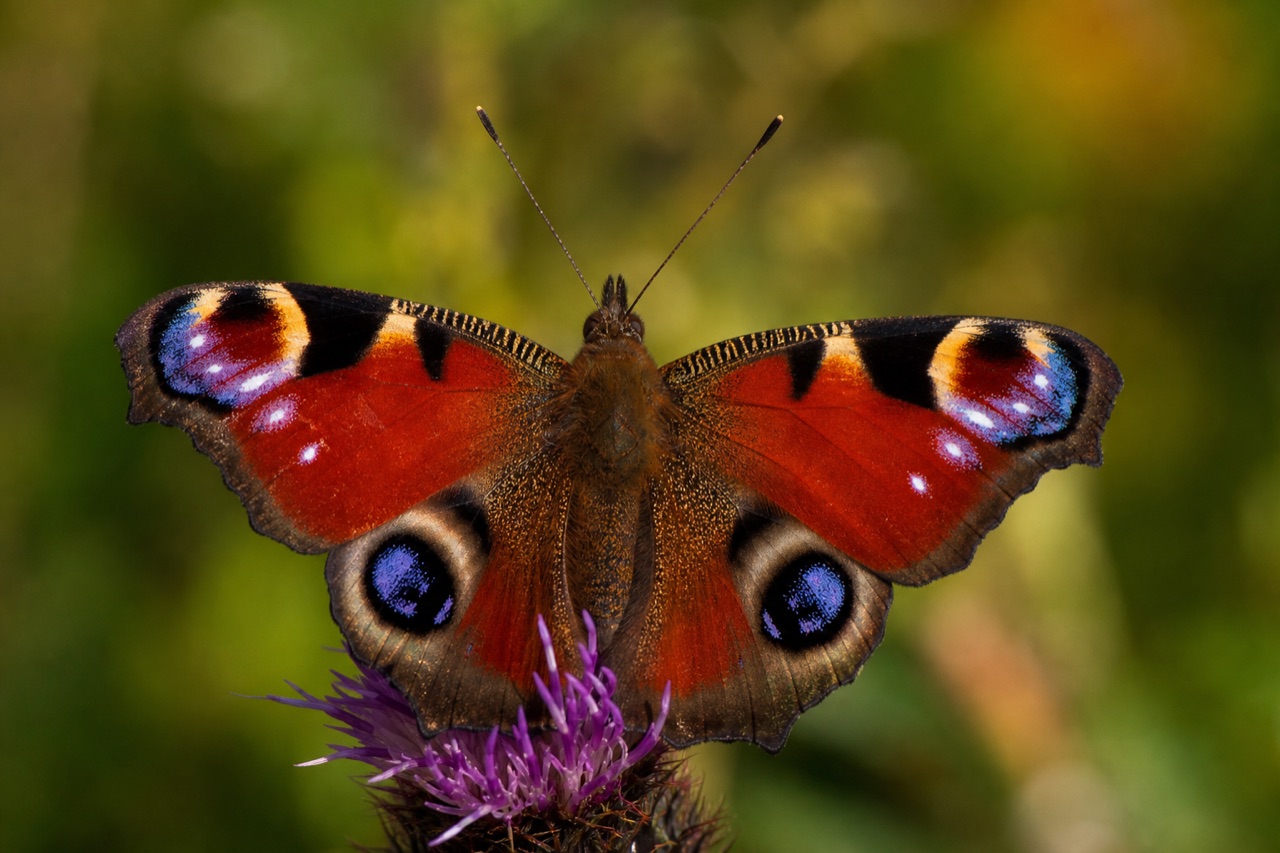
Insects
BButterfly
Superfamily Papilionoidea — order Lepidoptera; roughly 19,000 described species
Around 19,000 species, four life stages, and one of the best early-warning systems ecologists have.
Every continent except Antarctica · Richest in tropical forests
Open guide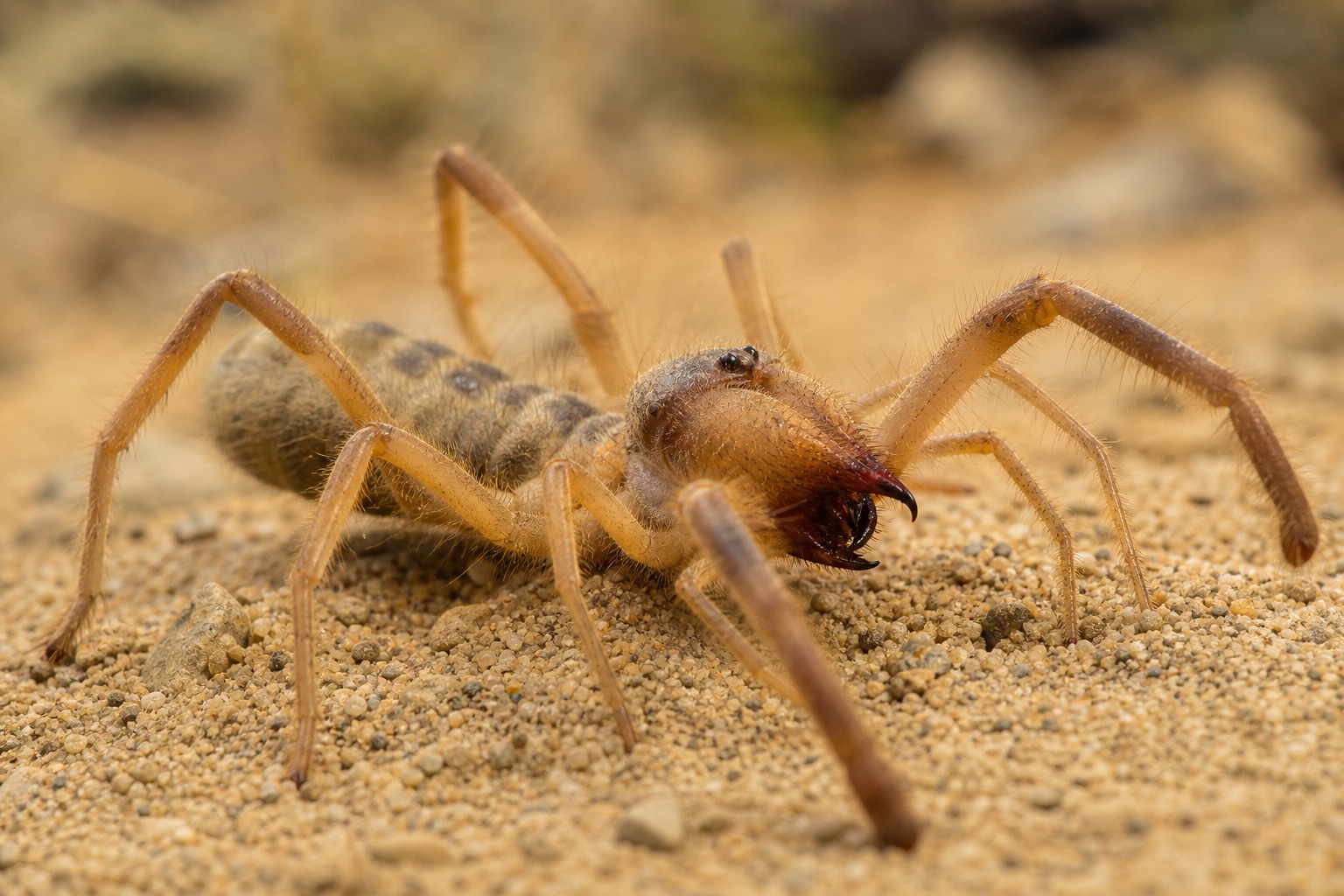
Arachnids
CCamel Spider
Order Solifugae — about 1,200 described species; not spiders and not camels
Neither camel nor spider — an order of desert arachnids whose internet reputation is larger than the animal.
Deserts worldwide · South-western United States, Middle East, North Africa, Central Asia
Open guide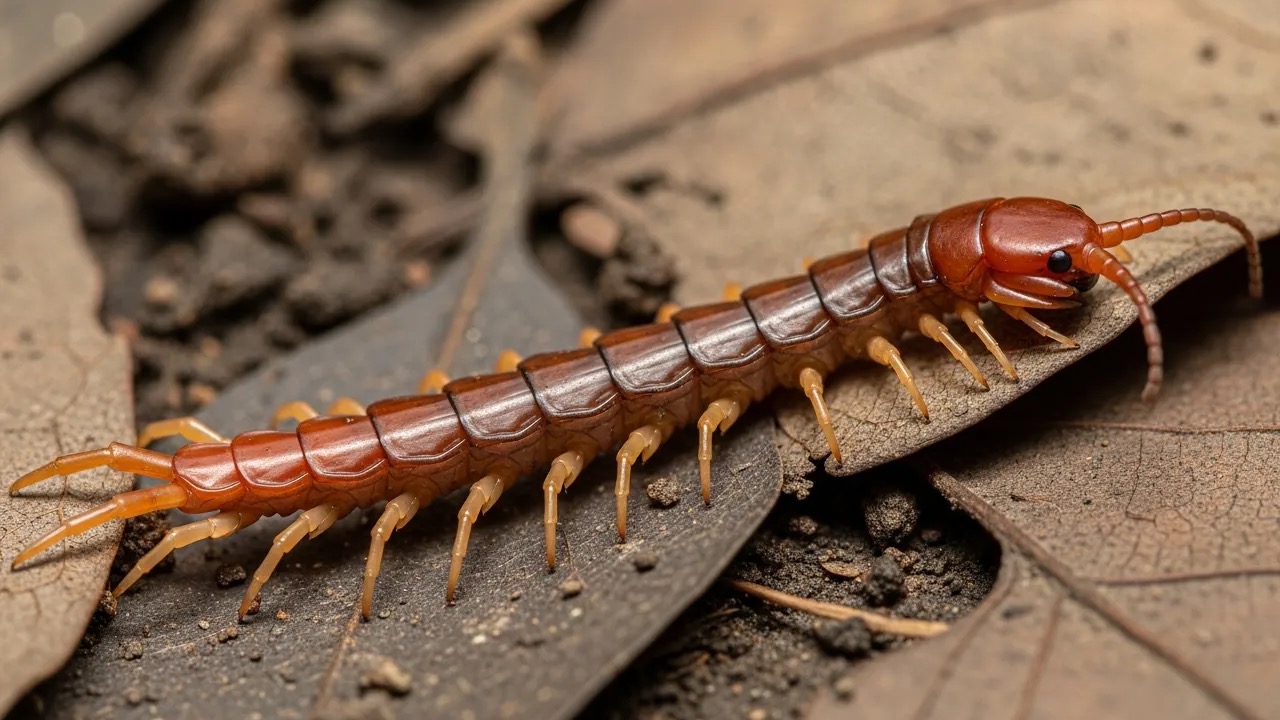
Other
CCentipede
Chilopoda
The fast, venomous predator with many legs
Africa · Asia
Open guide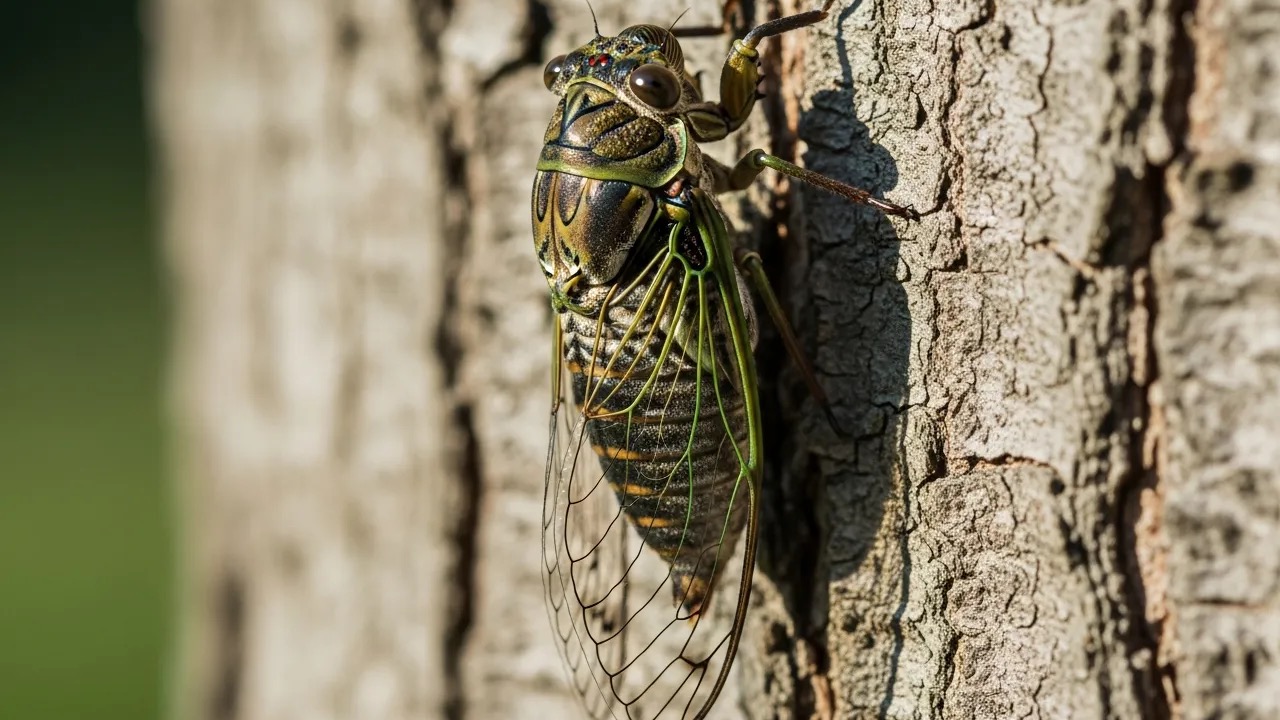
Insects
CCicada
Cicadidae
The loud summer singer with a long underground youth
Africa · Asia
Open guide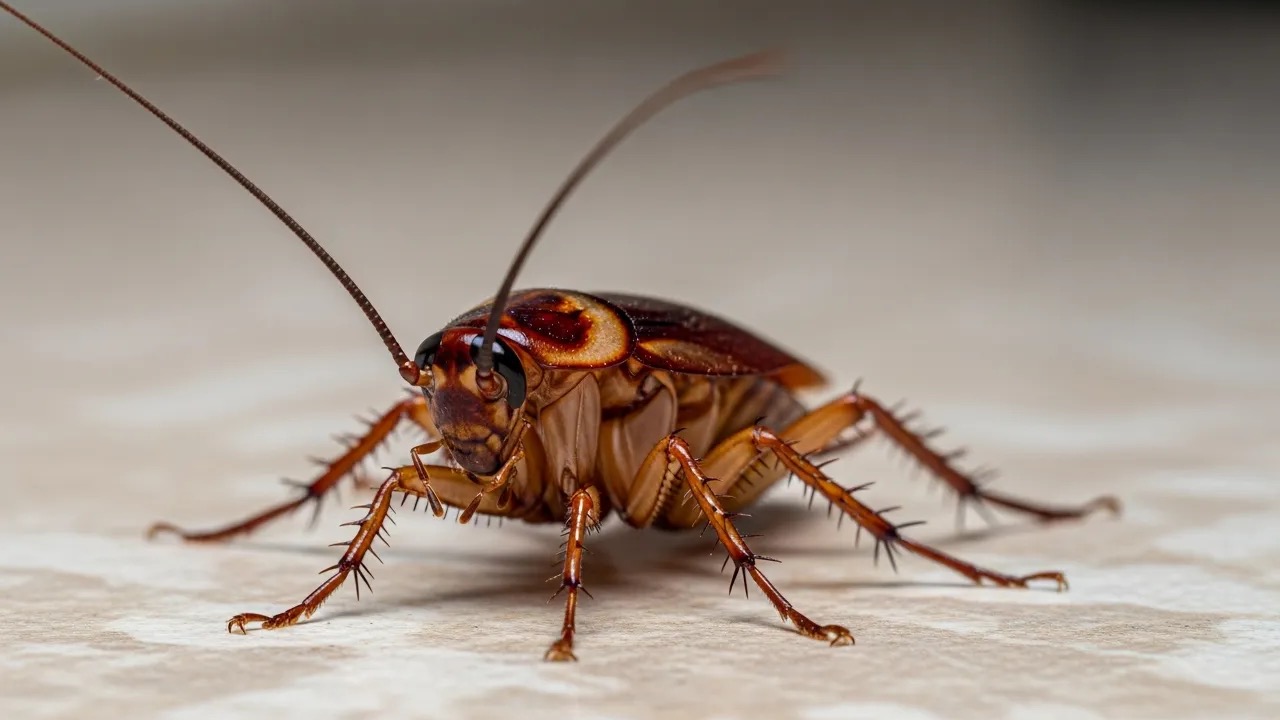
Insects
CCockroach
Blattodea
The hardy survivor that lives almost anywhere
Africa · Asia
Open guide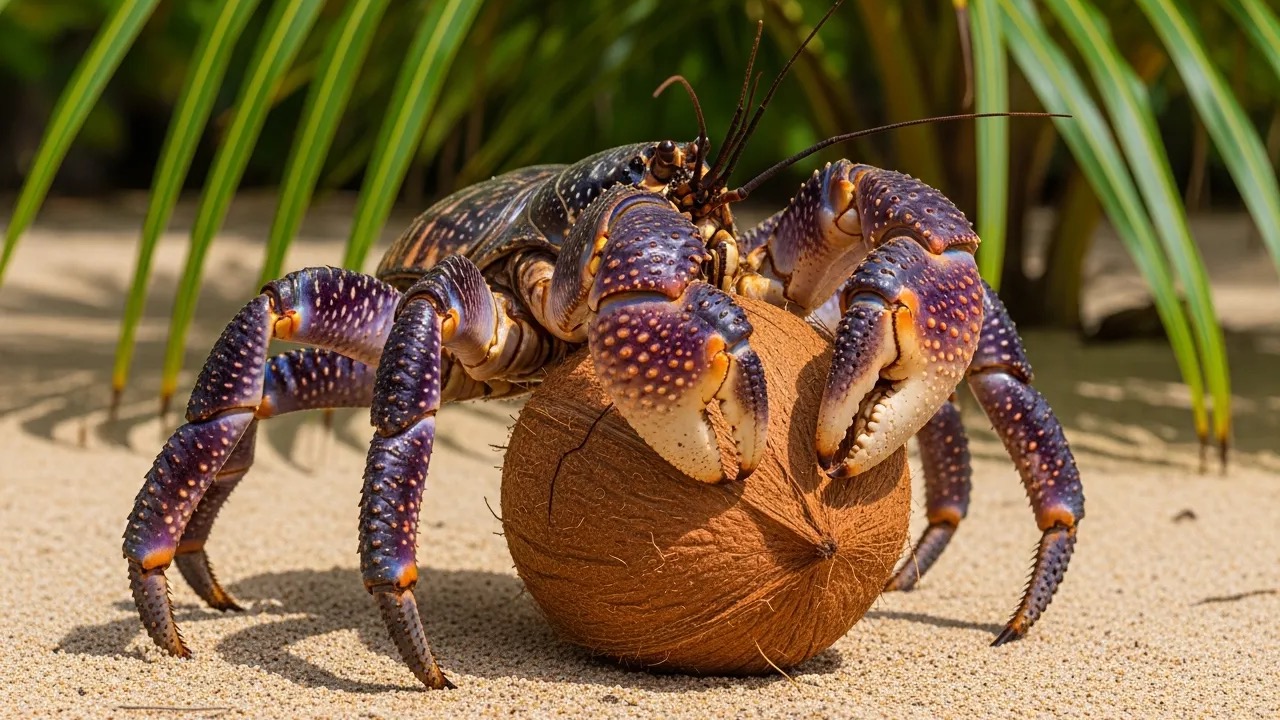
Crustaceans
CCoconut Crab
Birgus latro
The world's largest land arthropod and tree-climbing island giant
Asia · Oceans
Open guide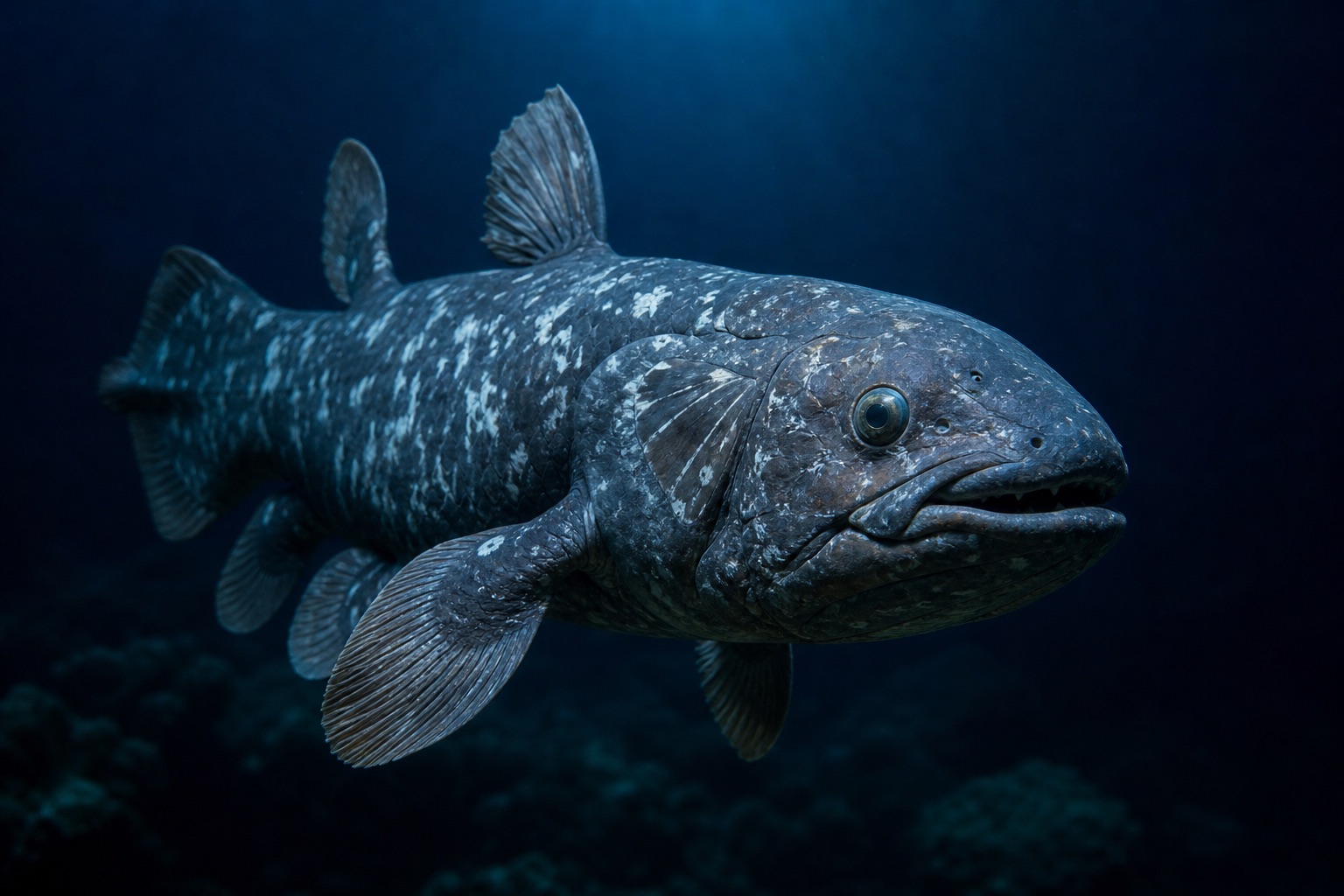
Other
CCoelacanth
Latimeria spp. — coelacanthiform lobe-finned fishes (two living species)
Assumed extinct for tens of millions of years until a fisherman landed one off South Africa on 22 December 1938.
Western Indian Ocean · Indonesia
Open guide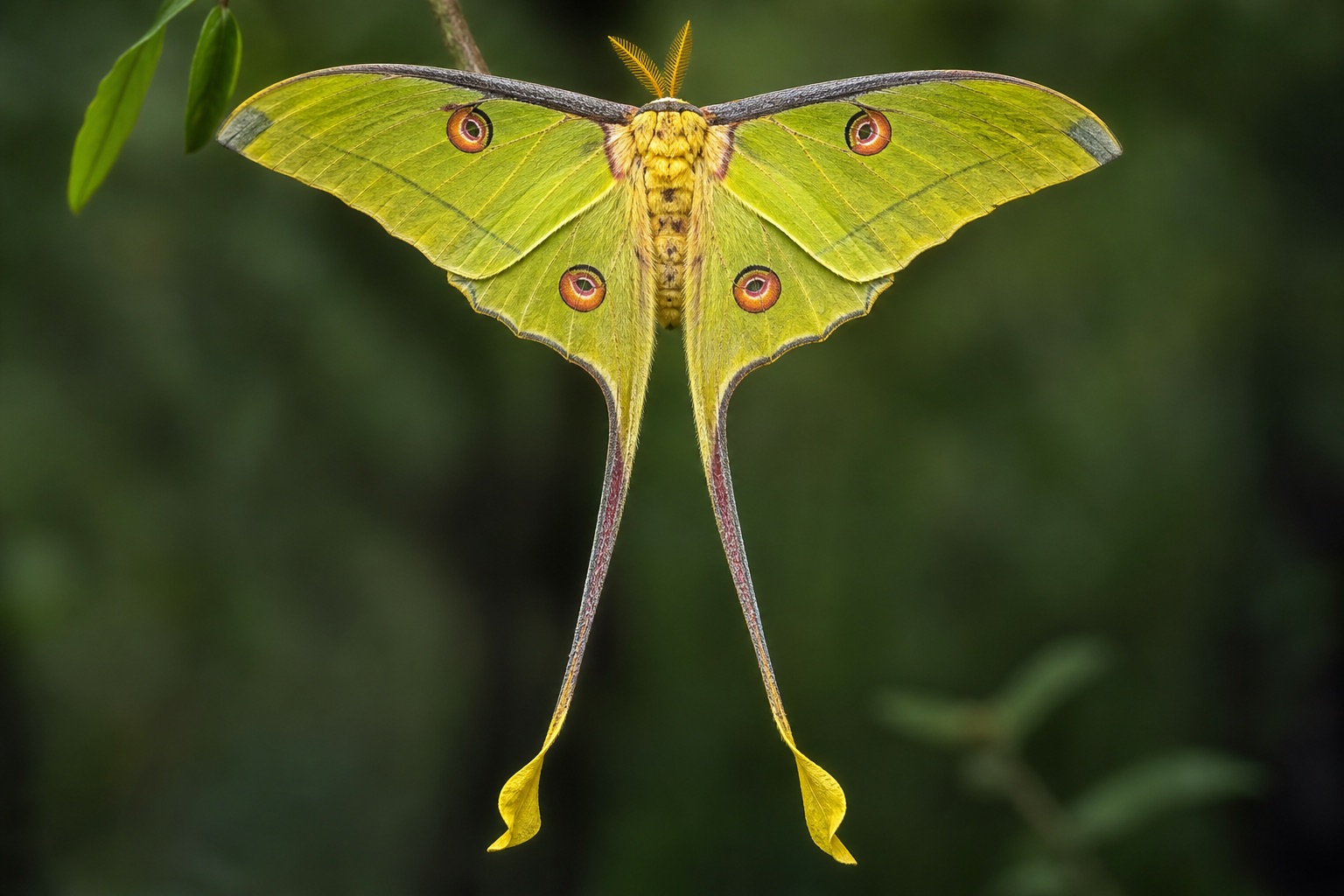
Insects
CComet Moth
Argema mittrei (Guérin-Méneville, 1847) — family Saturniidae
Madagascar's largest silk moth — tails up to 15 cm, and it cannot eat as an adult.
Madagascar · Eastern humid forest — very restricted range
Open guide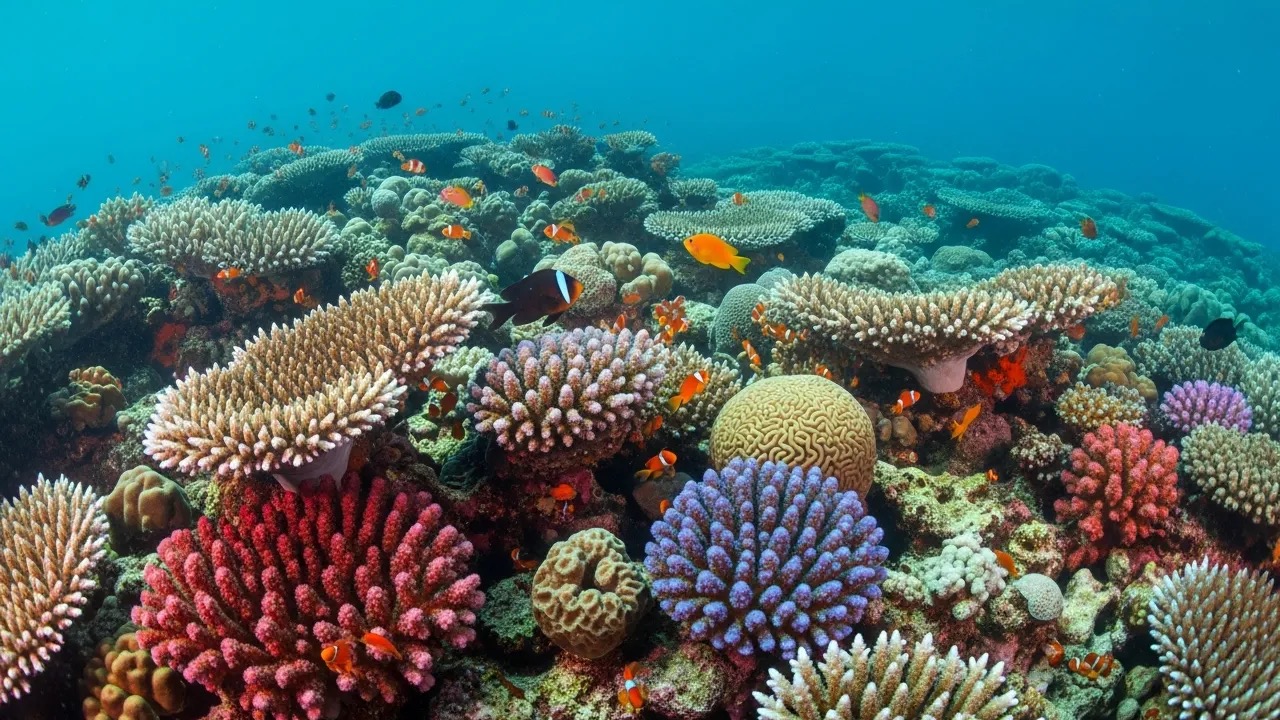
Cnidarians
CCoral
Anthozoa
The tiny reef-building animals of tropical seas
Oceans
Open guide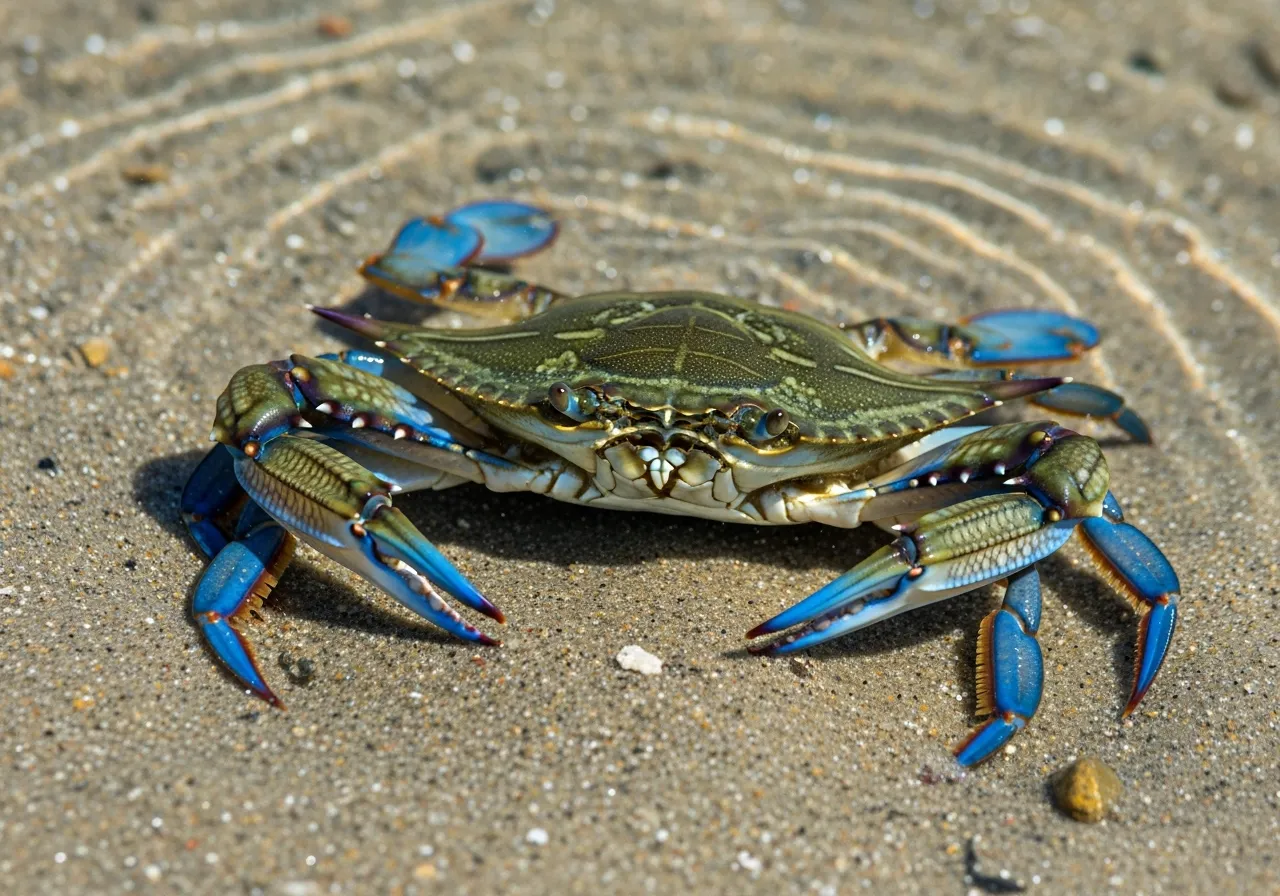
Crustaceans
CCrab
Infraorder Brachyura
Ten-legged, sideways-walking crustaceans found in nearly every watery habitat on Earth.
Oceans worldwide · Coastlines and estuaries
Open guide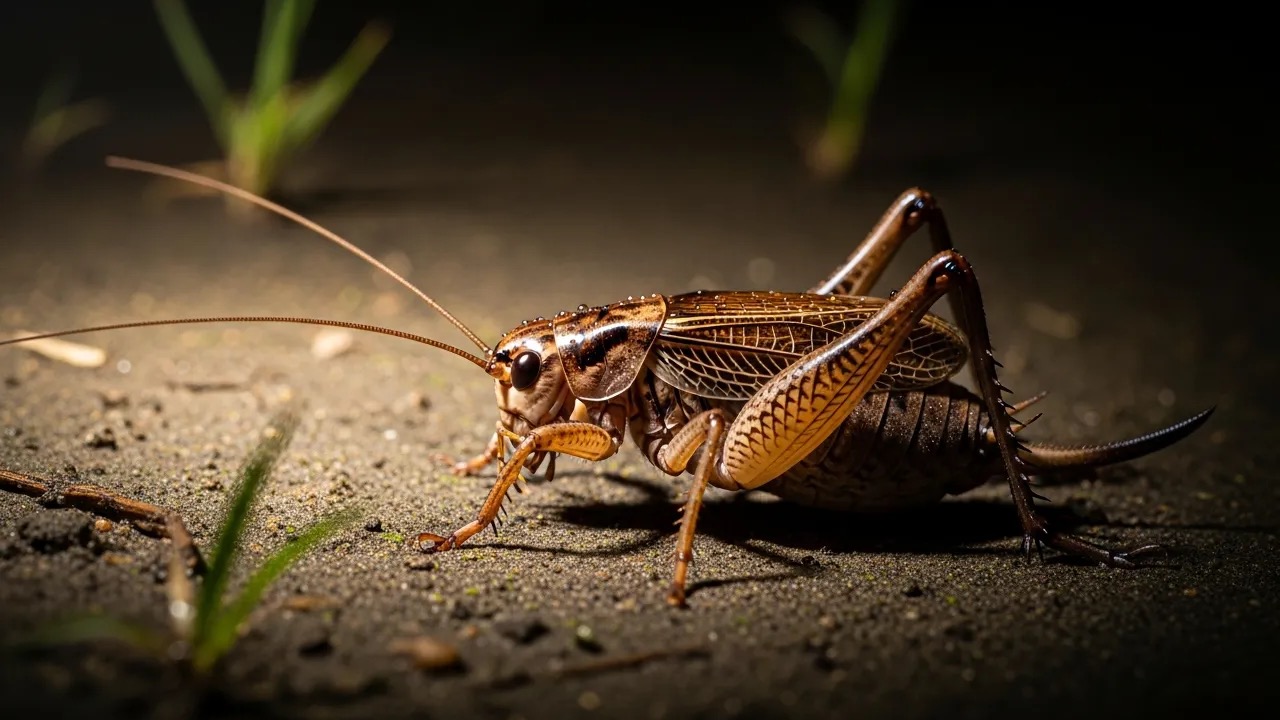
Insects
CCricket
Gryllidae
The chirping insect of warm evenings
Africa · Asia
Open guideQuick answers
- What is the difference between a bee and a wasp? Bees are usually hairy pollen collectors — many feed larvae pollen and nectar. Wasps are typically smoother, with narrower “waists” and often carnivorous or scavenging habits. Both can sting; most species are not aggressive unless provoked. Bees (Anthophila within Apoidea) usually feed larvae pollen and nectar — hairy bodies trap pollen.
- What is the difference between a butterfly and a moth? Butterflies usually hold wings upright at rest and have clubbed antennae; most moths rest with wings flat and have feathery or tapered antennae. Butterflies are mostly day-flying; most moths fly at night — exceptions exist on both sides. Butterflies and moths share scaled wings and caterpillar larvae — order Lepidoptera.
- What is the difference between an octopus and a squid? Octopuses have eight arms and no shell; squids have eight arms plus two longer feeding tentacles and an internal pen (shell remnant). Octopuses are solitary benthic crawlers; squids are active open-water swimmers often found in schools. Octopuses and squids are cephalopod molluscs — jet-propelled, colour-changing predators with large brains relative to body size.
- Why are coral reefs endangered? Coral reefs face warming oceans (coral bleaching), acidification, pollution, overfishing and physical damage. Climate change is the overarching threat — even protected reefs bleach when sea temperatures spike. Corals are animals hosting symbiotic algae providing colour and food. Heat stress expels algae — bleaching turns reefs white; repeated events kill centuries-old structure.
Habitat simplification decides most invertebrate futures
Pesticides, reef bleaching, overfishing of krill and crustaceans, and the loss of flower-rich habitat remove invertebrates before most people notice — until pollination, water filtration or whale food webs fail.
Free, sourced guides exist so readers can replace myths with mechanisms — and so every page can still route toward habitat and rescue funding when someone is ready to act.
Invertebrates: frequently asked questions
What belongs in this section?
How are types different from taxonomy?
Does every guide appear in a type?
Are the facts sourced?
How can I help threatened species in this group?
Where else should I look?
Keep exploring
-
Animals A–Z
Searchable encyclopaedia of every species guide, plus dedicated letter URLs such as animals that start with A and N.
-
Animals that start with A
Homework letter encyclopaedia: Aardvark, Axolotl, Aye-aye and the other A guides — not a census.
-
Animals that start with N
Homework letter encyclopaedia: Narwhal, Naked Mole-Rat, Nautilus and the other N guides.
Fish
Sharks, reef, freshwater and deep-sea type pages.
Extinct animals
Finished stories with living parallels still on this site.
Glossary
Red List categories, CITES appendices and more.
All wildlife guides
Hubs for birds, mammals, fish and more.
Donate
Fund partner-led rescue and habitat work.