Invertebrates · 8 species guides
Molluscs: Octopuses, Squid, Snails & Clams
Molluscs are soft-bodied invertebrates that include octopuses, squid, cuttlefish, snails, slugs, clams and giant clams; many have a shell secreted by a mantle, while cephalopods are active marine predators with complex behaviour, ink defences and camera-like eyes.
- Soft body and mantle
- A muscular mantle covers the body and may secrete a shell. Insects and crustaceans use hard external cuticle instead.
- Cephalopod arms
- Octopuses typically have eight arms; squid and cuttlefish have eight arms plus two longer tentacles.
- Shell presence
- Snails and clams usually show obvious shells; octopuses lack an external shell; cuttlefish have an internal cuttlebone.
- Eyes
- Cephalopods have complex camera eyes; many other molluscs have simpler eyespots.
Molluscs range from garden snails to open-ocean squid. The mantle, radula in many lineages, and soft body are shared; shells may be external, internal or absent. Octopus versus squid versus cuttlefish is the cephalopod confusion set. Giant clams and overfished snails show that shellfish are not inexhaustible.
Cephalopods are short-lived and highly intelligent by invertebrate standards. Many shelled species face ocean acidification because calcium carbonate becomes harder to form as seawater pH falls. Garden snails belong to the same phylum as octopuses — a fact that reframes what “mollusc” means for readers who only know seafood. This type page separates the everyday groups; species guides carry harvest and Red List detail. WARN mollusc guides linked from this page cover octopuses, squid, cuttlefish, snails and giant clams with harvest and acidification context where relevant. Seafood labels rarely explain life history; short-lived cephalopods and long-lived bivalves need different management assumptions when stocks are discussed.
Key facts
- Molluscs include cephalopods, gastropods and bivalves.
- Octopuses have eight arms; squid add two hunting tentacles.
- Giant clams are among the largest bivalves and need clear tropical water.
- Many cephalopods are short-lived and highly intelligent by invertebrate standards.
- Overfishing and ocean acidification threaten shelled species that build calcium carbonate.
- Garden snails are molluscs — the same phylum as octopuses.
How to recognise them
The features that separate this group in the field, in the order they are usually most useful.
- Soft body and mantle
- A muscular mantle covers the body and may secrete a shell. Insects and crustaceans use hard external cuticle instead.
- Cephalopod arms
- Octopuses typically have eight arms; squid and cuttlefish have eight arms plus two longer tentacles.
- Shell presence
- Snails and clams usually show obvious shells; octopuses lack an external shell; cuttlefish have an internal cuttlebone.
- Eyes
- Cephalopods have complex camera eyes; many other molluscs have simpler eyespots.
- The confusion pairs
- Octopus versus squid: body shape and tentacles. Snail versus slug: shell present versus reduced or absent.
8 molluscs guides
Search or filter by conservation status. Every guide carries sourced facts, IUCN status and FAQs.
Common names, scientific names and places are searchable.
Showing 1–8 of 8 guides
Invertebrates
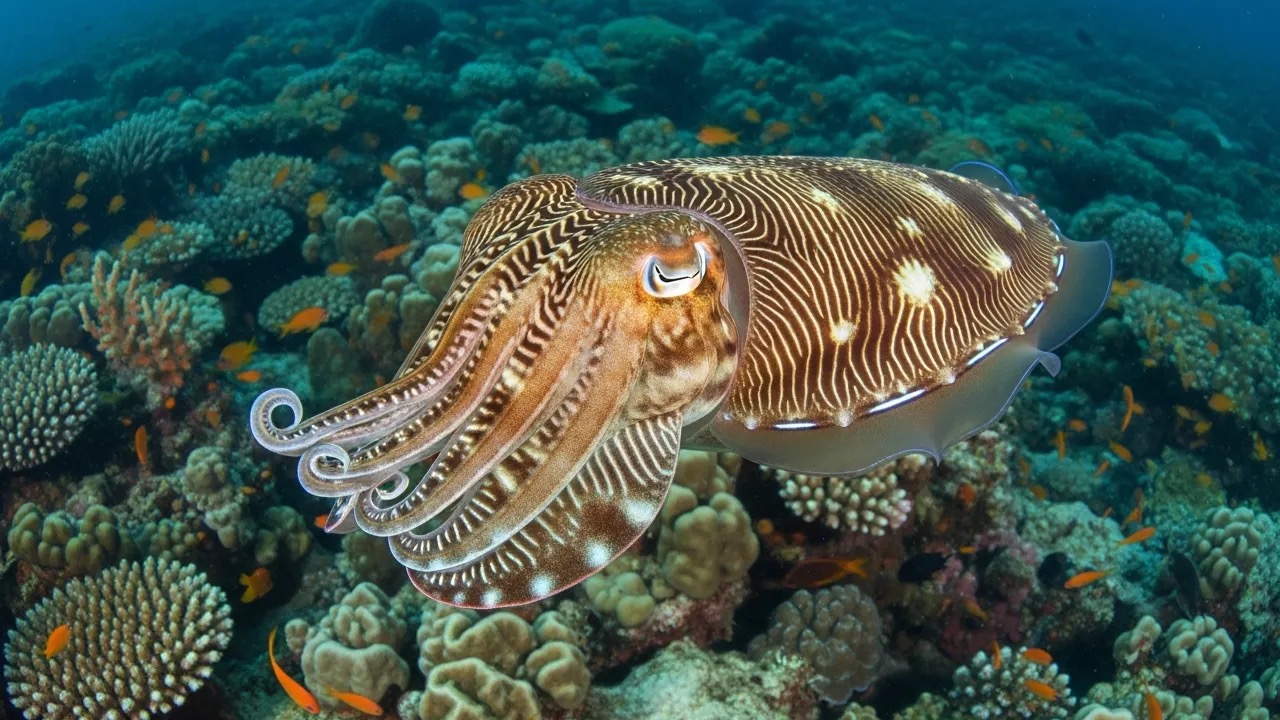
CCuttlefish
Sepia officinalis
The color-changing master of camouflage
Oceans
Open guide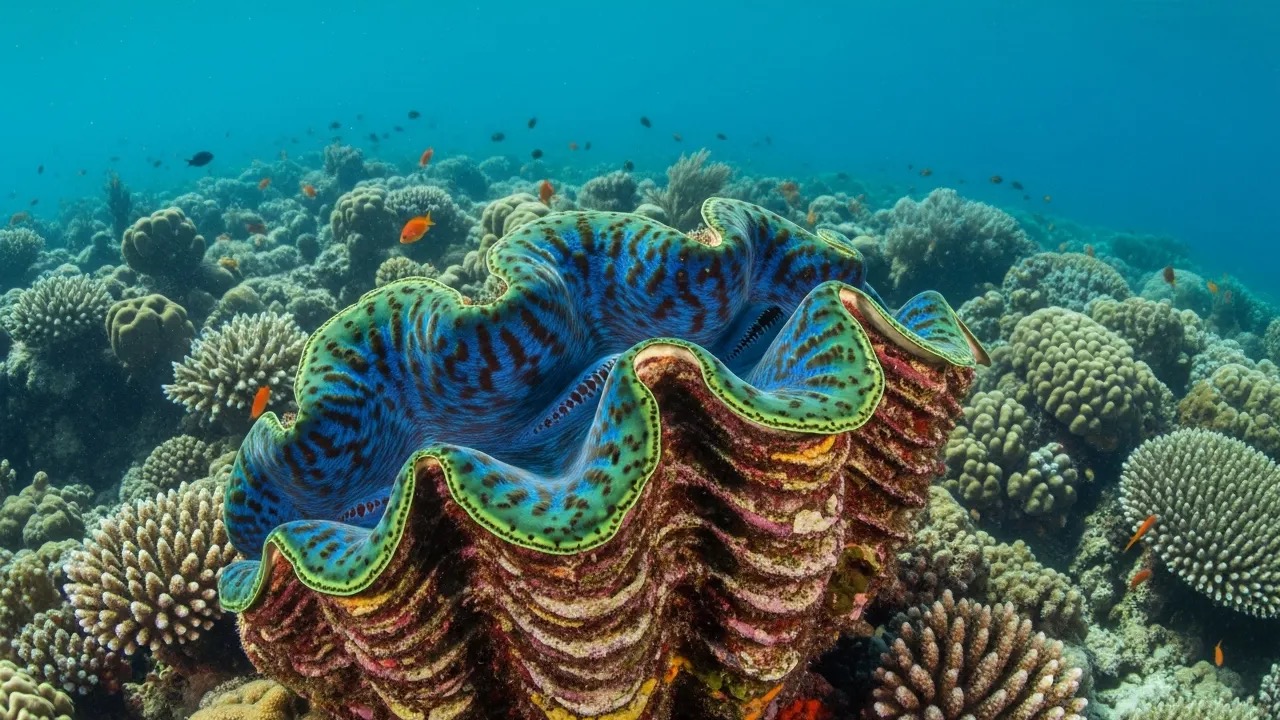
Invertebrates
GGiant Clam
Tridacna gigas
The reef-dwelling giant of the mollusks
Oceans · Oceania
Open guide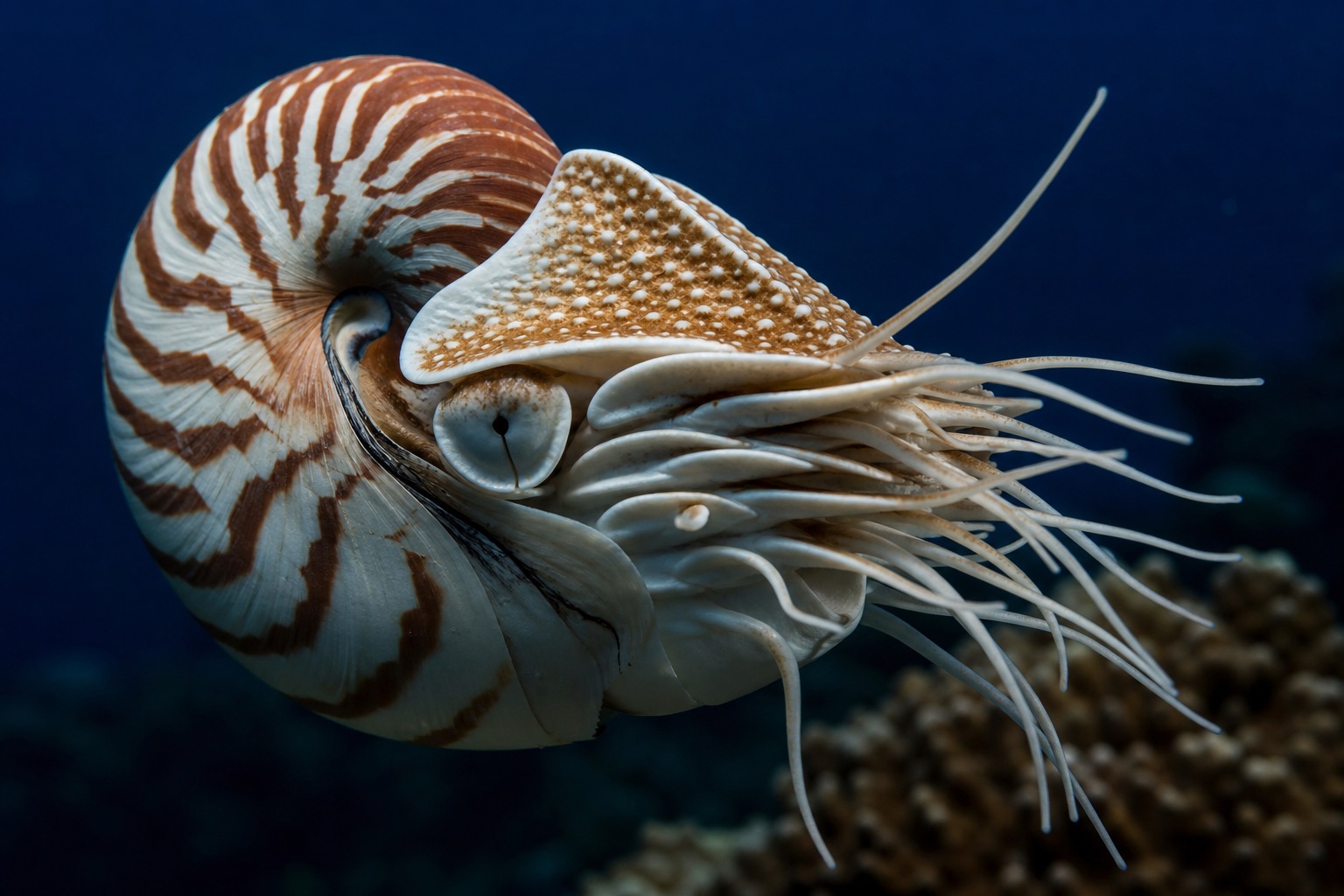
Invertebrates
NNautilus
Nautilus pompilius (Linnaeus, 1758) — family Nautilidae; genus Nautilus among six living nautiloid species
The only living cephalopod with an external shell — pinhole eyes, ancient lineage, modern trade pressure.
Indo-Pacific coral reefs and slopes · Philippines, Papua New Guinea, Australia and neighbouring waters
Open guide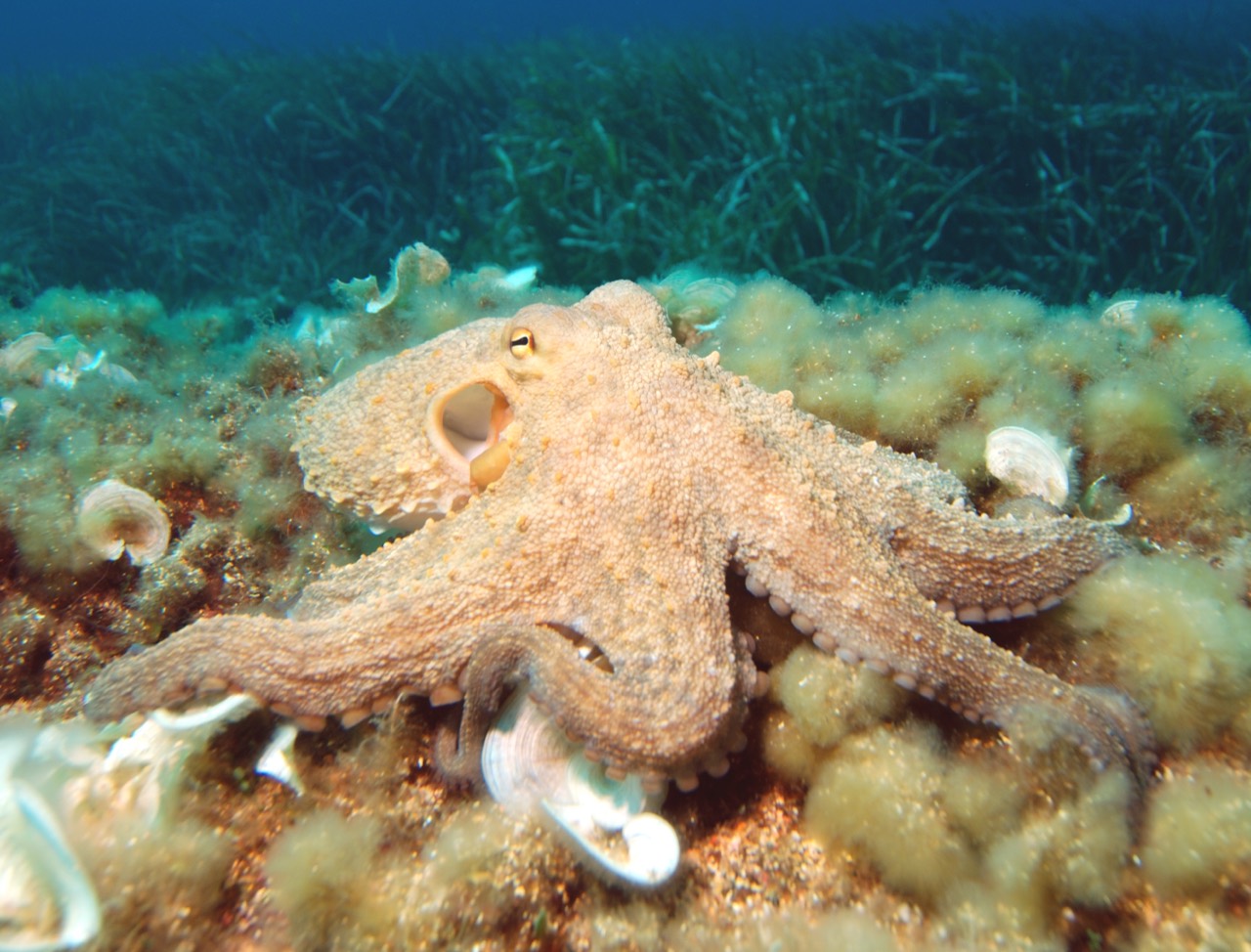
Invertebrates
OOctopus
Octopoda
Eight arms, three hearts, blue blood, and one of the sharpest minds in the sea.
Global oceans
Open guide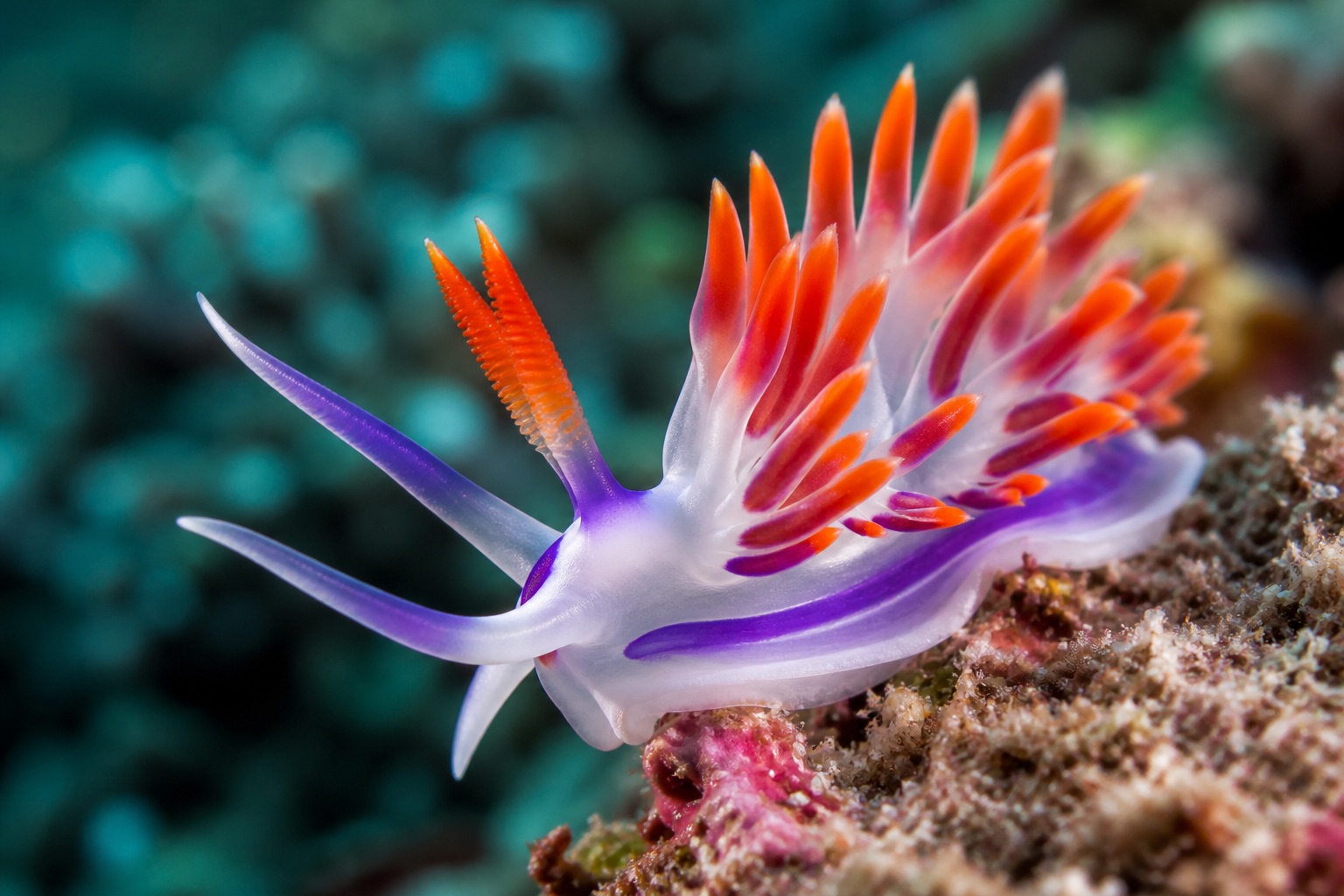
Invertebrates
SSea Slug
Clade Nudibranchia — over 3,000 described species in order Nudibranchia
A shell-less mollusc that can steal chloroplasts from algae — or weapons from jellyfish relatives.
World oceans · Shallow reefs and temperate coasts worldwide
Open guide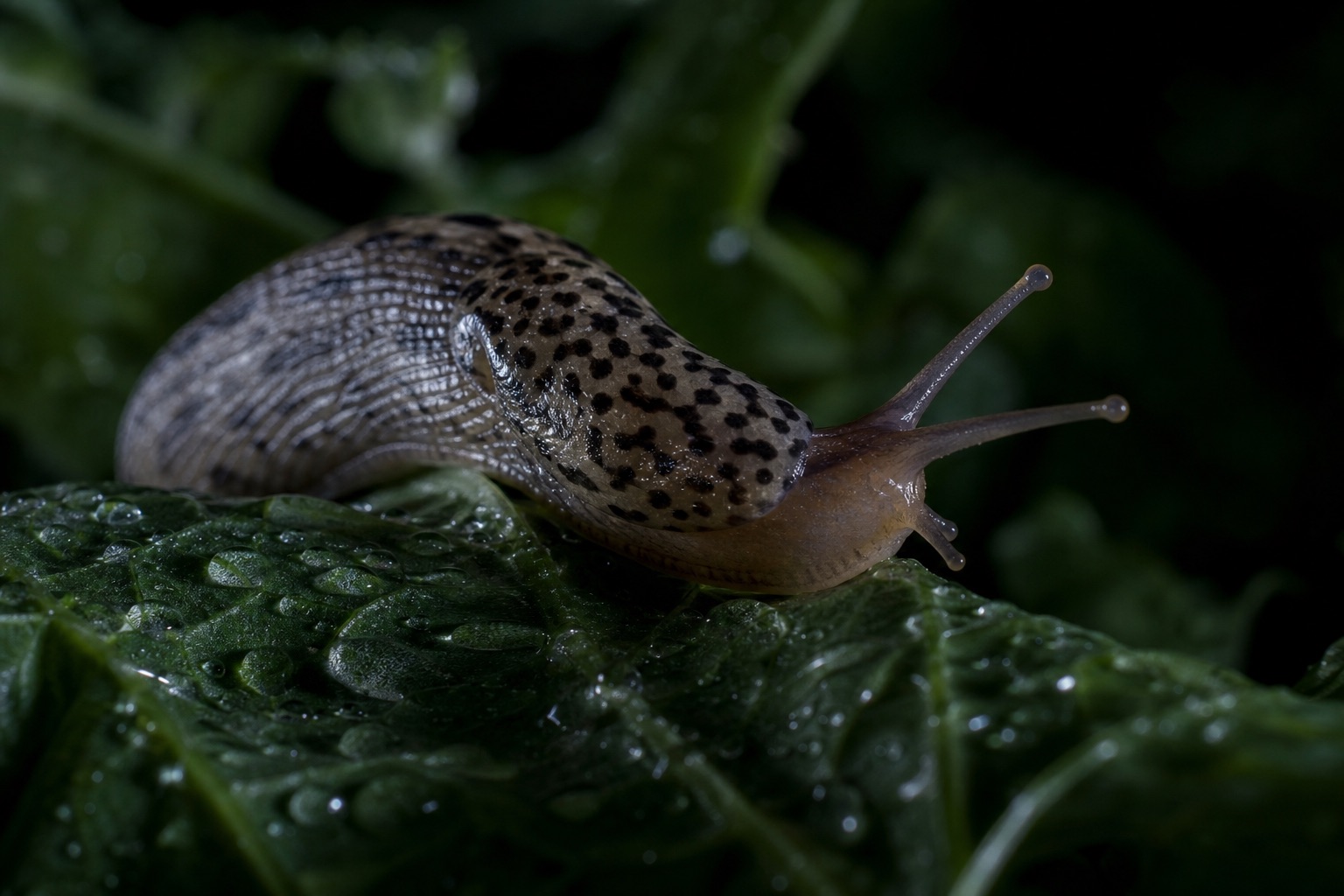
Invertebrates
SSlug
Shell-reduced gastropods — class Gastropoda; many families and independent origins
Snails that lost the shell — repeatedly, independently, and not always completely.
Worldwide in damp habitats · Greatest diversity in temperate and tropical forests
Open guide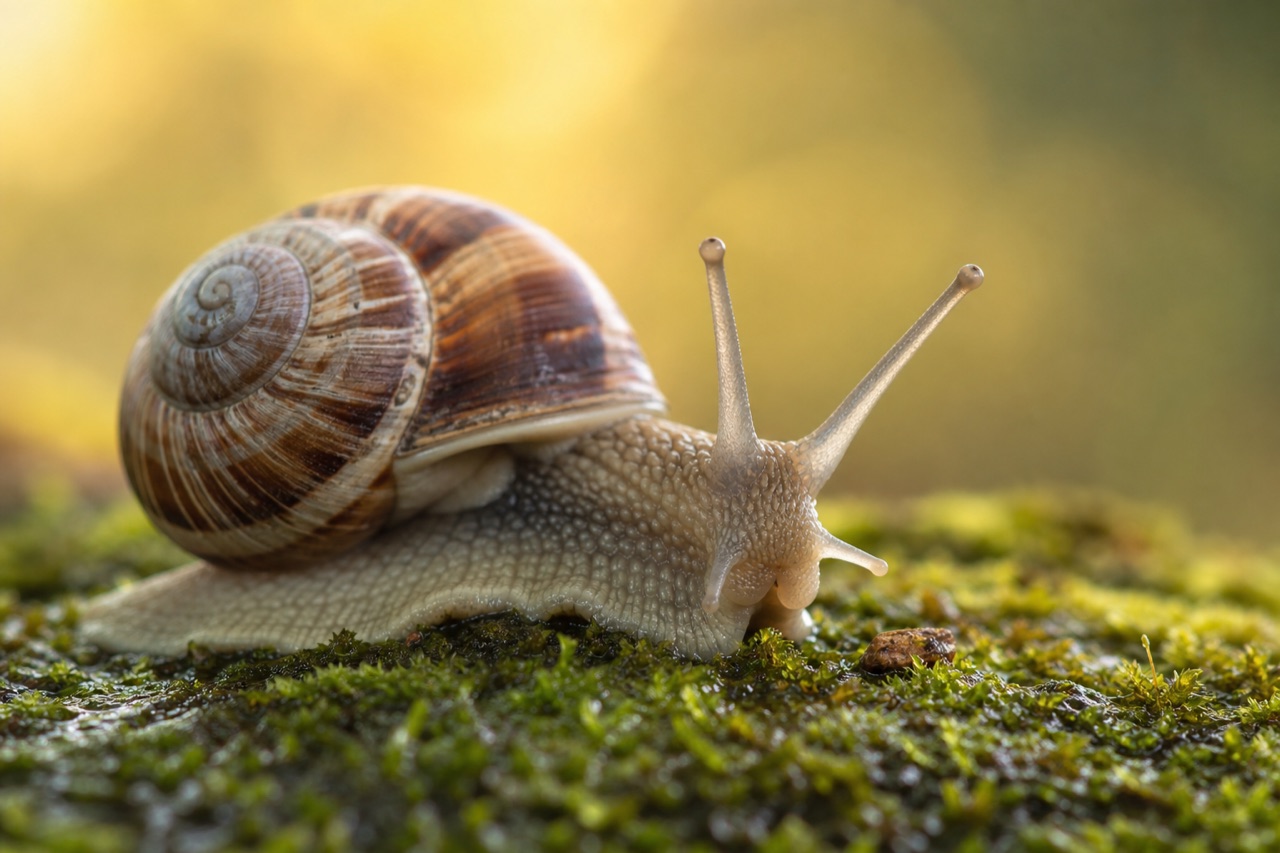
Invertebrates
SSnail
Class Gastropoda (shelled members) — tens of thousands of land, freshwater and marine species
A single muscular foot, a tongue with thousands of teeth, and the group with more recorded extinctions than any other.
Worldwide — land, freshwater and marine · Greatest land-snail diversity on oceanic islands and limestone hills
Open guide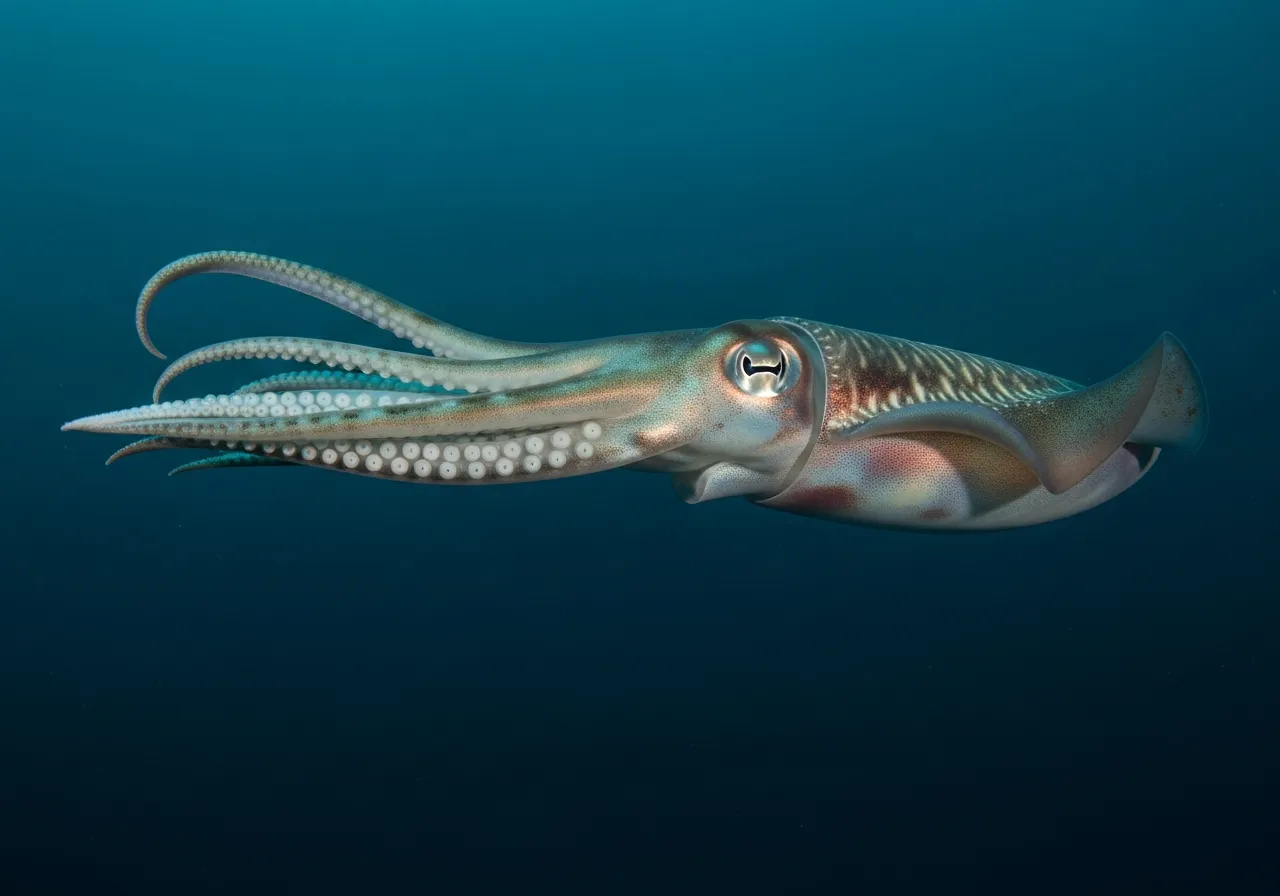
Invertebrates
SSquid
Order Teuthida
Jet-propelled cephalopods with colour-changing skin and the largest eyes on Earth.
Atlantic Ocean · Pacific Ocean
Open guideConservation: what this group faces
Molluscs with shells face ocean acidification and harvesting; cephalopods face fishing pressure and bycatch. Short lifespans can mask decline until catch rates fall suddenly.
Molluscs: frequently asked questions
What is a mollusc?
What is the difference between octopus and squid?
Is a squid a fish?
Do octopuses have shells?
Why do shells dissolve in acidifying oceans?
Are giant clams endangered?
Other types of invertebrates
-
Insects
Six-legged arthropods — bees, butterflies, beetles, ants, dragonflies and more.
-
Arachnids
Eight-legged arthropods — spiders, scorpions, ticks and harvestmen.
-
Crustaceans
Jointed aquatic arthropods — crabs, lobsters, krill, shrimp and barnacles.
-
Cnidarians
Stinging-celled animals — corals, jellyfish, anemones and hydroids.
-
Microscopic invertebrates
Animals visible only with magnification — tardigrades, rotifers and meiofauna.