Invertebrates · 41 species guides
Insects: Bees, Beetles, Butterflies & Ants
Insects are six-legged arthropods with three body segments, including bees, butterflies, moths, beetles, ants, dragonflies, mantises, stick insects, flies and bugs; they are the most species-rich animal group on land and the base of most terrestrial food webs.
- Six legs, three parts
- Head, thorax and abdomen with six legs. Spiders have eight legs and two main body regions.
- Wings
- Most adult insects have one or two pairs of wings; beetles hide the flight wings under hardened elytra.
- Bee versus wasp
- Bees are usually hairier and more robust; many wasps are smoother with a sharper waist. Both can sting; behaviour and nest type differ.
- Butterfly versus moth
- Butterflies typically rest with wings closed and have clubbed antennae; many moths rest wings open and have feathery antennae — with exceptions.
Insects dominate animal diversity on land. Three body parts, six legs and usually wings separate them from spiders and crustaceans at a glance. Confusion pairs that drive search traffic — bee versus wasp, butterfly versus moth, ant versus termite — belong on a type page, not buried in a single species FAQ.
Beetles are the largest insect order by described species. Bees and many flies are major pollinators of wild and crop plants. Habitat loss, pesticides and light pollution drive declines in many monitored groups. Stick insects and mantises illustrate camouflage and ambush respectively. When insect biomass falls, birds, bats and crops feel it next. Use this page for the six-leg rules, then open the species and family guides for status. WARN insect guides linked from this page cover bees, butterflies, moths, beetles, ants, dragonflies, mantises, stick insects and familiar household species. Gardeners deciding whether to kill a bee-like insect should check hairiness, waist shape and nest type before assuming every striped flyer is a wasp.
Key facts
- Insects have six legs and three body segments.
- Beetles are the largest insect order by described species.
- Bees and many flies are major pollinators of wild and crop plants.
- Butterflies and moths are both Lepidoptera; antennae and rest posture help separate them.
- Habitat loss and pesticides drive declines in many monitored insect groups.
- Stick insects and mantises are masters of camouflage and ambush respectively.
How to recognise them
The features that separate this group in the field, in the order they are usually most useful.
- Six legs, three parts
- Head, thorax and abdomen with six legs. Spiders have eight legs and two main body regions.
- Wings
- Most adult insects have one or two pairs of wings; beetles hide the flight wings under hardened elytra.
- Bee versus wasp
- Bees are usually hairier and more robust; many wasps are smoother with a sharper waist. Both can sting; behaviour and nest type differ.
- Butterfly versus moth
- Butterflies typically rest with wings closed and have clubbed antennae; many moths rest wings open and have feathery antennae — with exceptions.
- The confusion pairs
- Ladybird versus other beetles: dome and elytra spots. Dragonfly versus damselfly: dragonflies rest with wings open; damselflies usually fold them.
41 insects guides
Search or filter by conservation status. Every guide carries sourced facts, IUCN status and FAQs.
Common names, scientific names and places are searchable.
Showing 1–24 of 41 guides
Invertebrates
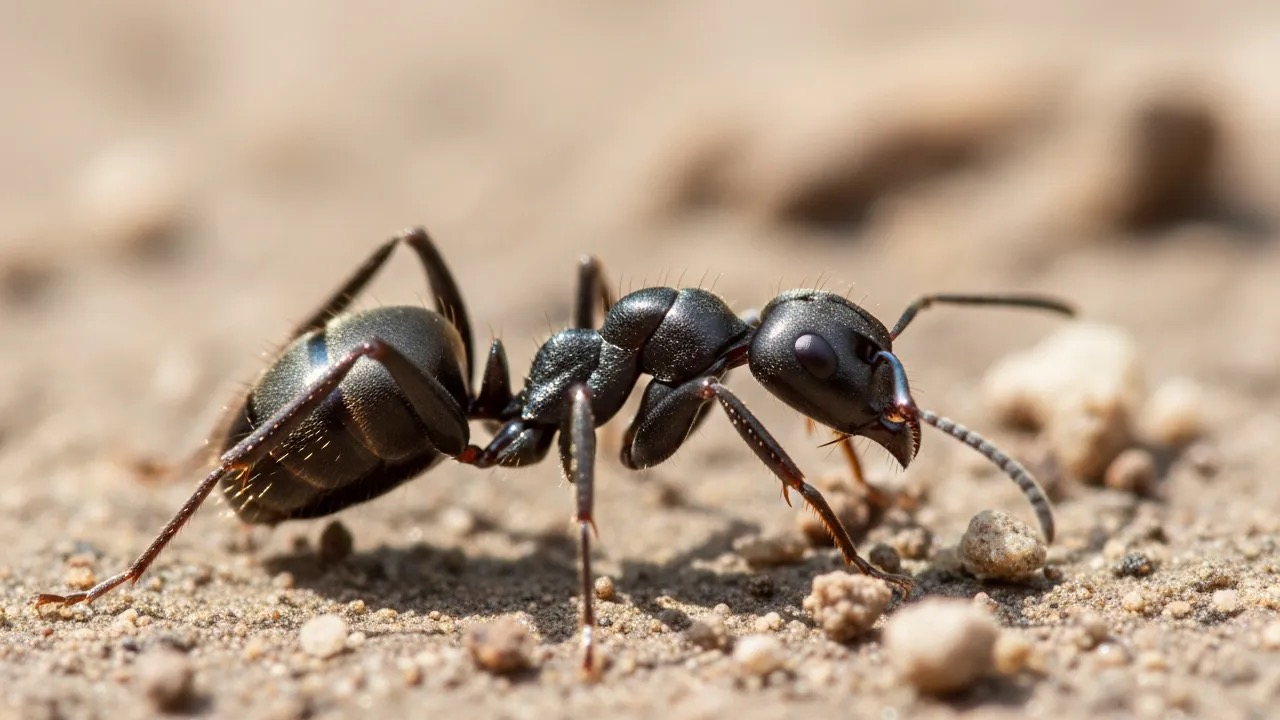
AAnt
Formicidae
The tireless team-working insect
Africa · Asia
Open guide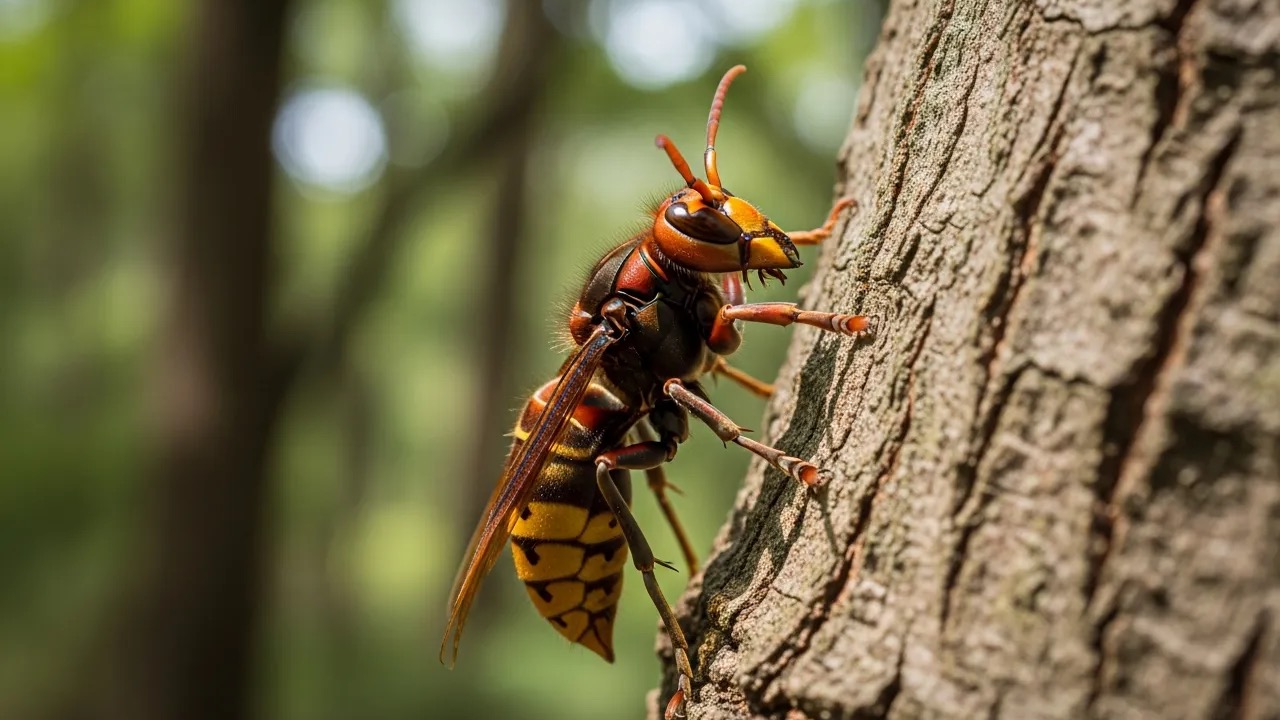
Invertebrates
AAsian Giant Hornet
Vespa mandarinia
The world's largest hornet
Asia
Open guide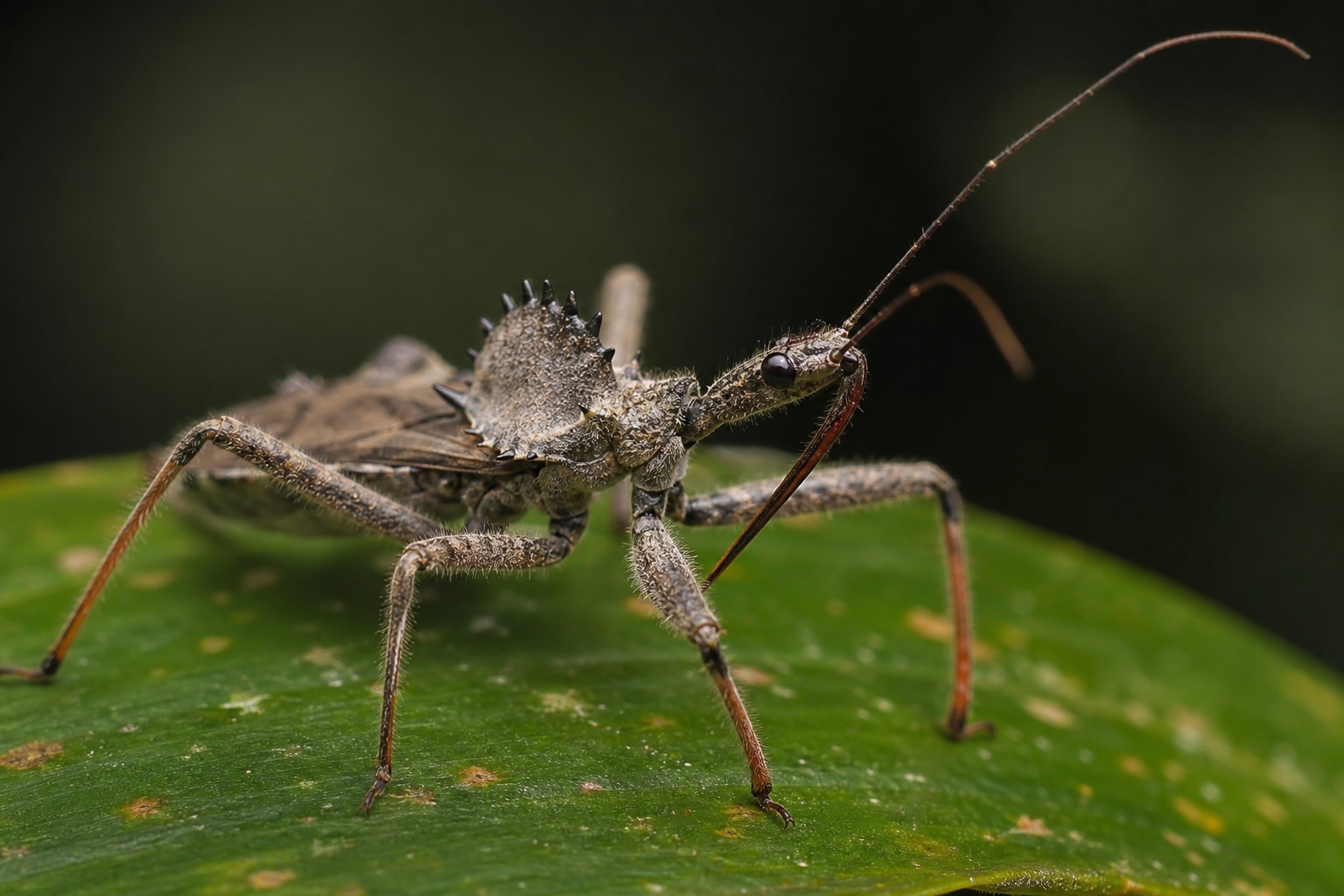
Invertebrates
AAssassin Bug
Family Reduviidae — over 7,000 described species worldwide
A predatory bug that stabs prey with a needle rostrum — and some species wear their victims as camouflage.
Worldwide in temperate and tropical regions · Gardens, woodland and scrub
Open guide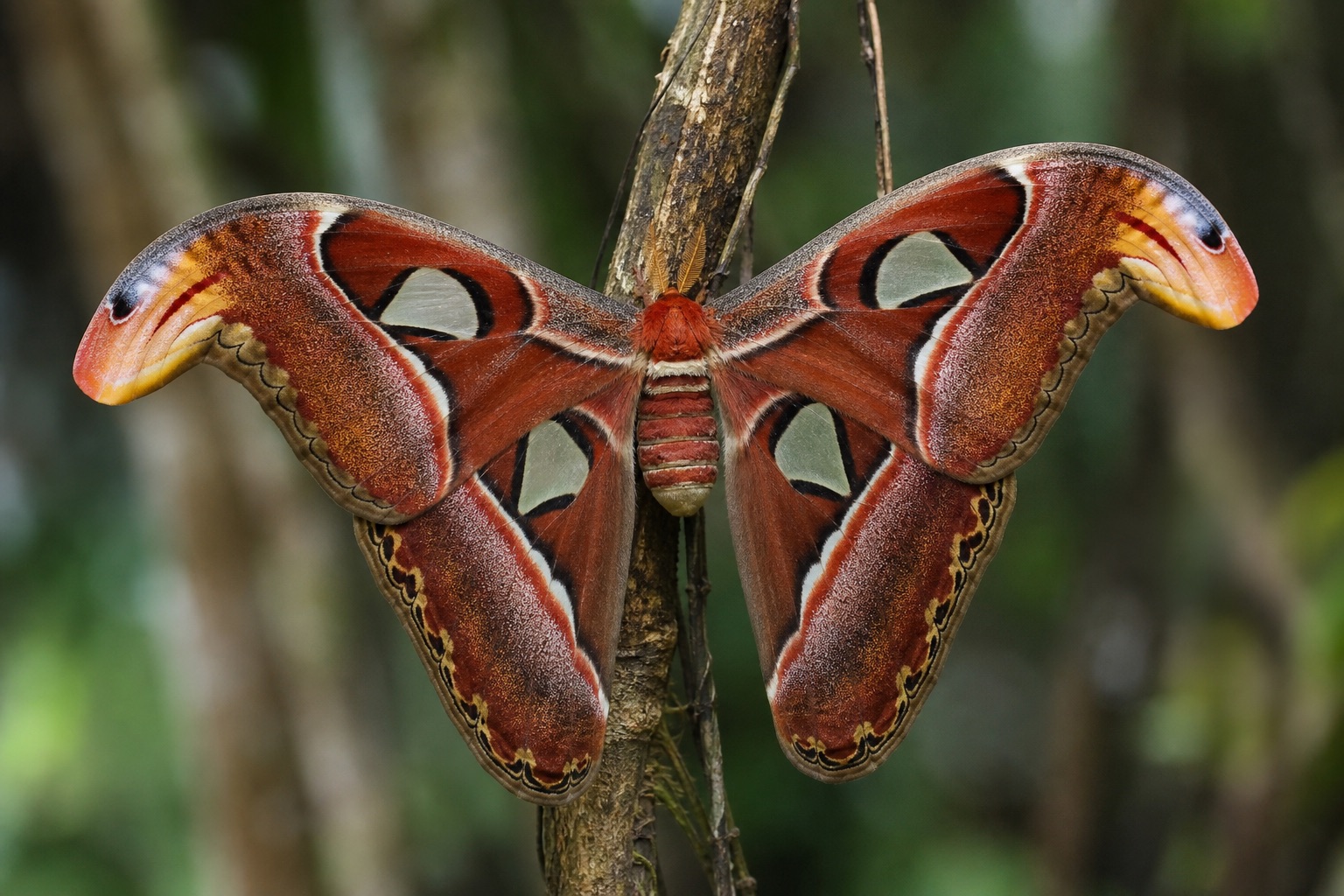
Invertebrates
AAtlas Moth
Attacus atlas (Linnaeus, 1758) — family Saturniidae
One of the largest moths on Earth — no mouthparts, living on larval fat for a week or two as an adult.
Southeast Asia · Borneo, Sumatra, Malay Peninsula and tropical Asia
Open guide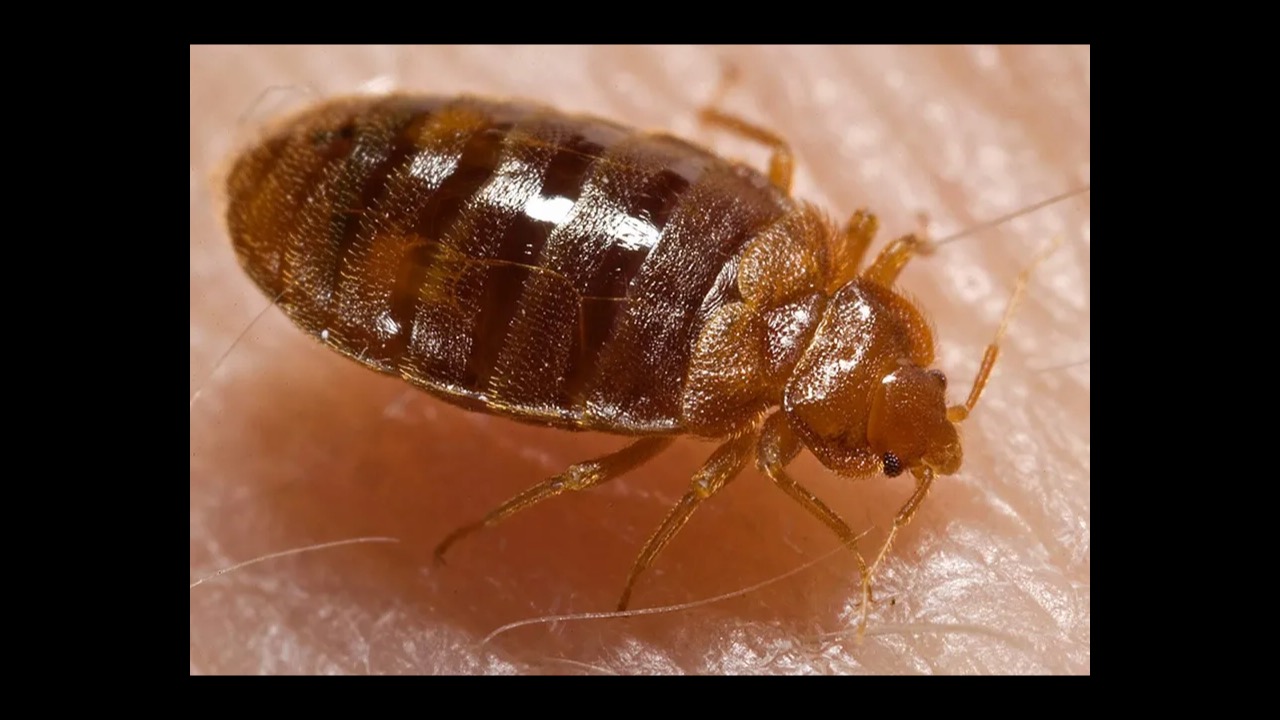
Invertebrates
BBed Bug
Cimex lectularius
The blood-feeding pest of mattresses worldwide
Africa · Asia
Open guide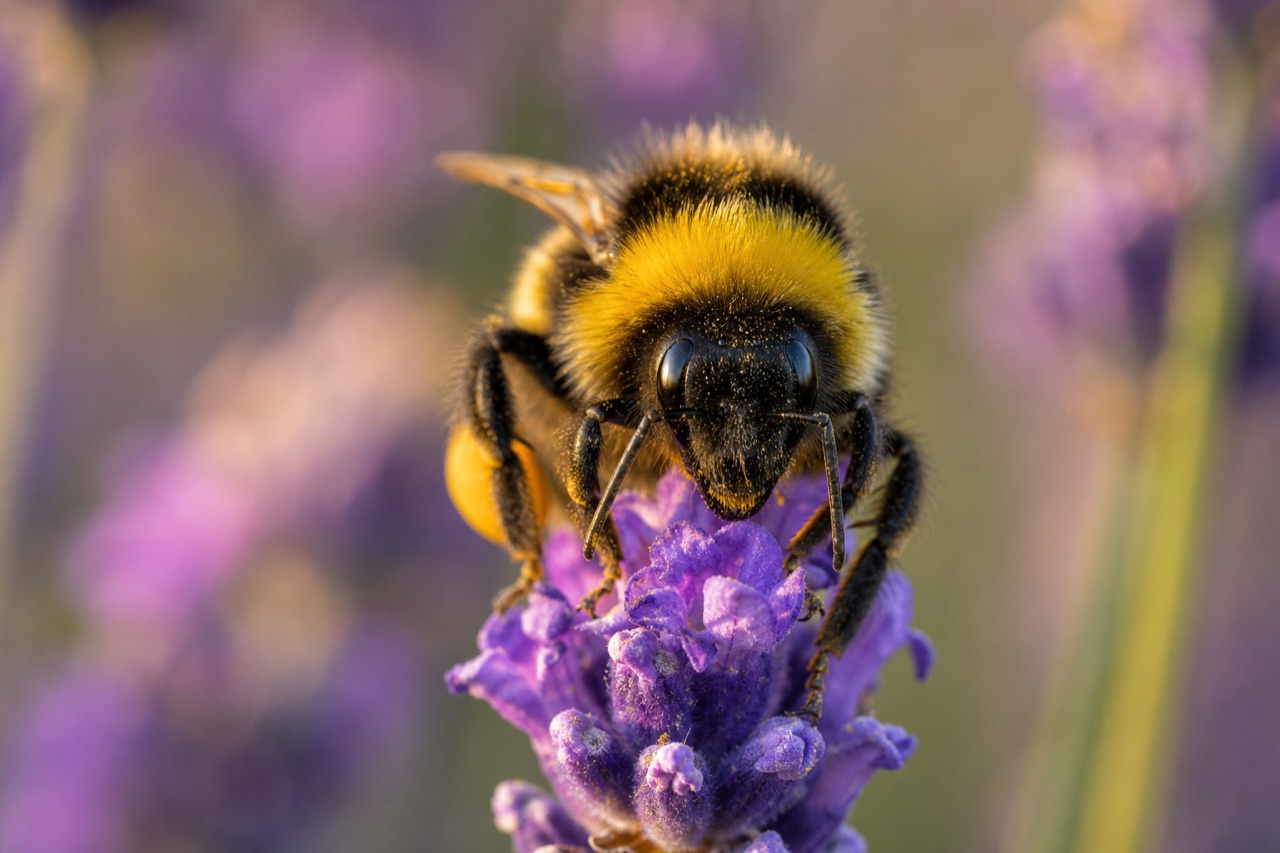
Invertebrates
BBee
Superfamily Apoidea — roughly 20,000 species; family Apidae includes honey bees, bumblebees and stingless bees
Twenty thousand species, one famous hive — and most of them live alone.
Worldwide except Antarctica · Most diverse in temperate and arid regions; critical in both wild and farmed landscapes
Open guide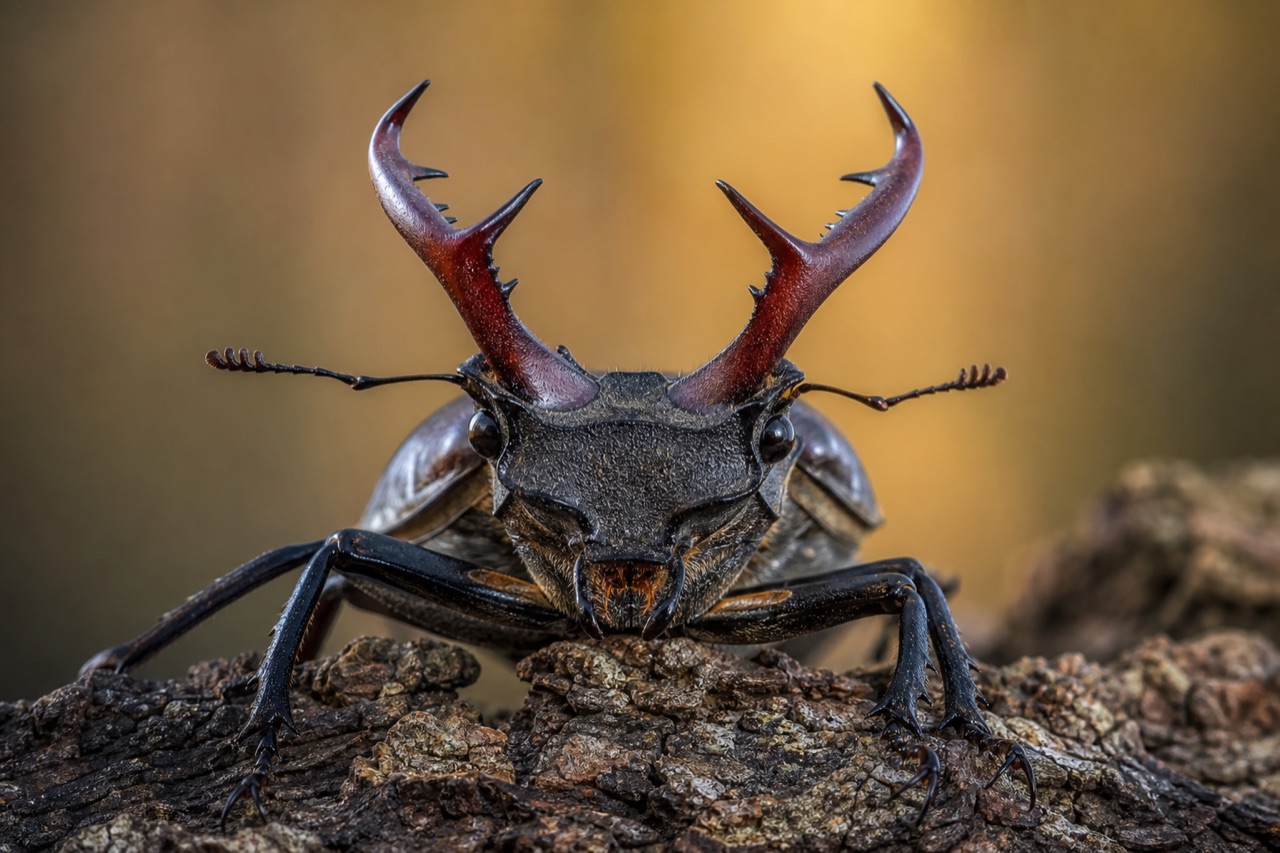
Invertebrates
BBeetle
Order Coleoptera — more than 400,000 described species; roughly one in four of all known animals
One in four known animal species wears hardened wing-cases — and that is a low estimate.
Every habitat on Earth except the open ocean · From arctic tundra to tropical rainforest canopies and desert dunes
Open guide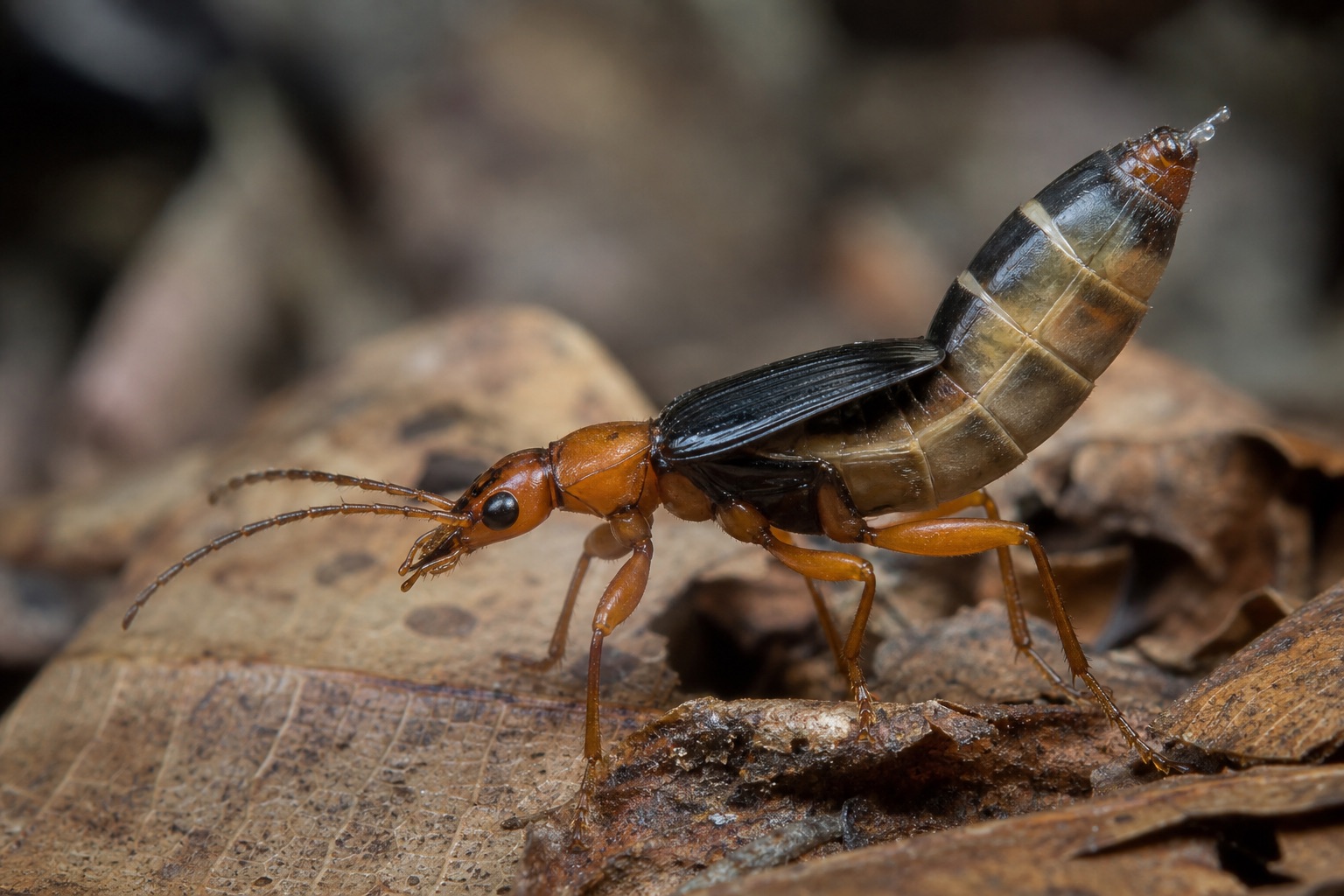
Invertebrates
BBombardier Beetle
Brachinus spp. and related genera — family Carabidae
A beetle that fires a near-boiling chemical spray from its abdomen — by mixing two reactants at the moment of attack.
Worldwide except Antarctica · Most diverse in temperate and tropical regions
Open guide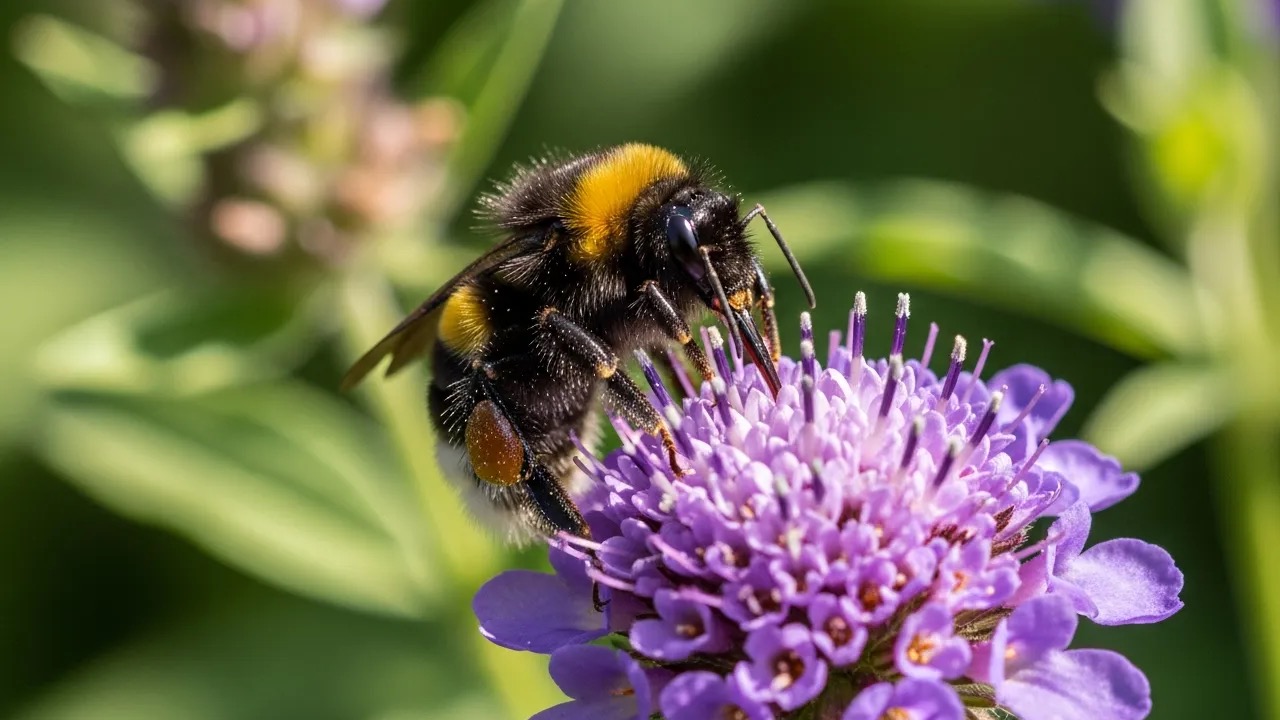
Invertebrates
BBumblebee
Bombus terrestris
The fuzzy, hard-working pollinator of meadows and gardens
Europe · Asia
Open guide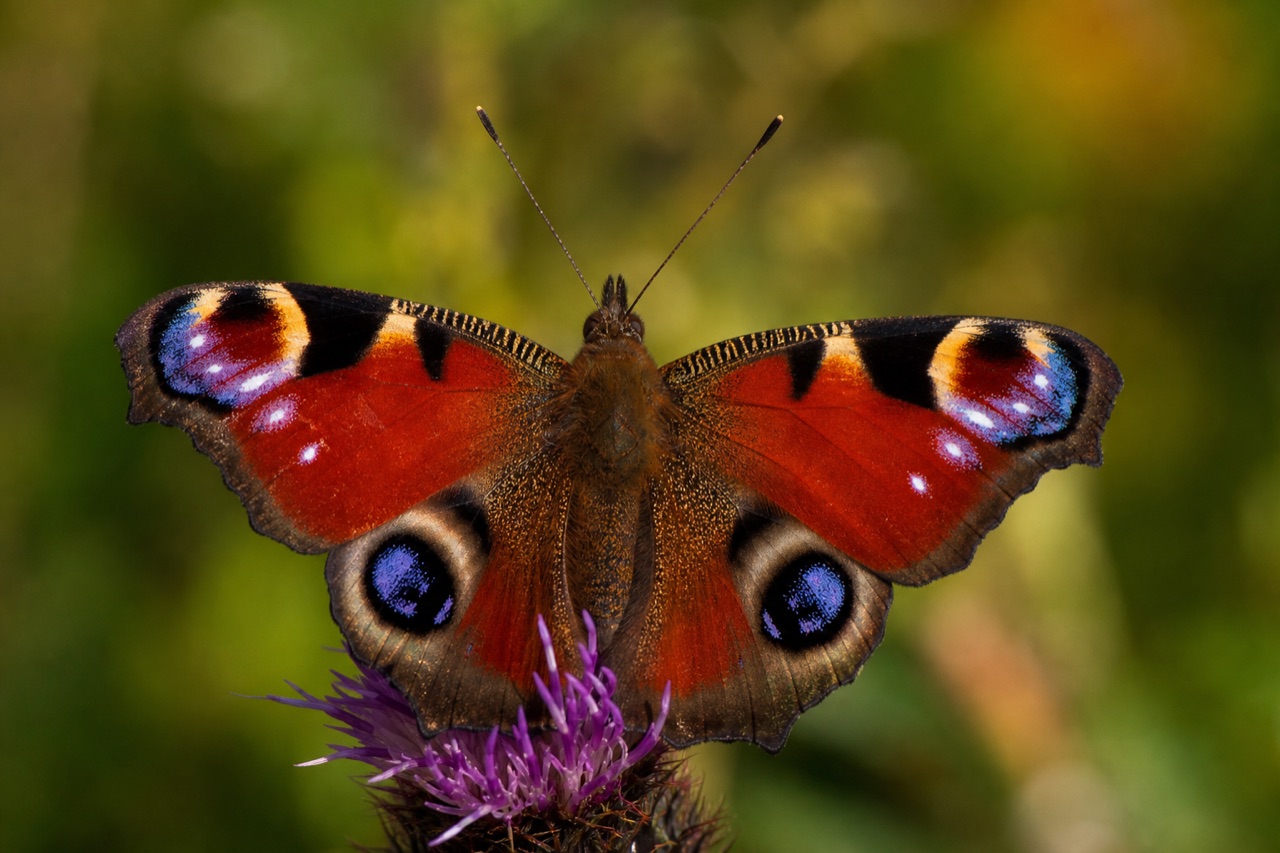
Invertebrates
BButterfly
Superfamily Papilionoidea — order Lepidoptera; roughly 19,000 described species
Around 19,000 species, four life stages, and one of the best early-warning systems ecologists have.
Every continent except Antarctica · Richest in tropical forests
Open guide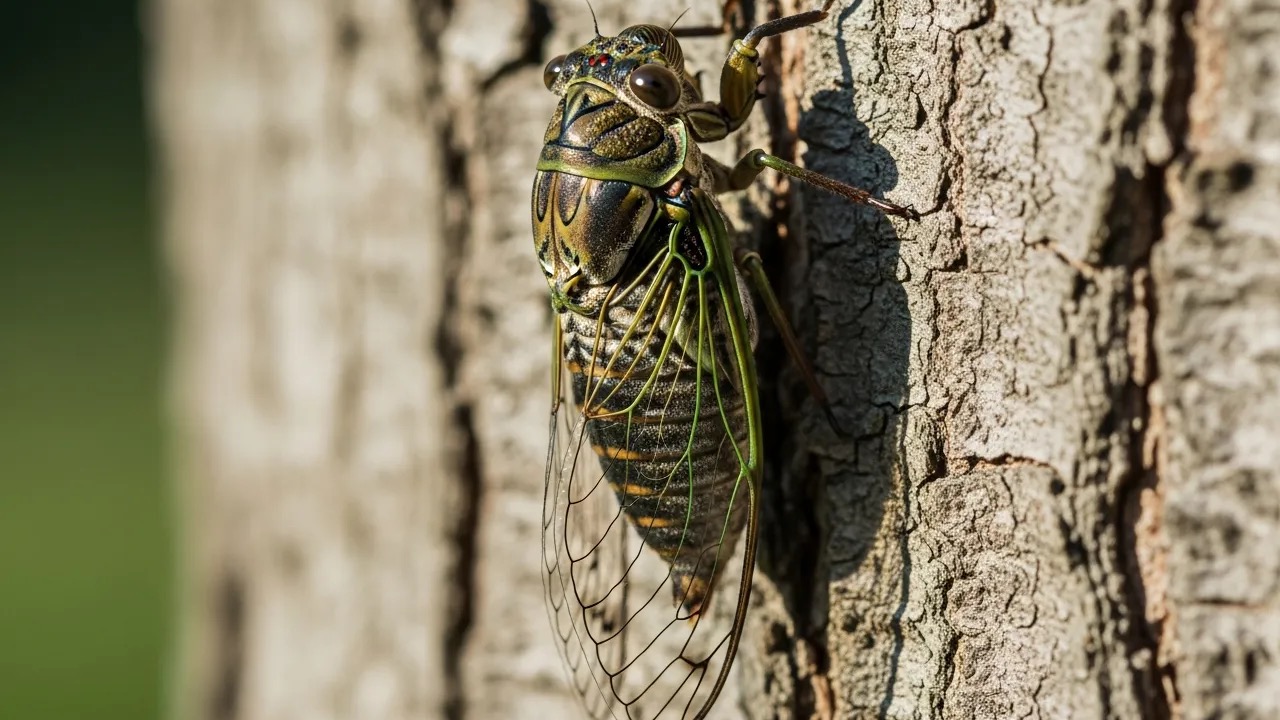
Invertebrates
CCicada
Cicadidae
The loud summer singer with a long underground youth
Africa · Asia
Open guide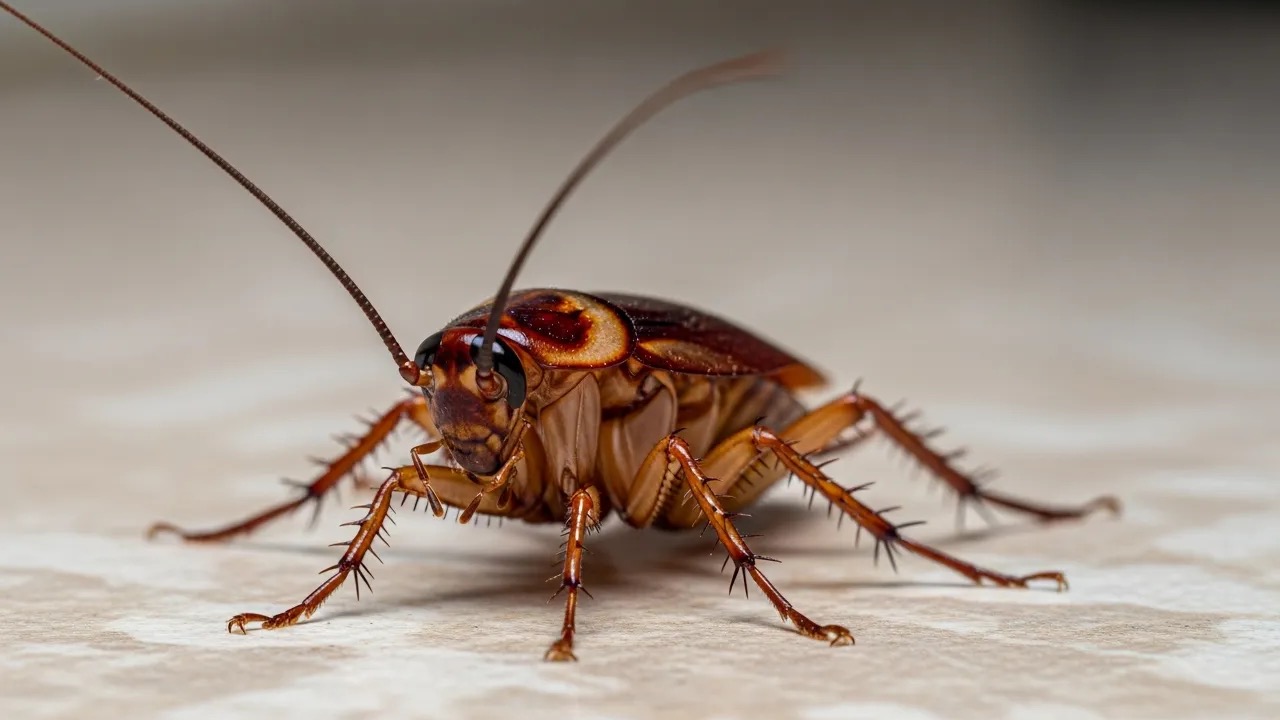
Invertebrates
CCockroach
Blattodea
The hardy survivor that lives almost anywhere
Africa · Asia
Open guide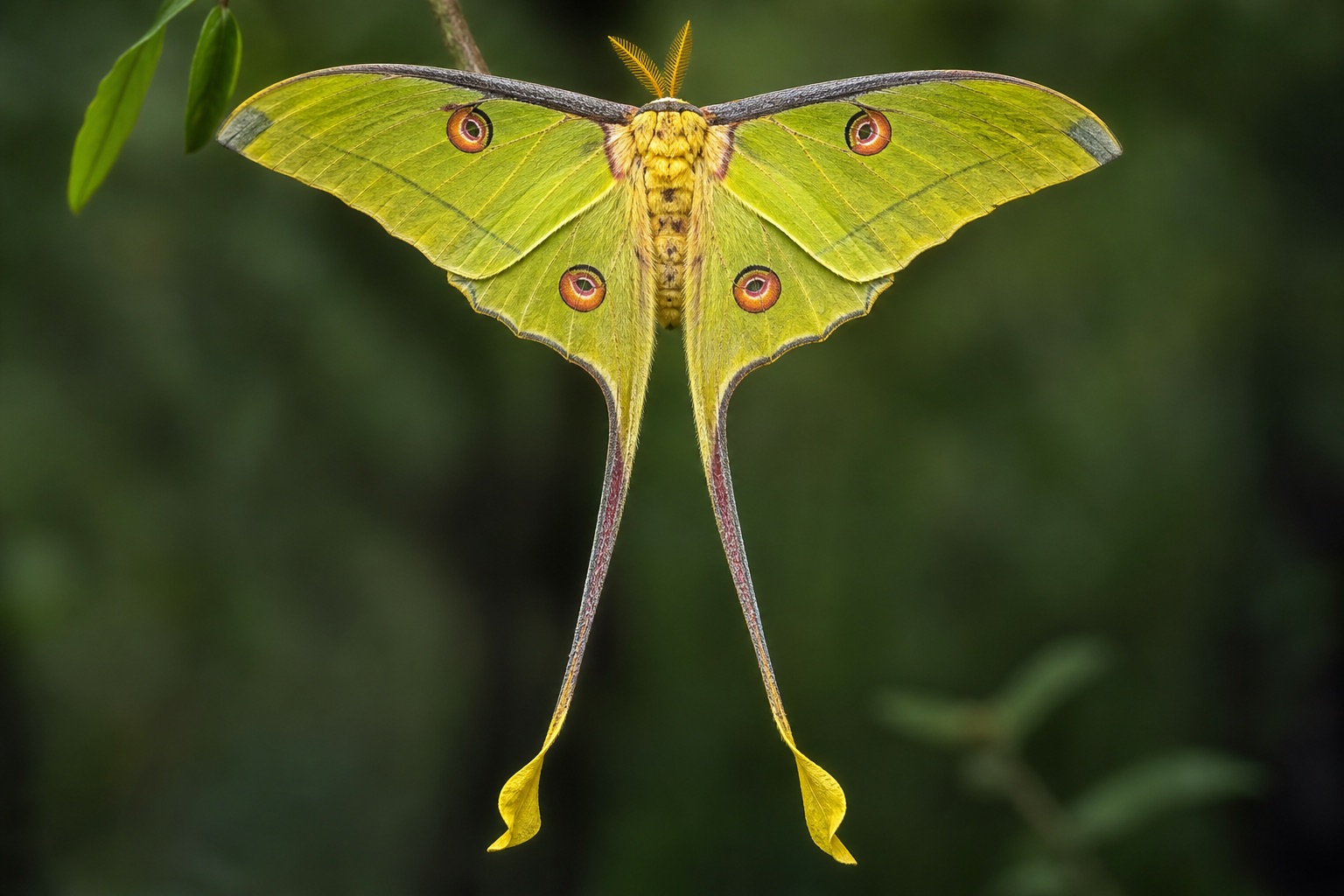
Invertebrates
CComet Moth
Argema mittrei (Guérin-Méneville, 1847) — family Saturniidae
Madagascar's largest silk moth — tails up to 15 cm, and it cannot eat as an adult.
Madagascar · Eastern humid forest — very restricted range
Open guide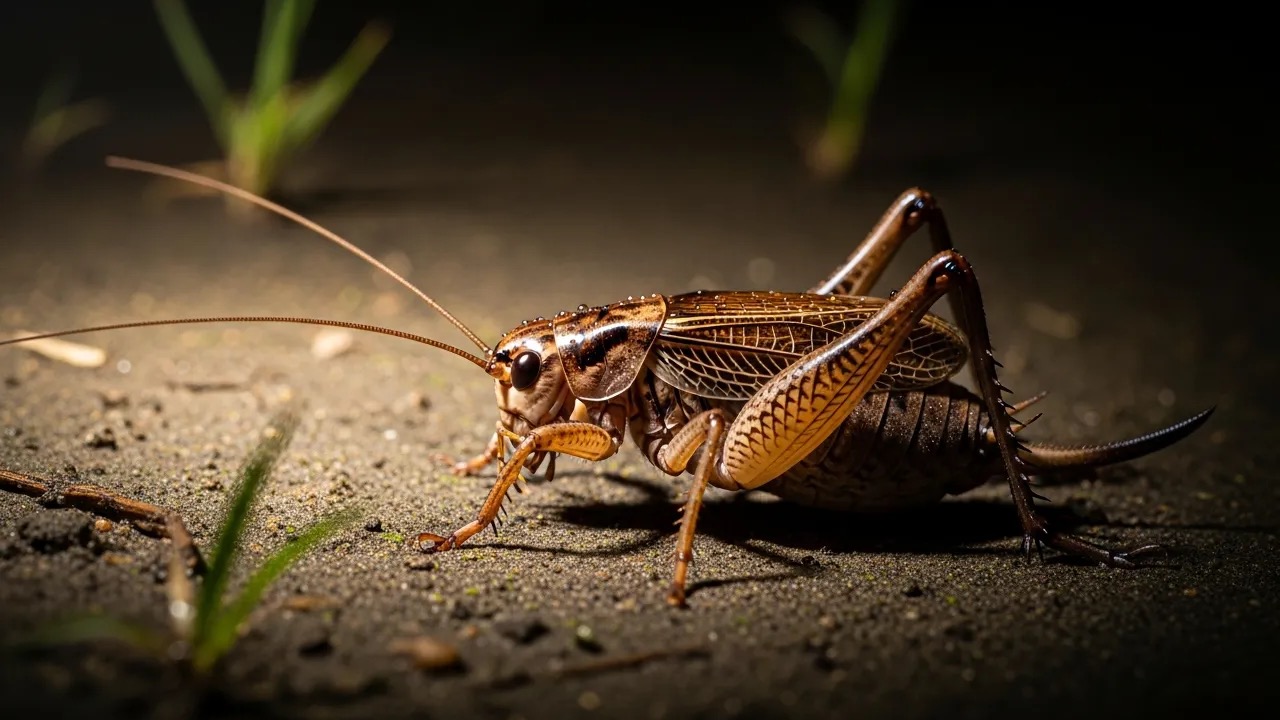
Invertebrates
CCricket
Gryllidae
The chirping insect of warm evenings
Africa · Asia
Open guide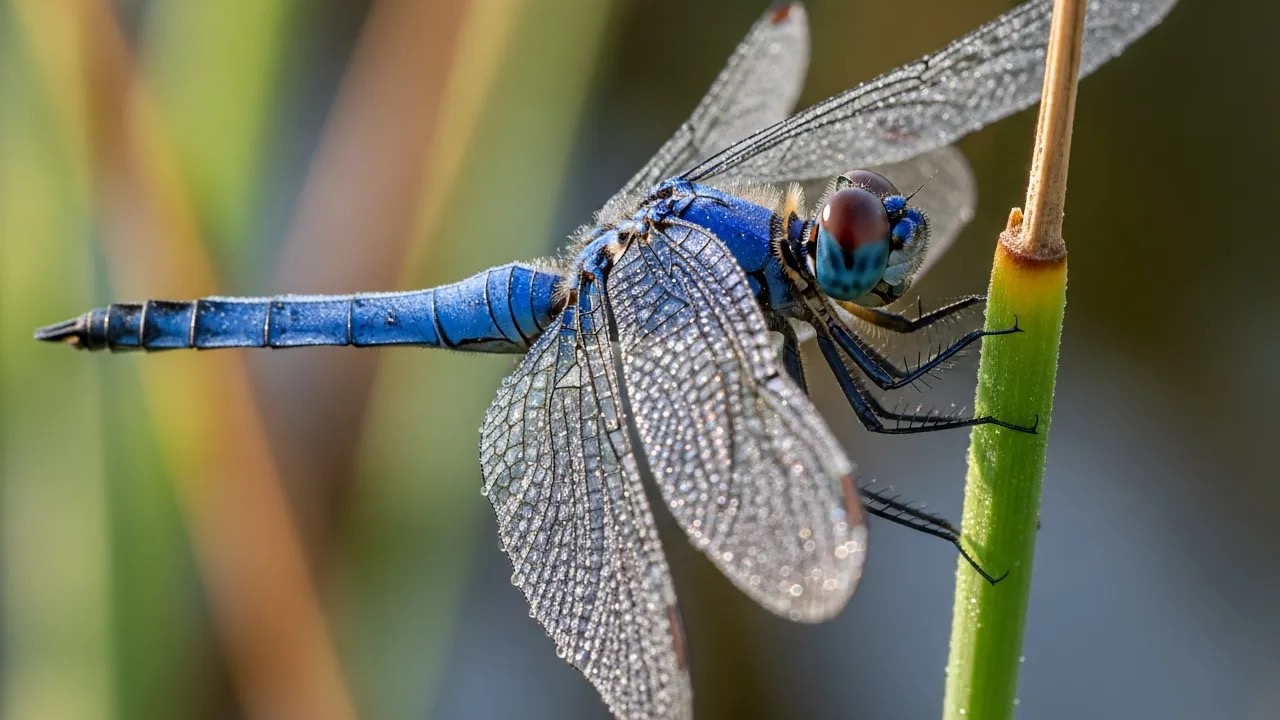
Invertebrates
DDragonfly
Anisoptera
The agile aerial hunter of ponds and streams
Africa · Asia
Open guide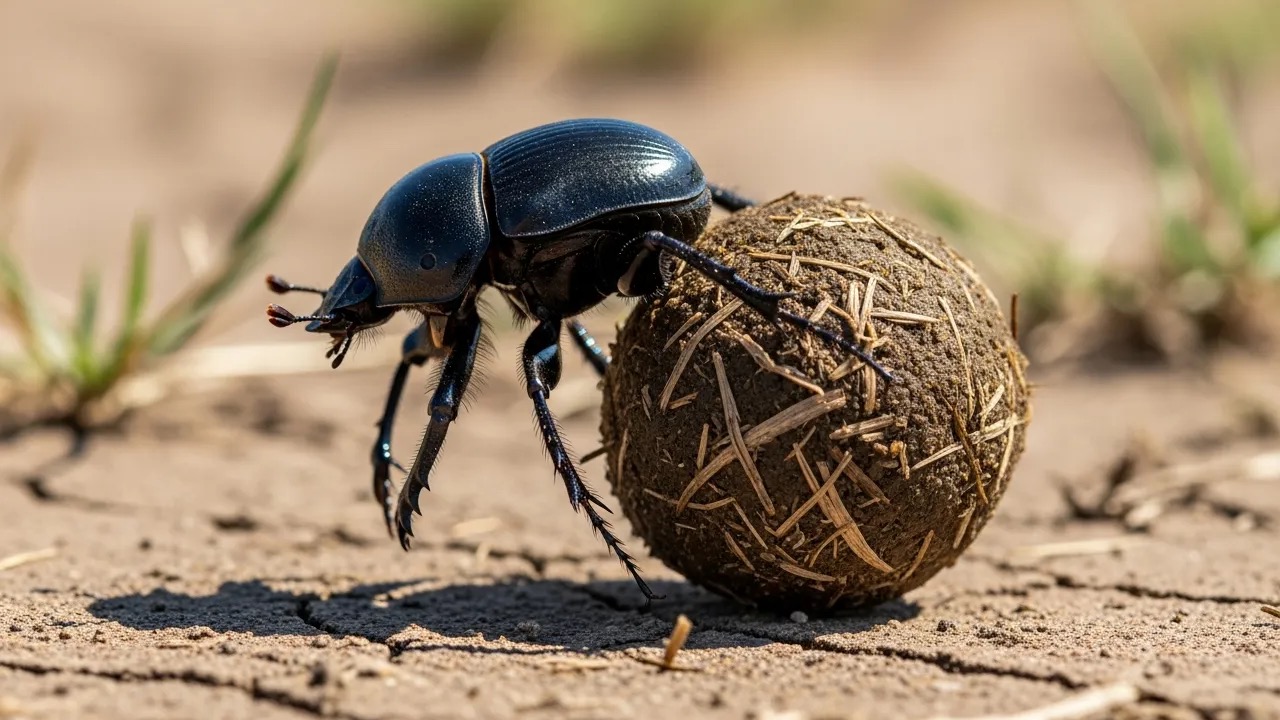
Invertebrates
DDung Beetle
Scarabaeus sacer
The strong beetle that rolls balls of dung
Africa · Europe
Open guide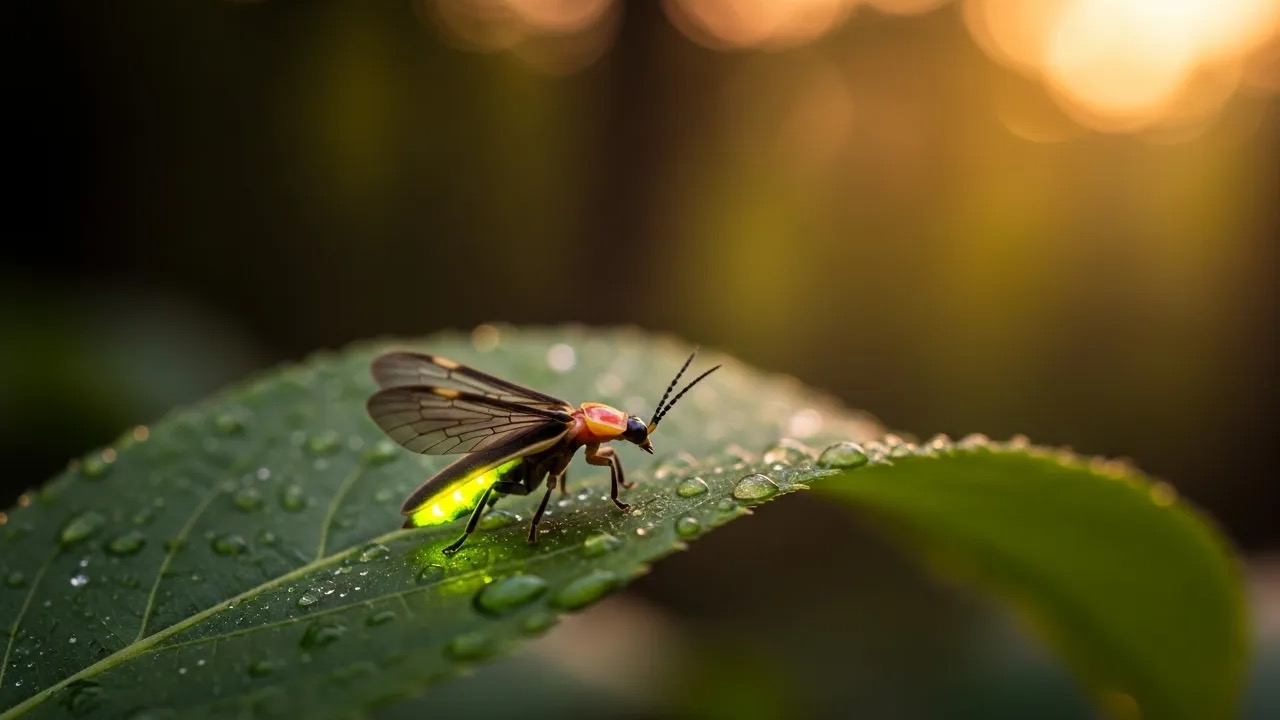
Invertebrates
FFirefly
Lampyridae
The glowing beetle of warm summer nights
Africa · Asia
Open guide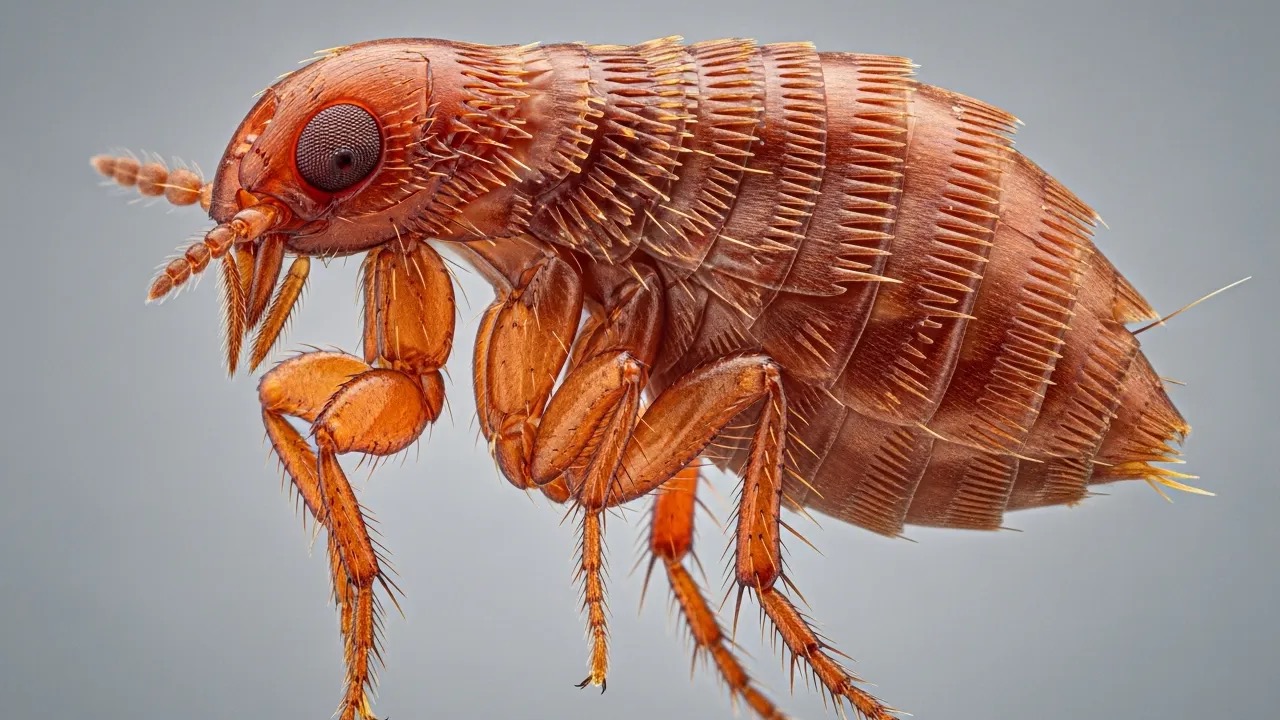
Invertebrates
FFlea
Siphonaptera
The wingless parasite famous for jumping
Africa · Asia
Open guide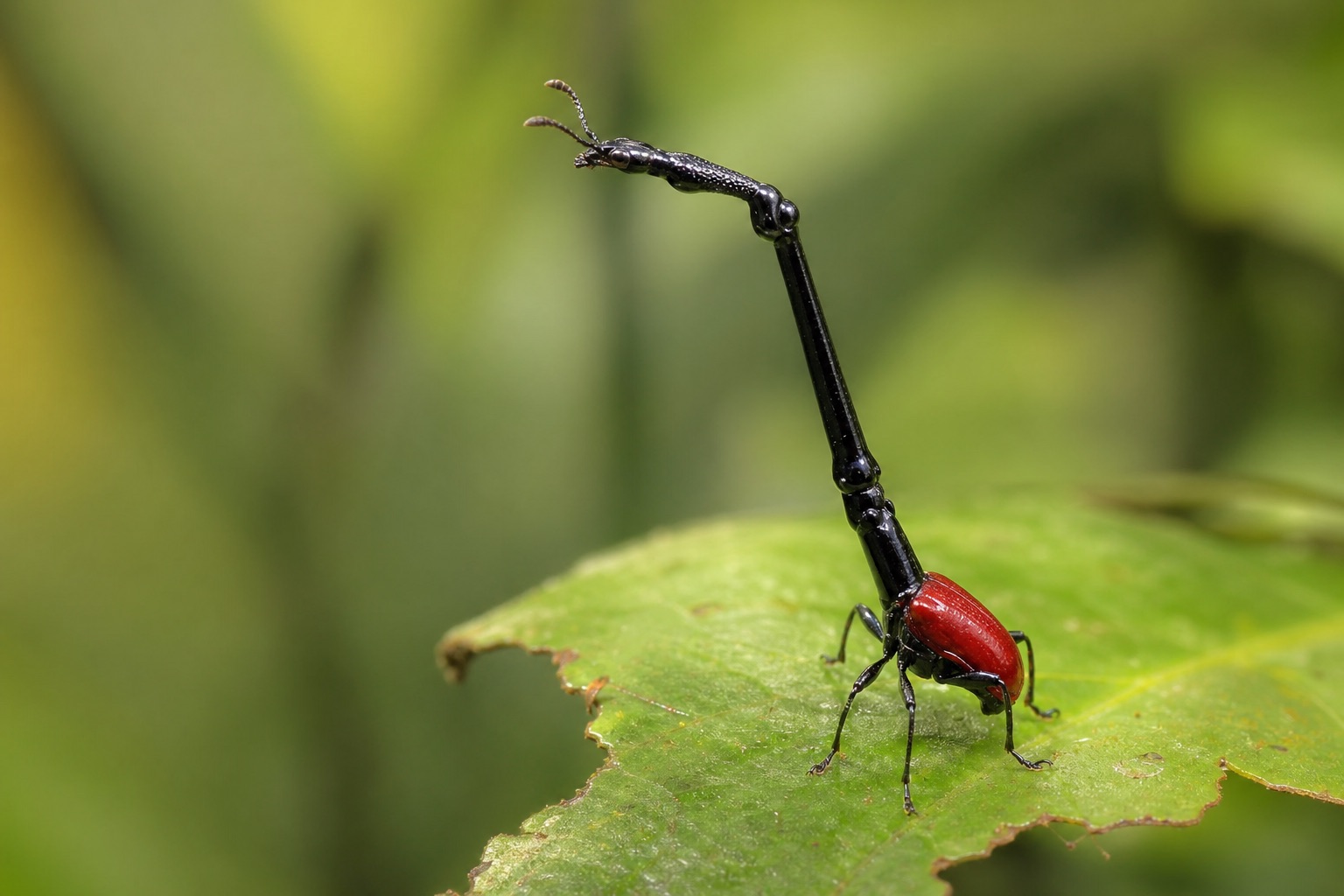
Invertebrates
GGiraffe Weevil
Trachelophorus giraffa (Pascoe, 1860) — family Attelabidae
The beetle whose male neck is three times the female's — and who builds a leaf-roll nest.
Madagascar · Eastern humid forest
Open guide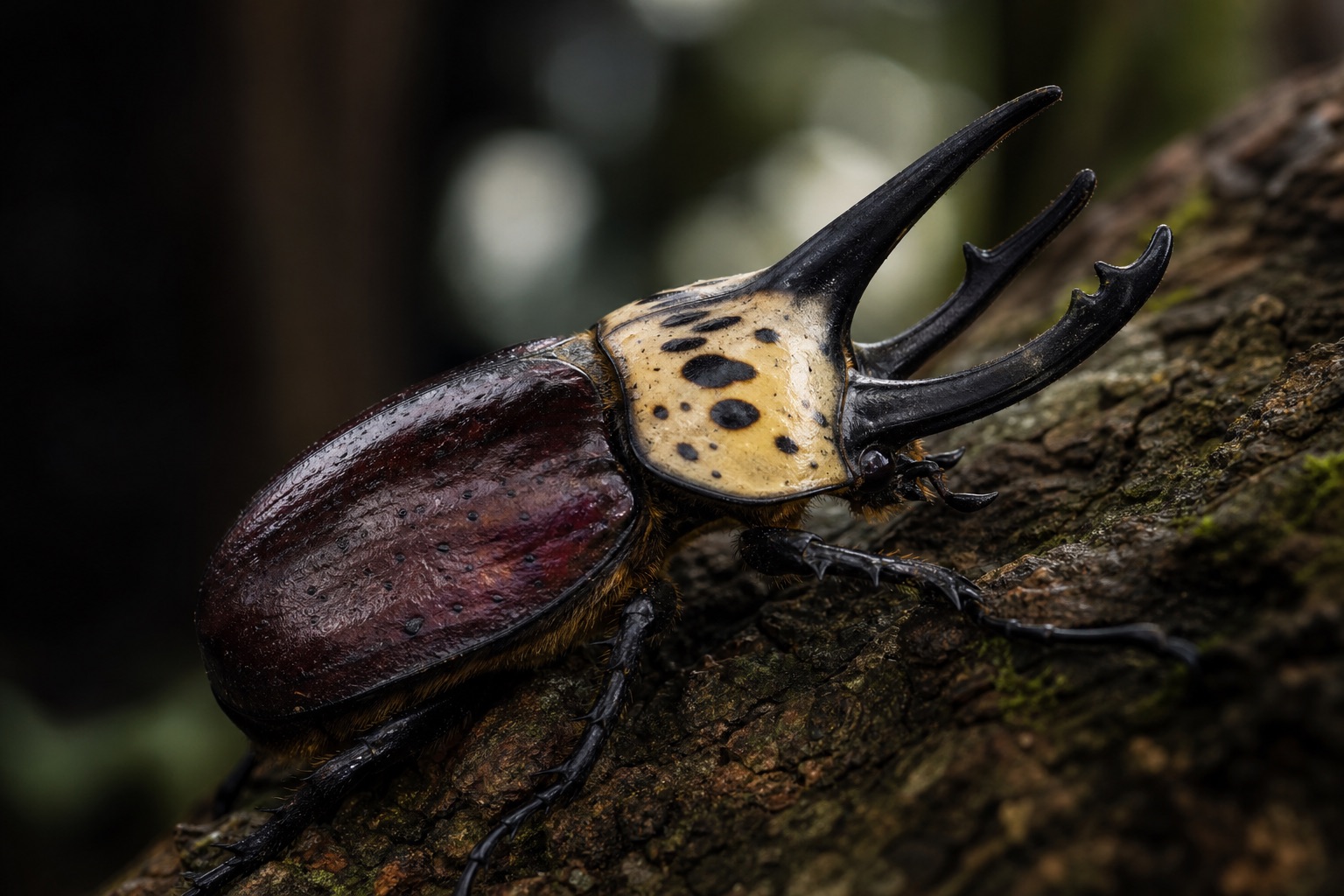
Invertebrates
GGoliath Beetle
Goliathus goliatus (Drury, 1770) — family Scarabaeidae
Among the heaviest insects on Earth — and most of that weight is spent underground as a grub.
Tropical Africa · Rainforest belt from Cameroon to Congo and Tanzania
Open guide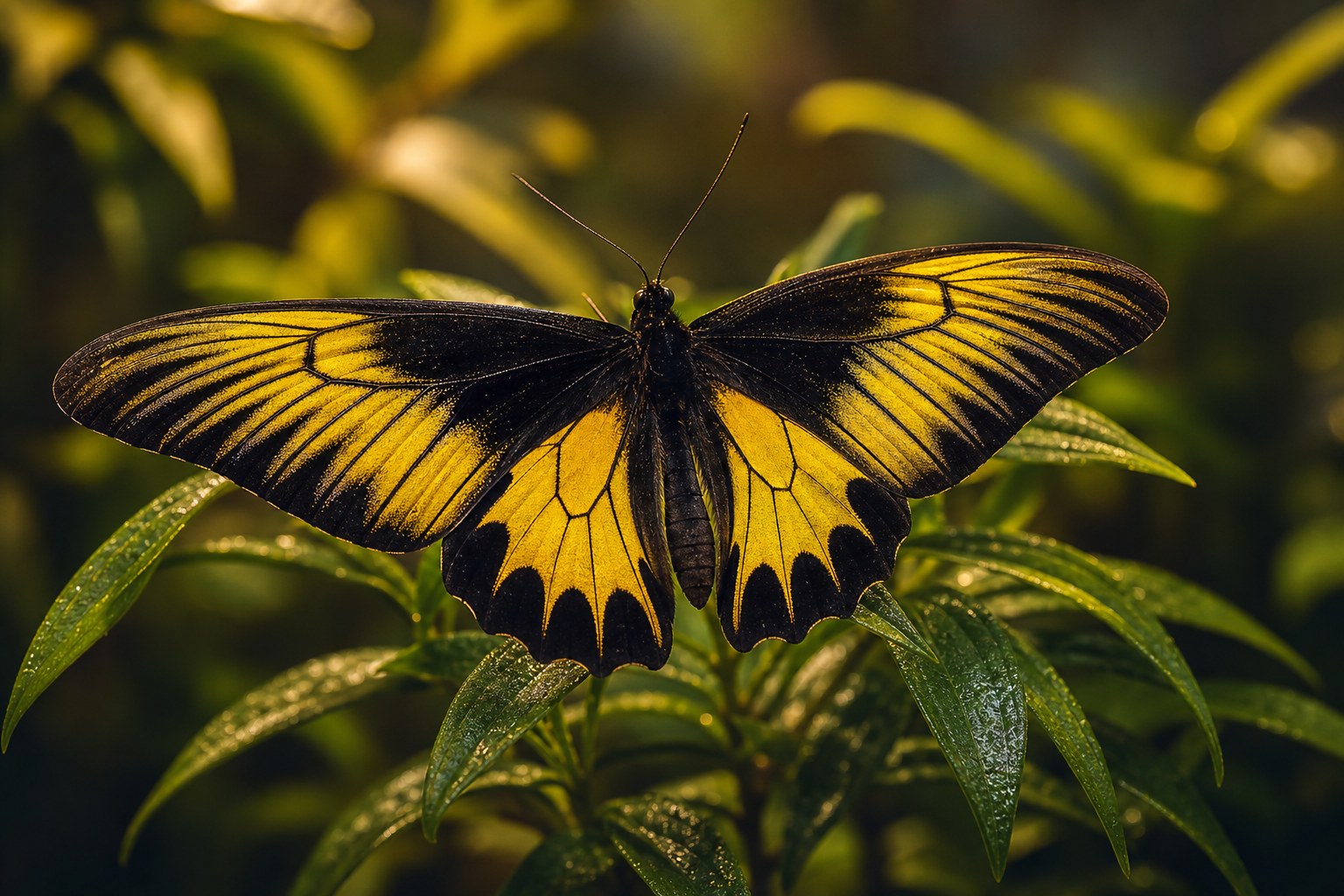
Invertebrates
GGoliath Birdwing
Ornithoptera goliath (Deslisle, 1989) — family Papilionidae
The second-largest butterfly on Earth — and one that sequesters toxins like a poison-dart frog.
New Guinea lowland rainforest · Aru and Salawati islands
Open guide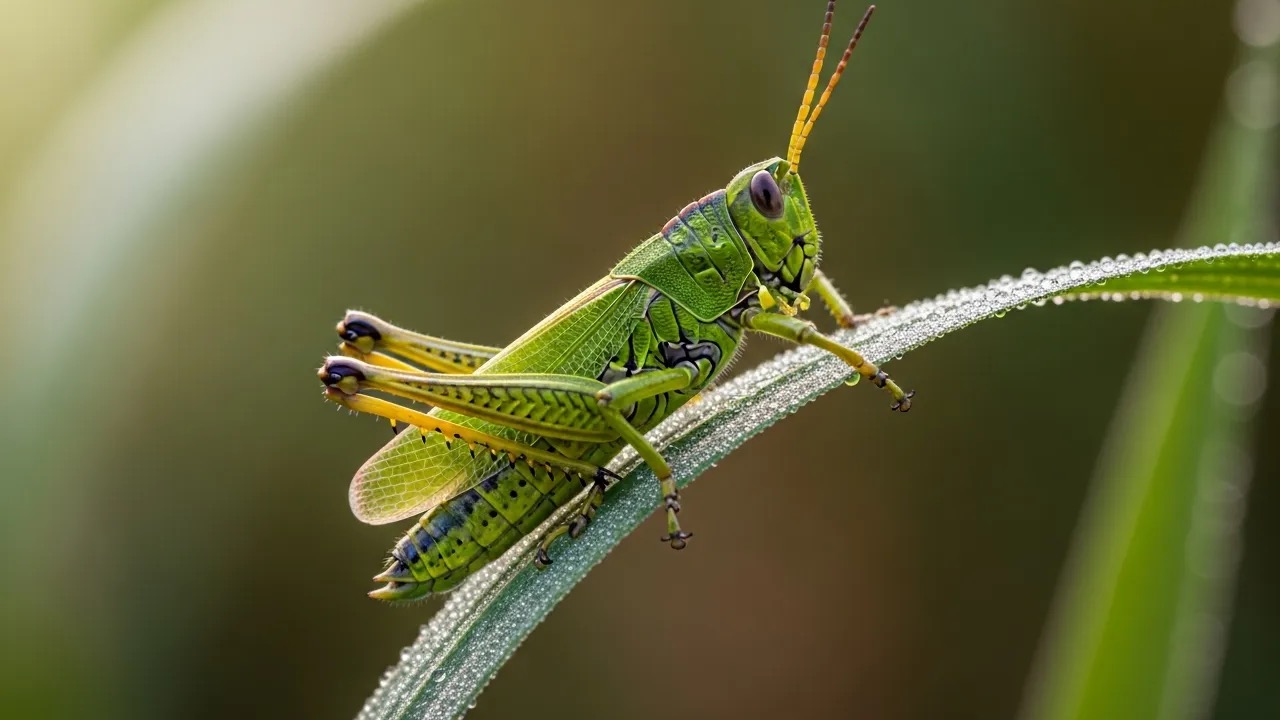
Invertebrates
GGrasshopper
Caelifera
The jumping insect of fields and meadows
Africa · Asia
Open guide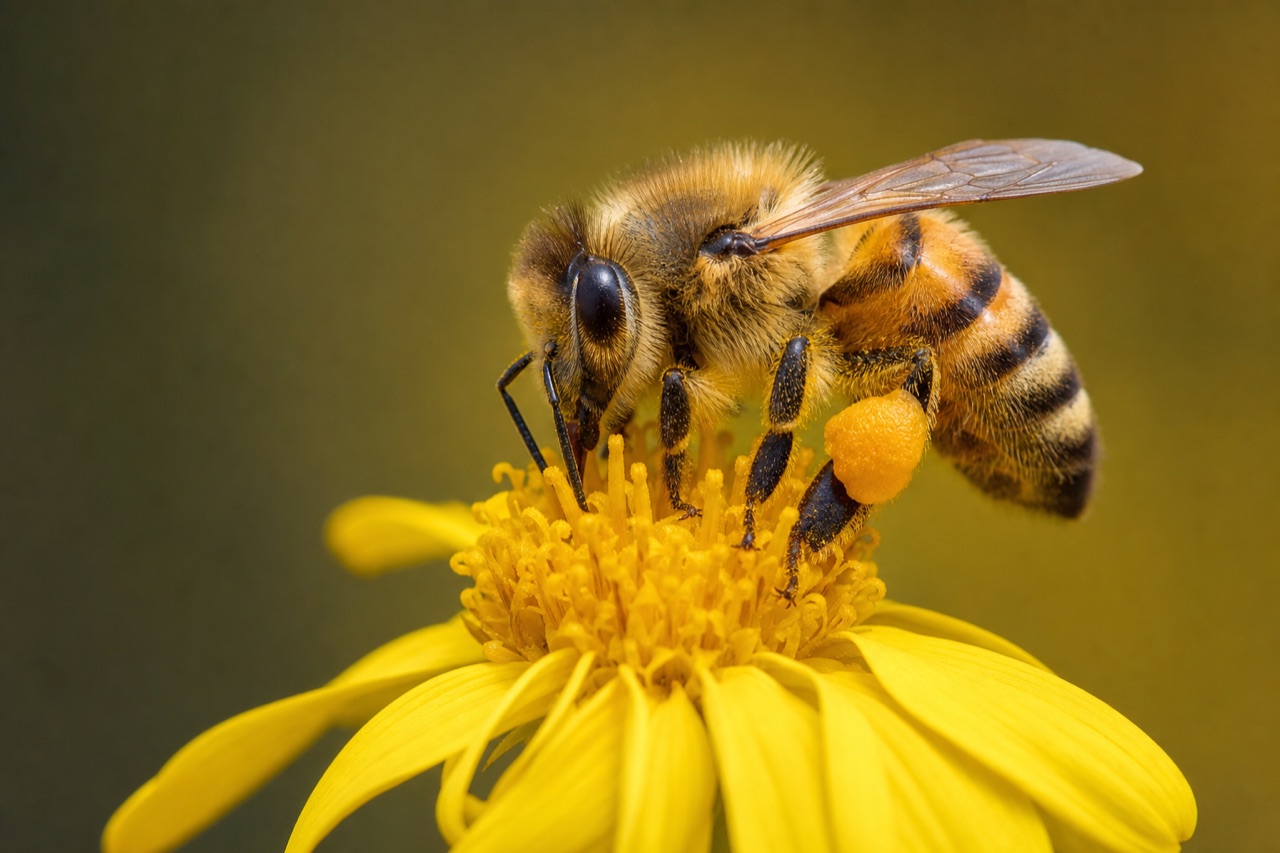
Invertebrates
HHoney Bee
Apis mellifera (Linnaeus, 1758) — family Apidae; genus Apis holds 7–11 honey bee species
The most-kept insect on Earth — and the reason 'save the bees' is usually aimed at the wrong bee.
Native to Europe, Africa and western Asia · Introduced and managed on every continent except Antarctica
Open guide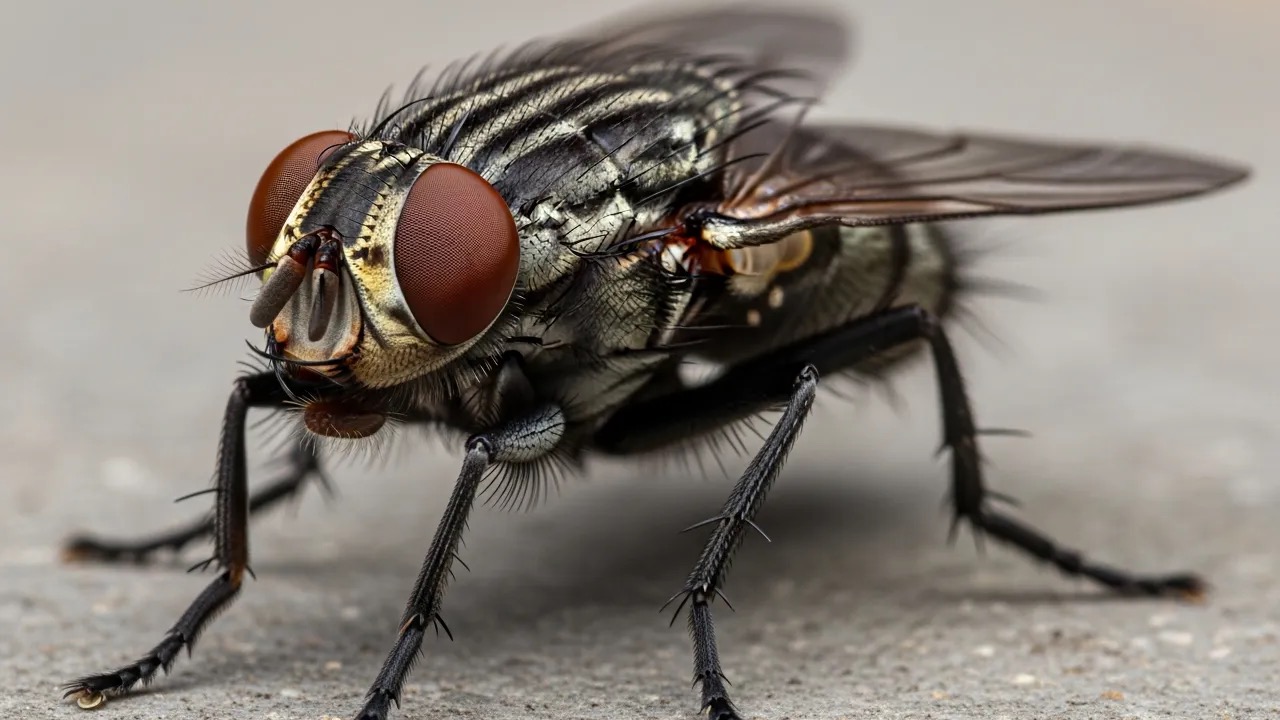
Invertebrates
HHousefly
Musca domestica
The familiar fly found wherever people live
Africa · Asia
Open guideConservation: what this group faces
Insects power pollination and nutrient cycling. Declines in monitored bees, butterflies and flying insects track habitat simplification and chemical pressure — losses that cascade to birds, bats and crops long before a single charismatic mammal disappears.
Insects: frequently asked questions
What is an insect?
What is the difference between a bee and a wasp?
How do butterflies differ from moths?
Are ants insects?
Why are insects declining?
Do all insects sting?
Other types of invertebrates
-
Arachnids
Eight-legged arthropods — spiders, scorpions, ticks and harvestmen.
-
Molluscs
Soft-bodied animals — octopuses, squid, snails, clams and cuttlefish.
-
Crustaceans
Jointed aquatic arthropods — crabs, lobsters, krill, shrimp and barnacles.
-
Cnidarians
Stinging-celled animals — corals, jellyfish, anemones and hydroids.
-
Microscopic invertebrates
Animals visible only with magnification — tardigrades, rotifers and meiofauna.