Actinopterygii & Chondrichthyes · Fins & gills
Fish
Fish are aquatic vertebrates with gills and fins for all or most of life — from reef clownfish to great white sharks. This is WARN's fish section: 36 sourced species guides plus 4 type pages covering sharks & rays, reef fish, freshwater fish and deep-sea fish.
- Sharks
- Cartilaginous skeletons — not bone
- Whale shark
- Largest living fish; a filter feeder
- Fresh water
- Tiny share of water; outsized share of fish diversity
- Deep sea
- Bioluminescent lures and pressure-adapted bodies
Types
The everyday groupings people search for. Each type has its own page with identification pointers, FAQs and the matching species guides.
- 10 guides
Sharks & rays
Cartilaginous fish — great whites, hammerheads, whale sharks, manta rays and sawfish.
Explore sharks & rays → - 8 guides
Reef fish
Coral-reef specialists — clownfish, angelfish, blue tangs, seahorses and lionfish.
Explore reef fish → - 11 guides
Freshwater fish
Rivers, lakes and ponds — salmon, catfish, piranhas, goldfish, bettas and eels.
Explore freshwater fish → - 2 guides
Deep-sea fish
Abyssal specialists — anglerfish, blobfish and other fishes of the dark ocean.
Explore deep-sea fish →
All 36 guides
Search by name, or filter by type, conservation status, region and letter.
Common names, scientific names and places are searchable.
Showing 1–24 of 36 guides
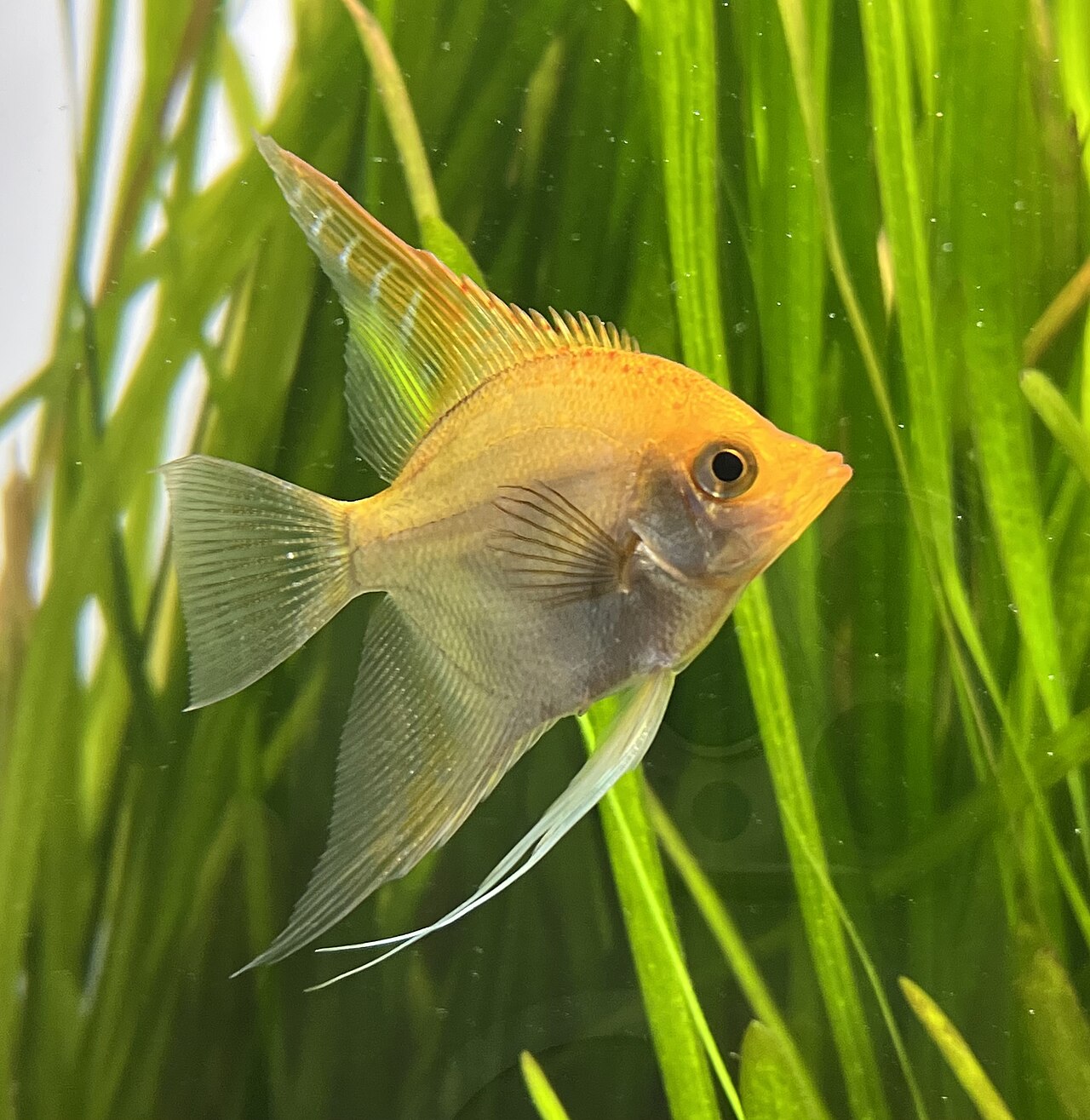
Reef fish
AAngelfish
Pterophyllum scalare (Lichtenstein, 1823) — freshwater angelfish, family Cichlidae
Tall, graceful Amazon cichlids — community-tank icons bred into many colour and fin varieties.
South America — Amazon basin (wild type); aquariums worldwide
Open guide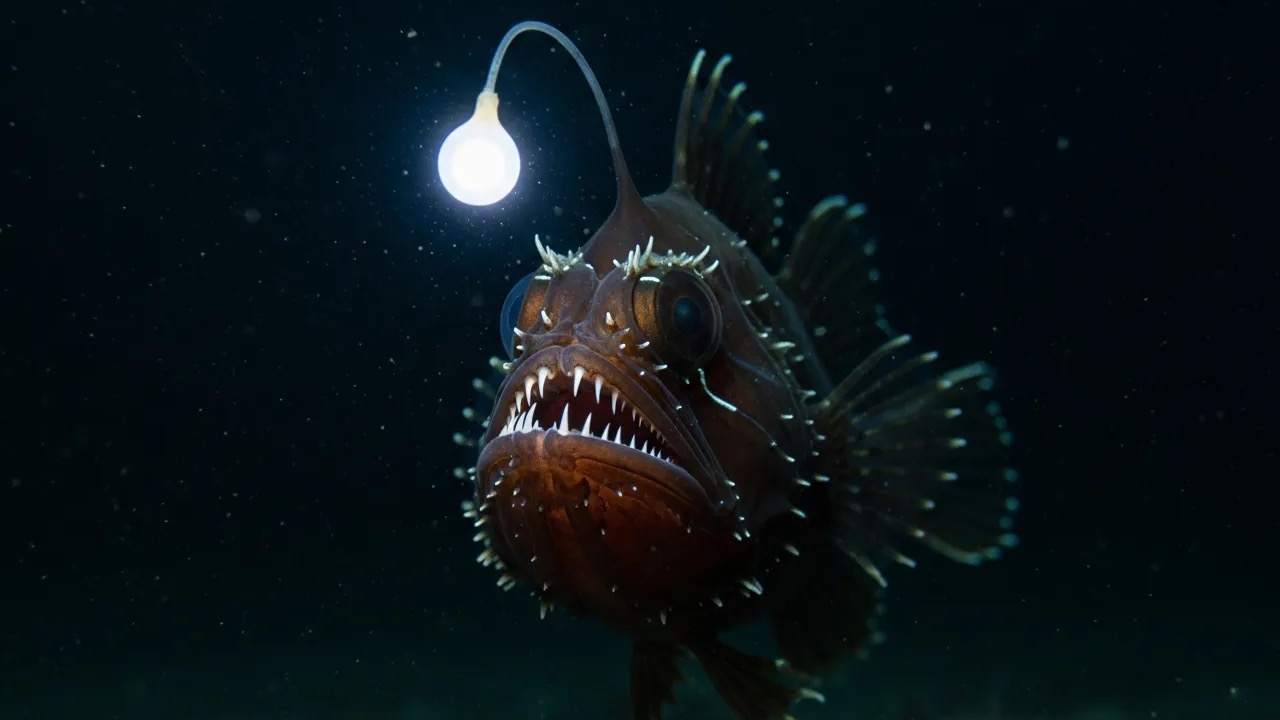
Deep-sea fish
AAnglerfish
Lophiiformes
The deep-sea hunter with a glowing lure
Oceans
Open guide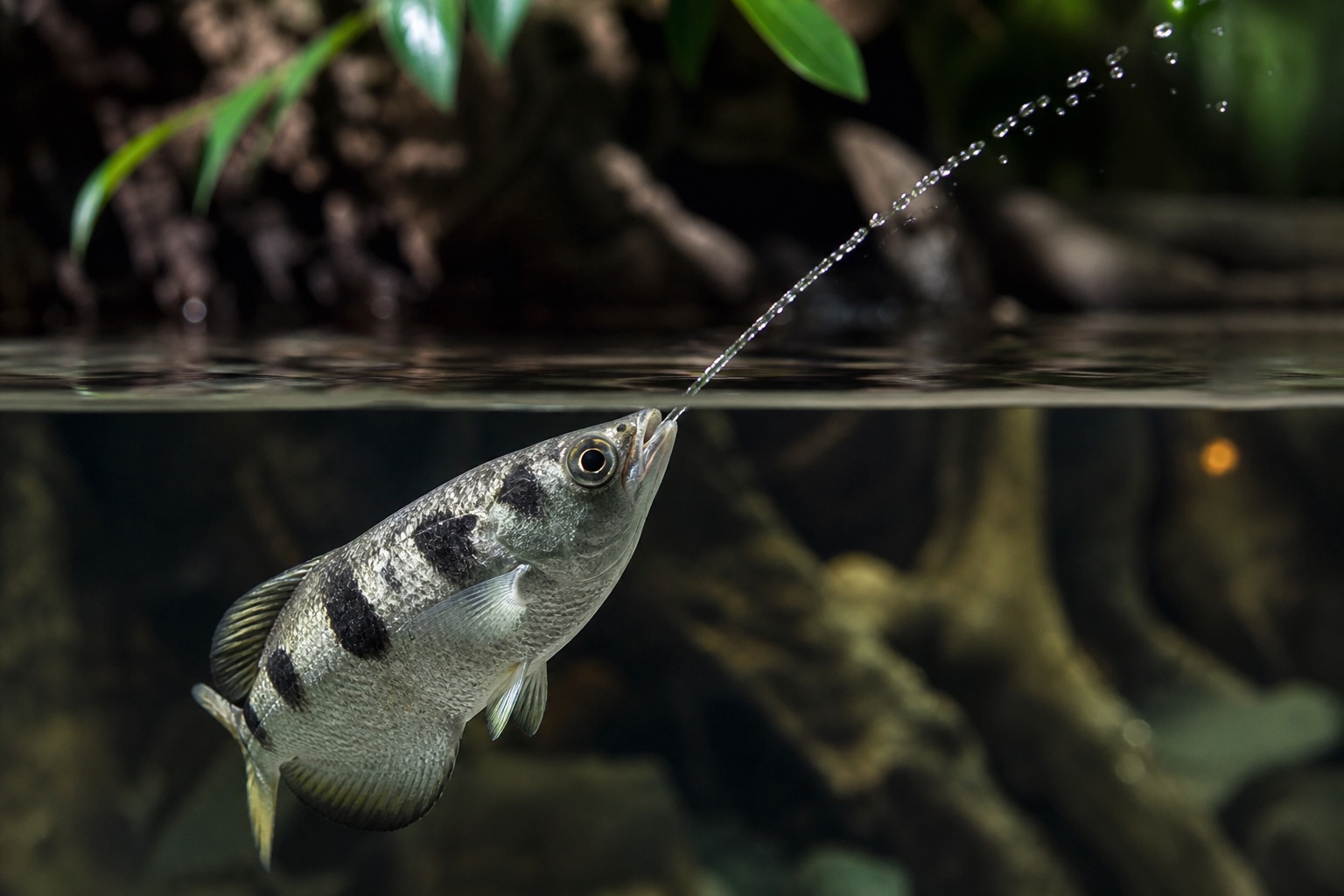
Reef fish
AArcherfish
Toxotes jaculatrix (Pallas, 1767) — family Toxotidae
A fish that shoots insects off leaves with a jet of water — and corrects for refraction.
Indo-Pacific mangroves and estuaries · From India to northern Australia and Melanesia
Open guide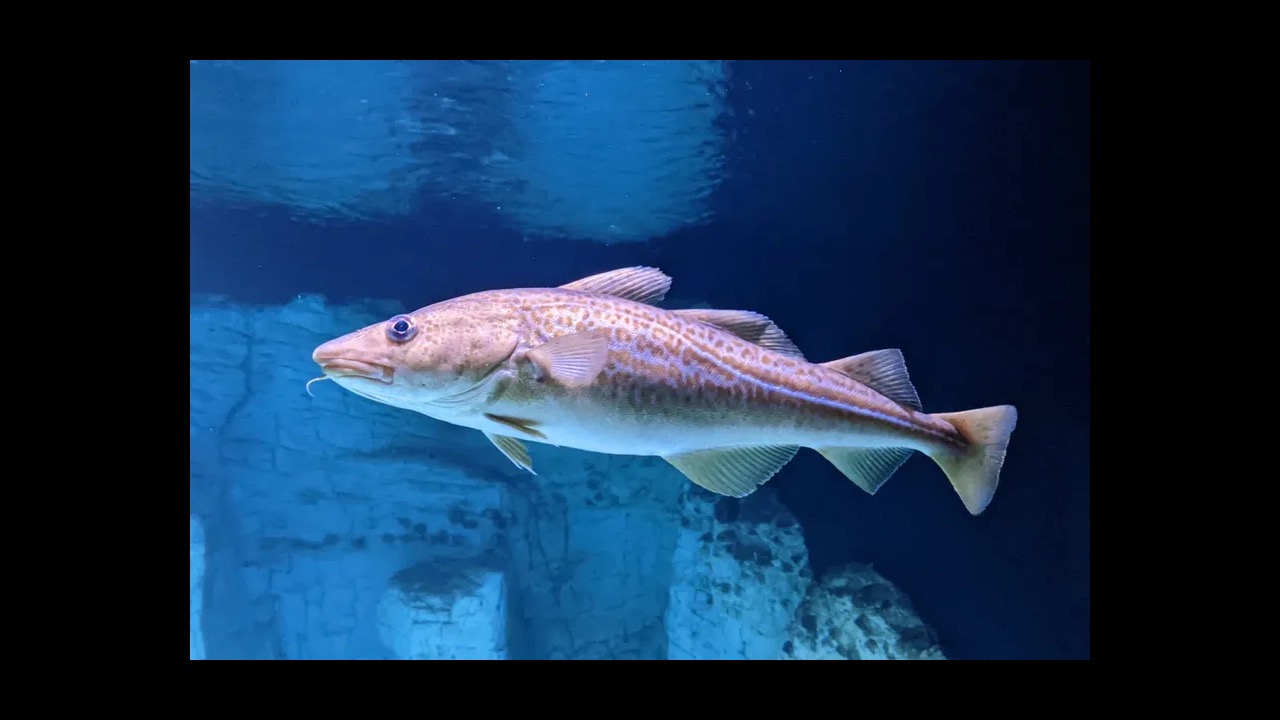
Other
AAtlantic Cod
Gadus morhua
The fish that built Atlantic nations
Europe · North America
Open guide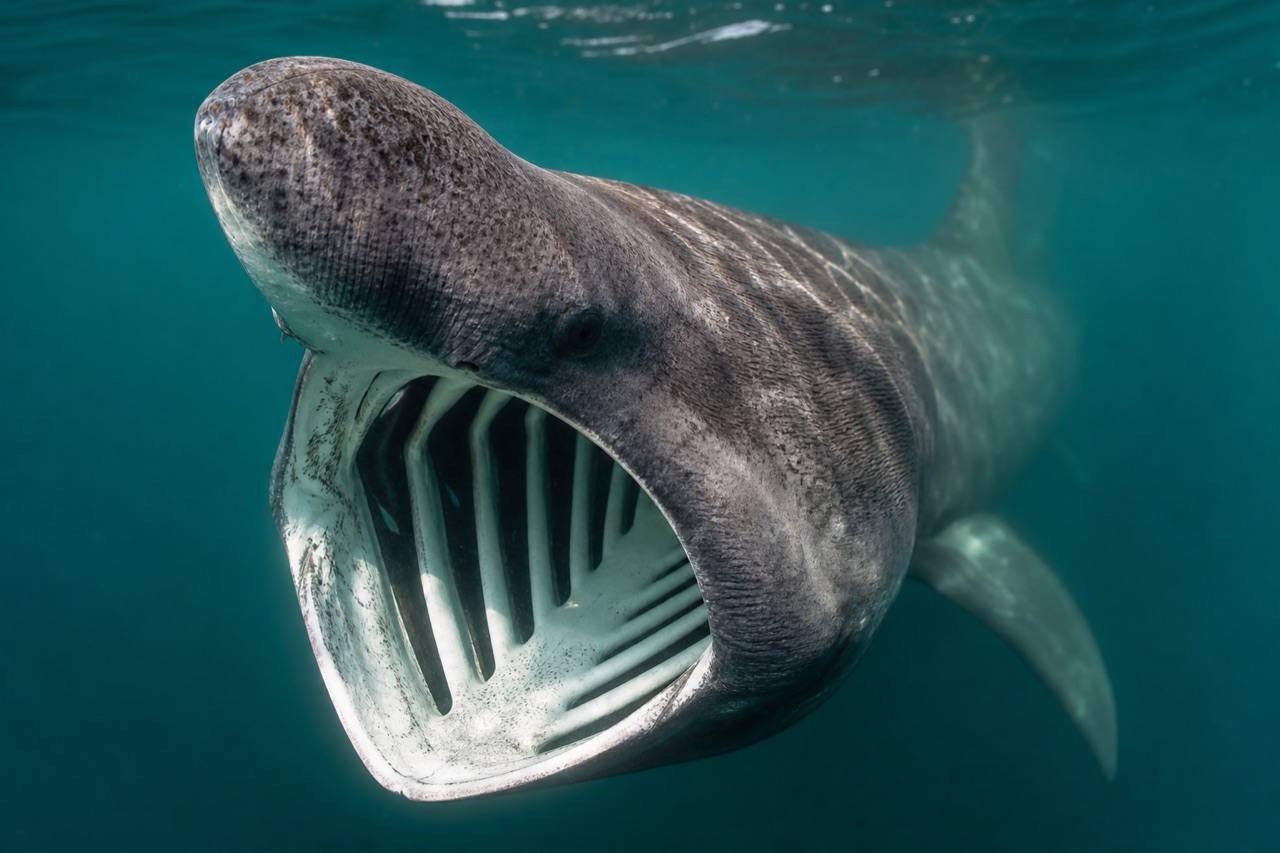
Sharks & rays
BBasking Shark
Cetorhinus maximus (Gunnerus, 1765) — family Cetorhinidae
The second-largest fish on Earth, filtering an Olympic pool of water every couple of hours.
Temperate coastal waters worldwide · Summer surface feeding off Britain, Ireland and the north-east Atlantic
Open guide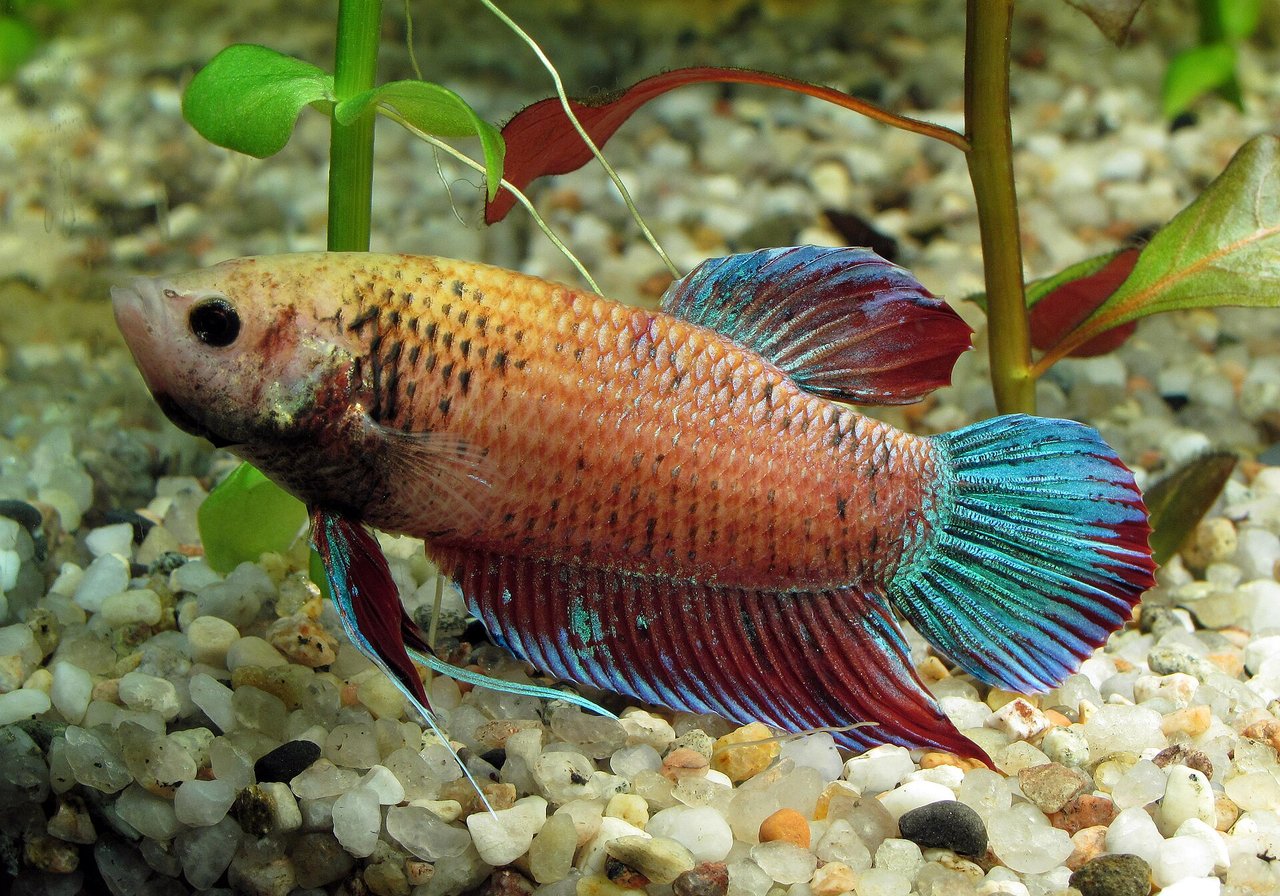
Freshwater fish
BBetta
Betta splendens (Regan, 1910)
The labyrinth fish of rice paddies — wild Vulnerable, pet trade flooded with fighting-fish myths.
Thailand · Cambodia
Open guide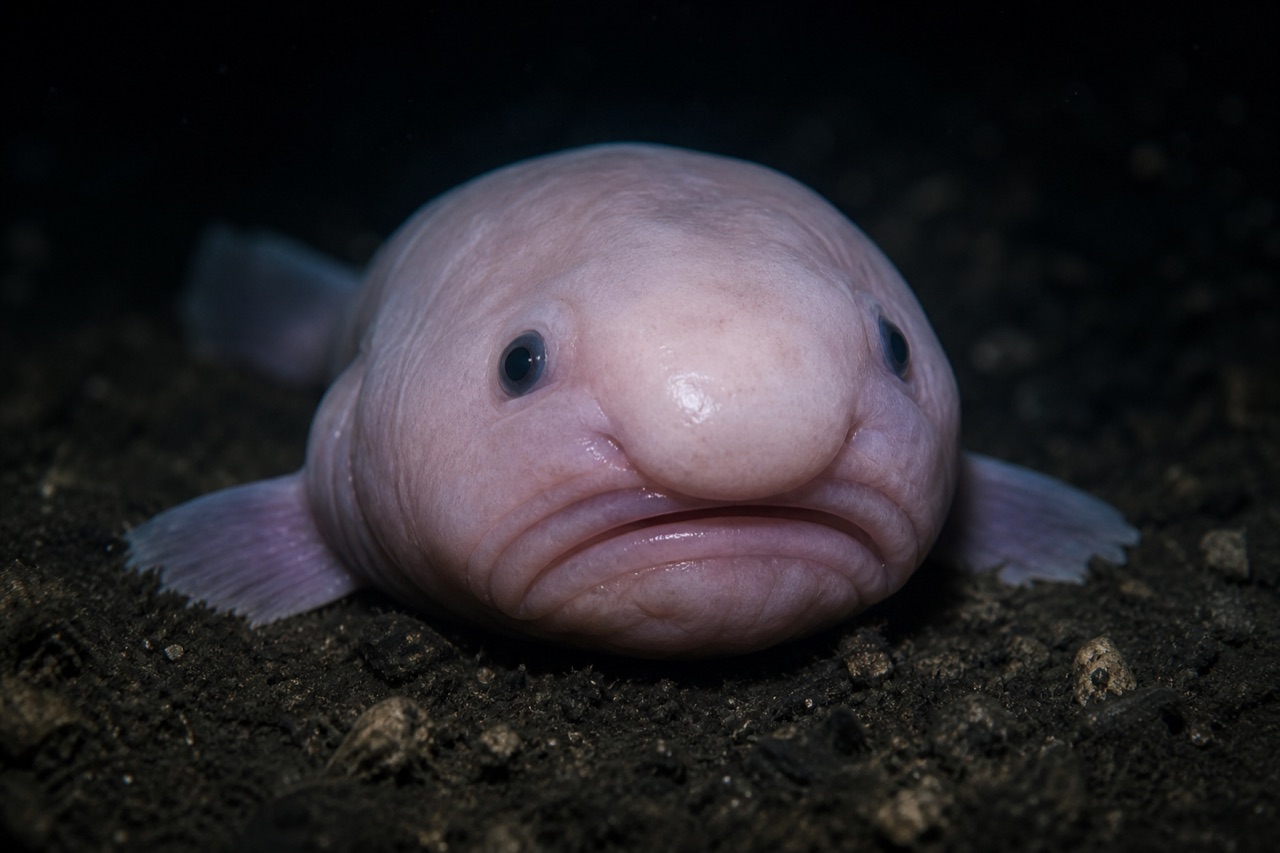
Deep-sea fish
BBlobfish
Psychrolutes marcidus (McCulloch, 1926) — family Psychrolutidae
The famous photograph is not what a blobfish looks like. It is what one looks like after being killed.
Deep waters off south-eastern Australia and Tasmania · New Zealand
Open guide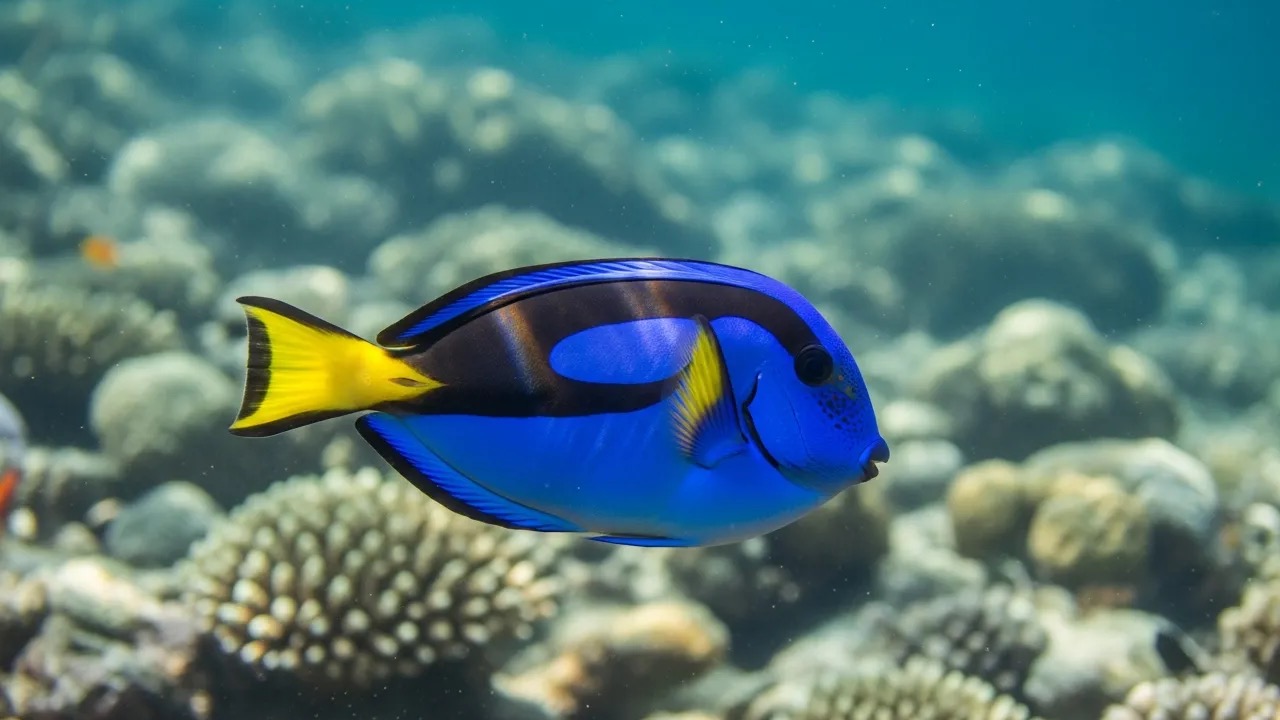
Reef fish
BBlue Tang
Paracanthurus hepatus
The bright blue reef fish from Finding Nemo
Oceans
Open guide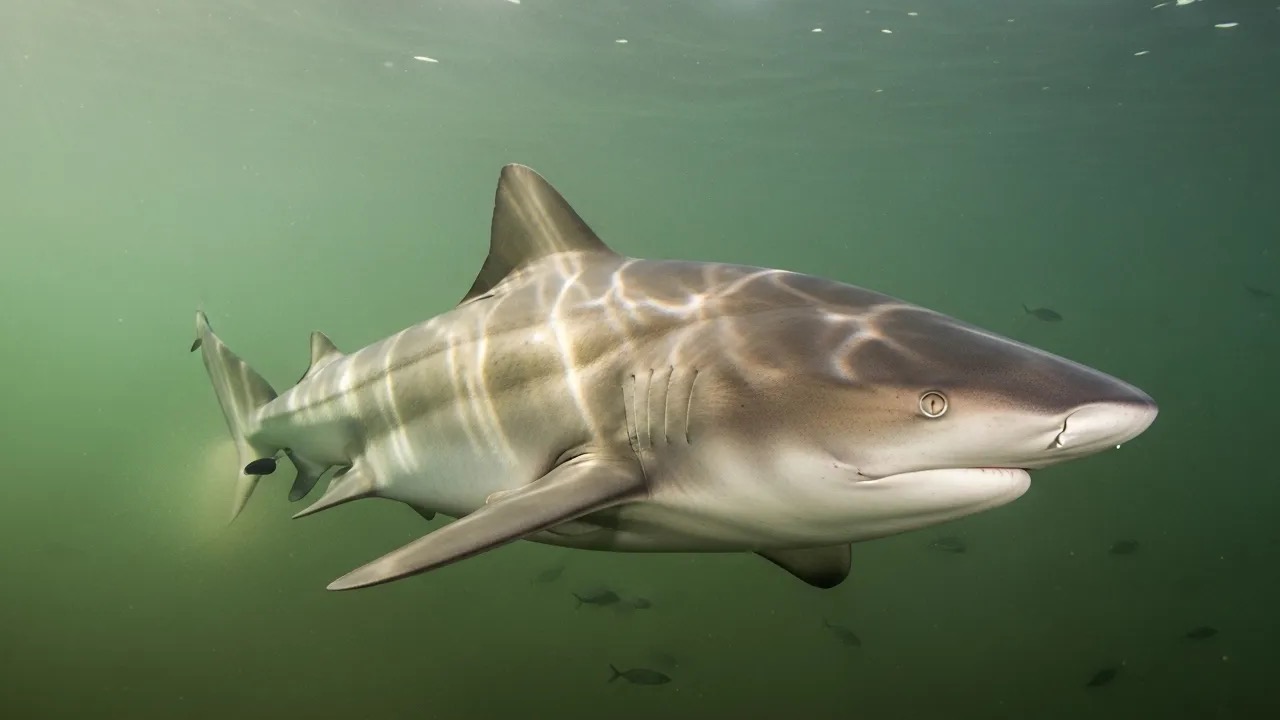
Sharks & rays
BBull Shark
Carcharhinus leucas
The shark that swims into freshwater
Oceans
Open guide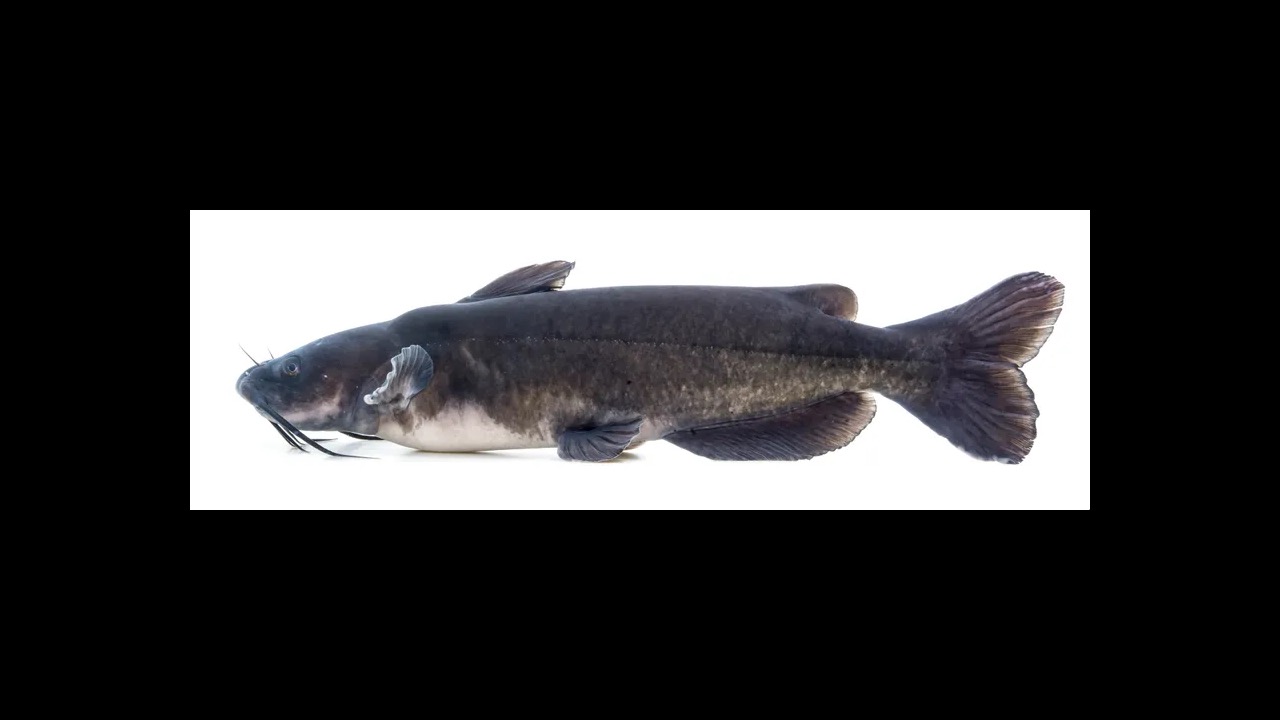
Freshwater fish
CChannel Catfish
Ictalurus punctatus
North America's whiskered bottom feeder
North America
Open guide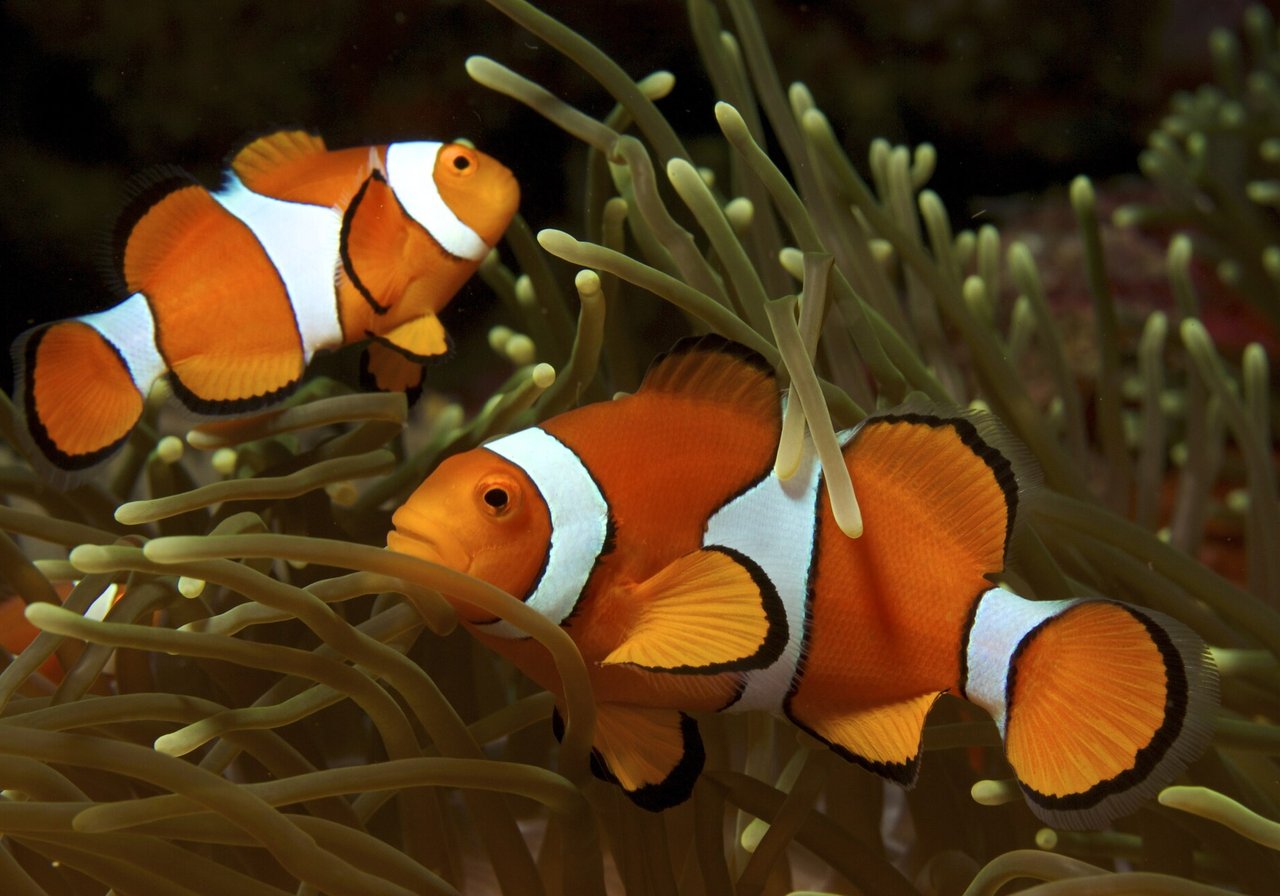
Reef fish
CClownfish
Amphiprion ocellaris (Cuvier, 1830) — genus Amphiprion, about 30 anemonefish species
Anemonefish of Indo-Pacific reefs — Least Concern on paper, bound to hosts that bleaching can kill.
Indo-Pacific reefs and lagoons — Andaman Sea to the western Pacific · Indonesia and Malaysia overlap WARN partner countries (geography, not a clownfish hatchery)
Open guide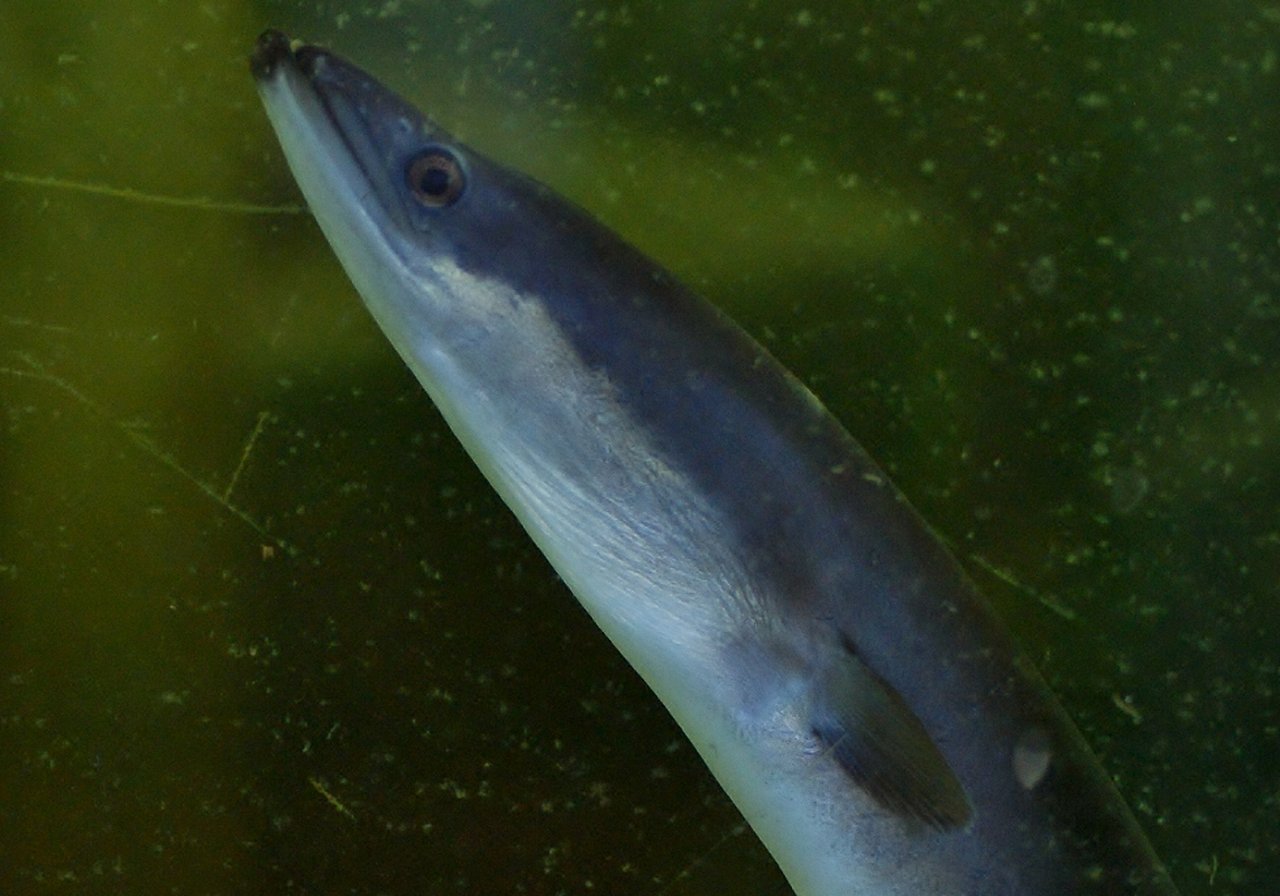
Freshwater fish
EEel
Anguilla anguilla (Linnaeus, 1758)
A serpent of rivers and mystery — Critically Endangered after decades of decline.
Europe · North Africa
Open guide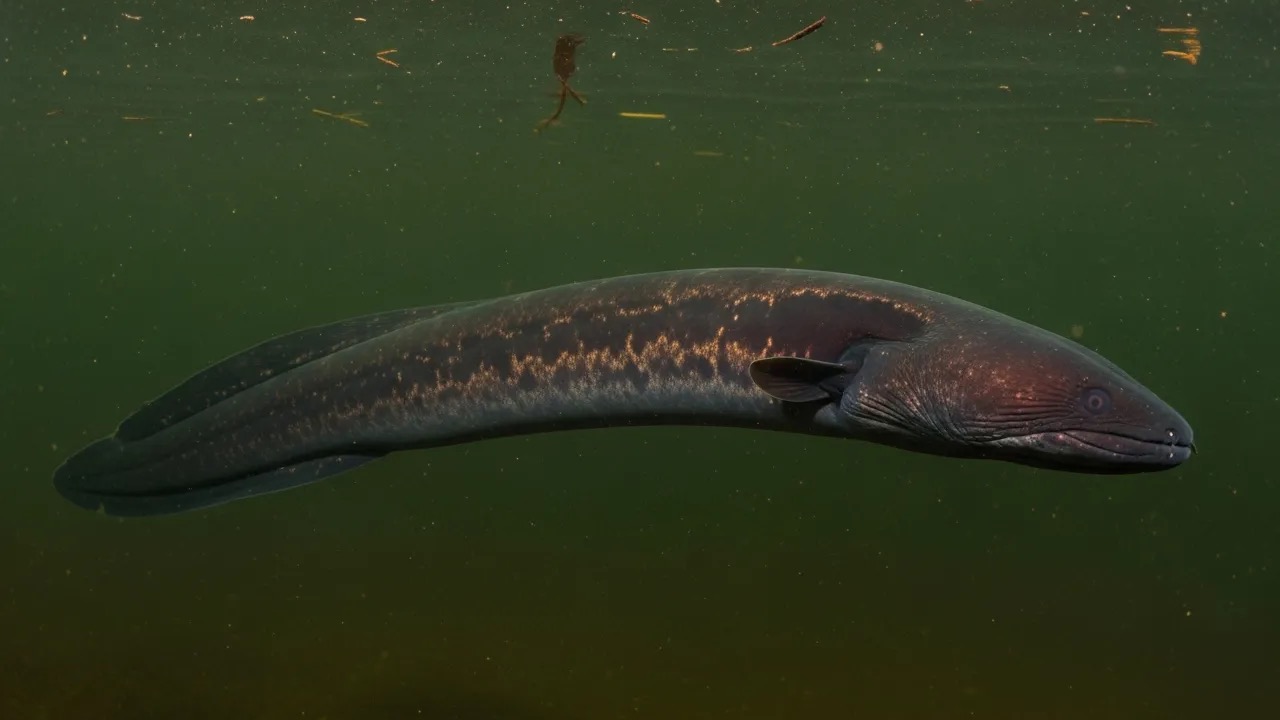
Freshwater fish
EElectric Eel
Electrophorus electricus
The fish that generates powerful electric shocks
South America
Open guide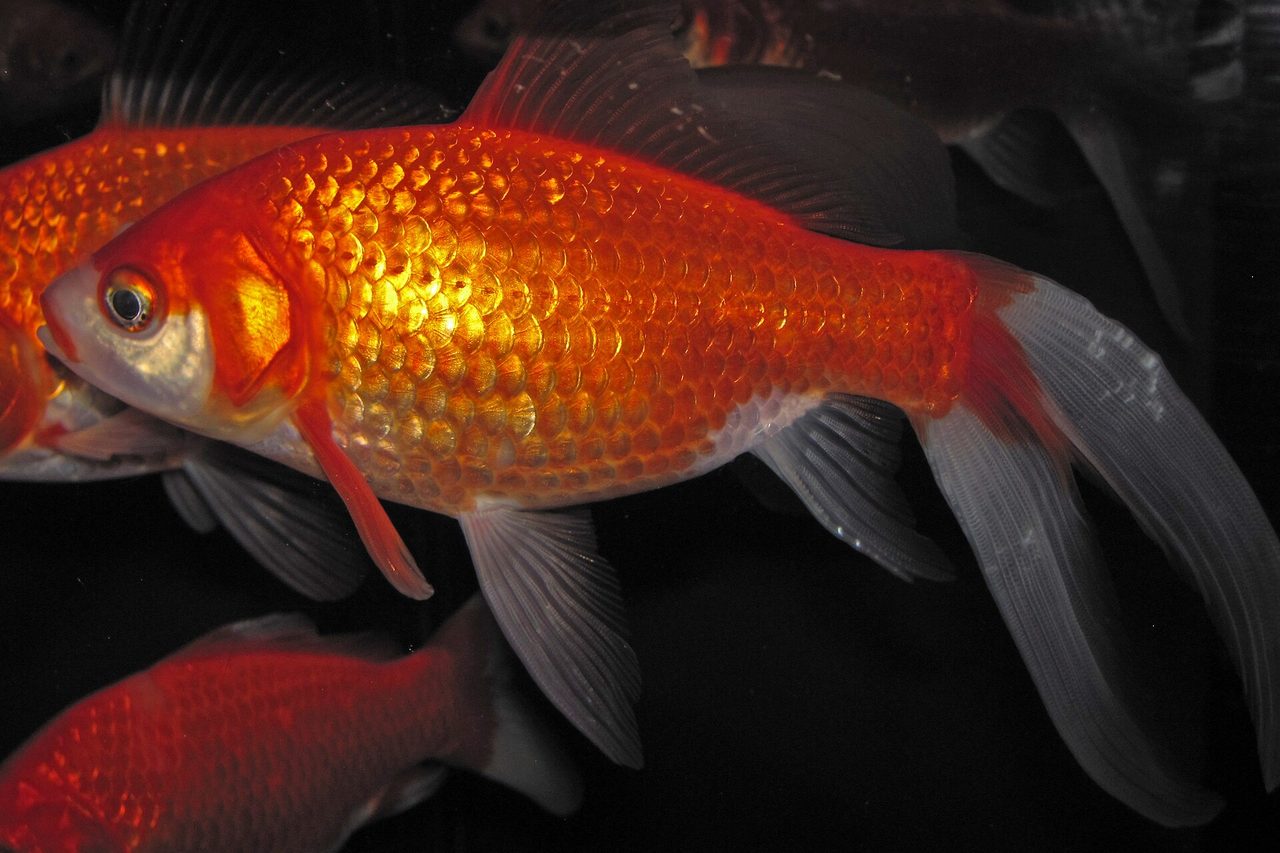
Freshwater fish
GGoldfish
Carassius auratus (Linnaeus, 1758)
Centuries of selective breeding — not a bowl fish, and never for release into wild waterways.
Worldwide — domestic and feral; native to East Asia
Open guide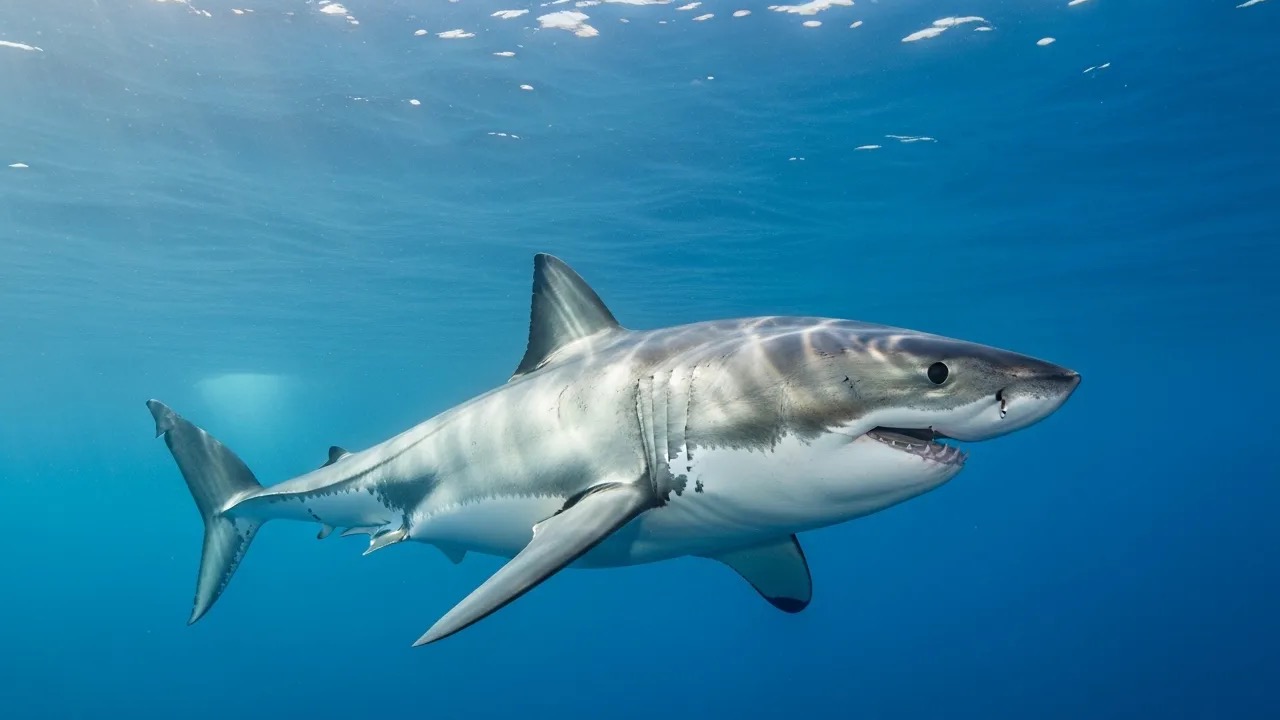
Sharks & rays
GGreat White Shark
Carcharodon carcharias
The ocean's most famous apex predator
Oceans
Open guide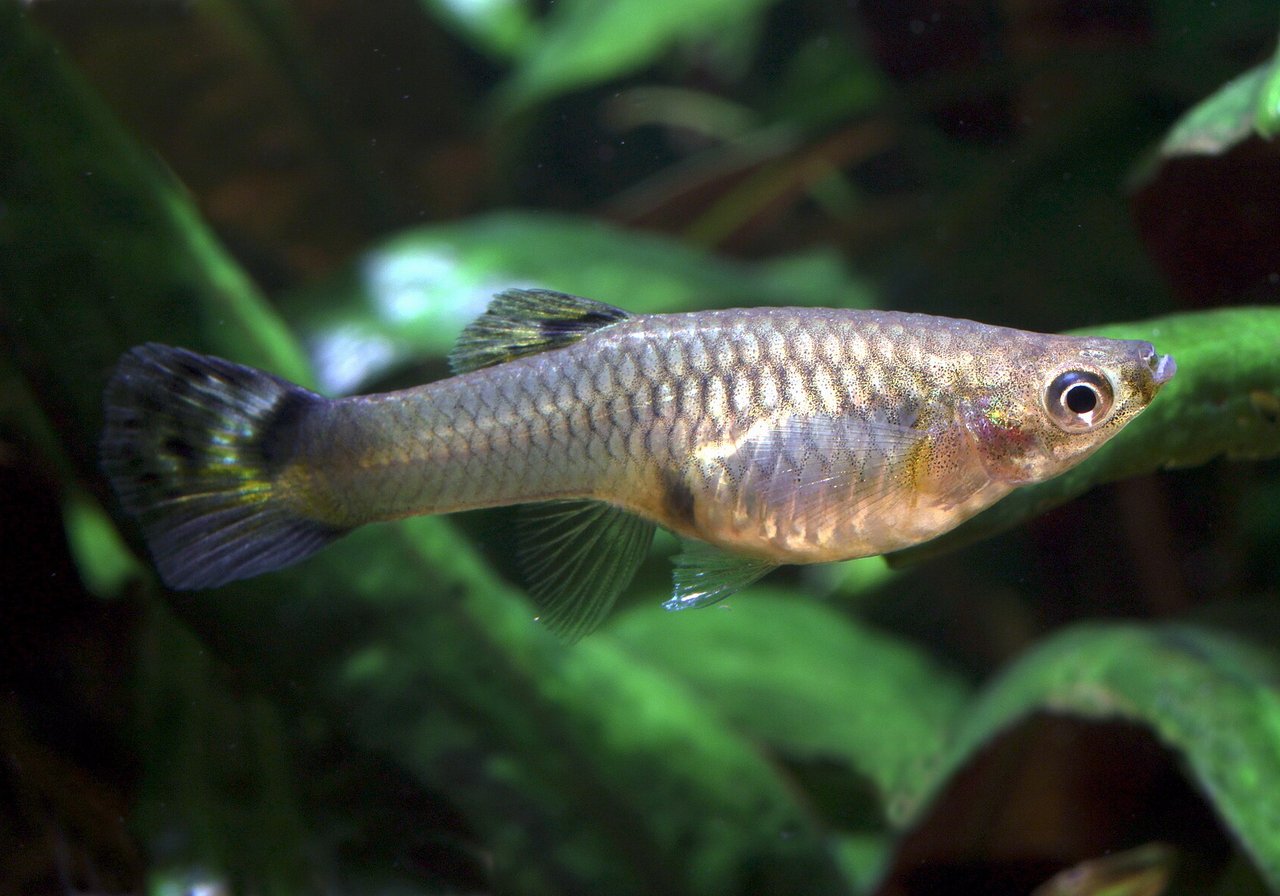
Freshwater fish
GGuppy
Poecilia reticulata (Peters, 1859)
The beginner's tropical fish that science knows best — Least Concern in the wild, mistreated in cups.
Trinidad and Tobago · Venezuela
Open guide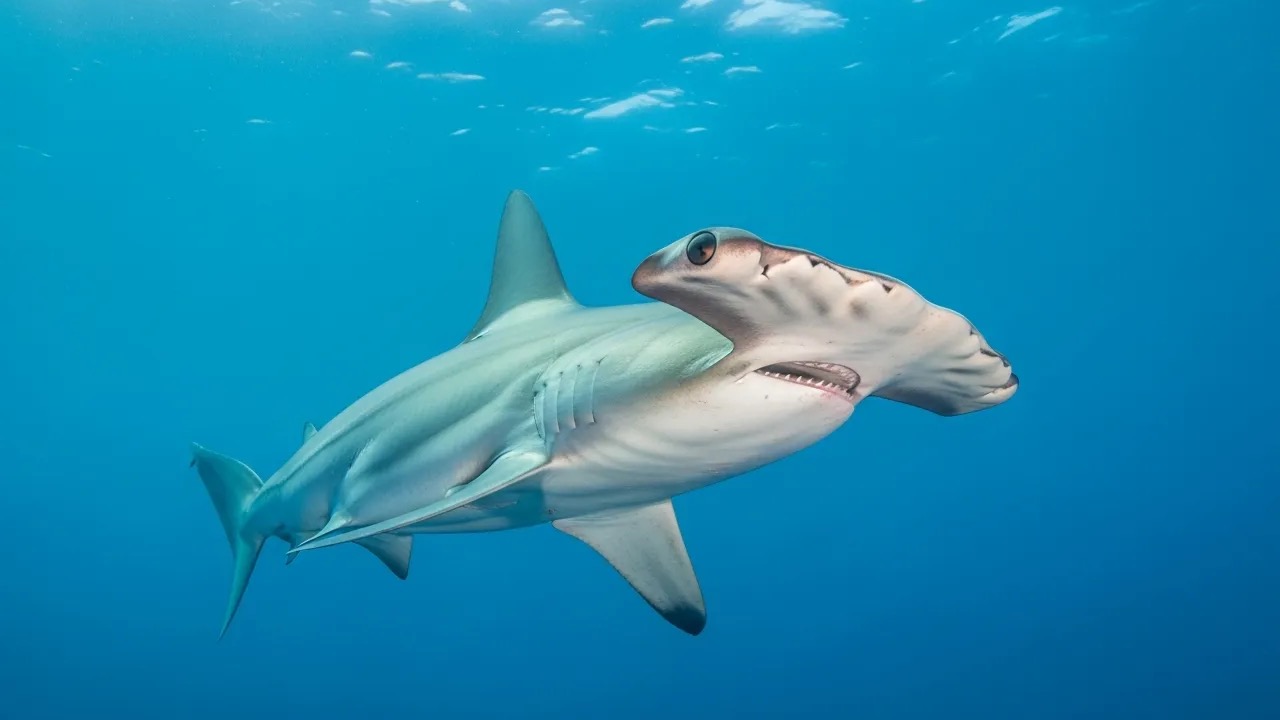
Sharks & rays
HHammerhead Shark
Sphyrnidae
The shark with a head like a hammer
Oceans
Open guide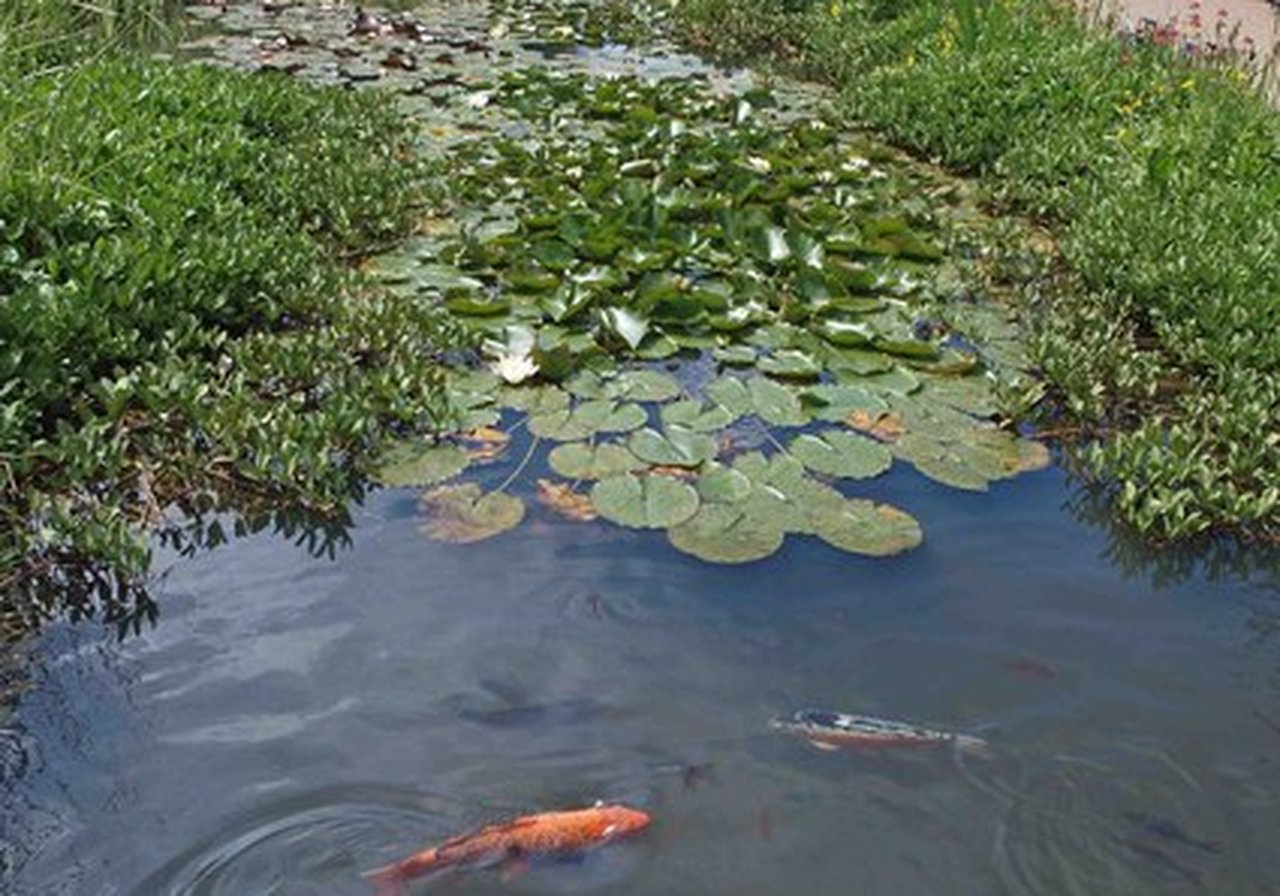
Freshwater fish
KKoi
Cyprinus carpio haematopterus — ornamental domestic carp (Cyprinus carpio)
Living jewels of the pond — centuries of Japanese artistry on a Vulnerable wild carp.
Worldwide — ornamental ponds; wild carp native to Europe and Asia
Open guide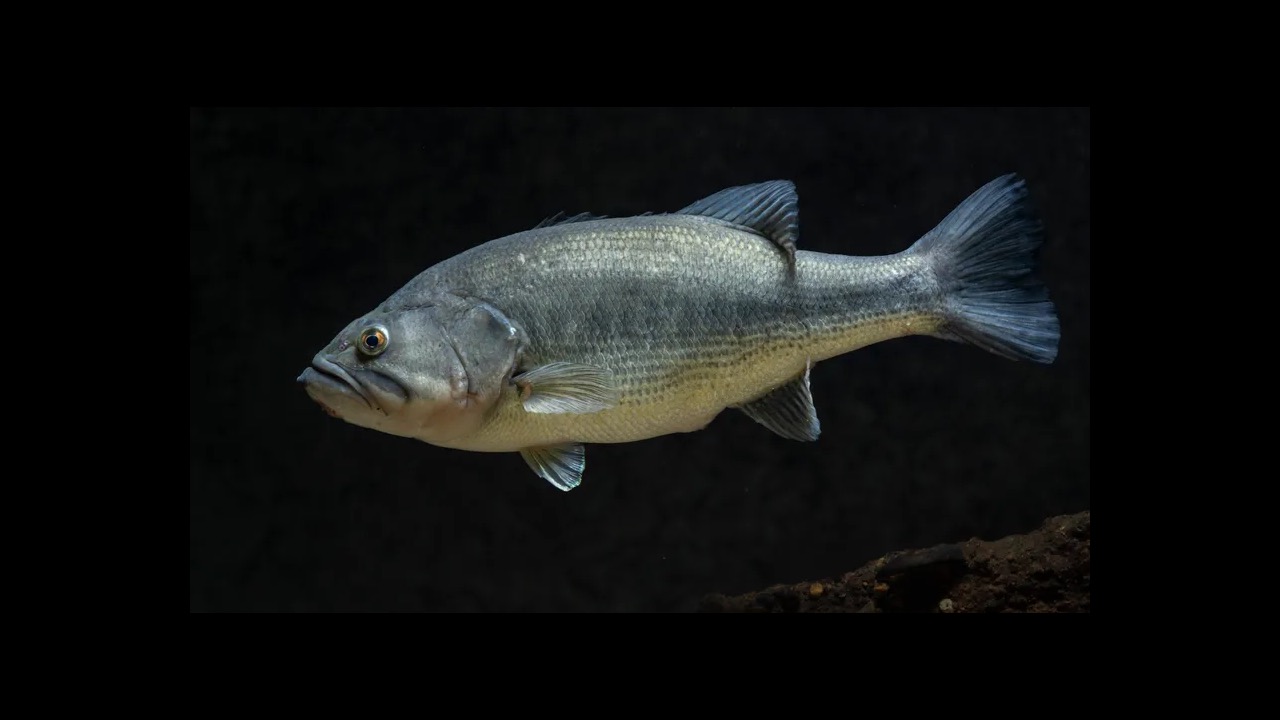
Freshwater fish
LLargemouth Bass
Micropterus salmoides
America's favourite freshwater game fish
Africa · Asia
Open guide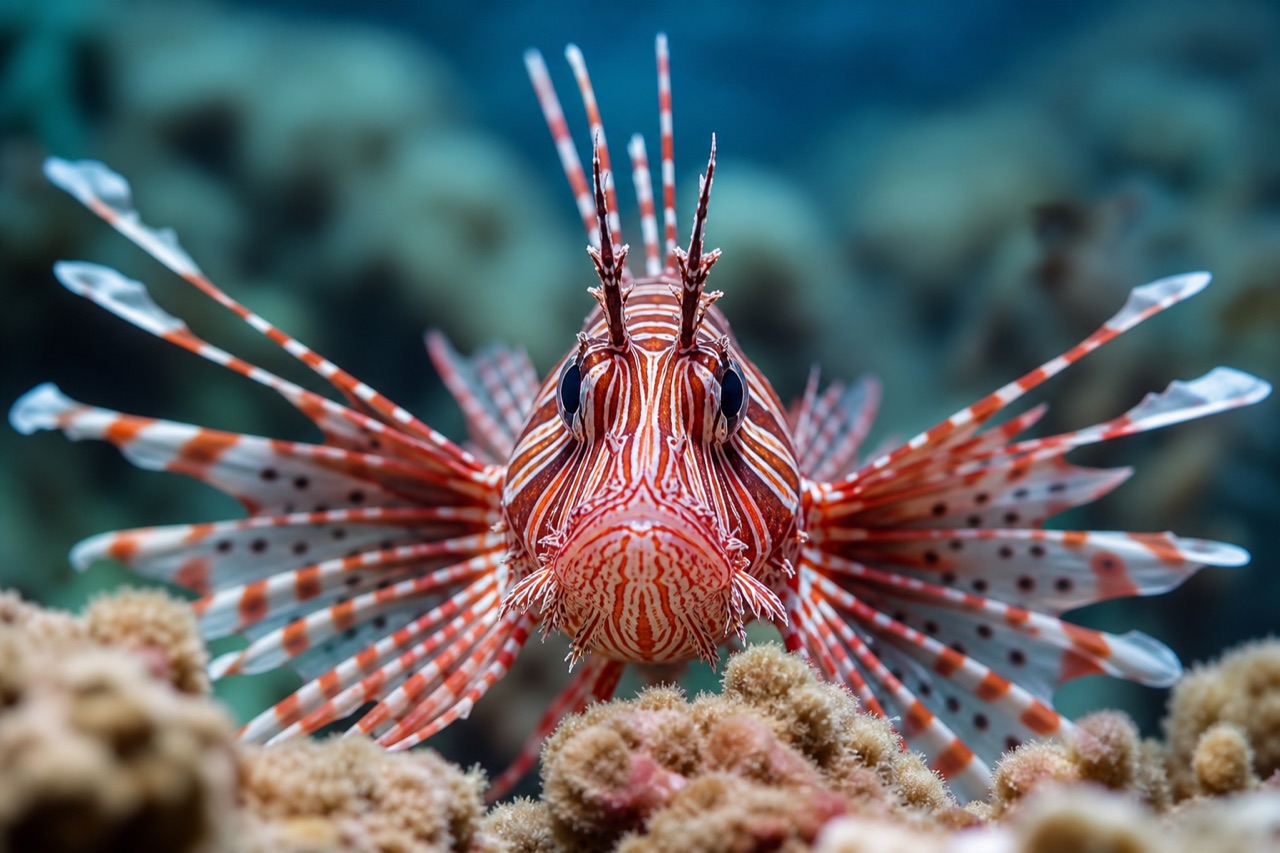
Reef fish
LLionfish
Genus Pterois — red lionfish P. volitans and devil firefish P. miles invasive in the Atlantic
A spectacular Indo-Pacific predator that became the textbook Atlantic invasive — venomous, fertile and unchecked.
Native: Indo-Pacific coral reefs · Invasive: Western Atlantic, Caribbean and Gulf of Mexico since the 1980s
Open guide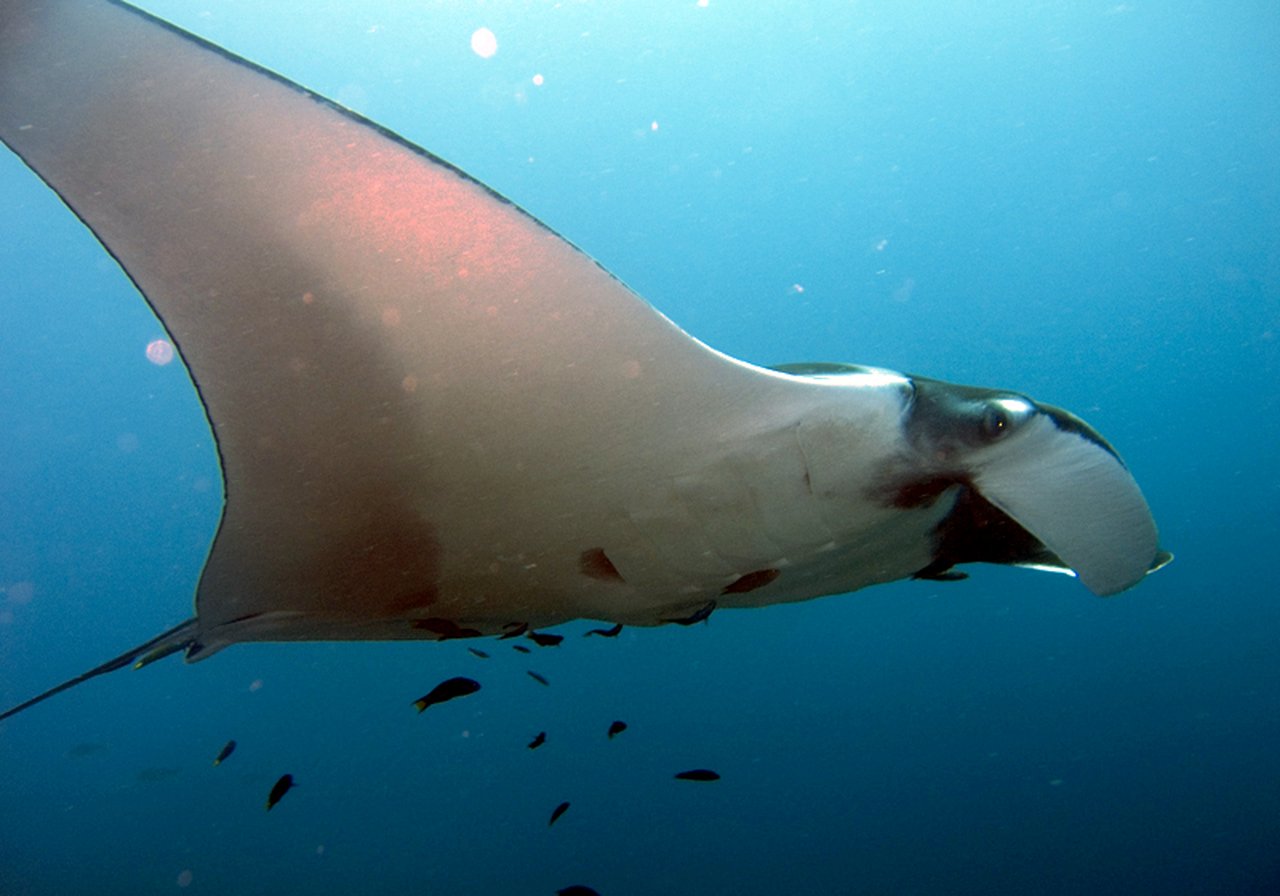
Sharks & rays
MManta Ray
Mobula birostris (giant) and Mobula alfredi (reef manta)
Ocean giants with wingspans rivalling small aircraft — filter-feeders under serious threat.
Tropical and subtropical oceans worldwide — coasts, reefs and open water
Open guide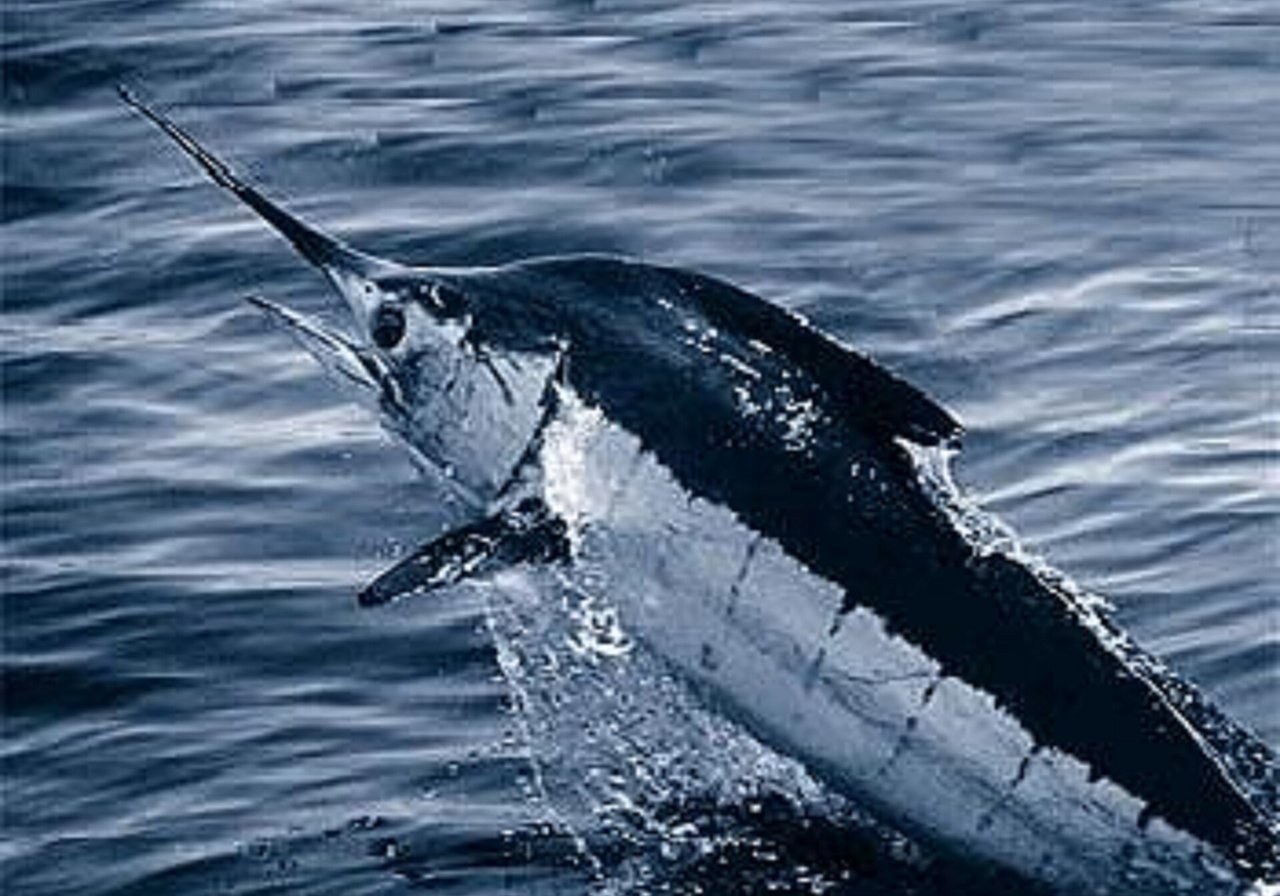
Other
MMarlin
Makaira nigricans (Lacepède, 1802)
Billfish giants of the tropics — Vulnerable to longlines, sport fishing and bycatch.
Tropical and subtropical oceans worldwide — Atlantic, Pacific and Indian
Open guide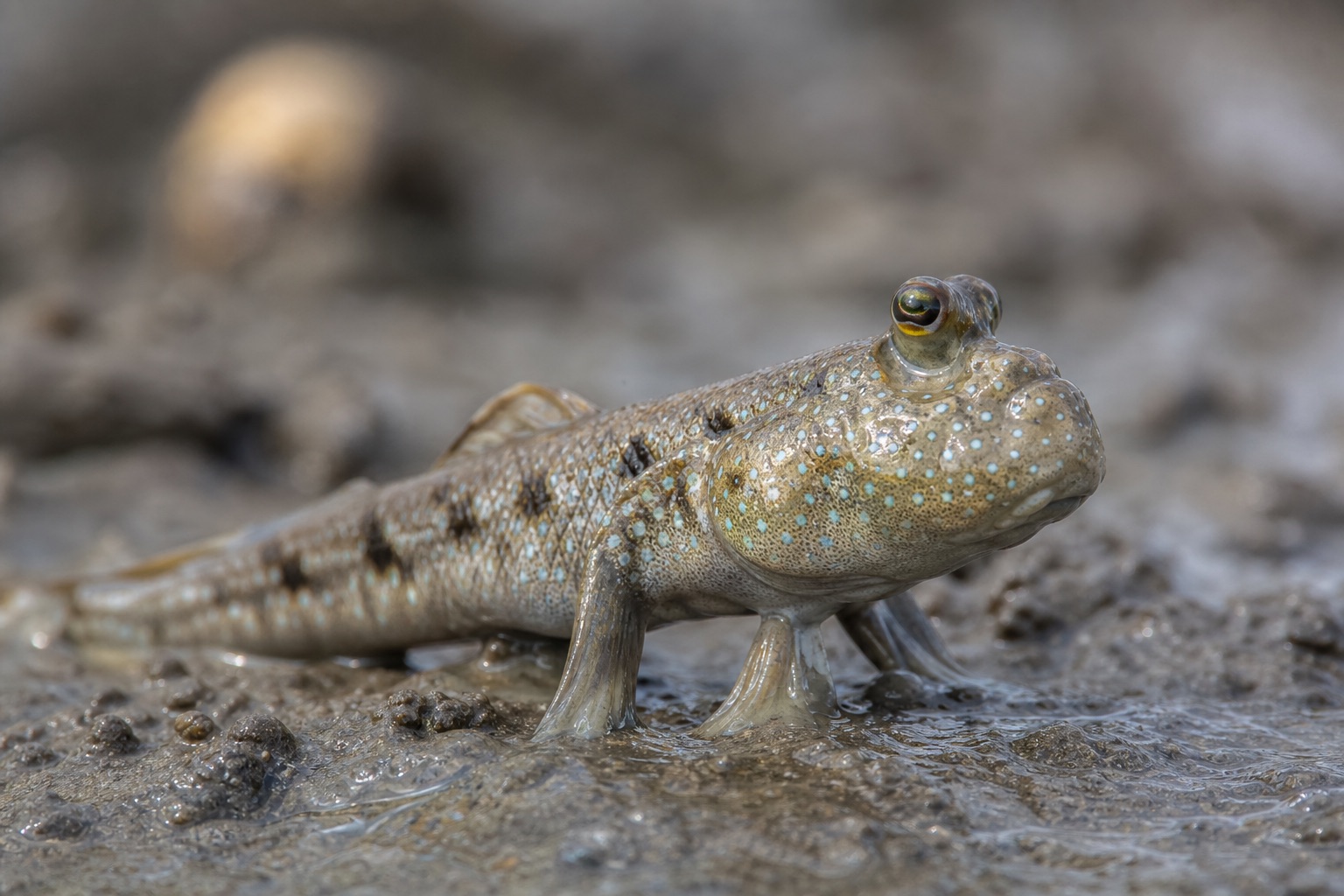
Reef fish
MMudskipper
Periophthalmus spp. — family Oxudercidae (formerly Gobiidae)
A fish that walks on land, breathes through its skin and spends more time out of water than in it.
Indo-Pacific mangrove mudflats · Tropical west Africa for some species
Open guide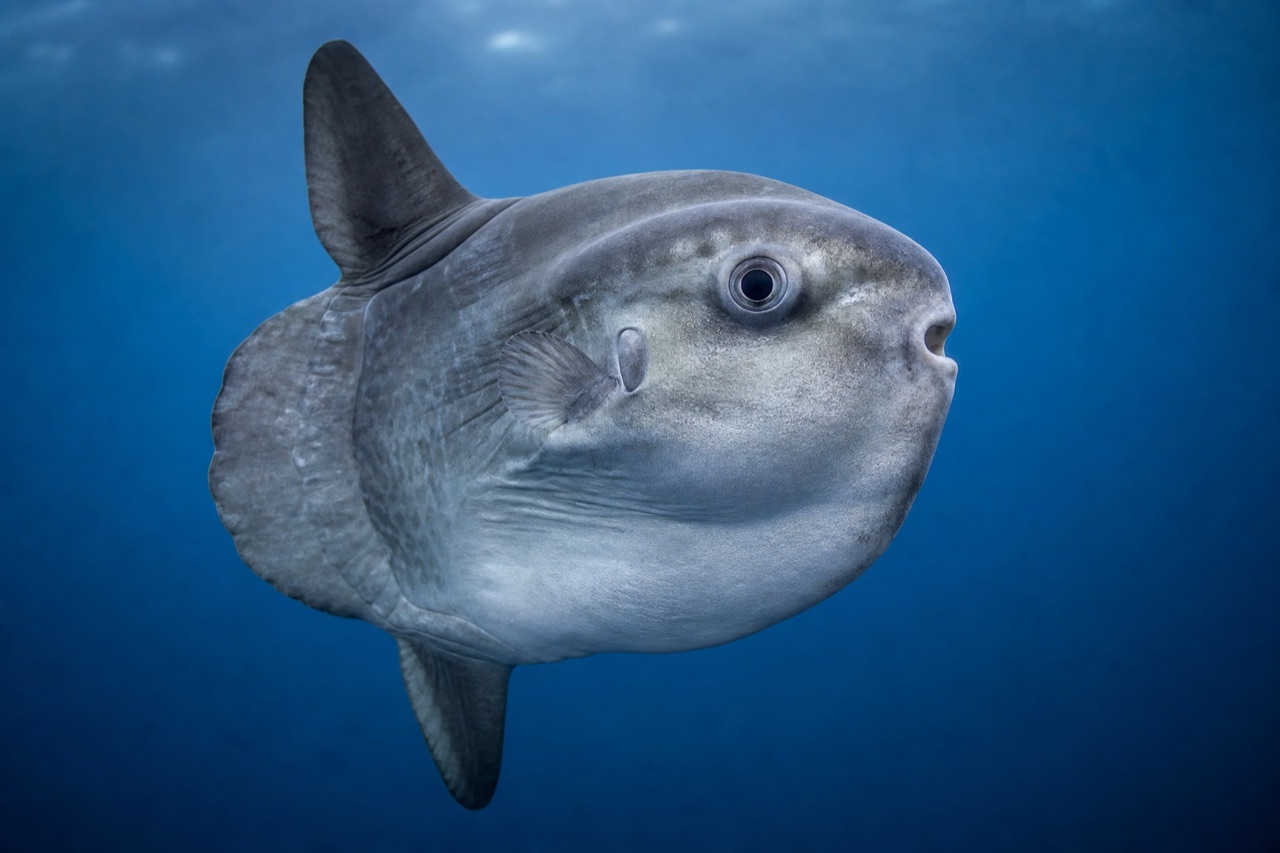
Other
OOcean Sunfish
Mola mola (Linnaeus, 1758) — family Molidae
A fish that looks like a head with fins, grows 60 million times its birth weight, and basks on its side.
Temperate and tropical oceans worldwide · Open ocean, often near the surface
Open guideQuick answers
- Are dolphins fish or mammals? Dolphins are mammals. They breathe air through a blowhole, nurse their young with milk, and are warm-blooded — despite living in the sea. Dolphins belong to the order Cetacea alongside whales and porpoises. Like all mammals, they have lungs, mammary glands and hair follicles at birth — even though adults appear hairless and fish-like in shape.
- Do goldfish have a three-second memory? No. Goldfish remember far longer than three seconds — trained individuals learn feeding cues and maze routes and retain them for months, not moments. The three-second memory claim is a durable folk belief with no support in experimental work on Carassius auratus.
- Why are sharks endangered? Over one-third of shark and ray species are threatened with extinction. Overfishing — for fins, meat and bycatch — is the primary driver. Sharks reproduce slowly; populations cannot recover quickly from heavy harvest. Sharks have survived over 400 million years — yet a 2021 IUCN assessment found 37% of shark and ray species threatened with extinction.
- How do seahorses reproduce? Male seahorses become pregnant — females deposit eggs into the male’s brood pouch, where he fertilises and incubates them for two to four weeks before releasing live young. It is one of the only examples of male pregnancy in the animal kingdom.
Fishing pressure and habitat loss decide most fish futures
Industrial fishing, dams, reef bleaching and the ornamental trade remove fish faster than slow-growing sharks and specialised reef species can replace themselves.
Free, sourced guides exist so readers can replace myths with mechanisms — and so every page can still route toward habitat and rescue funding when someone is ready to act.
Fish: frequently asked questions
What belongs in this section?
How are types different from taxonomy?
Does every guide appear in a type?
Are the facts sourced?
How can I help threatened species in this group?
Where else should I look?
Keep exploring
-
Animals A–Z
Searchable encyclopaedia of every species guide, plus dedicated letter URLs such as animals that start with A and N.
-
Animals that start with A
Homework letter encyclopaedia: Aardvark, Axolotl, Aye-aye and the other A guides — not a census.
-
Animals that start with N
Homework letter encyclopaedia: Narwhal, Naked Mole-Rat, Nautilus and the other N guides.
Mammals
The parallel type-page section for Mammalia.
Extinct animals
Finished stories with living parallels still on this site.
Glossary
Red List categories, CITES appendices and more.
All wildlife guides
Hubs for birds, mammals, fish and more.
Donate
Fund partner-led rescue and habitat work.