Wildlife
What is the difference between a butterfly and a moth?
Butterflies clubbed antennae and upright wings at rest; moths mostly nocturnal with feathery antennae — both Lepidoptera.
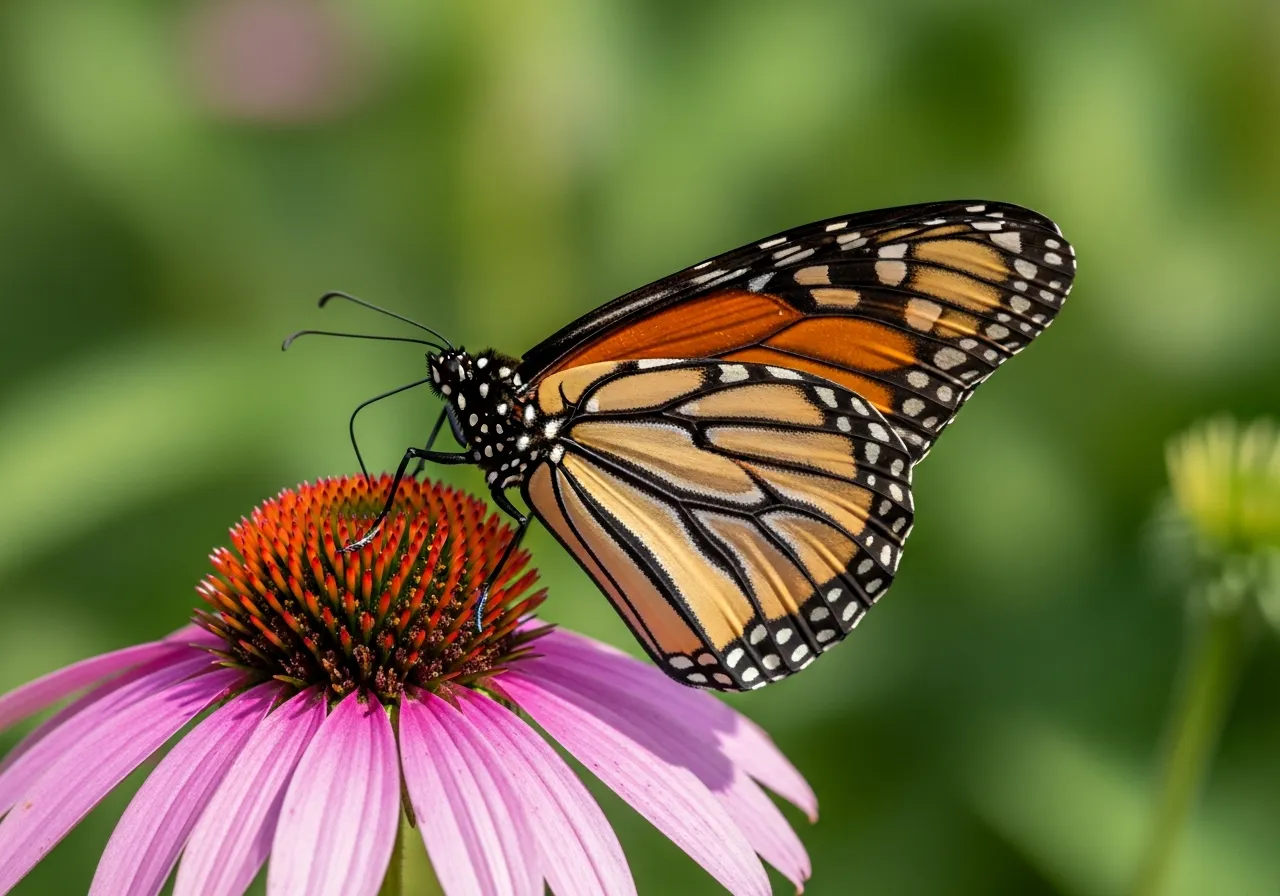
In brief
Butterflies usually hold wings upright at rest and have clubbed antennae; most moths rest with wings flat and have feathery or tapered antennae. Butterflies are mostly day-flying; most moths fly at night — exceptions exist on both sides. Butterflies and moths share scaled wings and caterpillar larvae — order Lepidoptera.
By WARN Research & Conservation Team Last updated
Butterflies and moths share scaled wings and caterpillar larvae — order Lepidoptera. Butterflies mostly day-flying with club-tipped antennae; moths mostly night-flying with feathery or tapered antennae resting wings flat. Exceptions abound — burnet moths day-fly; few butterflies active dusk. Moth species vastly outnumber butterflies — hidden biodiversity.
160,000+
Lepidoptera species — mostly moths
20,000
Butterfly species approx.
Decline
Moth biomass falling in Europe — light pollution
Both
Caterpillars need host plants
Quick facts
| Antennae | Butterflies clubbed; moths feathery or tapered |
|---|---|
| Resting | Butterflies wings upright; moths usually flat |
| Activity | Butterflies mostly day; moths mostly night |
| Silk | Silkworm is moth larva — not butterfly |
| Pollination | Both pollinate — moths night flowers |
| Threat | Habitat loss, pesticides, light pollution |
Key takeaways
- Clubbed antennae and upright wings — butterfly clues.
- Moths more species-rich — mostly nocturnal.
- Caterpillars need native host plants.
- Light pollution kills moths — dark skies help.
- Silkworm is moth — not butterfly.
- Both pollinate and feed food webs.
Identification in field
Clubbed antennae distinguish butterflies at glance — skippers have hooked clubs blur line slightly. Moth antennae feathered in males especially — pheromone detection. Frenulum wing-coupling device in many moths absent butterflies — technical character. Rest posture unreliable alone — some moths hold wings tent-like. Geometrid moths look butterfly-like — check antennae.
Ecological roles
Caterpillars herbivores — some pest corn borers and clothes moths; others specialist on native plants only. Monarch butterfly milkweed dependency — migration icon. Hawk moths pollinate orchids and night-blooming jasmine. Bat and bird food chains depend moth biomass — declines cascade. Silk industry from Bombyx mori moth — domesticated thousands of years.
Light pollution threat
Artificial light disorients nocturnal moths — fatal attraction exhausts energy, increases predation. UK and Germany document multi-decade moth biomass declines — agricultural intensification and light combined. Dark sky initiatives help moths and migrating birds. LED spectrum choice affects attraction — amber less disruptive in some studies.
Garden and habitat support
Native host plants for caterpillars — not only nectar flowers for adults. Oak supports hundreds of Lepidoptera species in temperate regions. Pesticide-free garden patches support pollinators including day and night species. WARN habitat themes connect forest plant diversity to insect and bird food webs — rainforest and temperate alike.
Frequently asked questions
Butterfly vs moth difference?
Are moths more common?
Do moths pollinate?
Is a silkworm a butterfly?
Why are moths declining?
Do butterflies migrate?
Sources & references
Related reading
More Wildlife answers
Stay connected with WARN
Receive appeal updates, animal-welfare news and published funding reports. Unsubscribe any time.
We only use your address for WARN updates. See our privacy policy.