Wildlife Guide · Every continent except Antarctica & Richest in tropical forests
Butterfly
Superfamily Papilionoidea — order Lepidoptera; roughly 19,000 described species
Around 19,000 species, four life stages, and one of the best early-warning systems ecologists have.
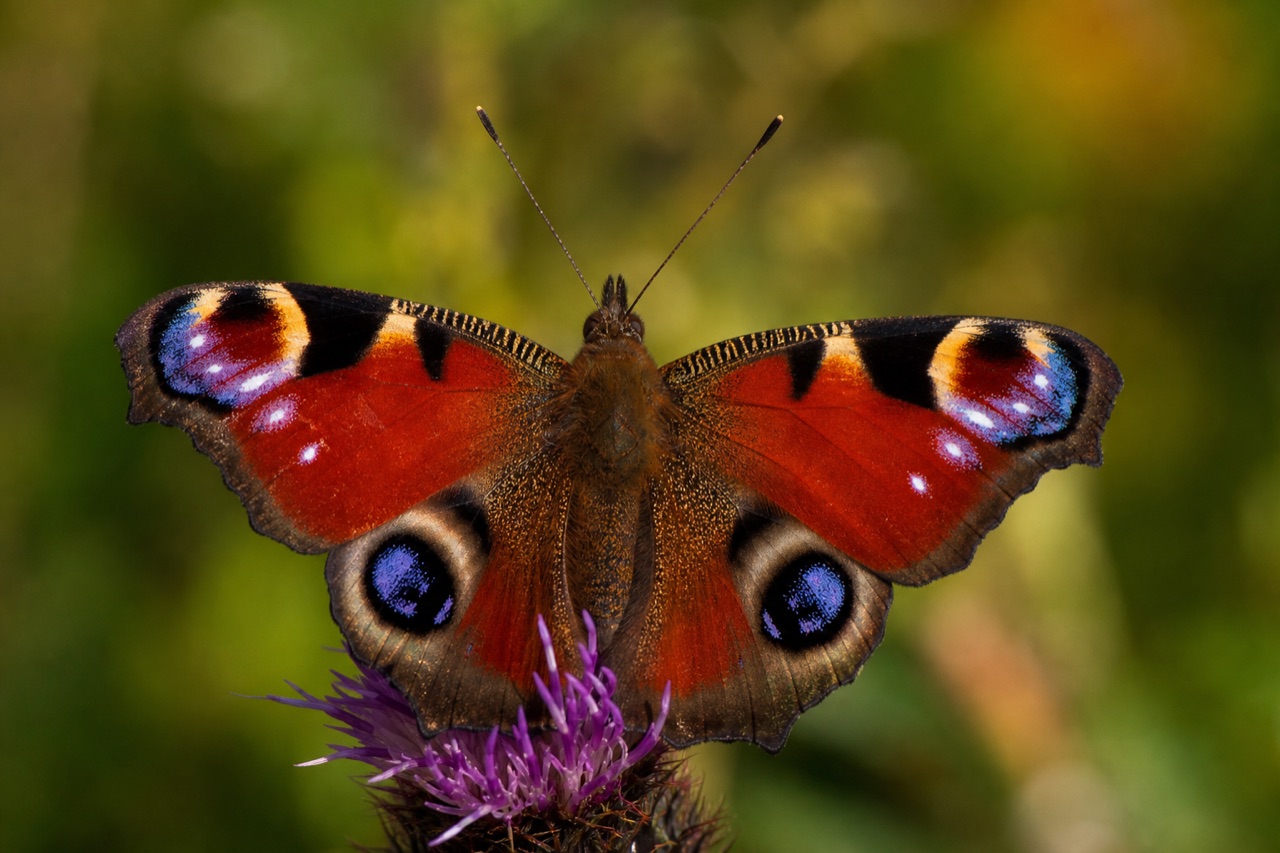
AI-generated educational wildlife portrait — World Animal Rescue Network · AI visualisation, not a photograph
In brief
Butterflies are day-flying insects of the superfamily Papilionoidea — about 19,000 species — that develop through complete metamorphosis from egg to caterpillar to chrysalis to adult, and are widely used as indicators of habitat health.
Also in Animals A to Z · Animals that start with B
By WARN Research & Conservation Team Last updated
Butterflies are day-flying insects of the superfamily Papilionoidea, with roughly 19,000 described species worldwide. They share the order Lepidoptera with moths, and the line between the two is more cultural than scientific — butterflies are essentially a group of moths that took up daytime flight, clubbed antennae and, usually, brighter colouring. What gives butterflies their outsized importance is not beauty but sensitivity. They are short-lived, tightly tied to specific food plants and quick to respond to changes in temperature, land management and pesticide use. That makes butterfly counts one of the most responsive indicators available for the health of a landscape, and the reason volunteer butterfly monitoring underpins so much conservation policy.
~19,000
Described butterfly species worldwide
4 stages
Egg, larva, pupa, adult (complete metamorphosis)
6
Butterfly families within Papilionoidea
Days–months
Adult lifespan, depending on species and season
Figures sourced from IUCN Red List, CITES Appendices .
Butterfly: Quick Facts
| Described species | ~19,000 |
|---|---|
| Life cycle | Complete metamorphosis, 4 stages |
| Adult mouthparts | Coiled proboscis — liquids only |
| Taste organs | Chemoreceptors on the feet |
| Wing colour | Pigment plus structural scale colour |
| Ecological role | Pollinators; caterpillars are a key bird food |
Scientific Classification
| Kingdom | Animalia |
|---|---|
| Phylum | Arthropoda |
| Class | Insecta |
| Order | Lepidoptera |
| Superfamily | Papilionoidea |
| Families | Papilionidae, Pieridae, Lycaenidae, Riodinidae, Nymphalidae, Hesperiidae |
Conservation Status
- IUCN Status
- Varies by species — group page
- Population
- Not applicable at group level
- Trend
- Declining in many intensively managed temperate landscapes
- Assessed
- Assessed species-by-species
- CITES
- A small number of species are CITES-listed (e.g. certain birdwings)
Butterflies are assessed individually. Some are Critically Endangered and legally protected; many common species have no assessment at all.
Did you know?
A butterfly identifies the right host plant by standing on it — its taste receptors are in its feet, so it drums the leaf before laying.
Key Facts: Butterfly
- Butterflies and moths are both Lepidoptera; the split is a popular distinction rather than a strict taxonomic one.
- Nearly all butterflies are host-plant specialists as caterpillars, so losing one plant can lose the butterfly.
- Adults taste with their feet and drink through a coiled proboscis — they cannot chew.
- Wing colour comes from both pigment and microscopic scale structure that scatters light.
- Butterfly monitoring is a standard proxy for wider insect and habitat health.
- Nectar plants feed adults; host plants make new butterflies. A garden needs both.
Butterfly or moth?
The usual rules of thumb — butterflies fly by day, hold their wings upright, have clubbed antennae and are brightly coloured — hold often enough to be useful and fail often enough to be unreliable. There are brilliantly coloured day-flying moths and drab butterflies, and plenty of moths rest with wings closed.
Genetically, butterflies sit inside the moth radiation rather than beside it: Papilionoidea is one branch of Lepidoptera, and the roughly 160,000 species usually called moths are the rest of the tree. 'Butterfly' is a real group, but 'moth' is not a single group at all.
The four-stage life cycle
A female lays eggs on or beside a specific host plant. The caterpillar that hatches is an eating machine, moulting through several instars and growing enormously in days or weeks. It then pupates: inside the chrysalis, larval tissue is largely dismantled and rebuilt into an adult around clusters of cells set aside from the start.
The emerging adult has a completely different job — dispersal and reproduction. It drinks nectar, sap or mineral-rich moisture through a coiled proboscis, tastes potential host plants with chemoreceptors on its feet, and in most species lives only long enough to mate and lay.
Why butterfly numbers matter beyond butterflies
Because butterflies are short-lived, specialised and easy for volunteers to identify, long-running transect counts produce unusually good data. Those counts have documented steep declines in many temperate regions, driven by agricultural intensification, habitat fragmentation, nitrogen enrichment, pesticide use and climate-driven mismatches between insect emergence and plant timing.
Butterflies are also pollinators — less efficient than bees per visit, but mobile, and important for plants with deep or exposed flowers. Their caterpillars, meanwhile, are a foundational food source: many farmland and woodland birds time their breeding to caterpillar abundance.
Making a garden actually work for butterflies
Most butterfly gardening stops at nectar. Nectar keeps adults alive; host plants let them breed. A patch of nettles, native grasses, or the specific larval plants used in your region will do more than any amount of buddleia.
Beyond planting: skip systemic insecticides, cut less often and later, leave seedheads and leaf litter for overwintering pupae and adults, and keep a damp patch for mud-puddling. Sunny, sheltered, untidy corners support far more species than neat ones.
What WARN Does
WARN publishes free, sourced species education covering the full breadth of animal life, not only the large mammals that dominate wildlife coverage. Insects carry the pollination, decomposition and food-web load that every larger animal depends on, and they are where habitat change shows up first.
If this guide helps you understand wildlife and the pressures it faces, a gift to WARN supports habitat protection and free public education in our partner countries.
Butterfly: Frequently Asked Questions
What is the difference between a butterfly and a moth?
How many butterfly species are there?
How long do butterflies live?
What do butterflies eat?
Are butterflies declining?
How do I attract butterflies to my garden?
Where do butterflies live?
Are butterflies dangerous?
How big are butterflies?
Sources & References
Population figures, conservation status and biological facts on this page are drawn from authoritative scientific and intergovernmental sources.
Terms used on this page
Plain-English definitions, from our wildlife and conservation glossary.
Explore more animals
Discover more animals, their habitats and their conservation status in the WARN wildlife-guide library.
Enjoyed this Butterfly guide?
Receive appeal updates, animal-welfare news and published funding reports. Unsubscribe any time.
We only use your address for WARN updates. See our privacy policy.