Wildlife · Species comparisons
What is the difference between an octopus and a squid?
Octopuses have eight arms; squids have eight arms plus two longer feeding tentacles — both intelligent cephalopods with very different lifestyles.
In brief
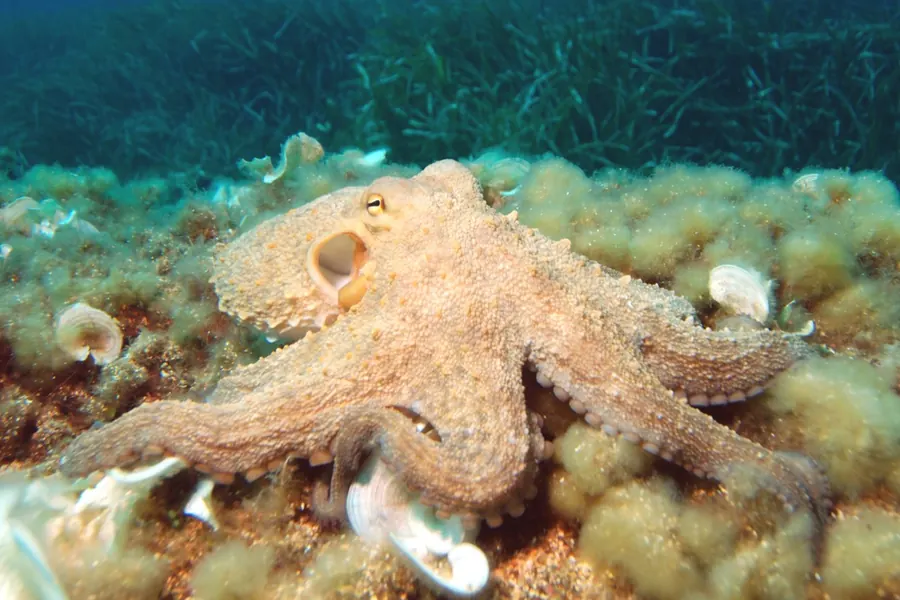
Octopuses have eight arms and no shell; squids have eight arms plus two longer feeding tentacles and an internal pen (shell remnant). Octopuses are solitary benthic crawlers; squids are active open-water swimmers often found in schools. Octopuses and squids are cephalopod molluscs — jet-propelled, colour-changing predators with large brains relative to body size.
By WARN Research & Conservation Team Last updated
Octopuses and squids are cephalopod molluscs — jet-propelled, colour-changing predators with large brains relative to body size. Octopuses have eight arms, no internal shell and solitary benthic habits — crawling reefs and seabeds. Squids have eight arms plus two longer tentacles for striking prey, an internal pen (shell remnant) and open-water schooling behaviour in many species. Both live fast, die young — most species survive one to two years, breeding once before death.
8
Octopus arms — no tentacles
10
Squid limbs — 8 arms + 2 tentacles
500+
Cephalopod species worldwide
3 yrs
Typical maximum lifespan — most species shorter
Quick facts
| Octopus body | Soft, no shell — may squeeze through tiny gaps |
|---|---|
| Squid body | Internal chitinous pen supports mantle |
| Octopus habitat | Benthic — reefs, rock pools, seabed dens |
| Squid habitat | Open water — active swimmers, often in schools |
| Intelligence | Both solve puzzles; octopus farming raises welfare concerns |
| Giants | Giant Pacific octopus; giant and colossal squid |
Key takeaways
- Octopuses: eight arms, no shell, solitary benthic crawlers.
- Squids: eight arms plus two tentacles, internal pen, open-water swimmers.
- Both cephalopods — jet propulsion, colour change, large brains.
- Short lifespans — most breed once then die.
- Octopus intelligence raises welfare concerns about farming proposals.
- See WARN comparison for limb count, habitat and fishing pressure.
Limbs and hunting method
Octopuses capture prey with all eight arms — enveloping crabs, molluscs and fish in a web of suckers lined with chemoreceptors. Squids strike with two elongated tentacles equipped with hooks or suckers on clubs — grabbing prey and retracting it to the beak while the eight shorter arms hold and manipulate. Tentacles retract into pockets beside the eyes when not in use. This ten-limb arrangement is the quickest field distinction. Cuttlefish — a third common cephalopod group — have eight arms plus two tentacles like squids but with a cuttlebone and different swimming posture.
Body plan and movement
Octopuses lack an internal skeleton — boneless bodies squeeze through gaps an inch wide. They crawl on arms or expel water through siphons for jet propulsion over short distances. Squids have a stiff internal pen supporting the mantle — streamlined for sustained swimming in open ocean. Many squid species form schools — Humboldt squid hunt cooperatively in massive aggregations. Octopuses are solitary — meeting mainly to mate, often with cannibalistic risk. Colour change via chromatophores serves camouflage and communication in both groups.
Intelligence and lifespan
Octopuses demonstrate tool use — carrying coconut shells as portable shelters — and solve maze and puzzle tasks in laboratory settings. Squid cognition is less studied but schooling species show coordinated behaviour. Both have short lifespans: most breed once in semelparous death — females guarding eggs until starvation in many octopus species. Giant Pacific octopuses live three to five years; smaller species often one year. Proposed octopus farms raise welfare concerns given demonstrated problem-solving ability and solitary nature — unlike herd animals adapted to confinement.
Fisheries and conservation
Both groups support major commercial fisheries — calamari squid worldwide; octopus in Mediterranean and East Asian markets. Bycatch and overfishing pressure varies by species — many lack detailed stock assessments. Deep-water giant and colossal squids are rarely caught alive — most knowledge from washed-up specimens and sperm whale stomach contents. Climate change shifts distribution ranges — some squid species expand into warming waters while octopus populations respond to reef degradation. WARN’s marine hub links cephalopod guides to broader ocean fishing pressure context.
Frequently asked questions
How many arms does an octopus have?
Are octopuses and squids fish?
Which is smarter — octopus or squid?
Do octopuses have bones?
What is the largest octopus?
Are cephalopods endangered?
Sources & references
Related reading
More from Species comparisons
More Wildlife answers
Stay connected with WARN
Receive appeal updates, animal-welfare news and published funding reports. Unsubscribe any time.
We only use your address for WARN updates. See our privacy policy.