Invertebrates · 9 species guides
Crustaceans: Crabs, Lobsters, Krill & Shrimp
Crustaceans are arthropods that typically have hard exoskeletons, jointed limbs and two pairs of antennae, including crabs, lobsters, hermit crabs, krill, mantis shrimp and horseshoe crabs’ ecological neighbours; most are aquatic and many support commercial fisheries.
- Two pairs of antennae
- Most crustaceans have two antennal pairs; insects have one; arachnids have none.
- Exoskeleton and moult
- A hard cuticle is shed in moults so the animal can grow — soft-shell crabs are recently moulted.
- Crab versus lobster
- Crabs typically have a short abdomen tucked under; lobsters have a long muscular abdomen used for swimming.
- Krill schools
- Krill are small swimming crustaceans that form vast aggregations — whale food at planetary scale.
Crustaceans moult to grow. Two pairs of antennae and biramous limbs are classic marks, though body plans vary from crab discs to krill swarms. Krill underpin Southern Ocean food webs. Coconut crabs climb trees. Mantis shrimp punch with extraordinary speed. Horseshoe crabs are chelicerates, not crustaceans — a confusion pair worth stating clearly.
Crustacean fisheries remove huge biomass; krill fishing sits at the base of polar food webs. Warming and acidification shift ranges and moulting success, so stock collapses can arrive faster than management cycles. Hermit crabs use borrowed shells; true crabs tuck a short abdomen underneath. This page gathers those marks before the linked guides document status. WARN crustacean guides linked here cover crabs, lobsters, hermit crabs, krill, mantis shrimp and horseshoe crabs, with an explicit note that horseshoe crabs are chelicerates. Consumers and fishers both benefit from knowing which landings sit at the base of polar food webs.
Key facts
- Crustaceans usually have two pairs of antennae and a moulted exoskeleton.
- Krill support penguins, seals and baleen whales in the Southern Ocean.
- Mantis shrimp are stomatopods famous for extremely fast strikes.
- Coconut crabs are the largest land arthropods and climb for fruit.
- Horseshoe crabs are not true crabs — they are chelicerates.
- Overfishing and warming seas restructure crustacean fisheries worldwide.
How to recognise them
The features that separate this group in the field, in the order they are usually most useful.
- Two pairs of antennae
- Most crustaceans have two antennal pairs; insects have one; arachnids have none.
- Exoskeleton and moult
- A hard cuticle is shed in moults so the animal can grow — soft-shell crabs are recently moulted.
- Crab versus lobster
- Crabs typically have a short abdomen tucked under; lobsters have a long muscular abdomen used for swimming.
- Krill schools
- Krill are small swimming crustaceans that form vast aggregations — whale food at planetary scale.
- The confusion pairs
- Horseshoe crab versus true crab: horseshoe crabs are chelicerates more closely related to spiders. Hermit crab versus true crab: hermit crabs use borrowed shells.
9 crustaceans guides
Search or filter by conservation status. Every guide carries sourced facts, IUCN status and FAQs.
Common names, scientific names and places are searchable.
Showing 1–9 of 9 guides
Invertebrates
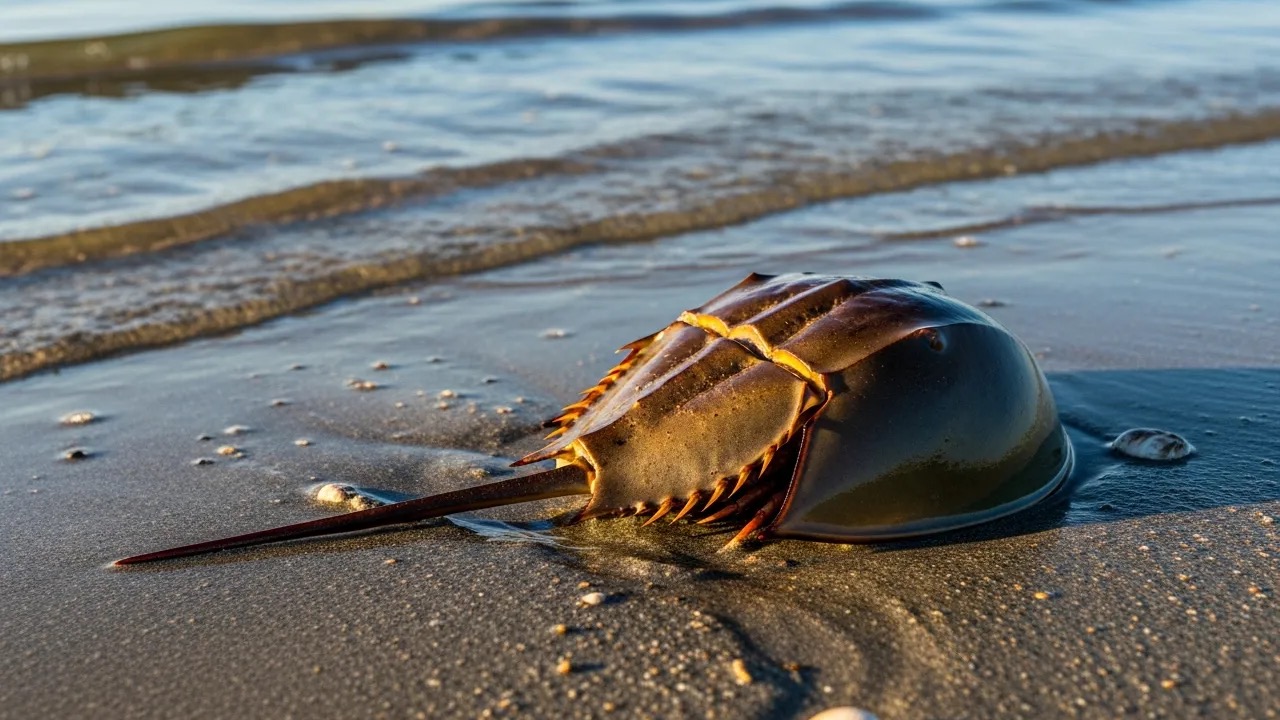
AAtlantic Horseshoe Crab
Limulus polyphemus
The ancient living fossil with blue blood
Oceans · North America
Open guide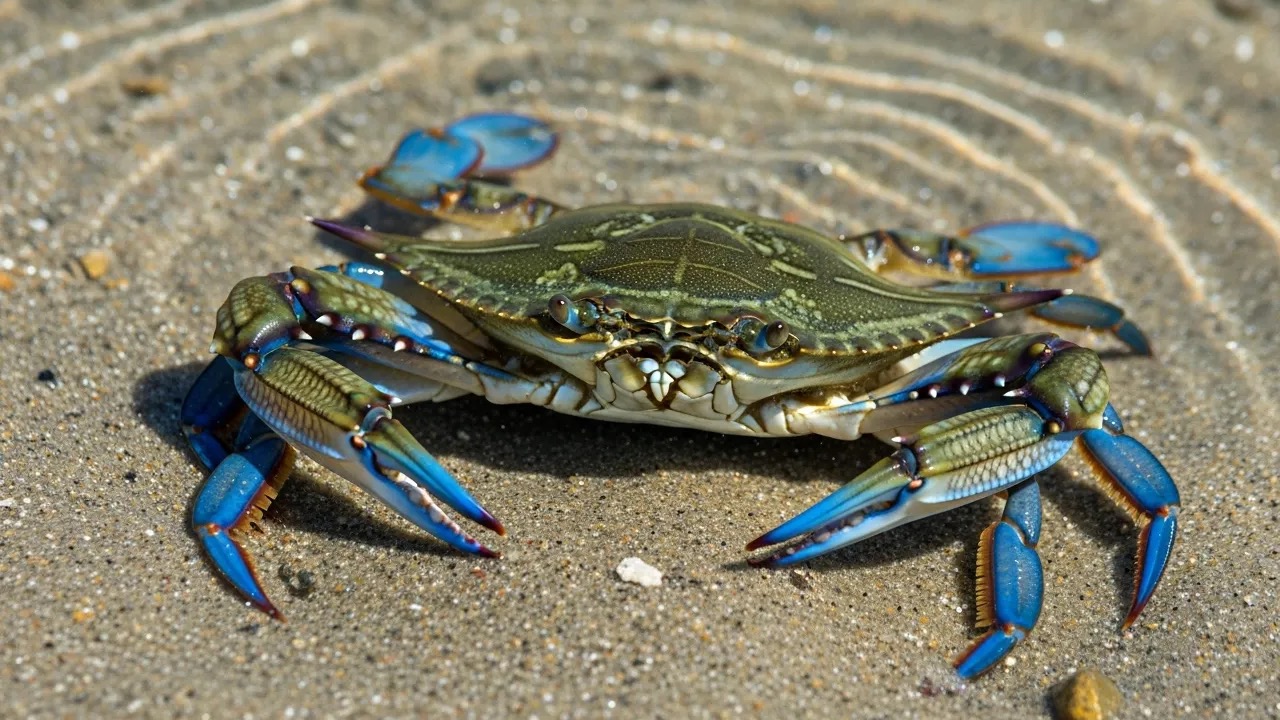
Invertebrates
BBlue Crab
Callinectes sapidus
The swift swimming crab of Atlantic estuaries
Oceans · North America
Open guide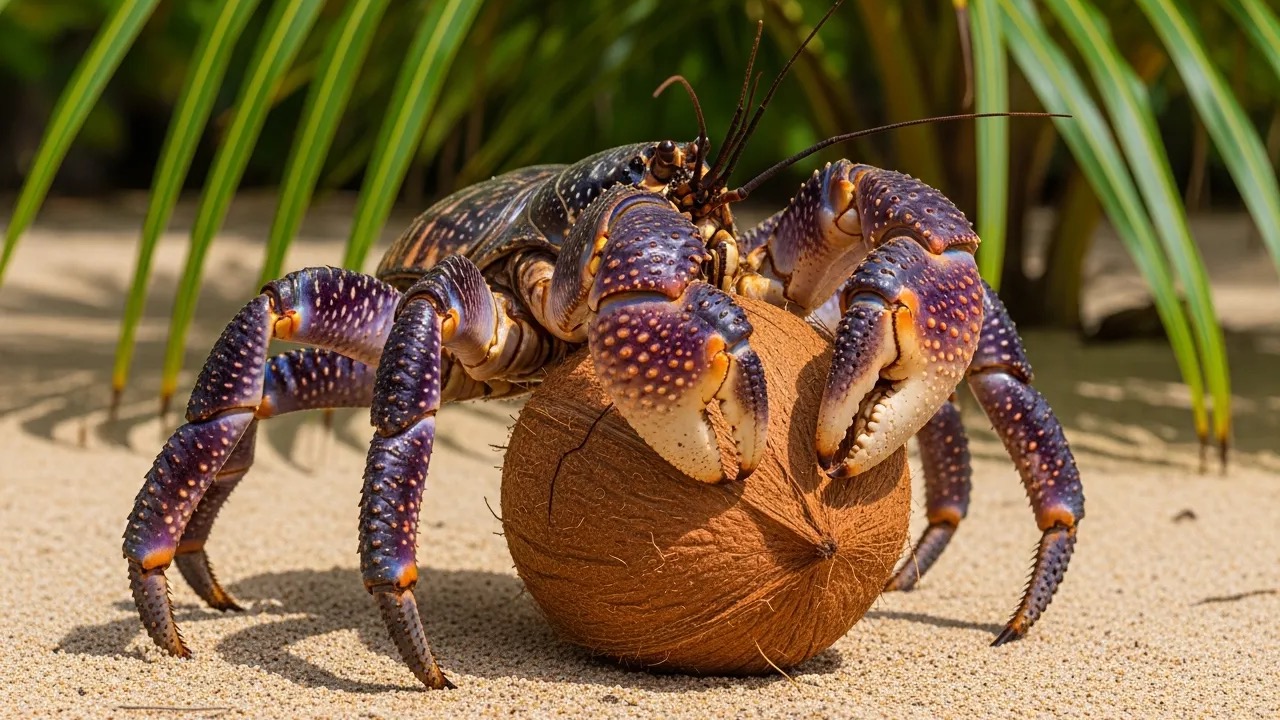
Invertebrates
CCoconut Crab
Birgus latro
The world's largest land arthropod and tree-climbing island giant
Asia · Oceans
Open guide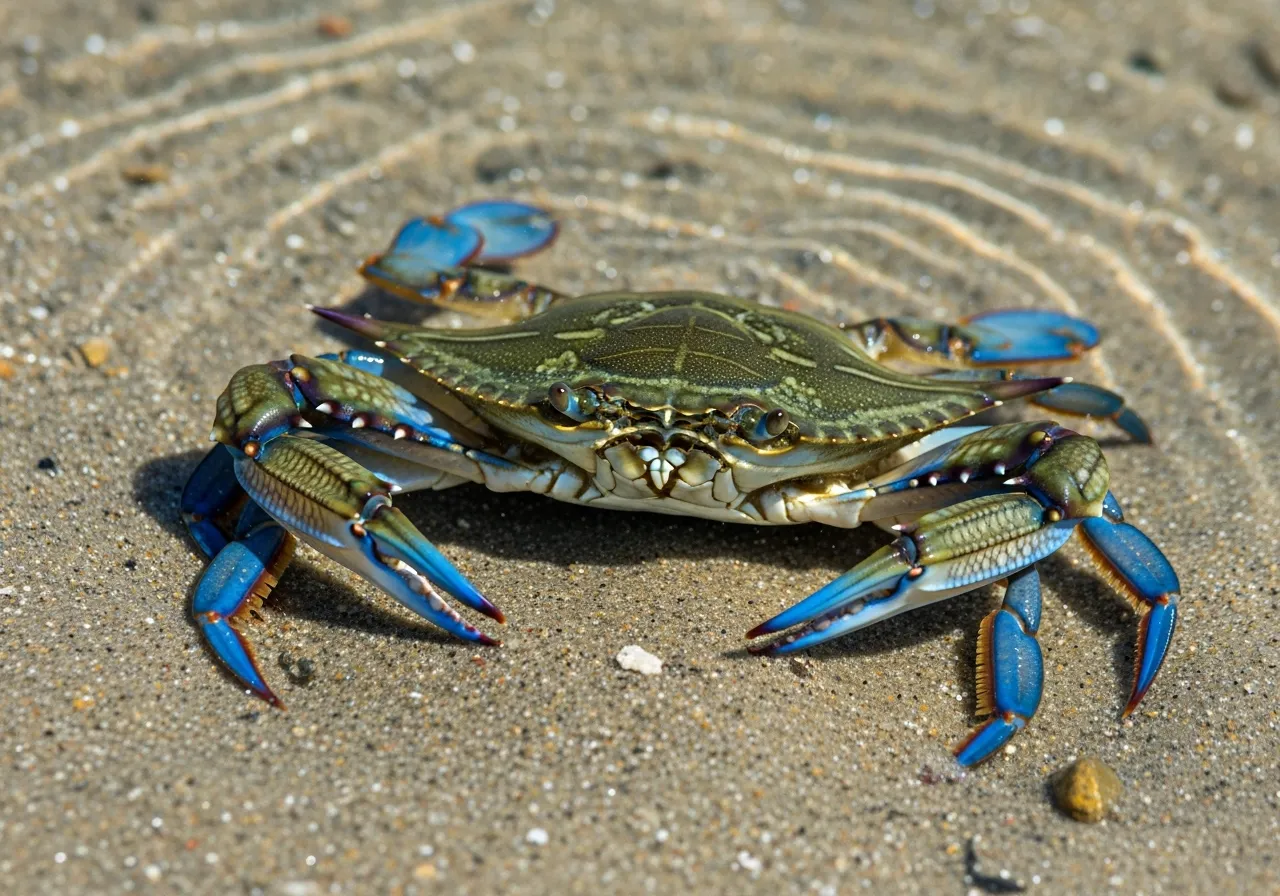
Invertebrates
CCrab
Infraorder Brachyura
Ten-legged, sideways-walking crustaceans found in nearly every watery habitat on Earth.
Oceans worldwide · Coastlines and estuaries
Open guide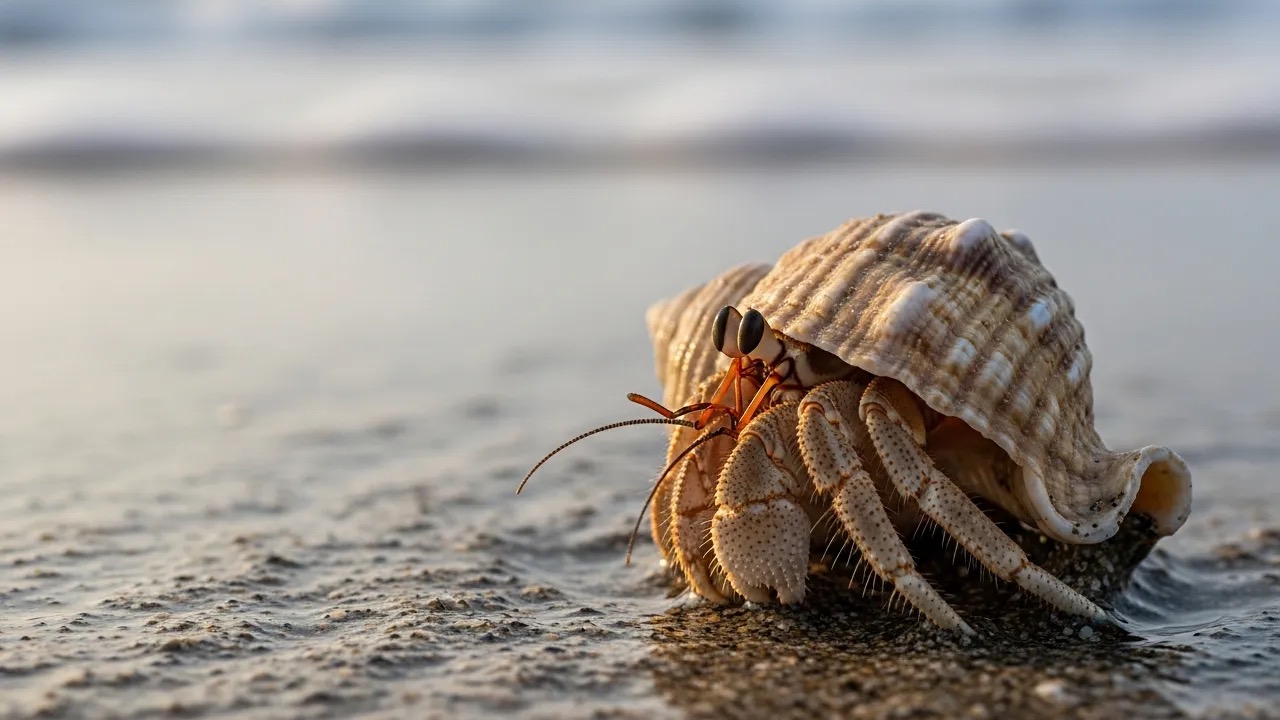
Invertebrates
HHermit Crab
Paguroidea
The crustacean that wears borrowed shells
Oceans
Open guide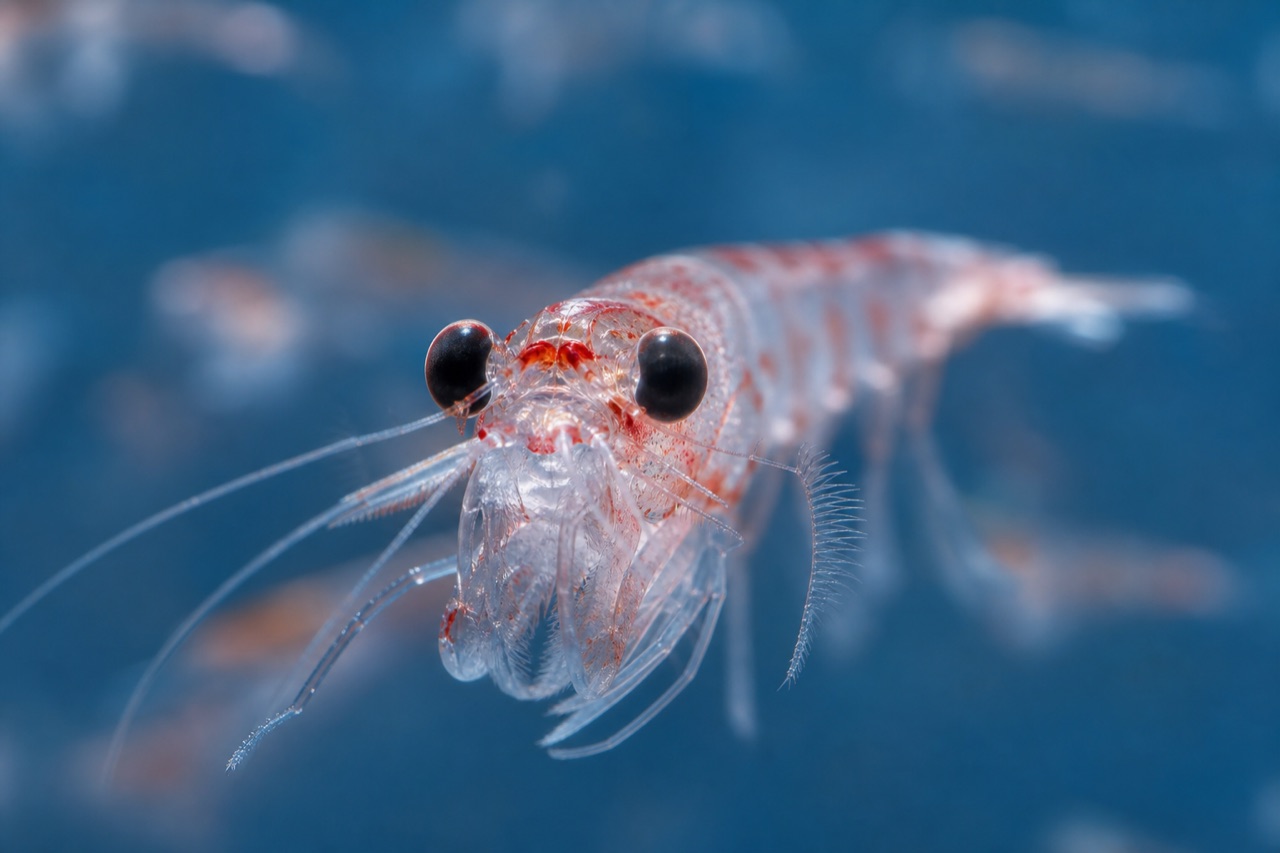
Invertebrates
KKrill
Order Euphausiacea — Antarctic krill Euphausia superba dominates Southern Ocean biomass
The crustacean swarm that feeds the whale — and the fishery that watches the same stock.
Southern Ocean around Antarctica · Krill orders also occur in all other oceans
Open guide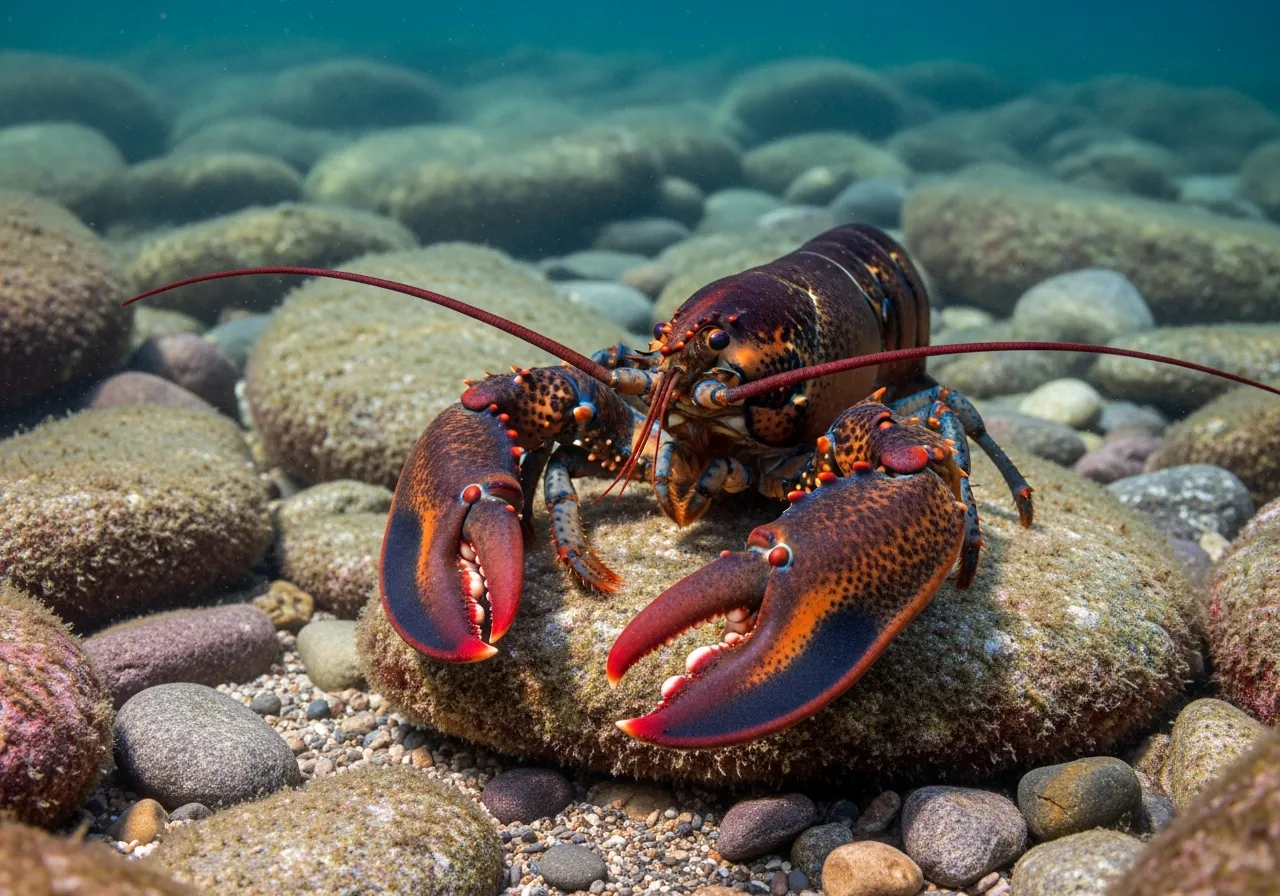
Invertebrates
LLobster
Family Nephropidae
The armoured, blue-blooded crustacean that moults to grow, regrows lost claws and can live for decades.
North Atlantic Ocean · Eastern North America
Open guide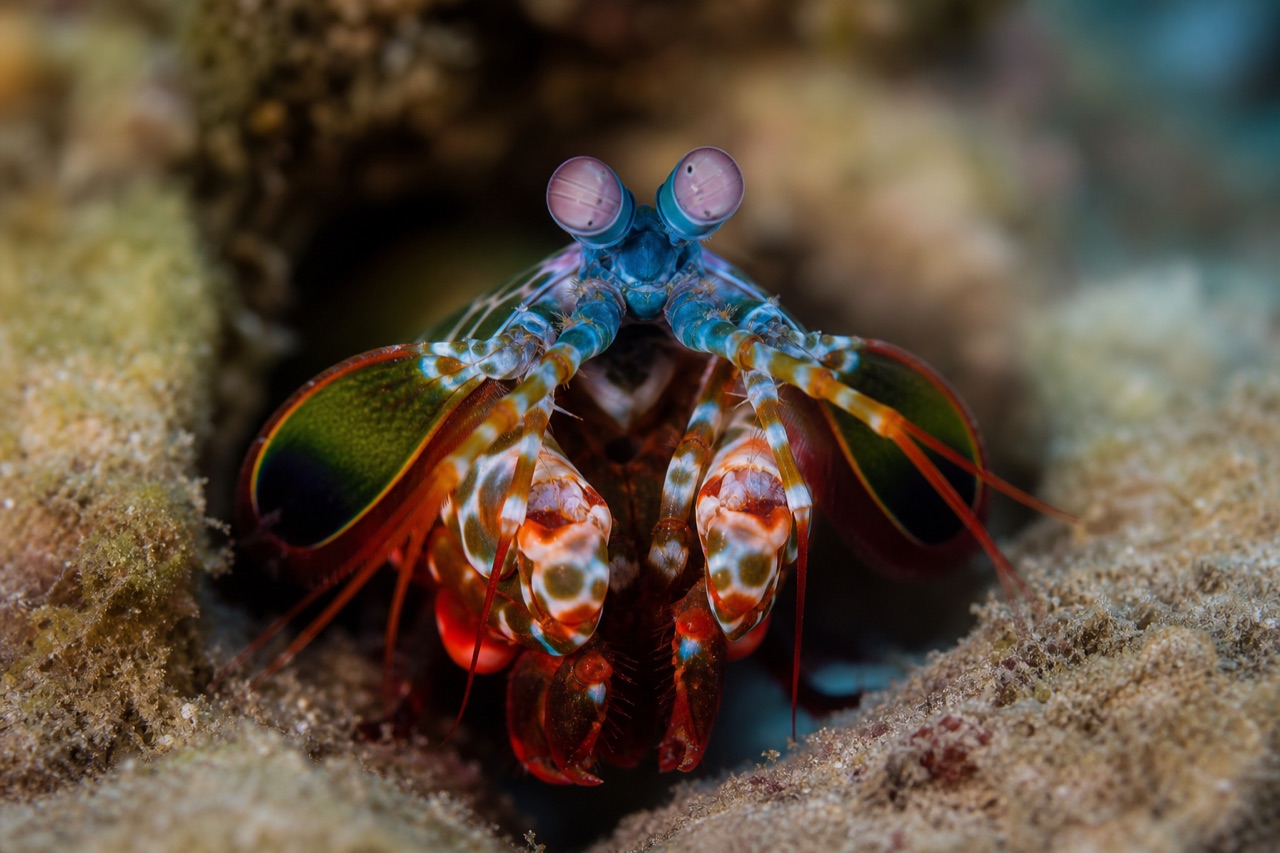
Invertebrates
MMantis Shrimp
Order Stomatopoda — around 500 species, including Odontodactylus scyllarus
A punch that boils water, and eyes that see in ways nothing else does.
Tropical and subtropical shallow seas worldwide · Reefs, rubble and burrows in soft sediment
Open guide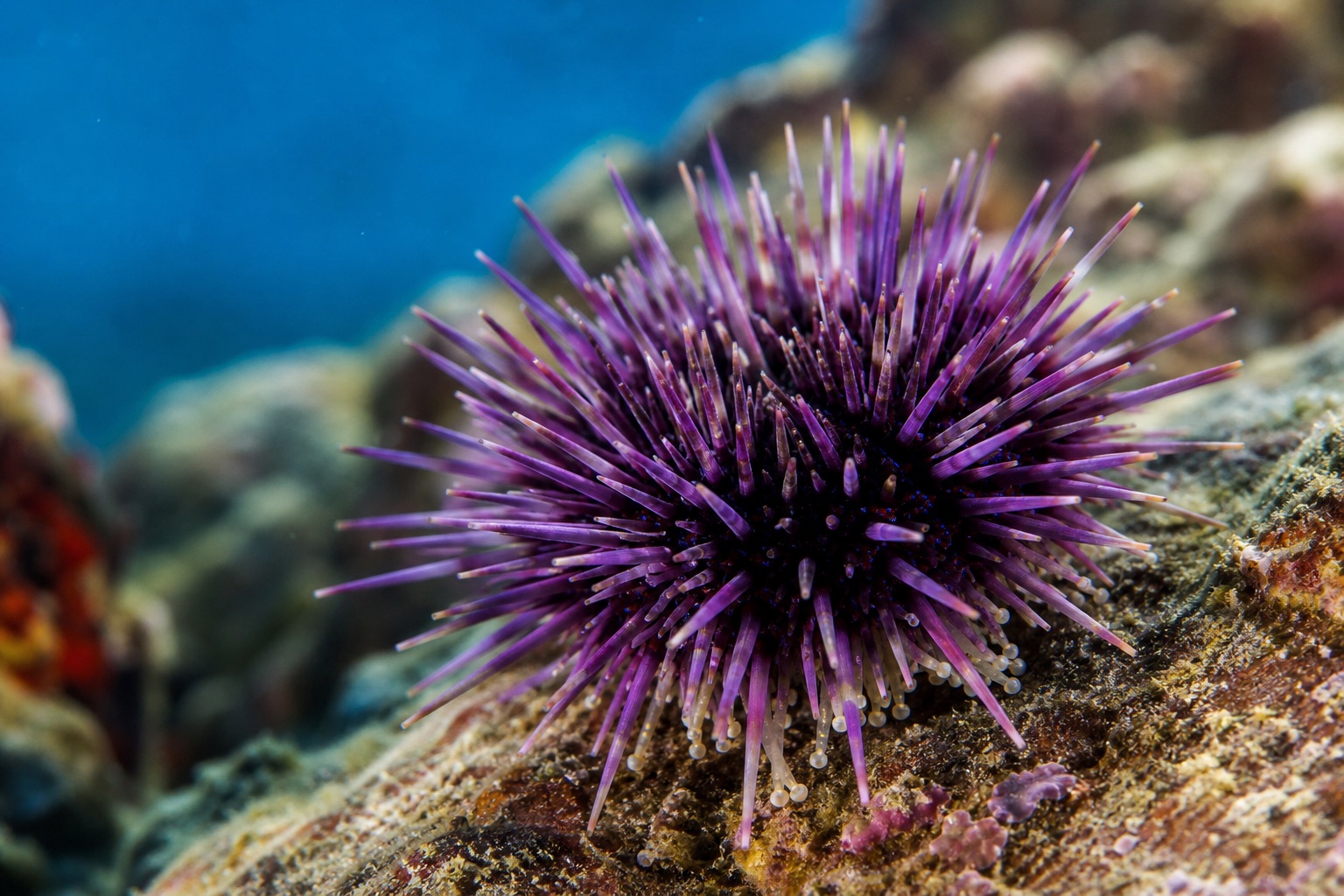
Invertebrates
SSea Urchin
Class Echinoidea — over 950 described species in regular and irregular forms
Spiny echinoderms that graze kelp forests — and some species barely seem to age at all.
All oceans from intertidal to deep sea · Rocky reefs, kelp forests and seagrass beds
Open guideConservation: what this group faces
Crustacean fisheries remove huge biomass; krill fishing sits at the base of polar food webs. Warming and acidification shift ranges and moulting success, so stock collapses can arrive faster than management cycles.
Crustaceans: frequently asked questions
What is a crustacean?
Is a horseshoe crab a crab?
Why do whales need krill?
What is a mantis shrimp?
Are lobsters immortal?
Why are some crabs endangered?
Other types of invertebrates
-
Insects
Six-legged arthropods — bees, butterflies, beetles, ants, dragonflies and more.
-
Arachnids
Eight-legged arthropods — spiders, scorpions, ticks and harvestmen.
-
Molluscs
Soft-bodied animals — octopuses, squid, snails, clams and cuttlefish.
-
Cnidarians
Stinging-celled animals — corals, jellyfish, anemones and hydroids.
-
Microscopic invertebrates
Animals visible only with magnification — tardigrades, rotifers and meiofauna.