Invertebrates · 13 species guides
Arachnids: Spiders, Scorpions & Harvestmen
Arachnids are eight-legged arthropods that include spiders, scorpions, harvestmen (daddy longlegs), ticks and mites; they lack antennae and wings, and most are predators that use fangs or claws rather than chewing mandibles like insects do.
- Eight legs
- Adult arachnids have eight legs. Insects have six.
- No antennae
- Arachnids lack antennae; insects have a pair.
- Spider body plan
- Spiders have two body regions (cephalothorax and abdomen) and fangs; insects have three regions.
- Scorpion metasoma
- Scorpions carry a segmented tail with a venomous stinger; spiders do not.
Arachnids are not insects. Eight legs, two main body regions in spiders, and no antennae are the starting rules. Daddy longlegs myths — most venomous spider, or not a spider at all — need careful sorting: harvestmen are arachnids but not spiders; cellar spiders are true spiders. Medically important widows and recluses are a tiny minority of species.
Most spiders are harmless to people and suppress insect pests for free. Scorpions sting with a tail spine; spiders bite with fangs. Habitat specialists and island endemics can be threatened even when common garden spiders remain abundant. This page holds the eight-leg separation and the confusion pairs; linked guides cover the species people actually search for. WARN arachnid guides linked here cover spiders, tarantulas, widows, recluses, jumping spiders, daddy longlegs and scorpions. Household encounters almost always involve harmless hunters; medically significant species are geographically limited and rare relative to total spider diversity.
Key facts
- Arachnids have eight legs and are not insects.
- Spiders, scorpions and harvestmen are all arachnids.
- Most spiders are harmless to people; a few genera are medically important.
- Daddy longlegs can mean harvestmen or cellar spiders — different animals.
- Scorpions sting with a tail spine; spiders bite with fangs.
- Habitat loss and persecution remove predators that control insect pests.
How to recognise them
The features that separate this group in the field, in the order they are usually most useful.
- Eight legs
- Adult arachnids have eight legs. Insects have six.
- No antennae
- Arachnids lack antennae; insects have a pair.
- Spider body plan
- Spiders have two body regions (cephalothorax and abdomen) and fangs; insects have three regions.
- Scorpion metasoma
- Scorpions carry a segmented tail with a venomous stinger; spiders do not.
- The confusion pairs
- Harvestman versus cellar spider: harvestmen have a single oval body; spiders have a narrow waist. Black widow versus false widow: hourglass marks and medical risk differ by species and region.
13 arachnids guides
Search or filter by conservation status. Every guide carries sourced facts, IUCN status and FAQs.
Common names, scientific names and places are searchable.
Showing 1–13 of 13 guides
Invertebrates
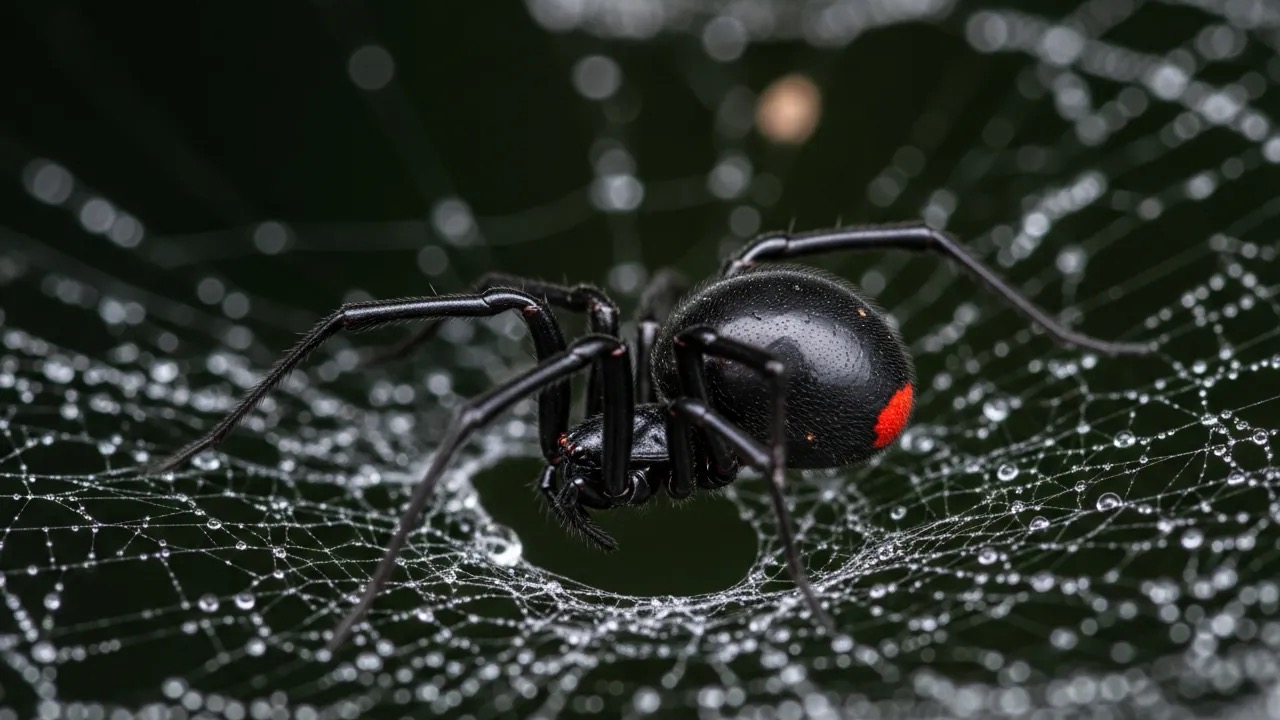
BBlack Widow Spider
Latrodectus mactans
The glossy black spider with the red hourglass
North America
Open guide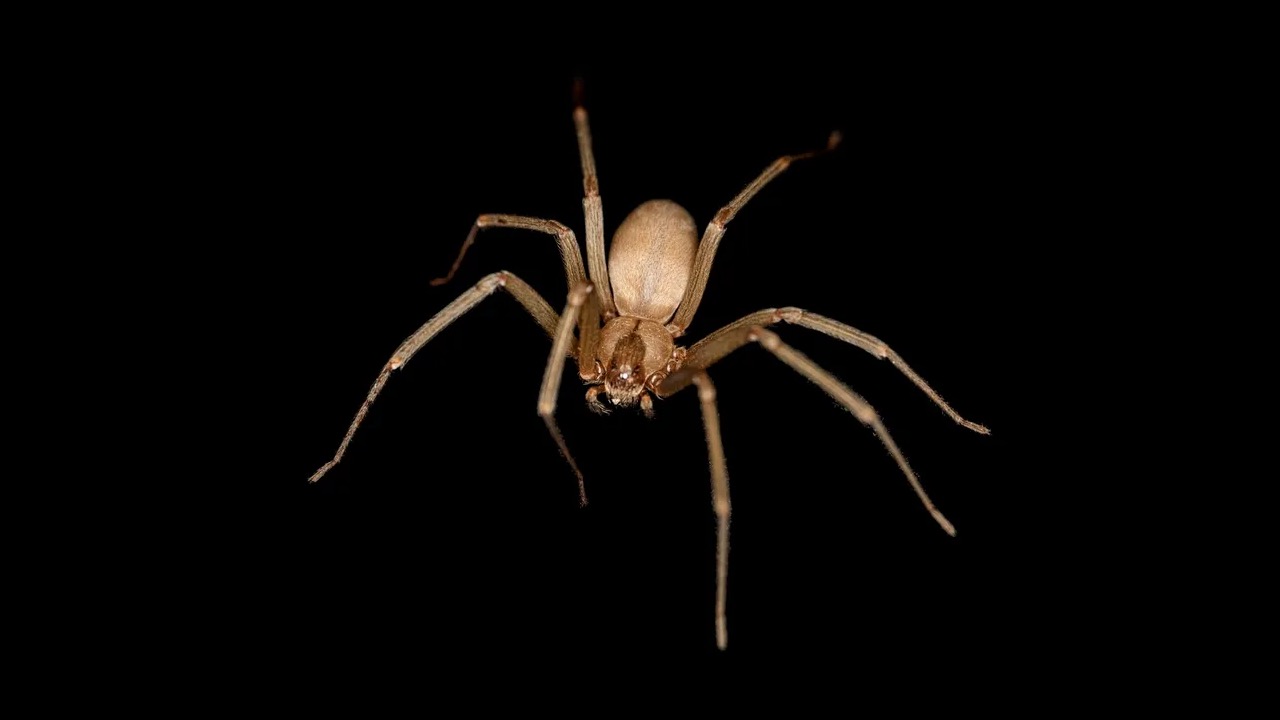
Invertebrates
BBrown Recluse Spider
Loxosceles reclusa
The violin-marked spider of the American South
North America
Open guide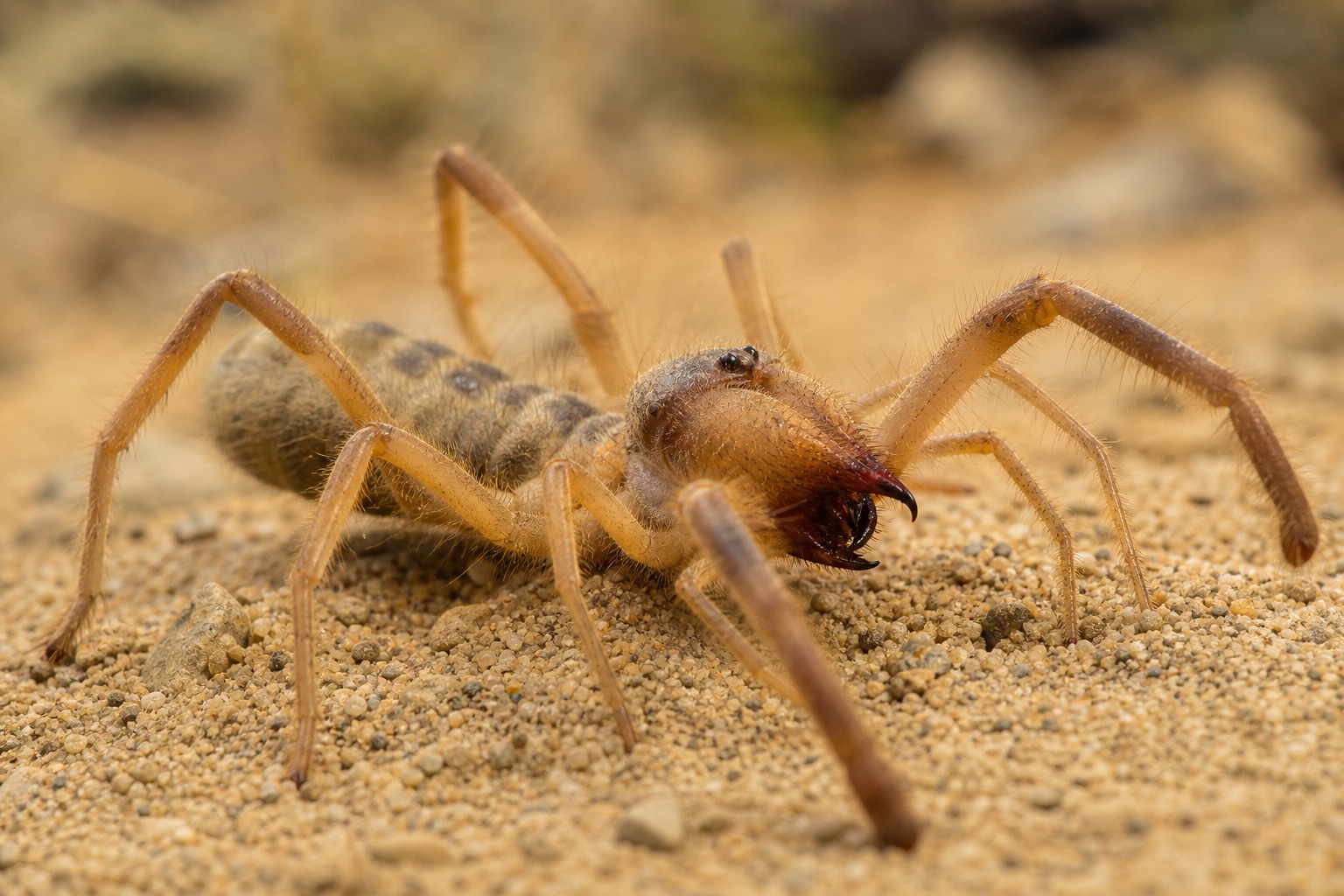
Invertebrates
CCamel Spider
Order Solifugae — about 1,200 described species; not spiders and not camels
Neither camel nor spider — an order of desert arachnids whose internet reputation is larger than the animal.
Deserts worldwide · South-western United States, Middle East, North Africa, Central Asia
Open guide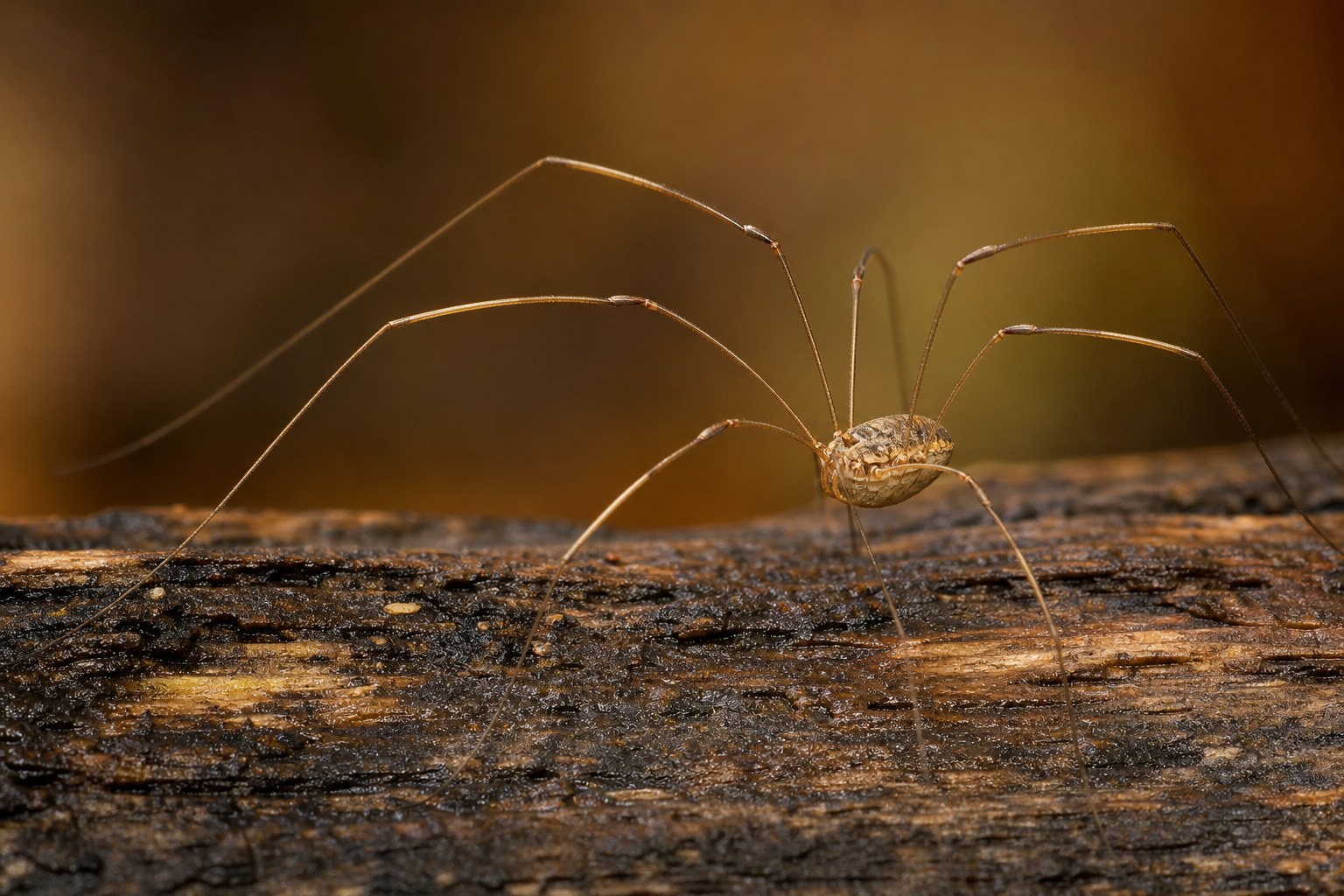
Invertebrates
DDaddy Longlegs
Name shared by Pholcidae (cellar spiders), Opiliones (harvestmen) and sometimes Tipulidae (crane flies)
Three different animals share the name — and none of them is the world's most venomous spider.
Worldwide in temperate and tropical regions · Cellars, sheds and vegetation in Britain and Europe
Open guide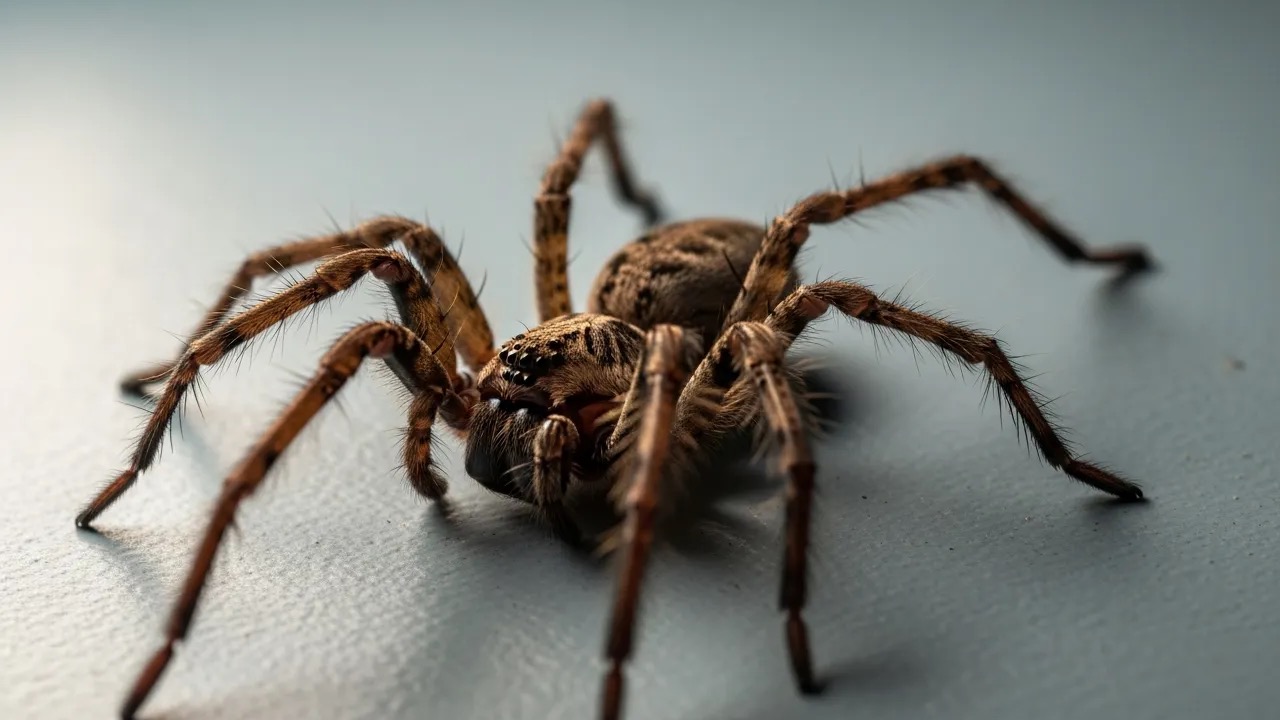
Invertebrates
GGiant House Spider
Eratigena atrica
Britain's large but harmless funnel-weaving house spider
Europe
Open guide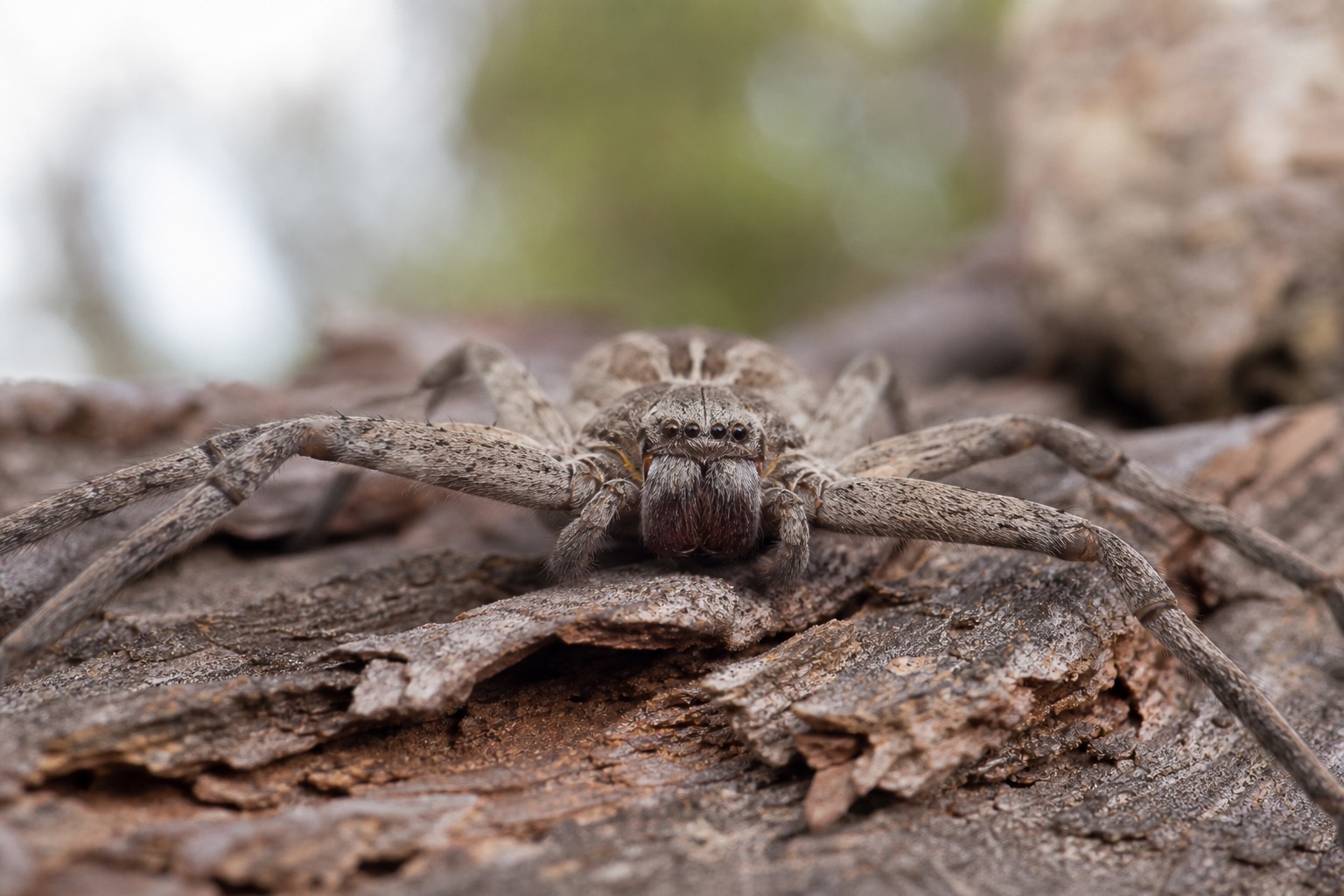
Invertebrates
HHuntsman Spider
Family Sparassidae — e.g. Heteropoda venatoria (Linnaeus, 1767) and related genera; over 1,300 described species
The spider in most viral photographs — large, fast, flat, and near-harmless to people.
Tropical and subtropical regions worldwide · Australia, Asia, the Americas and Mediterranean Europe
Open guide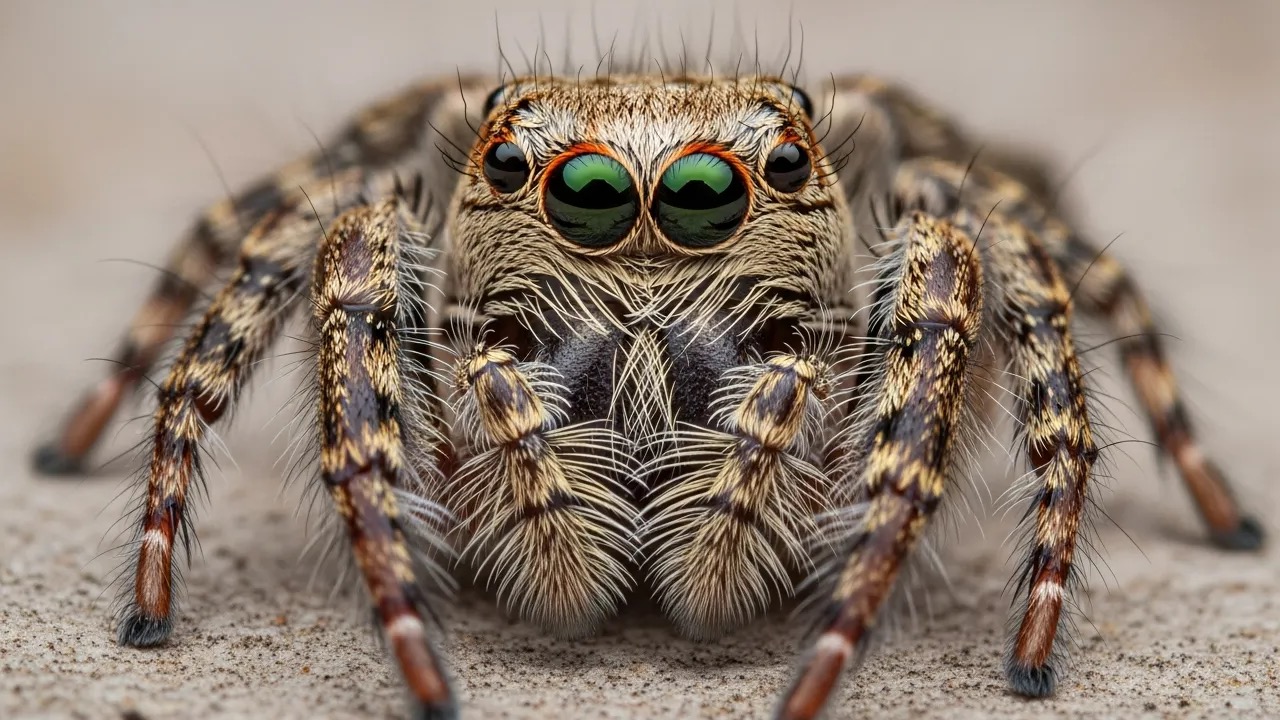
Invertebrates
JJumping Spider
Salticidae
The big-eyed spider that pounces on its prey
Africa · Asia
Open guide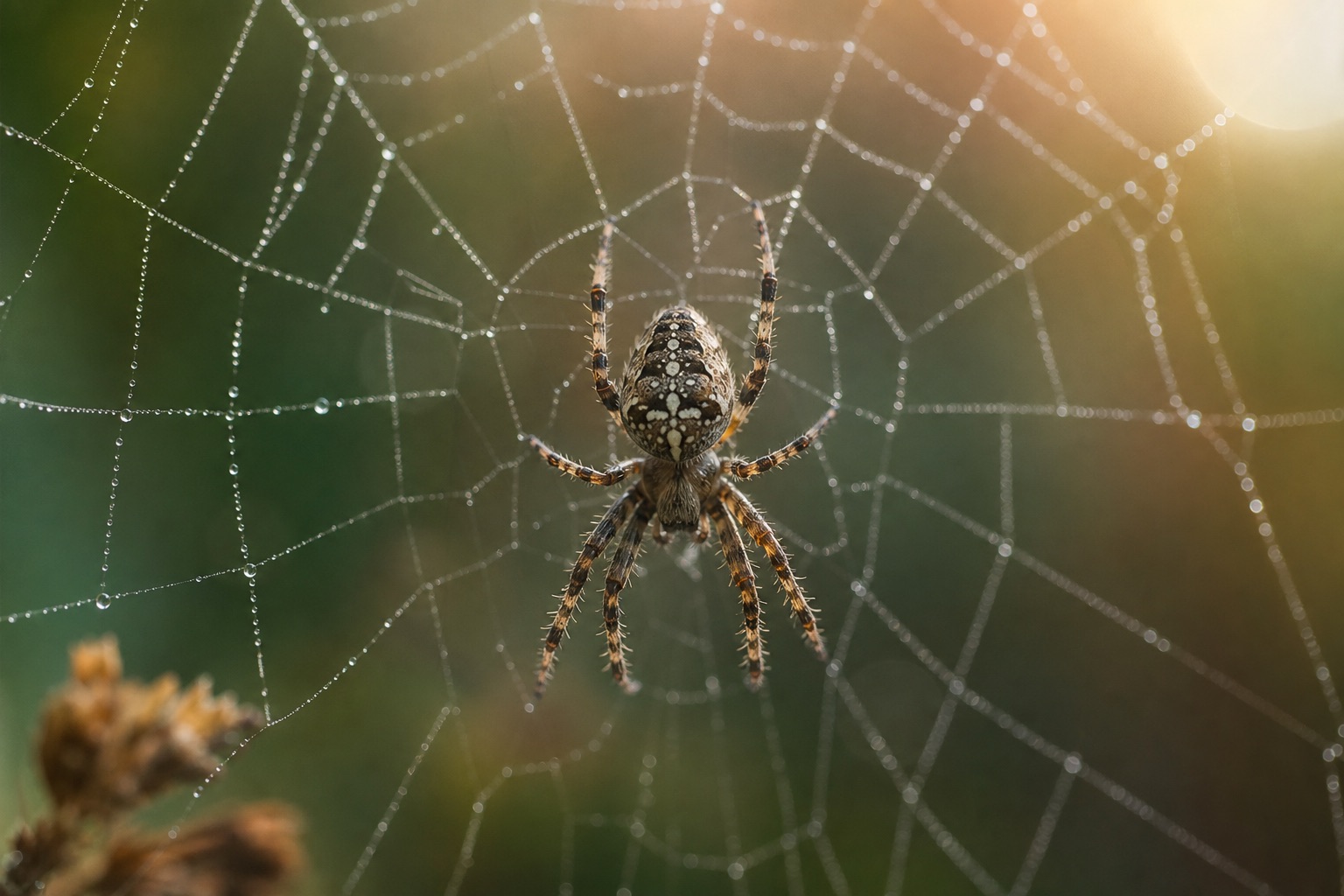
Invertebrates
OOrb-Weaver
Family Araneidae — over 3,000 described species worldwide
The spider that builds the classic wagon-wheel web — and rebuilds it every day.
Worldwide except polar extremes · Gardens and woodland across Britain and Europe
Open guide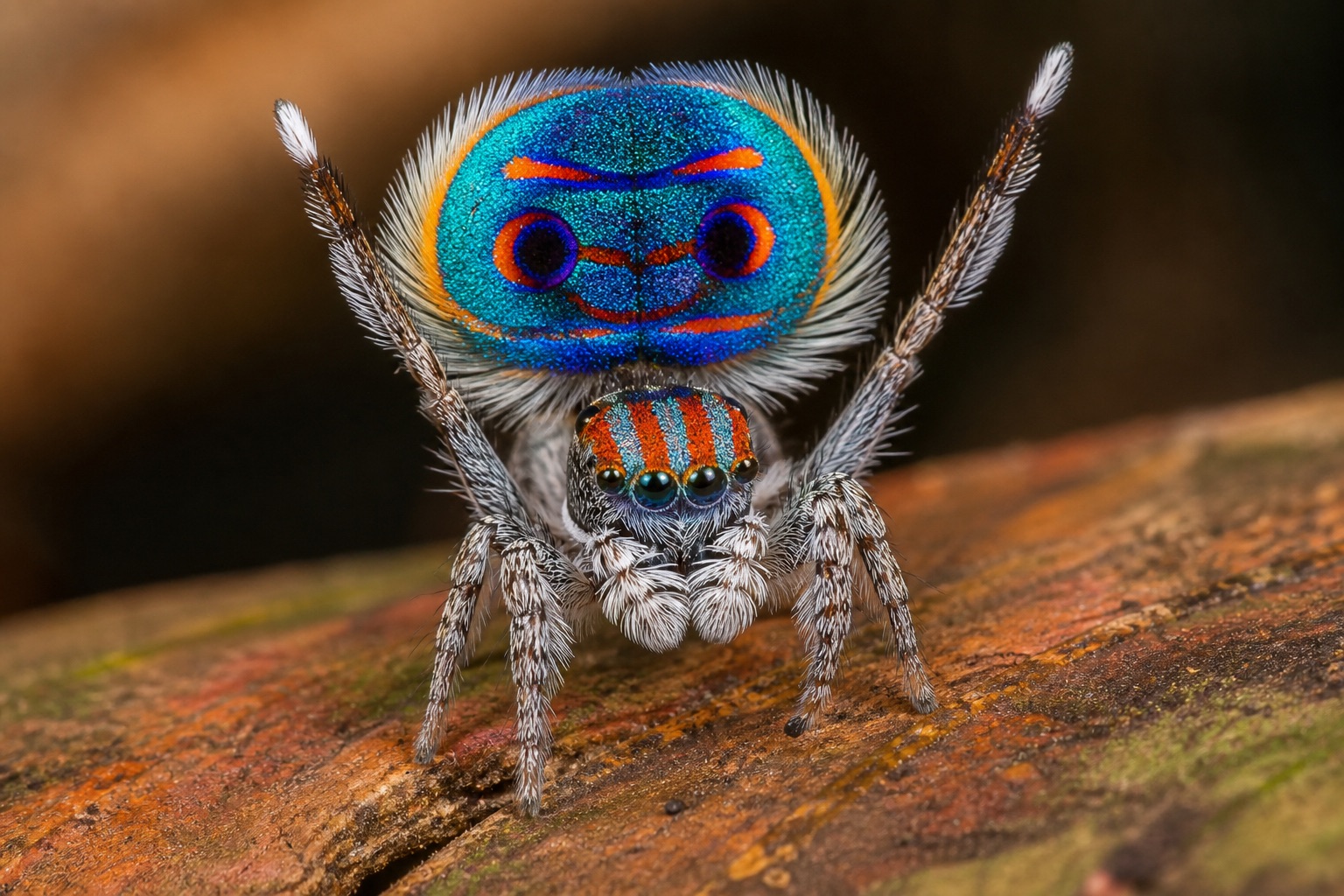
Invertebrates
PPeacock Spider
Genus Maratus — family Salticidae (jumping spiders); roughly 100 described species, mostly Australian
Five millimetres of iridescent fan and leg-waving — the spider that went viral and still lacks a proper field guide.
Australia · New Guinea and nearby islands
Open guide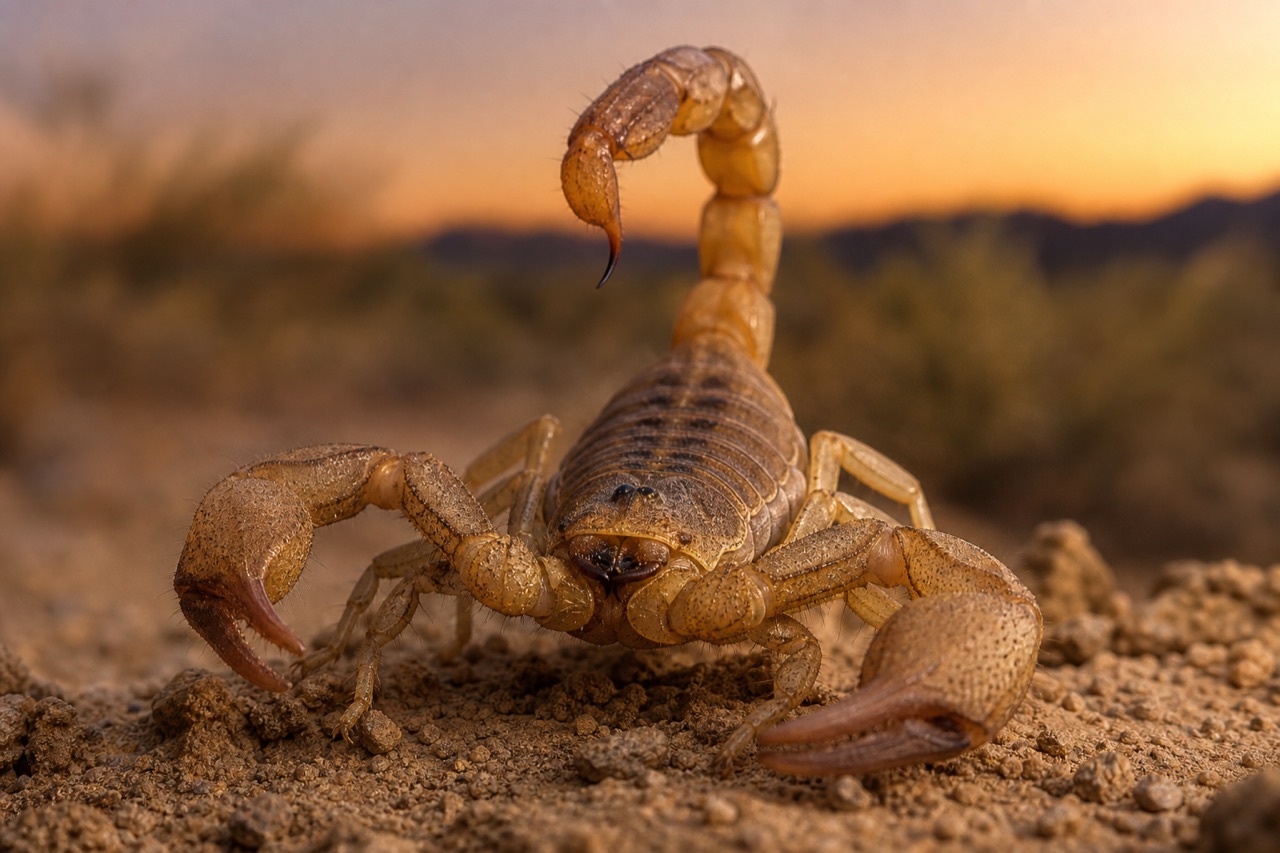
Invertebrates
SScorpion
Order Scorpiones — roughly 2,500 described species in about 22 families
440 million years old, glows under UV, and only about 25 species can seriously harm a person.
Every continent except Antarctica · Deserts, grassland, forest, caves and mountains
Open guide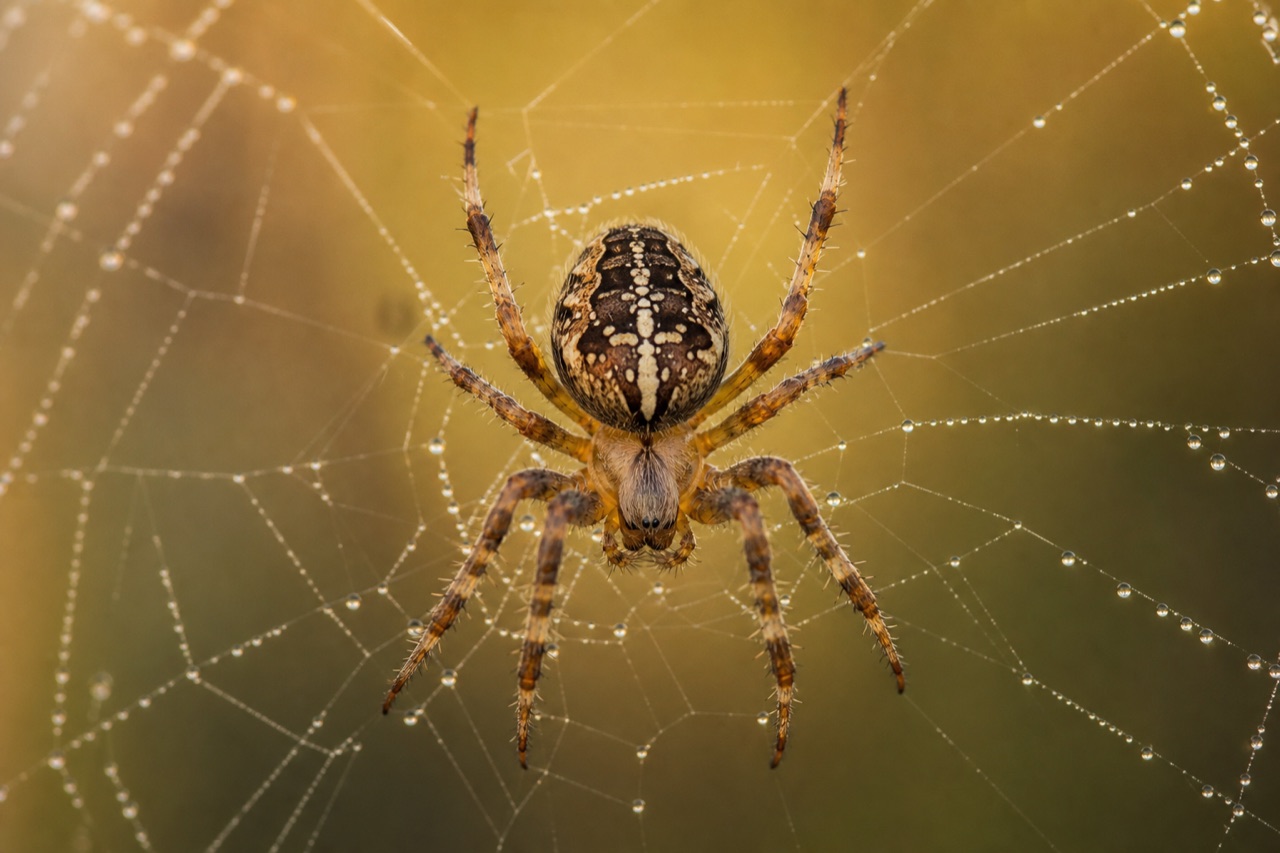
Invertebrates
SSpider
Order Araneae — over 50,000 described species in more than 120 families
Silk, venom and patience — the most successful land predators you mostly notice by accident.
Every continent except Antarctica · From deep caves and mountaintops to coastlines and houses
Open guide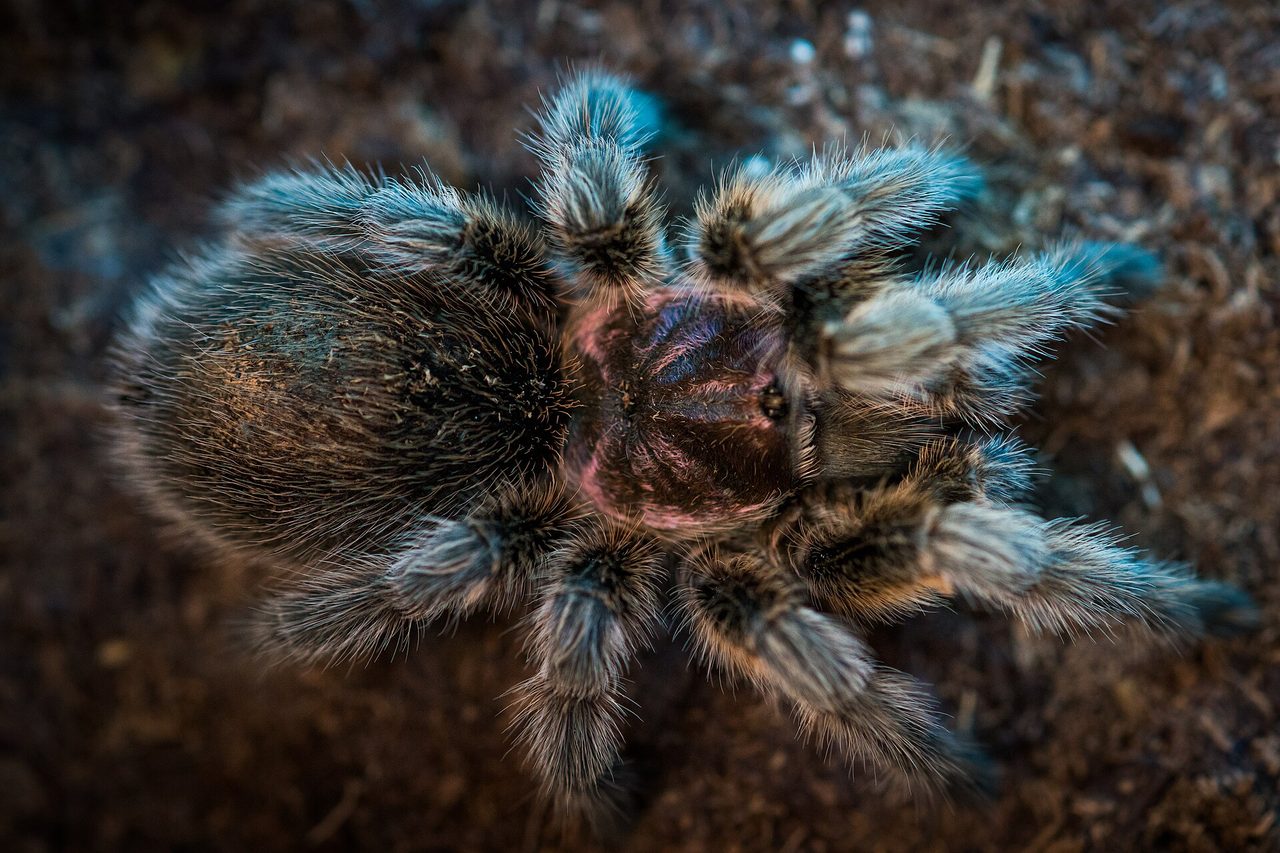
Invertebrates
TTarantula
Family Theraphosidae
Ancient, gentle giants — the world's mightiest spiders are more at risk than most people realise.
Americas · Africa
Open guide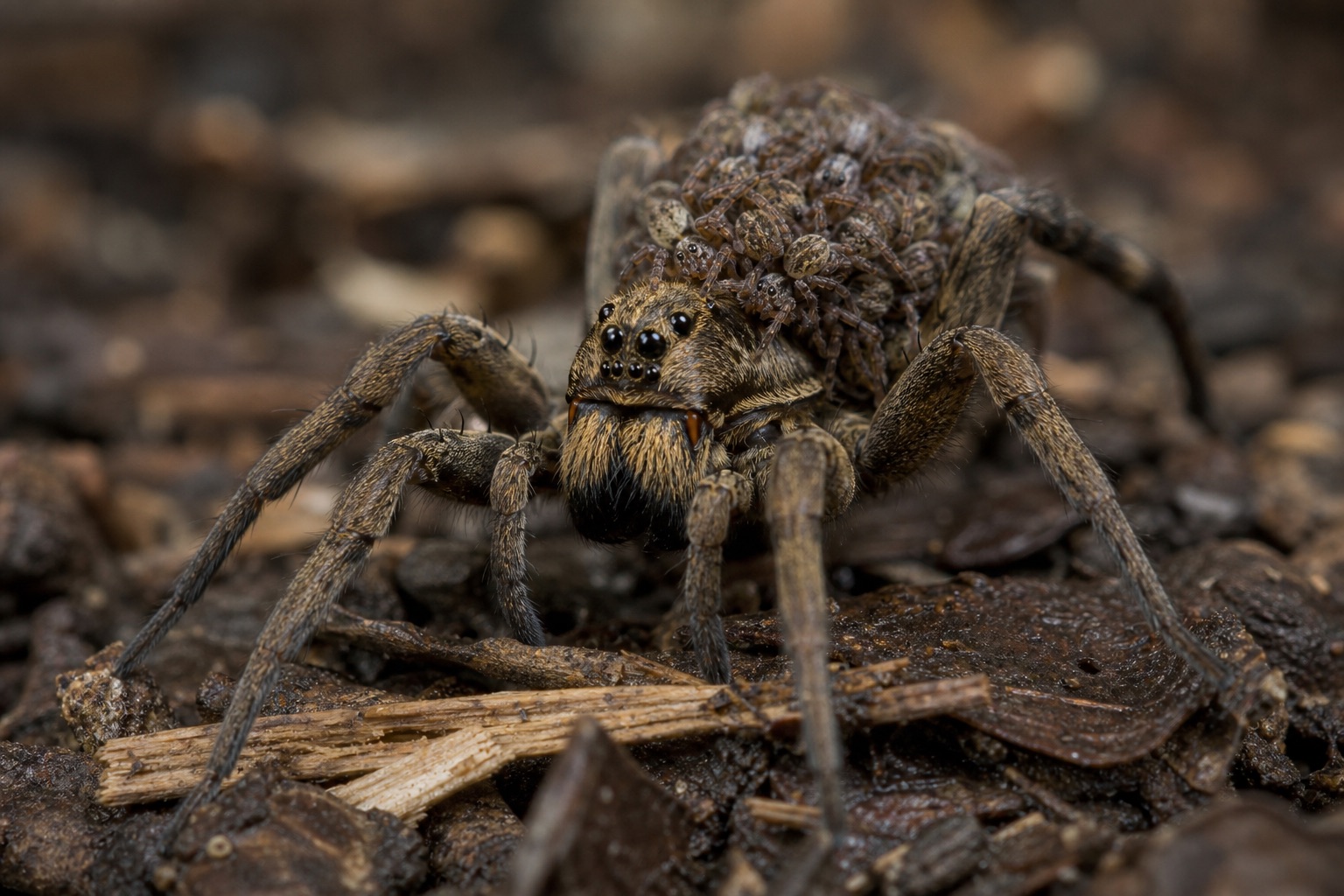
Invertebrates
WWolf Spider
Family Lycosidae — over 2,900 described species worldwide
The spider that carries its egg sac on the spinnerets — then carries the spiderlings on its back.
Worldwide except Antarctica · Lawns, heath, coast, deserts and forest floors
Open guideConservation: what this group faces
Arachnids are mostly predators that suppress insects. Killing every spider in a house removes a free pest control service; habitat loss removes the specialists whose status is barely monitored.
Arachnids: frequently asked questions
Is a spider an insect?
What is a daddy longlegs?
Are daddy longlegs the most venomous spiders?
Which spiders are dangerous?
Do scorpions bite or sting?
Are arachnids endangered?
Other types of invertebrates
-
Insects
Six-legged arthropods — bees, butterflies, beetles, ants, dragonflies and more.
-
Molluscs
Soft-bodied animals — octopuses, squid, snails, clams and cuttlefish.
-
Crustaceans
Jointed aquatic arthropods — crabs, lobsters, krill, shrimp and barnacles.
-
Cnidarians
Stinging-celled animals — corals, jellyfish, anemones and hydroids.
-
Microscopic invertebrates
Animals visible only with magnification — tardigrades, rotifers and meiofauna.