Wildlife
What is the difference between a bee and a wasp?
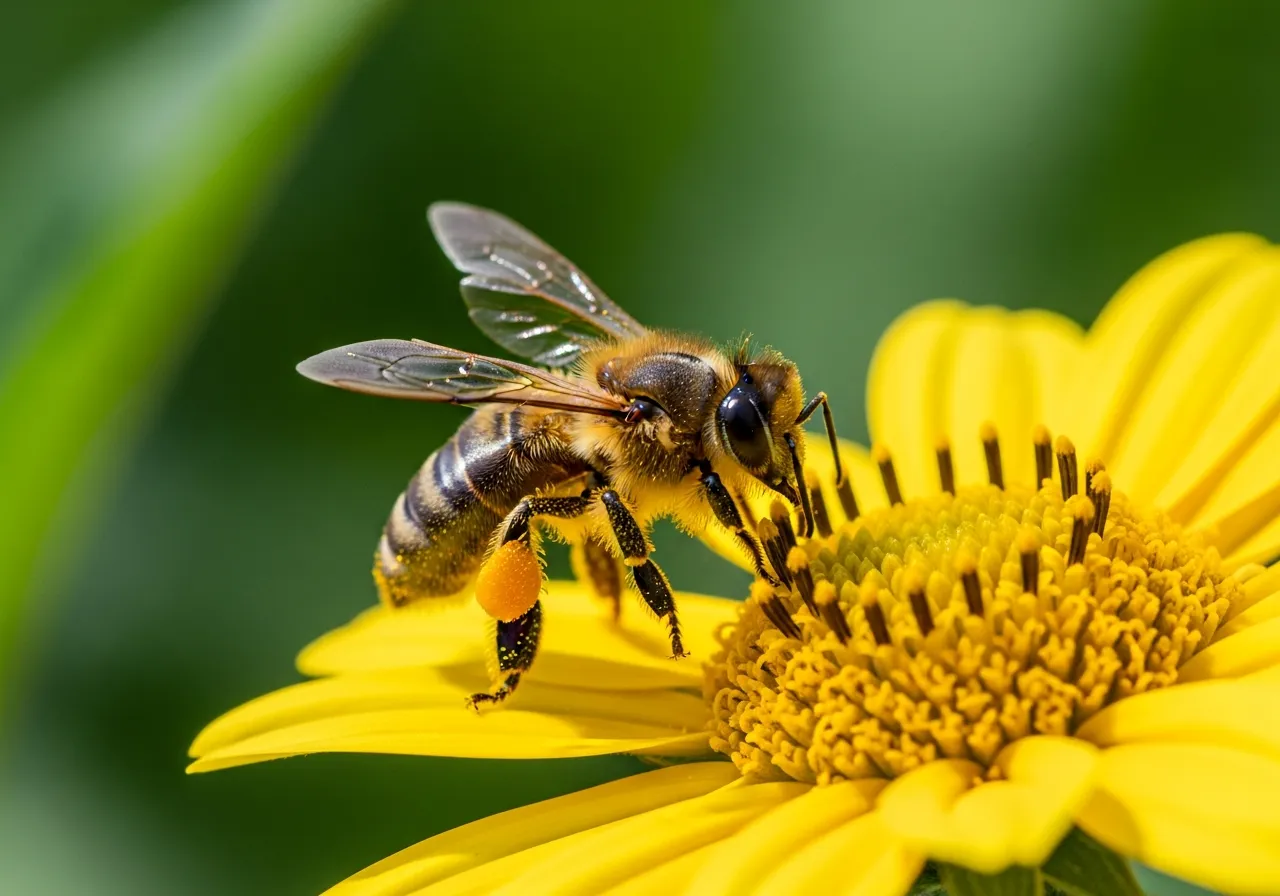
Bees collect pollen on hairy bodies; wasps are often smoother carnivores — both sting defensively, most species not aggressive.
In brief
Bees are usually hairy pollen collectors — many feed larvae pollen and nectar. Wasps are typically smoother, with narrower “waists” and often carnivorous or scavenging habits. Both can sting; most species are not aggressive unless provoked. Bees (Anthophila within Apoidea) usually feed larvae pollen and nectar — hairy bodies trap pollen.
By WARN Research & Conservation Team Last updated
Bees (Anthophila within Apoidea) usually feed larvae pollen and nectar — hairy bodies trap pollen. Wasps (many families) often hunt insects or scavenge — smoother bodies and narrower waists typical. Both Hymenoptera — complete metamorphosis. Colony defence stings hurt; most species ignore humans away from nest. Pesticides threaten bees and beneficial wasps.
20,000+
Bee species worldwide
100,000+
Wasp species — far more numerous
1/3
Food crops depend on pollinators (FAO est.)
Both
Hymenoptera — related order
Quick facts
| Bees | Hairy; pollen baskets on hind legs (many species) |
|---|---|
| Wasps | Smoother; often predatory on caterpillars and flies |
| Waist | Wasps usually narrower petiole between thorax and abdomen |
| Nests | Honeybees wax comb; paper wasps open comb; yellowjackets enclosed |
| Sting | Both defensive at nest — honeybee barbed sting stays in skin |
| Ecology | Bees pollinate; wasps biocontrol agricultural pests |
Key takeaways
- Bees — hairy pollinators; wasps — often predatory/scavenging.
- Both Hymenoptera — sting defensively at nest.
- Wasps provide pest control — not just nuisance.
- Wild bee decline threatens crops and ecosystems.
- Pesticides harm both groups — reduce use.
- Native flowers support native bee diversity.
Bee biology and decline
Honeybees domesticated for millennia — wild relatives also critical. Bumblebees buzz-pollinate tomatoes and blueberries. Solitary mason and leafcutter bees nest in holes — orchard pollinators. Neonicotinoid pesticides, varroa mite and habitat loss drive colony collapse headlines — wild bee declines equally concerning for crop and wildflower reproduction. Without bees, human food systems and forest regeneration suffer — not only honey supply.
Wasp ecological value
Paper wasps and yellowjackets scavenge dead insects and caterpillars — natural pest control in gardens and farms. Parasitic wasps lay eggs in aphids — biological control industry uses them. Public hatred of picnic wasps obscures ecological service — indiscriminate spraying kills pollinators and pest controllers together. Identification reduces unnecessary killing — solitary wasps rarely sting humans.
Identification tips
Bees robust and hairy — even sweat bees small but fuzzy. Wasps brighter yellow-black banding in social species — bald faced hornet white patterns. Hoverflies mimic bees — no sting. Carpenter bees nest wood — mistaken for bumblebees. At nest disturbance both sting — move away slowly; do not swat aggressively triggering alarm pheromone.
Conservation messaging
Plant native flowers supporting native bee species — single species lawn useless. Reduce pesticide — especially flowering crop spray timing. WARN habitat and rainforest content links pollinator dependence of tropical crops — orangutan forest and bee health both need reduced chemical agriculture though species differ. Bee vs wasp clarity helps school curricula not conflate essential pollinators with disposable pests.
Frequently asked questions
Bee vs wasp difference?
Do wasps pollinate?
Which sting hurts more?
Are bees endangered?
Should I kill wasps?
Are hornets wasps?
Sources & references
Related reading
More Wildlife answers
Stay connected with WARN
Receive appeal updates, animal-welfare news and published funding reports. Unsubscribe any time.
We only use your address for WARN updates. See our privacy policy.