Dog Breed · Germany/France
Miniature Poodle
A mid-size Poodle combining brains, hypoallergenic coat, and versatility.
By WARN Research & Conservation TeamLast updated
In brief
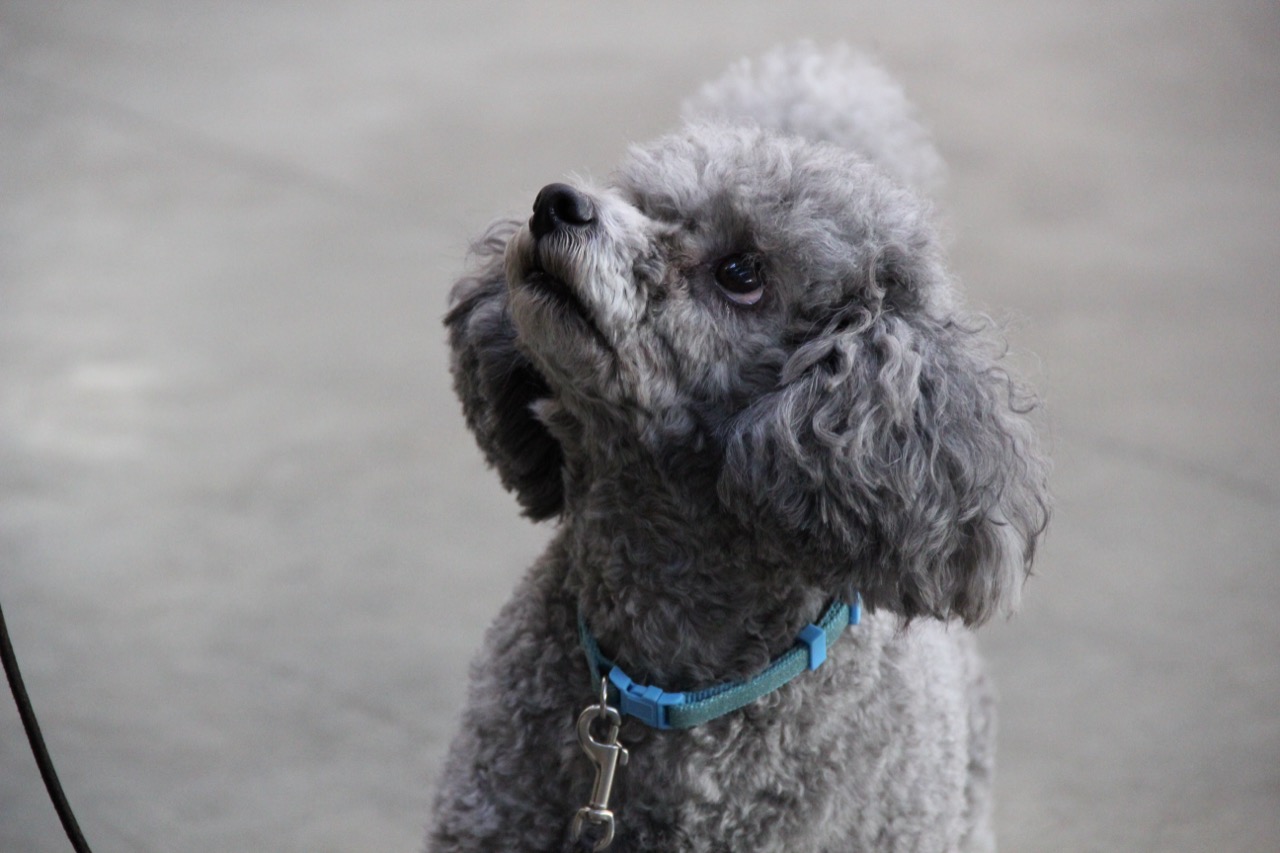
The Miniature Poodle is a small, highly intelligent dog descended from the larger water-retrieving Standard Poodle. Active, quick to learn and proud in bearing, it makes an affectionate, adaptable companion that suits many homes provided its sharp mind gets regular mental and physical stimulation.
What are the key facts about a Miniature Poodle?
The Miniature Poodle is a dog breed from Germany/France: small (4–7 kg), intelligent, active, proud. A mid-size Poodle combining brains, hypoallergenic coat, and versatility.
| Origin | Germany/France |
|---|---|
| Size | Small (4–7 kg) |
| Weight | Typically 4-7 kg (9-15 lb), standing over 28 cm and up to 35 cm at the shoulder. |
| Lifespan | 10–14 years |
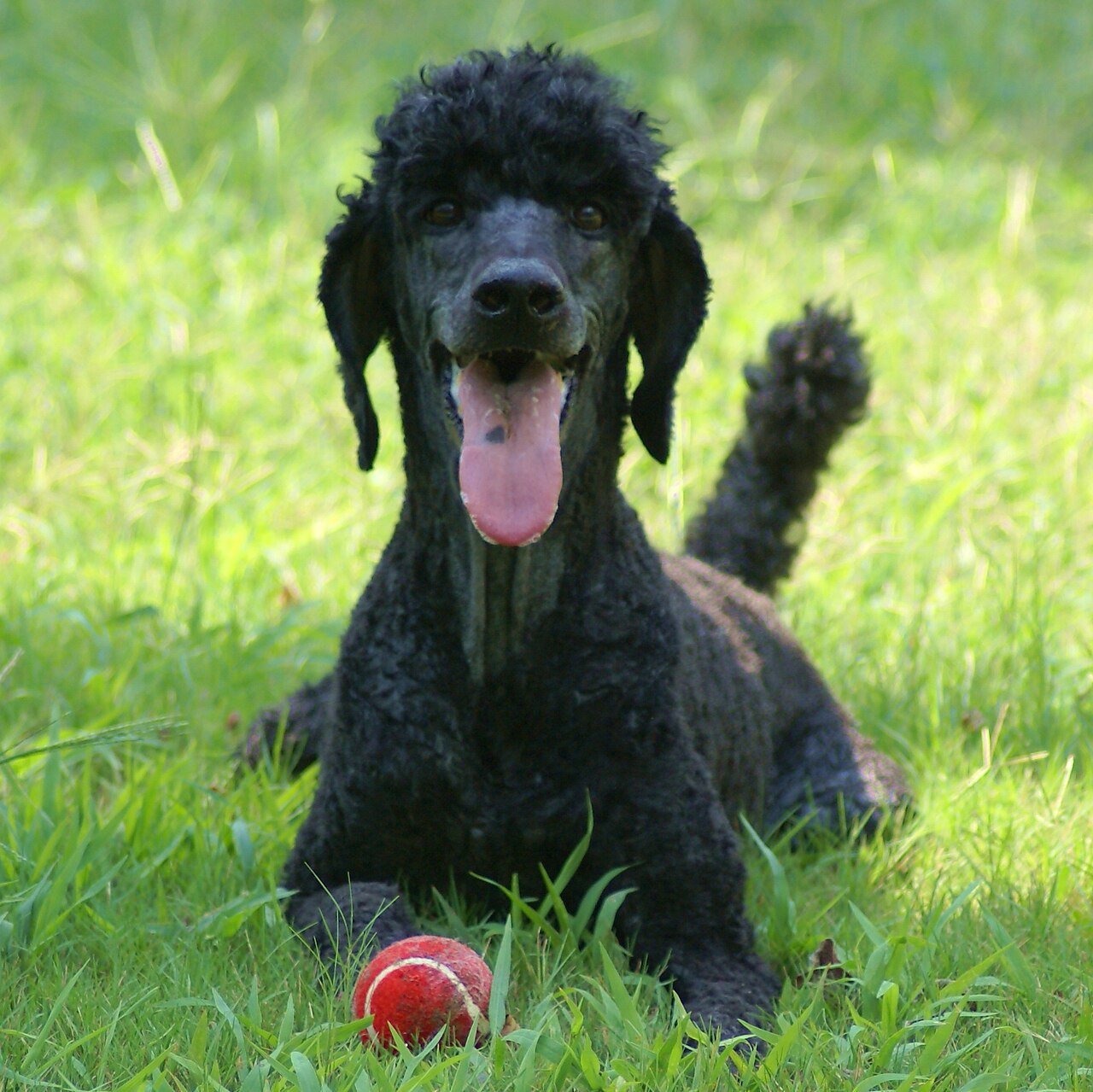
| Coat | A dense, curly, single-layered coat with a wiry, woolly texture and very low shedding. Because it keeps growing and mats easily, it needs daily or near-daily brushing and professional clipping every four to six weeks. Many owners keep it in a practical short trim. The low-shed coat is often described as more tolerable for some allergy sufferers, though no dog is truly hypoallergenic. |
| Temperament | Intelligent, active, proud |
| Good with | A versatile choice for families, singles and older owners, and well-suited to flats given its size. Sensible older children are ideal, as the small frame can be injured by rough handling. Good with other dogs and pets when socialised. Manageable for first-time owners willing to commit to grooming and training, though its intelligence means it needs daily mental engagement to avoid boredom-driven mischief and barking. |
Is a Miniature Poodle a good dog for you?
A Miniature Poodle is a good dog when your home matches a versatile choice for families, singles and older owners, and well-suited to flats given its size. sensible older children are ideal, as the small frame can be injured by rough handling. good with other dogs and pets when socialised. manageable for first-time owners willing to commit to grooming and training, though its intelligence means it needs daily mental engagement to avoid boredom-driven mischief and barking.. It is a intelligent, active, proud small (4–7 kg) breed from Germany/France.
A mid-size Poodle combining brains, hypoallergenic coat, and versatility. That one-line pitch is not a care plan. Factor grooming (A dense, curly, single-layered coat with a wiry, woolly texture and very low shedding. Because it keeps growing and mats easily, it needs daily or near-daily brushing and professional clipping every four to six weeks. Many owners keep it in a practical short trim. The low-shed coat is often described as more tolerable for some allergy sufferers, though no dog is truly hypoallergenic.), typical adult size (Typically 4-7 kg (9-15 lb), standing over 28 cm and up to 35 cm at the shoulder.), and the health issues listed below before you pay a deposit.
Meet adults of the breed, not only puppies or kittens, and prefer rescue or health-screened homes. A Miniature Poodle that looks right in a photo can still be the wrong animal for a small flat, a full-time office job, or a household that wanted a low-energy companion.
What is a Miniature Poodle?
A mid-size Poodle combining brains, hypoallergenic coat, and versatility. Origin is Germany/France; coat or markings are described as A dense, curly, single-layered coat with a wiry, woolly texture and very low shedding. Because it keeps growing and mats easily, it needs daily or near-daily brushing and professional clipping every four to six weeks. Many owners keep it in a practical short trim. The low-shed coat is often described as more tolerable for some allergy sufferers, though no dog is truly hypoallergenic..
Kennel and registry labels describe a type. Individual Miniature Poodles still vary, and rescue animals may be mixes.
Where does the Miniature Poodle come from?
Miniature Poodles come from Germany/France. The Poodle originated as a water retriever, most associated with Germany, where its name derives from 'Pudel', meaning to splash in water, before being refined and made fashionable in France, its national breed.
The breed has long existed in different sizes, and the Miniature was developed by selectively breeding down from the original Standard while keeping its proportions and character. Smaller Poodles became popular as companions and, thanks to their cleverness, as performing and circus dogs across Europe. The familiar clipped coat began as a functional cut to lighten the working retriever in water while protecting its joints and vital organs.
How much care does a Miniature Poodle need?
Plan 10–14 years of food, vet care, grooming and time. A Miniature Poodle is small (4–7 kg) (Typically 4-7 kg (9-15 lb), standing over 28 cm and up to 35 cm at the shoulder.) from Germany/France, with coat care described as a dense, curly, single-layered coat with a wiry, woolly texture and very low shedding. because it keeps growing and mats easily, it needs daily or near-daily brushing and professional clipping every four to six weeks. many owners keep it in a practical short trim. the low-shed coat is often described as more tolerable for some allergy sufferers, though no dog is truly hypoallergenic..
This temperament does not thrive on a 20-minute walk and eight hours alone.
Grooming follows the coat, not a generic clip: A dense, curly, single-layered coat with a wiry, woolly texture and very low shedding. Because it keeps growing and mats easily, it needs daily or near-daily brushing and professional clipping every four to six weeks. Many owners keep it in a practical short trim. The low-shed coat is often described as more tolerable for some allergy sufferers, though no dog is truly hypoallergenic.. Keep the animal lean; extra weight is a joint and heart tax, especially in a small dog.
Budget for unexpected vet bills. The health section below is why “cheap to buy” is not the same as cheap to keep.
What surprises people about the Miniature Poodle?
A few details about the breed, alongside the practical care information in this guide.
- Poodles consistently rank among the most intelligent of all dog breeds, making them quick and enthusiastic learners.
- Despite their elegant image, Poodles were originally working water retrievers, and the breed's name traces to a German word for splashing in water.
- The elaborate show clip began as a practical cut, leaving hair over the joints and chest to insulate the swimming dog in cold water.
- The breed comes in three sizes recognised by the same standard, and the Miniature was bred down from the Standard rather than being a separate breed.
What health issues should you know about in a Miniature Poodle?
Health concerns to discuss with your vet, including changes to watch for and everyday care. This is general guidance, not veterinary advice — always speak to your vet.
Patellar luxation
The kneecap slips out of place, causing intermittent skipping or lameness.
Care: Mild cases may need weight control only; severe cases can require surgery.
Eye conditions
Breed-related eye problems may include cataracts, progressive retinal atrophy, or cherry eye.
Care: Regular eye checks and prompt vet attention for redness or cloudiness help preserve vision.
Epilepsy
Recurrent seizures without other identifiable cause.
Care: Never withhold medication; keep a seizure diary and work with your vet on management.
Who should skip a Miniature Poodle?
Skip a Miniature Poodle if you are owners who wanted a low-exercise companion. This Germany/France dog is small (4–7 kg) and intelligent, active, proud — the mismatch is usually lifestyle, not a missing accessory.
This page is allowed to say no. Skip if you are owners who wanted a low-exercise companion.
A different dog breed on this site may fit. Wanting “a Miniature Poodle” after a film or a colour photo is not a reason to ignore the skip list.
What are the hidden catches with a Miniature Poodle?
The hidden cost of a Miniature Poodle is usually not the purchase price. It is years of care, the health list on this page, and the mismatch between a intelligent, active, proud animal and a busy home.
The impulse-buy catch
A Miniature Poodle from Germany/France is often sold on looks. Coat, colour and size are not a temperament test. Meet the adult animal, ask about health screening, and walk away from pressure sales.
The patellar luxation catch
The kneecap slips out of place, causing intermittent skipping or lameness. Mild cases may need weight control only; severe cases can require surgery.
The eye conditions catch
Breed-related eye problems may include cataracts, progressive retinal atrophy, or cherry eye. Regular eye checks and prompt vet attention for redness or cloudiness help preserve vision.
How does a Miniature Poodle compare with Standard Poodle and American Staffordshire Terrier?
A Miniature Poodle is not interchangeable with Standard Poodle and American Staffordshire Terrier. Compare origin, size, lifespan and temperament before you choose — those four lines prevent most regret.
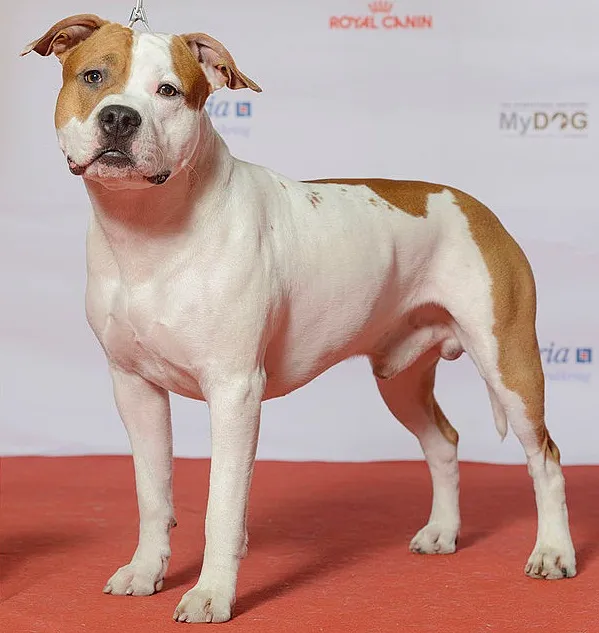
| Dog fact | Miniature Poodle | Standard Poodle | American Staffordshire Terrier |
|---|---|---|---|
| Origin | Germany/France | Germany/France | United States |
| Size | Small (4–7 kg) | Large (20–32 kg) | Medium (25–32 kg) |
| Lifespan | 10–14 years | 10–14 years | 10–14 years |
| Temperament | Intelligent, active, proud | Intelligent, active, elegant | Confident, loyal, courageous |
What is the verdict on the Miniature Poodle?
Choose a Miniature Poodle only if the care, skip-if and health sections still look like your life after a week of thinking. Otherwise pick a different dog or wait. Rescue is usually the better first door than a waiting-list puppy or kitten.
If the match is real, budget for 10–14 years of vet care and do not skip health screening. If it is not, walking away is the kind choice — for you and for the animal.
Every dog deserves a chance
Whatever breed steals your heart, millions of dogs around the world have no home at all. A symbolic adoption or a gift to WARN funds humane care for street and community dogs — vaccination, neutering and emergency treatment.