Dog breeds · Small & toy

Small Dog Breeds

Popular small dog breeds include the French Bulldog, Dachshund, Pug, Cavalier King Charles Spaniel, Shih Tzu and Chihuahua. Small breeds generally live longer than large ones — commonly 12 to 16 years — but several carry serious inherited problems linked to how they have been bred to look.

How this list was compiled

Breeds whose recorded adult size falls in the small or toy range. Ordered by popularity rank.

Small dogs are chosen for the obvious reasons: they fit smaller homes, cost less to feed, and are easier to physically manage. They also tend to live considerably longer than large breeds, which is worth weighing when you are taking on a decade-plus commitment.

The part that gets left out of most small-breed lists is that several of the most popular ones have been bred toward a shape that causes them difficulty. Flat-faced breeds in particular can struggle to breathe, and long-backed breeds are prone to spinal disease. Those are not rare complications; they are predictable consequences, and they belong in any honest guide.

Small Dog Breeds at a glance

Breed Size Lifespan Temperament
French Bulldog Small (8–14 kg) 10–12 years Affectionate, easygoing, alert
Poodle Toy to Standard (3–32 kg) 12–15 years Intelligent, elegant, eager
Beagle Small (9–11 kg) 12–15 years Merry, curious, friendly
Dachshund Small (7–15 kg) 12–16 years Spunky, clever, brave
Pembroke Welsh Corgi Small (10–14 kg) 12–15 years Smart, bold, affectionate
Yorkshire Terrier Toy (up to 3 kg) 12–16 years Bold, affectionate, lively
Cavalier King Charles Spaniel Small (6–8 kg) 10–14 years Gentle, affectionate, friendly
Miniature Schnauzer Small (5–9 kg) 10–14 years Spirited, friendly, alert
Shih Tzu Small (4–8 kg) 10–14 years Affectionate, playful, charming
Boston Terrier Small (5–11 kg) 10–14 years Friendly, bright, amusing
Havanese Small (3–6 kg) 10–14 years Cheerful, social, intelligent
Shetland Sheepdog Small (6–12 kg) 10–14 years Intelligent, loyal, vocal
Maltese Toy (up to 4 kg) 12–16 years Gentle, playful, affectionate
Bichon Frise Small (5–8 kg) 10–14 years Cheerful, playful, social
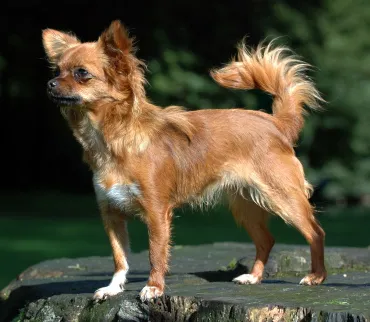
Chihuahua Toy (1.5–3 kg) 12–16 years Alert, loyal, sassy
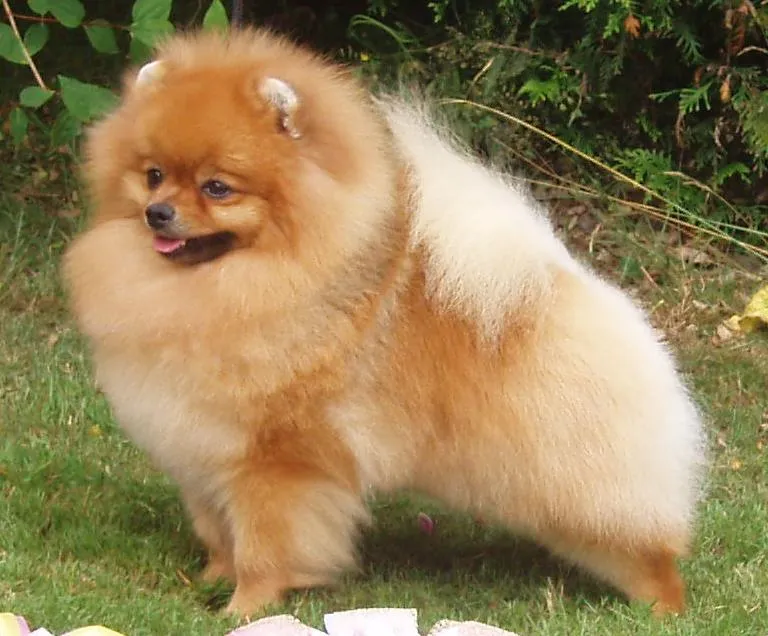
Pomeranian Toy (1.5–3 kg) 12–16 years Bold, lively, inquisitive
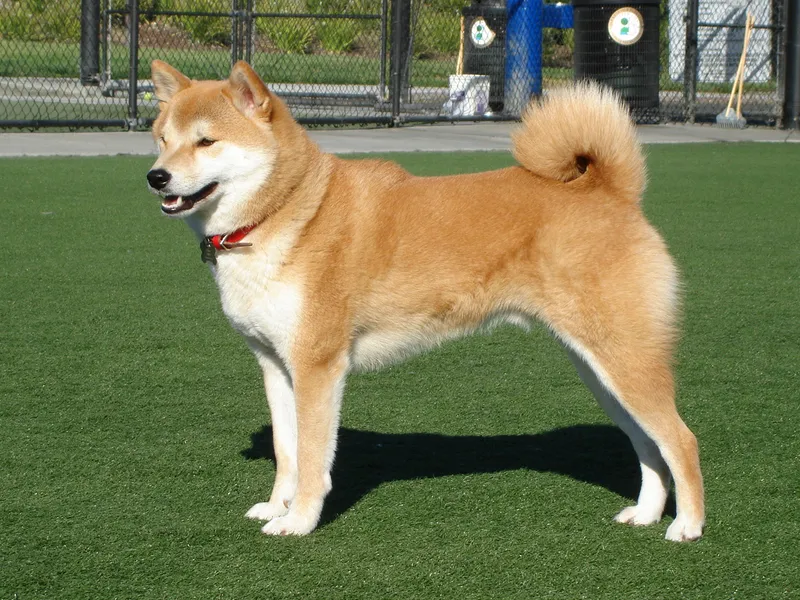
Shiba Inu Small (8–11 kg) 10–14 years Independent, alert, clean
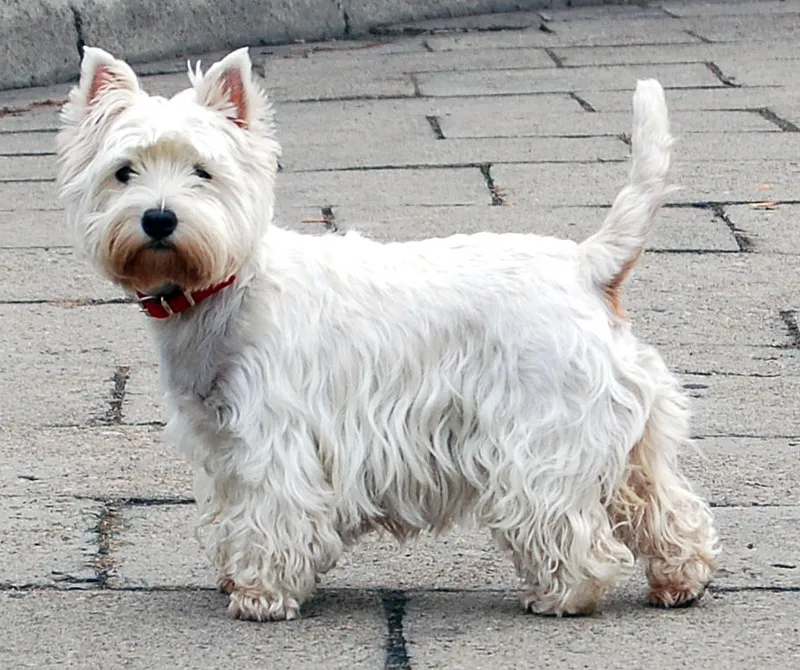
West Highland White Terrier Small (7–10 kg) 10–14 years Confident, cheerful, hardy
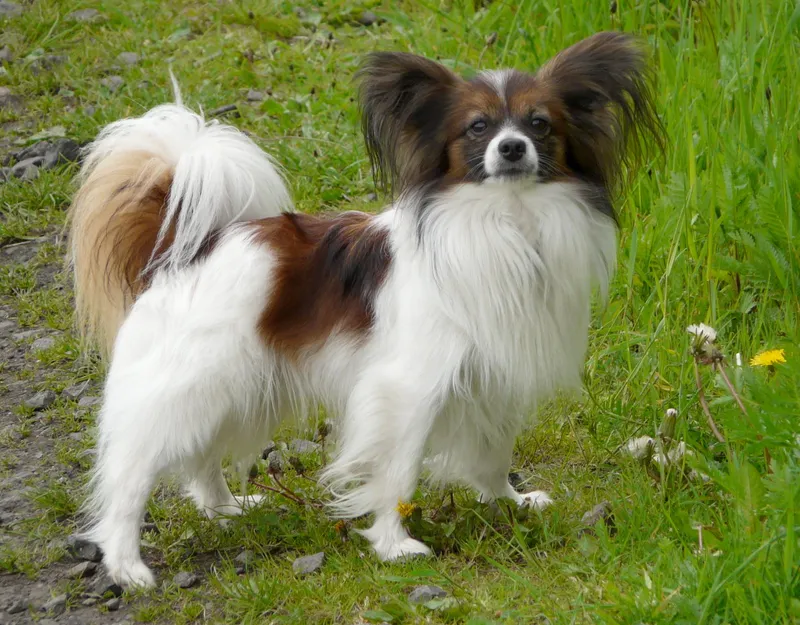
Papillon Toy (3–5 kg) 12–16 years Alert, friendly, intelligent
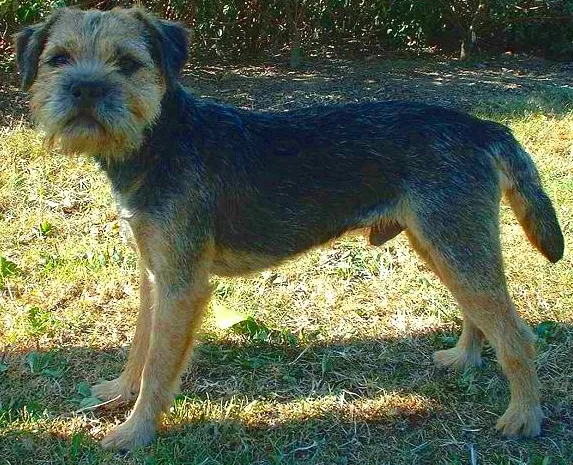
Border Terrier Small (5–7 kg) 10–14 years Plucky, affectionate, hardy
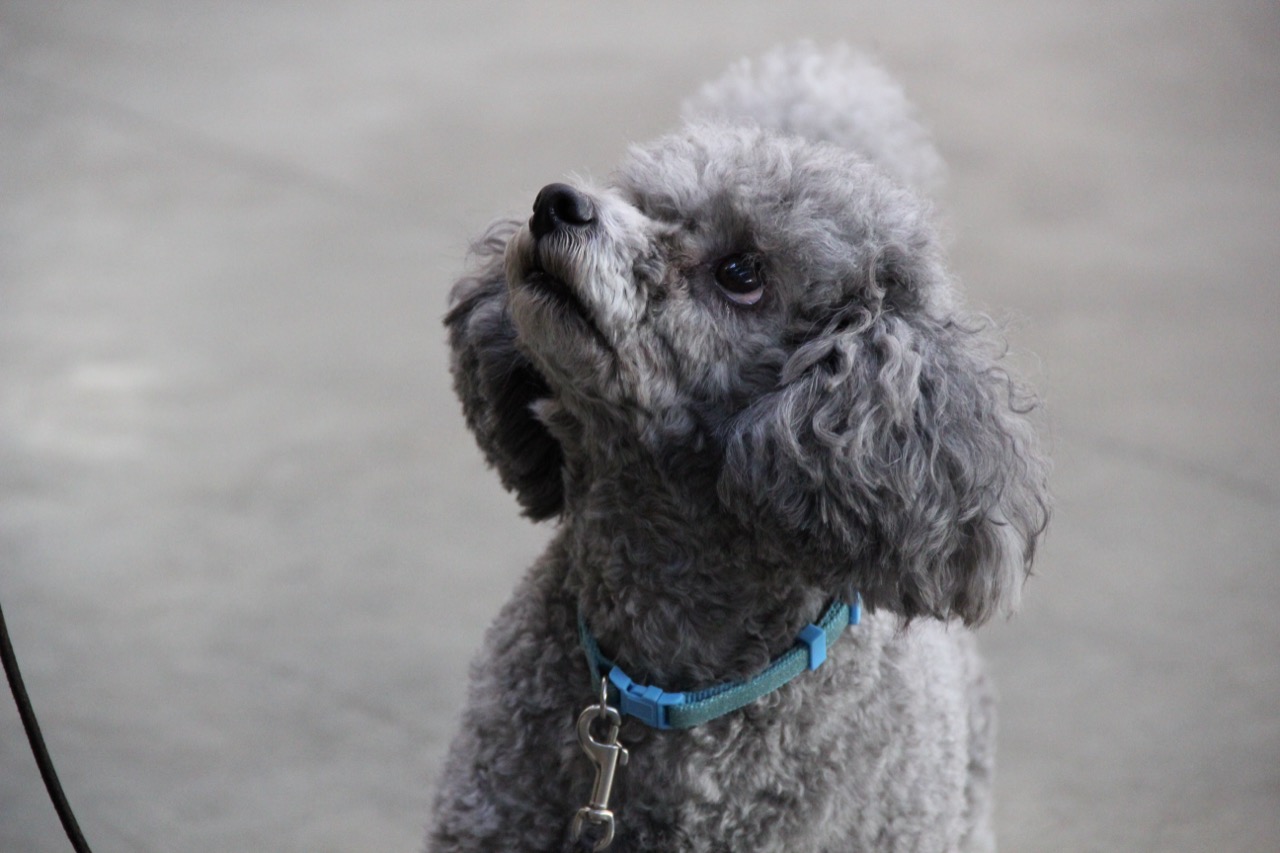
Miniature Poodle Small (4–7 kg) 10–14 years Intelligent, active, proud

Small Dog Breeds: full profiles

Each entry covers what the breed was bred for, day-to-day needs, and health problems to watch — with a link to the full guide.

French Bulldog — dog breed guide

01 / France and England

French Bulldog

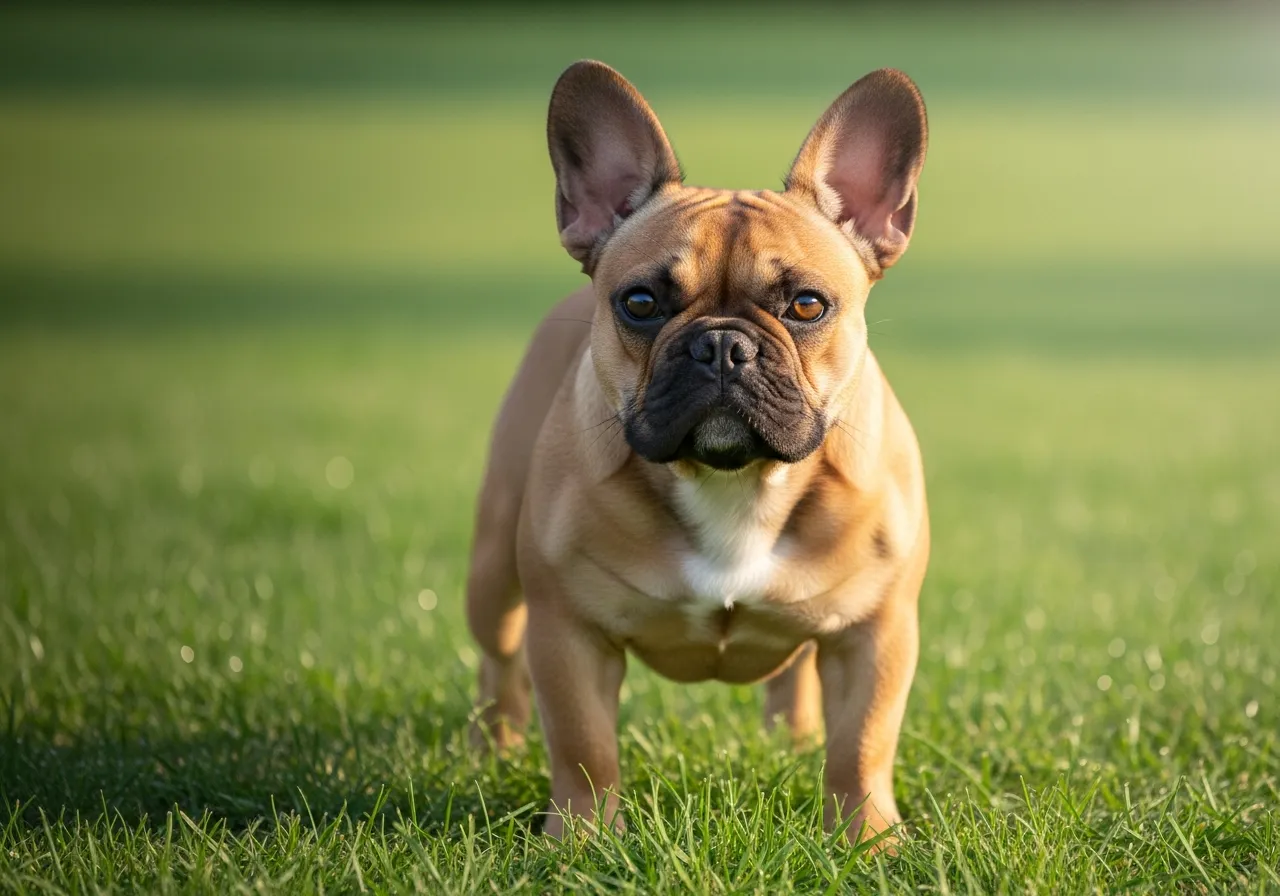
The French Bulldog is a small, affectionate companion dog known for its bat ears and compact body. Quiet, low-energy, and people-focused, the Frenchie suits apartment living and has become one of the most popular city breeds worldwide.

Size
Small (8–14 kg)
Lifespan
10–12 years
Temperament
Affectionate, easygoing, alert
Origin
France and England

Coat & grooming — Short smooth single coat; minimal shedding and low grooming needs

Suits — Apartment dwellers, city owners, families, companionship

Health to watch for

  • Brachycephalic airway syndrome — Their short, flat faces can make breathing harder, leading to noisy breathing, snoring, and reduced tolerance for heat and exercise.
  • Skin fold dermatitis — Moisture and bacteria can build up in their facial and body folds, causing redness, irritation, or odor.
  • Spinal issues (IVDD) — Frenchies can be prone to spinal problems linked to their build, which may cause pain, weakness, or trouble moving.
Full French Bulldog guide
Poodle — dog breed guide

02 / Germany and France

Poodle

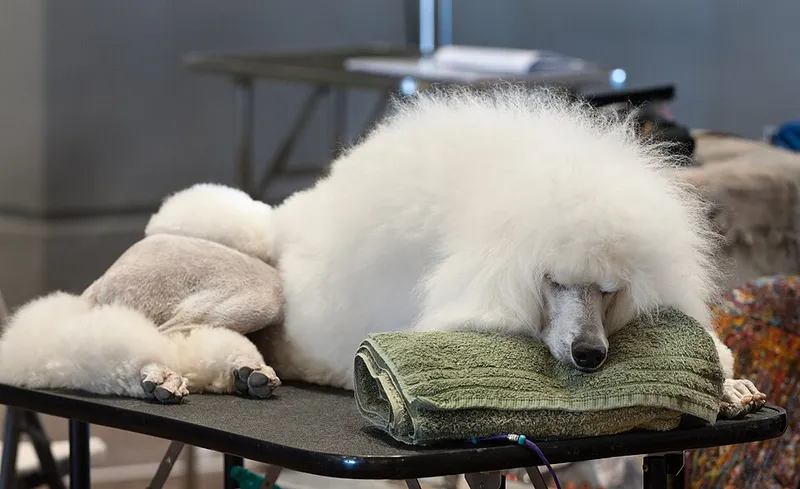
The Poodle is a highly intelligent, elegant breed that comes in toy, miniature, and standard sizes. Known for a low-shedding curly coat and exceptional trainability, it suits allergy-conscious owners and excels in obedience and performance.

Size
Toy to Standard (3–32 kg)
Lifespan
12–15 years
Temperament
Intelligent, elegant, eager
Origin
Germany and France

Coat & grooming — Dense curly low-shedding coat; needs regular clipping and grooming

Suits — Allergy-conscious owners, families, active and dog-sport homes

Health to watch for

  • Progressive retinal atrophy — This inherited eye condition gradually reduces vision and can eventually lead to blindness, often first noticed as hesitancy in dim light.
  • Hip dysplasia — More common in Standard Poodles, this joint condition can cause stiffness or limping as the dog ages.
  • Addison's disease — This hormonal condition can cause vague signs such as tiredness, poor appetite, or digestive upset that come and go.
Full Poodle guide
Beagle — dog breed guide

03 / England

Beagle

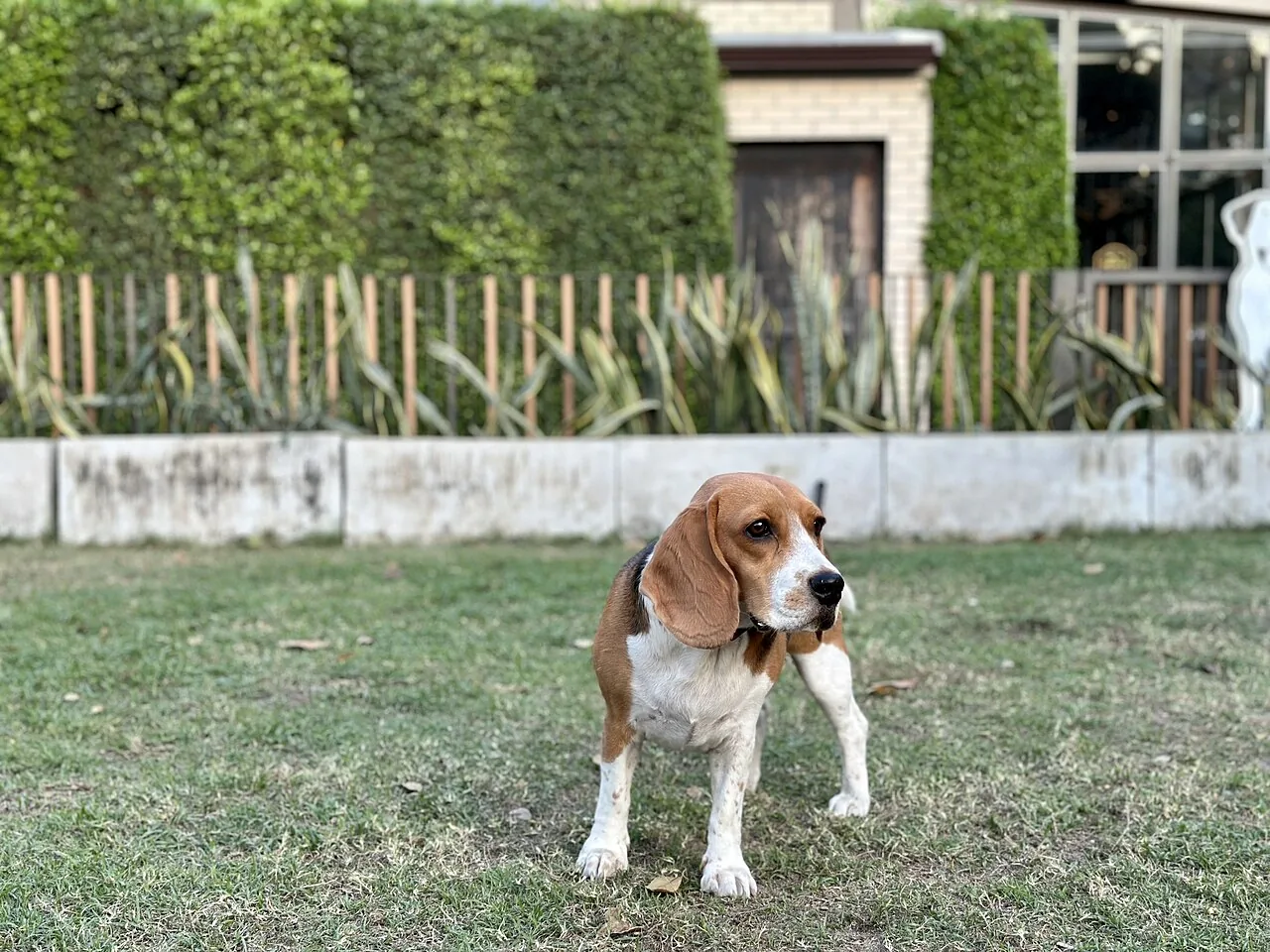
The Beagle is a small, merry scent hound from England with an extraordinary sense of smell. Friendly and curious, it makes a cheerful family companion but follows its nose tirelessly, so secure spaces and patient training help.

Size
Small (9–11 kg)
Lifespan
12–15 years
Temperament
Merry, curious, friendly
Origin
England

Coat & grooming — Short dense weatherproof coat; sheds moderately and is easy to groom

Suits — Families, children, active homes, multi-dog households

Health to watch for

  • Obesity — Beagles are very food-motivated and gain weight easily, which can strain their joints and affect overall health.
  • Ear infections — Their long, floppy ears trap moisture and can become itchy, red, or smelly.
  • Epilepsy — Some Beagles can develop seizures, which may appear as sudden trembling, collapse, or disorientation.
Full Beagle guide
Dachshund — dog breed guide

04 / Germany

Dachshund

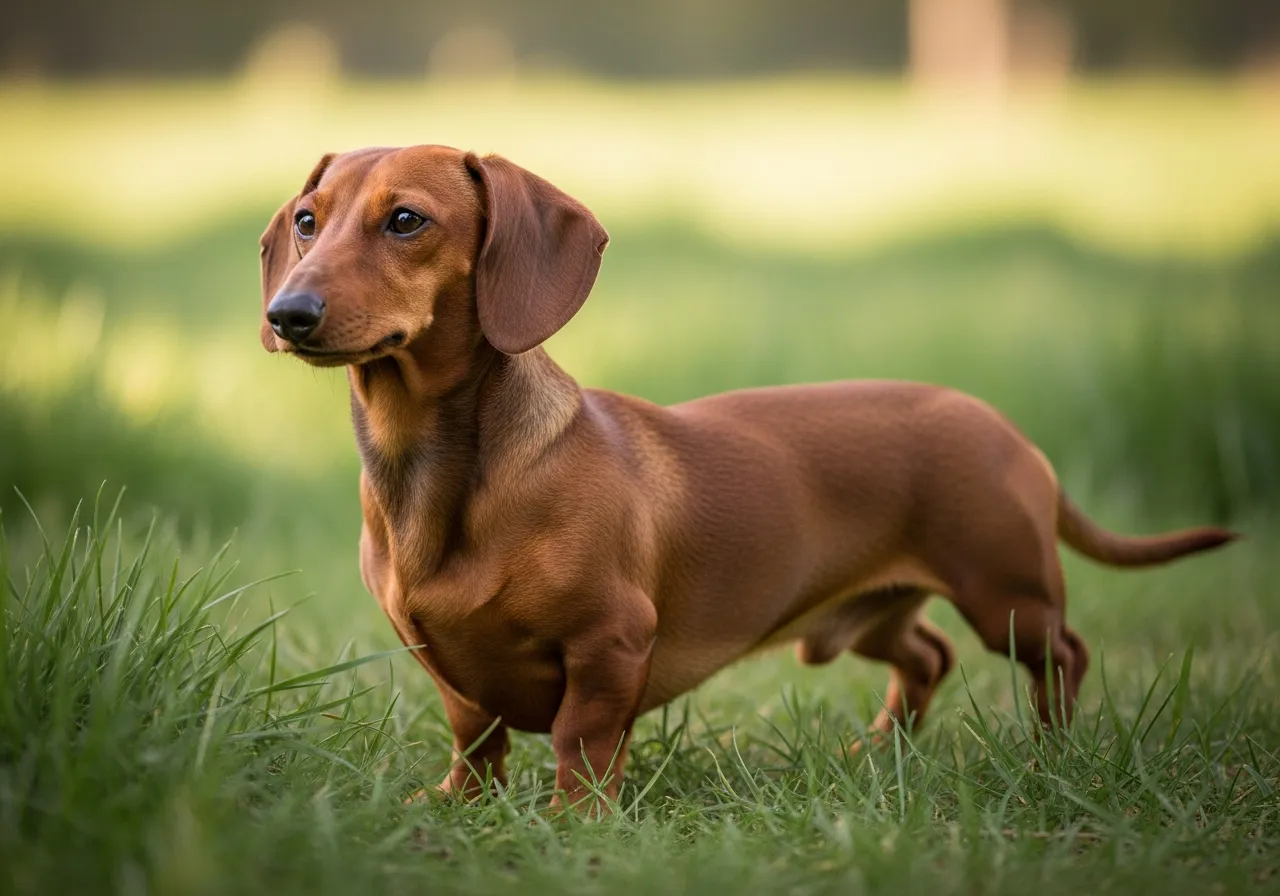
The Dachshund is a small, long-bodied German hound bred to hunt badgers. Bold, clever, and devoted, the 'sausage dog' makes a spirited companion, though its long spine needs care to prevent back injuries.

Size
Small (7–15 kg)
Lifespan
12–16 years
Temperament
Spunky, clever, brave
Origin
Germany

Coat & grooming — Comes in smooth, longhaired, and wirehaired varieties with varied grooming needs

Suits — Singles, families with older children, companionship-focused homes

Health to watch for

  • Intervertebral disc disease (IVDD) — Their long spines make Dachshunds prone to disc problems, which can cause back pain, weakness, or trouble walking.
  • Obesity — Extra weight puts added strain on a Dachshund's long back and joints.
  • Dental disease — Small breeds like Dachshunds are prone to tartar buildup and gum disease, which can cause bad breath and discomfort.
Full Dachshund guide
Pembroke Welsh Corgi — dog breed guide

05 / Wales

Pembroke Welsh Corgi

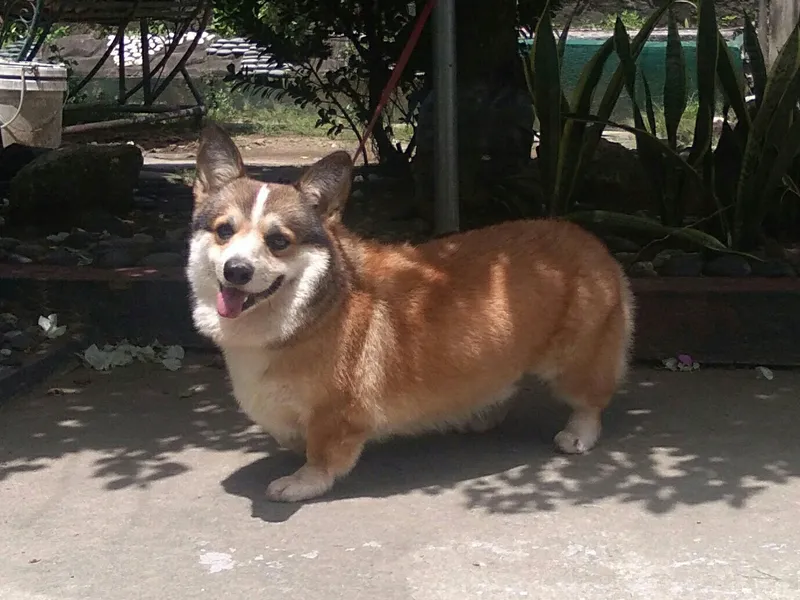
The Pembroke Welsh Corgi is a small, short-legged herding dog from Wales, known for its bold personality and intelligence. Affectionate and trainable, this royal-favorite breed is energetic and devoted, making a lively, loving family companion.

Size
Small (10–14 kg)
Lifespan
12–15 years
Temperament
Smart, bold, affectionate
Origin
Wales

Coat & grooming — Medium weatherproof double coat; sheds heavily and needs regular brushing

Suits — Active families, children, first-time owners willing to exercise

Health to watch for

  • Intervertebral disc disease (IVDD) — Their long backs and short legs make Corgis prone to disc problems that can cause back pain or weakness.
  • Hip dysplasia — This inherited condition causes the hip joint to develop abnormally, sometimes leading to stiffness or limping.
  • Obesity — Corgis love food and gain weight easily, which adds strain to their backs and joints.
Full Pembroke Welsh Corgi guide
Yorkshire Terrier — dog breed guide

06 / England

Yorkshire Terrier

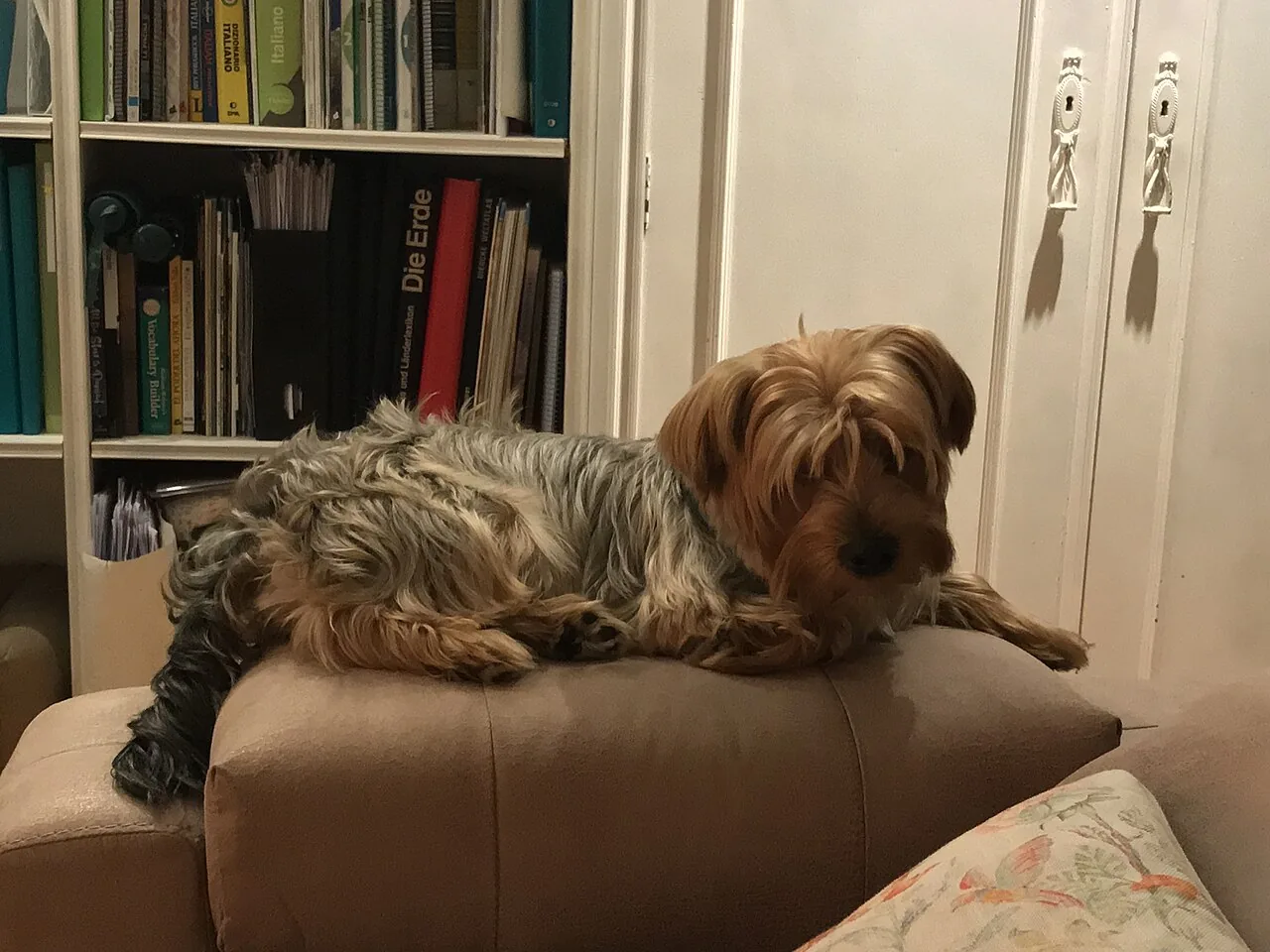
The Yorkshire Terrier is a tiny British toy breed with a long, silky steel-blue and tan coat and a famously bold, lively personality. Its defining trait is a big-dog attitude in a pocket-sized body, making the Yorkie a spirited, devoted companion that adapts well to city and flat living.

Size
Toy (up to 3 kg)
Lifespan
12–16 years
Temperament
Bold, affectionate, lively
Origin
England

Coat & grooming — A long, fine, glossy single coat with a silky, almost human-hair-like texture in steel-blue and tan, with no thick undercoat. Yorkies shed very little, which suits some allergy sufferers, but a full-length show coat needs daily brushing to prevent tangles. Many pet owners keep their dog in a shorter 'puppy clip' that needs only occasional trimming, plus regular bathing to keep the coat clean and shining.

Suits — Well suited to many homes, including flats and first-time owners, thanks to their small size and adaptability, though their boldness and fragility mean they often do better with older, gentle children than boisterous toddlers. They form intense bonds and can dislike being left alone for long. They need modest daily walks and play, and benefit from early socialisation so their feisty terrier streak does not become bossy with other dogs.

Health to watch for

  • Patellar luxation — The kneecap slips out of place, causing intermittent skipping or lameness.
  • Dental disease — Plaque and tartar build-up leads to gum infection and tooth loss.
  • Tracheal collapse — Tracheal collapse can occur in this breed and may need veterinary monitoring.
Full Yorkshire Terrier guide
Cavalier King Charles Spaniel — dog breed guide

07 / England

Cavalier King Charles Spaniel

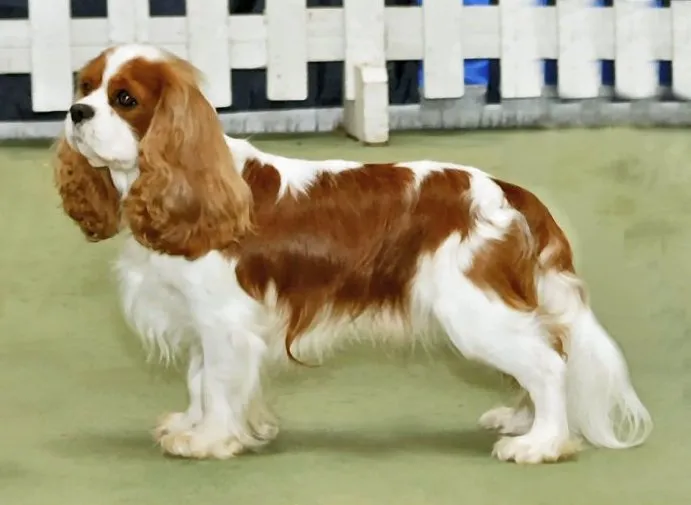
The Cavalier King Charles Spaniel is a small, gentle toy spaniel from England, bred purely for companionship and known for its sweet, affectionate temperament. Its defining trait is an irresistible friendliness and devotion to people, making it one of the most adaptable and loving lap dogs for families and companion homes alike.

Size
Small (6–8 kg)
Lifespan
10–14 years
Temperament
Gentle, affectionate, friendly
Origin
England

Coat & grooming — A moderately long, silky coat that is straight or slightly wavy, with feathering on the ears, chest, legs, feet and tail. It comes in four recognised colours: Blenheim (chestnut and white), tricolour, black and tan, and ruby. Cavaliers shed moderately and need brushing several times a week to prevent the feathering from matting, with regular ear cleaning and occasional bathing; their coat needs little or no trimming.

Suits — An ideal choice for many homes, including families with children, first-time owners, older people and flat dwellers, thanks to their adaptable, easygoing nature. They are gentle and tolerant with children and usually friendly towards other dogs and pets. They form intense bonds and crave company, so they dislike being left alone for long. Their exercise needs are moderate, met by daily walks and play, though they happily enjoy more activity too.

Health to watch for

  • Heart conditions — Heart conditions can occur in this breed and may need veterinary monitoring.
  • Syringomyelia — Syringomyelia can occur in this breed and may need veterinary monitoring.
  • Eye conditions — Breed-related eye problems may include cataracts, progressive retinal atrophy, or cherry eye.
Full Cavalier King Charles Spaniel guide
Miniature Schnauzer — dog breed guide

08 / Germany

Miniature Schnauzer

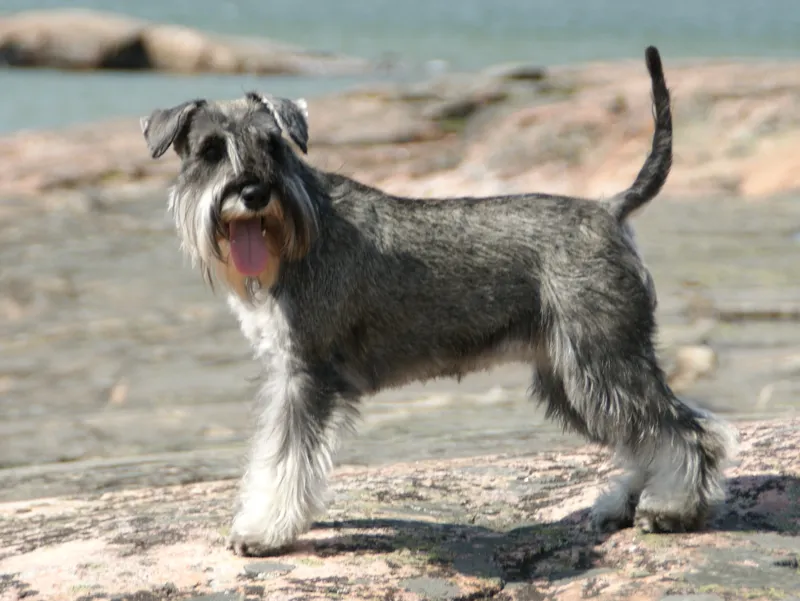
The Miniature Schnauzer is a small, sturdy German terrier-type breed known for its wiry beard, bushy eyebrows and spirited, people-loving nature. Bright, alert and low-shedding, it makes a versatile family companion and watchdog that adapts well to both town flats and country homes.

Size
Small (5–9 kg)
Lifespan
10–14 years
Temperament
Spirited, friendly, alert
Origin
Germany

Coat & grooming — Double coat with a soft undercoat and a harsh, wiry topcoat, plus the breed's signature beard and leg furnishings. It sheds very little, but needs regular upkeep: brushing or combing two to three times a week to prevent matting, especially in the beard and legs, and clipping or hand-stripping every six to eight weeks. The beard tends to collect food and water and benefits from regular cleaning.

Suits — An excellent choice for first-time owners, families with children and people in flats, thanks to its manageable size, adaptability and affectionate temperament. Miniature Schnauzers are sociable and trainable, but their terrier heritage means they can be vocal and may chase small pets, so early socialisation helps. They enjoy moderate daily exercise and dislike being left alone for long periods.

Health to watch for

  • Pancreatitis risk — Pancreatitis risk can occur in this breed and may need veterinary monitoring.
  • Eye conditions — Breed-related eye problems may include cataracts, progressive retinal atrophy, or cherry eye.
  • Urinary stones — Urinary stones can occur in this breed and may need veterinary monitoring.
Full Miniature Schnauzer guide
Shih Tzu — dog breed guide

09 / Tibet/China

Shih Tzu

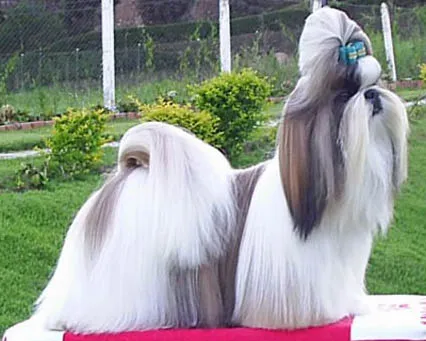
The Shih Tzu is a small, long-coated companion breed developed from Tibetan and Chinese palace dogs and bred purely for human companionship. Affectionate, playful and adaptable, it thrives as a devoted lap dog in homes of all sizes, asking mainly for company and regular coat care.

Size
Small (4–8 kg)
Lifespan
10–14 years
Temperament
Affectionate, playful, charming
Origin
Tibet/China

Coat & grooming — Long, dense, flowing double coat that can reach the floor if kept full; the texture is soft and slightly wavy rather than curly. It needs daily brushing to prevent tangles and mats, and many owners keep the coat in a short 'puppy clip' for easier upkeep. Regular bathing, eye-area cleaning and grooming of the topknot are needed; shedding is low but loose hair stays in the coat.

Suits — Well suited to families, older owners, first-time owners and flat-dwellers, as the Shih Tzu is companionable, adaptable and needs only modest exercise. It is generally friendly with children and other pets, though its small size means play with young children should be supervised. Bred to be a constant companion, it dislikes long periods alone, so it suits households where someone is often home.

Health to watch for

  • Brachycephalic airway syndrome — Short skull shape narrows airways, causing snoring, exercise intolerance, and heat sensitivity.
  • Eye conditions — Breed-related eye problems may include cataracts, progressive retinal atrophy, or cherry eye.
  • Dental disease — Plaque and tartar build-up leads to gum infection and tooth loss.
Full Shih Tzu guide
Boston Terrier — dog breed guide

10 / United States

Boston Terrier

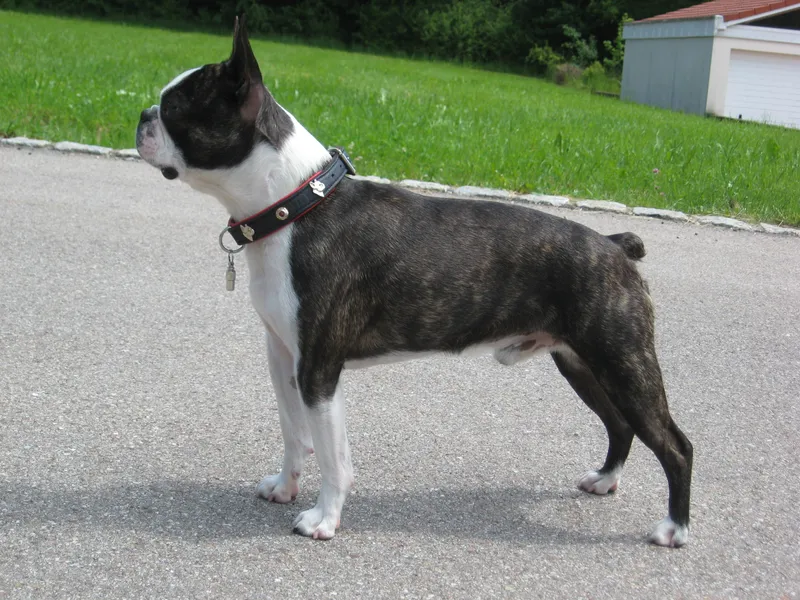
The Boston Terrier is a small, compact American breed nicknamed the 'American Gentleman' for its tuxedo-like markings and polite, friendly disposition. Bright, affectionate and amusing, it makes an adaptable companion that suits flats and families alike, needing modest exercise and very little grooming.

Size
Small (5–11 kg)
Lifespan
10–14 years
Temperament
Friendly, bright, amusing
Origin
United States

Coat & grooming — Short, smooth, fine and glossy single coat lying close to the body. Grooming is very easy: a weekly brush with a rubber mitt or soft bristle brush removes loose hair, and occasional baths keep the coat clean. Shedding is low to moderate, and the breed's facial wrinkles and prominent eyes benefit from gentle, regular wiping to stay clean and healthy.

Suits — An excellent all-rounder for first-time owners, families with children, older people and flat-dwellers, thanks to its friendly nature, convenient size and modest exercise needs. Bostons are typically sociable with people and other pets when socialised early. As a flat-faced breed they are sensitive to heat and over-exertion, so they suit owners who can keep activity moderate and avoid hot weather.

Health to watch for

  • Brachycephalic airway syndrome — Short skull shape narrows airways, causing snoring, exercise intolerance, and heat sensitivity.
  • Eye conditions — Breed-related eye problems may include cataracts, progressive retinal atrophy, or cherry eye.
  • Patellar luxation — The kneecap slips out of place, causing intermittent skipping or lameness.
Full Boston Terrier guide
Havanese — dog breed guide

11 / Cuba

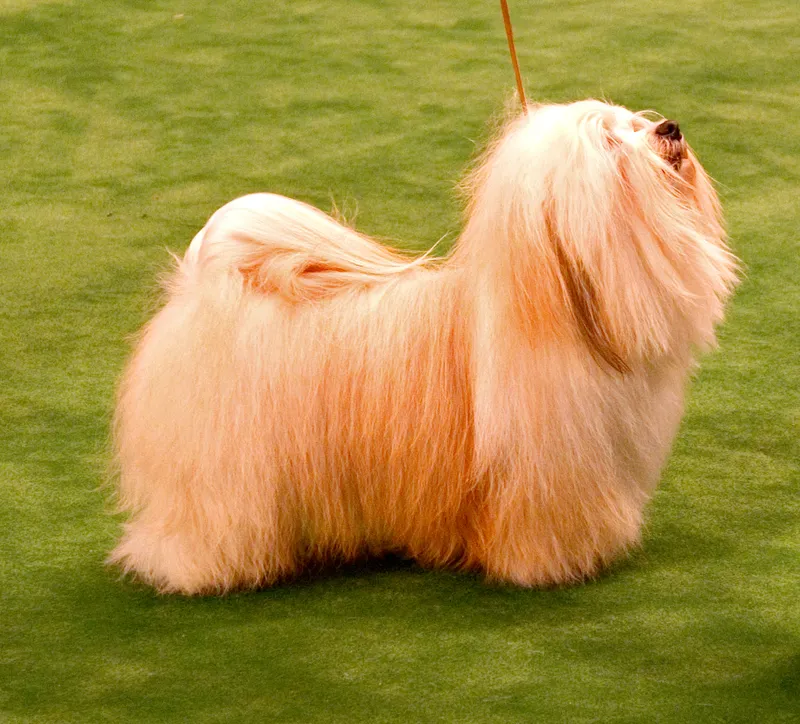
Havanese

The Havanese is a small, silky-coated companion breed and the national dog of Cuba, developed purely to be a cheerful, affectionate family pet. Sociable, intelligent and trainable, it bonds closely with its people, adapts beautifully to flats and city life, and loves learning tricks and games.

Size
Small (3–6 kg)
Lifespan
10–14 years
Temperament
Cheerful, social, intelligent
Origin
Cuba

Coat & grooming — Long, soft, silky double coat that is light and slightly wavy, designed to insulate against Cuba's tropical heat. It needs daily brushing to prevent mats and tangles when kept long, though many pet owners opt for a shorter clip to reduce upkeep. The breed is very low-shedding, with loose hair staying in the coat, so regular grooming and occasional bathing are essential.

Suits — A superb companion for families, first-time owners, older people and flat-dwellers, thanks to its friendly, adaptable and people-focused temperament. Havanese are gentle with children and usually sociable with other dogs and pets when socialised early. Bred to be constant companions, they bond intensely and can suffer separation anxiety, so they suit households where they are not left alone for long stretches.

Health to watch for

  • Patellar luxation — The kneecap slips out of place, causing intermittent skipping or lameness.
  • Eye conditions — Breed-related eye problems may include cataracts, progressive retinal atrophy, or cherry eye.
  • Dental disease — Plaque and tartar build-up leads to gum infection and tooth loss.
Full Havanese guide
Shetland Sheepdog — dog breed guide

12 / Scotland (Shetland)

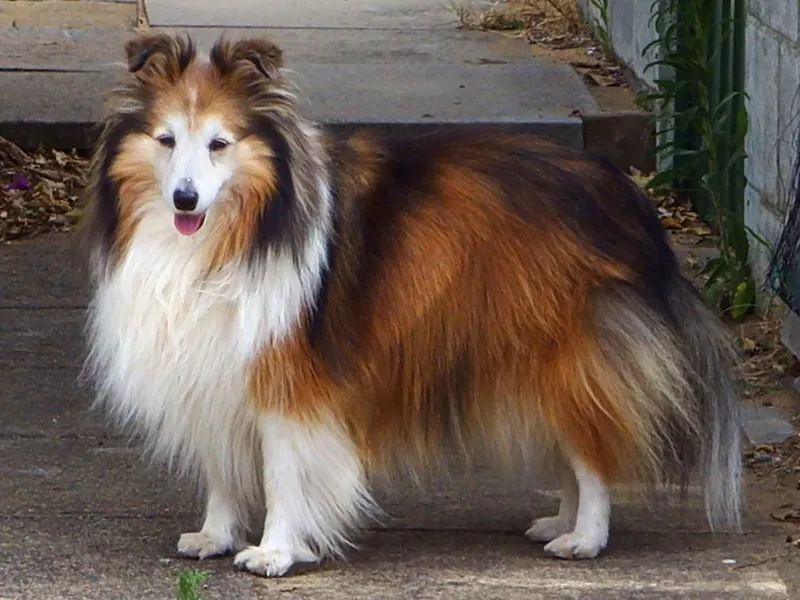
Shetland Sheepdog

The Shetland Sheepdog is a small, agile herding breed from Scotland's Shetland Islands, resembling a miniature Rough Collie. Famously intelligent and trainable, the Sheltie excels at obedience and agility but is also notably vocal and deeply bonded to its family.

Size
Small (6–12 kg)
Lifespan
10–14 years
Temperament
Intelligent, loyal, vocal
Origin
Scotland (Shetland)

Coat & grooming — A dense double coat with a long, straight, harsh outer coat and a soft, tight undercoat, forming a profuse mane and frill around the neck. Shelties shed heavily, especially during seasonal moults, and need brushing two or three times weekly (more when blowing coat) to prevent matting behind the ears and on the legs. They should be bathed occasionally rather than clipped.

Suits — Excellent family dogs, gentle and patient with children they are raised alongside, though their herding instinct can prompt chasing and nipping at running youngsters. They suit active first-time owners willing to manage barking, and adapt to flats only with ample daily exercise and mental stimulation. Generally good with other dogs and pets; they need at least an hour of activity plus training games each day.

Health to watch for

  • Collie eye anomaly — Collie eye anomaly can occur in this breed and may need veterinary monitoring.
  • Hip dysplasia — An inherited malformation of the hip joint that can cause stiffness, lameness, or arthritis as the dog ages.
  • Epilepsy — Recurrent seizures without other identifiable cause.
Full Shetland Sheepdog guide
Maltese — dog breed guide

13 / Malta

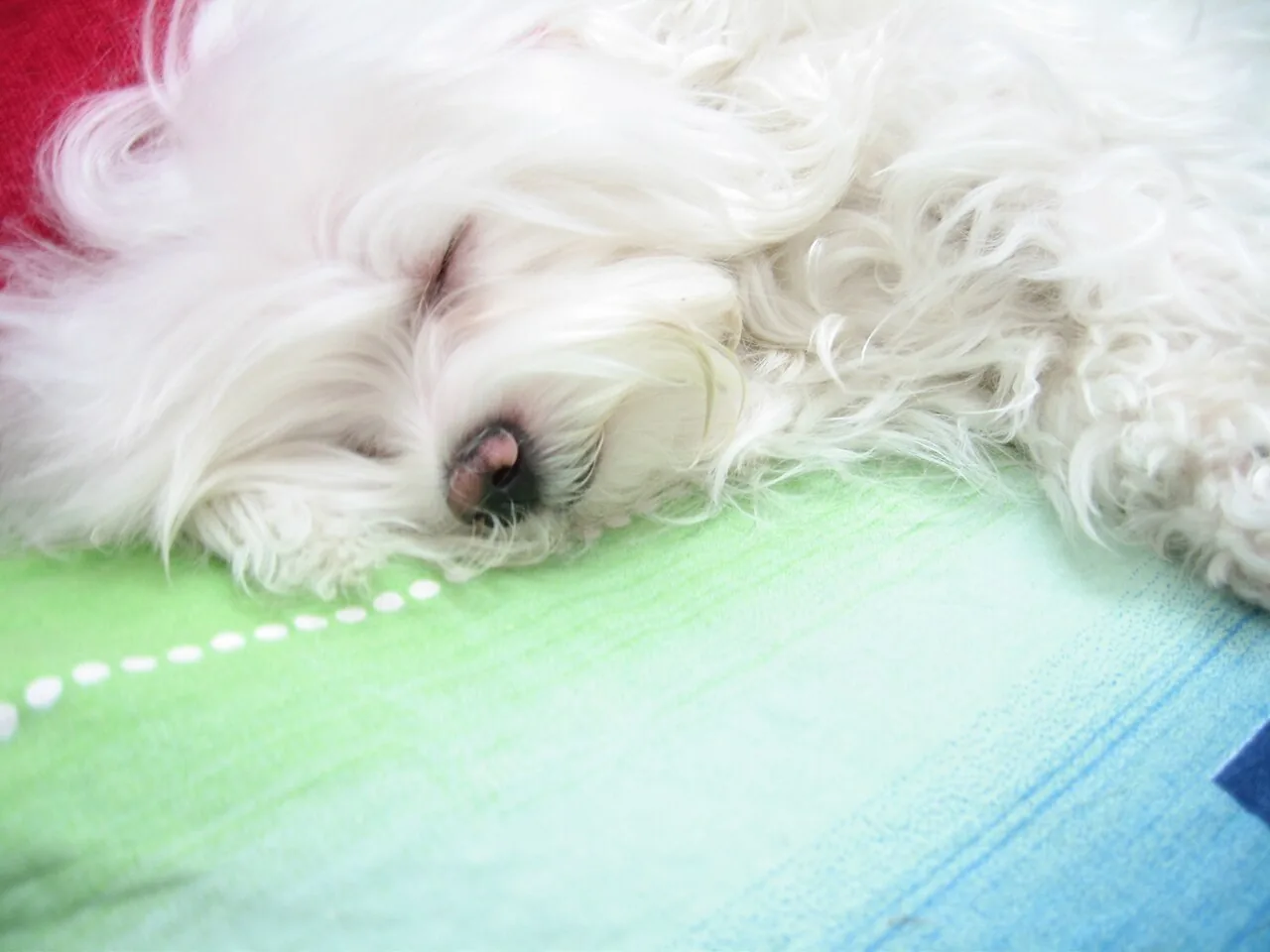
Maltese

The Maltese is an ancient toy breed prized for thousands of years as a refined lap companion around the Mediterranean. Weighing under four kilograms, it is gentle, playful and affectionate, with a flowing white coat that, despite its glamour, sheds very little.

Size
Toy (up to 4 kg)
Lifespan
12–16 years
Temperament
Gentle, playful, affectionate
Origin
Malta

Coat & grooming — A single, long, silky white coat that hangs straight to the floor when grown out, with no woolly undercoat. The breed sheds minimally, but the fine hair tangles and mats easily, so pets need daily brushing or a shorter 'puppy clip' to stay comfortable. Regular bathing keeps the white coat bright, and the face needs frequent gentle cleaning to limit tear staining.

Suits — A devoted companion that suits flats, older owners and first-time owners well, thriving on close human contact and disliking long periods alone. Gentle and playful, the Maltese can be a lovely family pet, but its tiny, delicate build means it is better suited to households with calm, older children than boisterous toddlers. It generally gets on with other pets and needs only modest exercise alongside plenty of affection.

Health to watch for

  • Patellar luxation — The kneecap slips out of place, causing intermittent skipping or lameness.
  • Dental disease — Plaque and tartar build-up leads to gum infection and tooth loss.
  • Eye conditions — Breed-related eye problems may include cataracts, progressive retinal atrophy, or cherry eye.
Full Maltese guide
Bichon Frise — dog breed guide

14 / Mediterranean

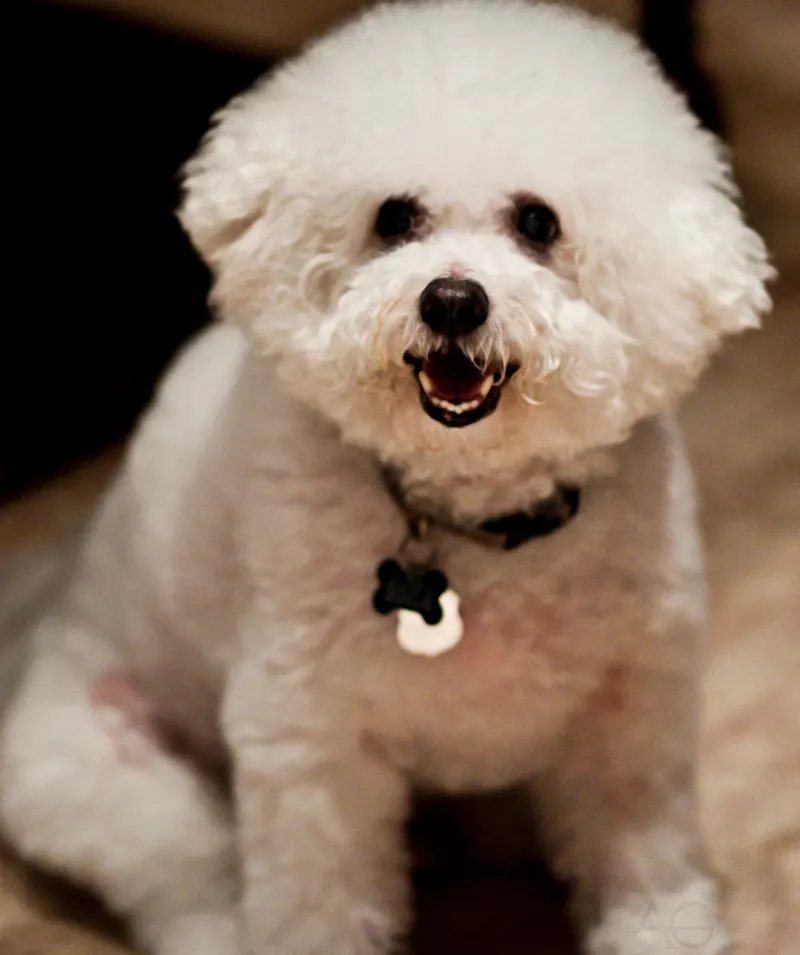
Bichon Frise

The Bichon Frise is a small, cheerful companion breed from the Mediterranean, known for its soft, curly white coat and merry, sociable nature. A low-shedding favourite that often suits allergy-prone households, it loves attention, learns tricks readily and thrives on being part of the family.

Size
Small (5–8 kg)
Lifespan
10–14 years
Temperament
Cheerful, playful, social
Origin
Mediterranean

Coat & grooming — A soft, dense, curly double coat with a plush velvety texture, almost always pure white. The Bichon is low-shedding, as loose hair is caught in the curls rather than dropping, but this means it mats easily and needs daily brushing plus professional clipping and bathing every four to six weeks. The signature rounded 'powder-puff' trim is created by scissoring rather than nature.

Suits — An excellent, adaptable family pet, friendly with children, strangers and other animals, and well suited to flats given its small size and modest exercise needs. The affectionate, trainable Bichon is a fine choice for first-time owners, though grooming costs and time should be budgeted for. They bond strongly and dislike being left alone for long, so they suit households where they will have plenty of company.

Health to watch for

  • Patellar luxation — The kneecap slips out of place, causing intermittent skipping or lameness.
  • Allergies — Allergies can occur in this breed and may need veterinary monitoring.
  • Dental disease — Plaque and tartar build-up leads to gum infection and tooth loss.
Full Bichon Frise guide
Chihuahua — dog breed guide

15 / Mexico

Chihuahua

The Chihuahua is the world's smallest dog breed, a toy companion originating in Mexico with an outsized, confident personality. Loyal and alert, it forms intense bonds with its owner and is famous for a bold, almost terrier-like attitude that belies its tiny frame.

Size
Toy (1.5–3 kg)
Lifespan
12–16 years
Temperament
Alert, loyal, sassy
Origin
Mexico

Coat & grooming — Found in two varieties: smooth-coat (short, glossy, close-lying) and long-coat (soft, slightly wavy, with feathering on ears, legs and tail). Both shed modestly. Smooth coats need only a weekly wipe or brush; long coats benefit from brushing two to three times weekly. Bathe occasionally; the breed dislikes cold and often appreciates a jumper outdoors.

Suits — Suits owners in flats or houses alike, including first-time owners willing to socialise and train consistently. Devoted but can be wary or snappy, so best with older, gentle children rather than toddlers who might handle them roughly. Often bonds to one person and can be territorial with strange dogs. Exercise needs are modest but daily walks and mental engagement matter.

Health to watch for

  • Patellar luxation — The kneecap slips out of place, causing intermittent skipping or lameness.
  • Dental disease — Plaque and tartar build-up leads to gum infection and tooth loss.
  • Tracheal collapse — Tracheal collapse can occur in this breed and may need veterinary monitoring.
Full Chihuahua guide
Pomeranian — dog breed guide

16 / Germany/Poland

Pomeranian

The Pomeranian is a tiny spitz-type toy dog descended from much larger Arctic sled dogs, instantly recognisable by its fox-like face and profuse fluffy coat. Bold, lively and inquisitive, it packs an enormous personality into a small frame and makes a vivacious, alert companion.

Size
Toy (1.5–3 kg)
Lifespan
12–16 years
Temperament
Bold, lively, inquisitive
Origin
Germany/Poland

Coat & grooming — A thick double coat with a soft, dense undercoat and a long, straight, harsh-textured outer coat that stands off the body, with a distinctive ruff around the neck. Sheds moderately year-round with heavier seasonal moults. Brush two to three times a week to prevent matting; avoid shaving, which can damage regrowth. Occasional baths and light tidying around the feet and rear keep it neat.

Suits — Well suited to flats and smaller homes, and to first-time owners willing to train and socialise consistently. Affectionate and playful but, being small and delicate, better with older children than toddlers. Can be bold or yappy with larger dogs, so supervision is sensible. Exercise needs are modest — daily short walks and play — but they are smart and enjoy trick training and games.

Health to watch for

  • Patellar luxation — The kneecap slips out of place, causing intermittent skipping or lameness.
  • Tracheal collapse — Tracheal collapse can occur in this breed and may need veterinary monitoring.
  • Dental disease — Plaque and tartar build-up leads to gum infection and tooth loss.
Full Pomeranian guide
Shiba Inu — dog breed guide

17 / Japan

Shiba Inu

The Shiba Inu is a small, fox-like Japanese spitz originally bred to flush birds and small game in mountainous terrain. Its defining trait is a cat-like independence and fastidious cleanliness, paired with bold confidence and a famously dramatic protesting yelp known as the "Shiba scream".

Size
Small (8–11 kg)
Lifespan
10–14 years
Temperament
Independent, alert, clean
Origin
Japan

Coat & grooming — A double coat with a stiff, straight outer layer and a soft, dense undercoat. It is naturally clean and needs only weekly brushing for most of the year, but sheds heavily twice annually during seasonal "blowing" of the undercoat, when daily brushing helps. Bathing is rarely needed.

Suits — Best suited to patient, experienced owners who respect an independent dog rather than first-time handlers expecting easy obedience. Shibas can live in flats if exercised daily but need secure fencing, as they are escape artists with a strong prey drive. They can be aloof with other dogs and unsafe around cats or small pets; early socialisation and a calm, consistent household suit them best.

Health to watch for

  • Allergies — Allergies can occur in this breed and may need veterinary monitoring.
  • Patellar luxation — The kneecap slips out of place, causing intermittent skipping or lameness.
  • Eye conditions — Breed-related eye problems may include cataracts, progressive retinal atrophy, or cherry eye.
Full Shiba Inu guide
West Highland White Terrier — dog breed guide

18 / Scotland

West Highland White Terrier

The West Highland White Terrier, or Westie, is a small, sturdy Scottish terrier with a bright white double coat and a famously plucky, cheerful character. Bred to hunt rats and other vermin among the rocks and earth of the Highlands, its defining trait is bold, confident terrier spirit packed into a compact, friendly companion.

Size
Small (7–10 kg)
Lifespan
10–14 years
Temperament
Confident, cheerful, hardy
Origin
Scotland

Coat & grooming — A harsh, straight white outer coat over a soft, dense undercoat, designed to shed dirt and resist weather. Westies shed very little but need regular care: weekly brushing, and the harsh coat is traditionally hand-stripped or, more commonly for pets, clipped every few months. Occasional baths and routine attention to the face and feet keep the white coat looking its best.

Suits — A good choice for families, first-time owners and flat-dwellers alike, given its small size and adaptable, sociable nature. Westies are confident and friendly but retain a feisty terrier streak, so they need consistent training and early socialisation. They suit active owners who can provide a couple of brisk walks and play daily. Their strong prey drive can make them unreliable around small pets like rodents, and some are vocal, so a watchful approach to barking helps.

Health to watch for

  • Skin allergies — Itching, ear infections, and paw licking may reflect food or environmental allergies.
  • Patellar luxation — The kneecap slips out of place, causing intermittent skipping or lameness.
  • Dental disease — Plaque and tartar build-up leads to gum infection and tooth loss.
Full West Highland White Terrier guide
Papillon — dog breed guide

19 / France/Belgium

Papillon

The Papillon is an alert, friendly toy spaniel from France and Belgium, named for the butterfly-like fringing on its large, upright ears. Surprisingly athletic and one of the most trainable toy breeds, it consistently shines in obedience and agility despite weighing only a few kilograms.

Size
Toy (3–5 kg)
Lifespan
12–16 years
Temperament
Alert, friendly, intelligent
Origin
France/Belgium

Coat & grooming — A single, long, fine, silky coat with no undercoat, lying flat with abundant feathering on the ears, chest, legs and a plumed tail; it is most often white with patches of any colour. Because there is no woolly undercoat, shedding is light and the coat is fairly easy to maintain with two or three brushings a week to prevent tangles behind the ears and on the trousers. No clipping is needed, and occasional baths keep the silky coat bright.

Suits — A lively, affectionate companion that suits families with considerate older children, singles, and flat-dwellers alike, as well as first-time owners willing to train. Being tiny and delicate, it is less ideal around very boisterous toddlers or large rough-playing dogs. Papillons are sociable with other pets when introduced well, and although small they are energetic and clever, needing daily walks, play and mental challenges to stay content.

Health to watch for

  • Patellar luxation — The kneecap slips out of place, causing intermittent skipping or lameness.
  • Dental disease — Plaque and tartar build-up leads to gum infection and tooth loss.
  • Eye conditions — Breed-related eye problems may include cataracts, progressive retinal atrophy, or cherry eye.
Full Papillon guide
Border Terrier — dog breed guide

20 / England/Scotland border

Border Terrier

The Border Terrier is a small, hardy working terrier from the England-Scotland border, bred to keep pace with hounds and bolt foxes. Plucky, affectionate and good-natured, it makes an adaptable family companion that thrives on plenty of exercise and human company.

Size
Small (5–7 kg)
Lifespan
10–14 years
Temperament
Plucky, affectionate, hardy
Origin
England/Scotland border

Coat & grooming — A harsh, dense, wiry double coat with a close undercoat and a naturally weatherproof, slightly loose-fitting hide. It sheds modestly and is low-maintenance day to day, needing a weekly brush, but the coat should be hand-stripped roughly twice a year rather than clipped to preserve its texture and colour. Bathe only occasionally, as the coat repels dirt well.

Suits — An excellent all-rounder for active families, including those with sensible older children, and manageable for capable first-time owners. It adapts to flats provided it gets a good hour or more of daily exercise and mental stimulation. Sociable with people and usually fine with dogs, but its strong prey drive means small pets and off-lead recall need care, and it can be a determined digger and escapist.

Health to watch for

  • Heart conditions — Heart conditions can occur in this breed and may need veterinary monitoring.
  • Hip dysplasia — An inherited malformation of the hip joint that can cause stiffness, lameness, or arthritis as the dog ages.
  • Seizures — Seizures can occur in this breed and may need veterinary monitoring.
Full Border Terrier guide
Miniature Poodle — dog breed guide

21 / Germany/France

Miniature Poodle

The Miniature Poodle is a small, highly intelligent dog descended from the larger water-retrieving Standard Poodle. Active, quick to learn and proud in bearing, it makes an affectionate, adaptable companion that suits many homes provided its sharp mind gets regular mental and physical stimulation.

Size
Small (4–7 kg)
Lifespan
10–14 years
Temperament
Intelligent, active, proud
Origin
Germany/France

Coat & grooming — A dense, curly, single-layered coat with a wiry, woolly texture and very low shedding. Because it keeps growing and mats easily, it needs daily or near-daily brushing and professional clipping every four to six weeks. Many owners keep it in a practical short trim. The low-shed coat is often described as more tolerable for some allergy sufferers, though no dog is truly hypoallergenic.

Suits — A versatile choice for families, singles and older owners, and well-suited to flats given its size. Sensible older children are ideal, as the small frame can be injured by rough handling. Good with other dogs and pets when socialised. Manageable for first-time owners willing to commit to grooming and training, though its intelligence means it needs daily mental engagement to avoid boredom-driven mischief and barking.

Health to watch for

  • Patellar luxation — The kneecap slips out of place, causing intermittent skipping or lameness.
  • Eye conditions — Breed-related eye problems may include cataracts, progressive retinal atrophy, or cherry eye.
  • Epilepsy — Recurrent seizures without other identifiable cause.
Full Miniature Poodle guide

Small Dog Breeds: frequently asked questions

What is the best small dog breed?
It depends on activity level. Cavalier King Charles Spaniels and Shih Tzus suit quiet households; Jack Russell and Border Terriers need far more exercise than their size suggests. French Bulldogs and Pugs are popular for city living but carry significant breathing-related health risks.
Do small dogs live longer than big dogs?
Generally yes. Small breeds commonly live 12 to 16 years, while giant breeds often reach only 6 to 10. The reasons are not fully settled, but faster growth and greater cell turnover in large breeds are the leading explanations.
What is the best small dog for apartments?
Low-energy, low-noise breeds do best — Cavalier King Charles Spaniels, Shih Tzus, Pugs and French Bulldogs among them. Note that many small terriers are poor apartment dogs despite their size, because they are vocal and highly energetic.
Are small dogs easier to look after?
Easier physically, not necessarily behaviourally. Small dogs are frequently under-trained because their behaviour is easier to tolerate, which is why problems like reactivity and resource guarding are common in them.

Before you go

Most of the world's dogs have no breed, and no owner

An estimated 300 million dogs live on the world's streets. They are not a breed, they are not registered anywhere, and in cities like Karachi they face poisoning and culling campaigns that the World Health Organization has repeatedly said do not reduce dog numbers or rabies risk.

What does work is CNVR — catch, neuter, vaccinate, return — carried out street by street, alongside community education. WARN funds CNVR in Karachi. It is unglamorous, it is measurable, and it is the difference between a dog being killed and a dog being vaccinated and left alone.