Dog Breed · Tibet/China
Shih Tzu
A long-coated companion breed bred for Chinese royalty, happiest as a close family pet.
By WARN Research & Conservation TeamLast updated
In brief
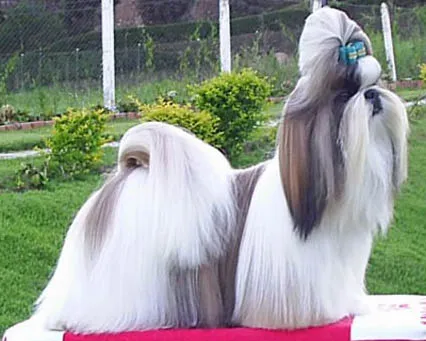
The Shih Tzu is a small, long-coated companion breed developed from Tibetan and Chinese palace dogs and bred purely for human companionship. Affectionate, playful and adaptable, it thrives as a devoted lap dog in homes of all sizes, asking mainly for company and regular coat care.
What are the key facts about a Shih Tzu?
The Shih Tzu is a dog breed from Tibet/China: small (4–8 kg), affectionate, playful, charming. A long-coated companion breed bred for Chinese royalty, happiest as a close family pet.
| Origin | Tibet/China |
|---|---|
| Size | Small (4–8 kg) |
| Weight | 4-8 kg (9-18 lb) |
| Lifespan | 10–14 years |
| Coat | Long, dense, flowing double coat that can reach the floor if kept full; the texture is soft and slightly wavy rather than curly. It needs daily brushing to prevent tangles and mats, and many owners keep the coat in a short 'puppy clip' for easier upkeep. Regular bathing, eye-area cleaning and grooming of the topknot are needed; shedding is low but loose hair stays in the coat. |
| Temperament | Affectionate, playful, charming |
| Good with | Well suited to families, older owners, first-time owners and flat-dwellers, as the Shih Tzu is companionable, adaptable and needs only modest exercise. It is generally friendly with children and other pets, though its small size means play with young children should be supervised. Bred to be a constant companion, it dislikes long periods alone, so it suits households where someone is often home. |
Is a Shih Tzu a good dog for you?
A Shih Tzu is a good dog when your home matches well suited to families, older owners, first-time owners and flat-dwellers, as the shih tzu is companionable, adaptable and needs only modest exercise. it is generally friendly with children and other pets, though its small size means play with young children should be supervised. bred to be a constant companion, it dislikes long periods alone, so it suits households where someone is often home.. It is a affectionate, playful, charming small (4–8 kg) breed from Tibet/China. Short skulls also mean heat, flying and exercise are not casual.
A long-coated companion breed bred for Chinese royalty, happiest as a close family pet. That one-line pitch is not a care plan. Factor grooming (Long, dense, flowing double coat that can reach the floor if kept full; the texture is soft and slightly wavy rather than curly. It needs daily brushing to prevent tangles and mats, and many owners keep the coat in a short 'puppy clip' for easier upkeep. Regular bathing, eye-area cleaning and grooming of the topknot are needed; shedding is low but loose hair stays in the coat.), typical adult size (4-8 kg (9-18 lb)), and the health issues listed below before you pay a deposit.
Meet adults of the breed, not only puppies or kittens, and prefer rescue or health-screened homes. A Shih Tzu that looks right in a photo can still be the wrong animal for a small flat, a full-time office job, or a household that wanted a low-energy companion.
What is a Shih Tzu?
A long-coated companion breed bred for Chinese royalty, happiest as a close family pet. Origin is Tibet/China; coat or markings are described as Long, dense, flowing double coat that can reach the floor if kept full; the texture is soft and slightly wavy rather than curly. It needs daily brushing to prevent tangles and mats, and many owners keep the coat in a short 'puppy clip' for easier upkeep. Regular bathing, eye-area cleaning and grooming of the topknot are needed; shedding is low but loose hair stays in the coat..
Kennel and registry labels describe a type. Individual Shih Tzus still vary, and rescue animals may be mixes.
Where does the Shih Tzu come from?
Shih Tzus come from Tibet/China. The Shih Tzu's roots lie in Tibet, where small lion-like dogs were kept by Buddhist monasteries and sometimes given as gifts to Chinese emperors, who developed them further within the imperial palaces.
The name 'Shih Tzu' means 'lion dog' in Mandarin, reflecting the breed's resemblance to the lion in Buddhist symbolism. The dogs were cherished as palace companions during the Ming and Qing dynasties and were rarely seen outside court circles. The breed nearly vanished after the fall of imperial China, but a small number of dogs exported to England and Europe in the 1930s formed the basis of today's worldwide population.
How much care does a Shih Tzu need?
Plan 10–14 years of food, vet care, grooming and time. A Shih Tzu is small (4–8 kg) (4-8 kg (9-18 lb)) from Tibet/China, with coat care described as long, dense, flowing double coat that can reach the floor if kept full; the texture is soft and slightly wavy rather than curly. it needs daily brushing to prevent tangles and mats, and many owners keep the coat in a short 'puppy clip' for easier upkeep. regular bathing, eye-area cleaning and grooming of the topknot are needed; shedding is low but loose hair stays in the coat..
Match daily exercise to the affectionate, playful, charming temperament rather than to Instagram.
Grooming follows the coat, not a generic clip: Long, dense, flowing double coat that can reach the floor if kept full; the texture is soft and slightly wavy rather than curly. It needs daily brushing to prevent tangles and mats, and many owners keep the coat in a short 'puppy clip' for easier upkeep. Regular bathing, eye-area cleaning and grooming of the topknot are needed; shedding is low but loose hair stays in the coat.. Keep the animal lean; extra weight is a joint and heart tax, especially in a small dog.
Budget for unexpected vet bills. The health section below is why “cheap to buy” is not the same as cheap to keep.
What surprises people about the Shih Tzu?
A few details about the breed, alongside the practical care information in this guide.
- The name 'Shih Tzu' translates from Mandarin as 'lion dog', a reference to the breed's resemblance to the lion in Tibetan Buddhist tradition.
- Every modern Shih Tzu traces back to just 14 dogs - seven males and seven females - used to rebuild the breed in the 20th century.
- The breed was so prized in imperial China that royal dogs were rarely sold or given away, and palace eunuchs were reportedly tasked with their care.
- The Shih Tzu's hair grows continuously like human hair rather than shedding in seasonal cycles, which is why show dogs can grow floor-length coats.
What health issues should you know about in a Shih Tzu?
Health concerns to discuss with your vet, including changes to watch for and everyday care. This is general guidance, not veterinary advice — always speak to your vet.
Brachycephalic airway syndrome
Short skull shape narrows airways, causing snoring, exercise intolerance, and heat sensitivity.
Care: Avoid hot weather exercise, use harnesses not collars, and discuss surgical options with a vet if breathing is severely affected.
Eye conditions
Breed-related eye problems may include cataracts, progressive retinal atrophy, or cherry eye.
Care: Regular eye checks and prompt vet attention for redness or cloudiness help preserve vision.
Dental disease
Plaque and tartar build-up leads to gum infection and tooth loss.
Care: Brush teeth regularly and schedule professional dental cleanings as your vet advises.
Who should skip a Shih Tzu?
Skip a Shih Tzu if you are hot climates, frequent flying, or homes that cannot manage heat risk. This Tibet/China dog is small (4–8 kg) and affectionate, playful, charming — the mismatch is usually lifestyle, not a missing accessory.
This page is allowed to say no. Skip if you are hot climates, frequent flying, or homes that cannot manage heat risk.
A different dog breed on this site may fit. Wanting “a Shih Tzu” after a film or a colour photo is not a reason to ignore the skip list.
What are the hidden catches with a Shih Tzu?
The hidden cost of a Shih Tzu is usually not the purchase price. It is years of care, the health list on this page, and the mismatch between a affectionate, playful, charming animal and a busy home.
The impulse-buy catch
A Shih Tzu from Tibet/China is often sold on looks. Coat, colour and size are not a temperament test. Meet the adult animal, ask about health screening, and walk away from pressure sales.
The breathing and heat catch
Shih Tzus with shortened skulls overheat and tire faster. Avoid hot-weather exercise, use a harness, and treat noisy breathing as a veterinary issue, not a breed quirk.
The brachycephalic airway syndrome catch
Short skull shape narrows airways, causing snoring, exercise intolerance, and heat sensitivity. Avoid hot weather exercise, use harnesses not collars, and discuss surgical options with a vet if breathing is severely affected.
The eye conditions catch
Breed-related eye problems may include cataracts, progressive retinal atrophy, or cherry eye. Regular eye checks and prompt vet attention for redness or cloudiness help preserve vision.
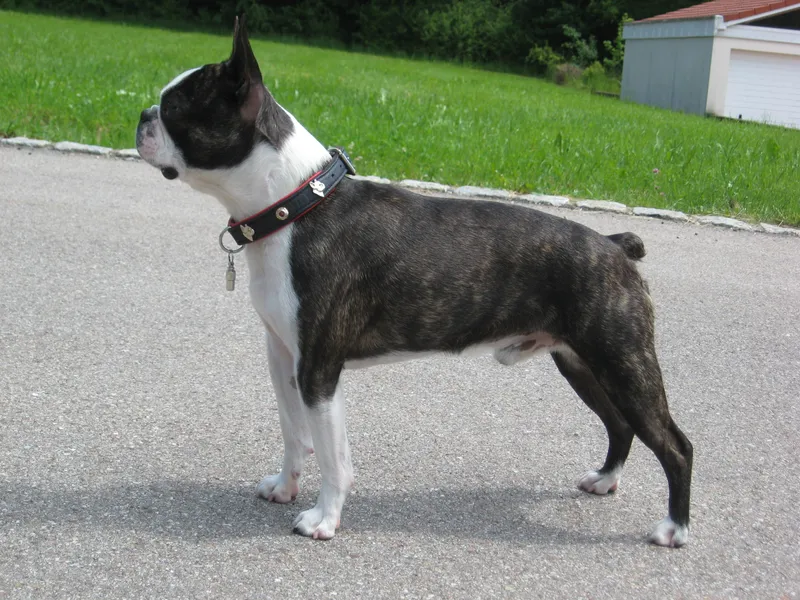
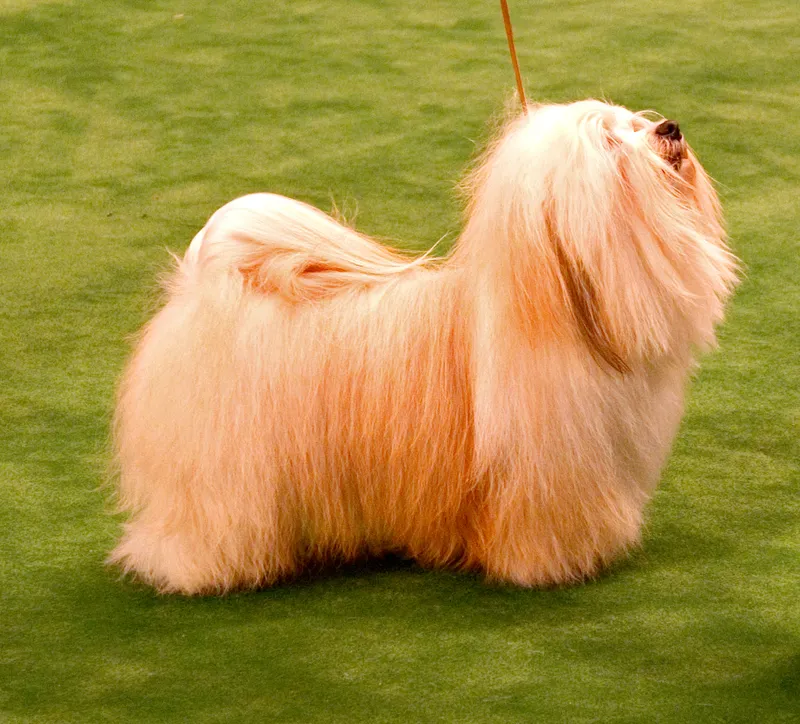
How does a Shih Tzu compare with Boston Terrier and Havanese?
A Shih Tzu is not interchangeable with Boston Terrier and Havanese. Compare origin, size, lifespan and temperament before you choose — those four lines prevent most regret.
| Dog fact | Shih Tzu | Boston Terrier | Havanese |
|---|---|---|---|
| Origin | Tibet/China | United States | Cuba |
| Size | Small (4–8 kg) | Small (5–11 kg) | Small (3–6 kg) |
| Lifespan | 10–14 years | 10–14 years | 10–14 years |
| Temperament | Affectionate, playful, charming | Friendly, bright, amusing | Cheerful, social, intelligent |
What is the verdict on the Shih Tzu?
Choose a Shih Tzu only if the care, skip-if and health sections still look like your life after a week of thinking. Otherwise pick a different dog or wait. Rescue is usually the better first door than a waiting-list puppy or kitten.
If the match is real, budget for 10–14 years of vet care and do not skip health screening. If it is not, walking away is the kind choice — for you and for the animal.
Every dog deserves a chance
Whatever breed steals your heart, millions of dogs around the world have no home at all. A symbolic adoption or a gift to WARN funds humane care for street and community dogs — vaccination, neutering and emergency treatment.