Dog breeds · Protection & working roles

Best Guard Dog Breeds

The breeds most consistently used as guard dogs are the German Shepherd, Rottweiler, Doberman Pinscher, Belgian Malinois and Cane Corso. What makes a guard dog is trainability, confidence and a strong bond with its handler — not aggression, which makes a dog less reliable rather than more.

How this list was compiled

Editorially selected from the 50 breeds covered in the WARN breed guides, on the basis of documented use in protection and guarding work. Ordered by popularity rank. Some breeds named in the text below — Belgian Malinois, Cane Corso — do not yet have a WARN breed guide and so are discussed but not listed.

Guard dog searches usually assume the job is done by aggression. It is not. A dog that reacts aggressively to everything is unreliable, dangerous to its own household and useless as a deterrent, because it cannot distinguish a threat from a delivery driver.

The breeds that do this work are selected for the opposite: stable temperament, high trainability, physical confidence, and a strong enough bond with a handler to take direction under pressure. Almost all of them need experienced ownership and serious daily work. A bored, untrained dog of any of these breeds becomes a problem rather than a protector.

Best Guard Dog Breeds at a glance

Breed Size Lifespan Temperament
German Shepherd Large (22–40 kg) 9–13 years Loyal, confident, courageous
Rottweiler Large (35–60 kg) 10–14 years Confident, loyal, protective
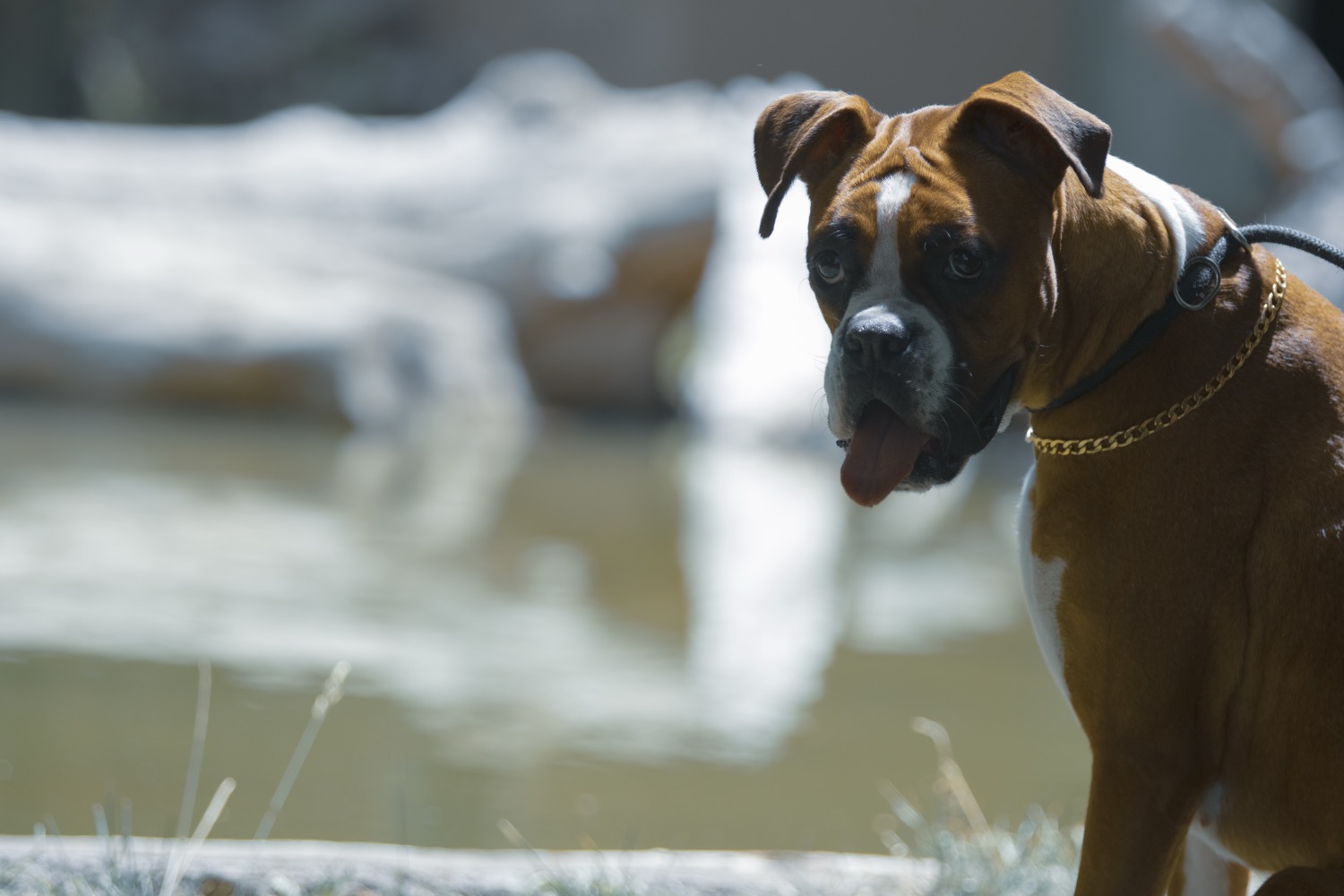
Boxer Large (25–32 kg) 10–14 years Playful, energetic, loyal
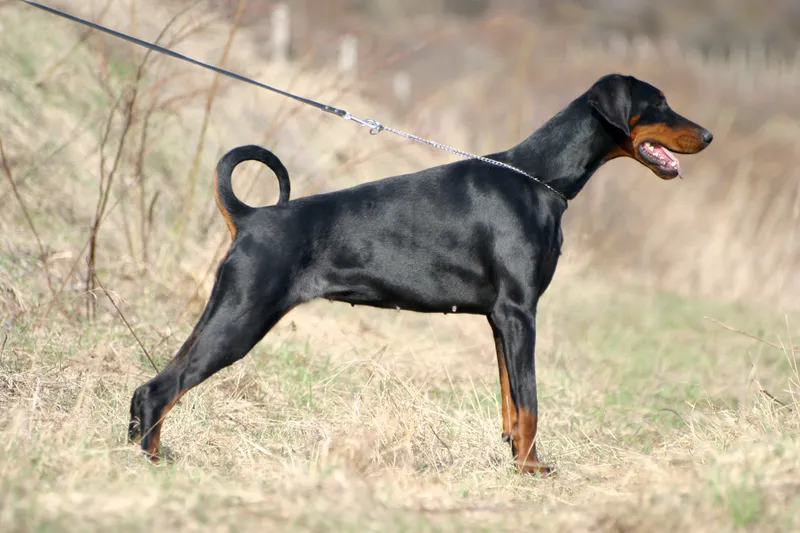
Doberman Pinscher Large (32–45 kg) 10–14 years Alert, loyal, intelligent
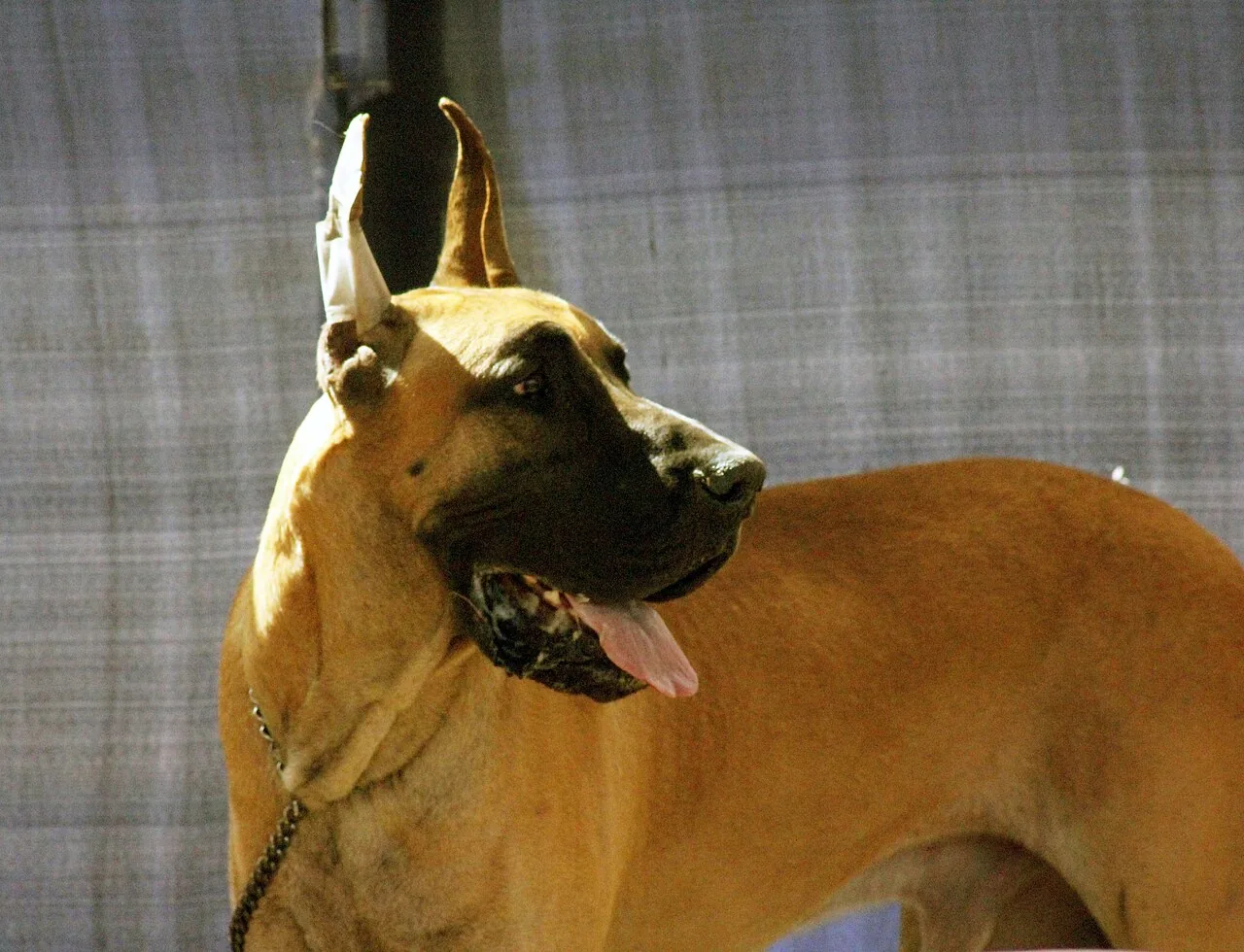
Great Dane Giant (50–82 kg) 8–10 years Gentle, friendly, dignified
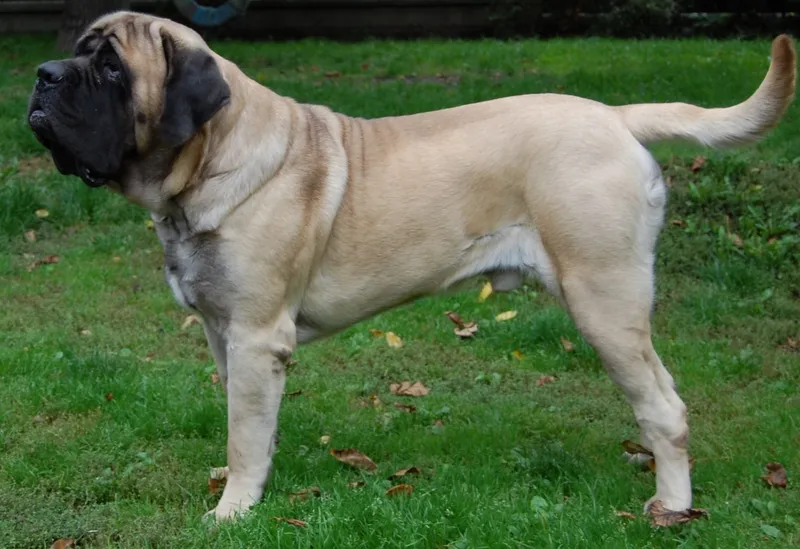
Mastiff Giant (54–100+ kg) 8–10 years Calm, loyal, protective
Rhodesian Ridgeback Large (30–40 kg) 10–14 years Dignified, loyal, independent
Akita Large (32–59 kg) 10–14 years Loyal, dignified, reserved

Best Guard Dog Breeds: full profiles

Each entry covers what the breed was bred for, day-to-day needs, and health problems to watch — with a link to the full guide.

German Shepherd — dog breed guide

01 / Germany

German Shepherd

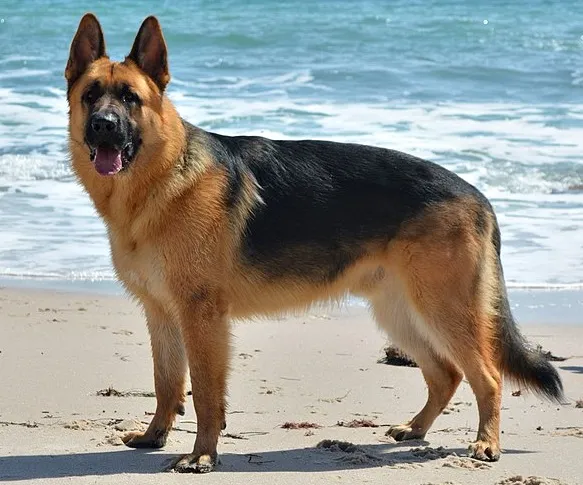
The German Shepherd is a large, intelligent working dog from Germany, prized for loyalty, confidence, and courage. Highly trainable and versatile, it serves widely in police, military, and assistance roles while remaining a devoted family guardian.

Size
Large (22–40 kg)
Lifespan
9–13 years
Temperament
Loyal, confident, courageous
Origin
Germany

Coat & grooming — Medium double coat; sheds heavily and needs regular brushing

Suits — Experienced owners, active families, working and protection roles

Health to watch for

  • Hip and elbow dysplasia — These inherited joint conditions develop when the joints form abnormally, sometimes causing stiffness, limping, or difficulty rising.
  • Degenerative myelopathy — This is a slowly progressive spinal cord condition seen in some older German Shepherds, leading to gradual weakness in the hind legs.
  • Bloat (gastric dilatation-volvulus) — Bloat is a sudden, serious condition where the stomach fills with gas and may twist, causing a swollen belly, restlessness, and retching.
Full German Shepherd guide
Rottweiler — dog breed guide

02 / Germany

Rottweiler

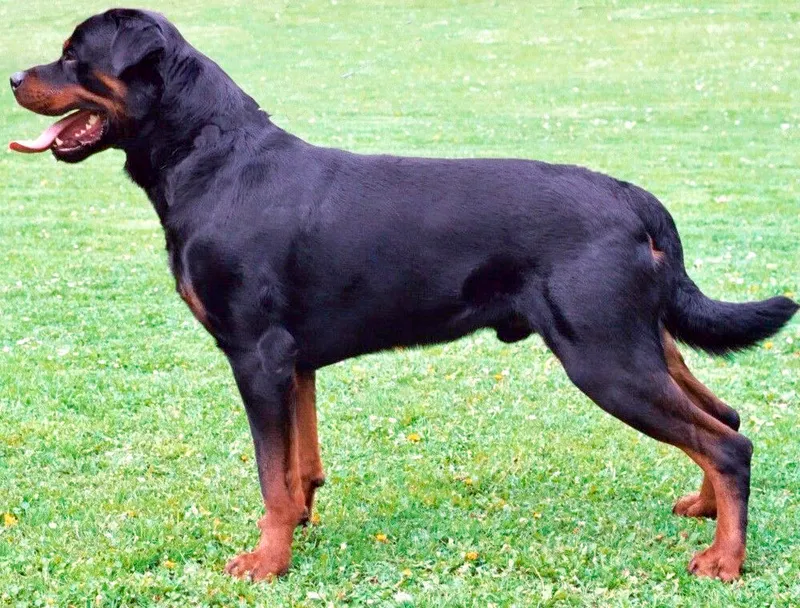
The Rottweiler is a large, powerful German working breed bred as a confident guardian and capable family companion. Its defining trait is a calm, self-assured steadiness paired with deep loyalty, making early socialisation and consistent training essential to channel its protective instincts.

Size
Large (35–60 kg)
Lifespan
10–14 years
Temperament
Confident, loyal, protective
Origin
Germany

Coat & grooming — A short, dense double coat that is straight and coarse on top with a softer undercoat, always black with clearly defined rust or mahogany markings. Grooming is low-maintenance, but Rottweilers shed moderately year-round and more heavily twice a year, so weekly brushing (and more during seasonal moults) keeps loose hair down. Bathe only occasionally.

Suits — Best suited to experienced, confident owners who can commit to firm, reward-based training and thorough socialisation from puppyhood. They can be devoted, gentle family dogs with children they are raised alongside, but their size and strength mean supervision around small children is wise. They need a house with space and a secure garden rather than a small flat, daily vigorous exercise, and careful introductions to other dogs and pets.

Health to watch for

  • Hip dysplasia — An inherited malformation of the hip joint that can cause stiffness, lameness, or arthritis as the dog ages.
  • Obesity — Excess weight strains joints and organs and shortens lifespan.
  • Eye conditions — Breed-related eye problems may include cataracts, progressive retinal atrophy, or cherry eye.
Full Rottweiler guide
Boxer — dog breed guide

03 / Germany

Boxer

The Boxer is a medium-to-large German working breed known for its athletic build, square muzzle and famously playful, clownish personality. Its defining trait is exuberant, affectionate energy, making it a devoted, fun-loving family companion that stays youthful and bouncy well into adulthood.

Size
Large (25–32 kg)
Lifespan
10–14 years
Temperament
Playful, energetic, loyal
Origin
Germany

Coat & grooming — A short, smooth, tight-fitting coat in fawn or brindle, often with white markings and a dark mask. Grooming is very easy: a weekly rub with a grooming mitt or soft brush removes loose hair and keeps the coat glossy. Boxers shed moderately and are fairly clean dogs that need only occasional bathing, though their short coat offers little protection in cold or wet weather.

Suits — An excellent choice for active families, including those with children, thanks to their patient, playful nature and strong bond with their people. They suit first-time owners willing to commit to training, as their exuberance and slow maturation need consistent guidance. They prefer a home with a garden over a small flat, need plenty of daily exercise, and generally get on well with other pets when socialised early.

Health to watch for

  • Hip dysplasia — An inherited malformation of the hip joint that can cause stiffness, lameness, or arthritis as the dog ages.
  • Heart conditions — Heart conditions can occur in this breed and may need veterinary monitoring.
  • Cancer risks — Cancer risks can occur in this breed and may need veterinary monitoring.
Full Boxer guide
Doberman Pinscher — dog breed guide

04 / Germany

Doberman Pinscher

The Doberman Pinscher is a large, athletic German working breed prized for its alertness, loyalty and trainability. Sleek and powerful, it bonds intensely with its family and excels as a personal protection, police and sport dog when given consistent leadership and early socialisation.

Size
Large (32–45 kg)
Lifespan
10–14 years
Temperament
Alert, loyal, intelligent
Origin
Germany

Coat & grooming — Short, smooth, hard and close-lying with a glossy sheen and very little undercoat. Grooming is minimal: a weekly rub with a rubber mitt or bristle brush keeps shedding (which is light to moderate) in check, and baths are only needed occasionally. The thin coat offers little cold protection, so a coat is wise in winter.

Suits — Best suited to active, experienced owners who can commit to daily exercise, training and companionship; Dobermans crave being part of the household and dislike isolation. Well-bred, well-socialised dogs are gentle and protective with children, though their size suits homes with space rather than small flats. They need firm, fair guidance and benefit from early socialisation around other dogs and pets.

Health to watch for

  • Dilated cardiomyopathy — Dilated cardiomyopathy can occur in this breed and may need veterinary monitoring.
  • Hip dysplasia — An inherited malformation of the hip joint that can cause stiffness, lameness, or arthritis as the dog ages.
  • Von Willebrand disease — Von Willebrand disease can occur in this breed and may need veterinary monitoring.
Full Doberman Pinscher guide
Great Dane — dog breed guide

05 / Germany

Great Dane

The Great Dane is one of the tallest dog breeds, a German-bred giant once used to hunt boar and guard estates. Despite its imposing size it is typically gentle, friendly and dignified, earning the nickname 'gentle giant', though it needs space, careful joint care and an awareness of its short lifespan.

Size
Giant (50–82 kg)
Lifespan
8–10 years
Temperament
Gentle, friendly, dignified
Origin
Germany

Coat & grooming — A short, smooth, dense coat with a glossy finish, lying close to the body and coming in colours such as fawn, brindle, blue, black, harlequin and mantle. Grooming is easy, needing only a weekly brush with a rubber mitt or bristle brush to manage moderate, steady shedding. They need only occasional bathing, though their size makes bath time a substantial undertaking.

Suits — Affectionate and patient, Great Danes can be excellent family dogs, but their enormous size means they can accidentally knock over small children, so supervision is wise. They generally get on well with other dogs and pets when socialised early. Surprisingly adaptable to homes with enough room to move and stretch out, they suit committed owners; first-timers should be ready for the costs, training and space a giant breed demands.

Health to watch for

  • Bloat risk — Bloat risk can occur in this breed and may need veterinary monitoring.
  • Hip dysplasia — An inherited malformation of the hip joint that can cause stiffness, lameness, or arthritis as the dog ages.
  • Heart conditions — Heart conditions can occur in this breed and may need veterinary monitoring.
Full Great Dane guide
Mastiff — dog breed guide

06 / England

Mastiff

The Mastiff, often called the English Mastiff, is one of the largest dog breeds by mass, an ancient guardian known for its enormous head and powerful build. Despite its imposing size it is typically calm, dignified and deeply devoted to its family, combining a gentle home temperament with a natural protective instinct.

Size
Giant (54–100+ kg)
Lifespan
8–10 years
Temperament
Calm, loyal, protective
Origin
England

Coat & grooming — Short, dense, straight outer coat over a moderate undercoat, in fawn, apricot or brindle, always with a dark mask. Low maintenance but a steady year-round shedder. Weekly brushing with a rubber mitt or bristle brush suffices, with occasional baths. The facial wrinkles and any jowl folds should be wiped to stay clean and dry.

Suits — Best for experienced owners with space; the sheer size, strength and drooling rule out small flats for many. Affectionate and gentle with family and tolerant of children, though their bulk means supervision around toddlers to prevent accidental knocks. Naturally wary of strangers, so early socialisation is vital. Exercise needs are moderate, but careful, controlled growth in puppyhood is essential for joint health.

Health to watch for

  • Hip dysplasia — An inherited malformation of the hip joint that can cause stiffness, lameness, or arthritis as the dog ages.
  • Bloat risk — Bloat risk can occur in this breed and may need veterinary monitoring.
  • Joint problems — Joint problems can occur in this breed and may need veterinary monitoring.
Full Mastiff guide
Rhodesian Ridgeback — dog breed guide

07 / Southern Africa

Rhodesian Ridgeback

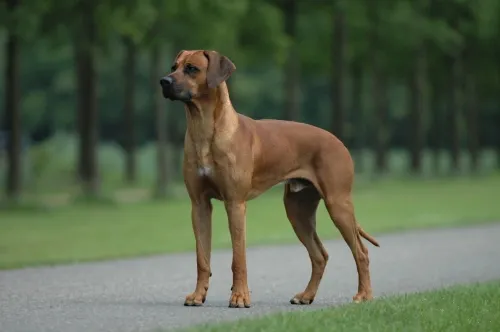
The Rhodesian Ridgeback is a large, muscular southern African hound named for the distinctive ridge of backward-growing hair along its spine. Bred to track game and guard homesteads, its defining traits are dignified independence, quiet loyalty to family and a strong protective instinct combined with surprising calmness indoors.

Size
Large (30–40 kg)
Lifespan
10–14 years
Temperament
Dignified, loyal, independent
Origin
Southern Africa

Coat & grooming — A short, dense, sleek and glossy coat in shades of wheaten, from pale to red. Grooming is very low-maintenance, needing only weekly brushing and occasional baths, and the breed is fairly clean with little doggy odour. Shedding is light to moderate. The defining feature is the ridge of hair growing in the opposite direction down the back.

Suits — Best suited to confident, experienced owners who can provide firm, kind leadership, early socialisation and around an hour or more of daily exercise. Ridgebacks are loyal and gentle with their own family, including older children, but are naturally aloof with strangers and protective, so socialisation is essential. They need space rather than small flats, and can live with other dogs if raised together, though their hound prey drive makes small-pet households more challenging.

Health to watch for

  • Hip dysplasia — An inherited malformation of the hip joint that can cause stiffness, lameness, or arthritis as the dog ages.
  • Dermoid sinus — Dermoid sinus can occur in this breed and may need veterinary monitoring.
  • Bloat risk — Bloat risk can occur in this breed and may need veterinary monitoring.
Full Rhodesian Ridgeback guide
Akita — dog breed guide

08 / Japan

Akita

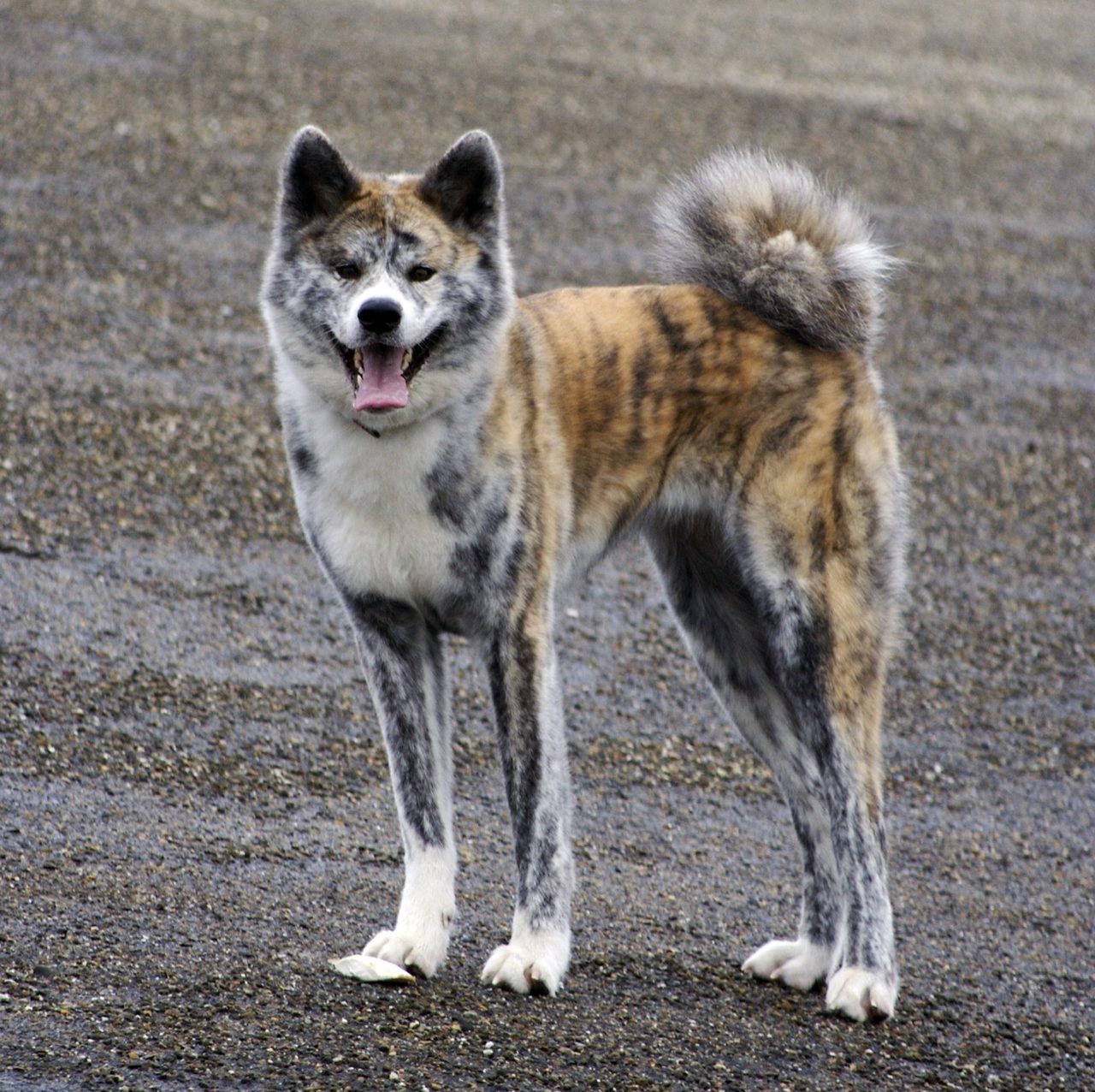
The Akita is a large, powerful spitz-type dog from northern Japan, prized for its dignity, courage and profound loyalty to its family. Reserved with strangers and often dominant with other dogs, it is a strong-willed guardian best suited to experienced owners who can offer firm, respectful and consistent leadership.

Size
Large (32–59 kg)
Lifespan
10–14 years
Temperament
Loyal, dignified, reserved
Origin
Japan

Coat & grooming — Dense double coat with a soft, thick undercoat and a straight, harsh outer coat of medium length, though long-coated individuals occur. It is highly weatherproof and suits cold climates, but it sheds heavily, with two dramatic 'blow-outs' of the undercoat each year that demand daily brushing for weeks. Routine care means brushing a few times a week; the breed is naturally clean and odour-light, so baths are only occasional.

Suits — Best matched with experienced, confident owners who understand guardian breeds. An Akita can be devoted and gentle with its own family and older, respectful children, but it is naturally aloof with strangers and frequently intolerant of other dogs, especially same-sex pairings, and its high prey drive makes cats and small pets a real risk. It needs space, secure fencing and committed socialisation, and is not a suitable first dog or a casual flat companion.

Health to watch for

  • Hip dysplasia — An inherited malformation of the hip joint that can cause stiffness, lameness, or arthritis as the dog ages.
  • Bloat risk — Bloat risk can occur in this breed and may need veterinary monitoring.
  • Autoimmune conditions — Autoimmune conditions can occur in this breed and may need veterinary monitoring.
Full Akita guide

Best Guard Dog Breeds: frequently asked questions

What is the best guard dog breed?
The German Shepherd is the most widely used breed for protection work, because it combines size, trainability and a strong handler bond. Belgian Malinois are increasingly preferred for professional roles, while Rottweilers and Doberman Pinschers are common in family protection contexts.
What makes a good guard dog?
Stable temperament, high trainability, physical confidence and a strong bond with the handler. Aggression is not a qualification — an aggressive dog cannot reliably tell a threat from a visitor, which makes it a liability rather than a deterrent.
Are guard dogs good family pets?
Many are, but only with experienced ownership, early socialisation and consistent training. These are large, powerful, intelligent breeds that need daily work. Without it they become destructive and difficult, which is a common route into rescue.
What is the difference between a guard dog and a watchdog?
A watchdog alerts you — it barks. A guard dog is trained to intervene. Many small breeds make excellent watchdogs without any of the size or training demands of a protection breed.

Before you go

Most of the world's dogs have no breed, and no owner

An estimated 300 million dogs live on the world's streets. They are not a breed, they are not registered anywhere, and in cities like Karachi they face poisoning and culling campaigns that the World Health Organization has repeatedly said do not reduce dog numbers or rabies risk.

What does work is CNVR — catch, neuter, vaccinate, return — carried out street by street, alongside community education. WARN funds CNVR in Karachi. It is unglamorous, it is measurable, and it is the difference between a dog being killed and a dog being vaccinated and left alone.