Dog Breed · Germany
German Shepherd
A working dog without equal, the German Shepherd is brave, brilliant, and devoted, serving in police, military, and assistance roles worldwide.
By WARN Research & Conservation TeamLast updated
In brief
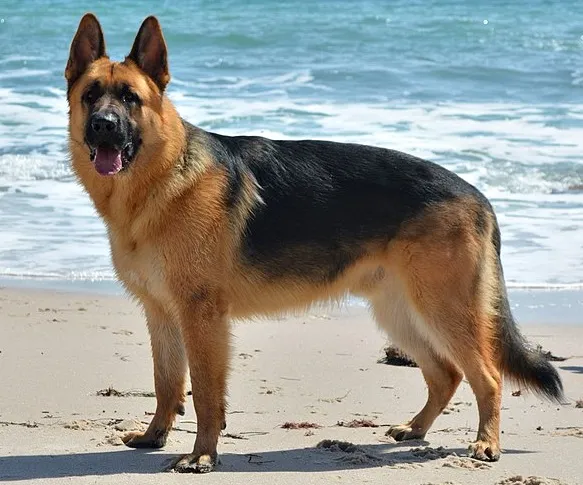
The German Shepherd is a large, intelligent working dog from Germany, prized for loyalty, confidence, and courage. Highly trainable and versatile, it serves widely in police, military, and assistance roles while remaining a devoted family guardian.
What are the key facts about a German Shepherd?
The German Shepherd is a dog breed from Germany: large (22–40 kg), loyal, confident, courageous. A working dog without equal, the German Shepherd is brave, brilliant, and devoted, serving in police, military, and assistance roles worldwide.
| Origin | Germany |
|---|---|
| Size | Large (22–40 kg) |
| Weight | 22–40 kg (49–88 lb) |
| Lifespan | 9–13 years |
| Coat | Medium double coat; sheds heavily and needs regular brushing |
| Temperament | Loyal, confident, courageous |
| Good with | Experienced owners, active families, working and protection roles |
Is a German Shepherd a good dog for you?
A German Shepherd is a good dog when your home matches experienced owners, active families, working and protection roles. It is a loyal, confident, courageous large (22–40 kg) breed from Germany.
A working dog without equal, the German Shepherd is brave, brilliant, and devoted, serving in police, military, and assistance roles worldwide. That one-line pitch is not a care plan. Factor grooming (Medium double coat; sheds heavily and needs regular brushing), typical adult size (22–40 kg (49–88 lb)), and the health issues listed below before you pay a deposit.
Meet adults of the breed, not only puppies or kittens, and prefer rescue or health-screened homes. A German Shepherd that looks right in a photo can still be the wrong animal for a small flat, a full-time office job, or a household that wanted a low-energy companion.
What is a German Shepherd?
A working dog without equal, the German Shepherd is brave, brilliant, and devoted, serving in police, military, and assistance roles worldwide. Origin is Germany; coat or markings are described as Medium double coat; sheds heavily and needs regular brushing.
Kennel and registry labels describe a type. Individual German Shepherds still vary, and rescue animals may be mixes.
Where does the German Shepherd come from?
German Shepherds come from Germany. The German Shepherd was developed in Germany in the late 1800s by Captain Max von Stephanitz, who sought to create the ideal herding and working dog.
In 1899 he registered the first dog, Horand von Grafrath, founding the breed. Selected for intelligence, strength, and trainability, German Shepherds quickly moved beyond herding into police and military work. Their service in both World Wars spread their fame worldwide, and they remain a leading working and companion breed.
That origin still shows. A German Shepherd is large (22–40 kg) and loyal, confident, courageous, typically living 9–13 years. Use the history as context for care and conservation, not as folklore to repeat without sources.
How much care does a German Shepherd need?
Plan 9–13 years of food, vet care, grooming and time. A German Shepherd is large (22–40 kg) (22–40 kg (49–88 lb)) from Germany, with coat care described as medium double coat; sheds heavily and needs regular brushing.
Match daily exercise to the loyal, confident, courageous temperament rather than to Instagram.
Grooming follows the coat, not a generic clip: Medium double coat; sheds heavily and needs regular brushing. Keep the animal lean; extra weight is a joint and heart tax, especially in a large dog.
Budget for unexpected vet bills. The health section below is why “cheap to buy” is not the same as cheap to keep.
What surprises people about the German Shepherd?
A few details about the breed, alongside the practical care information in this guide.
- German Shepherds were among the first dogs trained as guide dogs for the blind.
- They consistently rank as one of the most intelligent and trainable breeds.
- The breed has starred in film, including the famous canine actor Rin Tin Tin.
- Their keen noses make them top choices for police and search work.
What health issues should you know about in a German Shepherd?
Health concerns to discuss with your vet, including changes to watch for and everyday care. This is general guidance, not veterinary advice — always speak to your vet.
Hip and elbow dysplasia
These inherited joint conditions develop when the joints form abnormally, sometimes causing stiffness, limping, or difficulty rising.
Care: A vet can diagnose it with exams and X-rays and manage it through weight control, measured exercise, and supportive care; health-screened parents lower the risk.
Degenerative myelopathy
This is a slowly progressive spinal cord condition seen in some older German Shepherds, leading to gradual weakness in the hind legs.
Care: A vet can help diagnose it and recommend physiotherapy and mobility support to keep the dog comfortable and active for as long as possible.
Bloat (gastric dilatation-volvulus)
Bloat is a sudden, serious condition where the stomach fills with gas and may twist, causing a swollen belly, restlessness, and retching.
Care: It is an emergency that needs immediate veterinary care; feeding smaller meals and avoiding hard exercise right after eating can reduce the risk.
Who should skip a German Shepherd?
Skip a German Shepherd if you are anyone unwilling to learn bloat emergency signs. This Germany dog is large (22–40 kg) and loyal, confident, courageous — the mismatch is usually lifestyle, not a missing accessory.
This page is allowed to say no. Skip if you are anyone unwilling to learn bloat emergency signs.
A different dog breed on this site may fit. Wanting “a German Shepherd” after a film or a colour photo is not a reason to ignore the skip list.
What are the hidden catches with a German Shepherd?
The hidden cost of a German Shepherd is usually not the purchase price. It is years of care, the health list on this page, and the mismatch between a loyal, confident, courageous animal and a busy home.
The impulse-buy catch
A German Shepherd from Germany is often sold on looks. Coat, colour and size are not a temperament test. Meet the adult animal, ask about health screening, and walk away from pressure sales.
The bloat catch
Deep-chested German Shepherds can develop gastric dilatation-volvulus. Know the emergency signs (unproductive retching, swollen abdomen) and have a 24-hour vet plan.
The herding catch
Herding types may chase children, bikes and other pets. That is the job they were bred for, not spite. They need a real outlet, not a scolding.
The hip and elbow dysplasia catch
These inherited joint conditions develop when the joints form abnormally, sometimes causing stiffness, limping, or difficulty rising. A vet can diagnose it with exams and X-rays and manage it through weight control, measured exercise, and supportive care; health-screened parents lower the risk.
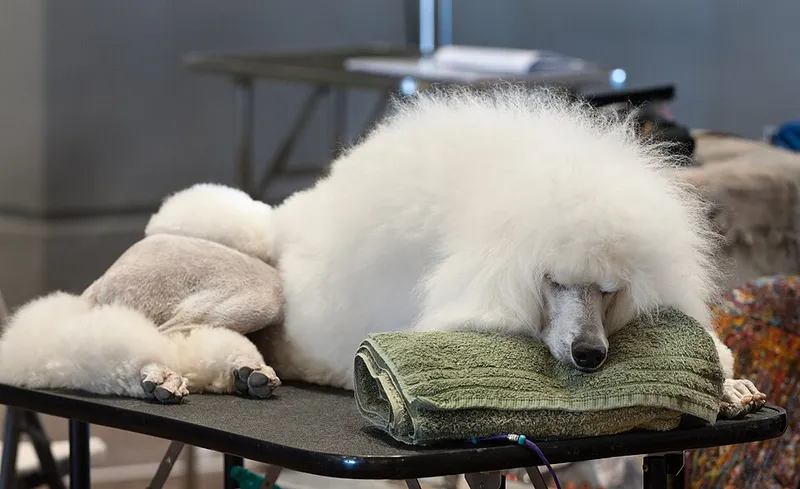
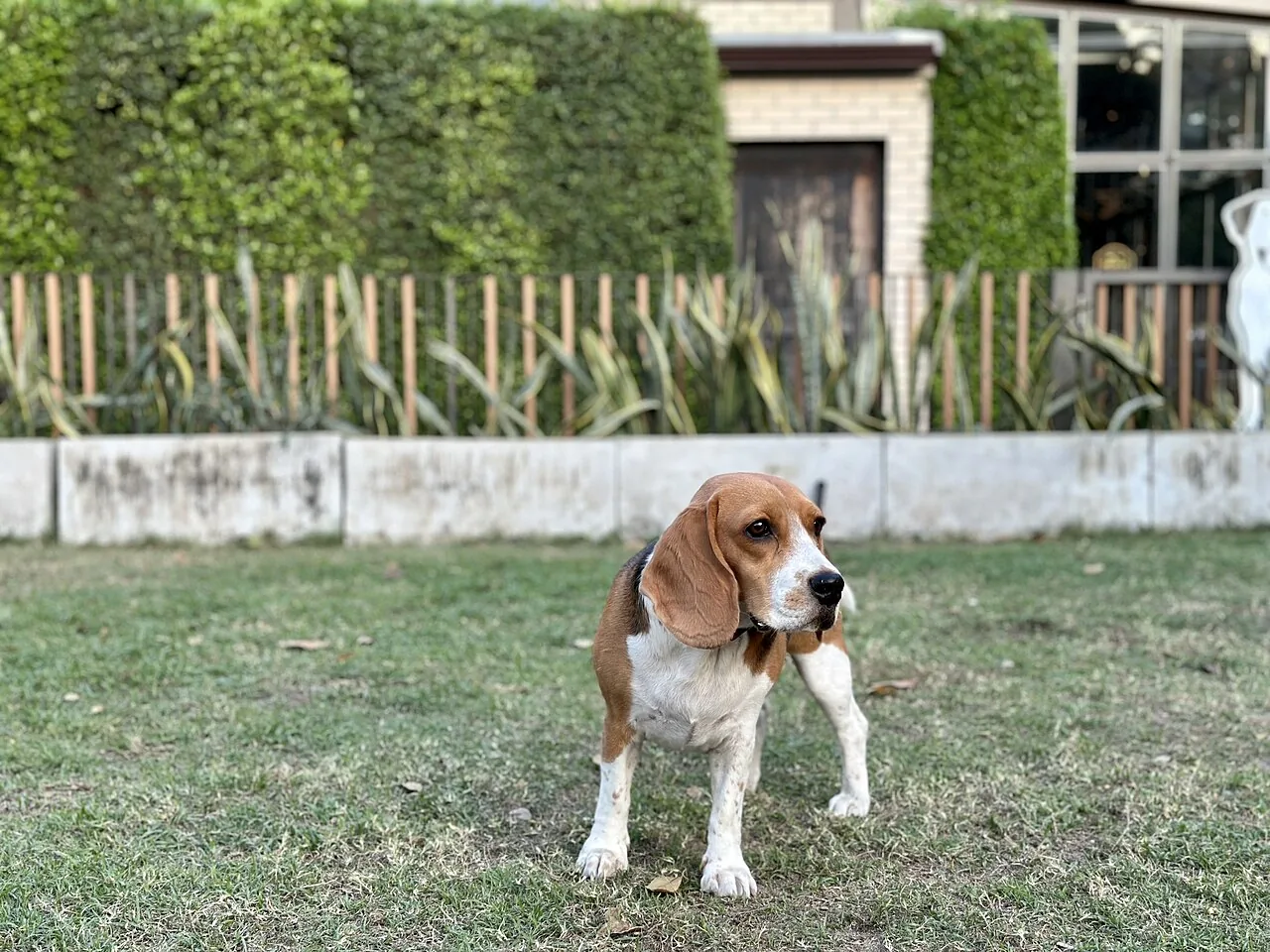
How does a German Shepherd compare with Poodle and Beagle?
A German Shepherd is not interchangeable with Poodle and Beagle. Compare origin, size, lifespan and temperament before you choose — those four lines prevent most regret.
| Dog fact | German Shepherd | Poodle | Beagle |
|---|---|---|---|
| Origin | Germany | Germany and France | England |
| Size | Large (22–40 kg) | Toy to Standard (3–32 kg) | Small (9–11 kg) |
| Lifespan | 9–13 years | 12–15 years | 12–15 years |
| Temperament | Loyal, confident, courageous | Intelligent, elegant, eager | Merry, curious, friendly |
What is the verdict on the German Shepherd?
Choose a German Shepherd only if the care, skip-if and health sections still look like your life after a week of thinking. Otherwise pick a different dog or wait. Rescue is usually the better first door than a waiting-list puppy or kitten.
If the match is real, budget for 9–13 years of vet care and do not skip health screening. If it is not, walking away is the kind choice — for you and for the animal.
Every dog deserves a chance
Whatever breed steals your heart, millions of dogs around the world have no home at all. A symbolic adoption or a gift to WARN funds humane care for street and community dogs — vaccination, neutering and emergency treatment.