Dog Breed · Scotland
West Highland White Terrier
The sunny Westie — a white terrier with a plucky attitude and minimal shedding.
By WARN Research & Conservation TeamLast updated
In brief
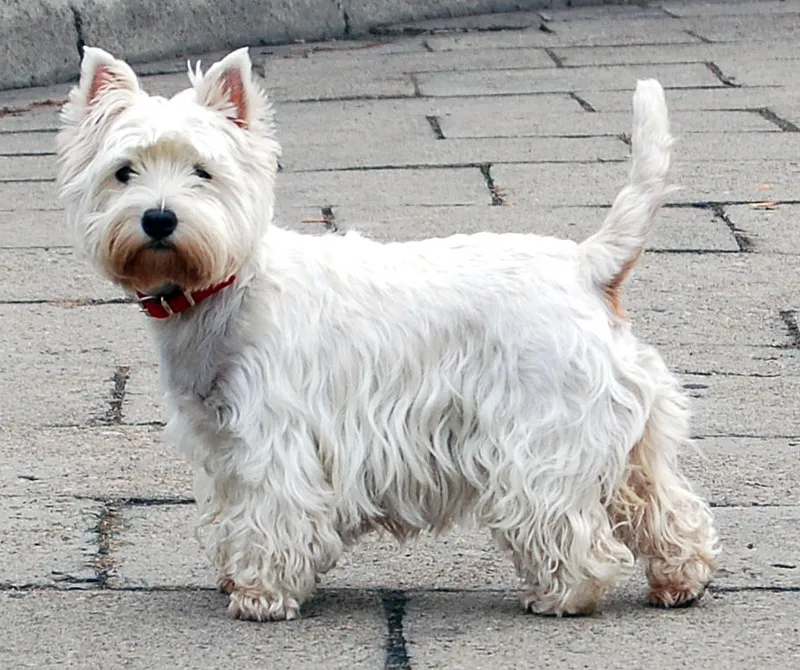
The West Highland White Terrier, or Westie, is a small, sturdy Scottish terrier with a bright white double coat and a famously plucky, cheerful character. Bred to hunt rats and other vermin among the rocks and earth of the Highlands, its defining trait is bold, confident terrier spirit packed into a compact, friendly companion.
What are the key facts about a West Highland White Terrier?
The West Highland White Terrier is a dog breed from Scotland: small (7–10 kg), confident, cheerful, hardy. The sunny Westie — a white terrier with a plucky attitude and minimal shedding.
| Origin | Scotland |
|---|---|
| Size | Small (7–10 kg) |
| Weight | Around 7-10 kg (15-22 lb) |
| Lifespan | 10–14 years |
| Coat | A harsh, straight white outer coat over a soft, dense undercoat, designed to shed dirt and resist weather. Westies shed very little but need regular care: weekly brushing, and the harsh coat is traditionally hand-stripped or, more commonly for pets, clipped every few months. Occasional baths and routine attention to the face and feet keep the white coat looking its best. |
| Temperament | Confident, cheerful, hardy |
| Good with | A good choice for families, first-time owners and flat-dwellers alike, given its small size and adaptable, sociable nature. Westies are confident and friendly but retain a feisty terrier streak, so they need consistent training and early socialisation. They suit active owners who can provide a couple of brisk walks and play daily. Their strong prey drive can make them unreliable around small pets like rodents, and some are vocal, so a watchful approach to barking helps. |
Is a West Highland White Terrier a good dog for you?
A West Highland White Terrier is a good dog when your home matches a good choice for families, first-time owners and flat-dwellers alike, given its small size and adaptable, sociable nature. westies are confident and friendly but retain a feisty terrier streak, so they need consistent training and early socialisation. they suit active owners who can provide a couple of brisk walks and play daily. their strong prey drive can make them unreliable around small pets like rodents, and some are vocal, so a watchful approach to barking helps.. It is a confident, cheerful, hardy small (7–10 kg) breed from Scotland.
The sunny Westie — a white terrier with a plucky attitude and minimal shedding. That one-line pitch is not a care plan. Factor grooming (A harsh, straight white outer coat over a soft, dense undercoat, designed to shed dirt and resist weather. Westies shed very little but need regular care: weekly brushing, and the harsh coat is traditionally hand-stripped or, more commonly for pets, clipped every few months. Occasional baths and routine attention to the face and feet keep the white coat looking its best.), typical adult size (Around 7-10 kg (15-22 lb)), and the health issues listed below before you pay a deposit.
Meet adults of the breed, not only puppies or kittens, and prefer rescue or health-screened homes. A West Highland White Terrier that looks right in a photo can still be the wrong animal for a small flat, a full-time office job, or a household that wanted a low-energy companion.
What is a West Highland White Terrier?
The sunny Westie — a white terrier with a plucky attitude and minimal shedding. Origin is Scotland; coat or markings are described as A harsh, straight white outer coat over a soft, dense undercoat, designed to shed dirt and resist weather. Westies shed very little but need regular care: weekly brushing, and the harsh coat is traditionally hand-stripped or, more commonly for pets, clipped every few months. Occasional baths and routine attention to the face and feet keep the white coat looking its best..
Kennel and registry labels describe a type. Individual West Highland White Terriers still vary, and rescue animals may be mixes.
Where does the West Highland White Terrier come from?
West Highland White Terriers come from Scotland. The West Highland White Terrier shares ancestry with several Scottish terrier breeds developed to hunt vermin among the rocky terrain of the Highlands.
According to popular tradition, white-coated dogs were deliberately favoured by breeders so that they could be told apart from quarry and not mistaken for game during hunts. The breed was promoted in the late nineteenth and early twentieth centuries, notably associated with Colonel Edward Donald Malcolm of Poltalloch, and was recognised under its current name in the early 1900s. From its working roots it has become one of the most popular and recognisable companion terriers in the world.
How much care does a West Highland White Terrier need?
Plan 10–14 years of food, vet care, grooming and time. A West Highland White Terrier is small (7–10 kg) (Around 7-10 kg (15-22 lb)) from Scotland, with coat care described as a harsh, straight white outer coat over a soft, dense undercoat, designed to shed dirt and resist weather. westies shed very little but need regular care: weekly brushing, and the harsh coat is traditionally hand-stripped or, more commonly for pets, clipped every few months. occasional baths and routine attention to the face and feet keep the white coat looking its best..
Match daily exercise to the confident, cheerful, hardy temperament rather than to Instagram.
Grooming follows the coat, not a generic clip: A harsh, straight white outer coat over a soft, dense undercoat, designed to shed dirt and resist weather. Westies shed very little but need regular care: weekly brushing, and the harsh coat is traditionally hand-stripped or, more commonly for pets, clipped every few months. Occasional baths and routine attention to the face and feet keep the white coat looking its best.. Keep the animal lean; extra weight is a joint and heart tax, especially in a small dog.
Budget for unexpected vet bills. The health section below is why “cheap to buy” is not the same as cheap to keep.
What surprises people about the West Highland White Terrier?
A few details about the breed, alongside the practical care information in this guide.
- Tradition holds that Westies were bred white so hunters could distinguish them from foxes and other quarry in the field.
- The breed's instantly recognisable image has long featured in advertising, including as one half of a famous Scotch whisky branding pair with a black Scottish Terrier.
- Beneath the tidy white coat, Westies are robust, rugged working terriers built to go to ground after rats and foxes.
- Their double coat is naturally somewhat dirt-shedding, which historically helped keep the white dogs presentable after working underground.
What health issues should you know about in a West Highland White Terrier?
Health concerns to discuss with your vet, including changes to watch for and everyday care. This is general guidance, not veterinary advice — always speak to your vet.
Skin allergies
Itching, ear infections, and paw licking may reflect food or environmental allergies.
Care: Your vet can diagnose triggers and prescribe appropriate treatment.
Patellar luxation
The kneecap slips out of place, causing intermittent skipping or lameness.
Care: Mild cases may need weight control only; severe cases can require surgery.
Dental disease
Plaque and tartar build-up leads to gum infection and tooth loss.
Care: Brush teeth regularly and schedule professional dental cleanings as your vet advises.
Who should skip a West Highland White Terrier?
Skip a West Highland White Terrier if you are homes that cannot match a confident, cheerful, hardy small (7–10 kg) dog from Scotland. This Scotland dog is small (7–10 kg) and confident, cheerful, hardy — the mismatch is usually lifestyle, not a missing accessory.
This page is allowed to say no. Skip if you are homes that cannot match a confident, cheerful, hardy small (7–10 kg) dog from Scotland.
A different dog breed on this site may fit. Wanting “a West Highland White Terrier” after a film or a colour photo is not a reason to ignore the skip list.
What are the hidden catches with a West Highland White Terrier?
The hidden cost of a West Highland White Terrier is usually not the purchase price. It is years of care, the health list on this page, and the mismatch between a confident, cheerful, hardy animal and a busy home.
The impulse-buy catch
A West Highland White Terrier from Scotland is often sold on looks. Coat, colour and size are not a temperament test. Meet the adult animal, ask about health screening, and walk away from pressure sales.
The skin allergies catch
Itching, ear infections, and paw licking may reflect food or environmental allergies. Your vet can diagnose triggers and prescribe appropriate treatment.
The patellar luxation catch
The kneecap slips out of place, causing intermittent skipping or lameness. Mild cases may need weight control only; severe cases can require surgery.
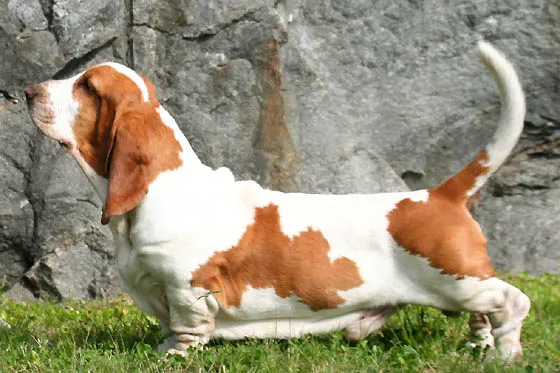
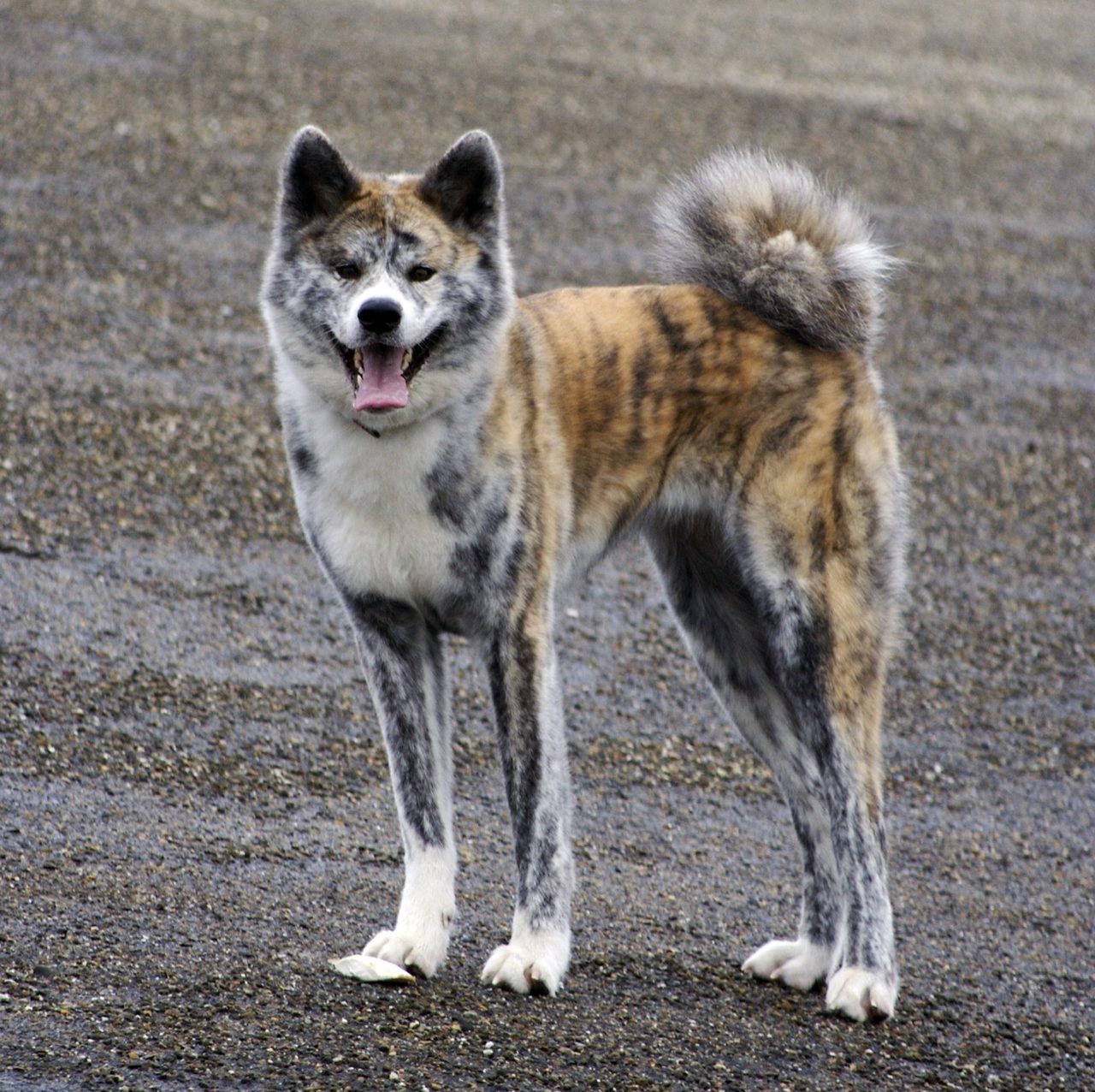
How does a West Highland White Terrier compare with Basset Hound and Akita?
A West Highland White Terrier is not interchangeable with Basset Hound and Akita. Compare origin, size, lifespan and temperament before you choose — those four lines prevent most regret.
| Dog fact | West Highland White Terrier | Basset Hound | Akita |
|---|---|---|---|
| Origin | Scotland | France | Japan |
| Size | Small (7–10 kg) | Medium (20–29 kg) | Large (32–59 kg) |
| Lifespan | 10–14 years | 10–14 years | 10–14 years |
| Temperament | Confident, cheerful, hardy | Easygoing, stubborn, friendly | Loyal, dignified, reserved |
What is the verdict on the West Highland White Terrier?
Choose a West Highland White Terrier only if the care, skip-if and health sections still look like your life after a week of thinking. Otherwise pick a different dog or wait. Rescue is usually the better first door than a waiting-list puppy or kitten.
If the match is real, budget for 10–14 years of vet care and do not skip health screening. If it is not, walking away is the kind choice — for you and for the animal.
Every dog deserves a chance
Whatever breed steals your heart, millions of dogs around the world have no home at all. A symbolic adoption or a gift to WARN funds humane care for street and community dogs — vaccination, neutering and emergency treatment.