Dog breeds · Large & giant

Large Dog Breeds

Popular large dog breeds include the Labrador Retriever, German Shepherd, Golden Retriever, Rottweiler, Great Dane and Bernese Mountain Dog. Large breeds typically live 8 to 12 years, and giant breeds often less, with joint disease and bloat the most common serious risks.

How this list was compiled

Breeds whose recorded adult size falls in the large or giant range. Ordered by popularity rank.

Large breeds are chosen for presence, for working ability, and often for the particular steadiness that many big dogs have. What they cost is time, space, food and — most significantly — years. A giant breed may give you only six to ten of them.

The practical warnings are consistent across the group: joints take strain, deep chests carry a real risk of bloat, and a dog that outweighs a child needs training that starts early and does not stop. A 45 kg dog that has not been taught to walk on a lead is not a manageable animal, and that is a common reason large dogs are surrendered.

Large Dog Breeds at a glance

Breed Size Lifespan Temperament
Labrador Retriever Large (25–36 kg) 10–12 years Friendly, outgoing, eager to please
Golden Retriever Large (25–34 kg) 10–12 years Gentle, devoted, playful
German Shepherd Large (22–40 kg) 9–13 years Loyal, confident, courageous
Rottweiler Large (35–60 kg) 10–14 years Confident, loyal, protective
Boxer Large (25–32 kg) 10–14 years Playful, energetic, loyal
Doberman Pinscher Large (32–45 kg) 10–14 years Alert, loyal, intelligent
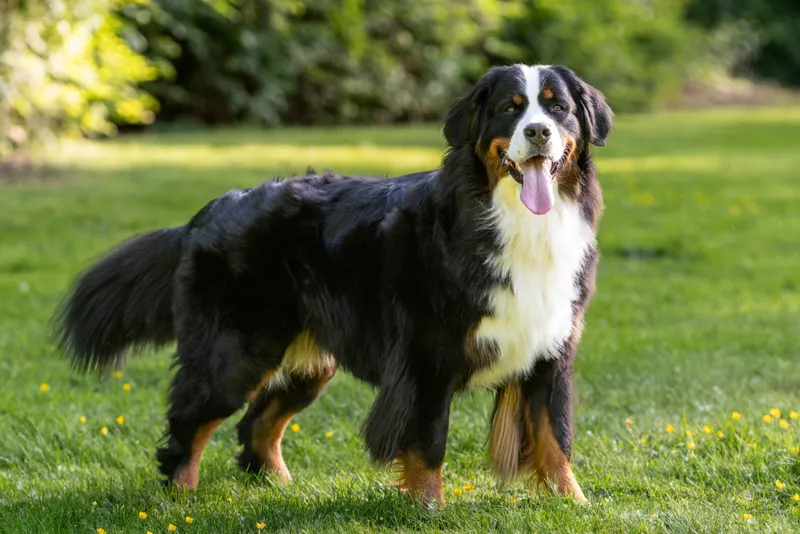
Bernese Mountain Dog Giant (35–55 kg) 8–10 years Gentle, calm, devoted
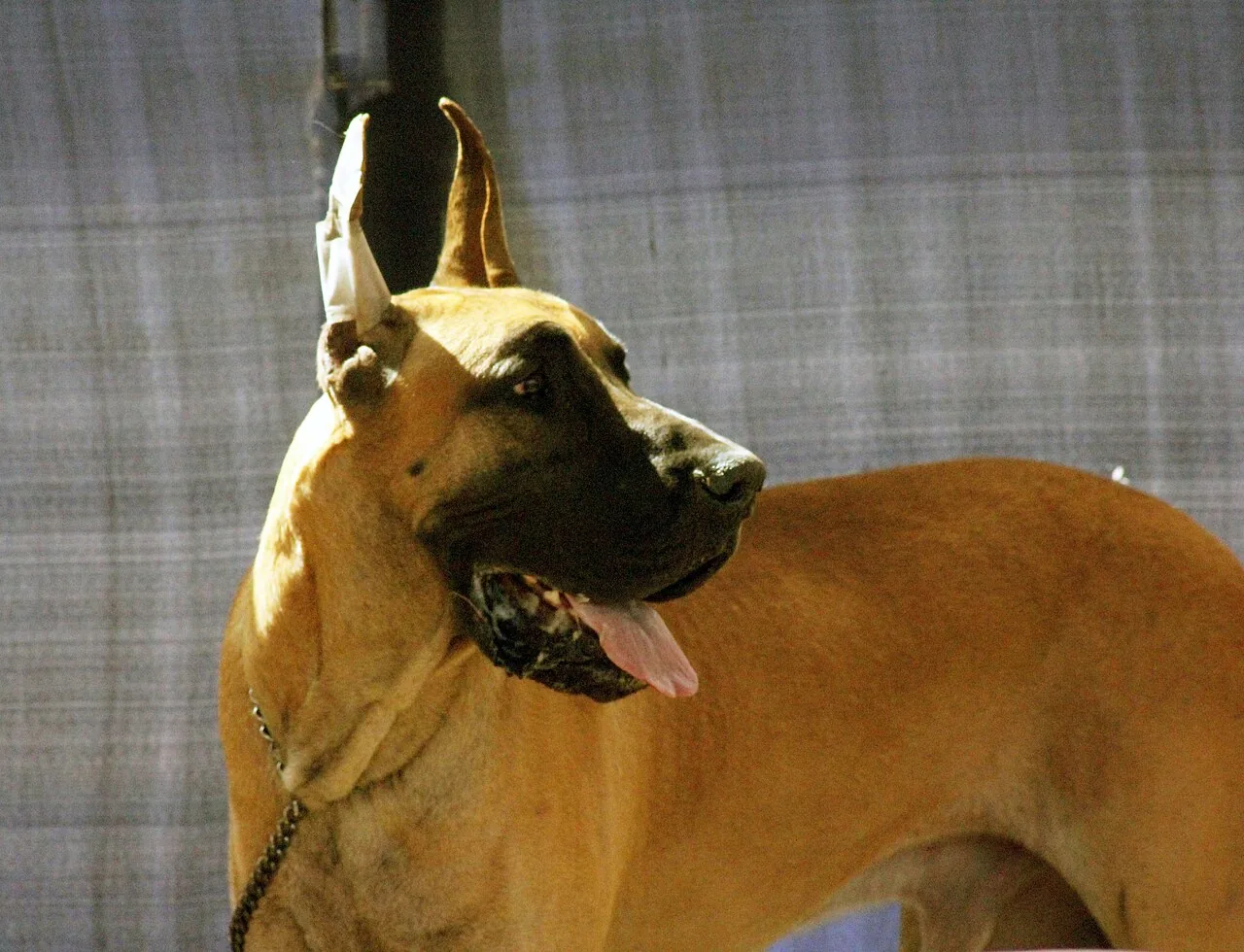
Great Dane Giant (50–82 kg) 8–10 years Gentle, friendly, dignified
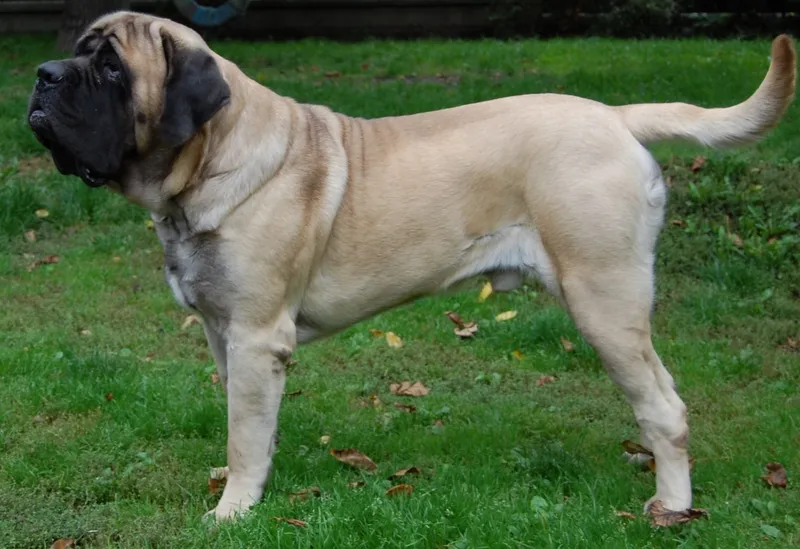
Mastiff Giant (54–100+ kg) 8–10 years Calm, loyal, protective
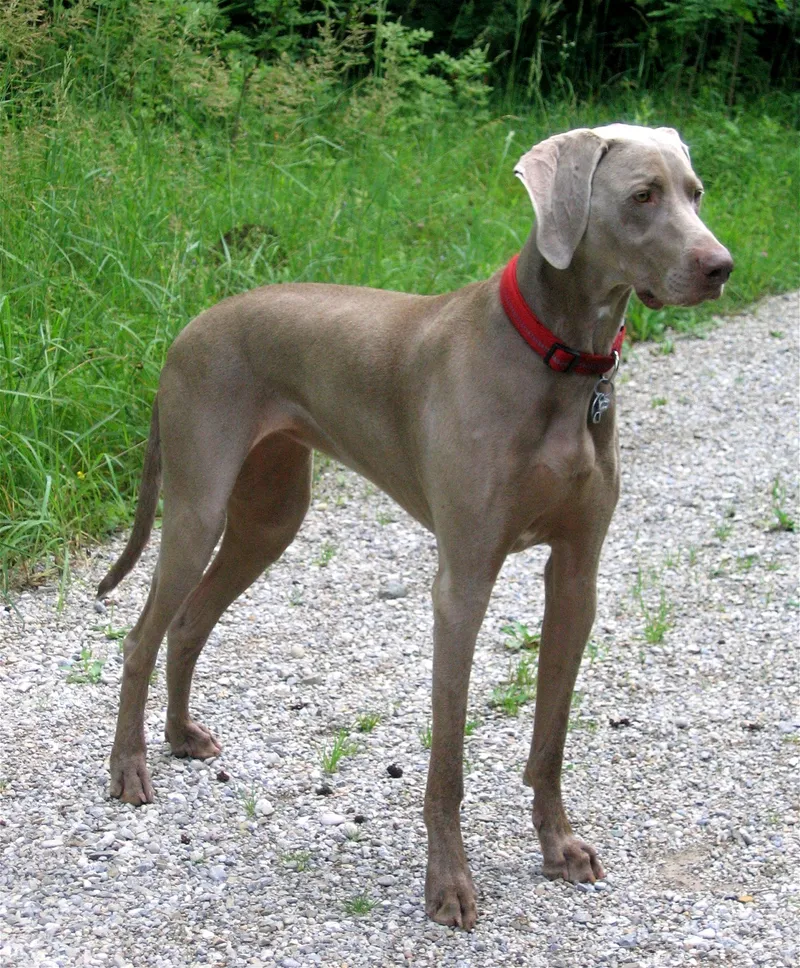
Weimaraner Large (25–40 kg) 10–14 years Energetic, intelligent, loyal
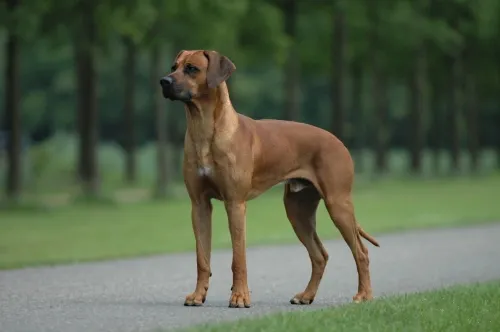
Rhodesian Ridgeback Large (30–40 kg) 10–14 years Dignified, loyal, independent
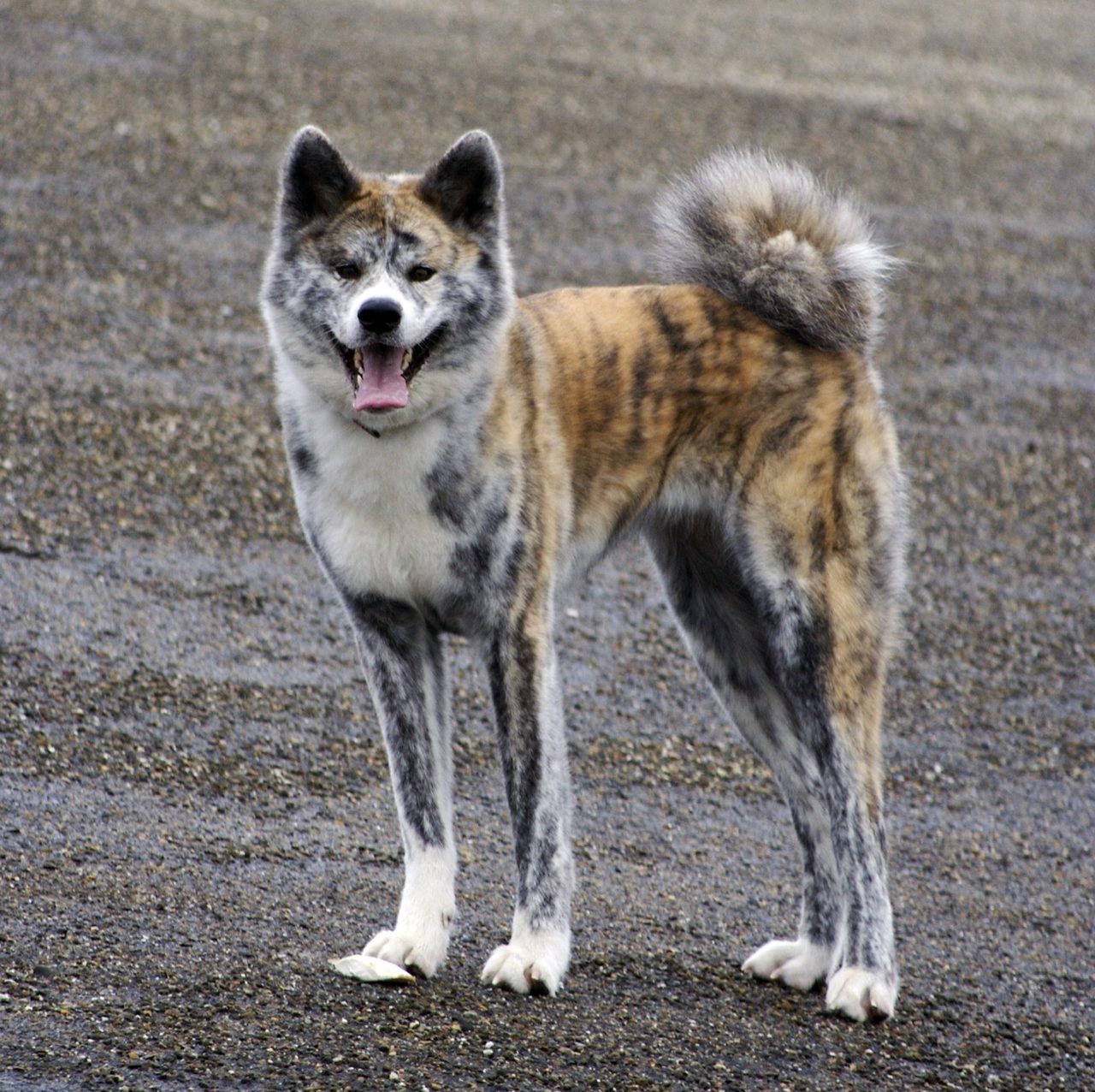
Akita Large (32–59 kg) 10–14 years Loyal, dignified, reserved
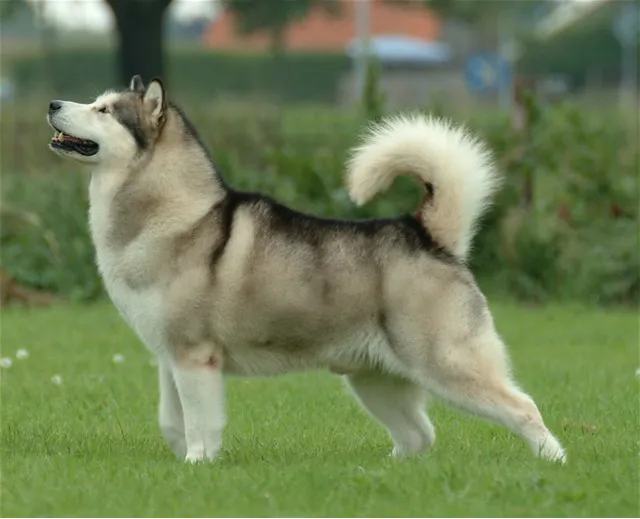
Alaskan Malamute Large (34–45 kg) 10–14 years Affectionate, strong, playful
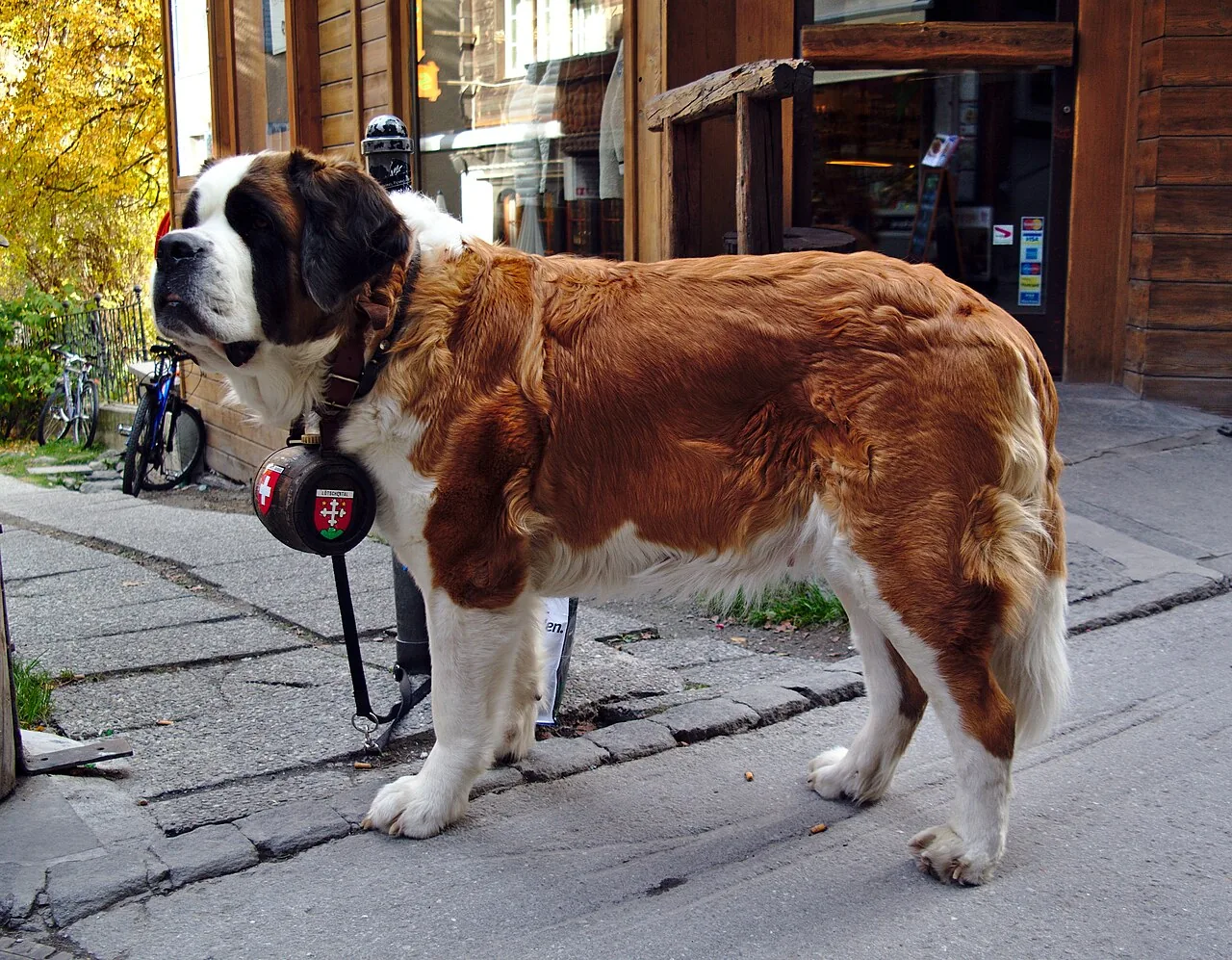
Saint Bernard Giant (54–82 kg) 8–10 years Gentle, patient, watchful
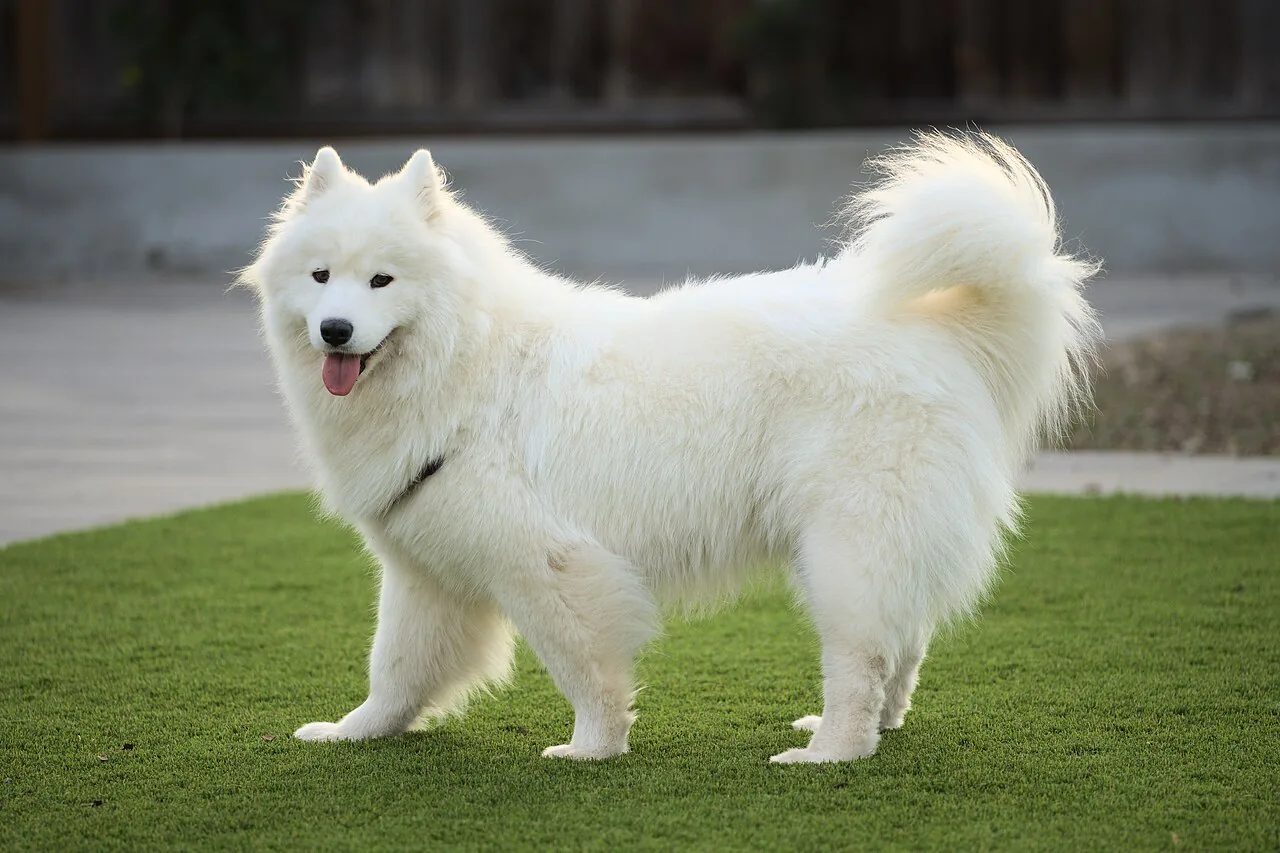
Samoyed Large (17–30 kg) 10–14 years Friendly, social, mischievous
Bloodhound Large (36–50 kg) 10–14 years Gentle, stubborn, determined
Standard Poodle Large (20–32 kg) 10–14 years Intelligent, active, elegant

Large Dog Breeds: full profiles

Each entry covers what the breed was bred for, day-to-day needs, and health problems to watch — with a link to the full guide.

Labrador Retriever — dog breed guide

01 / Canada (Newfoundland)

Labrador Retriever

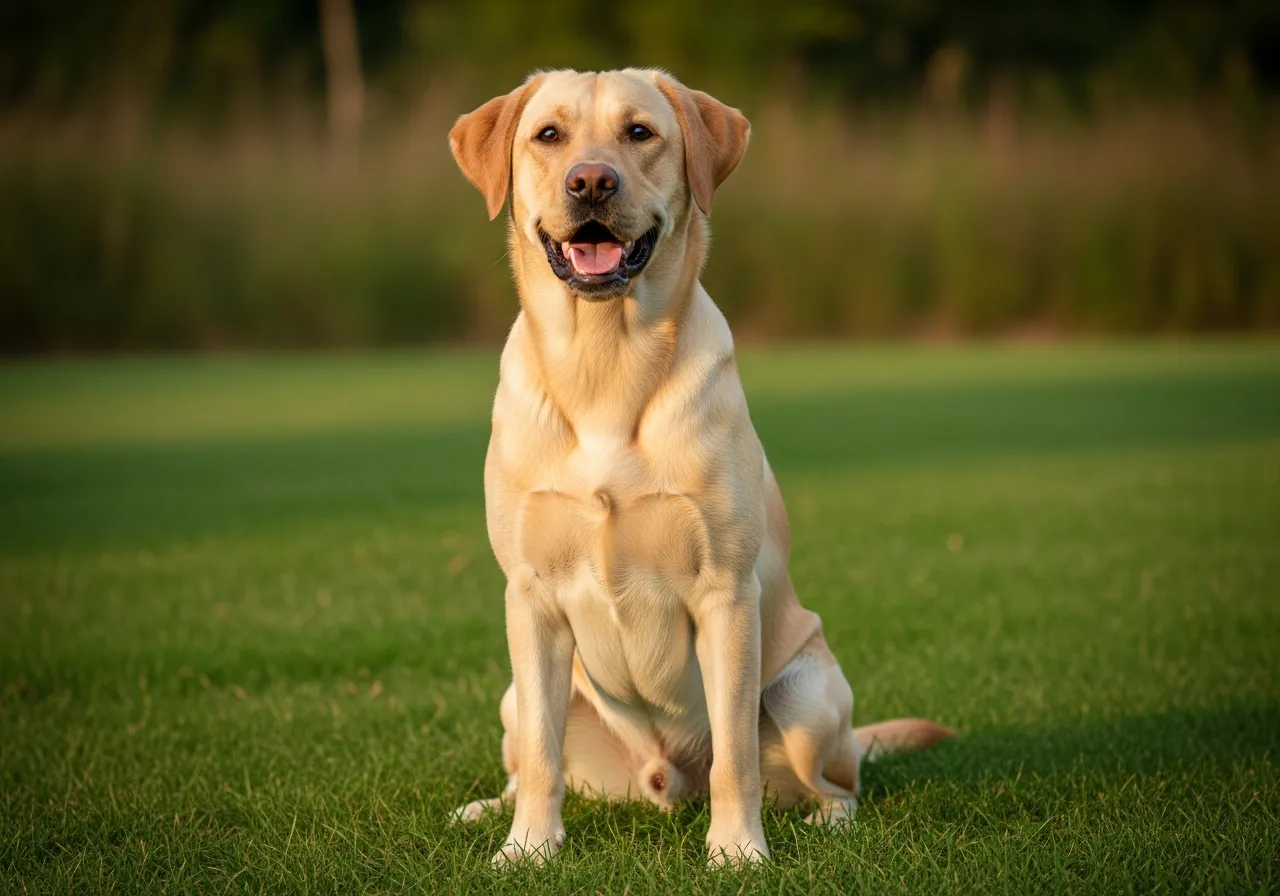
The Labrador Retriever is a friendly, highly trainable large dog from Newfoundland, beloved as a family companion and working dog. It excels at retrieving, guide and assistance work, and search and rescue thanks to its gentle, eager nature.

Size
Large (25–36 kg)
Lifespan
10–12 years
Temperament
Friendly, outgoing, eager to please
Origin
Canada (Newfoundland)

Coat & grooming — Short dense double coat; sheds seasonally and needs weekly brushing

Suits — Active families, children, first-time owners, working roles

Health to watch for

  • Hip and elbow dysplasia — These inherited joint conditions occur when the hip or elbow forms imperfectly, which can lead to stiffness, limping, or reluctance to exercise as a dog ages.
  • Obesity — Labradors are famously food-motivated and gain weight easily, which can strain their joints and affect overall health.
  • Ear infections — Their floppy ears trap moisture and can become itchy, red, or smelly, especially in dogs that swim often.
Full Labrador Retriever guide
Golden Retriever — dog breed guide

02 / Scotland

Golden Retriever

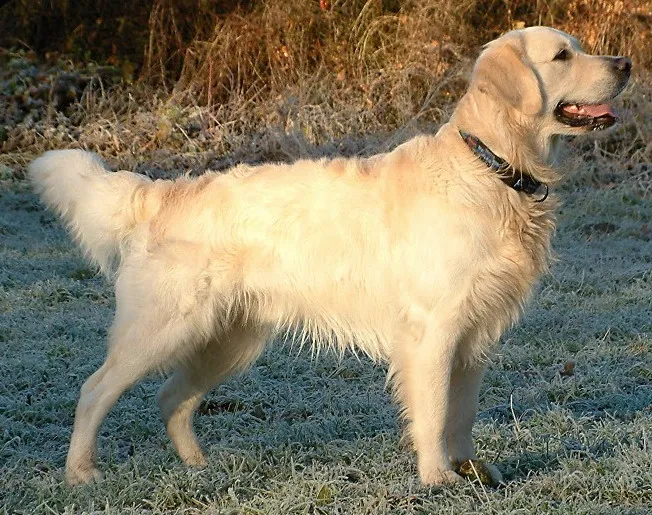
The Golden Retriever is a gentle, devoted large dog from Scotland, famous for its golden feathered coat and kind temperament. It is a favorite family pet and excels as a therapy, assistance, and gundog thanks to its eager, trainable nature.

Size
Large (25–34 kg)
Lifespan
10–12 years
Temperament
Gentle, devoted, playful
Origin
Scotland

Coat & grooming — Medium-length water-repellent double coat with feathering; sheds and needs regular brushing

Suits — Families, children, first-time owners, therapy and assistance work

Health to watch for

  • Higher cancer risk — Golden Retrievers have a higher-than-average lifetime risk of certain cancers, which can show up as new lumps, unusual tiredness, or weight loss.
  • Hip dysplasia — This inherited condition causes the hip joint to form imperfectly, sometimes leading to stiffness or limping over time.
  • Ear infections — Their warm, floppy ears can trap moisture and become itchy or inflamed, particularly in dogs that swim often.
Full Golden Retriever guide
German Shepherd — dog breed guide

03 / Germany

German Shepherd

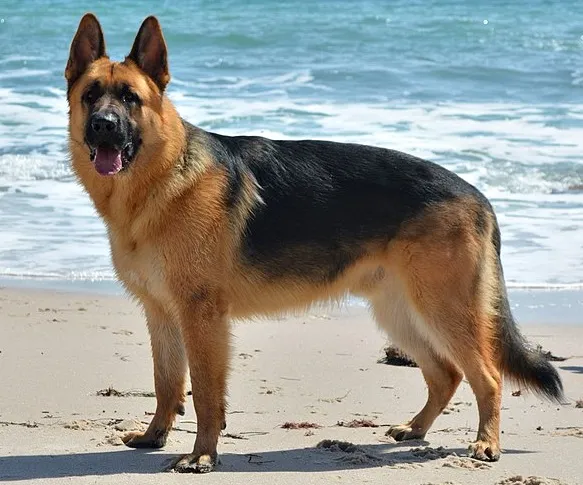
The German Shepherd is a large, intelligent working dog from Germany, prized for loyalty, confidence, and courage. Highly trainable and versatile, it serves widely in police, military, and assistance roles while remaining a devoted family guardian.

Size
Large (22–40 kg)
Lifespan
9–13 years
Temperament
Loyal, confident, courageous
Origin
Germany

Coat & grooming — Medium double coat; sheds heavily and needs regular brushing

Suits — Experienced owners, active families, working and protection roles

Health to watch for

  • Hip and elbow dysplasia — These inherited joint conditions develop when the joints form abnormally, sometimes causing stiffness, limping, or difficulty rising.
  • Degenerative myelopathy — This is a slowly progressive spinal cord condition seen in some older German Shepherds, leading to gradual weakness in the hind legs.
  • Bloat (gastric dilatation-volvulus) — Bloat is a sudden, serious condition where the stomach fills with gas and may twist, causing a swollen belly, restlessness, and retching.
Full German Shepherd guide
Rottweiler — dog breed guide

04 / Germany

Rottweiler

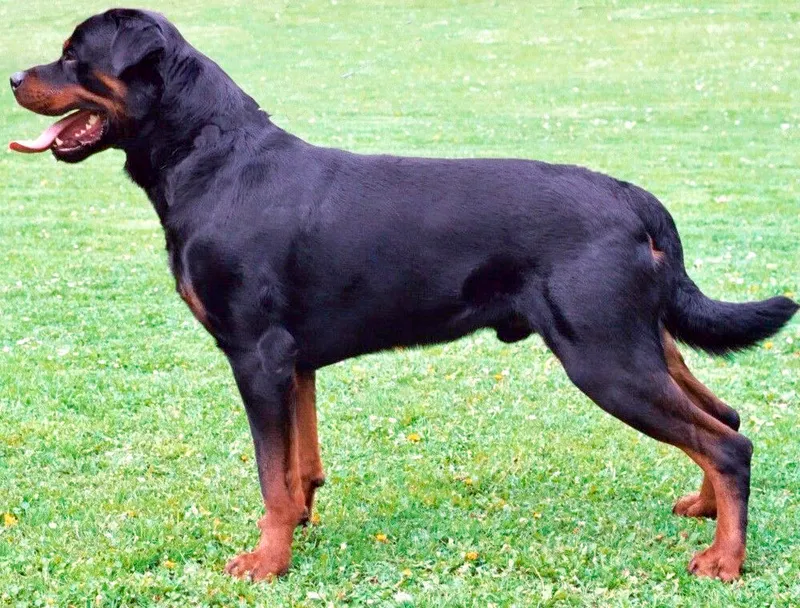
The Rottweiler is a large, powerful German working breed bred as a confident guardian and capable family companion. Its defining trait is a calm, self-assured steadiness paired with deep loyalty, making early socialisation and consistent training essential to channel its protective instincts.

Size
Large (35–60 kg)
Lifespan
10–14 years
Temperament
Confident, loyal, protective
Origin
Germany

Coat & grooming — A short, dense double coat that is straight and coarse on top with a softer undercoat, always black with clearly defined rust or mahogany markings. Grooming is low-maintenance, but Rottweilers shed moderately year-round and more heavily twice a year, so weekly brushing (and more during seasonal moults) keeps loose hair down. Bathe only occasionally.

Suits — Best suited to experienced, confident owners who can commit to firm, reward-based training and thorough socialisation from puppyhood. They can be devoted, gentle family dogs with children they are raised alongside, but their size and strength mean supervision around small children is wise. They need a house with space and a secure garden rather than a small flat, daily vigorous exercise, and careful introductions to other dogs and pets.

Health to watch for

  • Hip dysplasia — An inherited malformation of the hip joint that can cause stiffness, lameness, or arthritis as the dog ages.
  • Obesity — Excess weight strains joints and organs and shortens lifespan.
  • Eye conditions — Breed-related eye problems may include cataracts, progressive retinal atrophy, or cherry eye.
Full Rottweiler guide
Boxer — dog breed guide

05 / Germany

Boxer

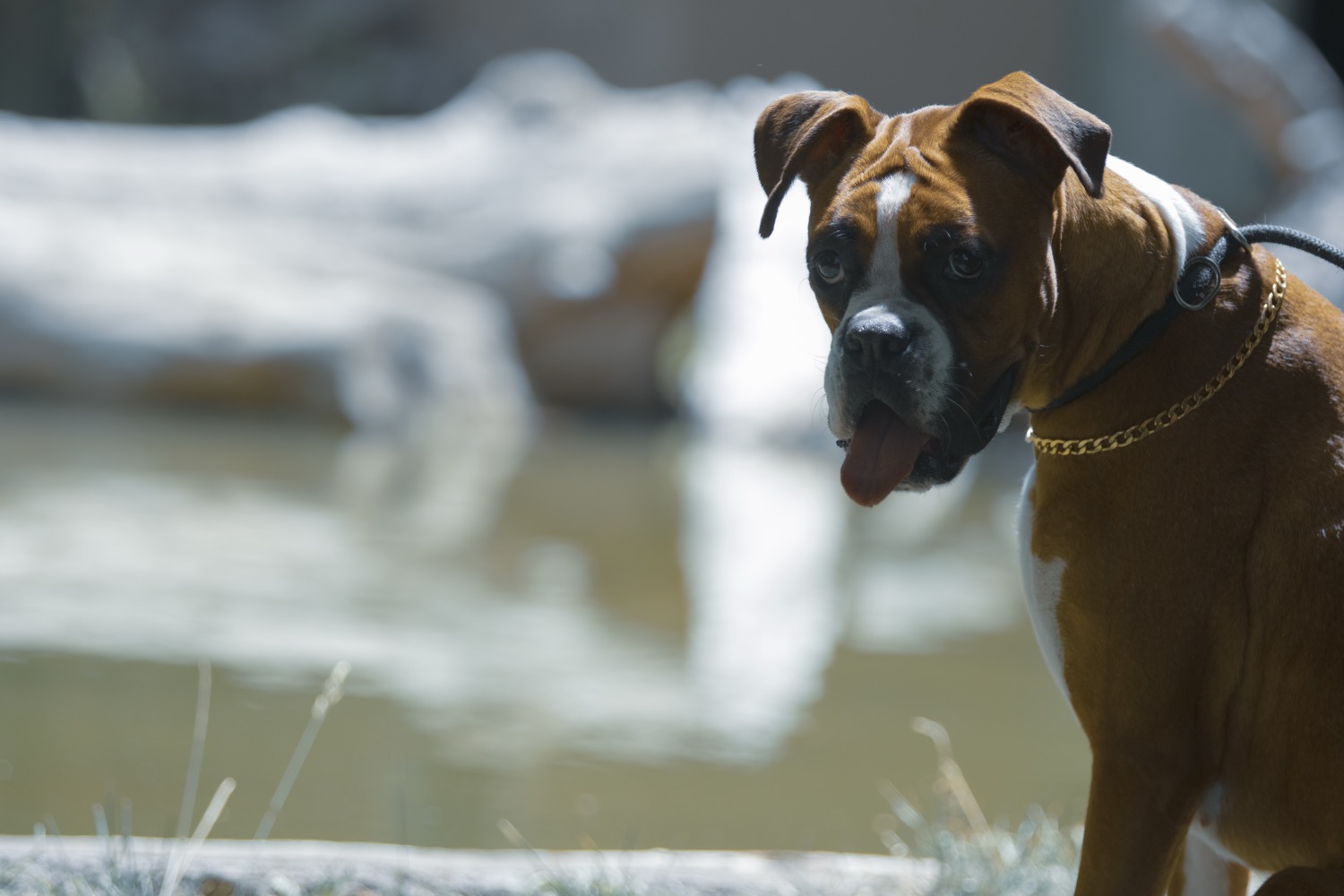
The Boxer is a medium-to-large German working breed known for its athletic build, square muzzle and famously playful, clownish personality. Its defining trait is exuberant, affectionate energy, making it a devoted, fun-loving family companion that stays youthful and bouncy well into adulthood.

Size
Large (25–32 kg)
Lifespan
10–14 years
Temperament
Playful, energetic, loyal
Origin
Germany

Coat & grooming — A short, smooth, tight-fitting coat in fawn or brindle, often with white markings and a dark mask. Grooming is very easy: a weekly rub with a grooming mitt or soft brush removes loose hair and keeps the coat glossy. Boxers shed moderately and are fairly clean dogs that need only occasional bathing, though their short coat offers little protection in cold or wet weather.

Suits — An excellent choice for active families, including those with children, thanks to their patient, playful nature and strong bond with their people. They suit first-time owners willing to commit to training, as their exuberance and slow maturation need consistent guidance. They prefer a home with a garden over a small flat, need plenty of daily exercise, and generally get on well with other pets when socialised early.

Health to watch for

  • Hip dysplasia — An inherited malformation of the hip joint that can cause stiffness, lameness, or arthritis as the dog ages.
  • Heart conditions — Heart conditions can occur in this breed and may need veterinary monitoring.
  • Cancer risks — Cancer risks can occur in this breed and may need veterinary monitoring.
Full Boxer guide
Doberman Pinscher — dog breed guide

06 / Germany

Doberman Pinscher

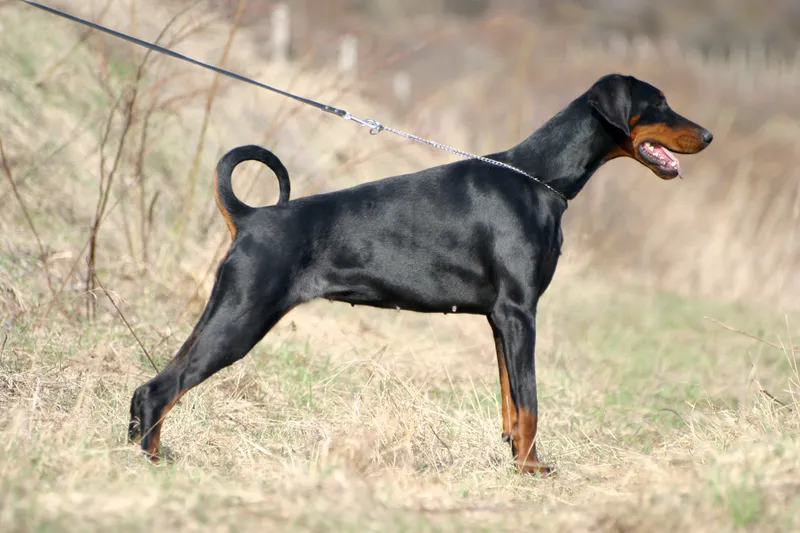
The Doberman Pinscher is a large, athletic German working breed prized for its alertness, loyalty and trainability. Sleek and powerful, it bonds intensely with its family and excels as a personal protection, police and sport dog when given consistent leadership and early socialisation.

Size
Large (32–45 kg)
Lifespan
10–14 years
Temperament
Alert, loyal, intelligent
Origin
Germany

Coat & grooming — Short, smooth, hard and close-lying with a glossy sheen and very little undercoat. Grooming is minimal: a weekly rub with a rubber mitt or bristle brush keeps shedding (which is light to moderate) in check, and baths are only needed occasionally. The thin coat offers little cold protection, so a coat is wise in winter.

Suits — Best suited to active, experienced owners who can commit to daily exercise, training and companionship; Dobermans crave being part of the household and dislike isolation. Well-bred, well-socialised dogs are gentle and protective with children, though their size suits homes with space rather than small flats. They need firm, fair guidance and benefit from early socialisation around other dogs and pets.

Health to watch for

  • Dilated cardiomyopathy — Dilated cardiomyopathy can occur in this breed and may need veterinary monitoring.
  • Hip dysplasia — An inherited malformation of the hip joint that can cause stiffness, lameness, or arthritis as the dog ages.
  • Von Willebrand disease — Von Willebrand disease can occur in this breed and may need veterinary monitoring.
Full Doberman Pinscher guide
Bernese Mountain Dog — dog breed guide

07 / Switzerland

Bernese Mountain Dog

The Bernese Mountain Dog is a large, tri-coloured working breed from the Swiss Alps, originally bred to pull carts and drive cattle on farms. Known for its gentle, calm and devoted nature, the Berner is an affectionate family companion that bonds closely but has a sadly short lifespan.

Size
Giant (35–55 kg)
Lifespan
8–10 years
Temperament
Gentle, calm, devoted
Origin
Switzerland

Coat & grooming — A thick, moderately long double coat that is slightly wavy or straight with a natural sheen, in the breed's signature black, rust and white tricolour. Bernese shed considerably, with heavy seasonal moults, and need brushing several times a week to prevent tangles around the ears, legs and tail. Occasional bathing keeps the coat clean; the breed copes far better with cold than heat.

Suits — A wonderful family dog, patient and gentle with children and typically sociable with other dogs and pets. Their calm temperament suits attentive first-time owners, though their size, strength and grooming and space needs should not be underestimated. They do best with a house and garden rather than a small flat, need moderate daily exercise, and crave close human company, disliking long periods alone.

Health to watch for

  • Hip dysplasia — An inherited malformation of the hip joint that can cause stiffness, lameness, or arthritis as the dog ages.
  • Cancer risks — Cancer risks can occur in this breed and may need veterinary monitoring.
  • Bloat risk — Bloat risk can occur in this breed and may need veterinary monitoring.
Full Bernese Mountain Dog guide
Great Dane — dog breed guide

08 / Germany

Great Dane

The Great Dane is one of the tallest dog breeds, a German-bred giant once used to hunt boar and guard estates. Despite its imposing size it is typically gentle, friendly and dignified, earning the nickname 'gentle giant', though it needs space, careful joint care and an awareness of its short lifespan.

Size
Giant (50–82 kg)
Lifespan
8–10 years
Temperament
Gentle, friendly, dignified
Origin
Germany

Coat & grooming — A short, smooth, dense coat with a glossy finish, lying close to the body and coming in colours such as fawn, brindle, blue, black, harlequin and mantle. Grooming is easy, needing only a weekly brush with a rubber mitt or bristle brush to manage moderate, steady shedding. They need only occasional bathing, though their size makes bath time a substantial undertaking.

Suits — Affectionate and patient, Great Danes can be excellent family dogs, but their enormous size means they can accidentally knock over small children, so supervision is wise. They generally get on well with other dogs and pets when socialised early. Surprisingly adaptable to homes with enough room to move and stretch out, they suit committed owners; first-timers should be ready for the costs, training and space a giant breed demands.

Health to watch for

  • Bloat risk — Bloat risk can occur in this breed and may need veterinary monitoring.
  • Hip dysplasia — An inherited malformation of the hip joint that can cause stiffness, lameness, or arthritis as the dog ages.
  • Heart conditions — Heart conditions can occur in this breed and may need veterinary monitoring.
Full Great Dane guide
Mastiff — dog breed guide

09 / England

Mastiff

The Mastiff, often called the English Mastiff, is one of the largest dog breeds by mass, an ancient guardian known for its enormous head and powerful build. Despite its imposing size it is typically calm, dignified and deeply devoted to its family, combining a gentle home temperament with a natural protective instinct.

Size
Giant (54–100+ kg)
Lifespan
8–10 years
Temperament
Calm, loyal, protective
Origin
England

Coat & grooming — Short, dense, straight outer coat over a moderate undercoat, in fawn, apricot or brindle, always with a dark mask. Low maintenance but a steady year-round shedder. Weekly brushing with a rubber mitt or bristle brush suffices, with occasional baths. The facial wrinkles and any jowl folds should be wiped to stay clean and dry.

Suits — Best for experienced owners with space; the sheer size, strength and drooling rule out small flats for many. Affectionate and gentle with family and tolerant of children, though their bulk means supervision around toddlers to prevent accidental knocks. Naturally wary of strangers, so early socialisation is vital. Exercise needs are moderate, but careful, controlled growth in puppyhood is essential for joint health.

Health to watch for

  • Hip dysplasia — An inherited malformation of the hip joint that can cause stiffness, lameness, or arthritis as the dog ages.
  • Bloat risk — Bloat risk can occur in this breed and may need veterinary monitoring.
  • Joint problems — Joint problems can occur in this breed and may need veterinary monitoring.
Full Mastiff guide
Weimaraner — dog breed guide

10 / Germany

Weimaraner

The Weimaraner is a large, athletic German gundog instantly recognised by its sleek grey coat and pale amber or blue-grey eyes, which earned it the nickname "Grey Ghost". Its defining trait is boundless energy combined with intense attachment to its owners, demanding extensive daily exercise and constant companionship.

Size
Large (25–40 kg)
Lifespan
10–14 years
Temperament
Energetic, intelligent, loyal
Origin
Germany

Coat & grooming — Most Weimaraners have a short, smooth, sleek coat in distinctive shades of mouse-grey to silver-grey, needing only weekly brushing and occasional baths. A rarer long-haired variety exists, recognised in some countries, with feathering that requires more regular grooming. Shedding is moderate despite the short coat, and the breed feels the cold owing to its thin coat.

Suits — Best suited to experienced, active owners who can commit to two hours or more of daily exercise and plenty of mental work. Weimaraners need space, secure fencing and company, and are prone to separation anxiety if left alone too long. They can be loving family dogs with older children but are boisterous and strong. Their high prey drive makes them risky around cats and small pets, and they are not ideal for first-time owners or flats.

Health to watch for

  • Bloat risk — Bloat risk can occur in this breed and may need veterinary monitoring.
  • Hip dysplasia — An inherited malformation of the hip joint that can cause stiffness, lameness, or arthritis as the dog ages.
  • Skin allergies — Itching, ear infections, and paw licking may reflect food or environmental allergies.
Full Weimaraner guide
Rhodesian Ridgeback — dog breed guide

11 / Southern Africa

Rhodesian Ridgeback

The Rhodesian Ridgeback is a large, muscular southern African hound named for the distinctive ridge of backward-growing hair along its spine. Bred to track game and guard homesteads, its defining traits are dignified independence, quiet loyalty to family and a strong protective instinct combined with surprising calmness indoors.

Size
Large (30–40 kg)
Lifespan
10–14 years
Temperament
Dignified, loyal, independent
Origin
Southern Africa

Coat & grooming — A short, dense, sleek and glossy coat in shades of wheaten, from pale to red. Grooming is very low-maintenance, needing only weekly brushing and occasional baths, and the breed is fairly clean with little doggy odour. Shedding is light to moderate. The defining feature is the ridge of hair growing in the opposite direction down the back.

Suits — Best suited to confident, experienced owners who can provide firm, kind leadership, early socialisation and around an hour or more of daily exercise. Ridgebacks are loyal and gentle with their own family, including older children, but are naturally aloof with strangers and protective, so socialisation is essential. They need space rather than small flats, and can live with other dogs if raised together, though their hound prey drive makes small-pet households more challenging.

Health to watch for

  • Hip dysplasia — An inherited malformation of the hip joint that can cause stiffness, lameness, or arthritis as the dog ages.
  • Dermoid sinus — Dermoid sinus can occur in this breed and may need veterinary monitoring.
  • Bloat risk — Bloat risk can occur in this breed and may need veterinary monitoring.
Full Rhodesian Ridgeback guide
Akita — dog breed guide

12 / Japan

Akita

The Akita is a large, powerful spitz-type dog from northern Japan, prized for its dignity, courage and profound loyalty to its family. Reserved with strangers and often dominant with other dogs, it is a strong-willed guardian best suited to experienced owners who can offer firm, respectful and consistent leadership.

Size
Large (32–59 kg)
Lifespan
10–14 years
Temperament
Loyal, dignified, reserved
Origin
Japan

Coat & grooming — Dense double coat with a soft, thick undercoat and a straight, harsh outer coat of medium length, though long-coated individuals occur. It is highly weatherproof and suits cold climates, but it sheds heavily, with two dramatic 'blow-outs' of the undercoat each year that demand daily brushing for weeks. Routine care means brushing a few times a week; the breed is naturally clean and odour-light, so baths are only occasional.

Suits — Best matched with experienced, confident owners who understand guardian breeds. An Akita can be devoted and gentle with its own family and older, respectful children, but it is naturally aloof with strangers and frequently intolerant of other dogs, especially same-sex pairings, and its high prey drive makes cats and small pets a real risk. It needs space, secure fencing and committed socialisation, and is not a suitable first dog or a casual flat companion.

Health to watch for

  • Hip dysplasia — An inherited malformation of the hip joint that can cause stiffness, lameness, or arthritis as the dog ages.
  • Bloat risk — Bloat risk can occur in this breed and may need veterinary monitoring.
  • Autoimmune conditions — Autoimmune conditions can occur in this breed and may need veterinary monitoring.
Full Akita guide
Alaskan Malamute — dog breed guide

13 / United States (Alaska)

Alaskan Malamute

The Alaskan Malamute is a large, powerful Arctic sled dog built for hauling heavy freight over long distances in extreme cold. Affectionate, playful and pack-oriented, it is friendly with people but strong-willed, highly vocal and demanding of exercise, making it a rewarding challenge rather than a beginner's companion.

Size
Large (34–45 kg)
Lifespan
10–14 years
Temperament
Affectionate, strong, playful
Origin
United States (Alaska)

Coat & grooming — Thick, coarse double coat with a dense, oily, woolly undercoat and a harsh outer coat, superbly insulating against Arctic cold. It is a heavy, year-round shedder that blows its undercoat completely twice a year, requiring daily brushing during those weeks and a couple of sessions weekly otherwise. The coat is naturally clean and odour-free, so bathing is infrequent, but regular grooming prevents matting, especially behind the ears and on the legs.

Suits — Suits active, experienced owners with space, a securely fenced garden and time for daily vigorous exercise. Malamutes are typically affectionate and good-natured with children and love being part of a busy family, but their size, strength and exuberance call for supervision with toddlers. High prey drive makes cats and small pets risky, and same-sex dog aggression is common. They are poorly suited to flats, hot climates or homes where they would be left alone, as boredom turns into digging and howling.

Health to watch for

  • Hip dysplasia — An inherited malformation of the hip joint that can cause stiffness, lameness, or arthritis as the dog ages.
  • Chondrodysplasia — Chondrodysplasia can occur in this breed and may need veterinary monitoring.
  • Bloat risk — Bloat risk can occur in this breed and may need veterinary monitoring.
Full Alaskan Malamute guide
Saint Bernard — dog breed guide

14 / Switzerland

Saint Bernard

The Saint Bernard is a giant Swiss working breed, famed as an Alpine rescue dog that searched for travellers lost in the snowy passes near the Great St Bernard Hospice. Gentle, patient and devoted, it is a calm, affectionate family giant that needs space, cool conditions and an owner prepared for its great size and drool.

Size
Giant (54–82 kg)
Lifespan
8–10 years
Temperament
Gentle, patient, watchful
Origin
Switzerland

Coat & grooming — Comes in two varieties: a short, dense smooth coat and a longer, slightly wavy rough coat, both with a thick undercoat in shades of red and white or brindle and white. Both shed heavily, with seasonal peaks, and need brushing several times a week, more for the longhaired type, to prevent matting and manage the considerable hair. The facial folds and droopy lower eyelids need regular cleaning, and the breed is a famously prolific drooler.

Suits — Ideally suited to families with space, a garden and time for grooming and supervised exercise. Saint Bernards are renowned for being gentle, patient and tolerant, earning a reputation as wonderful 'nanny' dogs with children, though their sheer size means careful supervision around small children to avoid accidental knocks. They are generally sociable with other pets when raised together. They are not flat dogs and cope poorly with heat, and their size means real costs in food, equipment and veterinary care.

Health to watch for

  • Hip dysplasia — An inherited malformation of the hip joint that can cause stiffness, lameness, or arthritis as the dog ages.
  • Bloat risk — Bloat risk can occur in this breed and may need veterinary monitoring.
  • Heart conditions — Heart conditions can occur in this breed and may need veterinary monitoring.
Full Saint Bernard guide
Samoyed — dog breed guide

15 / Siberia

Samoyed

The Samoyed is a friendly, fluffy spitz breed from Siberia, instantly recognised by its dense white coat and upturned 'Sammy smile'. Bred by the Samoyede people to herd reindeer and haul sledges, it is sociable, hardy and famously poor at being left alone.

Size
Large (17–30 kg)
Lifespan
10–14 years
Temperament
Friendly, social, mischievous
Origin
Siberia

Coat & grooming — A profuse double coat: a soft, dense, woolly undercoat beneath long, straight, weather-resistant guard hairs that stand off the body. It sheds heavily year-round with two major 'blow-outs' a year, so plan on brushing several times a week (daily during a moult). The harsh outer coat resists dirt and the white-to-biscuit colour stays surprisingly clean; bathe only occasionally and never clip the coat, which insulates against both cold and heat.

Suits — Excellent with children and other dogs, and generally too friendly to be a guard dog. Best suited to active households with time and space rather than first-time owners who underestimate the grooming and exercise. They need a good hour or more of daily activity, dislike being left alone for long (separation-related barking and digging are common), and cope far better in cool climates than hot ones.

Health to watch for

  • Hip dysplasia — An inherited malformation of the hip joint that can cause stiffness, lameness, or arthritis as the dog ages.
  • Eye conditions — Breed-related eye problems may include cataracts, progressive retinal atrophy, or cherry eye.
  • Diabetes risk — Diabetes risk can occur in this breed and may need veterinary monitoring.
Full Samoyed guide
Bloodhound — dog breed guide

16 / Belgium/France

Bloodhound

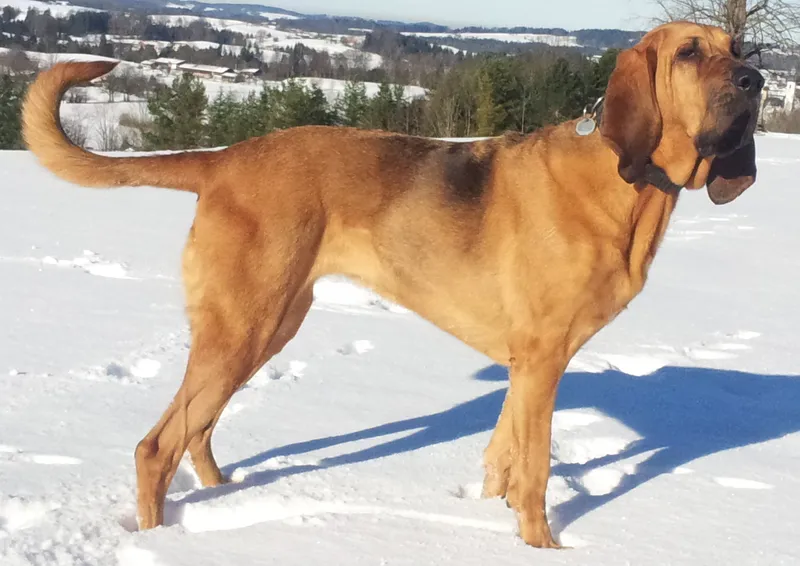
The Bloodhound is a large, droopy-eared scent hound from Belgium and France with arguably the most powerful nose in the dog world. Bred to trail people and game over long distances and days-old scent, it is gentle and affectionate at home but single-minded and famously stubborn once it picks up a trail.

Size
Large (36–50 kg)
Lifespan
10–14 years
Temperament
Gentle, stubborn, determined
Origin
Belgium/France

Coat & grooming — A short, dense, fairly hard coat in black and tan, liver and tan, or red, with loose, wrinkled skin that hangs in characteristic folds around the head and neck. Grooming is straightforward, with a weekly brush to remove loose hair, but the skin folds and long, low-set ears trap moisture and need regular cleaning to prevent infection and odour. They shed moderately, drool considerably, and benefit from routine wrinkle and ear care.

Suits — A gentle, tolerant breed that is typically very good with children and other dogs, suiting patient families with space rather than first-time owners unprepared for size, drool and stubbornness. Bloodhounds need secure fencing and lead walks, because a caught scent overrides recall almost entirely. They require substantial daily exercise and sniffing opportunities, are not suited to small flats, and their baying voice and slobber are best matched to relaxed, rural-minded homes.

Health to watch for

  • Bloat risk — Bloat risk can occur in this breed and may need veterinary monitoring.
  • Ear infections — Ear infections can occur in this breed and may need veterinary monitoring.
  • Skin fold infections — Skin fold infections can occur in this breed and may need veterinary monitoring.
Full Bloodhound guide
Standard Poodle — dog breed guide

17 / Germany/France

Standard Poodle

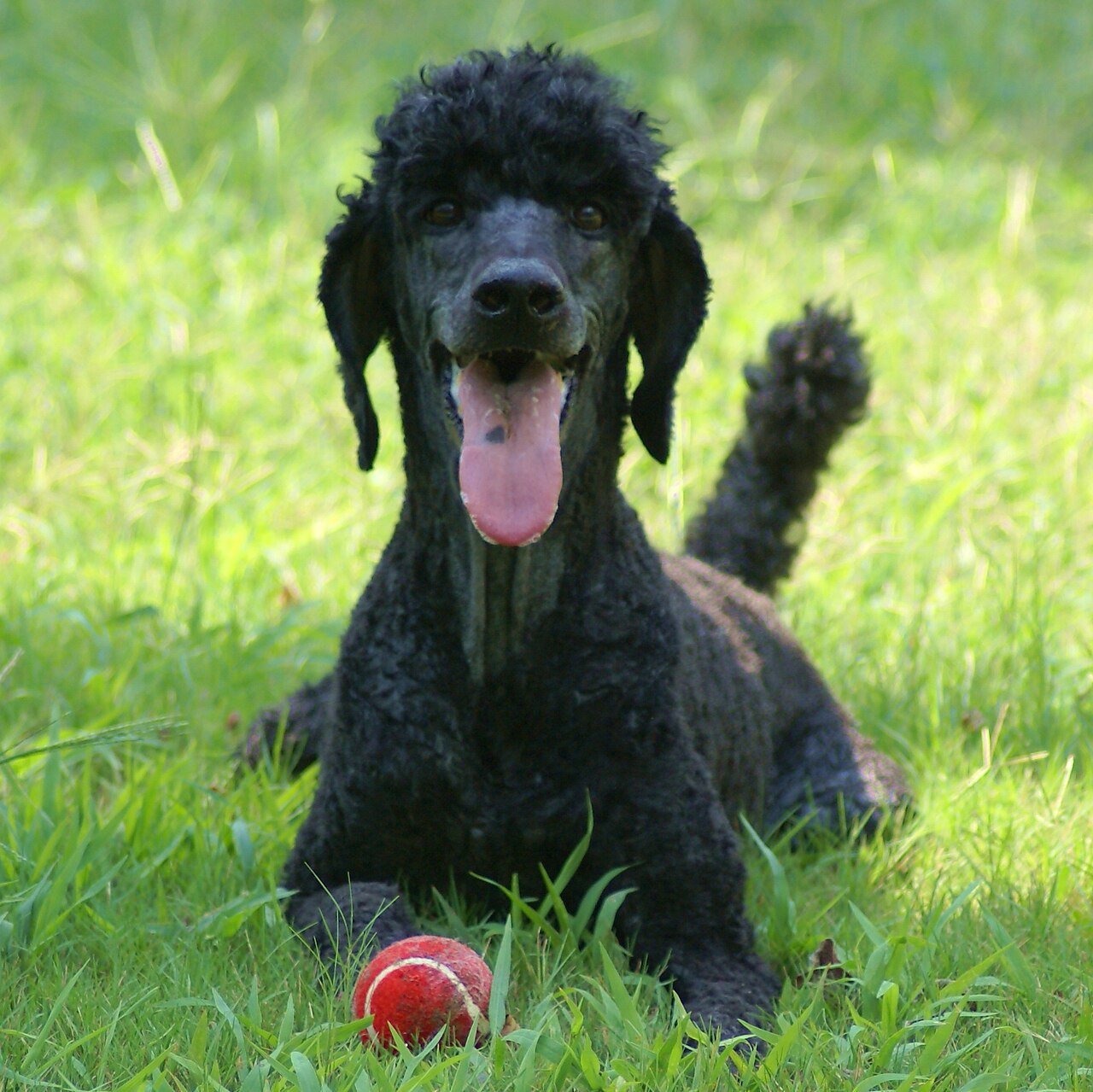
The Standard Poodle is a large, athletic and exceptionally intelligent dog originally bred as a water retriever. Elegant yet hardy, active and eager to learn, it makes a devoted family companion for owners who can provide ample exercise, mental challenge and committed coat care.

Size
Large (20–32 kg)
Lifespan
10–14 years
Temperament
Intelligent, active, elegant
Origin
Germany/France

Coat & grooming — A dense, curly, single coat of woolly texture that sheds very little but grows continuously and mats readily. It demands daily or frequent brushing and professional clipping every four to six weeks; show clips are elaborate while many owners choose a practical short cut. The low-shedding coat is often considered more suitable for some allergy sufferers, though no breed is genuinely hypoallergenic.

Suits — An excellent active-family dog, generally good with children and other pets when socialised, and large enough to be sturdy with sensible kids. It suits houses with space better than small flats, though it adapts if well exercised. Rewarding for first-time and experienced owners alike, given a commitment to training, grooming and daily stimulation. Its intelligence means it needs a job to do, or it may invent its own.

Health to watch for

  • Hip dysplasia — An inherited malformation of the hip joint that can cause stiffness, lameness, or arthritis as the dog ages.
  • Bloat risk — Bloat risk can occur in this breed and may need veterinary monitoring.
  • Eye conditions — Breed-related eye problems may include cataracts, progressive retinal atrophy, or cherry eye.
Full Standard Poodle guide

Large Dog Breeds: frequently asked questions

What is the best large dog breed?
Labrador and Golden Retrievers are the most broadly suitable for ordinary households. German Shepherds and Rottweilers suit experienced owners who will train seriously. Great Danes and Newfoundlands are gentler than their size suggests but have notably short lives.
How long do large dogs live?
Typically 8 to 12 years, and giant breeds often only 6 to 10. Great Danes and Irish Wolfhounds are among the shortest-lived. This is one of the most important and least discussed facts about choosing a large breed.
What health problems do large dogs have?
Hip and elbow dysplasia are the most common, along with arthritis in later life. Deep-chested breeds are at risk of gastric dilatation-volvulus, or bloat, which is an emergency. Several large breeds also carry inherited heart conditions.
Do large dogs need more exercise than small dogs?
Not always. Exercise need tracks the breed's working history more than its size. A Border Collie needs far more than a Great Dane, and several small terriers need more than either.

Before you go

Most of the world's dogs have no breed, and no owner

An estimated 300 million dogs live on the world's streets. They are not a breed, they are not registered anywhere, and in cities like Karachi they face poisoning and culling campaigns that the World Health Organization has repeatedly said do not reduce dog numbers or rabies risk.

What does work is CNVR — catch, neuter, vaccinate, return — carried out street by street, alongside community education. WARN funds CNVR in Karachi. It is unglamorous, it is measurable, and it is the difference between a dog being killed and a dog being vaccinated and left alone.