Dog Breed · Southern Africa
Rhodesian Ridgeback
Named for the hair ridge along its back — bred to track lions and guard farms.
By WARN Research & Conservation TeamLast updated
In brief
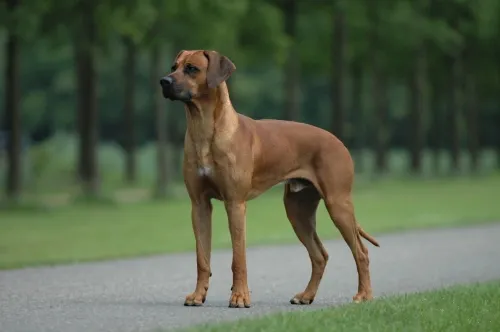
The Rhodesian Ridgeback is a large, muscular southern African hound named for the distinctive ridge of backward-growing hair along its spine. Bred to track game and guard homesteads, its defining traits are dignified independence, quiet loyalty to family and a strong protective instinct combined with surprising calmness indoors.
What are the key facts about a Rhodesian Ridgeback?
The Rhodesian Ridgeback is a dog breed from Southern Africa: large (30–40 kg), dignified, loyal, independent. Named for the hair ridge along its back — bred to track lions and guard farms.
| Origin | Southern Africa |
|---|---|
| Size | Large (30–40 kg) |
| Weight | Around 30-40 kg (66-88 lb), with males larger than females |
| Lifespan | 10–14 years |
| Coat | A short, dense, sleek and glossy coat in shades of wheaten, from pale to red. Grooming is very low-maintenance, needing only weekly brushing and occasional baths, and the breed is fairly clean with little doggy odour. Shedding is light to moderate. The defining feature is the ridge of hair growing in the opposite direction down the back. |
| Temperament | Dignified, loyal, independent |
| Good with | Best suited to confident, experienced owners who can provide firm, kind leadership, early socialisation and around an hour or more of daily exercise. Ridgebacks are loyal and gentle with their own family, including older children, but are naturally aloof with strangers and protective, so socialisation is essential. They need space rather than small flats, and can live with other dogs if raised together, though their hound prey drive makes small-pet households more challenging. |
Is a Rhodesian Ridgeback a good dog for you?
A Rhodesian Ridgeback is a good dog when your home matches best suited to confident, experienced owners who can provide firm, kind leadership, early socialisation and around an hour or more of daily exercise. ridgebacks are loyal and gentle with their own family, including older children, but are naturally aloof with strangers and protective, so socialisation is essential. they need space rather than small flats, and can live with other dogs if raised together, though their hound prey drive makes small-pet households more challenging.. It is a dignified, loyal, independent large (30–40 kg) breed from Southern Africa.
Named for the hair ridge along its back — bred to track lions and guard farms. That one-line pitch is not a care plan. Factor grooming (A short, dense, sleek and glossy coat in shades of wheaten, from pale to red. Grooming is very low-maintenance, needing only weekly brushing and occasional baths, and the breed is fairly clean with little doggy odour. Shedding is light to moderate. The defining feature is the ridge of hair growing in the opposite direction down the back.), typical adult size (Around 30-40 kg (66-88 lb), with males larger than females), and the health issues listed below before you pay a deposit.
Meet adults of the breed, not only puppies or kittens, and prefer rescue or health-screened homes. A Rhodesian Ridgeback that looks right in a photo can still be the wrong animal for a small flat, a full-time office job, or a household that wanted a low-energy companion.
What is a Rhodesian Ridgeback?
Named for the hair ridge along its back — bred to track lions and guard farms. Origin is Southern Africa; coat or markings are described as A short, dense, sleek and glossy coat in shades of wheaten, from pale to red. Grooming is very low-maintenance, needing only weekly brushing and occasional baths, and the breed is fairly clean with little doggy odour. Shedding is light to moderate. The defining feature is the ridge of hair growing in the opposite direction down the back..
Kennel and registry labels describe a type. Individual Rhodesian Ridgebacks still vary, and rescue animals may be mixes.
Where does the Rhodesian Ridgeback come from?
Rhodesian Ridgebacks come from Southern Africa. The Rhodesian Ridgeback descends from European breeds brought to southern Africa by settlers, including mastiff and hound types, crossed with the indigenous ridged dogs kept by the Khoikhoi people.
The result was a hardy, adaptable dog that could withstand harsh climate, scarce water and big-game hunting. Developed largely in what was then Rhodesia, the breed became famous for working in packs to track and bay lions while hunters approached, earning the misleading nickname "lion dog" even though it did not kill the lion itself. A breed standard was drawn up in the 1920s, and the Ridgeback later spread to Europe, North America and beyond as a guardian and companion.
How much care does a Rhodesian Ridgeback need?
Plan 10–14 years of food, vet care, grooming and time. A Rhodesian Ridgeback is large (30–40 kg) (Around 30-40 kg (66-88 lb), with males larger than females) from Southern Africa, with coat care described as a short, dense, sleek and glossy coat in shades of wheaten, from pale to red. grooming is very low-maintenance, needing only weekly brushing and occasional baths, and the breed is fairly clean with little doggy odour. shedding is light to moderate. the defining feature is the ridge of hair growing in the opposite direction down the back..
Match daily exercise to the dignified, loyal, independent temperament rather than to Instagram.
Grooming follows the coat, not a generic clip: A short, dense, sleek and glossy coat in shades of wheaten, from pale to red. Grooming is very low-maintenance, needing only weekly brushing and occasional baths, and the breed is fairly clean with little doggy odour. Shedding is light to moderate. The defining feature is the ridge of hair growing in the opposite direction down the back.. Keep the animal lean; extra weight is a joint and heart tax, especially in a large dog.
Budget for unexpected vet bills. The health section below is why “cheap to buy” is not the same as cheap to keep.
What surprises people about the Rhodesian Ridgeback?
A few details about the breed, alongside the practical care information in this guide.
- The defining ridge is formed by a stripe of hair growing forward against the rest of the coat, a trait inherited from indigenous African dogs.
- Ridgebacks were used in packs to corner and hold lions at bay for hunters, not to attack them, giving rise to the "lion dog" nickname.
- The breed is remarkably tolerant of heat and could go long periods with little water, a legacy of its development in the African bush.
- Despite their athletic working background, Ridgebacks are famously calm and quiet indoors, often happy to lounge for hours.
What health issues should you know about in a Rhodesian Ridgeback?
Health concerns to discuss with your vet, including changes to watch for and everyday care. This is general guidance, not veterinary advice — always speak to your vet.
Hip dysplasia
An inherited malformation of the hip joint that can cause stiffness, lameness, or arthritis as the dog ages.
Care: Keep dogs lean, choose health-screened parents, and seek vet advice for pain management or surgery if needed.
Dermoid sinus
Dermoid sinus can occur in this breed and may need veterinary monitoring.
Care: Discuss prevention and treatment with your vet.
Bloat risk
Bloat risk can occur in this breed and may need veterinary monitoring.
Care: Discuss prevention and treatment with your vet.
Who should skip a Rhodesian Ridgeback?
Skip a Rhodesian Ridgeback if you are first-time owners hoping the animal will train itself. This Southern Africa dog is large (30–40 kg) and dignified, loyal, independent — the mismatch is usually lifestyle, not a missing accessory.
This page is allowed to say no. Skip if you are first-time owners hoping the animal will train itself. Skip if you are anyone unwilling to learn bloat emergency signs.
A different dog breed on this site may fit. Wanting “a Rhodesian Ridgeback” after a film or a colour photo is not a reason to ignore the skip list.
What are the hidden catches with a Rhodesian Ridgeback?
The hidden cost of a Rhodesian Ridgeback is usually not the purchase price. It is years of care, the health list on this page, and the mismatch between a dignified, loyal, independent animal and a busy home.
The impulse-buy catch
A Rhodesian Ridgeback from Southern Africa is often sold on looks. Coat, colour and size are not a temperament test. Meet the adult animal, ask about health screening, and walk away from pressure sales.
The bloat catch
Deep-chested Rhodesian Ridgebacks can develop gastric dilatation-volvulus. Know the emergency signs (unproductive retching, swollen abdomen) and have a 24-hour vet plan.
The hip dysplasia catch
An inherited malformation of the hip joint that can cause stiffness, lameness, or arthritis as the dog ages. Keep dogs lean, choose health-screened parents, and seek vet advice for pain management or surgery if needed.
The dermoid sinus catch
Dermoid sinus can occur in this breed and may need veterinary monitoring. Discuss prevention and treatment with your vet.
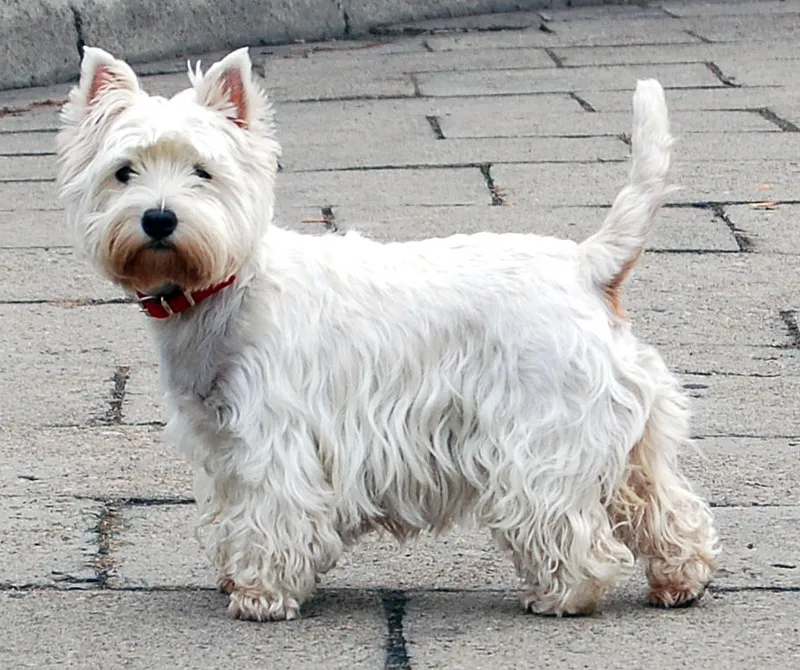
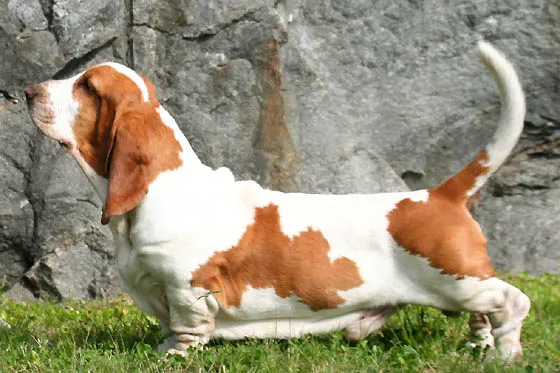
How does a Rhodesian Ridgeback compare with West Highland White Terrier and Basset Hound?
A Rhodesian Ridgeback is not interchangeable with West Highland White Terrier and Basset Hound. Compare origin, size, lifespan and temperament before you choose — those four lines prevent most regret.
| Dog fact | Rhodesian Ridgeback | West Highland White Terrier | Basset Hound |
|---|---|---|---|
| Origin | Southern Africa | Scotland | France |
| Size | Large (30–40 kg) | Small (7–10 kg) | Medium (20–29 kg) |
| Lifespan | 10–14 years | 10–14 years | 10–14 years |
| Temperament | Dignified, loyal, independent | Confident, cheerful, hardy | Easygoing, stubborn, friendly |
What is the verdict on the Rhodesian Ridgeback?
Choose a Rhodesian Ridgeback only if the care, skip-if and health sections still look like your life after a week of thinking. Otherwise pick a different dog or wait. Rescue is usually the better first door than a waiting-list puppy or kitten.
If the match is real, budget for 10–14 years of vet care and do not skip health screening. If it is not, walking away is the kind choice — for you and for the animal.
Every dog deserves a chance
Whatever breed steals your heart, millions of dogs around the world have no home at all. A symbolic adoption or a gift to WARN funds humane care for street and community dogs — vaccination, neutering and emergency treatment.