Dog Breed · Switzerland
Bernese Mountain Dog
A striking tri-colour draft dog from the Swiss Alps with a sweet, family-oriented nature.
By WARN Research & Conservation TeamLast updated
In brief
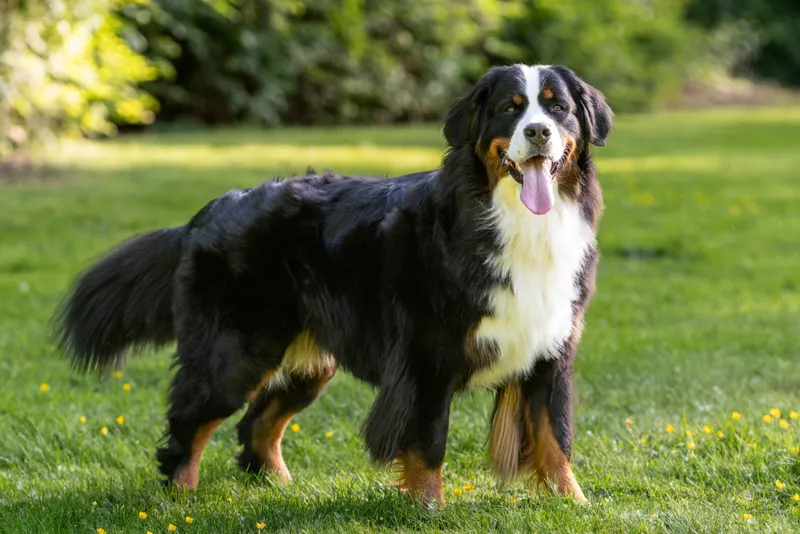
The Bernese Mountain Dog is a large, tri-coloured working breed from the Swiss Alps, originally bred to pull carts and drive cattle on farms. Known for its gentle, calm and devoted nature, the Berner is an affectionate family companion that bonds closely but has a sadly short lifespan.
What are the key facts about a Bernese Mountain Dog?
The Bernese Mountain Dog is a dog breed from Switzerland: giant (35–55 kg), gentle, calm, devoted. A striking tri-colour draft dog from the Swiss Alps with a sweet, family-oriented nature.
| Origin | Switzerland |
|---|---|
| Size | Giant (35–55 kg) |
| Weight | 36-50 kg (80-110 lb) |
| Lifespan | 8–10 years |
| Coat | A thick, moderately long double coat that is slightly wavy or straight with a natural sheen, in the breed's signature black, rust and white tricolour. Bernese shed considerably, with heavy seasonal moults, and need brushing several times a week to prevent tangles around the ears, legs and tail. Occasional bathing keeps the coat clean; the breed copes far better with cold than heat. |
| Temperament | Gentle, calm, devoted |
| Good with | A wonderful family dog, patient and gentle with children and typically sociable with other dogs and pets. Their calm temperament suits attentive first-time owners, though their size, strength and grooming and space needs should not be underestimated. They do best with a house and garden rather than a small flat, need moderate daily exercise, and crave close human company, disliking long periods alone. |
Is a Bernese Mountain Dog a good dog for you?
A Bernese Mountain Dog is a good dog when your home matches a wonderful family dog, patient and gentle with children and typically sociable with other dogs and pets. their calm temperament suits attentive first-time owners, though their size, strength and grooming and space needs should not be underestimated. they do best with a house and garden rather than a small flat, need moderate daily exercise, and crave close human company, disliking long periods alone.. It is a gentle, calm, devoted giant (35–55 kg) breed from Switzerland.
A striking tri-colour draft dog from the Swiss Alps with a sweet, family-oriented nature. That one-line pitch is not a care plan. Factor grooming (A thick, moderately long double coat that is slightly wavy or straight with a natural sheen, in the breed's signature black, rust and white tricolour. Bernese shed considerably, with heavy seasonal moults, and need brushing several times a week to prevent tangles around the ears, legs and tail. Occasional bathing keeps the coat clean; the breed copes far better with cold than heat.), typical adult size (36-50 kg (80-110 lb)), and the health issues listed below before you pay a deposit.
Meet adults of the breed, not only puppies or kittens, and prefer rescue or health-screened homes. A Bernese Mountain Dog that looks right in a photo can still be the wrong animal for a small flat, a full-time office job, or a household that wanted a low-energy companion.
What is a Bernese Mountain Dog?
A striking tri-colour draft dog from the Swiss Alps with a sweet, family-oriented nature. Origin is Switzerland; coat or markings are described as A thick, moderately long double coat that is slightly wavy or straight with a natural sheen, in the breed's signature black, rust and white tricolour. Bernese shed considerably, with heavy seasonal moults, and need brushing several times a week to prevent tangles around the ears, legs and tail. Occasional bathing keeps the coat clean; the breed copes far better with cold than heat..
Kennel and registry labels describe a type. Individual Bernese Mountain Dogs still vary, and rescue animals may be mixes.
Where does the Bernese Mountain Dog come from?
Bernese Mountain Dogs come from Switzerland. The Bernese Mountain Dog is one of four ancient Swiss mountain (Sennenhund) breeds, developed in the canton of Bern as a versatile farm dog.
For centuries it pulled milk and produce carts, drove dairy cattle and guarded alpine homesteads, valued for strength, steadiness and an even temperament. By the early twentieth century the breed had declined, but Swiss enthusiasts revived it from the 1900s, with formal recognition following. It has since become a popular companion worldwide, prized for its beauty and gentle character.
How much care does a Bernese Mountain Dog need?
Plan 8–10 years of food, vet care, grooming and time. A Bernese Mountain Dog is giant (35–55 kg) (36-50 kg (80-110 lb)) from Switzerland, with coat care described as a thick, moderately long double coat that is slightly wavy or straight with a natural sheen, in the breed's signature black, rust and white tricolour. bernese shed considerably, with heavy seasonal moults, and need brushing several times a week to prevent tangles around the ears, legs and tail. occasional bathing keeps the coat clean; the breed copes far better with cold than heat..
Giant breeds need controlled, joint-safe exercise rather than endless running while they are still growing.
Grooming follows the coat, not a generic clip: A thick, moderately long double coat that is slightly wavy or straight with a natural sheen, in the breed's signature black, rust and white tricolour. Bernese shed considerably, with heavy seasonal moults, and need brushing several times a week to prevent tangles around the ears, legs and tail. Occasional bathing keeps the coat clean; the breed copes far better with cold than heat.. Keep the animal lean; extra weight is a joint and heart tax, especially in a giant dog.
Budget for unexpected vet bills. The health section below is why “cheap to buy” is not the same as cheap to keep.
What surprises people about the Bernese Mountain Dog?
A few details about the breed, alongside the practical care information in this guide.
- The Bernese is the only one of the four Swiss Sennenhund breeds to have a long, silky coat rather than a short one.
- Historically they were genuine draught dogs, capable of pulling carts many times their own weight, and the breed still competes in carting and drafting events.
- Their striking markings follow a precise pattern, including a white 'Swiss cross' on the chest and a white blaze and muzzle.
- Berners are sadly one of the shorter-lived breeds for their popularity, with an average lifespan of around seven to ten years.
What health issues should you know about in a Bernese Mountain Dog?
Health concerns to discuss with your vet, including changes to watch for and everyday care. This is general guidance, not veterinary advice — always speak to your vet.
Hip dysplasia
An inherited malformation of the hip joint that can cause stiffness, lameness, or arthritis as the dog ages.
Care: Keep dogs lean, choose health-screened parents, and seek vet advice for pain management or surgery if needed.
Cancer risks
Cancer risks can occur in this breed and may need veterinary monitoring.
Care: Discuss prevention and treatment with your vet.
Bloat risk
Bloat risk can occur in this breed and may need veterinary monitoring.
Care: Discuss prevention and treatment with your vet.
Who should skip a Bernese Mountain Dog?
Skip a Bernese Mountain Dog if you are people in small homes without a budget for a giant animal. This Switzerland dog is giant (35–55 kg) and gentle, calm, devoted — the mismatch is usually lifestyle, not a missing accessory.
This page is allowed to say no. Skip if you are people in small homes without a budget for a giant animal. Skip if you are anyone unwilling to learn bloat emergency signs.
A different dog breed on this site may fit. Wanting “a Bernese Mountain Dog” after a film or a colour photo is not a reason to ignore the skip list.
What are the hidden catches with a Bernese Mountain Dog?
The hidden cost of a Bernese Mountain Dog is usually not the purchase price. It is years of care, the health list on this page, and the mismatch between a gentle, calm, devoted animal and a busy home.
The impulse-buy catch
A Bernese Mountain Dog from Switzerland is often sold on looks. Coat, colour and size are not a temperament test. Meet the adult animal, ask about health screening, and walk away from pressure sales.
The bloat catch
Deep-chested Bernese Mountain Dogs can develop gastric dilatation-volvulus. Know the emergency signs (unproductive retching, swollen abdomen) and have a 24-hour vet plan.
The hip dysplasia catch
An inherited malformation of the hip joint that can cause stiffness, lameness, or arthritis as the dog ages. Keep dogs lean, choose health-screened parents, and seek vet advice for pain management or surgery if needed.
The cancer risks catch
Cancer risks can occur in this breed and may need veterinary monitoring. Discuss prevention and treatment with your vet.
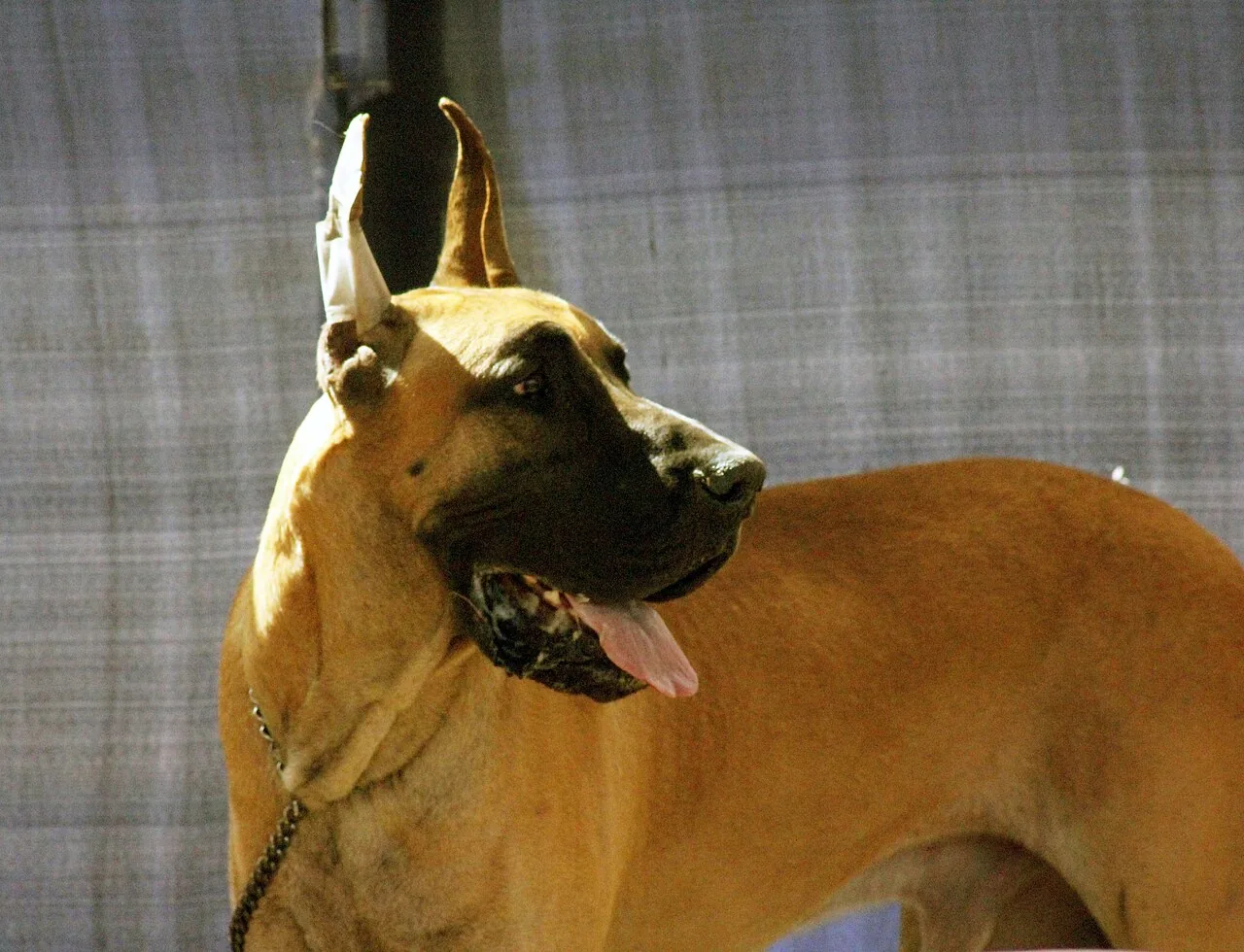
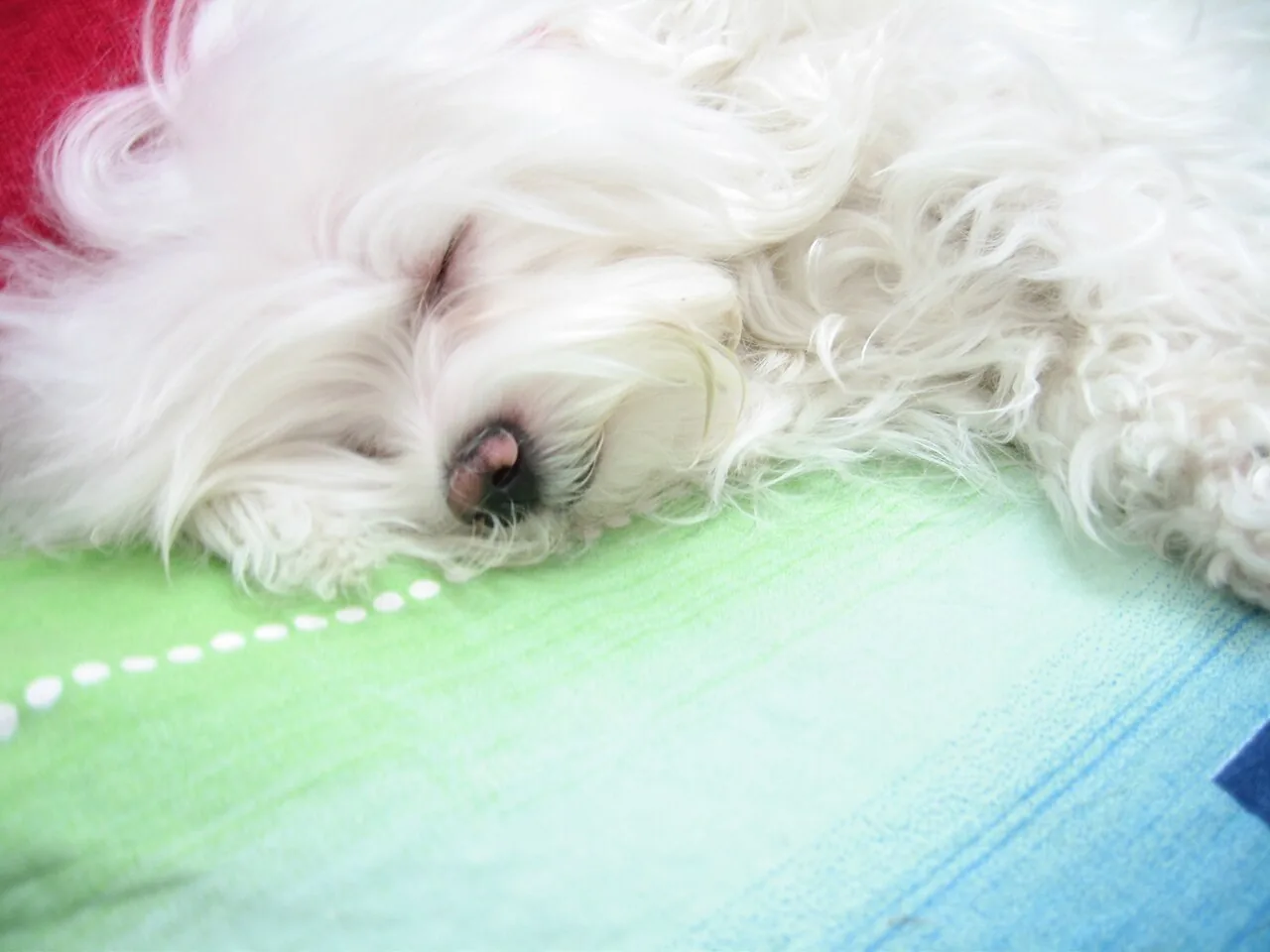
How does a Bernese Mountain Dog compare with Great Dane and Maltese?
A Bernese Mountain Dog is not interchangeable with Great Dane and Maltese. Compare origin, size, lifespan and temperament before you choose — those four lines prevent most regret.
| Dog fact | Bernese Mountain Dog | Great Dane | Maltese |
|---|---|---|---|
| Origin | Switzerland | Germany | Malta |
| Size | Giant (35–55 kg) | Giant (50–82 kg) | Toy (up to 4 kg) |
| Lifespan | 8–10 years | 8–10 years | 12–16 years |
| Temperament | Gentle, calm, devoted | Gentle, friendly, dignified | Gentle, playful, affectionate |
What is the verdict on the Bernese Mountain Dog?
Choose a Bernese Mountain Dog only if the care, skip-if and health sections still look like your life after a week of thinking. Otherwise pick a different dog or wait. Rescue is usually the better first door than a waiting-list puppy or kitten.
If the match is real, budget for 8–10 years of vet care and do not skip health screening. If it is not, walking away is the kind choice — for you and for the animal.
Every dog deserves a chance
Whatever breed steals your heart, millions of dogs around the world have no home at all. A symbolic adoption or a gift to WARN funds humane care for street and community dogs — vaccination, neutering and emergency treatment.