Dog Breed · Switzerland
Saint Bernard
Alpine rescue legend — a massive, kind family dog needing space and cooling.
By WARN Research & Conservation TeamLast updated
In brief
The Saint Bernard is a giant Swiss working breed, famed as an Alpine rescue dog that searched for travellers lost in the snowy passes near the Great St Bernard Hospice. Gentle, patient and devoted, it is a calm, affectionate family giant that needs space, cool conditions and an owner prepared for its great size and drool.
What are the key facts about a Saint Bernard?
The Saint Bernard is a dog breed from Switzerland: giant (54–82 kg), gentle, patient, watchful. Alpine rescue legend — a massive, kind family dog needing space and cooling.
| Origin | Switzerland |
|---|---|
| Size | Giant (54–82 kg) |
| Weight | 54-82 kg (120-180 lb) |
| Lifespan | 8–10 years |
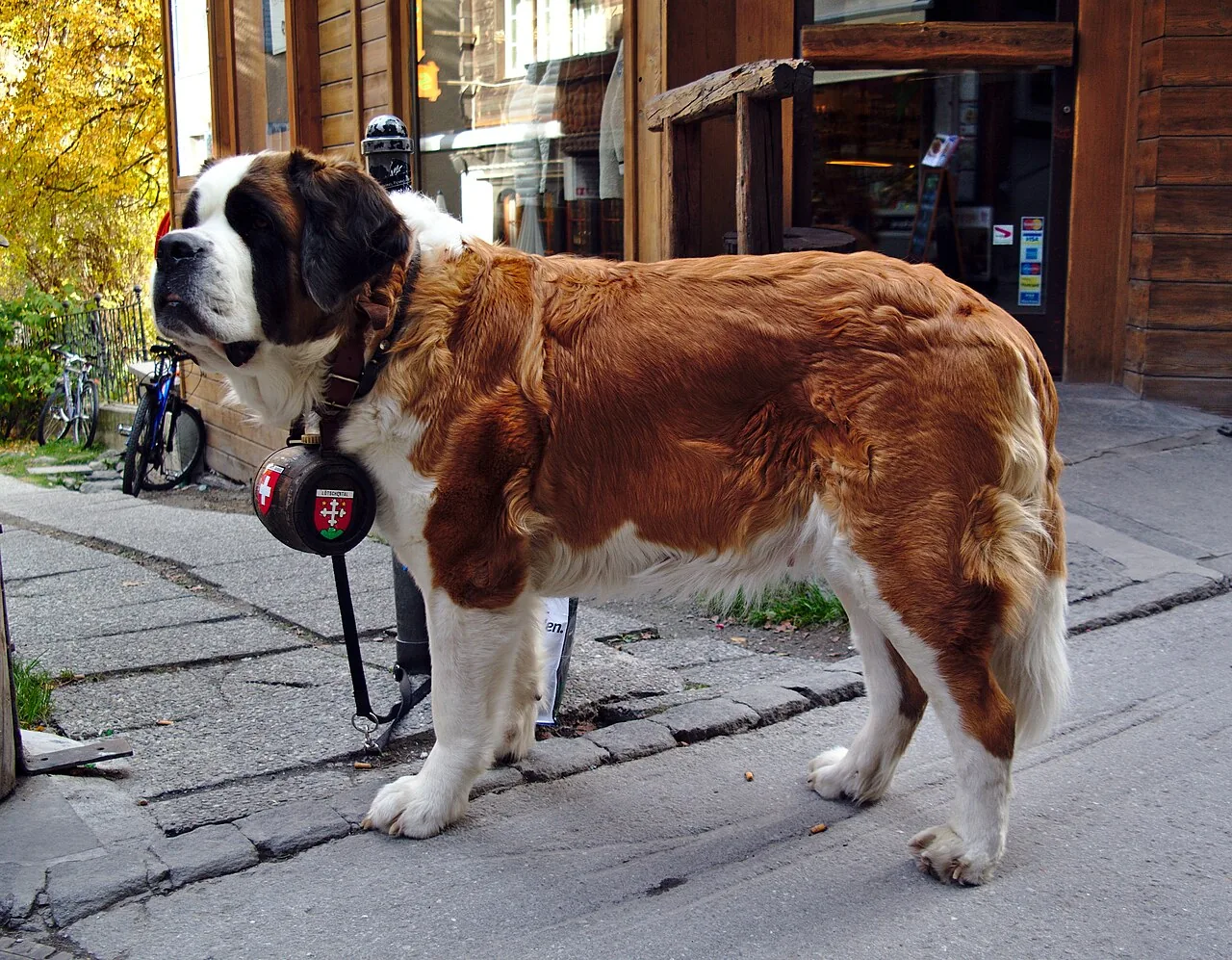
| Coat | Comes in two varieties: a short, dense smooth coat and a longer, slightly wavy rough coat, both with a thick undercoat in shades of red and white or brindle and white. Both shed heavily, with seasonal peaks, and need brushing several times a week, more for the longhaired type, to prevent matting and manage the considerable hair. The facial folds and droopy lower eyelids need regular cleaning, and the breed is a famously prolific drooler. |
| Temperament | Gentle, patient, watchful |
| Good with | Ideally suited to families with space, a garden and time for grooming and supervised exercise. Saint Bernards are renowned for being gentle, patient and tolerant, earning a reputation as wonderful 'nanny' dogs with children, though their sheer size means careful supervision around small children to avoid accidental knocks. They are generally sociable with other pets when raised together. They are not flat dogs and cope poorly with heat, and their size means real costs in food, equipment and veterinary care. |
Is a Saint Bernard a good dog for you?
A Saint Bernard is a good dog when your home matches ideally suited to families with space, a garden and time for grooming and supervised exercise. saint bernards are renowned for being gentle, patient and tolerant, earning a reputation as wonderful 'nanny' dogs with children, though their sheer size means careful supervision around small children to avoid accidental knocks. they are generally sociable with other pets when raised together. they are not flat dogs and cope poorly with heat, and their size means real costs in food, equipment and veterinary care.. It is a gentle, patient, watchful giant (54–82 kg) breed from Switzerland.
Alpine rescue legend — a massive, kind family dog needing space and cooling. That one-line pitch is not a care plan. Factor grooming (Comes in two varieties: a short, dense smooth coat and a longer, slightly wavy rough coat, both with a thick undercoat in shades of red and white or brindle and white. Both shed heavily, with seasonal peaks, and need brushing several times a week, more for the longhaired type, to prevent matting and manage the considerable hair. The facial folds and droopy lower eyelids need regular cleaning, and the breed is a famously prolific drooler.), typical adult size (54-82 kg (120-180 lb)), and the health issues listed below before you pay a deposit.
Meet adults of the breed, not only puppies or kittens, and prefer rescue or health-screened homes. A Saint Bernard that looks right in a photo can still be the wrong animal for a small flat, a full-time office job, or a household that wanted a low-energy companion.
What is a Saint Bernard?
Alpine rescue legend — a massive, kind family dog needing space and cooling. Origin is Switzerland; coat or markings are described as Comes in two varieties: a short, dense smooth coat and a longer, slightly wavy rough coat, both with a thick undercoat in shades of red and white or brindle and white. Both shed heavily, with seasonal peaks, and need brushing several times a week, more for the longhaired type, to prevent matting and manage the considerable hair. The facial folds and droopy lower eyelids need regular cleaning, and the breed is a famously prolific drooler..
Kennel and registry labels describe a type. Individual Saint Bernards still vary, and rescue animals may be mixes.
Where does the Saint Bernard come from?
Saint Bernards come from Switzerland. The Saint Bernard takes its name from the Great St Bernard Hospice, a refuge in the treacherous Alpine pass between Switzerland and Italy, where monks kept large dogs from at least the 17th century as guards and companions.
The dogs proved invaluable for locating and rescuing travellers buried or lost in deep snow, and over generations the monks developed the powerful, sure-footed, scent-trailing breed credited with saving many lives. A famous individual, Barry, is said to have rescued dozens of people in the early 1800s and remains the breed's enduring symbol. After harsh winters reduced the hospice line, outcrosses helped rebuild the breed, which was formally standardised in Switzerland in the late 19th century.
How much care does a Saint Bernard need?
Plan 8–10 years of food, vet care, grooming and time. A Saint Bernard is giant (54–82 kg) (54-82 kg (120-180 lb)) from Switzerland, with coat care described as comes in two varieties: a short, dense smooth coat and a longer, slightly wavy rough coat, both with a thick undercoat in shades of red and white or brindle and white. both shed heavily, with seasonal peaks, and need brushing several times a week, more for the longhaired type, to prevent matting and manage the considerable hair. the facial folds and droopy lower eyelids need regular cleaning, and the breed is a famously prolific drooler..
Giant breeds need controlled, joint-safe exercise rather than endless running while they are still growing.
Grooming follows the coat, not a generic clip: Comes in two varieties: a short, dense smooth coat and a longer, slightly wavy rough coat, both with a thick undercoat in shades of red and white or brindle and white. Both shed heavily, with seasonal peaks, and need brushing several times a week, more for the longhaired type, to prevent matting and manage the considerable hair. The facial folds and droopy lower eyelids need regular cleaning, and the breed is a famously prolific drooler.. Keep the animal lean; extra weight is a joint and heart tax, especially in a giant dog.
Budget for unexpected vet bills. The health section below is why “cheap to buy” is not the same as cheap to keep.
What surprises people about the Saint Bernard?
A few details about the breed, alongside the practical care information in this guide.
- A hospice dog named Barry is credited with saving around 40 people in the early 1800s and is honoured by a monument in Paris; a dog at the hospice was long kept in his memory.
- The famous image of a Saint Bernard carrying a small brandy barrel on its collar is a charming Victorian myth, popularised by a painting rather than actual rescue practice.
- Saint Bernards rescued by scent and body heat, locating buried travellers and lying across them for warmth while companions fetched help from the hospice.
- Despite the breed's gentle reputation, an adult Saint Bernard is one of the heaviest of all dogs, with large males reaching the weight of a fully grown adult human.
What health issues should you know about in a Saint Bernard?
Health concerns to discuss with your vet, including changes to watch for and everyday care. This is general guidance, not veterinary advice — always speak to your vet.
Hip dysplasia
An inherited malformation of the hip joint that can cause stiffness, lameness, or arthritis as the dog ages.
Care: Keep dogs lean, choose health-screened parents, and seek vet advice for pain management or surgery if needed.
Bloat risk
Bloat risk can occur in this breed and may need veterinary monitoring.
Care: Discuss prevention and treatment with your vet.
Heart conditions
Heart conditions can occur in this breed and may need veterinary monitoring.
Care: Discuss prevention and treatment with your vet.
Who should skip a Saint Bernard?
Skip a Saint Bernard if you are people in small homes without a budget for a giant animal. This Switzerland dog is giant (54–82 kg) and gentle, patient, watchful — the mismatch is usually lifestyle, not a missing accessory.
This page is allowed to say no. Skip if you are people in small homes without a budget for a giant animal. Skip if you are anyone unwilling to learn bloat emergency signs.
A different dog breed on this site may fit. Wanting “a Saint Bernard” after a film or a colour photo is not a reason to ignore the skip list.
What are the hidden catches with a Saint Bernard?
The hidden cost of a Saint Bernard is usually not the purchase price. It is years of care, the health list on this page, and the mismatch between a gentle, patient, watchful animal and a busy home.
The impulse-buy catch
A Saint Bernard from Switzerland is often sold on looks. Coat, colour and size are not a temperament test. Meet the adult animal, ask about health screening, and walk away from pressure sales.
The bloat catch
Deep-chested Saint Bernards can develop gastric dilatation-volvulus. Know the emergency signs (unproductive retching, swollen abdomen) and have a 24-hour vet plan.
The hip dysplasia catch
An inherited malformation of the hip joint that can cause stiffness, lameness, or arthritis as the dog ages. Keep dogs lean, choose health-screened parents, and seek vet advice for pain management or surgery if needed.
The bloat risk catch
Bloat risk can occur in this breed and may need veterinary monitoring. Discuss prevention and treatment with your vet.
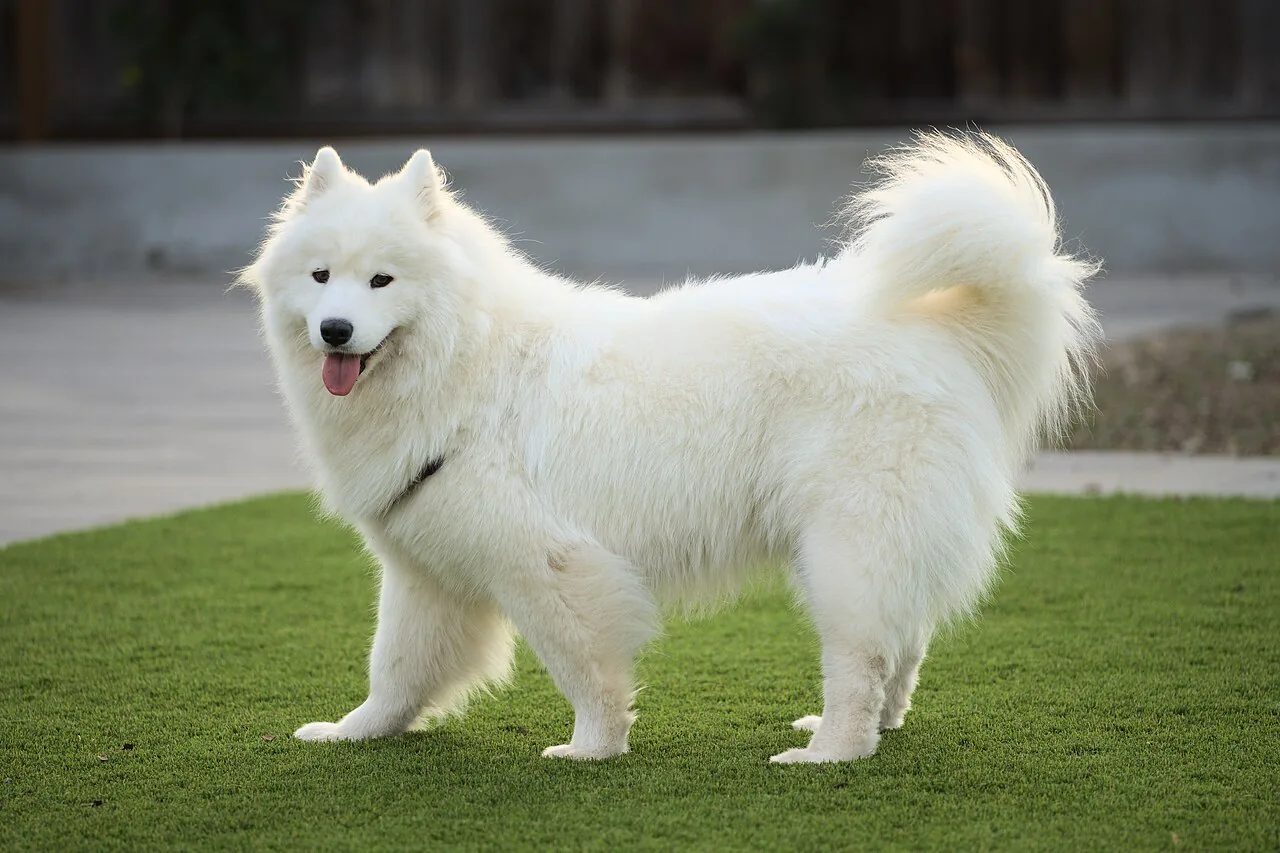
How does a Saint Bernard compare with Samoyed and Staffordshire Bull Terrier?
A Saint Bernard is not interchangeable with Samoyed and Staffordshire Bull Terrier. Compare origin, size, lifespan and temperament before you choose — those four lines prevent most regret.
| Dog fact | Saint Bernard | Samoyed | Staffordshire Bull Terrier |
|---|---|---|---|
| Origin | Switzerland | Siberia | England |
| Size | Giant (54–82 kg) | Large (17–30 kg) | Medium (11–17 kg) |
| Lifespan | 8–10 years | 10–14 years | 10–14 years |
| Temperament | Gentle, patient, watchful | Friendly, social, mischievous | Bold, affectionate, reliable |
What is the verdict on the Saint Bernard?
Choose a Saint Bernard only if the care, skip-if and health sections still look like your life after a week of thinking. Otherwise pick a different dog or wait. Rescue is usually the better first door than a waiting-list puppy or kitten.
If the match is real, budget for 8–10 years of vet care and do not skip health screening. If it is not, walking away is the kind choice — for you and for the animal.
Every dog deserves a chance
Whatever breed steals your heart, millions of dogs around the world have no home at all. A symbolic adoption or a gift to WARN funds humane care for street and community dogs — vaccination, neutering and emergency treatment.