Dog Breed · Japan
Shiba Inu
Japan's most popular native breed — cat-like, fastidious, and famously spirited.
By WARN Research & Conservation TeamLast updated
In brief
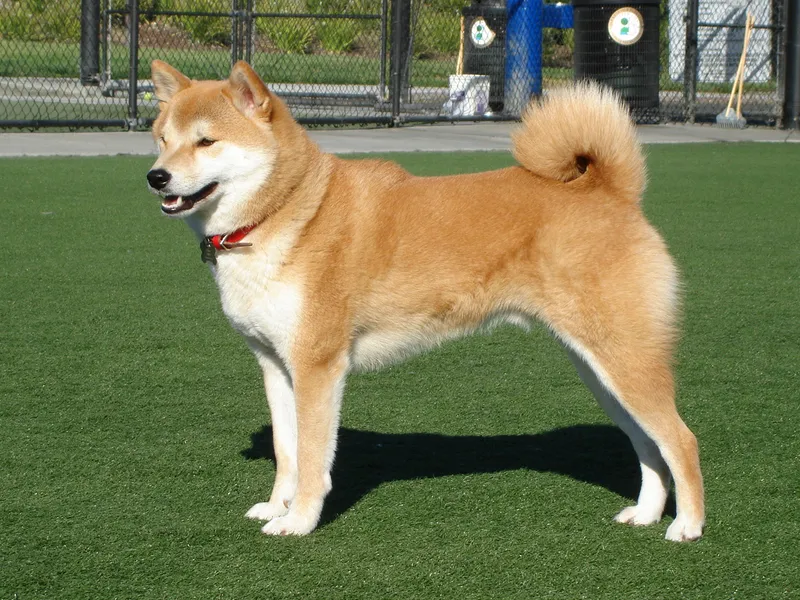
The Shiba Inu is a small, fox-like Japanese spitz originally bred to flush birds and small game in mountainous terrain. Its defining trait is a cat-like independence and fastidious cleanliness, paired with bold confidence and a famously dramatic protesting yelp known as the "Shiba scream".
What are the key facts about a Shiba Inu?
The Shiba Inu is a dog breed from Japan: small (8–11 kg), independent, alert, clean. Japan's most popular native breed — cat-like, fastidious, and famously spirited.
| Origin | Japan |
|---|---|
| Size | Small (8–11 kg) |
| Weight | Around 8-11 kg (18-24 lb), with males heavier than females |
| Lifespan | 10–14 years |
| Coat | A double coat with a stiff, straight outer layer and a soft, dense undercoat. It is naturally clean and needs only weekly brushing for most of the year, but sheds heavily twice annually during seasonal "blowing" of the undercoat, when daily brushing helps. Bathing is rarely needed. |
| Temperament | Independent, alert, clean |
| Good with | Best suited to patient, experienced owners who respect an independent dog rather than first-time handlers expecting easy obedience. Shibas can live in flats if exercised daily but need secure fencing, as they are escape artists with a strong prey drive. They can be aloof with other dogs and unsafe around cats or small pets; early socialisation and a calm, consistent household suit them best. |
Is a Shiba Inu a good dog for you?
A Shiba Inu is a good dog when your home matches best suited to patient, experienced owners who respect an independent dog rather than first-time handlers expecting easy obedience. shibas can live in flats if exercised daily but need secure fencing, as they are escape artists with a strong prey drive. they can be aloof with other dogs and unsafe around cats or small pets; early socialisation and a calm, consistent household suit them best.. It is a independent, alert, clean small (8–11 kg) breed from Japan.
Japan's most popular native breed — cat-like, fastidious, and famously spirited. That one-line pitch is not a care plan. Factor grooming (A double coat with a stiff, straight outer layer and a soft, dense undercoat. It is naturally clean and needs only weekly brushing for most of the year, but sheds heavily twice annually during seasonal "blowing" of the undercoat, when daily brushing helps. Bathing is rarely needed.), typical adult size (Around 8-11 kg (18-24 lb), with males heavier than females), and the health issues listed below before you pay a deposit.
Meet adults of the breed, not only puppies or kittens, and prefer rescue or health-screened homes. A Shiba Inu that looks right in a photo can still be the wrong animal for a small flat, a full-time office job, or a household that wanted a low-energy companion.
What is a Shiba Inu?
Japan's most popular native breed — cat-like, fastidious, and famously spirited. Origin is Japan; coat or markings are described as A double coat with a stiff, straight outer layer and a soft, dense undercoat. It is naturally clean and needs only weekly brushing for most of the year, but sheds heavily twice annually during seasonal "blowing" of the undercoat, when daily brushing helps. Bathing is rarely needed..
Kennel and registry labels describe a type. Individual Shiba Inus still vary, and rescue animals may be mixes.
Where does the Shiba Inu come from?
Shiba Inus come from Japan. The Shiba Inu is one of Japan's six native spitz breeds and the smallest, used for centuries to hunt birds and small game in the country's mountainous regions.
Three regional bloodlines fed into the modern breed, but the dog nearly vanished after the Second World War through a combination of food shortages and a distemper epidemic. Surviving dogs from these lines were carefully interbred to rebuild the population, and the breed was designated a Japanese national treasure. Today it is Japan's most popular companion dog and has become widely recognised internationally.
How much care does a Shiba Inu need?
Plan 10–14 years of food, vet care, grooming and time. A Shiba Inu is small (8–11 kg) (Around 8-11 kg (18-24 lb), with males heavier than females) from Japan, with coat care described as a double coat with a stiff, straight outer layer and a soft, dense undercoat. it is naturally clean and needs only weekly brushing for most of the year, but sheds heavily twice annually during seasonal "blowing" of the undercoat, when daily brushing helps. bathing is rarely needed..
Match daily exercise to the independent, alert, clean temperament rather than to Instagram.
Grooming follows the coat, not a generic clip: A double coat with a stiff, straight outer layer and a soft, dense undercoat. It is naturally clean and needs only weekly brushing for most of the year, but sheds heavily twice annually during seasonal "blowing" of the undercoat, when daily brushing helps. Bathing is rarely needed.. Keep the animal lean; extra weight is a joint and heart tax, especially in a small dog.
Budget for unexpected vet bills. The health section below is why “cheap to buy” is not the same as cheap to keep.
What surprises people about the Shiba Inu?
A few details about the breed, alongside the practical care information in this guide.
- The "Shiba scream" is a high-pitched, dramatic vocalisation Shibas produce when displeased, excited or restrained, quite distinct from ordinary barking.
- Shibas are renowned for cat-like grooming habits, licking themselves clean and often avoiding puddles and mud.
- The breed name's first character is sometimes linked to the word for brushwood, possibly referring to the terrain it hunted in or its brushwood-red colour.
- A Shiba named Kabosu became the face of the global "Doge" internet meme and later the Dogecoin cryptocurrency.
What health issues should you know about in a Shiba Inu?
Health concerns to discuss with your vet, including changes to watch for and everyday care. This is general guidance, not veterinary advice — always speak to your vet.
Allergies
Allergies can occur in this breed and may need veterinary monitoring.
Care: Discuss prevention and treatment with your vet.
Patellar luxation
The kneecap slips out of place, causing intermittent skipping or lameness.
Care: Mild cases may need weight control only; severe cases can require surgery.
Eye conditions
Breed-related eye problems may include cataracts, progressive retinal atrophy, or cherry eye.
Care: Regular eye checks and prompt vet attention for redness or cloudiness help preserve vision.
Who should skip a Shiba Inu?
Skip a Shiba Inu if you are first-time owners hoping the animal will train itself. This Japan dog is small (8–11 kg) and independent, alert, clean — the mismatch is usually lifestyle, not a missing accessory.
This page is allowed to say no. Skip if you are first-time owners hoping the animal will train itself.
A different dog breed on this site may fit. Wanting “a Shiba Inu” after a film or a colour photo is not a reason to ignore the skip list.
What are the hidden catches with a Shiba Inu?
The hidden cost of a Shiba Inu is usually not the purchase price. It is years of care, the health list on this page, and the mismatch between a independent, alert, clean animal and a busy home.
The impulse-buy catch
A Shiba Inu from Japan is often sold on looks. Coat, colour and size are not a temperament test. Meet the adult animal, ask about health screening, and walk away from pressure sales.
The allergies catch
Allergies can occur in this breed and may need veterinary monitoring. Discuss prevention and treatment with your vet.
The patellar luxation catch
The kneecap slips out of place, causing intermittent skipping or lameness. Mild cases may need weight control only; severe cases can require surgery.
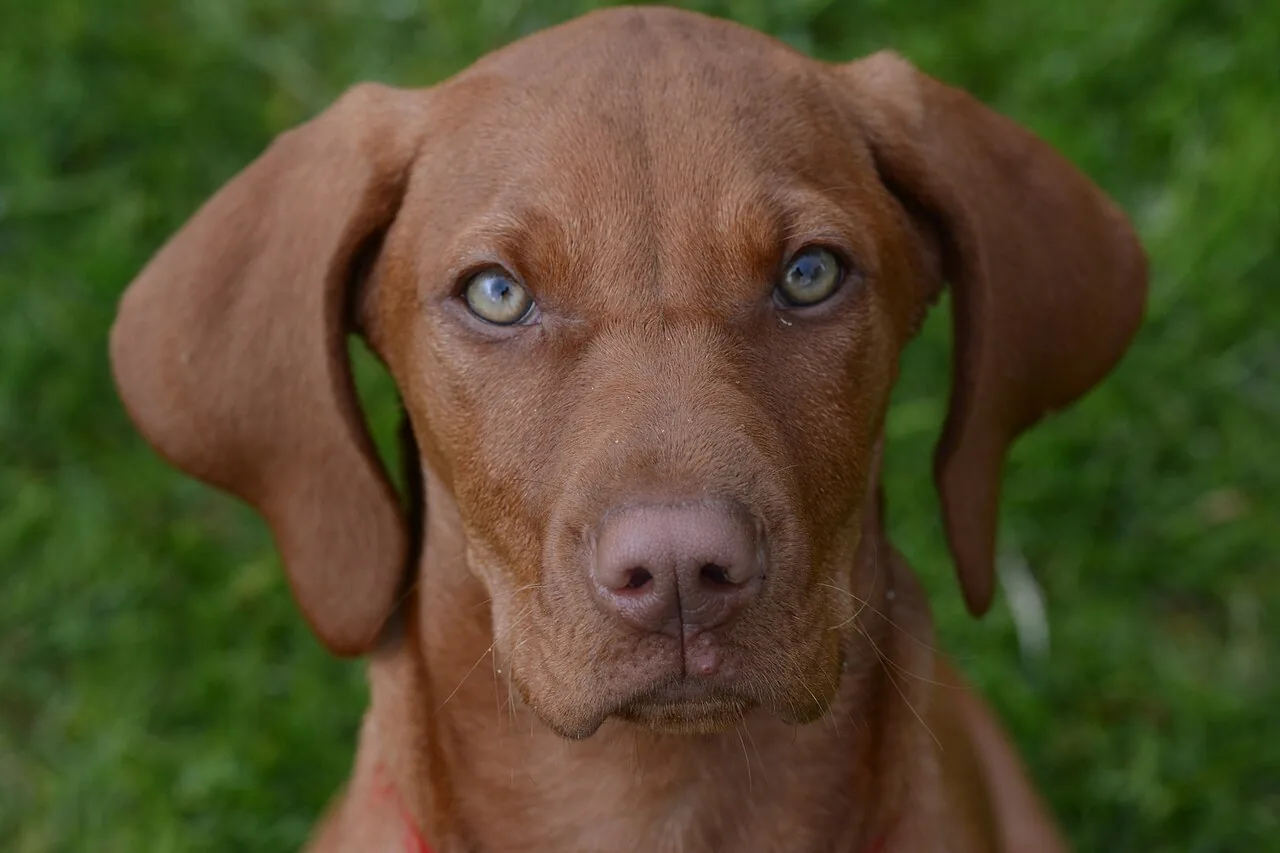
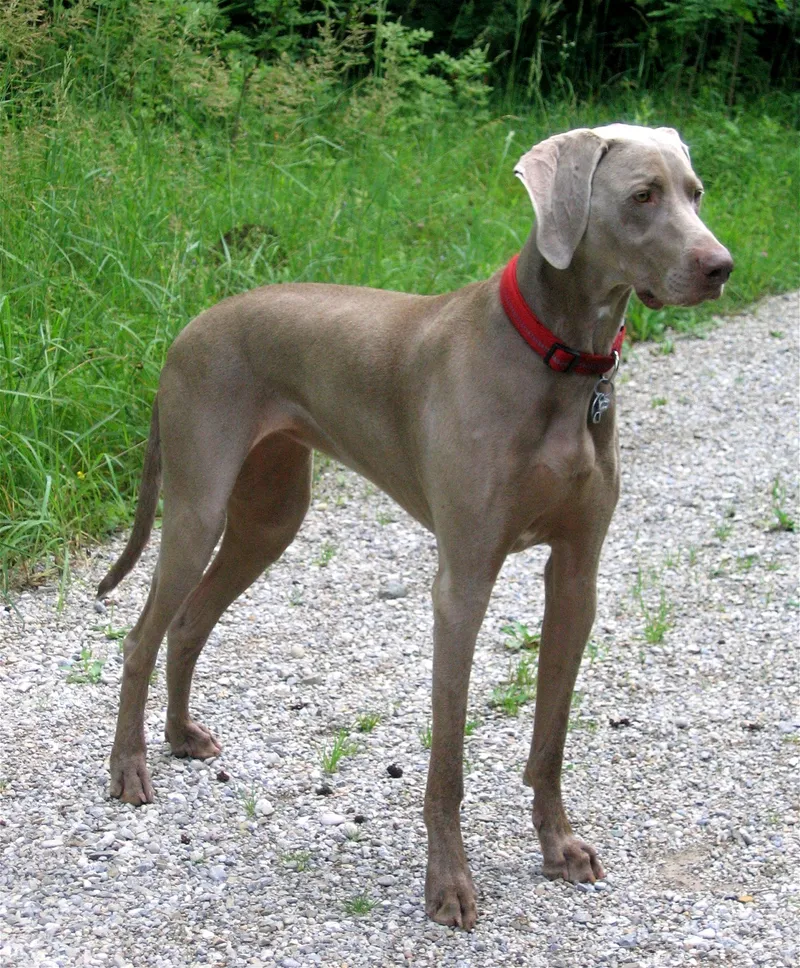
How does a Shiba Inu compare with Vizsla and Weimaraner?
A Shiba Inu is not interchangeable with Vizsla and Weimaraner. Compare origin, size, lifespan and temperament before you choose — those four lines prevent most regret.
| Dog fact | Shiba Inu | Vizsla | Weimaraner |
|---|---|---|---|
| Origin | Japan | Hungary | Germany |
| Size | Small (8–11 kg) | Medium (20–30 kg) | Large (25–40 kg) |
| Lifespan | 10–14 years | 10–14 years | 10–14 years |
| Temperament | Independent, alert, clean | Affectionate, energetic, gentle | Energetic, intelligent, loyal |
What is the verdict on the Shiba Inu?
Choose a Shiba Inu only if the care, skip-if and health sections still look like your life after a week of thinking. Otherwise pick a different dog or wait. Rescue is usually the better first door than a waiting-list puppy or kitten.
If the match is real, budget for 10–14 years of vet care and do not skip health screening. If it is not, walking away is the kind choice — for you and for the animal.
Every dog deserves a chance
Whatever breed steals your heart, millions of dogs around the world have no home at all. A symbolic adoption or a gift to WARN funds humane care for street and community dogs — vaccination, neutering and emergency treatment.