Dog Breed · France
Basset Hound
Short legs, long ears, and a world-class nose for scent trailing.
By WARN Research & Conservation TeamLast updated
In brief
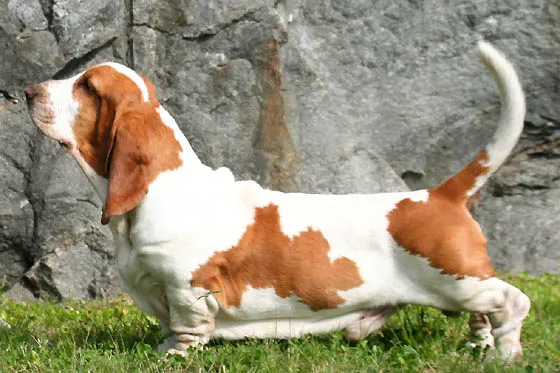
The Basset Hound is a short-legged French scent hound bred to trail hares at a walking pace, recognised worldwide by its long ears, droopy eyes and deep, baying voice. Beneath the comical looks sits a heavy-boned, powerful dog with one of the keenest noses in the canine world, second only to the Bloodhound.
What are the key facts about a Basset Hound?
The Basset Hound is a dog breed from France: medium (20–29 kg), easygoing, stubborn, friendly. Short legs, long ears, and a world-class nose for scent trailing.
| Origin | France |
|---|---|
| Size | Medium (20–29 kg) |
| Weight | 20-29 kg (44-64 lb) |
| Lifespan | 10–14 years |
| Coat | Short, dense, hard and weather-resistant coat that lies close to the body, usually in tricolour (black, tan and white) or lemon and white. Despite the short hair it sheds steadily year-round, so a weekly rub with a hound mitt or bristle brush keeps loose hair down. The long ears and deep facial folds need regular cleaning and drying to prevent infection, and the breed has a noticeably 'houndy' odour that occasional bathing manages. |
| Temperament | Easygoing, stubborn, friendly |
| Good with | A wonderfully patient, easy-going family dog that tolerates children and rubs along well with other dogs and pets, reflecting its pack-hound heritage. It suits relaxed households and even flats, provided it gets a daily walk, but its stubborn streak and nose-led independence make training slow, so first-time owners need patience and good humour. Off-lead recall is unreliable once a scent takes hold, and the deep bay can carry far. |
Is a Basset Hound a good dog for you?
A Basset Hound is a good dog when your home matches a wonderfully patient, easy-going family dog that tolerates children and rubs along well with other dogs and pets, reflecting its pack-hound heritage. it suits relaxed households and even flats, provided it gets a daily walk, but its stubborn streak and nose-led independence make training slow, so first-time owners need patience and good humour. off-lead recall is unreliable once a scent takes hold, and the deep bay can carry far.. It is a easygoing, stubborn, friendly medium (20–29 kg) breed from France.
Short legs, long ears, and a world-class nose for scent trailing. That one-line pitch is not a care plan. Factor grooming (Short, dense, hard and weather-resistant coat that lies close to the body, usually in tricolour (black, tan and white) or lemon and white. Despite the short hair it sheds steadily year-round, so a weekly rub with a hound mitt or bristle brush keeps loose hair down. The long ears and deep facial folds need regular cleaning and drying to prevent infection, and the breed has a noticeably 'houndy' odour that occasional bathing manages.), typical adult size (20-29 kg (44-64 lb)), and the health issues listed below before you pay a deposit.
Meet adults of the breed, not only puppies or kittens, and prefer rescue or health-screened homes. A Basset Hound that looks right in a photo can still be the wrong animal for a small flat, a full-time office job, or a household that wanted a low-energy companion.
What is a Basset Hound?
Short legs, long ears, and a world-class nose for scent trailing. Origin is France; coat or markings are described as Short, dense, hard and weather-resistant coat that lies close to the body, usually in tricolour (black, tan and white) or lemon and white. Despite the short hair it sheds steadily year-round, so a weekly rub with a hound mitt or bristle brush keeps loose hair down. The long ears and deep facial folds need regular cleaning and drying to prevent infection, and the breed has a noticeably 'houndy' odour that occasional bathing manages..
Kennel and registry labels describe a type. Individual Basset Hounds still vary, and rescue animals may be mixes.
Where does the Basset Hound come from?
Basset Hounds come from France. The Basset Hound was developed in France, where 'bas' means low, by friars and hunters who wanted a slow, short-legged scent hound that could be followed on foot rather than horseback while tracking hare and rabbit.
They descend from older French hounds, with the St Hubert (Bloodhound) line contributing to their tracking ability, and were refined in both France and Britain during the 19th century. British breeders, including those associated with Lord Galway and Sir Everett Millais, helped standardise the modern type after the breed appeared at English shows in the 1870s. The breed later gained huge popular affection through advertising and cartoons, cementing its image as the soulful, long-eared hound.
How much care does a Basset Hound need?
Plan 10–14 years of food, vet care, grooming and time. A Basset Hound is medium (20–29 kg) (20-29 kg (44-64 lb)) from France, with coat care described as short, dense, hard and weather-resistant coat that lies close to the body, usually in tricolour (black, tan and white) or lemon and white. despite the short hair it sheds steadily year-round, so a weekly rub with a hound mitt or bristle brush keeps loose hair down. the long ears and deep facial folds need regular cleaning and drying to prevent infection, and the breed has a noticeably 'houndy' odour that occasional bathing manages..
Match daily exercise to the easygoing, stubborn, friendly temperament rather than to Instagram.
Grooming follows the coat, not a generic clip: Short, dense, hard and weather-resistant coat that lies close to the body, usually in tricolour (black, tan and white) or lemon and white. Despite the short hair it sheds steadily year-round, so a weekly rub with a hound mitt or bristle brush keeps loose hair down. The long ears and deep facial folds need regular cleaning and drying to prevent infection, and the breed has a noticeably 'houndy' odour that occasional bathing manages.. Keep the animal lean; extra weight is a joint and heart tax, especially in a medium dog.
Budget for unexpected vet bills. The health section below is why “cheap to buy” is not the same as cheap to keep.
What surprises people about the Basset Hound?
A few details about the breed, alongside the practical care information in this guide.
- Its ears are not just for show: the long flaps sweep ground scent upward toward the nose, while the loose facial folds trap and hold odour particles as the dog trails.
- The Basset's nose is among the most powerful of any breed, carrying roughly 220 million scent receptors and ranking just behind the Bloodhound for tracking ability.
- Despite standing only about 33-38 cm tall, a Basset is surprisingly heavy and dense, often weighing as much as dogs that stand far taller.
- Because they are so heavy-bodied and short-legged, many Bassets are poor swimmers and can struggle to keep their long frame afloat, so water needs supervision.
What health issues should you know about in a Basset Hound?
Health concerns to discuss with your vet, including changes to watch for and everyday care. This is general guidance, not veterinary advice — always speak to your vet.
Ear infections
Ear infections can occur in this breed and may need veterinary monitoring.
Care: Discuss prevention and treatment with your vet.
Obesity
Excess weight strains joints and organs and shortens lifespan.
Care: Measure meals, limit treats, and maintain daily exercise appropriate for the breed.
Intervertebral disc disease (IVDD)
Disc material presses on the spinal cord, causing back pain or paralysis in long-backed breeds.
Care: Prevent jumping from heights, maintain healthy weight, and treat back pain as an emergency if legs fail.
Who should skip a Basset Hound?
Skip a Basset Hound if you are first-time owners hoping the animal will train itself. This France dog is medium (20–29 kg) and easygoing, stubborn, friendly — the mismatch is usually lifestyle, not a missing accessory.
This page is allowed to say no. Skip if you are first-time owners hoping the animal will train itself.
A different dog breed on this site may fit. Wanting “a Basset Hound” after a film or a colour photo is not a reason to ignore the skip list.
What are the hidden catches with a Basset Hound?
The hidden cost of a Basset Hound is usually not the purchase price. It is years of care, the health list on this page, and the mismatch between a easygoing, stubborn, friendly animal and a busy home.
The impulse-buy catch
A Basset Hound from France is often sold on looks. Coat, colour and size are not a temperament test. Meet the adult animal, ask about health screening, and walk away from pressure sales.
The ear infections catch
Ear infections can occur in this breed and may need veterinary monitoring. Discuss prevention and treatment with your vet.
The obesity catch
Excess weight strains joints and organs and shortens lifespan. Measure meals, limit treats, and maintain daily exercise appropriate for the breed.
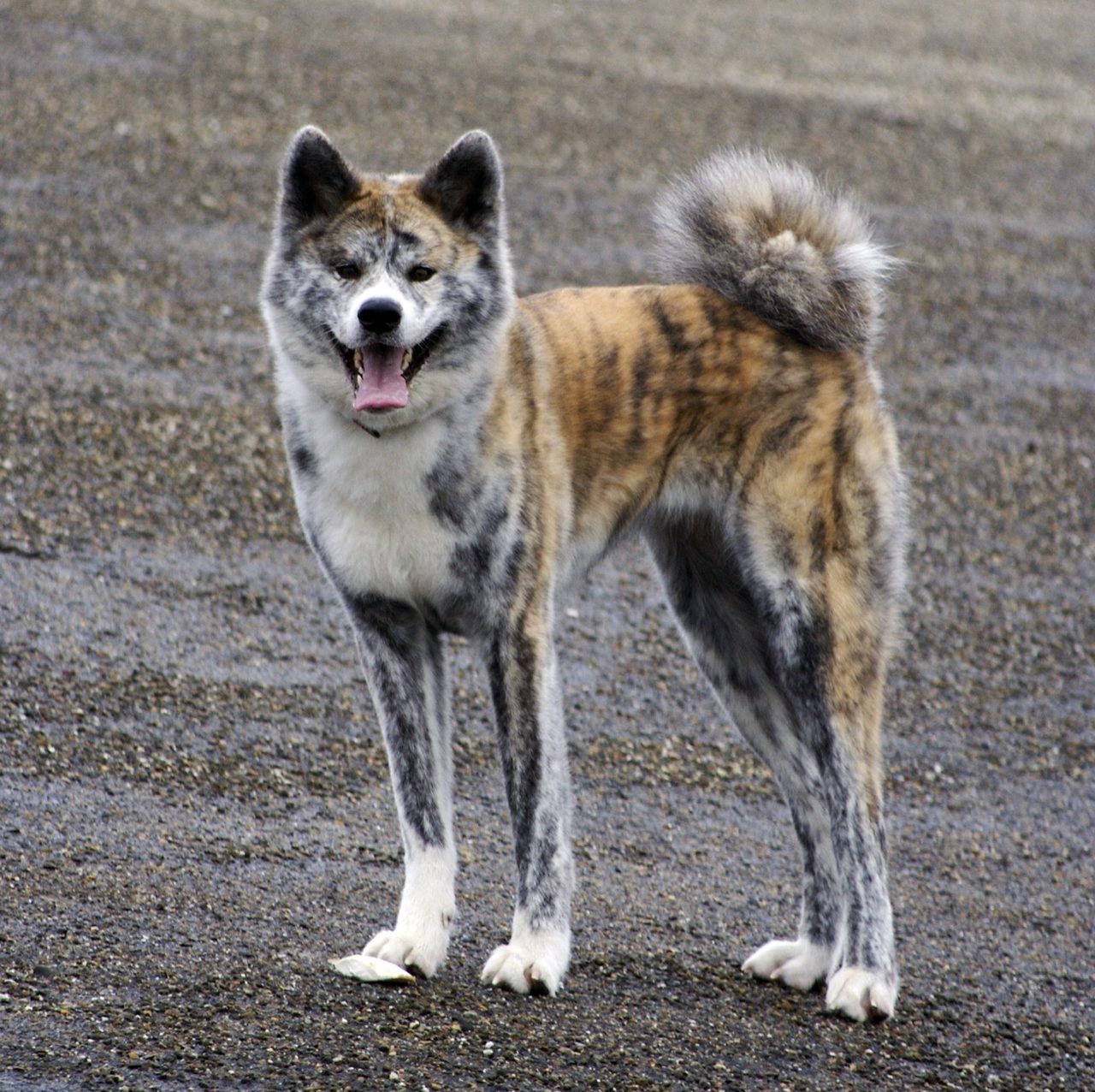
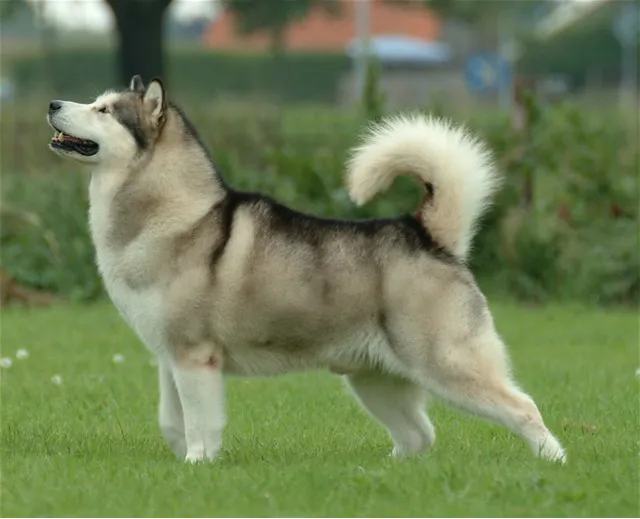
How does a Basset Hound compare with Akita and Alaskan Malamute?
A Basset Hound is not interchangeable with Akita and Alaskan Malamute. Compare origin, size, lifespan and temperament before you choose — those four lines prevent most regret.
| Dog fact | Basset Hound | Akita | Alaskan Malamute |
|---|---|---|---|
| Origin | France | Japan | United States (Alaska) |
| Size | Medium (20–29 kg) | Large (32–59 kg) | Large (34–45 kg) |
| Lifespan | 10–14 years | 10–14 years | 10–14 years |
| Temperament | Easygoing, stubborn, friendly | Loyal, dignified, reserved | Affectionate, strong, playful |
What is the verdict on the Basset Hound?
Choose a Basset Hound only if the care, skip-if and health sections still look like your life after a week of thinking. Otherwise pick a different dog or wait. Rescue is usually the better first door than a waiting-list puppy or kitten.
If the match is real, budget for 10–14 years of vet care and do not skip health screening. If it is not, walking away is the kind choice — for you and for the animal.
Every dog deserves a chance
Whatever breed steals your heart, millions of dogs around the world have no home at all. A symbolic adoption or a gift to WARN funds humane care for street and community dogs — vaccination, neutering and emergency treatment.