Animal Comparison
Hyena vs Dog
Hyenas are feliform carnivores closer to cats than to dogs; dogs are canids. Sloping backs and bone-crushing habits mark hyenas despite a dog-like outline.
By WARN Research & Conservation TeamLast updated
In brief — Hyena vs Dog
Dog-like outline but feliform ancestry means hyena; true canid family means dog — closer to wolves than to hyenas.
Hyenas look dog-like at a glance but belong among feliform carnivores — the branch that includes cats and mongooses — not among canids. Dogs (and wolves, foxes, coyotes) are caniform carnivores. Hyenas often show a sloping back, powerful bone-crushing jaws and complex social systems, especially in spotted hyenas. The resemblance to dogs is convergent outline, not shared family.
See the difference
Images are shown at different scales. Read each caption for the species, source and context.
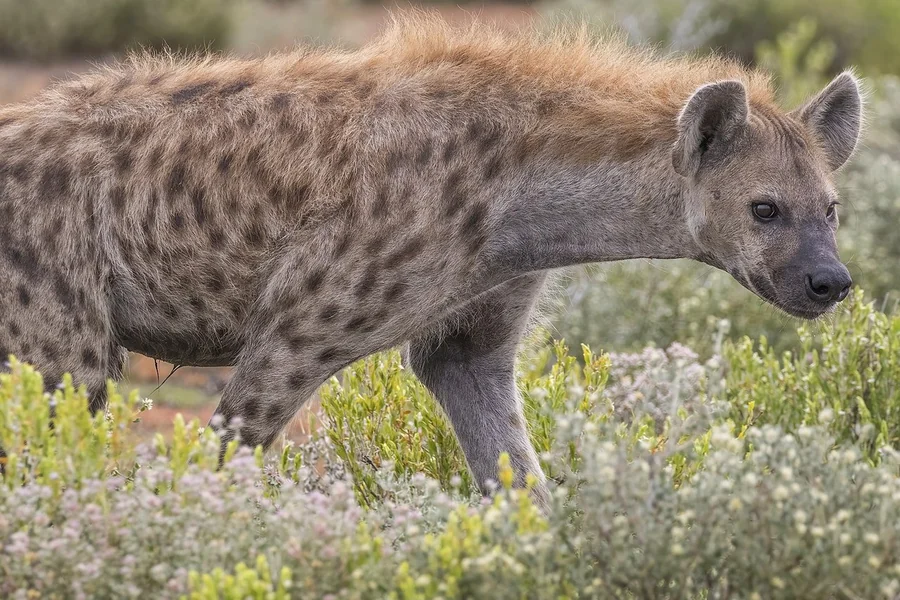
Hyena — feliform carnivore
AI-generated educational wildlife portrait — World Animal Rescue Network
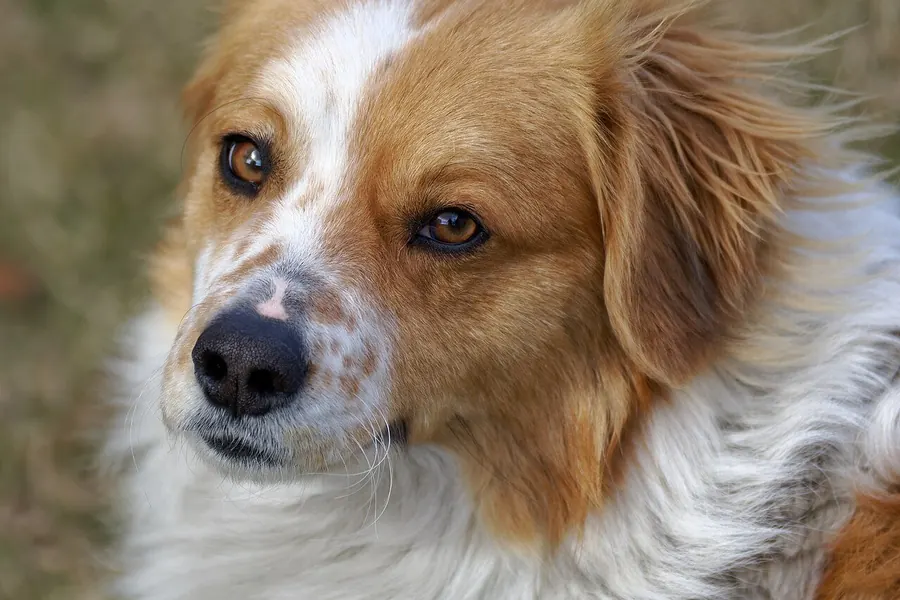
Dog — caniform domestic/wild dog
AI-generated educational wildlife portrait — World Animal Rescue Network
Hyena vs Dog: At a Glance
| Feature | Hyena | Dog |
|---|---|---|
| Carnivore branch | Feliform | Caniform (canid) |
| Closer relatives | Toward mongooses/cats clade | Wolves, foxes, coyotes |
| Back line | Often sloping (shoulders high) | Varies; wolves more level |
| Jaws/teeth | Bone-processing power famous in spotted | Shearing carnassials; breed variation |
| Social life | Spotted: large clans, complex ranks | Packs in wolves; dogs vary |
| Whoop calls | Spotted hyena famous whoops | Barks/howls (canid) |
| Scavenging myth | Also active hunters | Dogs: human-shaped diets |
| Species count feel | Few living hyena species | One domestic species; many wild canids |
| Continents | Africa / parts of Asia | Global with humans; wild canids varied |
| Are hyenas dogs? | No | Dogs are canids |
Size and physical differences
Spotted hyenas are large carnivores often in a roughly 40–70 kg adult range; domestic dogs vary from tiny to huge, so compare wild canids carefully rather than “any dog.”
Hyena versus dog is a phylogeny shock for anyone who grew up ranking animals by silhouette. A spotted hyena’s muzzle and ears can read as canine, yet molecular and anatomical evidence place hyenas with feliforms. Domestic dogs (Canis familiaris / Canis lupus familiaris in common usage) descend from wolf-like canids. Treating hyenas as “ugly dogs” or failed wolves misreads both lineages.
Build details help once the family tree is clear. Many hyenas show higher shoulders than hips, giving a sloping back. Their cheek teeth and jaws are adapted for processing carcasses, including bone. Dogs vary endlessly through domestication, which is why this page contrasts hyenas with the canid idea rather than every breed.
This comparison sticks to marks you can use without laboratory gear: size, shape, behaviour and the words people actually type into a search box. Scientific names are given where they prevent a regional mix-up. Where a popular belief is wrong, the correction leads; where two animals are simply different, the decisive field mark leads. Ranges and masses are given as working bands from standard natural-history references, not as courtroom measurements for every individual.
Correction first: closer to cats than to dogs
Feliform versus caniform is the teaching split inside Carnivora. Hyenas sit on the feliform side despite the meme silhouette. That does not mean a hyena is a type of cat; it means the last common ancestry with cats is closer than with dogs. Family Hyaenidae is its own group. The correction stops people from filing hyenas under “wild dog” in their heads. Use more than one mark before you decide — single-trait IDs fail on juveniles, regional forms and poor light. In practice, people meet these animals in brief glances. Slow down long enough to check the two or three marks in the table above before accepting the first common name that comes to mind. Mislabeling spreads through photos and social posts faster than corrections do, which is why a short, checkable comparison page earns its keep. When experts disagree on subspecies or English names, the underlying biology — diet, body plan, reproductive cycle — remains the stable part of the answer.
Sloping back and forequarter power
Spotted and striped hyenas often show a distinctive downhill topline from shoulder to hip. Forequarters look powerful relative to the hind end. Domestic dogs can be bred into odd proportions, so use wild canids like wolves as the mental comparison for “true dog family” outlines. Front-heavy hyena carriage is a useful field hint in documentaries and reserves. Geography matters: the same English names attach to different species on different continents, and range often settles an argument faster than colour. In practice, people meet these animals in brief glances. Slow down long enough to check the two or three marks in the table above before accepting the first common name that comes to mind. Mislabeling spreads through photos and social posts faster than corrections do, which is why a short, checkable comparison page earns its keep. When experts disagree on subspecies or English names, the underlying biology — diet, body plan, reproductive cycle — remains the stable part of the answer.
Bone, whoops and hunting
Spotted hyenas are accomplished hunters as well as scavengers; the scavenger-only stereotype undersells them. Their jaws and digestive tolerance for bone are famous. Dogs under human care eat what people provide; wild canids hunt and scavenge opportunistically. Behaviour myths should not override the taxonomy point this page centres on. Behaviour at the moment of observation — feeding, escape, nesting — is evidence, not a personality story about the whole species. In practice, people meet these animals in brief glances. Slow down long enough to check the two or three marks in the table above before accepting the first common name that comes to mind. Mislabeling spreads through photos and social posts faster than corrections do, which is why a short, checkable comparison page earns its keep. When experts disagree on subspecies or English names, the underlying biology — diet, body plan, reproductive cycle — remains the stable part of the answer.
Social systems differ in texture
Spotted hyena clans have matrilineal complexity that fascinates behavioural biologists. Domestic dog sociality is filtered through humans. Comparing “pack” language across both without nuance creates false sameness. Interesting, yes; proof they are dogs, no. Conservation status is assessed taxon by taxon; a group label like 'wasp' or 'antelope' is not an IUCN status. In practice, people meet these animals in brief glances. Slow down long enough to check the two or three marks in the table above before accepting the first common name that comes to mind. Mislabeling spreads through photos and social posts faster than corrections do, which is why a short, checkable comparison page earns its keep. When experts disagree on subspecies or English names, the underlying biology — diet, body plan, reproductive cycle — remains the stable part of the answer.
Aardwolf aside
The aardwolf is a hyena relative specialised on termites, looking less dog-like in ecological role. Mentioning it helps show Hyaenidae is not a single personality. Still none of them become canids by outline alone. If you are managing conflict with people or pets, identify first, then choose a proportionate response; misidentification wastes effort and can harm the wrong animal. In practice, people meet these animals in brief glances. Slow down long enough to check the two or three marks in the table above before accepting the first common name that comes to mind. Mislabeling spreads through photos and social posts faster than corrections do, which is why a short, checkable comparison page earns its keep. When experts disagree on subspecies or English names, the underlying biology — diet, body plan, reproductive cycle — remains the stable part of the answer.
Did you know?
A spotted hyena’s whoop carries across a night savanna — dramatic, memorable and still not a dog’s howl in evolutionary terms.
Hyena vs Dog: FAQs
Are hyenas dogs?
Why do hyenas look like dogs?
Is a hyena a type of cat?
Do hyenas only scavenge?
Which is bigger?
Are hyenas related to dogs at all?
Help protect animals
Learning about animals can help more people understand their needs. WARN raises funds for eligible animal-welfare organisations. Read the relevant appeal’s purpose, recipient status and fund terms, or share this free guide to raise awareness.