Dog Breed · Germany
Doberman Pinscher
An elegant guard breed that is devoted to family when trained and socialised consistently.
By WARN Research & Conservation TeamLast updated
In brief
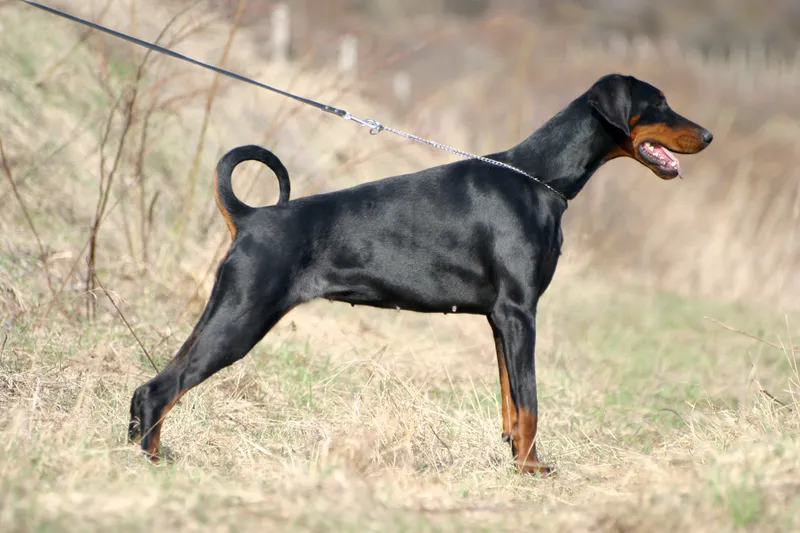
The Doberman Pinscher is a large, athletic German working breed prized for its alertness, loyalty and trainability. Sleek and powerful, it bonds intensely with its family and excels as a personal protection, police and sport dog when given consistent leadership and early socialisation.
What are the key facts about a Doberman Pinscher?
The Doberman Pinscher is a dog breed from Germany: large (32–45 kg), alert, loyal, intelligent. An elegant guard breed that is devoted to family when trained and socialised consistently.
| Origin | Germany |
|---|---|
| Size | Large (32–45 kg) |
| Weight | 32-45 kg (70-100 lb) |
| Lifespan | 10–14 years |
| Coat | Short, smooth, hard and close-lying with a glossy sheen and very little undercoat. Grooming is minimal: a weekly rub with a rubber mitt or bristle brush keeps shedding (which is light to moderate) in check, and baths are only needed occasionally. The thin coat offers little cold protection, so a coat is wise in winter. |
| Temperament | Alert, loyal, intelligent |
| Good with | Best suited to active, experienced owners who can commit to daily exercise, training and companionship; Dobermans crave being part of the household and dislike isolation. Well-bred, well-socialised dogs are gentle and protective with children, though their size suits homes with space rather than small flats. They need firm, fair guidance and benefit from early socialisation around other dogs and pets. |
Is a Doberman Pinscher a good dog for you?
A Doberman Pinscher is a good dog when your home matches best suited to active, experienced owners who can commit to daily exercise, training and companionship; dobermans crave being part of the household and dislike isolation. well-bred, well-socialised dogs are gentle and protective with children, though their size suits homes with space rather than small flats. they need firm, fair guidance and benefit from early socialisation around other dogs and pets.. It is a alert, loyal, intelligent large (32–45 kg) breed from Germany.
An elegant guard breed that is devoted to family when trained and socialised consistently. That one-line pitch is not a care plan. Factor grooming (Short, smooth, hard and close-lying with a glossy sheen and very little undercoat. Grooming is minimal: a weekly rub with a rubber mitt or bristle brush keeps shedding (which is light to moderate) in check, and baths are only needed occasionally. The thin coat offers little cold protection, so a coat is wise in winter.), typical adult size (32-45 kg (70-100 lb)), and the health issues listed below before you pay a deposit.
Meet adults of the breed, not only puppies or kittens, and prefer rescue or health-screened homes. A Doberman Pinscher that looks right in a photo can still be the wrong animal for a small flat, a full-time office job, or a household that wanted a low-energy companion.
What is a Doberman Pinscher?
An elegant guard breed that is devoted to family when trained and socialised consistently. Origin is Germany; coat or markings are described as Short, smooth, hard and close-lying with a glossy sheen and very little undercoat. Grooming is minimal: a weekly rub with a rubber mitt or bristle brush keeps shedding (which is light to moderate) in check, and baths are only needed occasionally. The thin coat offers little cold protection, so a coat is wise in winter..
Kennel and registry labels describe a type. Individual Doberman Pinschers still vary, and rescue animals may be mixes.
Where does the Doberman Pinscher come from?
Doberman Pinschers come from Germany. The breed was created in the 1890s by Karl Friedrich Louis Dobermann, a tax collector and part-time dog catcher in Apolda, Germany, who wanted a loyal, intimidating dog to accompany him on dangerous rounds.
He blended several breeds thought to include the old German Pinscher, Rottweiler, Weimaraner and possibly the Manchester Terrier and Greyhound to produce a fast, fearless guardian. Otto Goeller refined the breed and helped found the first Doberman club, and the dogs quickly gained fame in police and military service. They were officially recognised in Germany in 1900 and spread rapidly to the United States and beyond.
How much care does a Doberman Pinscher need?
Plan 10–14 years of food, vet care, grooming and time. A Doberman Pinscher is large (32–45 kg) (32-45 kg (70-100 lb)) from Germany, with coat care described as short, smooth, hard and close-lying with a glossy sheen and very little undercoat. grooming is minimal: a weekly rub with a rubber mitt or bristle brush keeps shedding (which is light to moderate) in check, and baths are only needed occasionally. the thin coat offers little cold protection, so a coat is wise in winter..
This temperament does not thrive on a 20-minute walk and eight hours alone.
Grooming follows the coat, not a generic clip: Short, smooth, hard and close-lying with a glossy sheen and very little undercoat. Grooming is minimal: a weekly rub with a rubber mitt or bristle brush keeps shedding (which is light to moderate) in check, and baths are only needed occasionally. The thin coat offers little cold protection, so a coat is wise in winter.. Keep the animal lean; extra weight is a joint and heart tax, especially in a large dog.
Budget for unexpected vet bills. The health section below is why “cheap to buy” is not the same as cheap to keep.
What surprises people about the Doberman Pinscher?
A few details about the breed, alongside the practical care information in this guide.
- The breed is named after its creator, tax collector Louis Dobermann, making it one of the few breeds named after a single identifiable person.
- A Doberman named Kurt became the first canine casualty in the 1944 Battle of Guam; the 'War Dog Cemetery' there honours 25 Dobermans who served as US Marine sentries and scouts.
- Modern Dobermans are often left with natural, floppy ears and full tails, as the traditional cropping and docking are now banned or discouraged across the UK, Europe and Australia.
- Despite a fierce reputation, the Doberman ranks among the top five most intelligent dog breeds for working and obedience trainability in Stanley Coren's research.
What health issues should you know about in a Doberman Pinscher?
Health concerns to discuss with your vet, including changes to watch for and everyday care. This is general guidance, not veterinary advice — always speak to your vet.
Dilated cardiomyopathy
Dilated cardiomyopathy can occur in this breed and may need veterinary monitoring.
Care: Discuss prevention and treatment with your vet.
Hip dysplasia
An inherited malformation of the hip joint that can cause stiffness, lameness, or arthritis as the dog ages.
Care: Keep dogs lean, choose health-screened parents, and seek vet advice for pain management or surgery if needed.
Von Willebrand disease
Von Willebrand disease can occur in this breed and may need veterinary monitoring.
Care: Discuss prevention and treatment with your vet.
Who should skip a Doberman Pinscher?
Skip a Doberman Pinscher if you are owners who wanted a low-exercise companion. This Germany dog is large (32–45 kg) and alert, loyal, intelligent — the mismatch is usually lifestyle, not a missing accessory.
This page is allowed to say no. Skip if you are owners who wanted a low-exercise companion.
A different dog breed on this site may fit. Wanting “a Doberman Pinscher” after a film or a colour photo is not a reason to ignore the skip list.
What are the hidden catches with a Doberman Pinscher?
The hidden cost of a Doberman Pinscher is usually not the purchase price. It is years of care, the health list on this page, and the mismatch between a alert, loyal, intelligent animal and a busy home.
The impulse-buy catch
A Doberman Pinscher from Germany is often sold on looks. Coat, colour and size are not a temperament test. Meet the adult animal, ask about health screening, and walk away from pressure sales.
The dilated cardiomyopathy catch
Dilated cardiomyopathy can occur in this breed and may need veterinary monitoring. Discuss prevention and treatment with your vet.
The hip dysplasia catch
An inherited malformation of the hip joint that can cause stiffness, lameness, or arthritis as the dog ages. Keep dogs lean, choose health-screened parents, and seek vet advice for pain management or surgery if needed.
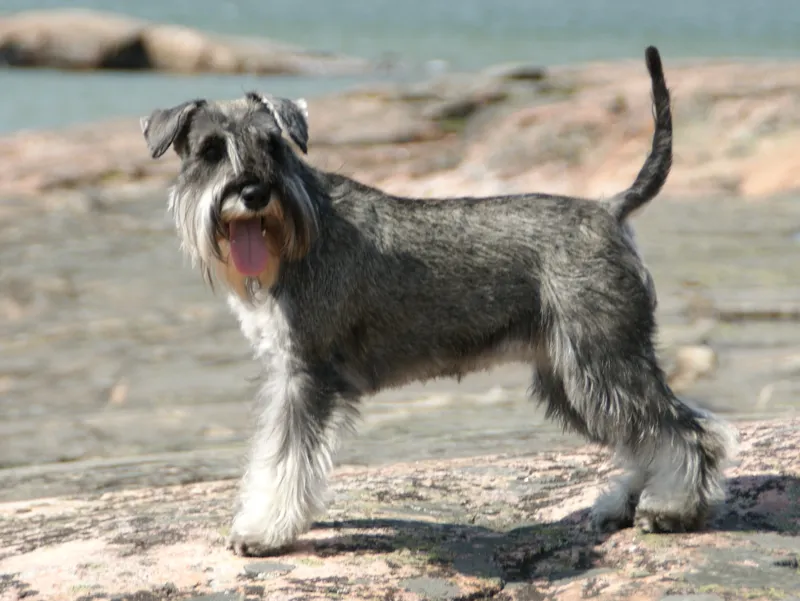
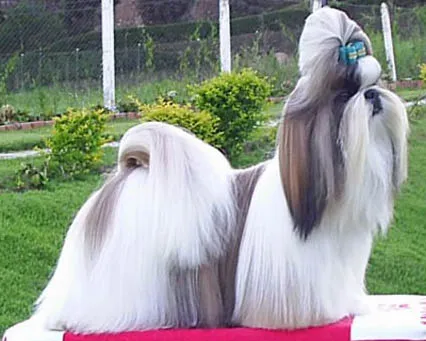
How does a Doberman Pinscher compare with Miniature Schnauzer and Shih Tzu?
A Doberman Pinscher is not interchangeable with Miniature Schnauzer and Shih Tzu. Compare origin, size, lifespan and temperament before you choose — those four lines prevent most regret.
| Dog fact | Doberman Pinscher | Miniature Schnauzer | Shih Tzu |
|---|---|---|---|
| Origin | Germany | Germany | Tibet/China |
| Size | Large (32–45 kg) | Small (5–9 kg) | Small (4–8 kg) |
| Lifespan | 10–14 years | 10–14 years | 10–14 years |
| Temperament | Alert, loyal, intelligent | Spirited, friendly, alert | Affectionate, playful, charming |
What is the verdict on the Doberman Pinscher?
Choose a Doberman Pinscher only if the care, skip-if and health sections still look like your life after a week of thinking. Otherwise pick a different dog or wait. Rescue is usually the better first door than a waiting-list puppy or kitten.
If the match is real, budget for 10–14 years of vet care and do not skip health screening. If it is not, walking away is the kind choice — for you and for the animal.
Every dog deserves a chance
Whatever breed steals your heart, millions of dogs around the world have no home at all. A symbolic adoption or a gift to WARN funds humane care for street and community dogs — vaccination, neutering and emergency treatment.