Dog Breed · Germany
Rottweiler
A powerful working breed prized as a guardian and family protector when well trained.
By WARN Research & Conservation TeamLast updated
In brief
The Rottweiler is a large, powerful German working breed bred as a confident guardian and capable family companion. Its defining trait is a calm, self-assured steadiness paired with deep loyalty, making early socialisation and consistent training essential to channel its protective instincts.
What are the key facts about a Rottweiler?
The Rottweiler is a dog breed from Germany: large (35–60 kg), confident, loyal, protective. A powerful working breed prized as a guardian and family protector when well trained.
| Origin | Germany |
|---|---|
| Size | Large (35–60 kg) |
| Weight | 35-60 kg (77-132 lb); females typically 35-48 kg, males 50-60 kg |
| Lifespan | 10–14 years |
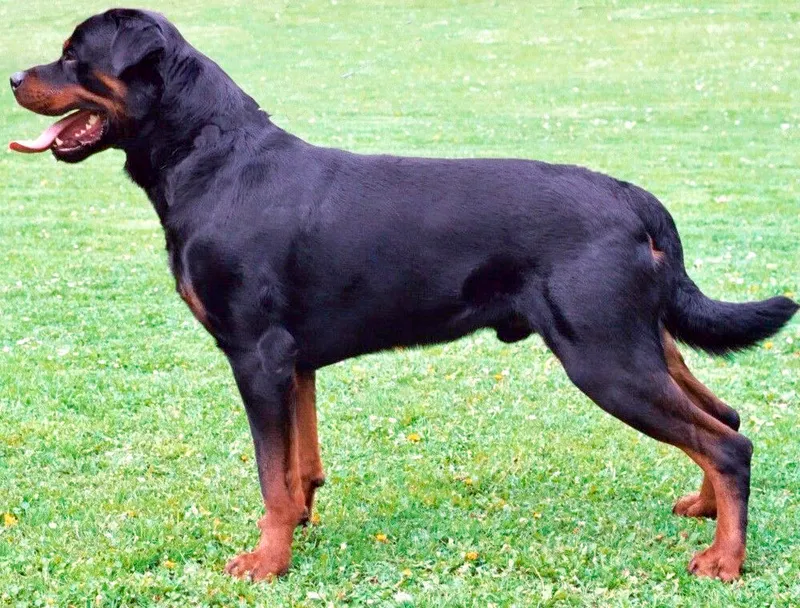
| Coat | A short, dense double coat that is straight and coarse on top with a softer undercoat, always black with clearly defined rust or mahogany markings. Grooming is low-maintenance, but Rottweilers shed moderately year-round and more heavily twice a year, so weekly brushing (and more during seasonal moults) keeps loose hair down. Bathe only occasionally. |
| Temperament | Confident, loyal, protective |
| Good with | Best suited to experienced, confident owners who can commit to firm, reward-based training and thorough socialisation from puppyhood. They can be devoted, gentle family dogs with children they are raised alongside, but their size and strength mean supervision around small children is wise. They need a house with space and a secure garden rather than a small flat, daily vigorous exercise, and careful introductions to other dogs and pets. |
Is a Rottweiler a good dog for you?
A Rottweiler is a good dog when your home matches best suited to experienced, confident owners who can commit to firm, reward-based training and thorough socialisation from puppyhood. they can be devoted, gentle family dogs with children they are raised alongside, but their size and strength mean supervision around small children is wise. they need a house with space and a secure garden rather than a small flat, daily vigorous exercise, and careful introductions to other dogs and pets.. It is a confident, loyal, protective large (35–60 kg) breed from Germany.
A powerful working breed prized as a guardian and family protector when well trained. That one-line pitch is not a care plan. Factor grooming (A short, dense double coat that is straight and coarse on top with a softer undercoat, always black with clearly defined rust or mahogany markings. Grooming is low-maintenance, but Rottweilers shed moderately year-round and more heavily twice a year, so weekly brushing (and more during seasonal moults) keeps loose hair down. Bathe only occasionally.), typical adult size (35-60 kg (77-132 lb); females typically 35-48 kg, males 50-60 kg), and the health issues listed below before you pay a deposit.
Meet adults of the breed, not only puppies or kittens, and prefer rescue or health-screened homes. A Rottweiler that looks right in a photo can still be the wrong animal for a small flat, a full-time office job, or a household that wanted a low-energy companion.
What is a Rottweiler?
A powerful working breed prized as a guardian and family protector when well trained. Origin is Germany; coat or markings are described as A short, dense double coat that is straight and coarse on top with a softer undercoat, always black with clearly defined rust or mahogany markings. Grooming is low-maintenance, but Rottweilers shed moderately year-round and more heavily twice a year, so weekly brushing (and more during seasonal moults) keeps loose hair down. Bathe only occasionally..
Kennel and registry labels describe a type. Individual Rottweilers still vary, and rescue animals may be mixes.
Where does the Rottweiler come from?
Rottweilers come from Germany. The Rottweiler descends from Roman drover dogs that drove and guarded cattle as the legions moved north through Europe.
In the German town of Rottweil they became indispensable to butchers and cattle dealers, droving herds and even carrying money pouches around their necks to market, which earned them the name 'Rottweiler Metzgerhund' (Rottweil butcher's dog). When railways replaced cattle droving in the 19th century the breed nearly vanished, but it was revived in the early 1900s for police, military and guarding work, and the German Rottweiler Club was founded in 1907.
How much care does a Rottweiler need?
Plan 10–14 years of food, vet care, grooming and time. A Rottweiler is large (35–60 kg) (35-60 kg (77-132 lb); females typically 35-48 kg, males 50-60 kg) from Germany, with coat care described as a short, dense double coat that is straight and coarse on top with a softer undercoat, always black with clearly defined rust or mahogany markings. grooming is low-maintenance, but rottweilers shed moderately year-round and more heavily twice a year, so weekly brushing (and more during seasonal moults) keeps loose hair down. bathe only occasionally..
Match daily exercise to the confident, loyal, protective temperament rather than to Instagram.
Grooming follows the coat, not a generic clip: A short, dense double coat that is straight and coarse on top with a softer undercoat, always black with clearly defined rust or mahogany markings. Grooming is low-maintenance, but Rottweilers shed moderately year-round and more heavily twice a year, so weekly brushing (and more during seasonal moults) keeps loose hair down. Bathe only occasionally.. Keep the animal lean; extra weight is a joint and heart tax, especially in a large dog.
Budget for unexpected vet bills. The health section below is why “cheap to buy” is not the same as cheap to keep.
What surprises people about the Rottweiler?
A few details about the breed, alongside the practical care information in this guide.
- Rottweilers were among the very first breeds chosen for formal police-dog work in Germany in the early 1900s.
- Roman armies used their drover ancestors to herd and guard cattle that fed the legions on long marches across the Alps.
- Butchers historically tied their purse of money around the dog's neck because no thief dared approach the Rottweiler guarding it.
- They are a 'leaner' rather than a jumper, often pressing their full body weight against trusted people as a sign of affection.
What health issues should you know about in a Rottweiler?
Health concerns to discuss with your vet, including changes to watch for and everyday care. This is general guidance, not veterinary advice — always speak to your vet.
Hip dysplasia
An inherited malformation of the hip joint that can cause stiffness, lameness, or arthritis as the dog ages.
Care: Keep dogs lean, choose health-screened parents, and seek vet advice for pain management or surgery if needed.
Obesity
Excess weight strains joints and organs and shortens lifespan.
Care: Measure meals, limit treats, and maintain daily exercise appropriate for the breed.
Eye conditions
Breed-related eye problems may include cataracts, progressive retinal atrophy, or cherry eye.
Care: Regular eye checks and prompt vet attention for redness or cloudiness help preserve vision.
Who should skip a Rottweiler?
Skip a Rottweiler if you are first-time owners hoping the animal will train itself. This Germany dog is large (35–60 kg) and confident, loyal, protective — the mismatch is usually lifestyle, not a missing accessory.
This page is allowed to say no. Skip if you are first-time owners hoping the animal will train itself.
A different dog breed on this site may fit. Wanting “a Rottweiler” after a film or a colour photo is not a reason to ignore the skip list.
What are the hidden catches with a Rottweiler?
The hidden cost of a Rottweiler is usually not the purchase price. It is years of care, the health list on this page, and the mismatch between a confident, loyal, protective animal and a busy home.
The impulse-buy catch
A Rottweiler from Germany is often sold on looks. Coat, colour and size are not a temperament test. Meet the adult animal, ask about health screening, and walk away from pressure sales.
The hip dysplasia catch
An inherited malformation of the hip joint that can cause stiffness, lameness, or arthritis as the dog ages. Keep dogs lean, choose health-screened parents, and seek vet advice for pain management or surgery if needed.
The obesity catch
Excess weight strains joints and organs and shortens lifespan. Measure meals, limit treats, and maintain daily exercise appropriate for the breed.
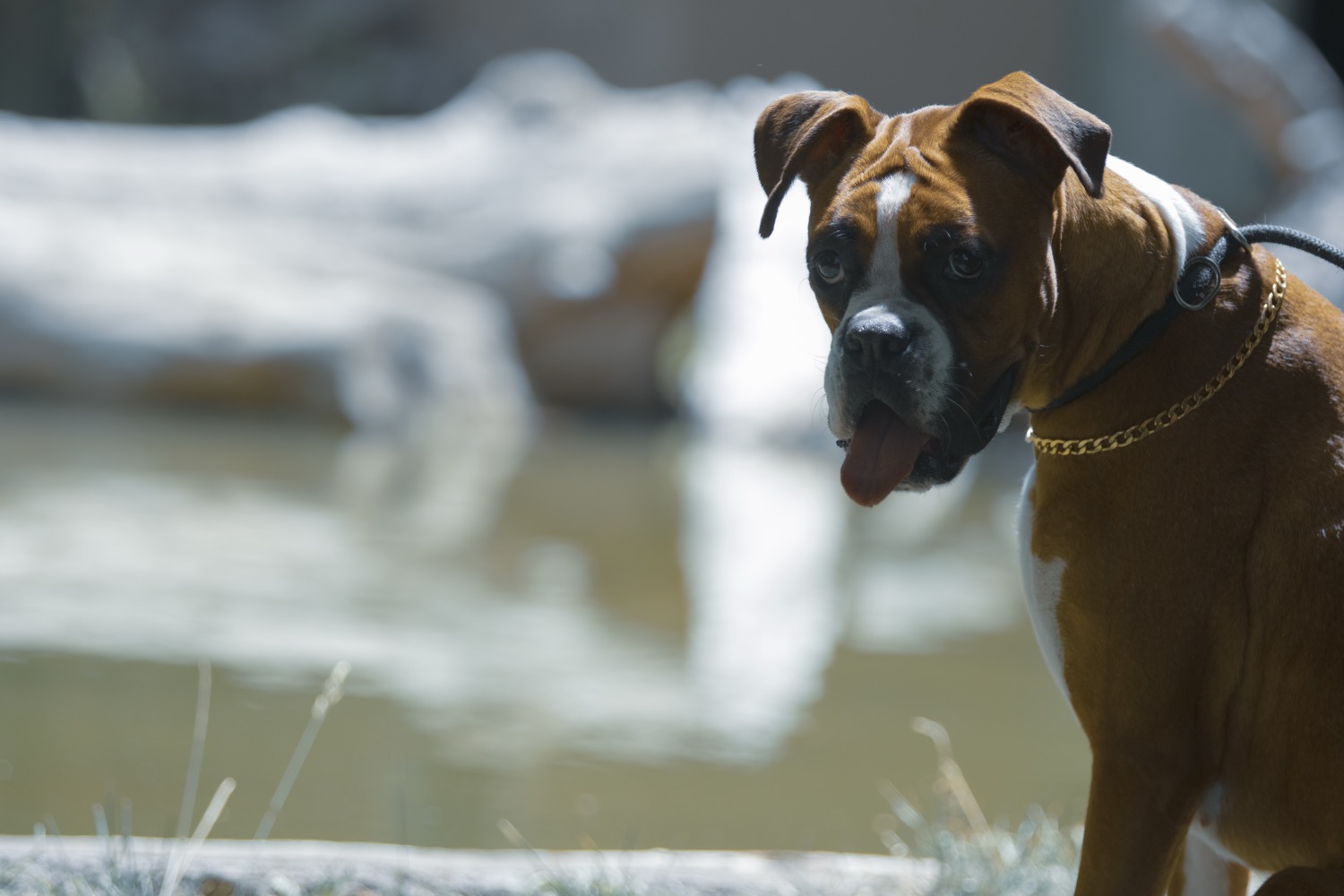
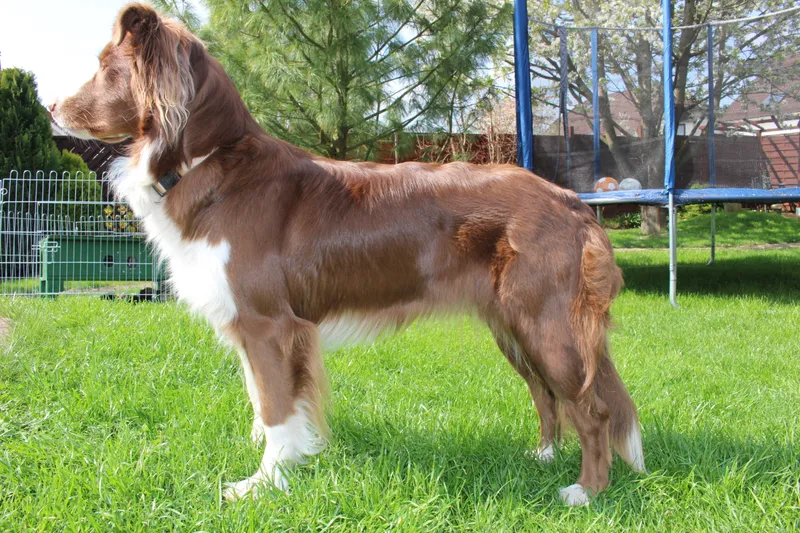
How does a Rottweiler compare with Boxer and Australian Shepherd?
A Rottweiler is not interchangeable with Boxer and Australian Shepherd. Compare origin, size, lifespan and temperament before you choose — those four lines prevent most regret.
| Dog fact | Rottweiler | Boxer | Australian Shepherd |
|---|---|---|---|
| Origin | Germany | Germany | United States |
| Size | Large (35–60 kg) | Large (25–32 kg) | Medium (18–29 kg) |
| Lifespan | 10–14 years | 10–14 years | 10–14 years |
| Temperament | Confident, loyal, protective | Playful, energetic, loyal | Intelligent, energetic, loyal |
What is the verdict on the Rottweiler?
Choose a Rottweiler only if the care, skip-if and health sections still look like your life after a week of thinking. Otherwise pick a different dog or wait. Rescue is usually the better first door than a waiting-list puppy or kitten.
If the match is real, budget for 10–14 years of vet care and do not skip health screening. If it is not, walking away is the kind choice — for you and for the animal.
Every dog deserves a chance
Whatever breed steals your heart, millions of dogs around the world have no home at all. A symbolic adoption or a gift to WARN funds humane care for street and community dogs — vaccination, neutering and emergency treatment.