Dog Breed · England
Beagle
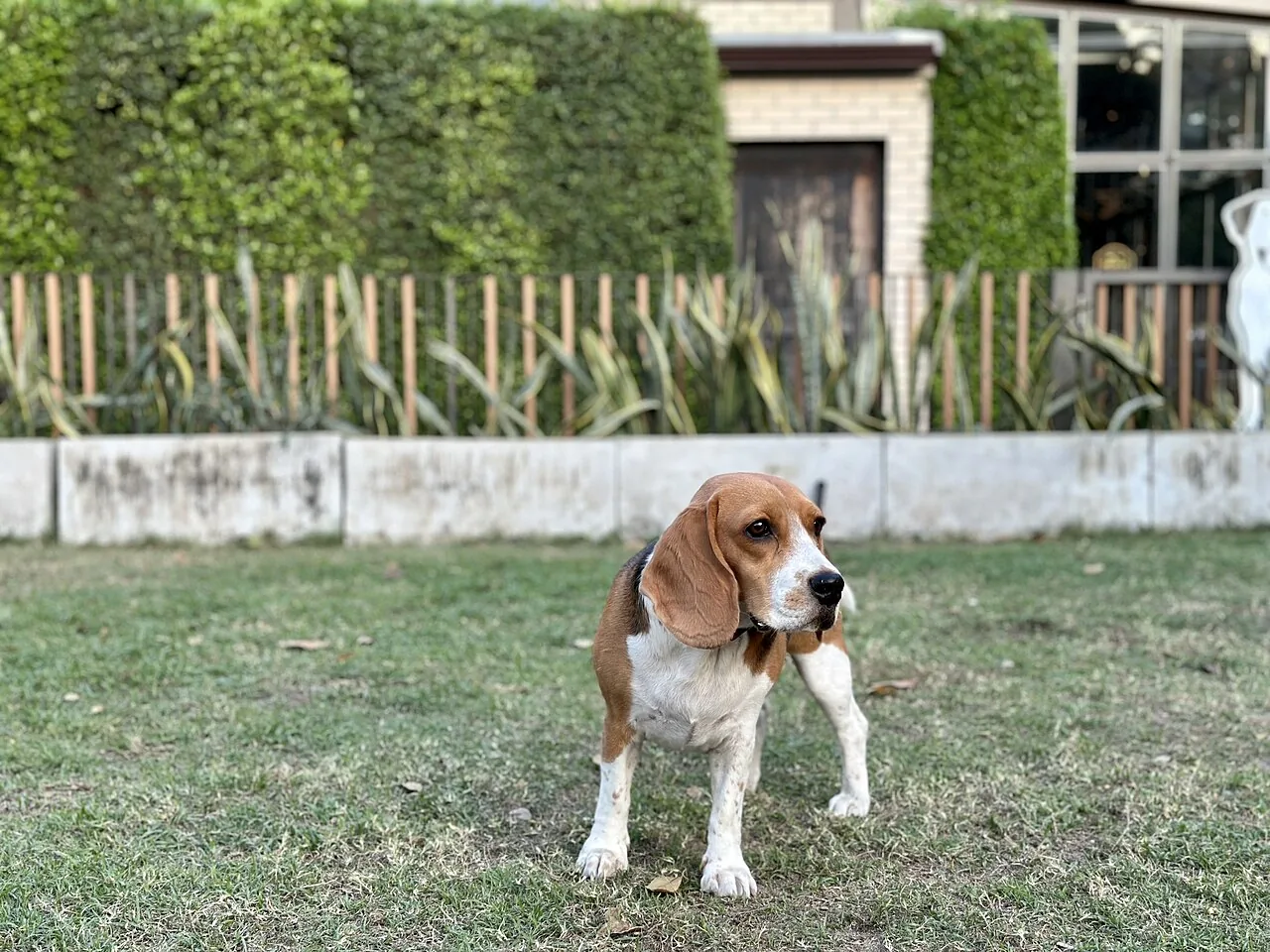
Driven by an extraordinary nose, the cheerful, sociable Beagle is a tireless scent hound and a famously good-natured family dog.
By WARN Research & Conservation TeamLast updated
In brief
The Beagle is a small, merry scent hound from England with an extraordinary sense of smell. Friendly and curious, it makes a cheerful family companion but follows its nose tirelessly, so secure spaces and patient training help.
What are the key facts about a Beagle?
The Beagle is a dog breed from England: small (9–11 kg), merry, curious, friendly. Driven by an extraordinary nose, the cheerful, sociable Beagle is a tireless scent hound and a famously good-natured family dog.
| Origin | England |
|---|---|
| Size | Small (9–11 kg) |
| Weight | 9–11 kg (20–24 lb) |
| Lifespan | 12–15 years |
| Coat | Short dense weatherproof coat; sheds moderately and is easy to groom |
| Temperament | Merry, curious, friendly |
| Good with | Families, children, active homes, multi-dog households |
Is a Beagle a good dog for you?
A Beagle is a good dog when your home matches families, children, active homes, multi-dog households. It is a merry, curious, friendly small (9–11 kg) breed from England.
Driven by an extraordinary nose, the cheerful, sociable Beagle is a tireless scent hound and a famously good-natured family dog. That one-line pitch is not a care plan. Factor grooming (Short dense weatherproof coat; sheds moderately and is easy to groom), typical adult size (9–11 kg (20–24 lb)), and the health issues listed below before you pay a deposit.
Meet adults of the breed, not only puppies or kittens, and prefer rescue or health-screened homes. A Beagle that looks right in a photo can still be the wrong animal for a small flat, a full-time office job, or a household that wanted a low-energy companion.
What is a Beagle?
Driven by an extraordinary nose, the cheerful, sociable Beagle is a tireless scent hound and a famously good-natured family dog. Origin is England; coat or markings are described as Short dense weatherproof coat; sheds moderately and is easy to groom.
Kennel and registry labels describe a type. Individual Beagles still vary, and rescue animals may be mixes.
Where does the Beagle come from?
Beagles come from England. The Beagle's roots trace to England, where small scent hounds were used to hunt hares and rabbits in packs long before the modern breed took shape.
Refined during the 1800s, the Beagle became a favorite of foot hunters who could not keep horses. English settlers and breeders later standardized the friendly, compact hound, and the American Kennel Club recognized it in 1885. Its keen nose and gentle nature now make it both a working detection dog and a popular pet.
How much care does a Beagle need?
Plan 12–15 years of food, vet care, grooming and time. A Beagle is small (9–11 kg) (9–11 kg (20–24 lb)) from England, with coat care described as short dense weatherproof coat; sheds moderately and is easy to groom.
Match daily exercise to the merry, curious, friendly temperament rather than to Instagram.
Grooming follows the coat, not a generic clip: Short dense weatherproof coat; sheds moderately and is easy to groom. Keep the animal lean; extra weight is a joint and heart tax, especially in a small dog.
Budget for unexpected vet bills. The health section below is why “cheap to buy” is not the same as cheap to keep.
What surprises people about the Beagle?
A few details about the breed, alongside the practical care information in this guide.
- Beagles have around 220 million scent receptors, making them superb trackers.
- They are widely used as detection dogs in airports for sniffing out food and contraband.
- Beagles make a distinctive baying howl called a bay.
- The cartoon character Snoopy is a Beagle.
What health issues should you know about in a Beagle?
Health concerns to discuss with your vet, including changes to watch for and everyday care. This is general guidance, not veterinary advice — always speak to your vet.
Obesity
Beagles are very food-motivated and gain weight easily, which can strain their joints and affect overall health.
Care: Measured meals, limited treats, and daily exercise help, and a vet can set a healthy weight target and feeding plan.
Ear infections
Their long, floppy ears trap moisture and can become itchy, red, or smelly.
Care: Routine ear checks and drying after baths help, and a vet can treat infections and recommend safe cleaning.
Epilepsy
Some Beagles can develop seizures, which may appear as sudden trembling, collapse, or disorientation.
Care: A vet can investigate the cause and, where needed, manage seizures with ongoing treatment to reduce their frequency and keep the dog comfortable.
Who should skip a Beagle?
Skip a Beagle if you are homes that cannot match a merry, curious, friendly small (9–11 kg) dog from England. This England dog is small (9–11 kg) and merry, curious, friendly — the mismatch is usually lifestyle, not a missing accessory.
This page is allowed to say no. Skip if you are homes that cannot match a merry, curious, friendly small (9–11 kg) dog from England.
A different dog breed on this site may fit. Wanting “a Beagle” after a film or a colour photo is not a reason to ignore the skip list.
What are the hidden catches with a Beagle?
The hidden cost of a Beagle is usually not the purchase price. It is years of care, the health list on this page, and the mismatch between a merry, curious, friendly animal and a busy home.
The impulse-buy catch
A Beagle from England is often sold on looks. Coat, colour and size are not a temperament test. Meet the adult animal, ask about health screening, and walk away from pressure sales.
The obesity catch
Beagles are very food-motivated and gain weight easily, which can strain their joints and affect overall health. Measured meals, limited treats, and daily exercise help, and a vet can set a healthy weight target and feeding plan.
The ear infections catch
Their long, floppy ears trap moisture and can become itchy, red, or smelly. Routine ear checks and drying after baths help, and a vet can treat infections and recommend safe cleaning.
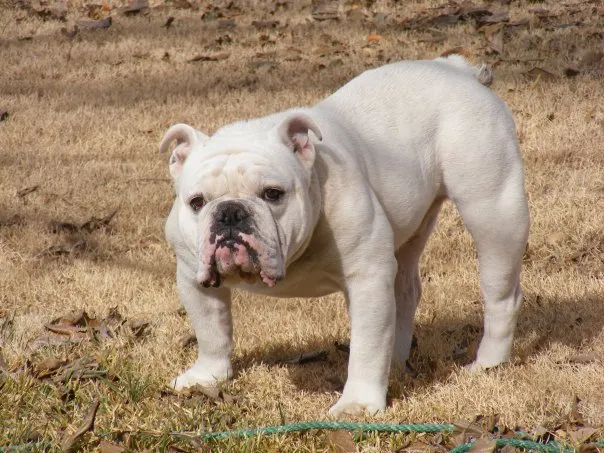
How does a Beagle compare with Dachshund and Bulldog?
A Beagle is not interchangeable with Dachshund and Bulldog. Compare origin, size, lifespan and temperament before you choose — those four lines prevent most regret.
| Dog fact | Beagle | Dachshund | Bulldog |
|---|---|---|---|
| Origin | England | Germany | England |
| Size | Small (9–11 kg) | Small (7–15 kg) | Medium (18–25 kg) |
| Lifespan | 12–15 years | 12–16 years | 8–10 years |
| Temperament | Merry, curious, friendly | Spunky, clever, brave | Calm, courageous, friendly |
What is the verdict on the Beagle?
Choose a Beagle only if the care, skip-if and health sections still look like your life after a week of thinking. Otherwise pick a different dog or wait. Rescue is usually the better first door than a waiting-list puppy or kitten.
If the match is real, budget for 12–15 years of vet care and do not skip health screening. If it is not, walking away is the kind choice — for you and for the animal.
Every dog deserves a chance
Whatever breed steals your heart, millions of dogs around the world have no home at all. A symbolic adoption or a gift to WARN funds humane care for street and community dogs — vaccination, neutering and emergency treatment.