Dog Breed · Germany/Poland
Pomeranian
A fluffy toy descended from large spitz sled dogs — big personality in a tiny package.
By WARN Research & Conservation TeamLast updated
In brief
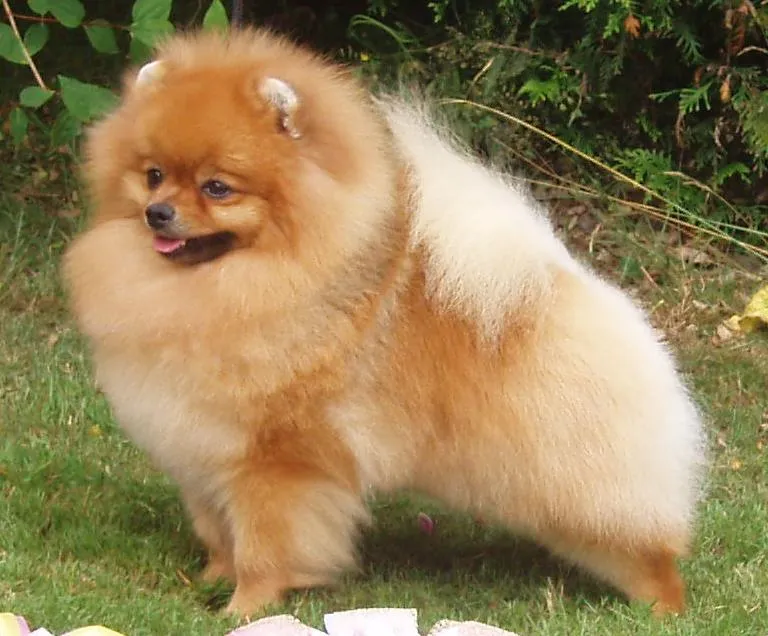
The Pomeranian is a tiny spitz-type toy dog descended from much larger Arctic sled dogs, instantly recognisable by its fox-like face and profuse fluffy coat. Bold, lively and inquisitive, it packs an enormous personality into a small frame and makes a vivacious, alert companion.
What are the key facts about a Pomeranian?
The Pomeranian is a dog breed from Germany/Poland: toy (1.5–3 kg), bold, lively, inquisitive. A fluffy toy descended from large spitz sled dogs — big personality in a tiny package.
| Origin | Germany/Poland |
|---|---|
| Size | Toy (1.5–3 kg) |
| Weight | 1.5-3 kg (3-7 lb) |
| Lifespan | 12–16 years |
| Coat | A thick double coat with a soft, dense undercoat and a long, straight, harsh-textured outer coat that stands off the body, with a distinctive ruff around the neck. Sheds moderately year-round with heavier seasonal moults. Brush two to three times a week to prevent matting; avoid shaving, which can damage regrowth. Occasional baths and light tidying around the feet and rear keep it neat. |
| Temperament | Bold, lively, inquisitive |
| Good with | Well suited to flats and smaller homes, and to first-time owners willing to train and socialise consistently. Affectionate and playful but, being small and delicate, better with older children than toddlers. Can be bold or yappy with larger dogs, so supervision is sensible. Exercise needs are modest — daily short walks and play — but they are smart and enjoy trick training and games. |
Is a Pomeranian a good dog for you?
A Pomeranian is a good dog when your home matches well suited to flats and smaller homes, and to first-time owners willing to train and socialise consistently. affectionate and playful but, being small and delicate, better with older children than toddlers. can be bold or yappy with larger dogs, so supervision is sensible. exercise needs are modest — daily short walks and play — but they are smart and enjoy trick training and games.. It is a bold, lively, inquisitive toy (1.5–3 kg) breed from Germany/Poland.
A fluffy toy descended from large spitz sled dogs — big personality in a tiny package. That one-line pitch is not a care plan. Factor grooming (A thick double coat with a soft, dense undercoat and a long, straight, harsh-textured outer coat that stands off the body, with a distinctive ruff around the neck. Sheds moderately year-round with heavier seasonal moults. Brush two to three times a week to prevent matting; avoid shaving, which can damage regrowth. Occasional baths and light tidying around the feet and rear keep it neat.), typical adult size (1.5-3 kg (3-7 lb)), and the health issues listed below before you pay a deposit.
Meet adults of the breed, not only puppies or kittens, and prefer rescue or health-screened homes. A Pomeranian that looks right in a photo can still be the wrong animal for a small flat, a full-time office job, or a household that wanted a low-energy companion.
What is a Pomeranian?
A fluffy toy descended from large spitz sled dogs — big personality in a tiny package. Origin is Germany/Poland; coat or markings are described as A thick double coat with a soft, dense undercoat and a long, straight, harsh-textured outer coat that stands off the body, with a distinctive ruff around the neck. Sheds moderately year-round with heavier seasonal moults. Brush two to three times a week to prevent matting; avoid shaving, which can damage regrowth. Occasional baths and light tidying around the feet and rear keep it neat..
Kennel and registry labels describe a type. Individual Pomeranians still vary, and rescue animals may be mixes.
Where does the Pomeranian come from?
Pomeranians come from Germany/Poland. The Pomeranian takes its name from Pomerania, a region on the Baltic coast spanning parts of modern Poland and Germany, where larger spitz dogs were bred down in size.
The breed's rise owes much to British royalty: Queen Victoria fell in love with the breed and imported a notably small Pomeranian, sparking a fashion for ever-smaller dogs. Over the 19th century the breed shrank dramatically from around 9 kg working spitz dogs to today's toy size. It remains one of the most popular companion breeds worldwide.
How much care does a Pomeranian need?
Plan 12–16 years of food, vet care, grooming and time. A Pomeranian is toy (1.5–3 kg) (1.5-3 kg (3-7 lb)) from Germany/Poland, with coat care described as a thick double coat with a soft, dense undercoat and a long, straight, harsh-textured outer coat that stands off the body, with a distinctive ruff around the neck. sheds moderately year-round with heavier seasonal moults. brush two to three times a week to prevent matting; avoid shaving, which can damage regrowth. occasional baths and light tidying around the feet and rear keep it neat..
Toy breeds still need daily walks and mental work; they are not ornaments.
Grooming follows the coat, not a generic clip: A thick double coat with a soft, dense undercoat and a long, straight, harsh-textured outer coat that stands off the body, with a distinctive ruff around the neck. Sheds moderately year-round with heavier seasonal moults. Brush two to three times a week to prevent matting; avoid shaving, which can damage regrowth. Occasional baths and light tidying around the feet and rear keep it neat.. Keep the animal lean; extra weight is a joint and heart tax, especially in a toy dog.
Budget for unexpected vet bills. The health section below is why “cheap to buy” is not the same as cheap to keep.
What surprises people about the Pomeranian?
A few details about the breed, alongside the practical care information in this guide.
- Pomeranians descend from large Arctic sled and herding spitz dogs and were bred down to toy size over the 1800s.
- Queen Victoria's love of the breed, and her small dog Marco, drove a Victorian craze for tiny Pomeranians.
- Two Pomeranians were among the very few dogs reported to survive the sinking of the Titanic, carried off in lifeboats.
- Puppies often look quite different from adults, going through a fluffy 'puppy uglies' stage before their full coat develops.
What health issues should you know about in a Pomeranian?
Health concerns to discuss with your vet, including changes to watch for and everyday care. This is general guidance, not veterinary advice — always speak to your vet.
Patellar luxation
The kneecap slips out of place, causing intermittent skipping or lameness.
Care: Mild cases may need weight control only; severe cases can require surgery.
Tracheal collapse
Tracheal collapse can occur in this breed and may need veterinary monitoring.
Care: Discuss prevention and treatment with your vet.
Dental disease
Plaque and tartar build-up leads to gum infection and tooth loss.
Care: Brush teeth regularly and schedule professional dental cleanings as your vet advises.
Who should skip a Pomeranian?
Skip a Pomeranian if you are households with very young children who may handle roughly. This Germany/Poland dog is toy (1.5–3 kg) and bold, lively, inquisitive — the mismatch is usually lifestyle, not a missing accessory.
This page is allowed to say no. Skip if you are households with very young children who may handle roughly.
A different dog breed on this site may fit. Wanting “a Pomeranian” after a film or a colour photo is not a reason to ignore the skip list.
What are the hidden catches with a Pomeranian?
The hidden cost of a Pomeranian is usually not the purchase price. It is years of care, the health list on this page, and the mismatch between a bold, lively, inquisitive animal and a busy home.
The impulse-buy catch
A Pomeranian from Germany/Poland is often sold on looks. Coat, colour and size are not a temperament test. Meet the adult animal, ask about health screening, and walk away from pressure sales.
The patellar luxation catch
The kneecap slips out of place, causing intermittent skipping or lameness. Mild cases may need weight control only; severe cases can require surgery.
The tracheal collapse catch
Tracheal collapse can occur in this breed and may need veterinary monitoring. Discuss prevention and treatment with your vet.
How does a Pomeranian compare with Shiba Inu and Vizsla?
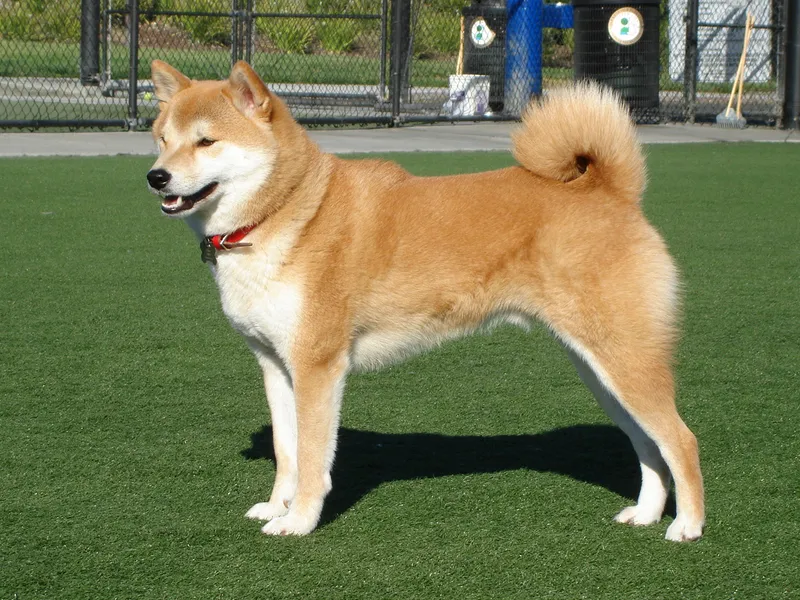
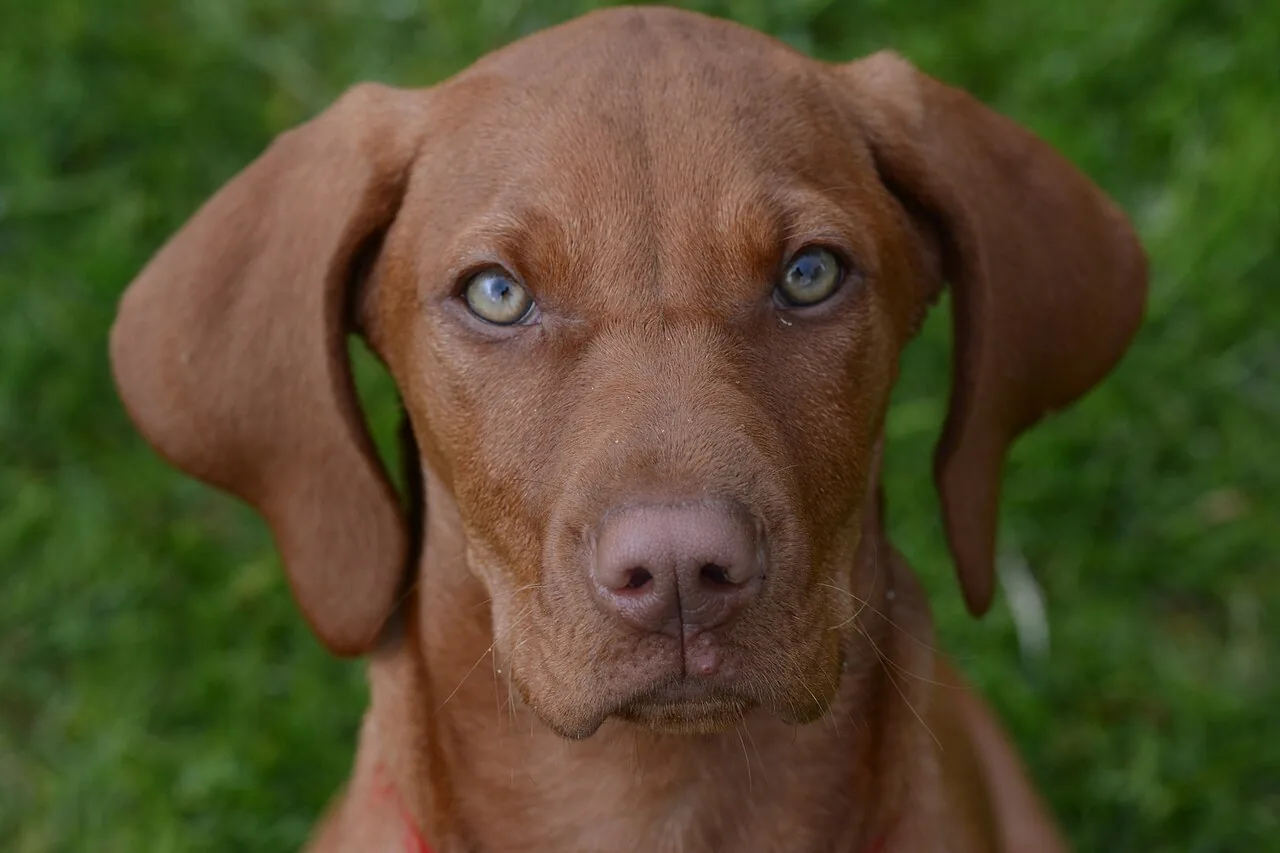
A Pomeranian is not interchangeable with Shiba Inu and Vizsla. Compare origin, size, lifespan and temperament before you choose — those four lines prevent most regret.
| Dog fact | Pomeranian | Shiba Inu | Vizsla |
|---|---|---|---|
| Origin | Germany/Poland | Japan | Hungary |
| Size | Toy (1.5–3 kg) | Small (8–11 kg) | Medium (20–30 kg) |
| Lifespan | 12–16 years | 10–14 years | 10–14 years |
| Temperament | Bold, lively, inquisitive | Independent, alert, clean | Affectionate, energetic, gentle |
What is the verdict on the Pomeranian?
Choose a Pomeranian only if the care, skip-if and health sections still look like your life after a week of thinking. Otherwise pick a different dog or wait. Rescue is usually the better first door than a waiting-list puppy or kitten.
If the match is real, budget for 12–16 years of vet care and do not skip health screening. If it is not, walking away is the kind choice — for you and for the animal.
Every dog deserves a chance
Whatever breed steals your heart, millions of dogs around the world have no home at all. A symbolic adoption or a gift to WARN funds humane care for street and community dogs — vaccination, neutering and emergency treatment.