Dog breeds · Families & children

Best Family Dog Breeds

The breeds most often recommended for families with children are the Labrador Retriever, Golden Retriever, Beagle, Cavalier King Charles Spaniel and Newfoundland — chosen for tolerance, low reactivity and sociability. No breed is automatically safe with children; supervision and training matter more than breed.

How this list was compiled

Editorially selected from the 50 breeds covered in the WARN breed guides, on the basis of tolerance, low reactivity and sociability as recorded in each guide. Ordered by popularity rank. Breed shifts the odds; it does not decide the outcome for any individual dog.

Every list of family dogs carries an implied promise that picking the right breed makes a dog safe around children. It does not. Breed shifts the odds; it does not decide the outcome. Individual temperament, early socialisation, training, and above all supervision do far more.

What breed does tell you is what you are signing up for day to day: how much exercise, how much grooming, how much noise, how much dog. Those are the things that actually determine whether a household copes — and a household that stops coping is how most dogs end up in rescue.

Best Family Dog Breeds at a glance

Breed Size Lifespan Temperament
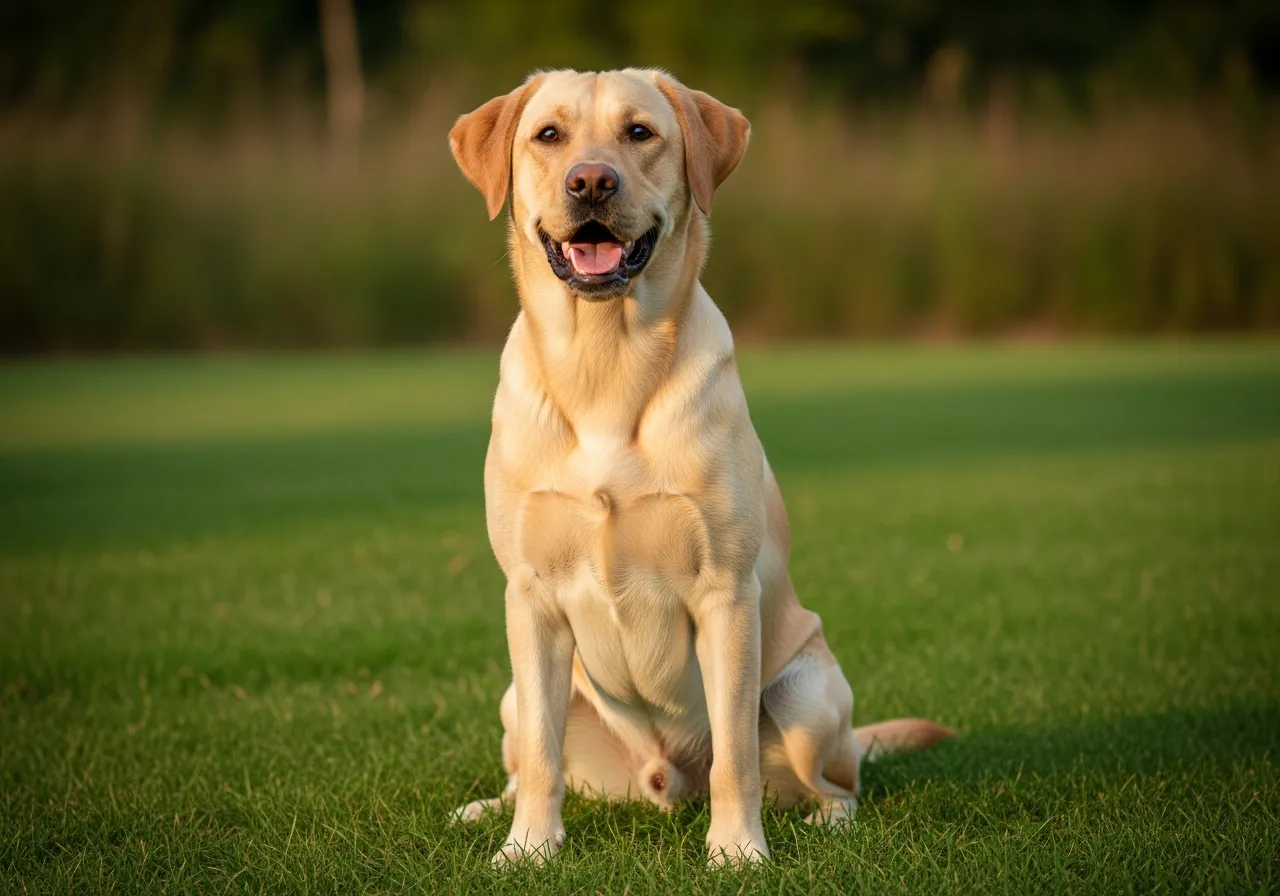
Labrador Retriever Large (25–36 kg) 10–12 years Friendly, outgoing, eager to please
Golden Retriever Large (25–34 kg) 10–12 years Gentle, devoted, playful
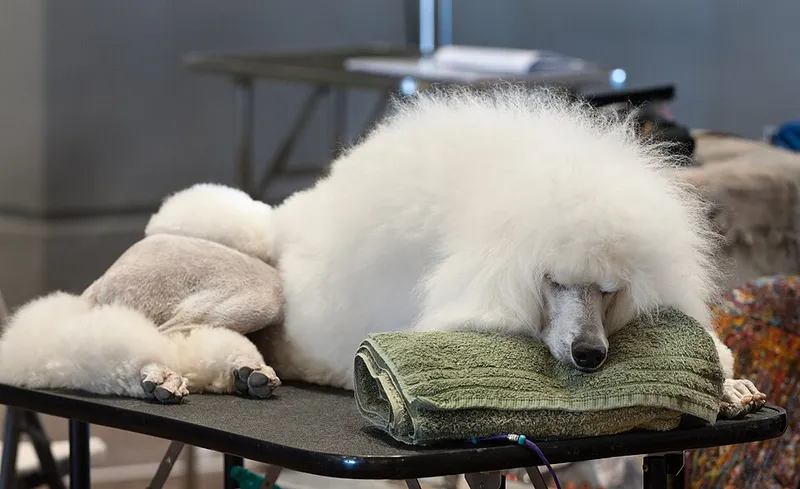
Poodle Toy to Standard (3–32 kg) 12–15 years Intelligent, elegant, eager
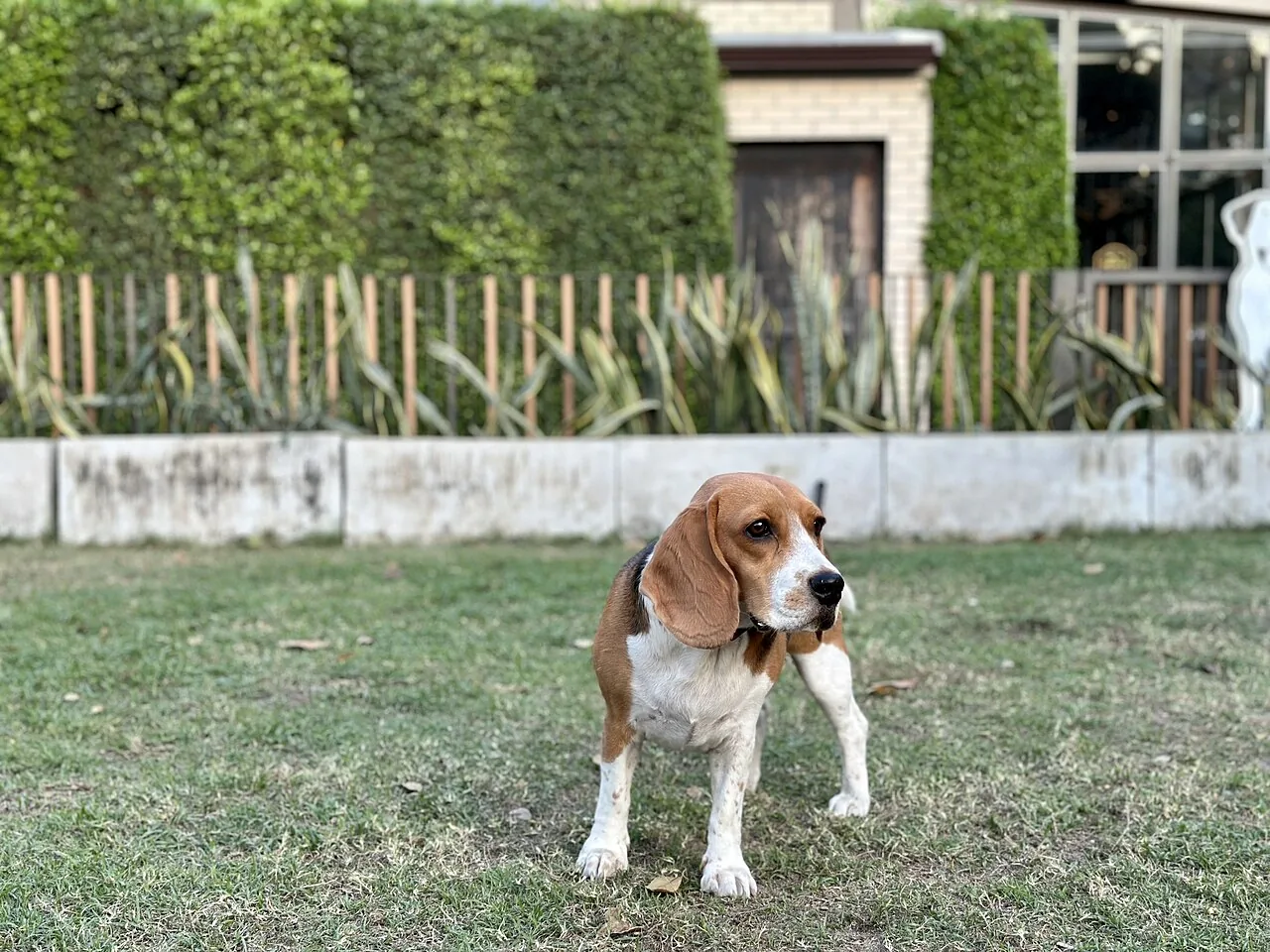
Beagle Small (9–11 kg) 12–15 years Merry, curious, friendly
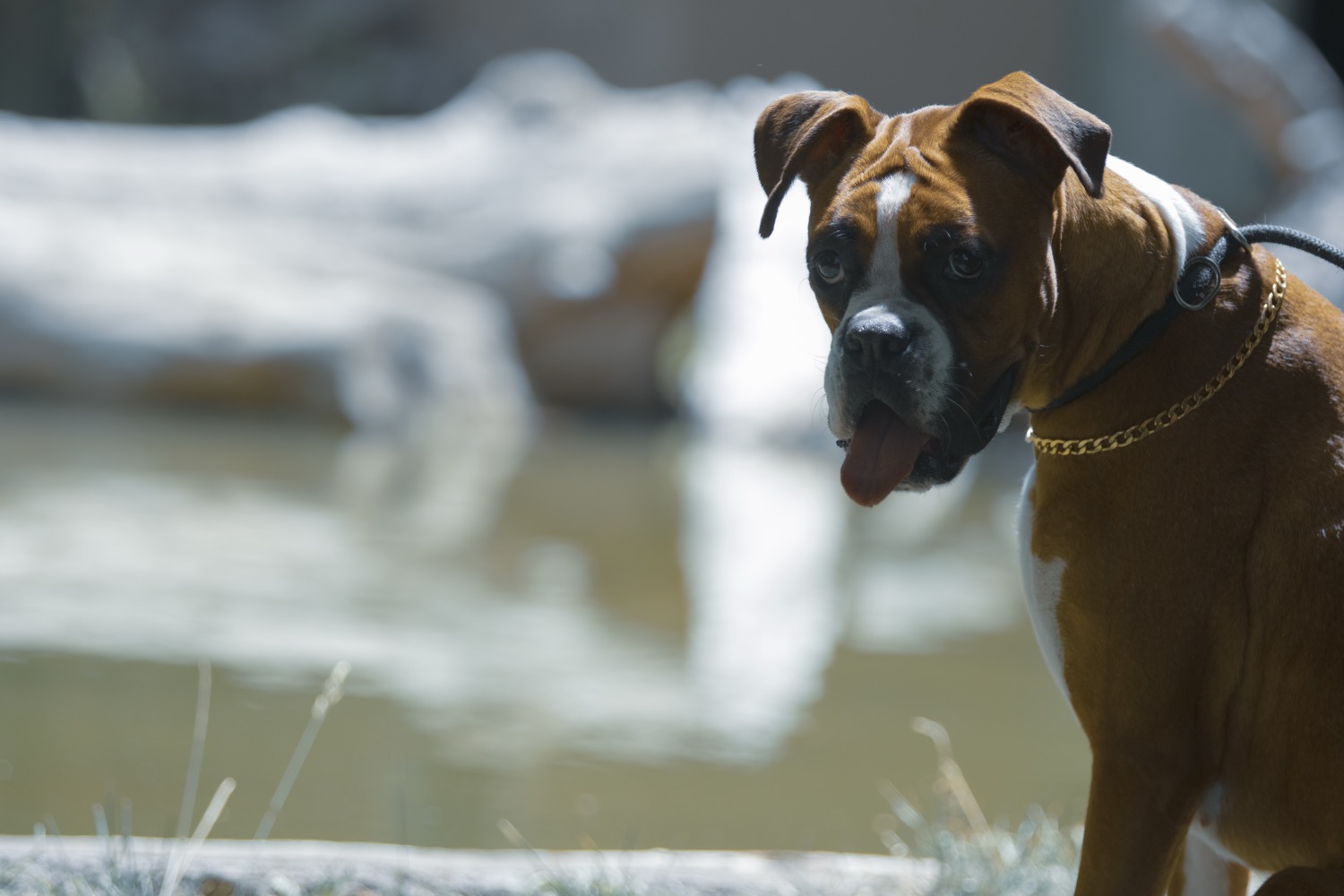
Boxer Large (25–32 kg) 10–14 years Playful, energetic, loyal
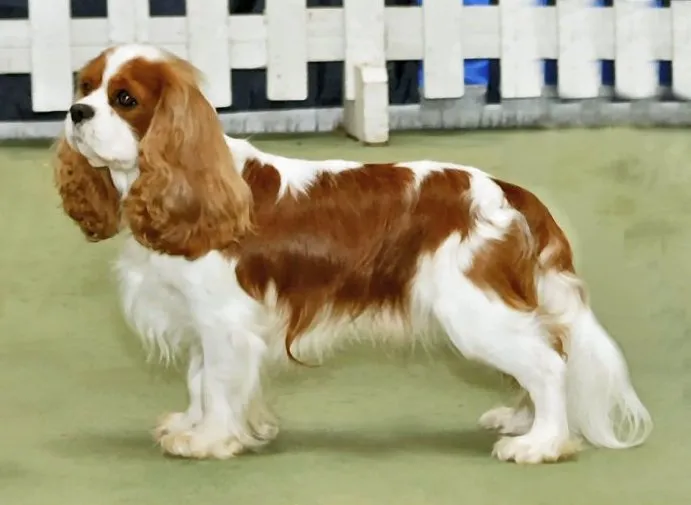
Cavalier King Charles Spaniel Small (6–8 kg) 10–14 years Gentle, affectionate, friendly
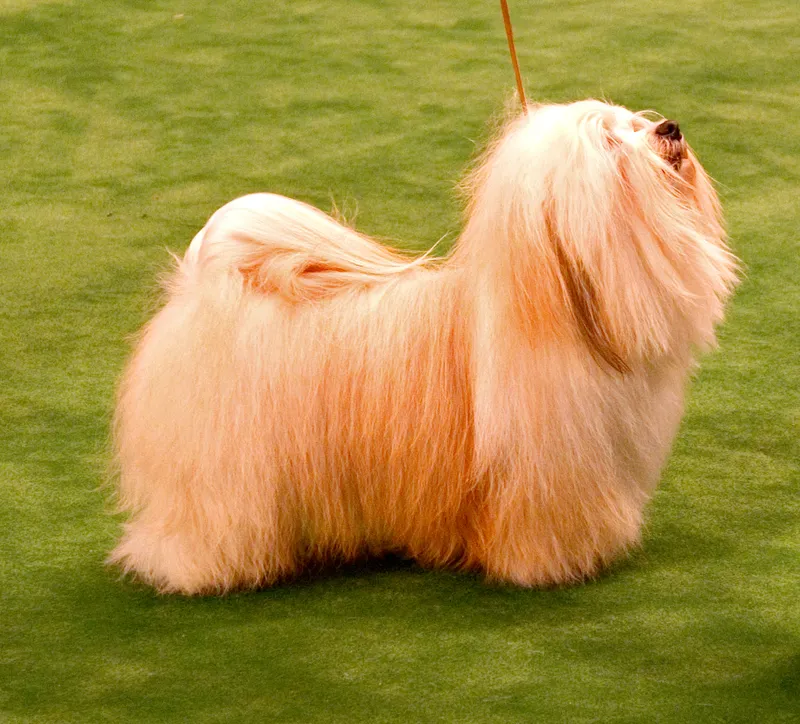
Havanese Small (3–6 kg) 10–14 years Cheerful, social, intelligent
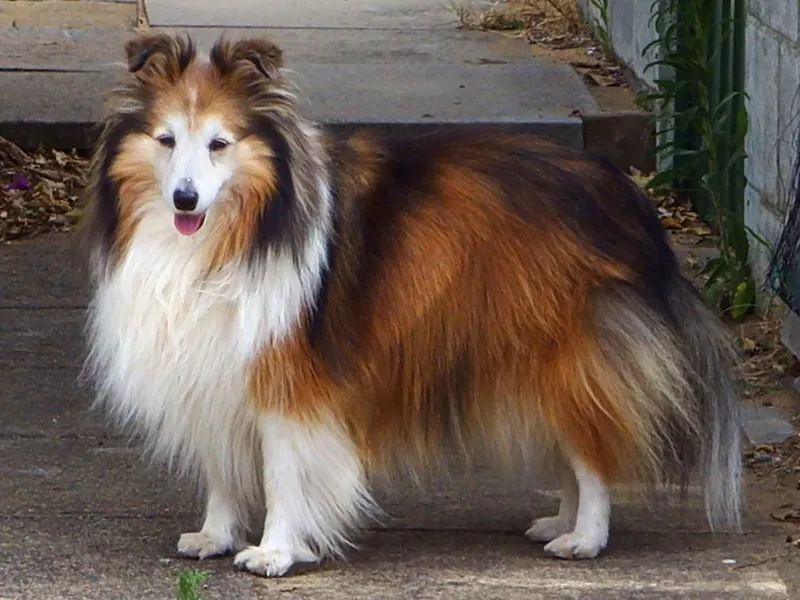
Shetland Sheepdog Small (6–12 kg) 10–14 years Intelligent, loyal, vocal
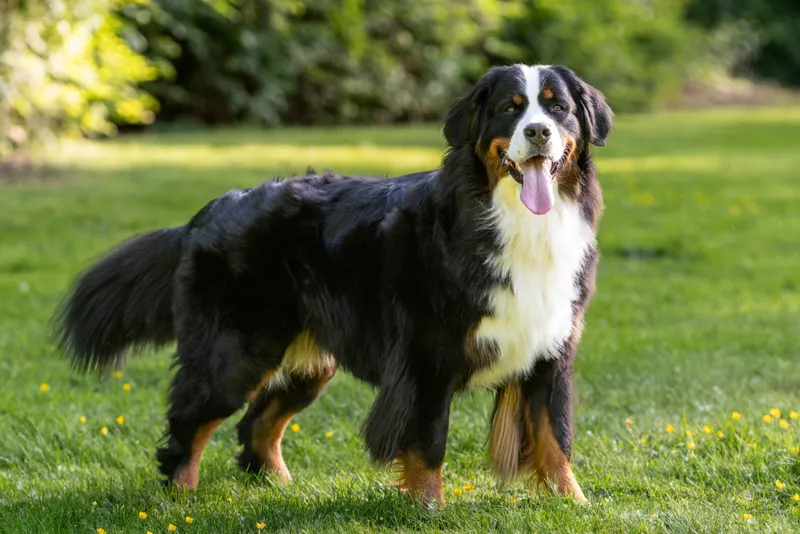
Bernese Mountain Dog Giant (35–55 kg) 8–10 years Gentle, calm, devoted
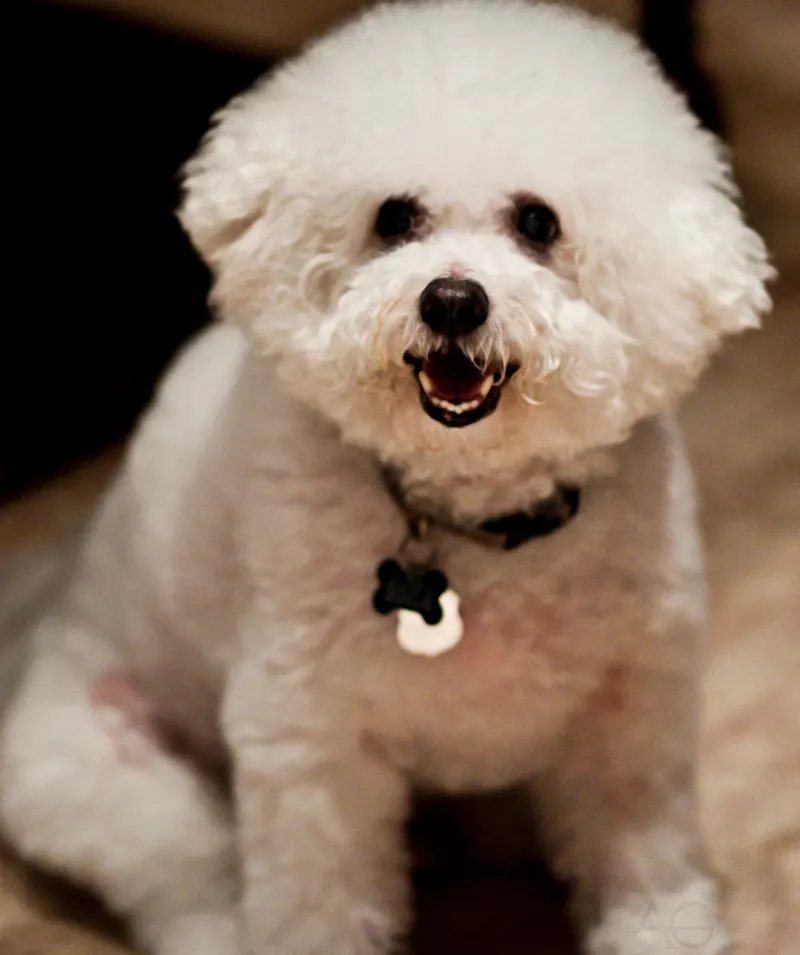
Bichon Frise Small (5–8 kg) 10–14 years Cheerful, playful, social
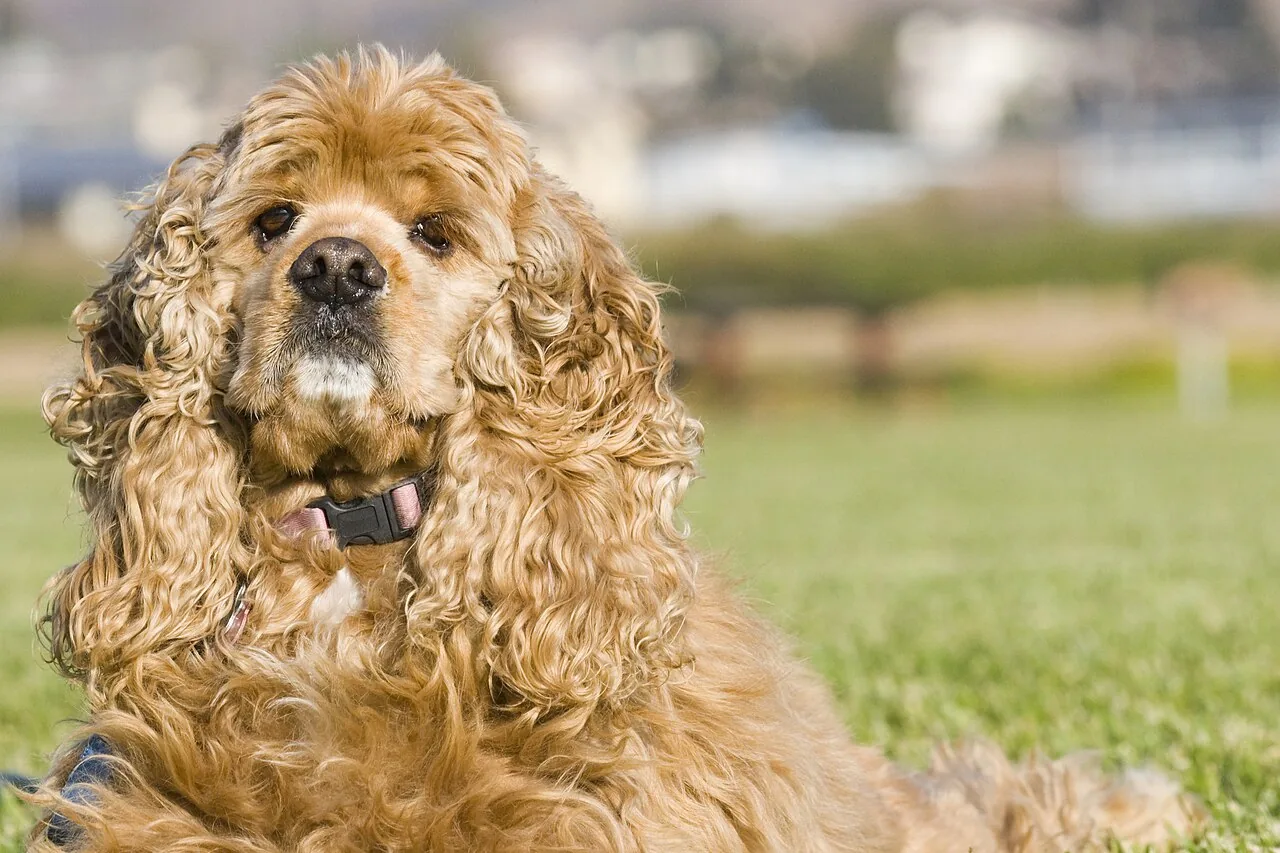
Cocker Spaniel Medium (11–15 kg) 10–14 years Happy, gentle, merry
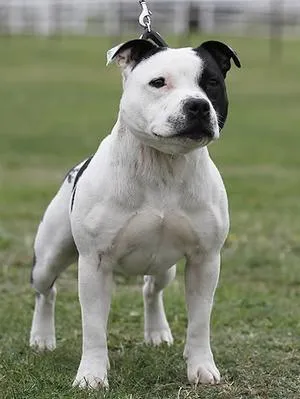
Staffordshire Bull Terrier Medium (11–17 kg) 10–14 years Bold, affectionate, reliable
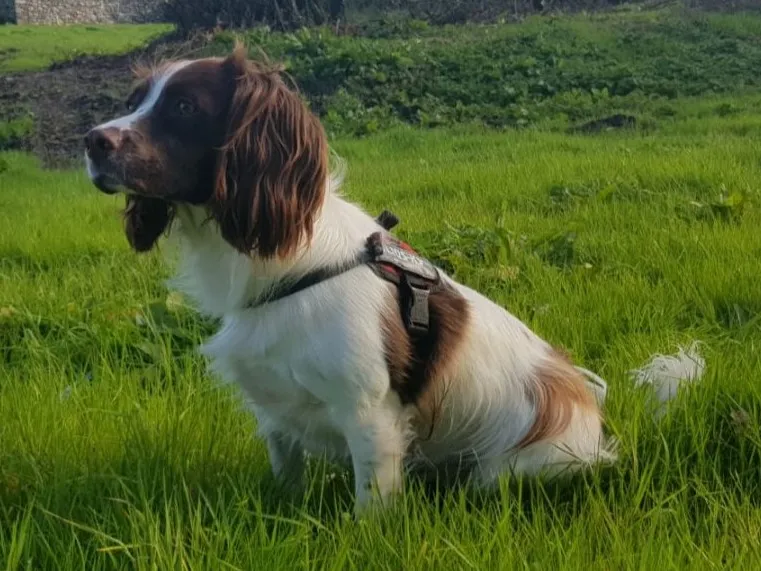
English Springer Spaniel Medium (18–25 kg) 10–14 years Friendly, eager, energetic

Best Family Dog Breeds: full profiles

Each entry covers what the breed was bred for, day-to-day needs, and health problems to watch — with a link to the full guide.

Labrador Retriever — dog breed guide

01 / Canada (Newfoundland)

Labrador Retriever

The Labrador Retriever is a friendly, highly trainable large dog from Newfoundland, beloved as a family companion and working dog. It excels at retrieving, guide and assistance work, and search and rescue thanks to its gentle, eager nature.

Size
Large (25–36 kg)
Lifespan
10–12 years
Temperament
Friendly, outgoing, eager to please
Origin
Canada (Newfoundland)

Coat & grooming — Short dense double coat; sheds seasonally and needs weekly brushing

Suits — Active families, children, first-time owners, working roles

Health to watch for

  • Hip and elbow dysplasia — These inherited joint conditions occur when the hip or elbow forms imperfectly, which can lead to stiffness, limping, or reluctance to exercise as a dog ages.
  • Obesity — Labradors are famously food-motivated and gain weight easily, which can strain their joints and affect overall health.
  • Ear infections — Their floppy ears trap moisture and can become itchy, red, or smelly, especially in dogs that swim often.
Full Labrador Retriever guide
Golden Retriever — dog breed guide

02 / Scotland

Golden Retriever

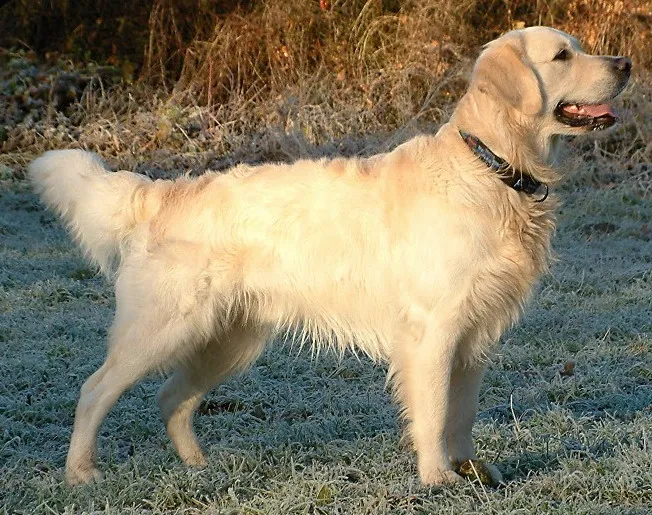
The Golden Retriever is a gentle, devoted large dog from Scotland, famous for its golden feathered coat and kind temperament. It is a favorite family pet and excels as a therapy, assistance, and gundog thanks to its eager, trainable nature.

Size
Large (25–34 kg)
Lifespan
10–12 years
Temperament
Gentle, devoted, playful
Origin
Scotland

Coat & grooming — Medium-length water-repellent double coat with feathering; sheds and needs regular brushing

Suits — Families, children, first-time owners, therapy and assistance work

Health to watch for

  • Higher cancer risk — Golden Retrievers have a higher-than-average lifetime risk of certain cancers, which can show up as new lumps, unusual tiredness, or weight loss.
  • Hip dysplasia — This inherited condition causes the hip joint to form imperfectly, sometimes leading to stiffness or limping over time.
  • Ear infections — Their warm, floppy ears can trap moisture and become itchy or inflamed, particularly in dogs that swim often.
Full Golden Retriever guide
Poodle — dog breed guide

03 / Germany and France

Poodle

The Poodle is a highly intelligent, elegant breed that comes in toy, miniature, and standard sizes. Known for a low-shedding curly coat and exceptional trainability, it suits allergy-conscious owners and excels in obedience and performance.

Size
Toy to Standard (3–32 kg)
Lifespan
12–15 years
Temperament
Intelligent, elegant, eager
Origin
Germany and France

Coat & grooming — Dense curly low-shedding coat; needs regular clipping and grooming

Suits — Allergy-conscious owners, families, active and dog-sport homes

Health to watch for

  • Progressive retinal atrophy — This inherited eye condition gradually reduces vision and can eventually lead to blindness, often first noticed as hesitancy in dim light.
  • Hip dysplasia — More common in Standard Poodles, this joint condition can cause stiffness or limping as the dog ages.
  • Addison's disease — This hormonal condition can cause vague signs such as tiredness, poor appetite, or digestive upset that come and go.
Full Poodle guide
Beagle — dog breed guide

04 / England

Beagle

The Beagle is a small, merry scent hound from England with an extraordinary sense of smell. Friendly and curious, it makes a cheerful family companion but follows its nose tirelessly, so secure spaces and patient training help.

Size
Small (9–11 kg)
Lifespan
12–15 years
Temperament
Merry, curious, friendly
Origin
England

Coat & grooming — Short dense weatherproof coat; sheds moderately and is easy to groom

Suits — Families, children, active homes, multi-dog households

Health to watch for

  • Obesity — Beagles are very food-motivated and gain weight easily, which can strain their joints and affect overall health.
  • Ear infections — Their long, floppy ears trap moisture and can become itchy, red, or smelly.
  • Epilepsy — Some Beagles can develop seizures, which may appear as sudden trembling, collapse, or disorientation.
Full Beagle guide
Boxer — dog breed guide

05 / Germany

Boxer

The Boxer is a medium-to-large German working breed known for its athletic build, square muzzle and famously playful, clownish personality. Its defining trait is exuberant, affectionate energy, making it a devoted, fun-loving family companion that stays youthful and bouncy well into adulthood.

Size
Large (25–32 kg)
Lifespan
10–14 years
Temperament
Playful, energetic, loyal
Origin
Germany

Coat & grooming — A short, smooth, tight-fitting coat in fawn or brindle, often with white markings and a dark mask. Grooming is very easy: a weekly rub with a grooming mitt or soft brush removes loose hair and keeps the coat glossy. Boxers shed moderately and are fairly clean dogs that need only occasional bathing, though their short coat offers little protection in cold or wet weather.

Suits — An excellent choice for active families, including those with children, thanks to their patient, playful nature and strong bond with their people. They suit first-time owners willing to commit to training, as their exuberance and slow maturation need consistent guidance. They prefer a home with a garden over a small flat, need plenty of daily exercise, and generally get on well with other pets when socialised early.

Health to watch for

  • Hip dysplasia — An inherited malformation of the hip joint that can cause stiffness, lameness, or arthritis as the dog ages.
  • Heart conditions — Heart conditions can occur in this breed and may need veterinary monitoring.
  • Cancer risks — Cancer risks can occur in this breed and may need veterinary monitoring.
Full Boxer guide
Cavalier King Charles Spaniel — dog breed guide

06 / England

Cavalier King Charles Spaniel

The Cavalier King Charles Spaniel is a small, gentle toy spaniel from England, bred purely for companionship and known for its sweet, affectionate temperament. Its defining trait is an irresistible friendliness and devotion to people, making it one of the most adaptable and loving lap dogs for families and companion homes alike.

Size
Small (6–8 kg)
Lifespan
10–14 years
Temperament
Gentle, affectionate, friendly
Origin
England

Coat & grooming — A moderately long, silky coat that is straight or slightly wavy, with feathering on the ears, chest, legs, feet and tail. It comes in four recognised colours: Blenheim (chestnut and white), tricolour, black and tan, and ruby. Cavaliers shed moderately and need brushing several times a week to prevent the feathering from matting, with regular ear cleaning and occasional bathing; their coat needs little or no trimming.

Suits — An ideal choice for many homes, including families with children, first-time owners, older people and flat dwellers, thanks to their adaptable, easygoing nature. They are gentle and tolerant with children and usually friendly towards other dogs and pets. They form intense bonds and crave company, so they dislike being left alone for long. Their exercise needs are moderate, met by daily walks and play, though they happily enjoy more activity too.

Health to watch for

  • Heart conditions — Heart conditions can occur in this breed and may need veterinary monitoring.
  • Syringomyelia — Syringomyelia can occur in this breed and may need veterinary monitoring.
  • Eye conditions — Breed-related eye problems may include cataracts, progressive retinal atrophy, or cherry eye.
Full Cavalier King Charles Spaniel guide
Havanese — dog breed guide

07 / Cuba

Havanese

The Havanese is a small, silky-coated companion breed and the national dog of Cuba, developed purely to be a cheerful, affectionate family pet. Sociable, intelligent and trainable, it bonds closely with its people, adapts beautifully to flats and city life, and loves learning tricks and games.

Size
Small (3–6 kg)
Lifespan
10–14 years
Temperament
Cheerful, social, intelligent
Origin
Cuba

Coat & grooming — Long, soft, silky double coat that is light and slightly wavy, designed to insulate against Cuba's tropical heat. It needs daily brushing to prevent mats and tangles when kept long, though many pet owners opt for a shorter clip to reduce upkeep. The breed is very low-shedding, with loose hair staying in the coat, so regular grooming and occasional bathing are essential.

Suits — A superb companion for families, first-time owners, older people and flat-dwellers, thanks to its friendly, adaptable and people-focused temperament. Havanese are gentle with children and usually sociable with other dogs and pets when socialised early. Bred to be constant companions, they bond intensely and can suffer separation anxiety, so they suit households where they are not left alone for long stretches.

Health to watch for

  • Patellar luxation — The kneecap slips out of place, causing intermittent skipping or lameness.
  • Eye conditions — Breed-related eye problems may include cataracts, progressive retinal atrophy, or cherry eye.
  • Dental disease — Plaque and tartar build-up leads to gum infection and tooth loss.
Full Havanese guide
Shetland Sheepdog — dog breed guide

08 / Scotland (Shetland)

Shetland Sheepdog

The Shetland Sheepdog is a small, agile herding breed from Scotland's Shetland Islands, resembling a miniature Rough Collie. Famously intelligent and trainable, the Sheltie excels at obedience and agility but is also notably vocal and deeply bonded to its family.

Size
Small (6–12 kg)
Lifespan
10–14 years
Temperament
Intelligent, loyal, vocal
Origin
Scotland (Shetland)

Coat & grooming — A dense double coat with a long, straight, harsh outer coat and a soft, tight undercoat, forming a profuse mane and frill around the neck. Shelties shed heavily, especially during seasonal moults, and need brushing two or three times weekly (more when blowing coat) to prevent matting behind the ears and on the legs. They should be bathed occasionally rather than clipped.

Suits — Excellent family dogs, gentle and patient with children they are raised alongside, though their herding instinct can prompt chasing and nipping at running youngsters. They suit active first-time owners willing to manage barking, and adapt to flats only with ample daily exercise and mental stimulation. Generally good with other dogs and pets; they need at least an hour of activity plus training games each day.

Health to watch for

  • Collie eye anomaly — Collie eye anomaly can occur in this breed and may need veterinary monitoring.
  • Hip dysplasia — An inherited malformation of the hip joint that can cause stiffness, lameness, or arthritis as the dog ages.
  • Epilepsy — Recurrent seizures without other identifiable cause.
Full Shetland Sheepdog guide
Bernese Mountain Dog — dog breed guide

09 / Switzerland

Bernese Mountain Dog

The Bernese Mountain Dog is a large, tri-coloured working breed from the Swiss Alps, originally bred to pull carts and drive cattle on farms. Known for its gentle, calm and devoted nature, the Berner is an affectionate family companion that bonds closely but has a sadly short lifespan.

Size
Giant (35–55 kg)
Lifespan
8–10 years
Temperament
Gentle, calm, devoted
Origin
Switzerland

Coat & grooming — A thick, moderately long double coat that is slightly wavy or straight with a natural sheen, in the breed's signature black, rust and white tricolour. Bernese shed considerably, with heavy seasonal moults, and need brushing several times a week to prevent tangles around the ears, legs and tail. Occasional bathing keeps the coat clean; the breed copes far better with cold than heat.

Suits — A wonderful family dog, patient and gentle with children and typically sociable with other dogs and pets. Their calm temperament suits attentive first-time owners, though their size, strength and grooming and space needs should not be underestimated. They do best with a house and garden rather than a small flat, need moderate daily exercise, and crave close human company, disliking long periods alone.

Health to watch for

  • Hip dysplasia — An inherited malformation of the hip joint that can cause stiffness, lameness, or arthritis as the dog ages.
  • Cancer risks — Cancer risks can occur in this breed and may need veterinary monitoring.
  • Bloat risk — Bloat risk can occur in this breed and may need veterinary monitoring.
Full Bernese Mountain Dog guide
Bichon Frise — dog breed guide

10 / Mediterranean

Bichon Frise

The Bichon Frise is a small, cheerful companion breed from the Mediterranean, known for its soft, curly white coat and merry, sociable nature. A low-shedding favourite that often suits allergy-prone households, it loves attention, learns tricks readily and thrives on being part of the family.

Size
Small (5–8 kg)
Lifespan
10–14 years
Temperament
Cheerful, playful, social
Origin
Mediterranean

Coat & grooming — A soft, dense, curly double coat with a plush velvety texture, almost always pure white. The Bichon is low-shedding, as loose hair is caught in the curls rather than dropping, but this means it mats easily and needs daily brushing plus professional clipping and bathing every four to six weeks. The signature rounded 'powder-puff' trim is created by scissoring rather than nature.

Suits — An excellent, adaptable family pet, friendly with children, strangers and other animals, and well suited to flats given its small size and modest exercise needs. The affectionate, trainable Bichon is a fine choice for first-time owners, though grooming costs and time should be budgeted for. They bond strongly and dislike being left alone for long, so they suit households where they will have plenty of company.

Health to watch for

  • Patellar luxation — The kneecap slips out of place, causing intermittent skipping or lameness.
  • Allergies — Allergies can occur in this breed and may need veterinary monitoring.
  • Dental disease — Plaque and tartar build-up leads to gum infection and tooth loss.
Full Bichon Frise guide
Cocker Spaniel — dog breed guide

11 / England/United States

Cocker Spaniel

The Cocker Spaniel is a compact, merry sporting dog originally bred to flush and retrieve woodcock, from which it takes its name. Known for its silky coat, long feathered ears and famously wagging tail, it is an affectionate, gentle companion that remains a hugely popular family dog.

Size
Medium (11–15 kg)
Lifespan
10–14 years
Temperament
Happy, gentle, merry
Origin
England/United States

Coat & grooming — Medium-length, silky coat that is flat or slightly wavy, with abundant feathering on the ears, chest, legs and underside. Sheds moderately and is prone to matting, so it needs brushing several times a week and regular professional trimming or hand-stripping every six to eight weeks. The long ears must be kept clean and dry to avoid infections.

Suits — An excellent family dog, gentle and patient with children and generally sociable with other dogs and pets. Suits first-time owners who can meet its grooming and exercise needs, and adapts to flats if walked enough. Needs around an hour or more of daily exercise plus mental engagement, as it is a working gundog at heart and can develop attention-seeking habits if bored.

Health to watch for

  • Ear infections — Ear infections can occur in this breed and may need veterinary monitoring.
  • Eye conditions — Breed-related eye problems may include cataracts, progressive retinal atrophy, or cherry eye.
  • Hip dysplasia — An inherited malformation of the hip joint that can cause stiffness, lameness, or arthritis as the dog ages.
Full Cocker Spaniel guide
Staffordshire Bull Terrier — dog breed guide

12 / England

Staffordshire Bull Terrier

The Staffordshire Bull Terrier is a muscular, affectionate medium breed from the English Midlands, bred from bulldog and terrier stock. Despite a fierce-looking build, the well-raised 'Staffie' is famously fond of people, especially children, earning its old nickname of the 'nanny dog'.

Size
Medium (11–17 kg)
Lifespan
10–14 years
Temperament
Bold, affectionate, reliable
Origin
England

Coat & grooming — A short, smooth, close-lying single coat that sits tight to the muscular body in colours such as red, fawn, black, blue, brindle or any of these with white. Grooming is minimal: a weekly rub-down with a rubber grooming mitt or bristle brush removes loose hair and keeps the coat glossy. They are low to moderate shedders, need only occasional baths, and the short coat offers little protection from cold, so many appreciate a coat in winter.

Suits — A genuinely people-focused family dog that typically adores children when socialised and supervised. Staffies suit committed owners, including capable first-timers, who will provide training, exercise and company; they hate being left alone for long. They can be dog-selective, so careful socialisation and management around other dogs matter. They adapt to flats if well exercised, needing around an hour of vigorous activity and play each day.

Health to watch for

  • Hip dysplasia — An inherited malformation of the hip joint that can cause stiffness, lameness, or arthritis as the dog ages.
  • Skin allergies — Itching, ear infections, and paw licking may reflect food or environmental allergies.
  • Cataracts — Cataracts can occur in this breed and may need veterinary monitoring.
Full Staffordshire Bull Terrier guide
English Springer Spaniel — dog breed guide

13 / England

English Springer Spaniel

The English Springer Spaniel is a medium-sized, energetic gundog bred in England to flush and retrieve game. Friendly, eager to please and highly trainable, it makes an affectionate family dog for active homes that can meet its considerable need for exercise and companionship.

Size
Medium (18–25 kg)
Lifespan
10–14 years
Temperament
Friendly, eager, energetic
Origin
England

Coat & grooming — A medium-length, water-resistant double coat that lies close and flat or slightly wavy, with feathering on the ears, chest, legs and underside. It is a moderate, steady shedder. Brush two or three times a week to prevent the feathering matting, with occasional trimming and tidying of the ears and feet; show coats need more grooming, while working dogs are often kept shorter.

Suits — A superb family companion for active, outdoorsy households, including those with children, and rewarding for committed owners. Its energy and need for stimulation make it less suited to sedentary or very small flats unless exercise needs are fully met. Sociable and generally good with other dogs and family pets, though its flushing instinct means small animals may be chased. It bonds closely and can dislike being left alone for long.

Health to watch for

  • Ear infections — Ear infections can occur in this breed and may need veterinary monitoring.
  • Hip dysplasia — An inherited malformation of the hip joint that can cause stiffness, lameness, or arthritis as the dog ages.
  • Eye conditions — Breed-related eye problems may include cataracts, progressive retinal atrophy, or cherry eye.
Full English Springer Spaniel guide

Best Family Dog Breeds: frequently asked questions

What is the best family dog?
Labrador and Golden Retrievers are the most consistently recommended, for tolerance, low reactivity and sociability. Beagles and Cavalier King Charles Spaniels suit smaller homes. The right answer depends far more on your household's activity level than on the breed list.
What is the best dog breed for children?
Breeds with high tolerance and low reactivity — retrievers, spaniels and several of the gentler large breeds. But no breed is inherently safe with children. Dogs and young children should never be left unsupervised together regardless of breed.
What is the calmest dog breed?
Among popular breeds, Cavalier King Charles Spaniels, Basset Hounds, Greyhounds and Newfoundlands are typically the calmest indoors. Greyhounds in particular surprise people — despite their speed they are low-energy companions for most of the day.
Should we get a puppy or an adult dog for our family?
An adult dog from a rescue is often the better choice for a family, because its adult size and temperament are already known rather than predicted. Puppies are a substantial time commitment and their eventual character is far less certain.

Before you go

Most of the world's dogs have no breed, and no owner

An estimated 300 million dogs live on the world's streets. They are not a breed, they are not registered anywhere, and in cities like Karachi they face poisoning and culling campaigns that the World Health Organization has repeatedly said do not reduce dog numbers or rabies risk.

What does work is CNVR — catch, neuter, vaccinate, return — carried out street by street, alongside community education. WARN funds CNVR in Karachi. It is unglamorous, it is measurable, and it is the difference between a dog being killed and a dog being vaccinated and left alone.