Dog Breed · England
Whippet
A miniature sighthound that sprints in bursts then relaxes on the sofa.
By WARN Research & Conservation TeamLast updated
In brief
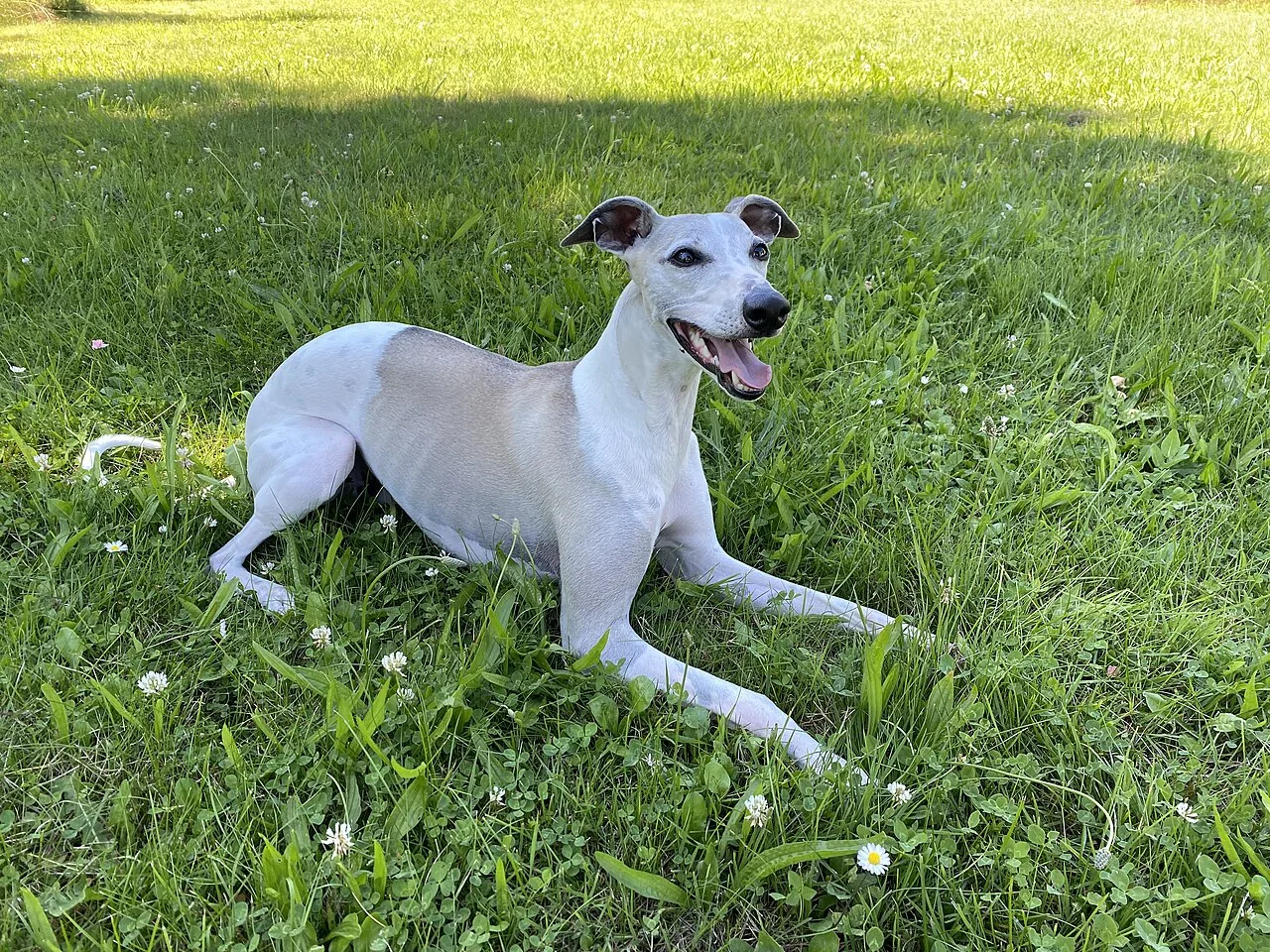
The Whippet is a slender, medium-sized sighthound capable of explosive sprints up to around 56 km/h, yet famously gentle and calm indoors. Often called the perfect blend of athlete and lap dog, it is quiet, affectionate and adaptable, sprinting in short bursts outdoors before happily curling up on the sofa.
What are the key facts about a Whippet?
The Whippet is a dog breed from England: medium (9–14 kg), gentle, quiet, athletic. A miniature sighthound that sprints in bursts then relaxes on the sofa.
| Origin | England |
|---|---|
| Size | Medium (9–14 kg) |
| Weight | 9-19 kg (20-42 lb) |
| Lifespan | 10–14 years |
| Coat | Short, fine, smooth and close-lying coat in almost any colour or pattern. It is exceptionally low-maintenance, needing only an occasional wipe or quick brush, and sheds very little. The trade-off is poor insulation: with little body fat and thin skin, Whippets feel the cold keenly and often need a coat in winter, while their delicate skin can tear or graze more easily than that of thicker-coated breeds. |
| Temperament | Gentle, quiet, athletic |
| Good with | An excellent all-round companion, including for first-time owners and flat-dwellers, thanks to its quiet, clean, undemanding nature indoors. Whippets are gentle and affectionate with children and usually friendly with other dogs, especially other sighthounds, though their strong prey drive means cats and small pets are safest only if the dog is raised with them. They need a daily chance to sprint safely off-lead in a secure space, but settle remarkably calmly once exercised. |
Is a Whippet a good dog for you?
A Whippet is a good dog when your home matches an excellent all-round companion, including for first-time owners and flat-dwellers, thanks to its quiet, clean, undemanding nature indoors. whippets are gentle and affectionate with children and usually friendly with other dogs, especially other sighthounds, though their strong prey drive means cats and small pets are safest only if the dog is raised with them. they need a daily chance to sprint safely off-lead in a secure space, but settle remarkably calmly once exercised.. It is a gentle, quiet, athletic medium (9–14 kg) breed from England.
A miniature sighthound that sprints in bursts then relaxes on the sofa. That one-line pitch is not a care plan. Factor grooming (Short, fine, smooth and close-lying coat in almost any colour or pattern. It is exceptionally low-maintenance, needing only an occasional wipe or quick brush, and sheds very little. The trade-off is poor insulation: with little body fat and thin skin, Whippets feel the cold keenly and often need a coat in winter, while their delicate skin can tear or graze more easily than that of thicker-coated breeds.), typical adult size (9-19 kg (20-42 lb)), and the health issues listed below before you pay a deposit.
Meet adults of the breed, not only puppies or kittens, and prefer rescue or health-screened homes. A Whippet that looks right in a photo can still be the wrong animal for a small flat, a full-time office job, or a household that wanted a low-energy companion.
What is a Whippet?
A miniature sighthound that sprints in bursts then relaxes on the sofa. Origin is England; coat or markings are described as Short, fine, smooth and close-lying coat in almost any colour or pattern. It is exceptionally low-maintenance, needing only an occasional wipe or quick brush, and sheds very little. The trade-off is poor insulation: with little body fat and thin skin, Whippets feel the cold keenly and often need a coat in winter, while their delicate skin can tear or graze more easily than that of thicker-coated breeds..
Kennel and registry labels describe a type. Individual Whippets still vary, and rescue animals may be mixes.
Where does the Whippet come from?
Whippets come from England. The Whippet was developed in northern England in the 19th century, largely by working-class miners and labourers who wanted a smaller, more affordable coursing and racing dog than the Greyhound.
Created by crossing Greyhounds with smaller terriers and other fast dogs, it excelled at rabbit coursing and at 'rag racing', sprinting down a straight track toward a waving cloth, earning it the nickname 'the poor man's racehorse'. Formal recognition came in the late 1800s as the breed moved from the coalfields into the show ring and wider companionship. Today the Whippet remains a popular racing and lure-coursing dog as well as a beloved family pet.
How much care does a Whippet need?
Plan 10–14 years of food, vet care, grooming and time. A Whippet is medium (9–14 kg) (9-19 kg (20-42 lb)) from England, with coat care described as short, fine, smooth and close-lying coat in almost any colour or pattern. it is exceptionally low-maintenance, needing only an occasional wipe or quick brush, and sheds very little. the trade-off is poor insulation: with little body fat and thin skin, whippets feel the cold keenly and often need a coat in winter, while their delicate skin can tear or graze more easily than that of thicker-coated breeds..
Match daily exercise to the gentle, quiet, athletic temperament rather than to Instagram.
Grooming follows the coat, not a generic clip: Short, fine, smooth and close-lying coat in almost any colour or pattern. It is exceptionally low-maintenance, needing only an occasional wipe or quick brush, and sheds very little. The trade-off is poor insulation: with little body fat and thin skin, Whippets feel the cold keenly and often need a coat in winter, while their delicate skin can tear or graze more easily than that of thicker-coated breeds.. Keep the animal lean; extra weight is a joint and heart tax, especially in a medium dog.
Budget for unexpected vet bills. The health section below is why “cheap to buy” is not the same as cheap to keep.
What surprises people about the Whippet?
A few details about the breed, alongside the practical care information in this guide.
- Pound for pound, the Whippet is one of the fastest domestic animals, reaching around 56 km/h and accelerating at a rate that rivals far larger sprinting breeds.
- Nicknamed 'the poor man's racehorse', it was bred by English miners for affordable weekend racing toward a waved rag at the track's end.
- Whippets have so little body fat and such thin coats that they genuinely feel the cold and are one of the breeds most often dressed in jumpers and coats.
- Despite being built for speed, Whippets are renowned couch potatoes indoors, among the quietest and laziest of breeds once their daily sprint is satisfied.
What health issues should you know about in a Whippet?
Health concerns to discuss with your vet, including changes to watch for and everyday care. This is general guidance, not veterinary advice — always speak to your vet.
Heart conditions
Heart conditions can occur in this breed and may need veterinary monitoring.
Care: Discuss prevention and treatment with your vet.
Eye conditions
Breed-related eye problems may include cataracts, progressive retinal atrophy, or cherry eye.
Care: Regular eye checks and prompt vet attention for redness or cloudiness help preserve vision.
Skin injuries
Hairless and thin-coated rats, and rats housed on rough surfaces or with incompatible cage-mates, are prone to scratches, sores and abrasions on unprotected skin.
Care: Provide soft bedding, smooth-edged furnishings and compatible companions; clean minor wounds and see an exotics vet for non-healing or infected sores.
Who should skip a Whippet?
Skip a Whippet if you are homes that cannot match a gentle, quiet, athletic medium (9–14 kg) dog from England. This England dog is medium (9–14 kg) and gentle, quiet, athletic — the mismatch is usually lifestyle, not a missing accessory.
This page is allowed to say no. Skip if you are homes that cannot match a gentle, quiet, athletic medium (9–14 kg) dog from England.
A different dog breed on this site may fit. Wanting “a Whippet” after a film or a colour photo is not a reason to ignore the skip list.
What are the hidden catches with a Whippet?
The hidden cost of a Whippet is usually not the purchase price. It is years of care, the health list on this page, and the mismatch between a gentle, quiet, athletic animal and a busy home.
The impulse-buy catch
A Whippet from England is often sold on looks. Coat, colour and size are not a temperament test. Meet the adult animal, ask about health screening, and walk away from pressure sales.
The heart conditions catch
Heart conditions can occur in this breed and may need veterinary monitoring. Discuss prevention and treatment with your vet.
The eye conditions catch
Breed-related eye problems may include cataracts, progressive retinal atrophy, or cherry eye. Regular eye checks and prompt vet attention for redness or cloudiness help preserve vision.
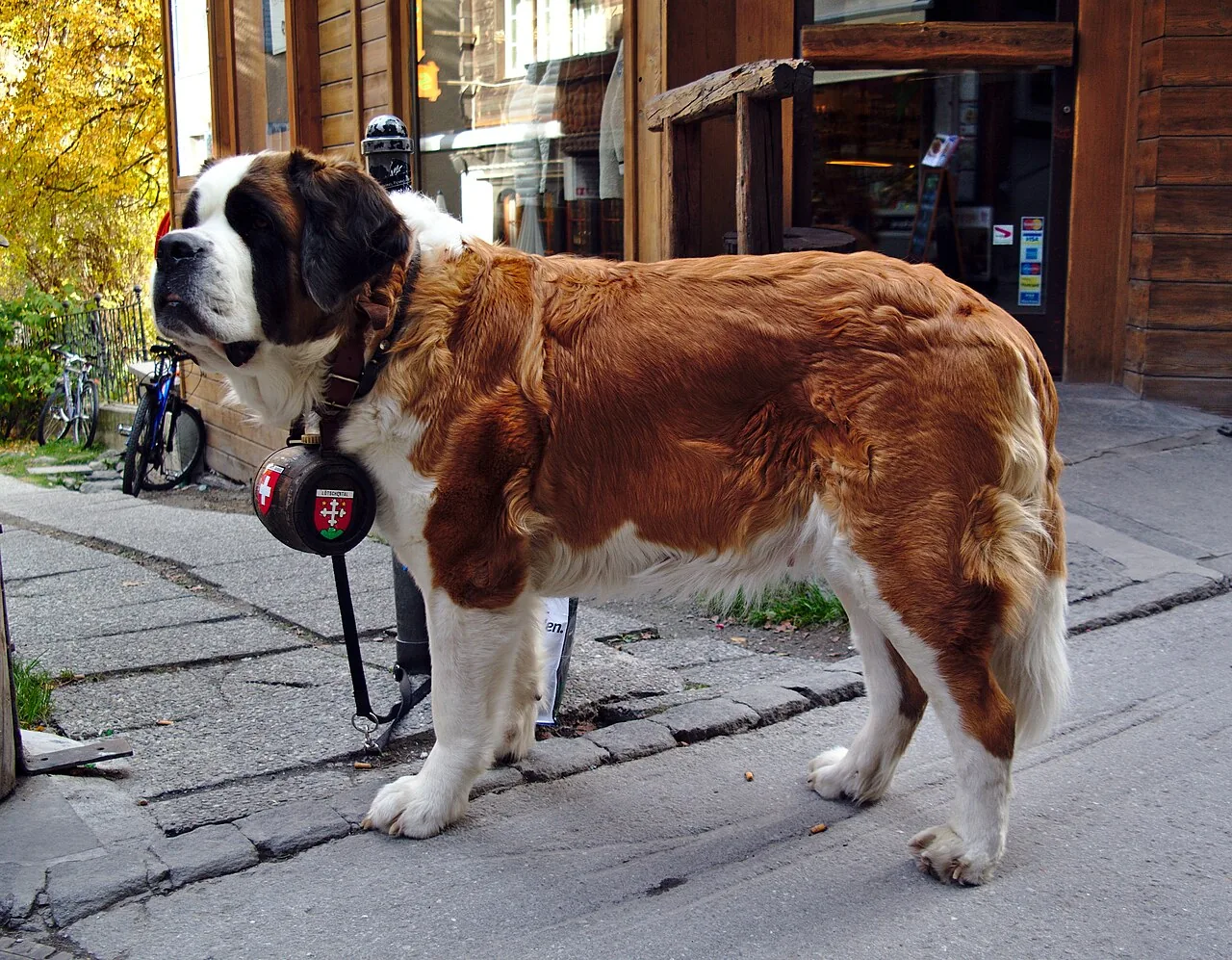
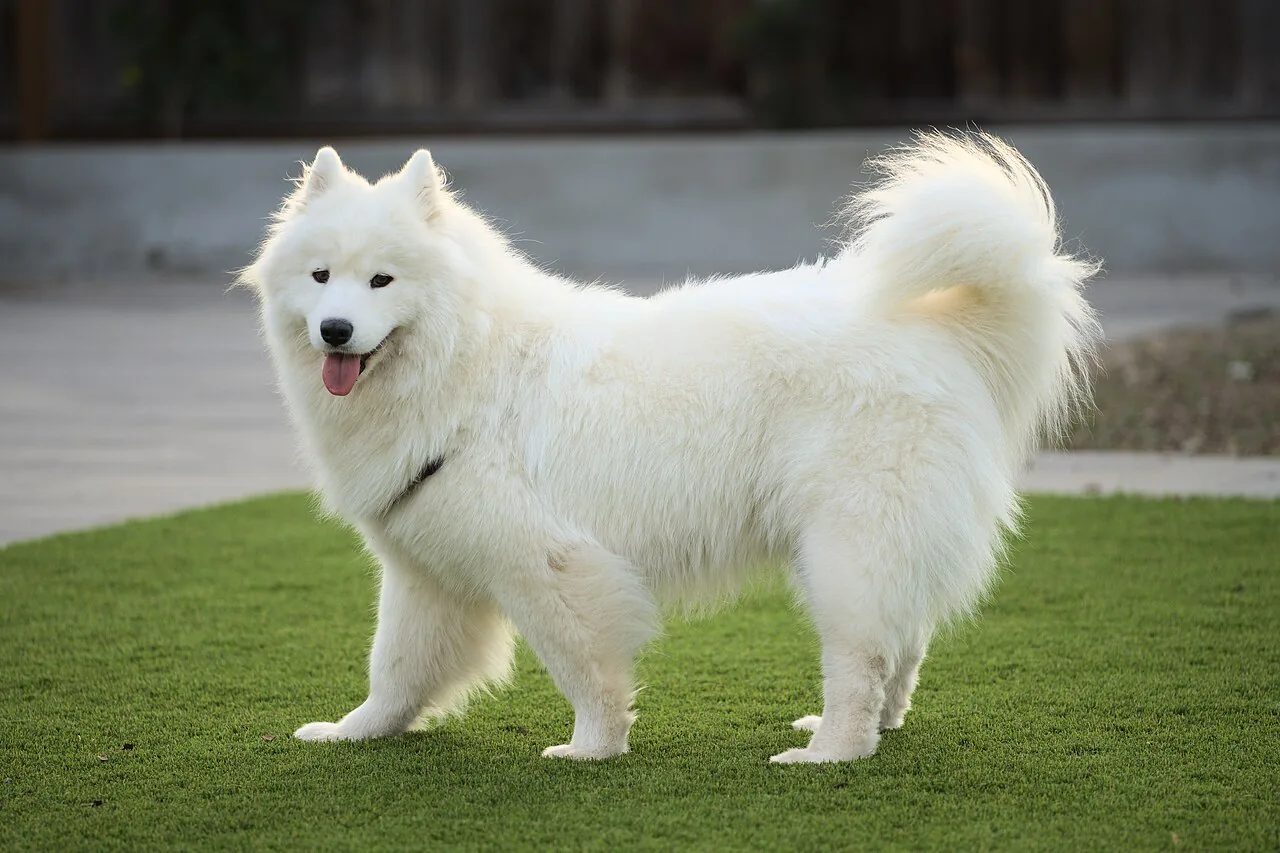
How does a Whippet compare with Saint Bernard and Samoyed?
A Whippet is not interchangeable with Saint Bernard and Samoyed. Compare origin, size, lifespan and temperament before you choose — those four lines prevent most regret.
| Dog fact | Whippet | Saint Bernard | Samoyed |
|---|---|---|---|
| Origin | England | Switzerland | Siberia |
| Size | Medium (9–14 kg) | Giant (54–82 kg) | Large (17–30 kg) |
| Lifespan | 10–14 years | 8–10 years | 10–14 years |
| Temperament | Gentle, quiet, athletic | Gentle, patient, watchful | Friendly, social, mischievous |
What is the verdict on the Whippet?
Choose a Whippet only if the care, skip-if and health sections still look like your life after a week of thinking. Otherwise pick a different dog or wait. Rescue is usually the better first door than a waiting-list puppy or kitten.
If the match is real, budget for 10–14 years of vet care and do not skip health screening. If it is not, walking away is the kind choice — for you and for the animal.
Every dog deserves a chance
Whatever breed steals your heart, millions of dogs around the world have no home at all. A symbolic adoption or a gift to WARN funds humane care for street and community dogs — vaccination, neutering and emergency treatment.