Dog Breed · Japan
Akita
A powerful Japanese breed symbolising loyalty — needs experienced handling.
By WARN Research & Conservation TeamLast updated
In brief
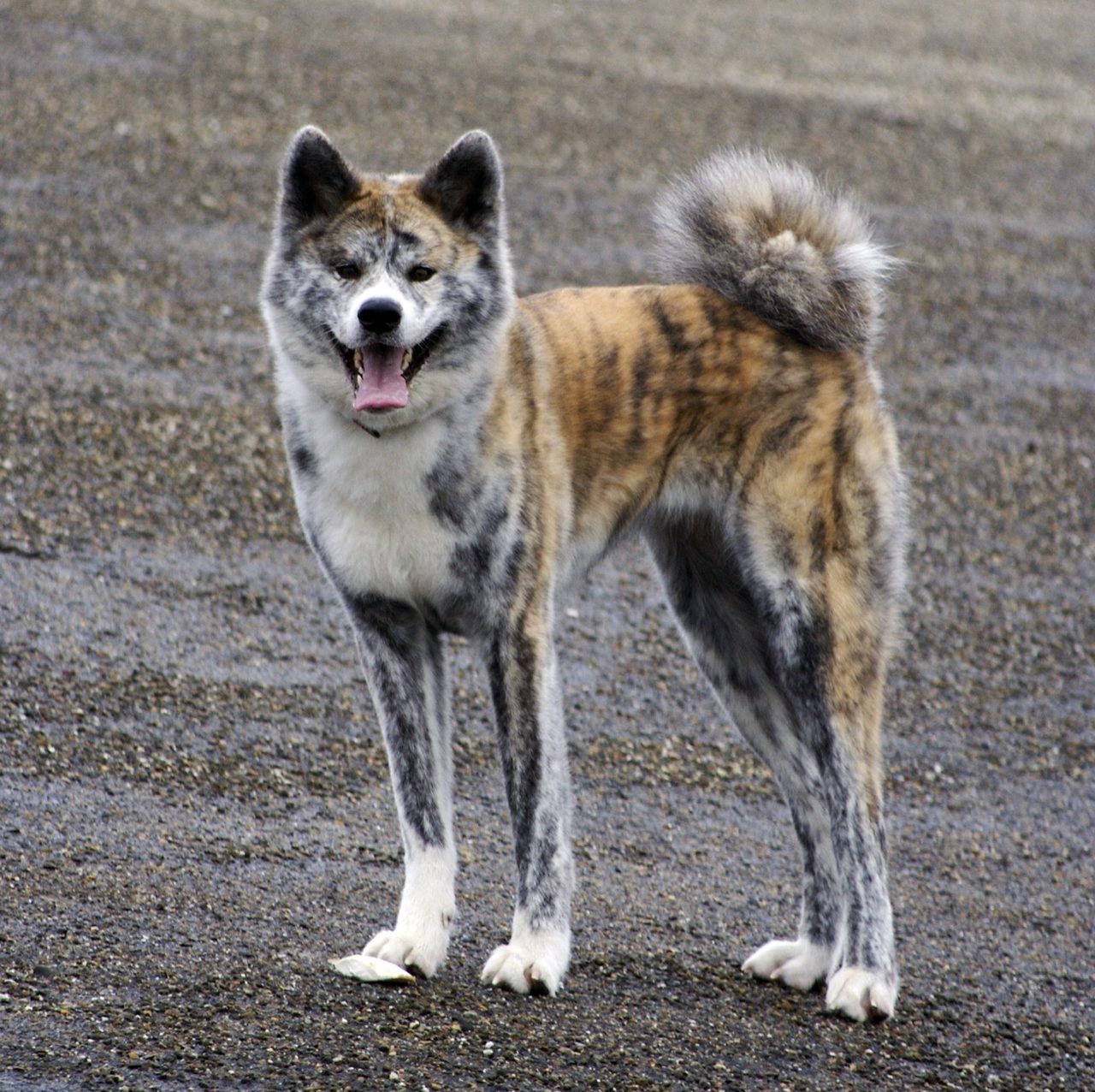
The Akita is a large, powerful spitz-type dog from northern Japan, prized for its dignity, courage and profound loyalty to its family. Reserved with strangers and often dominant with other dogs, it is a strong-willed guardian best suited to experienced owners who can offer firm, respectful and consistent leadership.
What are the key facts about a Akita?
The Akita is a dog breed from Japan: large (32–59 kg), loyal, dignified, reserved. A powerful Japanese breed symbolising loyalty — needs experienced handling.
| Origin | Japan |
|---|---|
| Size | Large (32–59 kg) |
| Weight | 32-59 kg (70-130 lb) |
| Lifespan | 10–14 years |
| Coat | Dense double coat with a soft, thick undercoat and a straight, harsh outer coat of medium length, though long-coated individuals occur. It is highly weatherproof and suits cold climates, but it sheds heavily, with two dramatic 'blow-outs' of the undercoat each year that demand daily brushing for weeks. Routine care means brushing a few times a week; the breed is naturally clean and odour-light, so baths are only occasional. |
| Temperament | Loyal, dignified, reserved |
| Good with | Best matched with experienced, confident owners who understand guardian breeds. An Akita can be devoted and gentle with its own family and older, respectful children, but it is naturally aloof with strangers and frequently intolerant of other dogs, especially same-sex pairings, and its high prey drive makes cats and small pets a real risk. It needs space, secure fencing and committed socialisation, and is not a suitable first dog or a casual flat companion. |
Is a Akita a good dog for you?
A Akita is a good dog when your home matches best matched with experienced, confident owners who understand guardian breeds. an akita can be devoted and gentle with its own family and older, respectful children, but it is naturally aloof with strangers and frequently intolerant of other dogs, especially same-sex pairings, and its high prey drive makes cats and small pets a real risk. it needs space, secure fencing and committed socialisation, and is not a suitable first dog or a casual flat companion.. It is a loyal, dignified, reserved large (32–59 kg) breed from Japan.
A powerful Japanese breed symbolising loyalty — needs experienced handling. That one-line pitch is not a care plan. Factor grooming (Dense double coat with a soft, thick undercoat and a straight, harsh outer coat of medium length, though long-coated individuals occur. It is highly weatherproof and suits cold climates, but it sheds heavily, with two dramatic 'blow-outs' of the undercoat each year that demand daily brushing for weeks. Routine care means brushing a few times a week; the breed is naturally clean and odour-light, so baths are only occasional.), typical adult size (32-59 kg (70-130 lb)), and the health issues listed below before you pay a deposit.
Meet adults of the breed, not only puppies or kittens, and prefer rescue or health-screened homes. A Akita that looks right in a photo can still be the wrong animal for a small flat, a full-time office job, or a household that wanted a low-energy companion.
What is a Akita?
A powerful Japanese breed symbolising loyalty — needs experienced handling. Origin is Japan; coat or markings are described as Dense double coat with a soft, thick undercoat and a straight, harsh outer coat of medium length, though long-coated individuals occur. It is highly weatherproof and suits cold climates, but it sheds heavily, with two dramatic 'blow-outs' of the undercoat each year that demand daily brushing for weeks. Routine care means brushing a few times a week; the breed is naturally clean and odour-light, so baths are only occasional..
Kennel and registry labels describe a type. Individual Akitas still vary, and rescue animals may be mixes.
Where does the Akita come from?
Akitas come from Japan. The Akita originates from the mountainous Akita Prefecture in northern Japan, where it was developed to hunt large game such as boar, deer and bear, and later valued as a guardian and symbol of good health and loyalty.
The breed nearly vanished during the 20th century through crossbreeding, war-time hardship and disease, prompting dedicated preservation efforts that split the breed into two types: the Japanese Akita Inu and the larger, bear-like American Akita. American servicemen, including Helen Keller before them, helped bring the breed to the West after the Second World War. Its global fame rests largely on Hachiko, the Akita who waited daily at a Tokyo station for his deceased owner for nearly ten years.
How much care does a Akita need?
Plan 10–14 years of food, vet care, grooming and time. A Akita is large (32–59 kg) (32-59 kg (70-130 lb)) from Japan, with coat care described as dense double coat with a soft, thick undercoat and a straight, harsh outer coat of medium length, though long-coated individuals occur. it is highly weatherproof and suits cold climates, but it sheds heavily, with two dramatic 'blow-outs' of the undercoat each year that demand daily brushing for weeks. routine care means brushing a few times a week; the breed is naturally clean and odour-light, so baths are only occasional..
Match daily exercise to the loyal, dignified, reserved temperament rather than to Instagram.
Grooming follows the coat, not a generic clip: Dense double coat with a soft, thick undercoat and a straight, harsh outer coat of medium length, though long-coated individuals occur. It is highly weatherproof and suits cold climates, but it sheds heavily, with two dramatic 'blow-outs' of the undercoat each year that demand daily brushing for weeks. Routine care means brushing a few times a week; the breed is naturally clean and odour-light, so baths are only occasional.. Keep the animal lean; extra weight is a joint and heart tax, especially in a large dog.
Budget for unexpected vet bills. The health section below is why “cheap to buy” is not the same as cheap to keep.
What surprises people about the Akita?
A few details about the breed, alongside the practical care information in this guide.
- Hachiko, an Akita, returned to Shibuya Station every day for almost ten years awaiting his late owner, and is honoured there with a bronze statue and an enduring symbol of loyalty.
- In Japan the Akita is a national treasure, and small Akita figurines are traditionally given to celebrate a birth or wish a sick person a swift recovery.
- Akitas are unusually clean and cat-like, grooming themselves and often kept tidy with little effort, a trait owners frequently remark on.
- The breed comes in two distinct forms: the smaller, fox-faced Japanese Akita Inu in limited colours, and the heavier American Akita that allows a black mask and many colour patterns.
What health issues should you know about in a Akita?
Health concerns to discuss with your vet, including changes to watch for and everyday care. This is general guidance, not veterinary advice — always speak to your vet.
Hip dysplasia
An inherited malformation of the hip joint that can cause stiffness, lameness, or arthritis as the dog ages.
Care: Keep dogs lean, choose health-screened parents, and seek vet advice for pain management or surgery if needed.
Bloat risk
Bloat risk can occur in this breed and may need veterinary monitoring.
Care: Discuss prevention and treatment with your vet.
Autoimmune conditions
Autoimmune conditions can occur in this breed and may need veterinary monitoring.
Care: Discuss prevention and treatment with your vet.
Who should skip a Akita?
Skip a Akita if you are first-time owners hoping the animal will train itself. This Japan dog is large (32–59 kg) and loyal, dignified, reserved — the mismatch is usually lifestyle, not a missing accessory.
This page is allowed to say no. Skip if you are first-time owners hoping the animal will train itself. Skip if you are anyone unwilling to learn bloat emergency signs.
A different dog breed on this site may fit. Wanting “a Akita” after a film or a colour photo is not a reason to ignore the skip list.
What are the hidden catches with a Akita?
The hidden cost of a Akita is usually not the purchase price. It is years of care, the health list on this page, and the mismatch between a loyal, dignified, reserved animal and a busy home.
The impulse-buy catch
A Akita from Japan is often sold on looks. Coat, colour and size are not a temperament test. Meet the adult animal, ask about health screening, and walk away from pressure sales.
The bloat catch
Deep-chested Akitas can develop gastric dilatation-volvulus. Know the emergency signs (unproductive retching, swollen abdomen) and have a 24-hour vet plan.
The hip dysplasia catch
An inherited malformation of the hip joint that can cause stiffness, lameness, or arthritis as the dog ages. Keep dogs lean, choose health-screened parents, and seek vet advice for pain management or surgery if needed.
The bloat risk catch
Bloat risk can occur in this breed and may need veterinary monitoring. Discuss prevention and treatment with your vet.
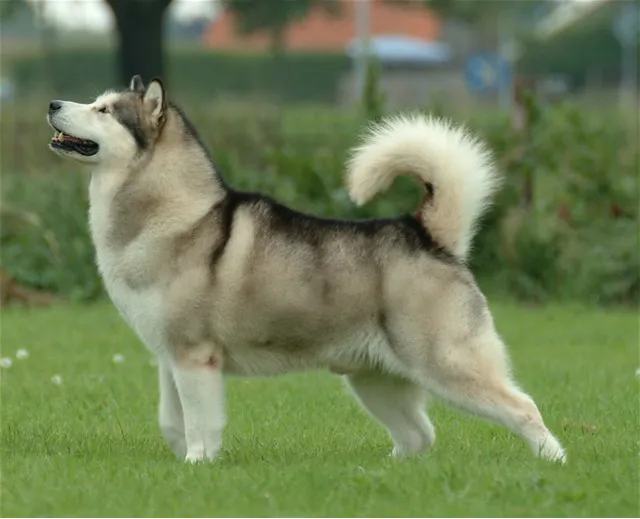
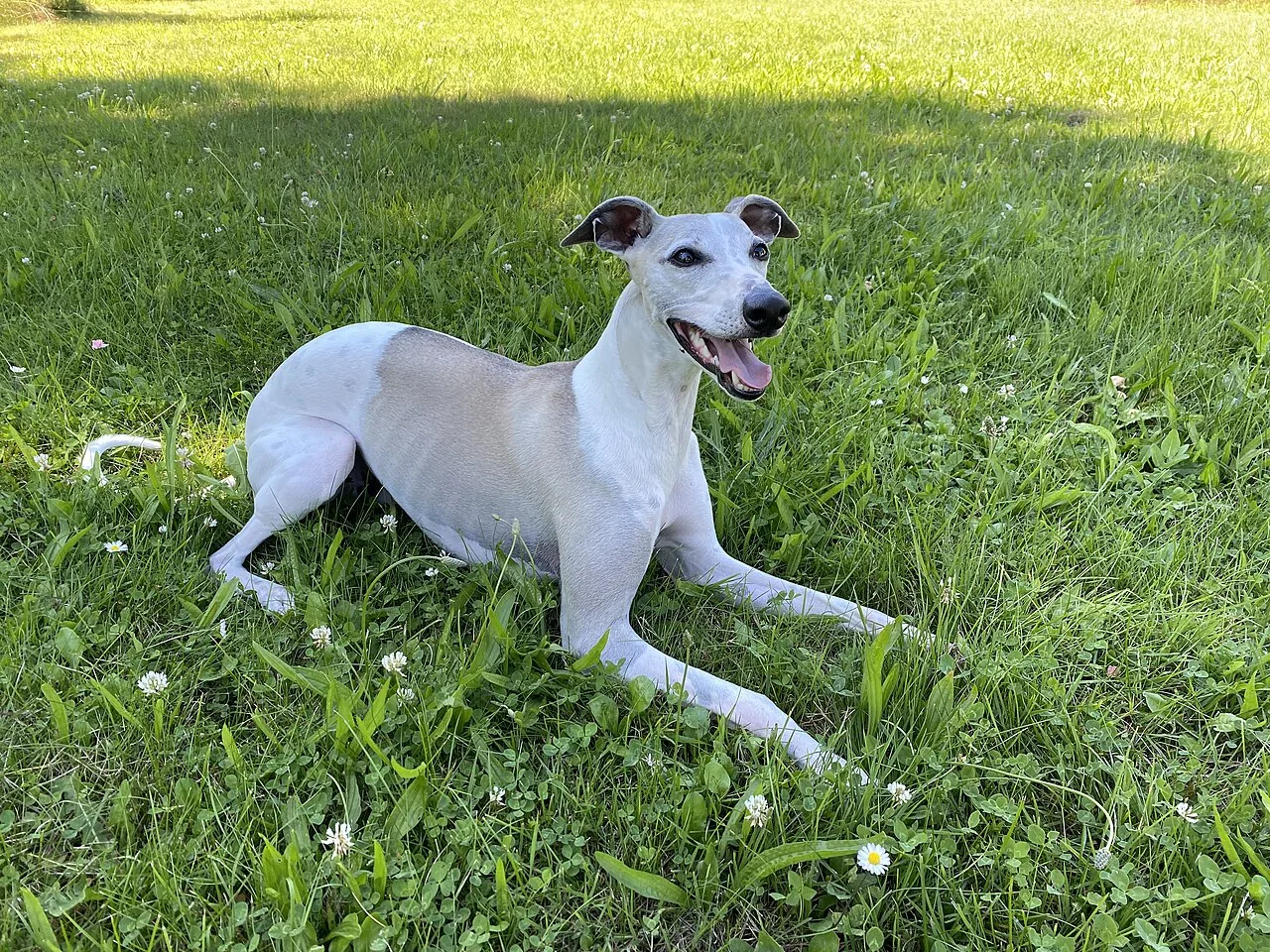
How does a Akita compare with Alaskan Malamute and Whippet?
A Akita is not interchangeable with Alaskan Malamute and Whippet. Compare origin, size, lifespan and temperament before you choose — those four lines prevent most regret.
| Dog fact | Akita | Alaskan Malamute | Whippet |
|---|---|---|---|
| Origin | Japan | United States (Alaska) | England |
| Size | Large (32–59 kg) | Large (34–45 kg) | Medium (9–14 kg) |
| Lifespan | 10–14 years | 10–14 years | 10–14 years |
| Temperament | Loyal, dignified, reserved | Affectionate, strong, playful | Gentle, quiet, athletic |
What is the verdict on the Akita?
Choose a Akita only if the care, skip-if and health sections still look like your life after a week of thinking. Otherwise pick a different dog or wait. Rescue is usually the better first door than a waiting-list puppy or kitten.
If the match is real, budget for 10–14 years of vet care and do not skip health screening. If it is not, walking away is the kind choice — for you and for the animal.
Every dog deserves a chance
Whatever breed steals your heart, millions of dogs around the world have no home at all. A symbolic adoption or a gift to WARN funds humane care for street and community dogs — vaccination, neutering and emergency treatment.