Mammalia · Fur & milk
Mammals
Mammals are warm-blooded vertebrates with fur or hair and milk production — from bats that tip the scales in grams to the blue whale. This is WARN's mammal section: 213 sourced species guides plus 10 type pages covering big cats, bears, primates, marine mammals, hoofed animals, rodents, bats, marsupials, canids and small carnivores.
- ~6,000
- Living mammal species recognised worldwide
- Blue whale
- Largest animal known — a mammal, not a fish
- Bats
- Only mammals capable of true powered flight
- Primates
- Among the most threatened mammal groups by share of species at risk
Types of mammals
The everyday groupings people search for. Each type has its own page with identification pointers, FAQs and the matching species guides.
- 15 guides
Big cats
Large predatory cats — tigers, lions, leopards, jaguars, cheetahs and their close relatives.
Explore big cats → - 11 guides
Bears
Heavy-bodied omnivores — from polar bears on sea ice to pandas in bamboo forest.
Explore bears → - 23 guides
Primates
Apes, monkeys, lemurs and lorises — the order that includes our closest living relatives.
Explore primates → - 22 guides
Marine mammals
Whales, dolphins, seals, sea lions, walruses, manatees and otters tied to the sea.
Explore marine mammals → - 44 guides
Hoofed animals
Deer, elephants, rhinos, horses, cattle, antelope and other ungulates — grazers and browsers on hoof.
Explore hoofed animals → - 17 guides
Rodents
Gnawing mammals — from mice and squirrels to beavers, capybaras and porcupines.
Explore rodents → - 1 guide
Bats
The only mammals capable of true powered flight — from insect-hunting pipistrelles to fruit bats.
Explore bats → - 10 guides
Marsupials
Pouched mammals — kangaroos, koalas, opossums and gliders from Australia and the Americas.
Explore marsupials → - 11 guides
Canids
Dogs, wolves, foxes, jackals and their wild relatives — the dog family.
Explore canids → - 17 guides
Small carnivores
Stoats, badgers, otters, mongooses, raccoons and other compact hunters and scavengers.
Explore small carnivores →
All 213 mammal guides
Search by name, or filter by type, conservation status, region and letter.
Common names, scientific names and places are searchable.
Showing 1–24 of 213 guides
Other mammals
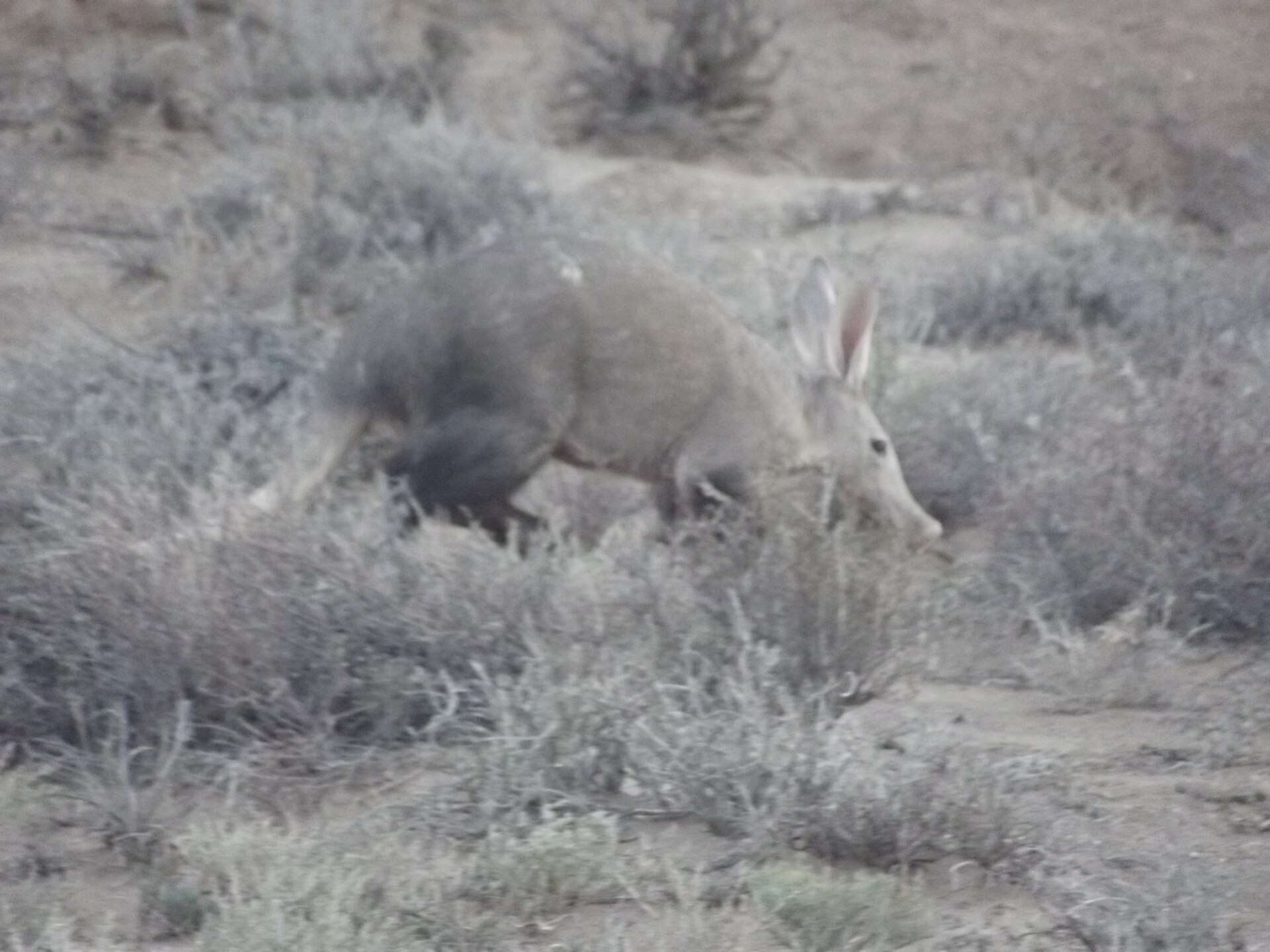
AAardvark
Orycteropus afer (Pallas, 1766)
Africa's solitary digger — one species, an entire order, built for termites.
Sub-Saharan Africa
Open guide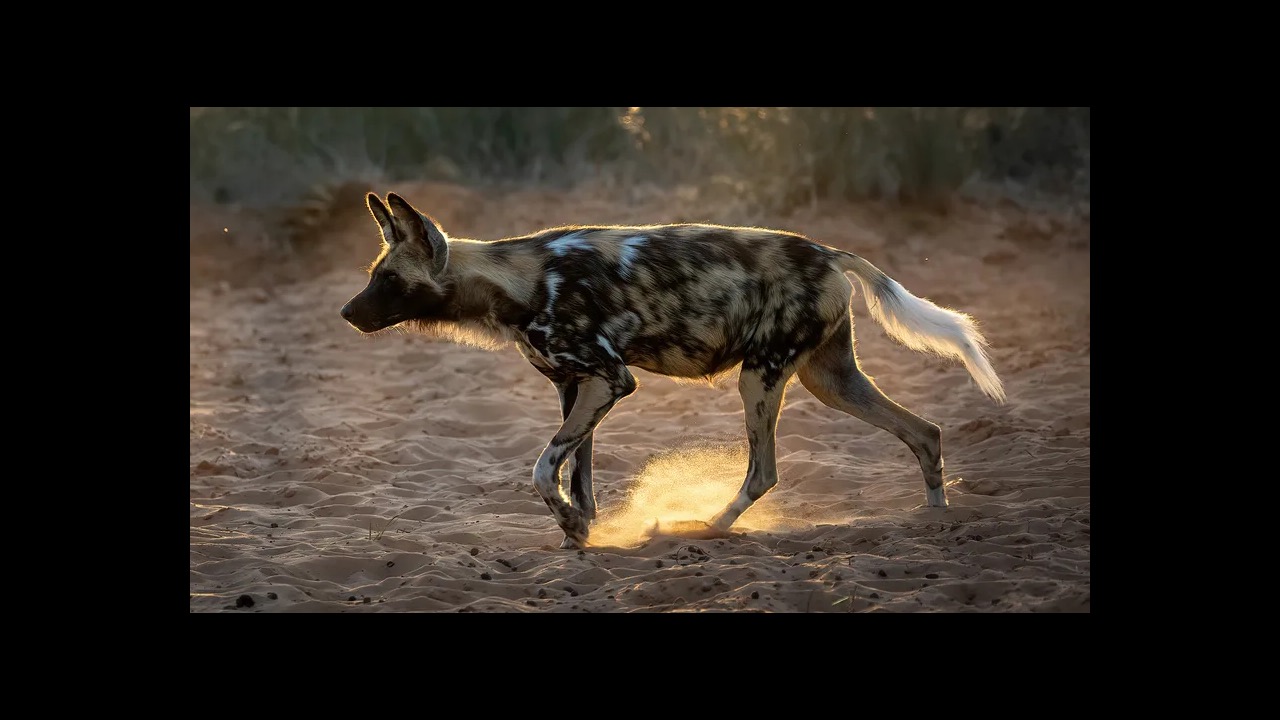
Canids
AAfrican Wild Dog
Lycaon pictus
Africa's cooperative pack hunter
Africa
Open guide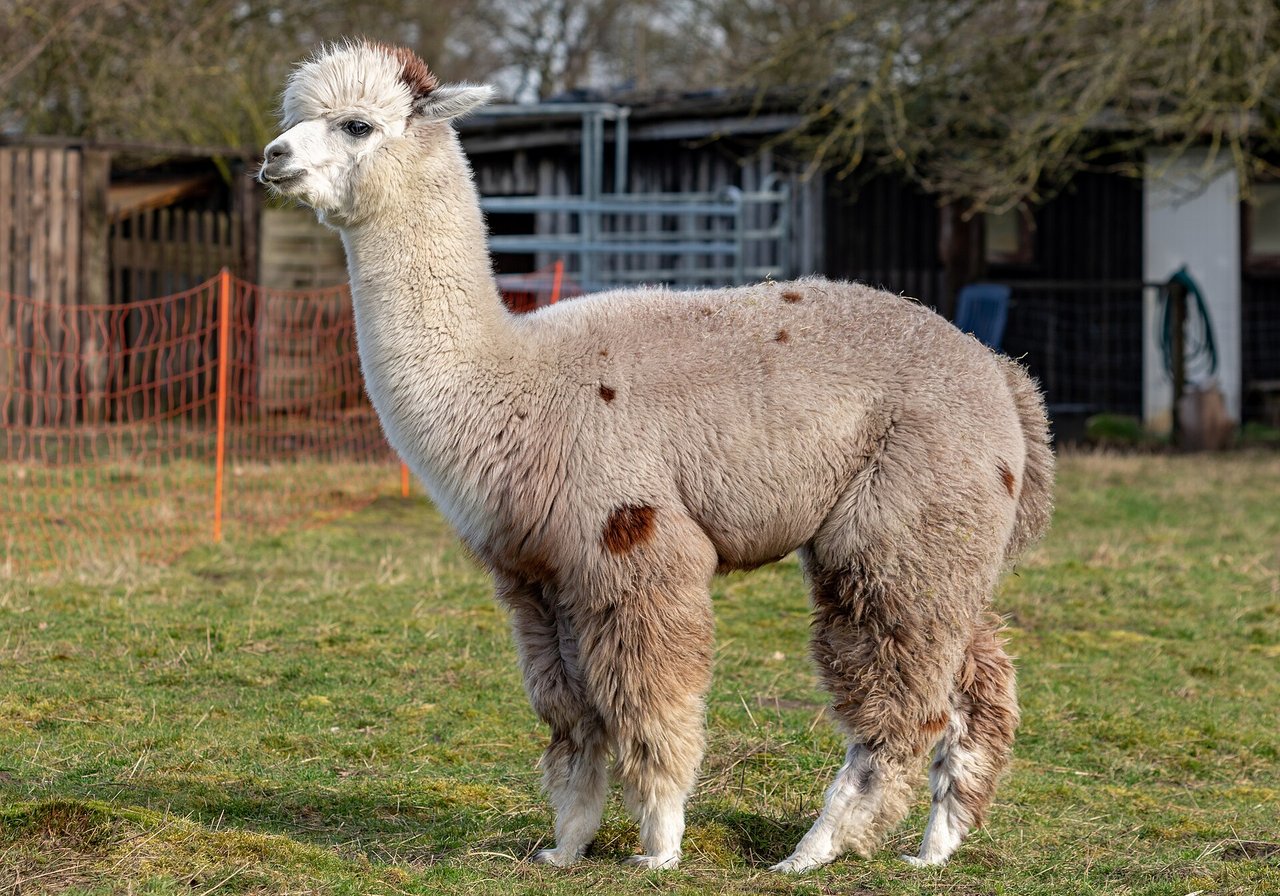
Hoofed animals
AAlpaca
Vicugna pacos (Linnaeus, 1758)
The Andes' woolly camelid — domesticated for millennia, prized for its fleece.
Peru · Bolivia
Open guide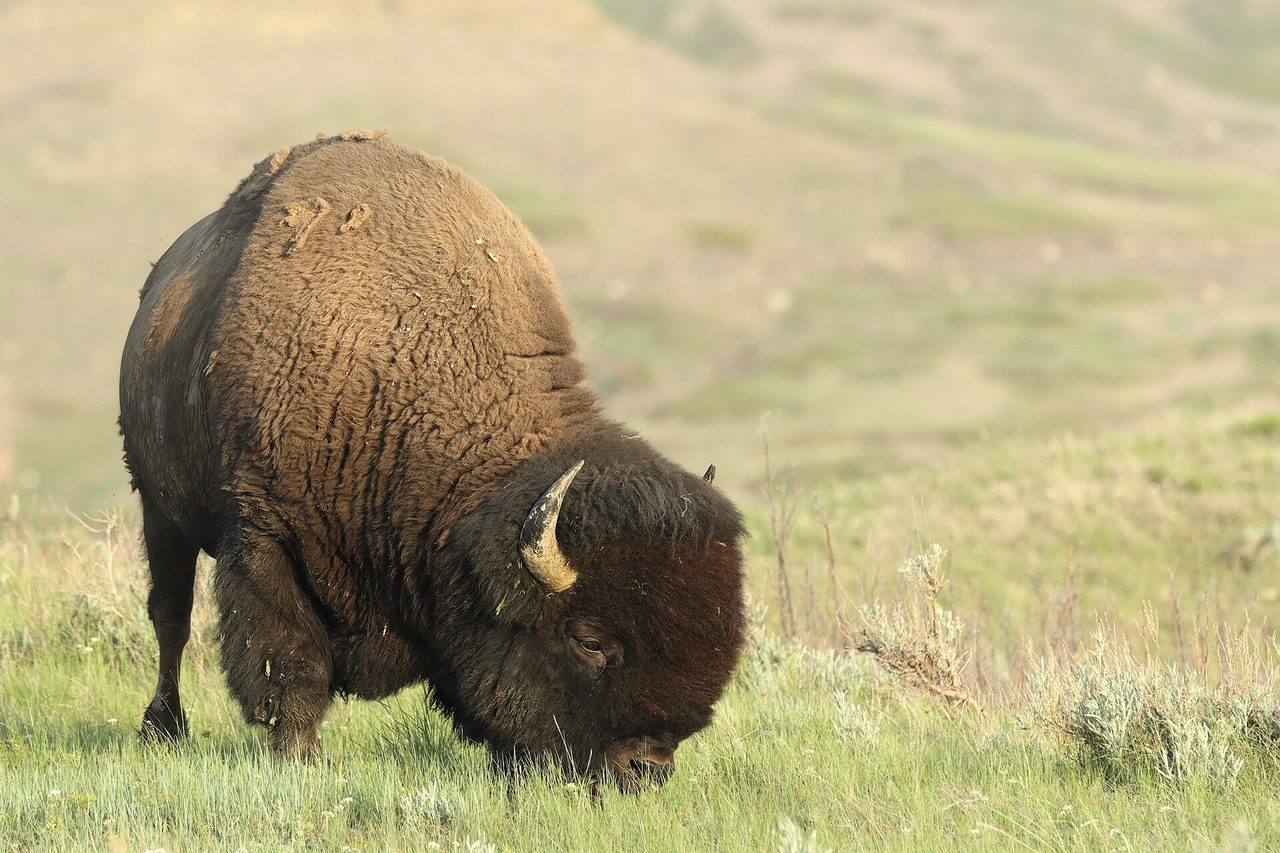
Other mammals
AAmerican Bison
Bison bison
Once numbering 60 million, the mighty American bison now depends on careful management to survive — a cautionary tale and a conservation triumph.
North America · United States
Open guide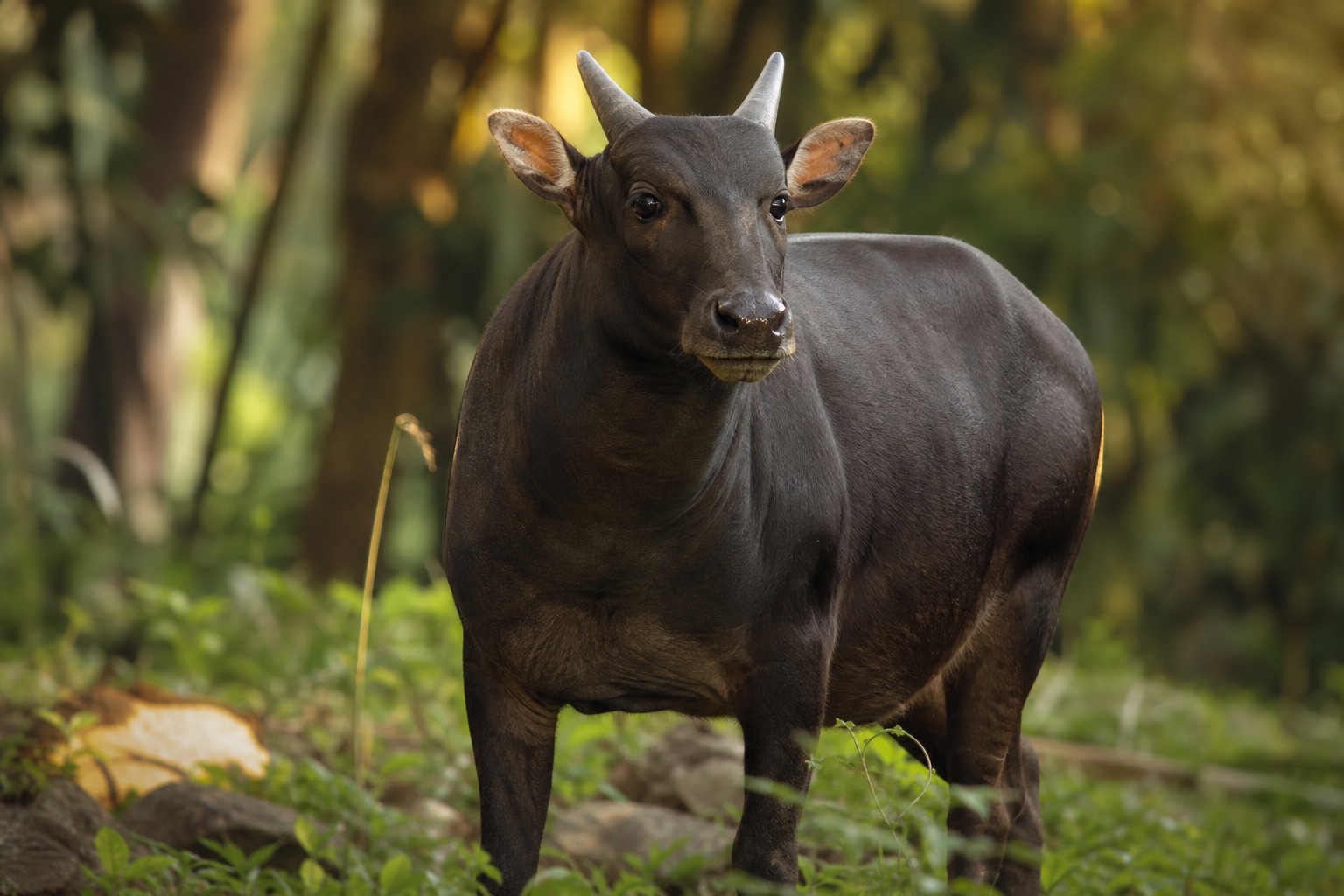
Hoofed animals
AAnoa
Bubalus depressicornis and B. quarlesi — dwarf buffalo of Sulawesi
The smallest wild cattle on Earth — endemic to Sulawesi and declining in both forest types.
Sulawesi, Indonesia · Endemic — lowland and mountain forests
Open guide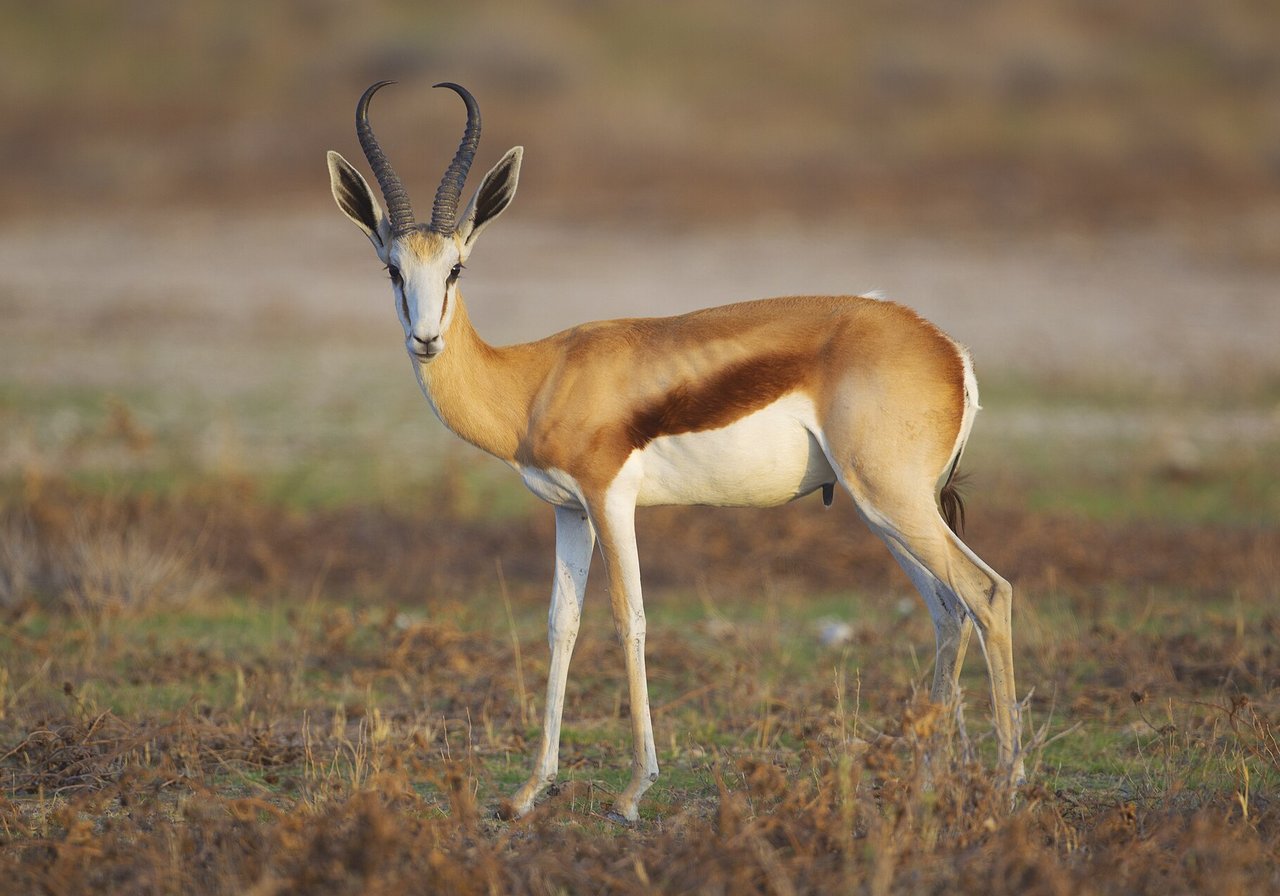
Hoofed animals
AAntelope
Family Bovidae, subfamilies Antilopinae, Alcelaphinae, Hippotraginae and others — ~90 species
The hoofed heart of the savanna — ninety species, one extraordinary family.
Africa · Asia
Open guide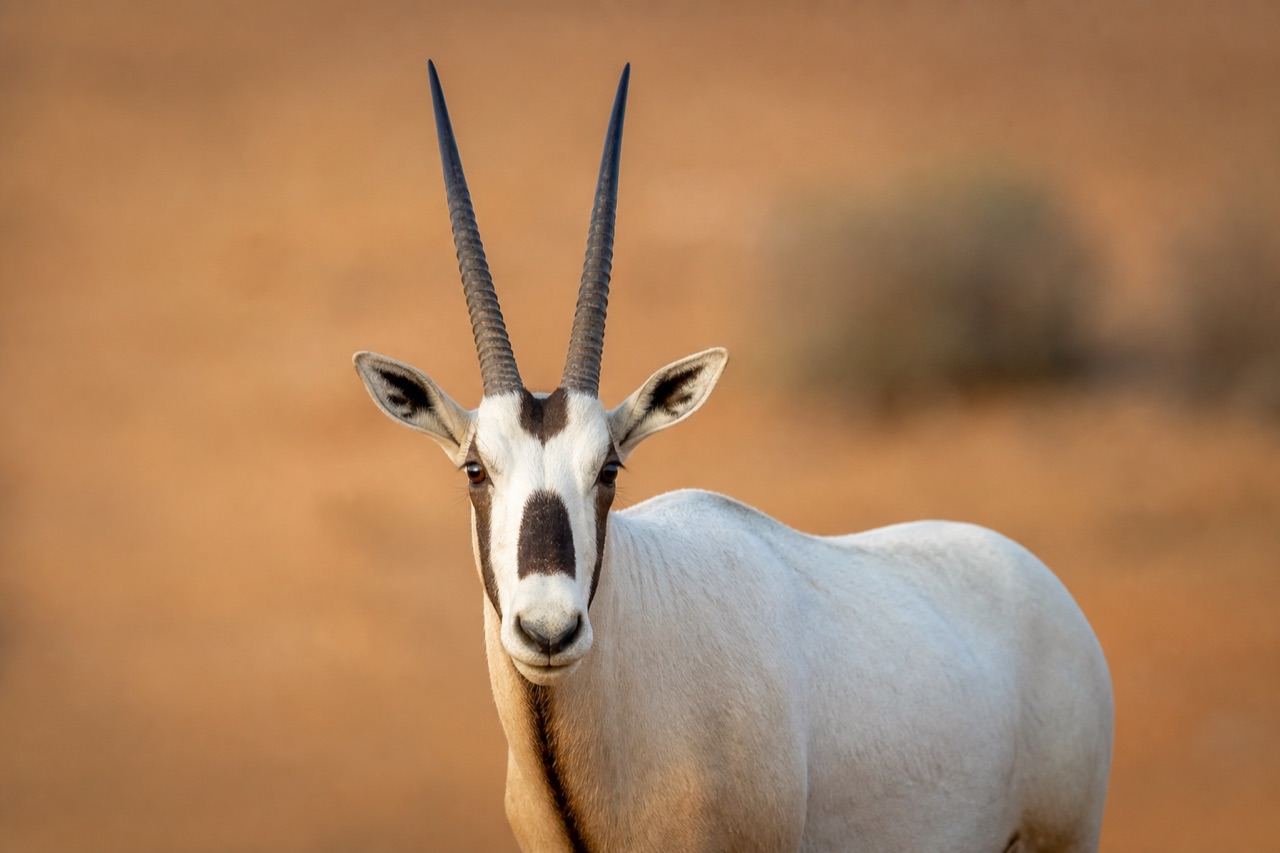
Hoofed animals
AArabian Oryx
Oryx leucoryx (Pallas, 1777) — family Bovidae
The antelope that went extinct in the wild and came back — a case study in what captive breeding can achieve.
Arabian Peninsula — desert and gravel plains of Oman, Saudi Arabia, UAE and Jordan
Open guide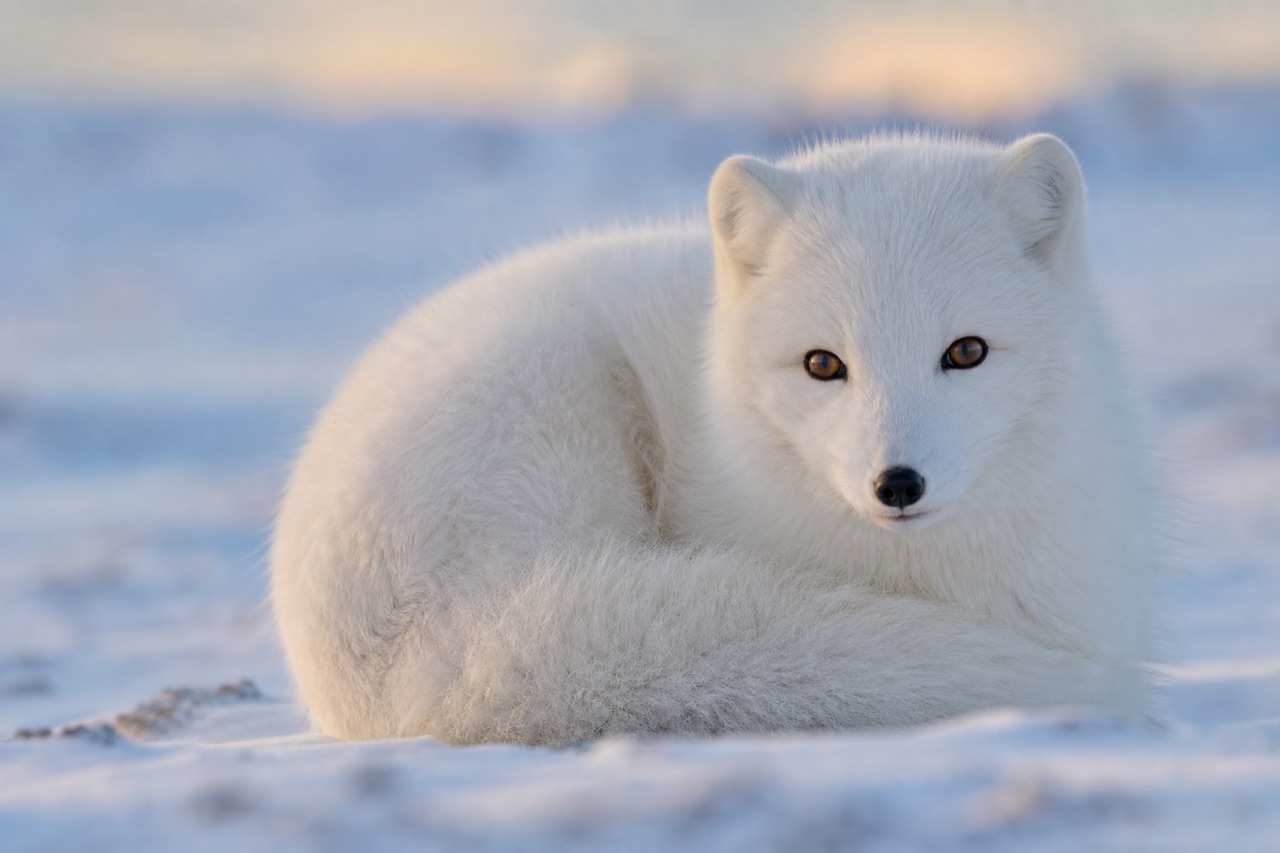
Canids
AArctic Fox
Vulpes lagopus (Linnaeus, 1758) — family Canidae
The warmest coat of any mammal, a coat that changes colour, and a species being pushed north by its bigger cousin.
Arctic tundra of Eurasia, North America, Greenland, Iceland and Svalbard · Sea ice in winter
Open guide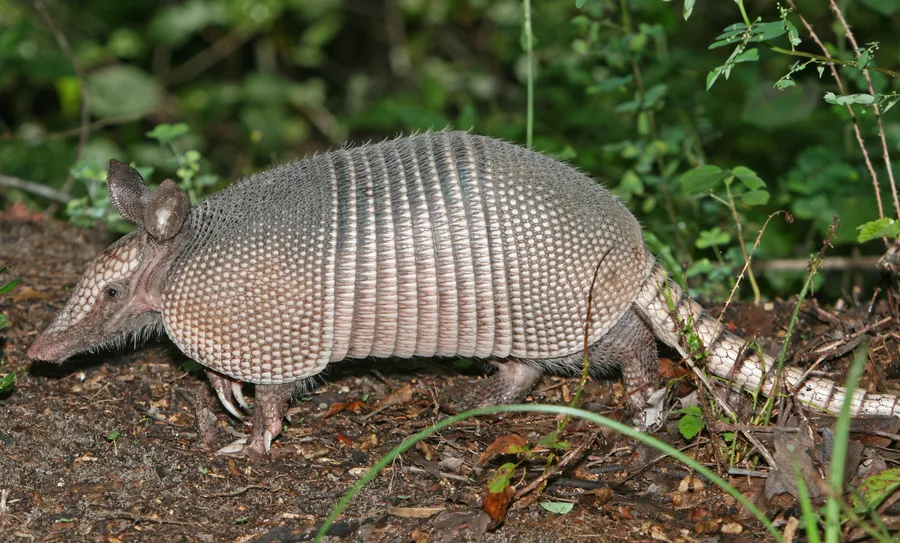
Other mammals
AArmadillo
Dasypus novemcinctus and relatives (order Cingulata)
The Americas' armour-plated insect hunters
Central America · South America
Open guide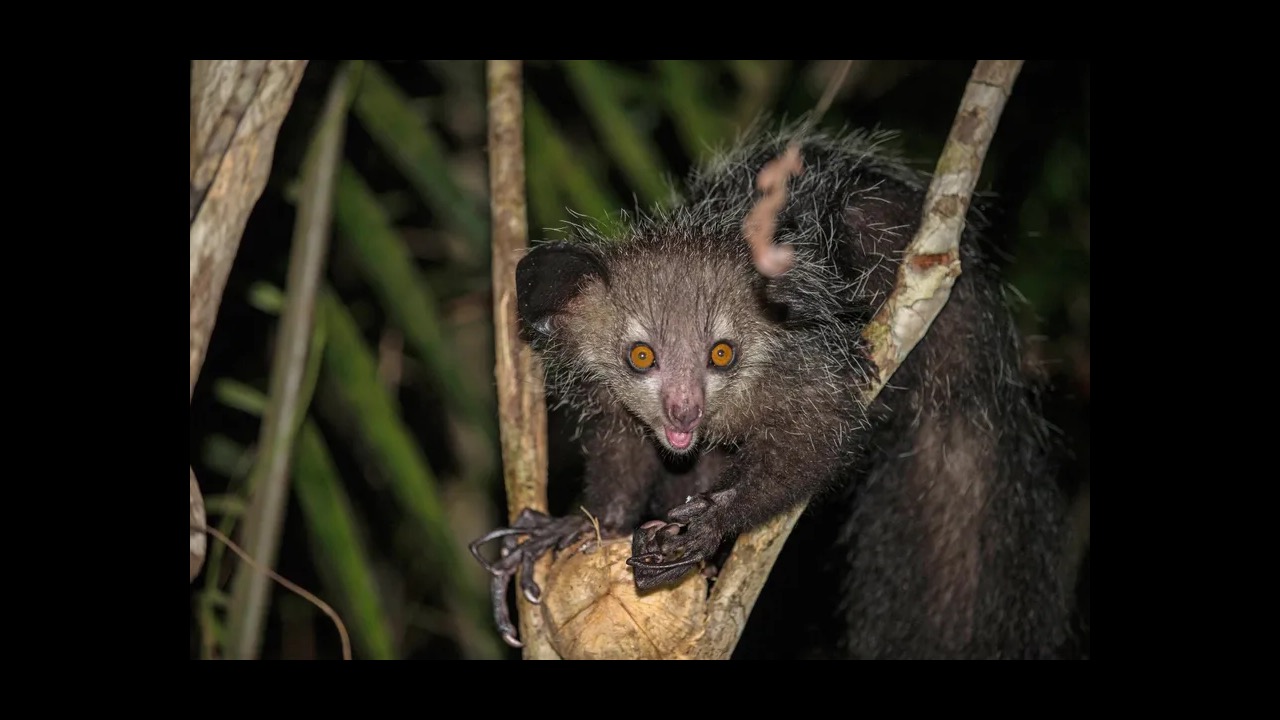
Primates
AAye-aye
Daubentonia madagascariensis
Madagascar's nocturnal oddity
Africa
Open guide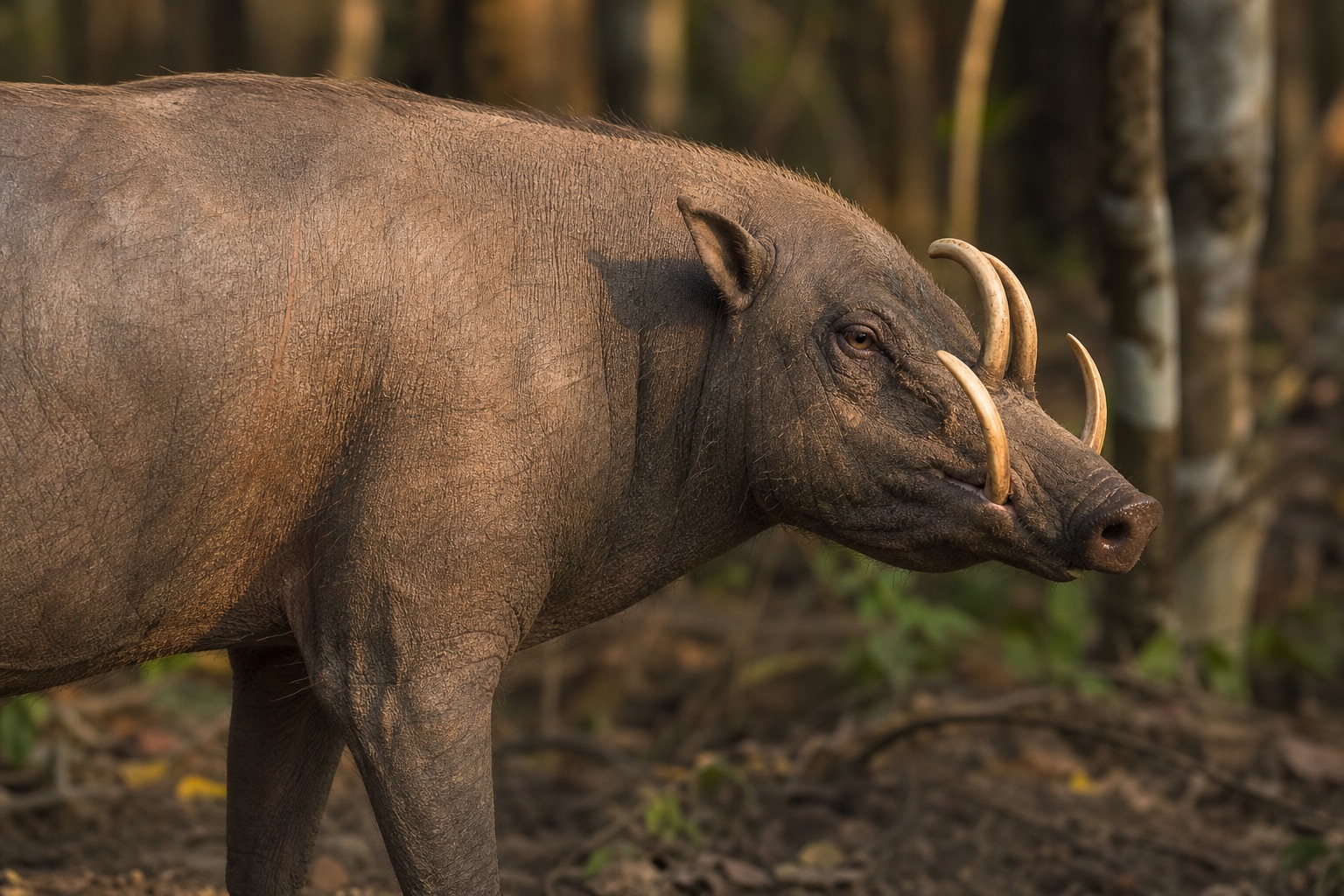
Hoofed animals
BBabirusa
Babyrousa babyrussa and related species — family Suidae
The pig whose upper tusks grow through the roof of its own snout.
Sulawesi and nearby Indonesian islands · Wallacea — forest and wetland
Open guide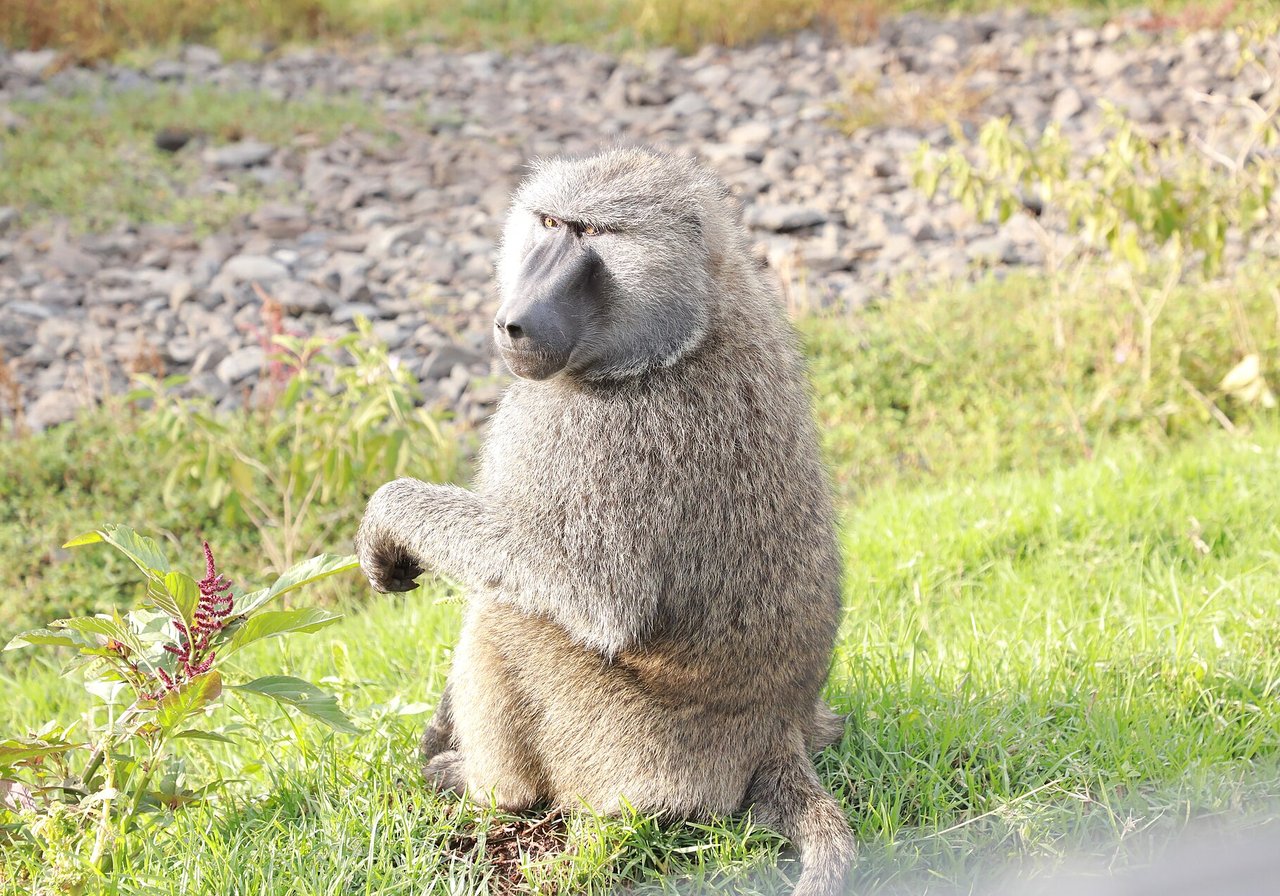
Primates
BBaboon
Genus Papio — 6 species: hamadryas, olive, yellow, chacma, Guinea and Kinda baboon
Africa's largest monkey — powerful, social and adaptable across savanna and desert.
Sub-Saharan Africa · Arabian Peninsula (hamadryas baboon)
Open guide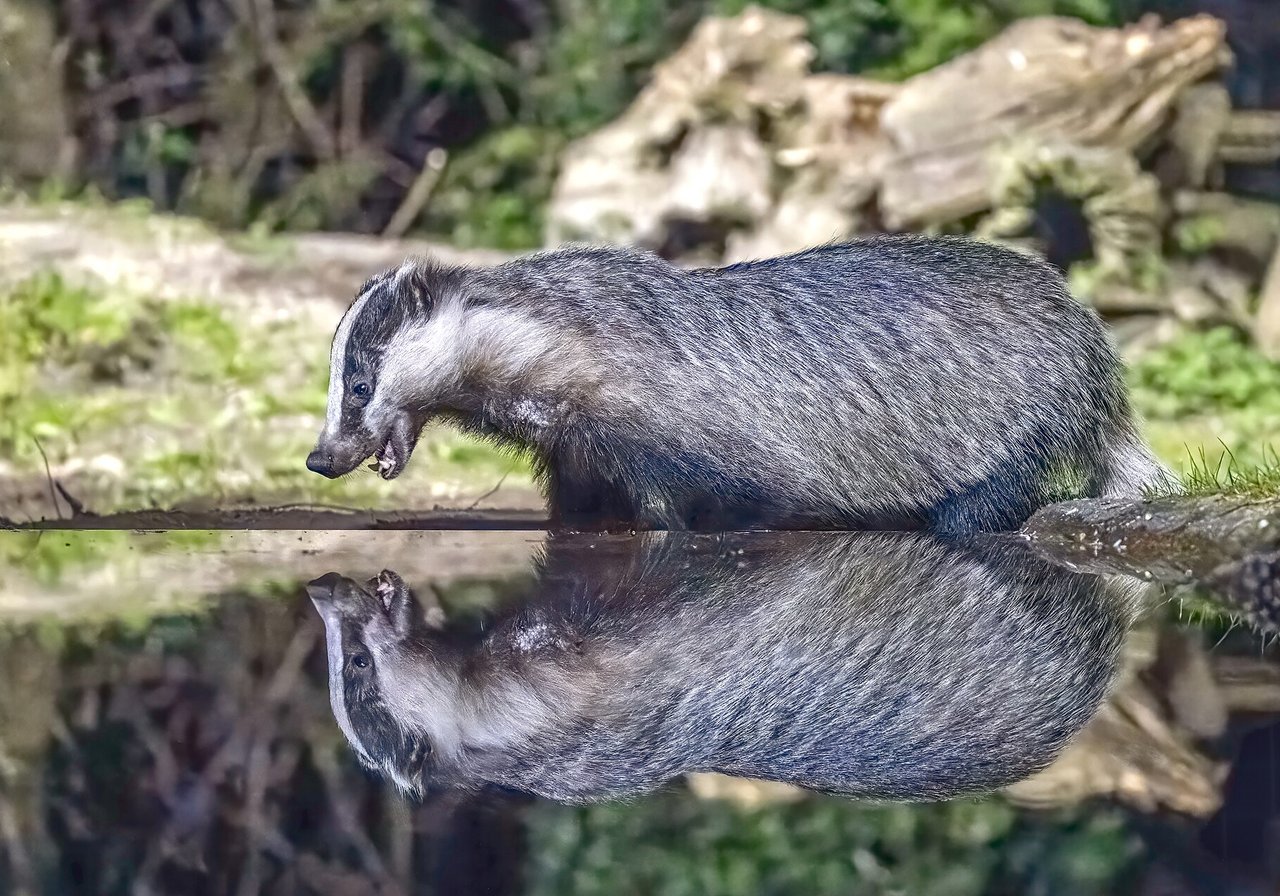
Small carnivores
BBadger
Meles meles (Linnaeus, 1758)
The burrow architect of Old World woodlands — social underground and solitary above ground.
Europe · Western Asia
Open guide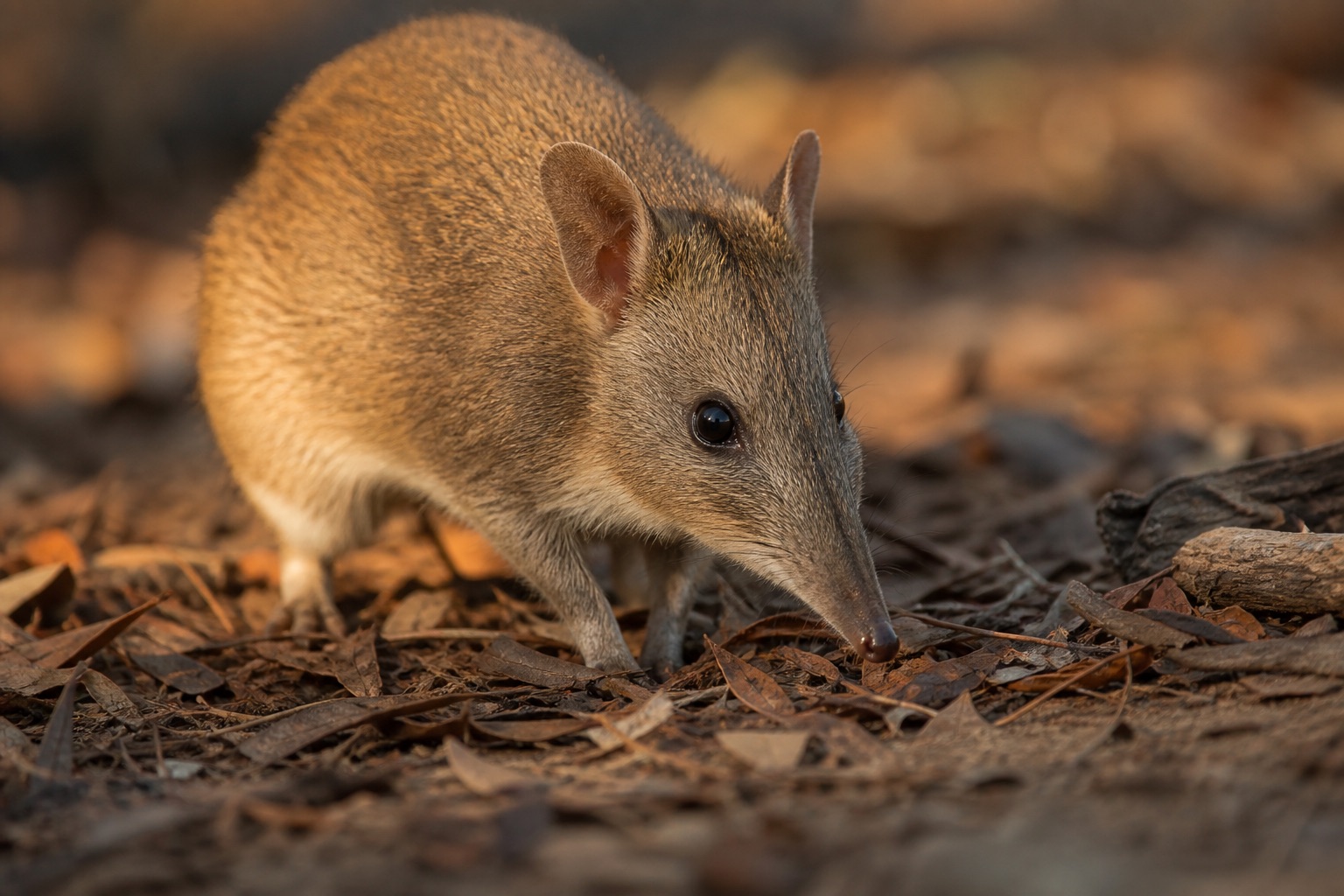
Marsupials
BBandicoot
Order Peramelemorphia — bandicoots and bilbies (family Peramelidae and others)
Marsupials with the shortest pregnancies on Earth — and a placenta more like a placental mammal than most pouched animals.
Australia · New Guinea and nearby islands
Open guide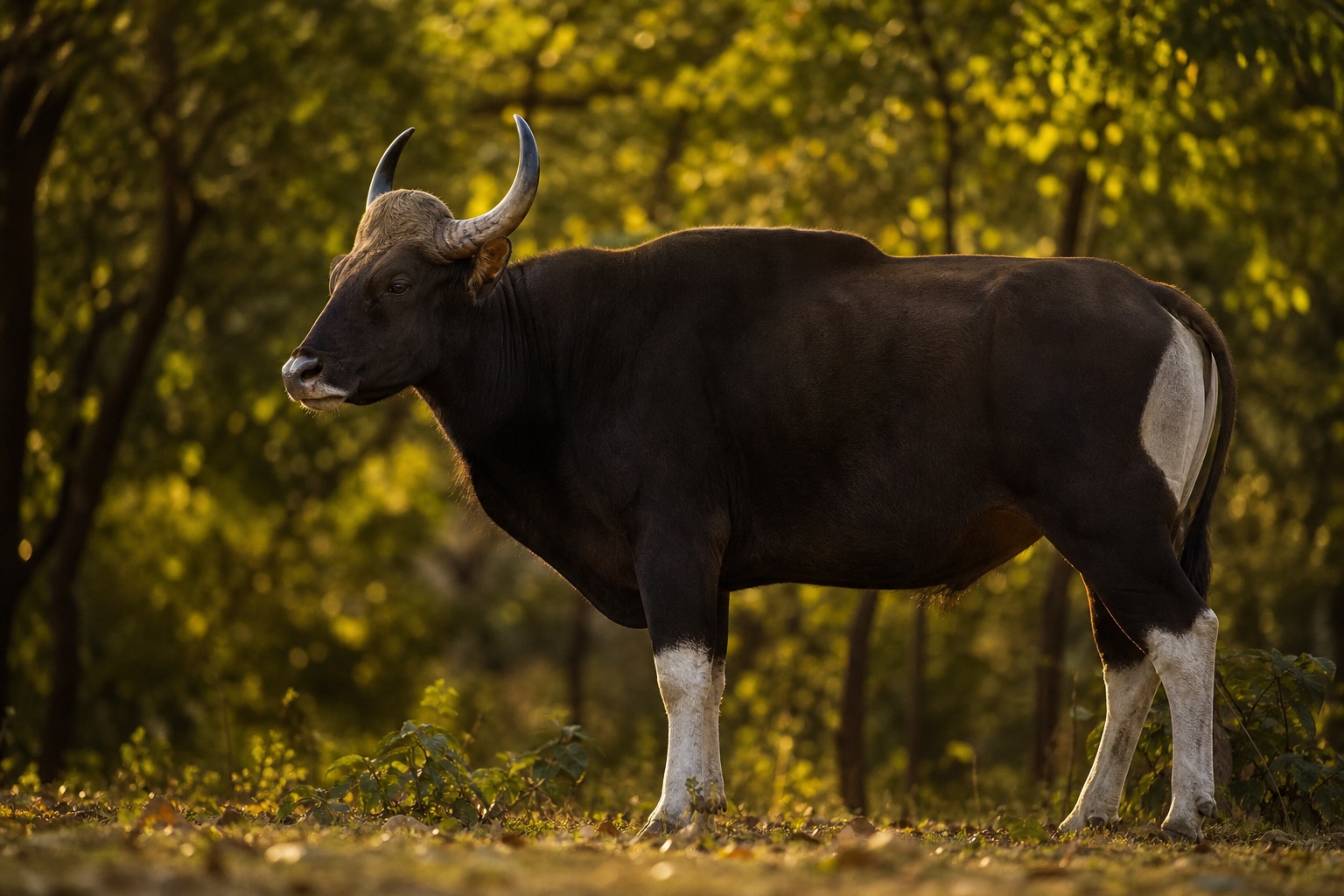
Hoofed animals
BBanteng
Bos javanicus (Hardwicke, 1825) — family Bovidae
The wild cattle whose clone made headlines in 2003 — while the species itself kept declining.
Borneo · Java
Open guide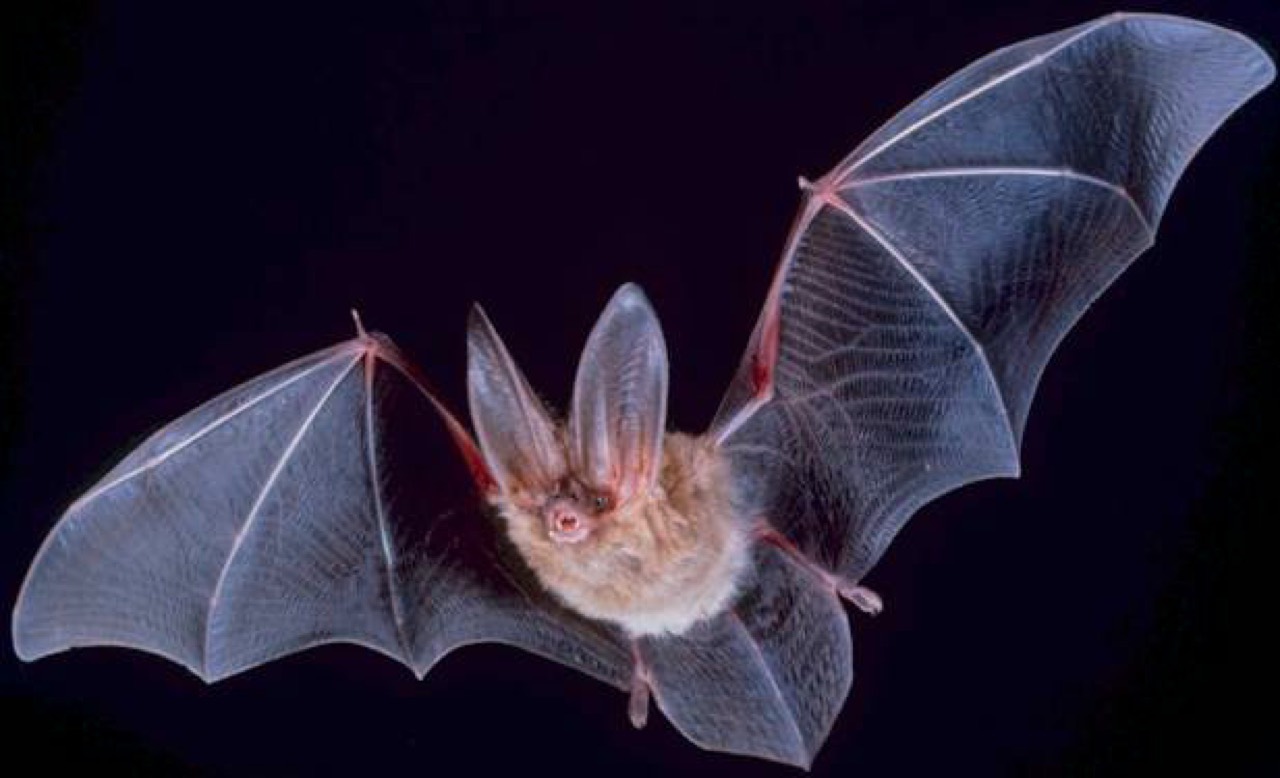
Bats
BBat
Chiroptera
The only mammals that truly fly, and quiet guardians of farms and forests.
Worldwide
Open guide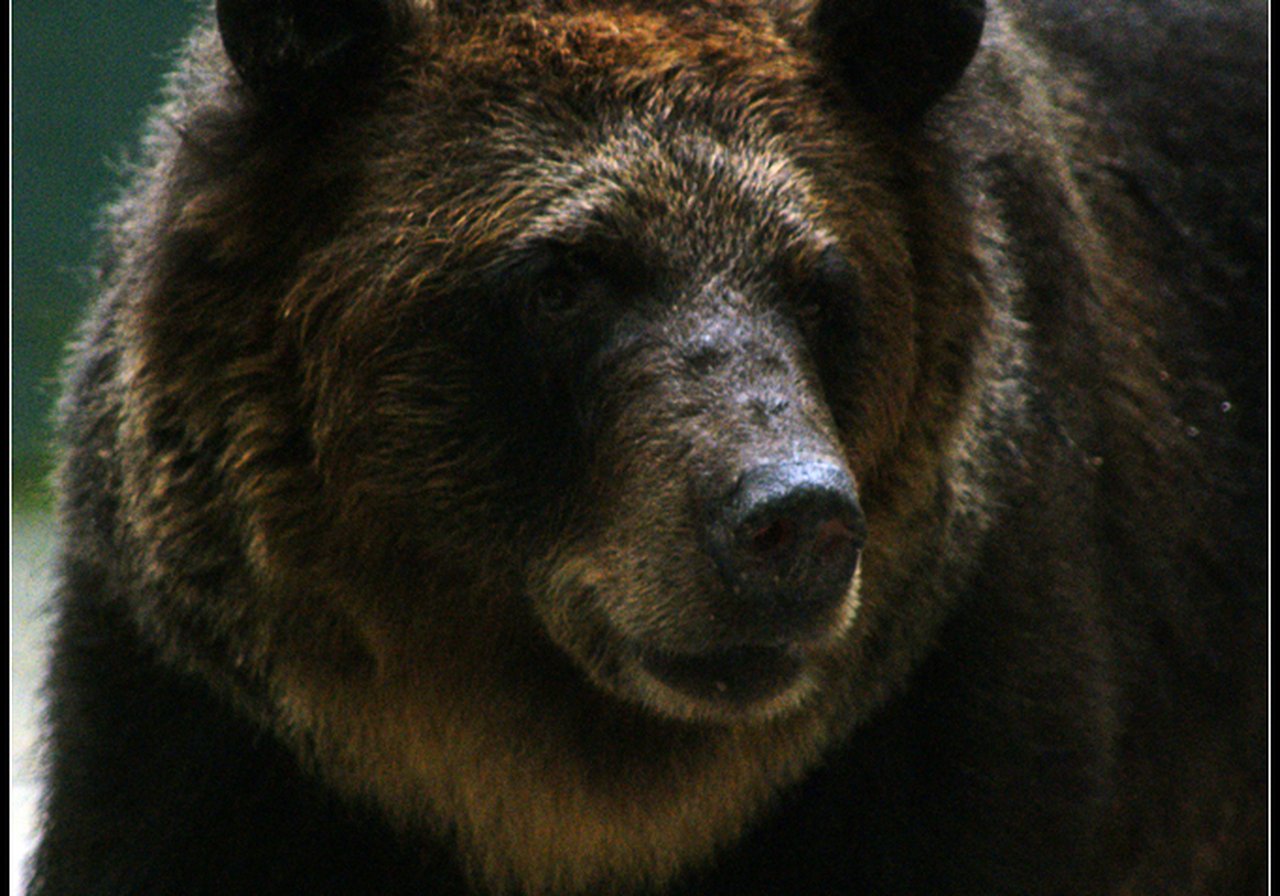
Bears
BBear
Family Ursidae — 8 living species across North America, South America, Europe and Asia
Eight living species — from polar ice to Andean cloud forest, not one Red List badge.
Indonesia · Malaysia
Open guide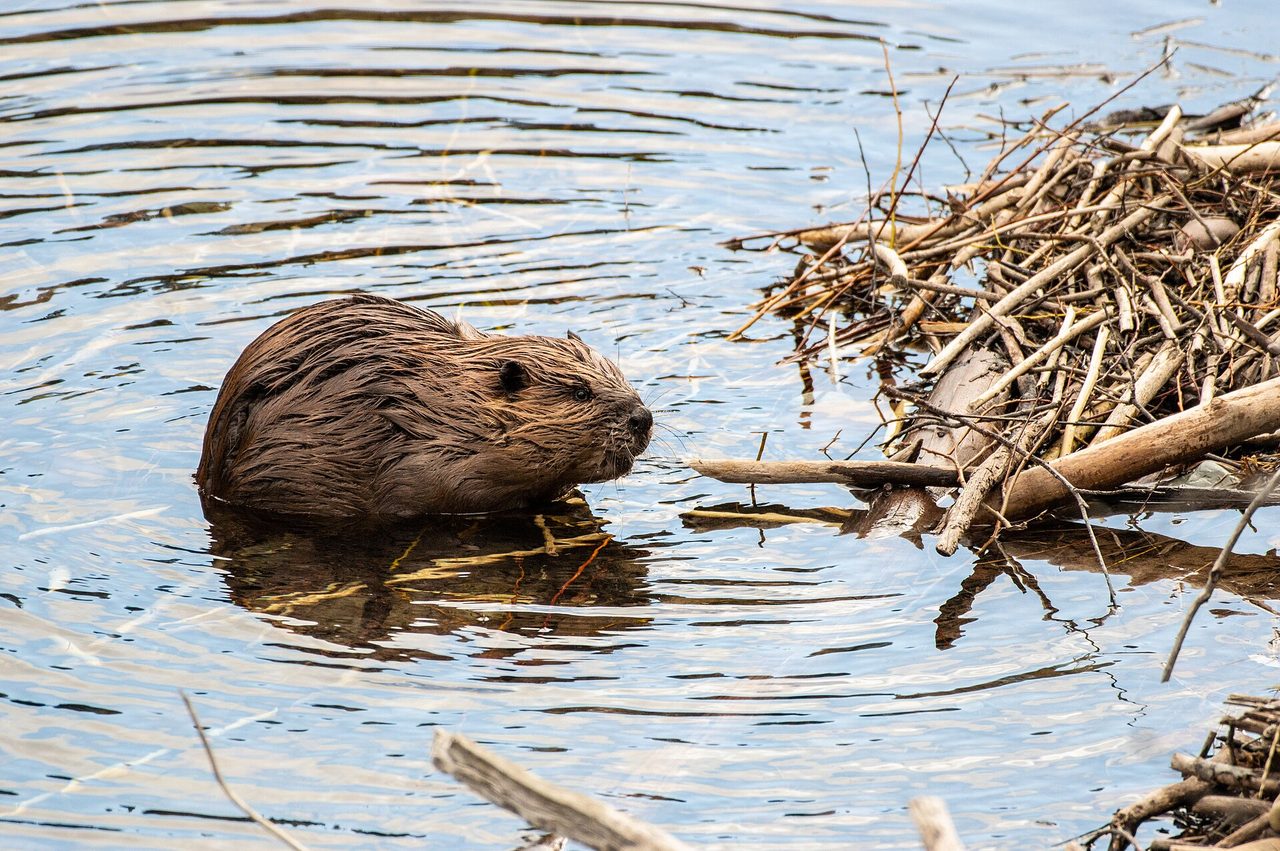
Rodents
BBeaver
Castor fiber (Linnaeus, 1758) and Castor canadensis (Kuhl, 1820)
Nature's engineers — dam builders whose wetlands sustain entire ecosystems.
Europe · North America
Open guide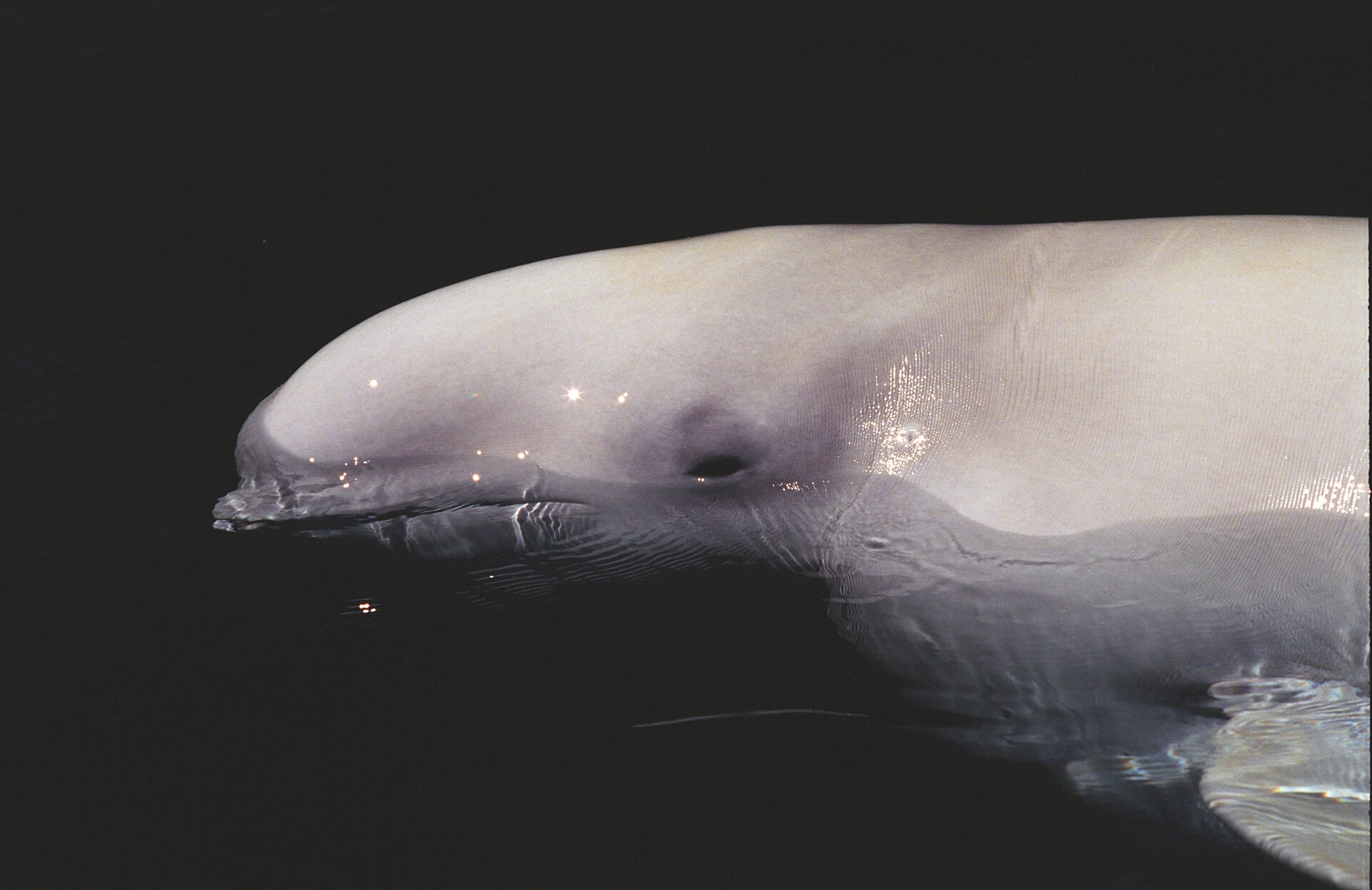
Other mammals
BBeluga Whale
Delphinapterus leucas
The Arctic's Singing Ghost — A White Whale That Talks, Mimics and Rules the Ice
Arctic Ocean · Subarctic seas
Open guide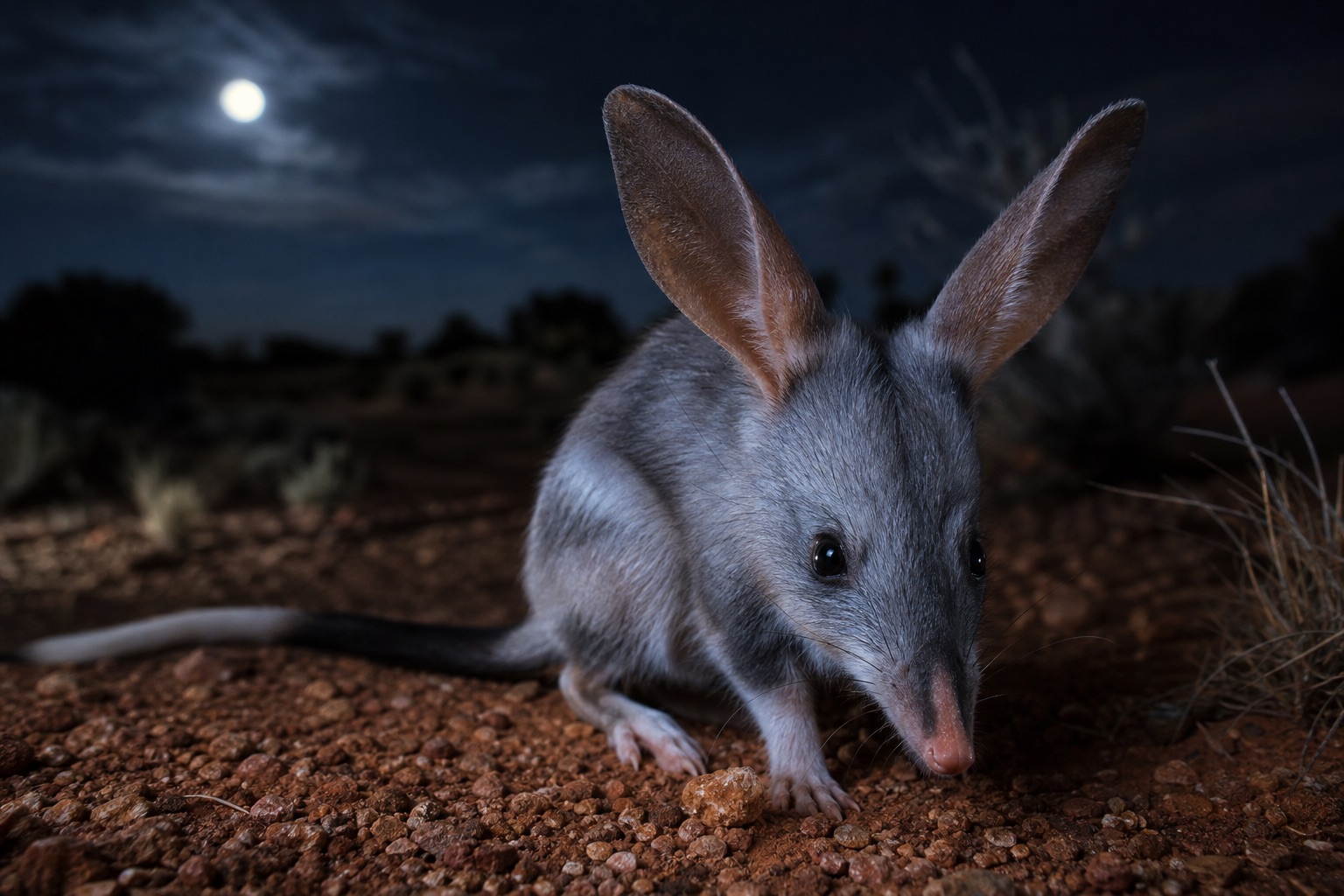
Marsupials
BBilby
Macrotis lagotis (Reid, 1837) — family Thylacomyidae
Australia's Easter Bilby — a rabbit-eared marsupial that burrows through the desert while the real rabbits eat it out of house and home.
Arid and semi-arid central and western Australia · Reintroduced populations in fenced sanctuaries
Open guide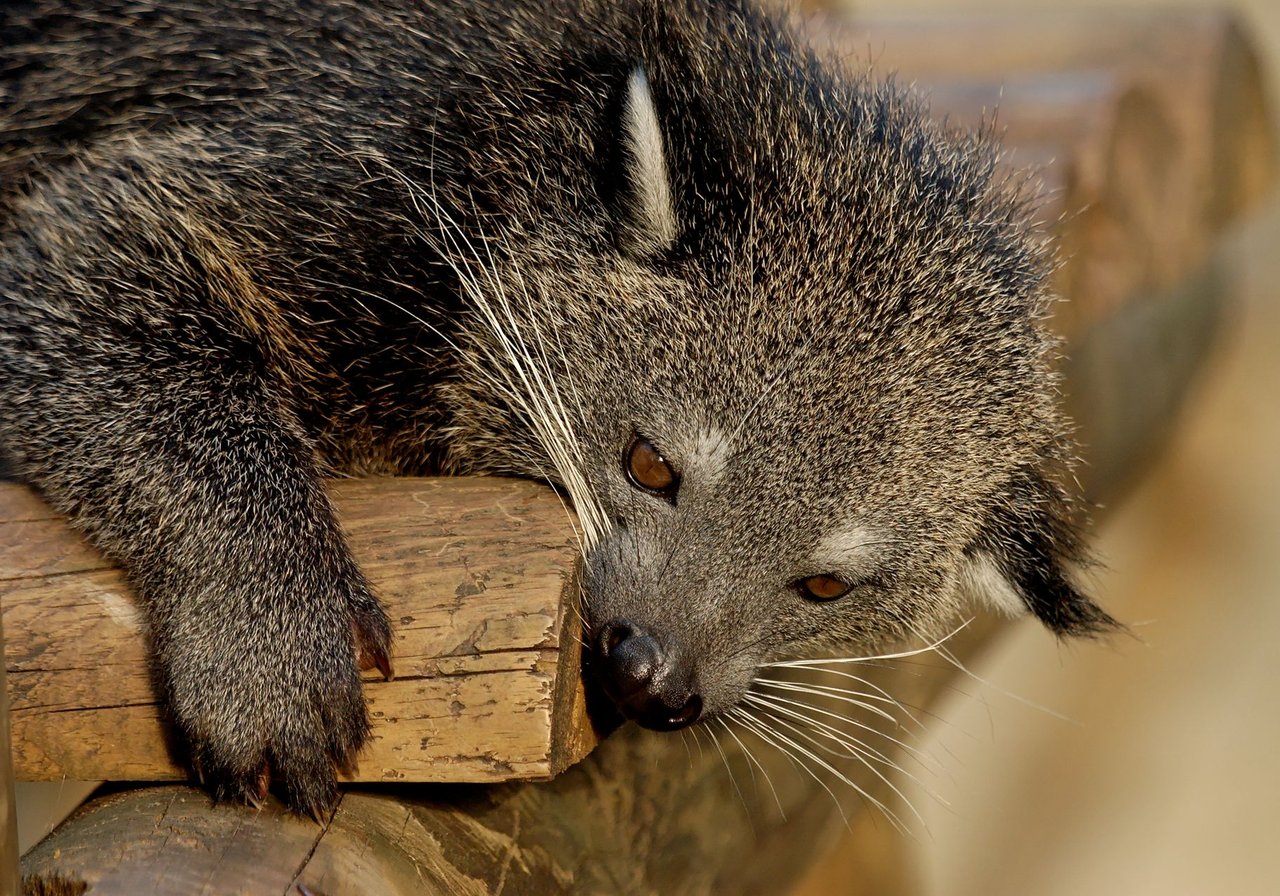
Small carnivores
BBinturong
Arctictis binturong (Raffles, 1821)
The bearcat of the canopy — shaggy, prehensile-tailed and vanishing with the forest.
South-east Asia · India
Open guide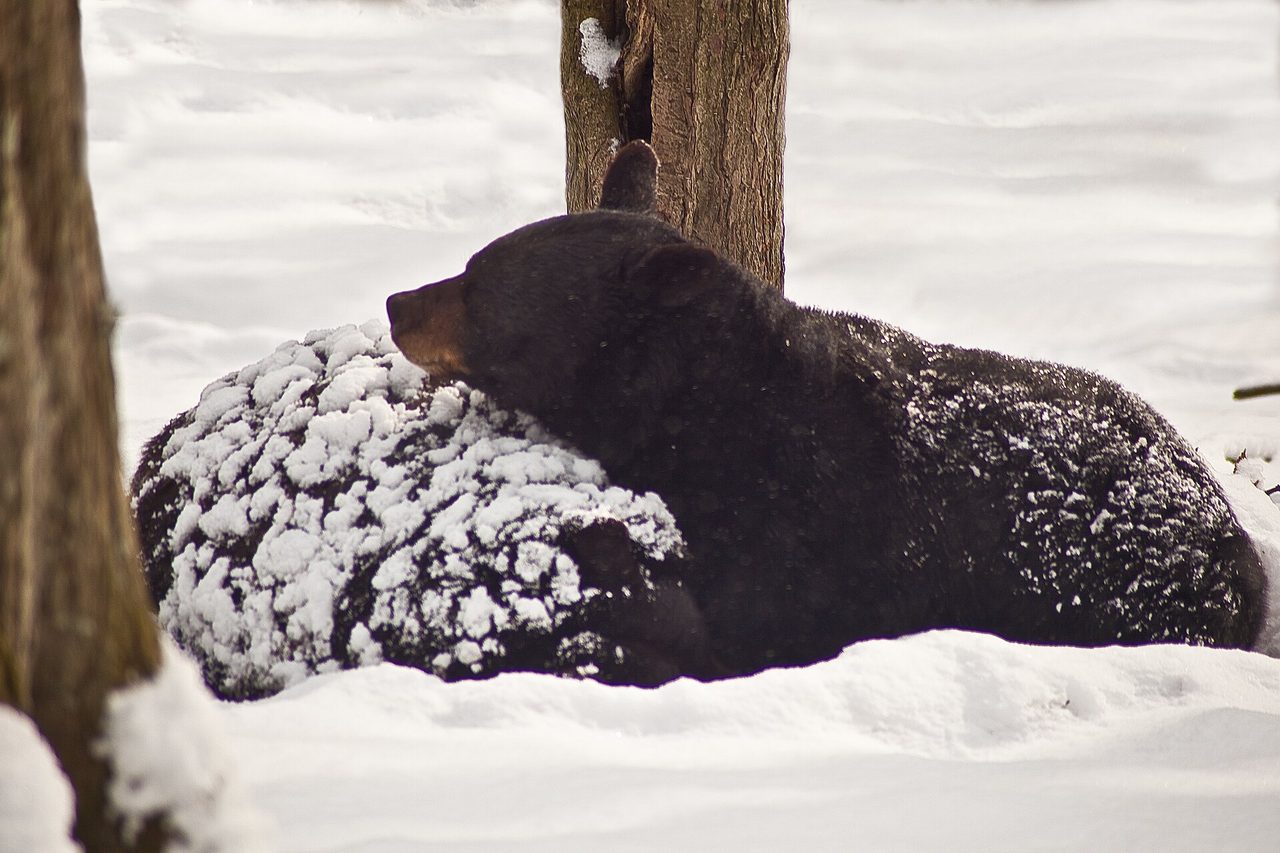
Bears
BBlack Bear
Ursus americanus (Pallas, 1780)
North America's most common bear — adaptable, omnivorous and widely misunderstood.
North America · Canada
Open guide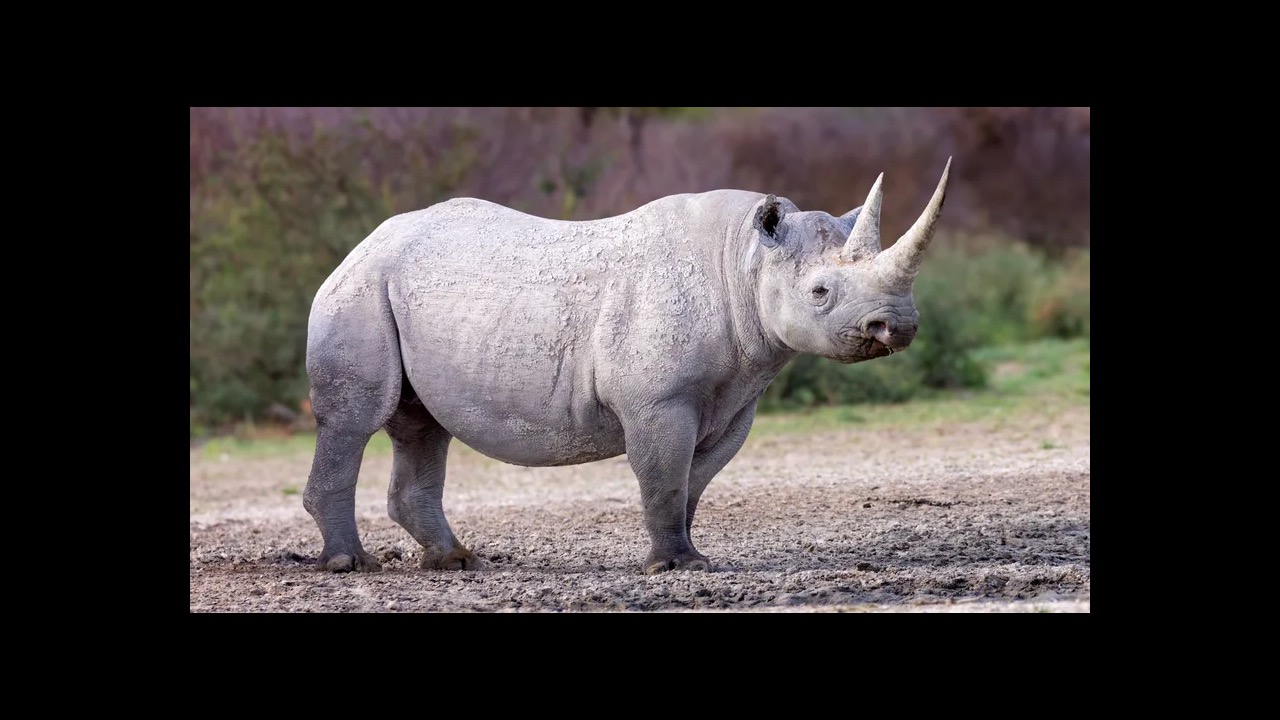
Hoofed animals
BBlack Rhinoceros
Diceros bicornis
Africa's hook-lipped browser in crisis
Africa
Open guide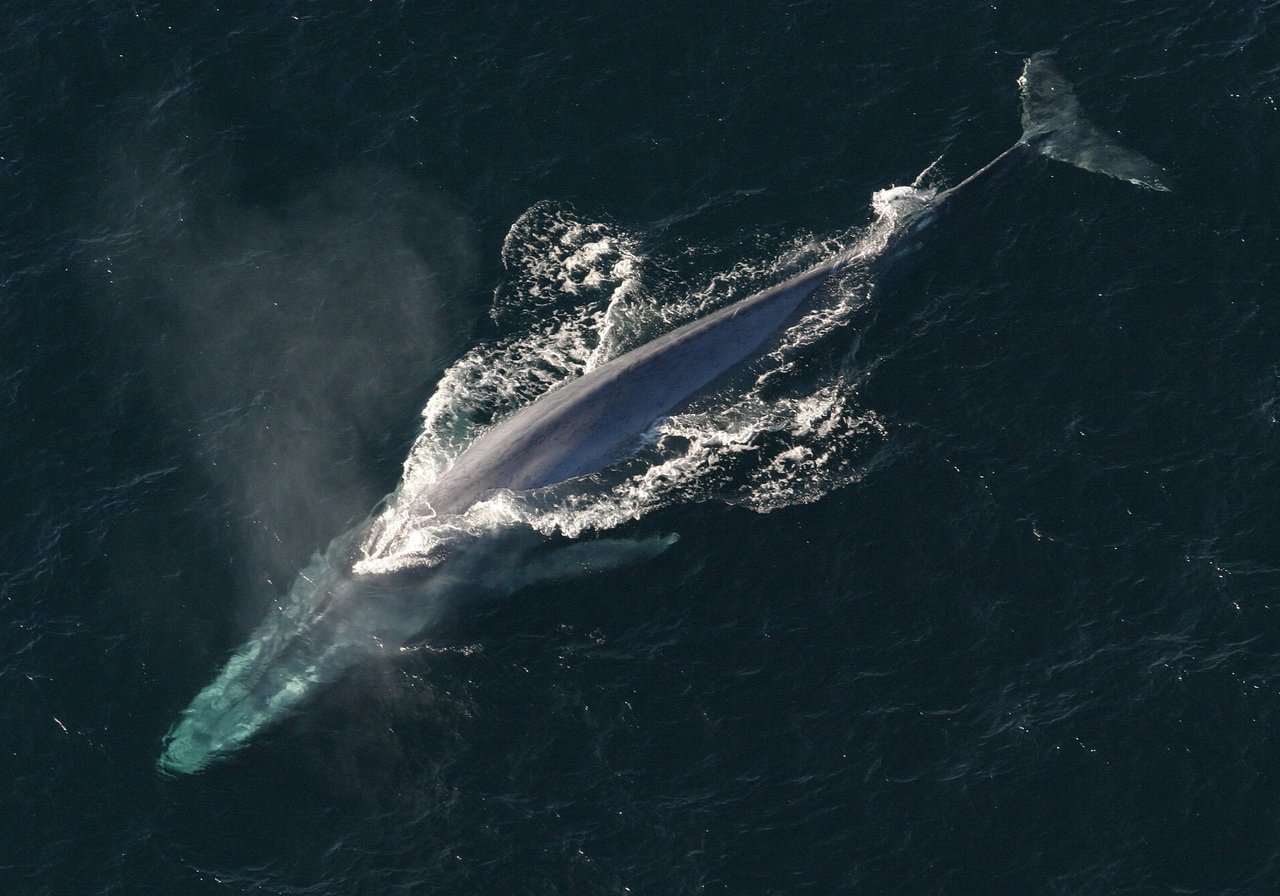
Marine mammals
BBlue Whale
Balaenoptera musculus (Linnaeus, 1758)
The largest animal ever known — a colossal filter-feeder recovering from the whaling era.
All oceans — Arctic to Antarctic; migratory between feeding and breeding grounds
Open guideQuick answers about mammals
- Are bats mammals? Yes. Bats are mammals — the only mammals capable of true powered flight. They nurse pups with milk and are warm-blooded. With more than 1,400 species, bats (order Chiroptera) are the second-largest mammal group after rodents. They nurse pups with milk and are endothermic.
- Are whales mammals? Yes. Whales are marine mammals — they breathe air through lungs, are warm-blooded, give live birth and nurse calves with milk. They belong to the order Cetacea, which includes whales, dolphins and porpoises — all descended from land-dwelling ancestors. Whales, dolphins and porpoises belong to order Cetacea — fully marine mammals descended from land ancestors roughly 50 million years ago.
- Are bats blind? No. Bats can see. Many species use echolocation to hunt in darkness, but their eyes are functional — especially in fruit bats that rely more on vision and smell. The “blind as a bat” phrase is wrong. Microbats combine functional vision with echolocation — high-frequency calls and echoes that map prey in total darkness.
- Do wolves have alpha packs? Not in the way popular culture means. Wild wolf packs are usually family groups — parents and their offspring — not a ladder of unrelated adults fighting for “alpha” rank. The classic alpha model came from captive packs and was later repudiated by its own author.
Habitat loss and trade decide most mammal futures
Forest clearance, prey depletion, hunting and the wildlife trade remove mammals faster than slow breeders can replace themselves. Island and large-bodied species are hit first; primates and big cats show the pattern clearly.
Free, sourced guides exist so readers can replace myths with mechanisms — and so every page can still route toward habitat and rescue funding when someone is ready to act.
Mammals: frequently asked questions
What makes an animal a mammal?
How many mammal species are there?
What are the main types of mammals?
Are whales and bats mammals?
Which mammals are most threatened?
What is the largest mammal?
What is the difference between a seal and a sea lion?
How can I help threatened mammals?
Keep exploring
-
Mammal facts Q&A
Short answers on what makes a mammal, whales, bats and more.
-
Animals A–Z
Searchable encyclopaedia of every species guide, plus dedicated letter URLs such as animals that start with A and N.
-
Animals that start with A
Homework letter encyclopaedia: Aardvark, Axolotl, Aye-aye and the other A guides — not a census.
-
Animals that start with N
Homework letter encyclopaedia: Narwhal, Naked Mole-Rat, Nautilus and the other N guides.
-
Types of dogs
Kennel-club groups, size, working roles and village dogs — not a popularity ranking.
-
Types of cats
FIFe categories, coat, household lists and moggies — not a popularity ranking.
-
Birds
The parallel type-page section for Aves.
-
Extinct animals
Finished stories with living parallels still on this site.
-
Endangered mammals
Threatened mammal guides collected in one place.
-
Glossary
Red List categories, CITES appendices and more.