Dog breeds · First-time owners

Best Dog Breeds for First-Time Owners

The breeds most often recommended for first-time owners are the Labrador Retriever, Golden Retriever, Cavalier King Charles Spaniel, Poodle and Bichon Frise — all biddable, forgiving of training mistakes and predictable in temperament. An adult rescue dog is frequently a better first dog than any puppy.

How this list was compiled

Editorially selected from the 50 breeds covered in the WARN breed guides, on the basis of trainability, predictable temperament and tolerance of inexperienced handling. Ordered by popularity rank.

A good first dog is a forgiving one. Every new owner gets training wrong at some point, and breeds differ enormously in how much that costs. Some shrug it off; others develop habits that take a professional to undo.

The breeds here are biddable, socially straightforward and reasonably predictable. What is not on the list matters too: highly driven working breeds, primitive breeds and specialist protection breeds are all poor first dogs, not because they are bad dogs but because they need a handler who already knows what they are doing.

Best Dog Breeds for First-Time Owners at a glance

Breed Size Lifespan Temperament
Labrador Retriever Large (25–36 kg) 10–12 years Friendly, outgoing, eager to please
Golden Retriever Large (25–34 kg) 10–12 years Gentle, devoted, playful
Poodle Toy to Standard (3–32 kg) 12–15 years Intelligent, elegant, eager
Cavalier King Charles Spaniel Small (6–8 kg) 10–14 years Gentle, affectionate, friendly
Miniature Schnauzer Small (5–9 kg) 10–14 years Spirited, friendly, alert
Boston Terrier Small (5–11 kg) 10–14 years Friendly, bright, amusing
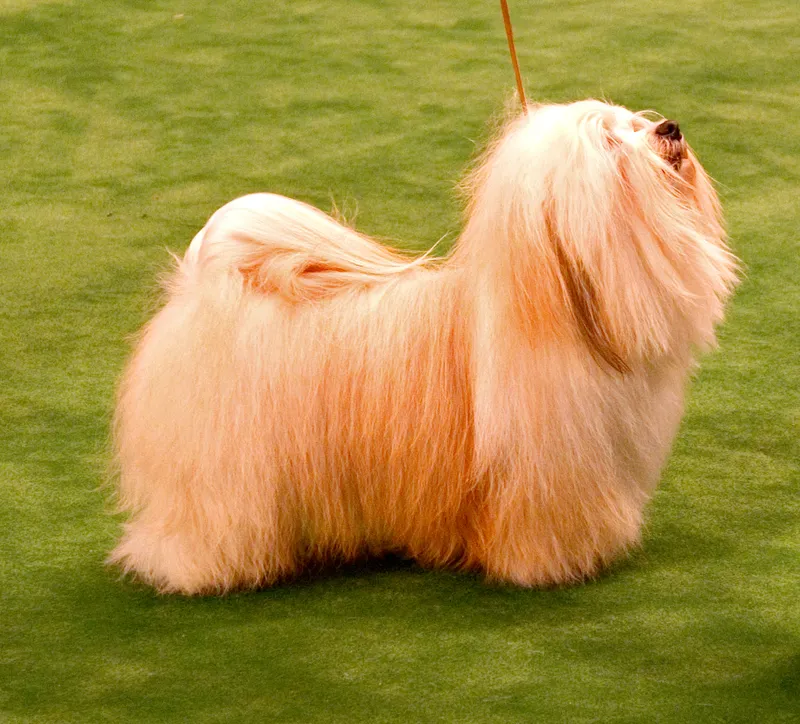
Havanese Small (3–6 kg) 10–14 years Cheerful, social, intelligent
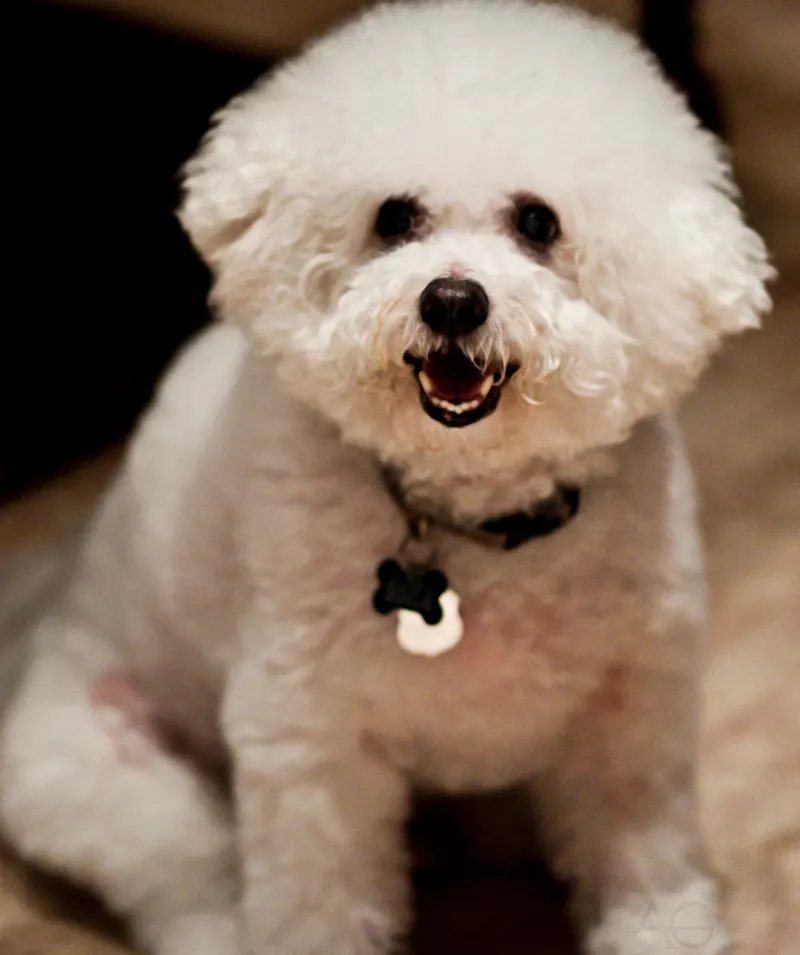
Bichon Frise Small (5–8 kg) 10–14 years Cheerful, playful, social
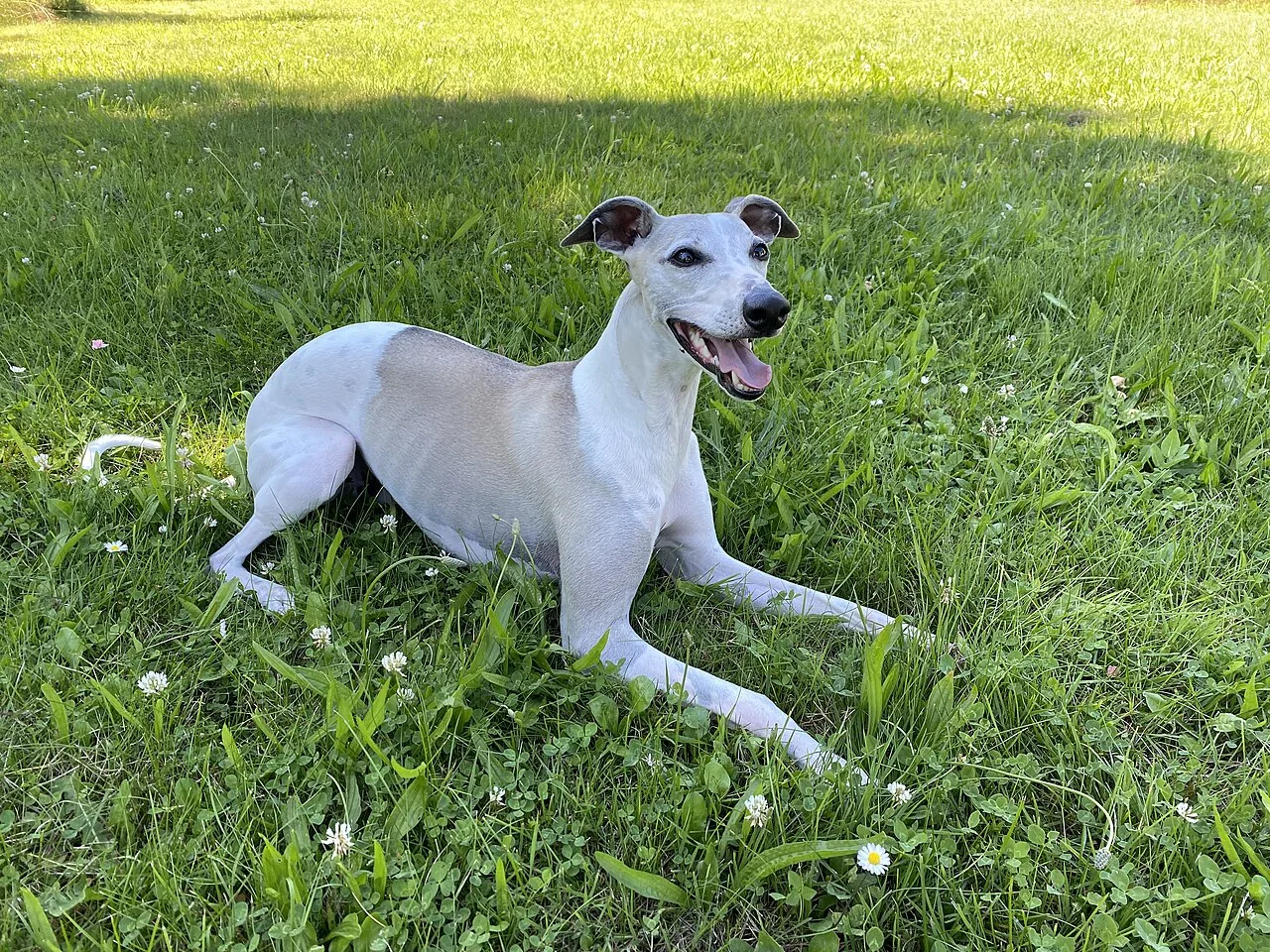
Whippet Medium (9–14 kg) 10–14 years Gentle, quiet, athletic
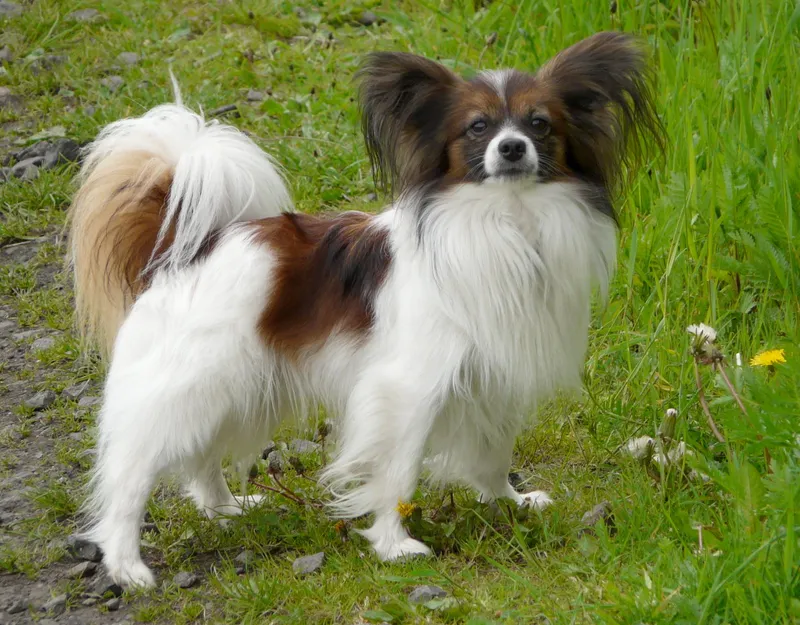
Papillon Toy (3–5 kg) 12–16 years Alert, friendly, intelligent

Best Dog Breeds for First-Time Owners: full profiles

Each entry covers what the breed was bred for, day-to-day needs, and health problems to watch — with a link to the full guide.

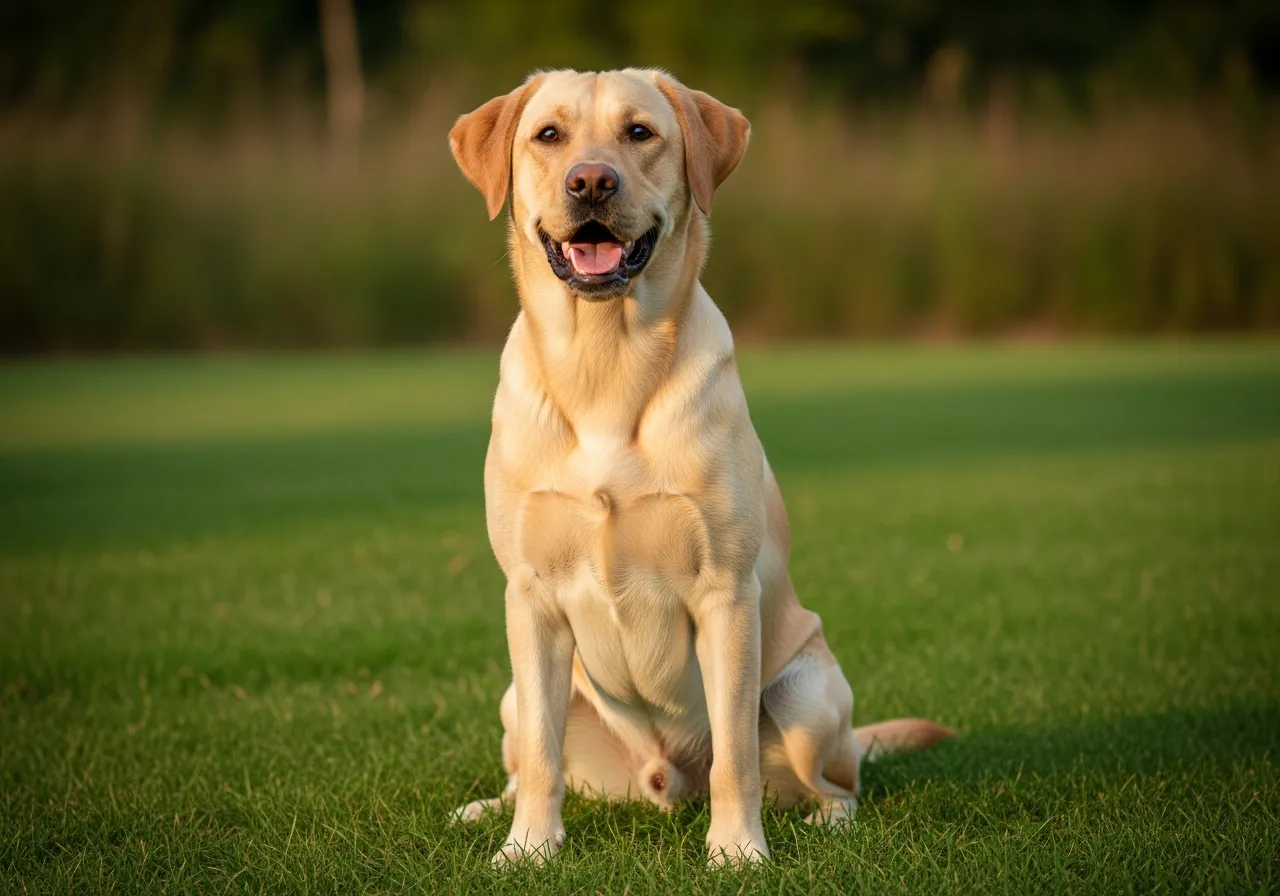
Labrador Retriever — dog breed guide

01 / Canada (Newfoundland)

Labrador Retriever

The Labrador Retriever is a friendly, highly trainable large dog from Newfoundland, beloved as a family companion and working dog. It excels at retrieving, guide and assistance work, and search and rescue thanks to its gentle, eager nature.

Size
Large (25–36 kg)
Lifespan
10–12 years
Temperament
Friendly, outgoing, eager to please
Origin
Canada (Newfoundland)

Coat & grooming — Short dense double coat; sheds seasonally and needs weekly brushing

Suits — Active families, children, first-time owners, working roles

Health to watch for

  • Hip and elbow dysplasia — These inherited joint conditions occur when the hip or elbow forms imperfectly, which can lead to stiffness, limping, or reluctance to exercise as a dog ages.
  • Obesity — Labradors are famously food-motivated and gain weight easily, which can strain their joints and affect overall health.
  • Ear infections — Their floppy ears trap moisture and can become itchy, red, or smelly, especially in dogs that swim often.
Full Labrador Retriever guide
Golden Retriever — dog breed guide

02 / Scotland

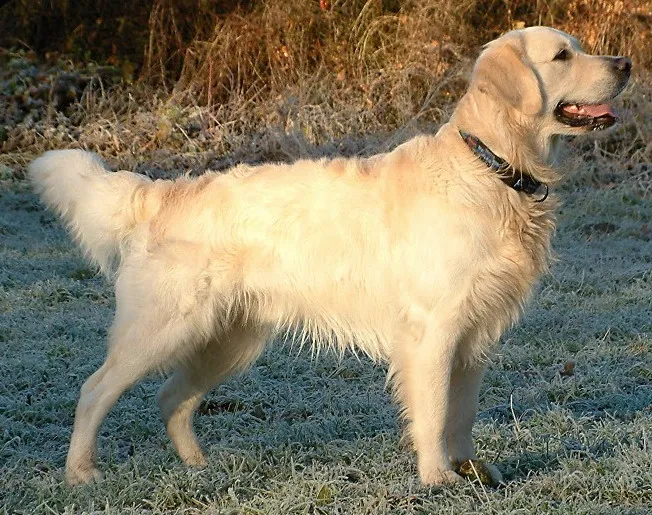
Golden Retriever

The Golden Retriever is a gentle, devoted large dog from Scotland, famous for its golden feathered coat and kind temperament. It is a favorite family pet and excels as a therapy, assistance, and gundog thanks to its eager, trainable nature.

Size
Large (25–34 kg)
Lifespan
10–12 years
Temperament
Gentle, devoted, playful
Origin
Scotland

Coat & grooming — Medium-length water-repellent double coat with feathering; sheds and needs regular brushing

Suits — Families, children, first-time owners, therapy and assistance work

Health to watch for

  • Higher cancer risk — Golden Retrievers have a higher-than-average lifetime risk of certain cancers, which can show up as new lumps, unusual tiredness, or weight loss.
  • Hip dysplasia — This inherited condition causes the hip joint to form imperfectly, sometimes leading to stiffness or limping over time.
  • Ear infections — Their warm, floppy ears can trap moisture and become itchy or inflamed, particularly in dogs that swim often.
Full Golden Retriever guide
Poodle — dog breed guide

03 / Germany and France

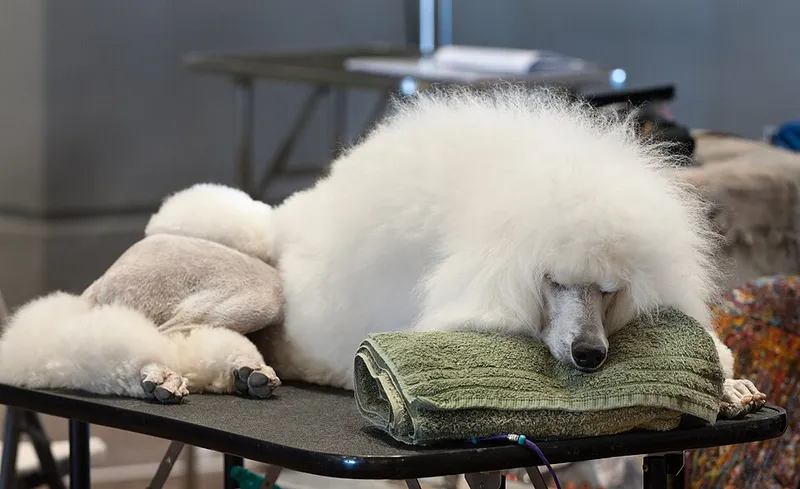
Poodle

The Poodle is a highly intelligent, elegant breed that comes in toy, miniature, and standard sizes. Known for a low-shedding curly coat and exceptional trainability, it suits allergy-conscious owners and excels in obedience and performance.

Size
Toy to Standard (3–32 kg)
Lifespan
12–15 years
Temperament
Intelligent, elegant, eager
Origin
Germany and France

Coat & grooming — Dense curly low-shedding coat; needs regular clipping and grooming

Suits — Allergy-conscious owners, families, active and dog-sport homes

Health to watch for

  • Progressive retinal atrophy — This inherited eye condition gradually reduces vision and can eventually lead to blindness, often first noticed as hesitancy in dim light.
  • Hip dysplasia — More common in Standard Poodles, this joint condition can cause stiffness or limping as the dog ages.
  • Addison's disease — This hormonal condition can cause vague signs such as tiredness, poor appetite, or digestive upset that come and go.
Full Poodle guide
Cavalier King Charles Spaniel — dog breed guide

04 / England

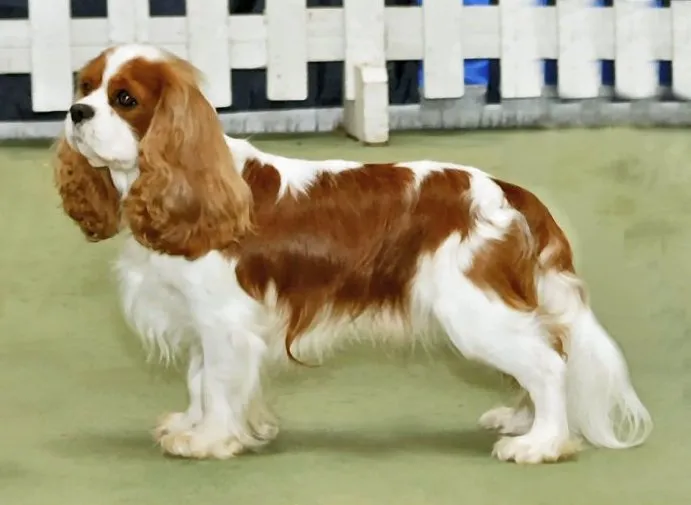
Cavalier King Charles Spaniel

The Cavalier King Charles Spaniel is a small, gentle toy spaniel from England, bred purely for companionship and known for its sweet, affectionate temperament. Its defining trait is an irresistible friendliness and devotion to people, making it one of the most adaptable and loving lap dogs for families and companion homes alike.

Size
Small (6–8 kg)
Lifespan
10–14 years
Temperament
Gentle, affectionate, friendly
Origin
England

Coat & grooming — A moderately long, silky coat that is straight or slightly wavy, with feathering on the ears, chest, legs, feet and tail. It comes in four recognised colours: Blenheim (chestnut and white), tricolour, black and tan, and ruby. Cavaliers shed moderately and need brushing several times a week to prevent the feathering from matting, with regular ear cleaning and occasional bathing; their coat needs little or no trimming.

Suits — An ideal choice for many homes, including families with children, first-time owners, older people and flat dwellers, thanks to their adaptable, easygoing nature. They are gentle and tolerant with children and usually friendly towards other dogs and pets. They form intense bonds and crave company, so they dislike being left alone for long. Their exercise needs are moderate, met by daily walks and play, though they happily enjoy more activity too.

Health to watch for

  • Heart conditions — Heart conditions can occur in this breed and may need veterinary monitoring.
  • Syringomyelia — Syringomyelia can occur in this breed and may need veterinary monitoring.
  • Eye conditions — Breed-related eye problems may include cataracts, progressive retinal atrophy, or cherry eye.
Full Cavalier King Charles Spaniel guide
Miniature Schnauzer — dog breed guide

05 / Germany

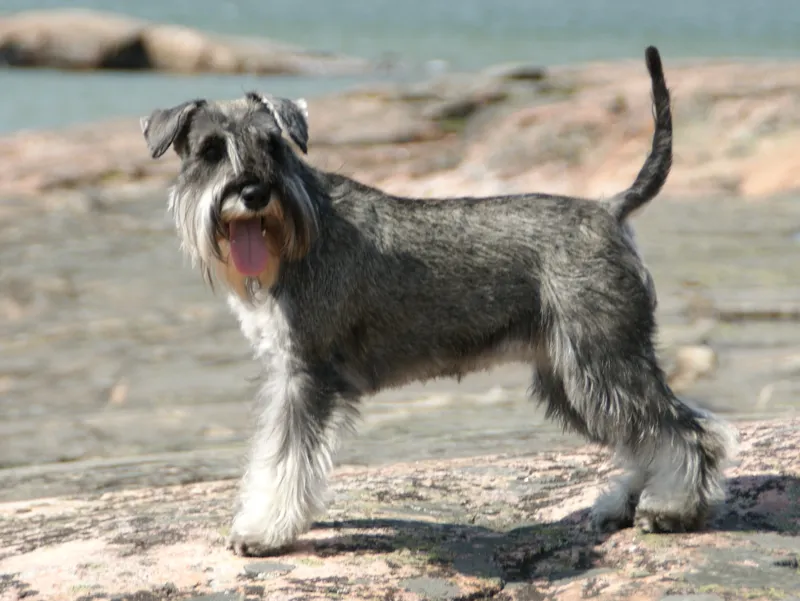
Miniature Schnauzer

The Miniature Schnauzer is a small, sturdy German terrier-type breed known for its wiry beard, bushy eyebrows and spirited, people-loving nature. Bright, alert and low-shedding, it makes a versatile family companion and watchdog that adapts well to both town flats and country homes.

Size
Small (5–9 kg)
Lifespan
10–14 years
Temperament
Spirited, friendly, alert
Origin
Germany

Coat & grooming — Double coat with a soft undercoat and a harsh, wiry topcoat, plus the breed's signature beard and leg furnishings. It sheds very little, but needs regular upkeep: brushing or combing two to three times a week to prevent matting, especially in the beard and legs, and clipping or hand-stripping every six to eight weeks. The beard tends to collect food and water and benefits from regular cleaning.

Suits — An excellent choice for first-time owners, families with children and people in flats, thanks to its manageable size, adaptability and affectionate temperament. Miniature Schnauzers are sociable and trainable, but their terrier heritage means they can be vocal and may chase small pets, so early socialisation helps. They enjoy moderate daily exercise and dislike being left alone for long periods.

Health to watch for

  • Pancreatitis risk — Pancreatitis risk can occur in this breed and may need veterinary monitoring.
  • Eye conditions — Breed-related eye problems may include cataracts, progressive retinal atrophy, or cherry eye.
  • Urinary stones — Urinary stones can occur in this breed and may need veterinary monitoring.
Full Miniature Schnauzer guide
Boston Terrier — dog breed guide

06 / United States

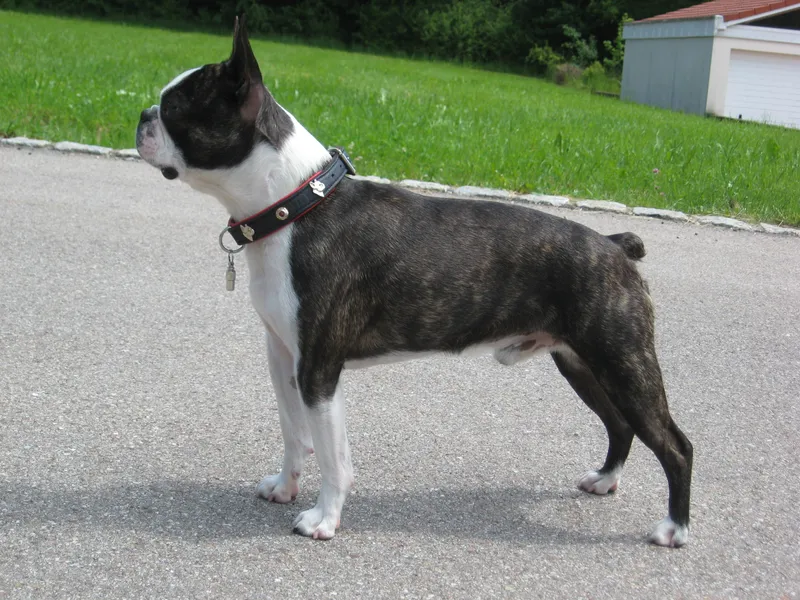
Boston Terrier

The Boston Terrier is a small, compact American breed nicknamed the 'American Gentleman' for its tuxedo-like markings and polite, friendly disposition. Bright, affectionate and amusing, it makes an adaptable companion that suits flats and families alike, needing modest exercise and very little grooming.

Size
Small (5–11 kg)
Lifespan
10–14 years
Temperament
Friendly, bright, amusing
Origin
United States

Coat & grooming — Short, smooth, fine and glossy single coat lying close to the body. Grooming is very easy: a weekly brush with a rubber mitt or soft bristle brush removes loose hair, and occasional baths keep the coat clean. Shedding is low to moderate, and the breed's facial wrinkles and prominent eyes benefit from gentle, regular wiping to stay clean and healthy.

Suits — An excellent all-rounder for first-time owners, families with children, older people and flat-dwellers, thanks to its friendly nature, convenient size and modest exercise needs. Bostons are typically sociable with people and other pets when socialised early. As a flat-faced breed they are sensitive to heat and over-exertion, so they suit owners who can keep activity moderate and avoid hot weather.

Health to watch for

  • Brachycephalic airway syndrome — Short skull shape narrows airways, causing snoring, exercise intolerance, and heat sensitivity.
  • Eye conditions — Breed-related eye problems may include cataracts, progressive retinal atrophy, or cherry eye.
  • Patellar luxation — The kneecap slips out of place, causing intermittent skipping or lameness.
Full Boston Terrier guide
Havanese — dog breed guide

07 / Cuba

Havanese

The Havanese is a small, silky-coated companion breed and the national dog of Cuba, developed purely to be a cheerful, affectionate family pet. Sociable, intelligent and trainable, it bonds closely with its people, adapts beautifully to flats and city life, and loves learning tricks and games.

Size
Small (3–6 kg)
Lifespan
10–14 years
Temperament
Cheerful, social, intelligent
Origin
Cuba

Coat & grooming — Long, soft, silky double coat that is light and slightly wavy, designed to insulate against Cuba's tropical heat. It needs daily brushing to prevent mats and tangles when kept long, though many pet owners opt for a shorter clip to reduce upkeep. The breed is very low-shedding, with loose hair staying in the coat, so regular grooming and occasional bathing are essential.

Suits — A superb companion for families, first-time owners, older people and flat-dwellers, thanks to its friendly, adaptable and people-focused temperament. Havanese are gentle with children and usually sociable with other dogs and pets when socialised early. Bred to be constant companions, they bond intensely and can suffer separation anxiety, so they suit households where they are not left alone for long stretches.

Health to watch for

  • Patellar luxation — The kneecap slips out of place, causing intermittent skipping or lameness.
  • Eye conditions — Breed-related eye problems may include cataracts, progressive retinal atrophy, or cherry eye.
  • Dental disease — Plaque and tartar build-up leads to gum infection and tooth loss.
Full Havanese guide
Bichon Frise — dog breed guide

08 / Mediterranean

Bichon Frise

The Bichon Frise is a small, cheerful companion breed from the Mediterranean, known for its soft, curly white coat and merry, sociable nature. A low-shedding favourite that often suits allergy-prone households, it loves attention, learns tricks readily and thrives on being part of the family.

Size
Small (5–8 kg)
Lifespan
10–14 years
Temperament
Cheerful, playful, social
Origin
Mediterranean

Coat & grooming — A soft, dense, curly double coat with a plush velvety texture, almost always pure white. The Bichon is low-shedding, as loose hair is caught in the curls rather than dropping, but this means it mats easily and needs daily brushing plus professional clipping and bathing every four to six weeks. The signature rounded 'powder-puff' trim is created by scissoring rather than nature.

Suits — An excellent, adaptable family pet, friendly with children, strangers and other animals, and well suited to flats given its small size and modest exercise needs. The affectionate, trainable Bichon is a fine choice for first-time owners, though grooming costs and time should be budgeted for. They bond strongly and dislike being left alone for long, so they suit households where they will have plenty of company.

Health to watch for

  • Patellar luxation — The kneecap slips out of place, causing intermittent skipping or lameness.
  • Allergies — Allergies can occur in this breed and may need veterinary monitoring.
  • Dental disease — Plaque and tartar build-up leads to gum infection and tooth loss.
Full Bichon Frise guide
Whippet — dog breed guide

09 / England

Whippet

The Whippet is a slender, medium-sized sighthound capable of explosive sprints up to around 56 km/h, yet famously gentle and calm indoors. Often called the perfect blend of athlete and lap dog, it is quiet, affectionate and adaptable, sprinting in short bursts outdoors before happily curling up on the sofa.

Size
Medium (9–14 kg)
Lifespan
10–14 years
Temperament
Gentle, quiet, athletic
Origin
England

Coat & grooming — Short, fine, smooth and close-lying coat in almost any colour or pattern. It is exceptionally low-maintenance, needing only an occasional wipe or quick brush, and sheds very little. The trade-off is poor insulation: with little body fat and thin skin, Whippets feel the cold keenly and often need a coat in winter, while their delicate skin can tear or graze more easily than that of thicker-coated breeds.

Suits — An excellent all-round companion, including for first-time owners and flat-dwellers, thanks to its quiet, clean, undemanding nature indoors. Whippets are gentle and affectionate with children and usually friendly with other dogs, especially other sighthounds, though their strong prey drive means cats and small pets are safest only if the dog is raised with them. They need a daily chance to sprint safely off-lead in a secure space, but settle remarkably calmly once exercised.

Health to watch for

  • Heart conditions — Heart conditions can occur in this breed and may need veterinary monitoring.
  • Eye conditions — Breed-related eye problems may include cataracts, progressive retinal atrophy, or cherry eye.
  • Skin injuries — Hairless and thin-coated rats, and rats housed on rough surfaces or with incompatible cage-mates, are prone to scratches, sores and abrasions on unprotected skin.
Full Whippet guide
Papillon — dog breed guide

10 / France/Belgium

Papillon

The Papillon is an alert, friendly toy spaniel from France and Belgium, named for the butterfly-like fringing on its large, upright ears. Surprisingly athletic and one of the most trainable toy breeds, it consistently shines in obedience and agility despite weighing only a few kilograms.

Size
Toy (3–5 kg)
Lifespan
12–16 years
Temperament
Alert, friendly, intelligent
Origin
France/Belgium

Coat & grooming — A single, long, fine, silky coat with no undercoat, lying flat with abundant feathering on the ears, chest, legs and a plumed tail; it is most often white with patches of any colour. Because there is no woolly undercoat, shedding is light and the coat is fairly easy to maintain with two or three brushings a week to prevent tangles behind the ears and on the trousers. No clipping is needed, and occasional baths keep the silky coat bright.

Suits — A lively, affectionate companion that suits families with considerate older children, singles, and flat-dwellers alike, as well as first-time owners willing to train. Being tiny and delicate, it is less ideal around very boisterous toddlers or large rough-playing dogs. Papillons are sociable with other pets when introduced well, and although small they are energetic and clever, needing daily walks, play and mental challenges to stay content.

Health to watch for

  • Patellar luxation — The kneecap slips out of place, causing intermittent skipping or lameness.
  • Dental disease — Plaque and tartar build-up leads to gum infection and tooth loss.
  • Eye conditions — Breed-related eye problems may include cataracts, progressive retinal atrophy, or cherry eye.
Full Papillon guide

Best Dog Breeds for First-Time Owners: frequently asked questions

What is the best dog breed for a first-time owner?
Labrador and Golden Retrievers are the usual answer — biddable, sociable and forgiving of inexperience. Cavalier King Charles Spaniels suit quieter homes, and Poodles are highly trainable in all three sizes.
What is the easiest dog breed to train?
Poodles, Labrador and Golden Retriever, Border Collie and German Shepherd rank highest on trainability. Note that trainable does not mean low-maintenance — Border Collies and German Shepherds are easy to teach and difficult to satisfy.
Should a first-time owner get a puppy or a rescue dog?
An adult rescue is often easier. Its adult size, temperament and energy level are already known rather than predicted, many are house-trained, and reputable rescues assess dogs before rehoming. Puppies are a much larger time commitment with far less certainty about the adult dog you end up with.
Which dog breeds should a beginner avoid?
Working-line herding and protection breeds, livestock guardians, and primitive breeds such as Huskies and Akitas. All are capable of being excellent dogs and all are unforgiving of inexperienced handling.

Before you go

Most of the world's dogs have no breed, and no owner

An estimated 300 million dogs live on the world's streets. They are not a breed, they are not registered anywhere, and in cities like Karachi they face poisoning and culling campaigns that the World Health Organization has repeatedly said do not reduce dog numbers or rabies risk.

What does work is CNVR — catch, neuter, vaccinate, return — carried out street by street, alongside community education. WARN funds CNVR in Karachi. It is unglamorous, it is measurable, and it is the difference between a dog being killed and a dog being vaccinated and left alone.