Mammals
Endangered Mammals
Endangered mammals include some of the most recognisable and most heavily pressured animals on Earth. This collection brings together 75 threatened mammal guides with facts, threats, conservation status and WARN action routes.
By WARN Research & Conservation Team Last updated
This collection links to 75 sourced WARN guides with conservation status, key facts, threats, FAQs and references.
Critically Endangered
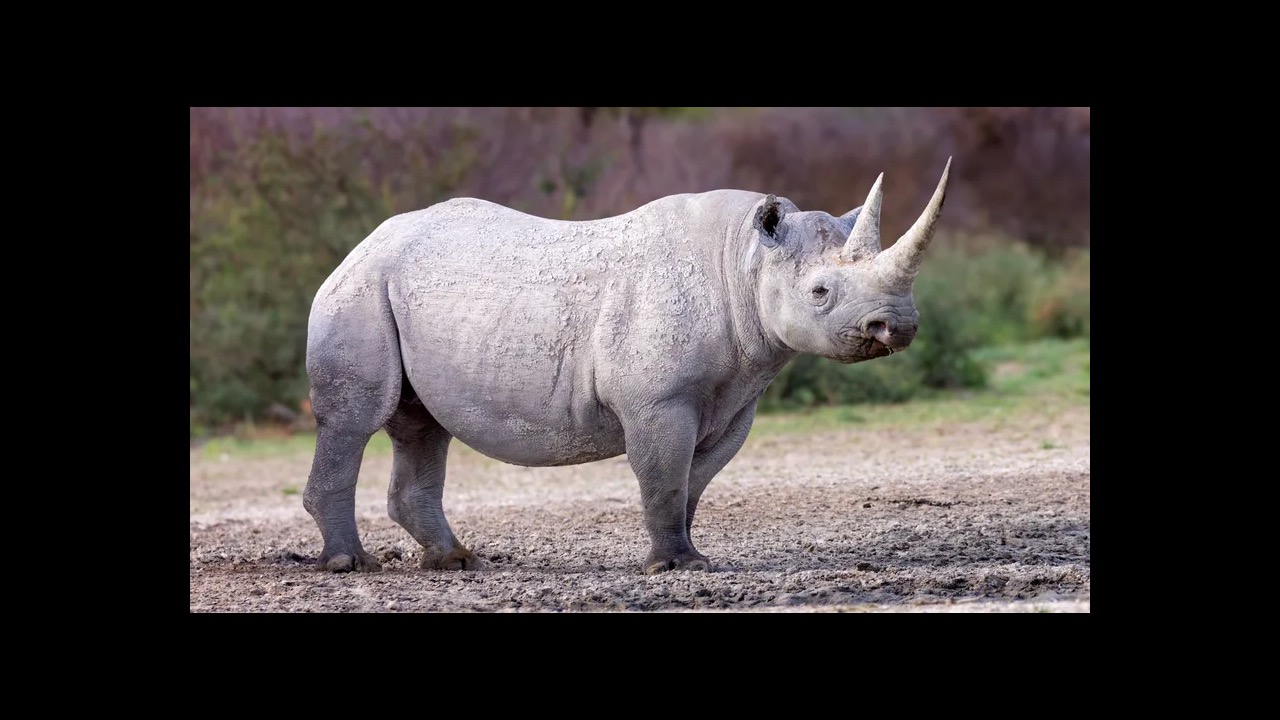
Black Rhinoceros
Diceros bicornis
The black rhinoceros is a large African rhino with a hooked upper lip for browsing shrubs, weighing 800–1,400 kg (1,750–3,100 lb) despite its name referring to soil colour, not hide. Critically endangered from poaching for horn, fewer than 6,500 remain across scattered eastern and southern African reserves.
Read the guide →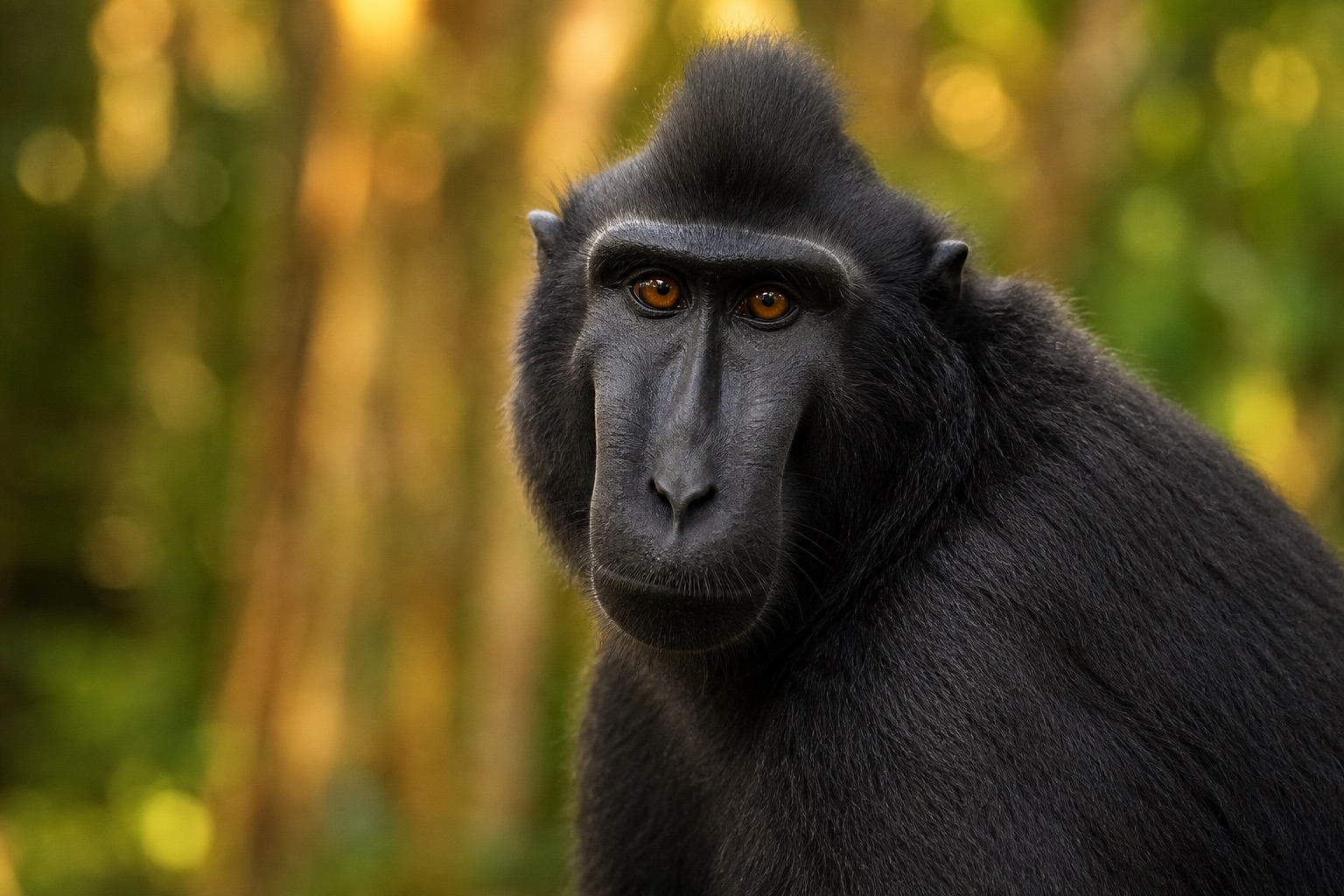
Critically Endangered — fewer than expected remain on Sulawesi
Crested Black Macaque
Macaca nigra (Desmarest, 1822) — family Cercopithecidae
The crested black macaque (Macaca nigra) is a Critically Endangered all-black monkey endemic to northeastern Sulawesi, threatened by hunting and forest loss; it became famous through 2011 selfie photographs, but copyright law does not protect the species from decline.
Read the guide →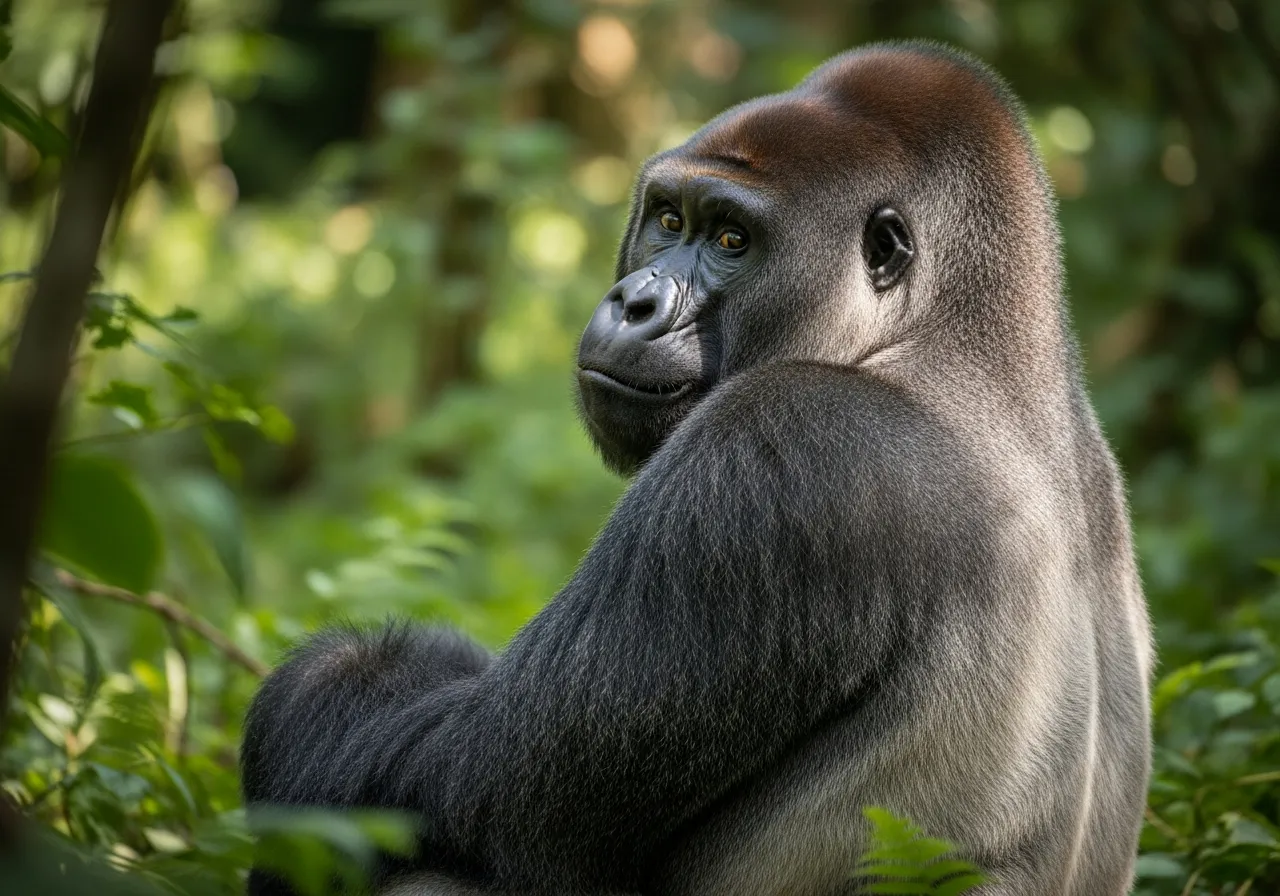
Critically Endangered (both species)
Gorilla
Gorilla gorilla (Savage, 1847) — Western Gorilla; Gorilla beringei (Matschie, 1903) — Eastern Gorilla
A gorilla is the largest living primate, a ground-dwelling, mostly plant-eating great ape native to the forests of equatorial Africa. There are two Critically Endangered species — the Western and Eastern gorilla — and gorillas share roughly 98% of their DNA with humans.
Read the guide →Critically Endangered
Indri
Indri indri (Gmelin, 1788)
The indri is the largest living lemur, endemic to eastern Madagascar and listed Critically Endangered on the IUCN Red List (2020, decreasing). It lives in monogamous family groups, sings across the canopy, and has never been kept successfully in captivity, so survival depends on protecting remaining forest — not on zoo breeding.
Read the guide →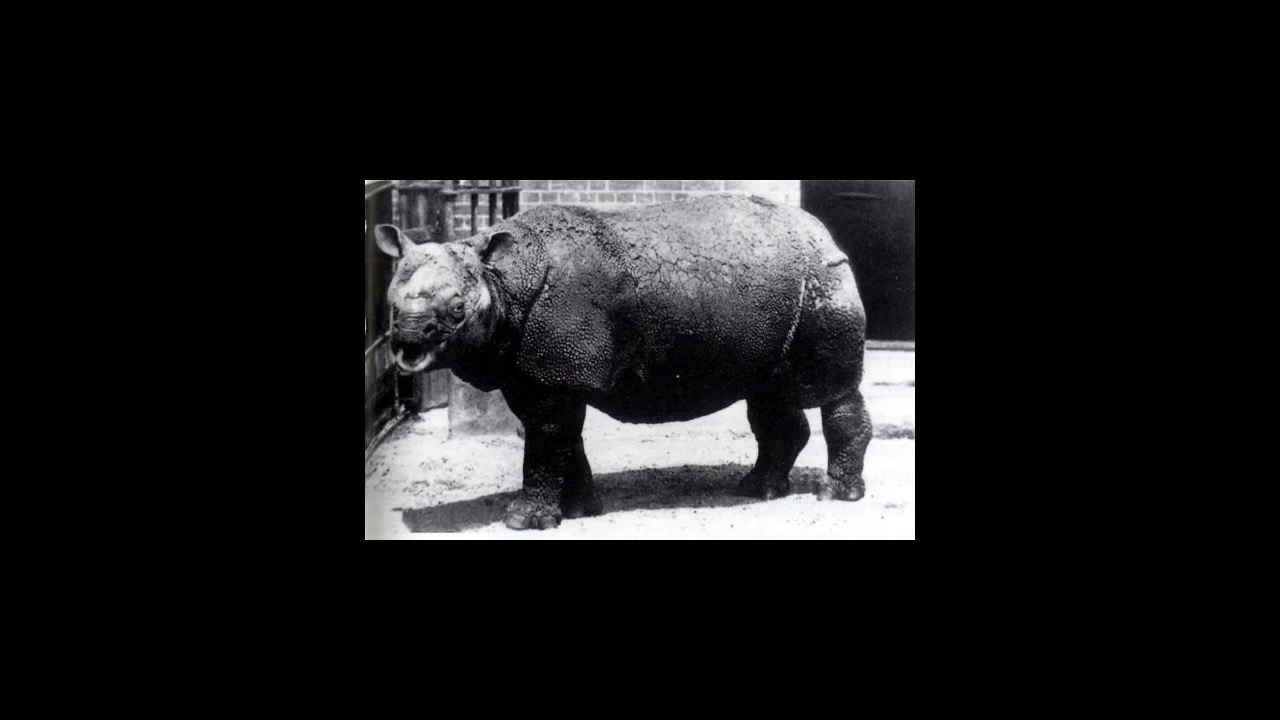
Critically Endangered
Javan Rhino
Rhinoceros sondaicus
The Javan rhinoceros is the rarest of all rhino species, with roughly 70 individuals surviving in a single national park on Java, Indonesia. Smaller than the Indian rhino at 900–2,300 kg (2,000–5,000 lb), it has a single horn and nearly hairless grey skin, and is Critically Endangered from historic hunting and tiny range.
Read the guide →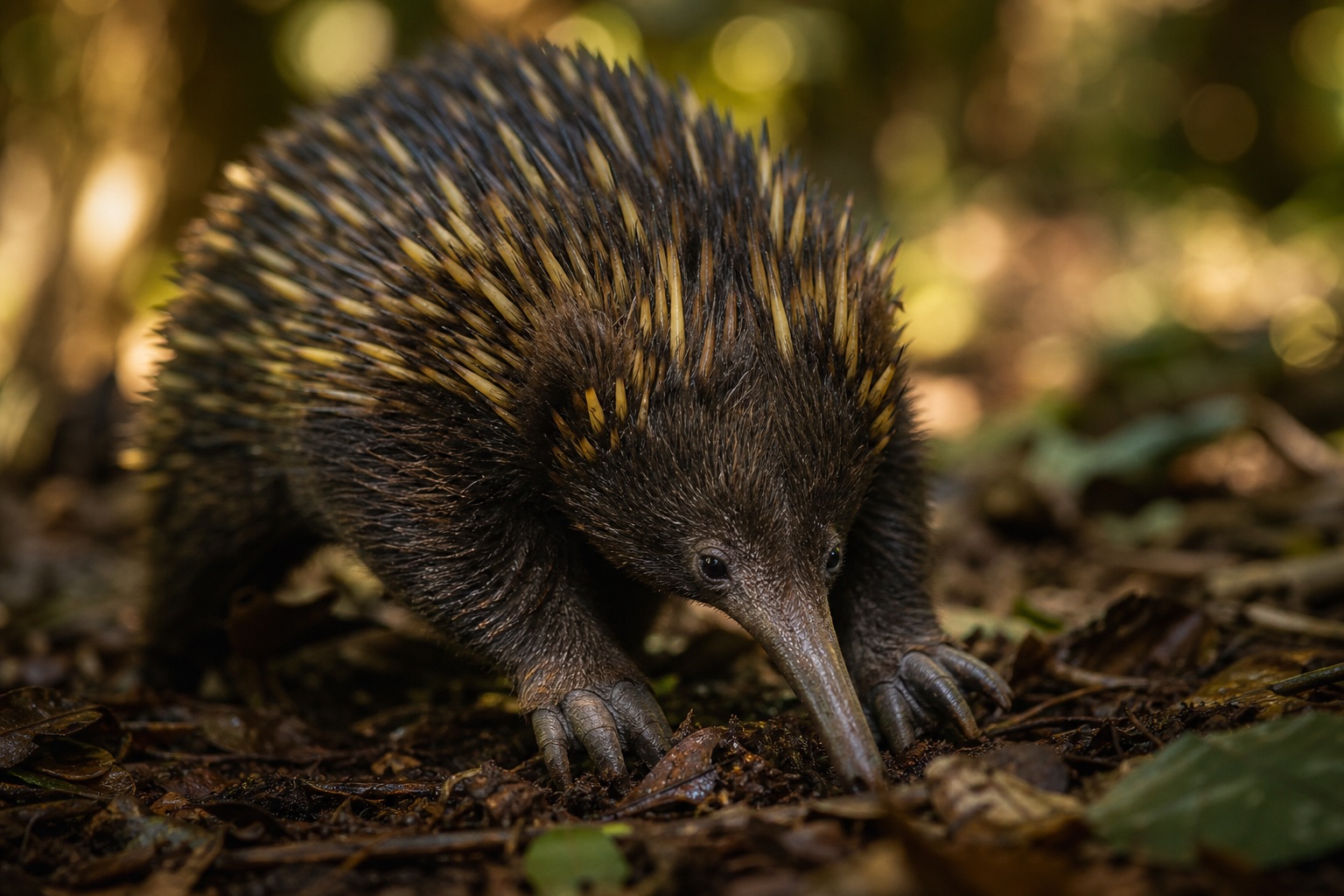
Critically Endangered — Attenborough's echidna unrecorded for decades until 2023
Long-beaked Echidna
Genus Zaglossus — three species; Attenborough's long-beaked echidna Z. attenboroughi
Long-beaked echidnas (genus Zaglossus) are egg-laying monotreme mammals of New Guinea highland forest; Attenborough's long-beaked echidna was not recorded for roughly sixty years until camera-trap images in 2023, and the genus is Critically Endangered.
Read the guide →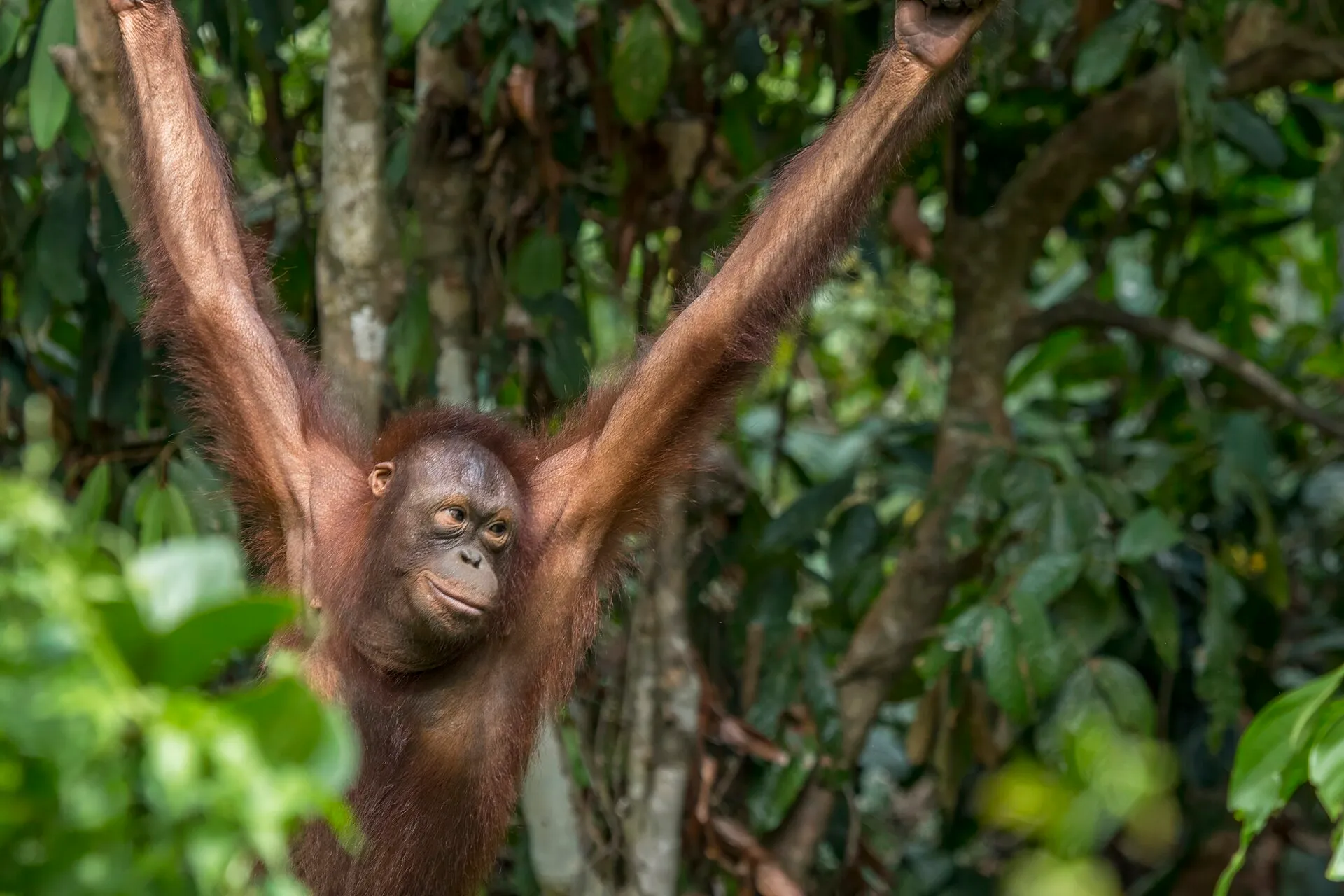
Critically Endangered
Orangutan
Pongo pygmaeus (Linnaeus, 1760), Pongo abelii (Lesson, 1827), Pongo tapanuliensis (Nurcahyo, Meijaard et al., 2017)
Orangutans are Critically Endangered great apes found only in Borneo and Sumatra; all three species — Bornean, Sumatran, and Tapanuli — face extinction driven mainly by habitat loss from palm oil and logging, plus the illegal pet trade.
Read the guide →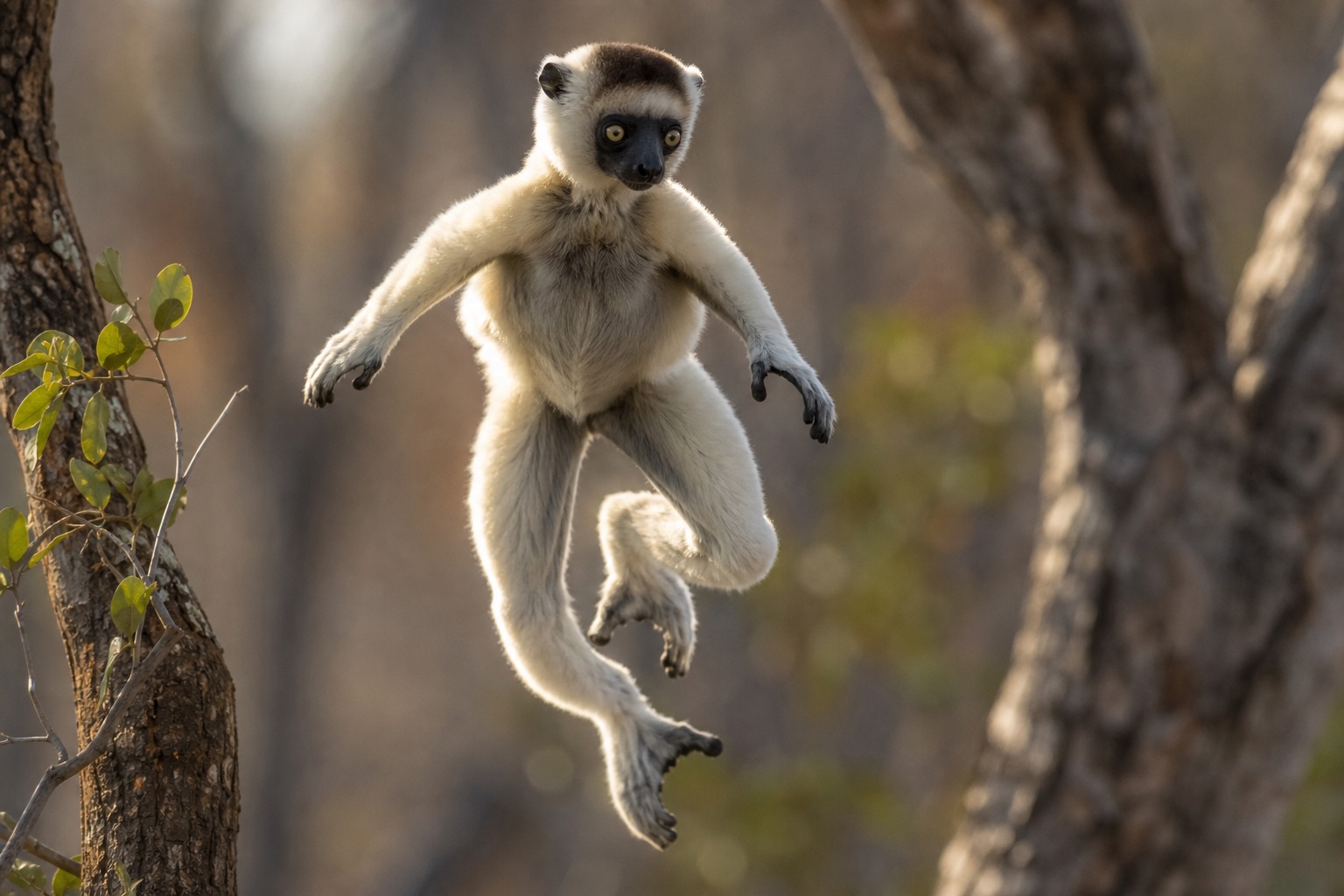
Varies by species — several Critically Endangered, others Vulnerable or Endangered
Sifaka
Genus Propithecus — nine recognised species
Sifakas are nine species of lemur in the genus Propithecus, found only in Madagascar, famous for sideways bipedal hopping on the ground; several species are Critically Endangered as an estimated 80–90% of the island's original forest has been lost to tavy, charcoal production and the pet trade.
Read the guide →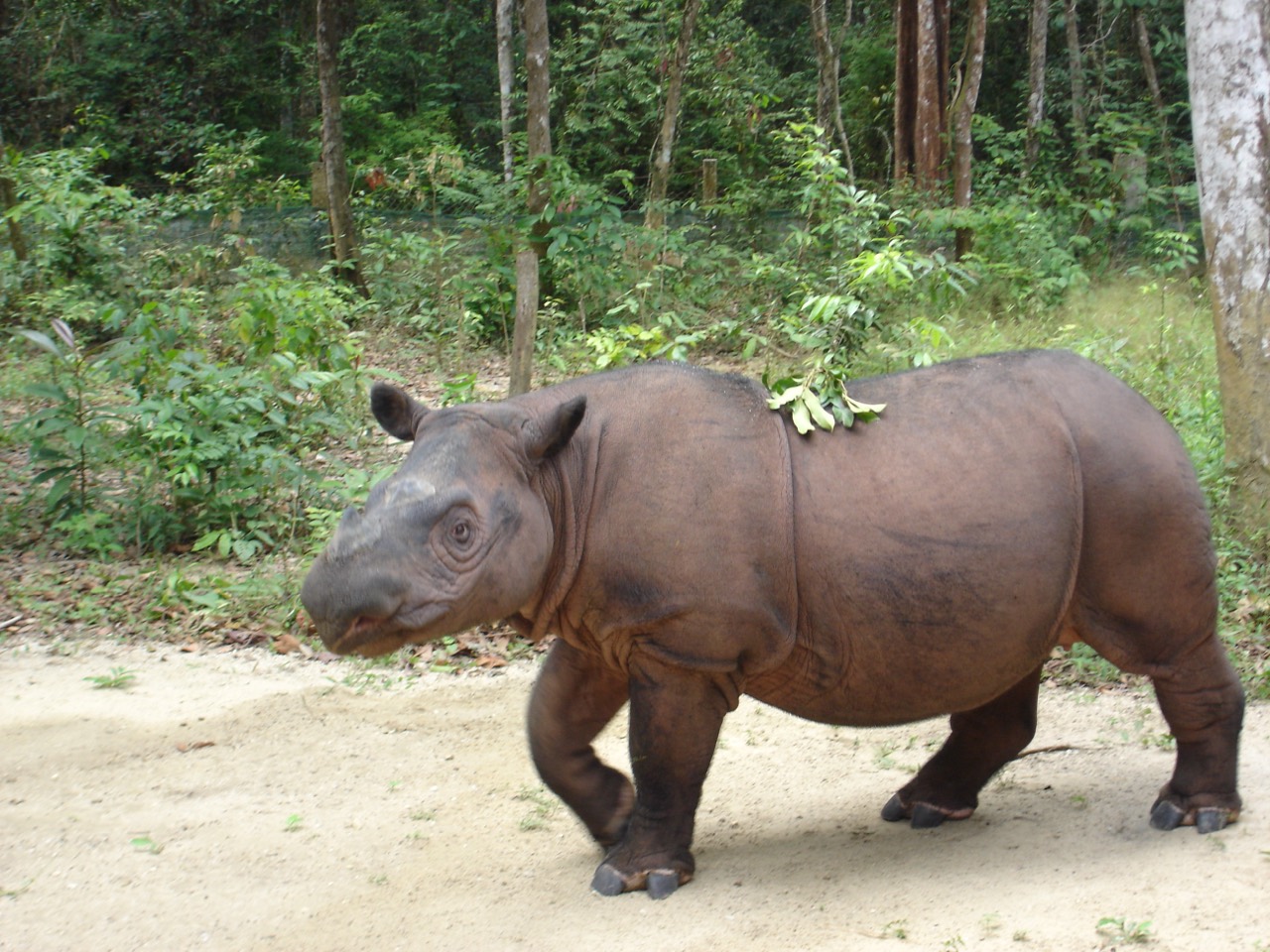
Critically Endangered — fewer than ~50 left
Sumatran Rhino
Dicerorhinus sumatrensis
A Sumatran rhino is the smallest, hairiest living rhinoceros — a two-horned, rainforest-dwelling species of Indonesia and the only surviving member of the genus Dicerorhinus, now Critically Endangered with fewer than roughly 50 individuals left.
Read the guide →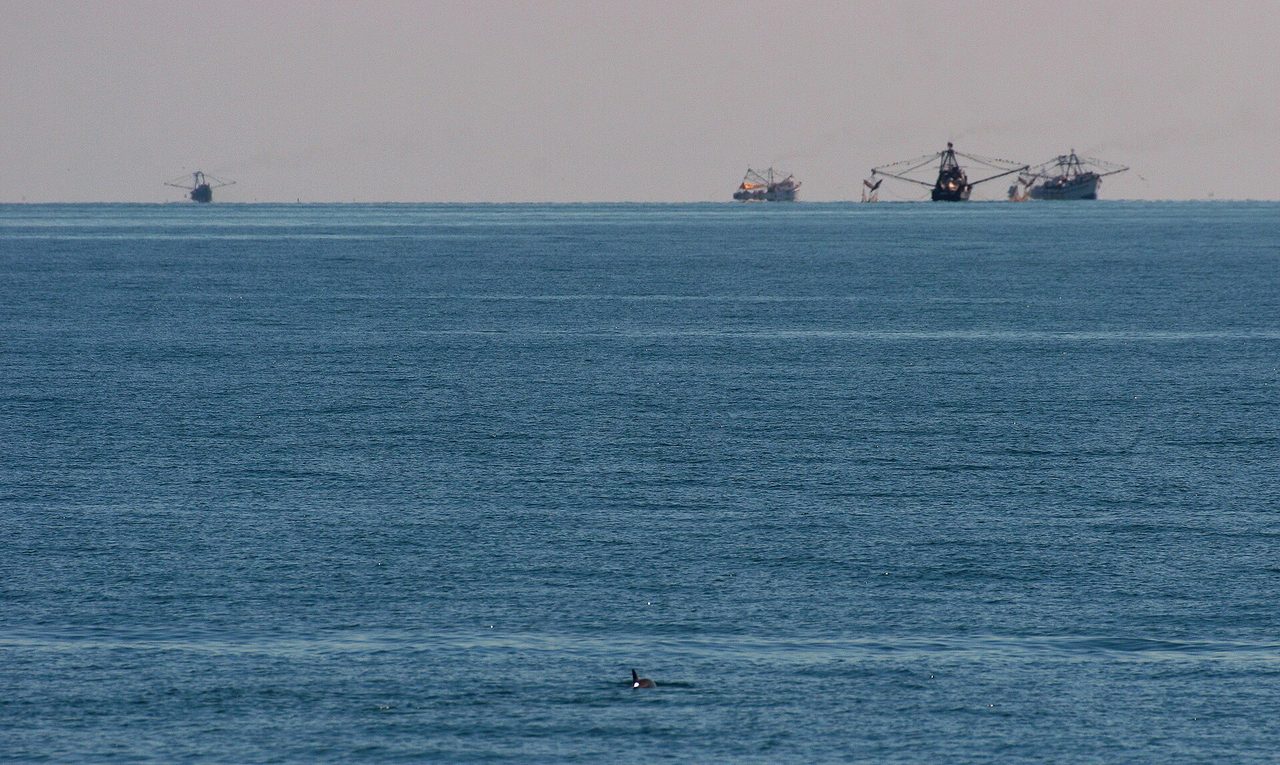
Critically Endangered
Vaquita
Phocoena sinus
The vaquita (Phocoena sinus) is the world's rarest marine mammal, a small porpoise found only in Mexico's Gulf of California, with fewer than ten individuals remaining as of 2025 due to drowning in illegal gillnets.
Read the guide →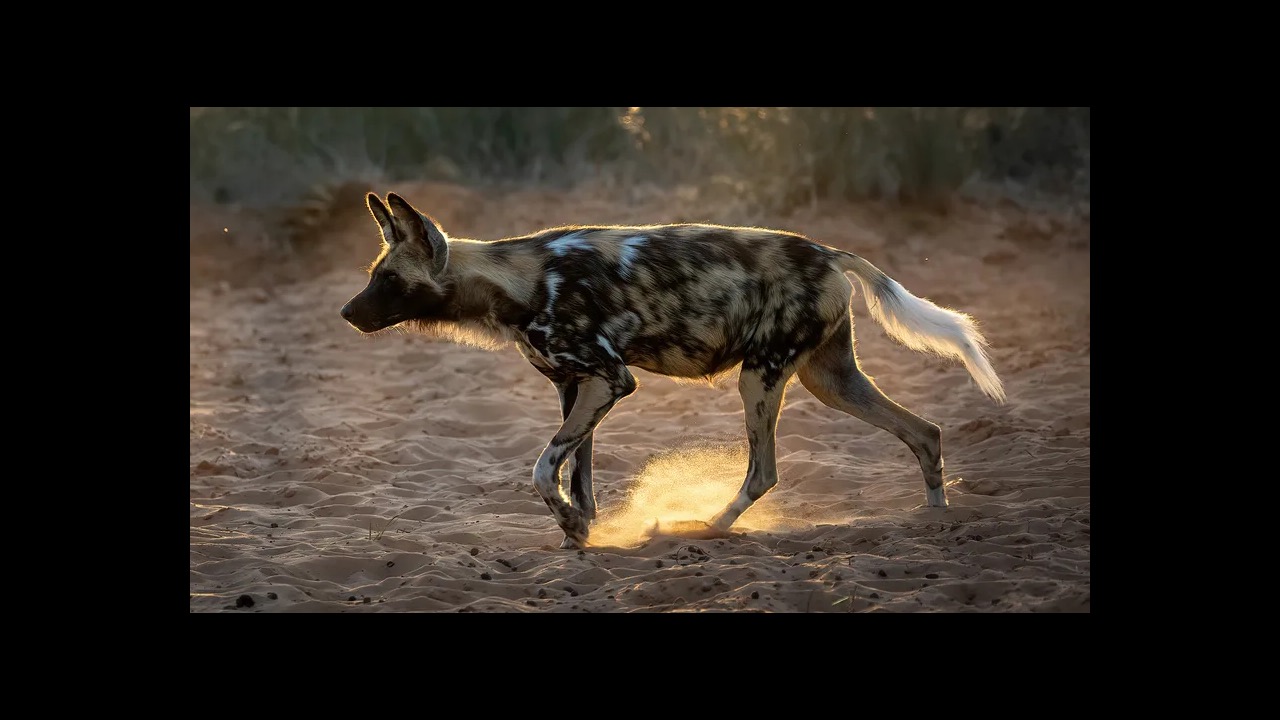
Endangered
African Wild Dog
Lycaon pictus
The African wild dog is a lean, long-legged carnivore of sub-Saharan Africa, famous for its mottled coat of black, tan, and white patches. Weighing 20 to 30 kg and standing about 1.1 m in body length, it is one of the world's most efficient pack hunters, chasing prey at up to 60 km/h.
Read the guide →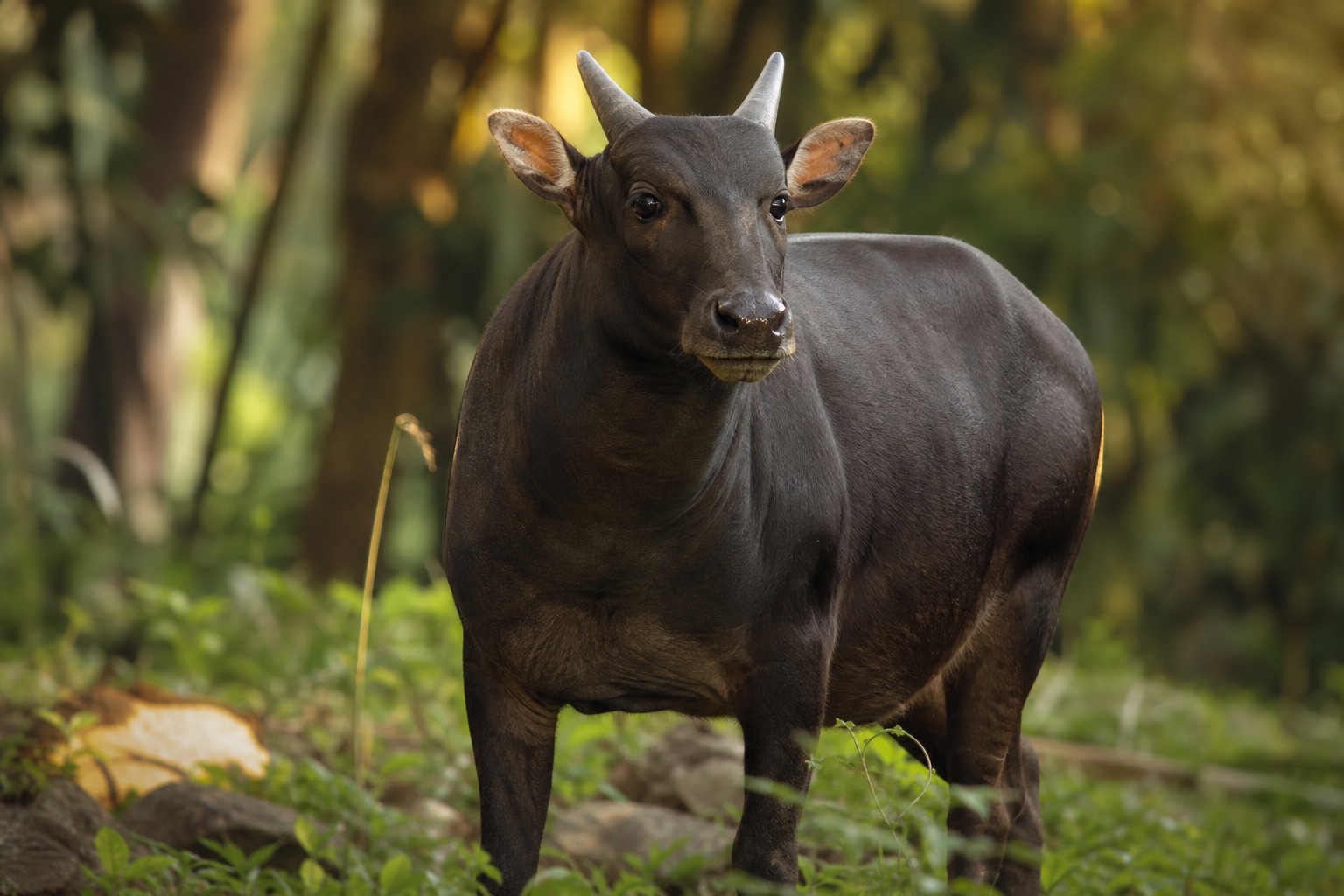
Endangered — both species declining on Sulawesi
Anoa
Bubalus depressicornis and B. quarlesi — dwarf buffalo of Sulawesi
Anoa are dwarf buffalo endemic to Sulawesi, Indonesia — the smallest wild cattle at roughly 90 cm shoulder height — with lowland and mountain species both listed Endangered and declining through hunting and forest loss.
Read the guide →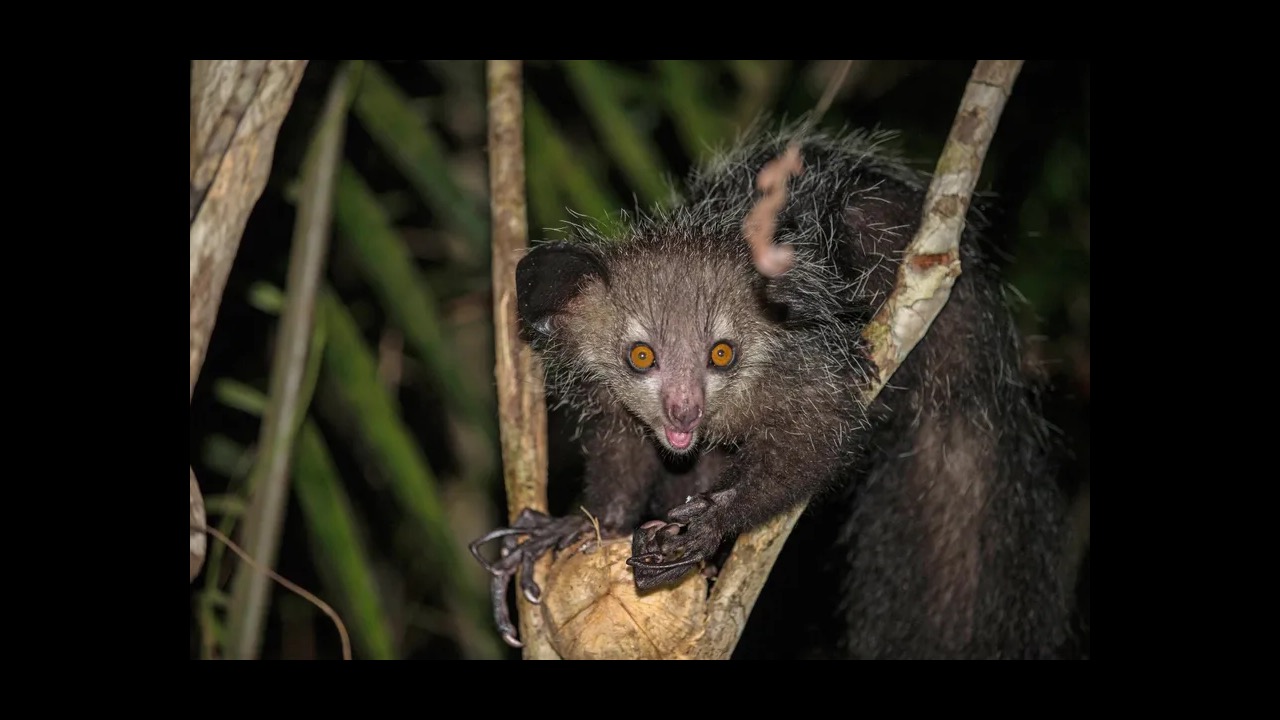
Endangered
Aye-aye
Daubentonia madagascariensis
The aye-aye is a large nocturnal lemur found only in Madagascar, easily recognised by its bushy tail, rodent-like teeth and long, spindly middle finger. It weighs 2 to 3 kg (4.4 to 6.6 lb) and forages alone at night for insect larvae, fruit, nectar and fungi.
Read the guide →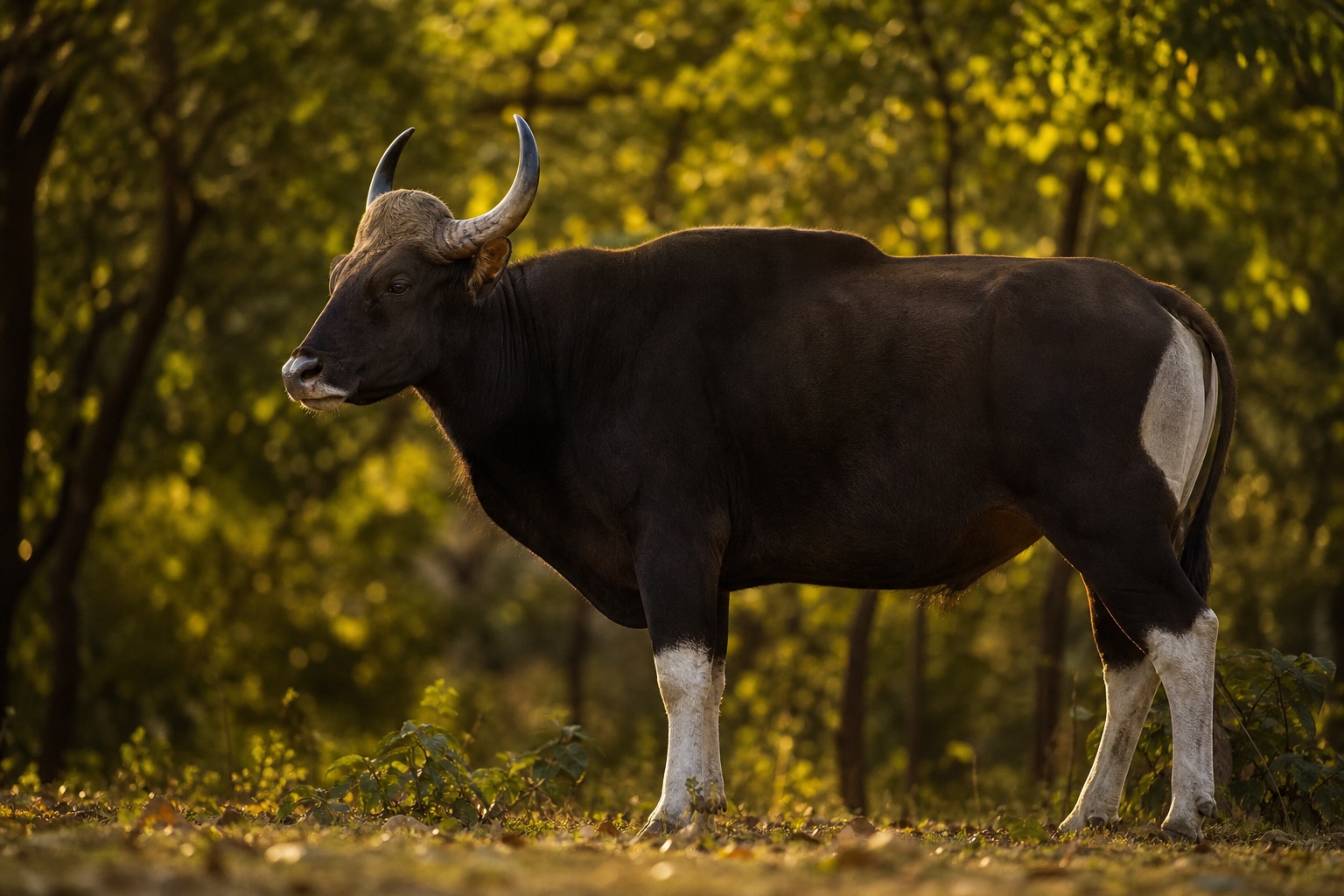
Endangered — first endangered species cloned in 2003; wild herds shrink as forest converts
Banteng
Bos javanicus (Hardwicke, 1825) — family Bovidae
The banteng (Bos javanicus) is an Endangered wild cattle of Southeast Asia; the first Endangered species cloned successfully in 2003, it continues to decline as oil palm, pulpwood, mining and hunting remove forest across Sundaland.
Read the guide →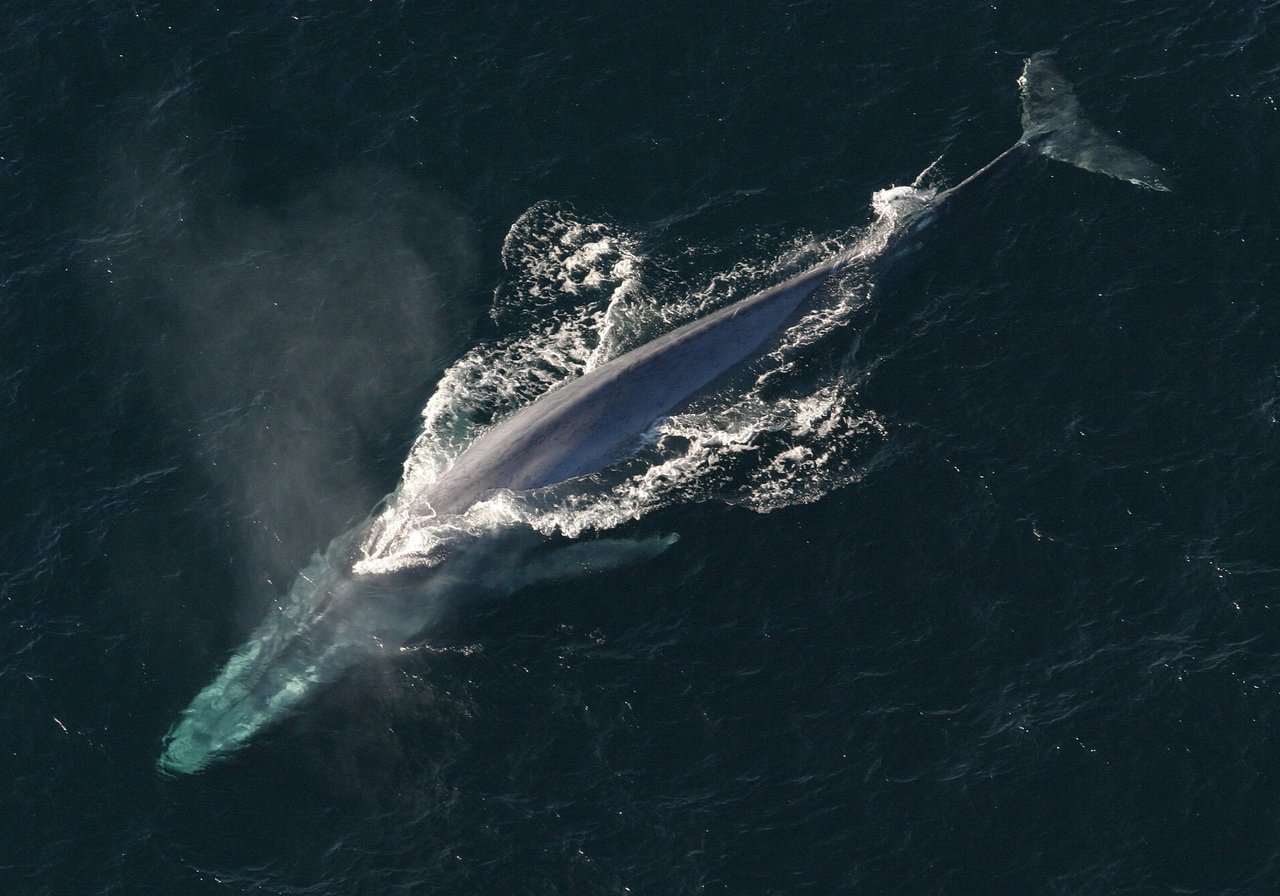
Endangered
Blue Whale
Balaenoptera musculus (Linnaeus, 1758)
The blue whale (Balaenoptera musculus) is the Endangered largest animal on Earth — a krill-filtering baleen whale found in all oceans, recovering slowly after twentieth-century whaling.
Read the guide →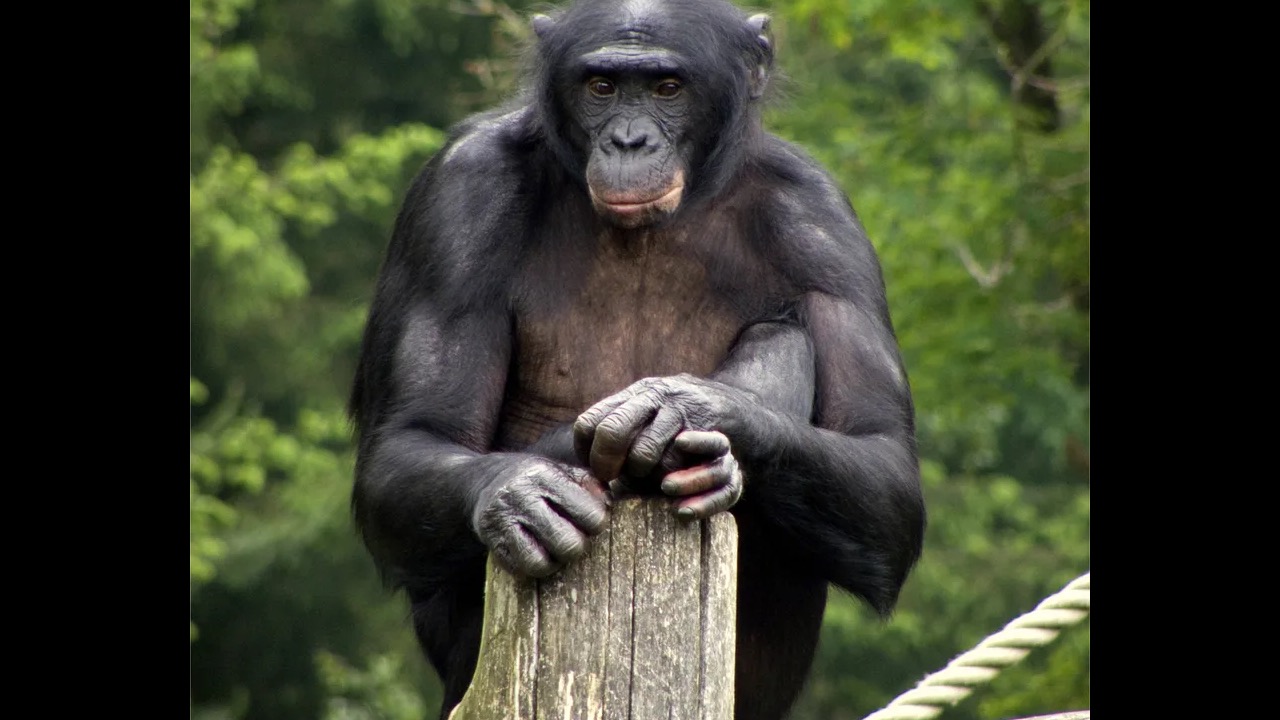
Endangered
Bonobo
Pan paniscus
Bonobos are great apes found only in the Democratic Republic of Congo, closely related to chimpanzees but generally less aggressive, with female-led social bonds and extensive use of social behaviour to resolve conflict. Listed Endangered, they weigh 30–50 kg and face habitat loss and bushmeat hunting.
Read the guide →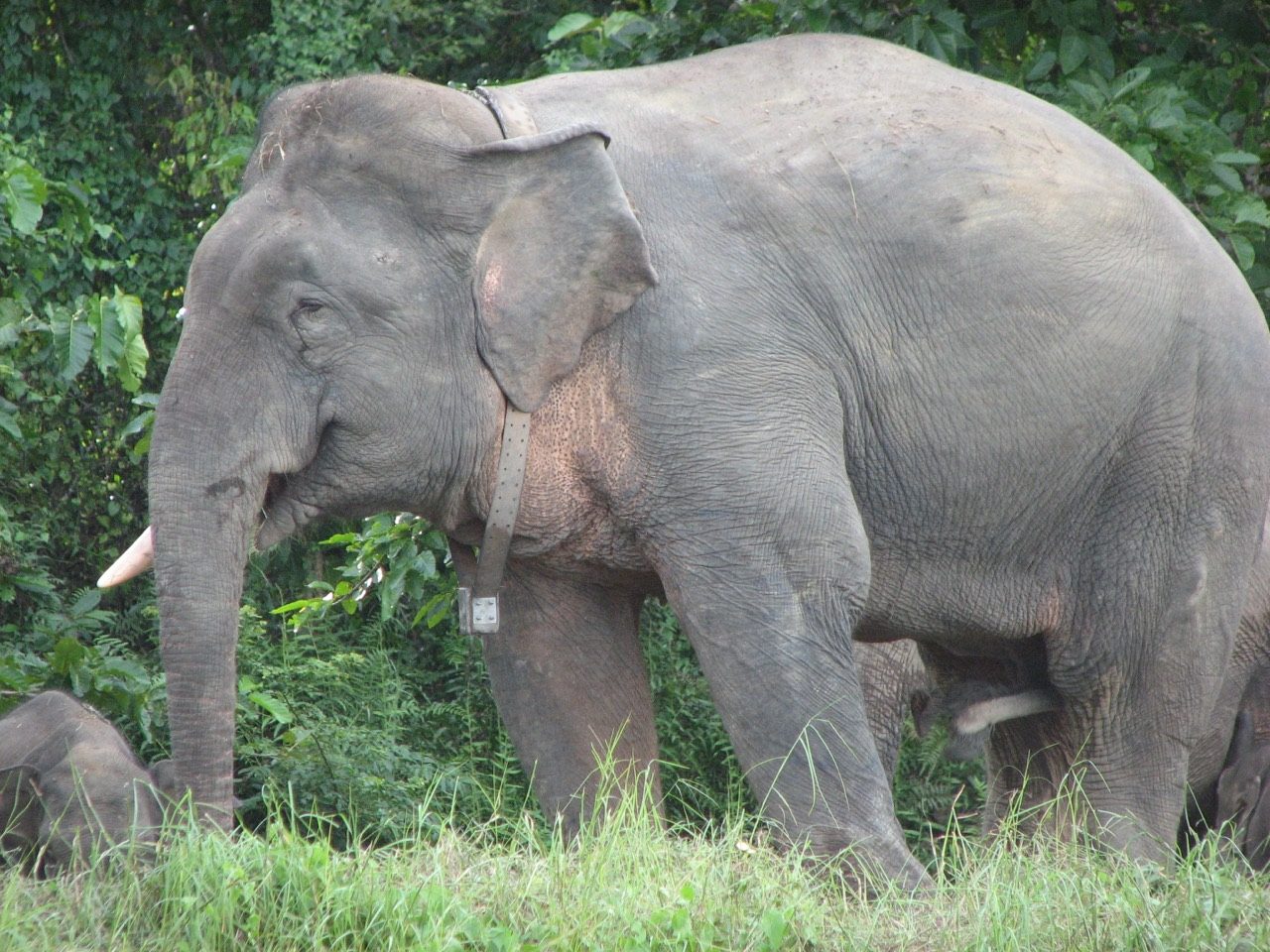
Endangered (subspecies, 2024) — ~1,000 left
Borneo Pygmy Elephant
Elephas maximus borneensis
A Borneo pygmy elephant is the smallest subspecies of Asian elephant (Elephas maximus borneensis), native to the island of Borneo in Sabah, Malaysia and Kalimantan, Indonesia; the IUCN listed it as Endangered in 2024 with about 1,000 left in the wild.
Read the guide →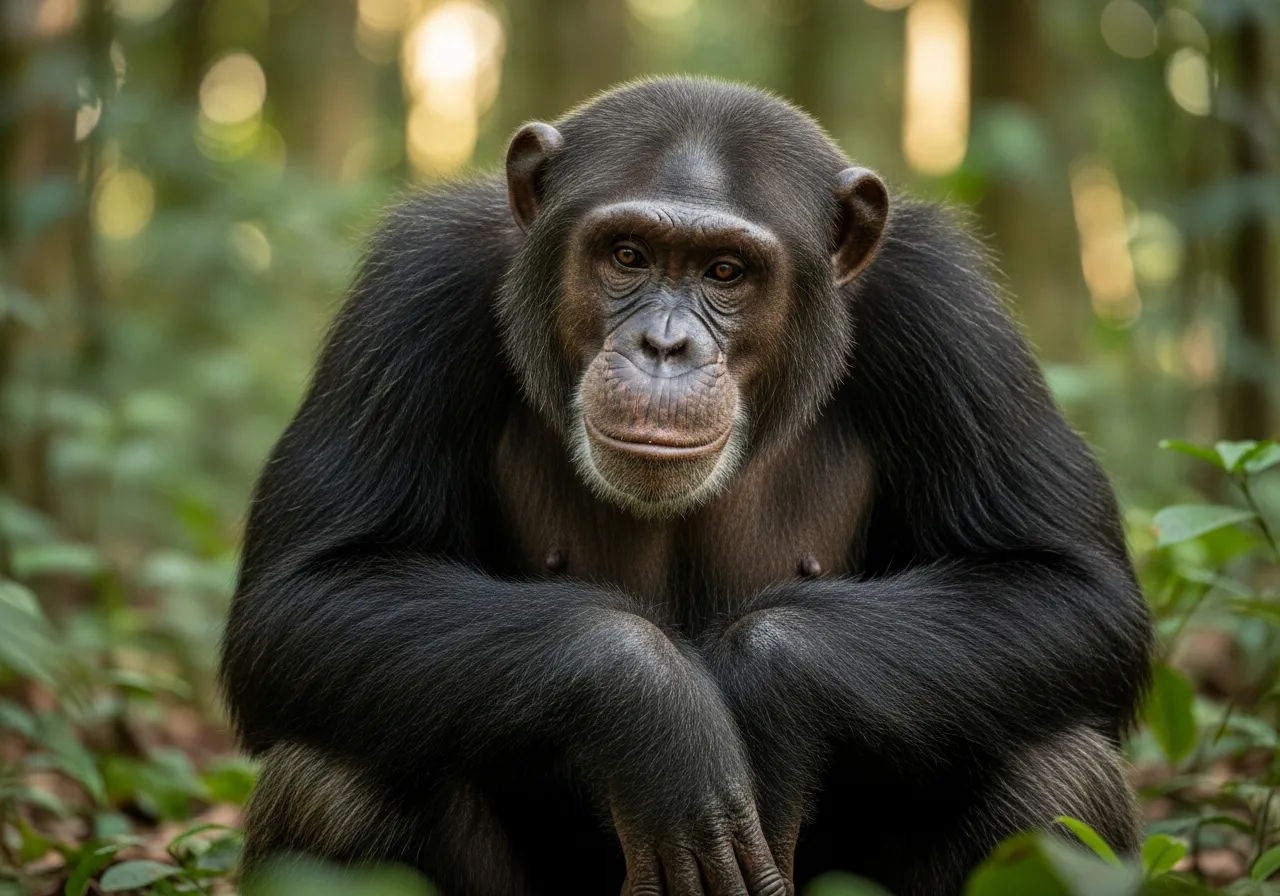
Endangered (IUCN); CITES Appendix I
Chimpanzee
Pan troglodytes
A chimpanzee (Pan troglodytes) is a great ape from the forests and woodlands of equatorial Africa. Along with the bonobo, it is humans' closest living relative, sharing roughly 98-99% of our DNA. Famous for tool use, complex societies and culture, it is classified as Endangered.
Read the guide →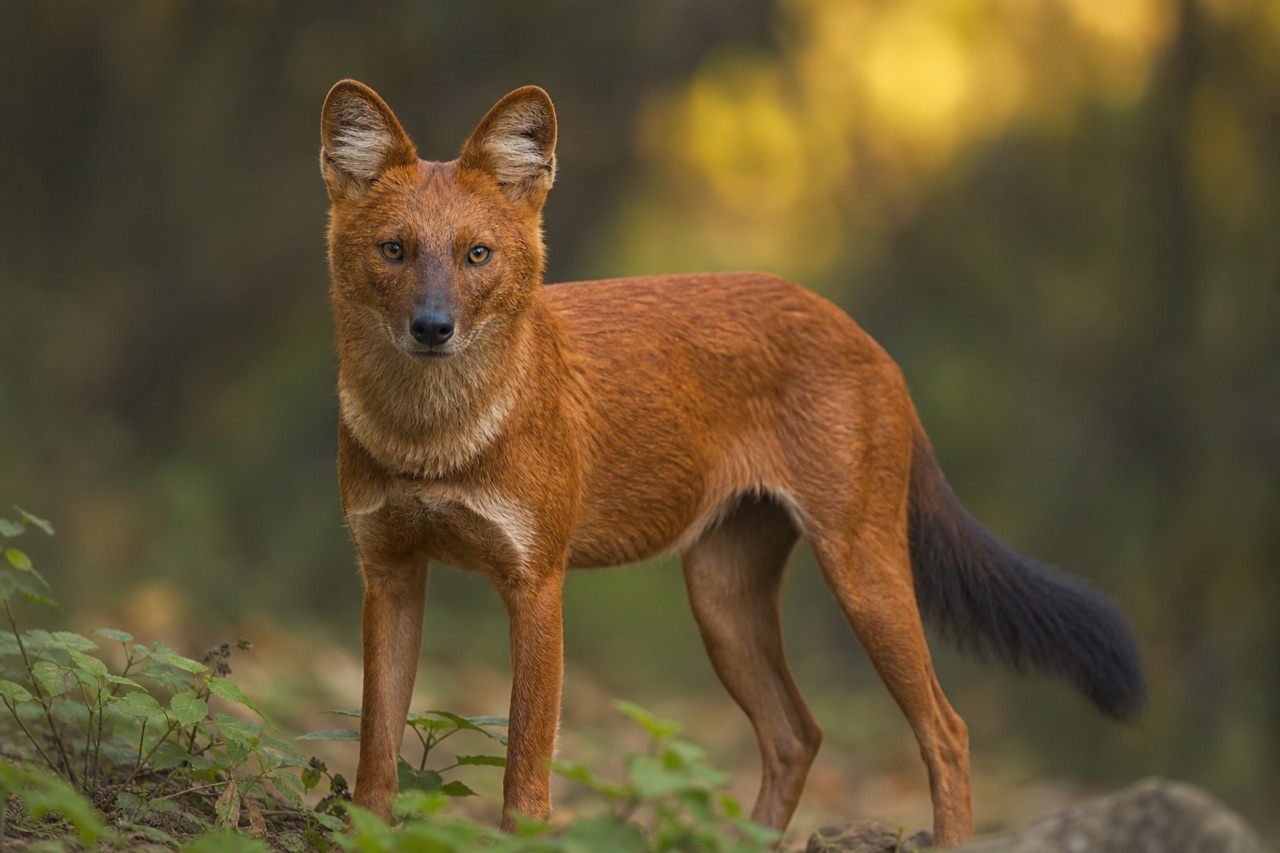
Endangered — declining across South and Southeast Asia
Dhole
Cuon alpinus (Pallas, 1811) — family Canidae
The dhole (Cuon alpinus) is an Endangered wild canid of South and Southeast Asian forests that hunts deer and wild pig in coordinated packs, communicates with whistles rather than barks, and is declining across most of its range.
Read the guide →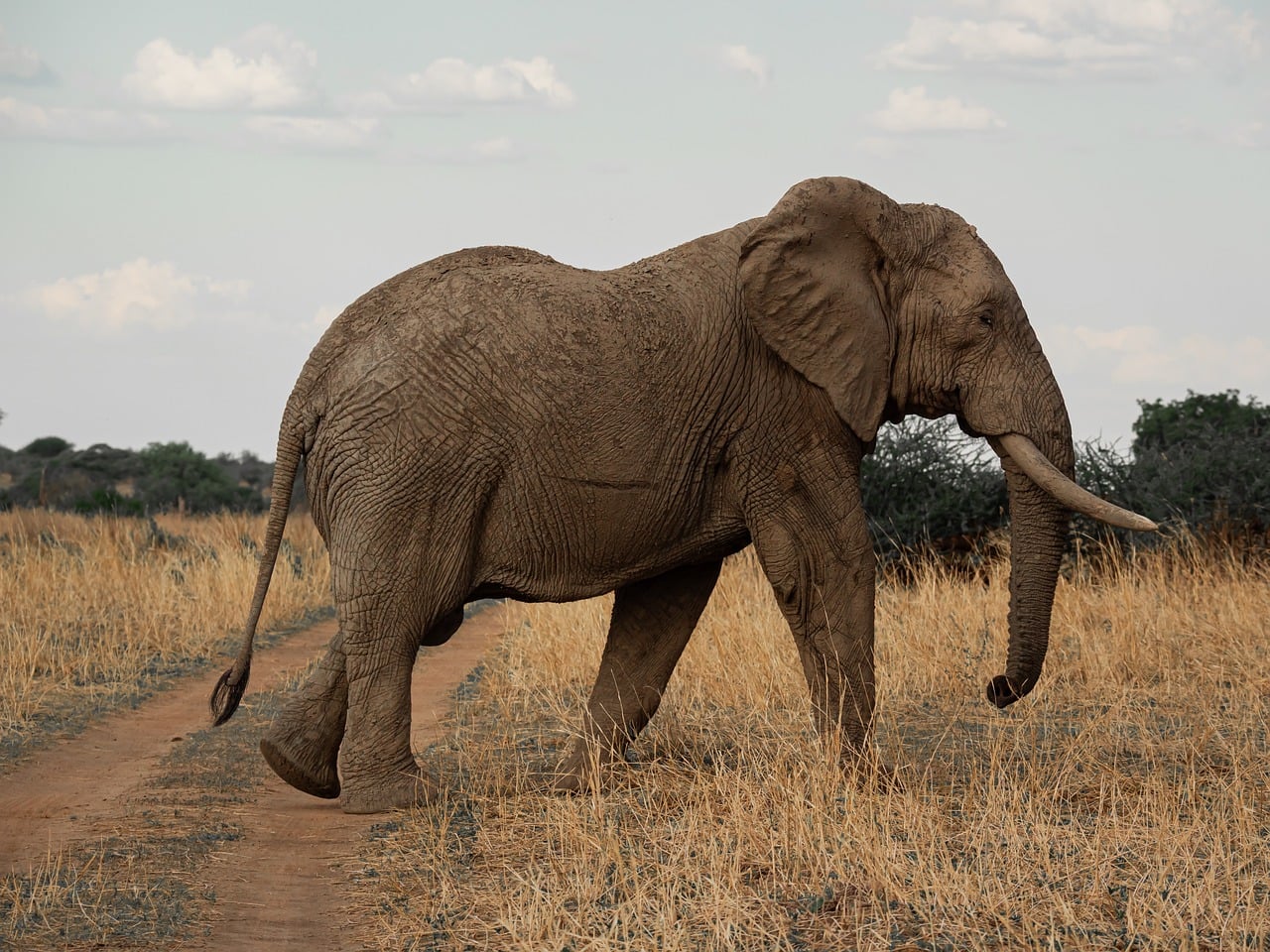
Three living species — Endangered to Critically Endangered (IUCN)
Elephant
Elephantidae — Elephas maximus, Loxodonta africana, Loxodonta cyclotis
Elephants are three living species, not one. Asian and African savanna elephants are Endangered; African forest elephants are Critically Endangered. Gestation is about 22 months. The related appeal explains potential support and the current funding status; this guide does not confirm a WARN grant. Asian elephants have one trunk-tip finger; African elephants have two.
Read the guide →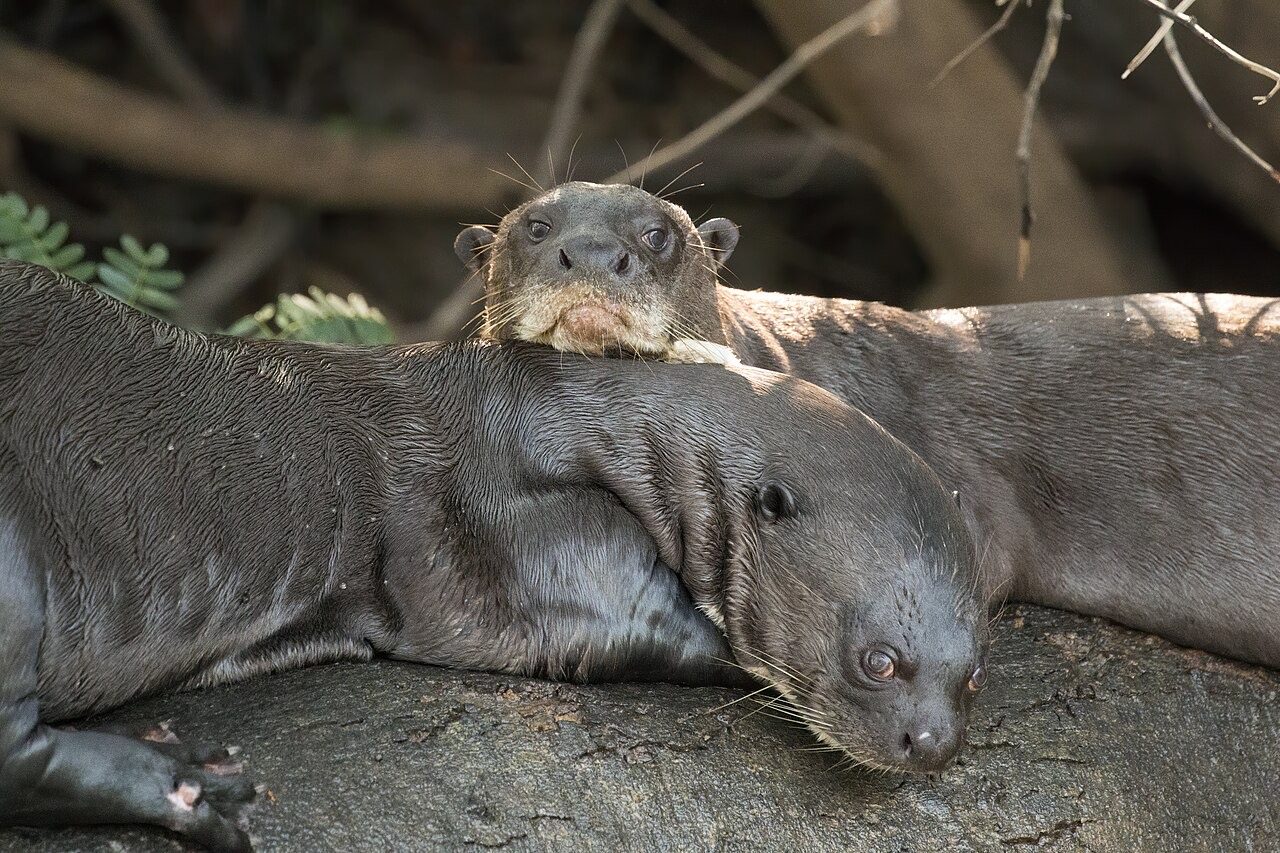
Endangered (IUCN, 2021) — locally extinct or Critically Endangered across much of its former range
Giant Otter
Pteronura brasiliensis
A giant otter (Pteronura brasiliensis) is the world's longest otter, a fish-eating, highly social mammal of South American rivers that grows up to 1.8 metres long and lives in family groups; it is classified as Endangered by the IUCN.
Read the guide →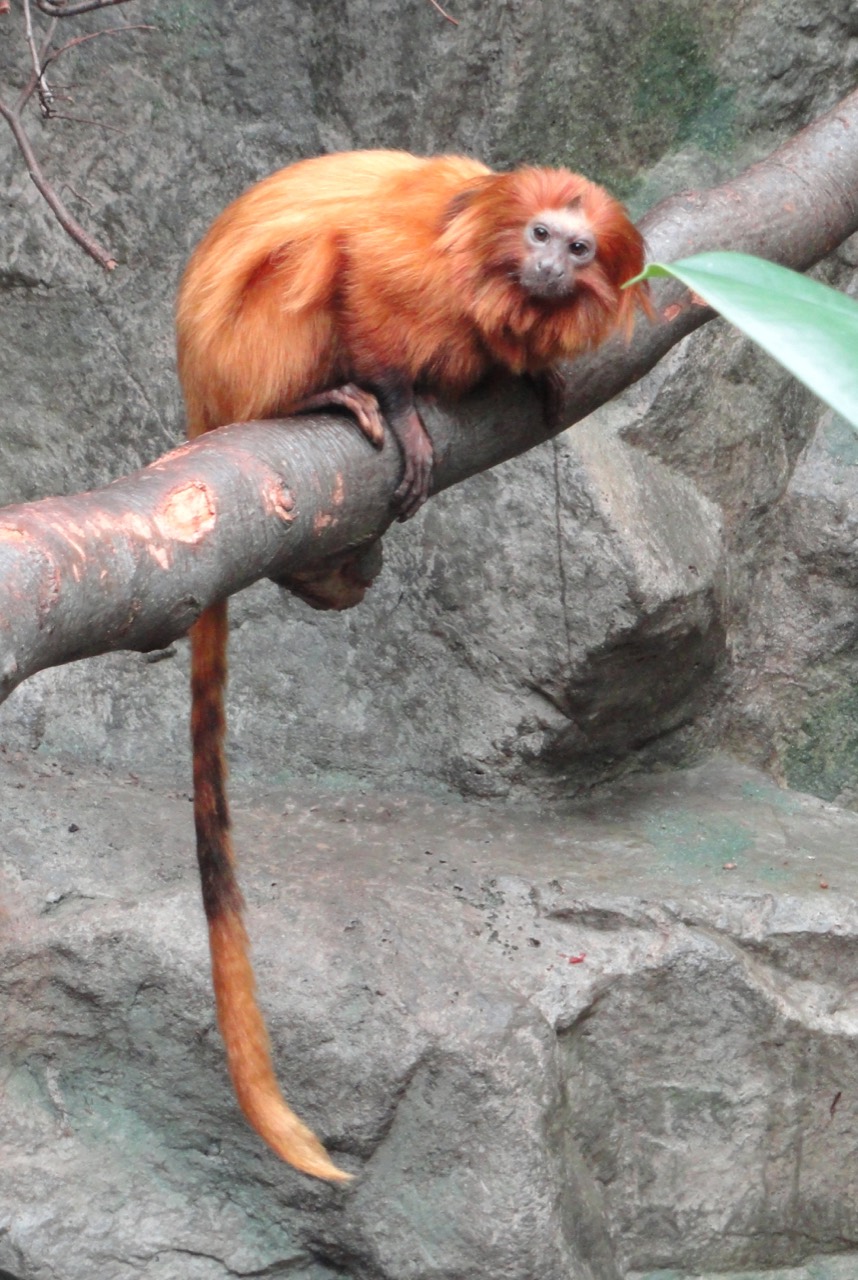
Endangered (conservation comeback)
Golden Lion Tamarin
Leontopithecus rosalia
A golden lion tamarin (Leontopithecus rosalia) is a small, endangered New World monkey with a bright reddish-gold coat and a lion-like mane, native only to the Atlantic Forest of southeastern Brazil.
Read the guide →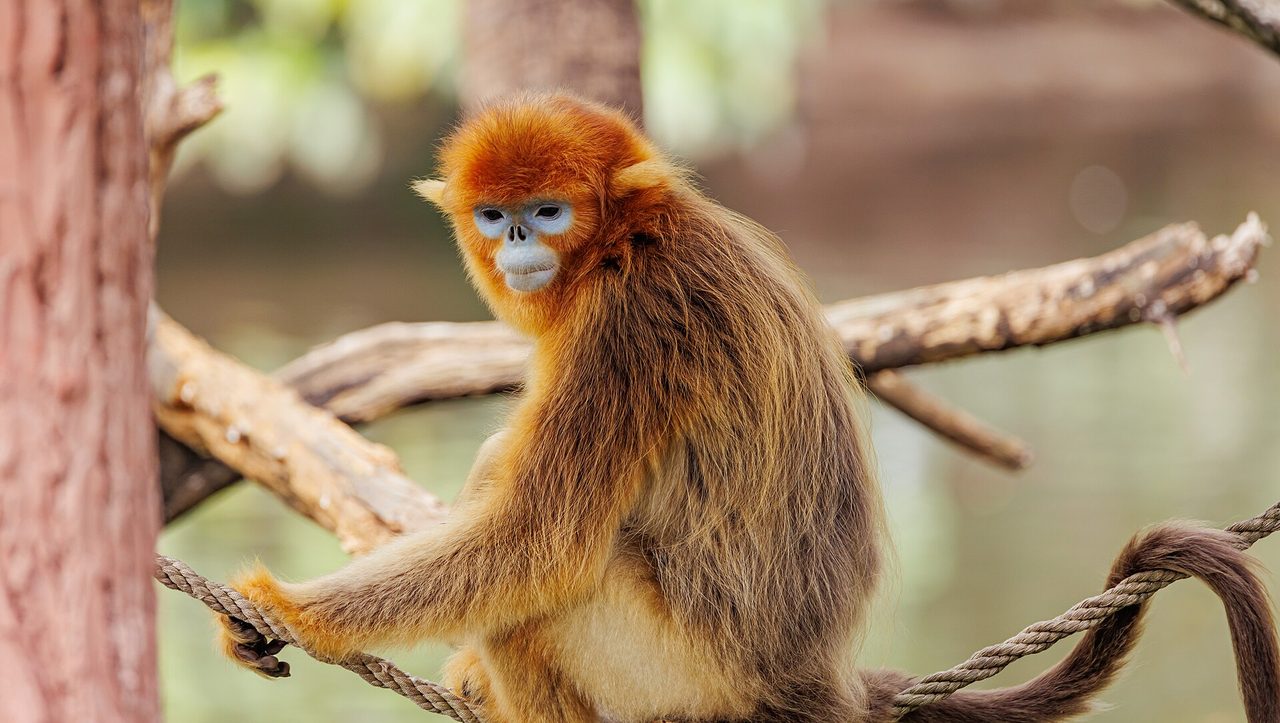
Endangered (IUCN, 2015)
Golden Snub-Nosed Monkey
Rhinopithecus roxellana (Milne-Edwards, 1870)
The golden snub-nosed monkey (Rhinopithecus roxellana) is an Endangered Old World monkey of central China's mountain forests, famous for its golden fur, pale blue face and upturned nose; it lives in large social groups and is protected under CITES Appendix I.
Read the guide →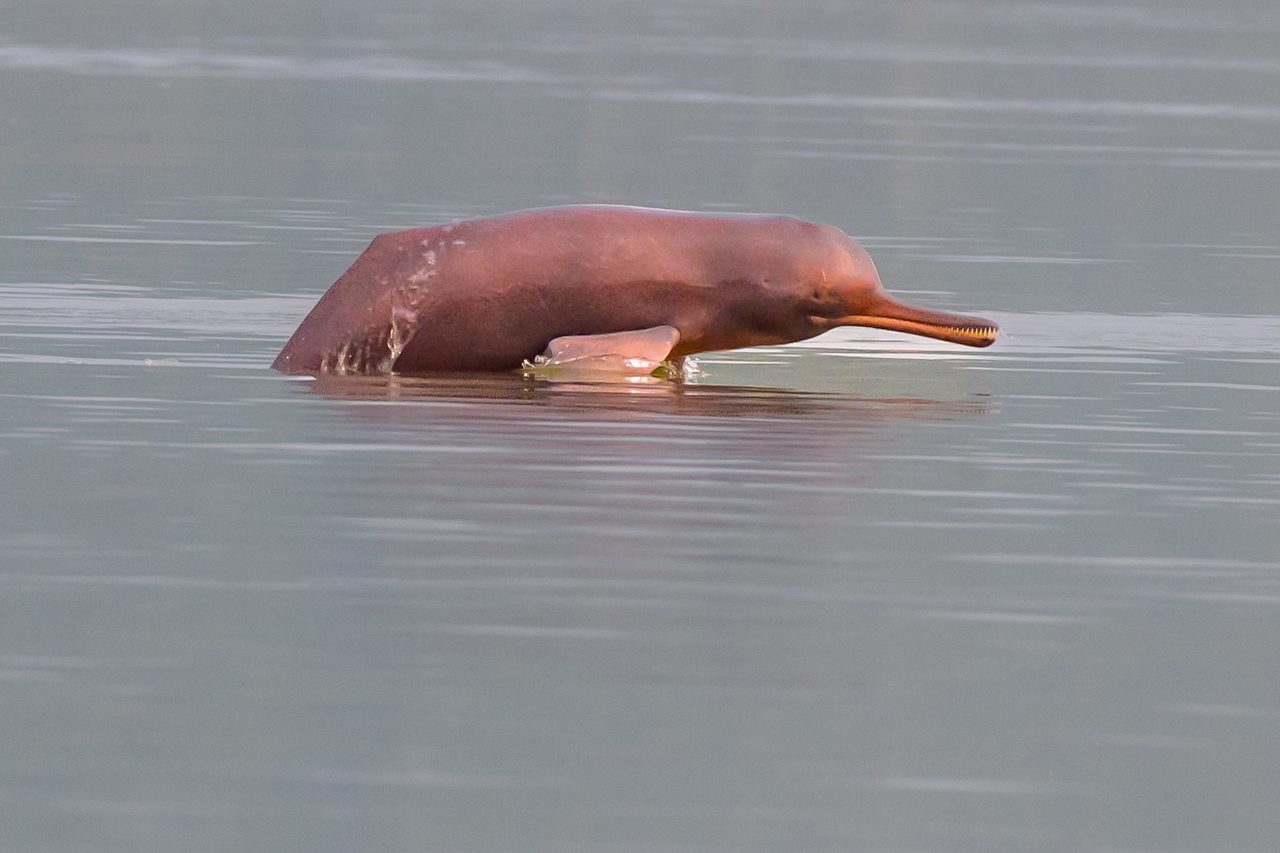
Endangered (IUCN, 2021) — fewer than ~2,000 mature individuals
Indus River Dolphin
Platanista minor
The Indus River dolphin (Platanista minor), or bhulan, is a small, nearly blind freshwater dolphin found only in the Indus River system of Pakistan; it is the national mammal of Pakistan and is classified as Endangered, with fewer than about 2,000 mature individuals remaining.
Read the guide →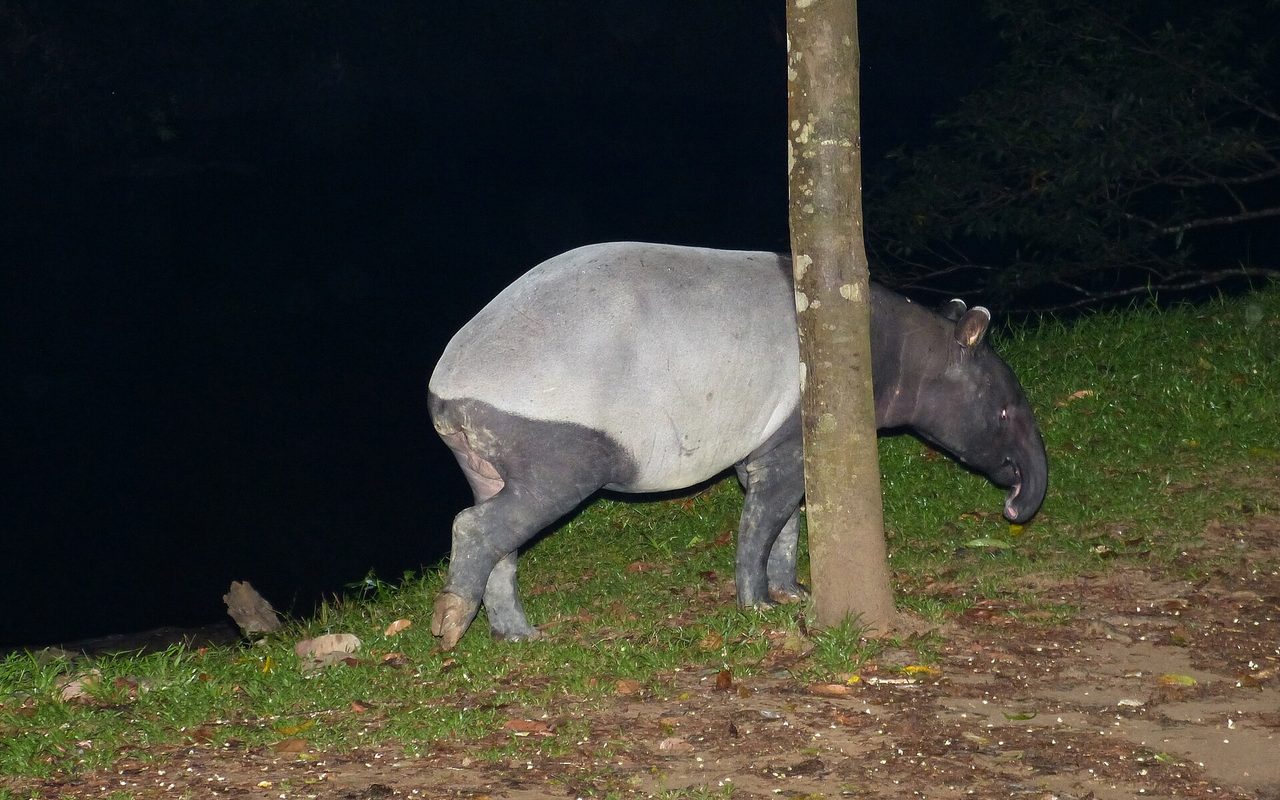
Endangered (IUCN) — fewer than 2,500 mature adults and declining
Malayan Tapir
Tapirus indicus
A Malayan tapir is a large, plant-eating mammal native to the rainforests of Sumatra and Peninsular Malaysia. It is the biggest of the five tapir species and the only tapir found in Asia, recognisable by its black-and-white "saddle" coat and short, flexible snout.
Read the guide →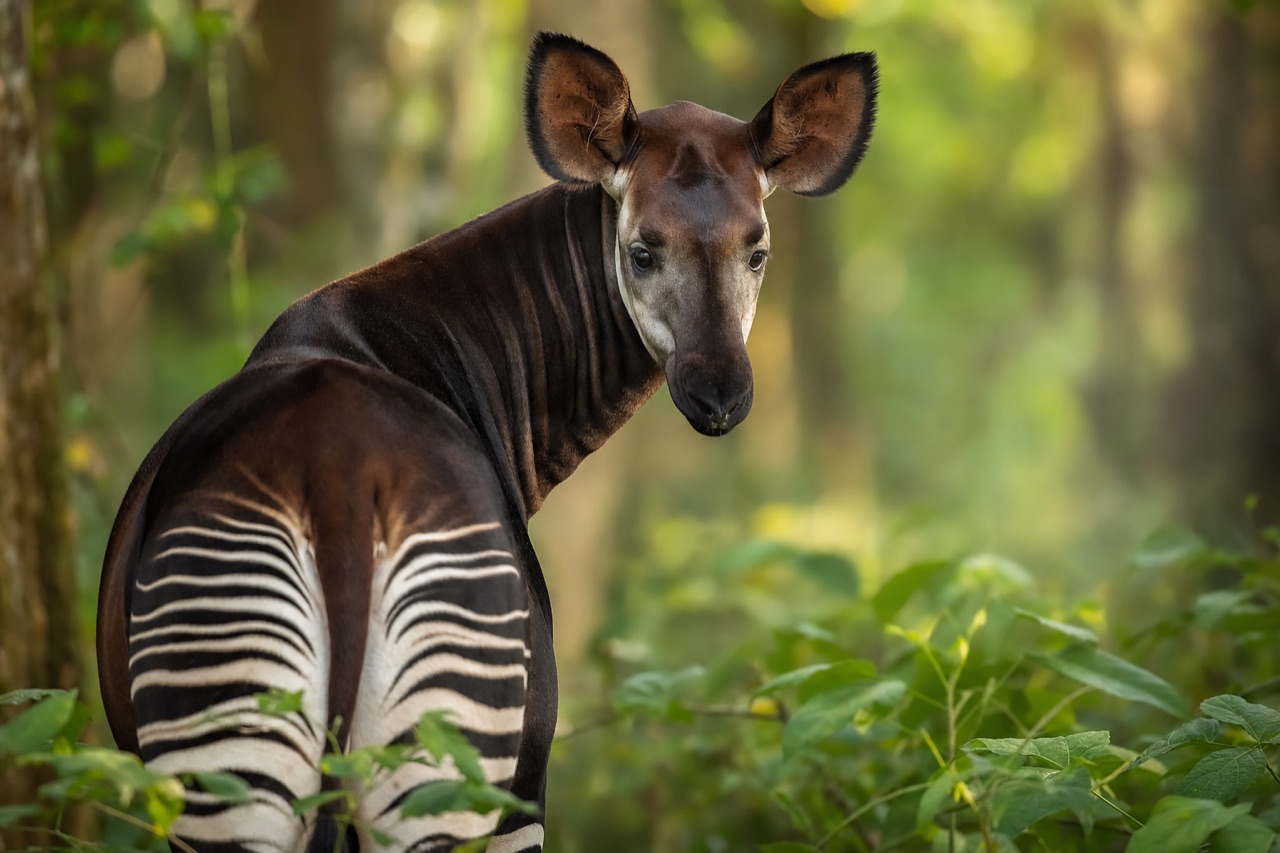
Endangered — restricted entirely to the rainforests of the DRC
Okapi
Okapia johnstoni (Sclater, 1901) — family Giraffidae
The okapi (Okapia johnstoni) is the giraffe's only living relative, a solitary rainforest herbivore found exclusively in the Democratic Republic of the Congo, with striped hindquarters for camouflage and a long dark prehensile tongue.
Read the guide →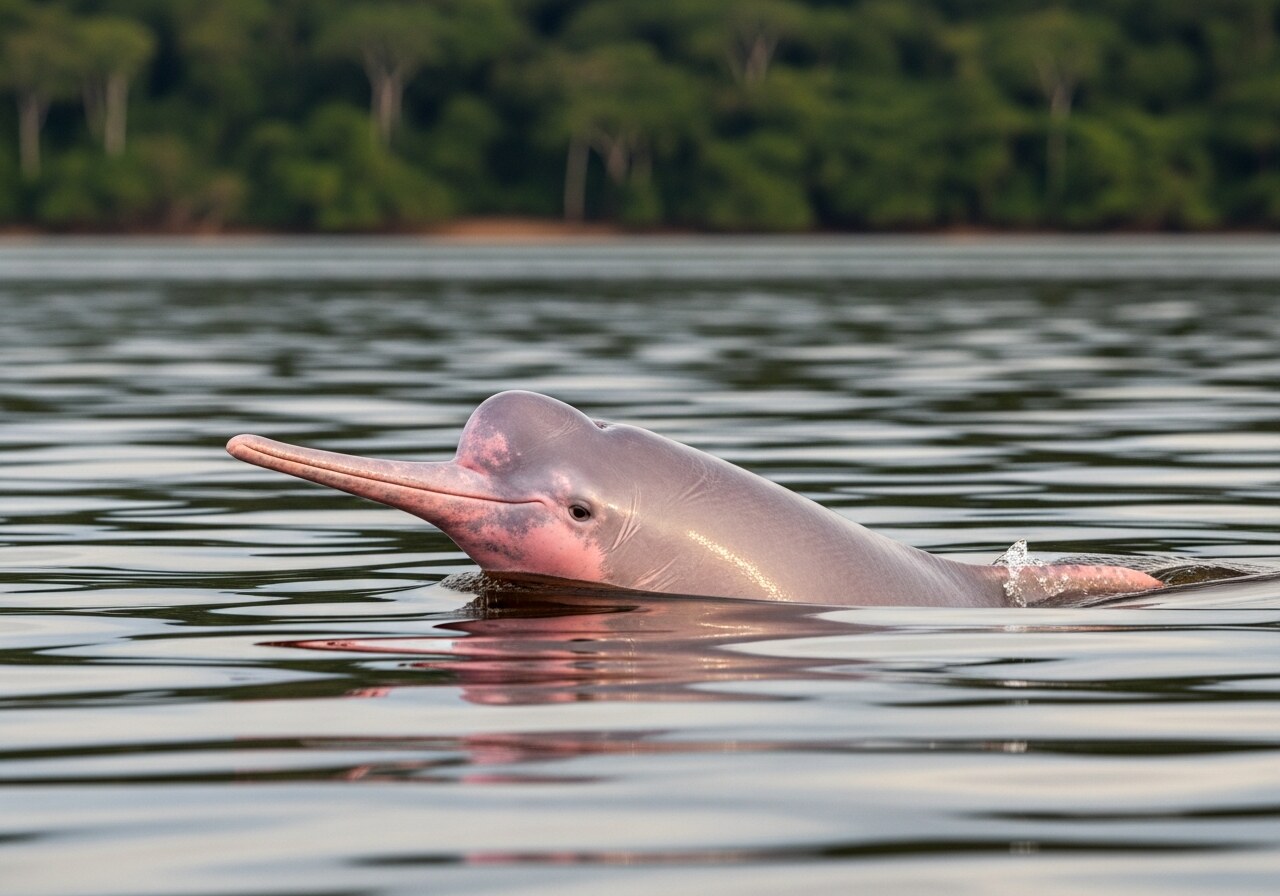
Endangered (IUCN, 2018) — assessed as one species with three subspecies
Pink River Dolphin
Inia geoffrensis
A pink river dolphin (Inia geoffrensis), also called the boto or Amazon river dolphin, is a freshwater toothed whale native to the Amazon and Orinoco river systems of South America. It is the largest river dolphin, named for the pink colouring adults often develop, and is classed as Endangered by the IUCN.
Read the guide →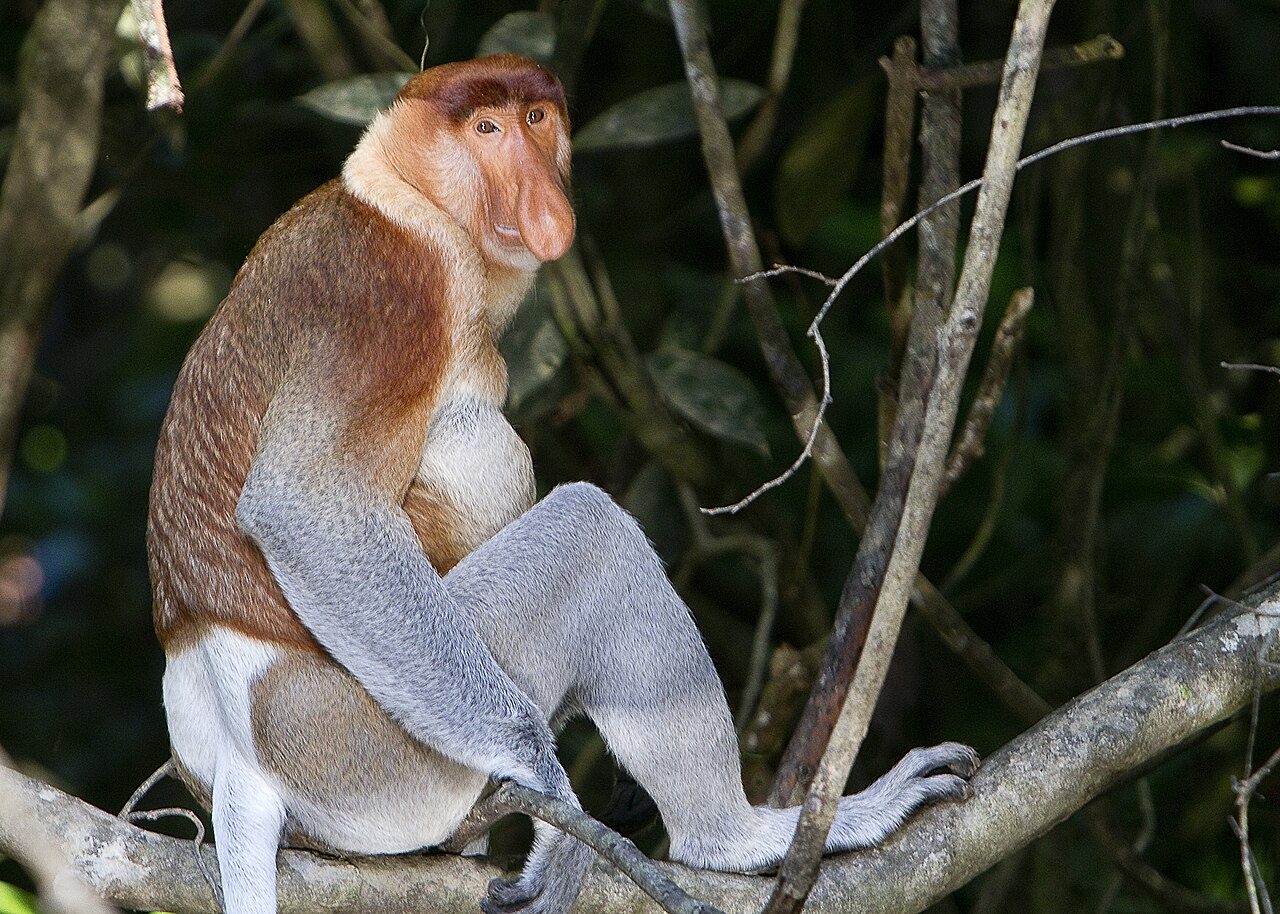
Endangered (IUCN, 2020) - CITES Appendix I
Proboscis Monkey
Nasalis larvatus
A proboscis monkey is a large, reddish-brown Old World monkey found only on the island of Borneo (in Indonesia, Malaysia and Brunei), famous for the male's oversized hanging nose and for living in coastal mangrove and riverside forests; the IUCN classes it as Endangered.
Read the guide →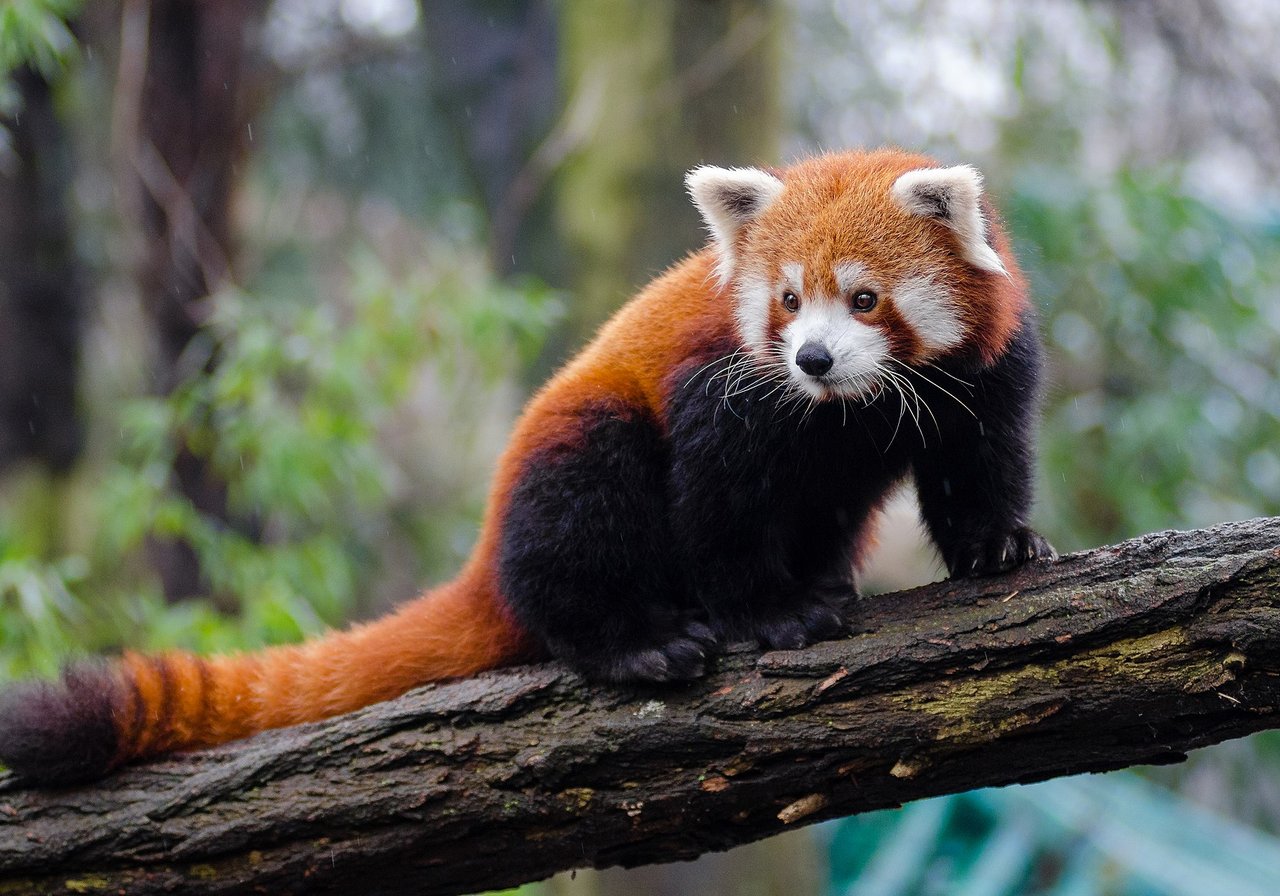
Endangered
Red Panda
Ailurus fulgens (F. Cuvier, 1825)
The red panda (Ailurus fulgens) is an Endangered Himalayan forest mammal unrelated to giant pandas — a bamboo-eating specialist threatened by deforestation, poaching and road deaths across Nepal, India, Bhutan, China and Myanmar.
Read the guide →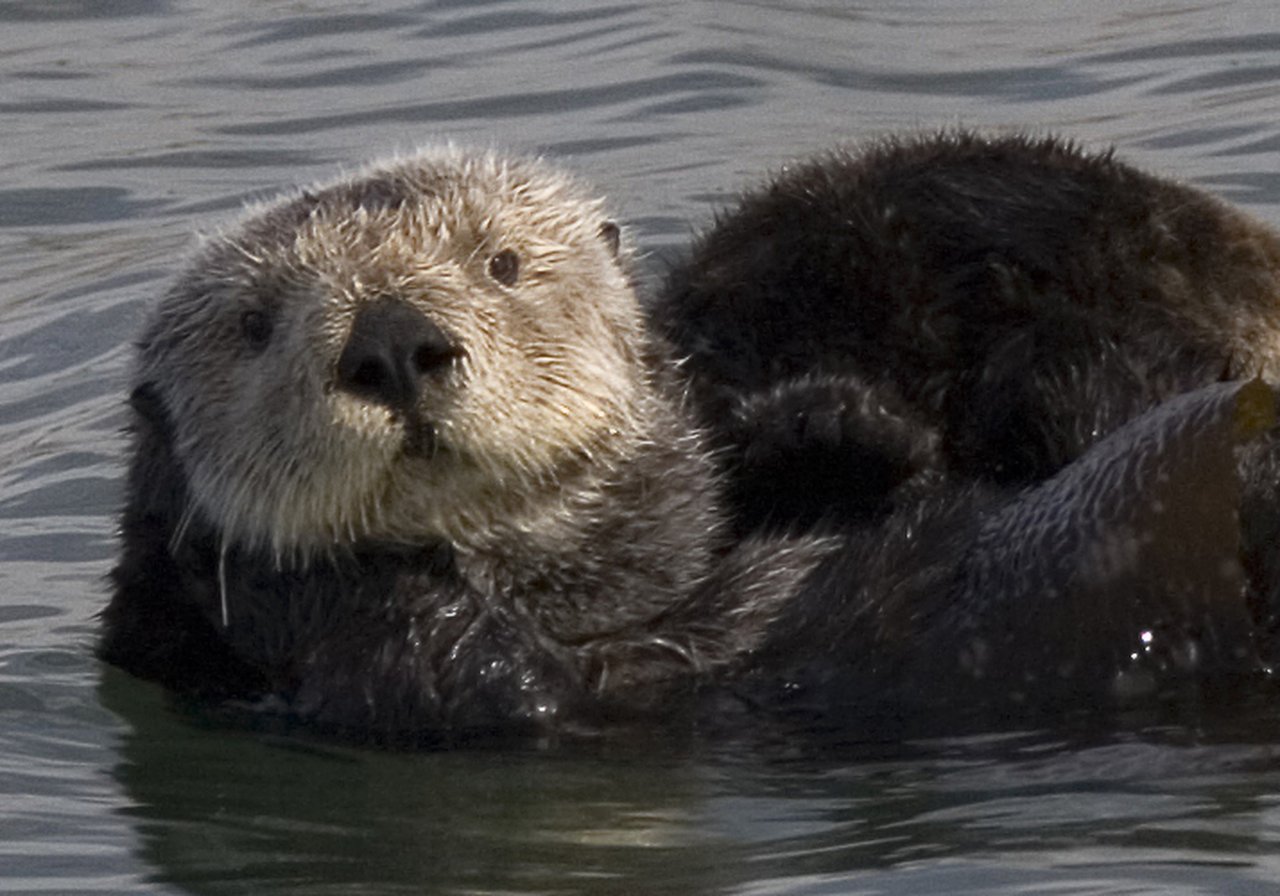
Endangered
Sea Otter
Enhydra lutris (Linnaeus, 1758)
The sea otter (Enhydra lutris) is an Endangered North Pacific keystone predator that maintains kelp forests by controlling sea urchins — insulated by the densest fur of any mammal, not blubber.
Read the guide →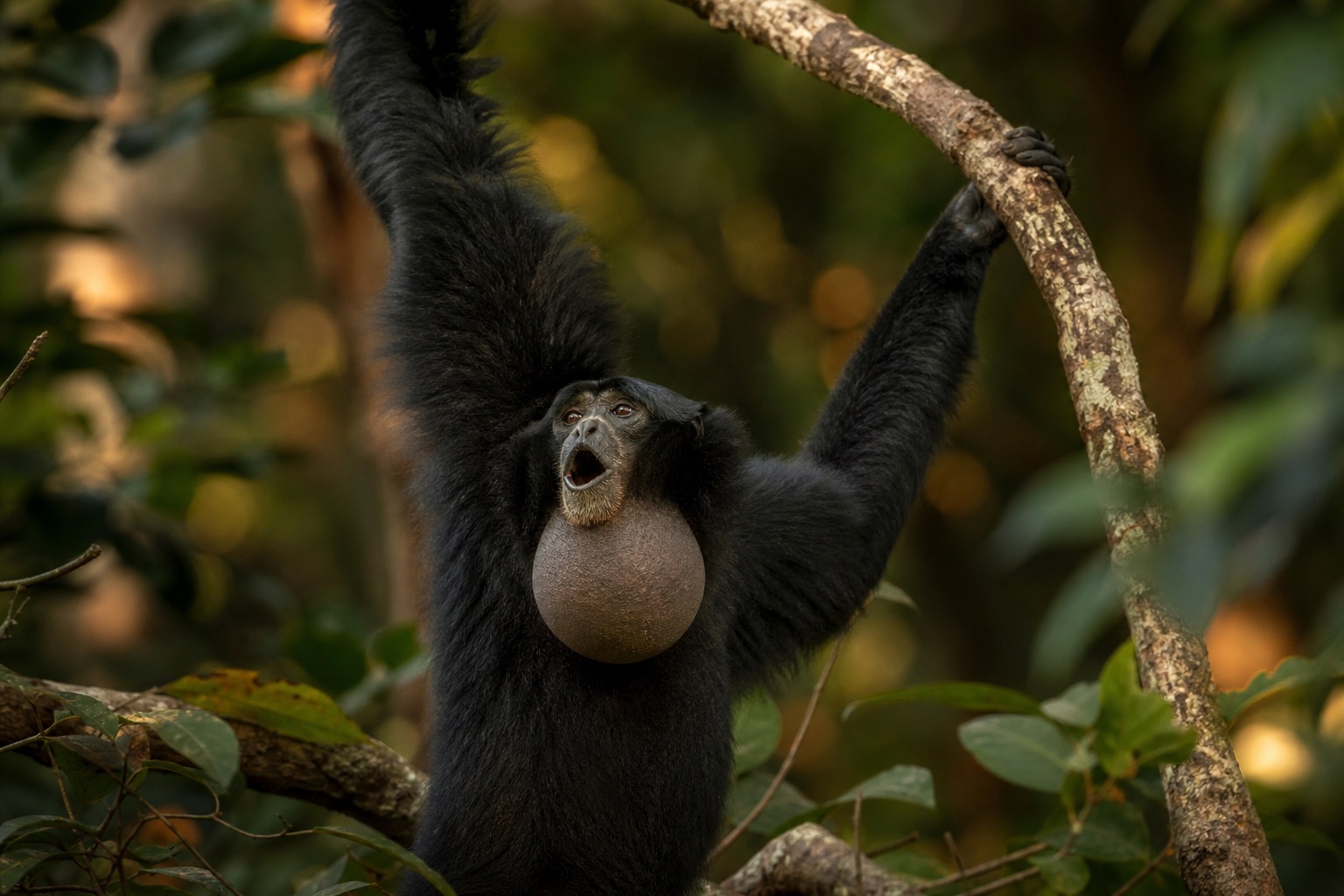
Endangered — loud duets and throat sacs on forests being cleared for plantations
Siamang
Symphalangus syndactylus (Illiger, 1811) — family Hylobatidae
The siamang (Symphalangus syndactylus) is the largest gibbon, Endangered across Sumatra and the Malay Peninsula, known for paired morning duets amplified by an inflatable throat sac; oil palm, pulpwood and mining drive forest loss across its range.
Read the guide →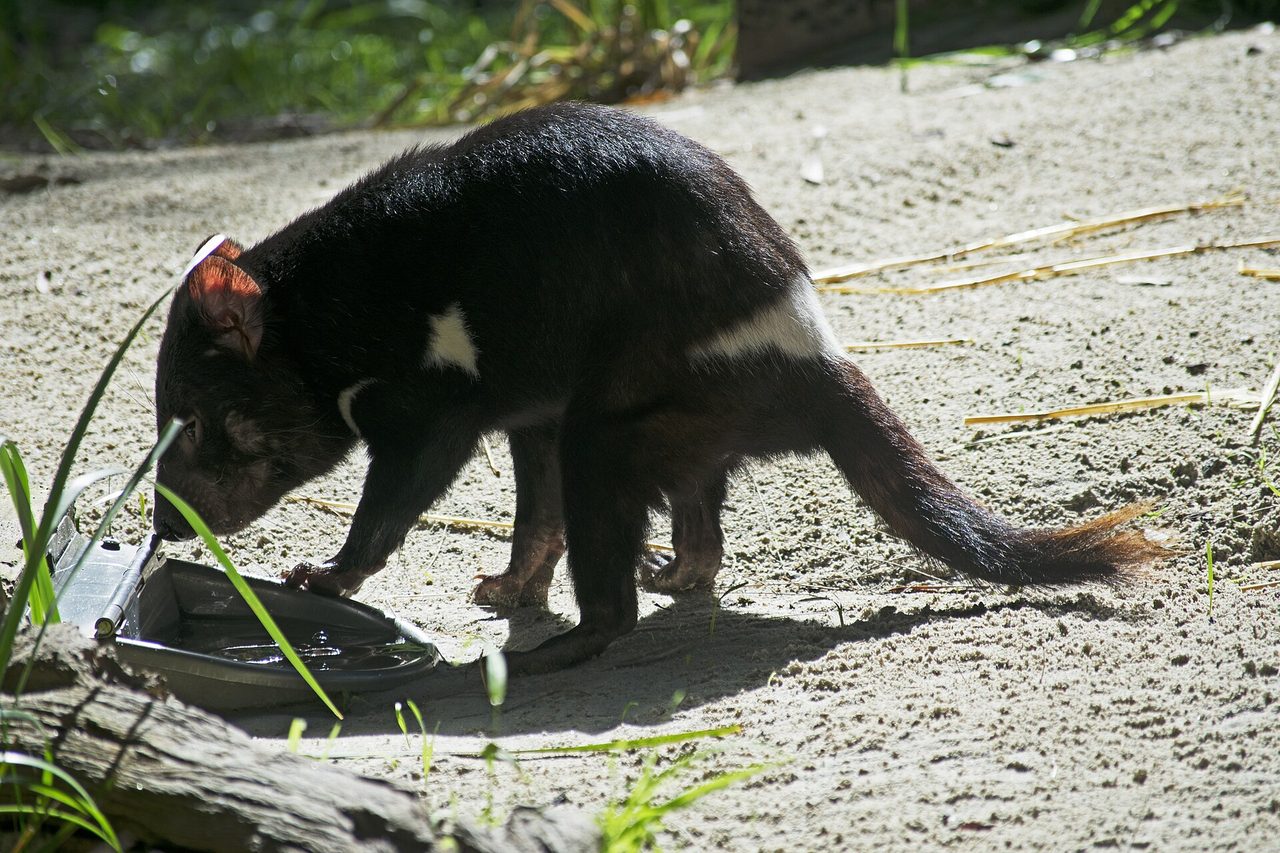
Endangered
Tasmanian Devil
Sarcophilus harrisii
The Tasmanian devil (Sarcophilus harrisii) is an Endangered carnivorous marsupial found only in Tasmania, Australia, whose wild population has plummeted by around 80% since the 1990s due to a transmissible facial cancer called Devil Facial Tumour Disease (DFTD).
Read the guide →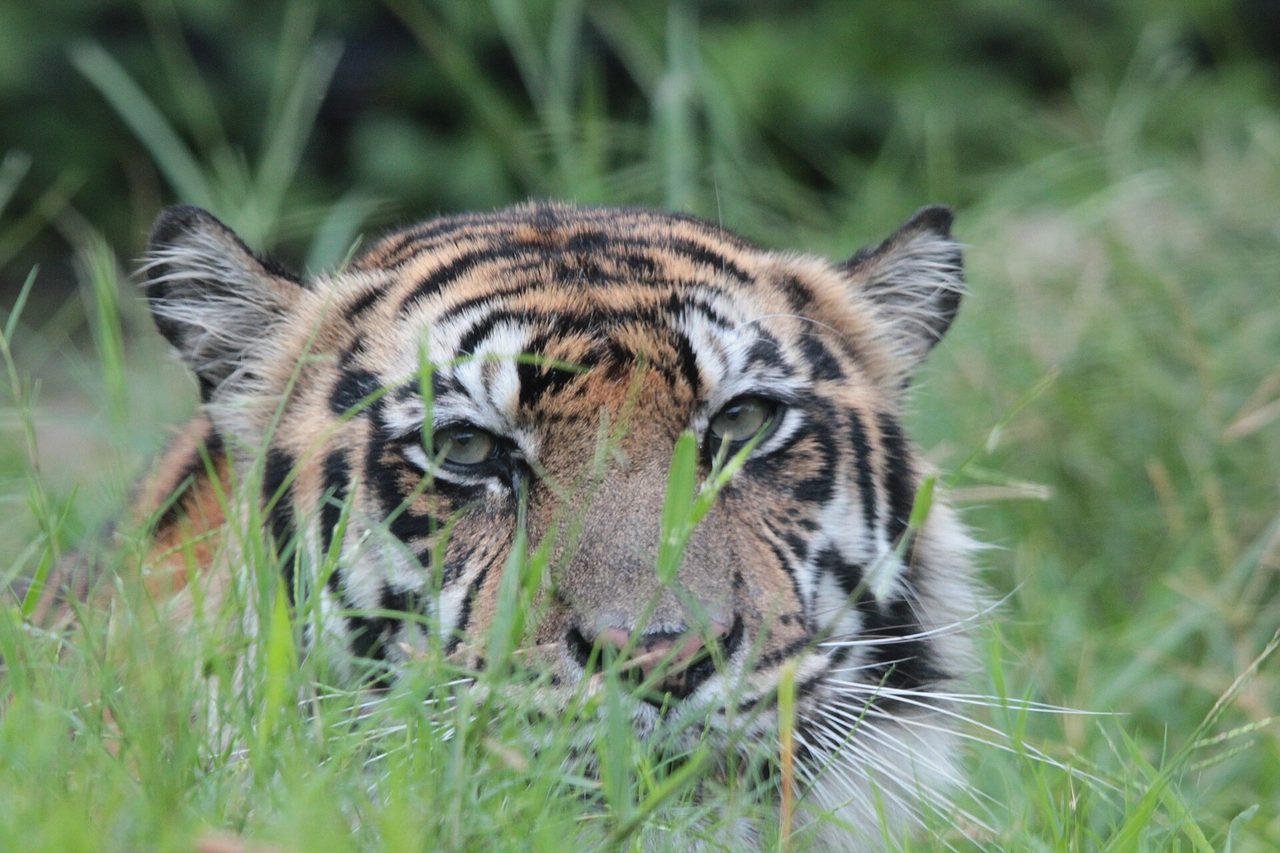
Species Endangered (IUCN 2022); Sumatran and Malayan tigers Critically Endangered
Tiger
Panthera tigris (Linnaeus, 1758)
A tiger (Panthera tigris) is the largest living cat, listed Endangered by the IUCN in 2022. Sumatran and Malayan tigers are Critically Endangered. Fewer than 600 Sumatran tigers and about 80–120 mature Malayan tigers remain. Tigers are not lions. They are solitary forest hunters, not social like African lions.
Read the guide →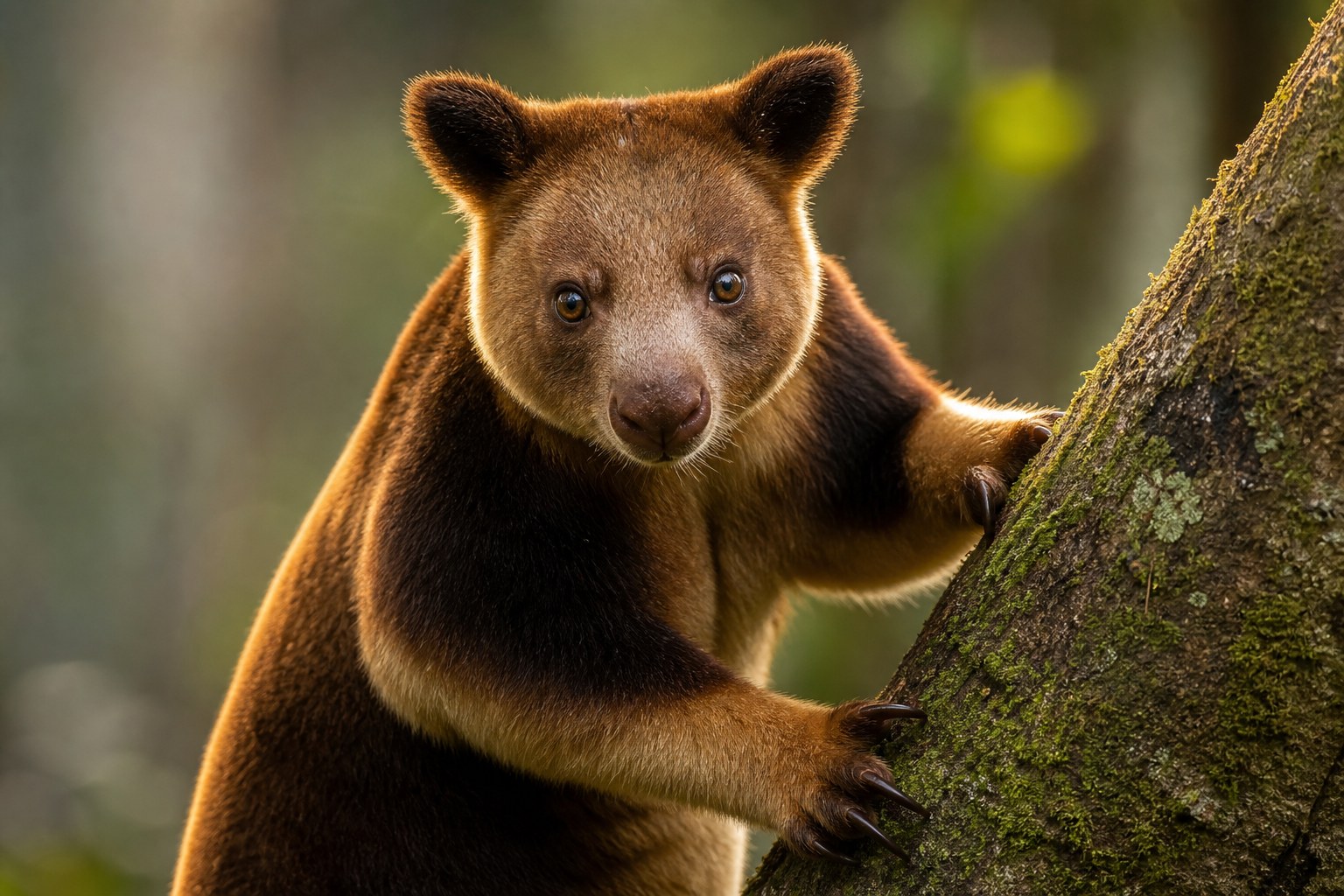
Varies by species — several Endangered or Critically Endangered
Tree Kangaroo
Genus Dendrolagus (Müller, 1840) — around 14 species
Tree kangaroos are around 14 species of marsupial in the genus Dendrolagus that live in the rainforest canopies of New Guinea and far north Queensland; they descend from ground-dwelling kangaroos that returned to the trees, and several species are Endangered or Critically Endangered.
Read the guide →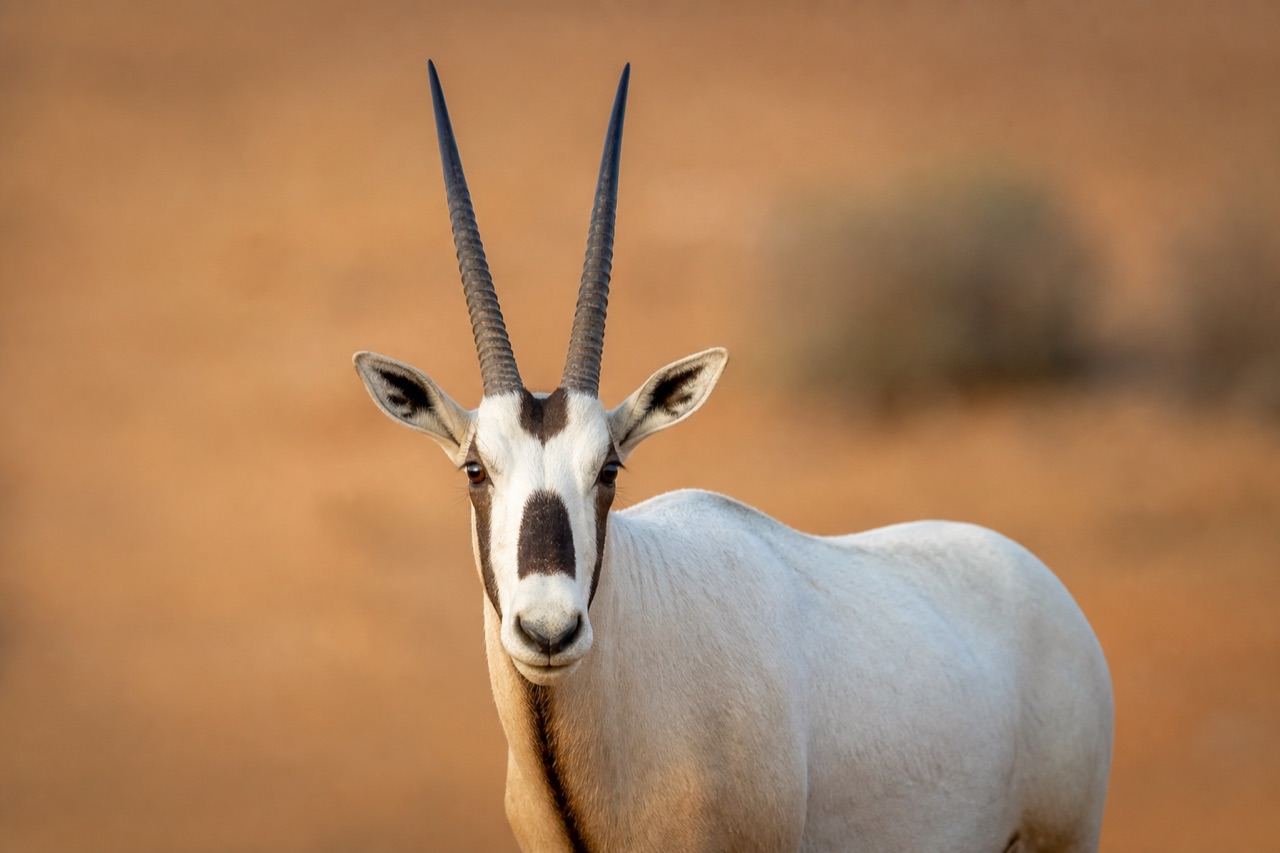
Vulnerable — restored from Extinct in the Wild; wild population still small
Arabian Oryx
Oryx leucoryx (Pallas, 1777) — family Bovidae
The Arabian oryx (Oryx leucoryx) is a desert antelope of the Arabian Peninsula that was Extinct in the Wild by the 1970s and restored through captive breeding and reintroduction; it is now Vulnerable with a growing but still small wild population.
Read the guide →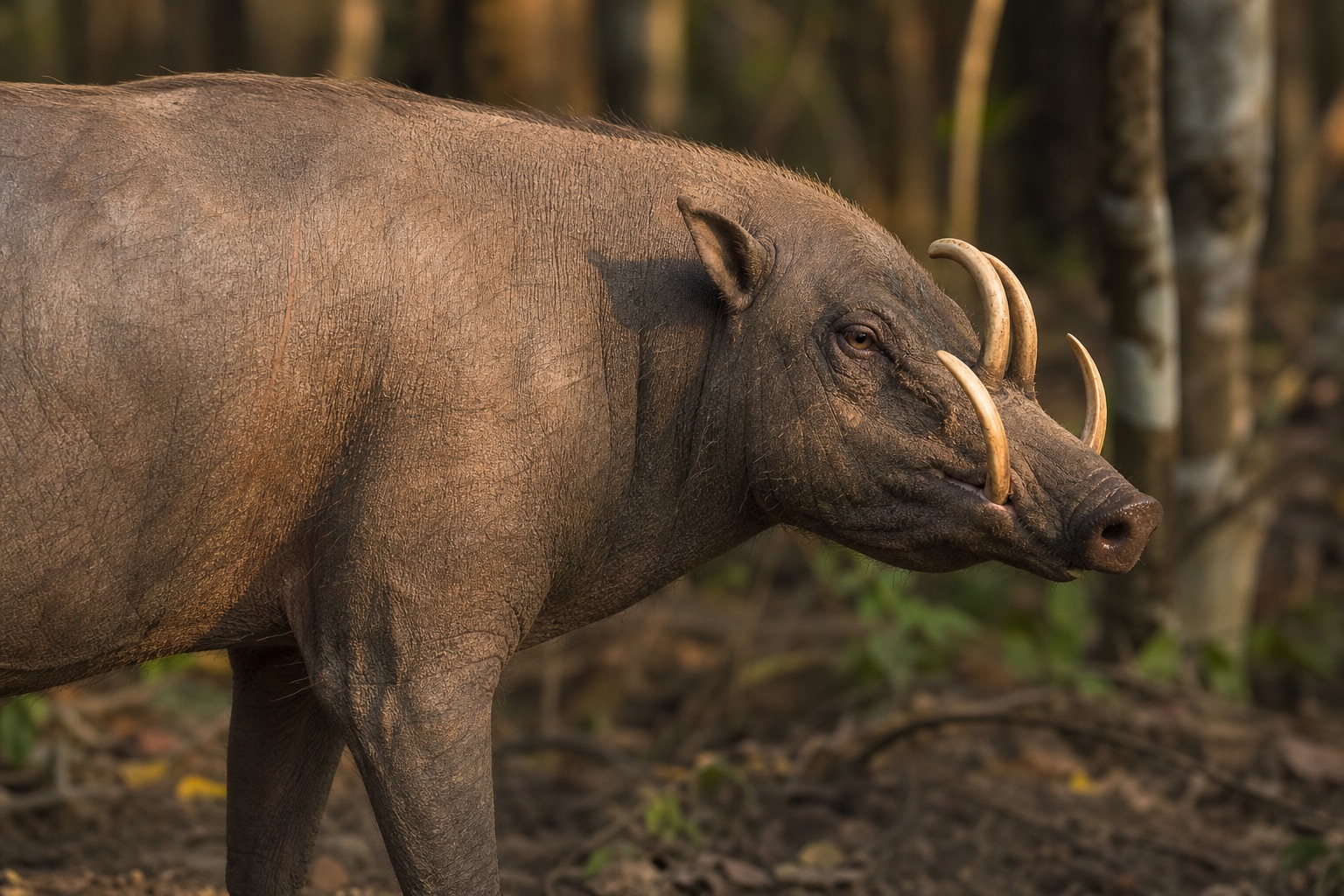
Vulnerable — hunting and forest loss across Sulawesi
Babirusa
Babyrousa babyrussa and related species — family Suidae
Babirusas are forest pigs of Sulawesi and Wallacea whose males grow upper canines that pierce the snout roof and curve upward; they are listed Vulnerable, threatened by hunting and forest loss.
Read the guide →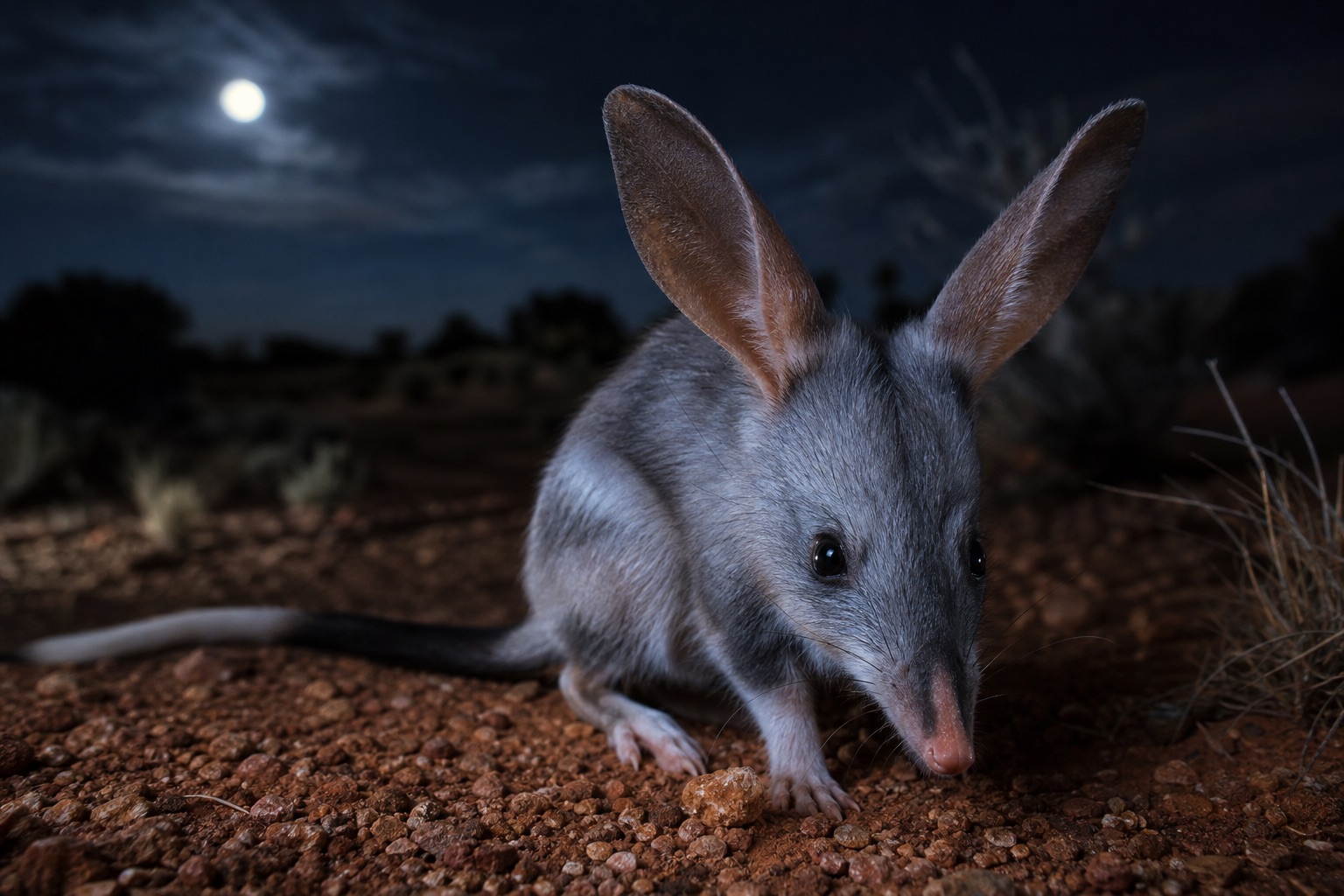
Vulnerable — fewer than 10,000 mature individuals; lost from most of its former range
Bilby
Macrotis lagotis (Reid, 1837) — family Thylacomyidae
The greater bilby (Macrotis lagotis) is a Vulnerable, nocturnal, burrowing marsupial of arid Australia with long ears and silky fur; fewer than 10,000 mature individuals remain after foxes, cats and habitat loss removed it from most of its former range across the mainland.
Read the guide →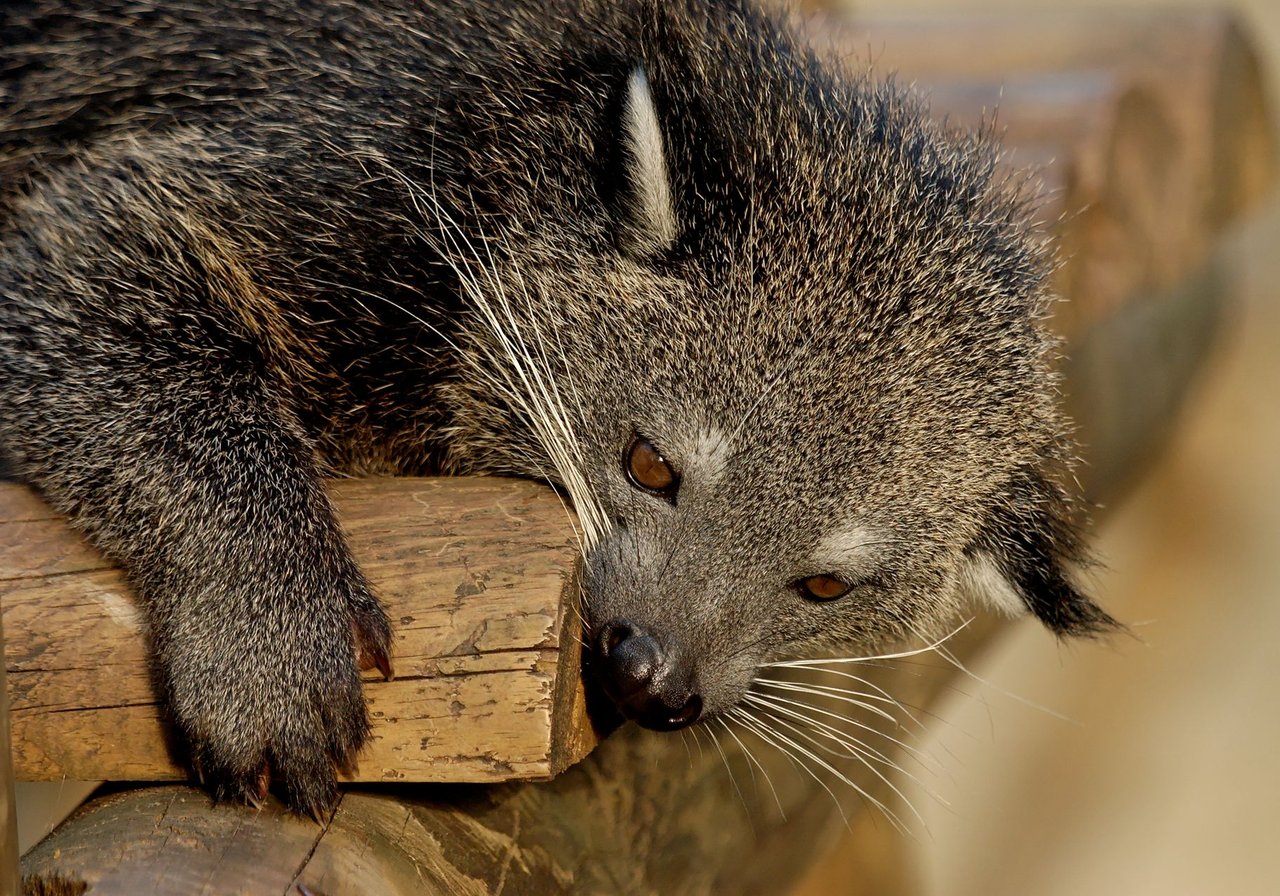
Vulnerable
Binturong
Arctictis binturong (Raffles, 1821)
The binturong (Arctictis binturong) is a Vulnerable tree-dwelling viverrid of South-east Asian rainforest, the only Old World mammal with a fully prehensile tail; it is threatened by deforestation and the illegal pet trade.
Read the guide →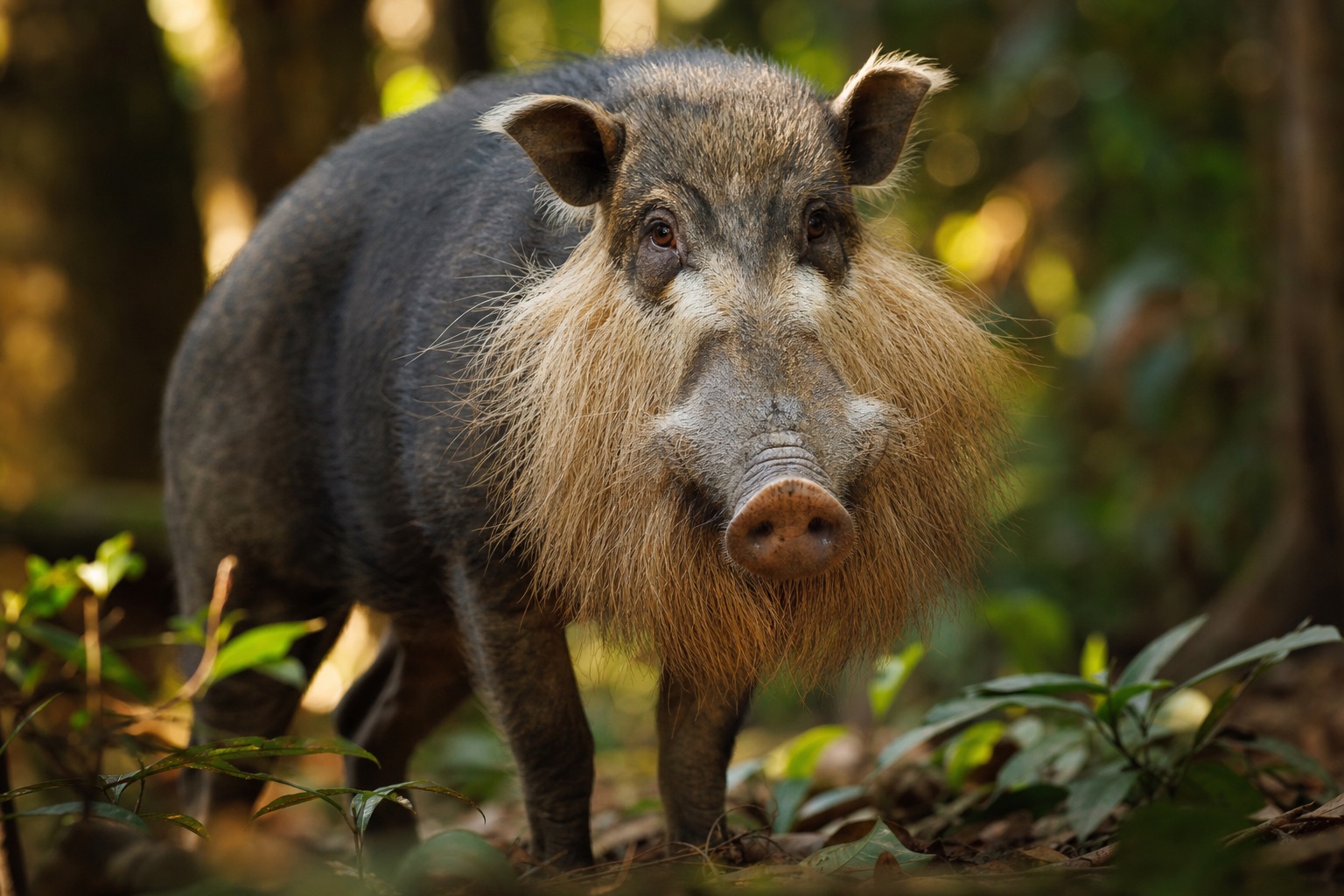
Vulnerable — mass migrations collapsed after African swine fever since 2020
Bornean Bearded Pig
Sus barbatus (Müller, 1838) — family Suidae
The Bornean bearded pig (Sus barbatus) is a Vulnerable wild pig of Borneo known for mass migrations; populations collapsed after African swine fever spread from around 2020, on top of oil palm, pulpwood and mining-driven forest loss.
Read the guide →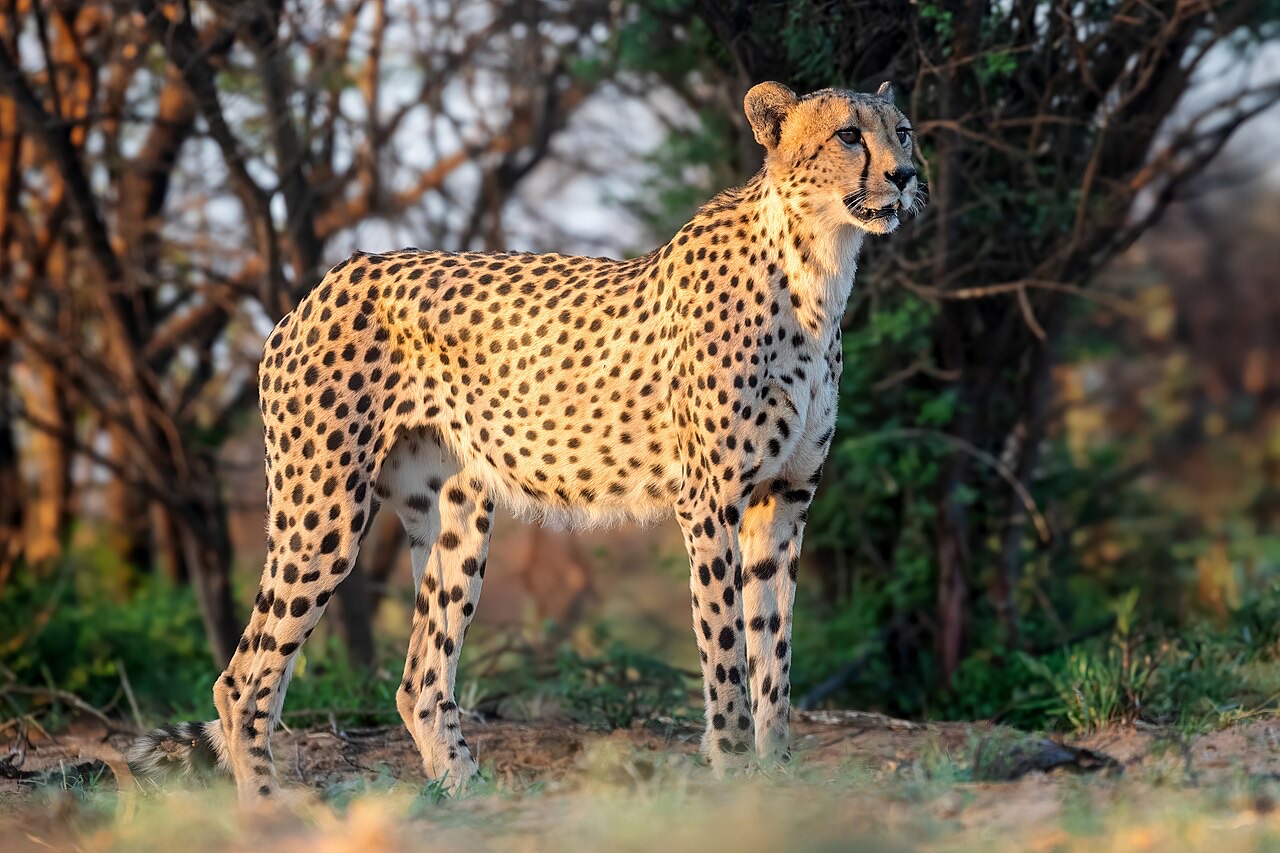
Vulnerable
Cheetah
Acinonyx jubatus
The cheetah (Acinonyx jubatus) is the fastest land animal, reaching roughly 100-120 km/h (about 60-75 mph) in short bursts, and is classified as Vulnerable by the IUCN, with the Asiatic cheetah in Iran listed as Critically Endangered.
Read the guide →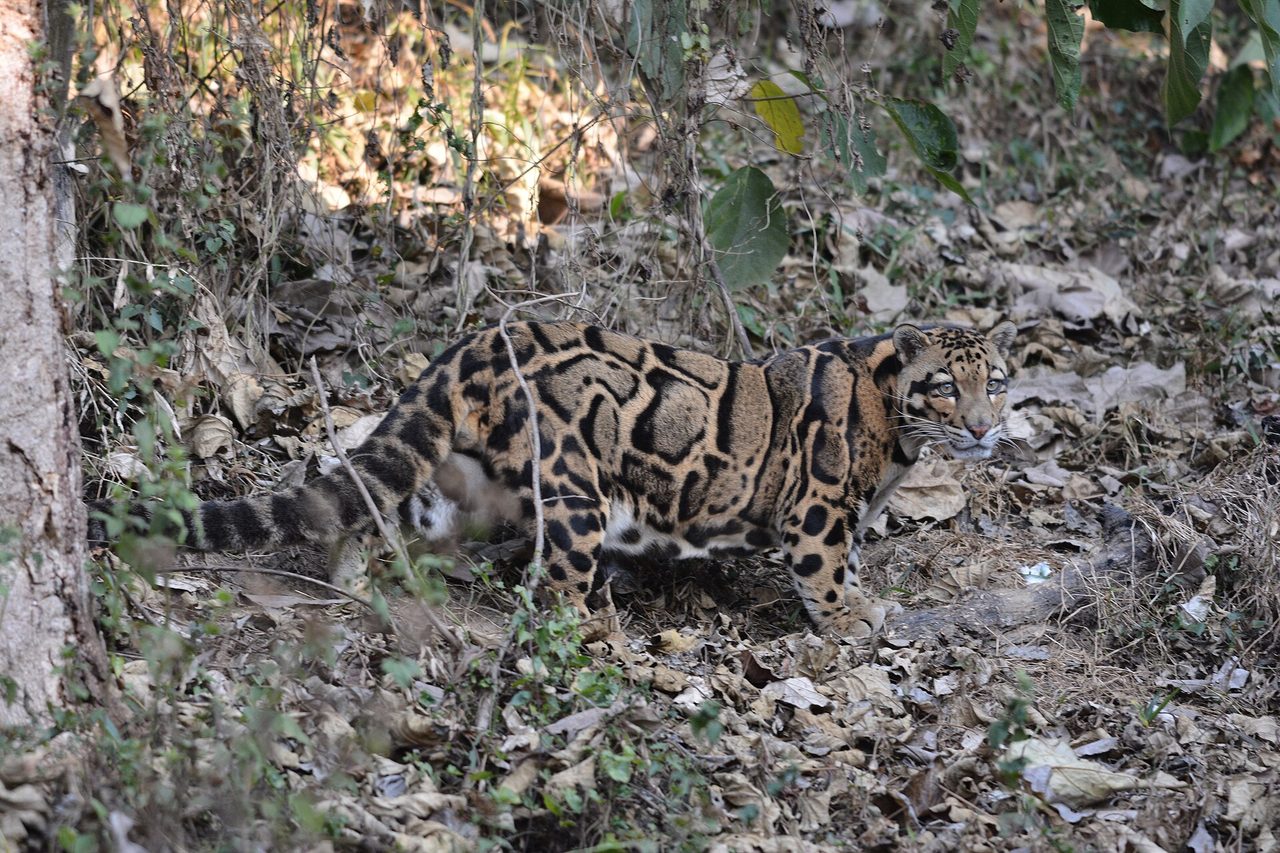
Vulnerable (both species) — island subspecies assessed Endangered
Clouded Leopard
Neofelis nebulosa & Neofelis diardi
A clouded leopard is a medium-sized arboreal wild cat native to the forests of Asia, recognised by its cloud-shaped coat patches and famous for having the longest canine teeth relative to body size of any living cat; two species exist, the mainland (Neofelis nebulosa) and Sunda (Neofelis diardi) clouded leopards, both listed as Vulnerable.
Read the guide →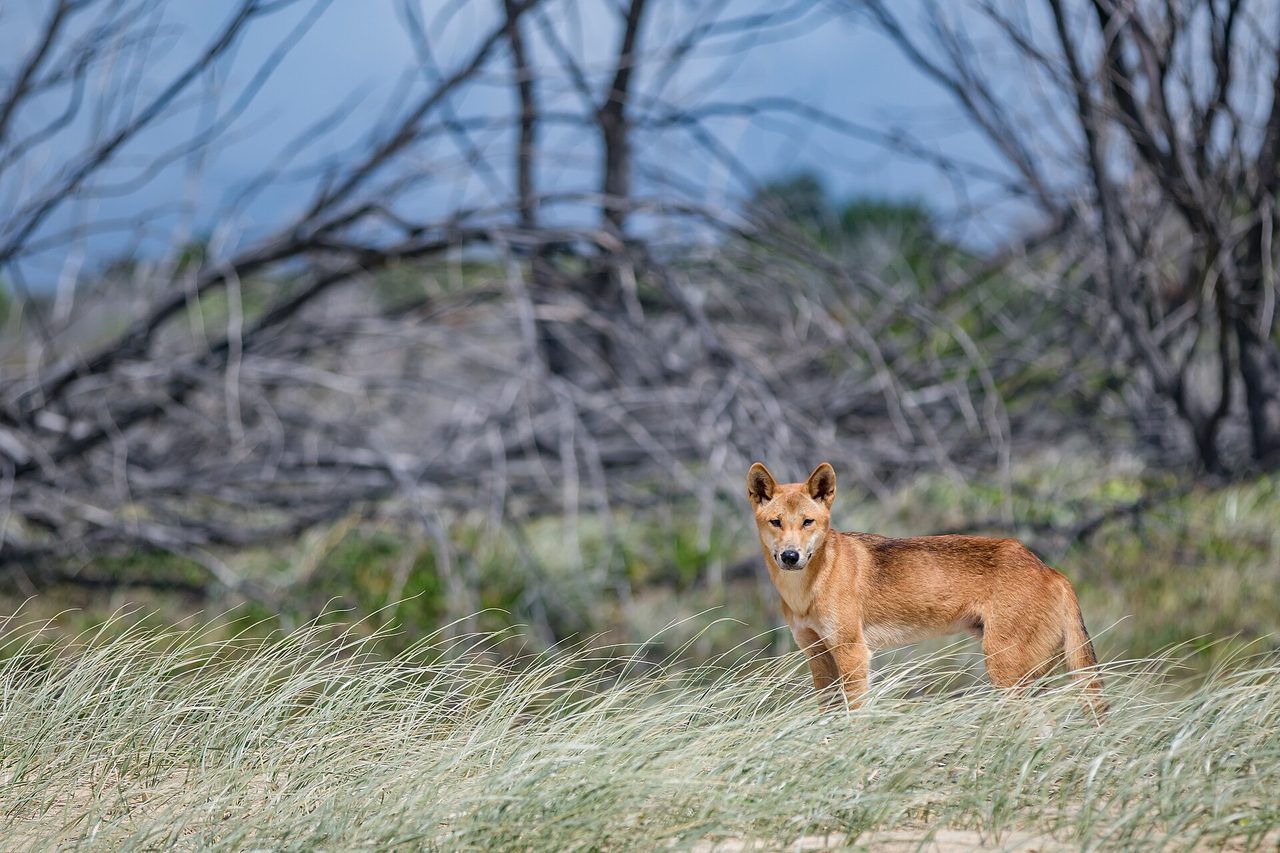
Vulnerable (historical IUCN 2008; removed from Red List 2019)
Dingo
Canis lupus dingo
The dingo is Australia's native wild dog and apex predator, historically classified as Vulnerable due to widespread persecution and hybridisation with domestic dogs — though it was removed from the IUCN Red List in 2019 following taxonomic reclassification, and new genomic research suggests pure dingoes are more numerous than previously feared.
Read the guide →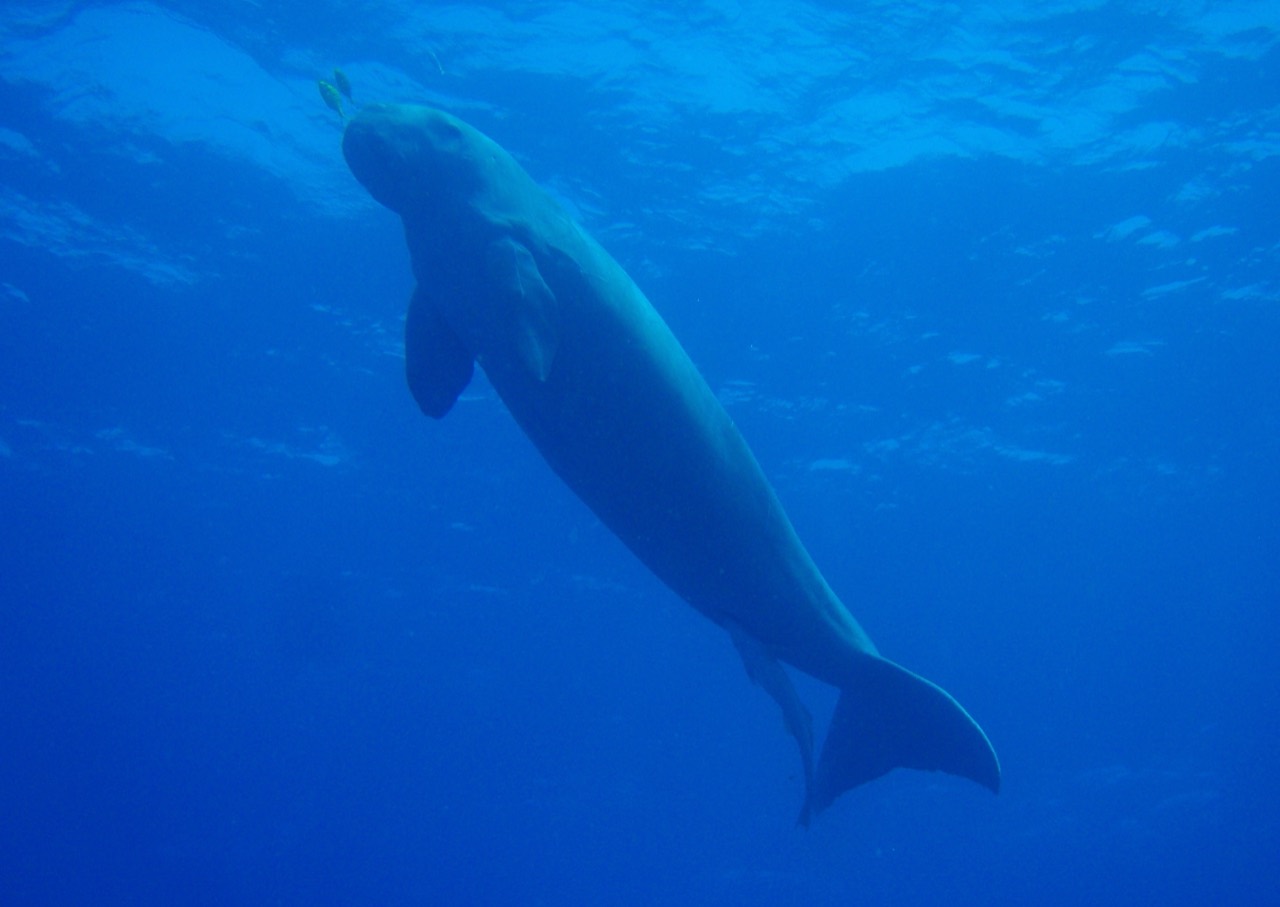
Vulnerable globally — but Critically Endangered in East Africa and Japan's Nansei Islands, and Endangered in New Caledonia
Dugong
Dugong dugon
A dugong is a large, plant-eating marine mammal of the order Sirenia (the "sea cows"), reaching about 3 metres long, that lives entirely in warm coastal seas and feeds almost exclusively on seagrass.
Read the guide →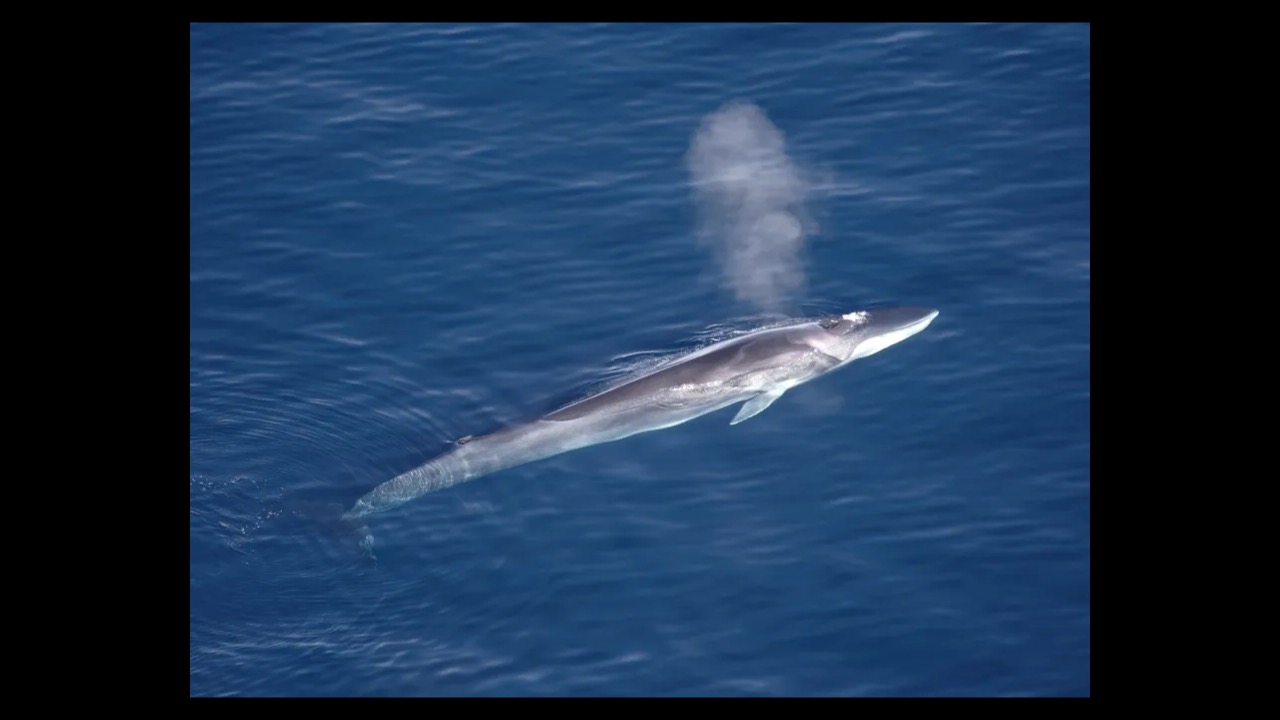
Vulnerable
Fin Whale
Balaenoptera physalus
The fin whale is the second-largest animal on Earth after the blue whale, reaching 25 m (82 ft) and 70 tonnes with an asymmetric jaw colouring. A fast baleen whale capable of 40 km/h bursts, it filters krill and small fish and is listed Vulnerable after decades of commercial whaling.
Read the guide →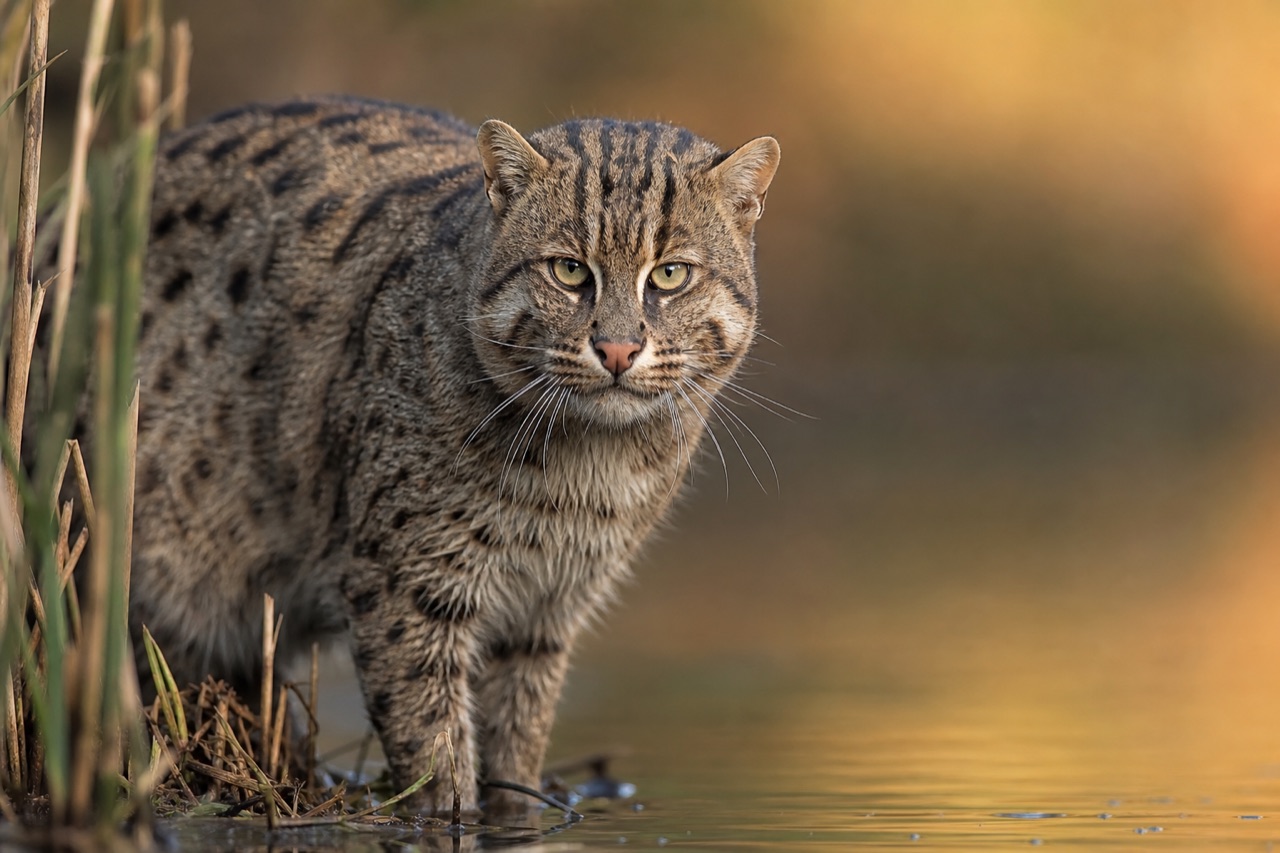
Vulnerable — wetland loss is the primary threat across South and Southeast Asia
Fishing Cat
Prionailurus viverrinus (Bennett, 1833) — family Felidae
The fishing cat (Prionailurus viverrinus) is a Vulnerable wetland felid of South and Southeast Asia that swims and dives to catch fish, with partially webbed toes and a stocky build adapted to marsh, mangrove and reedbed habitat.
Read the guide →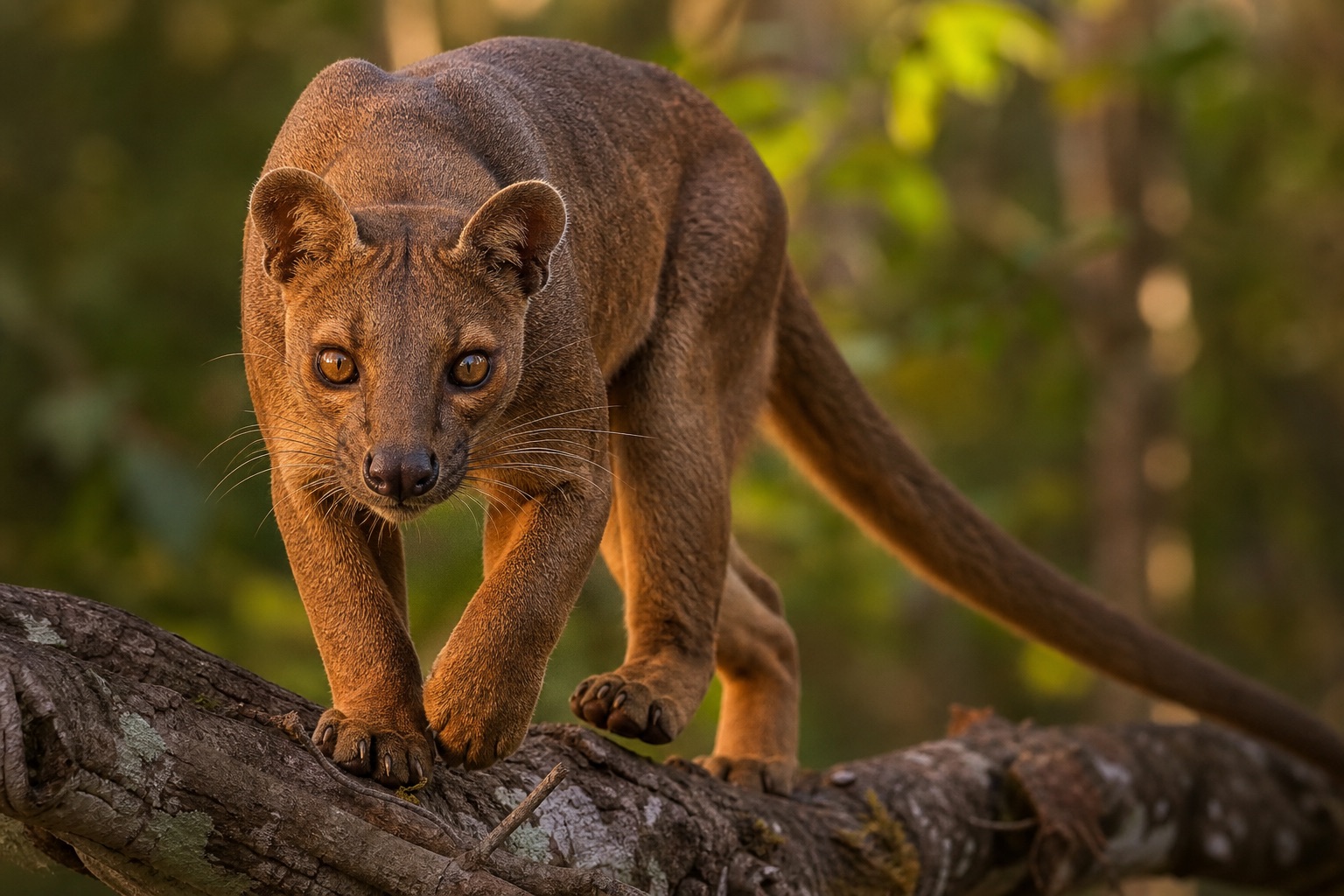
Vulnerable — Madagascar's largest native carnivore, declining as forest fragments
Fossa
Cryptoprocta ferox (Bennett, 1833) — family Eupleridae
The fossa (Cryptoprocta ferox) is Madagascar's largest native carnivore and apex predator, cat-like in appearance but a euplerid mongoose relative; it hunts lemurs in the canopy, is listed Vulnerable, and declines as an estimated 80–90% of Madagascar's original forest has been lost.
Read the guide →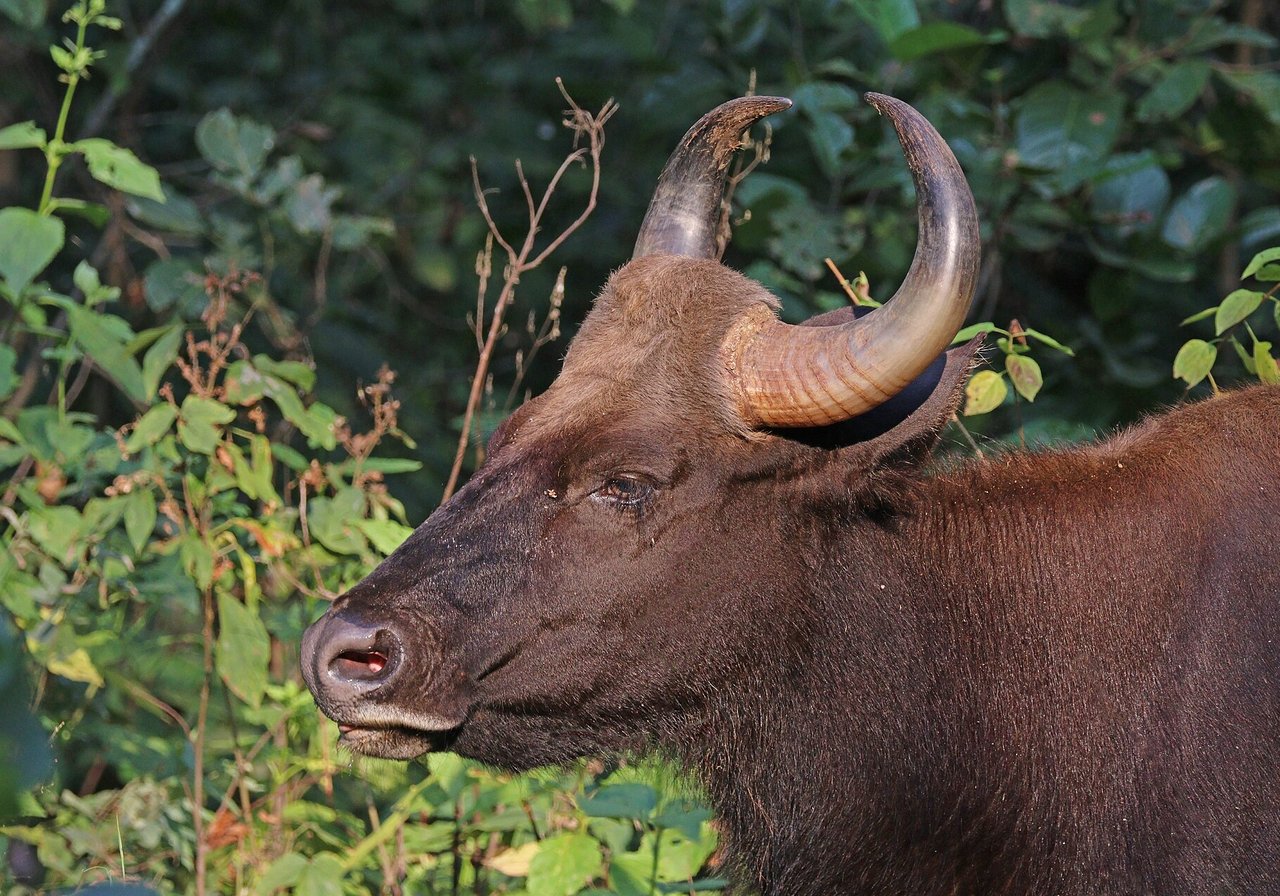
Vulnerable
Gaur
Bos gaurus (Hamilton, 1827)
The gaur (Bos gaurus) is a Vulnerable forest bovid — the largest wild cattle species, ranging from India through Malaysia; threatened by habitat loss, bushmeat hunting and agricultural encroachment.
Read the guide →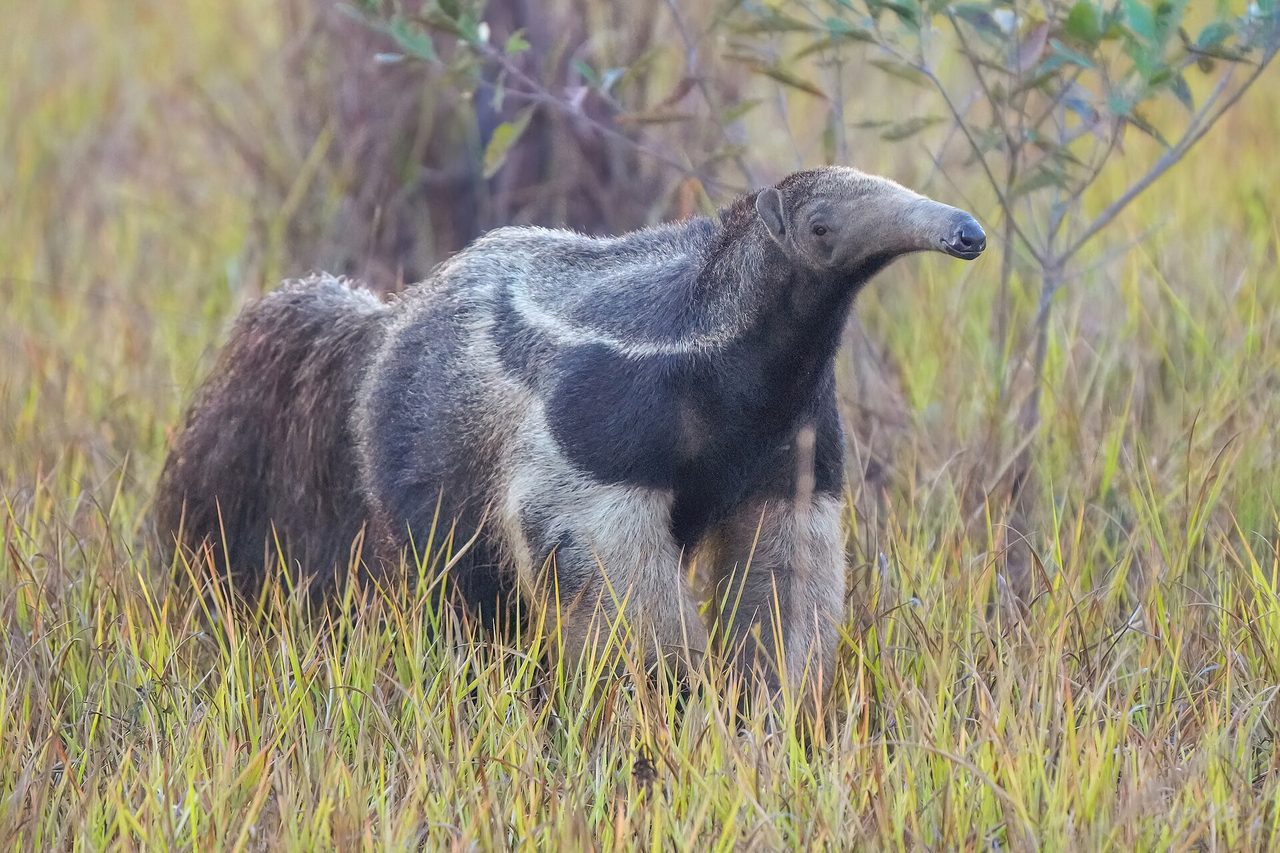
Vulnerable
Giant Anteater
Myrmecophaga tridactyla
The giant anteater is a large, toothless mammal of Central and South America listed as Vulnerable by the IUCN, with populations declining by at least 30% over the past three generations due to habitat loss, fire, and road mortality.
Read the guide →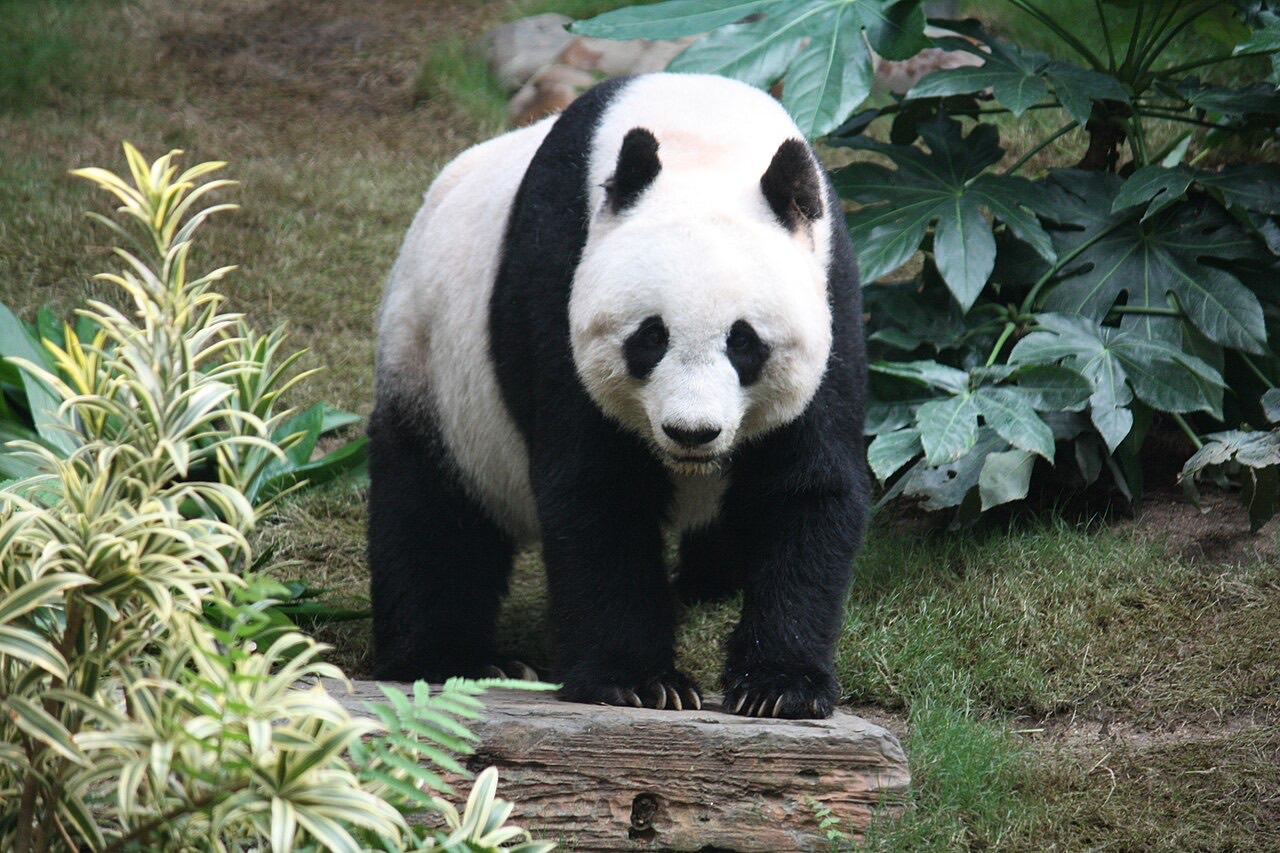
Vulnerable
Giant Panda
Ailuropoda melanoleuca
The giant panda (Ailuropoda melanoleuca) is a bamboo-eating bear native only to China, listed as Vulnerable on the IUCN Red List with roughly 1,800 to 1,900 mature individuals in the wild as of the 2016 assessment.
Read the guide →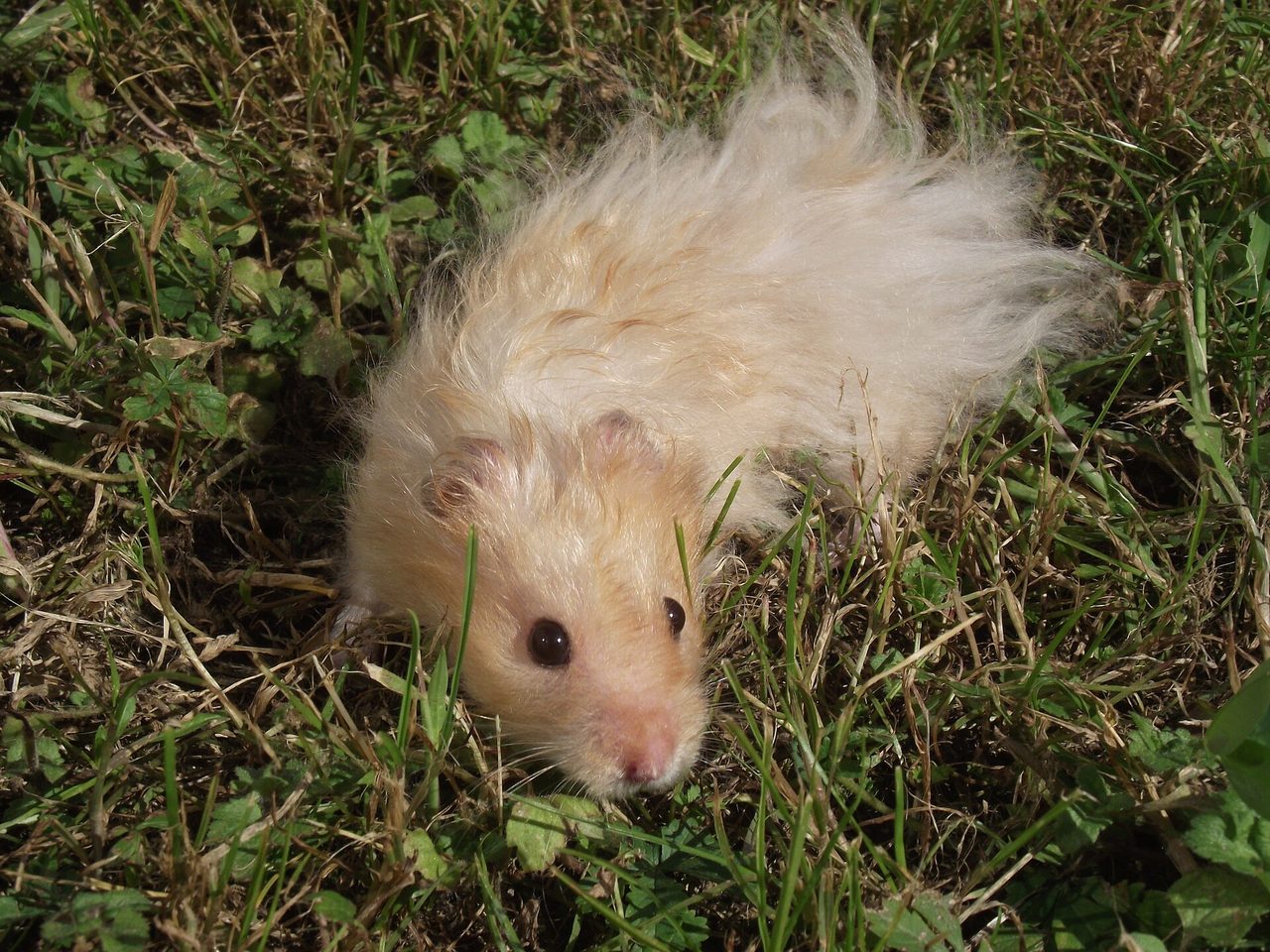
Wild Syrian hamster Vulnerable; dwarf species vary — pets are domestic lines
Hamster
Multiple species — Mesocricetus auratus (Syrian), Phodopus spp. (dwarf) and others
Hamsters are nocturnal cricetine rodents — Syrian hamsters must live alone; dwarf species may tolerate pairs. Wild Syrian hamsters are Vulnerable; pet welfare requires large enclosures, deep bedding and wheels with a straight back.
Read the guide →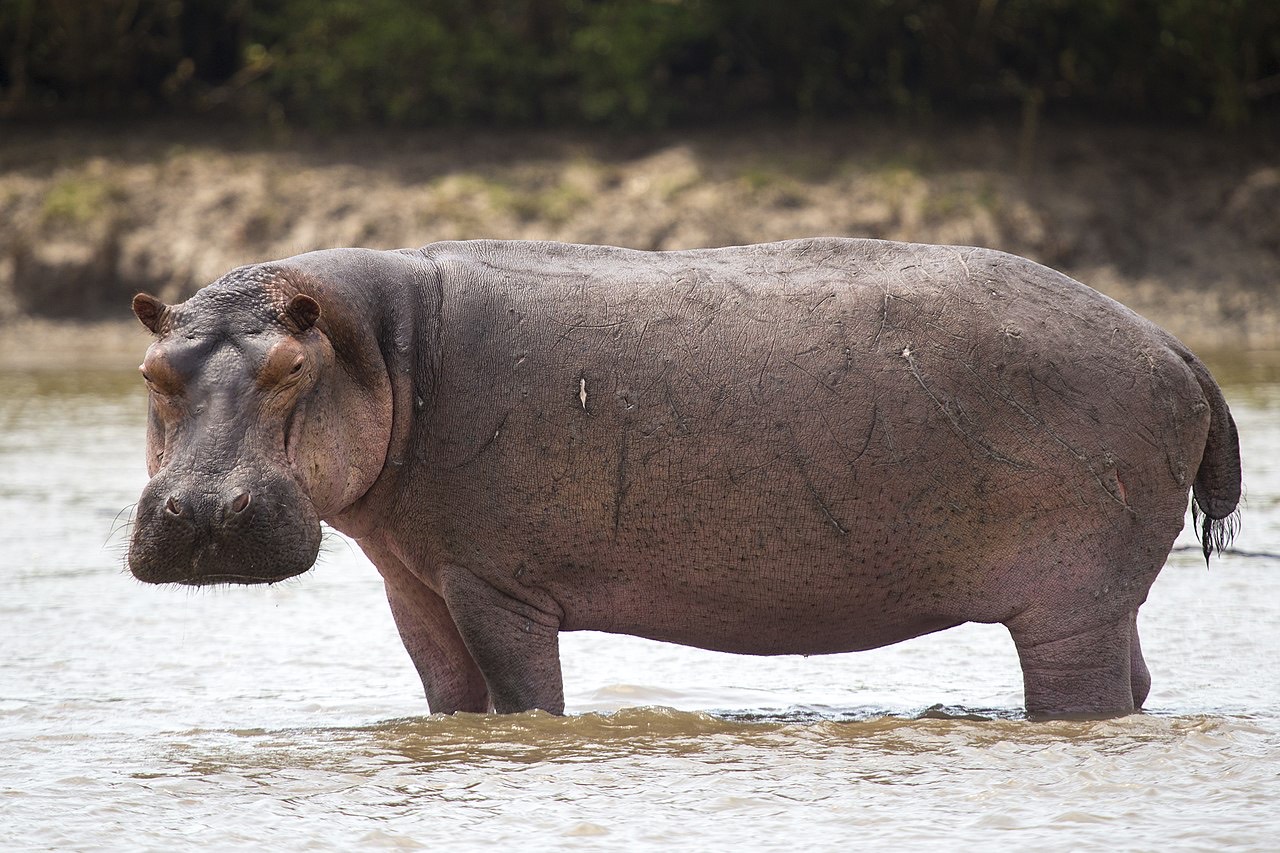
Vulnerable
Hippopotamus
Hippopotamus amphibius
The hippopotamus (Hippopotamus amphibius) is a large semi-aquatic African mammal listed as Vulnerable by the IUCN, with roughly 115,000-130,000 individuals remaining and a declining population driven by habitat loss and demand for its tooth ivory.
Read the guide →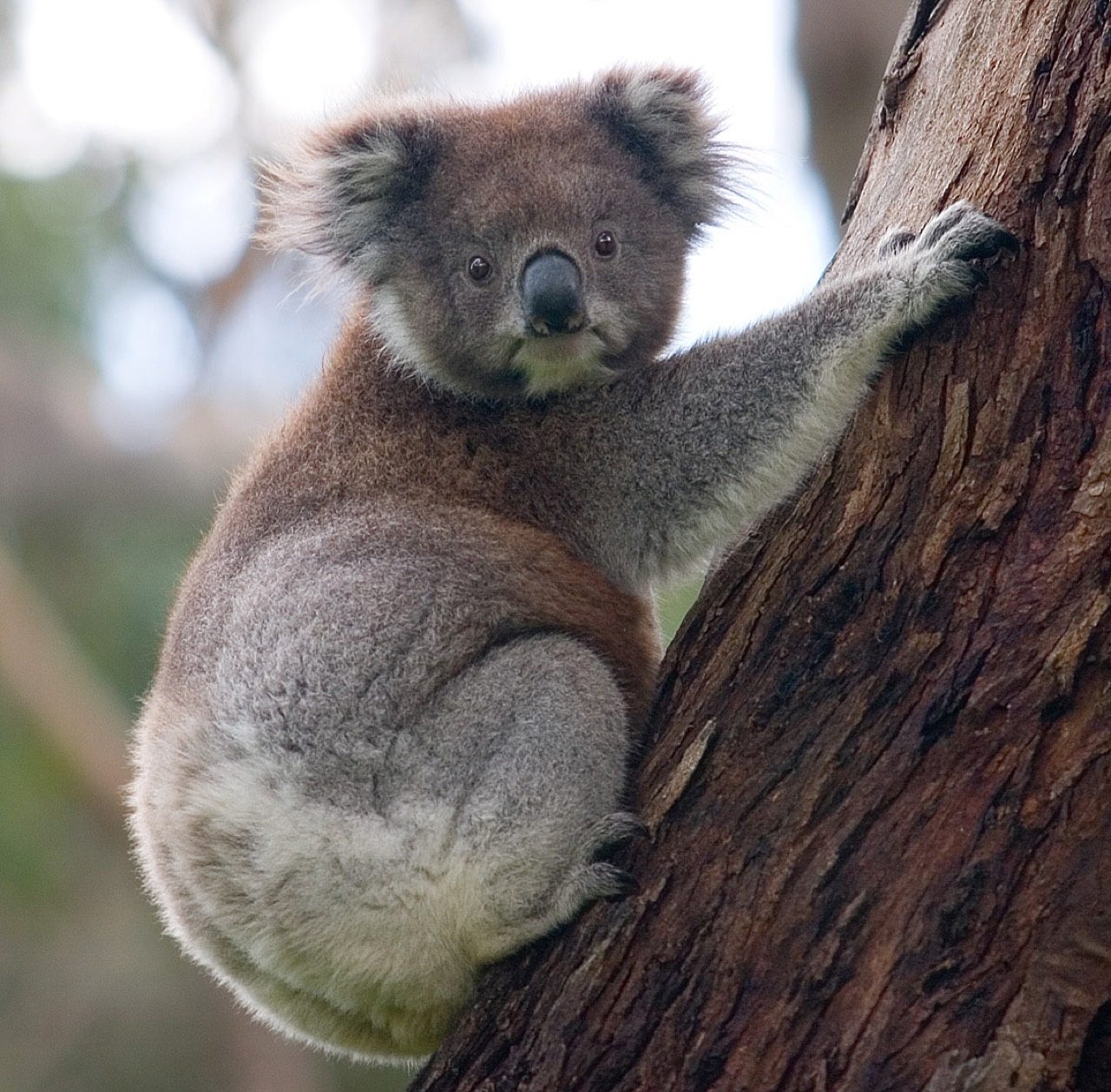
Vulnerable on the IUCN Red List; listed Endangered under Australian federal law in Queensland, New South Wales and the ACT (2022)
Koala
Phascolarctos cinereus
The koala is a Vulnerable eucalyptus-eating marsupial native only to Australia, where habitat loss, disease and bushfire have made its eastern populations Endangered under national law as of 2022.
Read the guide →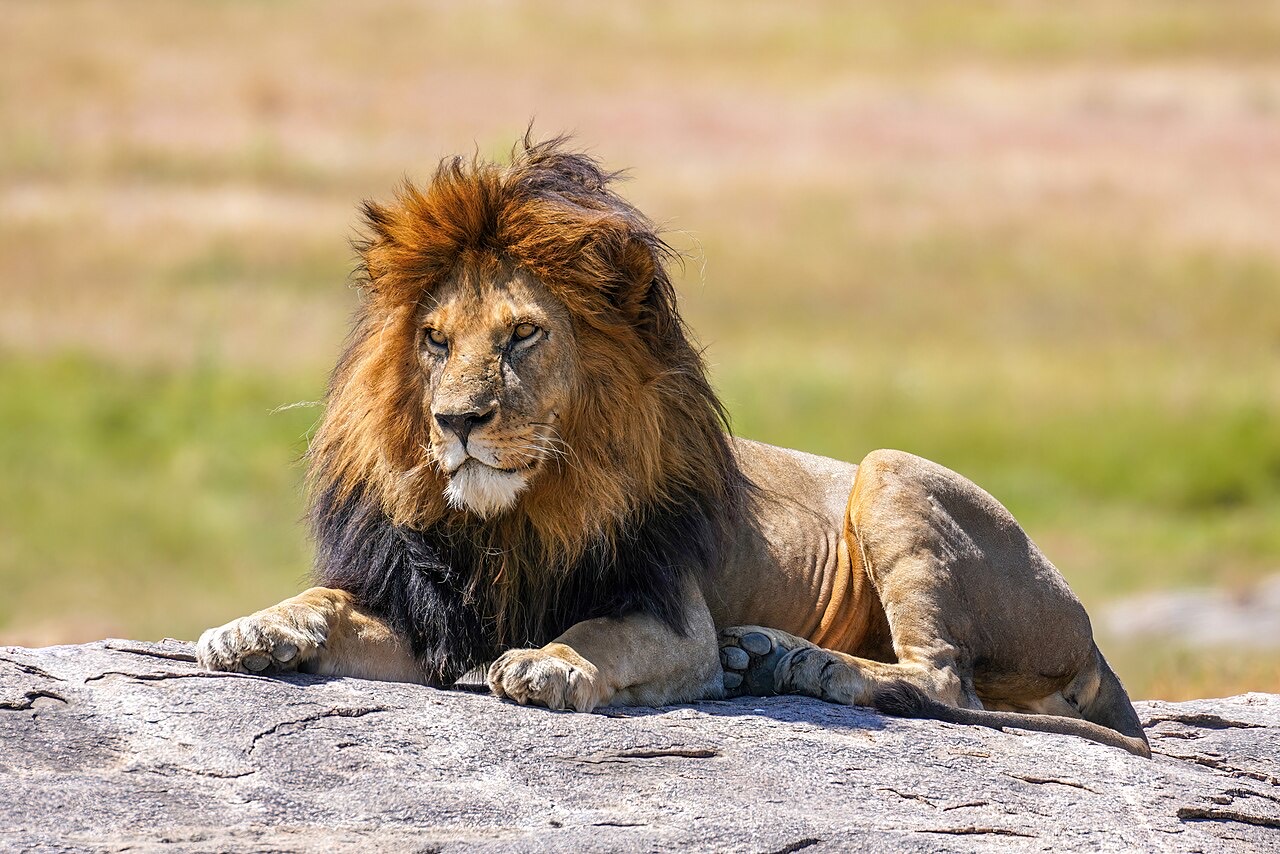
Vulnerable (IUCN 2023)
Lion
Panthera leo (Linnaeus, 1758)
A lion (Panthera leo) is a wild cat listed Vulnerable by the IUCN in 2023, with about 23,000 lions in Africa and about 670 in India. Lions live in prides. They are not domesticated and not tigers. The population is decreasing.
Read the guide →Vulnerable
Mandrill
Mandrillus sphinx (Linnaeus, 1758)
The mandrill is the world’s largest monkey (Mandrillus sphinx), native to rainforests of Cameroon, Gabon, Equatorial Guinea and Congo, and listed Vulnerable on the IUCN Red List because of commercial bushmeat hunting and logging-road access. It is not a baboon. WARN does not run Central African patrols; this page is an educational guide, not a field-programme claim.
Read the guide →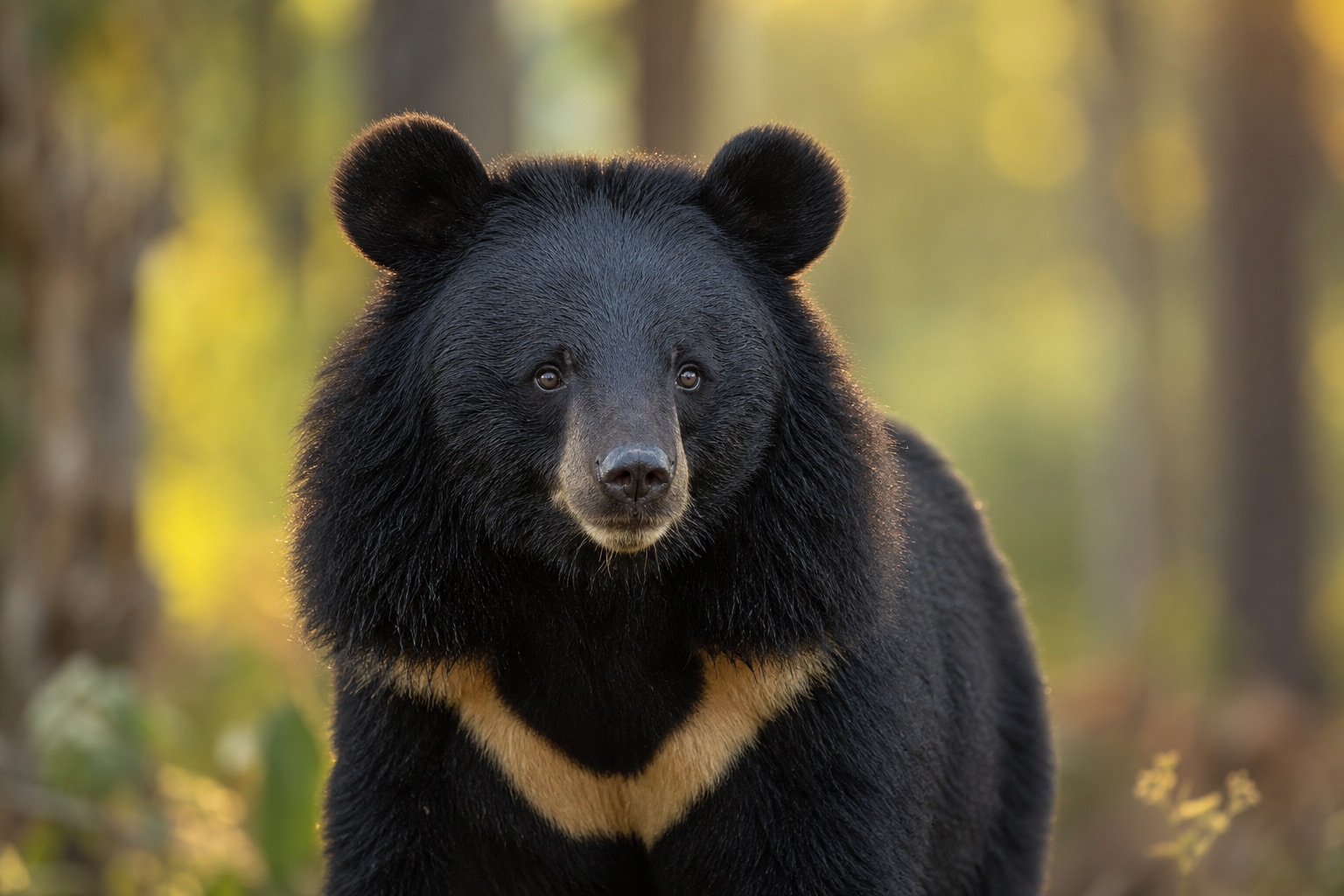
Vulnerable — and the species that overwhelmingly fills bile-farming cages across Asia
Moon Bear
Ursus thibetanus (G. Cuvier, 1823) — family Ursidae
The moon bear (Ursus thibetanus), or Asiatic black bear, is a Vulnerable forest bear of South and East Asia recognised by a white chest V or crescent; it is the species overwhelmingly kept on bile farms in tiny cages for gallbladder extraction, though synthetic substitutes make farmed bile medically unnecessary.
Read the guide →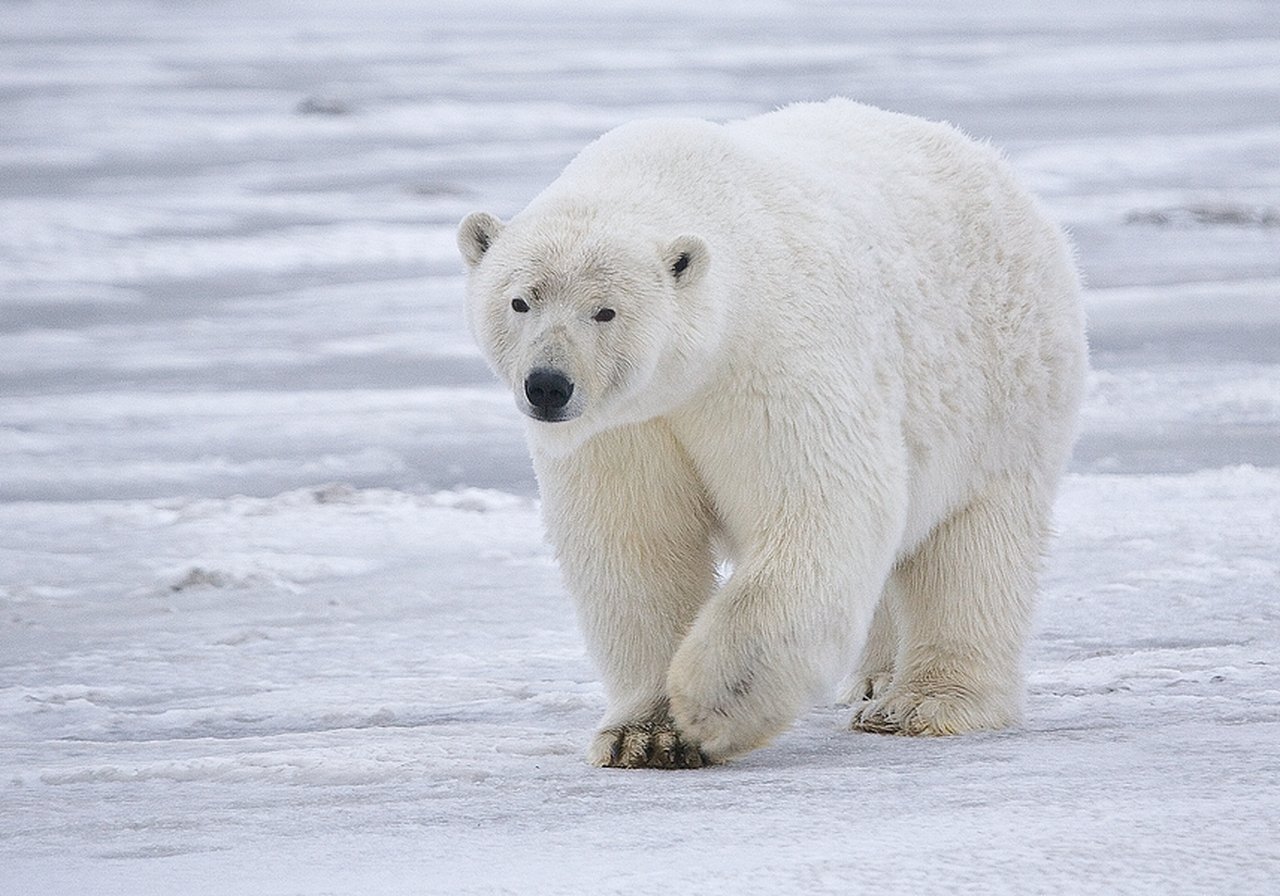
Vulnerable
Polar Bear
Ursus maritimus (Popham, 1774)
The polar bear (Ursus maritimus) is listed as Vulnerable by the IUCN, with an estimated 22,000–31,000 individuals; climate change and the loss of Arctic sea ice are the primary threats to its survival.
Read the guide →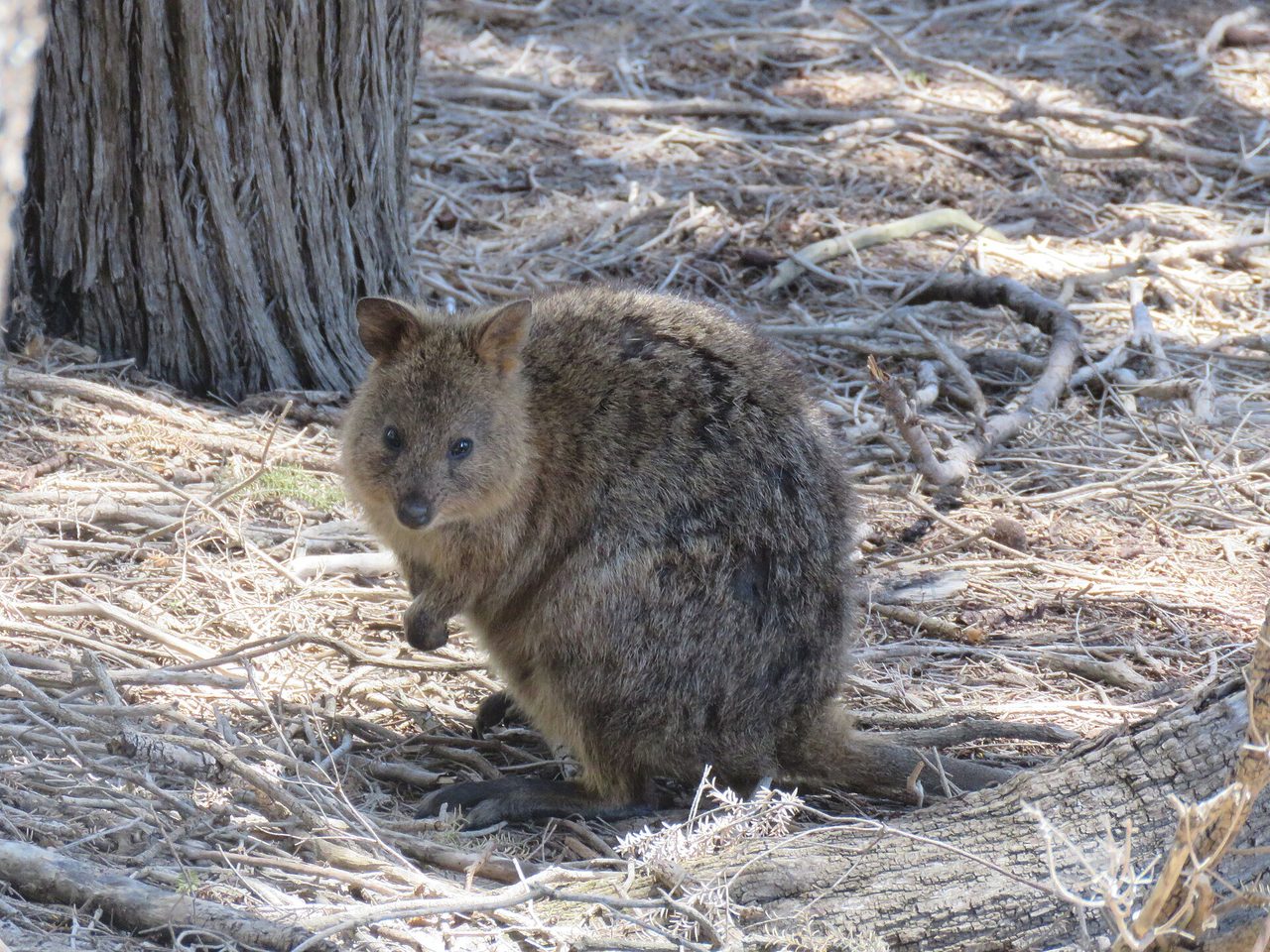
Vulnerable
Quokka
Setonix brachyurus
The quokka is a Vulnerable marsupial found only in south-western Western Australia, best known for its photogenic "smile" but facing serious threats from feral predators, habitat loss, and climate change.
Read the guide →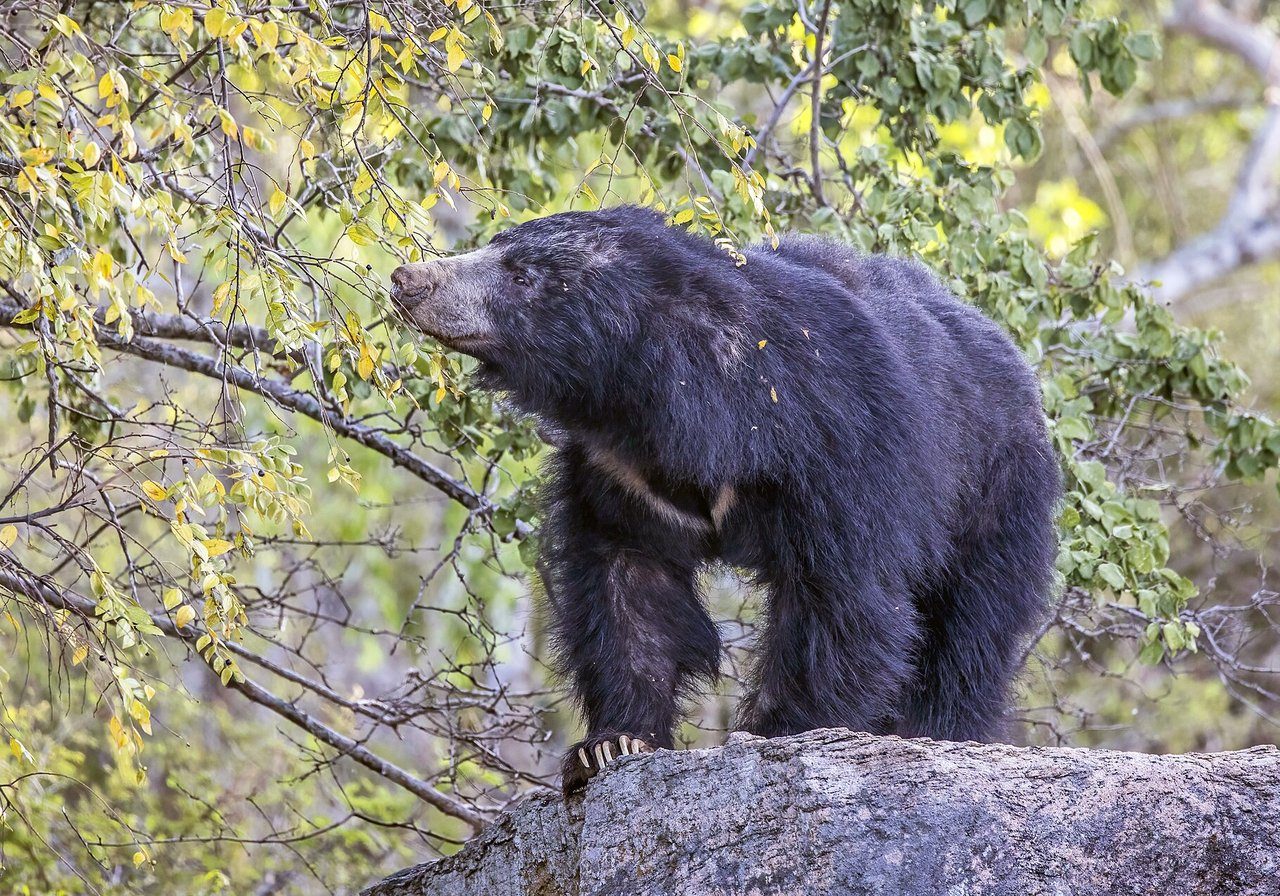
Vulnerable
Sloth Bear
Melursus ursinus (Cuvier, 1793)
The sloth bear (Melursus ursinus) is a Vulnerable myrmecophagous bear of India, Nepal, Sri Lanka and Bhutan — adapted for eating ants and termites with long claws and a tube-like muzzle, threatened by habitat loss and conflict.
Read the guide →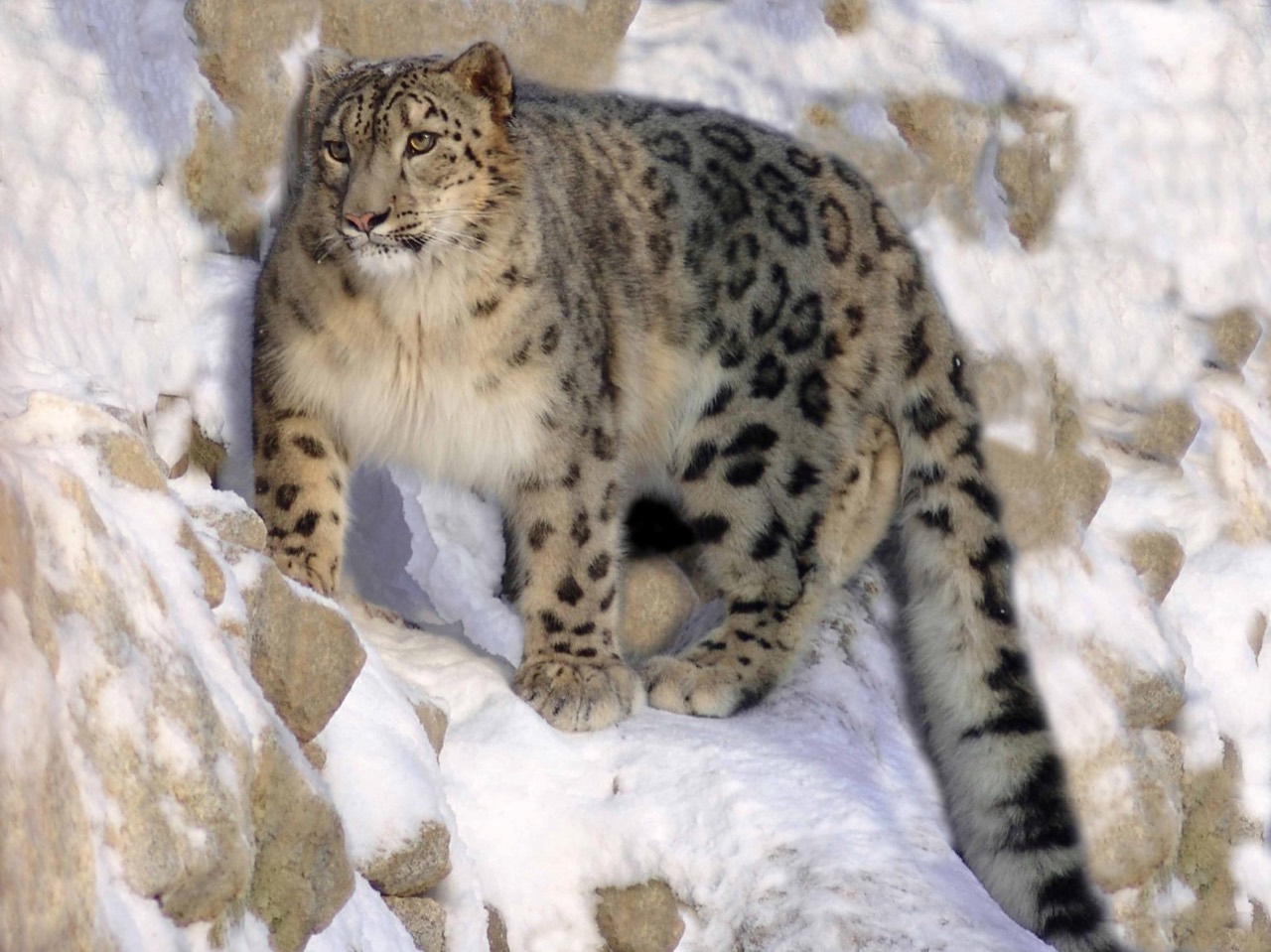
Vulnerable (downlisted from Endangered in 2017) — but fewer than 3,400 mature adults remain
Snow Leopard
Panthera uncia
A snow leopard (Panthera uncia) is a large wild cat native to the high mountains of Central and South Asia, recognised by its pale grey rosette-patterned coat and very long tail, and listed as Vulnerable on the IUCN Red List.
Read the guide →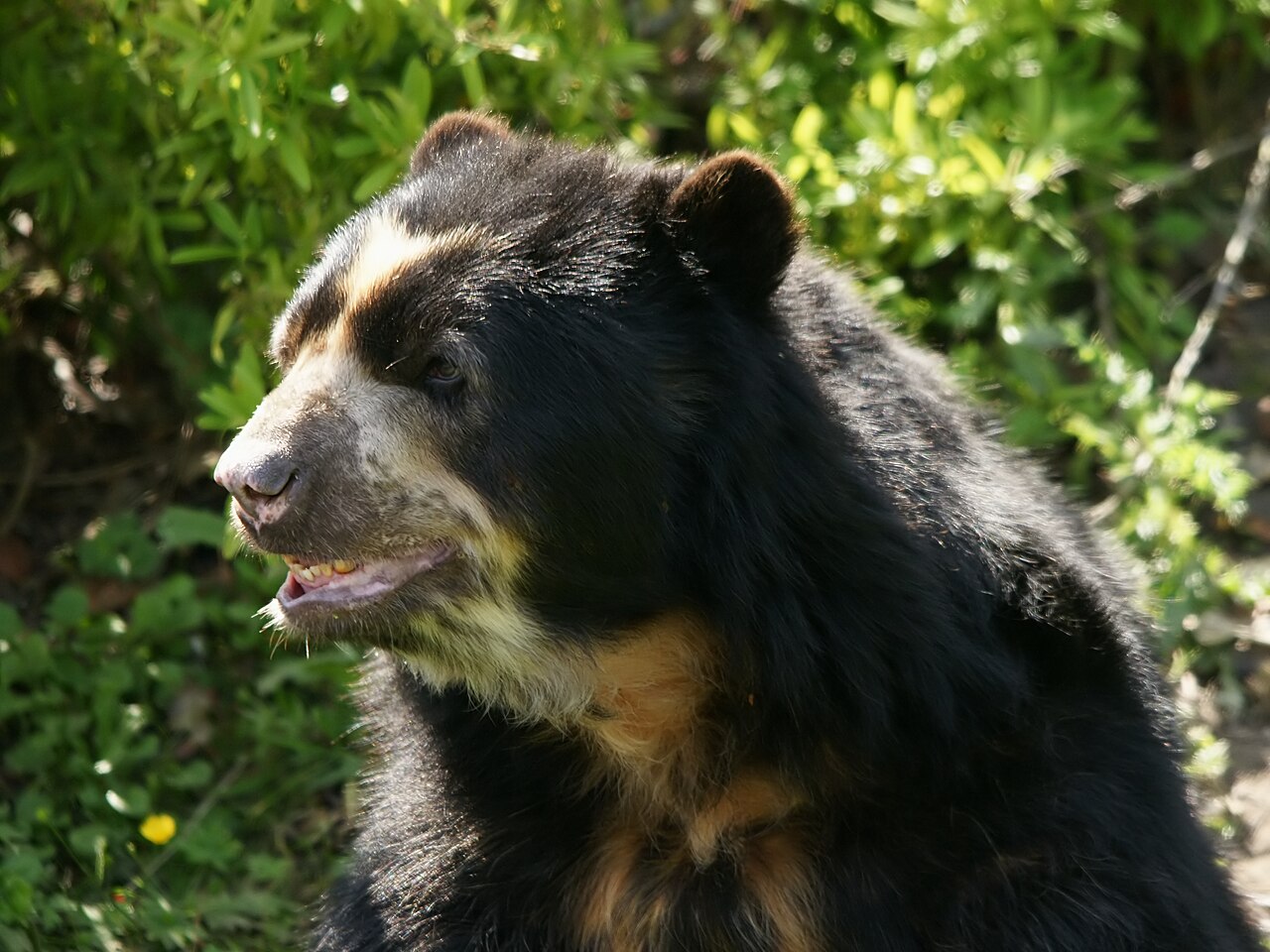
Vulnerable
Spectacled Bear
Tremarctos ornatus (F. Cuvier, 1825)
The spectacled bear is South America's only bear species and the last surviving short-faced bear; the IUCN lists it as Vulnerable, threatened by deforestation, conflict with farmers, and the illegal wildlife trade.
Read the guide →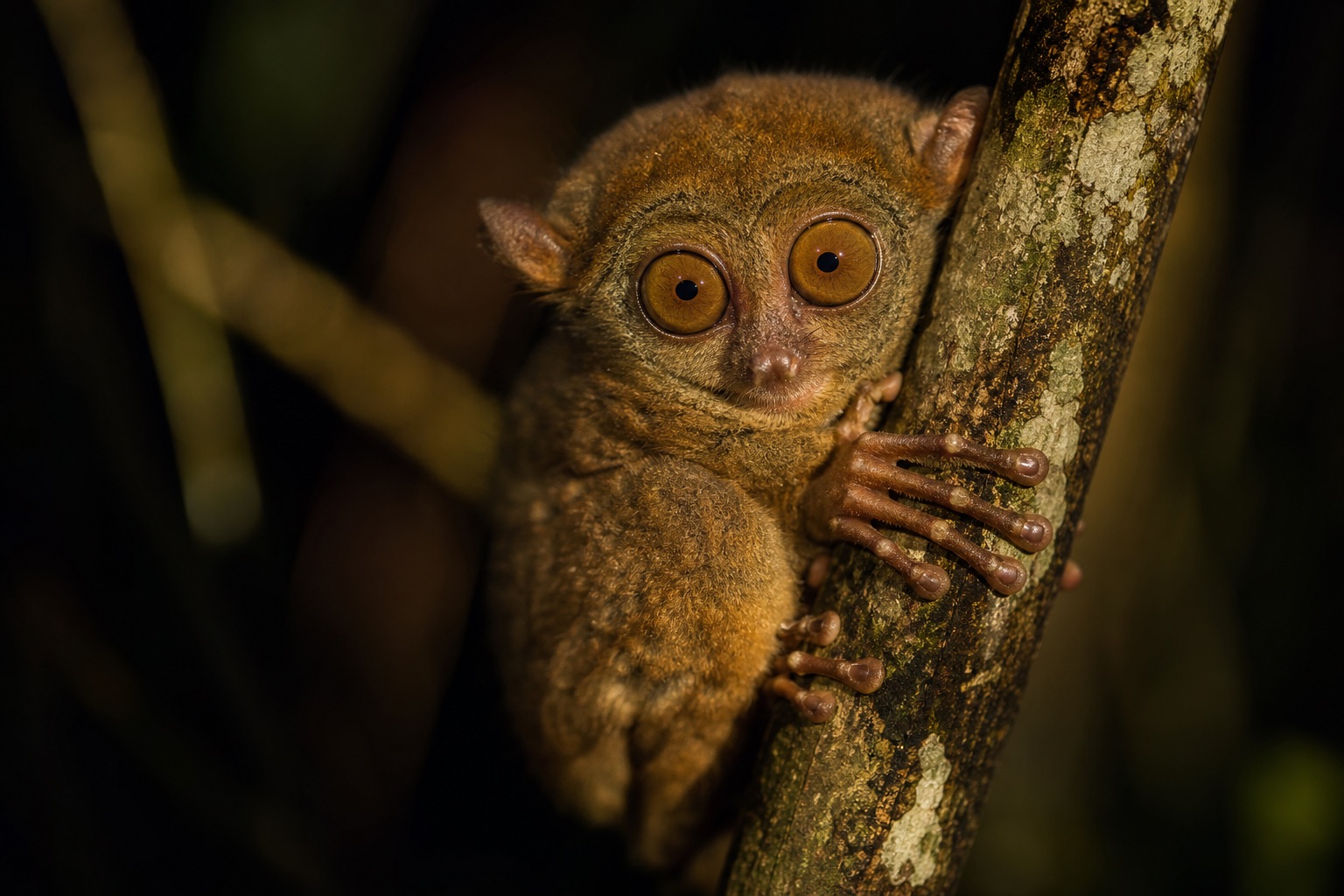
Vulnerable — forest loss on Sulawesi
Spectral Tarsier
Tarsius tarsier (Erxleben, 1777) — family Tarsiidae
The spectral tarsier (Tarsius tarsier) is a tiny nocturnal primate of Sulawesi with eyes larger than its brain, head rotation of nearly 180 degrees, and ultrasonic vocalisations; it is listed Vulnerable as forest is lost across Wallacea.
Read the guide →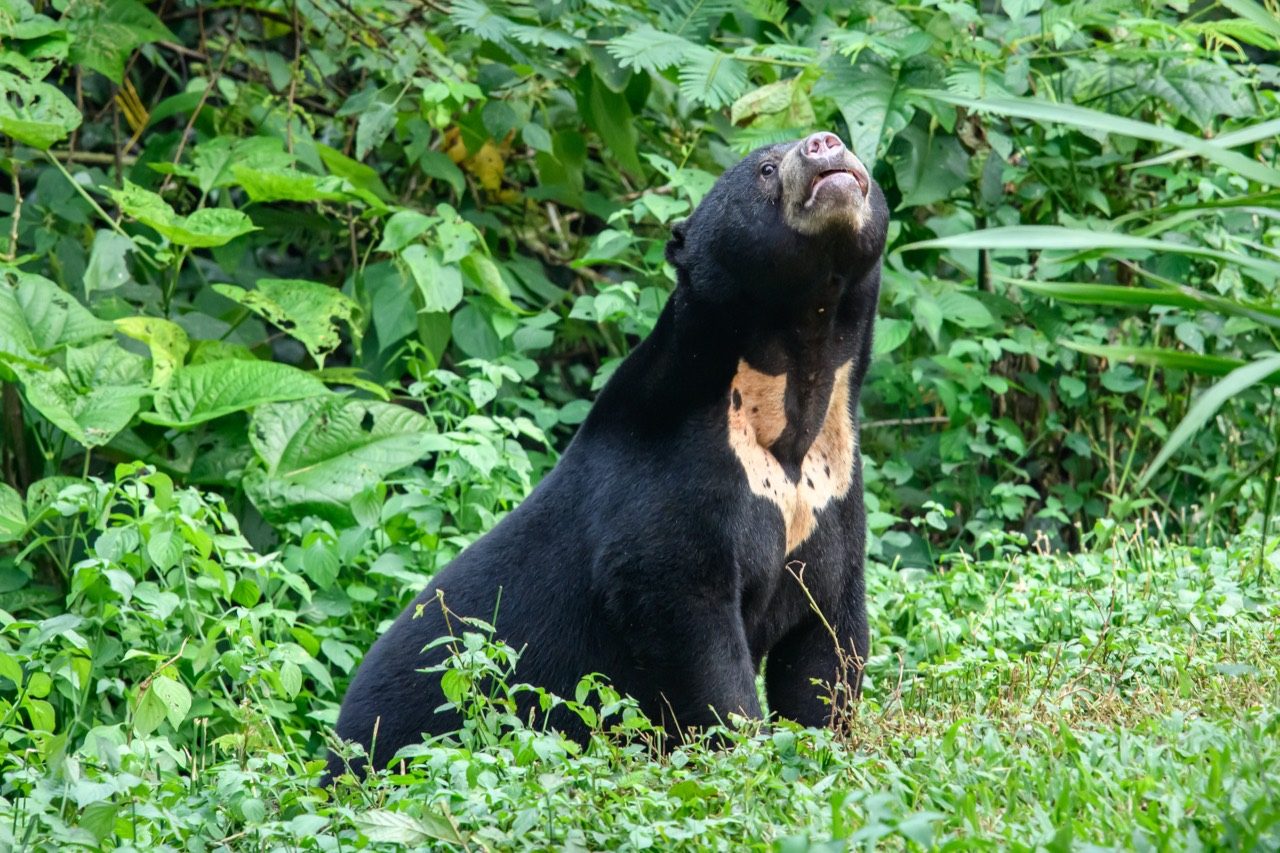
Vulnerable
Sun Bear
Helarctos malayanus (Raffles, 1821)
Sun bears are the world's smallest bears, native to Southeast Asia, and are listed as Vulnerable by the IUCN; they are threatened by deforestation, the pet trade, and the bear bile industry, in which bears are caged for years and milked for bile used in traditional medicine.
Read the guide →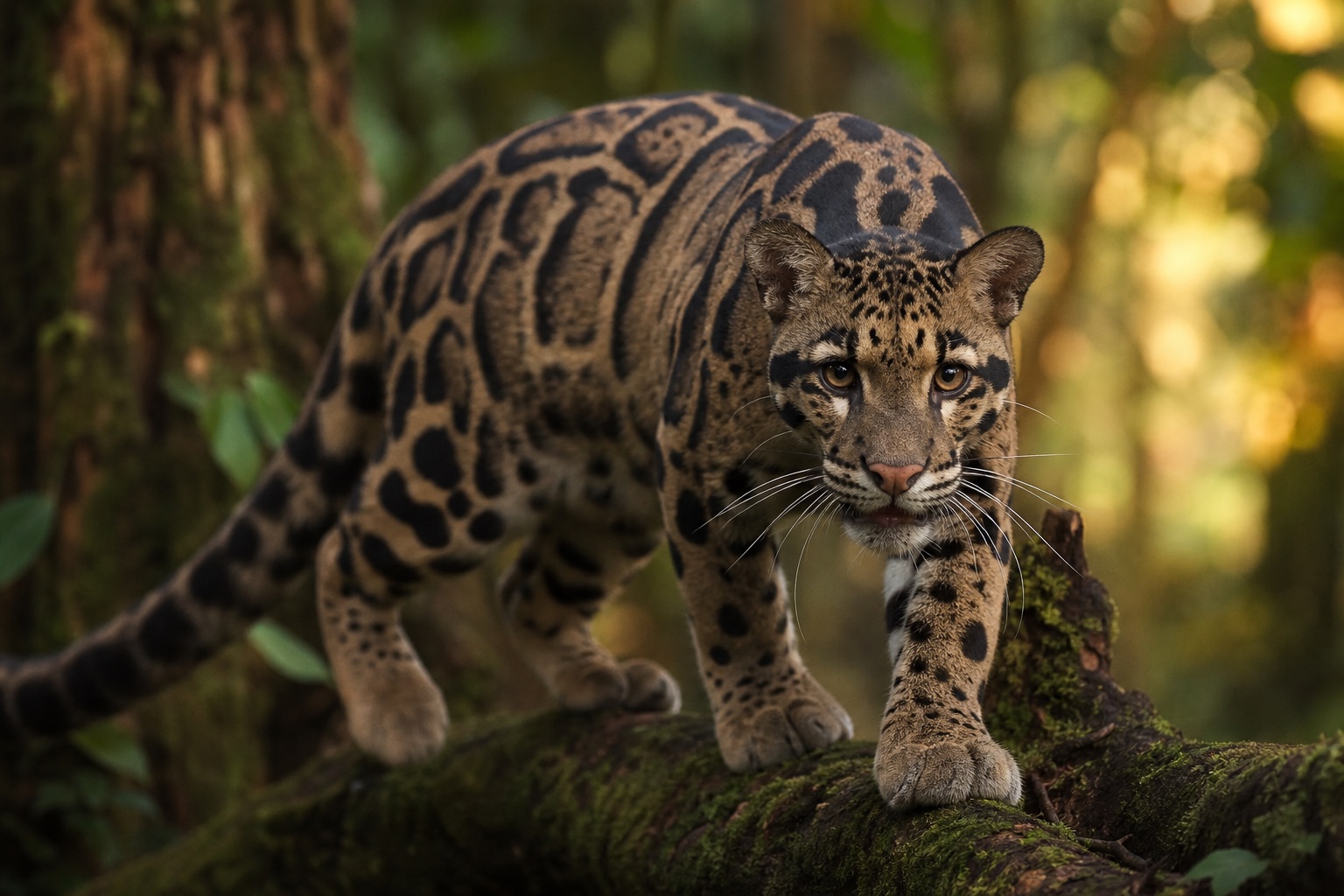
Vulnerable — separate species since 2006; longest canines relative to skull among living cats
Sunda Clouded Leopard
Neofelis diardi (Cuvier, 1823) — family Felidae
The Sunda clouded leopard (Neofelis diardi) is a Vulnerable tree-dwelling cat of Borneo and Sumatra, a separate species since 2006, with the longest canines relative to skull among living cats; oil palm, pulpwood, mining and snaring drive losses.
Read the guide →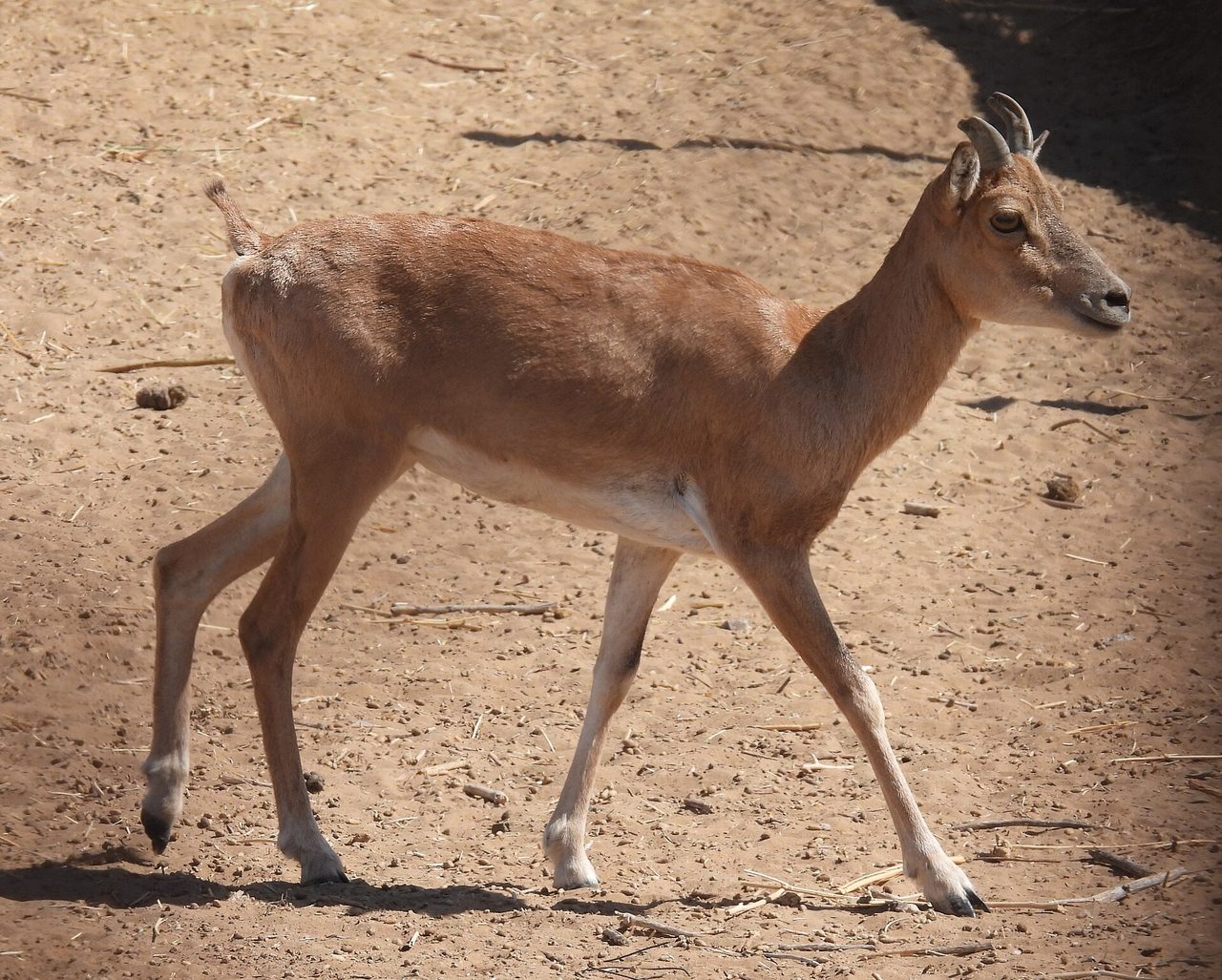
Vulnerable
Urial
Ovis vignei
The urial (Ovis vignei) is a Vulnerable wild sheep of Central and South Asia, with around 30,000 individuals remaining and populations declining across most of its range due to poaching, habitat loss, and livestock competition.
Read the guide →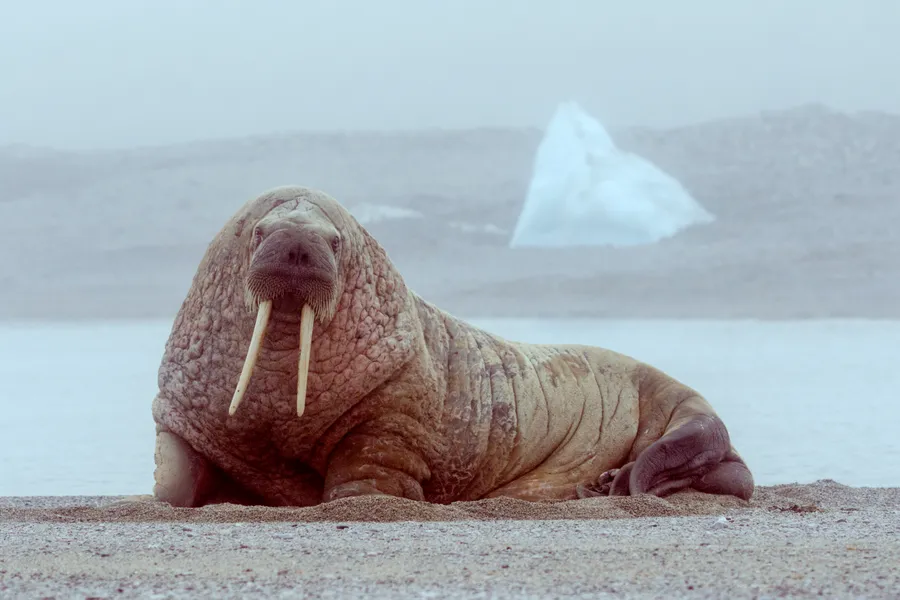
Vulnerable (IUCN, 2021)
Walrus
Odobenus rosmarus
A walrus (Odobenus rosmarus) is a huge Arctic pinniped, or fin-footed marine mammal, famous for its long ivory tusks and bristly whiskered snout. It hauls out on sea ice and dives to the seabed to feed on clams, using sensitive whiskers to find shellfish in dark water.
Read the guide →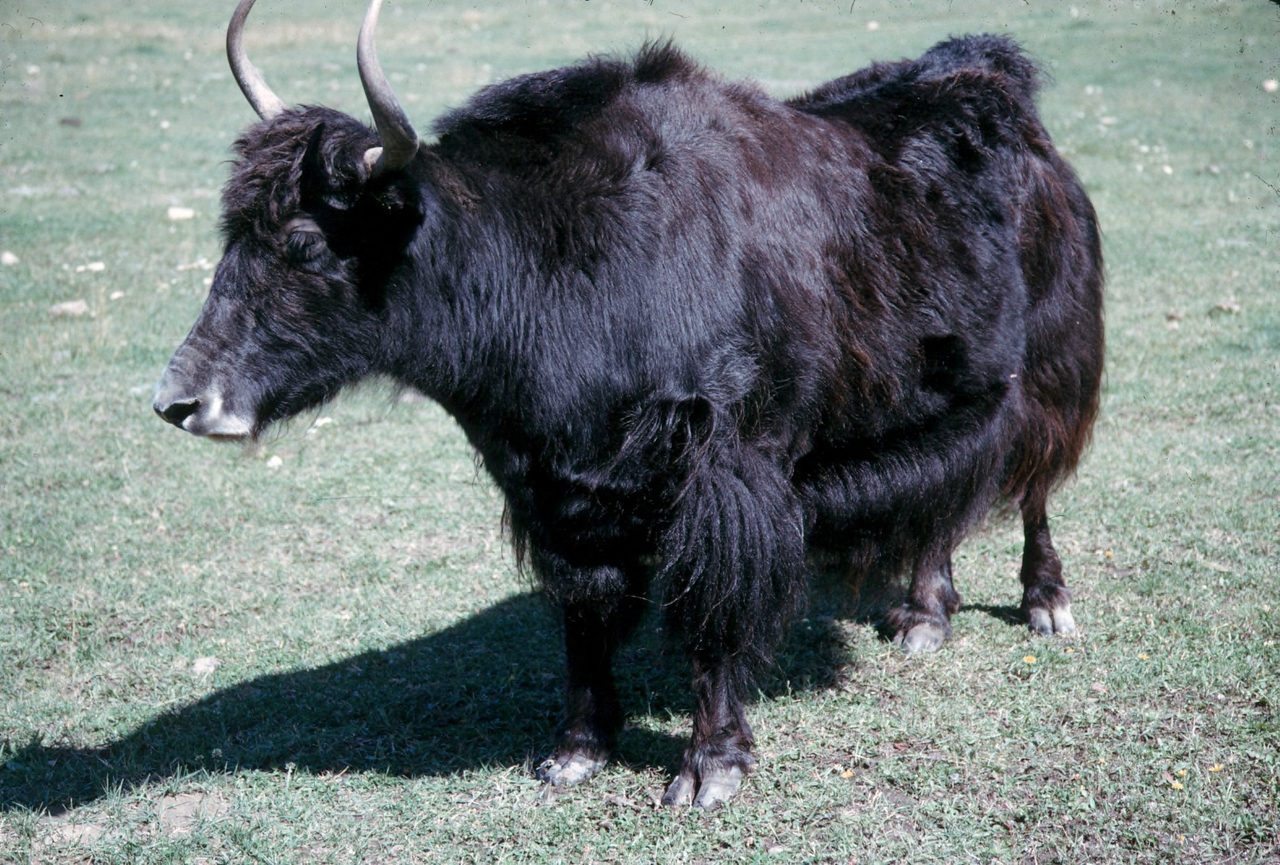
Vulnerable
Yak
Bos mutus (Przewalski, 1883)
The wild yak (Bos mutus) is a Vulnerable high-altitude bovid of the Tibetan Plateau and Himalayas — ancestor of the domestic yak, threatened by hunting, hybridisation and habitat disturbance; remnant populations persist in Pakistan and Nepal.
Read the guide →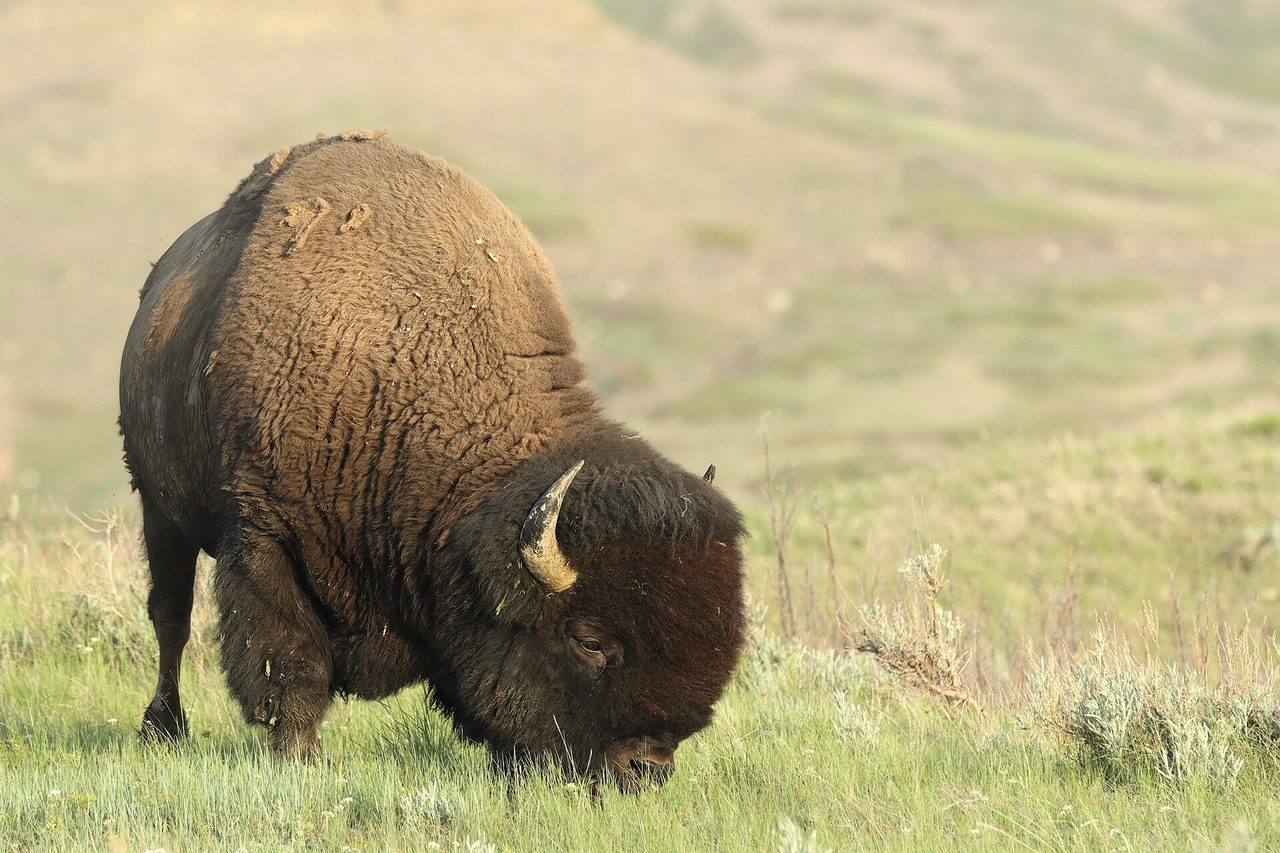
Near Threatened
American Bison
Bison bison
The American bison is the largest land mammal in North America, listed as Near Threatened by the IUCN with an estimated 15,000 truly wild individuals remaining after a dramatic near-extinction in the 19th century.
Read the guide →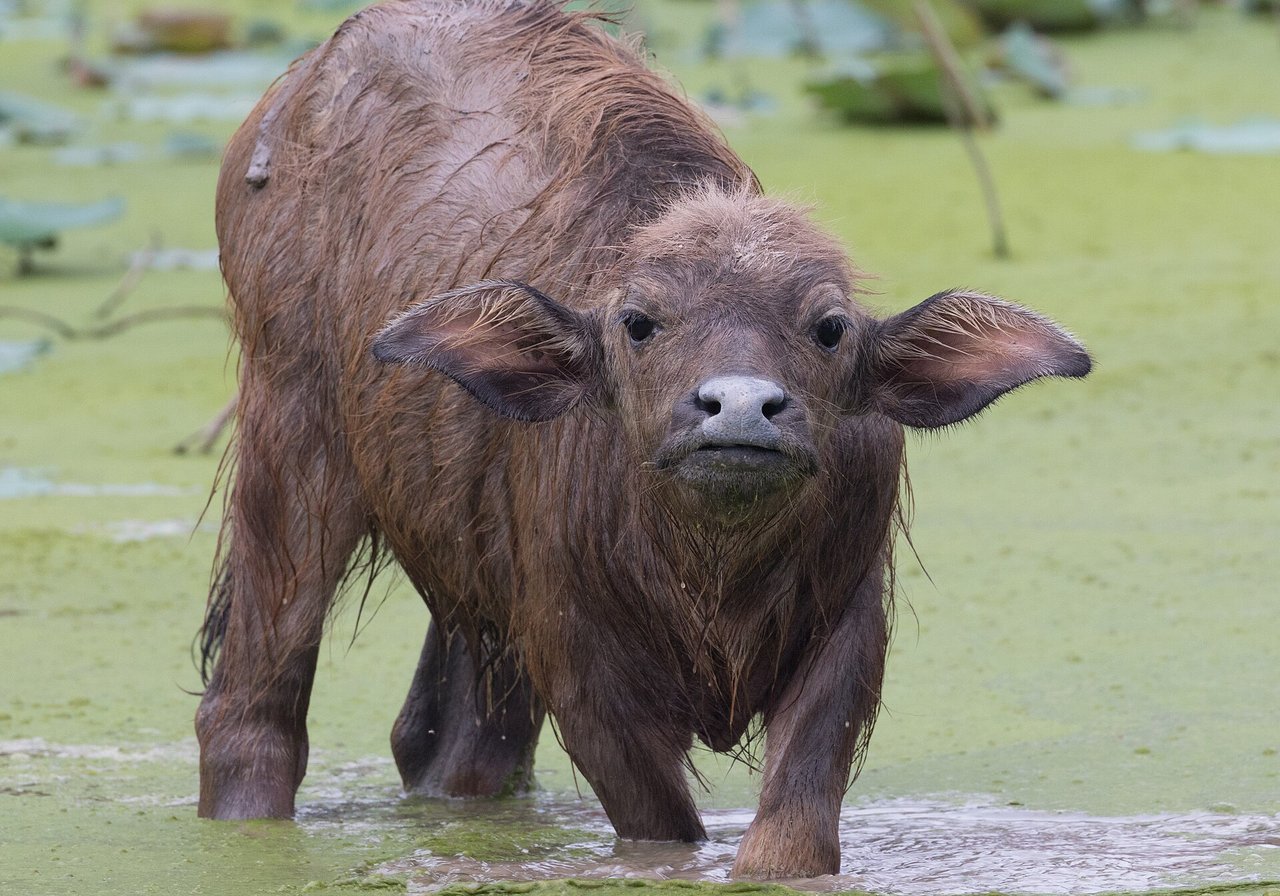
Near Threatened
Buffalo
Syncerus caffer (Sparrman, 1779)
The African buffalo (Syncerus caffer) is a Near Threatened bovid of sub-Saharan Africa — a 900 kg herd grazer and formidable prey for lions, with roughly 400,000 individuals; Asian wild water buffalo is a separate Endangered species.
Read the guide →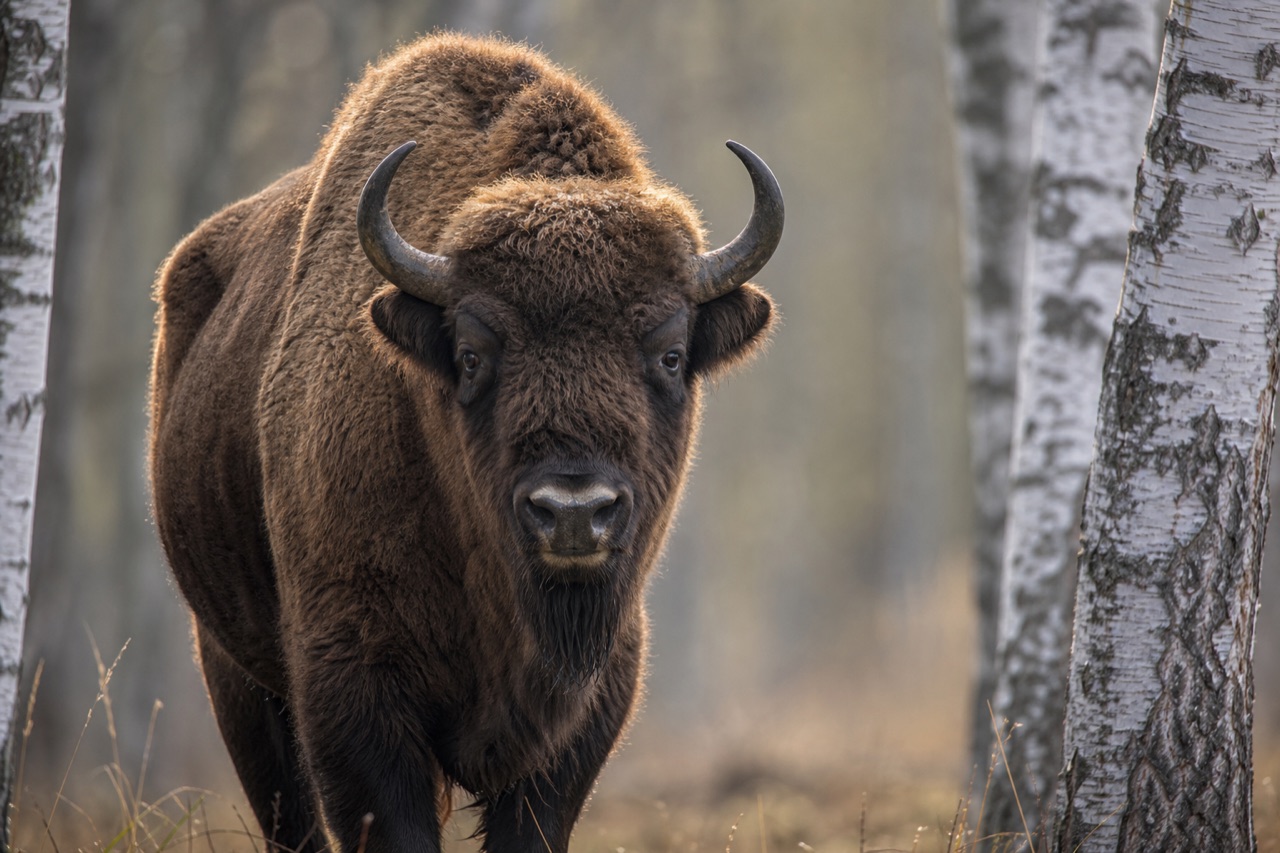
Near Threatened — restored from ~54 captive animals in 1927 to 6,800+ wild
European Bison
Bison bonasus (Linnaeus, 1758) — family Bovidae
The European bison (Bison bonasus) is Europe's largest land mammal, restored from around fifty-four captive animals when the last wild individual died in 1927 to more than 6,800 wild bison today through captive breeding and reintroduction.
Read the guide →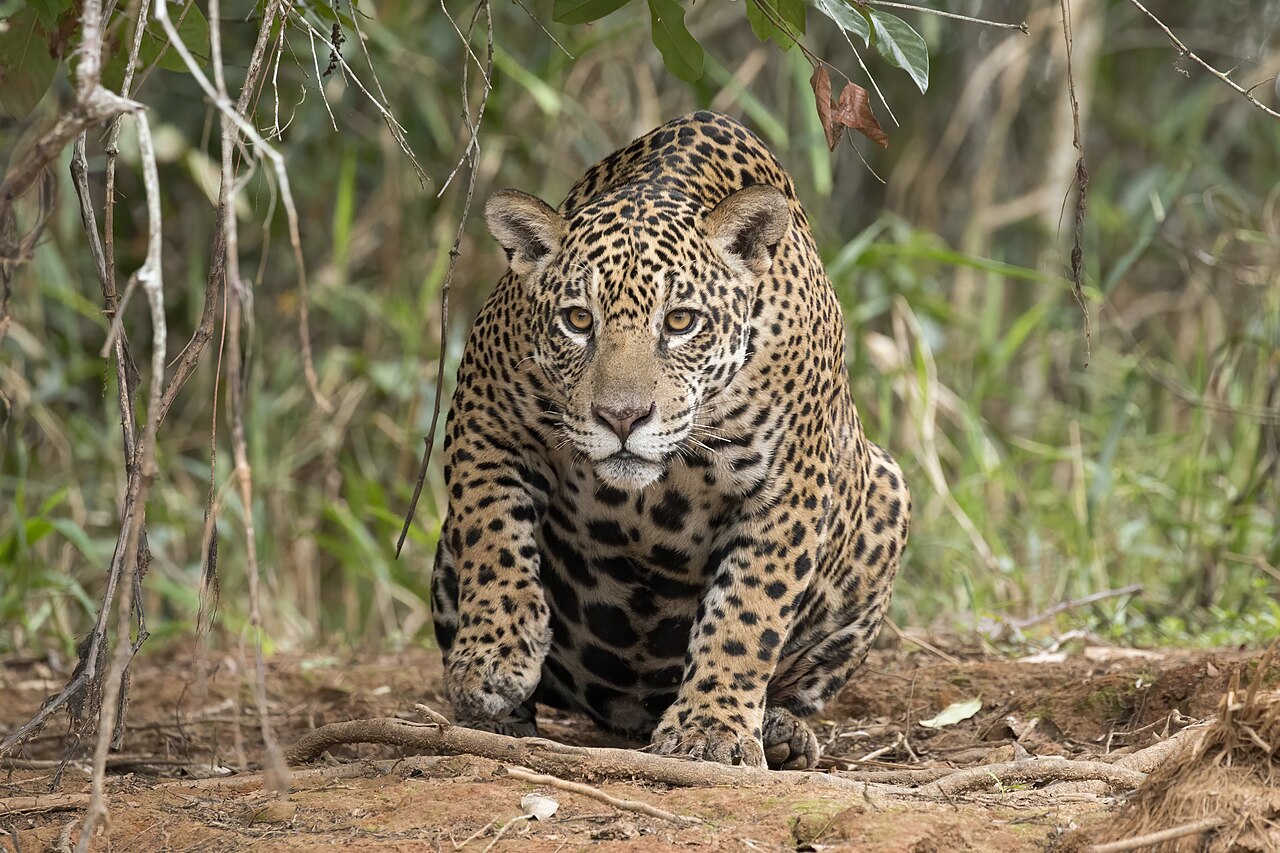
Near Threatened globally — but Endangered or Critically Endangered across most regional populations outside Amazonia
Jaguar
Panthera onca
A jaguar (Panthera onca) is a large spotted big cat native to the Americas — the largest cat on the continent and the third-largest in the world — known for the strongest bite of any big cat and a habit of killing prey by piercing the skull.
Read the guide →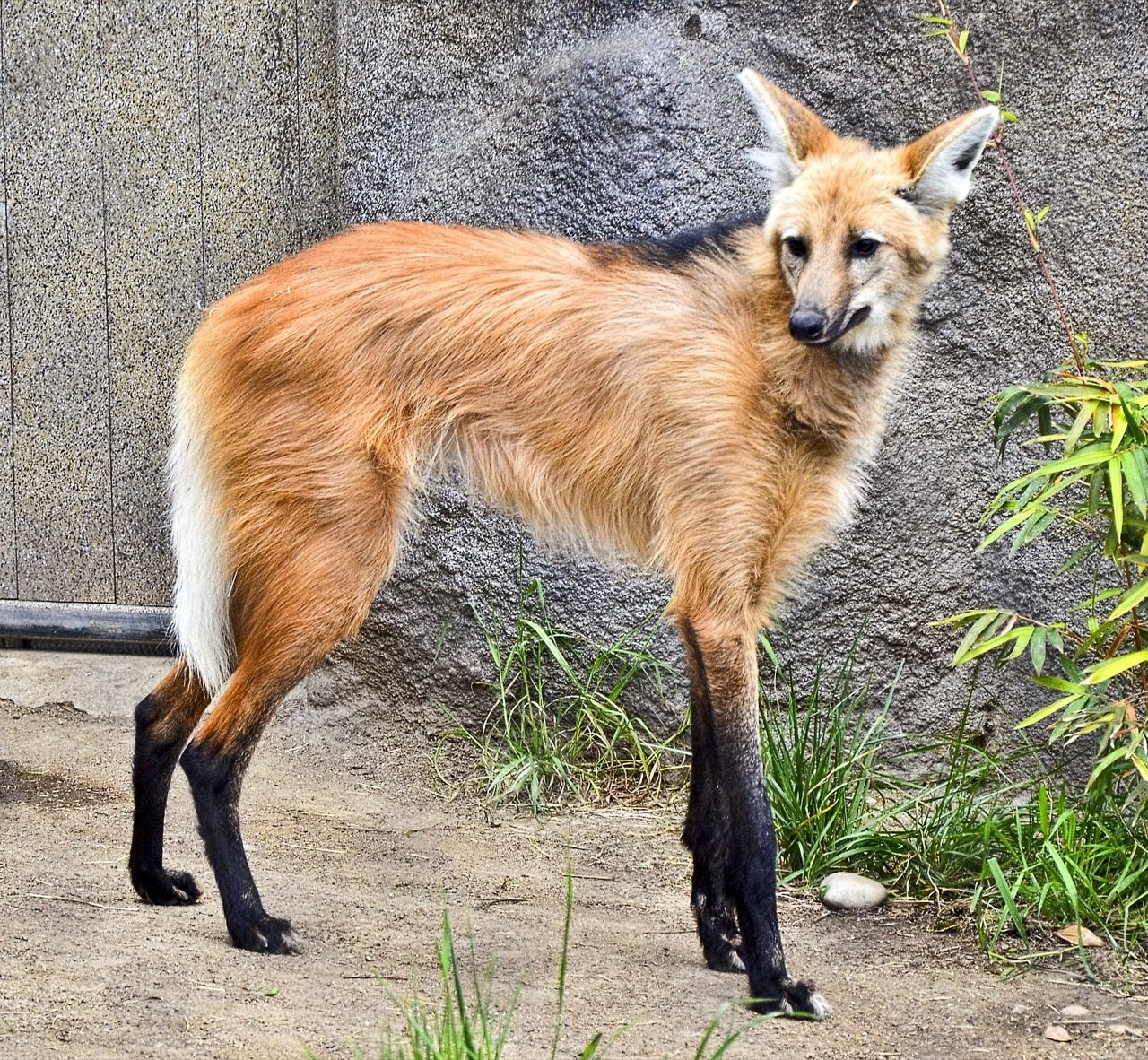
Near Threatened (IUCN, 2015) — declining Cerrado habitat
Maned Wolf
Chrysocyon brachyurus
A maned wolf is the tallest wild canid in the world, a long-legged, reddish-coated omnivore native to the grasslands of central South America — especially Brazil's Cerrado — that despite its name is neither a true wolf nor a fox but the only species in the genus Chrysocyon.
Read the guide →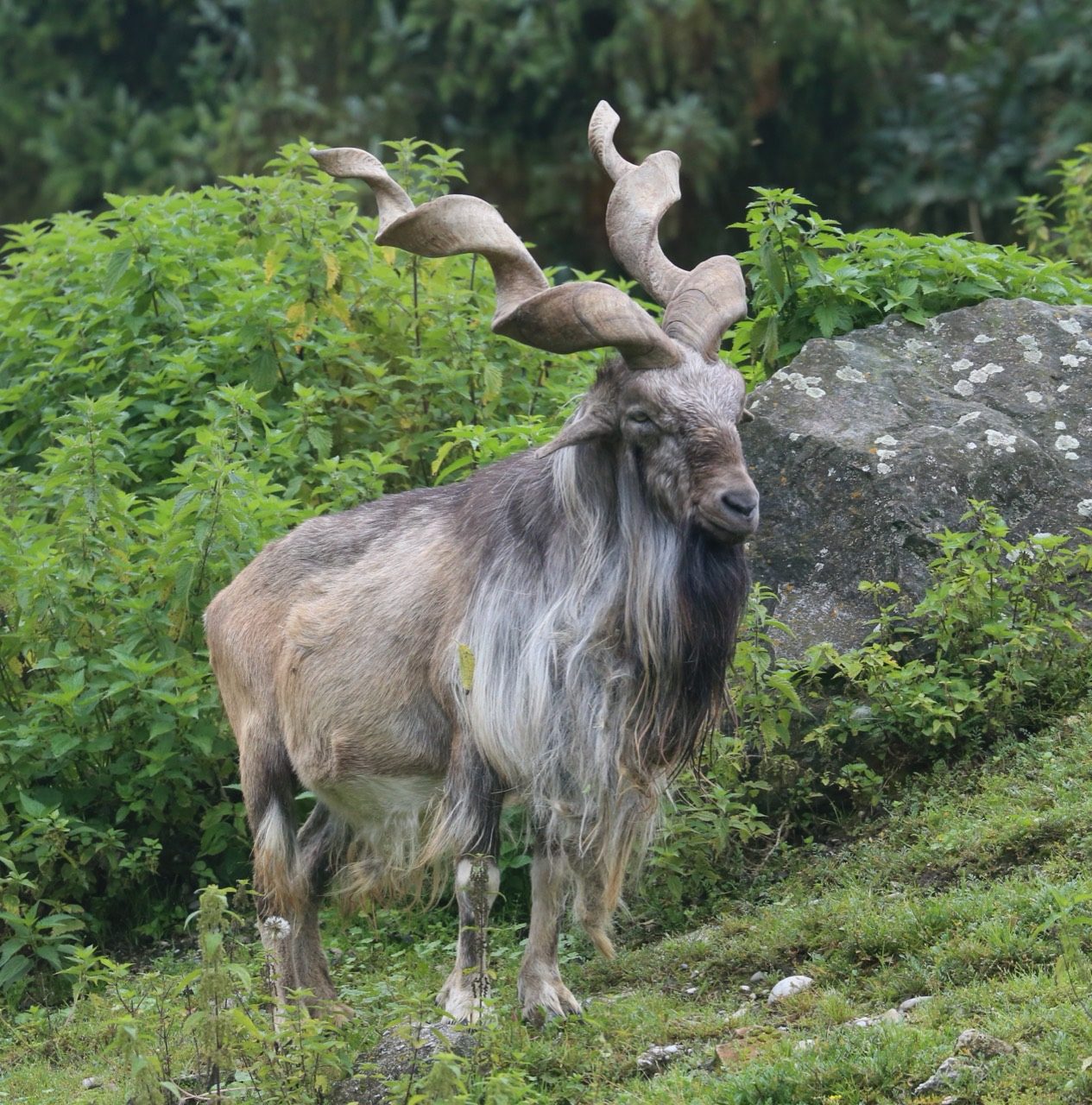
Near Threatened (IUCN, 2015) — a conservation comeback
Markhor
Capra falconeri
A markhor (Capra falconeri) is a large wild goat native to the mountains of Central and South Asia, famous for the males' long, twisting corkscrew horns; it is Pakistan's national animal and is currently listed by the IUCN as Near Threatened.
Read the guide →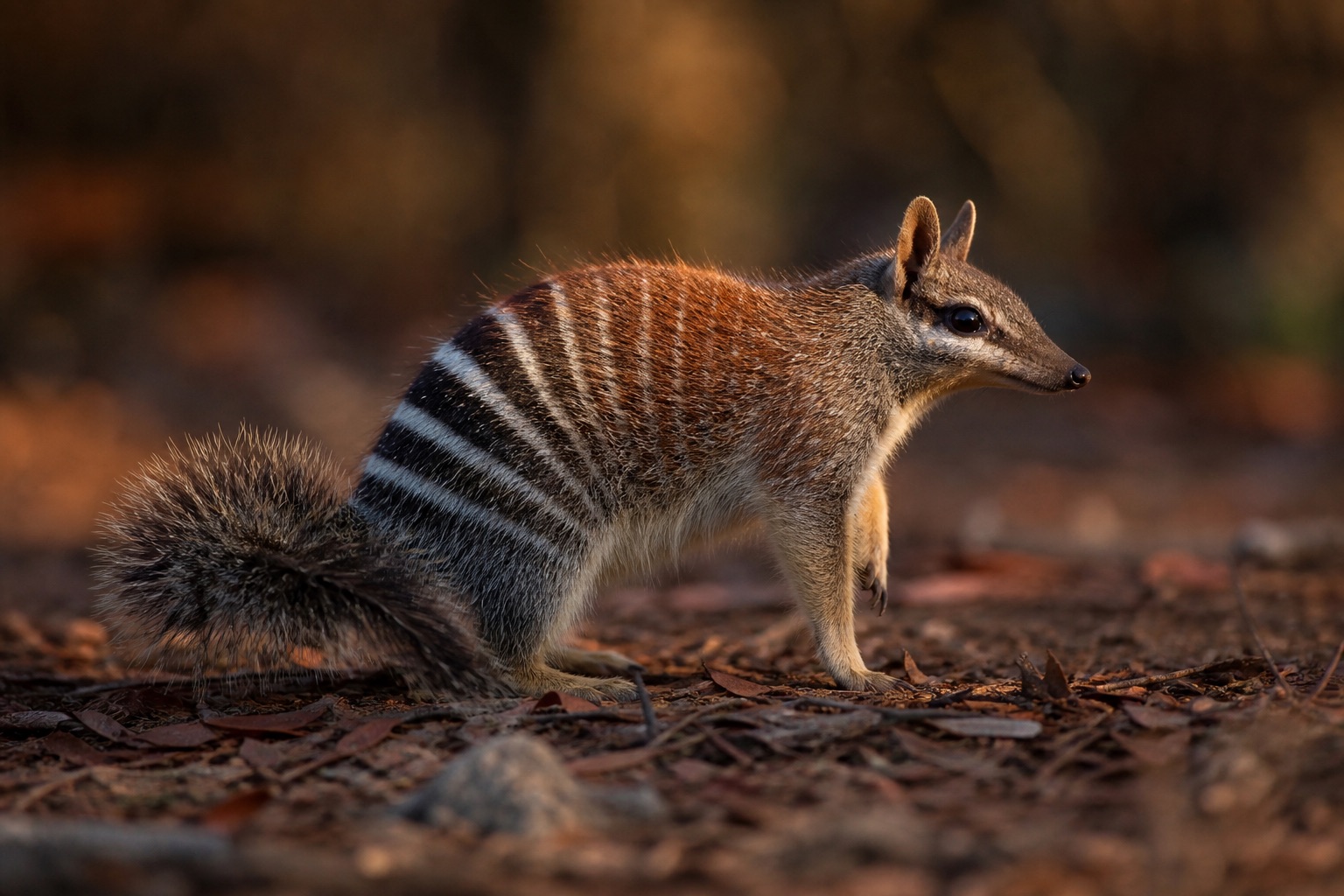
Near Threatened on the IUCN Red List since July 2026 — still Endangered under Australian federal law
Numbat
Myrmecobius fasciatus (Waterhouse, 1836) — family Myrmecobiidae
The numbat (Myrmecobius fasciatus) is a diurnal marsupial of south-western Australia that eats almost exclusively termites using a long sticky tongue; after falling to roughly 300 animals in the 1970s, recovery efforts have raised numbers to an estimated 2,000–3,000 and the IUCN downlisted it to Near Threatened in 2026.
Read the guide →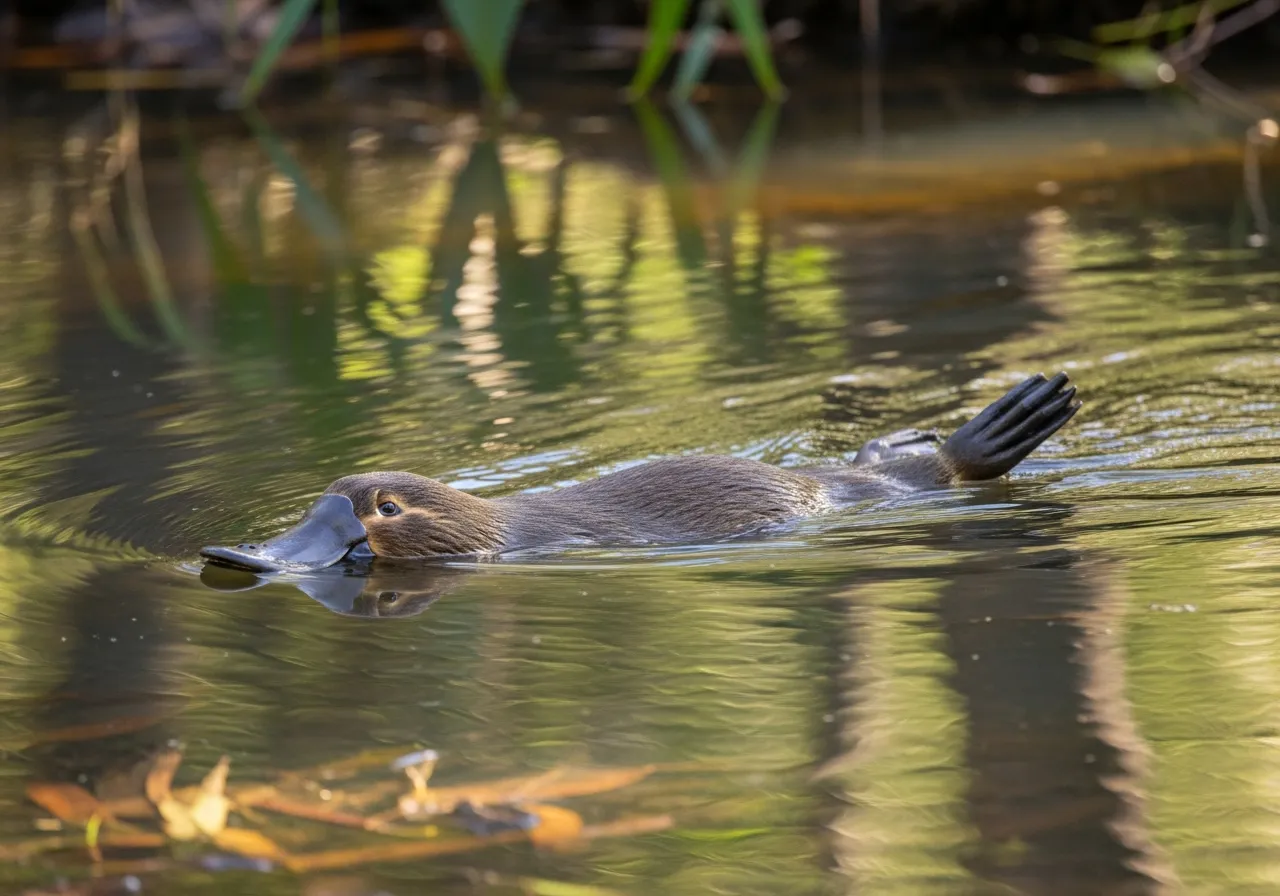
Near Threatened (IUCN, 2016)
Platypus
Ornithorhynchus anatinus
A platypus is a semi-aquatic, egg-laying mammal (a monotreme) native to eastern Australia and Tasmania. It has a duck-like bill, webbed feet and a beaver-like tail, hunts underwater using electroreception, and males carry venomous ankle spurs. It is listed as Near Threatened on the IUCN Red List.
Read the guide →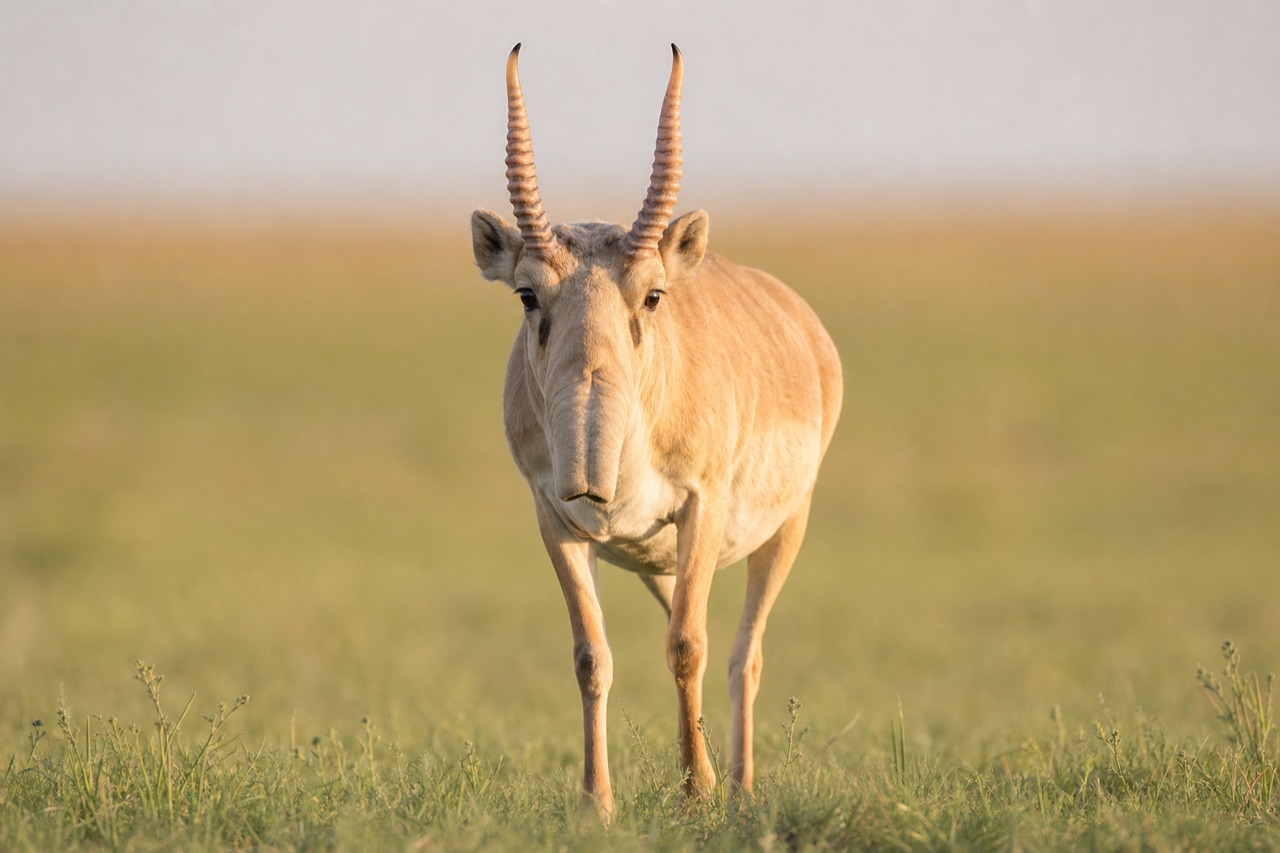
Near Threatened — recovered from Critically Endangered (2023); still vulnerable to mass die-offs
Saiga Antelope
Saiga tatarica (Linnaeus, 1766) — family Bovidae
The saiga antelope (Saiga tatarica) is a Central Asian steppe ungulate with a distinctive trunk-like nose, downlisted to Near Threatened in 2023 after recovery from Critically Endangered, with Kazakhstan holding around 1.9 million animals but remaining vulnerable to mass disease die-offs.
Read the guide →