Conservation status
Vulnerable Animals
Vulnerable is the first of the three IUCN threatened categories, applied to species facing a high risk of extinction in the wild. This collection gathers 55 WARN guides to species currently assessed as Vulnerable.
By WARN Research & Conservation Team Last updated
This collection links to 55 sourced WARN guides with conservation status, key facts, threats, FAQs and references.
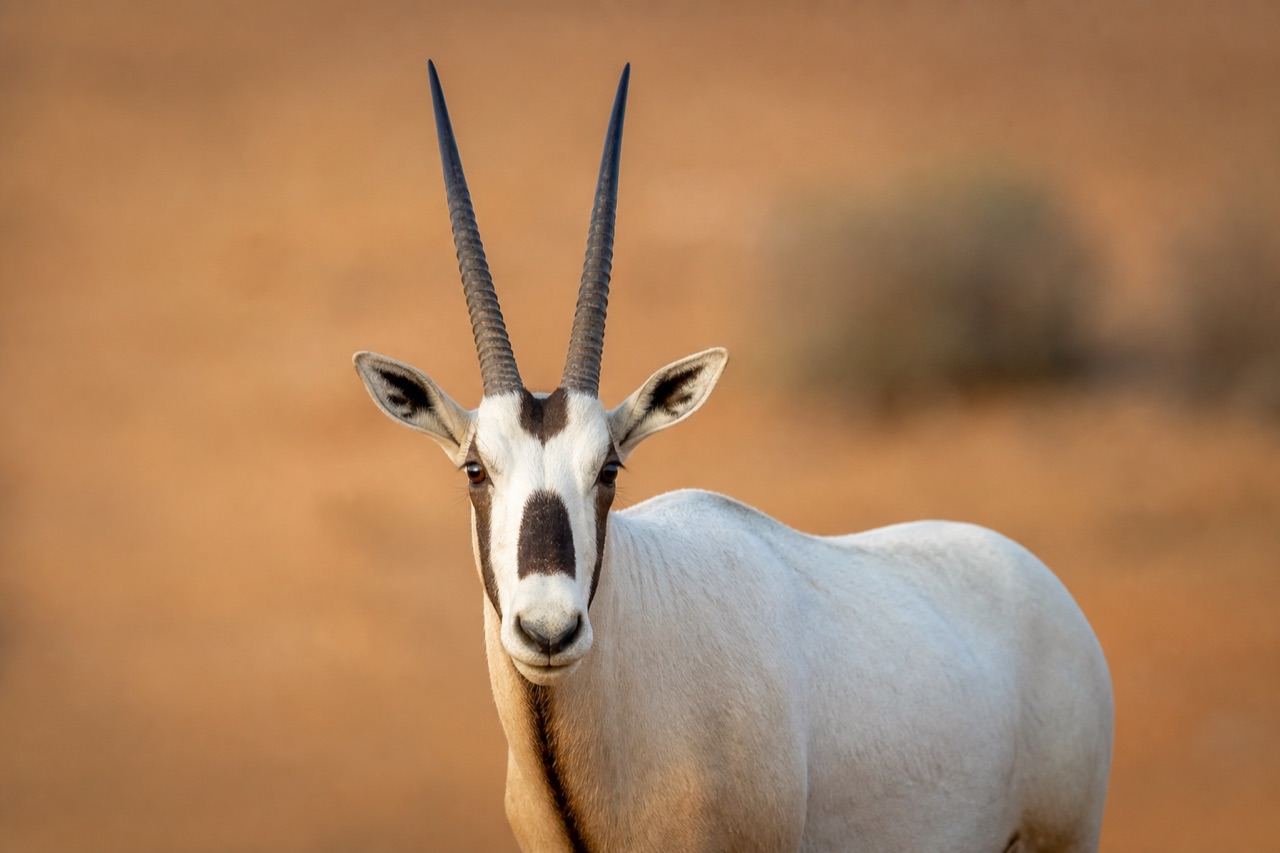
Vulnerable — restored from Extinct in the Wild; wild population still small
Arabian Oryx
Oryx leucoryx (Pallas, 1777) — family Bovidae
The Arabian oryx (Oryx leucoryx) is a desert antelope of the Arabian Peninsula that was Extinct in the Wild by the 1970s and restored through captive breeding and reintroduction; it is now Vulnerable with a growing but still small wild population.
Read the guide →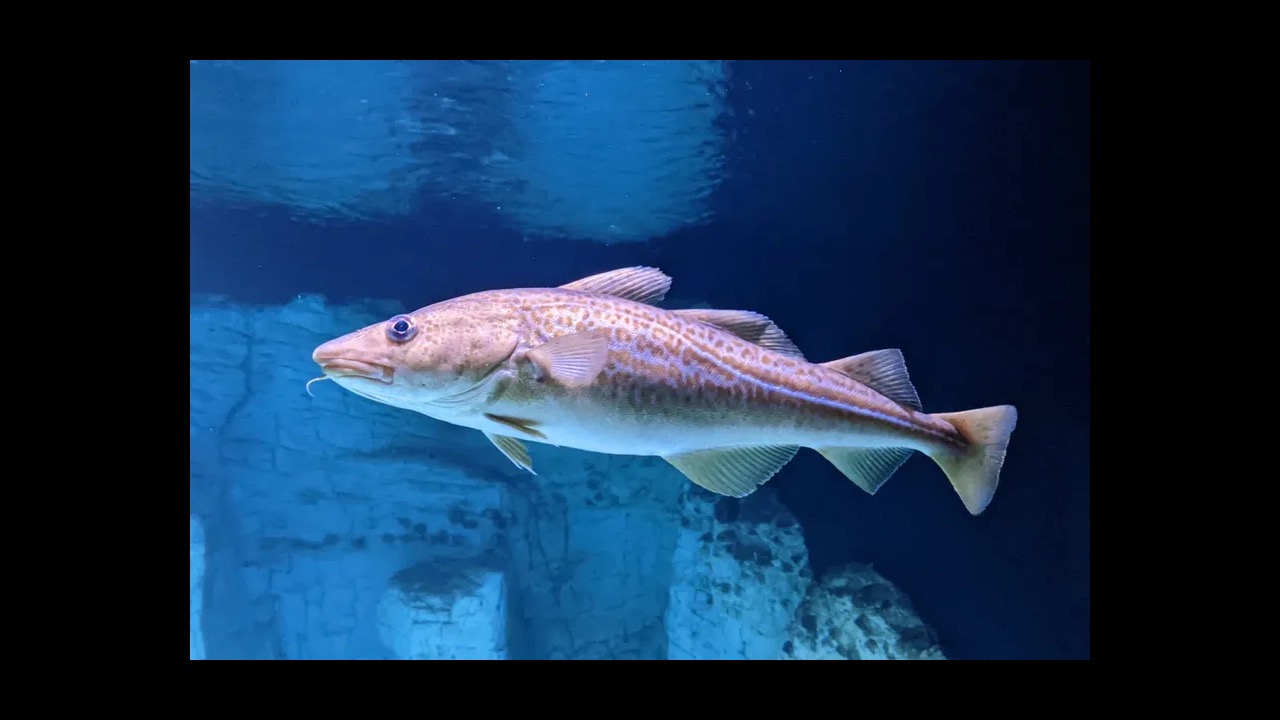
Vulnerable
Atlantic Cod
Gadus morhua
Atlantic cod is a cold-water groundfish that shaped the economies of Newfoundland, Iceland, and New England for centuries before overfishing collapsed many stocks. Growing to 40 kg (88 lb) and living 25 years, it supports fisheries where recovered and remains Vulnerable in the northwest Atlantic.
Read the guide →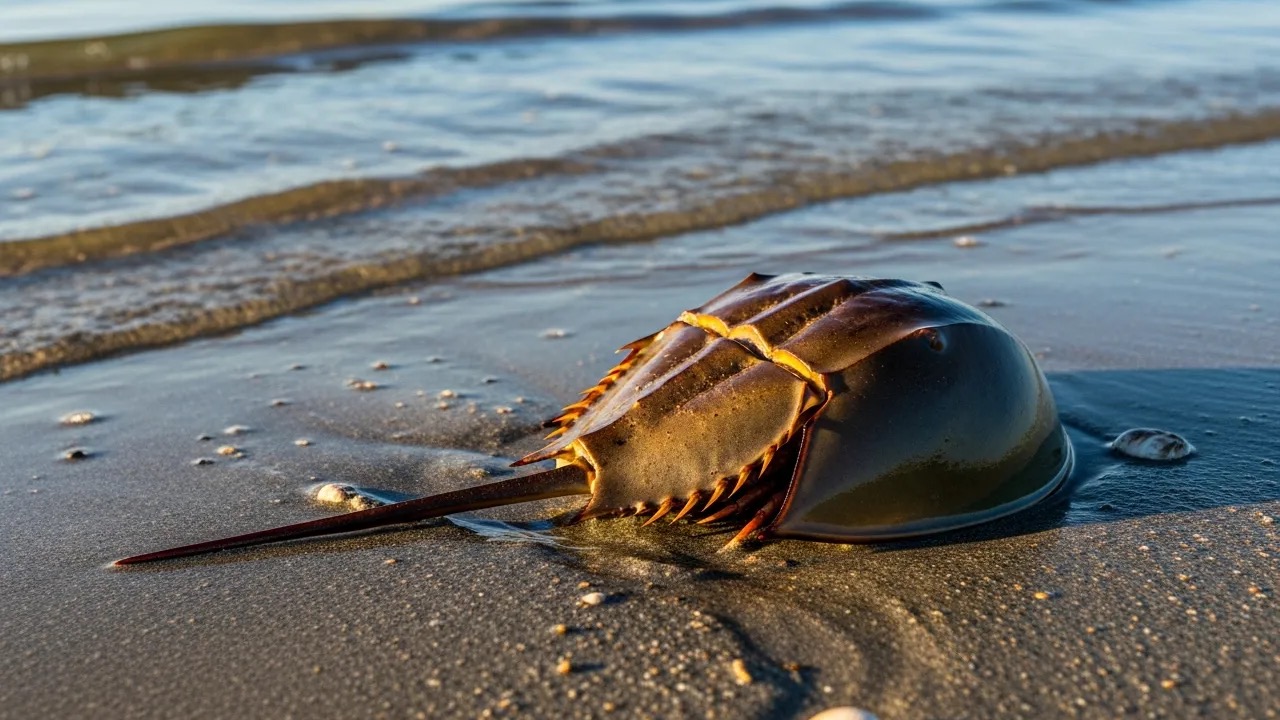
Vulnerable
Atlantic Horseshoe Crab
Limulus polyphemus
The Atlantic horseshoe crab (Limulus polyphemus) is an ancient marine arthropod, more closely related to spiders and scorpions than to true crabs. It has a domed horseshoe-shaped shell, a long spike-like tail, and reaches about 60 cm (24 in) including the tail.
Read the guide →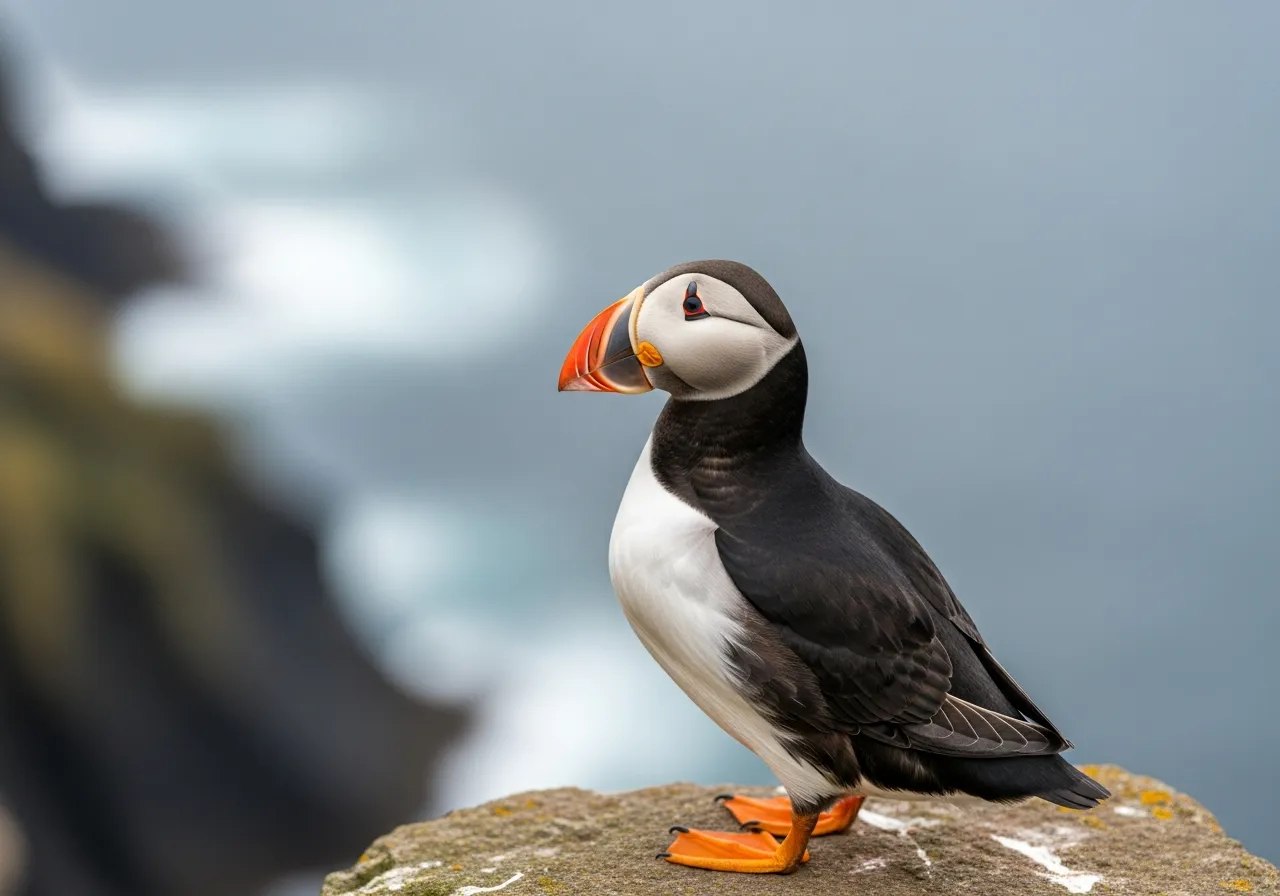
Vulnerable (IUCN, 2021)
Atlantic Puffin
Fratercula arctica
A puffin is a small North Atlantic seabird of the auk family, best known as the Atlantic puffin (Fratercula arctica). Nicknamed the "sea parrot" for its large, colourful striped bill, it nests in clifftop burrows in summer and spends the winter alone far out at sea.
Read the guide →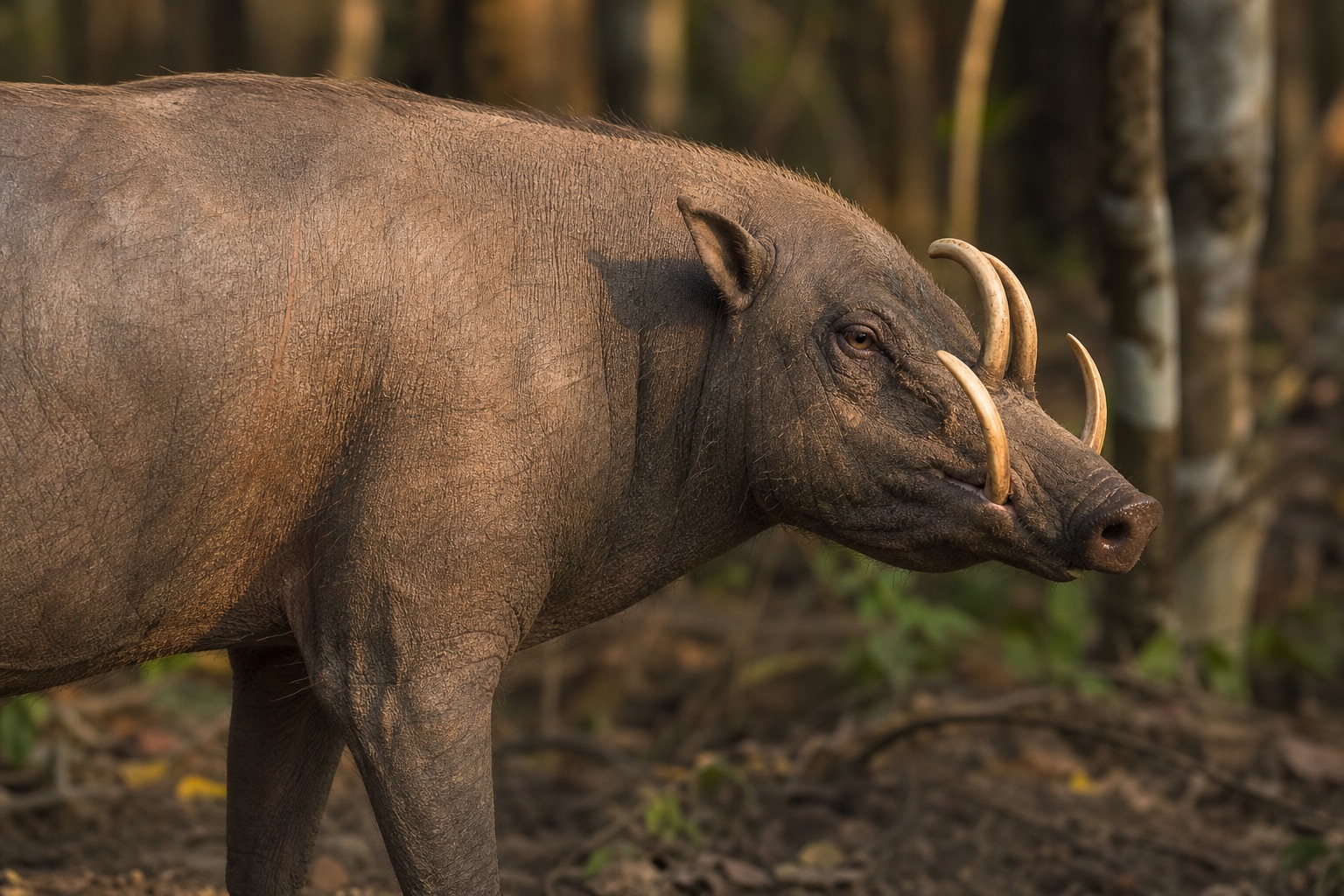
Vulnerable — hunting and forest loss across Sulawesi
Babirusa
Babyrousa babyrussa and related species — family Suidae
Babirusas are forest pigs of Sulawesi and Wallacea whose males grow upper canines that pierce the snout roof and curve upward; they are listed Vulnerable, threatened by hunting and forest loss.
Read the guide →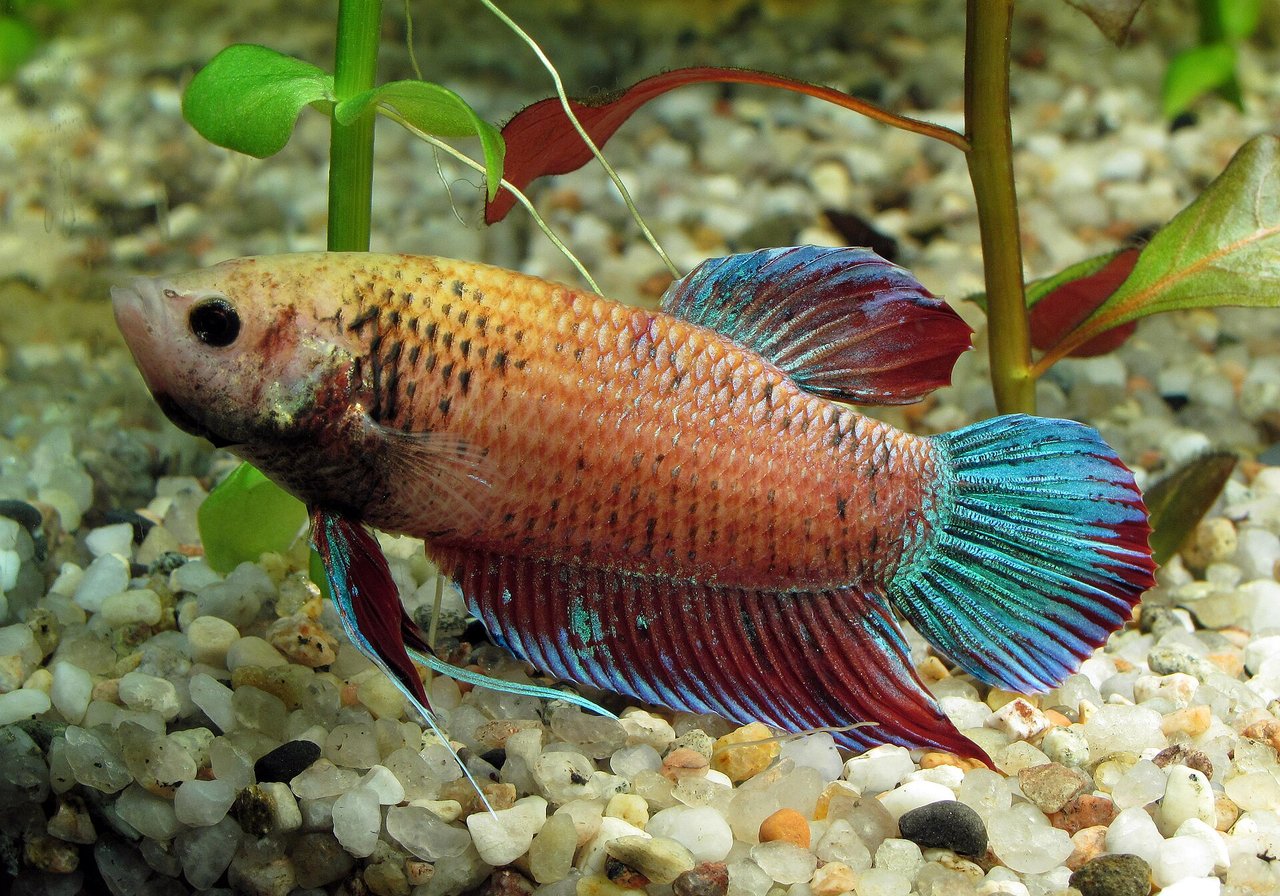
Vulnerable (IUCN, 2011) — wild populations in Thailand threatened
Betta
Betta splendens (Regan, 1910)
Betta splendens is a Vulnerable labyrinth fish of South-east Asian rice paddies — males are territorial; pet bettas need heated filtered tanks of at least 15–20 litres, not unheated bowls or vases.
Read the guide →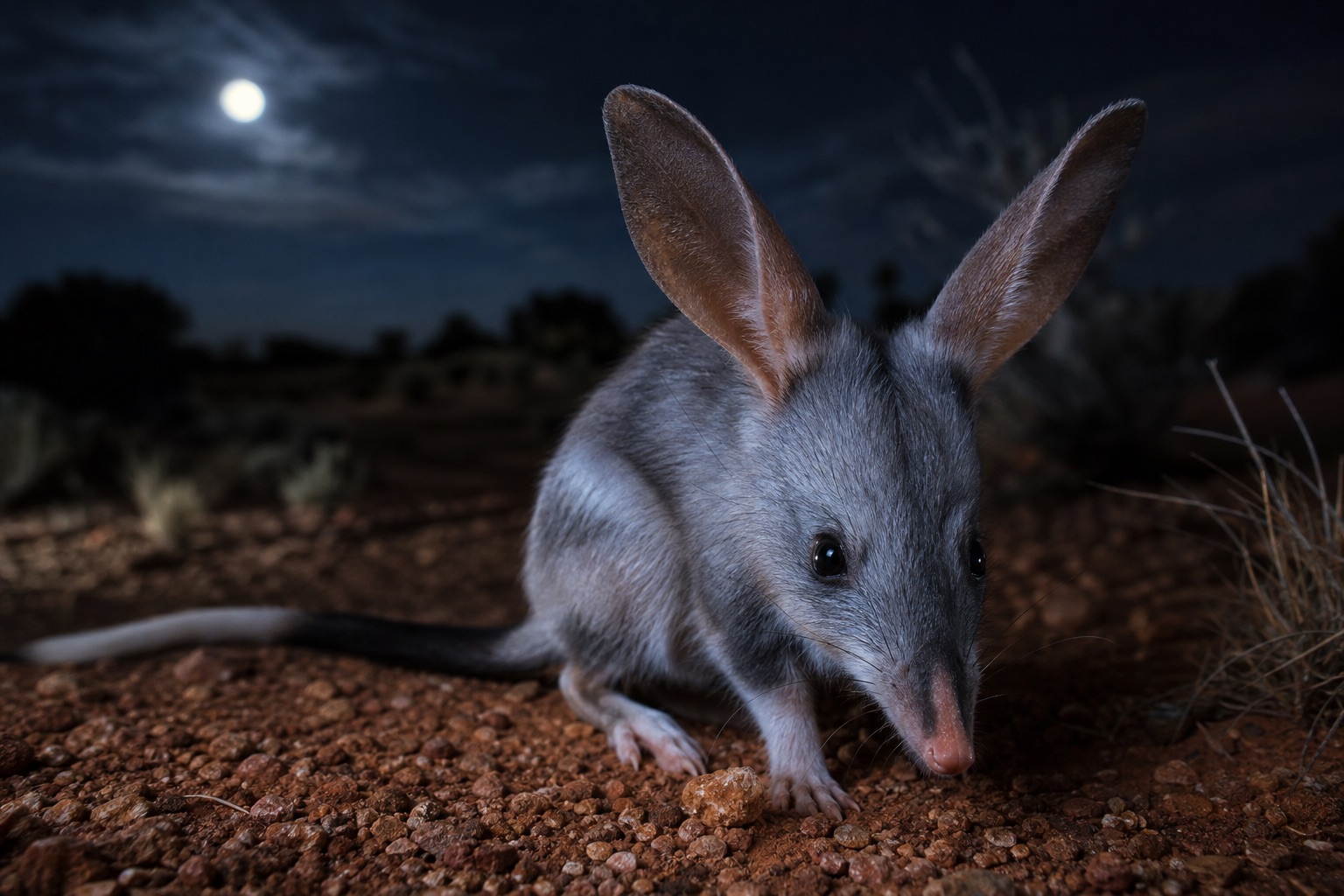
Vulnerable — fewer than 10,000 mature individuals; lost from most of its former range
Bilby
Macrotis lagotis (Reid, 1837) — family Thylacomyidae
The greater bilby (Macrotis lagotis) is a Vulnerable, nocturnal, burrowing marsupial of arid Australia with long ears and silky fur; fewer than 10,000 mature individuals remain after foxes, cats and habitat loss removed it from most of its former range across the mainland.
Read the guide →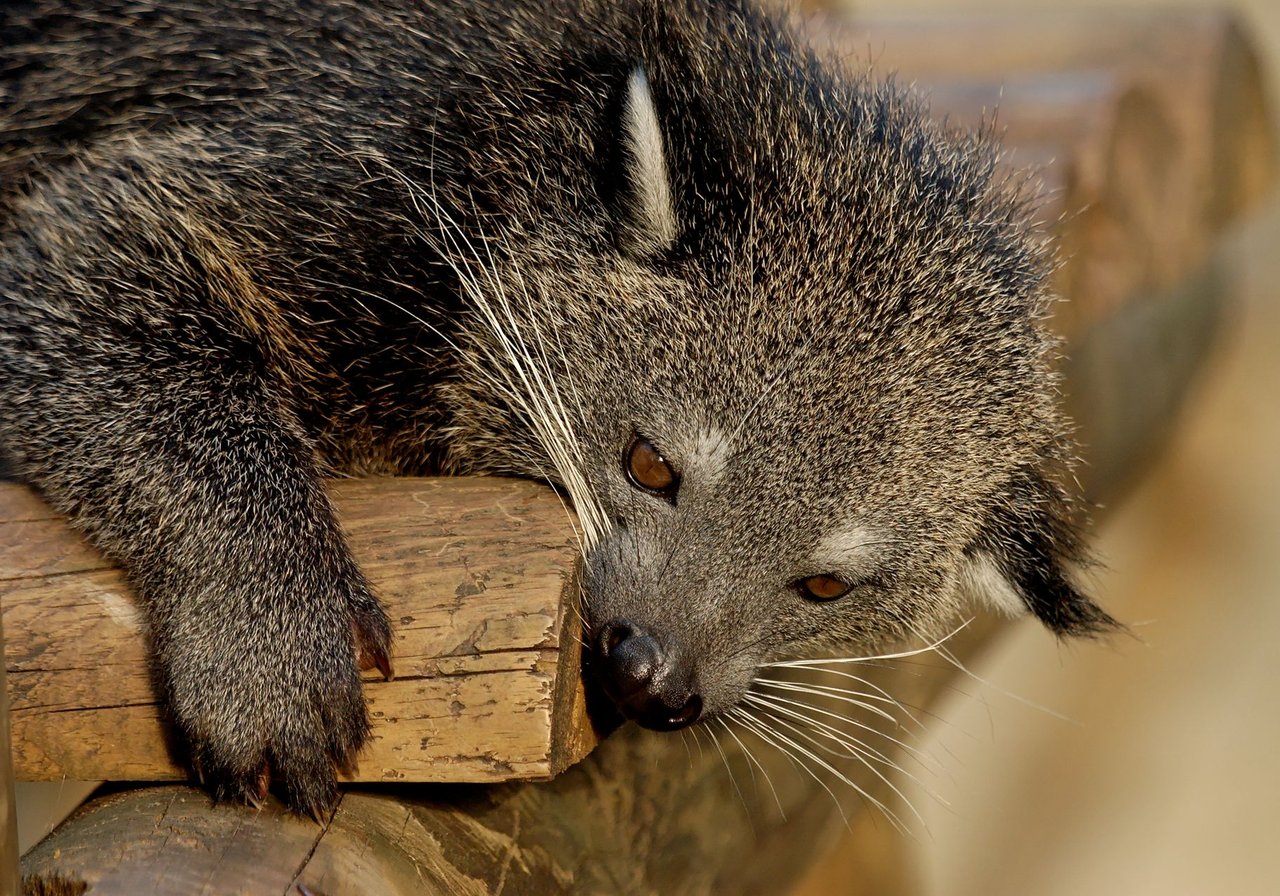
Vulnerable
Binturong
Arctictis binturong (Raffles, 1821)
The binturong (Arctictis binturong) is a Vulnerable tree-dwelling viverrid of South-east Asian rainforest, the only Old World mammal with a fully prehensile tail; it is threatened by deforestation and the illegal pet trade.
Read the guide →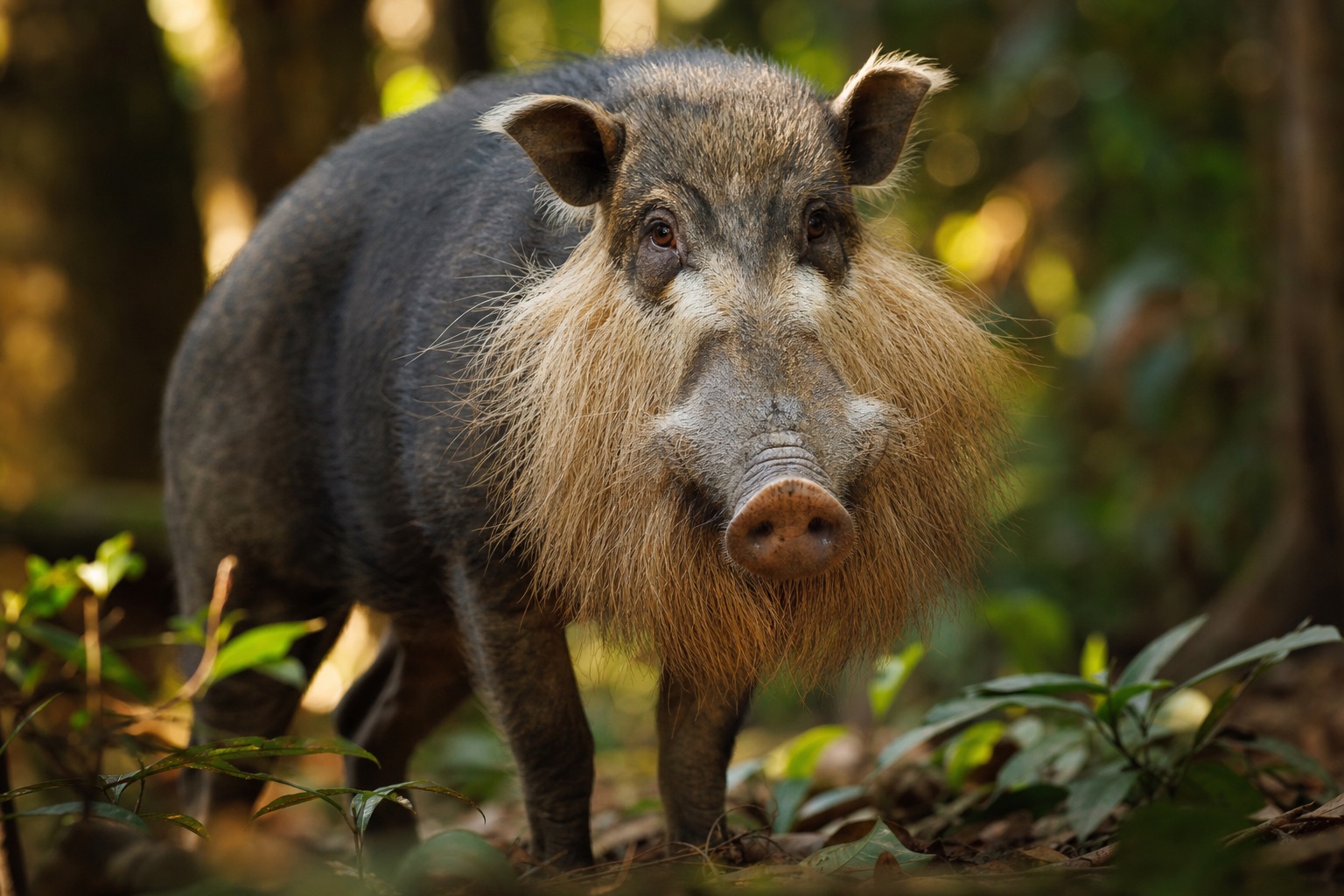
Vulnerable — mass migrations collapsed after African swine fever since 2020
Bornean Bearded Pig
Sus barbatus (Müller, 1838) — family Suidae
The Bornean bearded pig (Sus barbatus) is a Vulnerable wild pig of Borneo known for mass migrations; populations collapsed after African swine fever spread from around 2020, on top of oil palm, pulpwood and mining-driven forest loss.
Read the guide →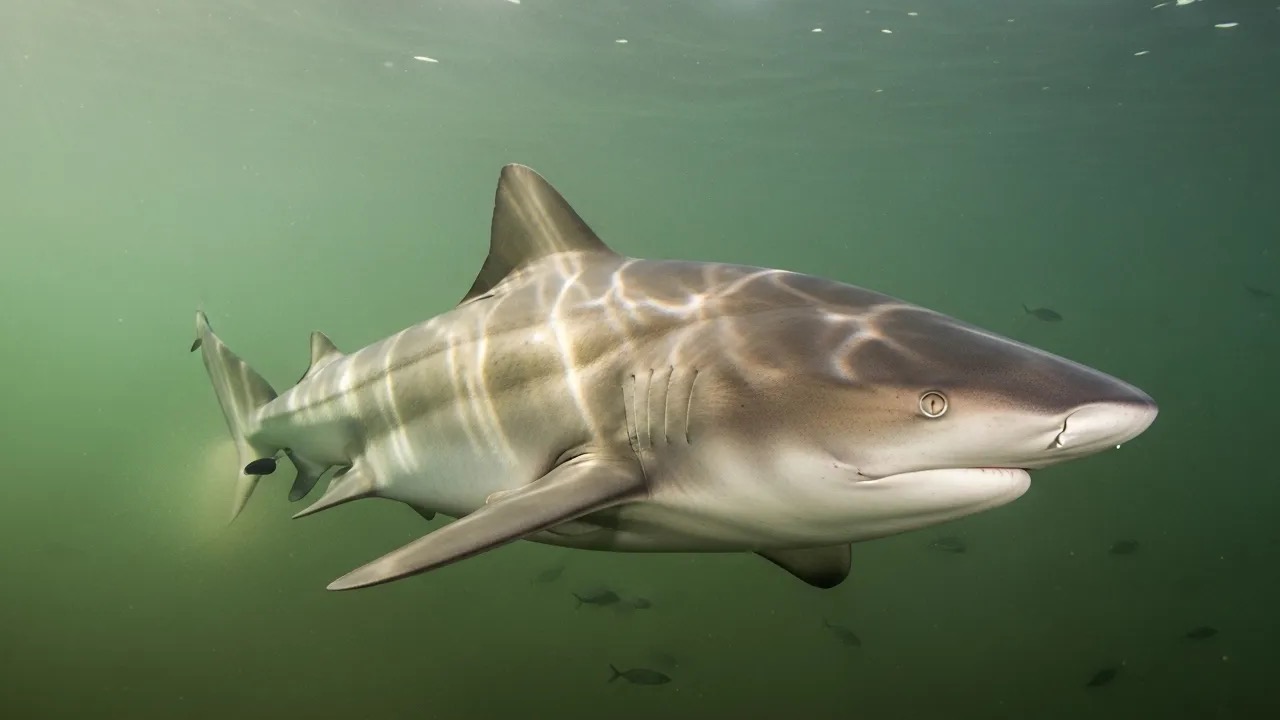
Vulnerable
Bull Shark
Carcharhinus leucas
The bull shark (Carcharhinus leucas) is a stocky, aggressive coastal shark famous for swimming far up rivers and into freshwater lakes. It grows up to about 3.5 m (11 ft) long and 130 kg (290 lb), and hunts a wide range of prey in warm seas, rivers, and estuaries.
Read the guide →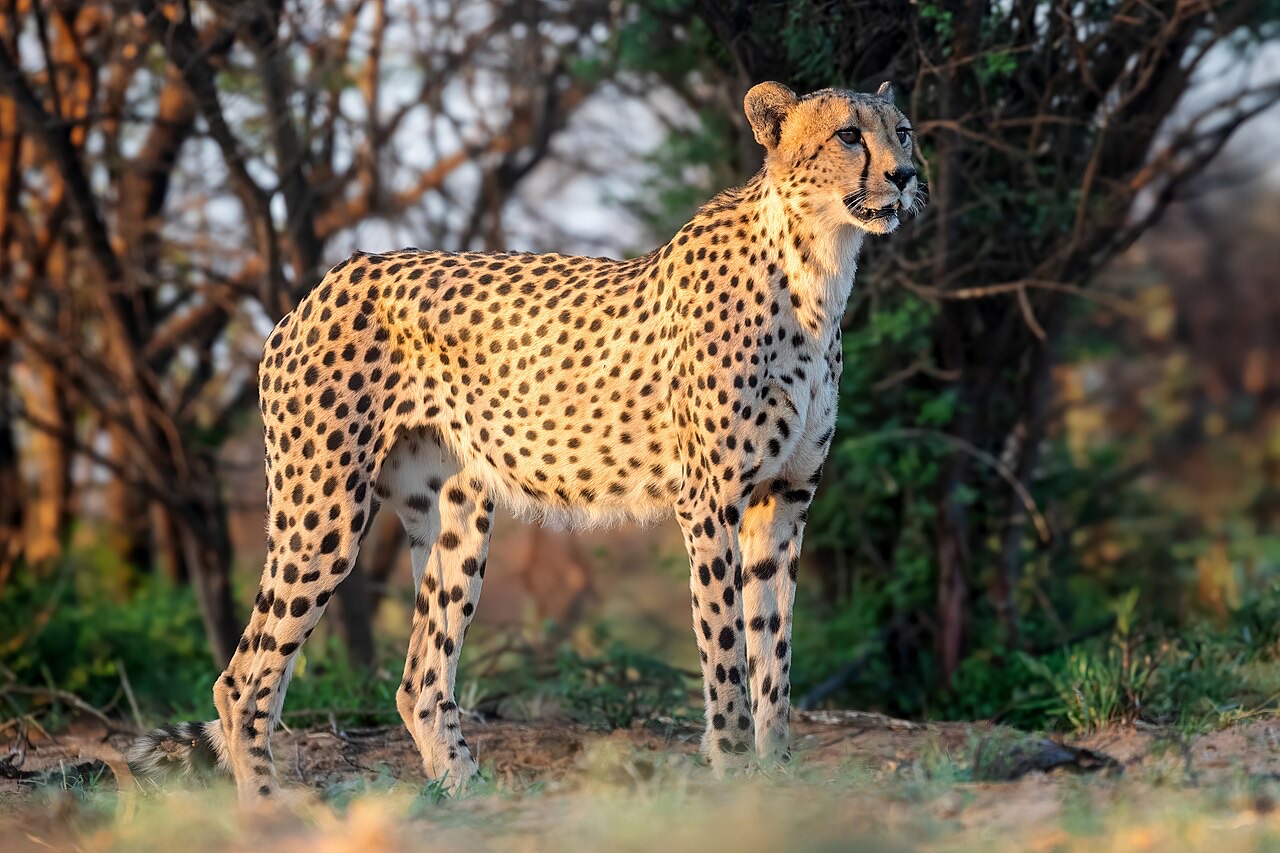
Vulnerable
Cheetah
Acinonyx jubatus
The cheetah (Acinonyx jubatus) is the fastest land animal, reaching roughly 100-120 km/h (about 60-75 mph) in short bursts, and is classified as Vulnerable by the IUCN, with the Asiatic cheetah in Iran listed as Critically Endangered.
Read the guide →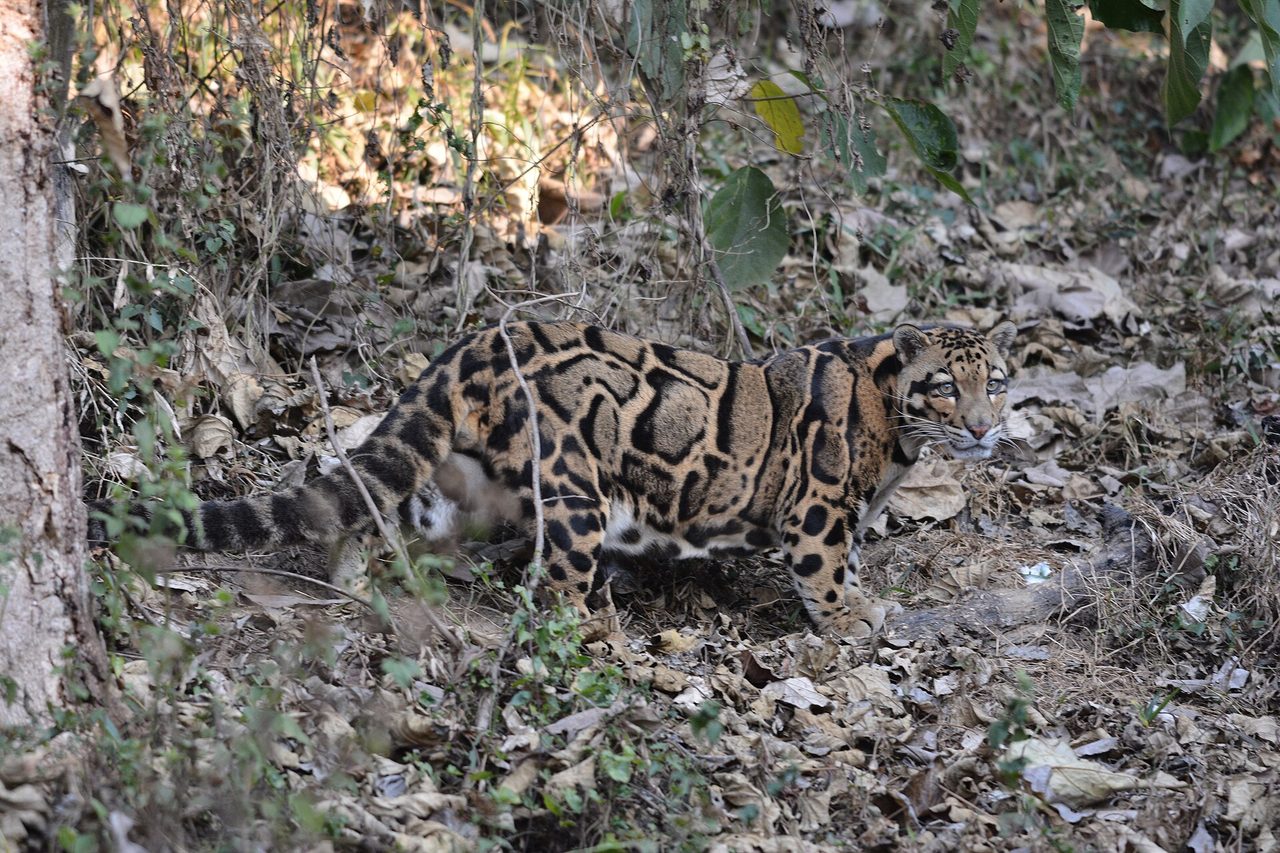
Vulnerable (both species) — island subspecies assessed Endangered
Clouded Leopard
Neofelis nebulosa & Neofelis diardi
A clouded leopard is a medium-sized arboreal wild cat native to the forests of Asia, recognised by its cloud-shaped coat patches and famous for having the longest canine teeth relative to body size of any living cat; two species exist, the mainland (Neofelis nebulosa) and Sunda (Neofelis diardi) clouded leopards, both listed as Vulnerable.
Read the guide →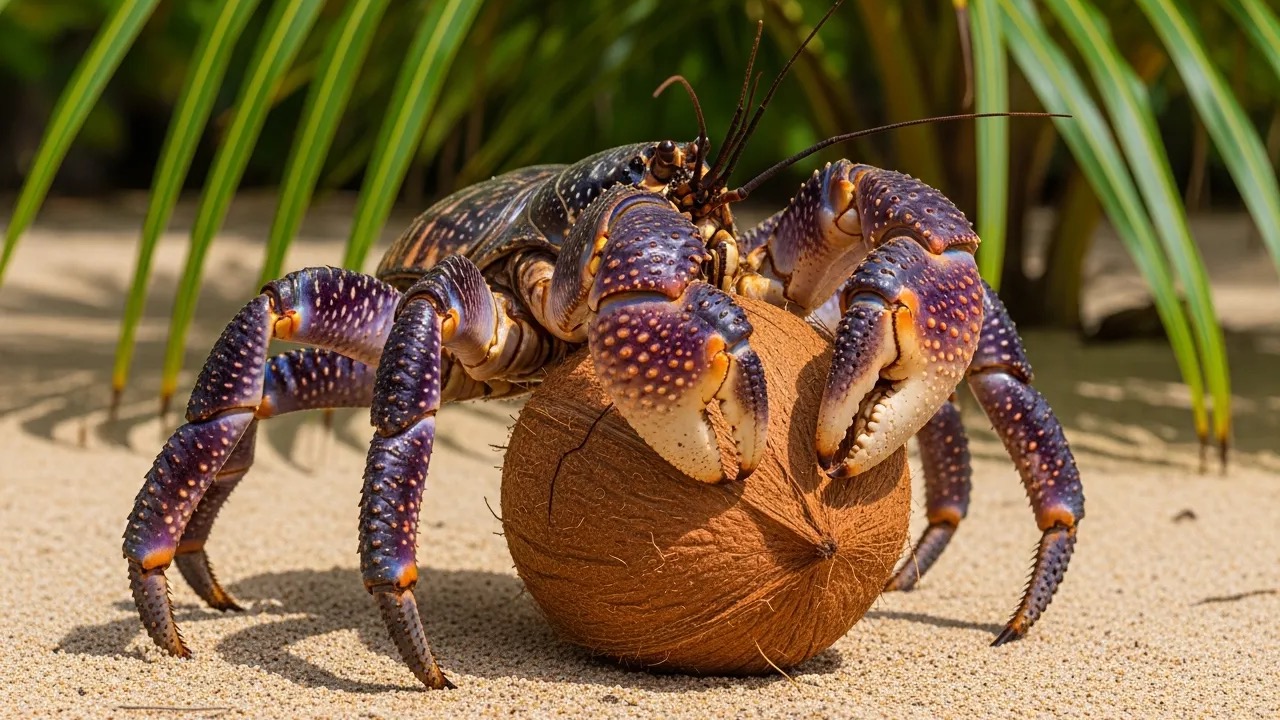
Vulnerable
Coconut Crab
Birgus latro
The coconut crab (Birgus latro) is the world's largest land-living arthropod, a giant terrestrial hermit crab found on tropical islands across the Indo-Pacific. Adults reach a leg span of about 1 m (3 ft) and weigh up to roughly 4 kg (9 lb).
Read the guide →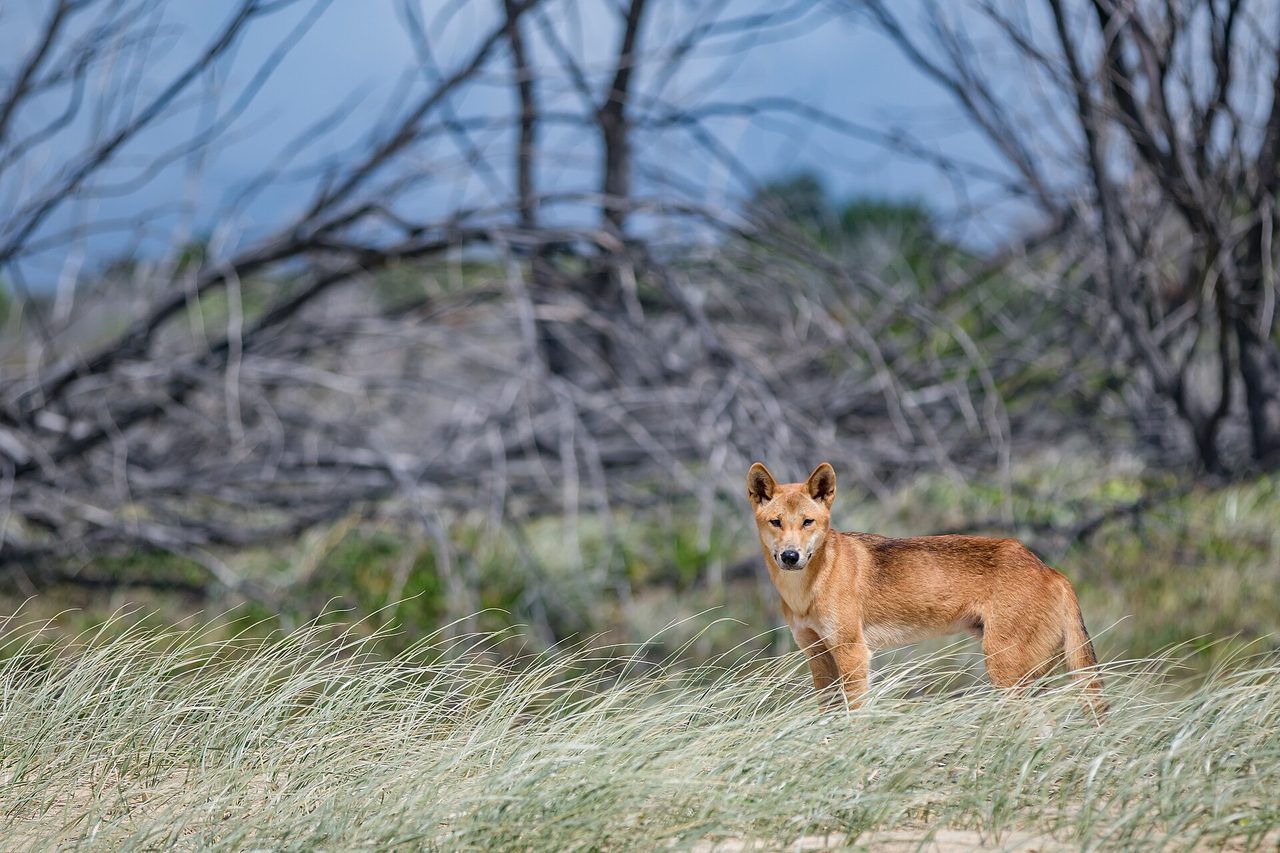
Vulnerable (historical IUCN 2008; removed from Red List 2019)
Dingo
Canis lupus dingo
The dingo is Australia's native wild dog and apex predator, historically classified as Vulnerable due to widespread persecution and hybridisation with domestic dogs — though it was removed from the IUCN Red List in 2019 following taxonomic reclassification, and new genomic research suggests pure dingoes are more numerous than previously feared.
Read the guide →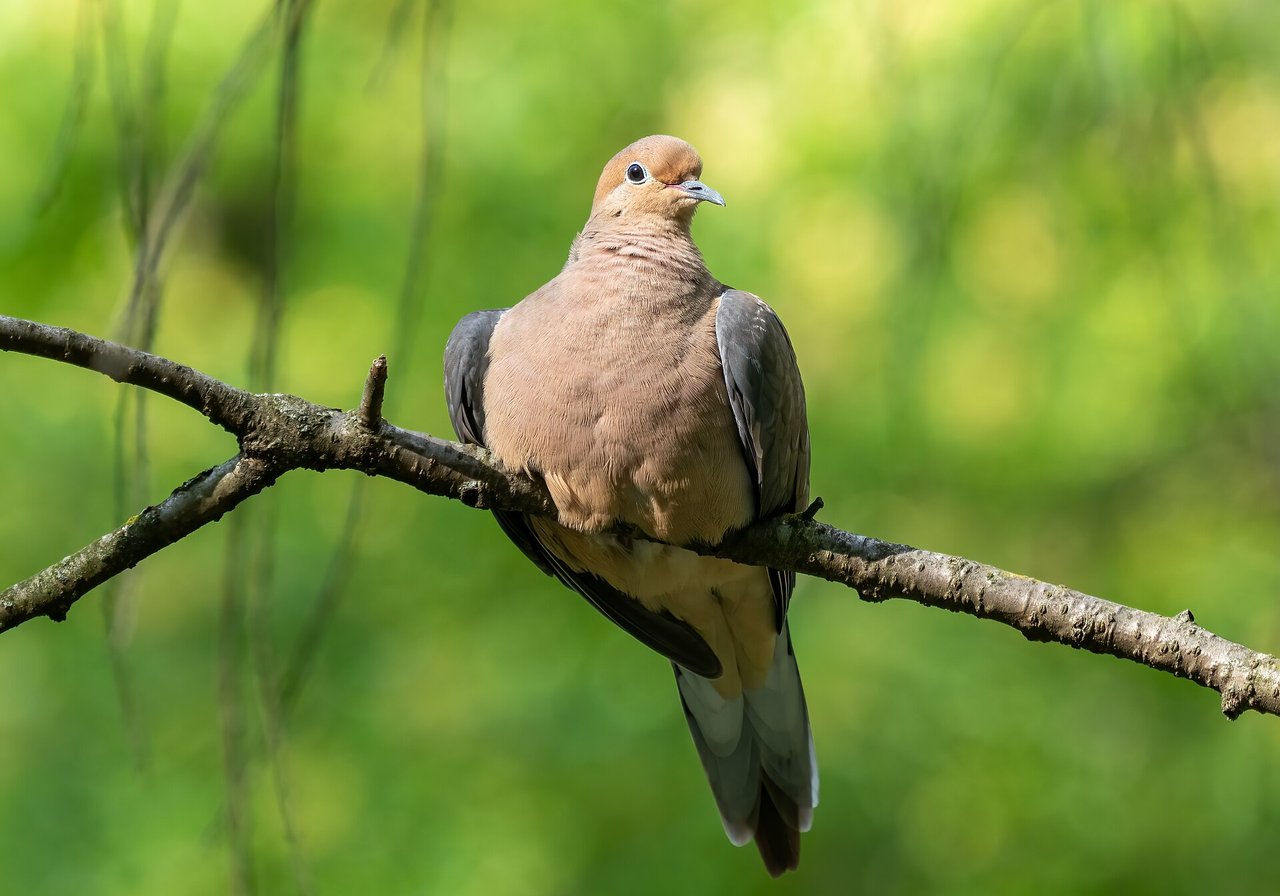
Vulnerable
Dove
Streptopelia turtur (Linnaeus, 1758)
The European turtle dove (Streptopelia turtur) is a Vulnerable migratory columbid of European woodland and farmland, declining by roughly 80% since 1970 due to habitat loss, hunting and agricultural intensification.
Read the guide →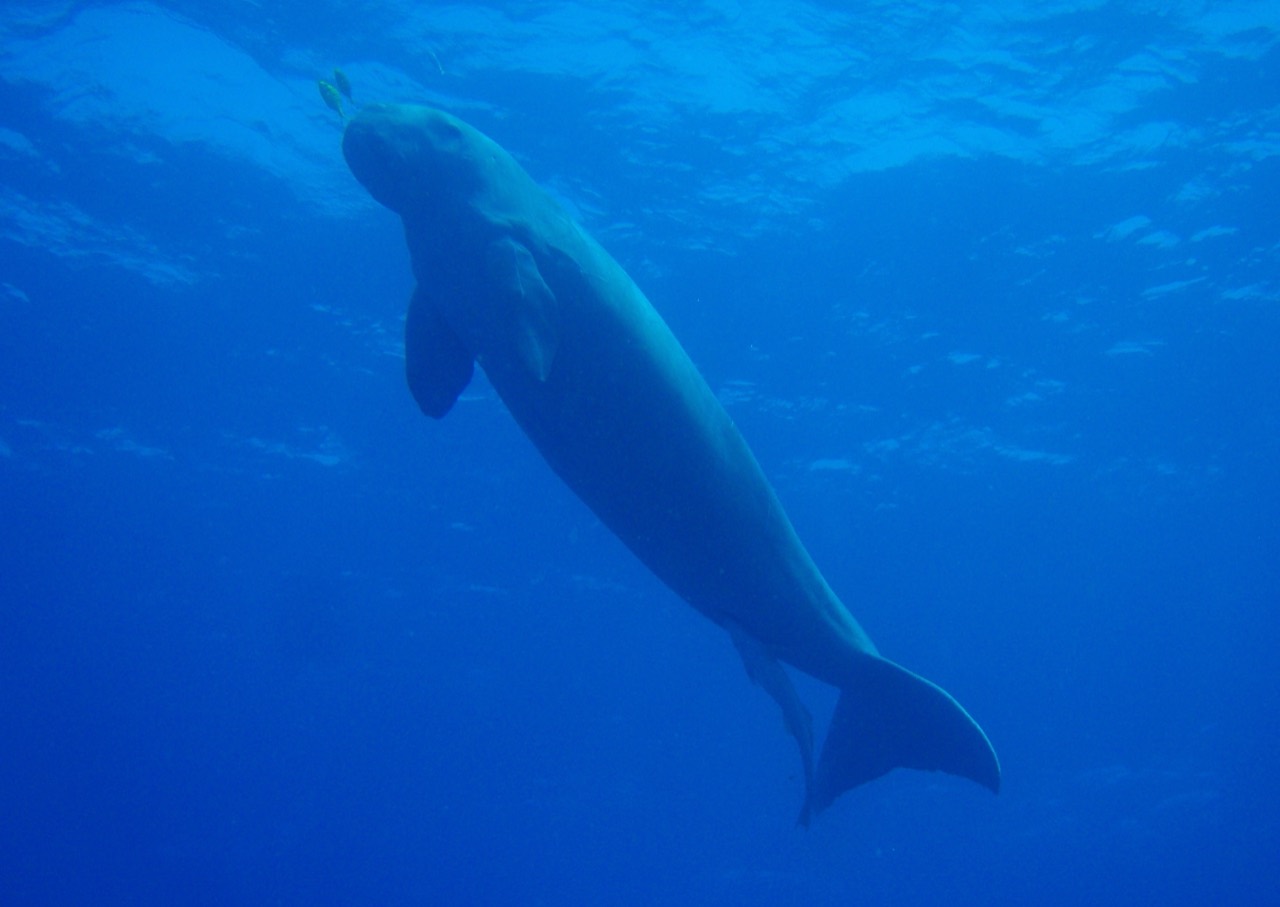
Vulnerable globally — but Critically Endangered in East Africa and Japan's Nansei Islands, and Endangered in New Caledonia
Dugong
Dugong dugon
A dugong is a large, plant-eating marine mammal of the order Sirenia (the "sea cows"), reaching about 3 metres long, that lives entirely in warm coastal seas and feeds almost exclusively on seagrass.
Read the guide →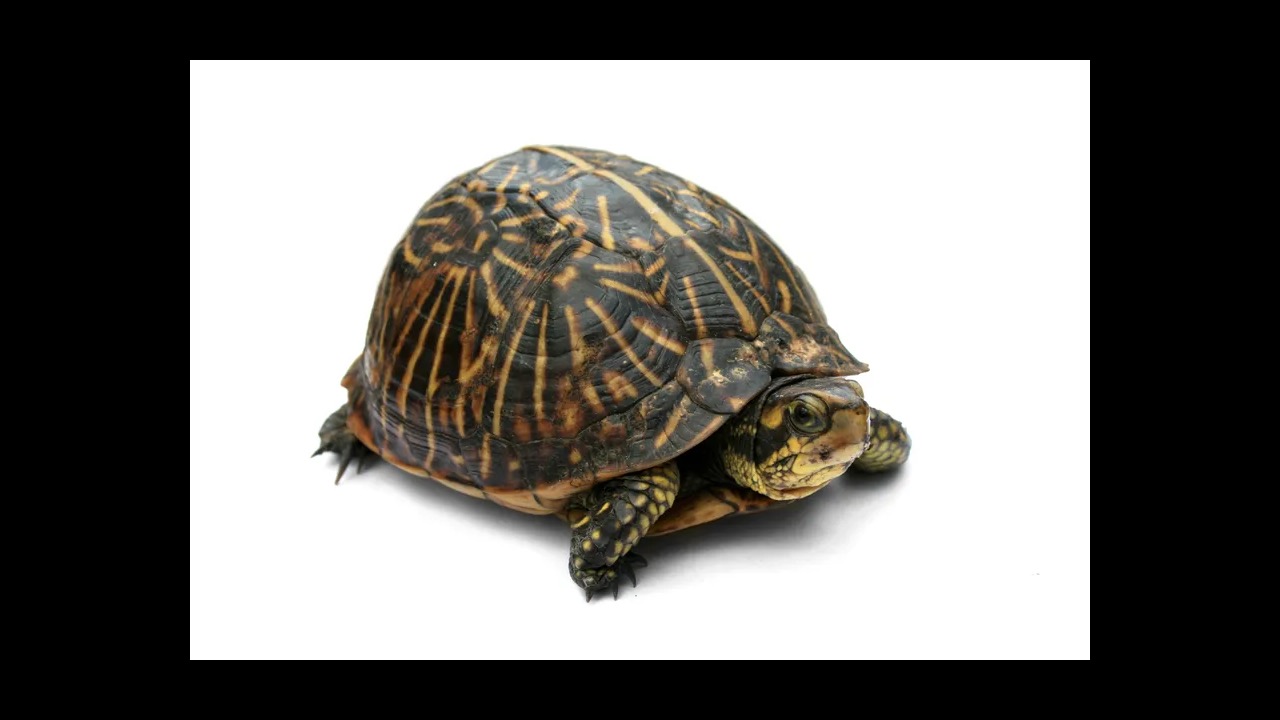
Vulnerable
Eastern Box Turtle
Terrapene carolina
The eastern box turtle (Terrapene carolina) is a small, land-dwelling turtle of the eastern United States, known for the hinged shell it can close like a box for protection. It lives in woodlands, meadows, and wetlands, eating insects, fruit, mushrooms, and carrion.
Read the guide →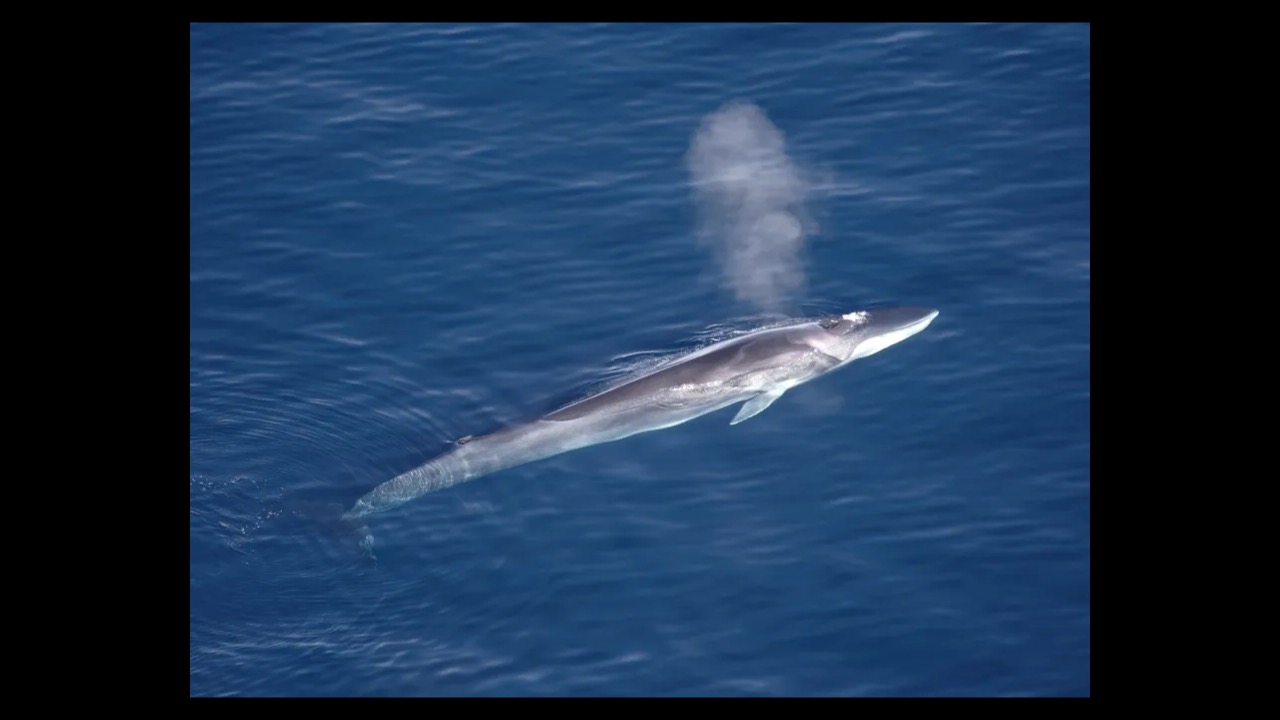
Vulnerable
Fin Whale
Balaenoptera physalus
The fin whale is the second-largest animal on Earth after the blue whale, reaching 25 m (82 ft) and 70 tonnes with an asymmetric jaw colouring. A fast baleen whale capable of 40 km/h bursts, it filters krill and small fish and is listed Vulnerable after decades of commercial whaling.
Read the guide →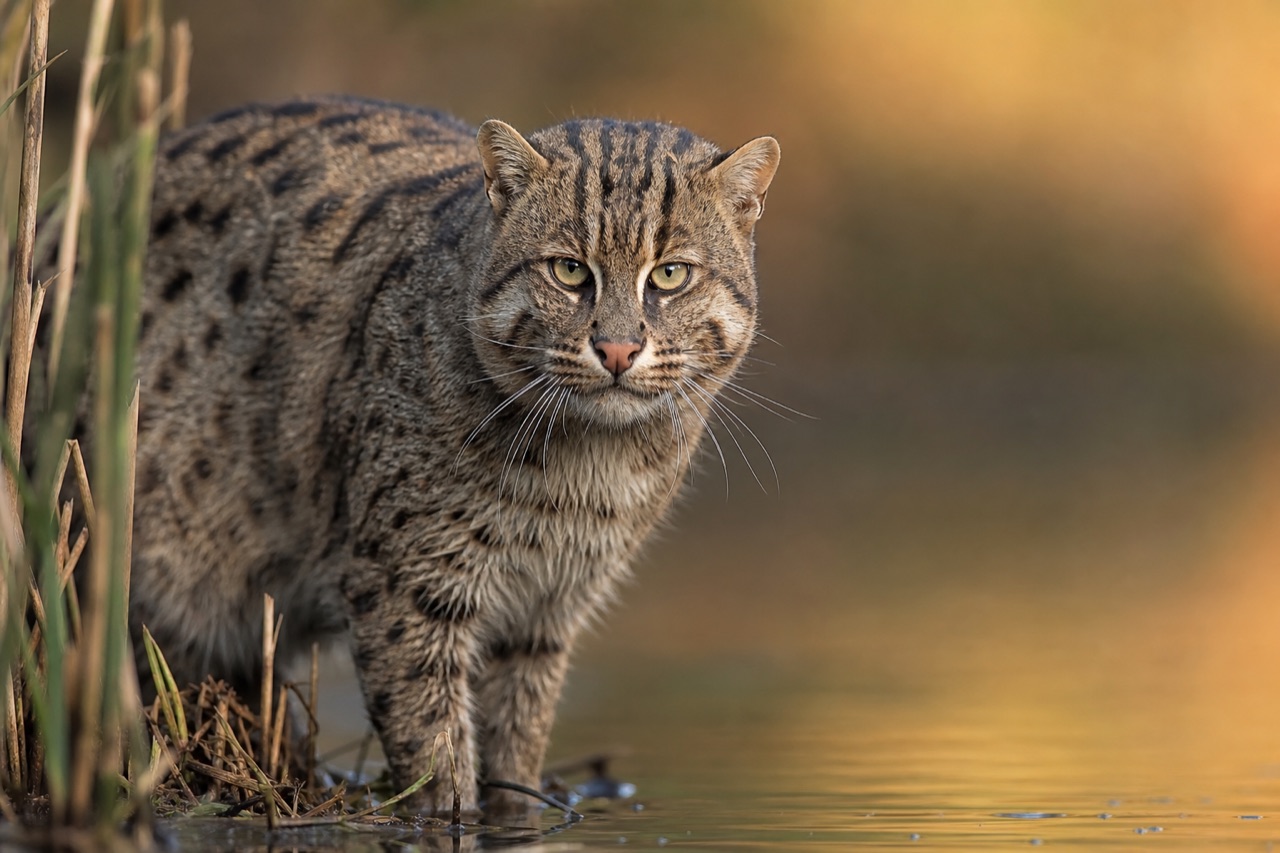
Vulnerable — wetland loss is the primary threat across South and Southeast Asia
Fishing Cat
Prionailurus viverrinus (Bennett, 1833) — family Felidae
The fishing cat (Prionailurus viverrinus) is a Vulnerable wetland felid of South and Southeast Asia that swims and dives to catch fish, with partially webbed toes and a stocky build adapted to marsh, mangrove and reedbed habitat.
Read the guide →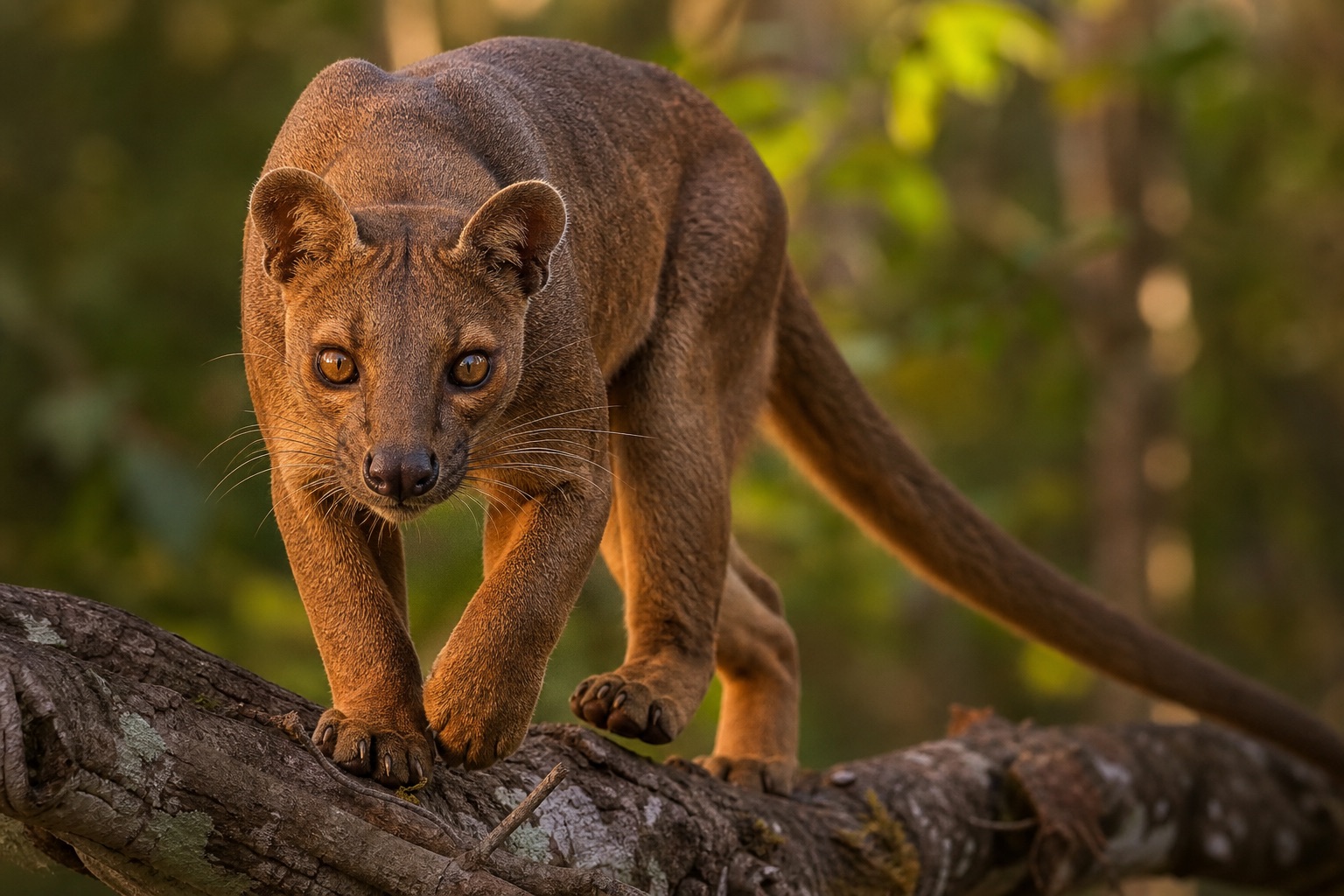
Vulnerable — Madagascar's largest native carnivore, declining as forest fragments
Fossa
Cryptoprocta ferox (Bennett, 1833) — family Eupleridae
The fossa (Cryptoprocta ferox) is Madagascar's largest native carnivore and apex predator, cat-like in appearance but a euplerid mongoose relative; it hunts lemurs in the canopy, is listed Vulnerable, and declines as an estimated 80–90% of Madagascar's original forest has been lost.
Read the guide →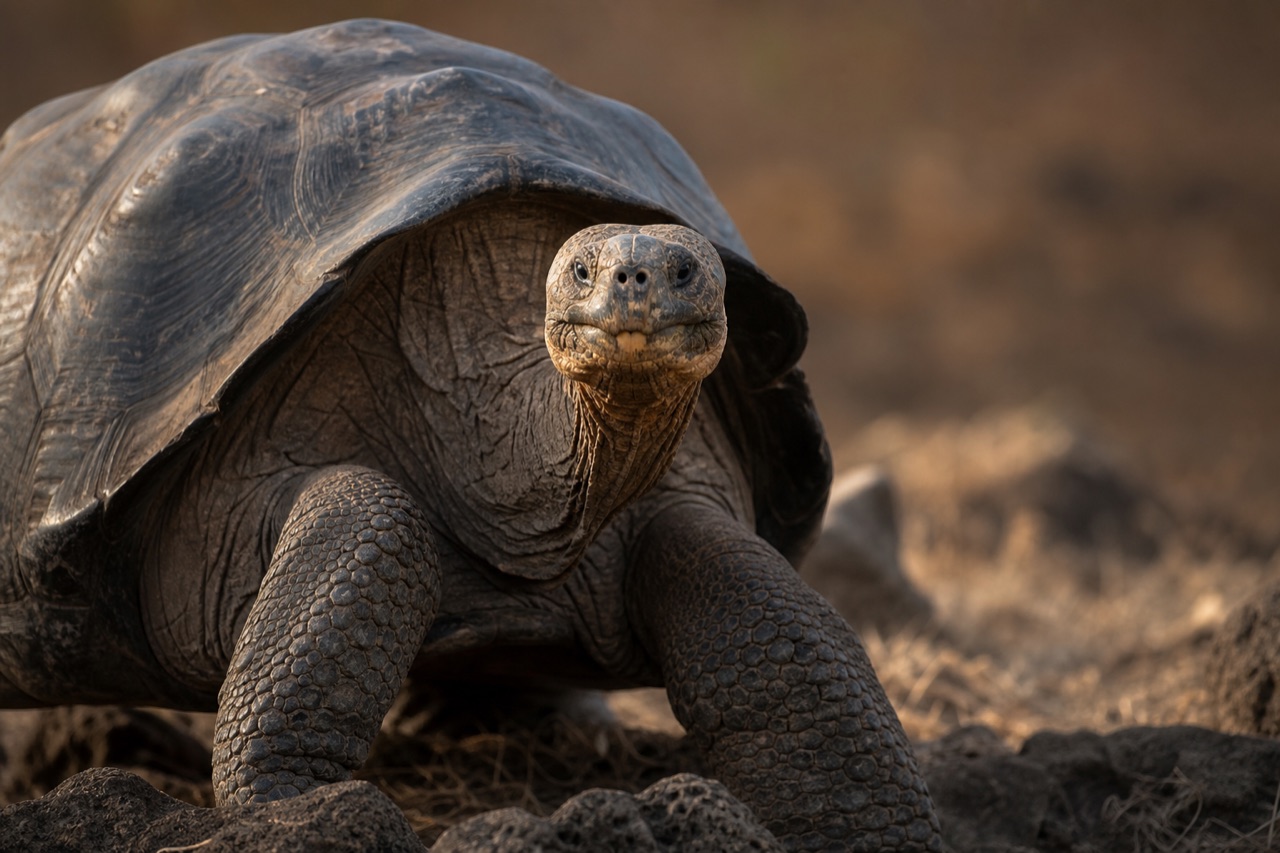
Vulnerable — recovered from ~3,000 animals to around 60,000
Galápagos Tortoise
Chelonoidis niger species complex (Quoy & Gaimard, 1824) — 12 surviving species
The Galápagos tortoise is the world's largest tortoise, reaching over 400 kg and living beyond 100 years; hunted from an estimated 200,000 animals down to about 3,000 by the 1970s, captive breeding and invasive-species removal have since recovered the population to around 60,000.
Read the guide →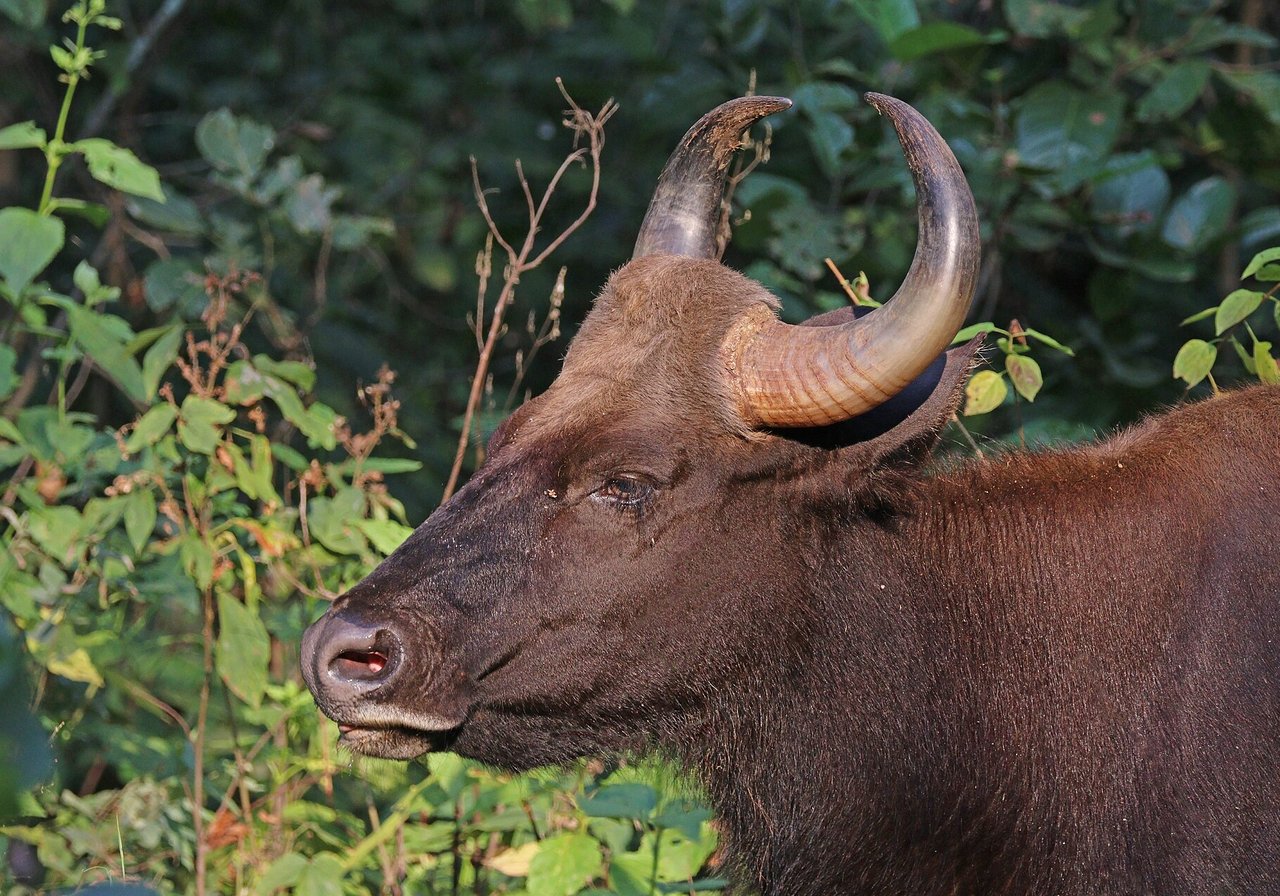
Vulnerable
Gaur
Bos gaurus (Hamilton, 1827)
The gaur (Bos gaurus) is a Vulnerable forest bovid — the largest wild cattle species, ranging from India through Malaysia; threatened by habitat loss, bushmeat hunting and agricultural encroachment.
Read the guide →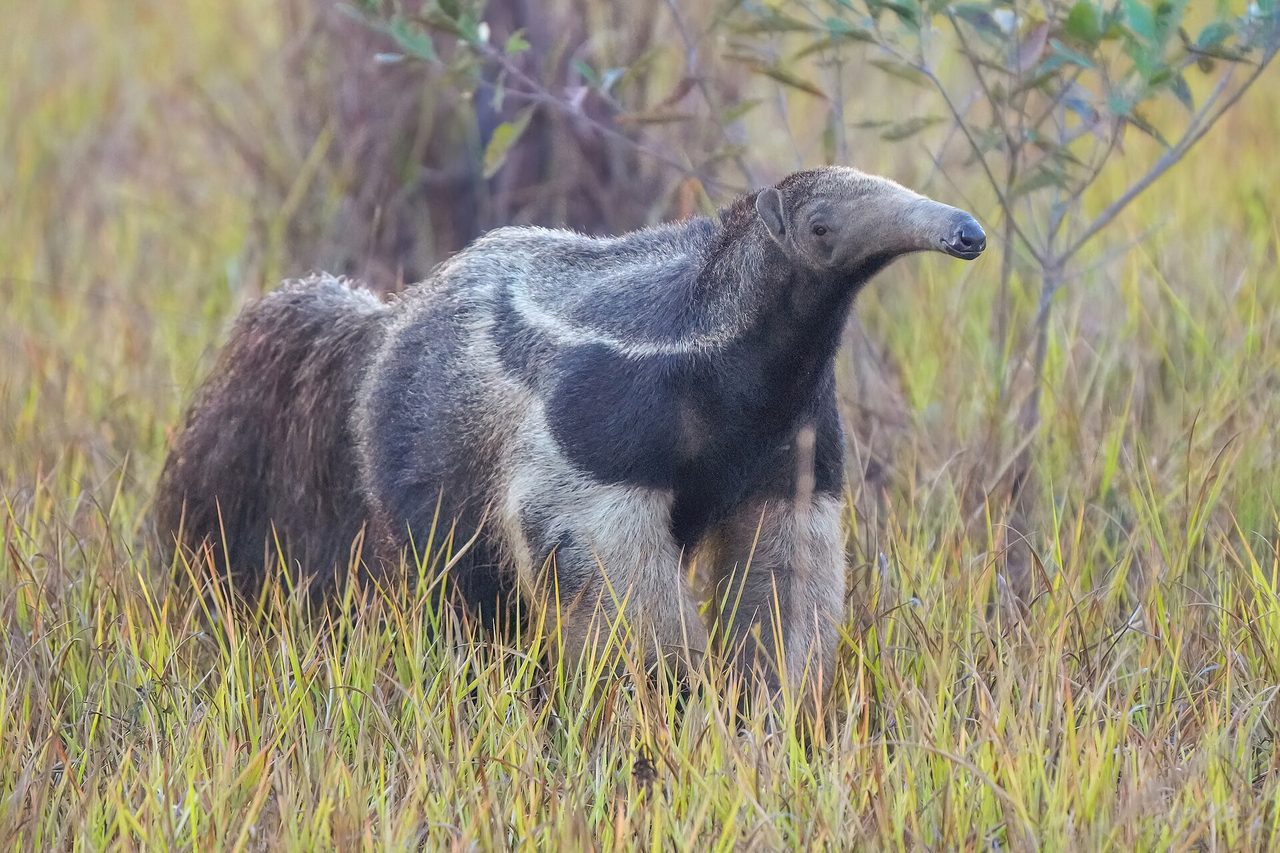
Vulnerable
Giant Anteater
Myrmecophaga tridactyla
The giant anteater is a large, toothless mammal of Central and South America listed as Vulnerable by the IUCN, with populations declining by at least 30% over the past three generations due to habitat loss, fire, and road mortality.
Read the guide →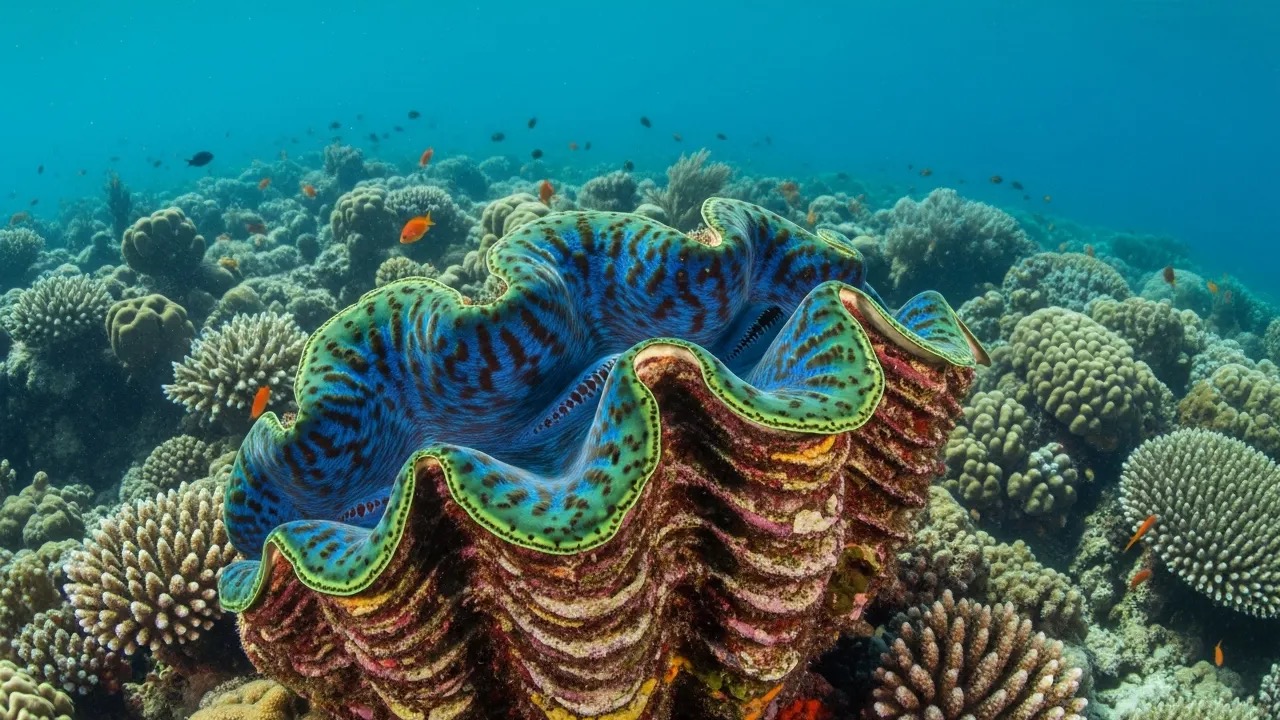
Vulnerable
Giant Clam
Tridacna gigas
The giant clam is the largest living bivalve mollusk, growing over 1.2 m (4 ft) wide and weighing more than 200 kg (440 lb). It lives anchored to coral reefs in the warm Indo-Pacific, where it feeds partly by filtering water and partly through algae living in its colorful tissue.
Read the guide →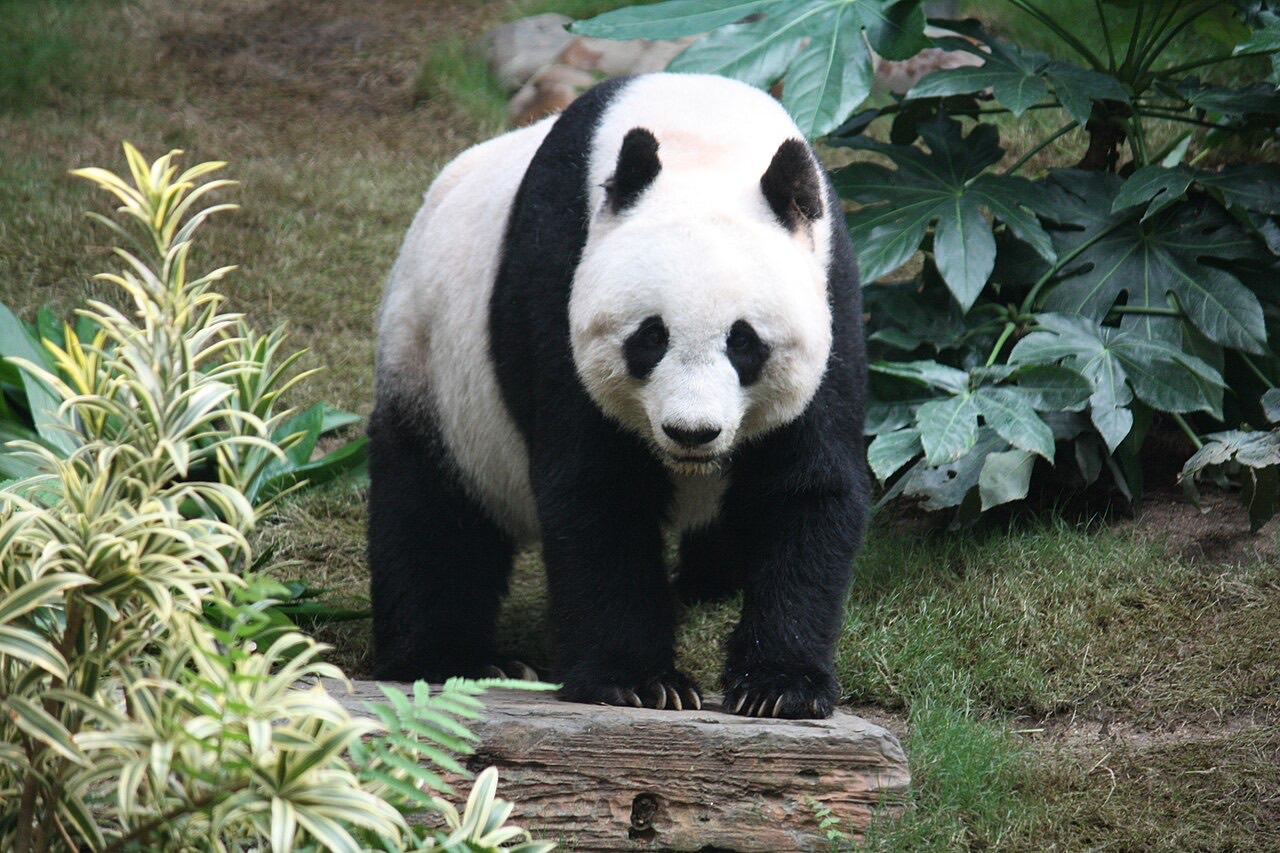
Vulnerable
Giant Panda
Ailuropoda melanoleuca
The giant panda (Ailuropoda melanoleuca) is a bamboo-eating bear native only to China, listed as Vulnerable on the IUCN Red List with roughly 1,800 to 1,900 mature individuals in the wild as of the 2016 assessment.
Read the guide →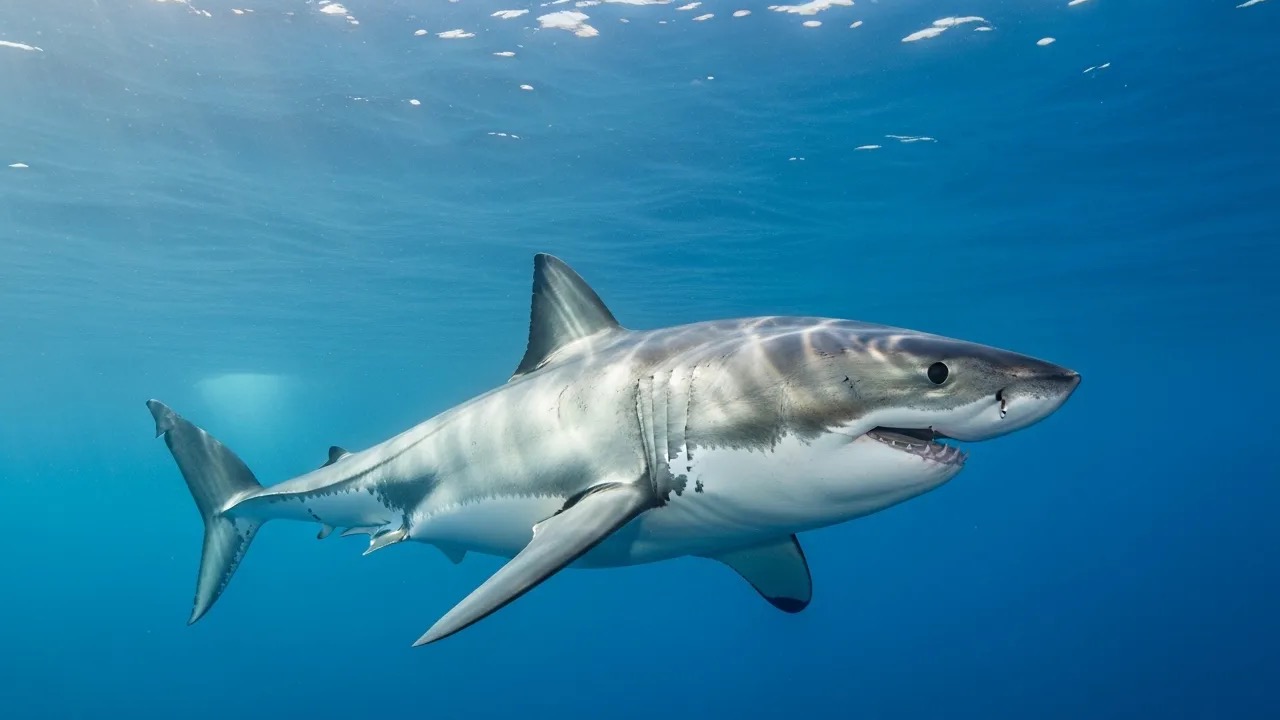
Vulnerable
Great White Shark
Carcharodon carcharias
The great white shark (Carcharodon carcharias) is a large predatory fish found in cool and temperate coastal waters worldwide. It grows to around 4 to 4.6 m (13 to 15 ft), with some individuals exceeding 6 m, and can weigh up to 1,100 kg (2,400 lb).
Read the guide →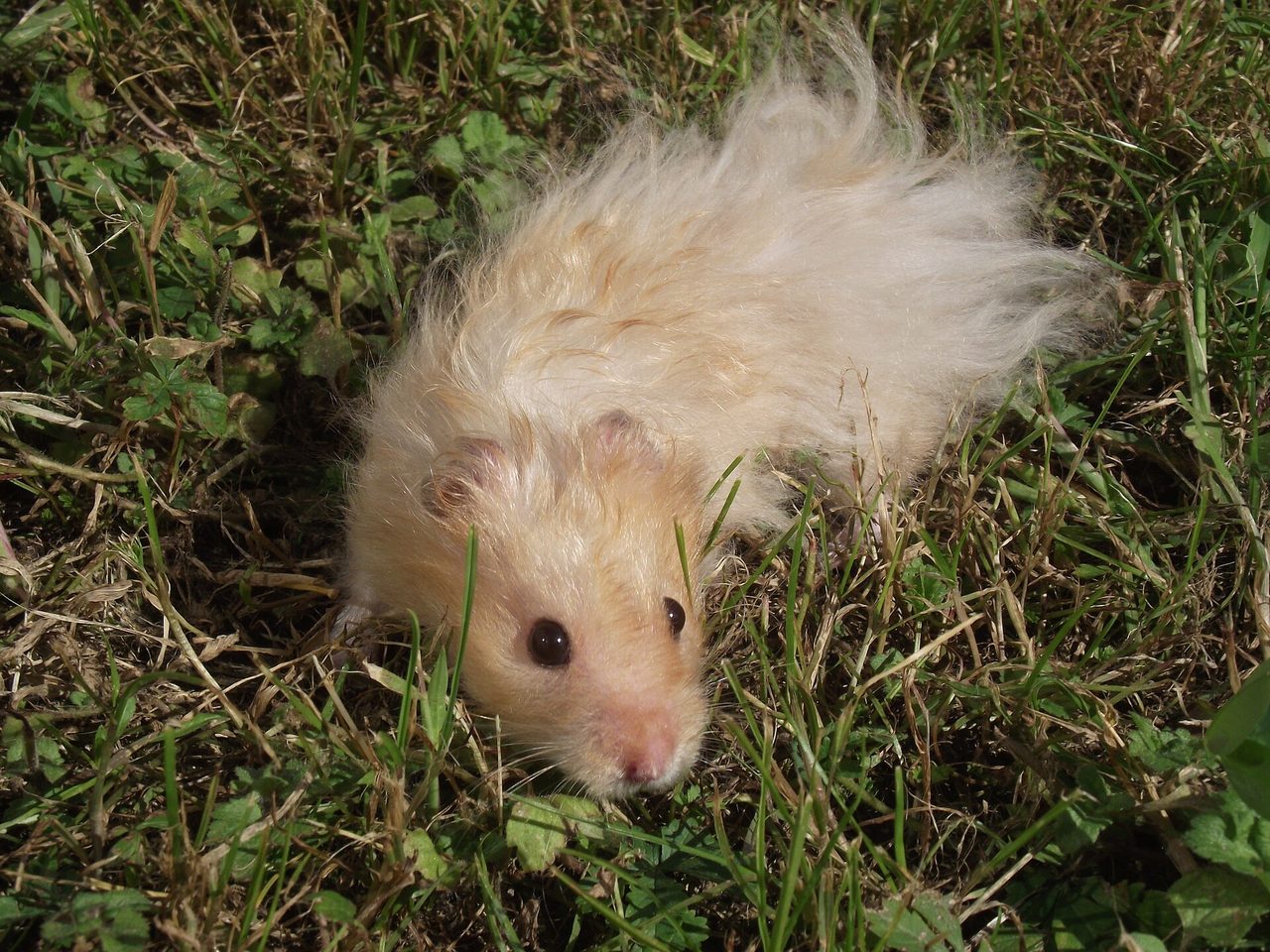
Wild Syrian hamster Vulnerable; dwarf species vary — pets are domestic lines
Hamster
Multiple species — Mesocricetus auratus (Syrian), Phodopus spp. (dwarf) and others
Hamsters are nocturnal cricetine rodents — Syrian hamsters must live alone; dwarf species may tolerate pairs. Wild Syrian hamsters are Vulnerable; pet welfare requires large enclosures, deep bedding and wheels with a straight back.
Read the guide →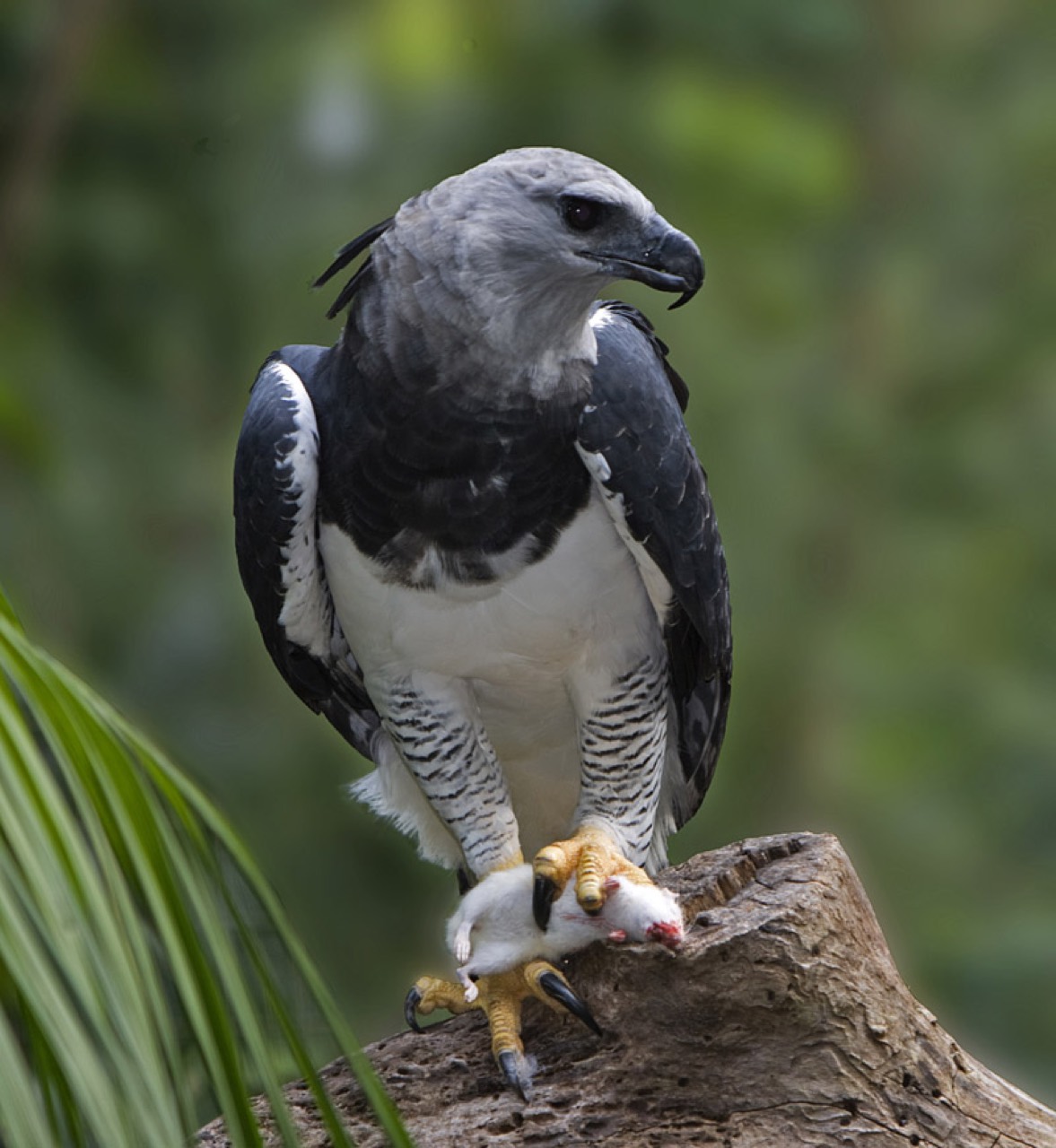
Vulnerable (IUCN, 2021) — declining
Harpy Eagle
Harpia harpyja
A Harpy Eagle (Harpia harpyja) is the largest and most powerful bird of prey in the Americas, a rainforest eagle that hunts tree-dwelling mammals such as sloths and monkeys from the canopy of Central and South America; the IUCN classifies it as Vulnerable.
Read the guide →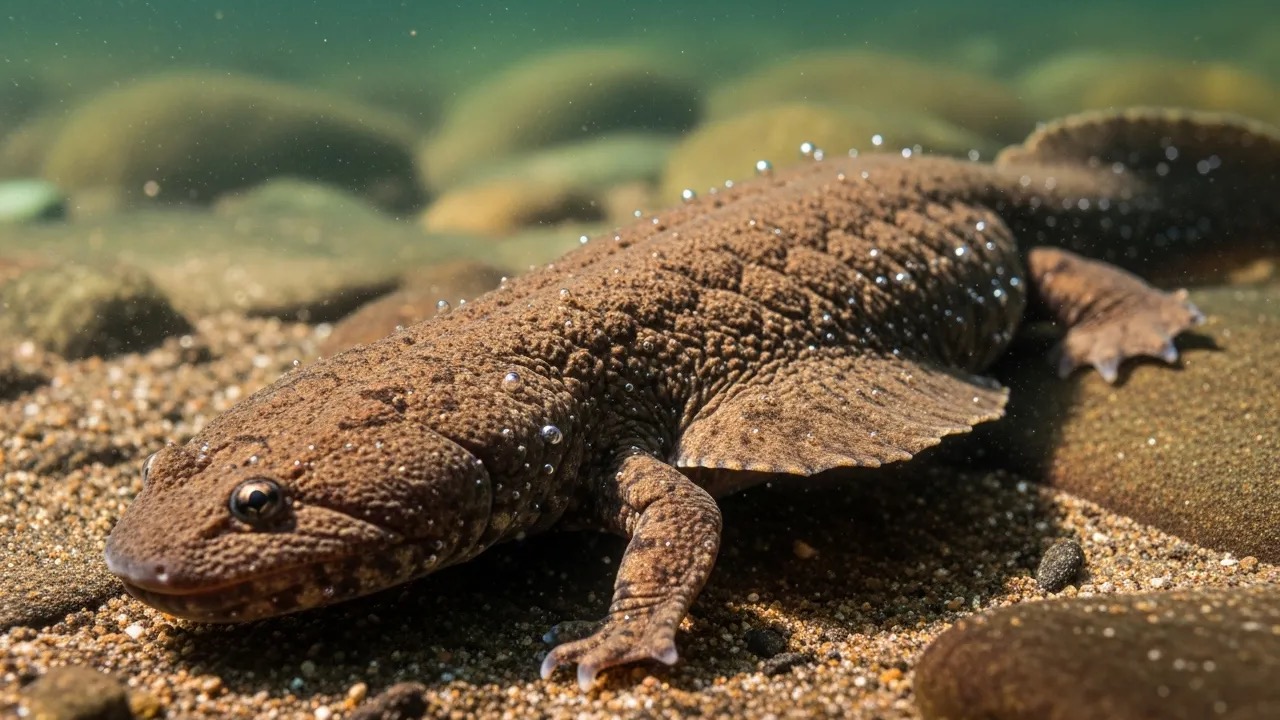
Vulnerable
Hellbender
Cryptobranchus alleganiensis
The hellbender is the largest salamander in North America, reaching up to 74 cm (29 in) long. It is fully aquatic, living its whole life in clean, fast-flowing streams where it breathes mainly through the wrinkled folds of its skin.
Read the guide →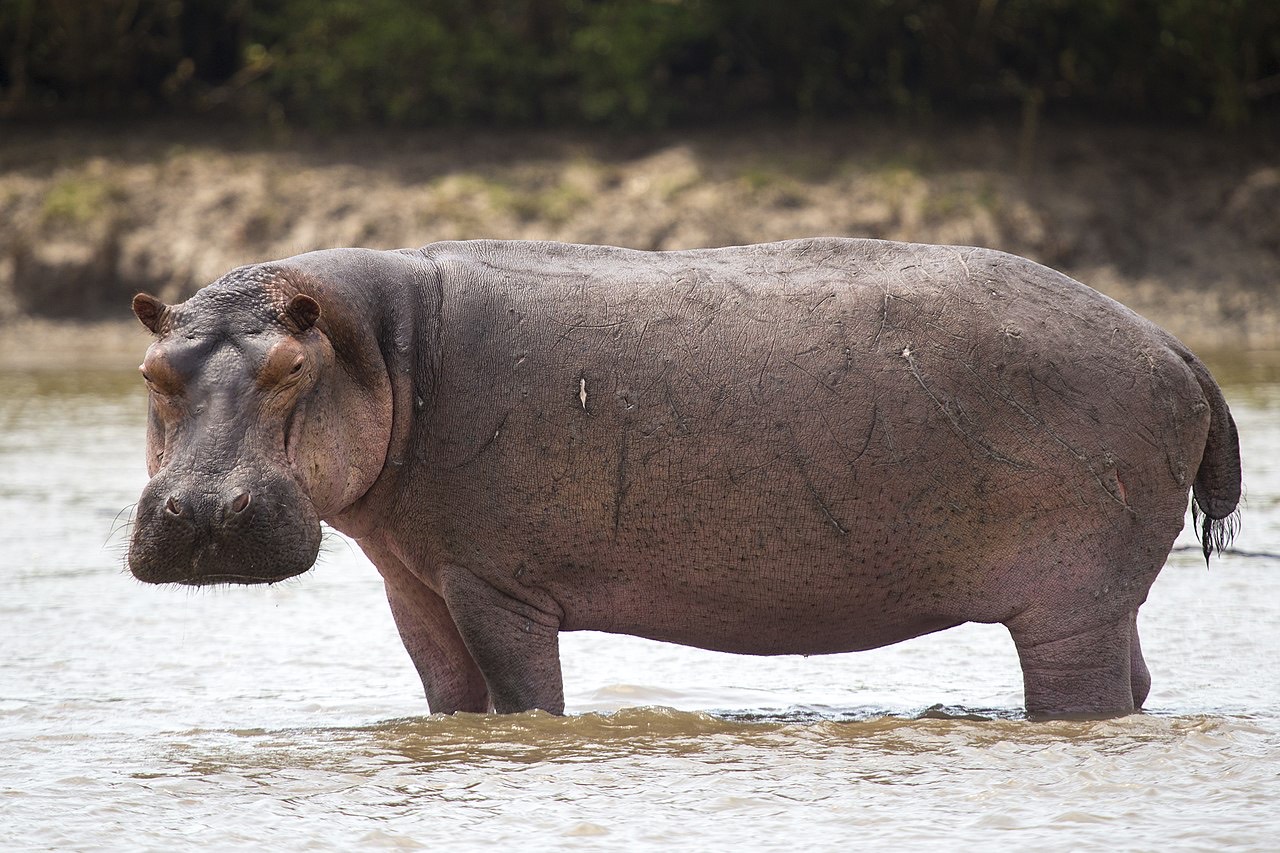
Vulnerable
Hippopotamus
Hippopotamus amphibius
The hippopotamus (Hippopotamus amphibius) is a large semi-aquatic African mammal listed as Vulnerable by the IUCN, with roughly 115,000-130,000 individuals remaining and a declining population driven by habitat loss and demand for its tooth ivory.
Read the guide →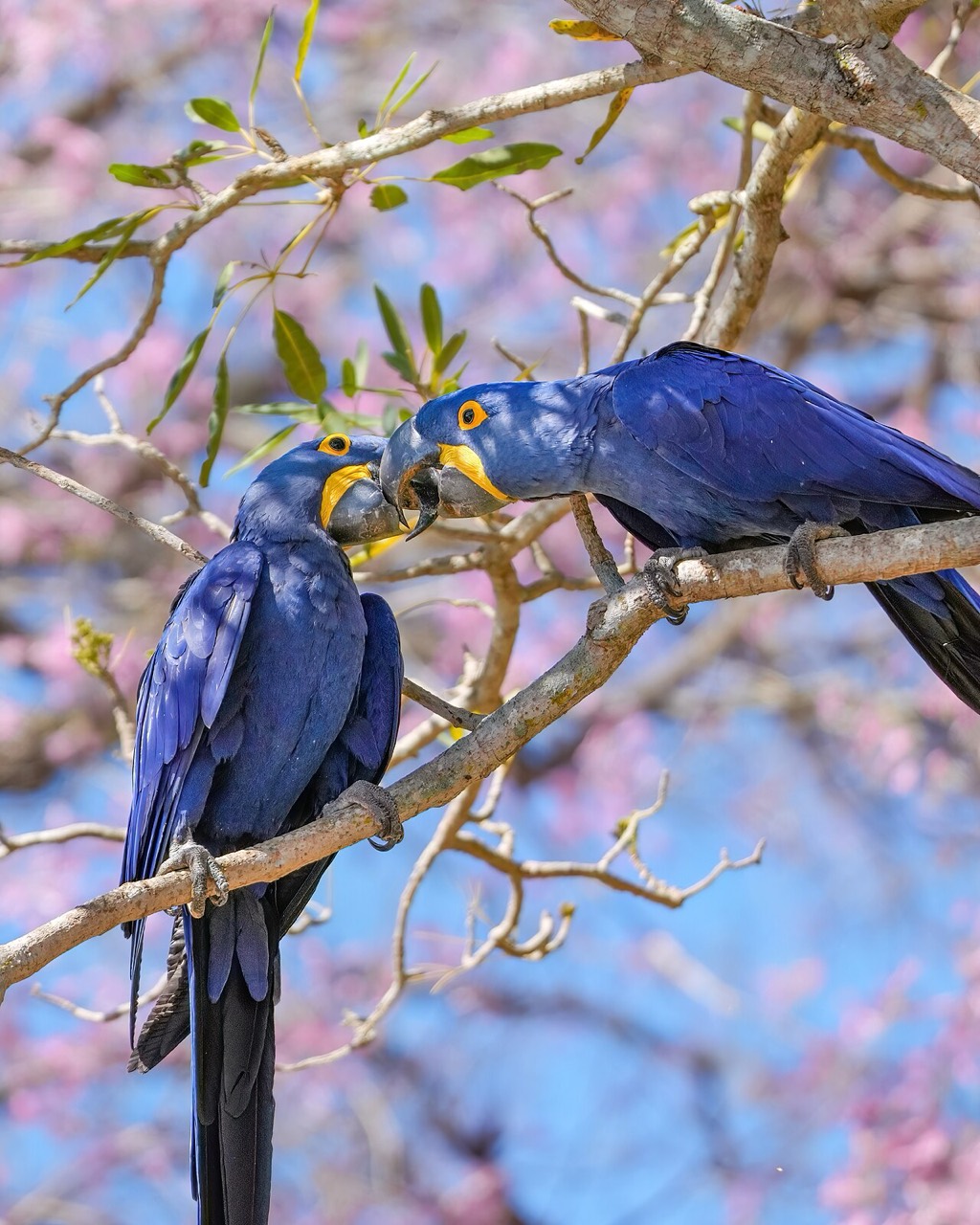
Vulnerable (IUCN) — locally reassessed as Endangered in Brazil after the 2020 Pantanal fires
Hyacinth Macaw
Anodorhynchus hyacinthinus
A Hyacinth Macaw is the world's largest flying parrot — a roughly one-metre-long, cobalt-blue bird from central South America, especially Brazil's Pantanal, that uses its powerful beak to crack hard palm nuts; it is listed as Vulnerable by the IUCN.
Read the guide →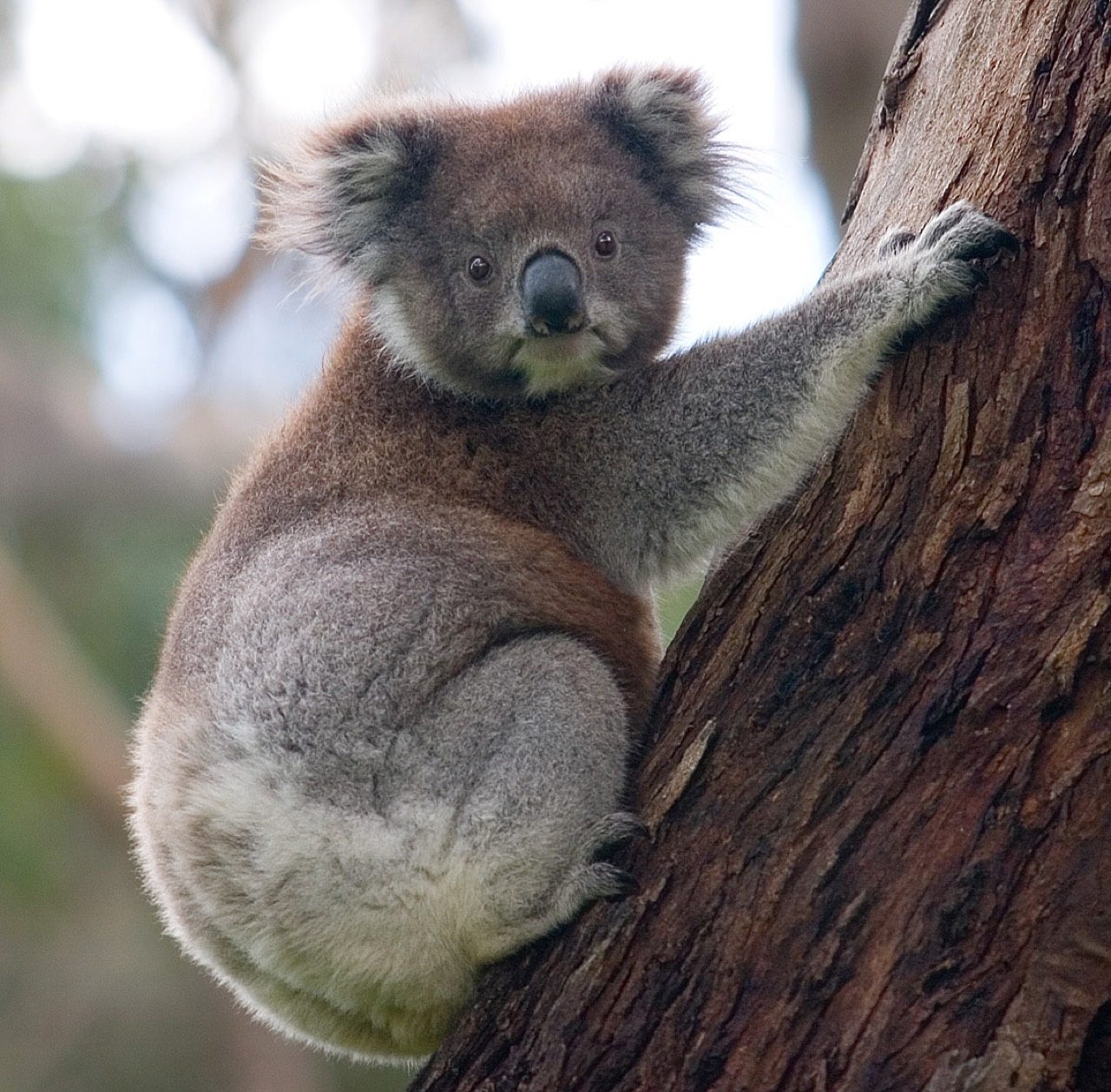
Vulnerable on the IUCN Red List; listed Endangered under Australian federal law in Queensland, New South Wales and the ACT (2022)
Koala
Phascolarctos cinereus
The koala is a Vulnerable eucalyptus-eating marsupial native only to Australia, where habitat loss, disease and bushfire have made its eastern populations Endangered under national law as of 2022.
Read the guide →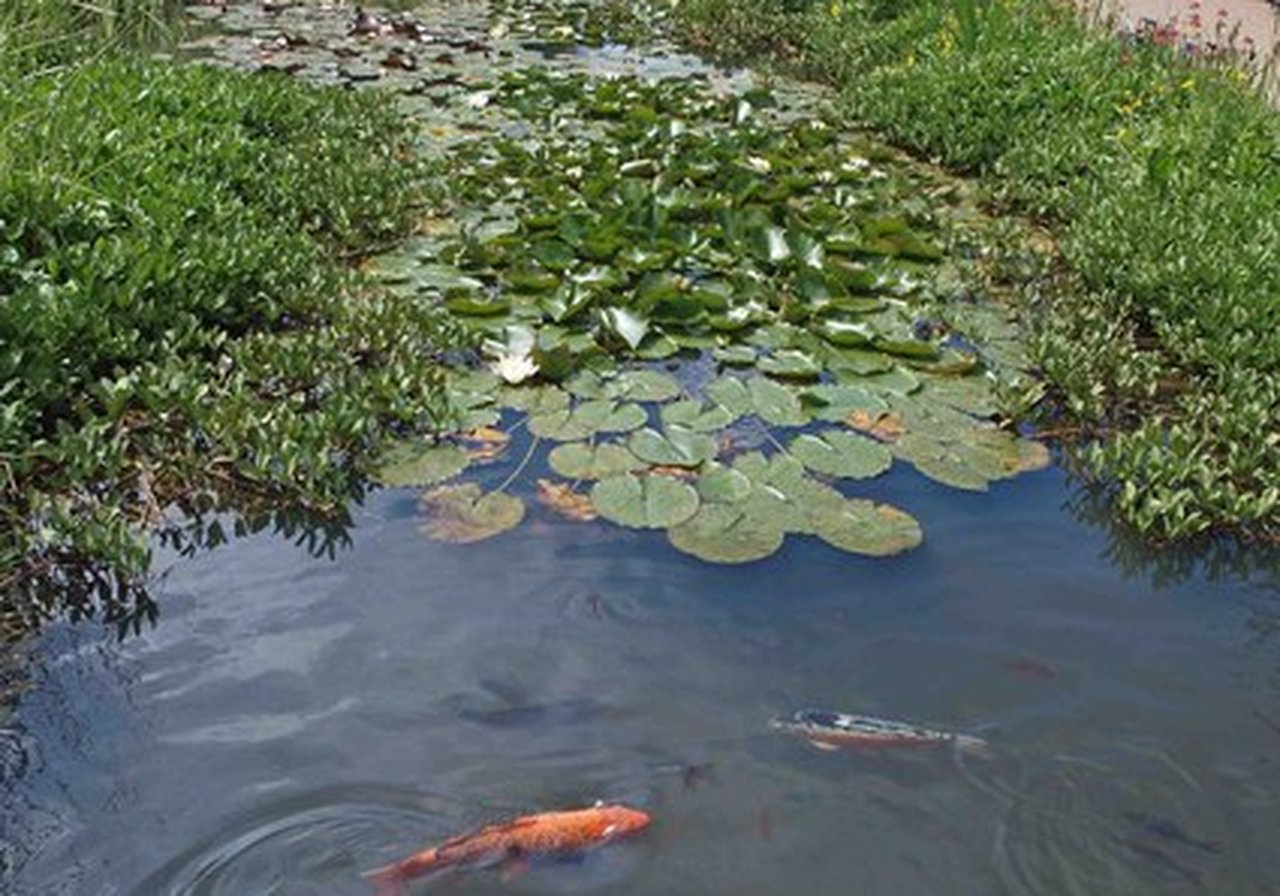
Wild common carp Vulnerable in native range; koi are domestic ornamental lines
Koi
Cyprinus carpio haematopterus — ornamental domestic carp (Cyprinus carpio)
Koi are ornamental domestic carp bred for pond display — wild Cyprinus carpio is Vulnerable; koi need large filtered ponds, quarantine and never release into wild waterways.
Read the guide →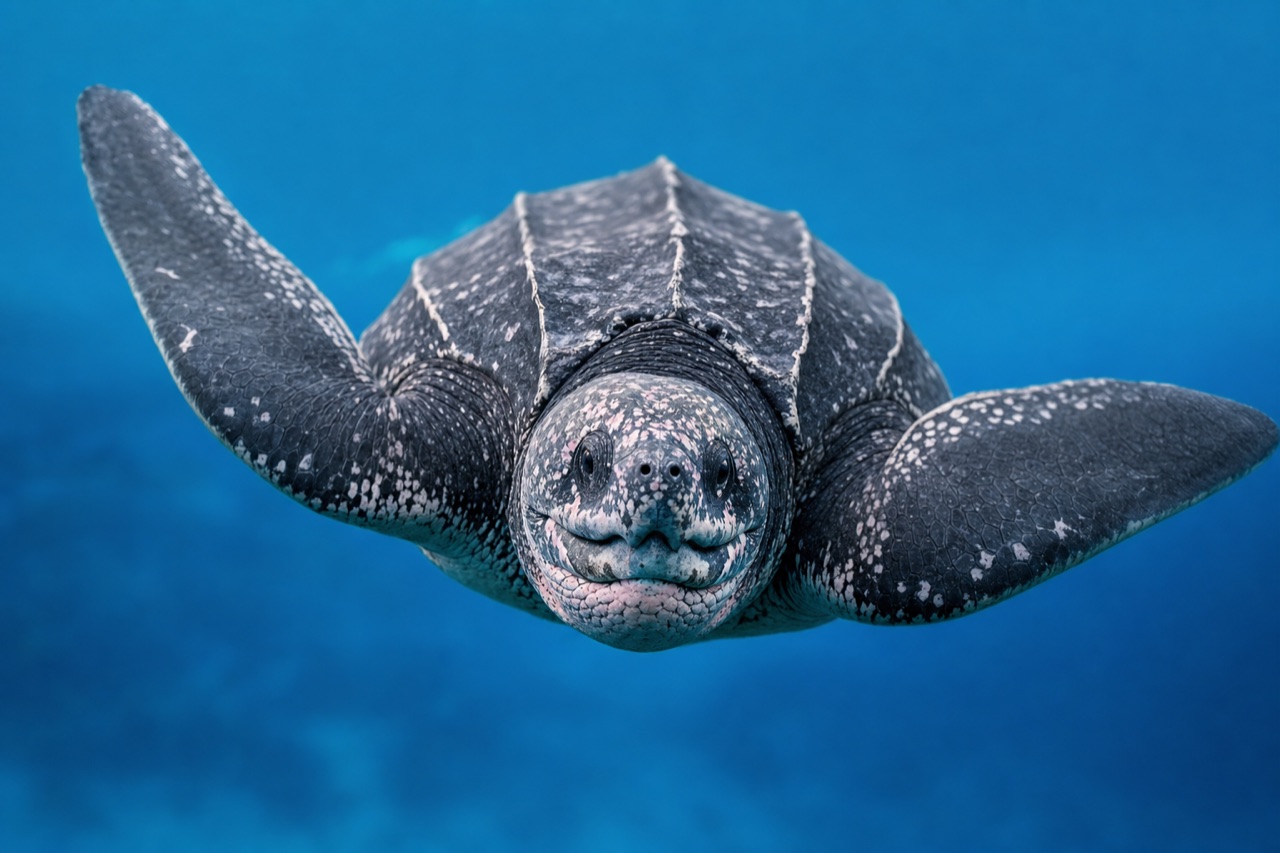
Vulnerable globally — Pacific subpopulations Critically Endangered
Leatherback Turtle
Dermochelys coriacea (Vandelli, 1761) — family Dermochelyidae
The leatherback is the world's largest turtle at up to 700 kg, the only sea turtle without a hard shell, and the deepest-diving reptile at over 1,200 m; it feeds almost entirely on jellyfish and is Vulnerable globally, with Pacific subpopulations Critically Endangered.
Read the guide →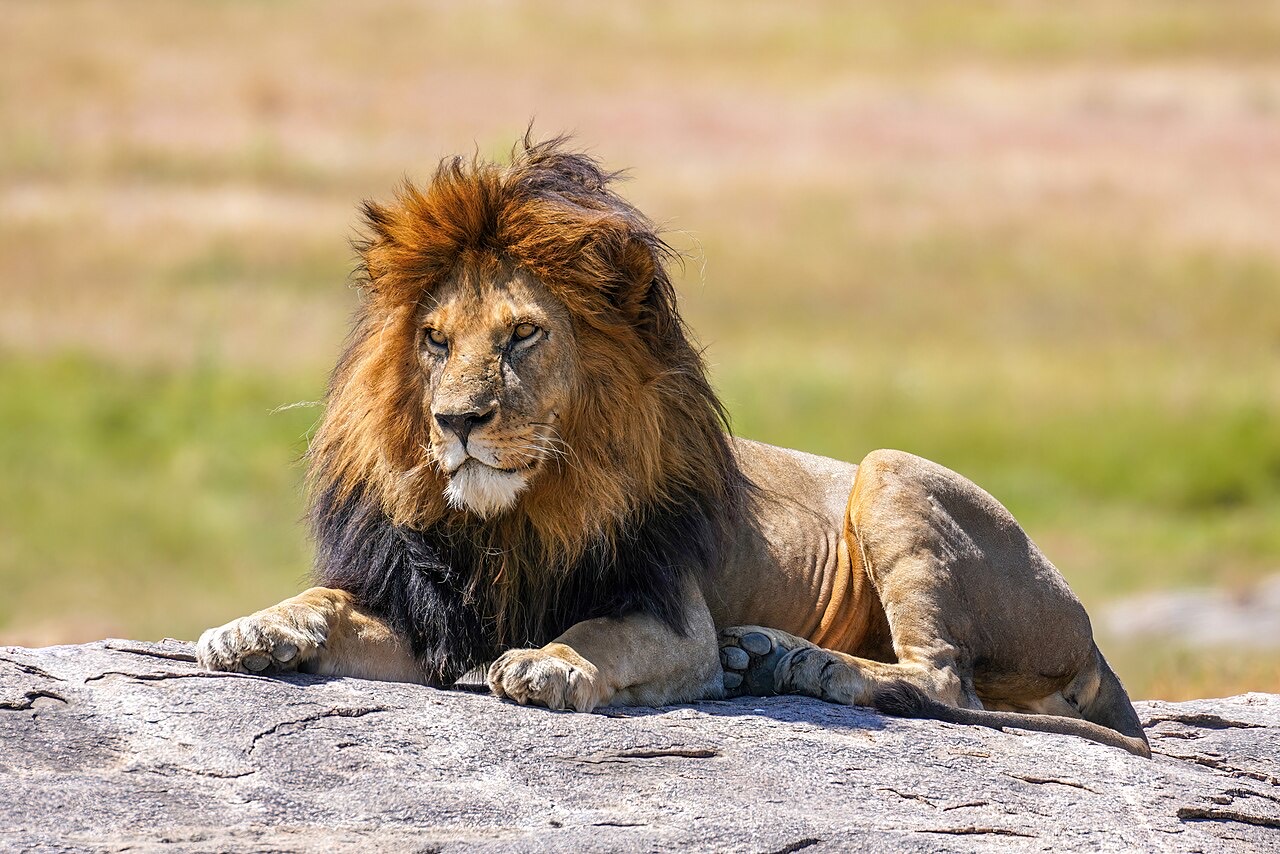
Vulnerable (IUCN 2023)
Lion
Panthera leo (Linnaeus, 1758)
A lion (Panthera leo) is a wild cat listed Vulnerable by the IUCN in 2023, with about 23,000 lions in Africa and about 670 in India. Lions live in prides. They are not domesticated and not tigers. The population is decreasing.
Read the guide →Vulnerable
Mandrill
Mandrillus sphinx (Linnaeus, 1758)
The mandrill is the world’s largest monkey (Mandrillus sphinx), native to rainforests of Cameroon, Gabon, Equatorial Guinea and Congo, and listed Vulnerable on the IUCN Red List because of commercial bushmeat hunting and logging-road access. It is not a baboon. WARN does not run Central African patrols; this page is an educational guide, not a field-programme claim.
Read the guide →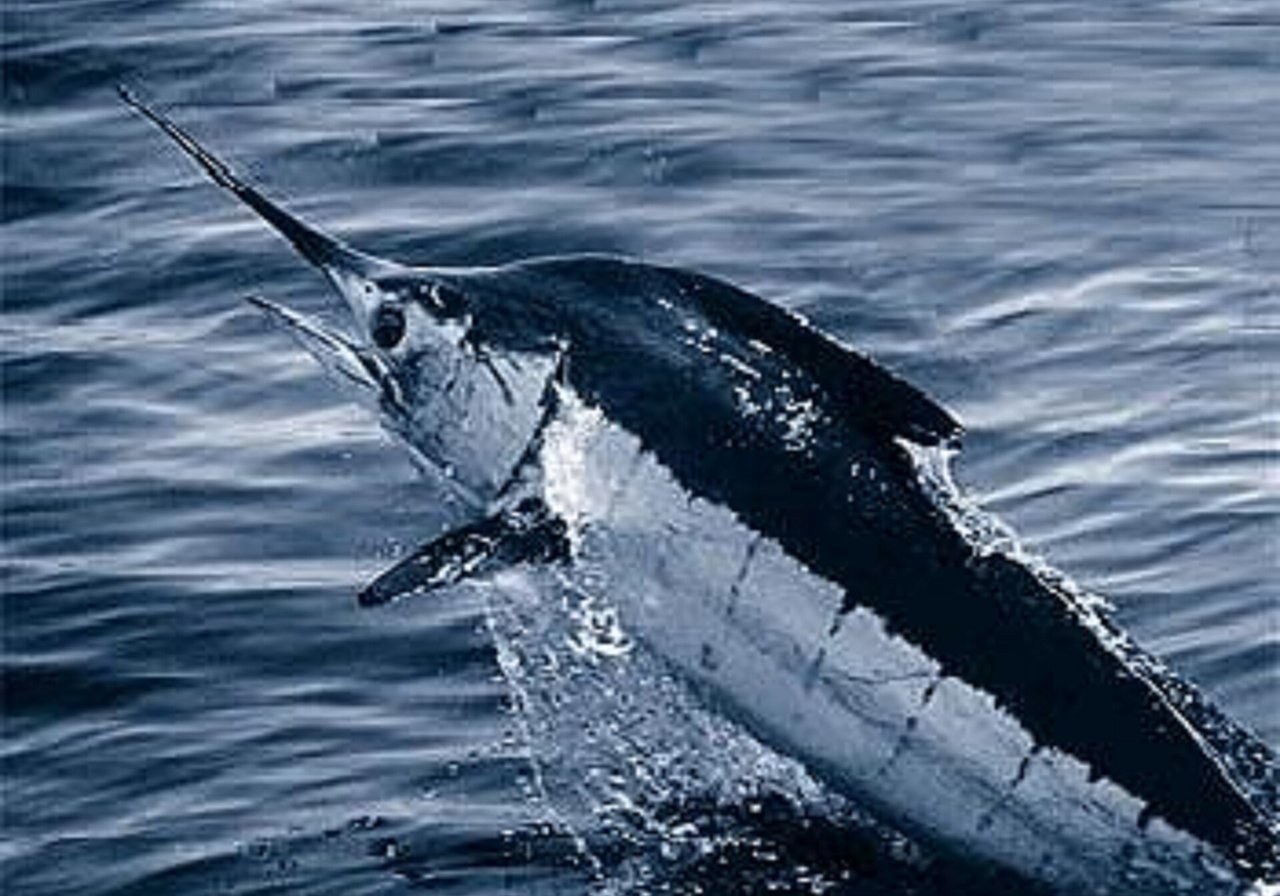
Vulnerable
Marlin
Makaira nigricans (Lacepède, 1802)
The blue marlin (Makaira nigricans) is a Vulnerable billfish of tropical oceans, declining from longline bycatch and overfishing; white and striped marlin face similar pressures.
Read the guide →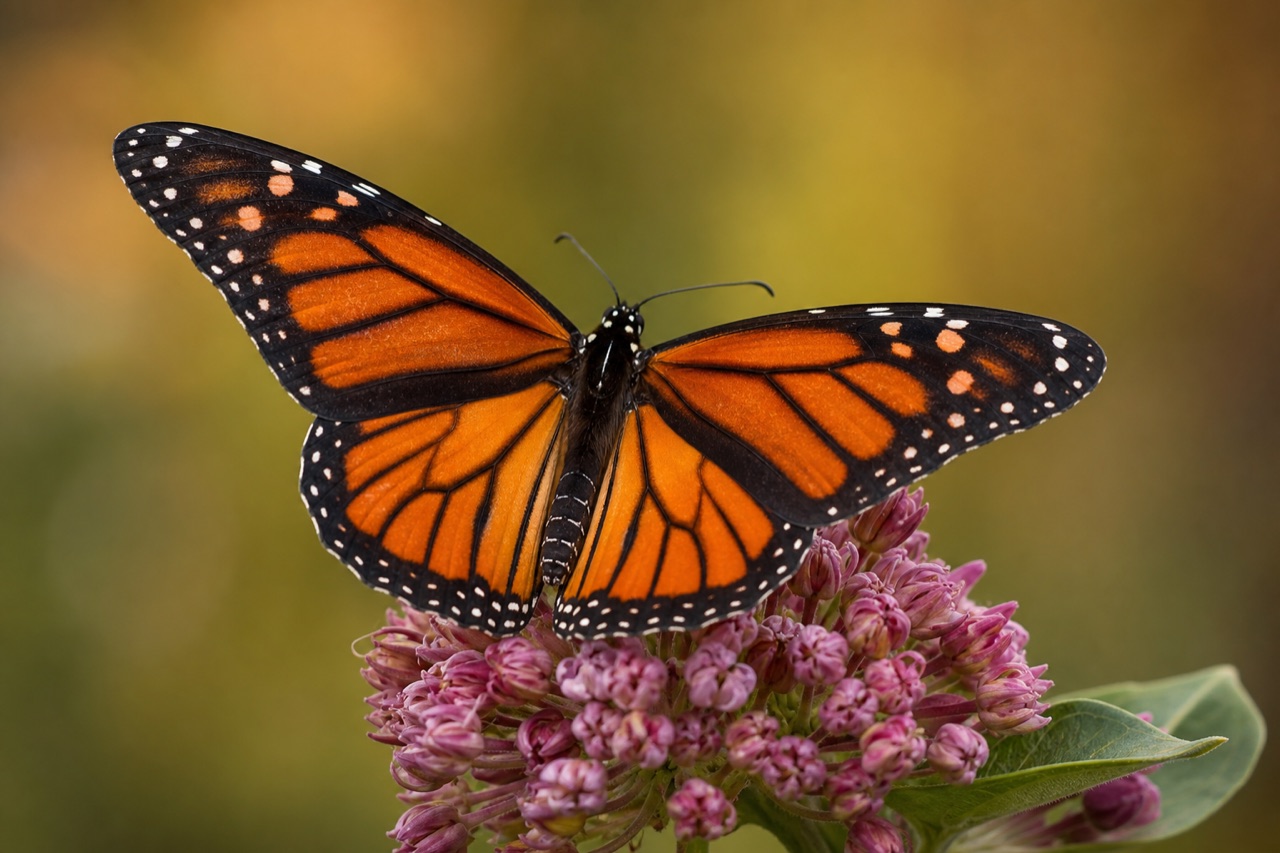
Migratory monarch (D. p. plexippus) assessed Vulnerable; the species as a whole is Least Concern
Monarch Butterfly
Danaus plexippus (Linnaeus, 1758) — family Nymphalidae, subfamily Danainae
The monarch butterfly (Danaus plexippus) is an orange-and-black North American butterfly whose migratory population travels up to 4,000 km to overwinter in Mexican fir forests; the migratory subspecies is listed Vulnerable, and it breeds only on milkweed.
Read the guide →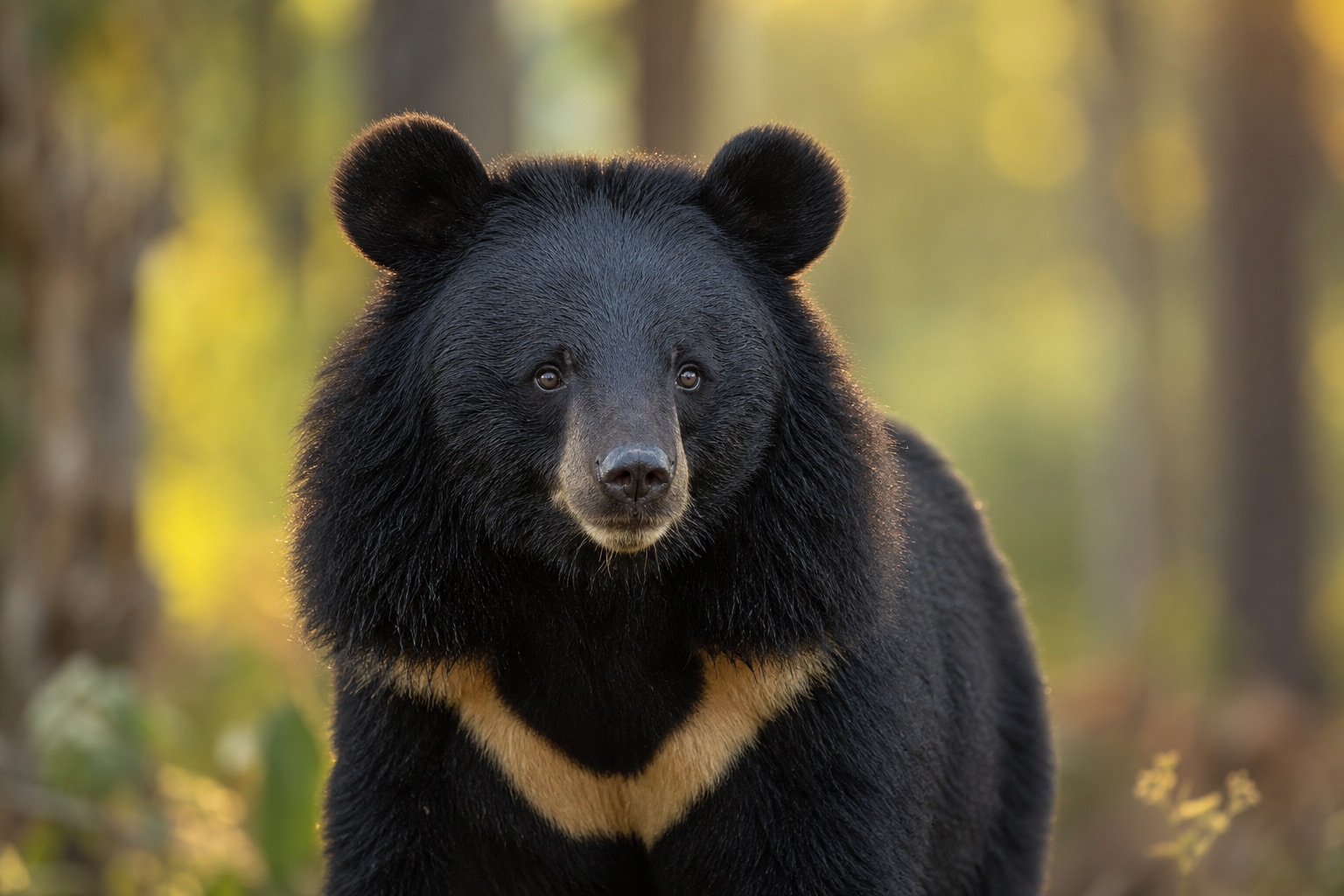
Vulnerable — and the species that overwhelmingly fills bile-farming cages across Asia
Moon Bear
Ursus thibetanus (G. Cuvier, 1823) — family Ursidae
The moon bear (Ursus thibetanus), or Asiatic black bear, is a Vulnerable forest bear of South and East Asia recognised by a white chest V or crescent; it is the species overwhelmingly kept on bile farms in tiny cages for gallbladder extraction, though synthetic substitutes make farmed bile medically unnecessary.
Read the guide →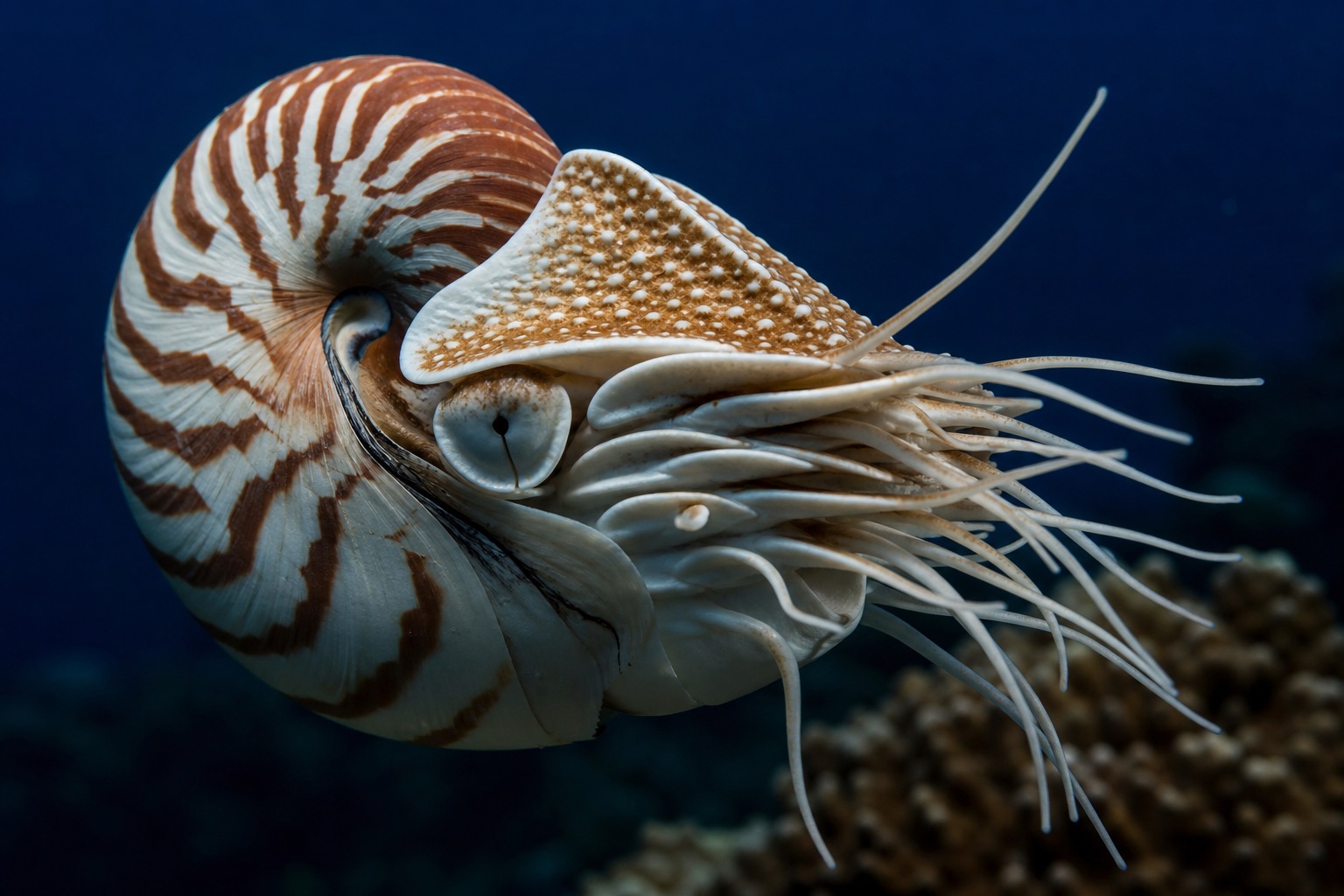
Vulnerable (IUCN 2018) — chambered nautilus; threatened by shell trade and slow reproduction
Nautilus
Nautilus pompilius (Linnaeus, 1758) — family Nautilidae; genus Nautilus among six living nautiloid species
The chambered nautilus (Nautilus pompilius) is a nocturnal Indo-Pacific cephalopod with an external coiled shell and pinhole eyes; it adjusts buoyancy with gas-filled chambers, is listed Vulnerable due to shell trade and slow reproduction, and represents an ancient nautiloid lineage.
Read the guide →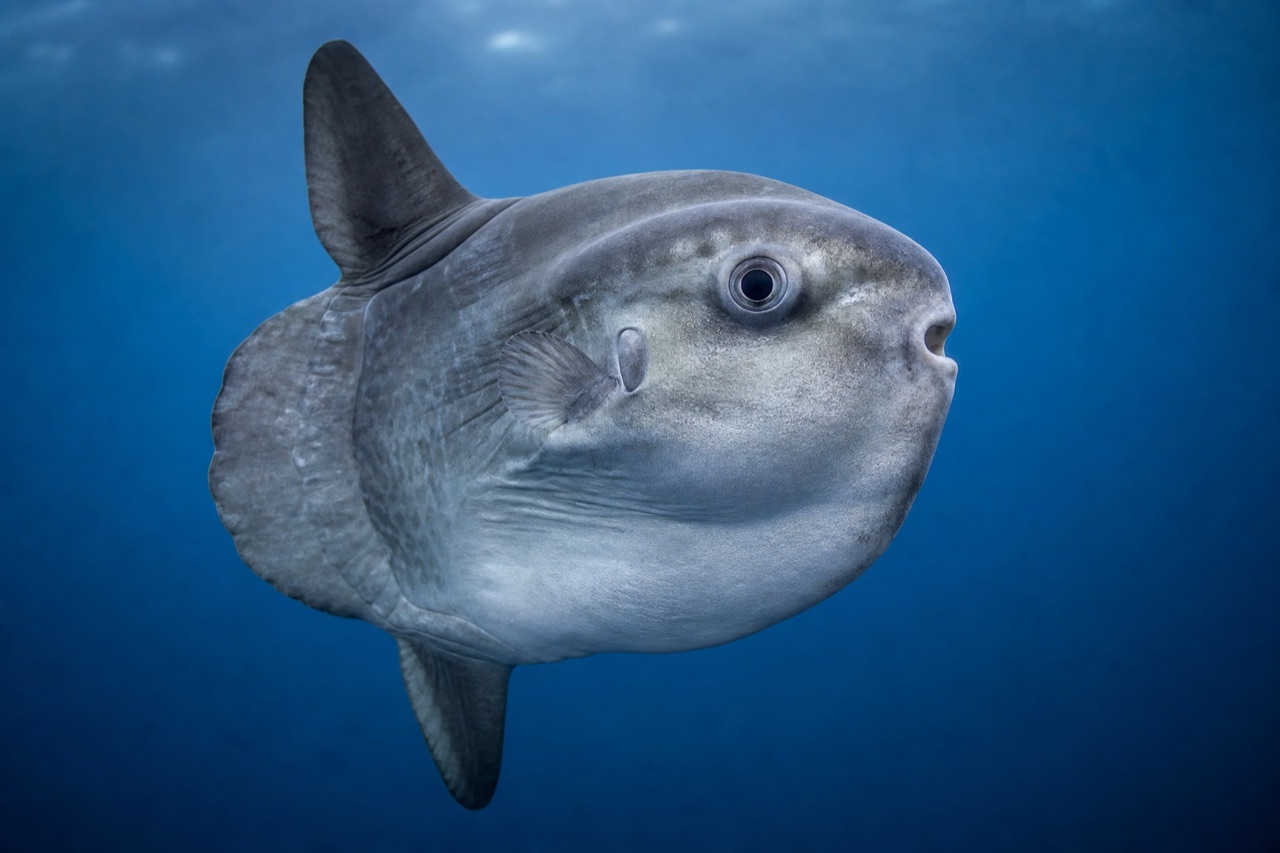
Vulnerable — the heaviest bony fish alive
Ocean Sunfish
Mola mola (Linnaeus, 1758) — family Molidae
The ocean sunfish (Mola mola) is the heaviest bony fish alive at over two tonnes, has no true tail fin, feeds largely on gelatinous plankton, and grows to around 60 million times its larval weight.
Read the guide →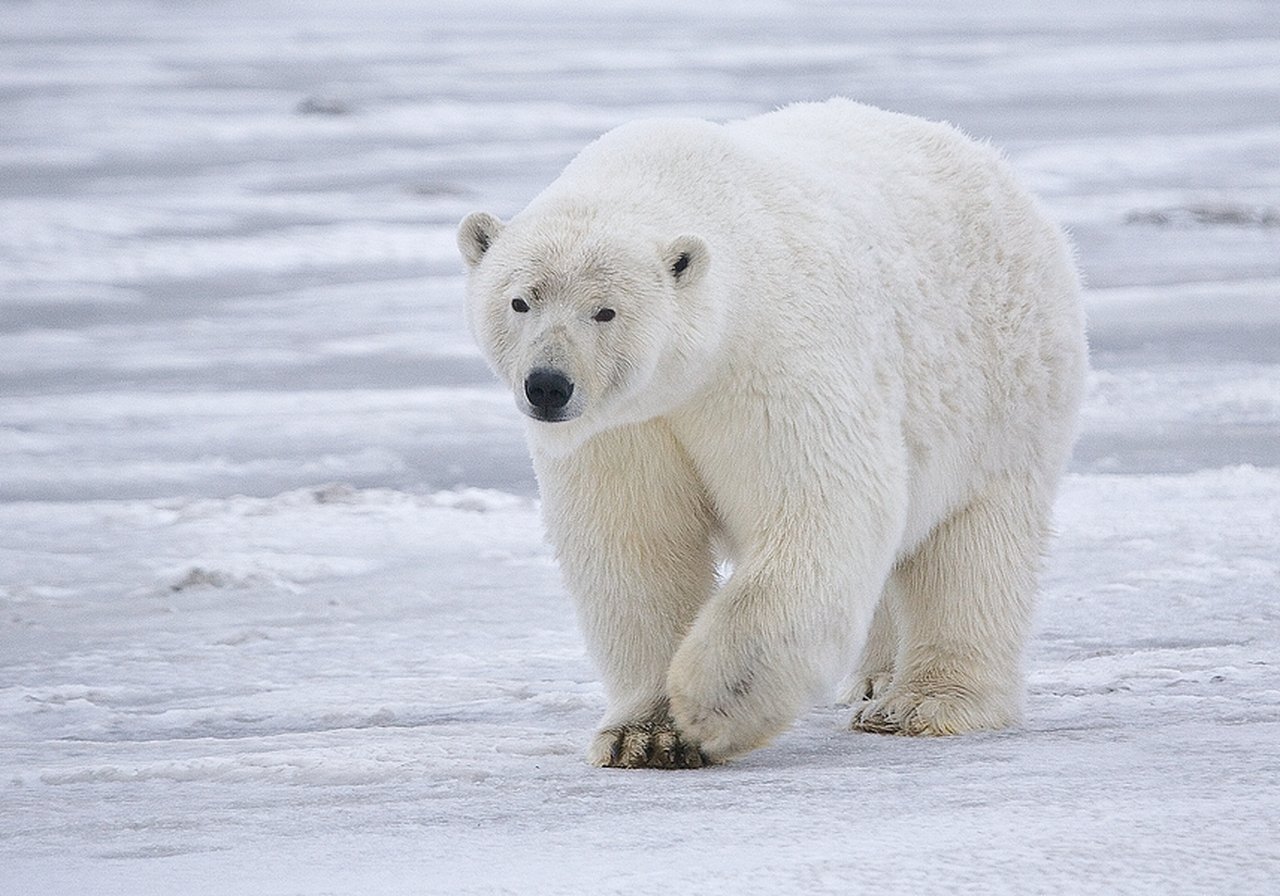
Vulnerable
Polar Bear
Ursus maritimus (Popham, 1774)
The polar bear (Ursus maritimus) is listed as Vulnerable by the IUCN, with an estimated 22,000–31,000 individuals; climate change and the loss of Arctic sea ice are the primary threats to its survival.
Read the guide →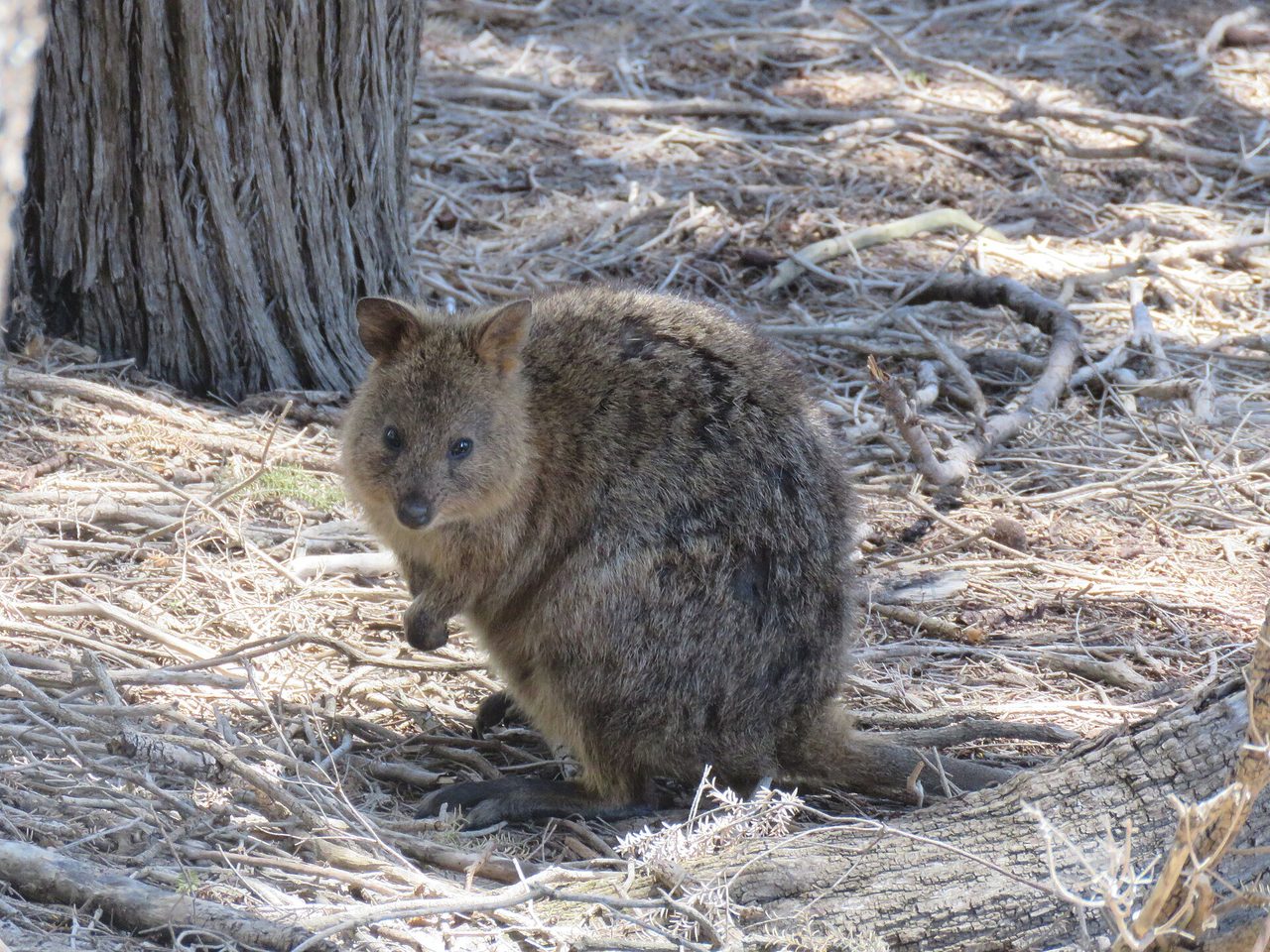
Vulnerable
Quokka
Setonix brachyurus
The quokka is a Vulnerable marsupial found only in south-western Western Australia, best known for its photogenic "smile" but facing serious threats from feral predators, habitat loss, and climate change.
Read the guide →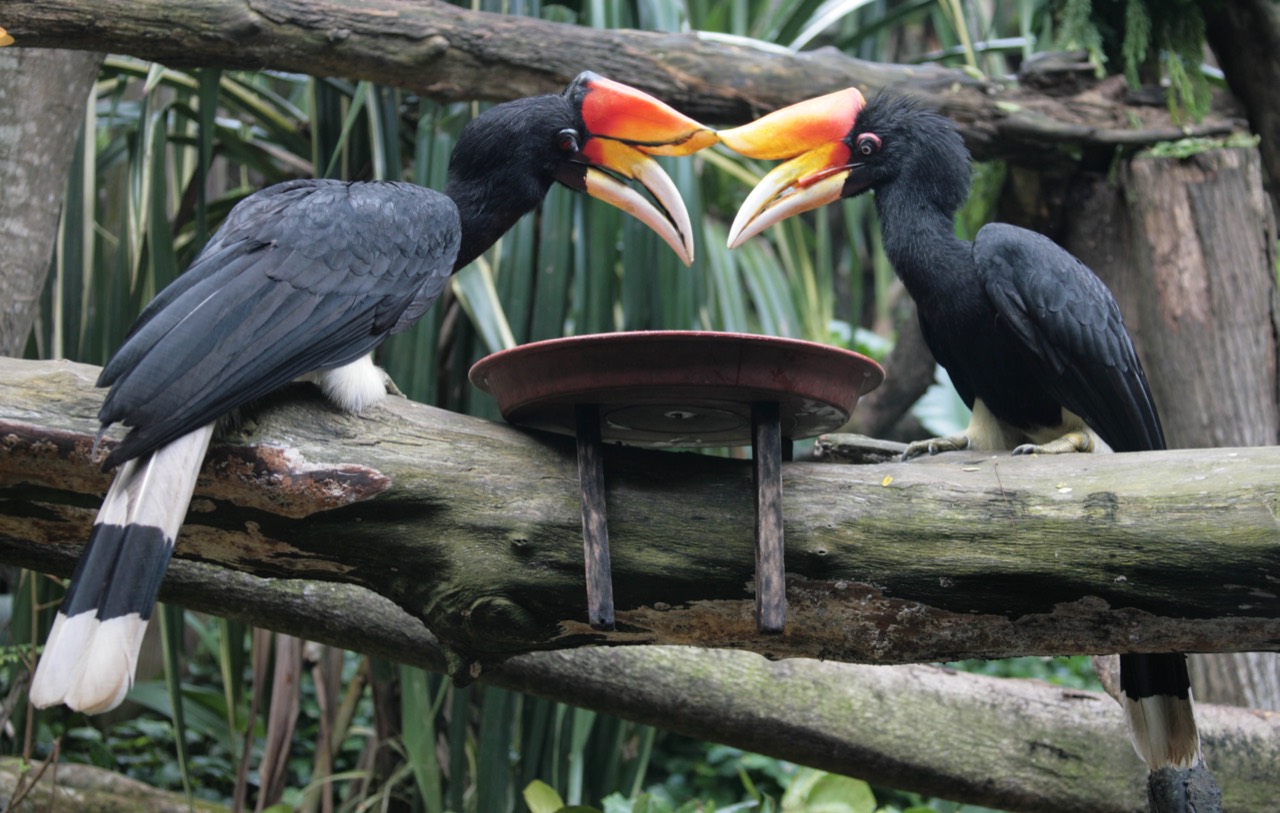
Vulnerable (IUCN 2018) — uplisted from Near Threatened
Rhinoceros Hornbill
Buceros rhinoceros
A Rhinoceros Hornbill is a large black-and-white rainforest bird (Buceros rhinoceros) native to Southeast Asia, named for the big curved orange casque above its bill; the IUCN classes it as Vulnerable.
Read the guide →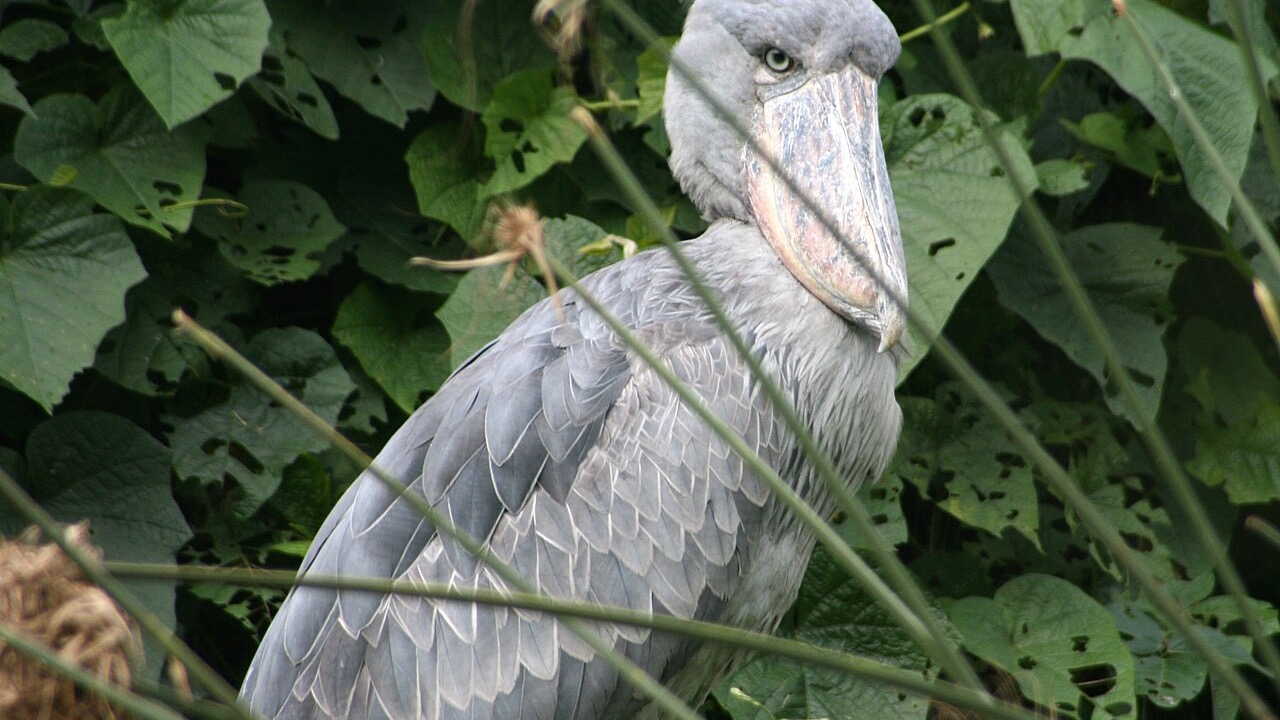
Vulnerable (IUCN, 2018)
Shoebill
Balaeniceps rex
The shoebill (Balaeniceps rex) is a Vulnerable African swamp bird famous for its massive shoe-shaped bill and motionless hunting posture; roughly 5,000–8,000 individuals remain in Central and East African wetlands.
Read the guide →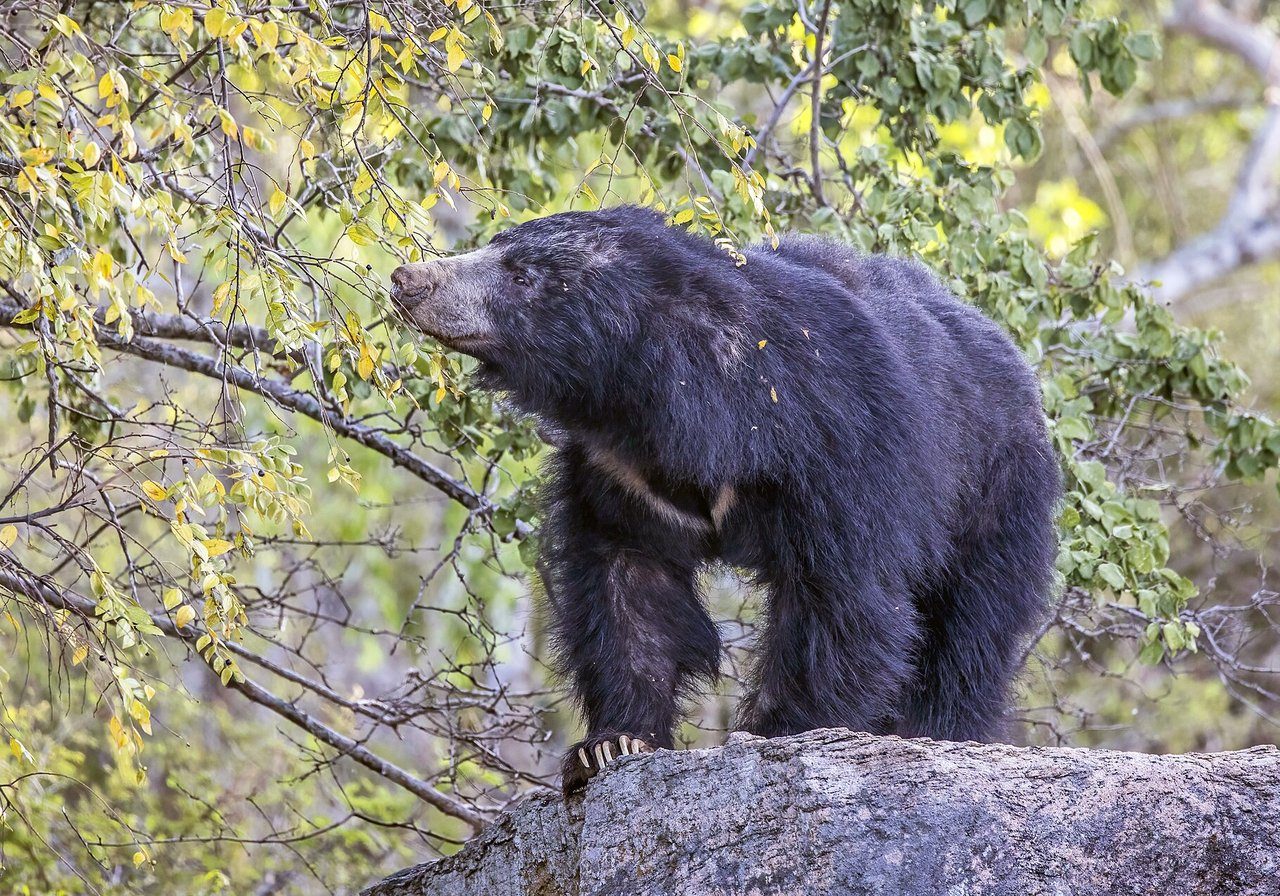
Vulnerable
Sloth Bear
Melursus ursinus (Cuvier, 1793)
The sloth bear (Melursus ursinus) is a Vulnerable myrmecophagous bear of India, Nepal, Sri Lanka and Bhutan — adapted for eating ants and termites with long claws and a tube-like muzzle, threatened by habitat loss and conflict.
Read the guide →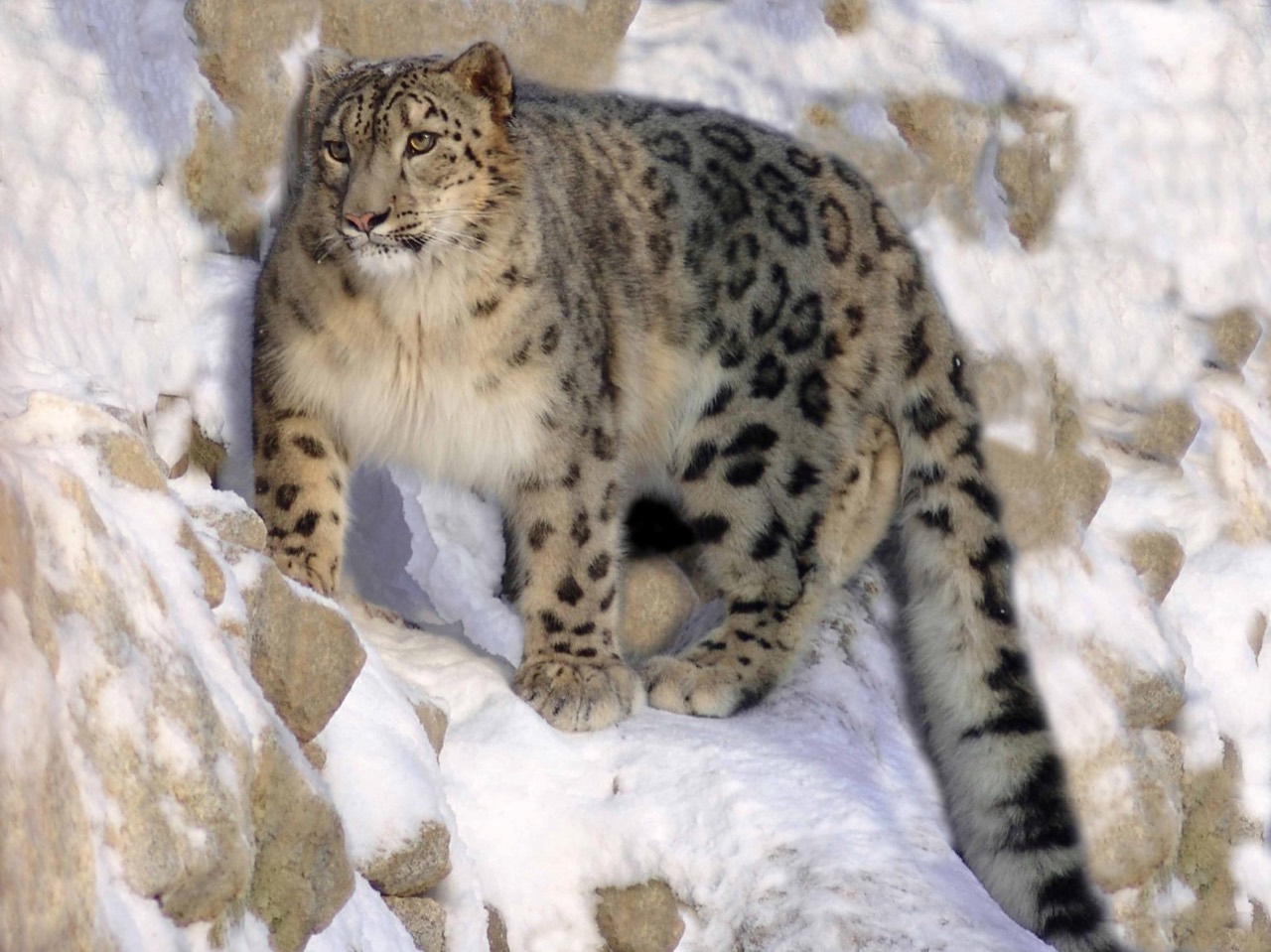
Vulnerable (downlisted from Endangered in 2017) — but fewer than 3,400 mature adults remain
Snow Leopard
Panthera uncia
A snow leopard (Panthera uncia) is a large wild cat native to the high mountains of Central and South Asia, recognised by its pale grey rosette-patterned coat and very long tail, and listed as Vulnerable on the IUCN Red List.
Read the guide →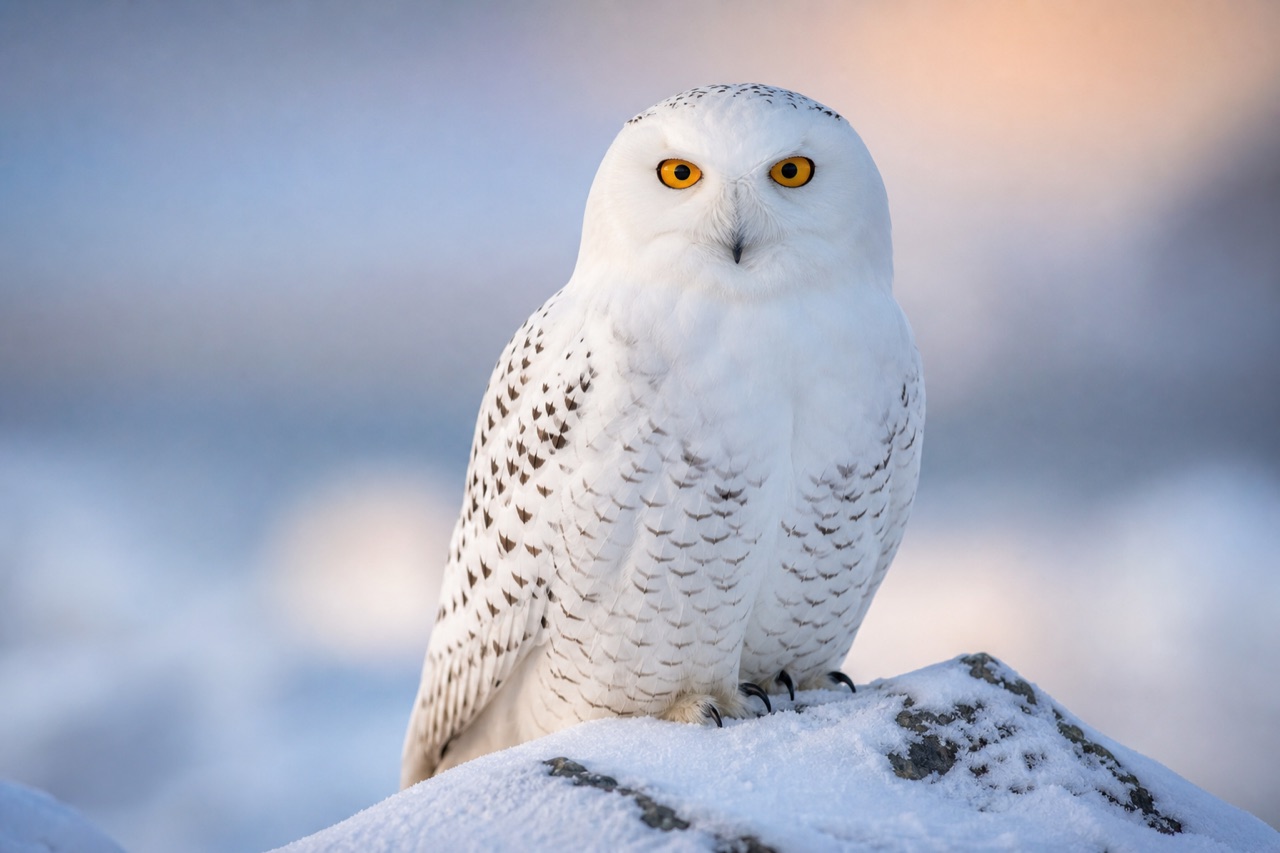
Vulnerable — reassessed in 2017 after population estimates were revised sharply downward
Snowy Owl
Bubo scandiacus (Linnaeus, 1758) — family Strigidae
The snowy owl (Bubo scandiacus) is a large, mainly white Arctic owl that hunts by day and is nomadic rather than territorial; its breeding success tracks lemming abundance, and it was reclassified as Vulnerable in 2017.
Read the guide →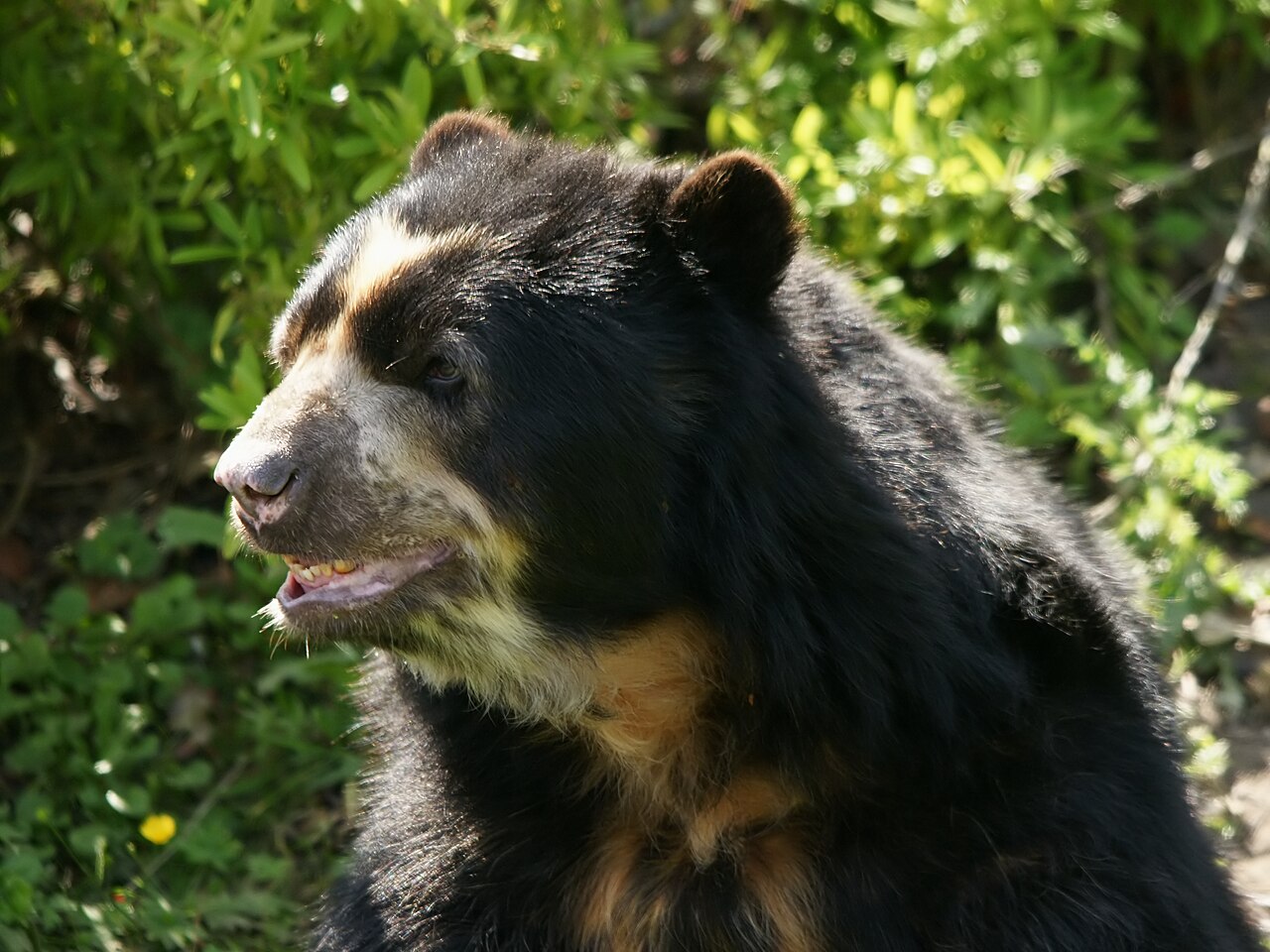
Vulnerable
Spectacled Bear
Tremarctos ornatus (F. Cuvier, 1825)
The spectacled bear is South America's only bear species and the last surviving short-faced bear; the IUCN lists it as Vulnerable, threatened by deforestation, conflict with farmers, and the illegal wildlife trade.
Read the guide →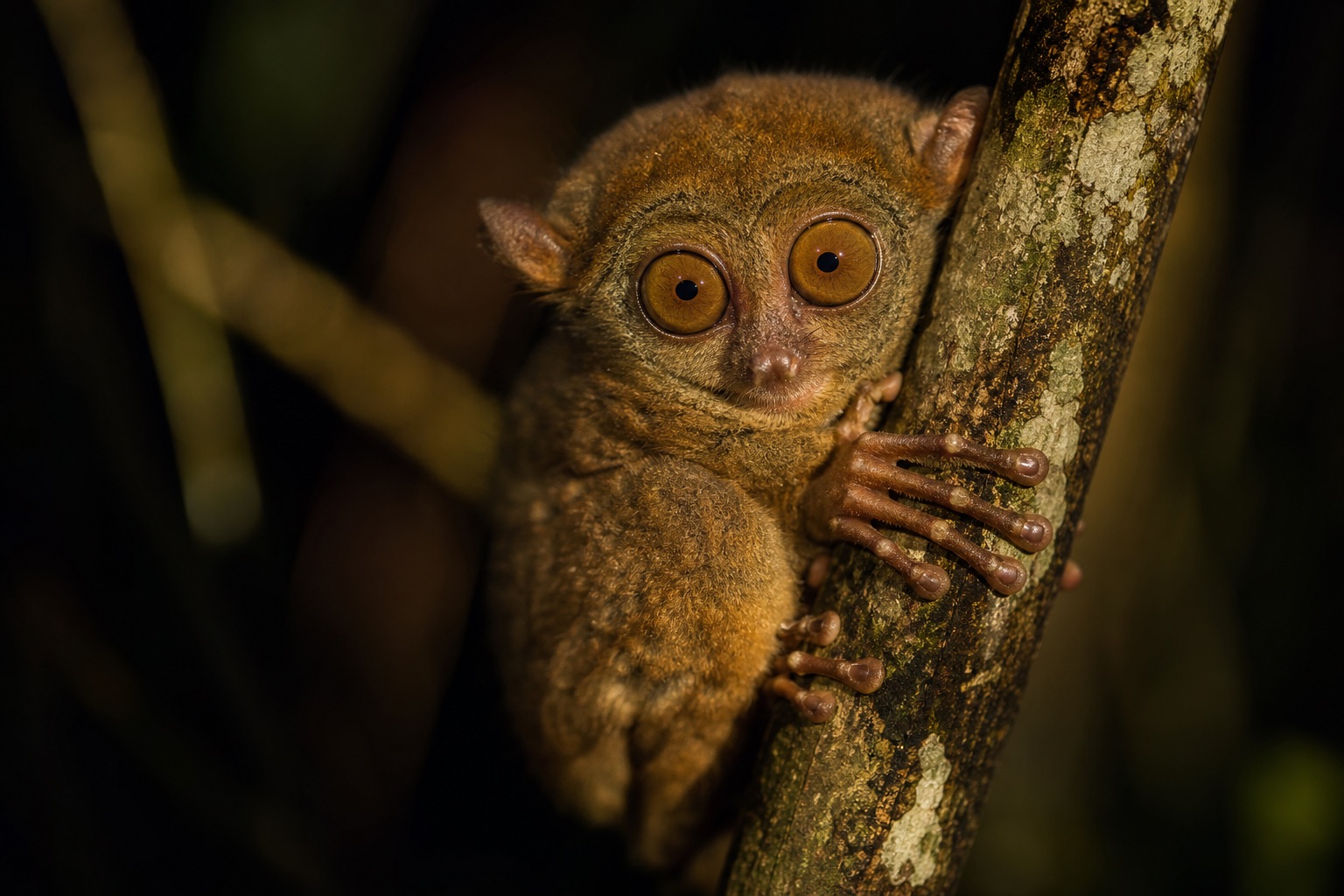
Vulnerable — forest loss on Sulawesi
Spectral Tarsier
Tarsius tarsier (Erxleben, 1777) — family Tarsiidae
The spectral tarsier (Tarsius tarsier) is a tiny nocturnal primate of Sulawesi with eyes larger than its brain, head rotation of nearly 180 degrees, and ultrasonic vocalisations; it is listed Vulnerable as forest is lost across Wallacea.
Read the guide →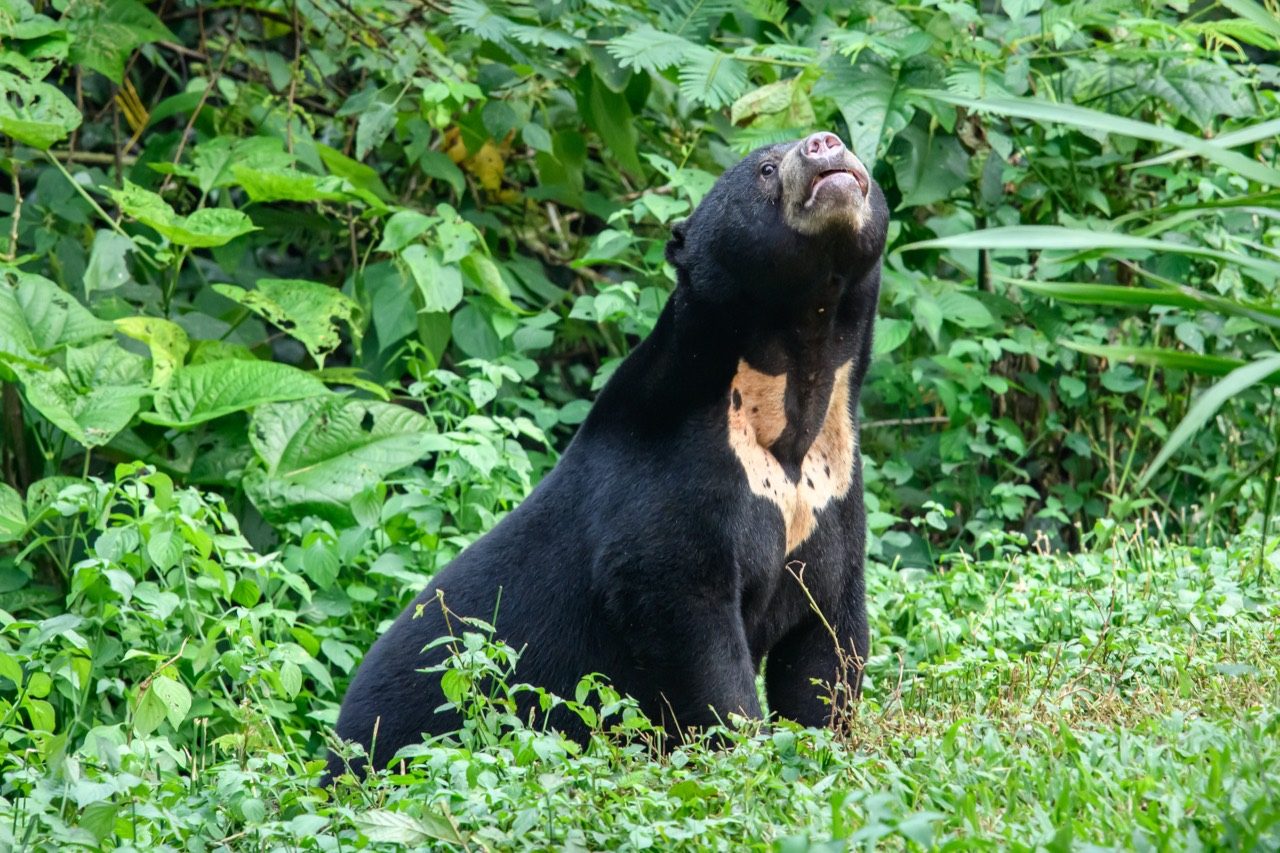
Vulnerable
Sun Bear
Helarctos malayanus (Raffles, 1821)
Sun bears are the world's smallest bears, native to Southeast Asia, and are listed as Vulnerable by the IUCN; they are threatened by deforestation, the pet trade, and the bear bile industry, in which bears are caged for years and milked for bile used in traditional medicine.
Read the guide →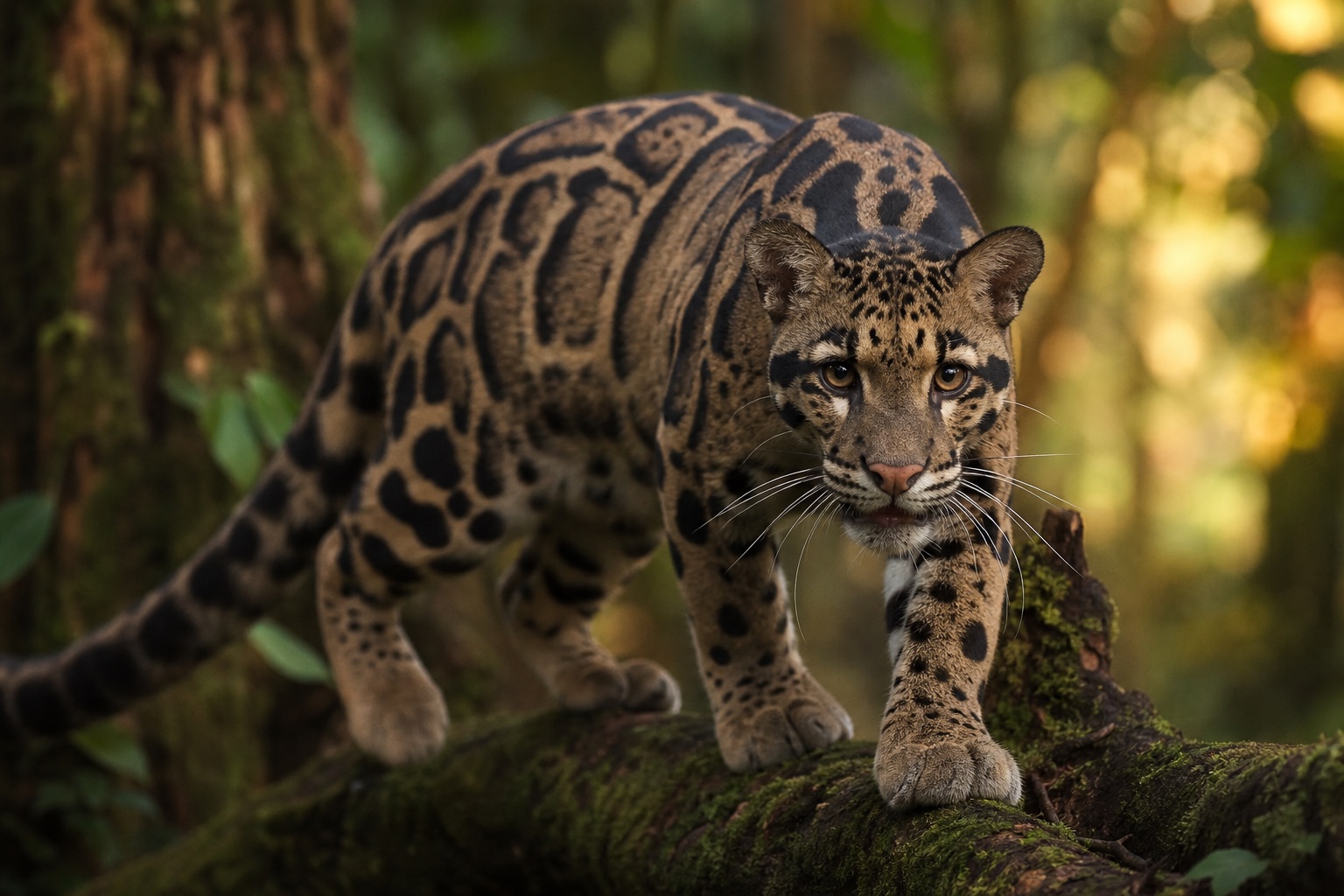
Vulnerable — separate species since 2006; longest canines relative to skull among living cats
Sunda Clouded Leopard
Neofelis diardi (Cuvier, 1823) — family Felidae
The Sunda clouded leopard (Neofelis diardi) is a Vulnerable tree-dwelling cat of Borneo and Sumatra, a separate species since 2006, with the longest canines relative to skull among living cats; oil palm, pulpwood, mining and snaring drive losses.
Read the guide →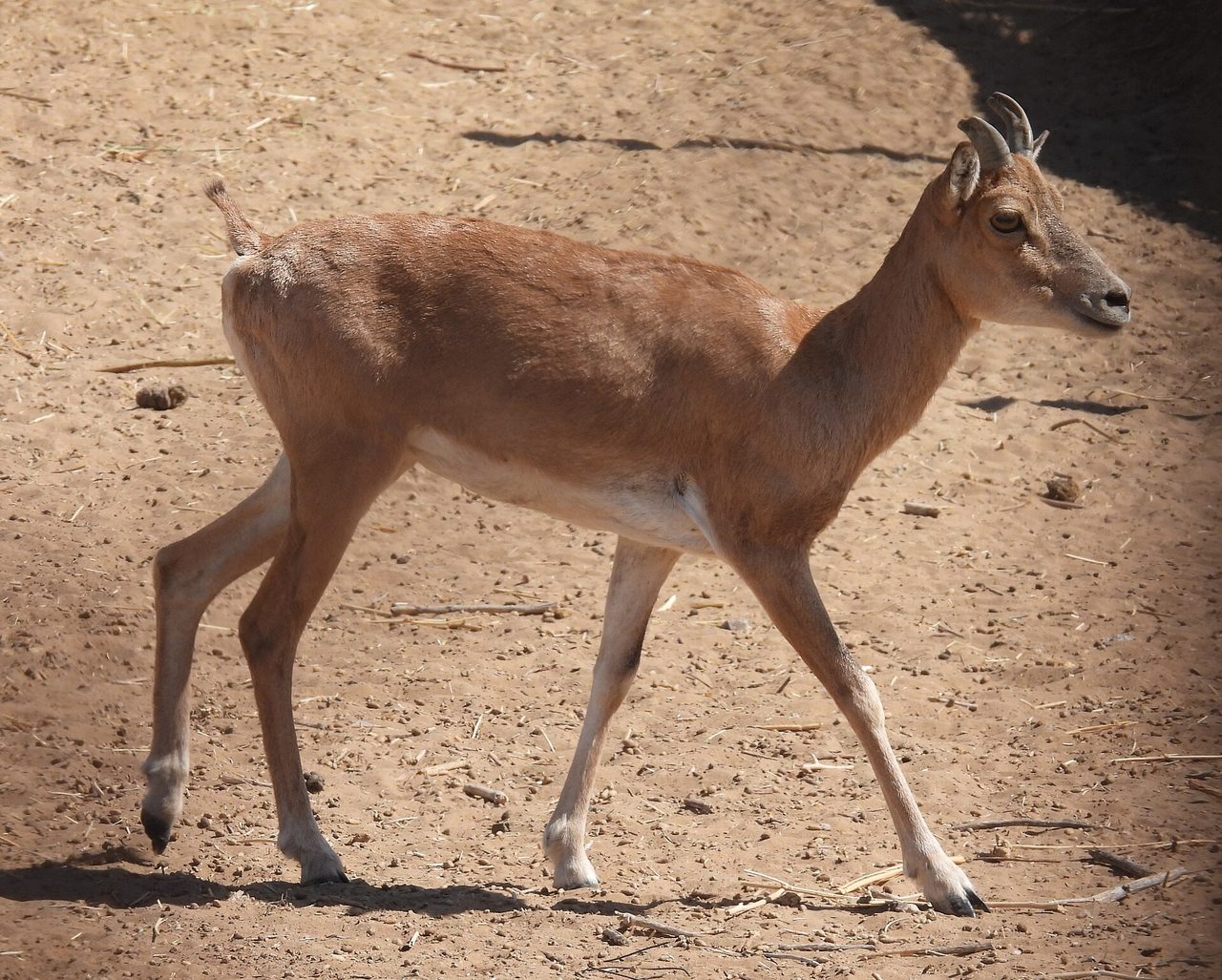
Vulnerable
Urial
Ovis vignei
The urial (Ovis vignei) is a Vulnerable wild sheep of Central and South Asia, with around 30,000 individuals remaining and populations declining across most of its range due to poaching, habitat loss, and livestock competition.
Read the guide →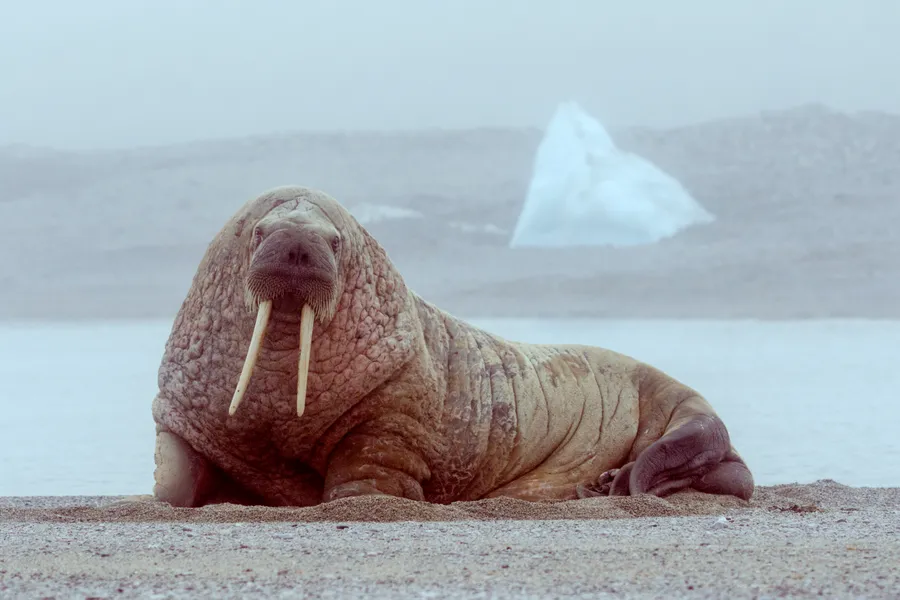
Vulnerable (IUCN, 2021)
Walrus
Odobenus rosmarus
A walrus (Odobenus rosmarus) is a huge Arctic pinniped, or fin-footed marine mammal, famous for its long ivory tusks and bristly whiskered snout. It hauls out on sea ice and dives to the seabed to feed on clams, using sensitive whiskers to find shellfish in dark water.
Read the guide →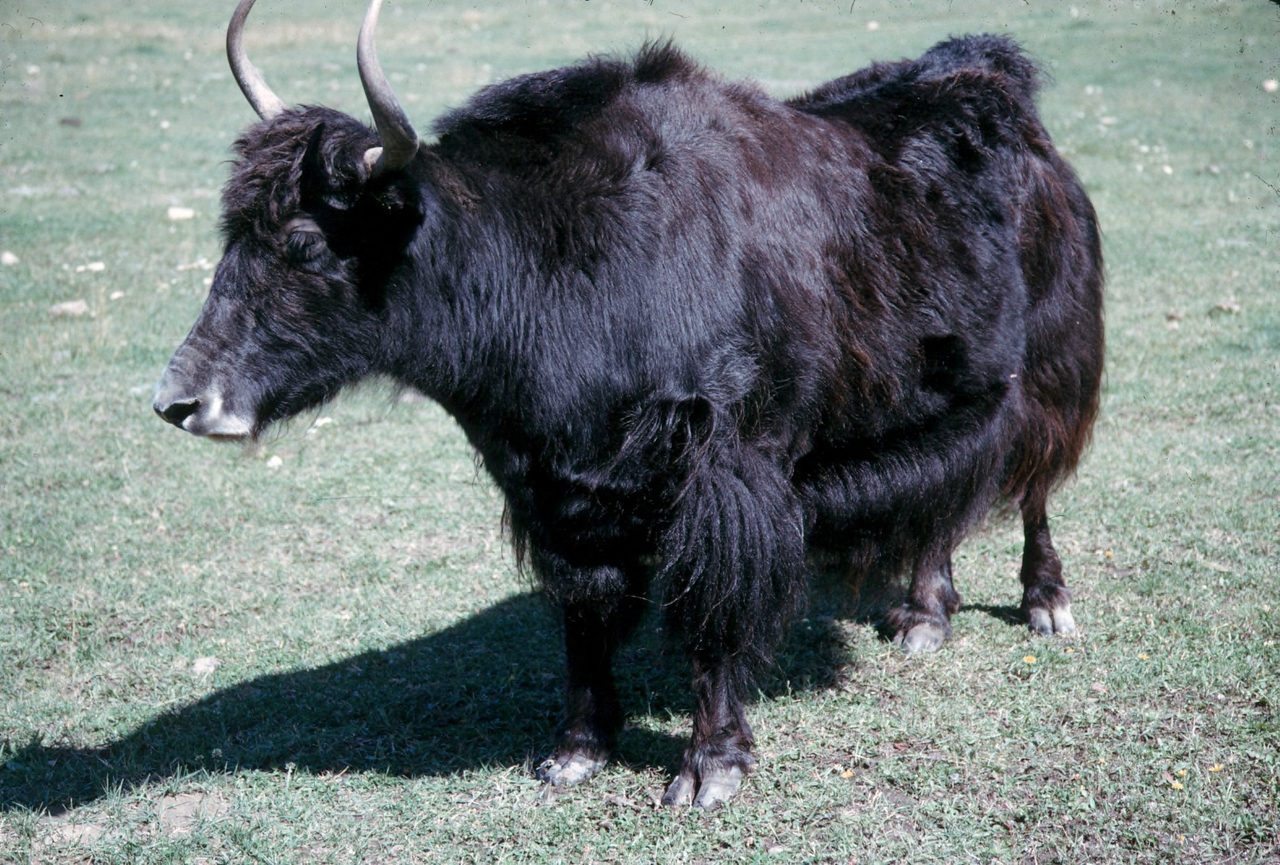
Vulnerable
Yak
Bos mutus (Przewalski, 1883)
The wild yak (Bos mutus) is a Vulnerable high-altitude bovid of the Tibetan Plateau and Himalayas — ancestor of the domestic yak, threatened by hunting, hybridisation and habitat disturbance; remnant populations persist in Pakistan and Nepal.
Read the guide →