Birds · 26 species guides
Garden Birds: Identification & How to Help
Garden birds are the species that regularly feed, nest or shelter in gardens and parks — in Britain and northern Europe this means robins, blue tits, house sparrows, blackbirds, starlings, goldfinches, wrens, dunnocks, magpies and woodpigeons, among others.
- Size against a familiar bird
- Use the house sparrow as a mental ruler. Smaller: wren, blue tit, goldfinch. Similar: robin, dunnock. Larger: blackbird, starling, then woodpigeon.
- Behaviour on the ground
- Blackbirds hop and pause; starlings walk quickly and probe; dunnocks shuffle low along the base of hedges with a distinctive flicking motion.
- Feeder position
- Tits and goldfinches hang and cling; sparrows and finches perch and crack seed; robins and dunnocks mostly feed on what is dropped below.
- Song and call
- Often the fastest identification. The wren is astonishingly loud for its size and ends in a rattle; the robin sings a thin, wistful phrase through winter when little else does.
Garden bird is a habitat relationship rather than a scientific category. What unites a robin, a woodpigeon and a great spotted woodpecker is that all three will use a garden — for food, cover, nesting or all three — not any shared ancestry.
It is also the category where an individual can make the most measurable difference. Several familiar garden birds are in serious decline: house sparrows and starlings are both red-listed in the UK despite still being common sights, having lost a very large share of their populations since the 1970s. Feeding, water, nest boxes, hedges left uncut and cats kept in at dawn all have documented effects, which is not something you can say about most conservation problems.
Key facts
- Garden birds are defined by where they live alongside people, not by taxonomy — the group spans finches, thrushes, tits, corvids and pigeons.
- House sparrows and starlings are both UK red-listed despite remaining familiar, having declined substantially since the 1970s.
- Feeding matters most in late winter and early spring, when natural food is exhausted and birds are entering the breeding season.
- Nest boxes need a hole size matched to the species: 25 mm for blue tits, 28 mm for great tits, 32 mm for house sparrows, open-fronted for robins and wrens.
- Domestic cats kill very large numbers of garden birds. Keeping cats in at dawn and dusk and fitting a quick-release collar with a bell reduces the toll.
- Window strikes kill more birds than most people expect. Marks on the outside of the glass at close spacing are what works — a single silhouette sticker is not enough.
How to recognise them
The features that separate this group in the field, in the order they are usually most useful.
- Size against a familiar bird
- Use the house sparrow as a mental ruler. Smaller: wren, blue tit, goldfinch. Similar: robin, dunnock. Larger: blackbird, starling, then woodpigeon.
- Behaviour on the ground
- Blackbirds hop and pause; starlings walk quickly and probe; dunnocks shuffle low along the base of hedges with a distinctive flicking motion.
- Feeder position
- Tits and goldfinches hang and cling; sparrows and finches perch and crack seed; robins and dunnocks mostly feed on what is dropped below.
- Song and call
- Often the fastest identification. The wren is astonishingly loud for its size and ends in a rattle; the robin sings a thin, wistful phrase through winter when little else does.
- The confusion pairs
- House sparrow versus dunnock: the dunnock has a fine pointed bill and grey head, the sparrow a thick conical bill. Starling versus blackbird: starlings are glossy, spotted and short-tailed.
26 garden birds guides
Search or filter by conservation status. Every guide carries sourced facts, IUCN status and FAQs.
Common names, scientific names and places are searchable.
Showing 1–24 of 26 guides
Birds
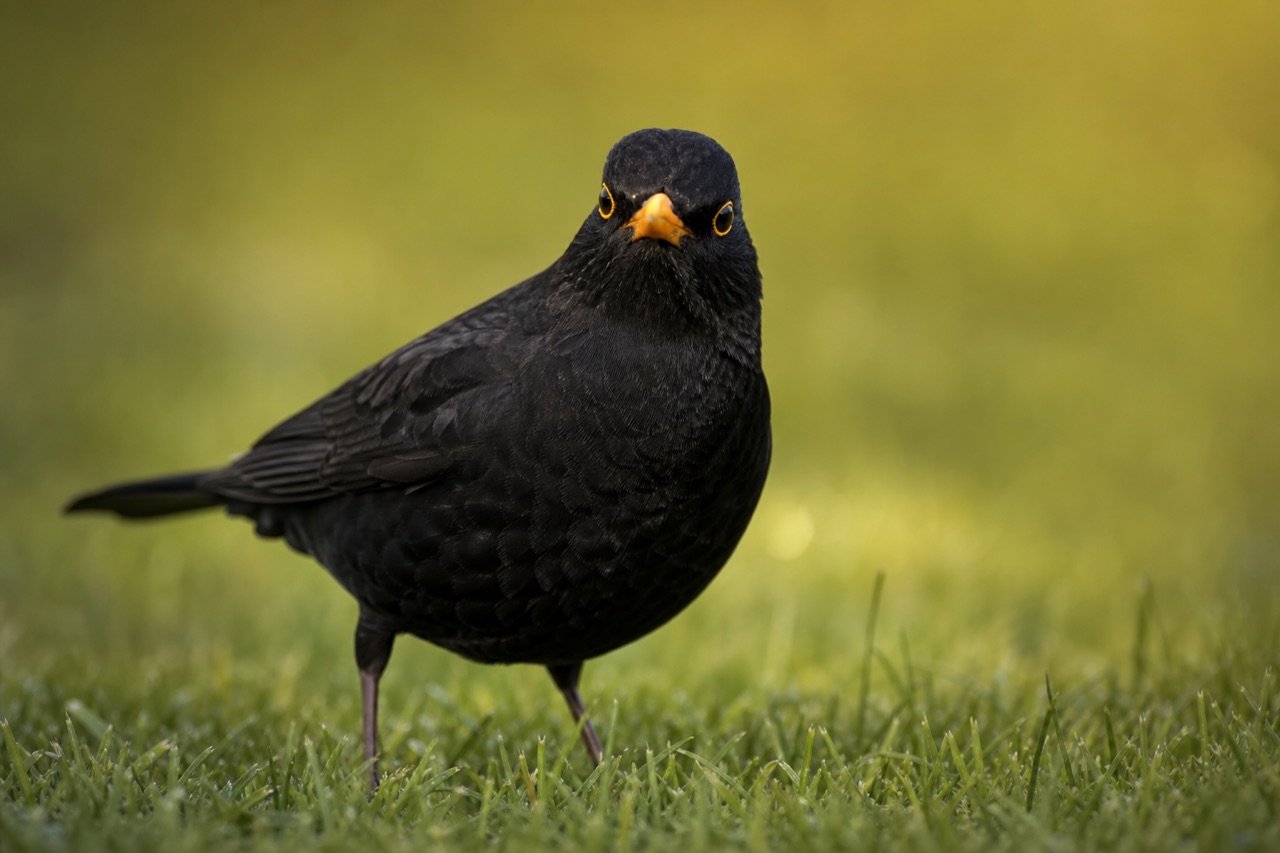
BBlackbird
Turdus merula (Linnaeus, 1758) — family Turdidae
The song that starts before dawn — and the bird most likely to nest in your hedge.
Europe, North Africa and western Asia · Introduced to Australia and New Zealand
Open guide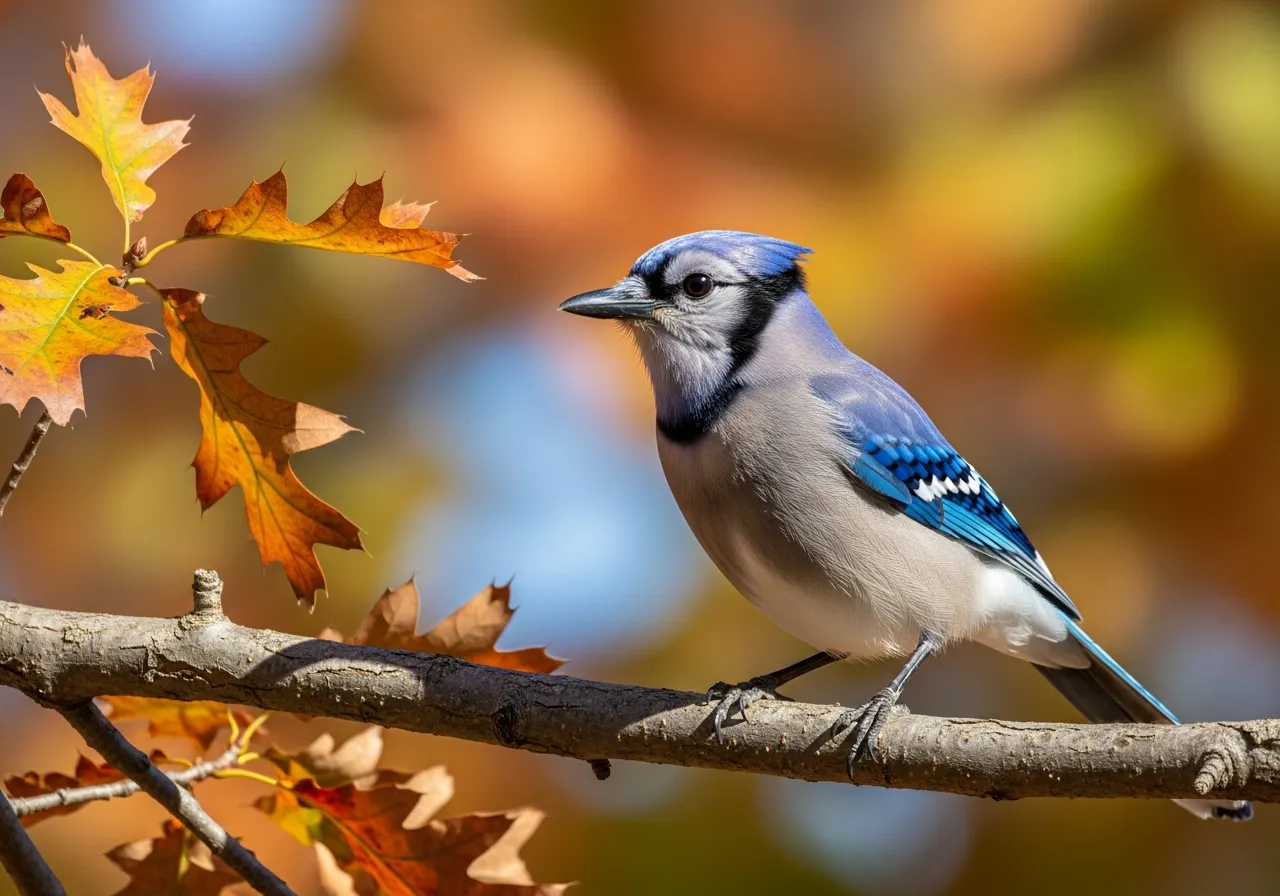
Birds
BBlue Jay
Cyanocitta cristata
The bold, blue-crested corvid that mimics hawks and plants oak forests one acorn at a time.
North America
Open guide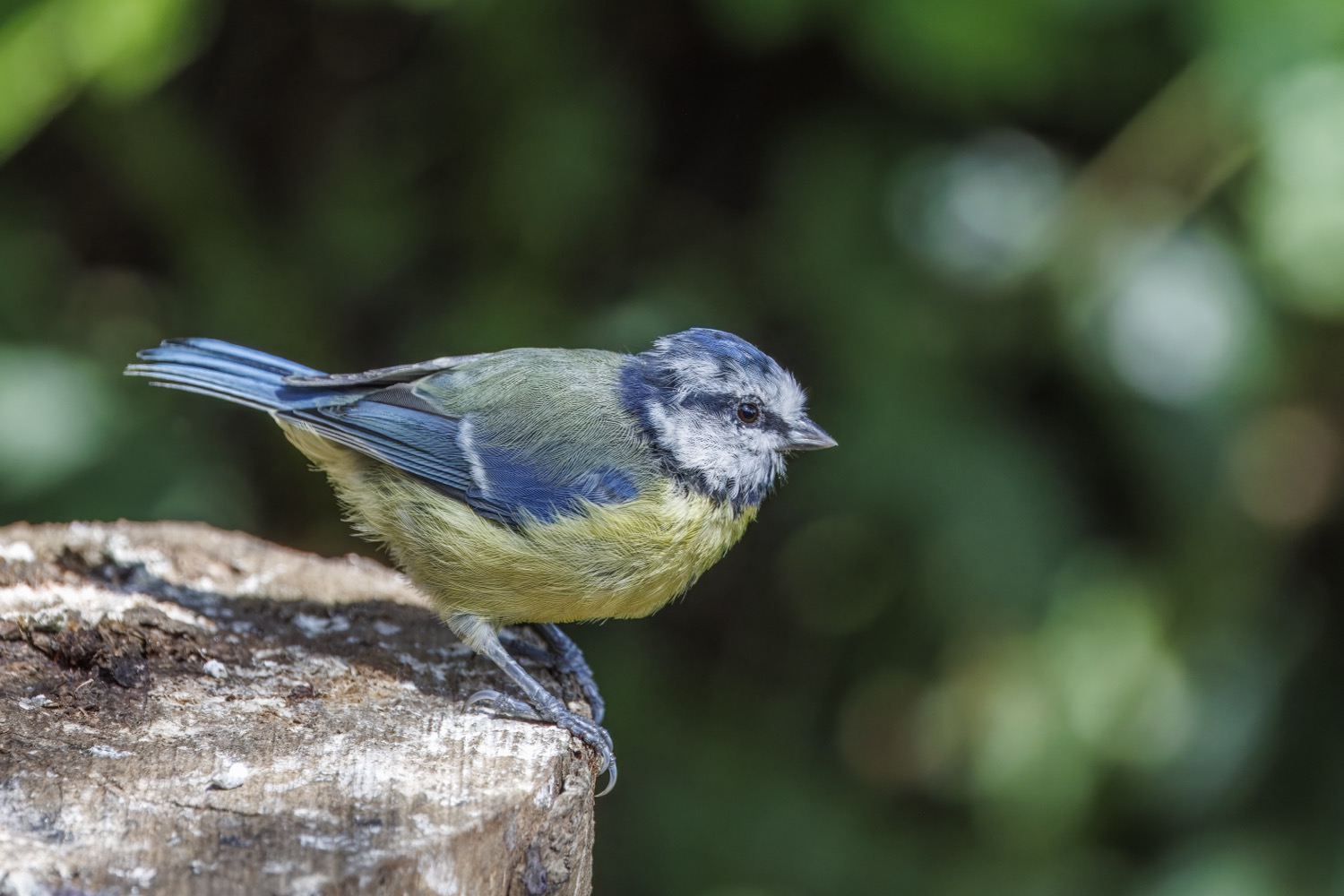
Birds
BBlue Tit
Cyanistes caeruleus
The acrobatic blue-and-yellow regular of European gardens.
United Kingdom and Ireland · Mainland Europe
Open guide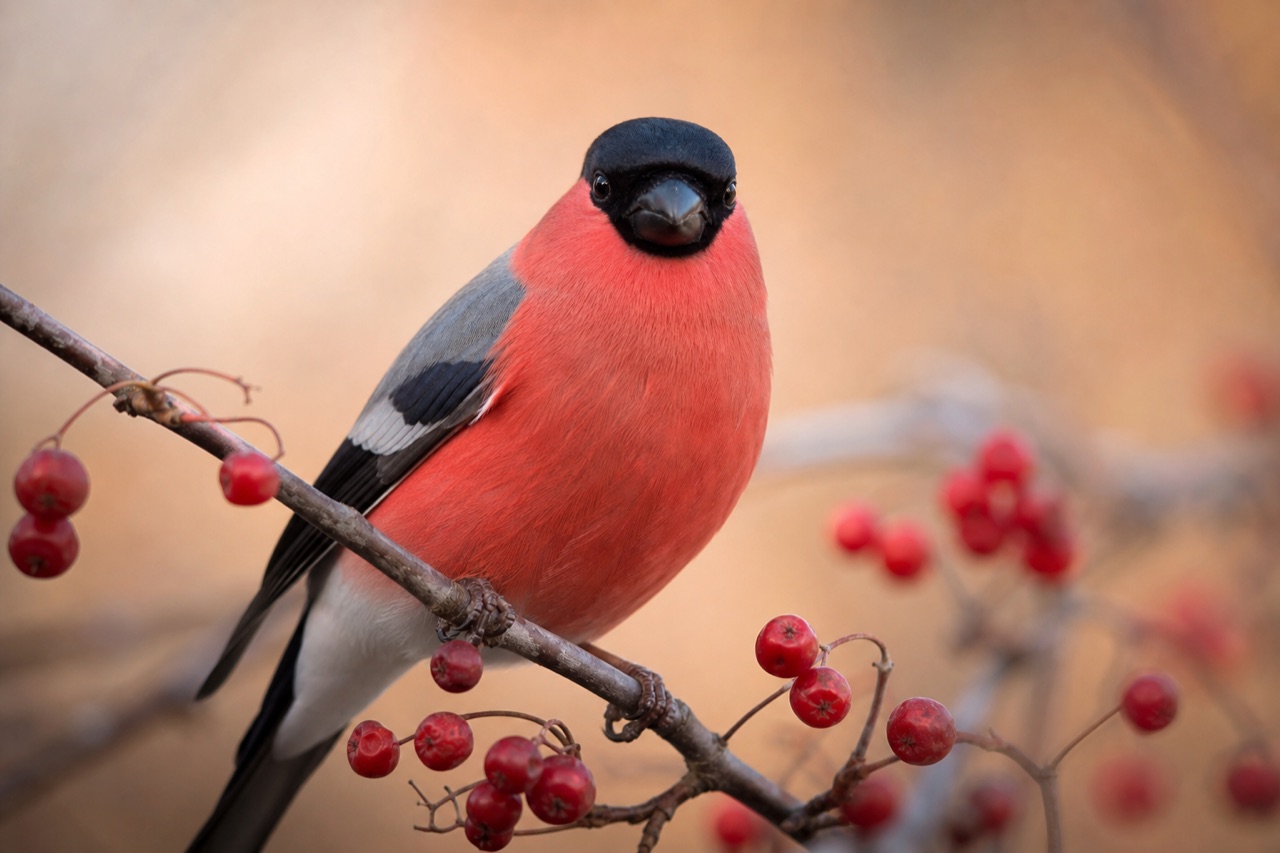
Birds
BBullfinch
Pyrrhula pyrrhula (Linnaeus, 1758) — family Fringillidae
Pink, shy and broad-billed — the finch fruit growers watch in winter.
Deciduous woodland and scrub across Europe and temperate Asia · Local in British gardens near scrub and orchards
Open guide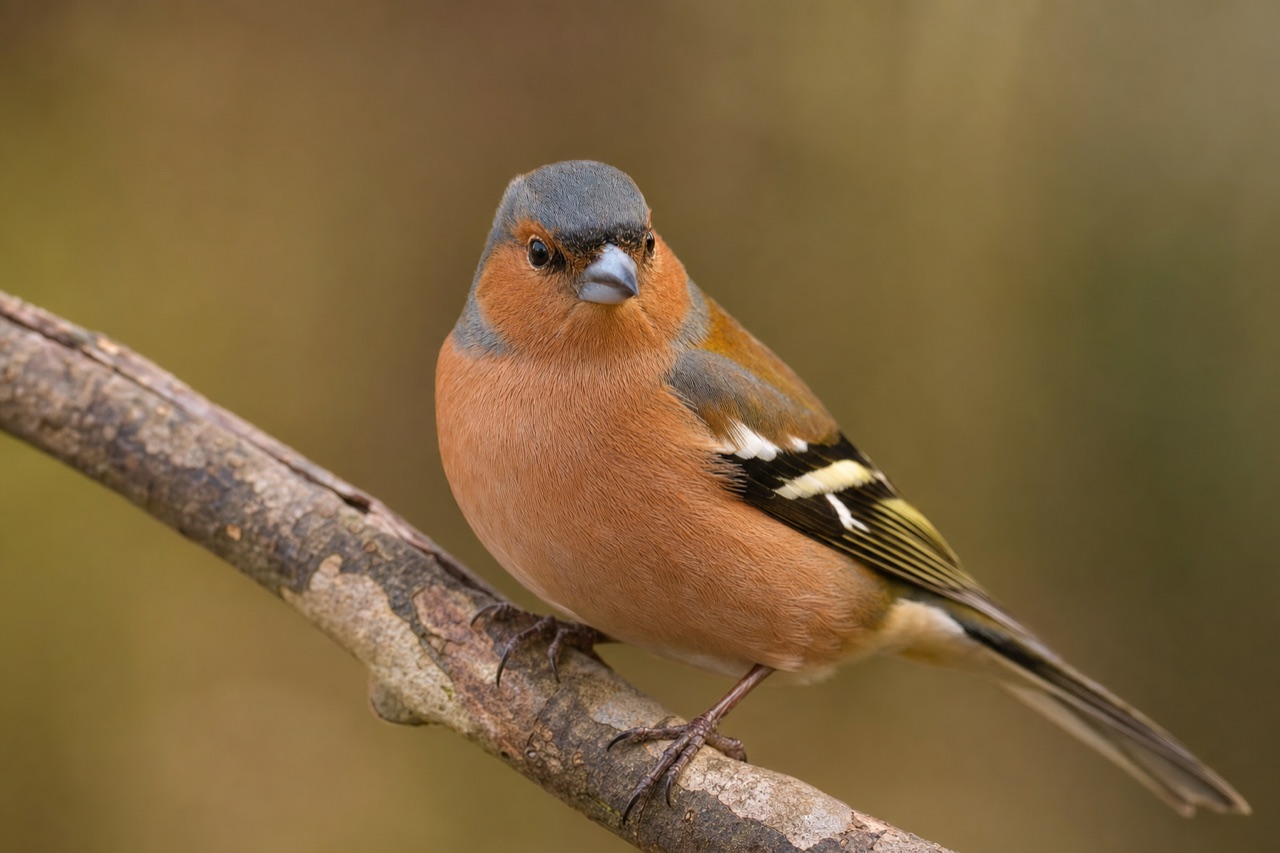
Birds
CChaffinch
Fringilla coelebs (Linnaeus, 1758) — family Fringillidae
Britain's commonest finch — pink-breasted in spring, picking seed beneath your feeders.
Woodland, farmland and gardens across Europe and western Asia · Widespread throughout Britain and Ireland
Open guide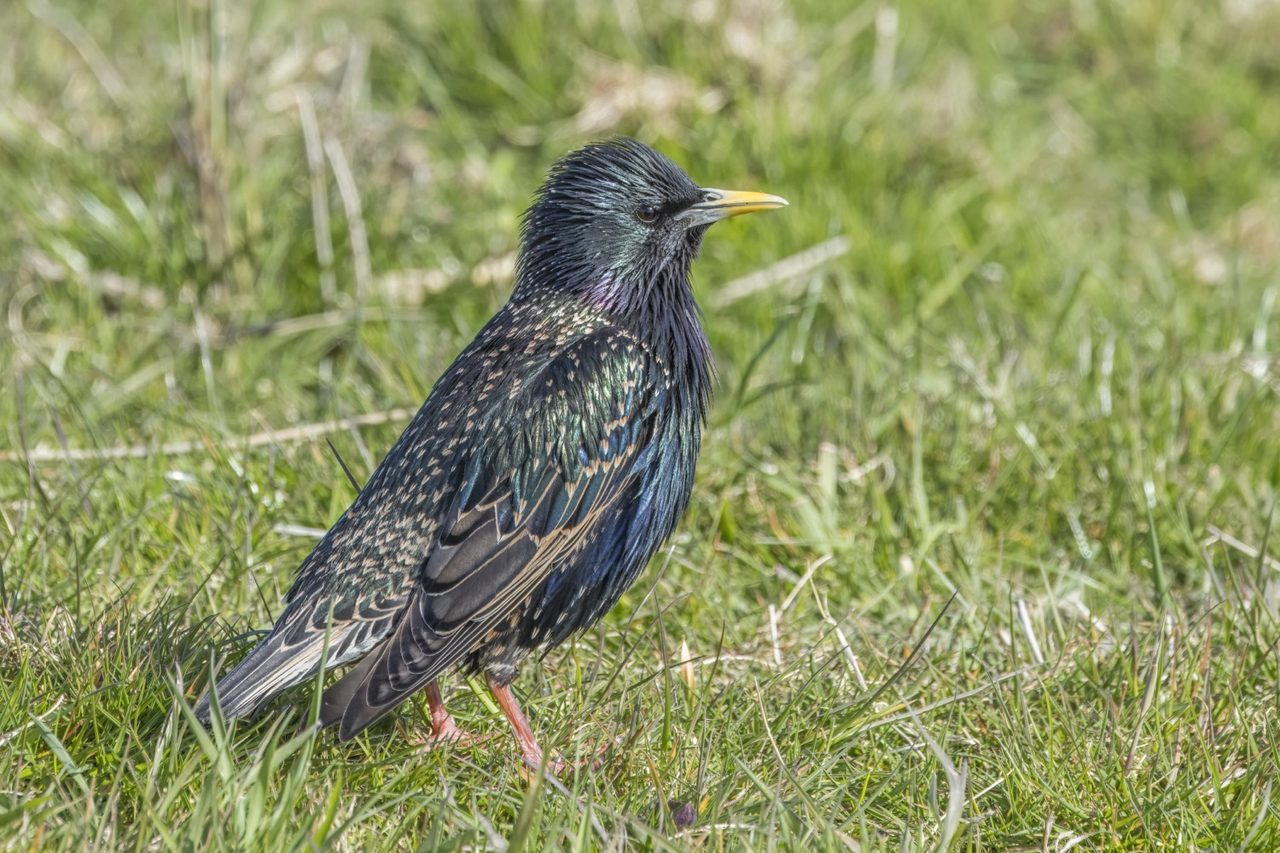
Birds
CCommon Starling
Sturnus vulgaris
The speckled mimic behind winter's swirling murmurations
Europe · North Africa
Open guide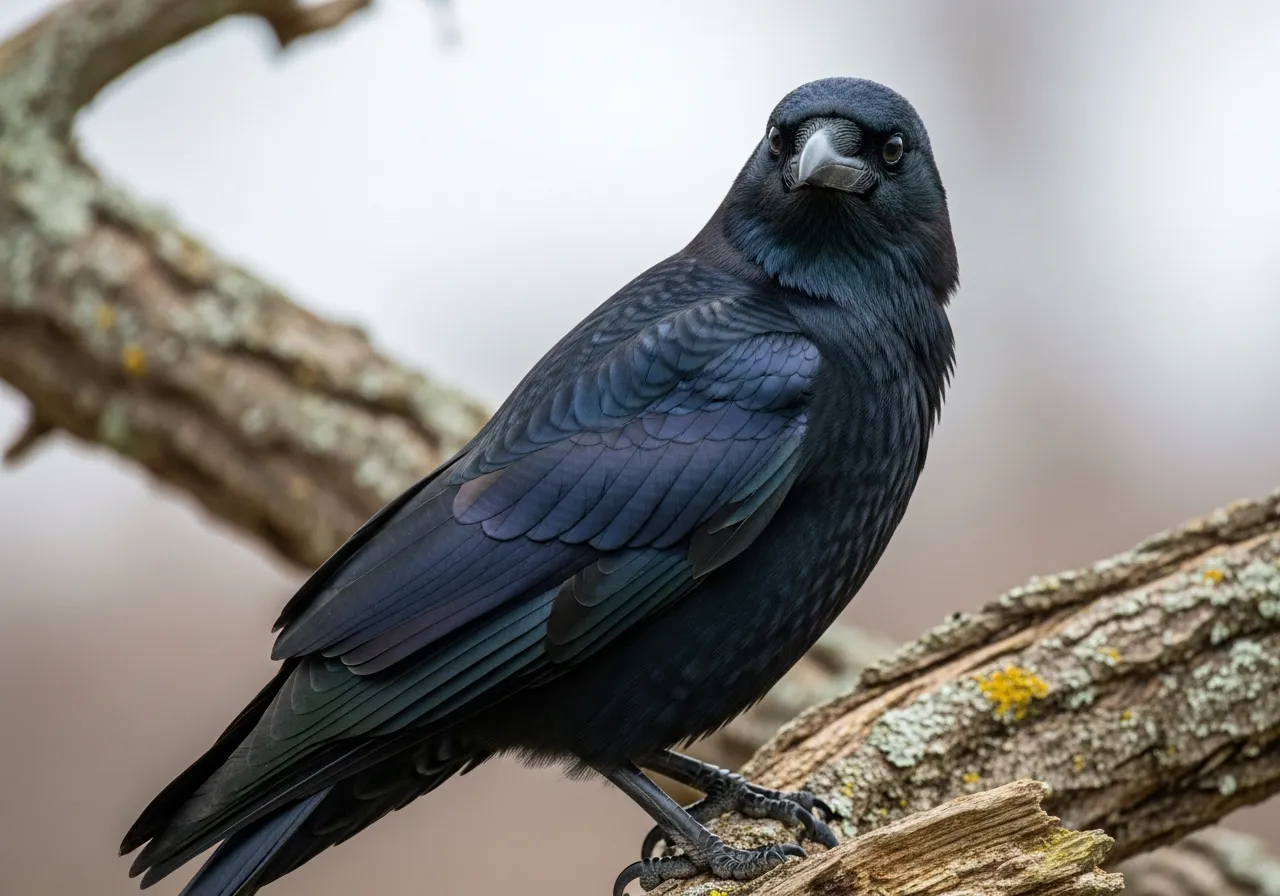
Birds
CCrow
Corvus
Among the cleverest birds on Earth — tool-users, problem-solvers and faces in the crowd.
North America · Europe
Open guide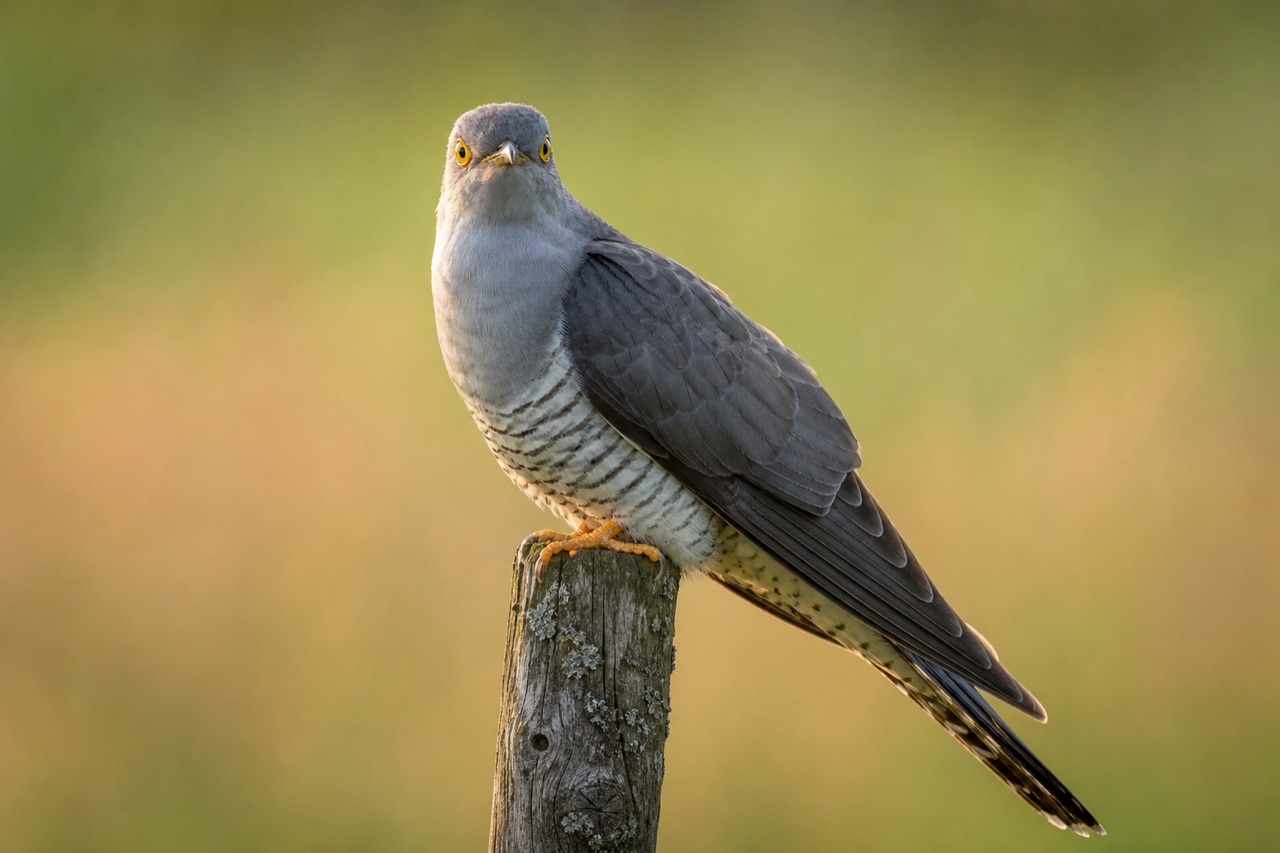
Birds
CCuckoo
Cuculus canorus (Linnaeus, 1758) — family Cuculidae
The call of spring — and a brood parasite that fooled a continent.
Breeds across Europe and Asia to Mongolia · Winters in sub-Saharan Africa; summer visitor to Britain
Open guide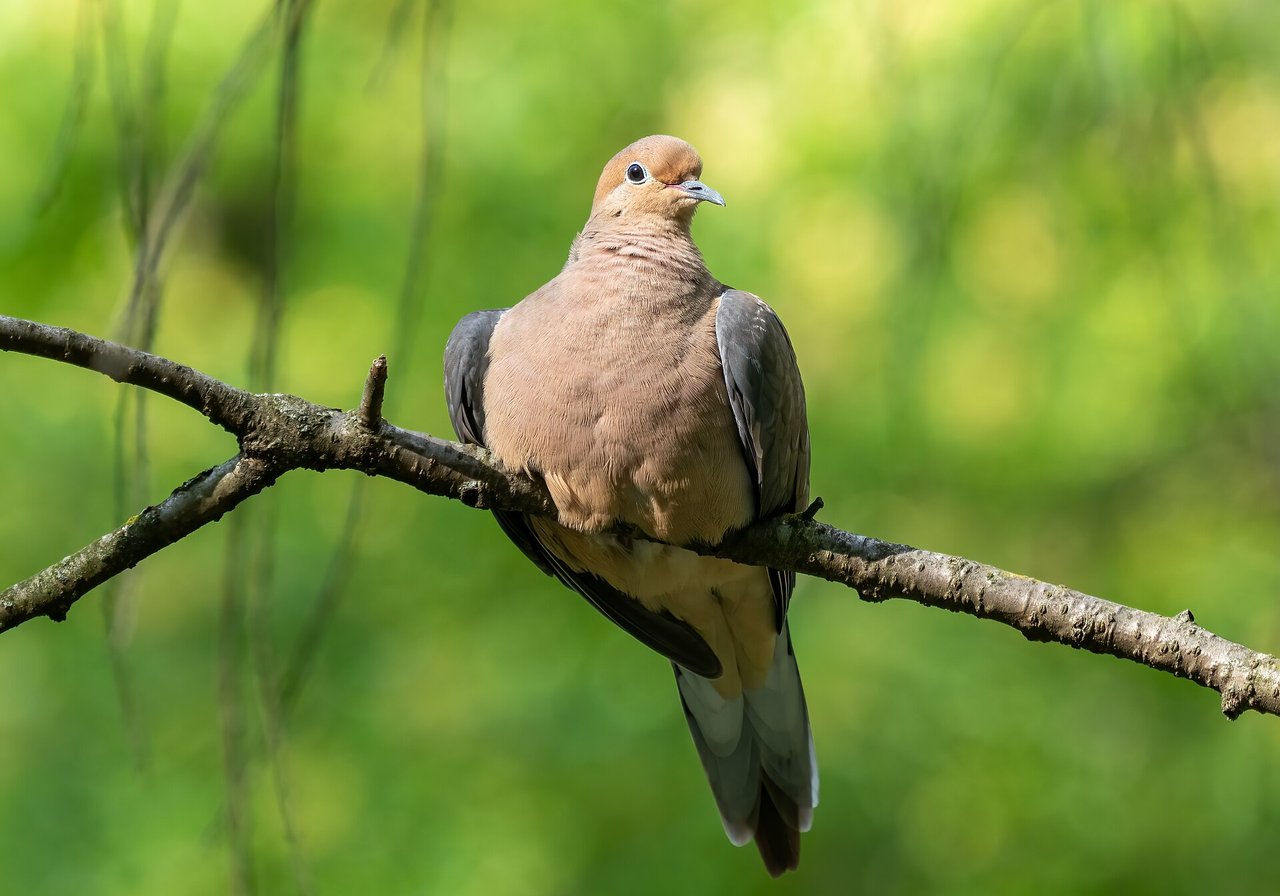
Birds
DDove
Streptopelia turtur (Linnaeus, 1758)
A summer voice of European woodland — vanishing on its migration to Africa.
Europe · western Asia
Open guide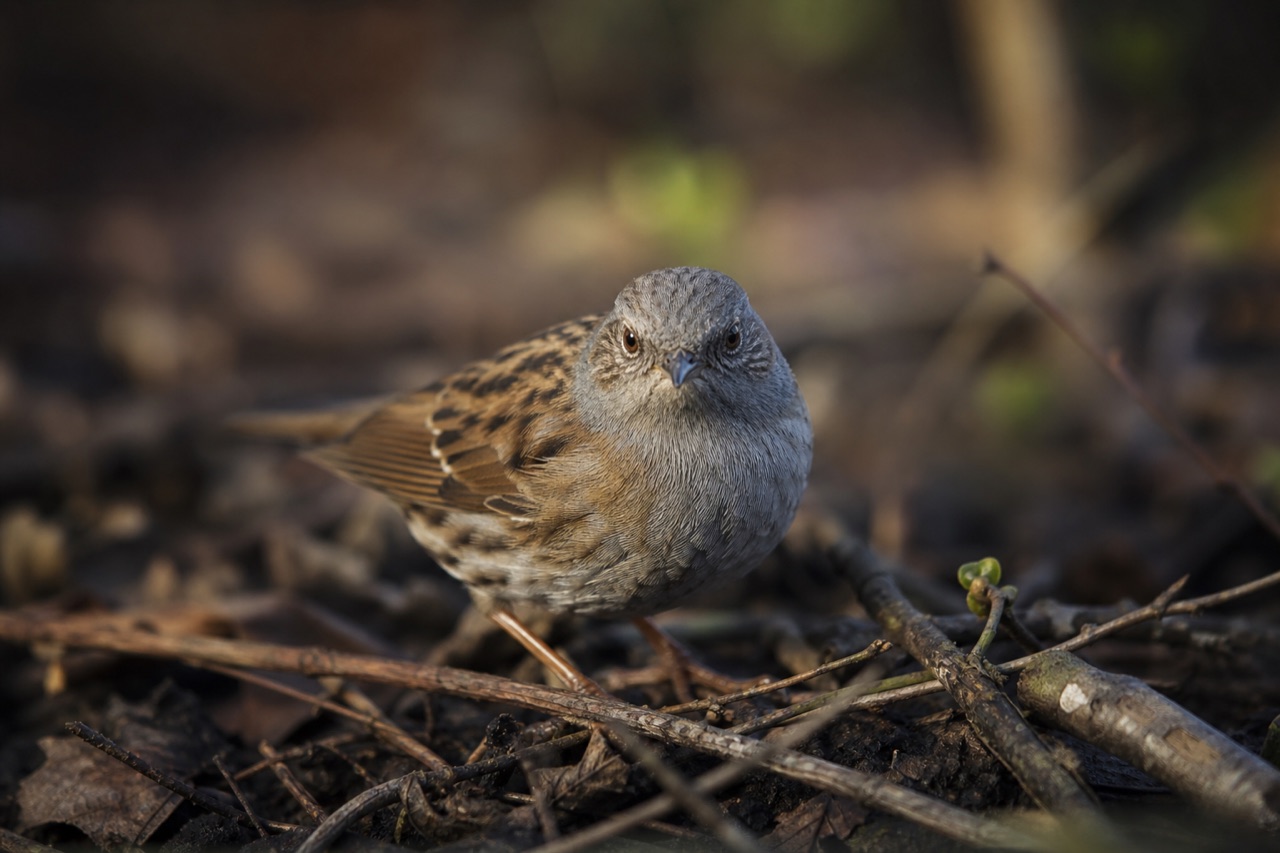
Birds
DDunnock
Prunella modularis (Linnaeus, 1758) — family Prunellidae
The little brown bird under the hedge — shy, streaked and more complicated than it looks.
Hedges, scrub and woodland edge across Europe and western Asia · Widespread in British gardens with dense cover
Open guide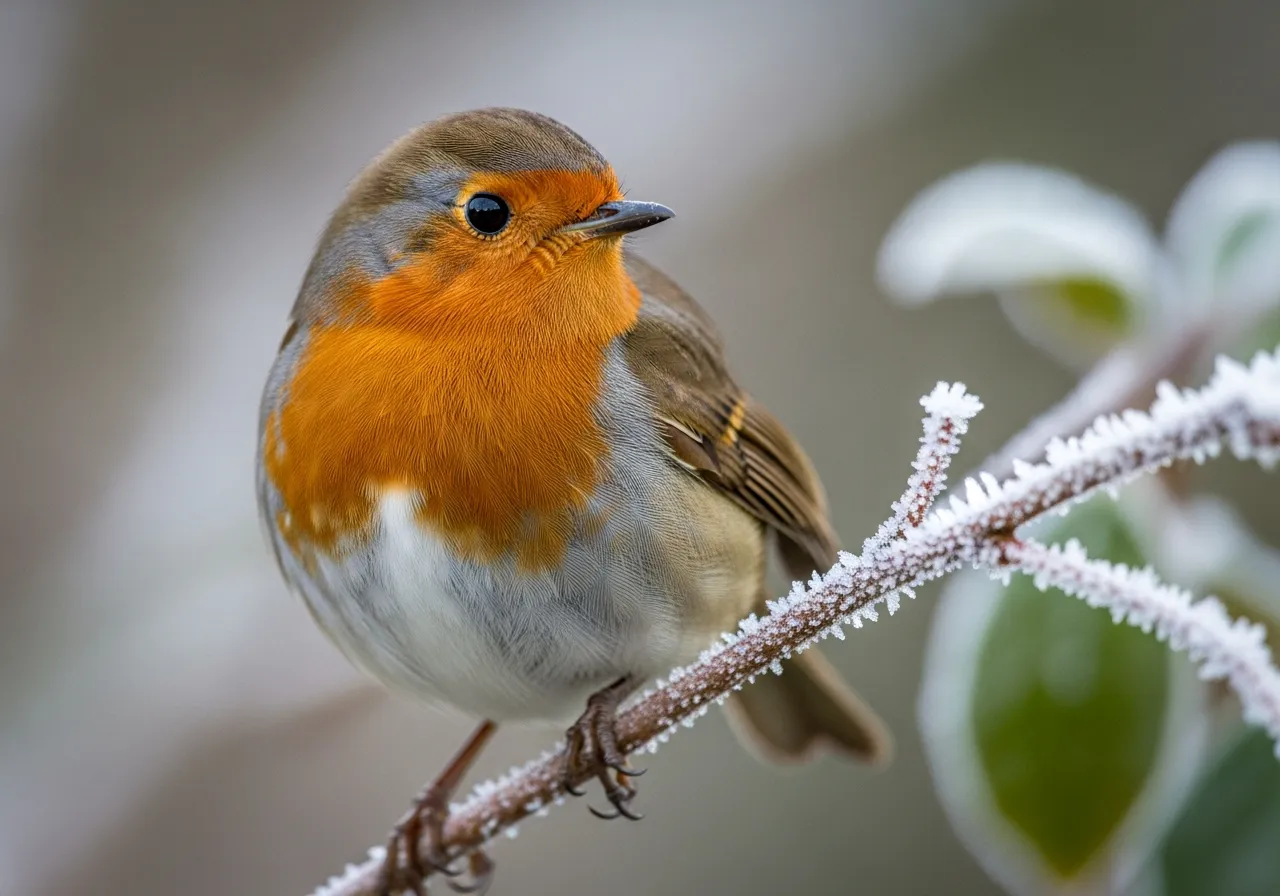
Birds
EEuropean Robin
Erithacus rubecula
Britain's red-breasted garden favourite, the bird that sings through winter.
United Kingdom and Ireland · Continental Europe
Open guide
Birds
FFinch
Fringillidae — family of seed-eating passerines including Fringilla, Carduelis, Pyrrhula and related genera
The seed specialists at your feeder — a family built for cracking husks.
Worldwide except Australasia and Antarctica · British garden finches include chaffinch, goldfinch, greenfinch, bullfinch and linnet
Open guide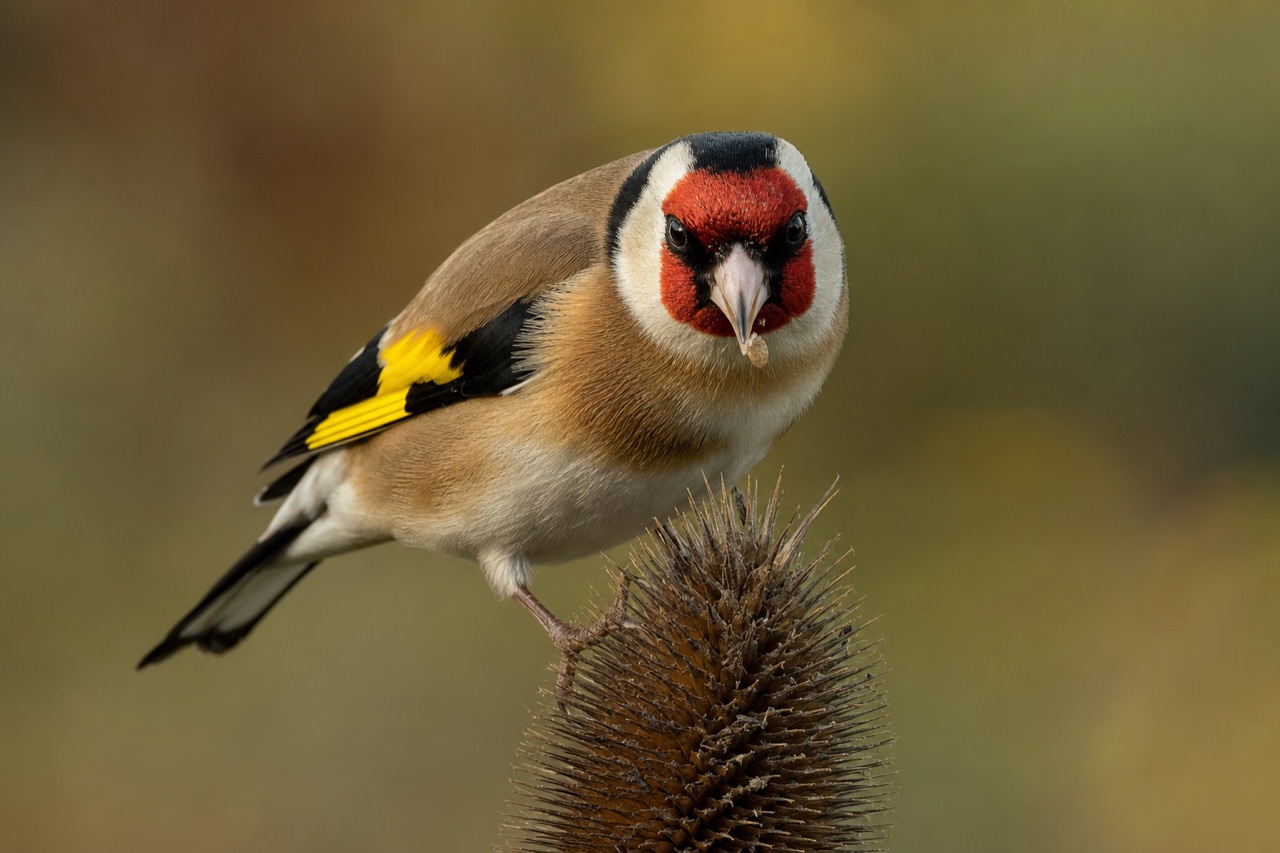
Birds
GGoldfinch
Carduelis carduelis (Linnaeus, 1758) — family Fringillidae
The brightest finch on the feeder — and a bill built for thistle seeds.
Europe, North Africa and western Asia · Introduced to Australia, New Zealand and Uruguay
Open guide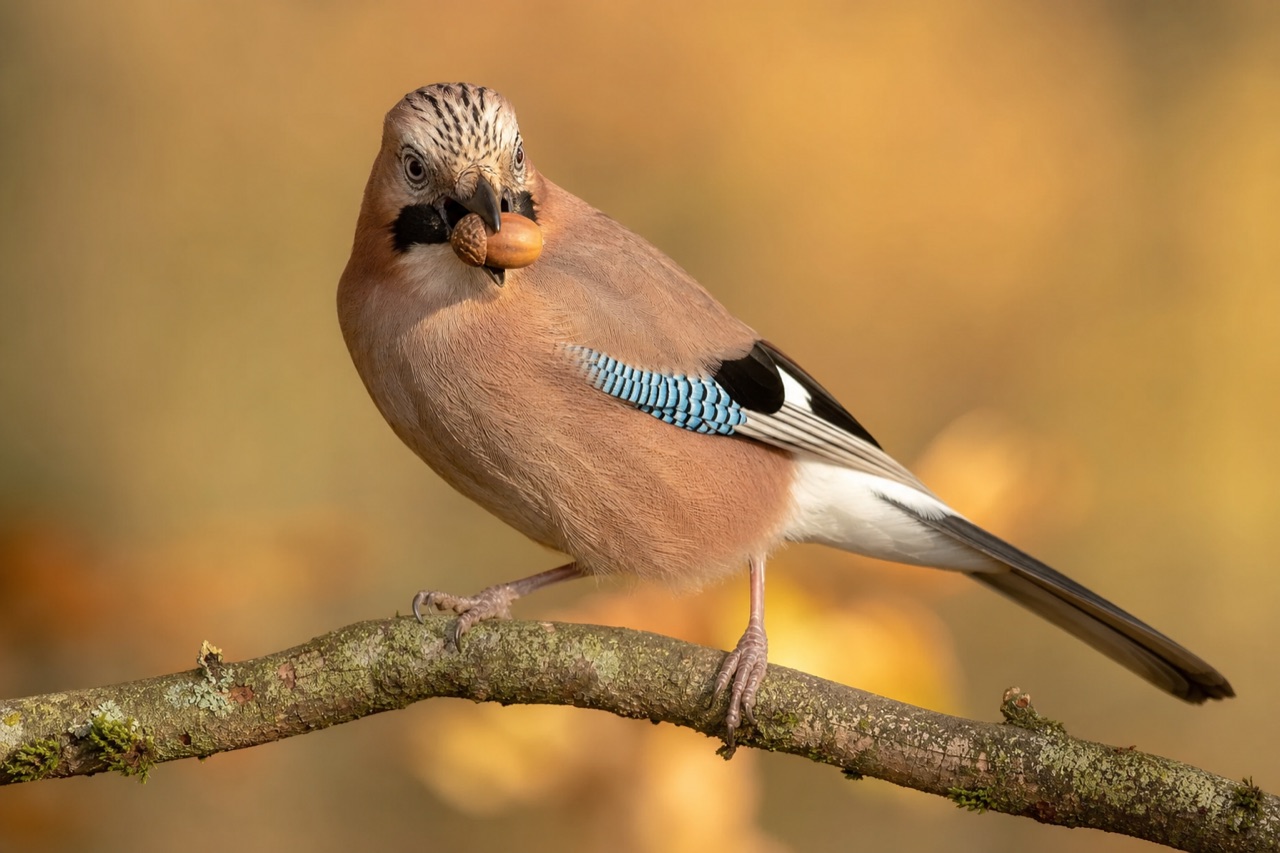
Birds
JJay
Garrulus glandarius (Linnaeus, 1758) — family Corvidae
The pink corvid that screams from cover — and plants oakwoods one acorn at a time.
Temperate woodlands across Europe, North Africa and western Asia · Deciduous and mixed forest with oak in Britain
Open guide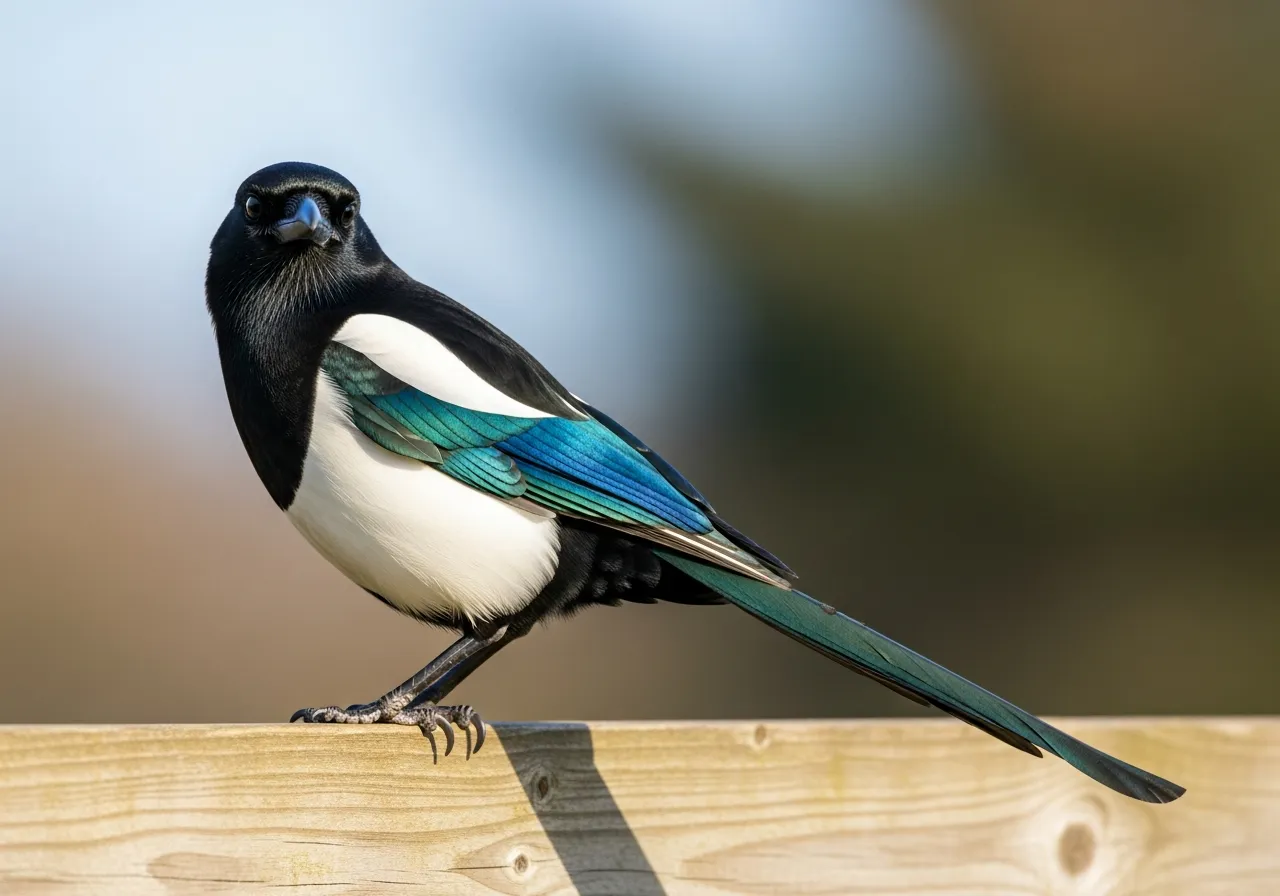
Birds
MMagpie
Pica pica
The brilliant black-and-white corvid that recognises itself in a mirror.
Europe · Asia
Open guide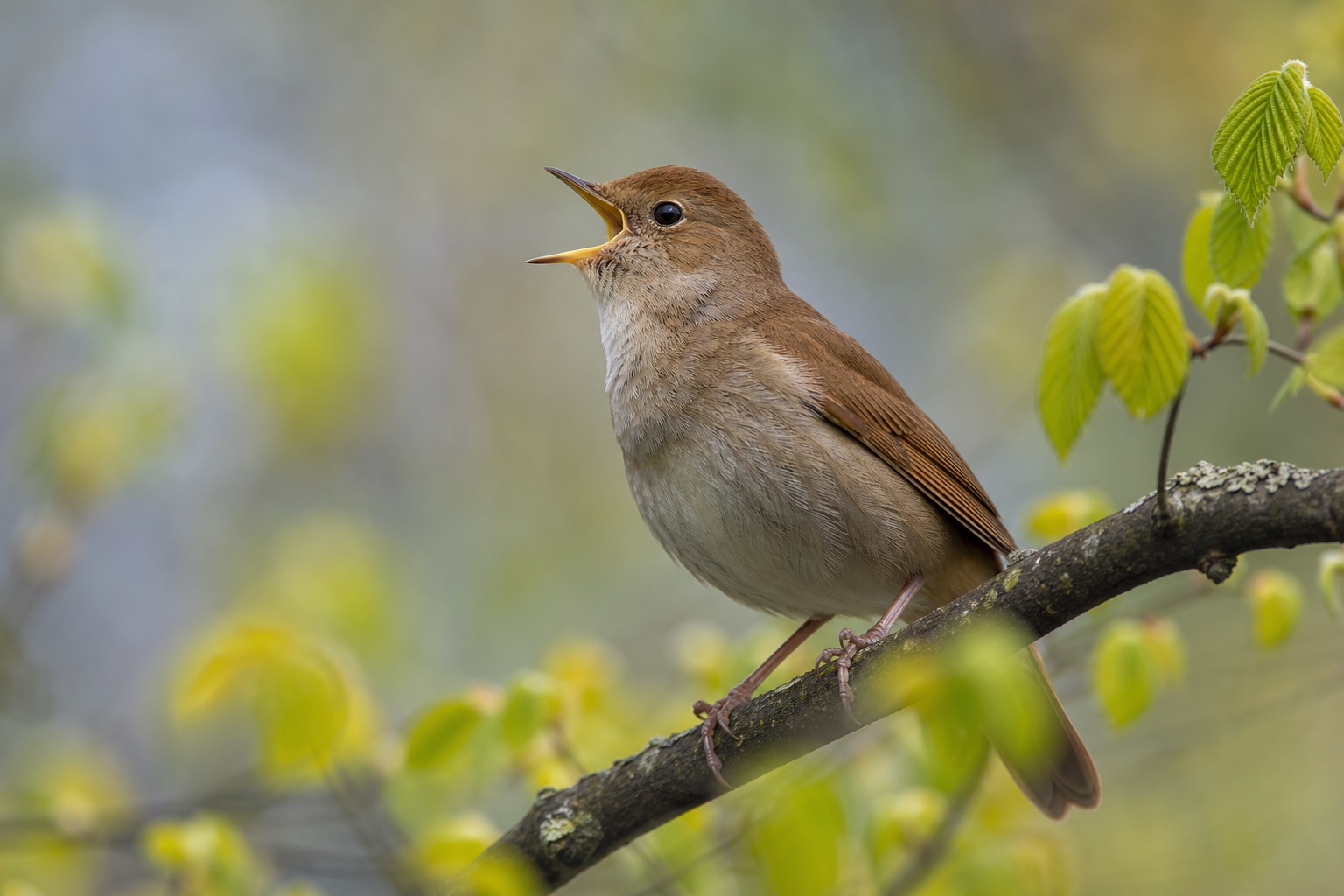
Birds
NNightingale
Luscinia megarhynchos (Brehm, 1831) — family Muscicapidae
A plain brown bird whose song carries more cultural weight than almost any animal in Europe.
Europe and western Asia · Breeds to southern England and Mediterranean; winters in sub-Saharan Africa
Open guide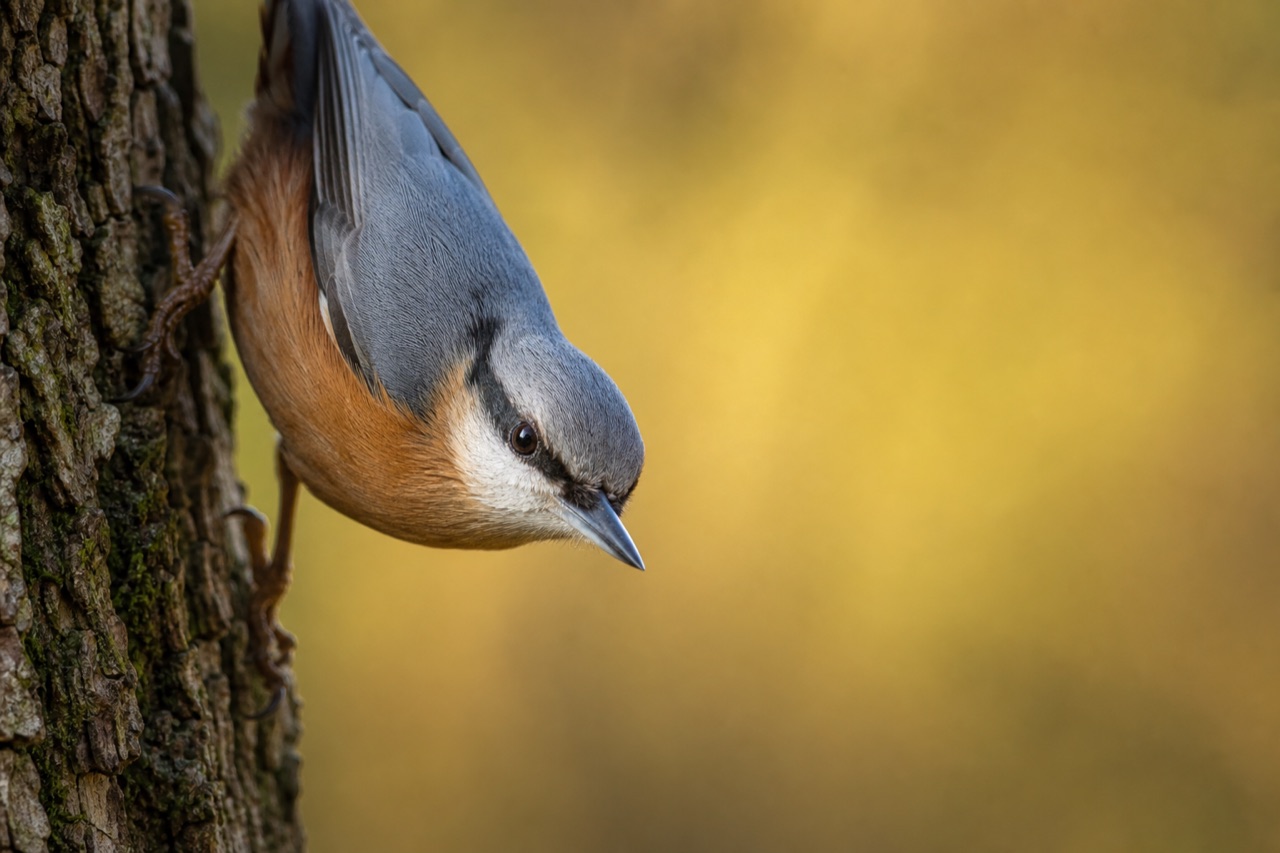
Birds
NNuthatch
Sitta europaea (Linnaeus, 1758) — family Sittidae
The only British bird that walks down a tree trunk as easily as up.
Deciduous and mixed woodland across Europe and temperate Asia · England and Wales in Britain; absent from Ireland
Open guide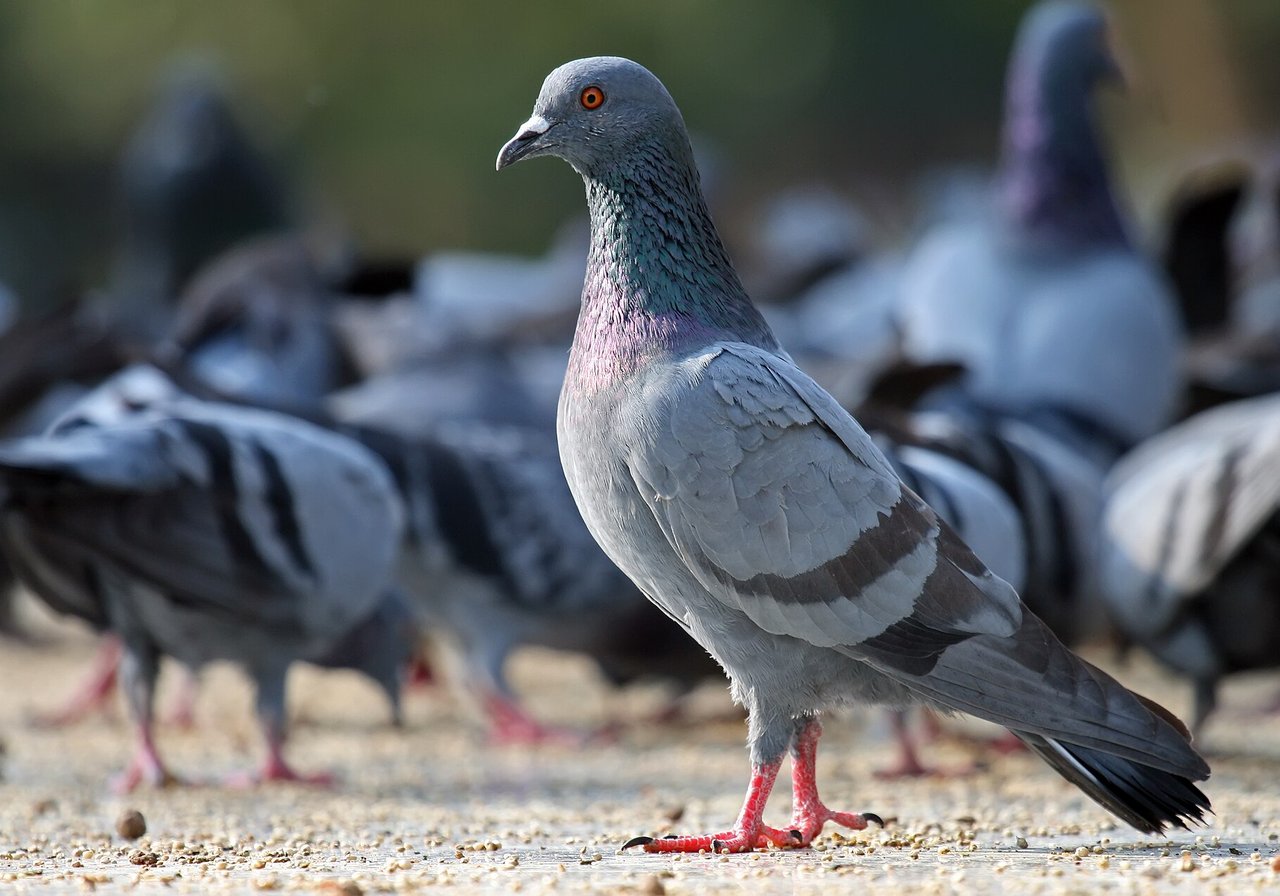
Birds
PPigeon
Columba livia (Linnaeus, 1758)
The world's most familiar bird — wild cliff-dweller turned urban survivor.
Worldwide — native to Europe, North Africa and western Asia; feral populations on every continent except Antarctica
Open guide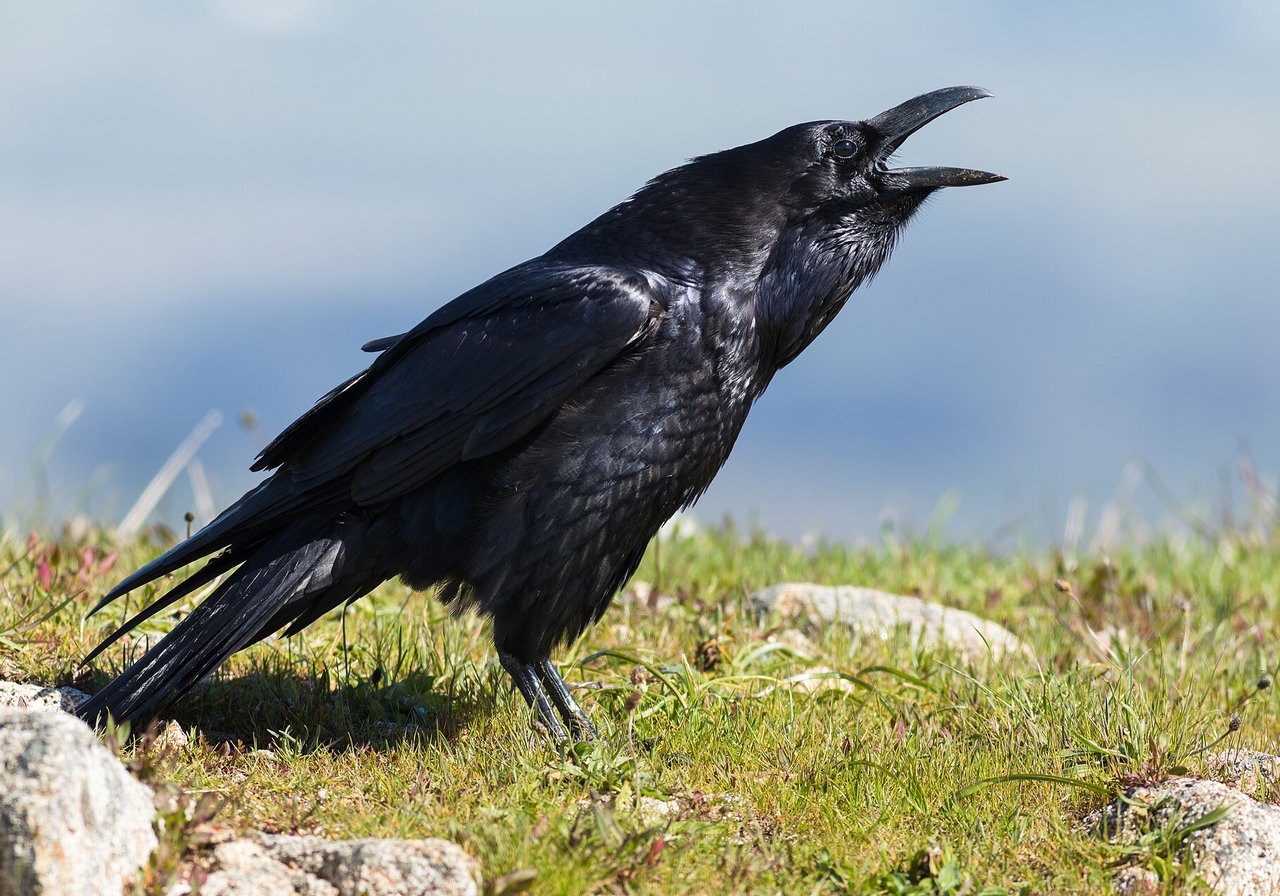
Birds
RRaven
Corvus corax (Linnaeus, 1758)
The largest passerine — myth, intelligence and wilderness in black feathers.
Northern Hemisphere — North America, Europe, Asia, North Africa
Open guide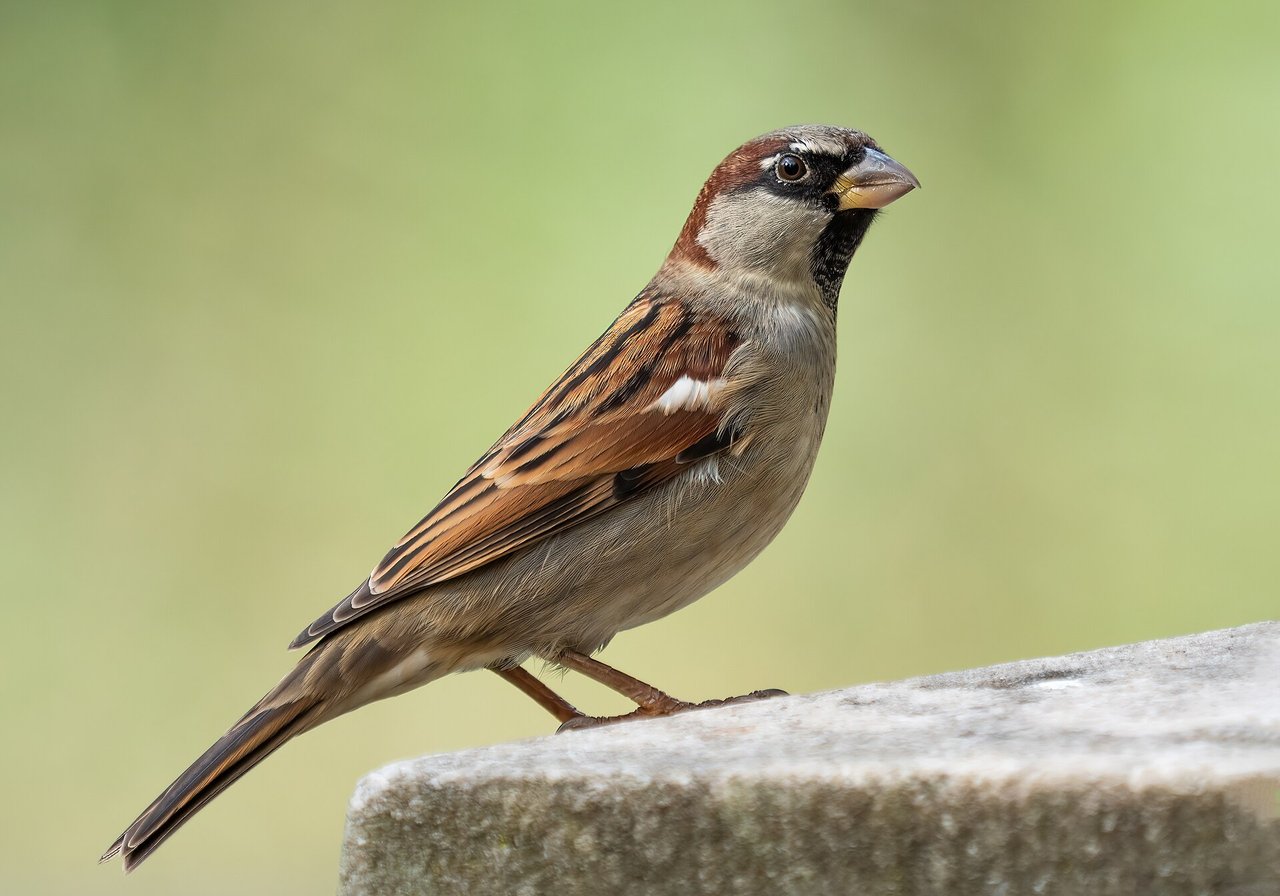
Birds
SSparrow
Passer domesticus (Linnaeus, 1758)
The garden companion — globally abundant yet vanishing from British towns.
Worldwide — native to Europe, Asia and North Africa; introduced to Americas, Australasia and elsewhere
Open guide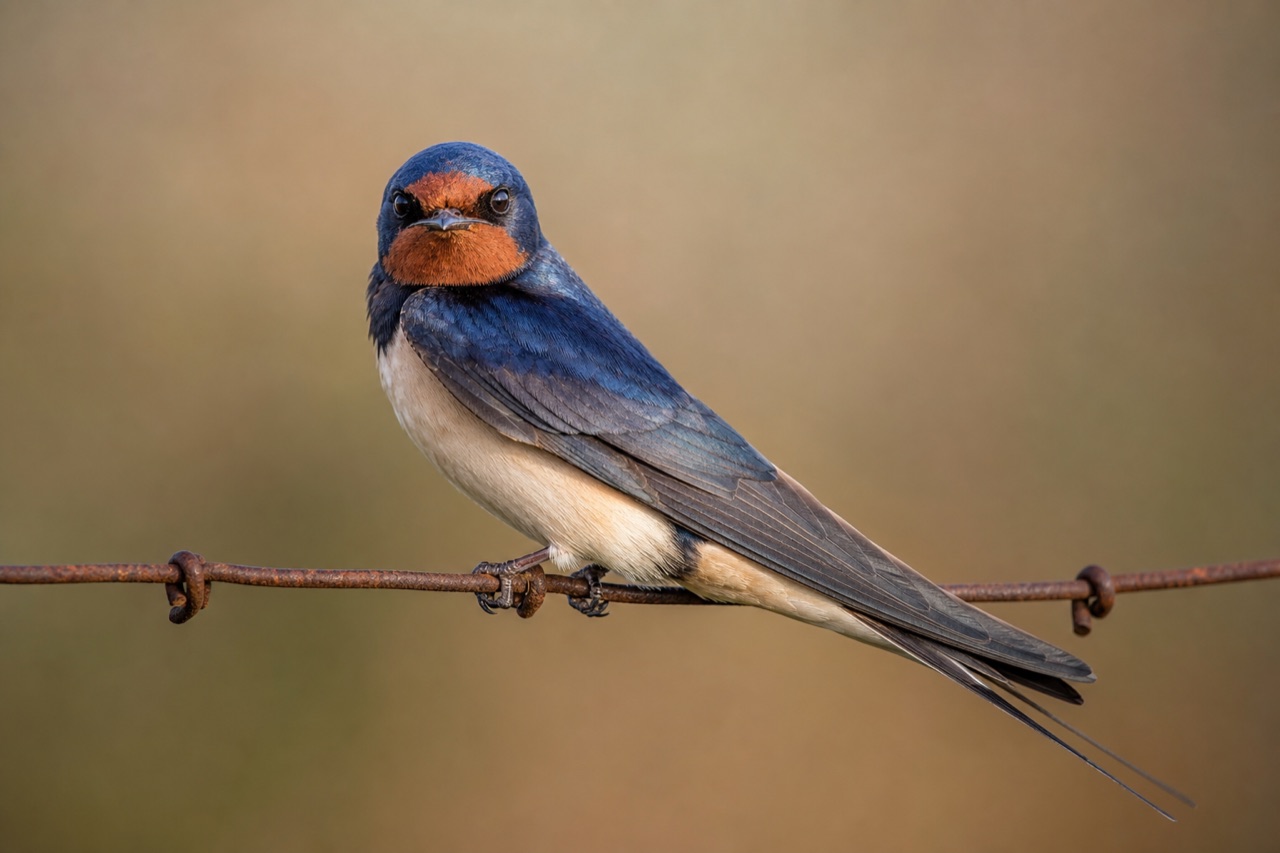
Birds
SSwallow
Hirundo rustica (Linnaeus, 1758) — family Hirundinidae
The bird that means summer — and the mud cup under your eaves that proves it.
Breeds across Europe, Asia and North America · Winters in sub-Saharan Africa, South Asia and South America
Open guide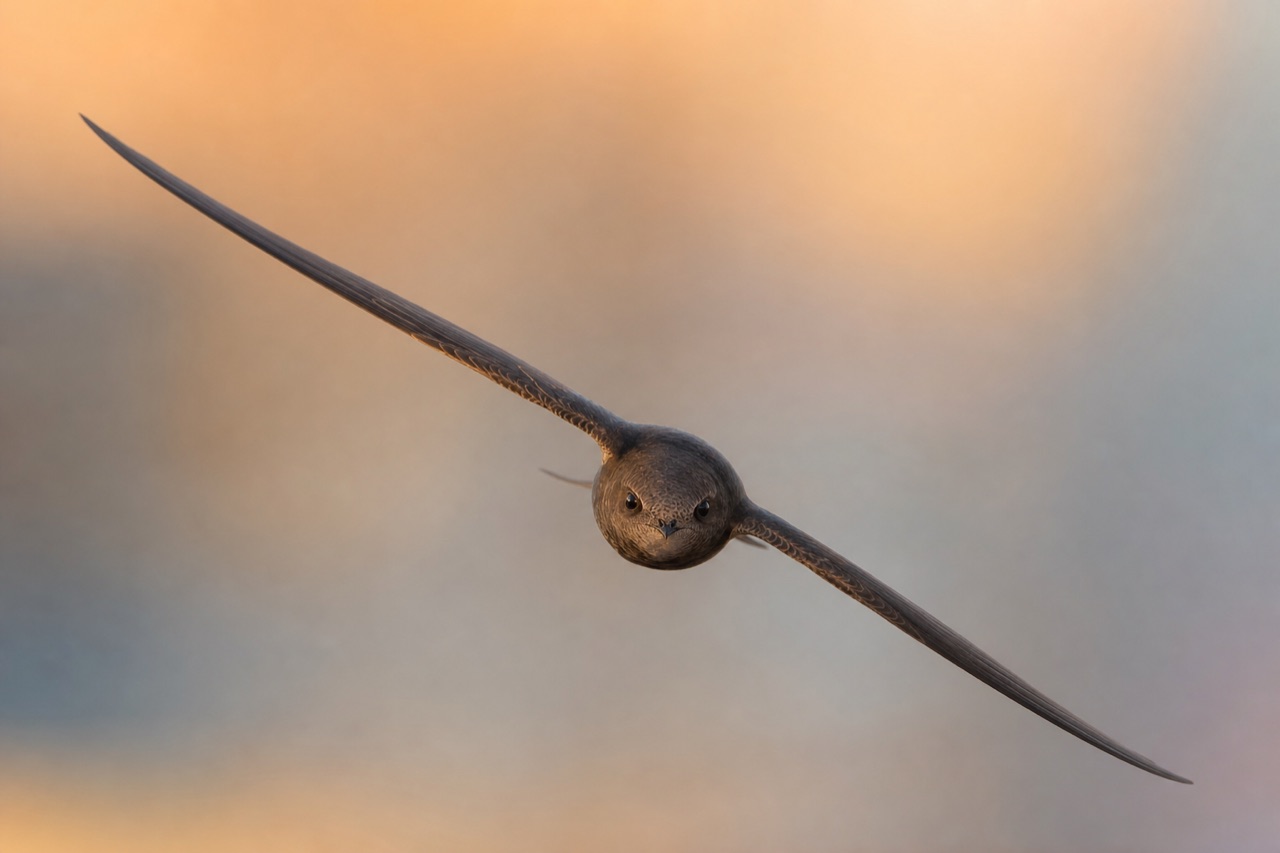
Birds
SSwift
Apus apus (Linnaeus, 1758) — family Apodidae
Screaming over the rooftops — a bird that never lands except to nest.
Breeds across Europe and Asia · Winters in sub-Saharan Africa; summer visitor to British towns
Open guide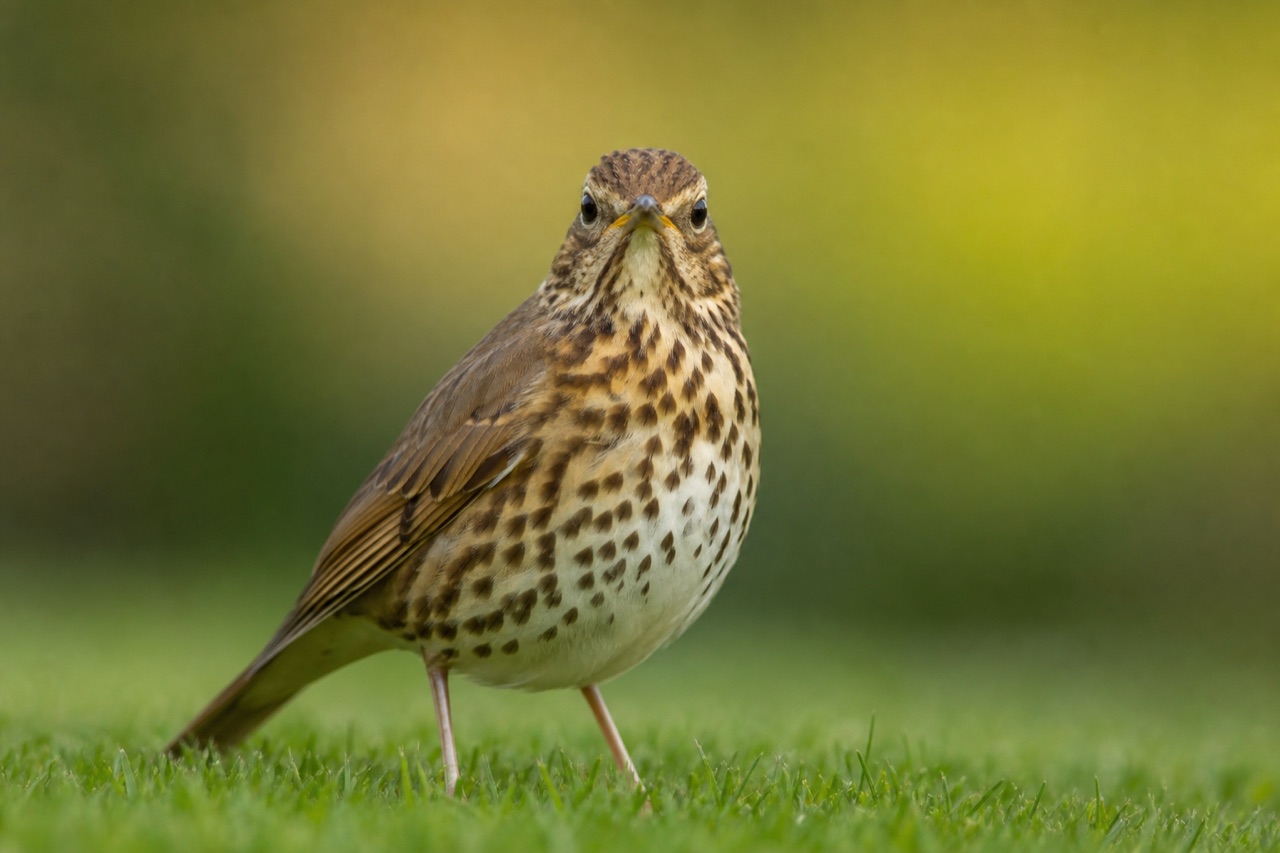
Birds
TThrush
Turdidae — family of passerine birds including Turdus, Catharus and related genera
The spotted singers of lawn and hedge — a family, not one bird.
Worldwide except polar regions · British garden species include blackbird, song thrush, mistle thrush, redwing and fieldfare
Open guide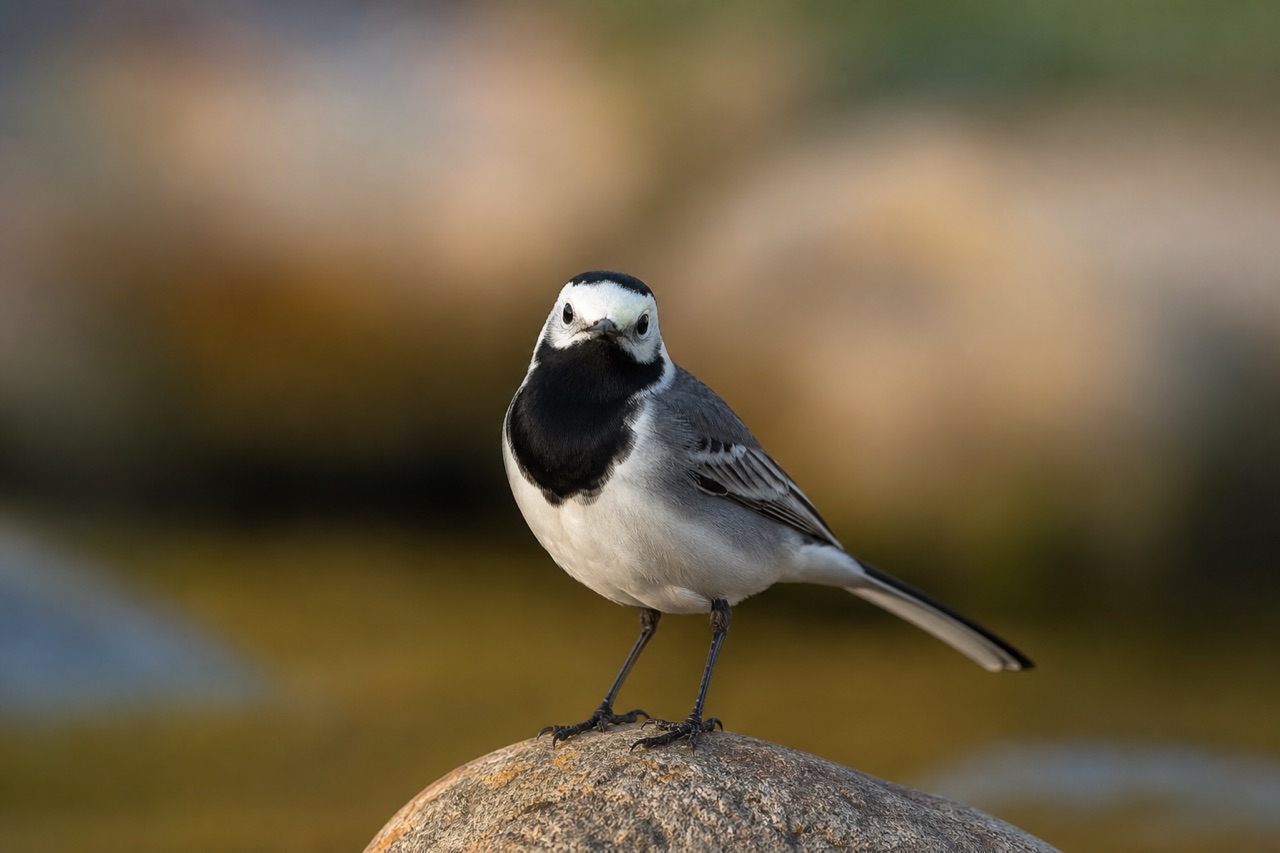
Birds
WWagtail
Motacillidae — family including Motacilla wagtails and Anthus pipits
The tail that bobs on every lawn — three wagtails, one habit.
Open ground, water margins and rooftops worldwide · British species include pied, grey and yellow wagtails
Open guideConservation: what this group faces
Garden birds are the group where individual action is most directly measurable. Feeding, water in dry and freezing weather, nest boxes with the correct hole size, native hedging left uncut through the breeding season, and cats kept indoors at dawn and dusk all have documented effects on survival and breeding success. Several familiar species — house sparrow, starling, song thrush — are red-listed in the UK, which means their decline is severe enough to warrant urgent conservation action despite them still being birds most people see weekly.
Garden birds: frequently asked questions
What are the most common garden birds in the UK?
What should I feed garden birds?
When should I feed garden birds?
How do I tell a dunnock from a house sparrow?
Why have house sparrows declined?
How can I stop birds hitting my windows?
Other types of bird
-
Birds of prey
Raptors and owls — hook-billed hunters with forward-facing eyes and gripping talons.
-
Waterbirds & wildfowl
Ducks, geese, swans, herons and other birds tied to rivers, lakes and wetlands.
-
Seabirds
Ocean specialists that feed at sea and return to land mainly to breed.
-
Parrots & macaws
Hook-billed, highly intelligent birds — and the group hit hardest by the pet trade.
-
Flightless birds
Species that traded flight for size, speed or swimming — and the ones invasive predators hit hardest.
-
Tropical & forest birds
Canopy specialists of rainforest and tropical woodland, where bird diversity peaks.
-
Gamebirds
Pheasants, grouse and quail — ground-feeding birds bred, released and shot in enormous numbers.
-
Farmed & domestic birds
Birds kept by people — and the welfare questions that come with the largest animal industry on Earth.