Birds · 4 species guides
Gamebirds: Pheasants, Grouse & Quail
Gamebirds are ground-feeding birds in the order Galliformes that are hunted for sport or food, principally pheasants, grouse, partridges and quail; in Britain tens of millions of pheasants and red-legged partridges are captive-reared and released each year, making them collectively a very large share of the country's bird biomass.
- Body and wings
- Heavy-bodied with short, broad, rounded wings built for a near-vertical burst of escape flight, not distance. Most gamebirds would rather run than fly.
- Escape behaviour
- They sit tight until almost trodden on, then flush explosively with a loud whirring clatter. That is usually the first indication one was there.
- Legs and feet
- Strong legs for walking and scratching through leaf litter. Male pheasants and some partridges carry a spur on the back of the leg.
- Sex differences
- Often dramatic. Cock pheasants are iridescent bronze with a red facial wattle and a very long tail; hens are cryptic mottled brown for sitting on a ground nest.
Gamebirds are a group defined by their relationship with people rather than by habitat. Pheasants, partridges, grouse and quail are all Galliformes — the same order as the domestic chicken — and share a build suited to living on the ground: heavy bodies, strong legs for walking and scratching, and short rounded wings that deliver an explosive vertical escape flight rather than sustained travel.
What makes them unusual in conservation terms is scale and release. In Britain, tens of millions of pheasants and red-legged partridges are reared in captivity and released into the countryside each year for shooting. At their late-summer peak these released birds represent a very large fraction of the total wild bird biomass in the UK, which raises ecological questions — about predator numbers, disease, and vegetation impacts — that have little to do with the birds themselves.
Key facts
- Gamebirds belong to the order Galliformes, the same group as the domestic chicken, and share a ground-living body plan.
- Their short rounded wings deliver an explosive vertical escape flight rather than sustained travel — most prefer to run.
- Tens of millions of pheasants and red-legged partridges are captive-reared and released in Britain each year, making them a very large share of UK bird biomass at their seasonal peak.
- Neither the common pheasant nor the red-legged partridge is native to Britain; both were introduced and are sustained by continued release rather than by wild breeding alone.
- Red grouse are genuinely wild and are not released. Managing moorland for them shapes large areas of British upland, which is why grouse moors are among the most contested landscapes in UK conservation.
- The common quail is a scarce summer migrant to Britain and is far more often heard than seen — its three-note call carries much further than the bird is visible.
How to recognise them
The features that separate this group in the field, in the order they are usually most useful.
- Body and wings
- Heavy-bodied with short, broad, rounded wings built for a near-vertical burst of escape flight, not distance. Most gamebirds would rather run than fly.
- Escape behaviour
- They sit tight until almost trodden on, then flush explosively with a loud whirring clatter. That is usually the first indication one was there.
- Legs and feet
- Strong legs for walking and scratching through leaf litter. Male pheasants and some partridges carry a spur on the back of the leg.
- Sex differences
- Often dramatic. Cock pheasants are iridescent bronze with a red facial wattle and a very long tail; hens are cryptic mottled brown for sitting on a ground nest.
- Where you find them
- Field margins, woodland edge and hedgerows for pheasants and partridges; open heather moorland for red grouse; grassland and crops for quail.
4 gamebirds guides
Search or filter by conservation status. Every guide carries sourced facts, IUCN status and FAQs.
Common names, scientific names and places are searchable.
Showing 1–4 of 4 guides
Birds
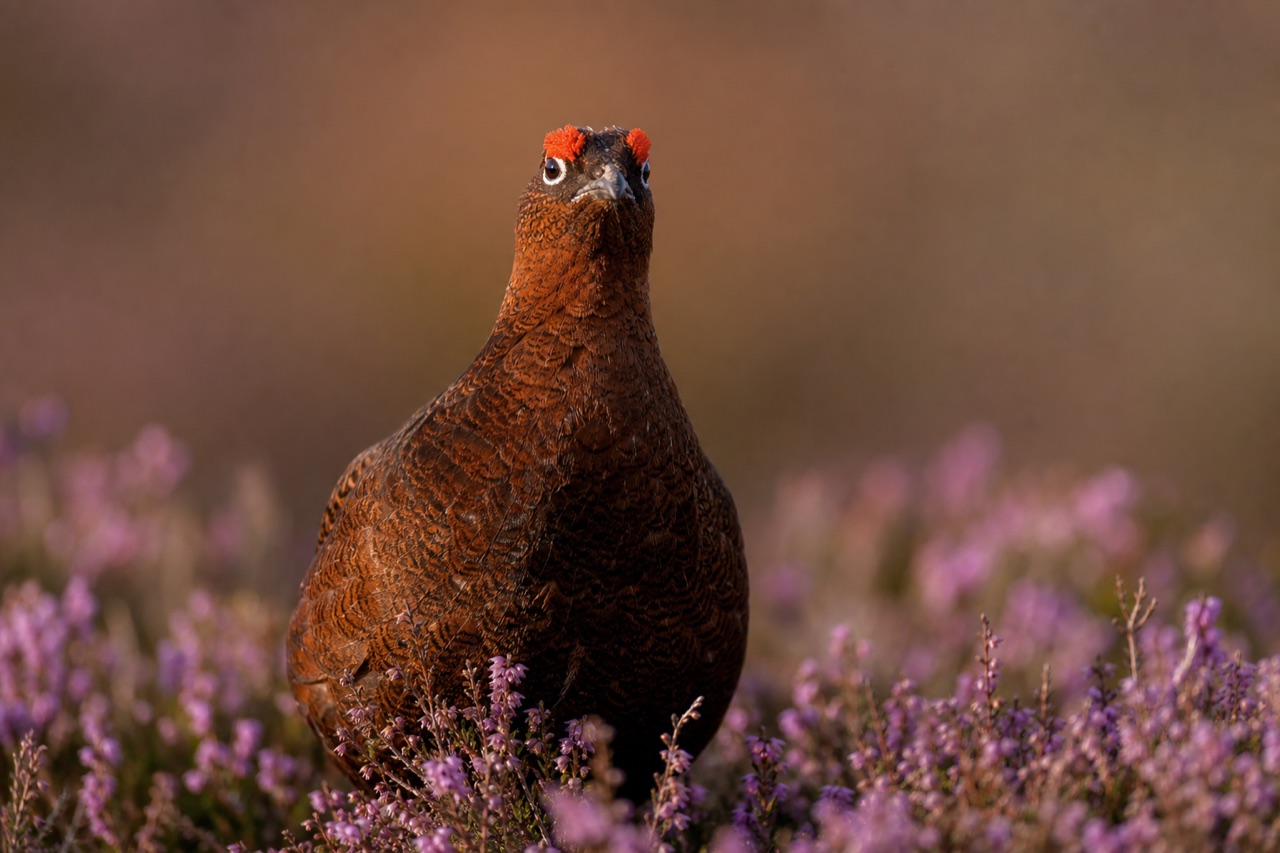
GGrouse
Tetraoninae — subfamily of Phasianidae including Lagopus, Tetrao and Lyrurus
Birds of the moor — heather, lek and long decline for some.
Northern moorland, tundra and boreal forest worldwide · British species include red grouse, black grouse and capercaillie
Open guide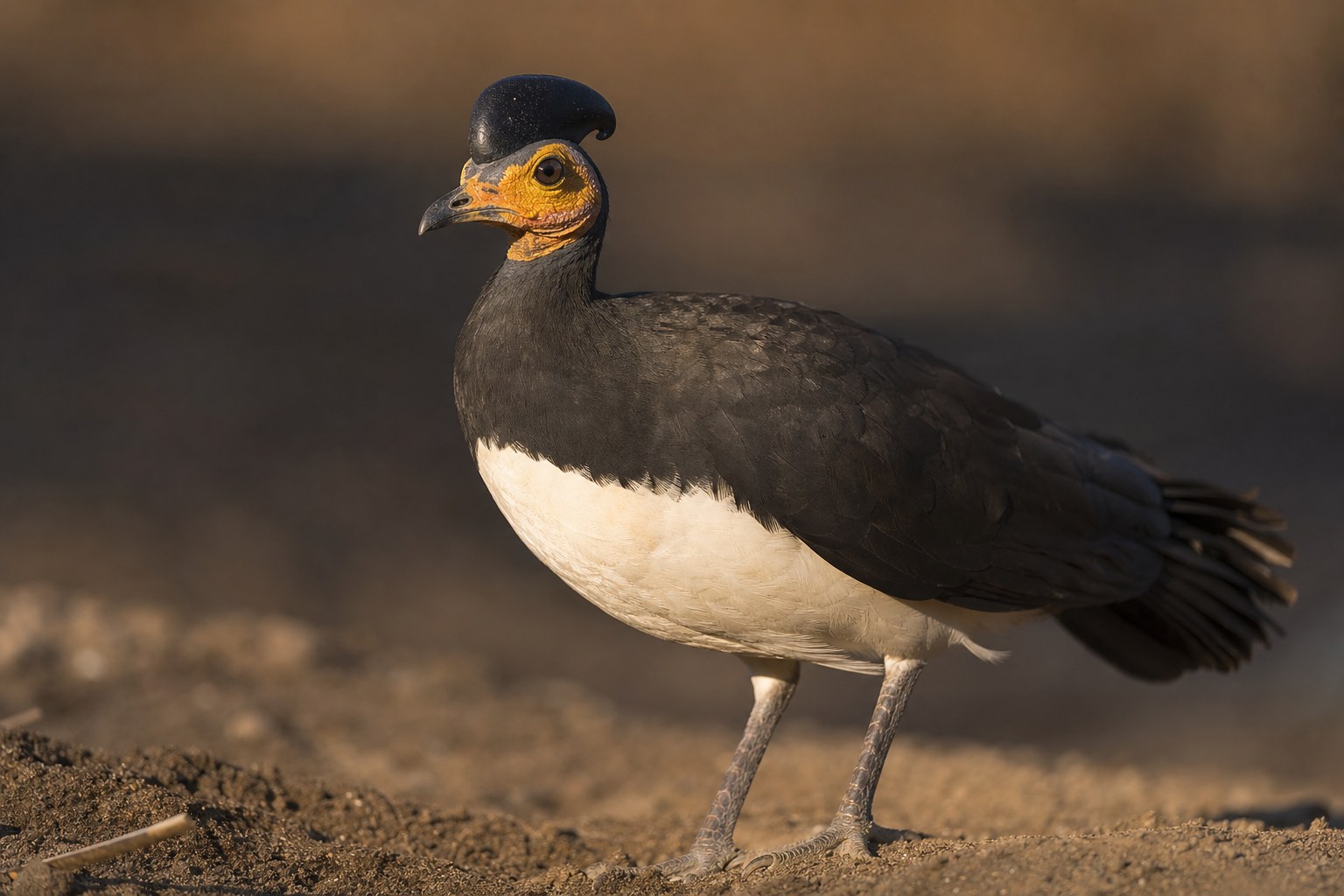
Birds
MMaleo
Macrocephalon maleo (Müller, 1840) — family Megapodiidae
The megapode that buries its eggs in volcanic sand and never sees its chicks.
Sulawesi, Indonesia · Banggai and Sula islands
Open guide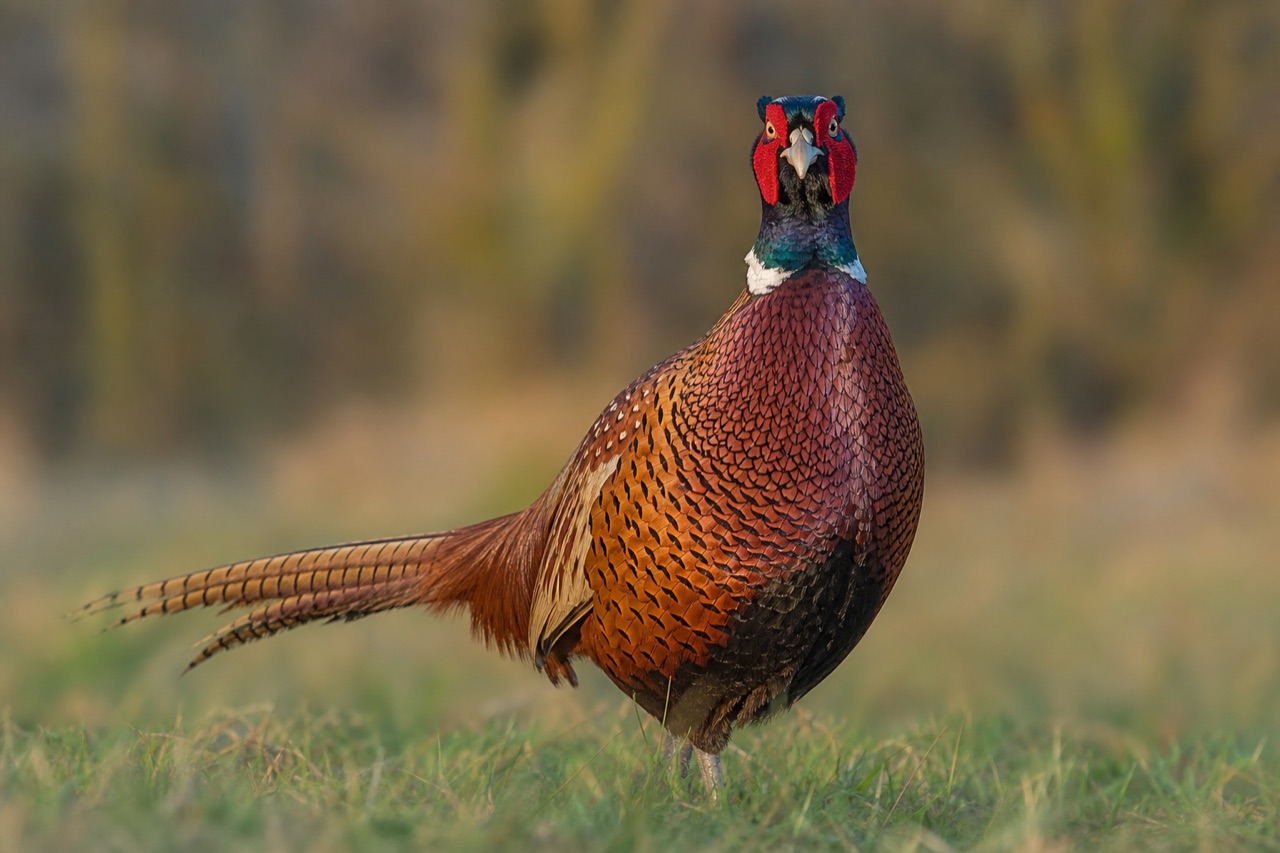
Birds
PPheasant
Phasianus colchicus (Linnaeus, 1758) — family Phasianidae
The gamebird in your lane — introduced, abundant and rarely out of sight in rural Britain.
Native to Asia from the Caucasus to China · Introduced and established across Europe, North America and New Zealand
Open guide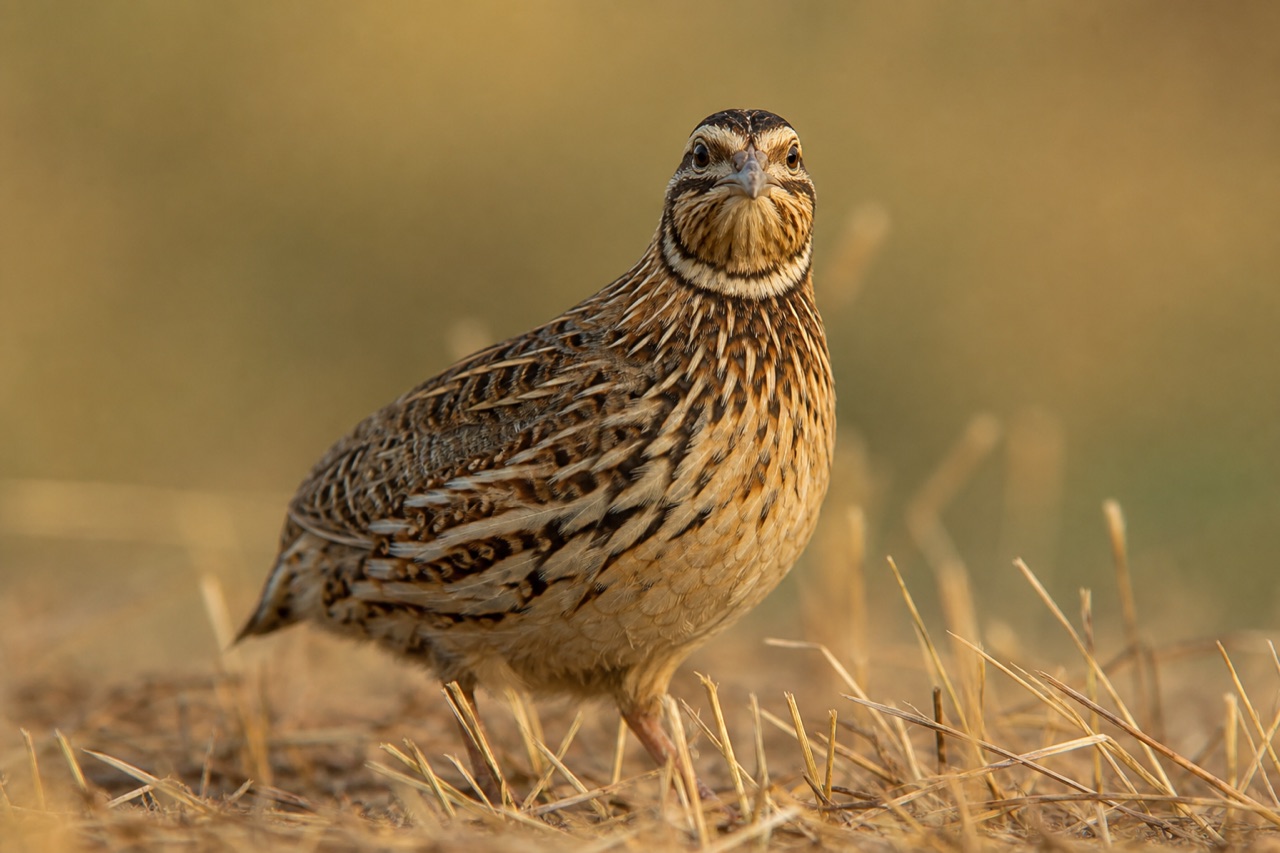
Birds
QQuail
Phasianidae — family including Coturnix quail and related small gamebirds
The gamebird you hear but rarely see — and the one on your plate is mostly domestic.
Grassland and cropland across Eurasia and Africa · Common quail a rare summer visitor and breeder in Britain
Open guideConservation: what this group faces
Gamebirds raise questions that are as much about land management as about the birds. Large-scale release supports predator populations that then take other species, spreads disease into wild birds, and alters vegetation through grazing and trampling. Moorland managed for red grouse involves heather burning, drainage and legal predator control — practices linked both to the survival of some declining waders and to the illegal persecution of hen harriers and other raptors. The species themselves are not threatened; the argument is about what is done to the landscape for them.
Gamebirds: frequently asked questions
What is a gamebird?
Are pheasants native to Britain?
How many pheasants are released in the UK each year?
What is the difference between a pheasant and a partridge?
Are red grouse released like pheasants?
Why do gamebirds fly straight up when startled?
Other types of bird
-
Birds of prey
Raptors and owls — hook-billed hunters with forward-facing eyes and gripping talons.
-
Garden birds
The species most likely to turn up on a feeder, lawn or hedge in Britain and northern Europe.
-
Waterbirds & wildfowl
Ducks, geese, swans, herons and other birds tied to rivers, lakes and wetlands.
-
Seabirds
Ocean specialists that feed at sea and return to land mainly to breed.
-
Parrots & macaws
Hook-billed, highly intelligent birds — and the group hit hardest by the pet trade.
-
Flightless birds
Species that traded flight for size, speed or swimming — and the ones invasive predators hit hardest.
-
Tropical & forest birds
Canopy specialists of rainforest and tropical woodland, where bird diversity peaks.
-
Farmed & domestic birds
Birds kept by people — and the welfare questions that come with the largest animal industry on Earth.