Aves · Flight & feathers
Birds
There are more than 10,000 living bird species, from flightless penguins to albatrosses that cross oceans. This is WARN's complete bird section: 102 sourced species guides plus 9 type pages — birds of prey, garden birds, waterbirds, seabirds, parrots, flightless, tropical and farmed birds — each with identification pointers, IUCN status and FAQs.
- 10,000+
- Living bird species worldwide — highest diversity in tropical forests
- 320 km/h
- Approximate top speed of a peregrine falcon in a hunting stoopSource: peer-reviewed flight studies
- 1 in 3
- Share of bird species in decline globallySource: IUCN / BirdLife International
- Dinosaurs
- Birds are the only surviving lineage of theropod dinosaurs
Types of birds
The everyday groupings people actually use. These cut across taxonomy — a kingfisher and a heron are both waterbirds but sit in different orders. Each type has its own guide with identification pointers and FAQs.
- 18 guides
Birds of prey
Raptors and owls — hook-billed hunters with forward-facing eyes and gripping talons.
Explore birds of prey → - 26 guides
Garden birds
The species most likely to turn up on a feeder, lawn or hedge in Britain and northern Europe.
Explore garden birds → - 14 guides
Waterbirds & wildfowl
Ducks, geese, swans, herons and other birds tied to rivers, lakes and wetlands.
Explore waterbirds & wildfowl → - 8 guides
Seabirds
Ocean specialists that feed at sea and return to land mainly to breed.
Explore seabirds → - 9 guides
Parrots & macaws
Hook-billed, highly intelligent birds — and the group hit hardest by the pet trade.
Explore parrots & macaws → - 6 guides
Flightless birds
Species that traded flight for size, speed or swimming — and the ones invasive predators hit hardest.
Explore flightless birds → - 17 guides
Tropical & forest birds
Canopy specialists of rainforest and tropical woodland, where bird diversity peaks.
Explore tropical & forest birds → - 4 guides
Gamebirds
Pheasants, grouse and quail — ground-feeding birds bred, released and shot in enormous numbers.
Explore gamebirds → - 2 guides
Farmed & domestic birds
Birds kept by people — and the welfare questions that come with the largest animal industry on Earth.
Explore farmed & domestic birds →
All 102 bird guides
Search by name, or filter by type, conservation status, region and letter.
Common names, scientific names and places are searchable.
Showing 1–24 of 102 guides
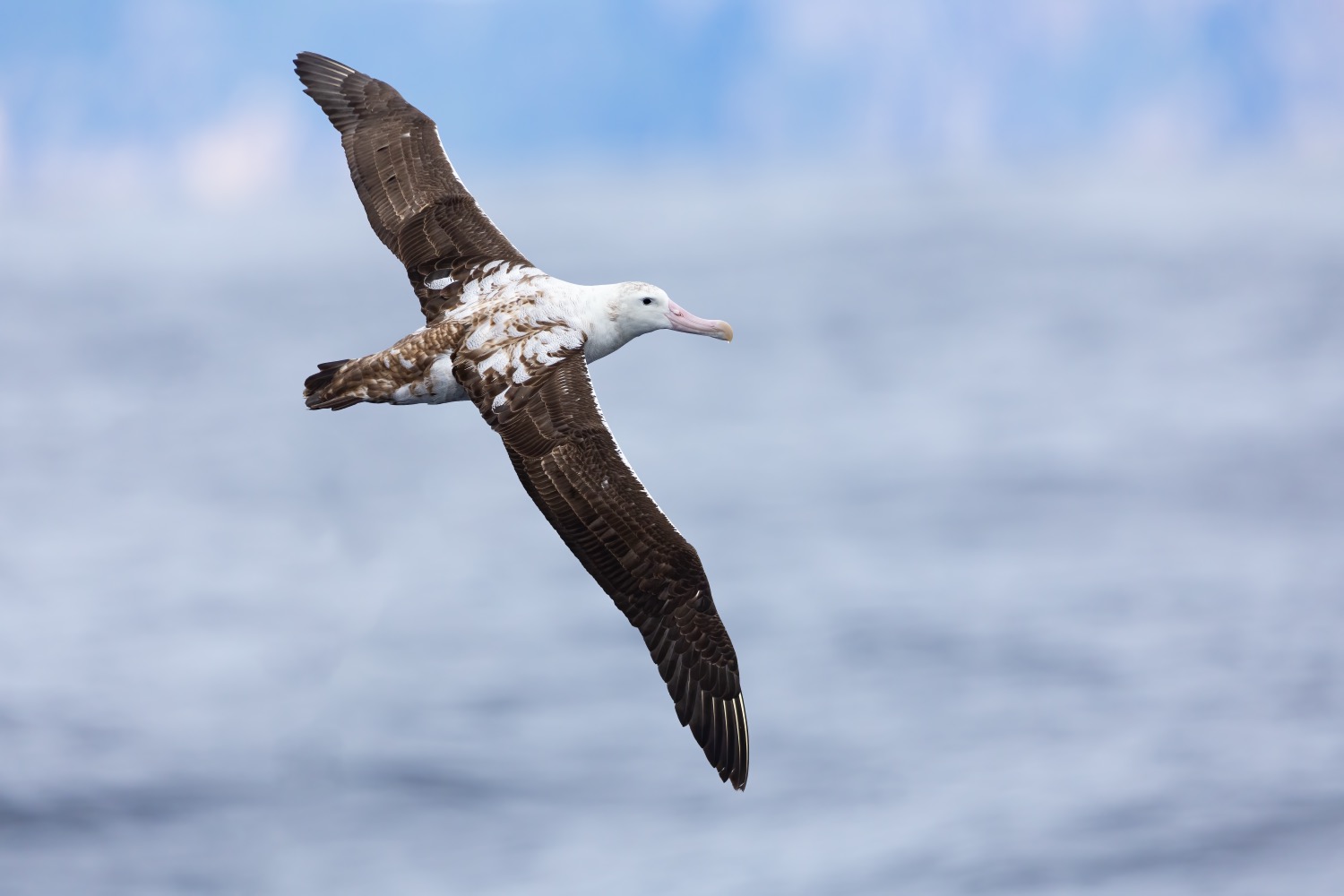
Seabirds
AAlbatross
Diomedeidae
The ocean's greatest gliders — and the world's most threatened bird family.
Southern Ocean · North Pacific
Open guide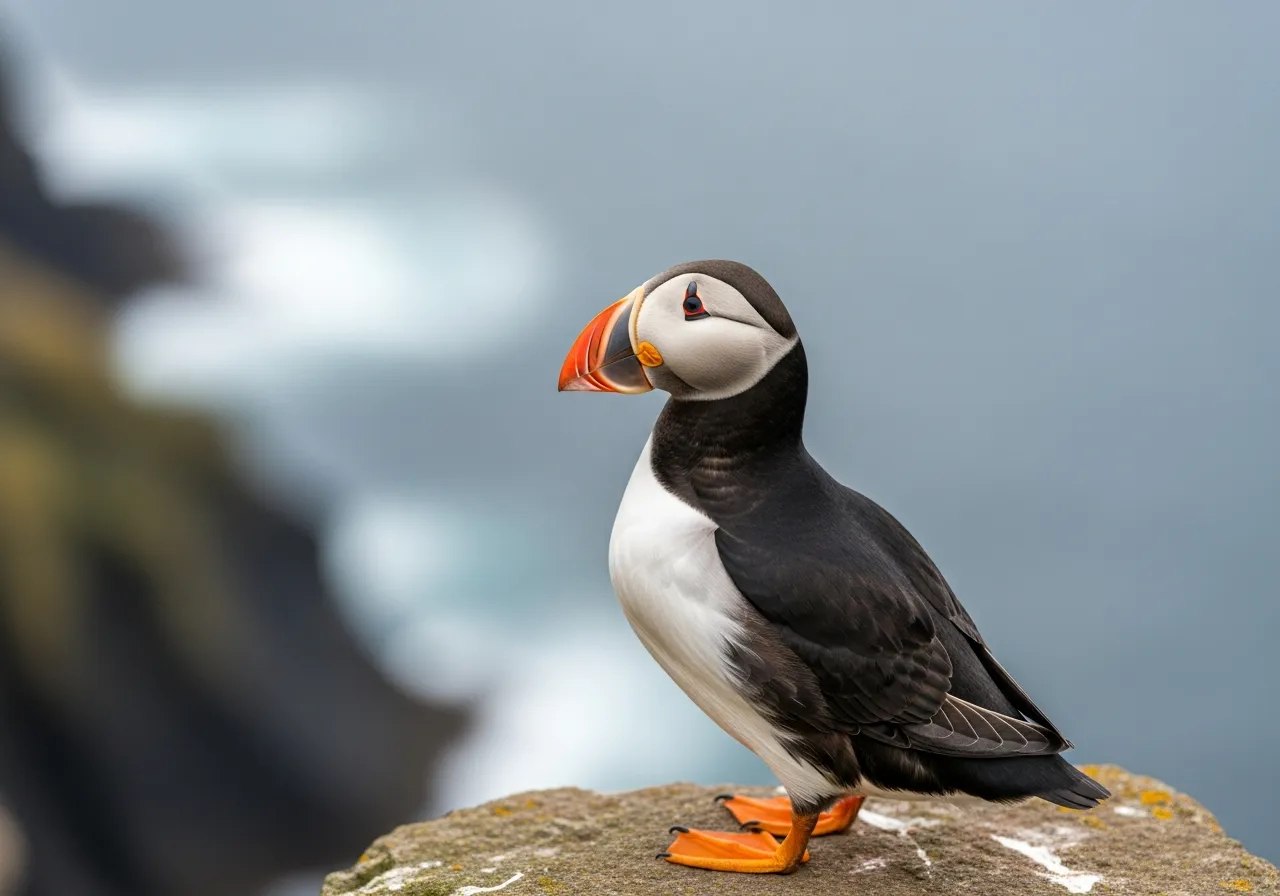
Seabirds
AAtlantic Puffin
Fratercula arctica
The North Atlantic's beloved "sea parrot" — a burrow-nesting seabird whose famous bill fades each winter at sea.
Iceland · Norway and the Faroe Islands
Open guide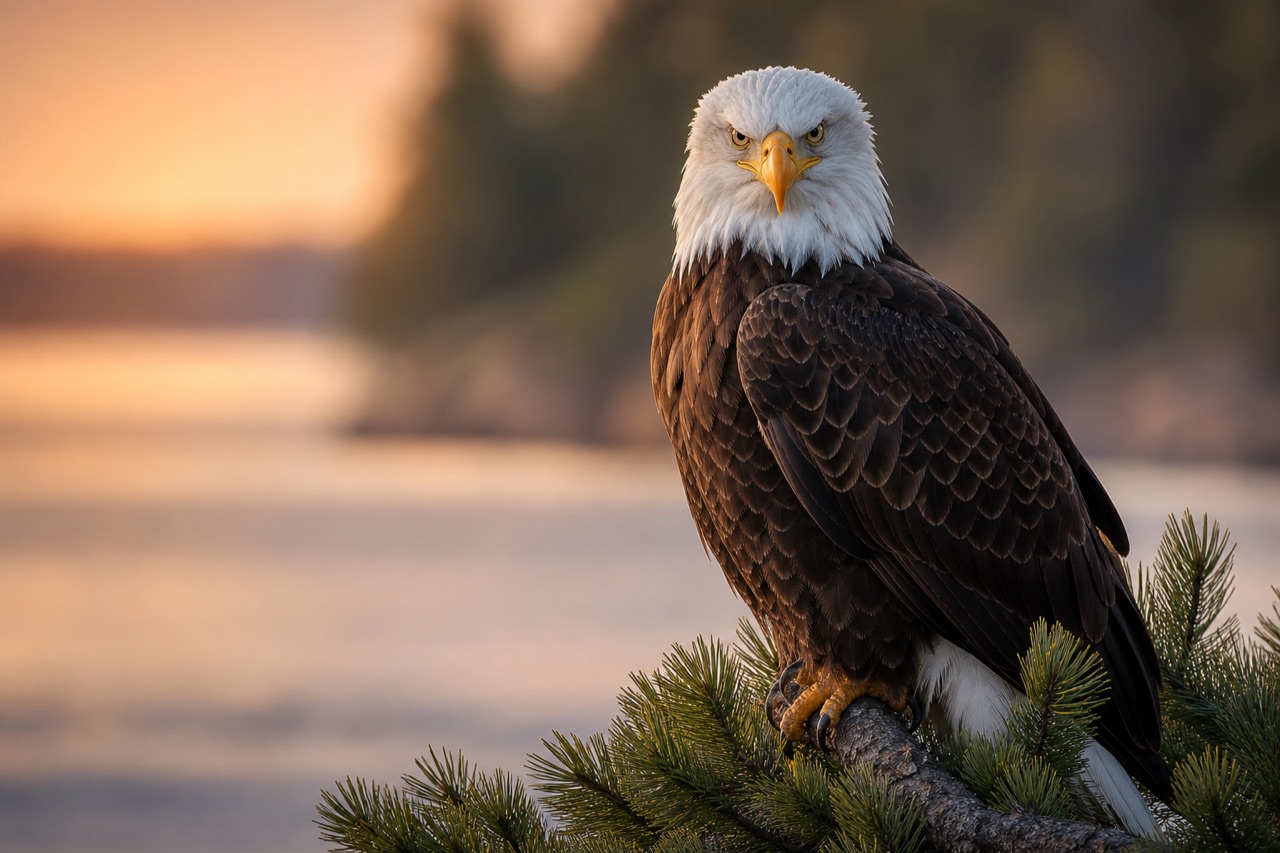
Birds of prey
BBald Eagle
Haliaeetus leucocephalus (Linnaeus, 1766) — family Accipitridae
A fish eagle that came back from about 400 pairs — and one of conservation's clearest wins.
North America — Alaska, Canada, the contiguous United States and northern Mexico · Coasts, large lakes and major rivers
Open guide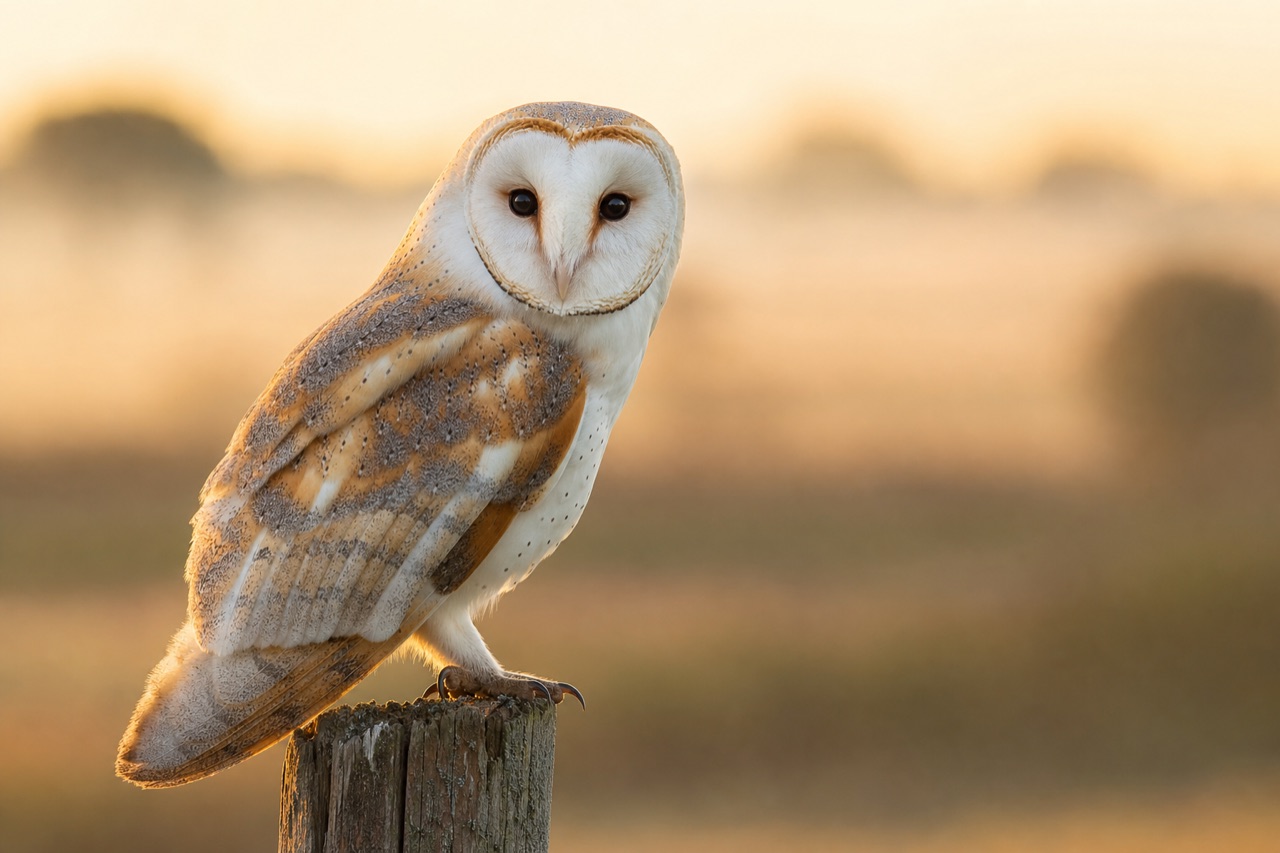
Birds of prey
BBarn Owl
Tyto alba (Scopoli, 1769) — family Tytonidae
The most widely distributed land bird on Earth — and it hunts almost entirely by ear.
Every continent except Antarctica · Farmland, grassland, marsh edge and rough grass margins
Open guide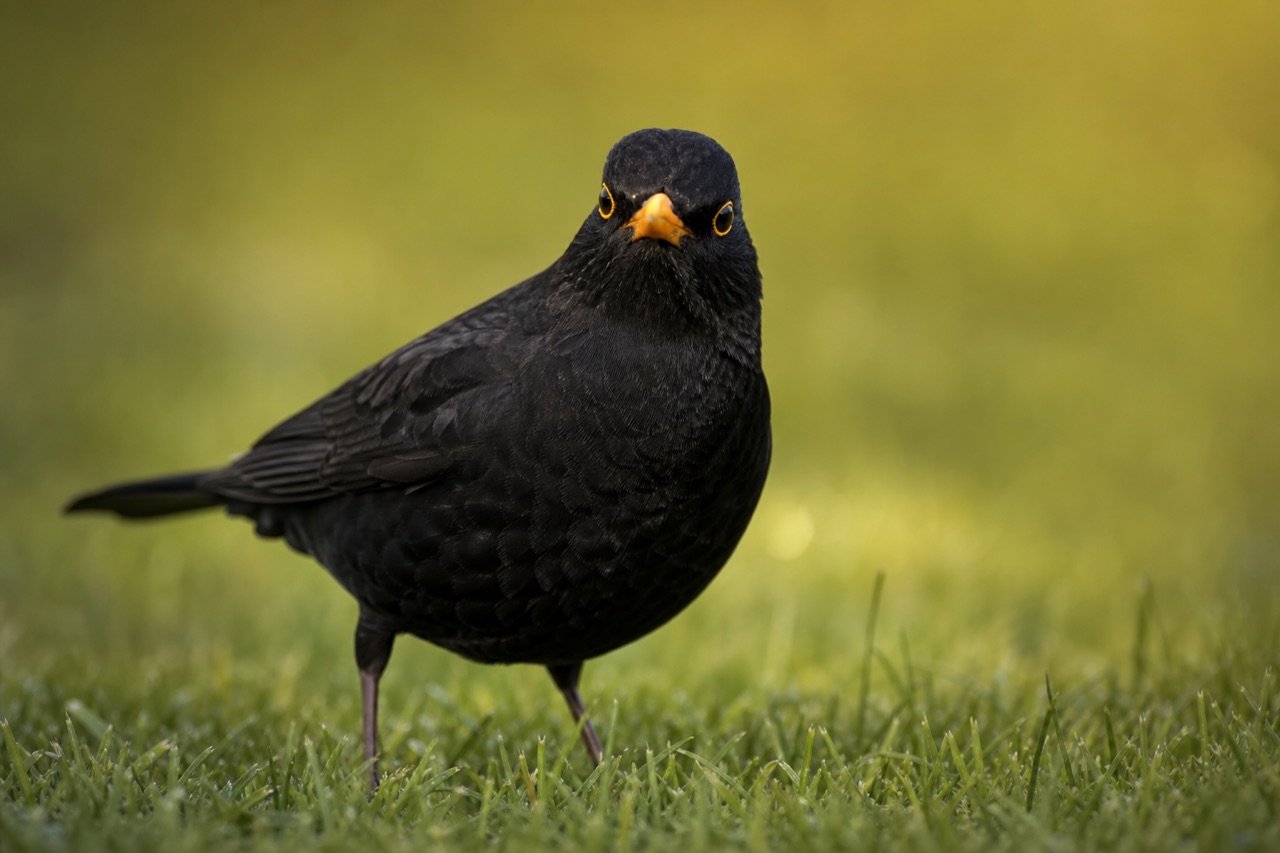
Garden birds
BBlackbird
Turdus merula (Linnaeus, 1758) — family Turdidae
The song that starts before dawn — and the bird most likely to nest in your hedge.
Europe, North Africa and western Asia · Introduced to Australia and New Zealand
Open guide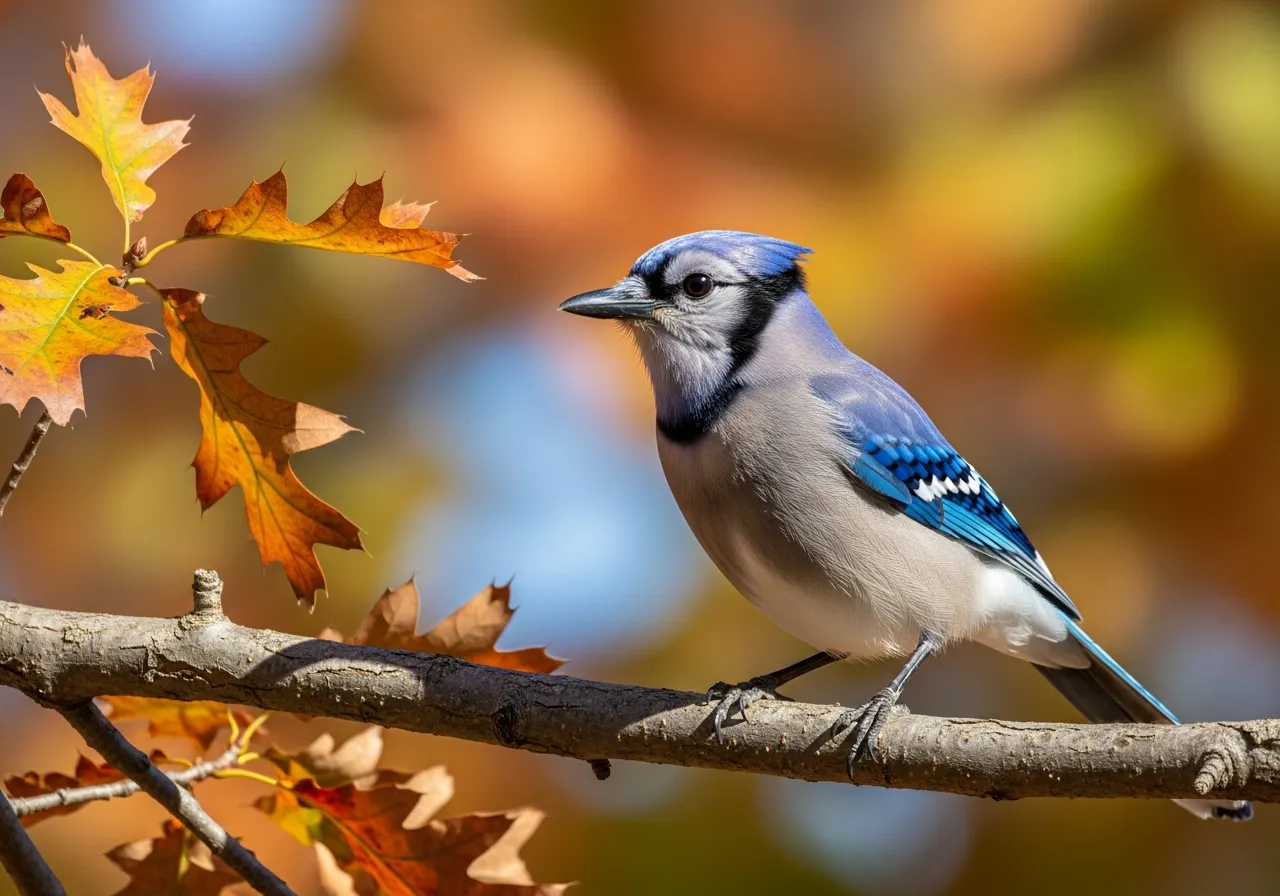
Garden birds
BBlue Jay
Cyanocitta cristata
The bold, blue-crested corvid that mimics hawks and plants oak forests one acorn at a time.
North America
Open guide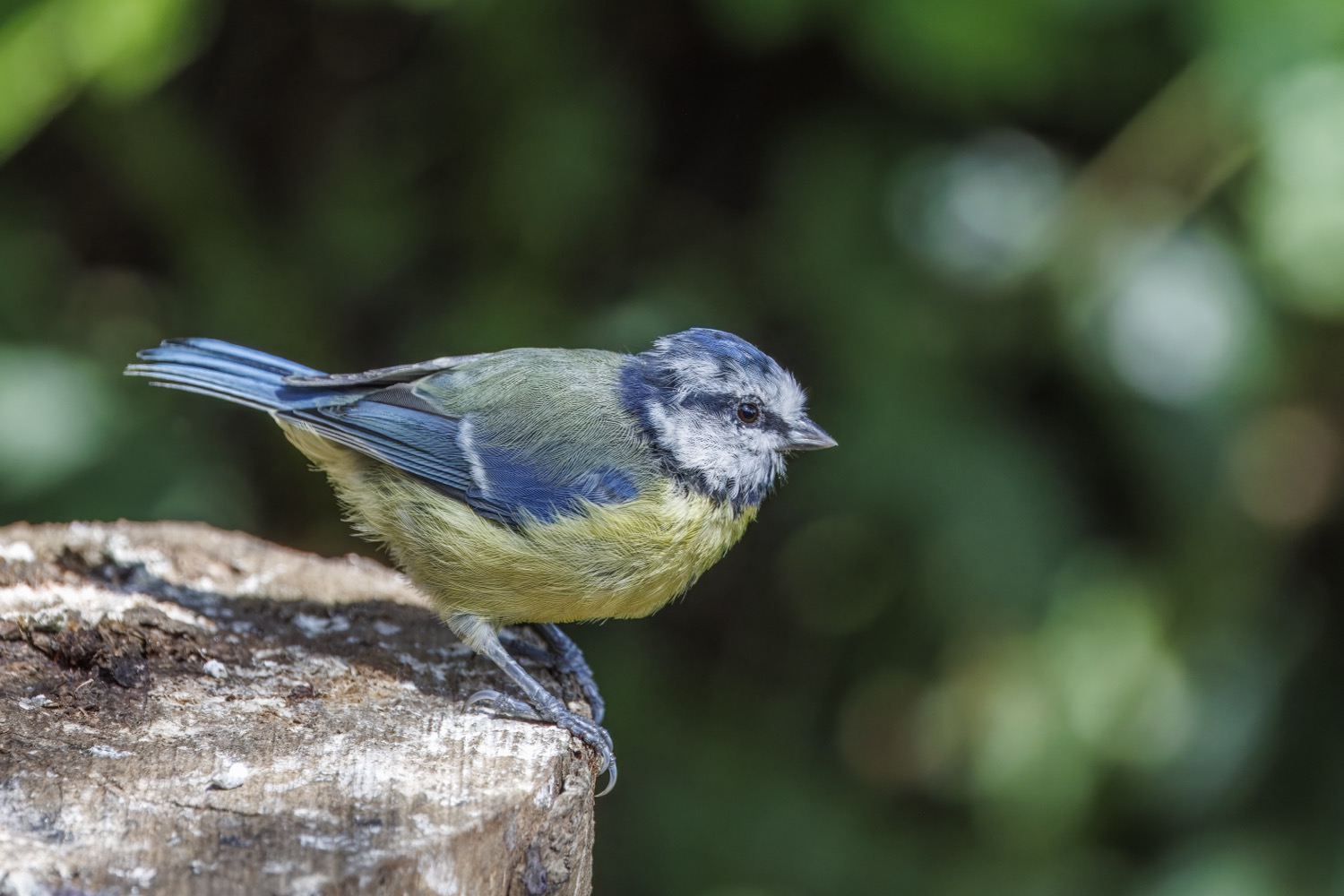
Garden birds
BBlue Tit
Cyanistes caeruleus
The acrobatic blue-and-yellow regular of European gardens.
United Kingdom and Ireland · Mainland Europe
Open guide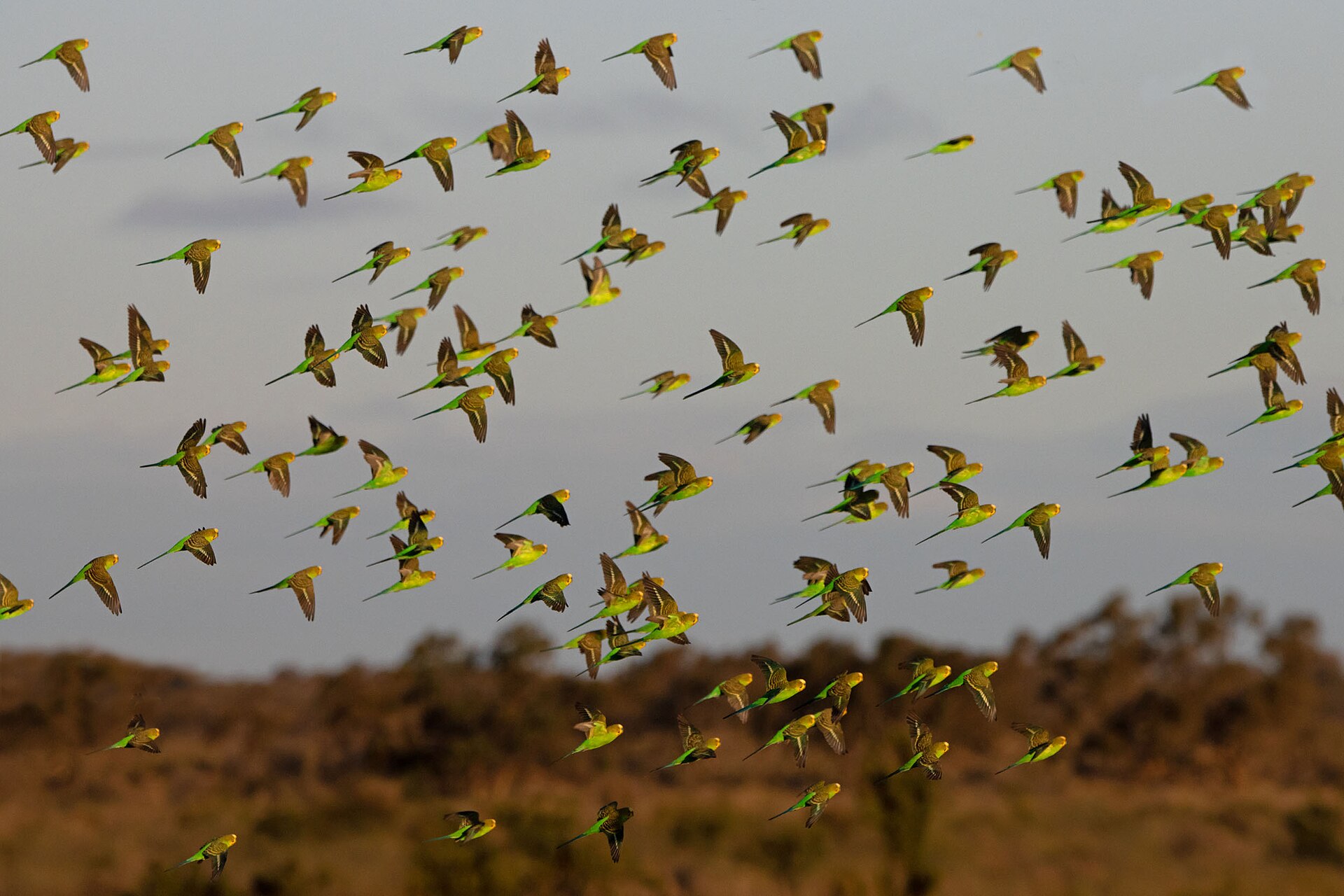
Parrots & macaws
BBudgerigar
Melopsittacus undulatus (Shaw, 1805)
Australia's tiny parrot — a wild flocking bird, not just a cage pet.
Australia
Open guide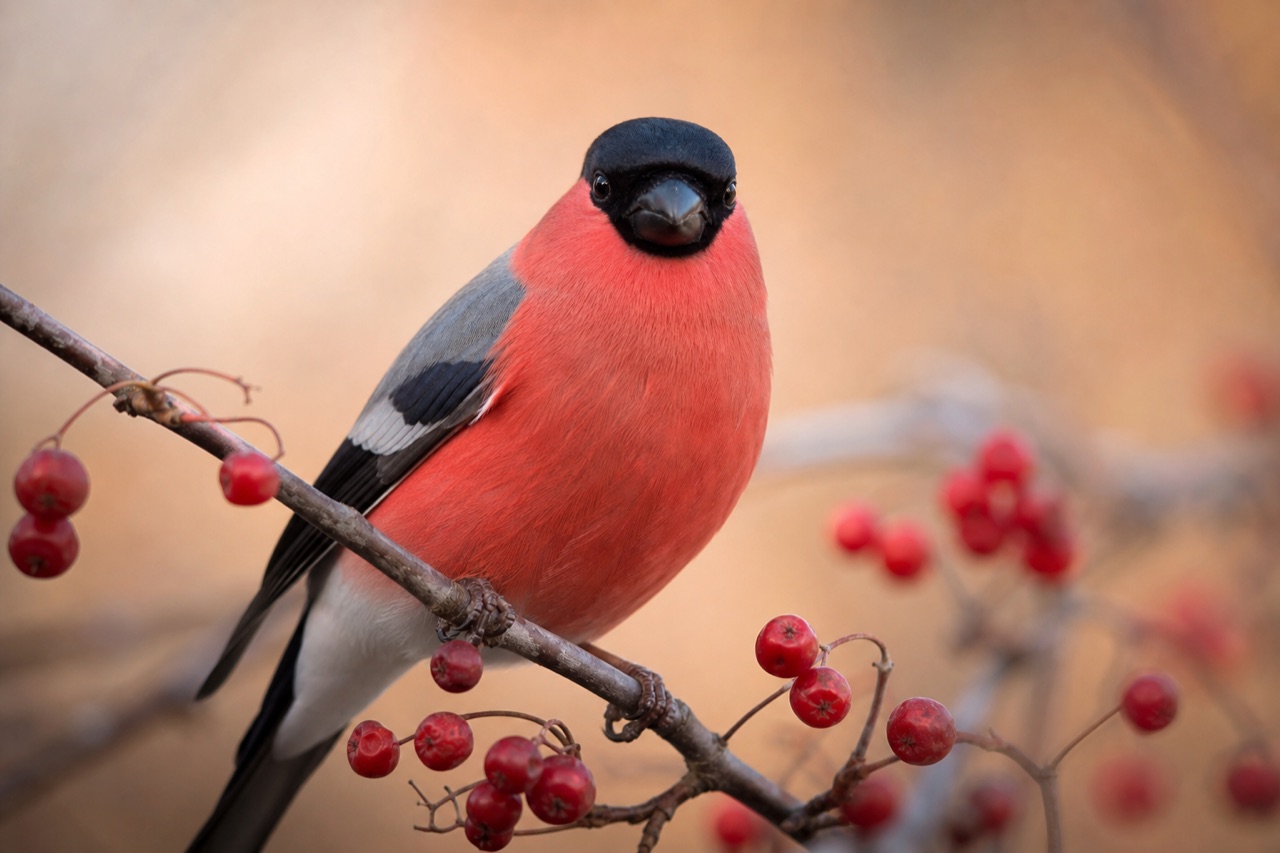
Garden birds
BBullfinch
Pyrrhula pyrrhula (Linnaeus, 1758) — family Fringillidae
Pink, shy and broad-billed — the finch fruit growers watch in winter.
Deciduous woodland and scrub across Europe and temperate Asia · Local in British gardens near scrub and orchards
Open guide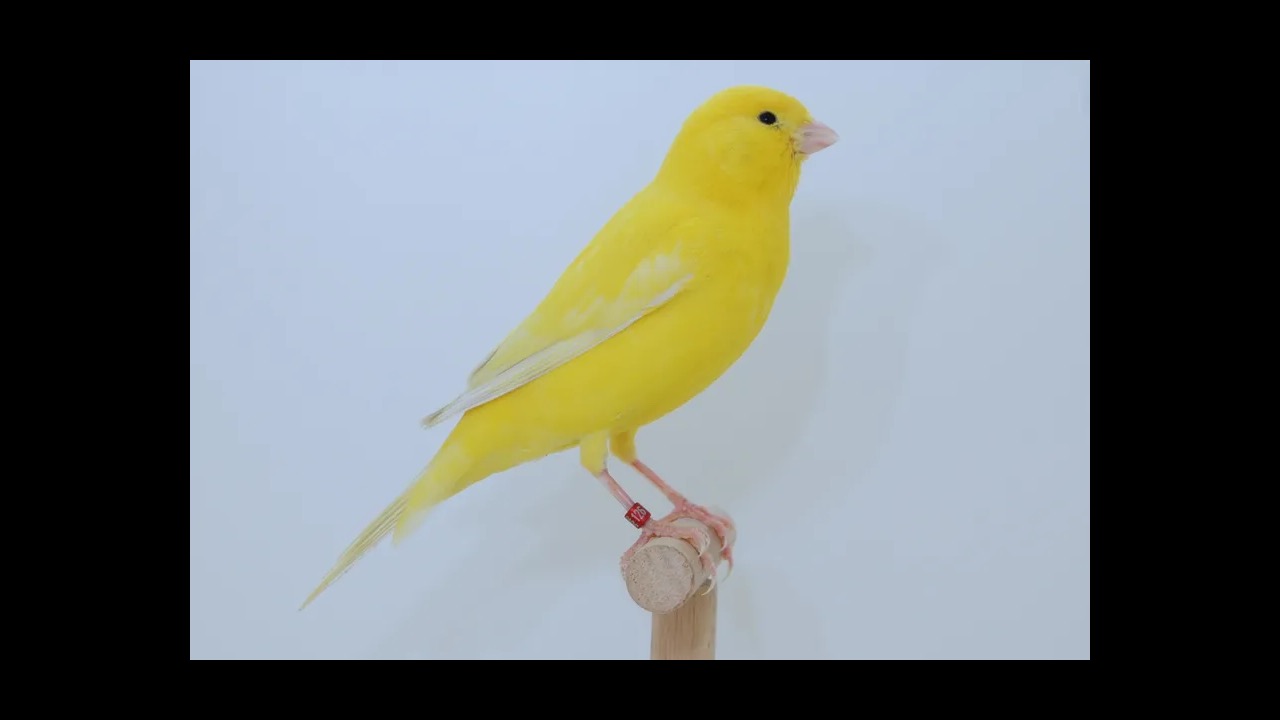
Parrots & macaws
CCanary
Serinus canaria
The singing island finch of parlours worldwide
Africa · Europe
Open guide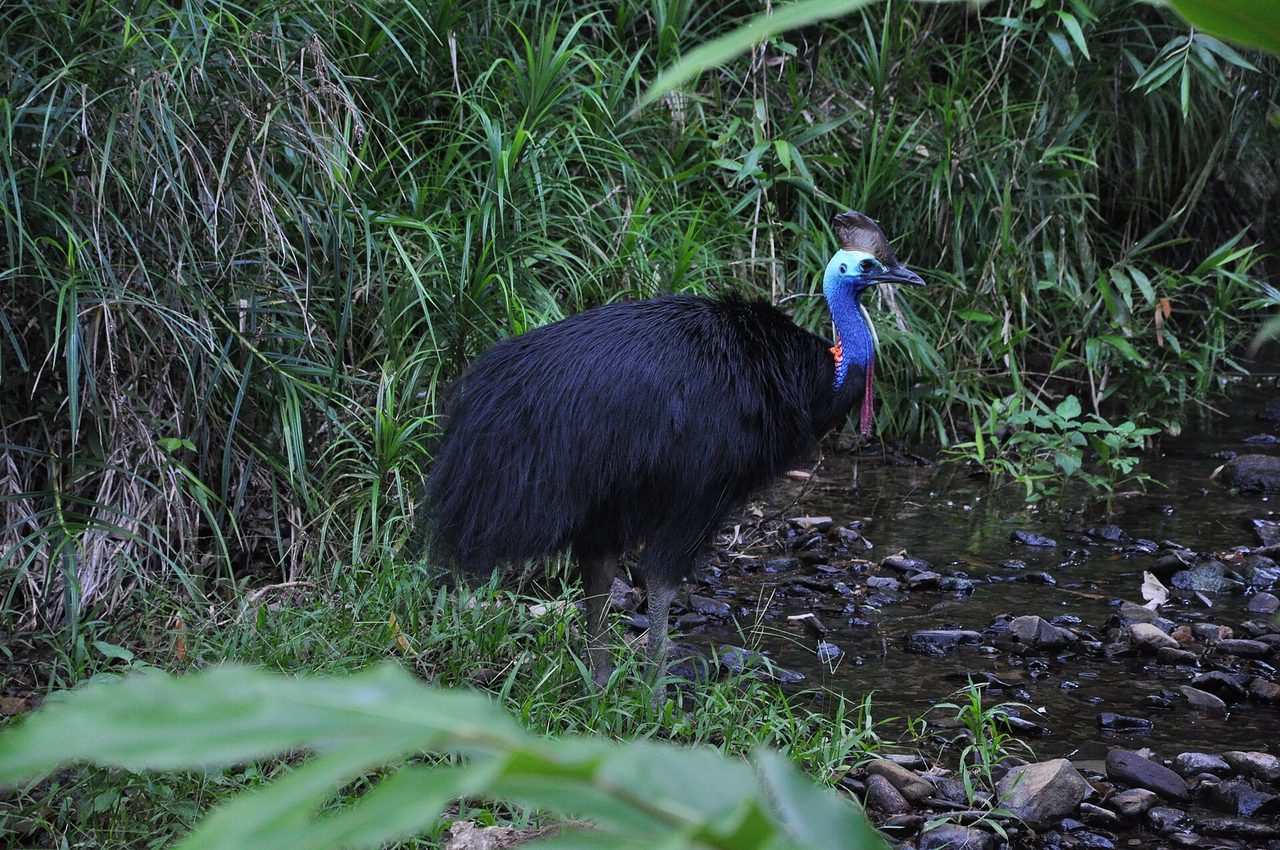
Flightless birds
CCassowary
Casuarius spp.
The rainforest's living gardener — a flightless giant that reshapes forests one seed at a time
Papua New Guinea · Indonesia (West Papua, Maluku Islands)
Open guide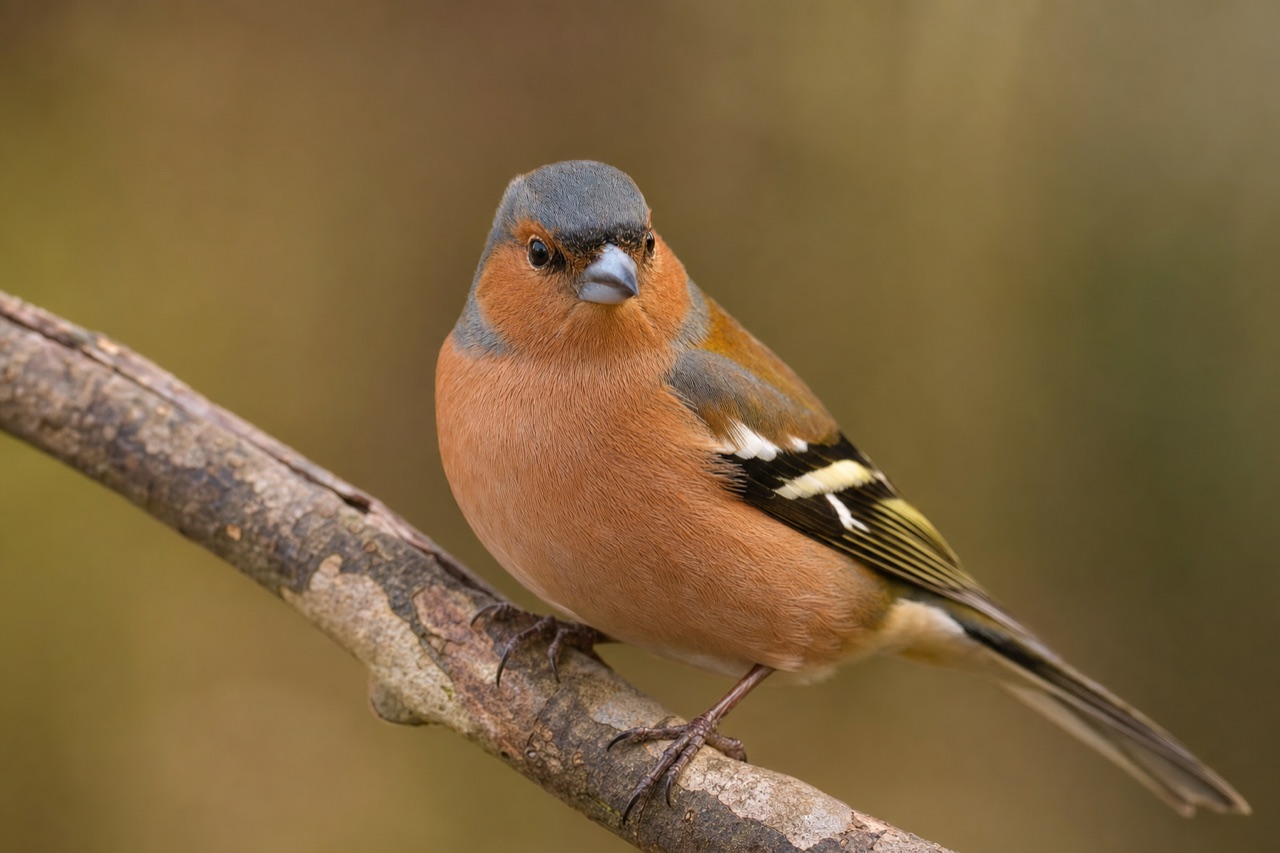
Garden birds
CChaffinch
Fringilla coelebs (Linnaeus, 1758) — family Fringillidae
Britain's commonest finch — pink-breasted in spring, picking seed beneath your feeders.
Woodland, farmland and gardens across Europe and western Asia · Widespread throughout Britain and Ireland
Open guide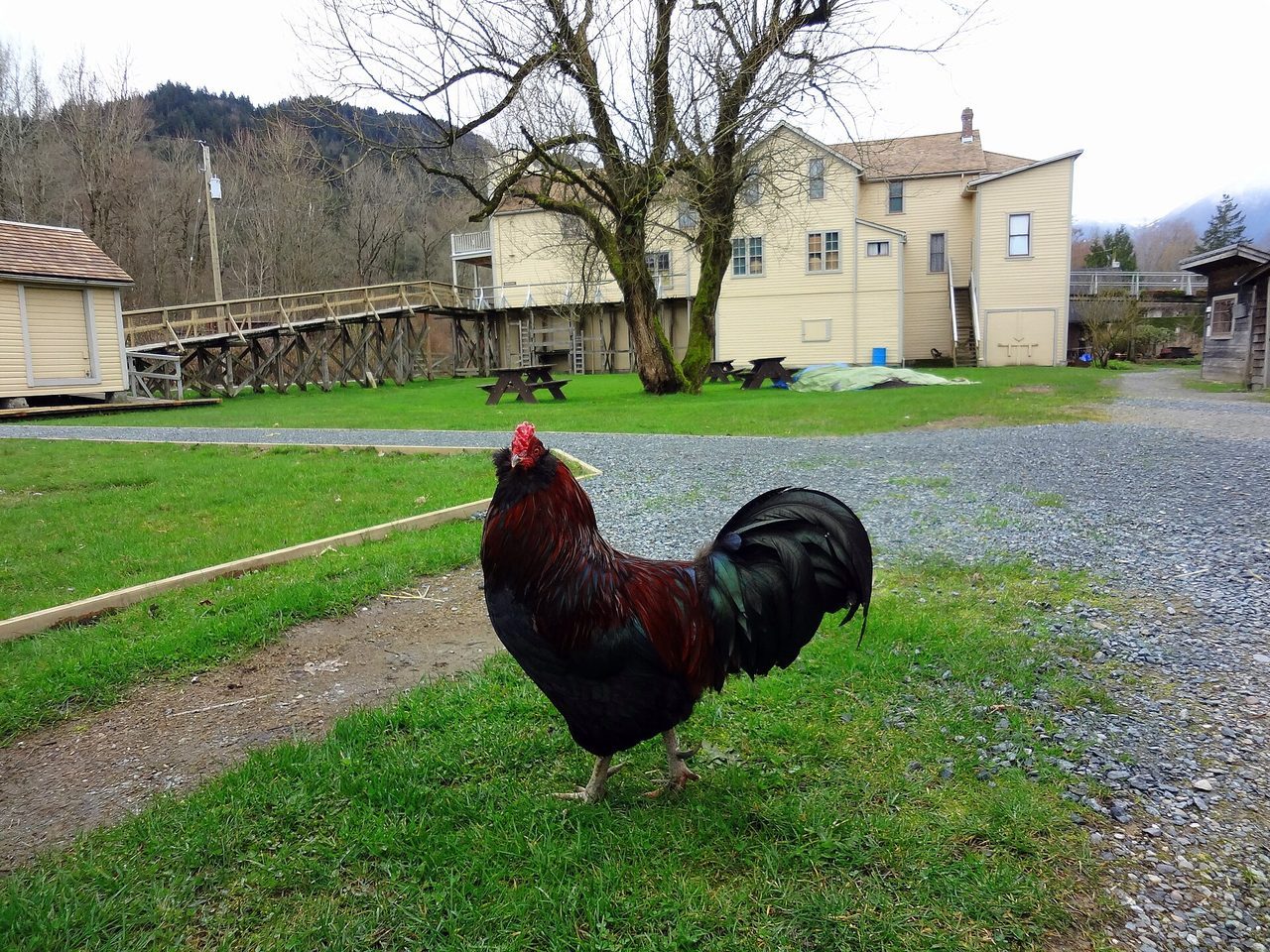
Farmed & domestic birds
CChicken
Gallus gallus domesticus — descended from red junglefowl (Gallus gallus)
The world's commonest bird — junglefowl turned livestock, companion and welfare challenge at industrial scale.
Worldwide — domestic; wild ancestor in South and South-east Asia
Open guide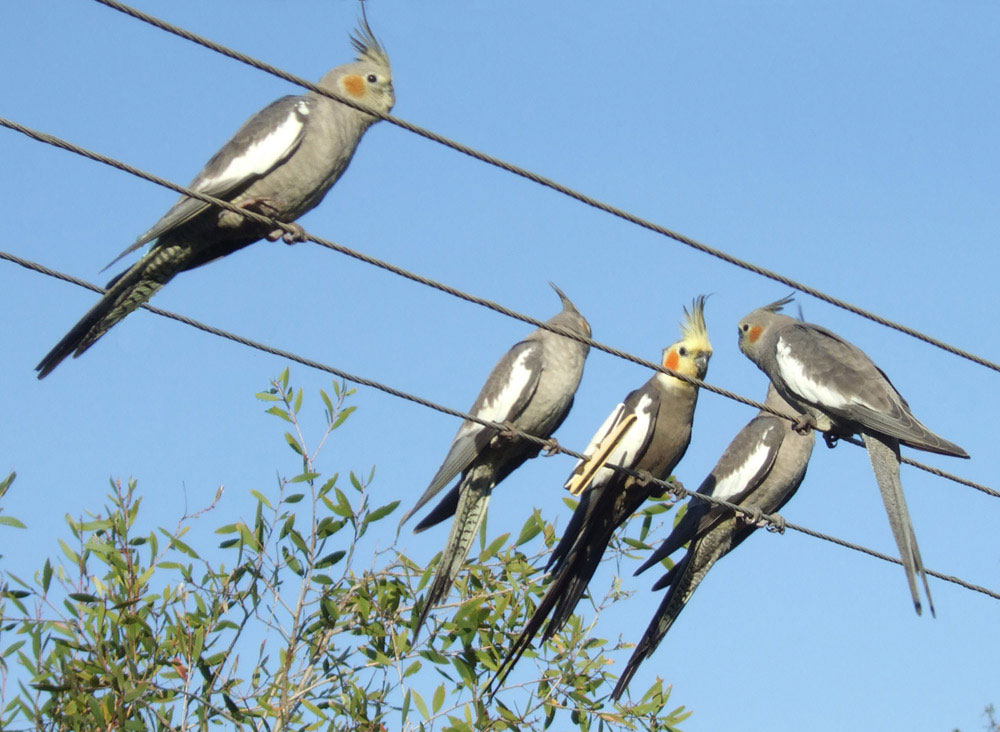
Parrots & macaws
CCockatiel
Nymphicus hollandicus (Kerr, 1792) — the smallest member of the cockatoo family
Australia's pocket cockatoo — a gentle, whistling parrot bred into many colour mutations.
Australia (wild); kept worldwide
Open guide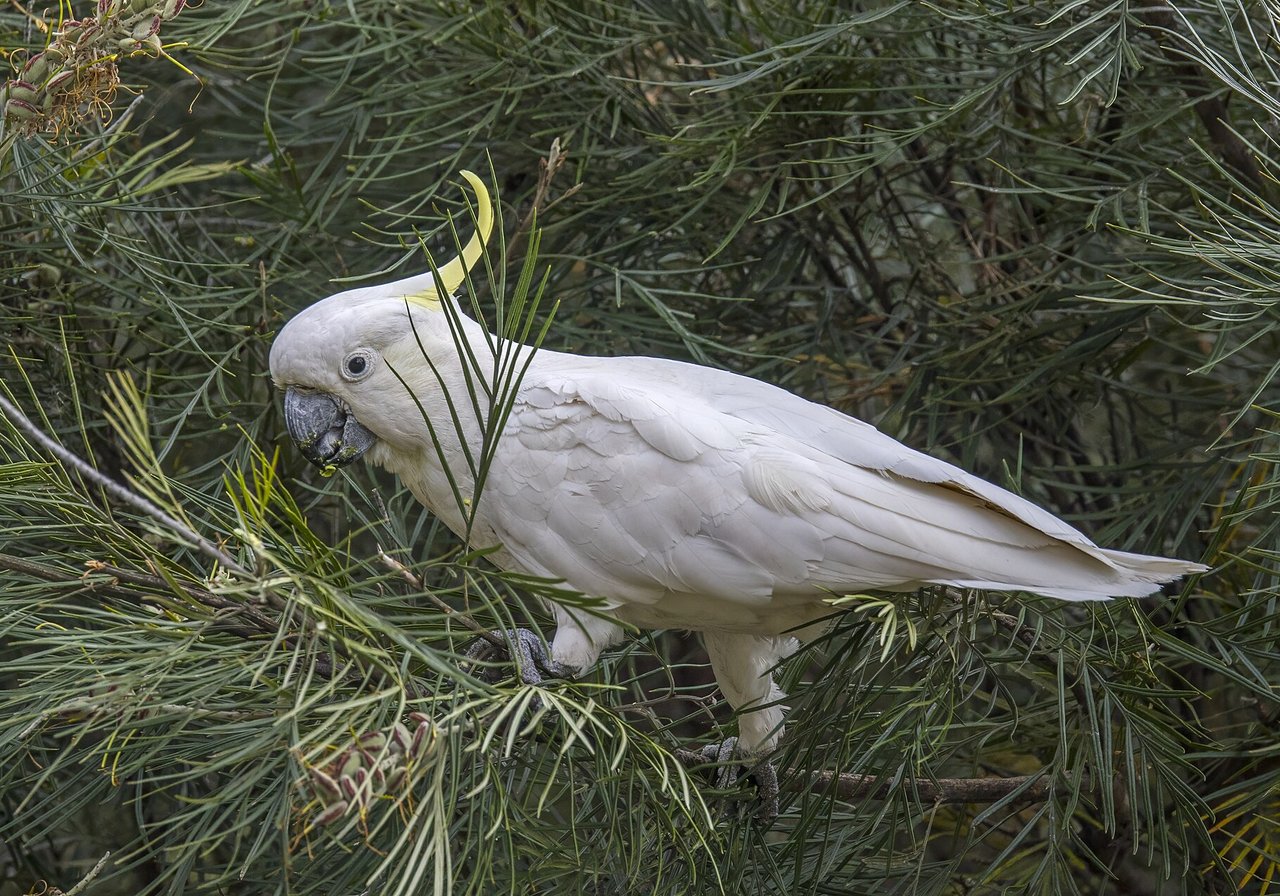
Parrots & macaws
CCockatoo
Family Cacatuidae — 21 species in 4 genera (Cacatua, Calyptorhynchus, Callocephalon, Nymphicus)
Crested parrots of Australasia — loud, long-lived and deeply threatened by trade.
Australia · Indonesia
Open guide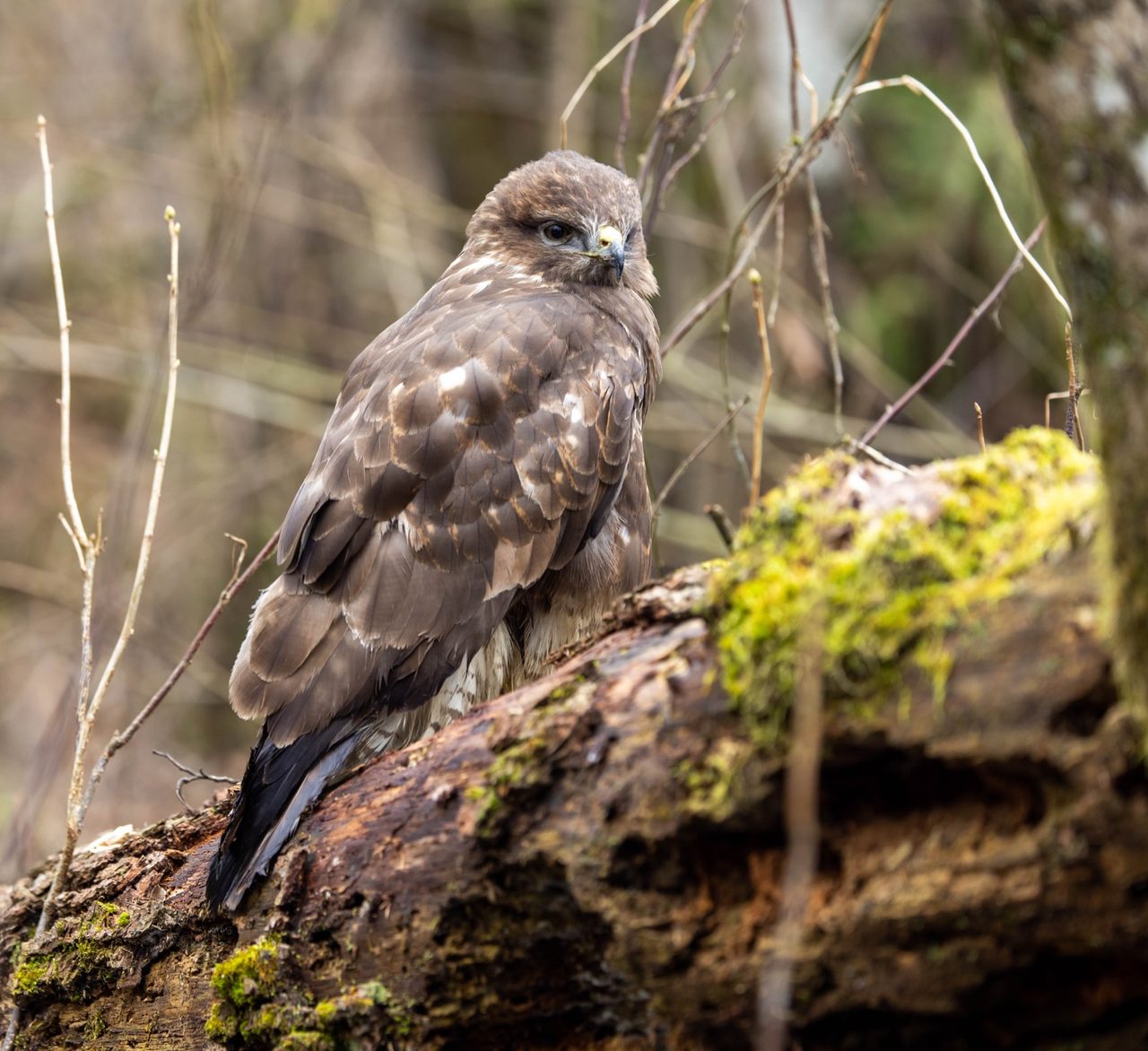
Birds of prey
CCommon Buzzard
Buteo buteo
The broad-winged, mewing raptor that became Britain's commonest bird of prey.
United Kingdom · Europe
Open guide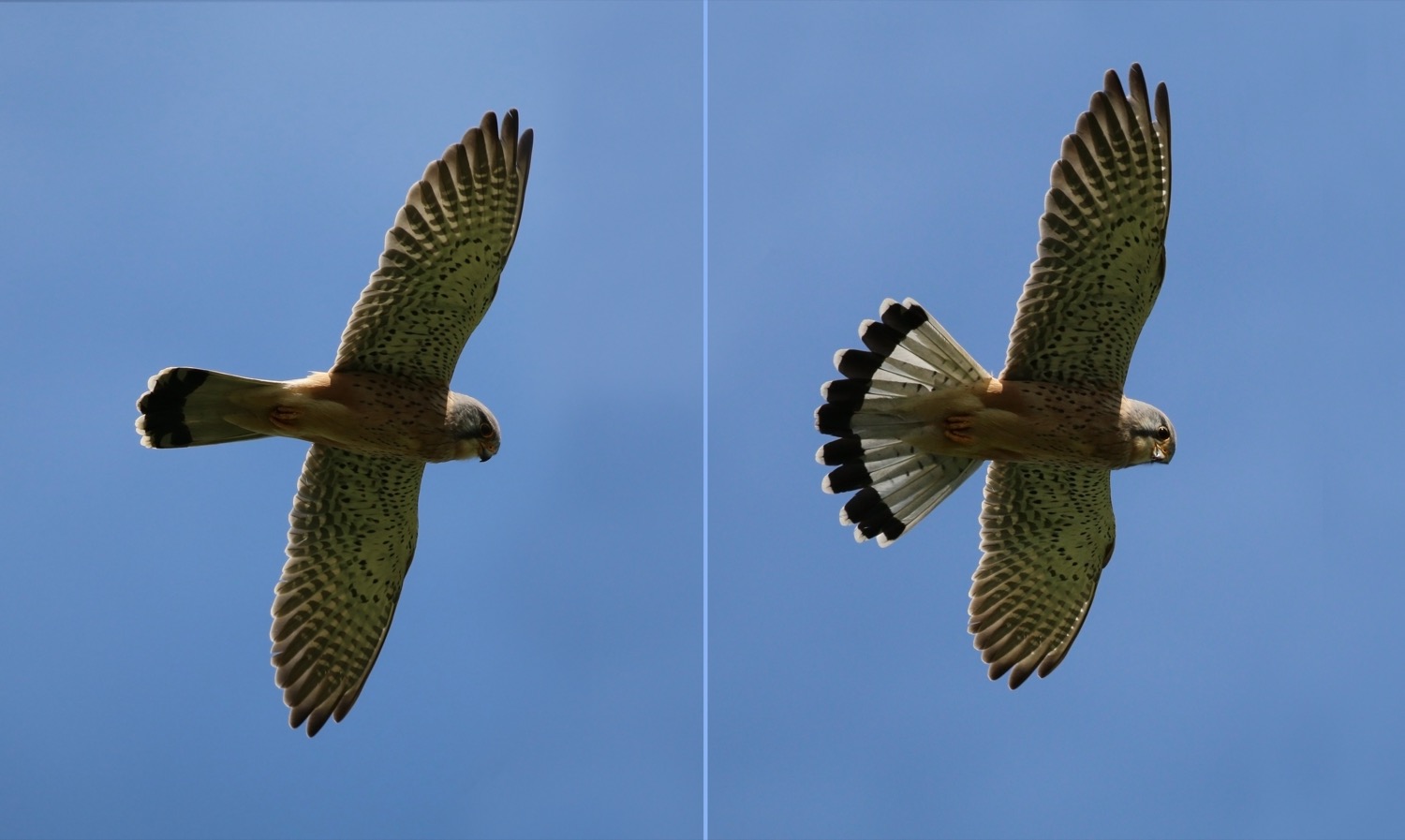
Birds of prey
CCommon Kestrel
Falco tinnunculus
The hovering falcon that hunts by the glow of vole urine.
Europe · Asia
Open guide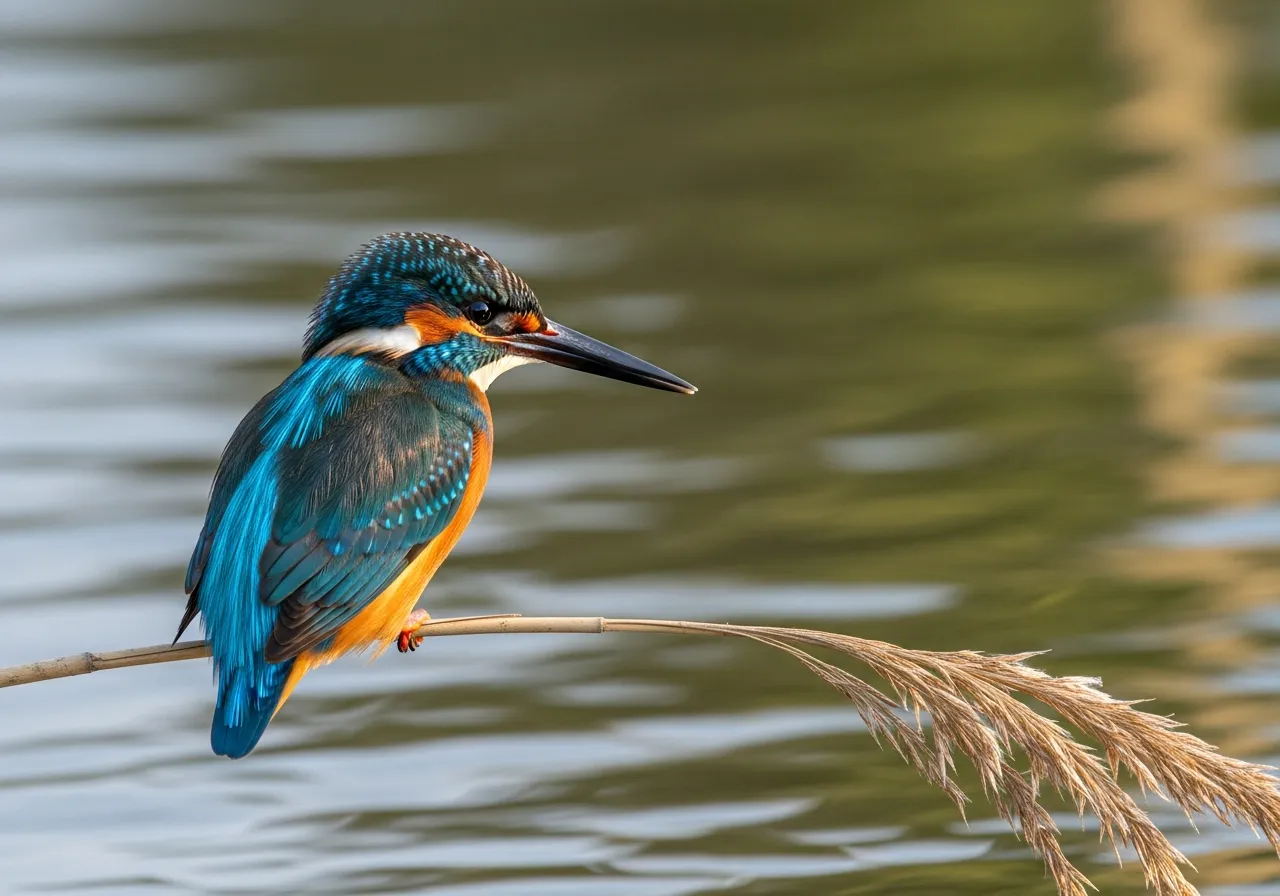
Waterbirds & wildfowl
CCommon Kingfisher
Alcedo atthis
A jewel of the riverbank that hunts by diving headfirst for fish.
Europe · Asia
Open guide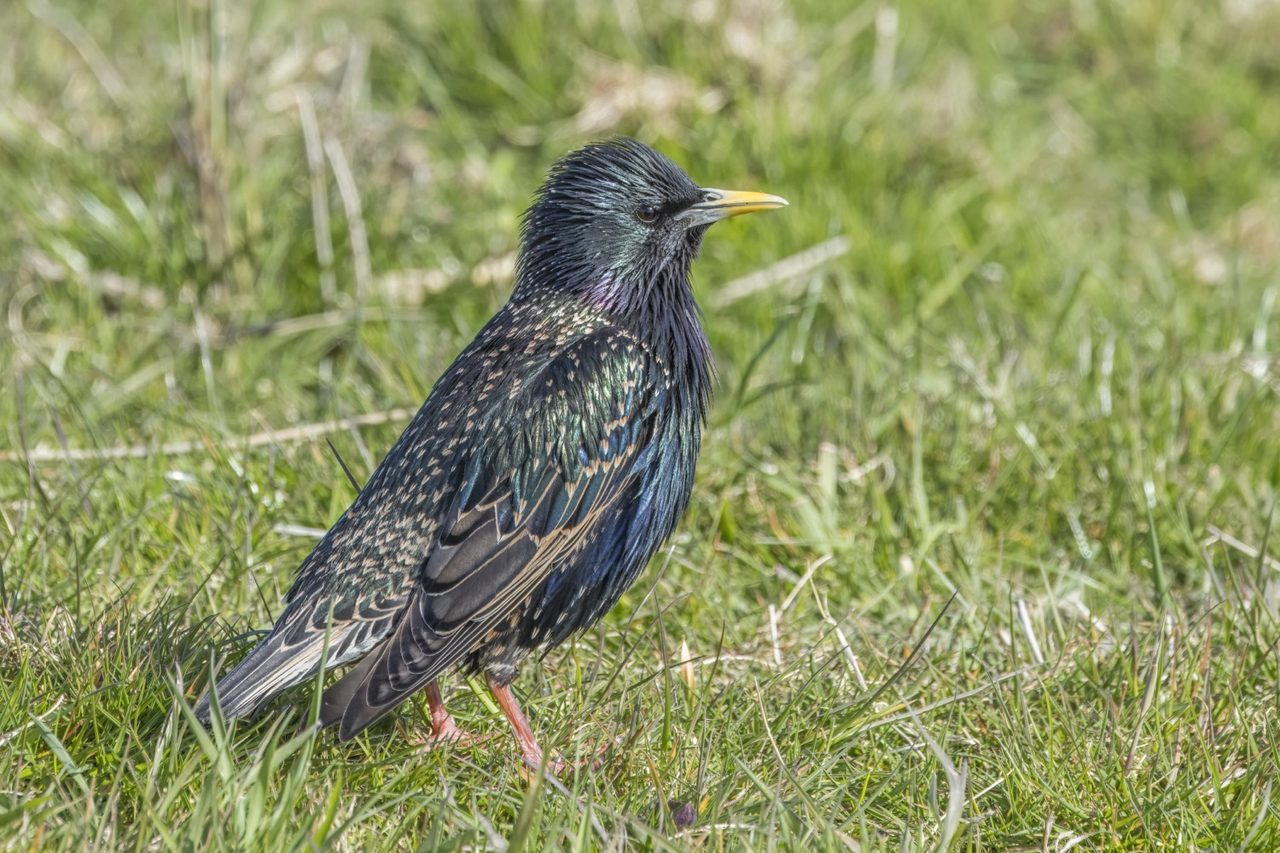
Garden birds
CCommon Starling
Sturnus vulgaris
The speckled mimic behind winter's swirling murmurations
Europe · North Africa
Open guide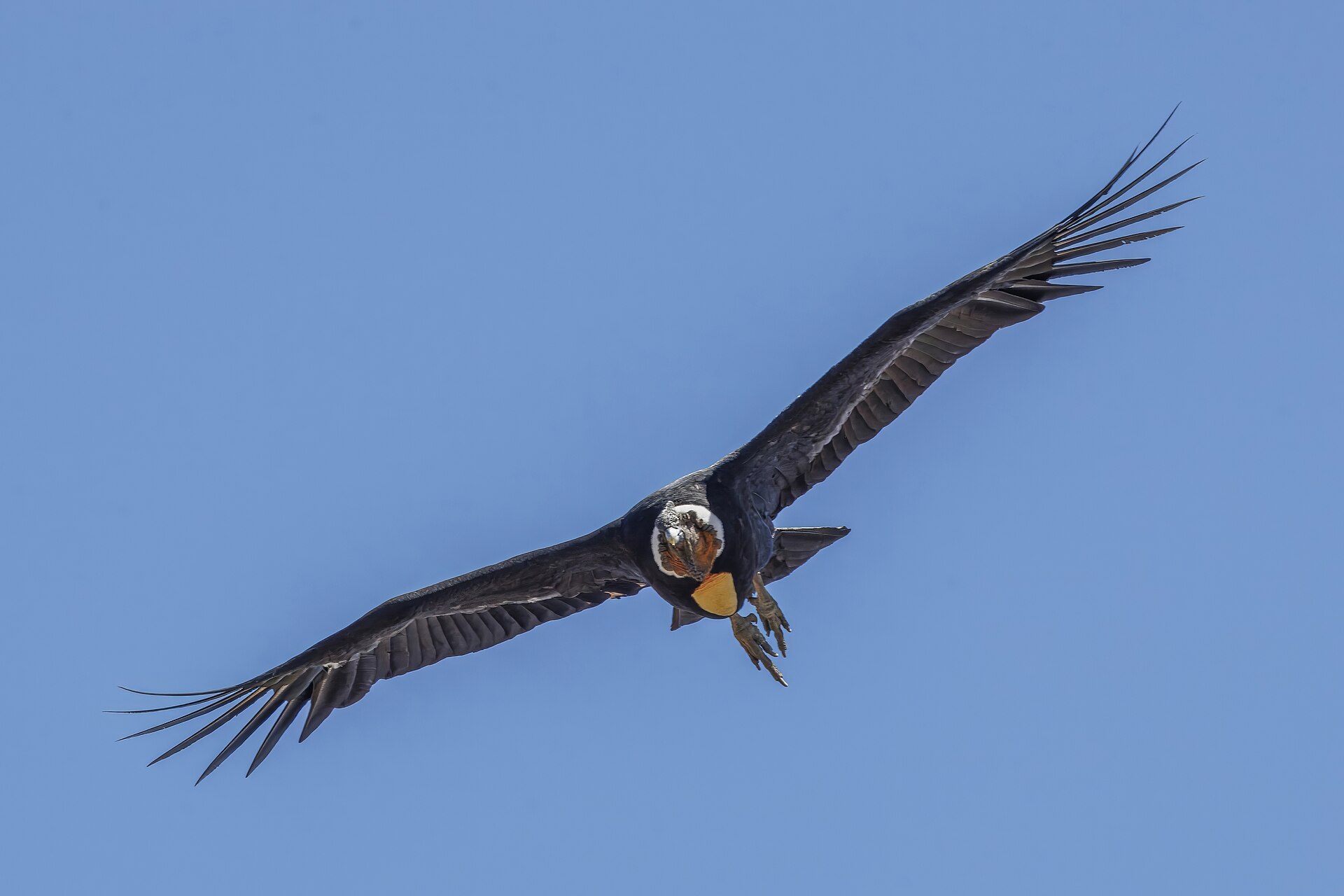
Birds of prey
CCondor
Vultur gryphus (Andean) / Gymnogyps californianus (California)
The largest flying land birds in the Western Hemisphere — ancient scavengers whose fate hangs on the choices humanity makes
South America · Andes Mountains
Open guide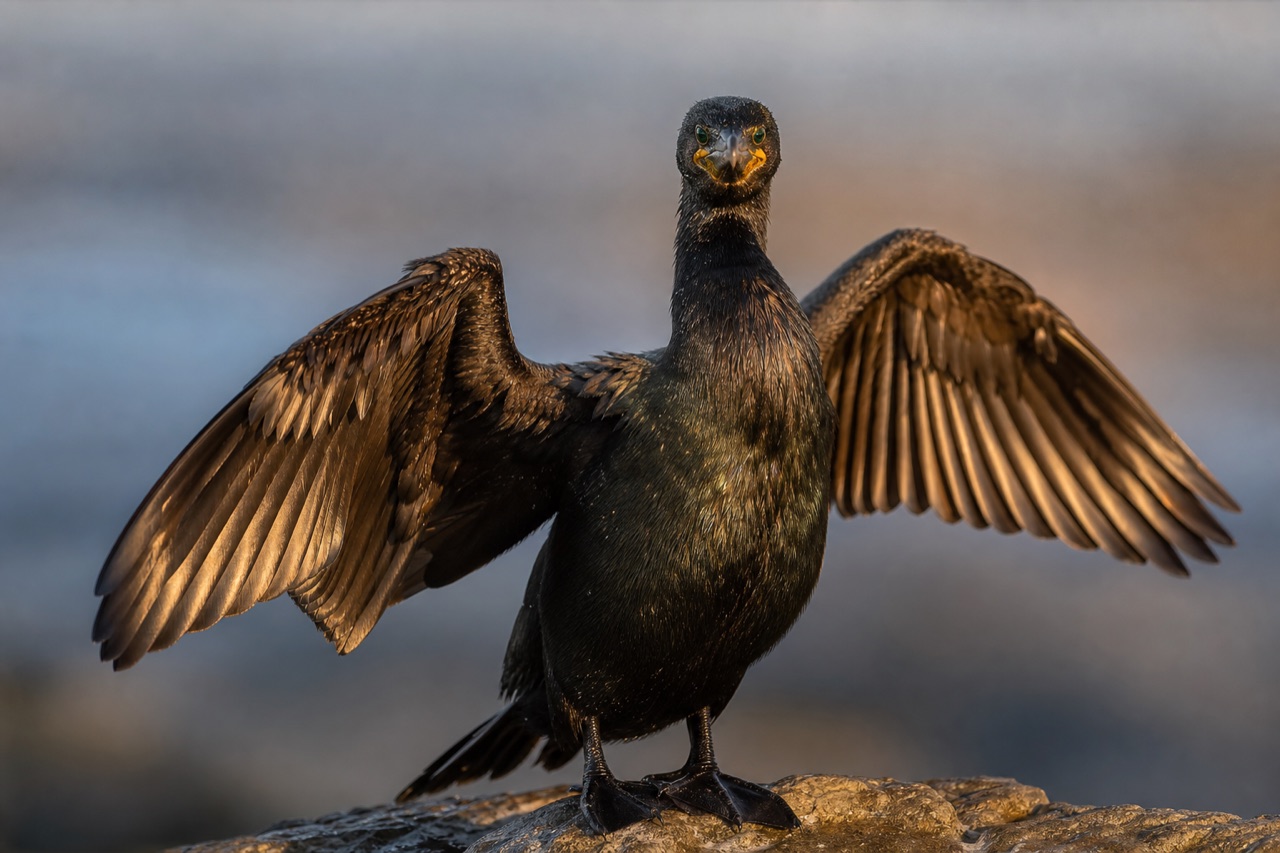
Waterbirds & wildfowl
CCormorant
Phalacrocorax carbo (Linnaeus, 1758) — family Phalacrocoracidae
The black diver that spreads its wings to dry — and eats fish for a living.
Coasts, estuaries, lakes and rivers worldwide · Widespread breeder and winter visitor in Britain
Open guide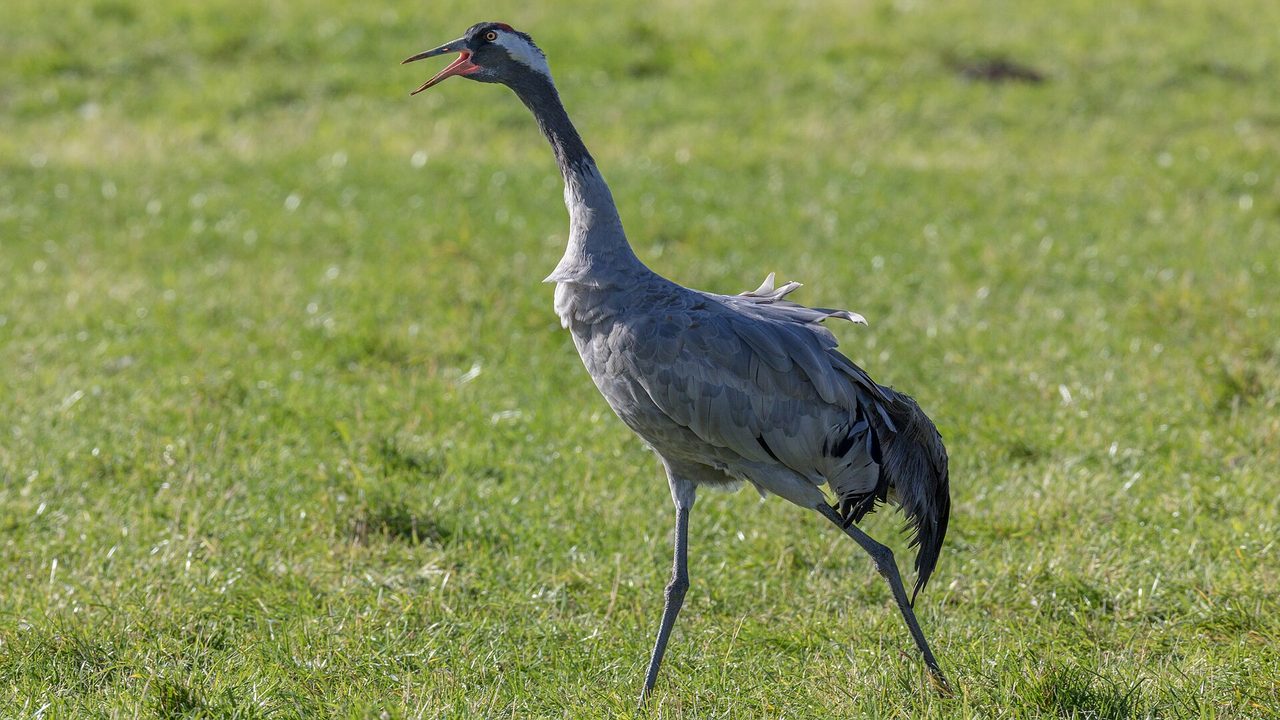
Waterbirds & wildfowl
CCrane
Family Gruidae
Ancient dancers of the sky — cranes have soared across every continent bar two for tens of millions of years
Europe · Asia
Open guide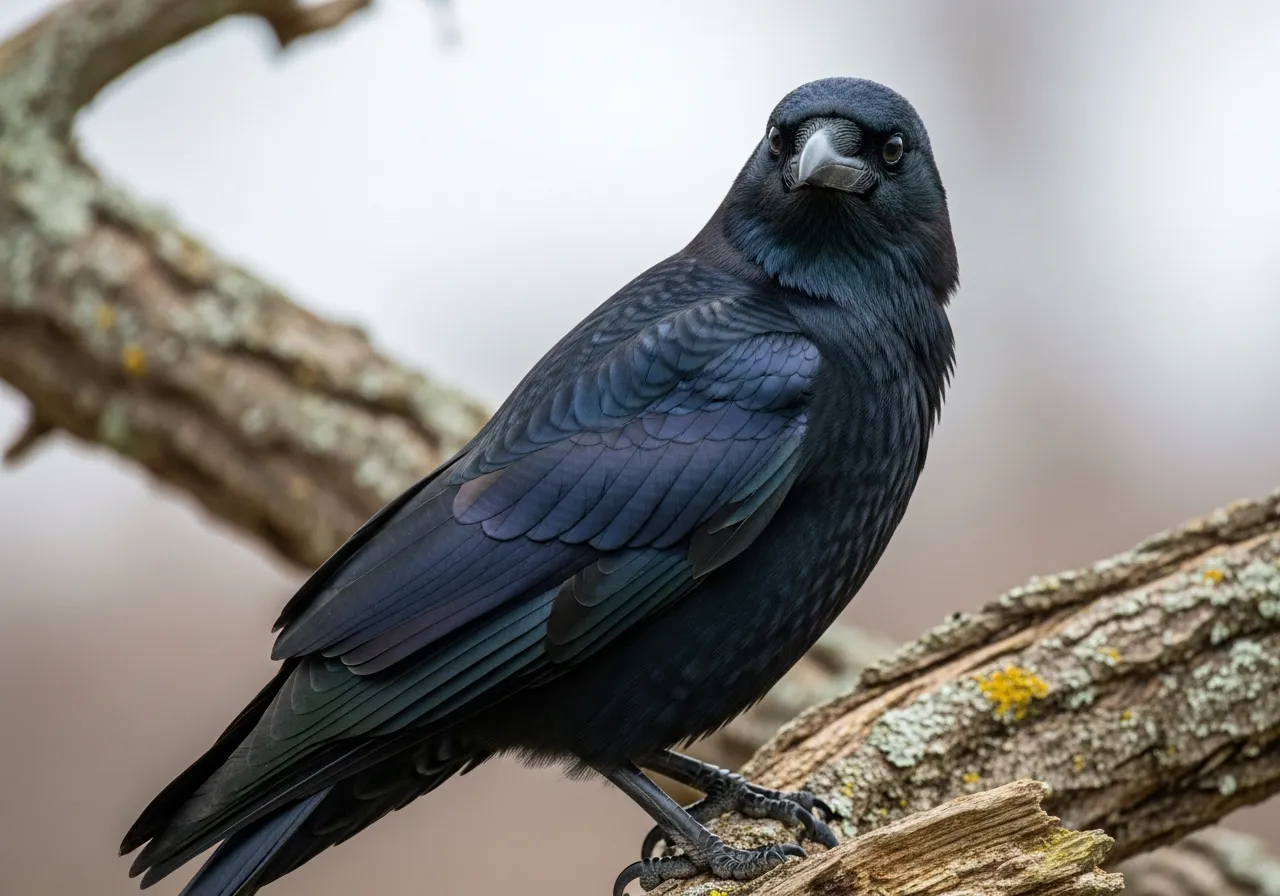
Garden birds
CCrow
Corvus
Among the cleverest birds on Earth — tool-users, problem-solvers and faces in the crowd.
North America · Europe
Open guide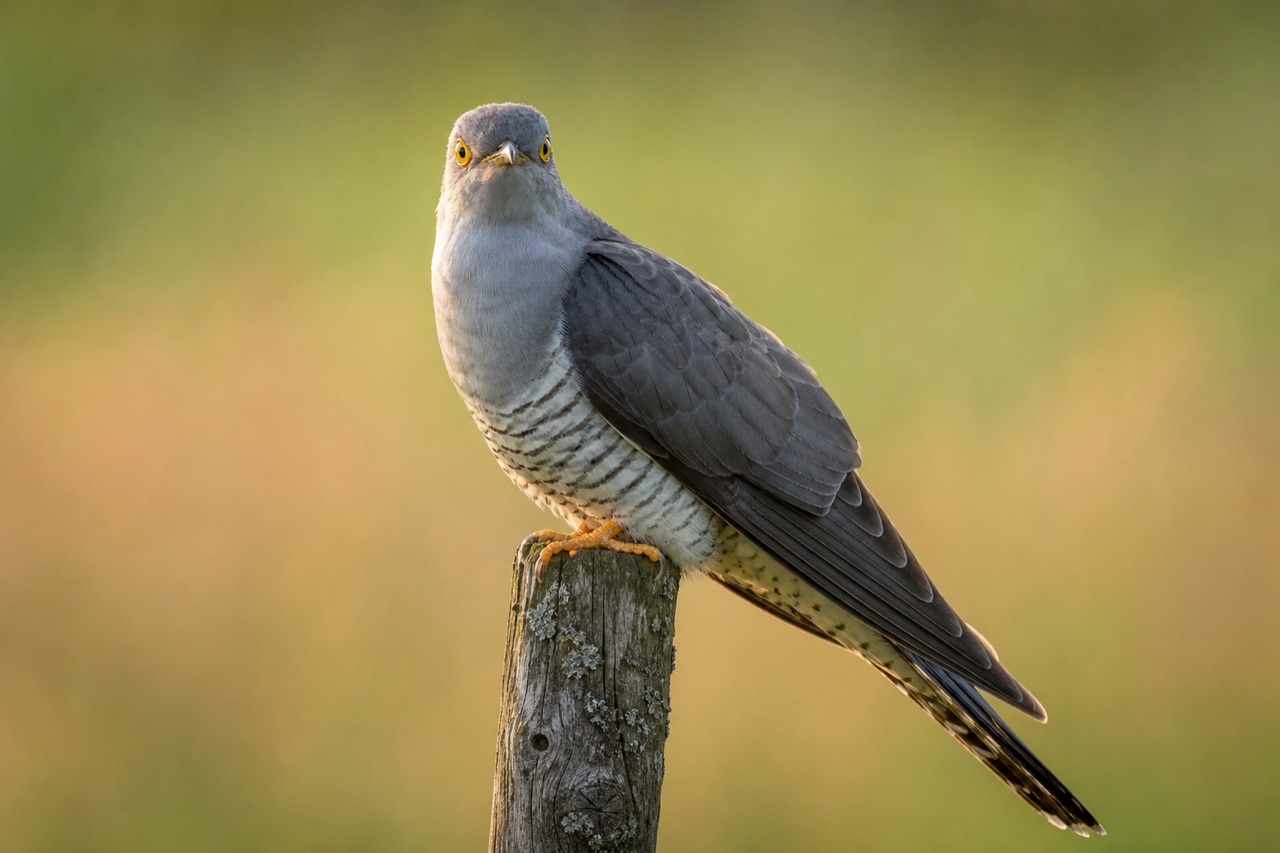
Garden birds
CCuckoo
Cuculus canorus (Linnaeus, 1758) — family Cuculidae
The call of spring — and a brood parasite that fooled a continent.
Breeds across Europe and Asia to Mongolia · Winters in sub-Saharan Africa; summer visitor to Britain
Open guideQuick answers about birds
- Are penguins birds? Yes. Penguins are flightless birds in the order Sphenisciformes. They have feathers, lay hard-shelled eggs, and are warm-blooded — but their wings evolved into flippers for swimming. Penguins belong to order Sphenisciformes in class Aves — same group as eagles and sparrows.
- What is the fastest bird? In level flight, the common swift (Apus apus) holds the record at roughly 111 km/h (69 mph). In a hunting stoop (dive), the peregrine falcon exceeds 320 km/h (200 mph) — the fastest verified animal movement. Bird speed depends on measurement: level flapping flight, gliding or gravity-assisted dive.
- What is the difference between a crow and a raven? Ravens are generally larger with wedge-shaped tails, heavier bills and deeper croaking calls. Crows are smaller, have fan-shaped tails and higher-pitched caws. Both are highly intelligent corvids — but size, tail shape and voice separate them in the field. Crows and ravens belong to genus Corvus — among the most intelligent birds, capable of tool use, facial recognition and cooperative problem-solving.
- Can owls turn their heads 360 degrees? No — not a full rotation. Most owls can turn their heads about 270 degrees (roughly three-quarters of a circle) without moving their bodies. Their extra neck vertebrae and specialised blood vessels make that possible. Owls cannot turn heads a full 360 degrees — anatomy would tear arteries.
One in three bird species is declining
Habitat loss leads, followed by the illegal trade that hits parrots hardest, collisions with glass and power lines, introduced predators and domestic cats, rodenticide and pesticide poisoning, and climate-driven mismatches between when birds breed and when their food appears.
Birds are also the group where individual action is most directly measurable — window markings, nest boxes with the right hole size, cats kept in at dawn, and hedges left uncut all have documented effects.
Birds: frequently asked questions
What makes an animal a bird?
How many species of bird are there?
What are the main types of birds?
Are birds dinosaurs?
What is the fastest bird?
Are penguins birds?
What is the difference between a crow and a raven?
Which birds are birds of prey?
Why are many birds endangered?
How can I help birds where I live?
Keep exploring
-
Animals A–Z
Searchable encyclopaedia of every species guide, plus dedicated letter URLs such as animals that start with A and N.
-
Animals that start with A
Homework letter encyclopaedia: Aardvark, Axolotl, Aye-aye and the other A guides — not a census.
-
Animals that start with N
Homework letter encyclopaedia: Narwhal, Naked Mole-Rat, Nautilus and the other N guides.
-
What is an animal?
Definition, defining traits and the major groups.
-
Extinct animals
The dodo, great auk, moa and passenger pigeon — all birds.
-
Classification
Browse by class, order and family.
-
Critically endangered
The highest IUCN risk category for living species.
-
Glossary
Red List categories, CITES appendices and more.