Birds · 8 species guides
Seabirds: Albatrosses, Puffins, Gulls & Gannets
Seabirds are birds that feed at sea and come ashore mainly to breed, including albatrosses, petrels, gannets, puffins, gulls, terns, cormorants and penguins; they are the most threatened bird group on Earth, with around a third of species at risk.
- Flight style
- Albatrosses and shearwaters use dynamic soaring — stiff-winged arcs that barely need a wingbeat. Gulls flap and glide. Gannets and terns plunge-dive from height.
- Nostrils
- Tubenoses — albatrosses, petrels, shearwaters — have raised tubular nostrils on the bill, an adaptation for excreting salt and for an unusually sharp sense of smell.
- Bill
- Hooked in petrels and albatrosses; dagger-like in gannets and terns for plunge-diving; deep and laterally flattened in puffins, which is a breeding-season structure that is shed in winter.
- "Seagull" is not a species
- There is no bird called a seagull. Herring gull, lesser black-backed gull, black-headed gull and kittiwake are separate species, and several are red-listed and declining.
Seabirds live where almost nothing else does and pay for it in every direction. They drink saltwater and excrete the excess through specialised glands above the eye. They can spend years without touching land — a wandering albatross may not return for five. They are, on average, the longest-lived and slowest-breeding birds, many raising a single chick every year or two.
That life history is why they are the most threatened bird group on the planet. A population that produces one chick a year cannot absorb adults being drowned on longline hooks or killed by rats on a breeding island. Around a third of seabird species are threatened, a higher proportion than any other bird group, and the causes are well understood and largely solvable.
Key facts
- Around a third of seabird species are threatened — a higher proportion than any other bird group.
- Most seabirds are long-lived and very slow to breed, often raising a single chick per attempt, so adult mortality is disproportionately damaging.
- Longline fishing bycatch is a leading cause of albatross deaths, and bird-scaring streamers, night setting and weighted lines cut it dramatically at low cost.
- Invasive rats and cats on breeding islands are the other major killer; island eradications are among the highest-return interventions in conservation.
- There is no such species as a "seagull". Several of the gull species people complain about are in serious decline and legally protected.
- Tubenosed seabirds have an exceptional sense of smell and can detect dimethyl sulphide, a compound released where plankton is being grazed — which is also why they mistake weathered plastic for food.
How to recognise them
The features that separate this group in the field, in the order they are usually most useful.
- Flight style
- Albatrosses and shearwaters use dynamic soaring — stiff-winged arcs that barely need a wingbeat. Gulls flap and glide. Gannets and terns plunge-dive from height.
- Nostrils
- Tubenoses — albatrosses, petrels, shearwaters — have raised tubular nostrils on the bill, an adaptation for excreting salt and for an unusually sharp sense of smell.
- Bill
- Hooked in petrels and albatrosses; dagger-like in gannets and terns for plunge-diving; deep and laterally flattened in puffins, which is a breeding-season structure that is shed in winter.
- "Seagull" is not a species
- There is no bird called a seagull. Herring gull, lesser black-backed gull, black-headed gull and kittiwake are separate species, and several are red-listed and declining.
- Where they are
- True pelagic seabirds are rarely seen from shore outside breeding season. Birds routinely visible from a beach or harbour are mostly gulls, cormorants and terns.
8 seabirds guides
Search or filter by conservation status. Every guide carries sourced facts, IUCN status and FAQs.
Common names, scientific names and places are searchable.
Showing 1–8 of 8 guides
Birds
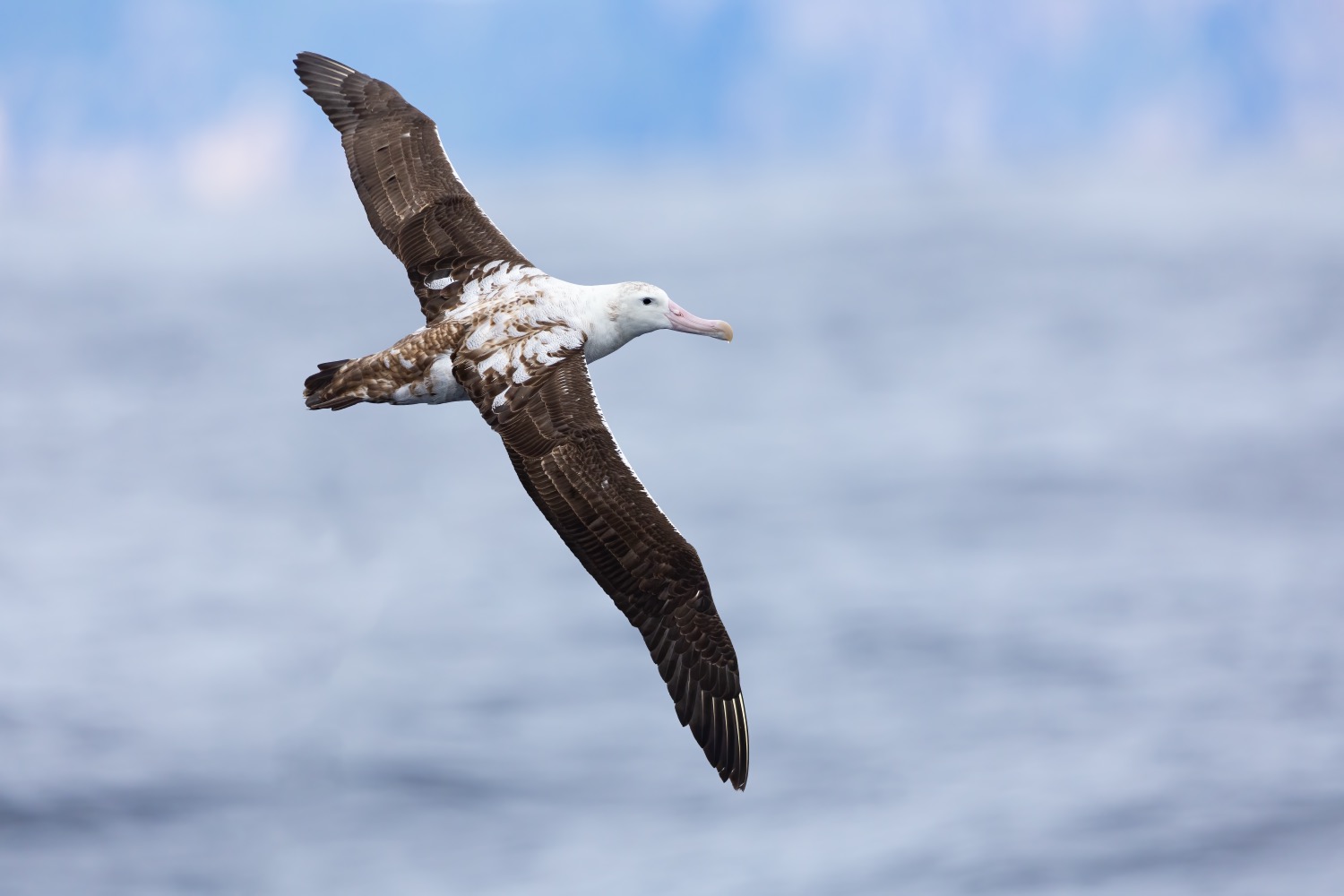
AAlbatross
Diomedeidae
The ocean's greatest gliders — and the world's most threatened bird family.
Southern Ocean · North Pacific
Open guide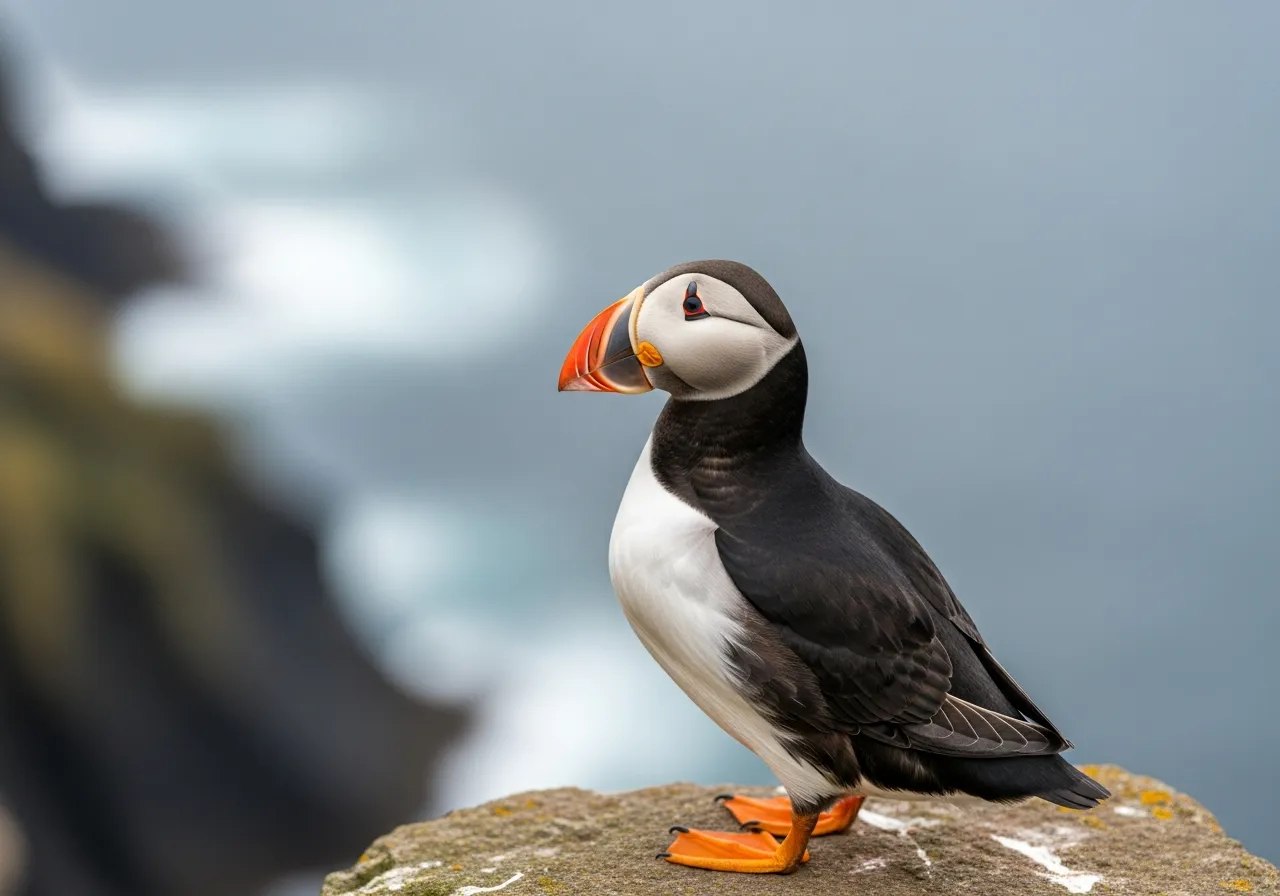
Birds
AAtlantic Puffin
Fratercula arctica
The North Atlantic's beloved "sea parrot" — a burrow-nesting seabird whose famous bill fades each winter at sea.
Iceland · Norway and the Faroe Islands
Open guide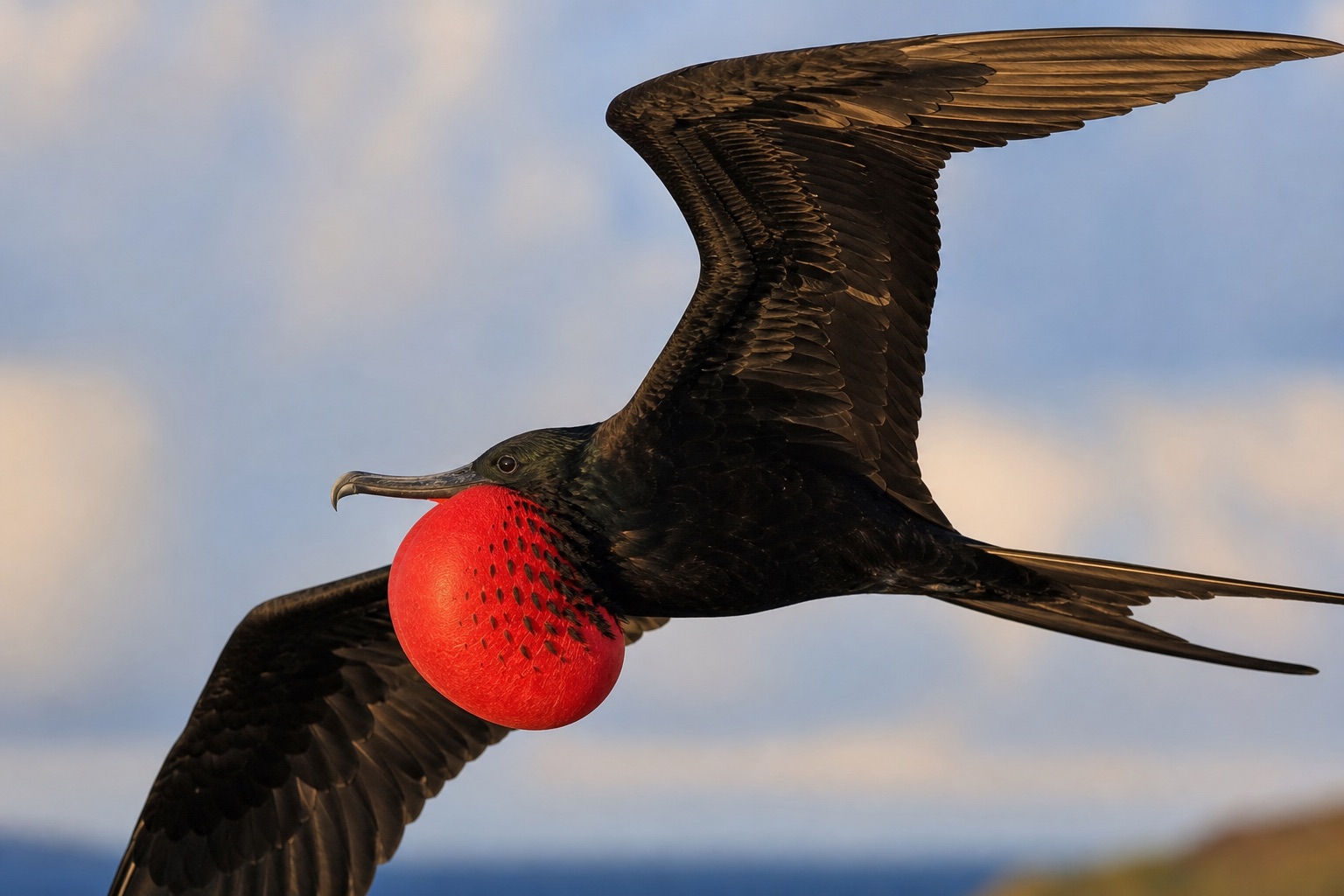
Birds
FFrigatebird
Fregata magnificens Mathews, 1914 — family Fregatidae
A seabird that can stay airborne for weeks — and steals most of its meals on the wing.
Tropical Atlantic and Pacific coasts · Caribbean and Galápagos islands
Open guide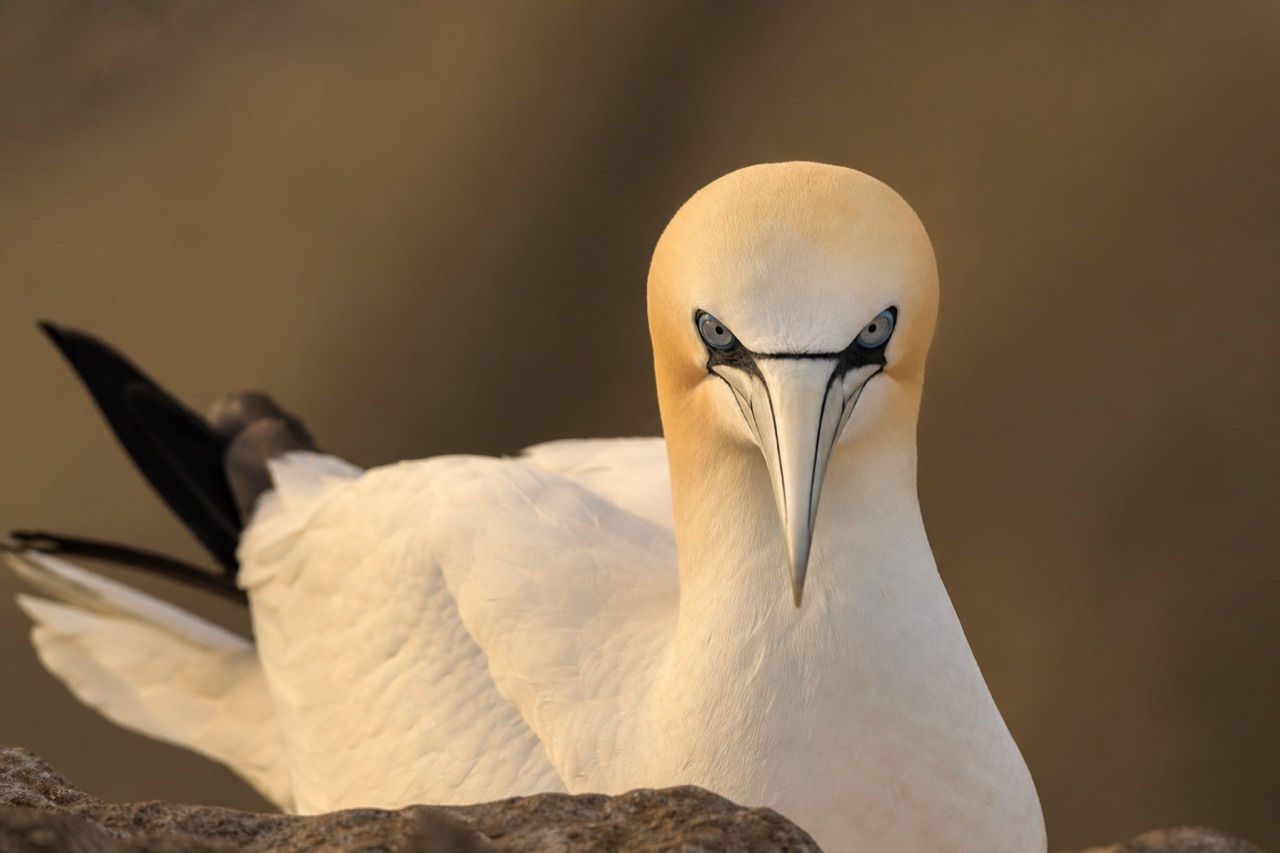
Birds
GGannet
Morus bassanus (Linnaeus, 1758) — family Sulidae
White torpedo from the cliff — the loudest seabird colony in Britain.
North Atlantic coasts — breeds on cliffs in Britain, Ireland, Iceland and Canada · Winters at sea across the Atlantic
Open guide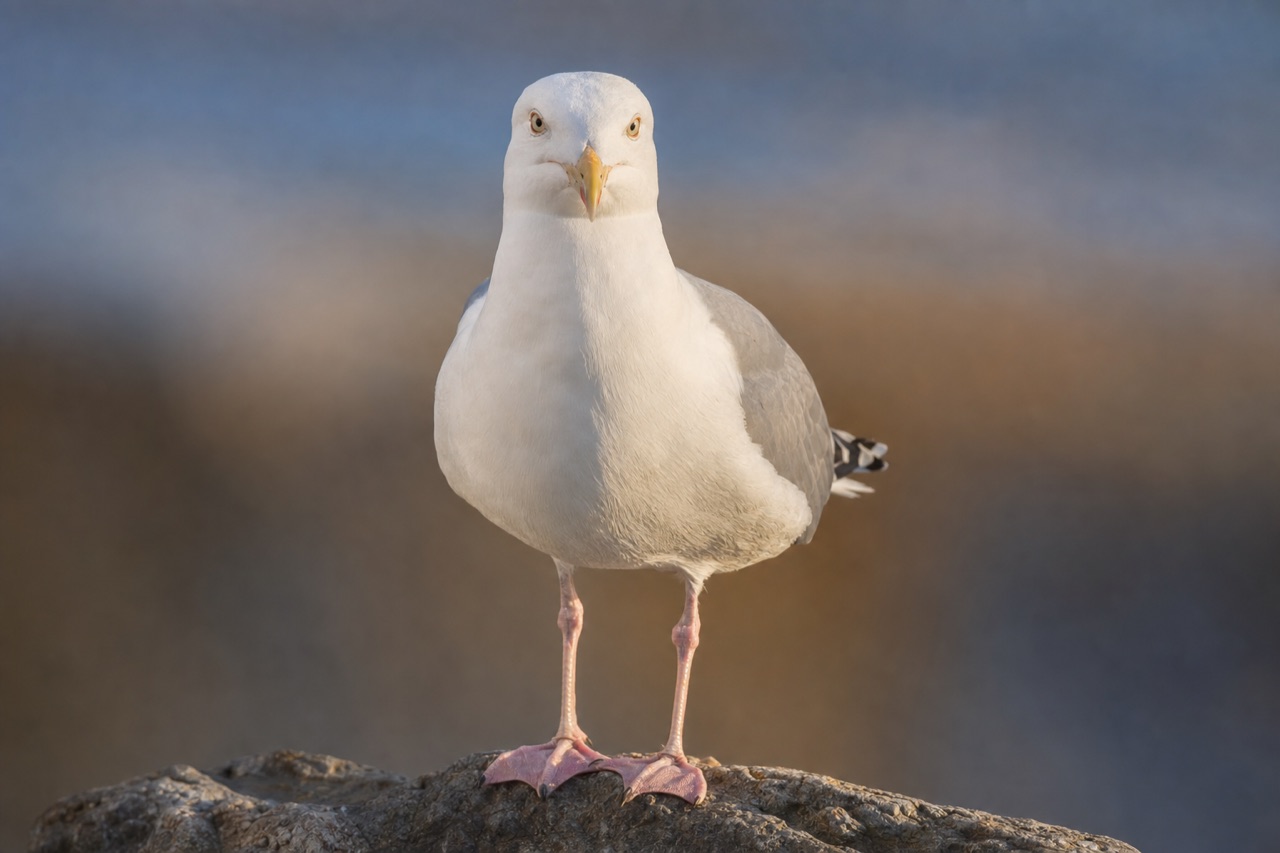
Birds
GGull
Laridae — family of gulls, terns and skimmers including Larus, Chroicocephalus and related genera
There is no species called seagull — and several gulls are in real trouble.
Coasts, estuaries, inland lakes and urban rooftops worldwide · British species include herring, lesser black-backed, black-headed, great black-backed and kittiwake
Open guide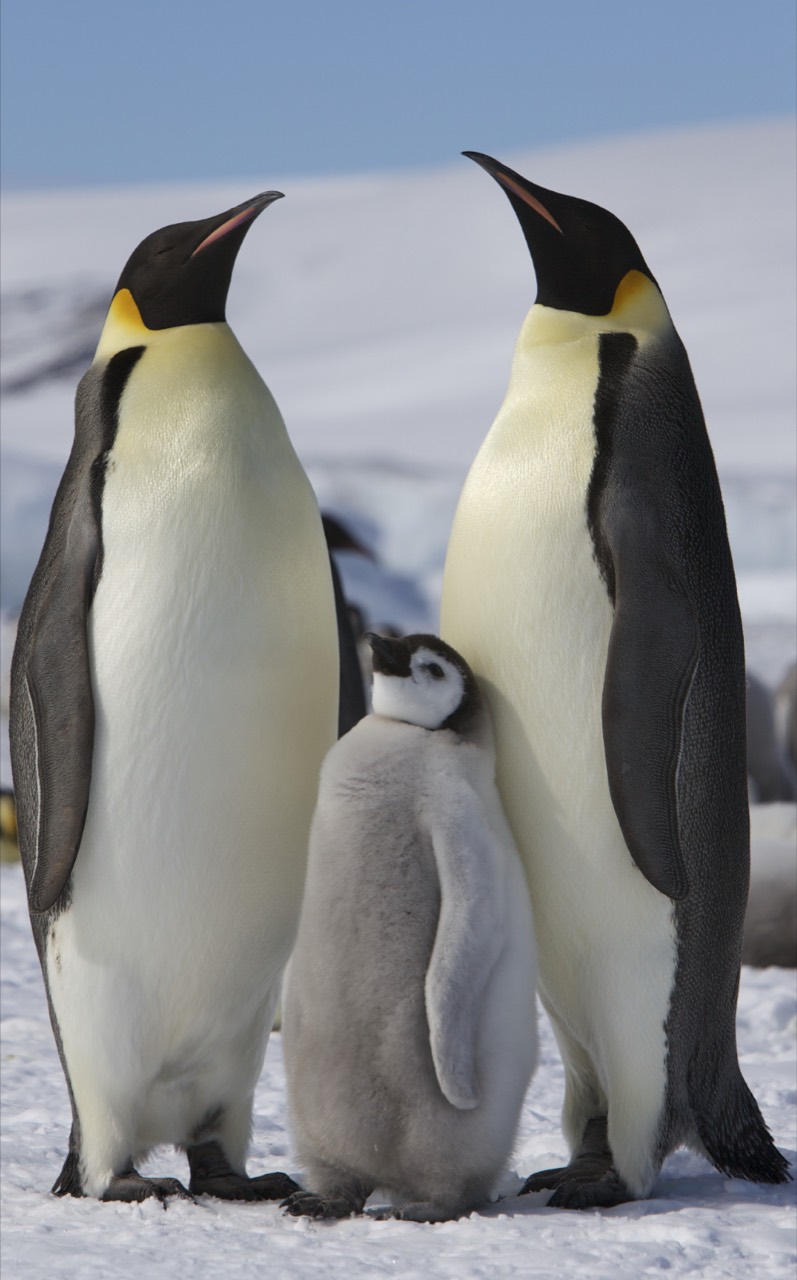
Birds
PPenguin
Spheniscidae
Flightless seabirds of the southern seas, now squeezed by warming oceans and vanishing ice.
Antarctica · Southern Hemisphere
Open guide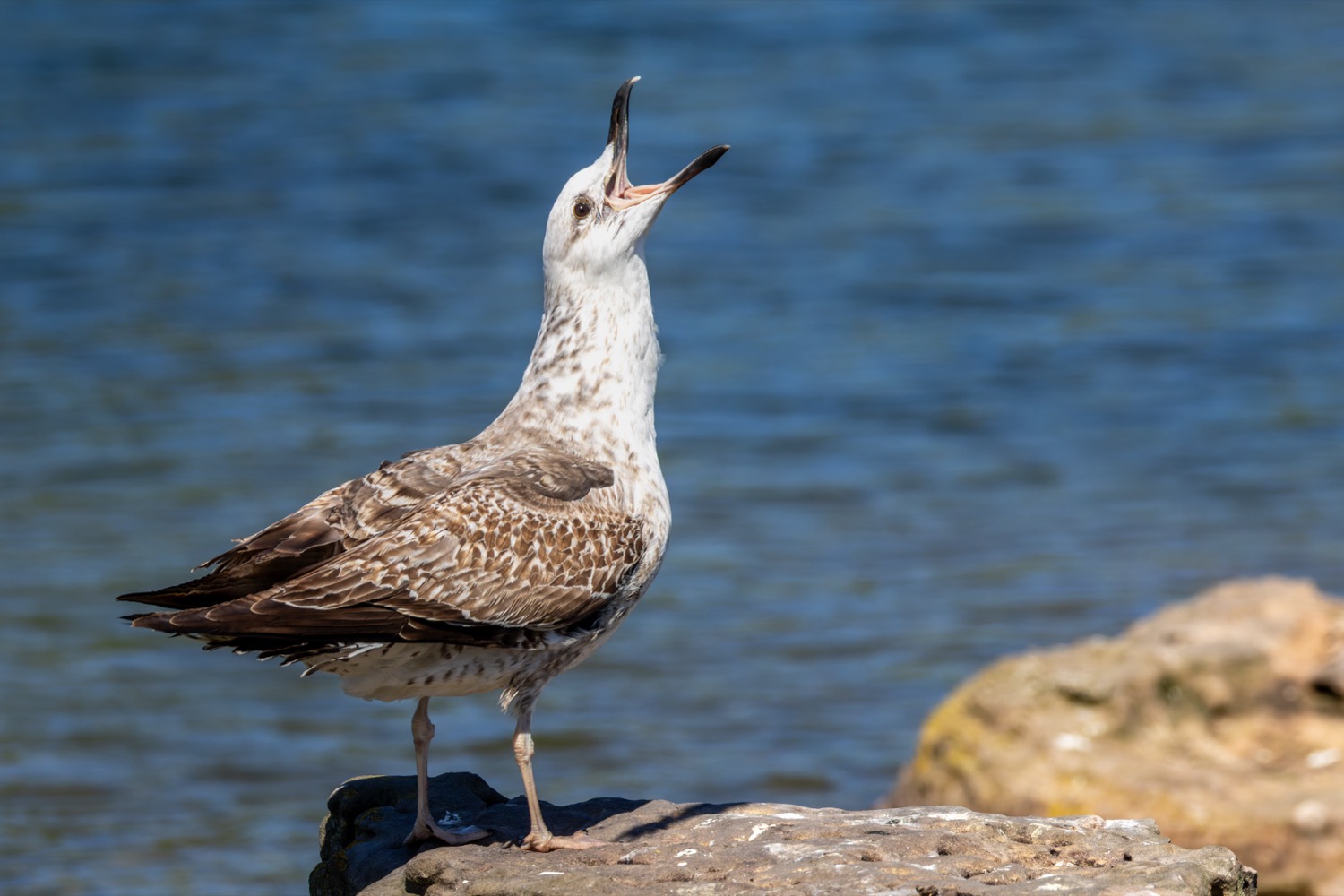
Birds
SSeagull (Gull)
Family Laridae
The clever, adaptable coastal birds we all call seagulls.
Europe · North America
Open guide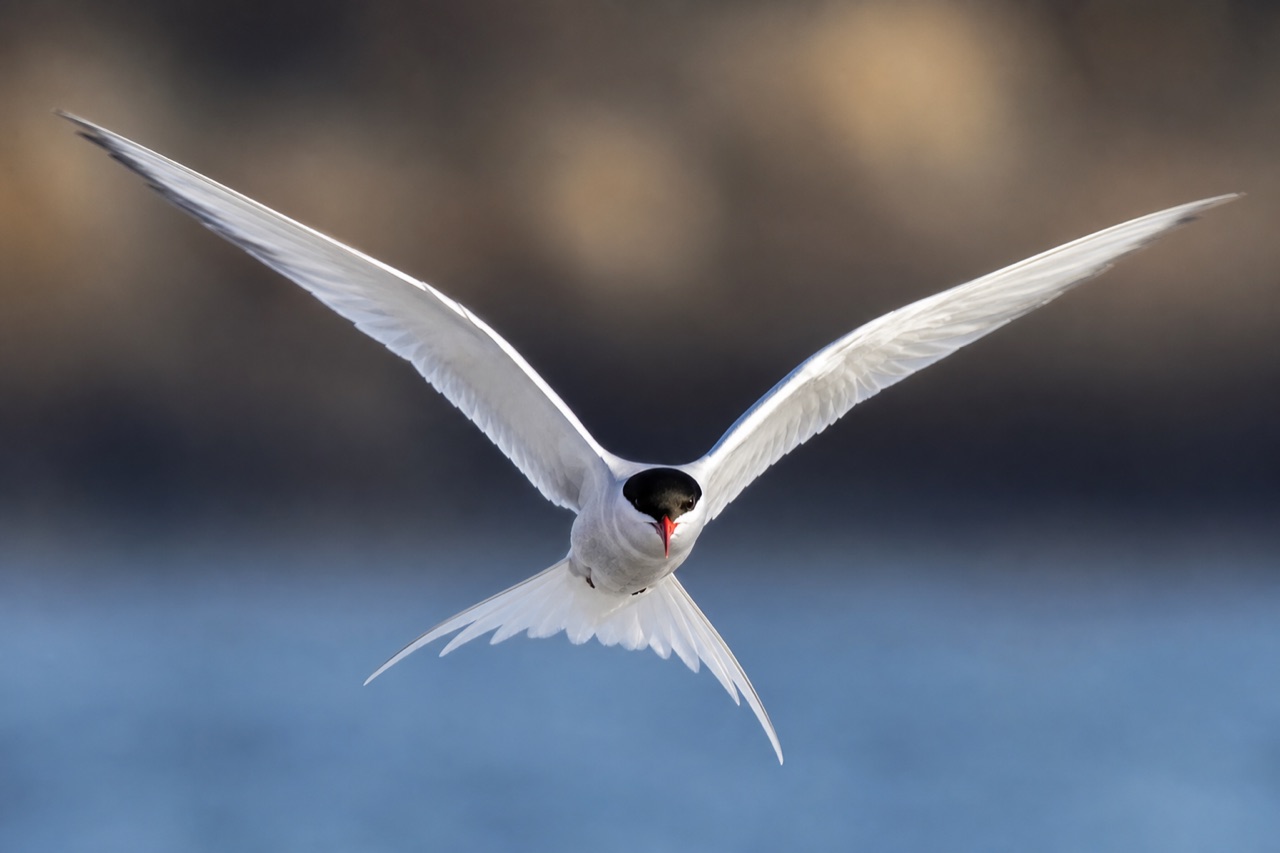
Birds
TTern
Sterninae — subfamily of Laridae including Sterna, Thalasseus and related genera
Slender gulls that dive — and one species flies pole to pole.
Coasts, estuaries, lakes and rivers worldwide · British breeders include common, Arctic, little, sandwich and roseate tern
Open guideConservation: what this group faces
Seabirds are the most threatened bird group on Earth, and unusually, the main fixes are known and inexpensive. Bird-scaring streamer lines, night setting and weighted longlines cut albatross bycatch dramatically. Eradicating rats and cats from breeding islands delivers immediate, measurable recovery — several island programmes have restored colonies within a decade. What is missing is not the method but the funding and the enforcement.
Seabirds: frequently asked questions
What is a seabird?
Is a seagull a real bird?
Why are seabirds so endangered?
How long can an albatross stay at sea?
Why do seabirds eat plastic?
How can albatross deaths from fishing be reduced?
Other types of bird
-
Birds of prey
Raptors and owls — hook-billed hunters with forward-facing eyes and gripping talons.
-
Garden birds
The species most likely to turn up on a feeder, lawn or hedge in Britain and northern Europe.
-
Waterbirds & wildfowl
Ducks, geese, swans, herons and other birds tied to rivers, lakes and wetlands.
-
Parrots & macaws
Hook-billed, highly intelligent birds — and the group hit hardest by the pet trade.
-
Flightless birds
Species that traded flight for size, speed or swimming — and the ones invasive predators hit hardest.
-
Tropical & forest birds
Canopy specialists of rainforest and tropical woodland, where bird diversity peaks.
-
Gamebirds
Pheasants, grouse and quail — ground-feeding birds bred, released and shot in enormous numbers.
-
Farmed & domestic birds
Birds kept by people — and the welfare questions that come with the largest animal industry on Earth.