Birds · 9 species guides
Parrots & Macaws
Parrots are around 400 species of hook-billed birds in the order Psittaciformes, distinguished by zygodactyl feet with two toes forward and two back, exceptional intelligence, and long lifespans; roughly a third are threatened, making them the most endangered large bird group.
- Bill
- Short, deep and strongly hooked, with the upper mandible hinged to the skull rather than fused. Powerful enough to crack hard nuts and used as a third limb when climbing.
- Feet
- Zygodactyl — two toes forward, two back. Parrots are among the very few birds that lift food to the bill with a foot rather than bending down to it.
- Macaw versus parrot
- Macaws are large long-tailed New World parrots with bare facial skin patterned with fine feather lines, unique to the individual like a fingerprint.
- Cockatoo versus parrot
- Cockatoos have a mobile head crest and are mostly white, black or grey rather than green — they lack the structural feather colour most parrots have.
Parrots are the most intelligent birds after the corvids and, by several measures, the most threatened. Around 400 species share a distinctive set of features: a strong hooked bill with a hinged upper mandible, feet with two toes forward and two back that work like hands, and cognition that in some species matches a young child on specific reasoning tasks.
Those same qualities are the problem. Parrots are desirable precisely because they are intelligent, long-lived, colourful and capable of speech, and that desirability has driven a trade that has emptied forests. Roughly a third of parrot species are threatened with extinction — a higher proportion than almost any comparable bird group — and the pet trade is a leading reason.
Key facts
- Around a third of the roughly 400 parrot species are threatened with extinction, one of the highest proportions of any bird group.
- Zygodactyl feet — two toes forward, two back — let parrots manipulate food like hands, which few other birds can do.
- Large macaws and cockatoos can live 50 to 80 years, which makes them a lifetime commitment and a common welfare problem when owners cannot continue.
- Grey parrots are the benchmark for avian cognition, with documented ability to label objects, count small quantities and grasp the concept of absence.
- The kākāpō is a flightless, ground-nesting nocturnal parrot recovered from 51 birds in 1995 to over 240 through intensive island management.
- Wild-caught birds still enter the trade despite CITES listings; captive-bred provenance is the single most important thing to verify before acquiring one.
How to recognise them
The features that separate this group in the field, in the order they are usually most useful.
- Bill
- Short, deep and strongly hooked, with the upper mandible hinged to the skull rather than fused. Powerful enough to crack hard nuts and used as a third limb when climbing.
- Feet
- Zygodactyl — two toes forward, two back. Parrots are among the very few birds that lift food to the bill with a foot rather than bending down to it.
- Macaw versus parrot
- Macaws are large long-tailed New World parrots with bare facial skin patterned with fine feather lines, unique to the individual like a fingerprint.
- Cockatoo versus parrot
- Cockatoos have a mobile head crest and are mostly white, black or grey rather than green — they lack the structural feather colour most parrots have.
- Flight
- Fast and direct with rapid shallow wingbeats, usually noisy. Parrots are heard well before they are seen.
9 parrots & macaws guides
Search or filter by conservation status. Every guide carries sourced facts, IUCN status and FAQs.
Common names, scientific names and places are searchable.
Showing 1–9 of 9 guides
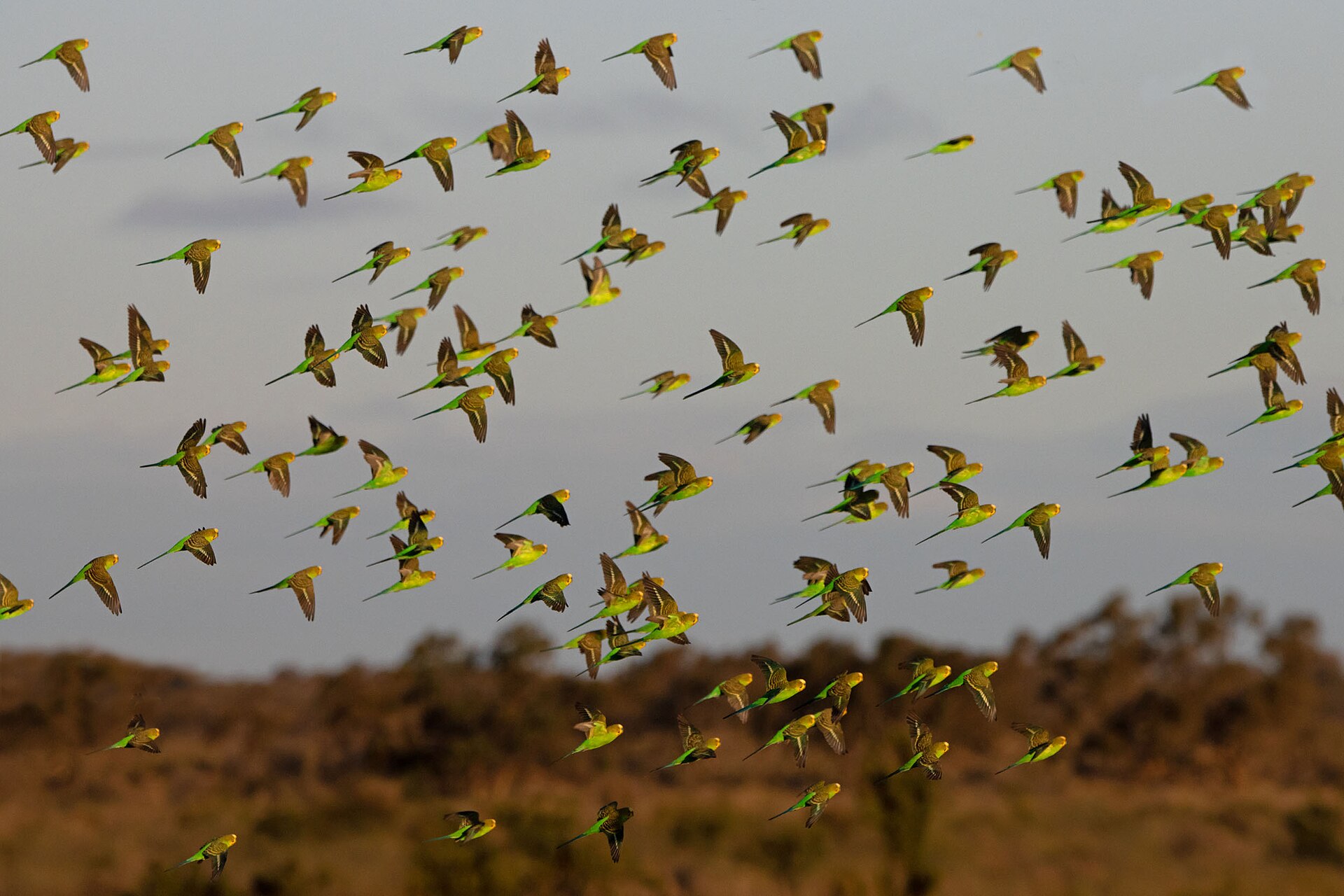
Birds
BBudgerigar
Melopsittacus undulatus (Shaw, 1805)
Australia's tiny parrot — a wild flocking bird, not just a cage pet.
Australia
Open guide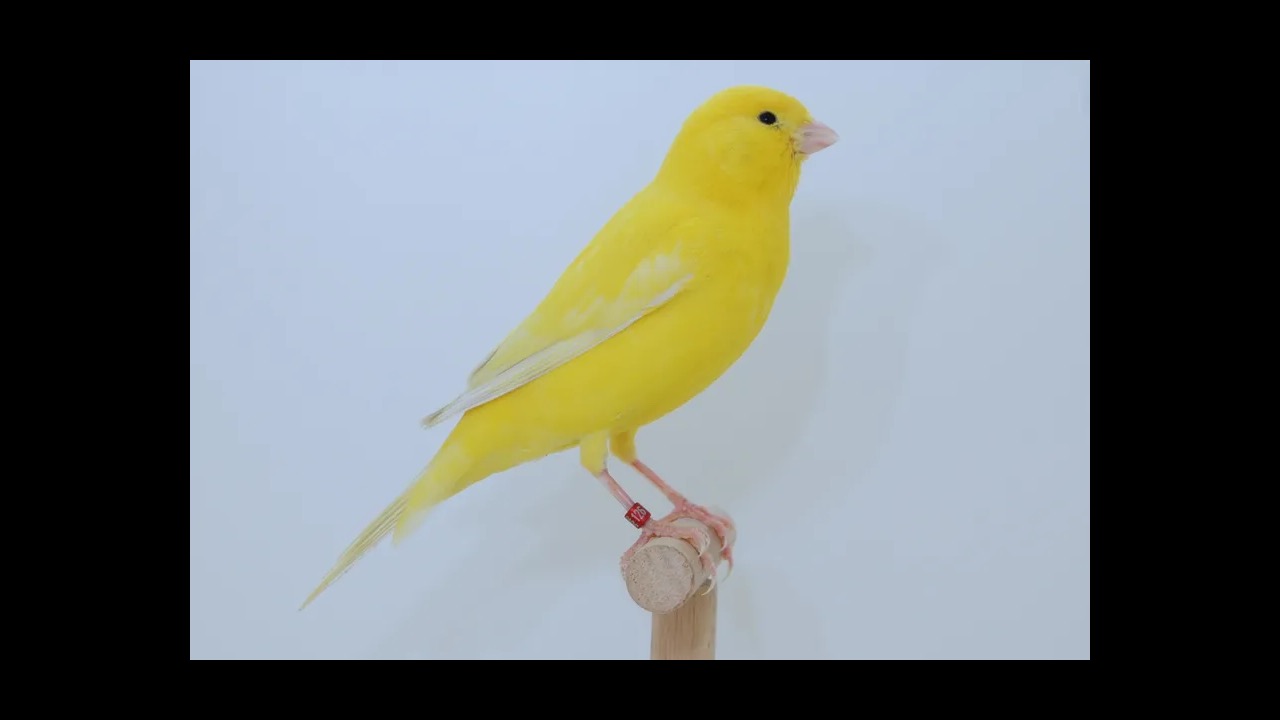
Birds
CCanary
Serinus canaria
The singing island finch of parlours worldwide
Africa · Europe
Open guide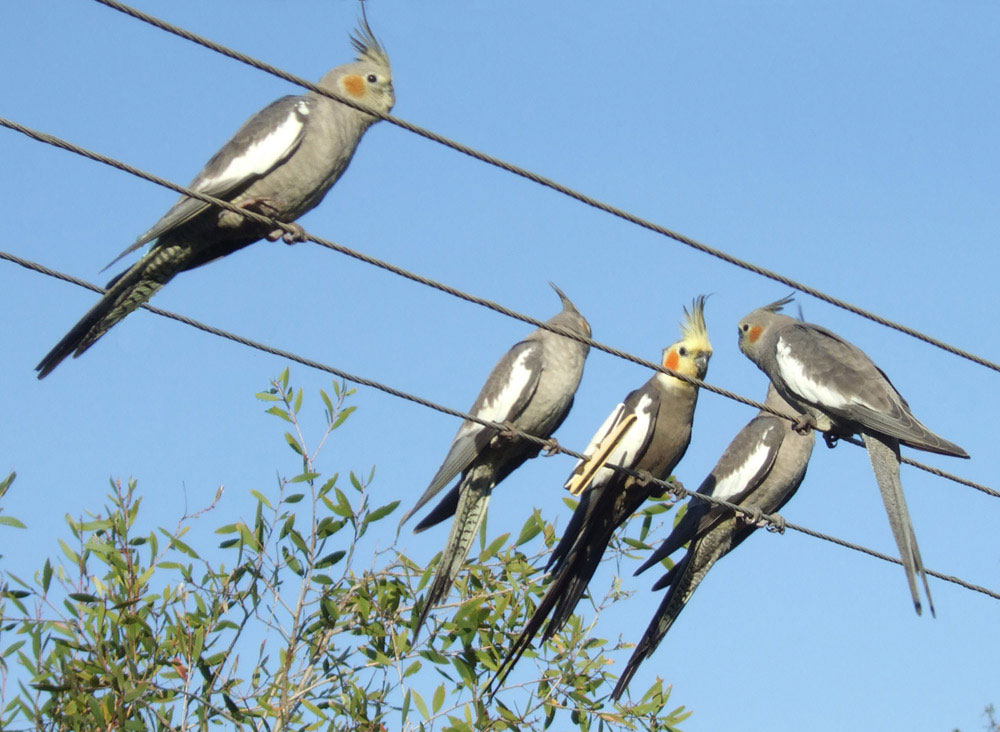
Birds
CCockatiel
Nymphicus hollandicus (Kerr, 1792) — the smallest member of the cockatoo family
Australia's pocket cockatoo — a gentle, whistling parrot bred into many colour mutations.
Australia (wild); kept worldwide
Open guide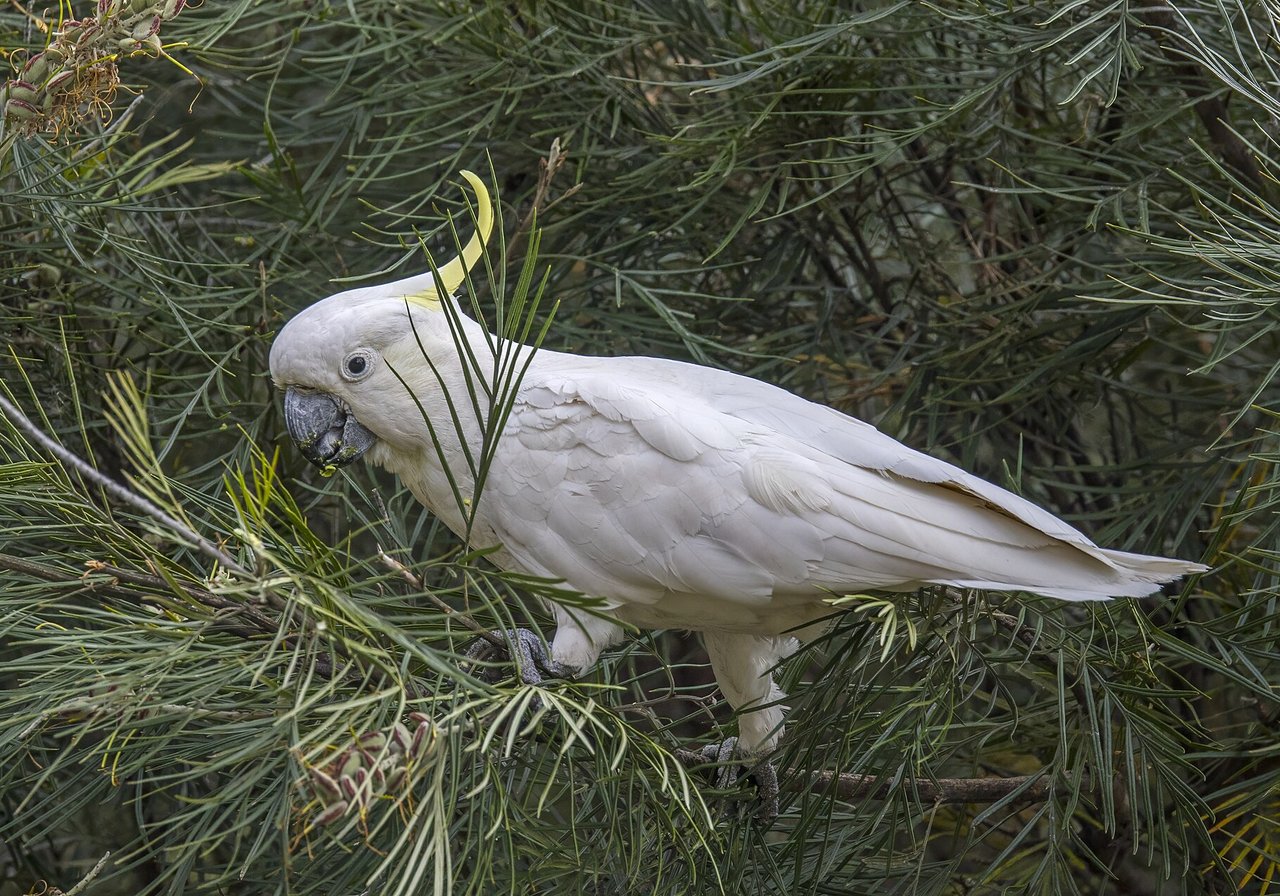
Birds
CCockatoo
Family Cacatuidae — 21 species in 4 genera (Cacatua, Calyptorhynchus, Callocephalon, Nymphicus)
Crested parrots of Australasia — loud, long-lived and deeply threatened by trade.
Australia · Indonesia
Open guide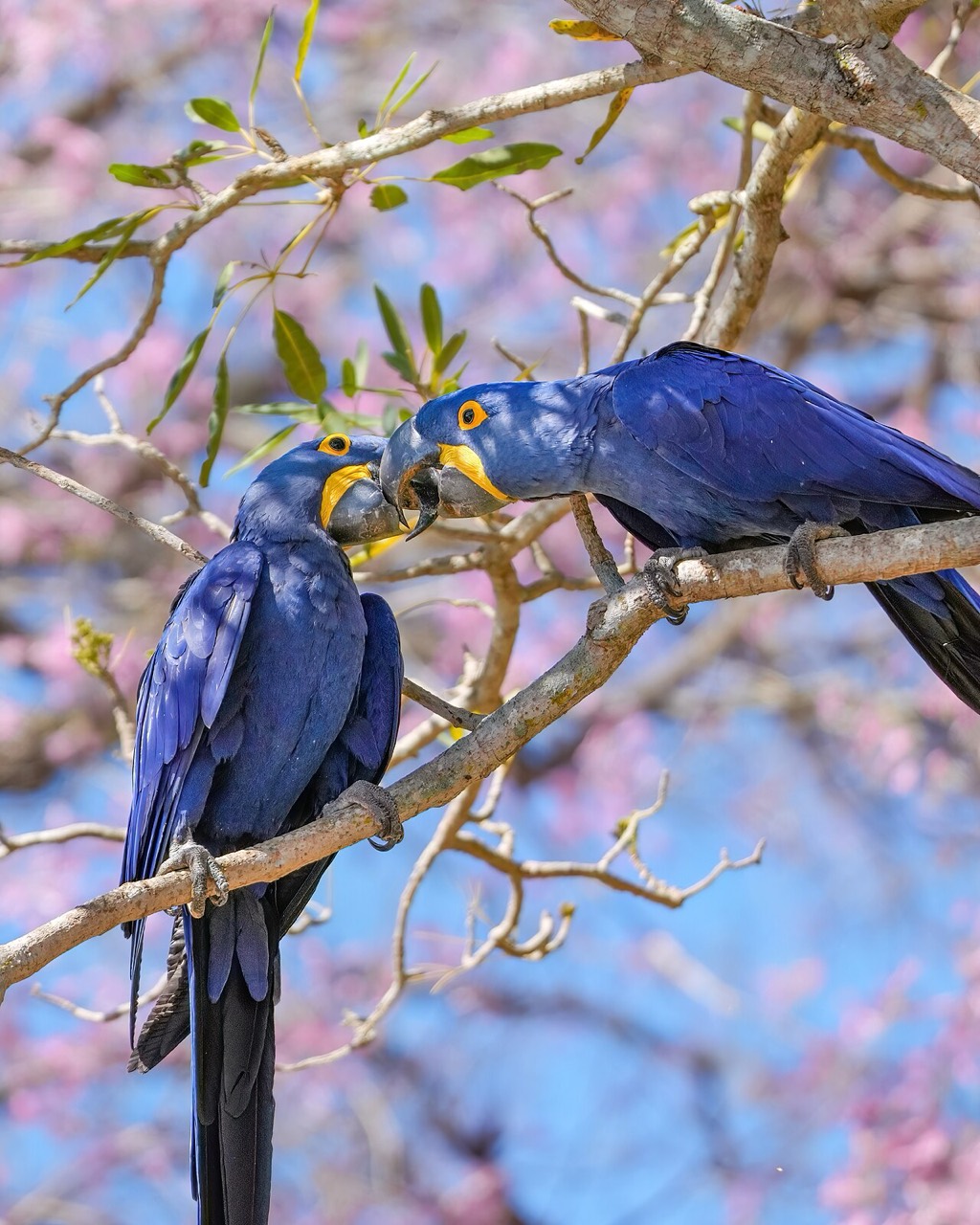
Birds
HHyacinth Macaw
Anodorhynchus hyacinthinus
The cobalt giant of the Pantanal — the largest flying parrot on Earth.
Brazil
Open guide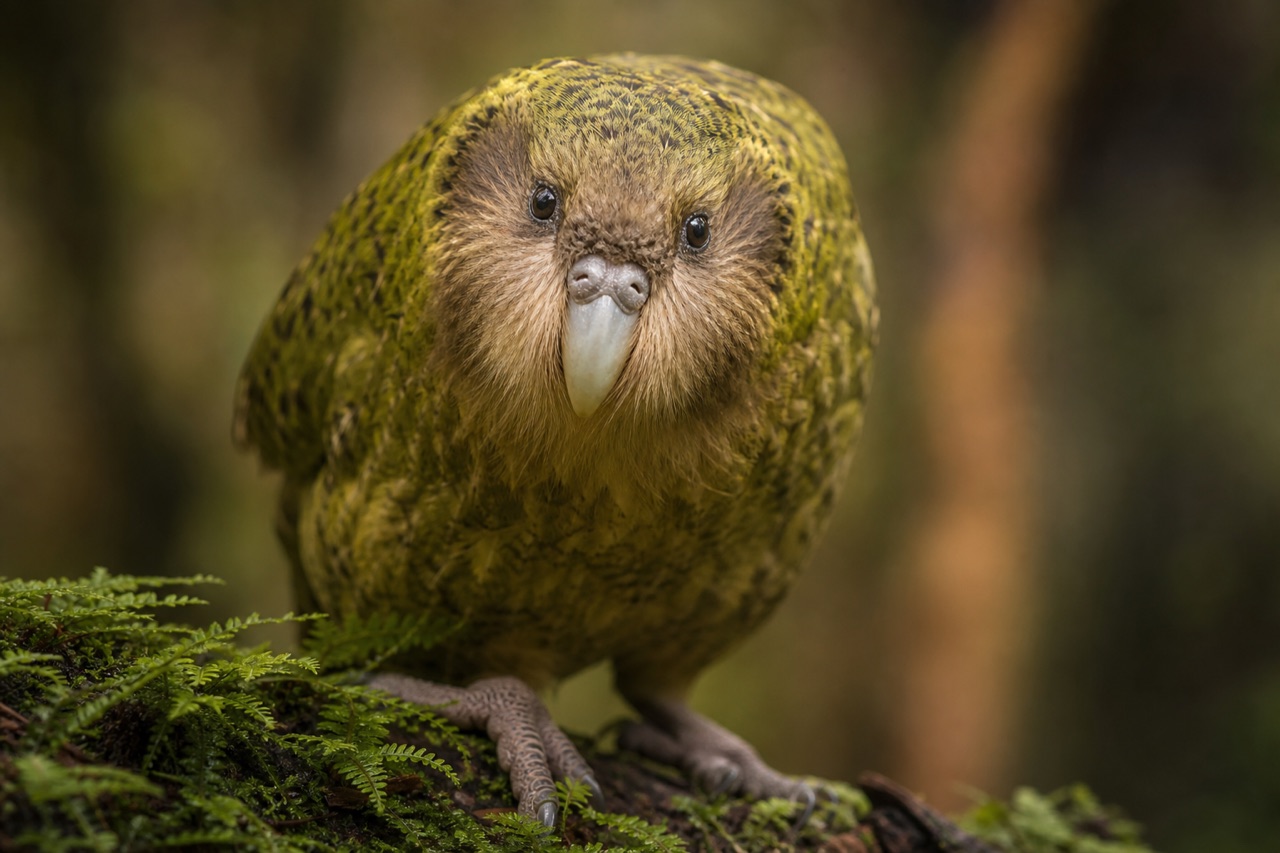
Birds
KKakapo
Strigops habroptilus (Gray, 1845) — family Strigopidae
The world's only flightless parrot: nocturnal, booming, and managed bird by bird.
New Zealand — predator-free offshore islands only · Extinct across the mainland
Open guide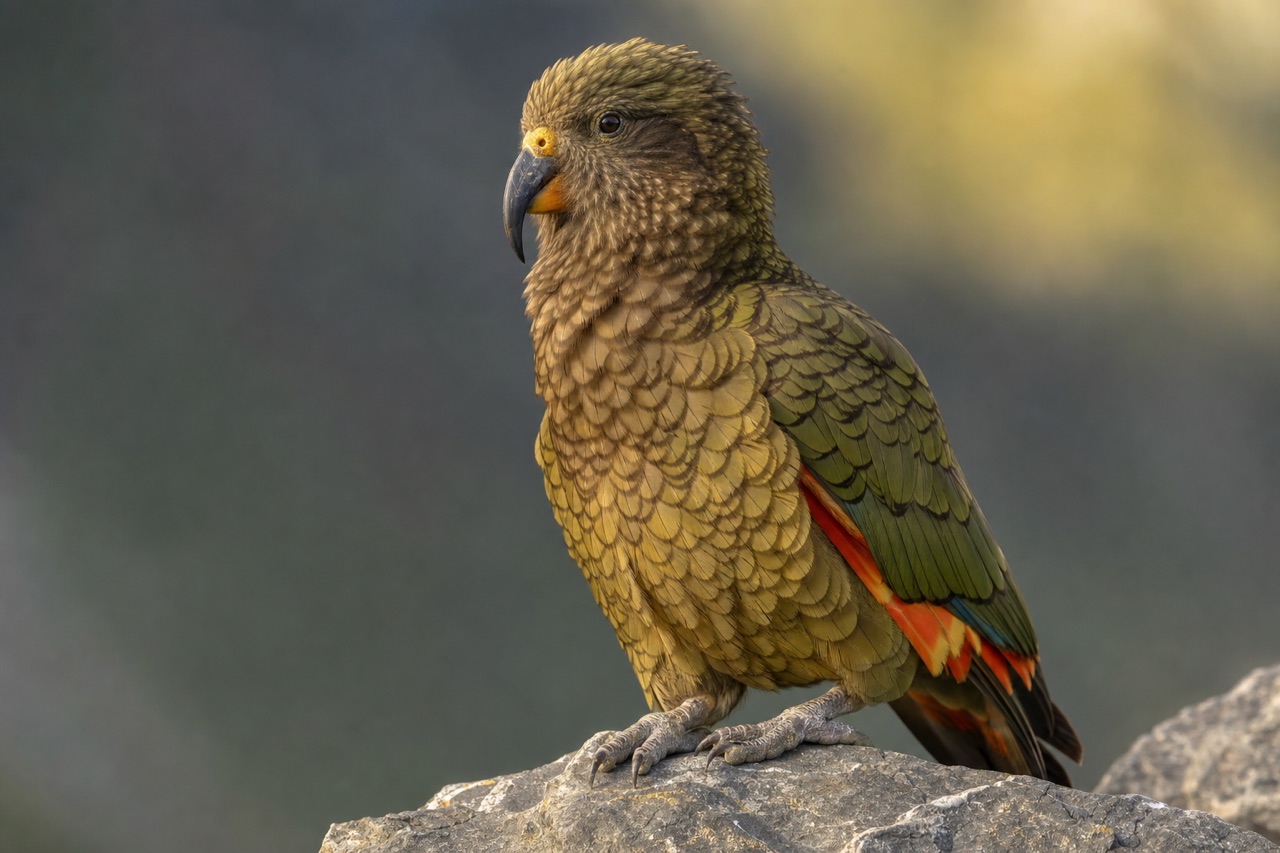
Birds
KKea
Nestor notabilis (Gould, 1856) — family Strigopidae
The world's only alpine parrot, and one of the few birds that solves problems it has never seen before.
New Zealand — South Island alpine and subalpine zones
Open guide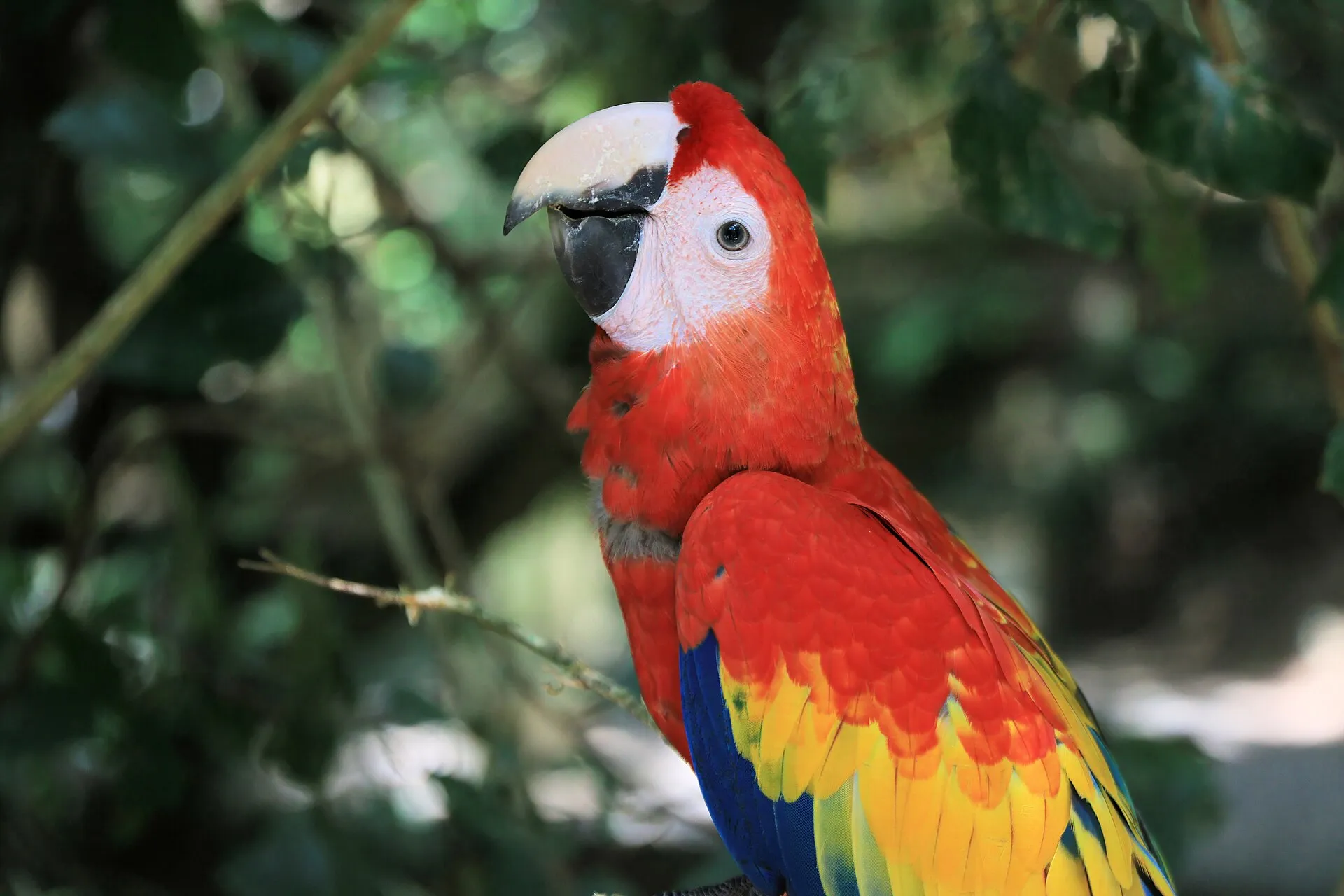
Birds
MMacaw
Tribe Arini (true macaws) — ~18 species across 6 genera: Ara, Anodorhynchus, Cyanopsitta, Primolius, Orthopsittaca, Diopsittaca (family Psittacidae)
Among the most trafficked birds on earth — taken by the tens of thousands every year.
Colombia · Brazil
Open guide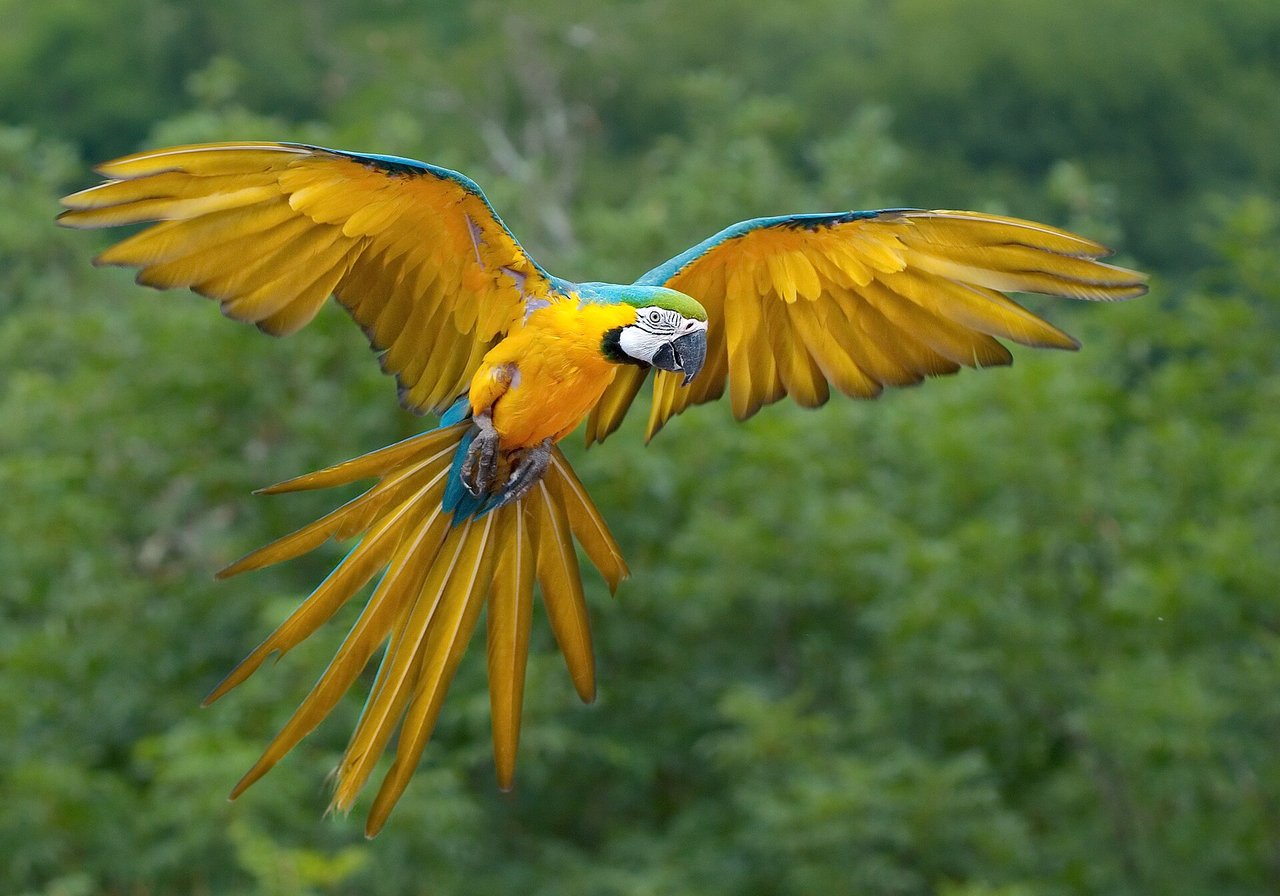
Birds
PParrot
Order Psittaciformes — ~400 species in families Psittacidae, Psittaculidae and Cacatuidae
Intelligent, vocal birds of the tropics — among the most traded and most threatened.
Central America · South America
Open guideConservation: what this group faces
Parrots are the clearest case of desirability driving extinction risk. Intelligence, colour, longevity and the ability to mimic speech make them sought after, and the trade that follows has stripped birds from forests across South America, West Africa and Southeast Asia. Habitat loss compounds it by removing the large old trees parrots need for nest cavities — a resource that takes a century to replace. CITES listings have reduced but not stopped wild capture, and verifying captive-bred provenance is the most direct thing a prospective owner can do.
Parrots & macaws: frequently asked questions
How many species of parrot are there?
What is the difference between a parrot and a macaw?
How long do parrots live?
How intelligent are parrots?
Why are parrots endangered?
Do parrots understand what they say?
Other types of bird
-
Birds of prey
Raptors and owls — hook-billed hunters with forward-facing eyes and gripping talons.
-
Garden birds
The species most likely to turn up on a feeder, lawn or hedge in Britain and northern Europe.
-
Waterbirds & wildfowl
Ducks, geese, swans, herons and other birds tied to rivers, lakes and wetlands.
-
Seabirds
Ocean specialists that feed at sea and return to land mainly to breed.
-
Flightless birds
Species that traded flight for size, speed or swimming — and the ones invasive predators hit hardest.
-
Tropical & forest birds
Canopy specialists of rainforest and tropical woodland, where bird diversity peaks.
-
Gamebirds
Pheasants, grouse and quail — ground-feeding birds bred, released and shot in enormous numbers.
-
Farmed & domestic birds
Birds kept by people — and the welfare questions that come with the largest animal industry on Earth.