Birds · 18 species guides
Birds of Prey: Raptors & Owls
Birds of prey are hunting birds with hooked bills for tearing flesh, forward-facing eyes for judging distance, and powerful gripping talons; the group covers eagles, hawks, buzzards, kites, falcons, ospreys, vultures and condors, plus the owls, which hunt the same way at night.
- Bill
- Hooked and sharp-edged, for tearing rather than pecking or probing. Visible even at distance in profile.
- Eyes
- Forward-facing, giving binocular vision and depth perception. Owls take this furthest — their eyes are fixed in the skull, which is why the head swivels instead.
- Feet
- Heavy talons with a strong opposable hind toe. Ospreys add spiny scales for gripping fish; owls can rotate the outer toe backwards.
- Flight silhouette
- Broad fingered wings and soaring flight in eagles, buzzards and vultures; long pointed wings and fast flapping in falcons.
Birds of prey are defined by equipment rather than ancestry. A hooked bill for tearing, forward-facing eyes that give the depth perception needed to judge a strike, and feet built to grip and kill — those three things describe an eagle, a falcon and an owl equally well, despite falcons being more closely related to parrots than to eagles.
That mismatch between how the group looks and how it is classified is one of the more useful things to understand about birds. Recent genetic work split the traditional raptors apart: falcons sit in their own order, closer to parrots and songbirds, while eagles, hawks and vultures belong to Accipitriformes. The tools were arrived at separately because the job is the same.
Key facts
- Birds of prey are grouped by hunting equipment, not shared ancestry — falcons are genetically closer to parrots than to eagles.
- All have hooked bills, forward-facing eyes and gripping talons; owls are the nocturnal expression of the same design.
- The peregrine falcon reaches around 320 km/h in a hunting stoop, the fastest verified speed of any animal.
- Females are typically larger than males, the reverse of most birds, and the gap is widest in species that hunt other birds.
- Vultures are birds of prey that almost never kill: they are obligate scavengers, and their collapse in South Asia caused a documented public-health crisis.
- Rodenticide is a major modern threat — poison accumulates up the food chain into the raptors eating poisoned rodents.
How to recognise them
The features that separate this group in the field, in the order they are usually most useful.
- Bill
- Hooked and sharp-edged, for tearing rather than pecking or probing. Visible even at distance in profile.
- Eyes
- Forward-facing, giving binocular vision and depth perception. Owls take this furthest — their eyes are fixed in the skull, which is why the head swivels instead.
- Feet
- Heavy talons with a strong opposable hind toe. Ospreys add spiny scales for gripping fish; owls can rotate the outer toe backwards.
- Flight silhouette
- Broad fingered wings and soaring flight in eagles, buzzards and vultures; long pointed wings and fast flapping in falcons.
- Size difference
- Females are usually larger than males — reverse sexual dimorphism, most pronounced in bird-hunting species.
18 birds of prey guides
Search or filter by conservation status. Every guide carries sourced facts, IUCN status and FAQs.
Common names, scientific names and places are searchable.
Showing 1–18 of 18 guides
Birds
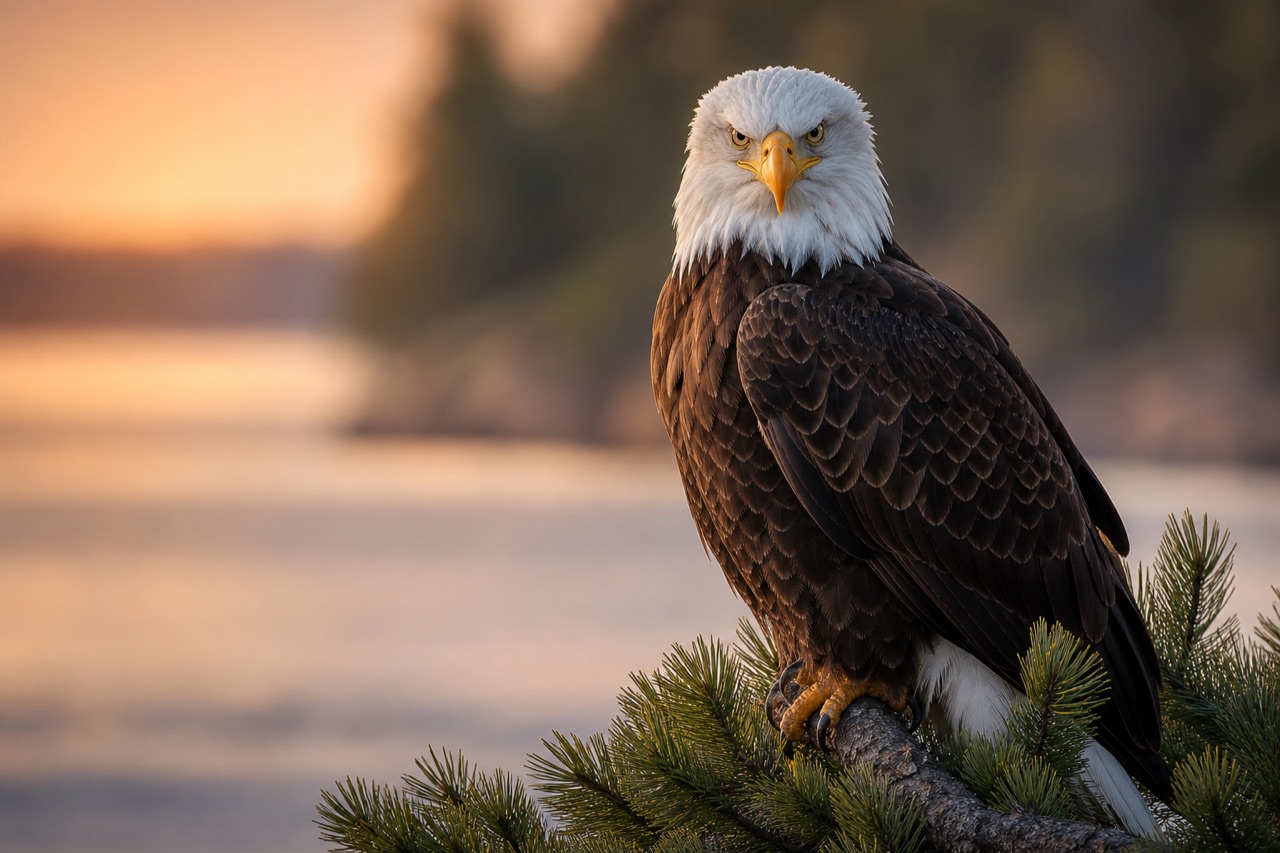
BBald Eagle
Haliaeetus leucocephalus (Linnaeus, 1766) — family Accipitridae
A fish eagle that came back from about 400 pairs — and one of conservation's clearest wins.
North America — Alaska, Canada, the contiguous United States and northern Mexico · Coasts, large lakes and major rivers
Open guide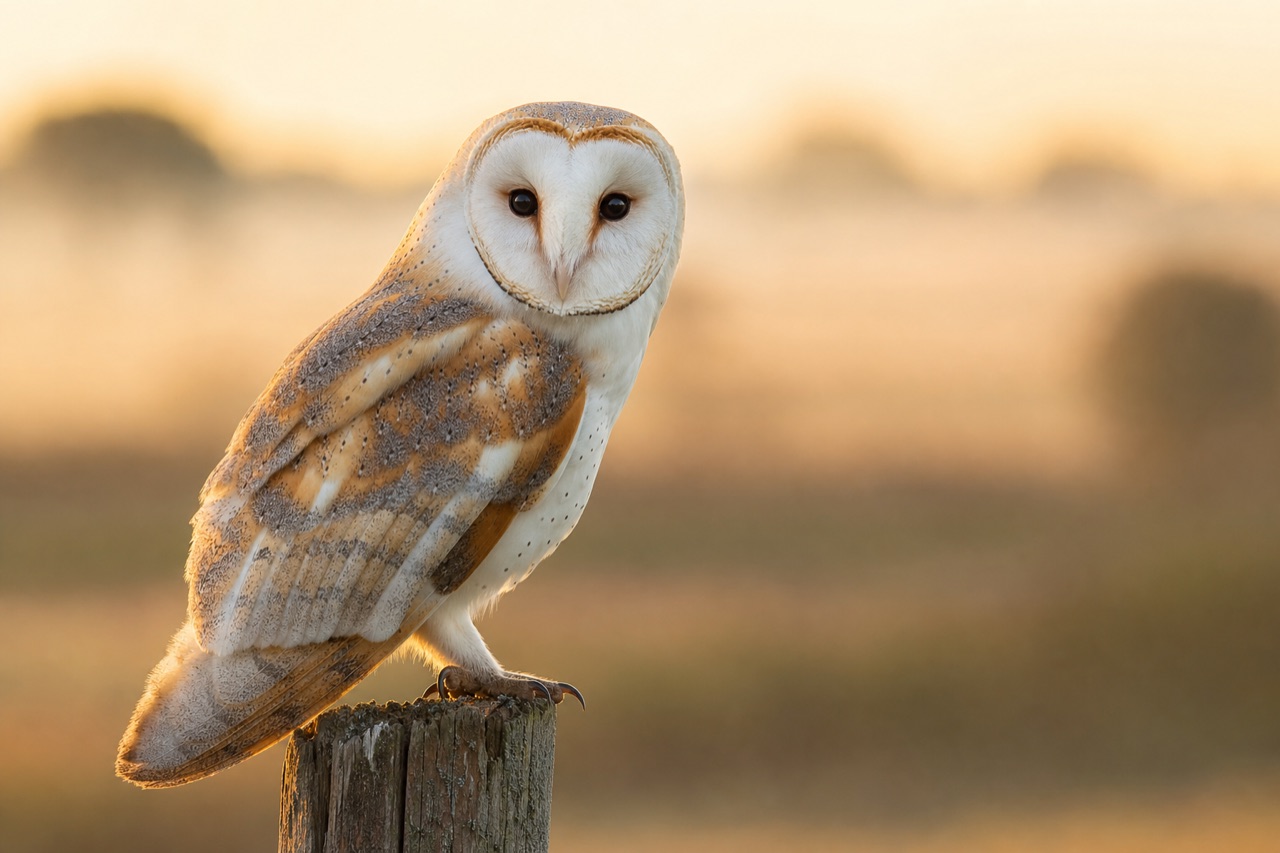
Birds
BBarn Owl
Tyto alba (Scopoli, 1769) — family Tytonidae
The most widely distributed land bird on Earth — and it hunts almost entirely by ear.
Every continent except Antarctica · Farmland, grassland, marsh edge and rough grass margins
Open guide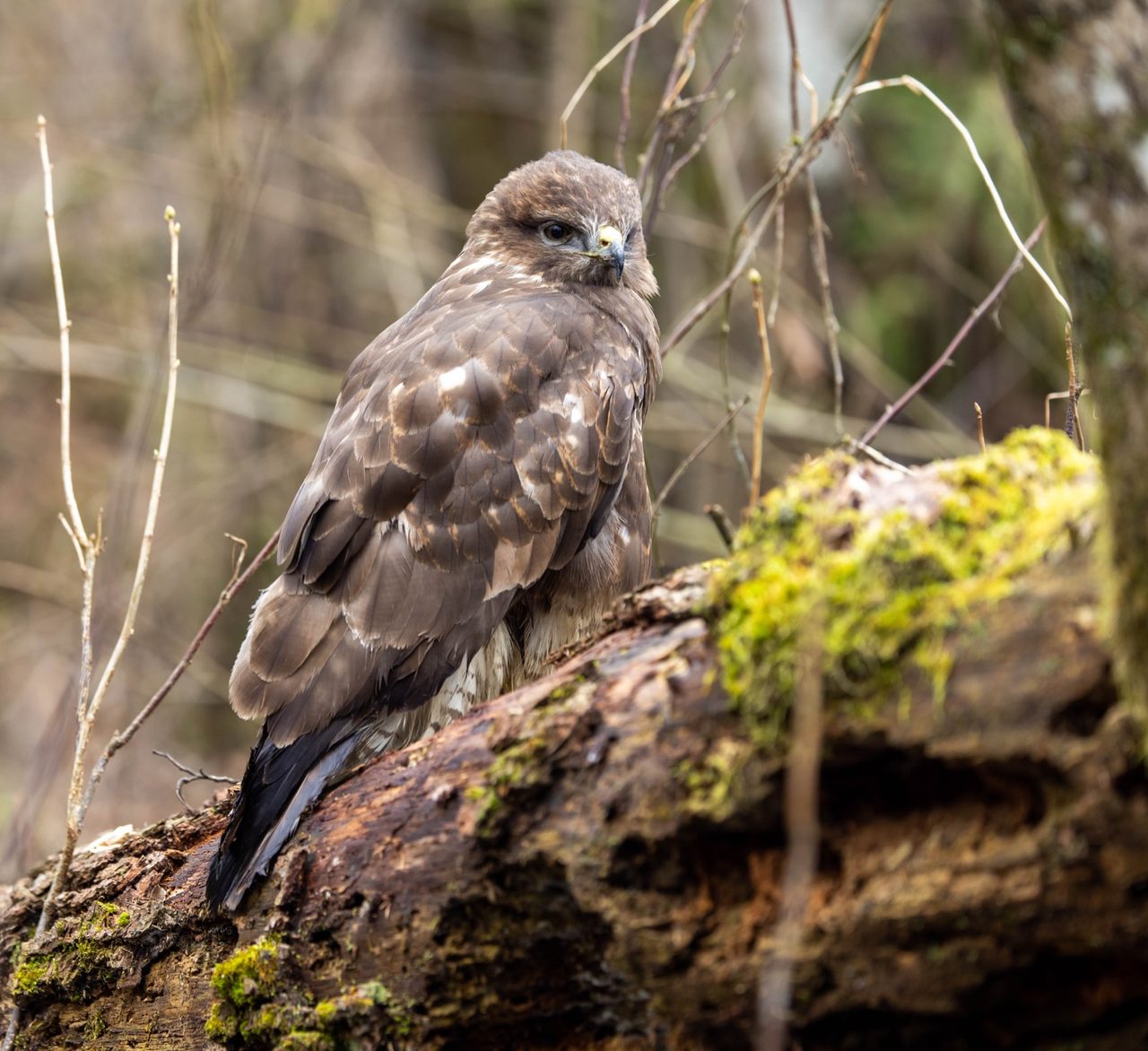
Birds
CCommon Buzzard
Buteo buteo
The broad-winged, mewing raptor that became Britain's commonest bird of prey.
United Kingdom · Europe
Open guide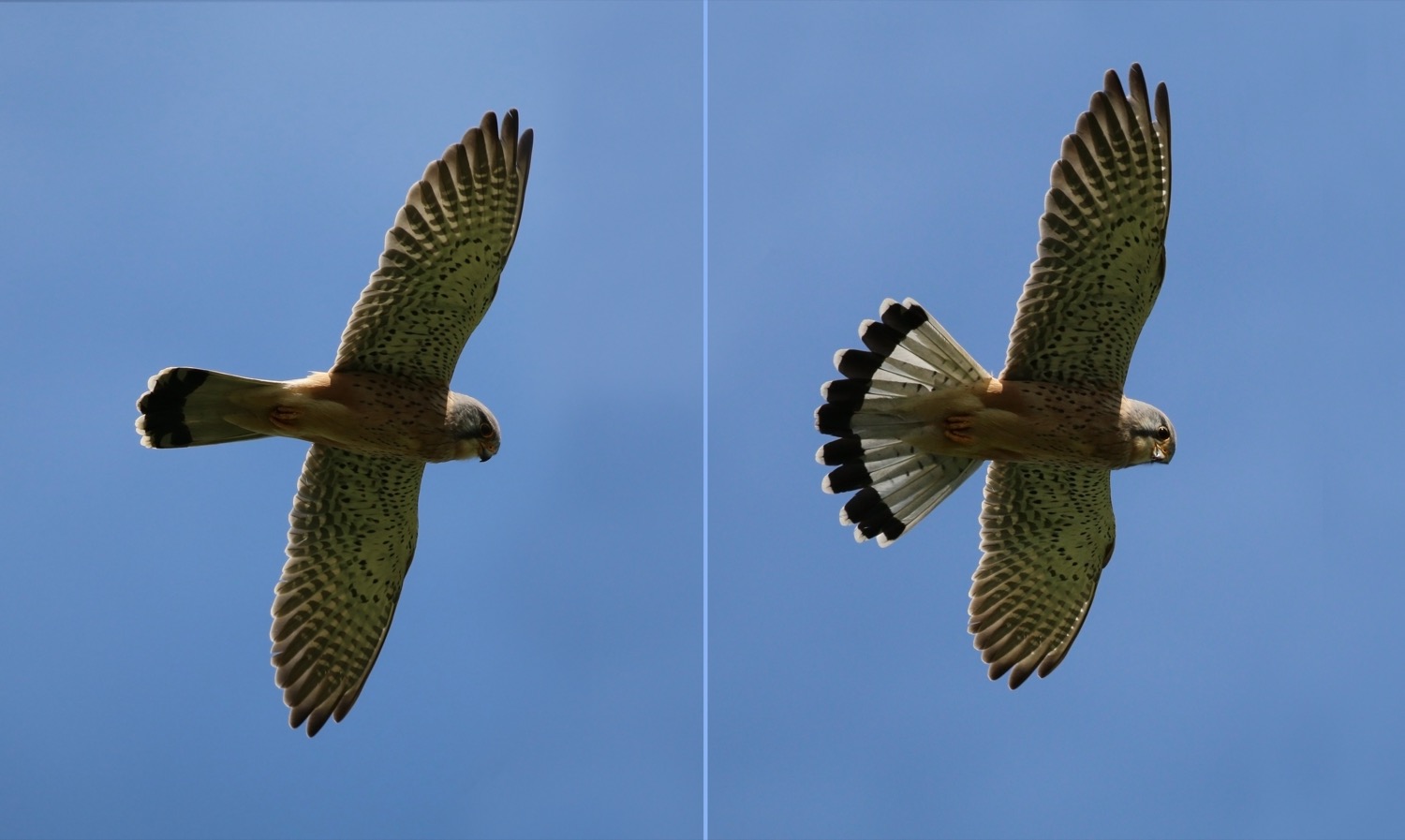
Birds
CCommon Kestrel
Falco tinnunculus
The hovering falcon that hunts by the glow of vole urine.
Europe · Asia
Open guide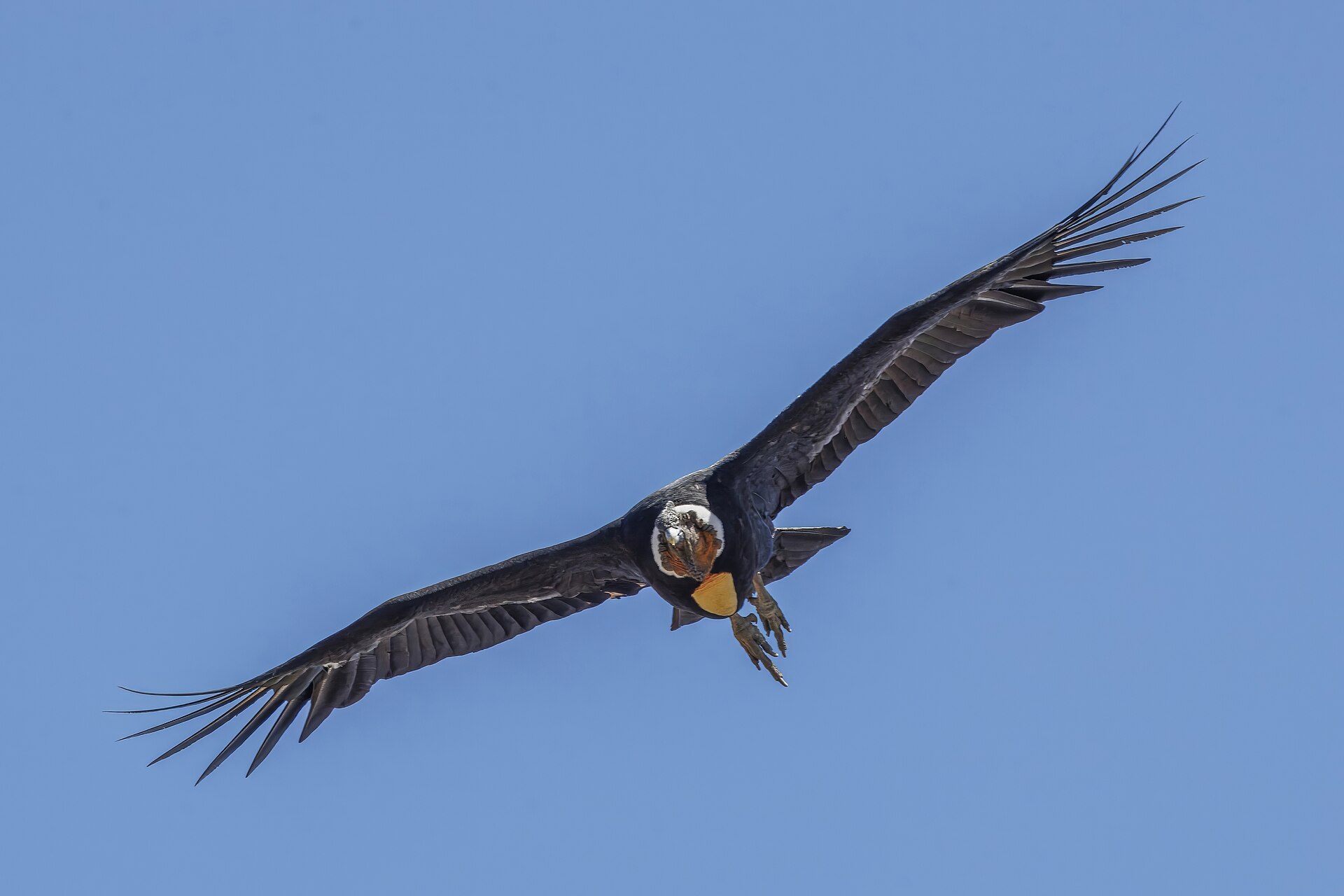
Birds
CCondor
Vultur gryphus (Andean) / Gymnogyps californianus (California)
The largest flying land birds in the Western Hemisphere — ancient scavengers whose fate hangs on the choices humanity makes
South America · Andes Mountains
Open guide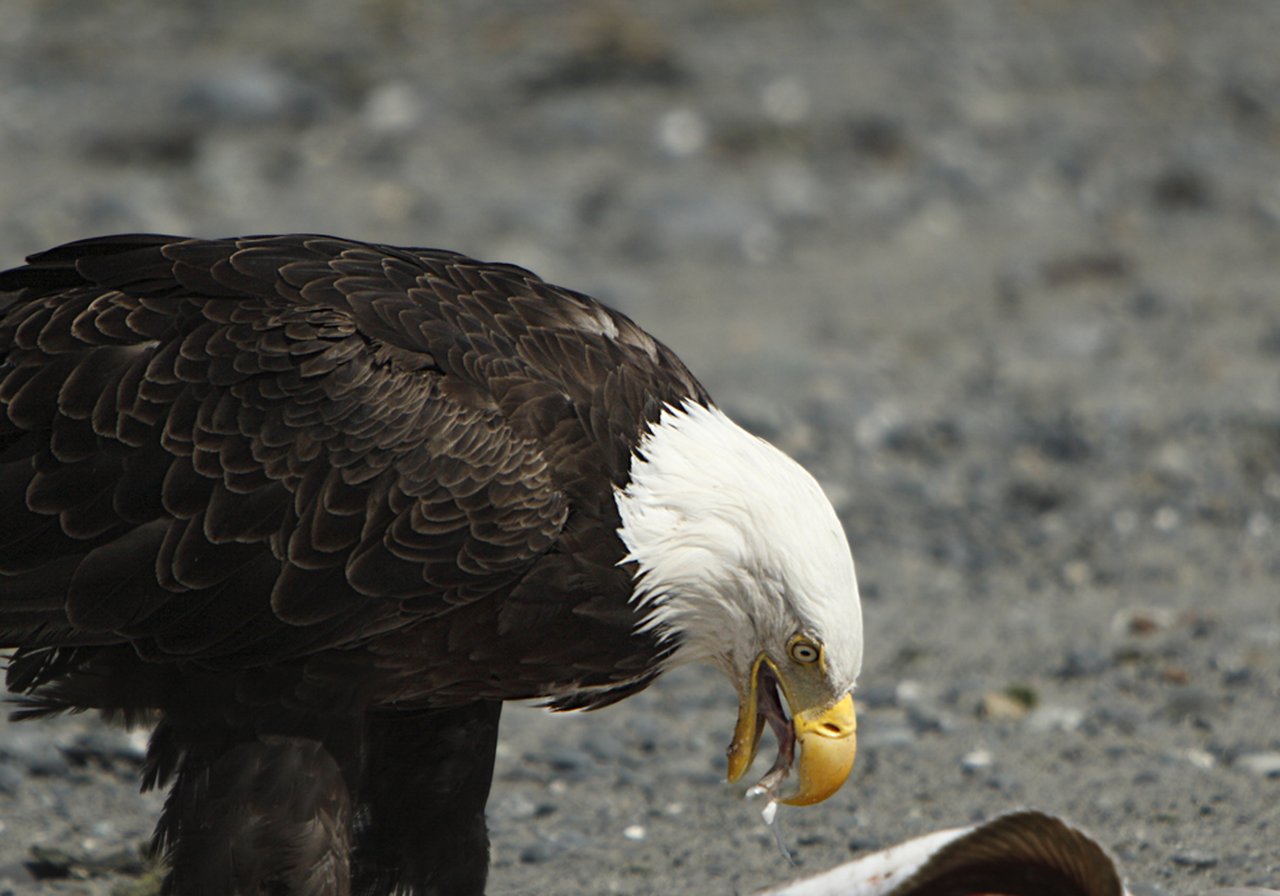
Birds
EEagle
Family Accipitridae — ~60 eagle species in genera Aquila, Haliaeetus, Harpia, Pithecophaga and others
The apex raptors of sky and forest — power, vision and cultural reverence on every continent.
Worldwide except Antarctica
Open guide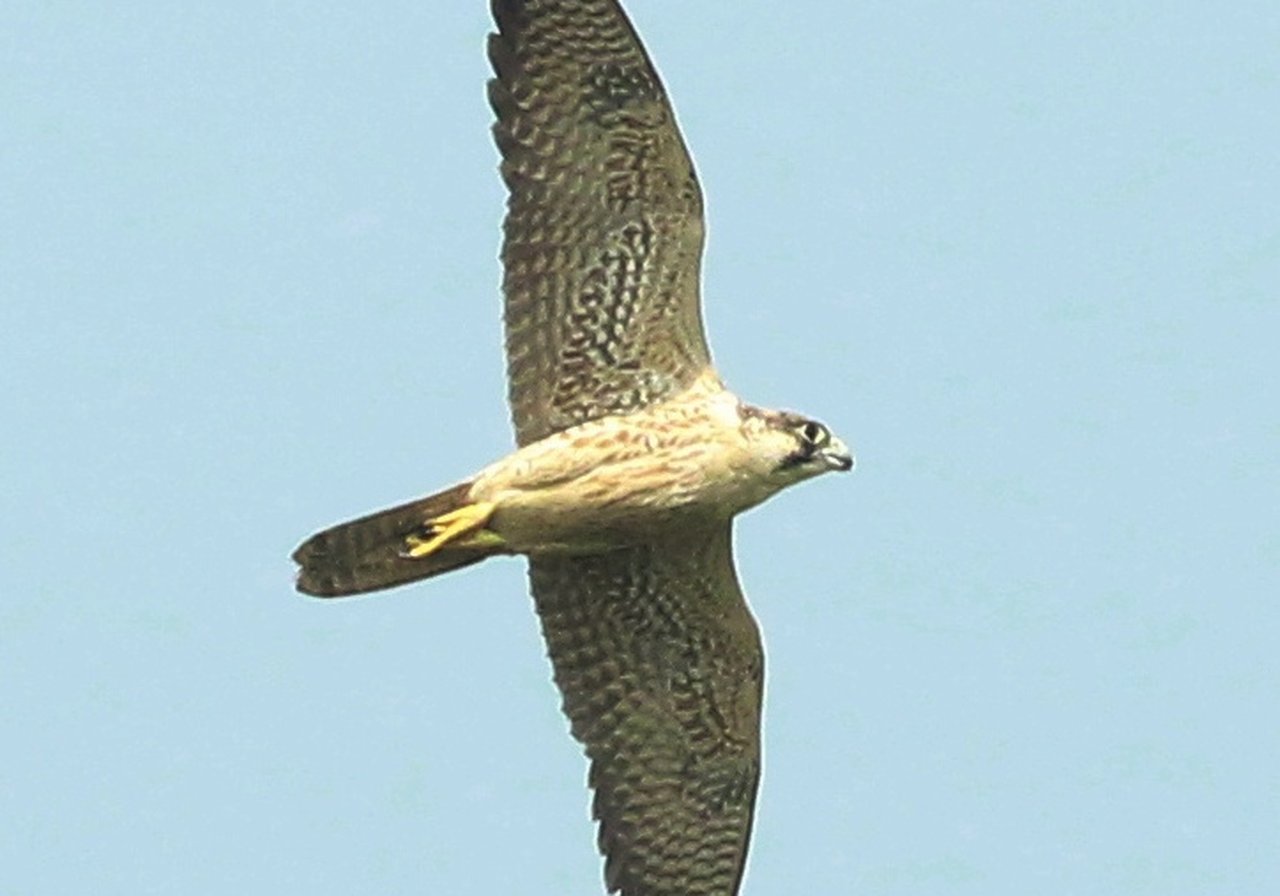
Birds
FFalcon
Family Falconidae — ~65 species in genus Falco and related genera
The fastest animals on Earth — precision hunters of sky and cliff.
Worldwide except Antarctica
Open guide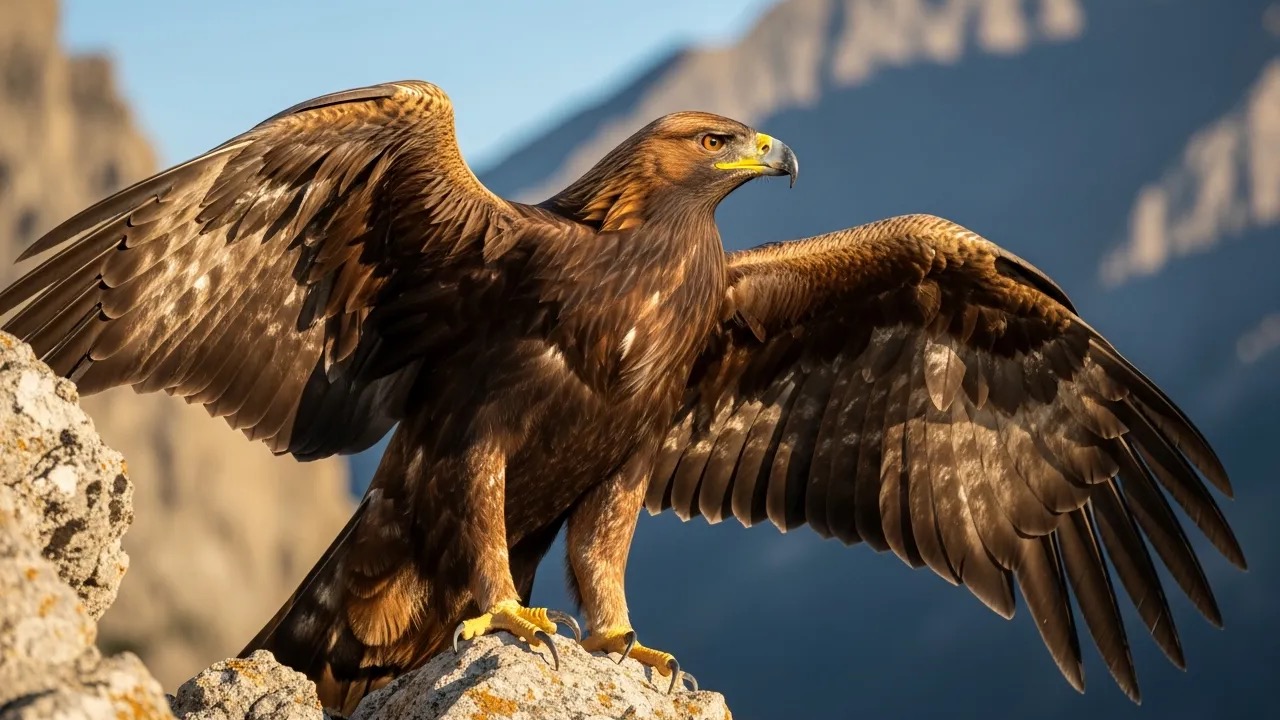
Birds
GGolden Eagle
Aquila chrysaetos
One of the largest and fastest birds of prey
North America · Europe
Open guide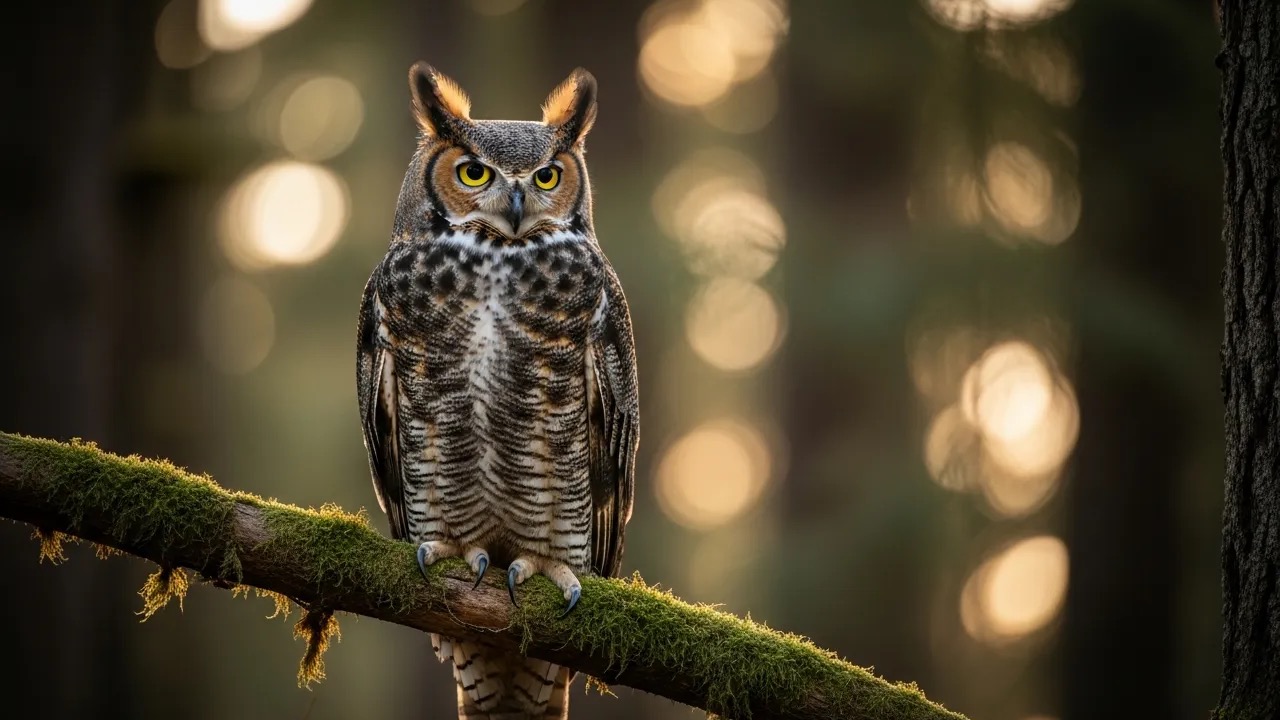
Birds
GGreat Horned Owl
Bubo virginianus
The powerful nocturnal hunter with feathered tufts
North America · South America
Open guide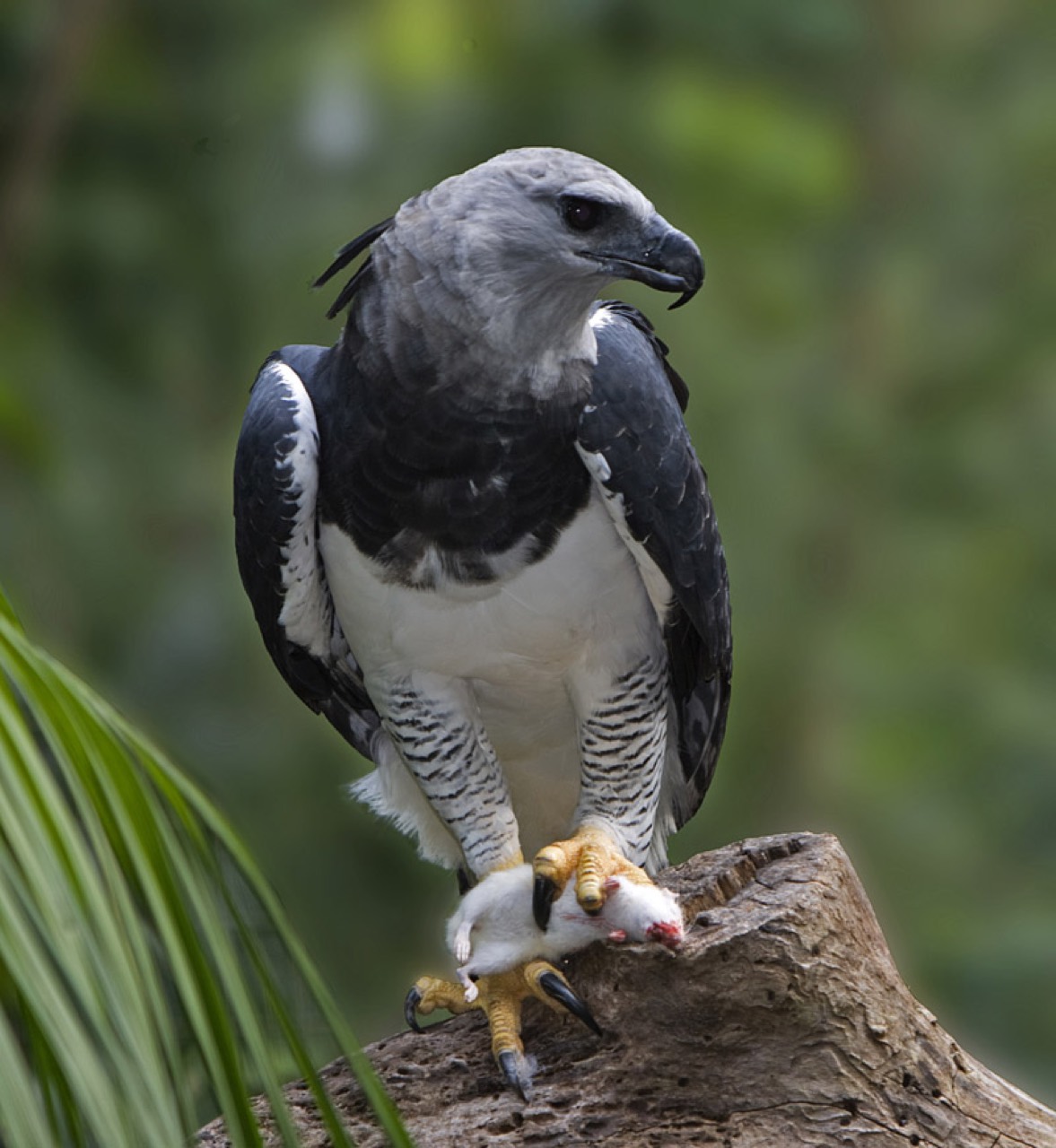
Birds
HHarpy Eagle
Harpia harpyja
The rainforest's apex raptor, armed with talons longer than a grizzly bear's claws.
Brazil · Colombia
Open guide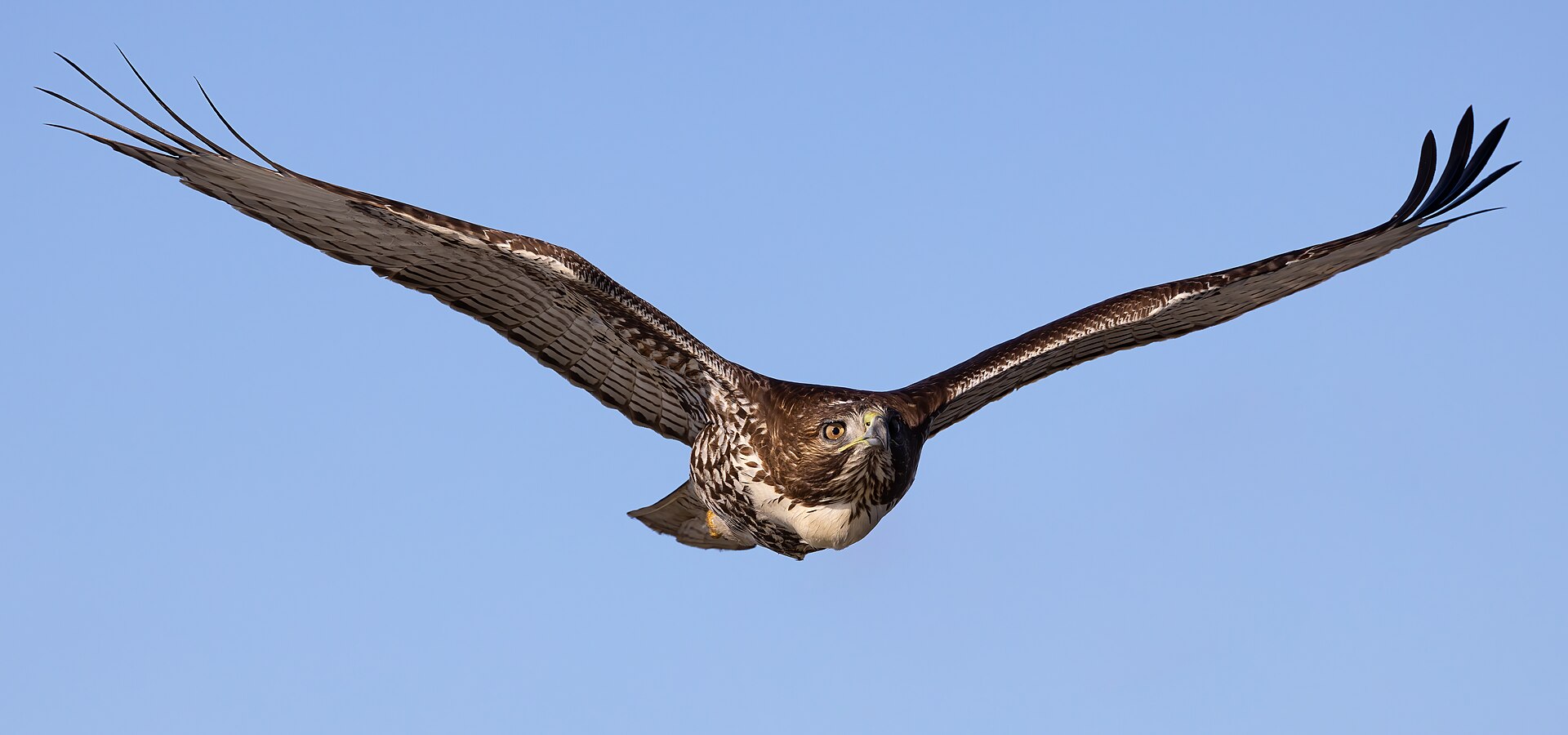
Birds
HHawk
Family Accipitridae — ~250 species including buzzards, kites and true hawks (genus Accipiter)
The versatile raptors of field and forest — sharp-eyed hunters on every continent.
Worldwide except Antarctica
Open guide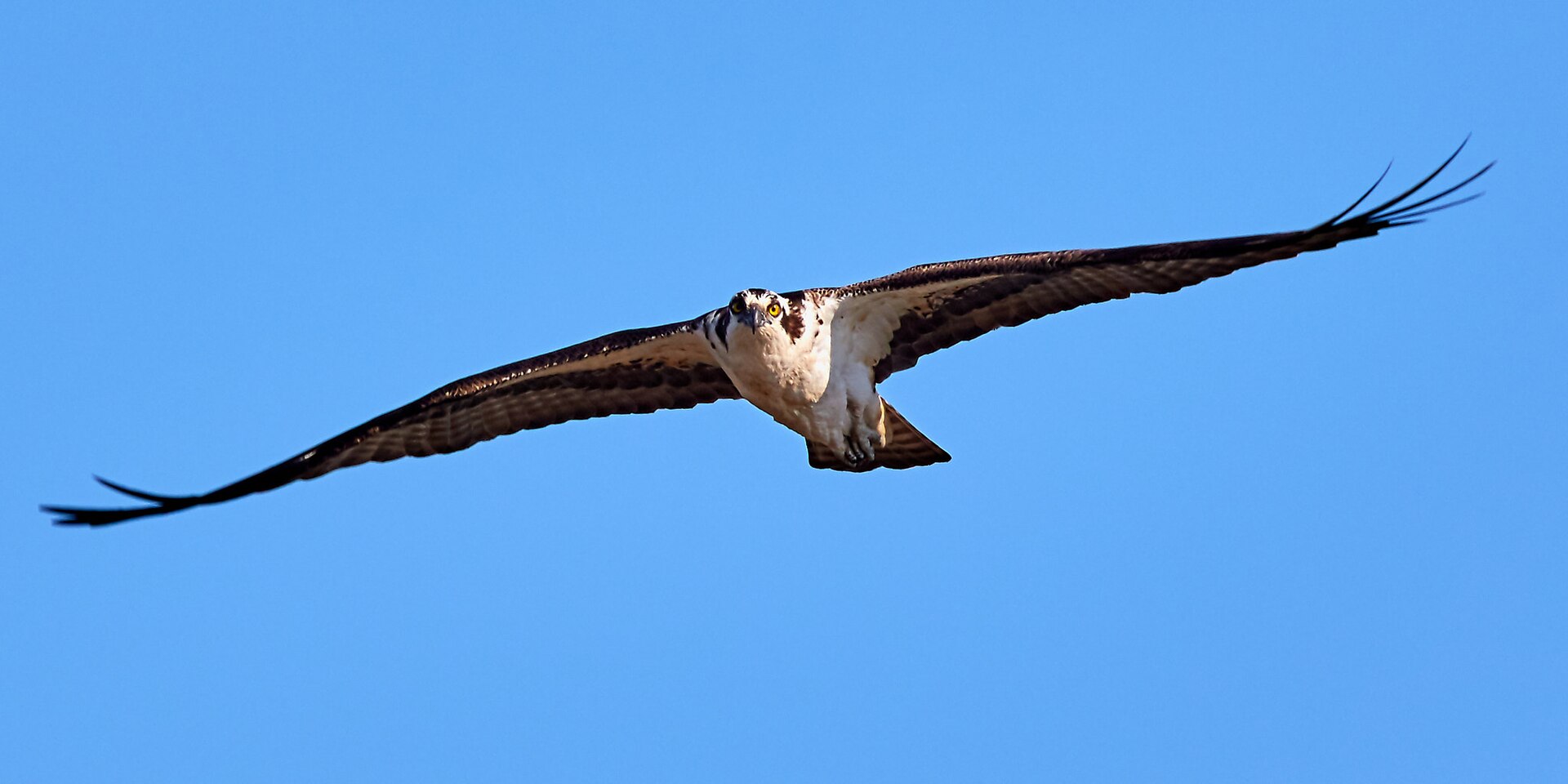
Birds
OOsprey
Pandion haliaetus (Linnaeus, 1758)
The fish hawk — a global raptor built for one prey, recovered from near extinction.
Worldwide — all continents except Antarctica
Open guide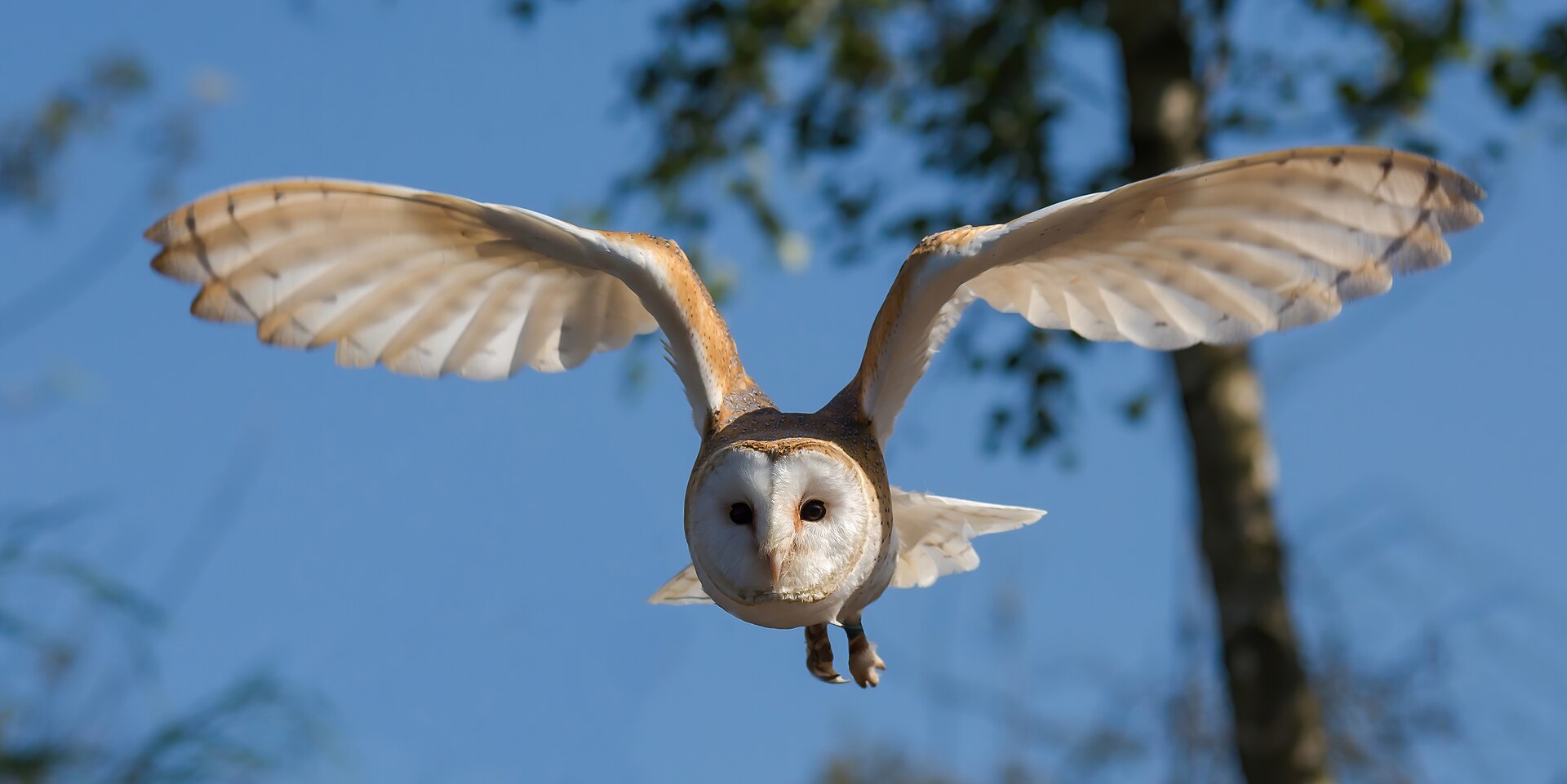
Birds
OOwl
Strigiformes
Silent-winged night hunters found on almost every continent.
Worldwide
Open guide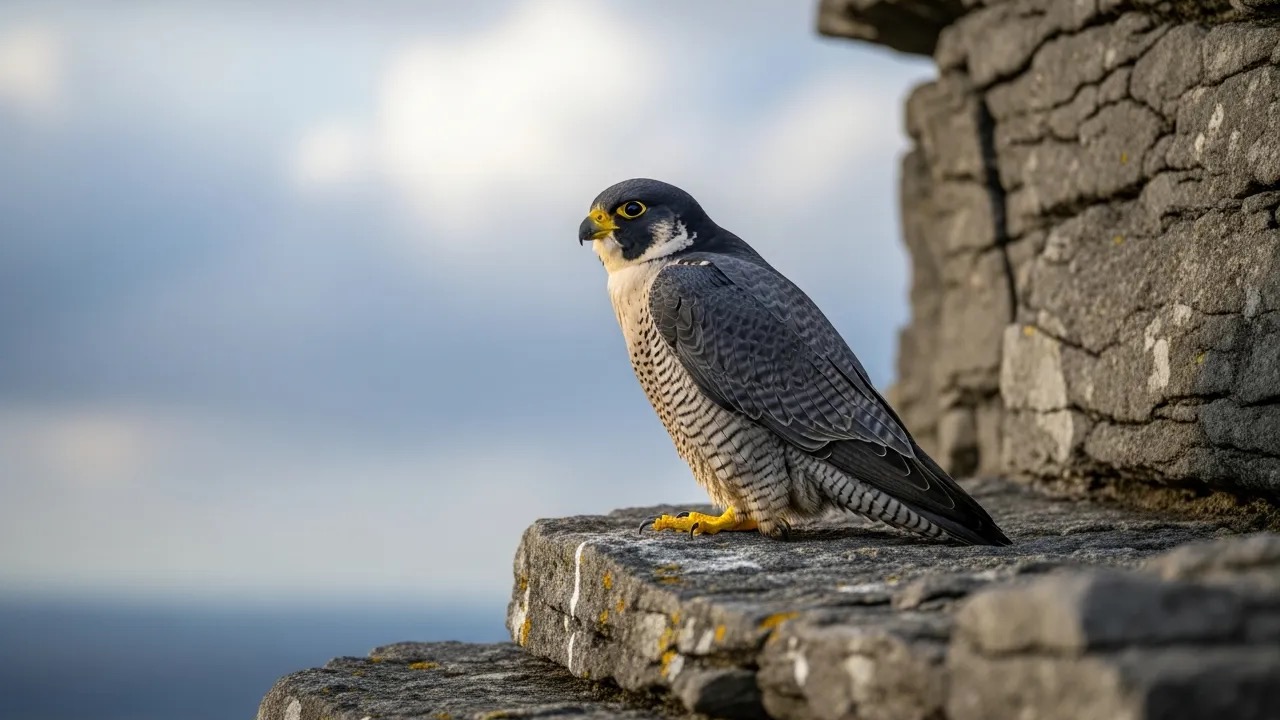
Birds
PPeregrine Falcon
Falco peregrinus
The fastest animal on the planet
North America · South America
Open guide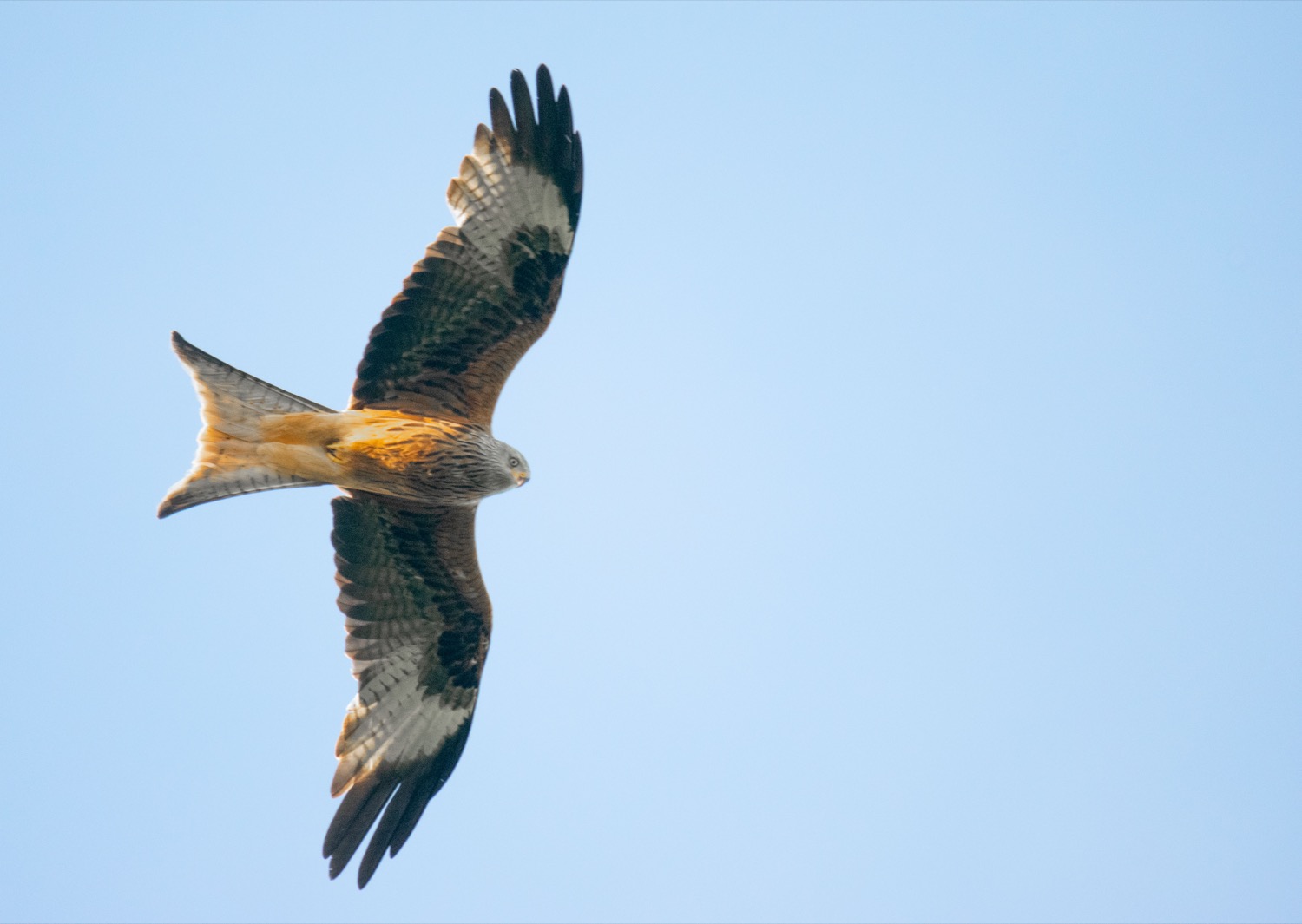
Birds
RRed Kite
Milvus milvus
The forked-tailed raptor that came back from the brink in Britain.
Europe · United Kingdom
Open guide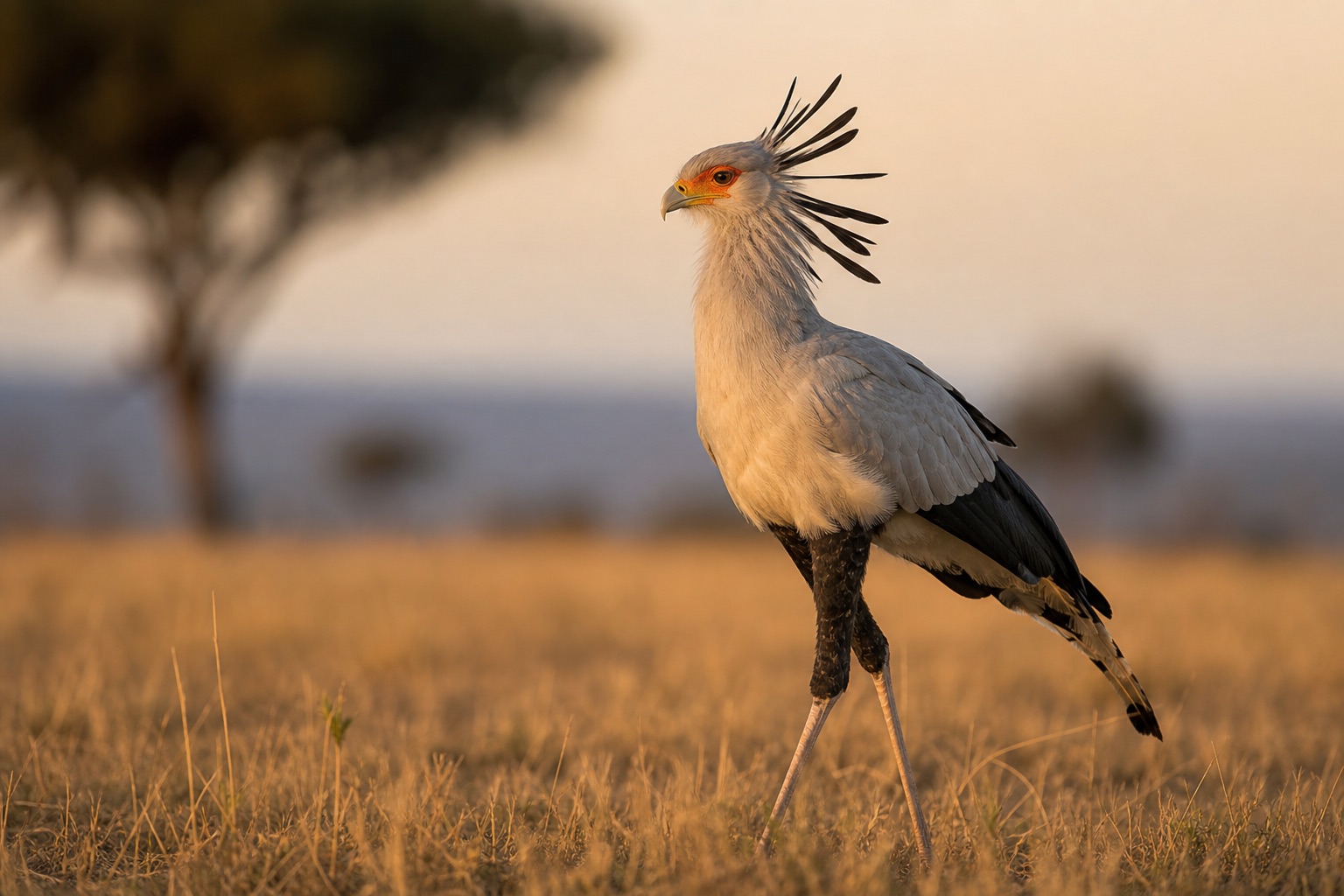
Birds
SSecretary Bird
Sagittarius serpentarius (Miller, 1779) — family Sagittariidae
A raptor that walks rather than soars — and kills snakes by stamping them at a speed the eye can barely follow.
Sub-Saharan Africa · Open savanna and grassland
Open guide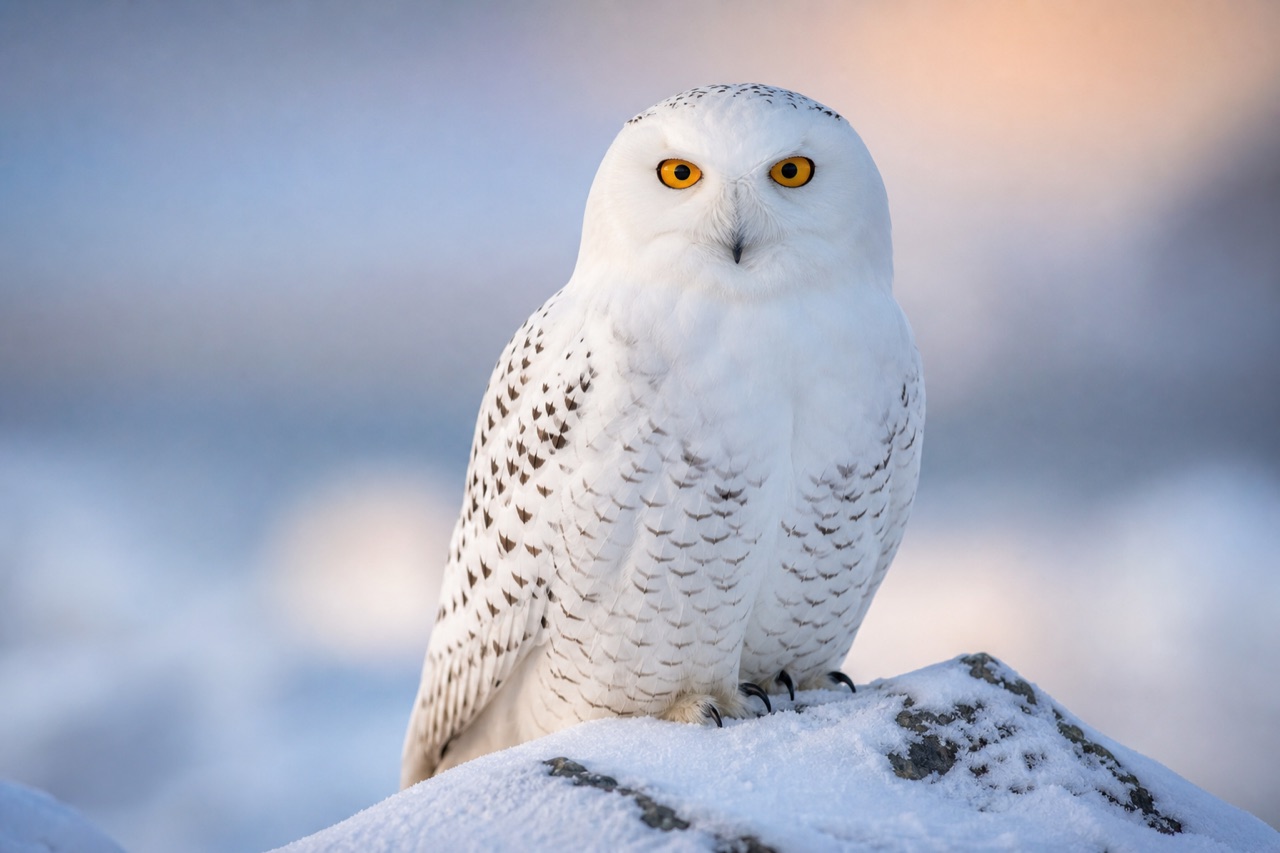
Birds
SSnowy Owl
Bubo scandiacus (Linnaeus, 1758) — family Strigidae
A day-hunting Arctic owl whose breeding success rises and falls with the lemming cycle.
Arctic tundra of North America, Greenland, Scandinavia and Russia · Irregular winter movements far south of the breeding range
Open guide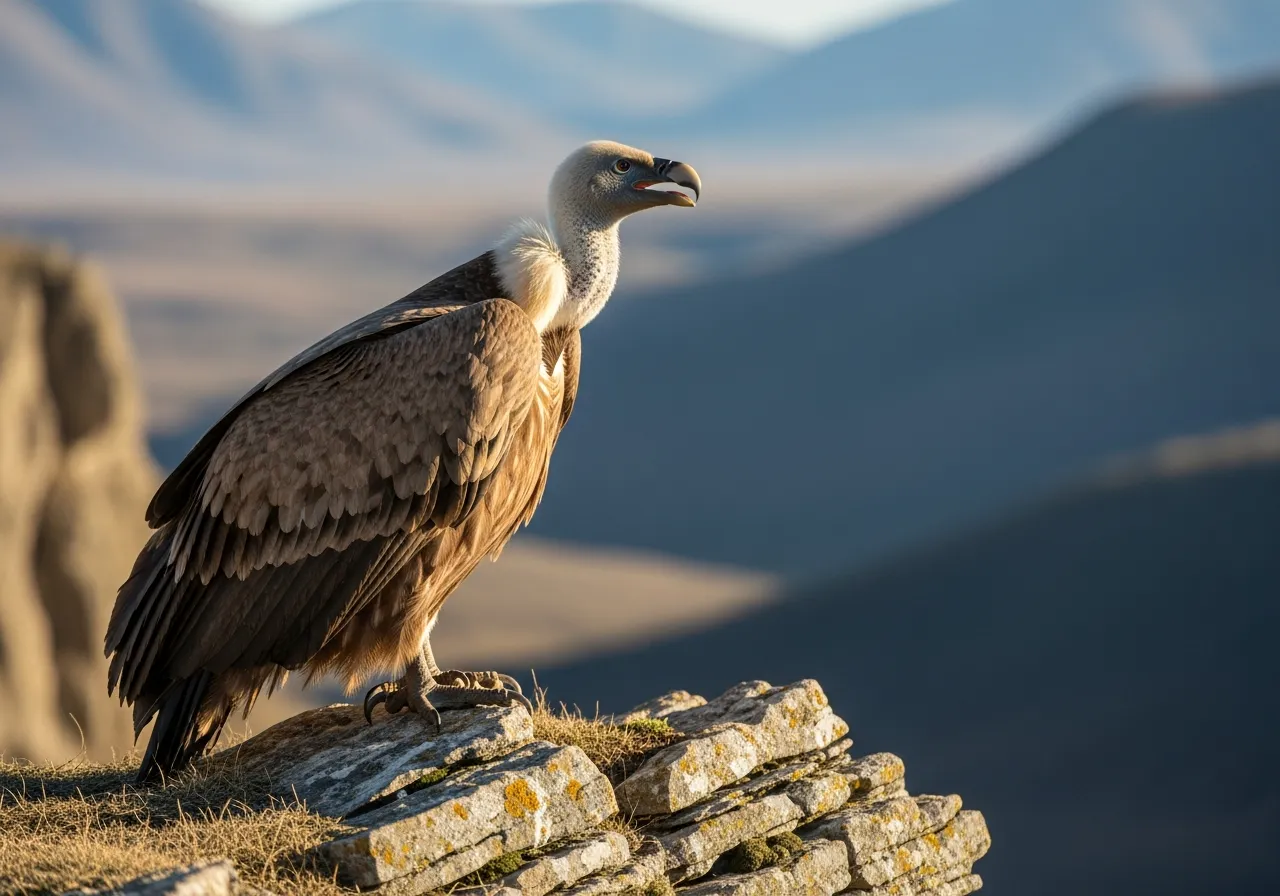
Birds
VVulture
Old World vultures (family Accipitridae) and New World vultures (family Cathartidae)
Nature's clean-up crew, vanishing fast in parts of Asia and Africa
Africa · Asia
Open guideConservation: what this group faces
Raptors sit at the top of food chains, which makes them the first group to show what is accumulating below them. The DDT crisis was detected through eggshell thinning in peregrines and ospreys; today it is second-generation rodenticides, which build up in birds that eat poisoned rodents. Vulture declines in South Asia exceeded 97% within a decade after the veterinary drug diclofenac entered cattle carcasses, and the resulting collapse in carcass disposal has been linked to measurable increases in human disease.
Birds of prey: frequently asked questions
What is a bird of prey?
Are owls birds of prey?
What is the largest bird of prey?
What is the fastest bird of prey?
Why are female birds of prey bigger than males?
Are birds of prey endangered?
Other types of bird
-
Garden birds
The species most likely to turn up on a feeder, lawn or hedge in Britain and northern Europe.
-
Waterbirds & wildfowl
Ducks, geese, swans, herons and other birds tied to rivers, lakes and wetlands.
-
Seabirds
Ocean specialists that feed at sea and return to land mainly to breed.
-
Parrots & macaws
Hook-billed, highly intelligent birds — and the group hit hardest by the pet trade.
-
Flightless birds
Species that traded flight for size, speed or swimming — and the ones invasive predators hit hardest.
-
Tropical & forest birds
Canopy specialists of rainforest and tropical woodland, where bird diversity peaks.
-
Gamebirds
Pheasants, grouse and quail — ground-feeding birds bred, released and shot in enormous numbers.
-
Farmed & domestic birds
Birds kept by people — and the welfare questions that come with the largest animal industry on Earth.