Birds · 14 species guides
Waterbirds & Wildfowl
Waterbirds are birds that depend on freshwater or wetland habitat for feeding, nesting or both, and include wildfowl such as ducks, geese and swans alongside unrelated groups like herons, storks, cranes, kingfishers, flamingos and pelicans.
- Bill shape tells you the diet
- Flat and broad for dabbling and filtering (ducks); dagger-shaped for spearing fish (herons, kingfishers); serrated for gripping fish (mergansers); downcurved for probing mud (ibises, curlews).
- Neck in flight
- Herons fly with the neck folded into an S; storks, cranes and spoonbills fly with the neck fully extended. This separates them at any distance.
- Feeding method
- Dabbling ducks upend without submerging; diving ducks disappear completely. Herons stand motionless and strike; egrets often stir the substrate with a foot.
- Legs and feet
- Long unwebbed legs for wading; short legs set far back with webbing for swimming. A bird that both swims well and walks awkwardly is built for the water.
Waterbirds are a habitat grouping that cuts straight across taxonomy. Ducks, geese and swans form a genuine evolutionary group — the wildfowl, order Anseriformes — but herons, storks, cranes, kingfishers, flamingos and pelicans belong to entirely separate lineages that arrived at wetland life independently.
What they share is a dependence on one of the most rapidly disappearing habitats on Earth. Wetlands have been drained, built on and diverted at a rate faster than forest loss, and the birds that need them are declining accordingly. That gives this group a conservation profile quite different from garden birds: the issue is rarely the birds themselves, it is that the water is gone.
Key facts
- Waterbird is a habitat grouping, not a clade. Only ducks, geese and swans form a single evolutionary group (Anseriformes).
- Herons fly with the neck folded into an S; storks, cranes and spoonbills fly with the neck straight out. This is the most reliable distant identification in the group.
- Wetlands are disappearing faster than forests, which makes habitat loss rather than direct persecution the dominant threat here.
- Flamingos get their pink colour from carotenoid pigments in the algae and crustaceans they filter-feed; a flamingo on the wrong diet fades to white.
- Lead poisoning from spent ammunition and lost fishing weights remains a significant cause of wildfowl death where non-toxic alternatives are not enforced.
- Many waterbirds are long-distance migrants, so protecting one wetland is not enough — the whole flyway has to hold together.
How to recognise them
The features that separate this group in the field, in the order they are usually most useful.
- Bill shape tells you the diet
- Flat and broad for dabbling and filtering (ducks); dagger-shaped for spearing fish (herons, kingfishers); serrated for gripping fish (mergansers); downcurved for probing mud (ibises, curlews).
- Neck in flight
- Herons fly with the neck folded into an S; storks, cranes and spoonbills fly with the neck fully extended. This separates them at any distance.
- Feeding method
- Dabbling ducks upend without submerging; diving ducks disappear completely. Herons stand motionless and strike; egrets often stir the substrate with a foot.
- Legs and feet
- Long unwebbed legs for wading; short legs set far back with webbing for swimming. A bird that both swims well and walks awkwardly is built for the water.
- Voice
- Cranes carry further than almost any bird — a bugling call audible for kilometres. Herons give a harsh croak, usually as they are flushed.
14 waterbirds & wildfowl guides
Search or filter by conservation status. Every guide carries sourced facts, IUCN status and FAQs.
Common names, scientific names and places are searchable.
Showing 1–14 of 14 guides
Birds
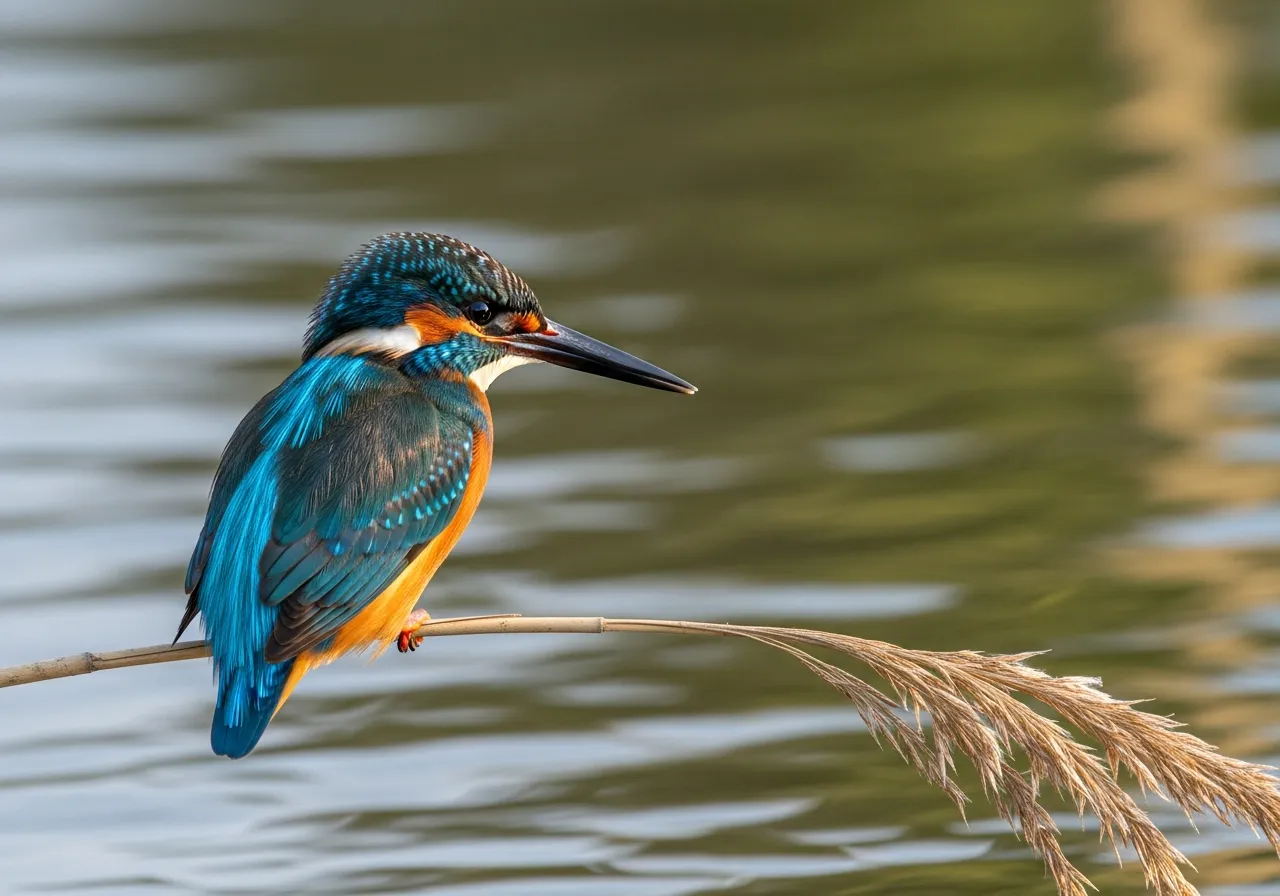
CCommon Kingfisher
Alcedo atthis
A jewel of the riverbank that hunts by diving headfirst for fish.
Europe · Asia
Open guide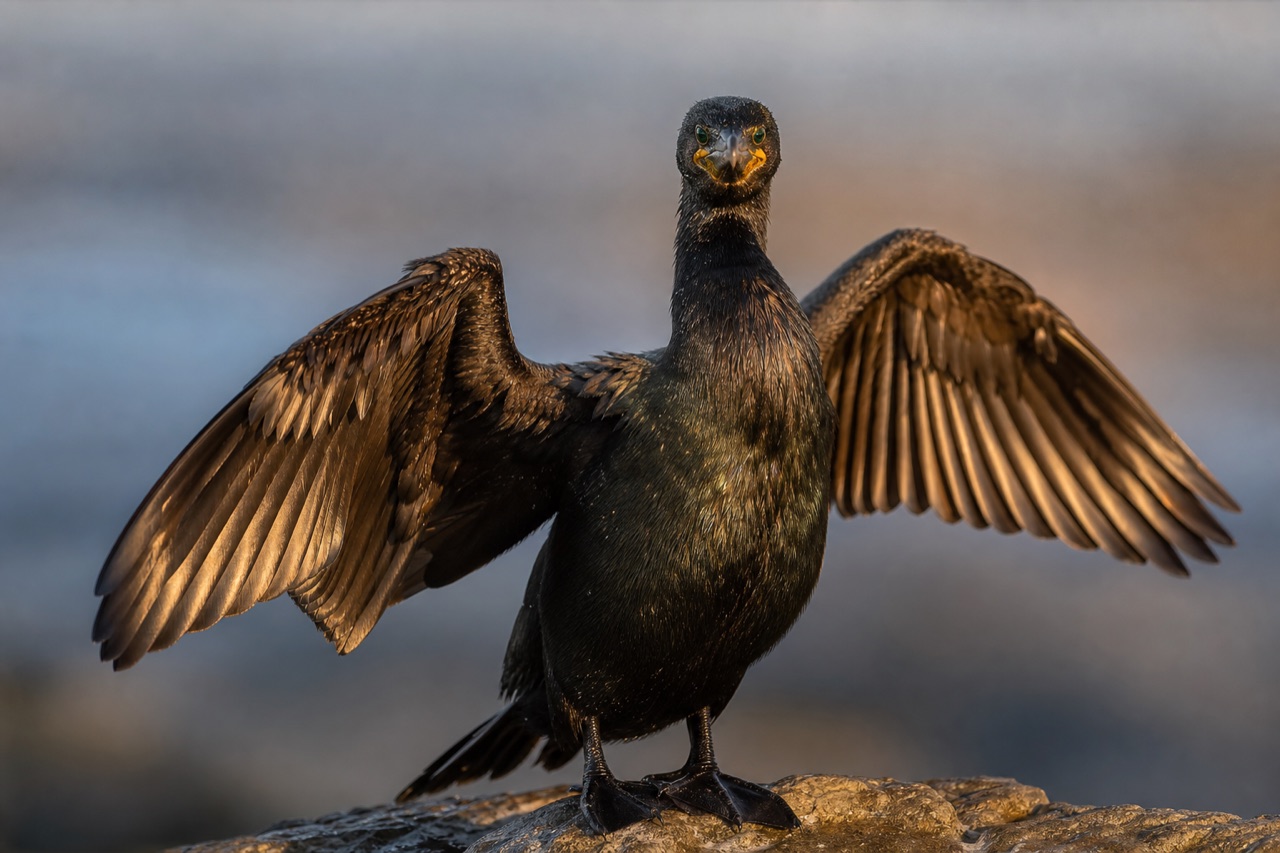
Birds
CCormorant
Phalacrocorax carbo (Linnaeus, 1758) — family Phalacrocoracidae
The black diver that spreads its wings to dry — and eats fish for a living.
Coasts, estuaries, lakes and rivers worldwide · Widespread breeder and winter visitor in Britain
Open guide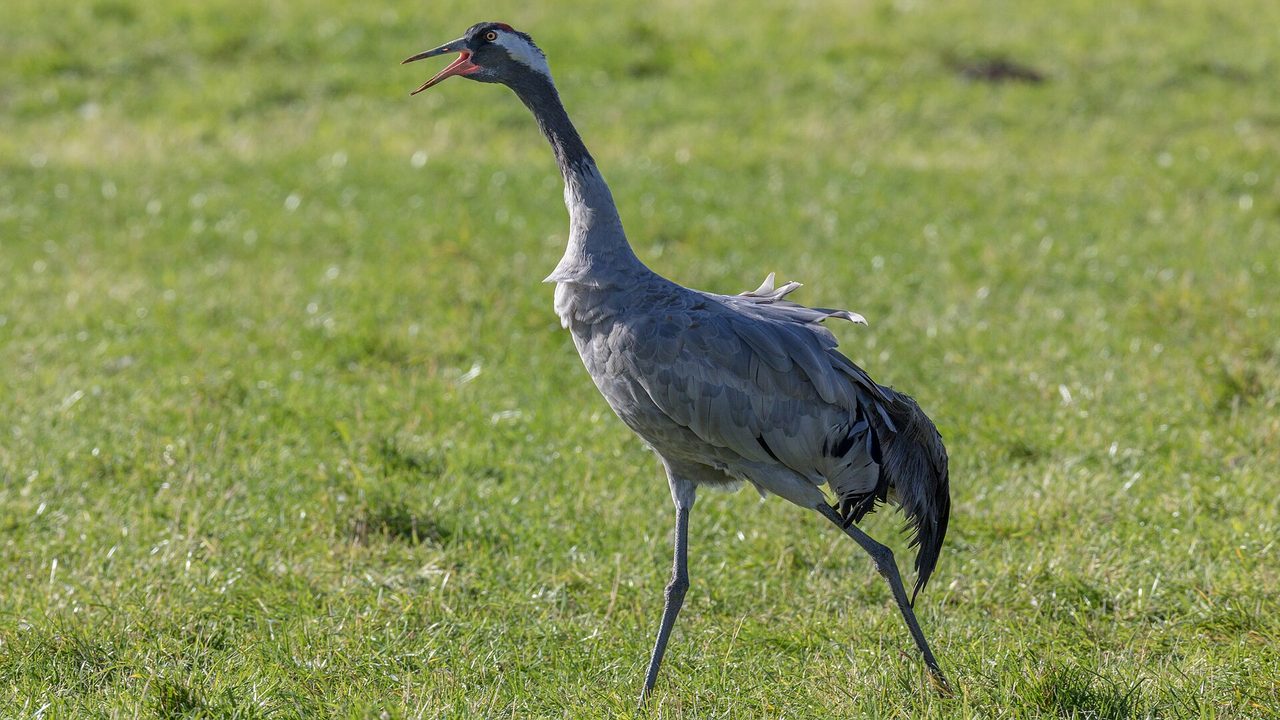
Birds
CCrane
Family Gruidae
Ancient dancers of the sky — cranes have soared across every continent bar two for tens of millions of years
Europe · Asia
Open guide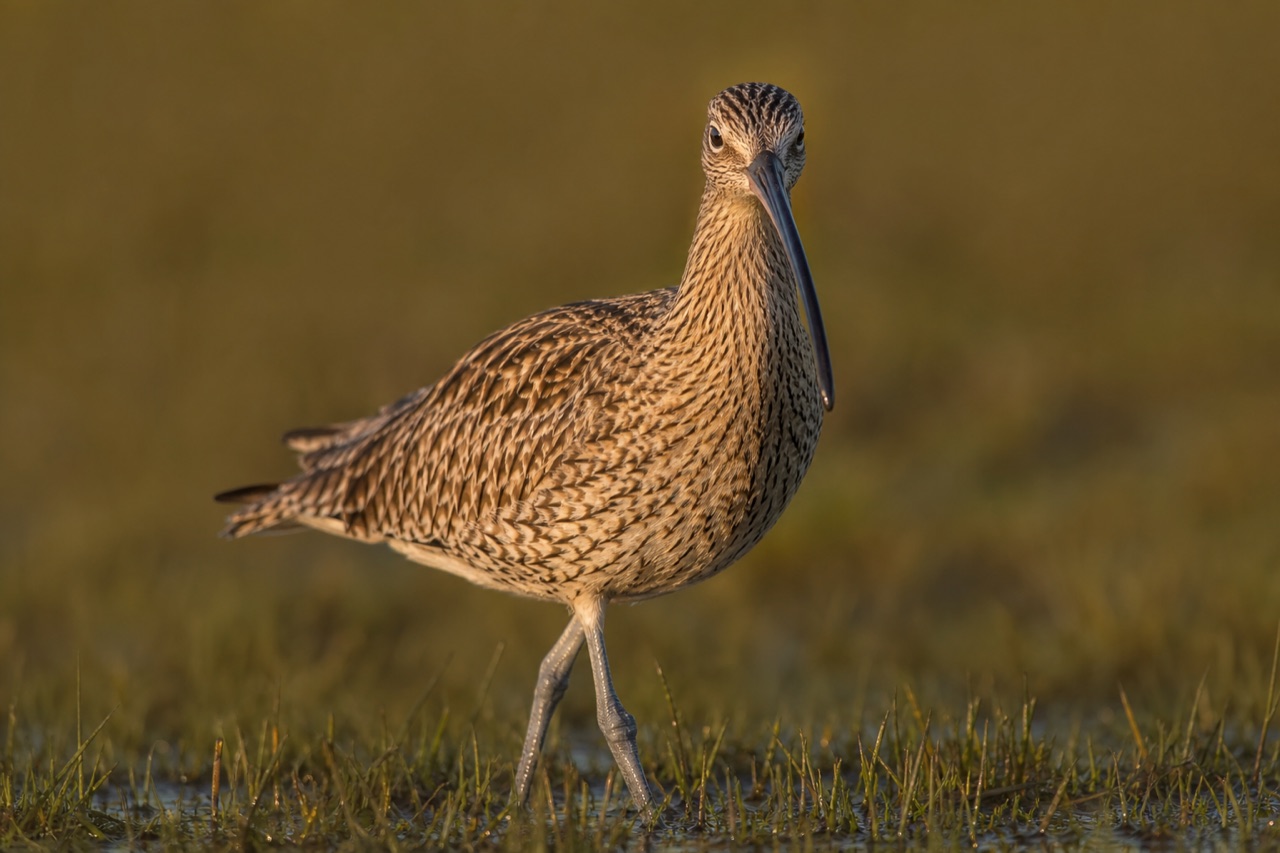
Birds
CCurlew
Numenius arquata (Linnaeus, 1758) — family Scolopacidae
The moorland bugle — and one of Britain's steepest breeding bird declines.
Breeds on moorland, grassland and wet meadows across Europe and Asia · Winters on coasts and estuaries; steeply declining British breeder
Open guide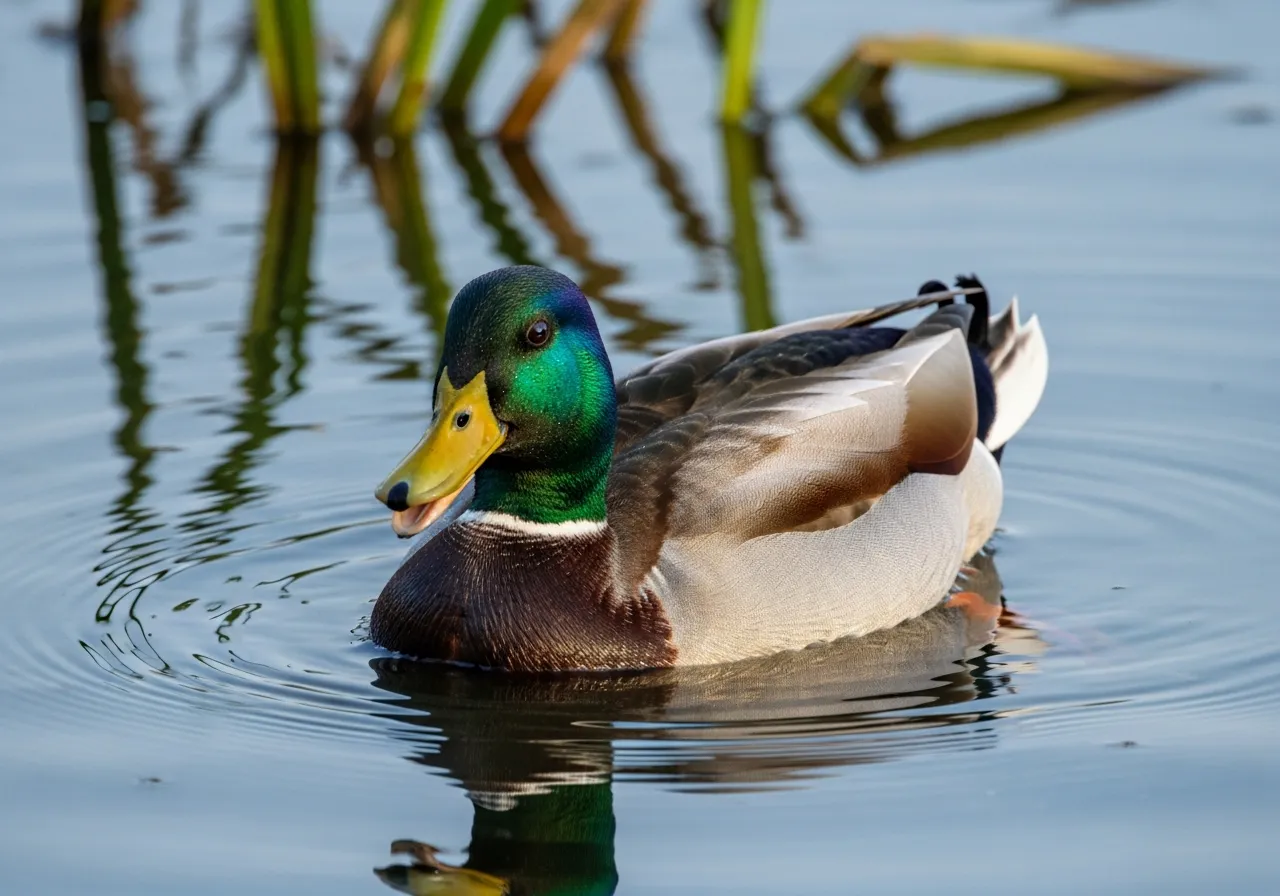
Birds
DDuck
Family Anatidae (e.g. Anas platyrhynchos)
Waterbirds of pond, marsh and coast — and the wild ancestors of the farmyard duck.
Europe · Asia
Open guide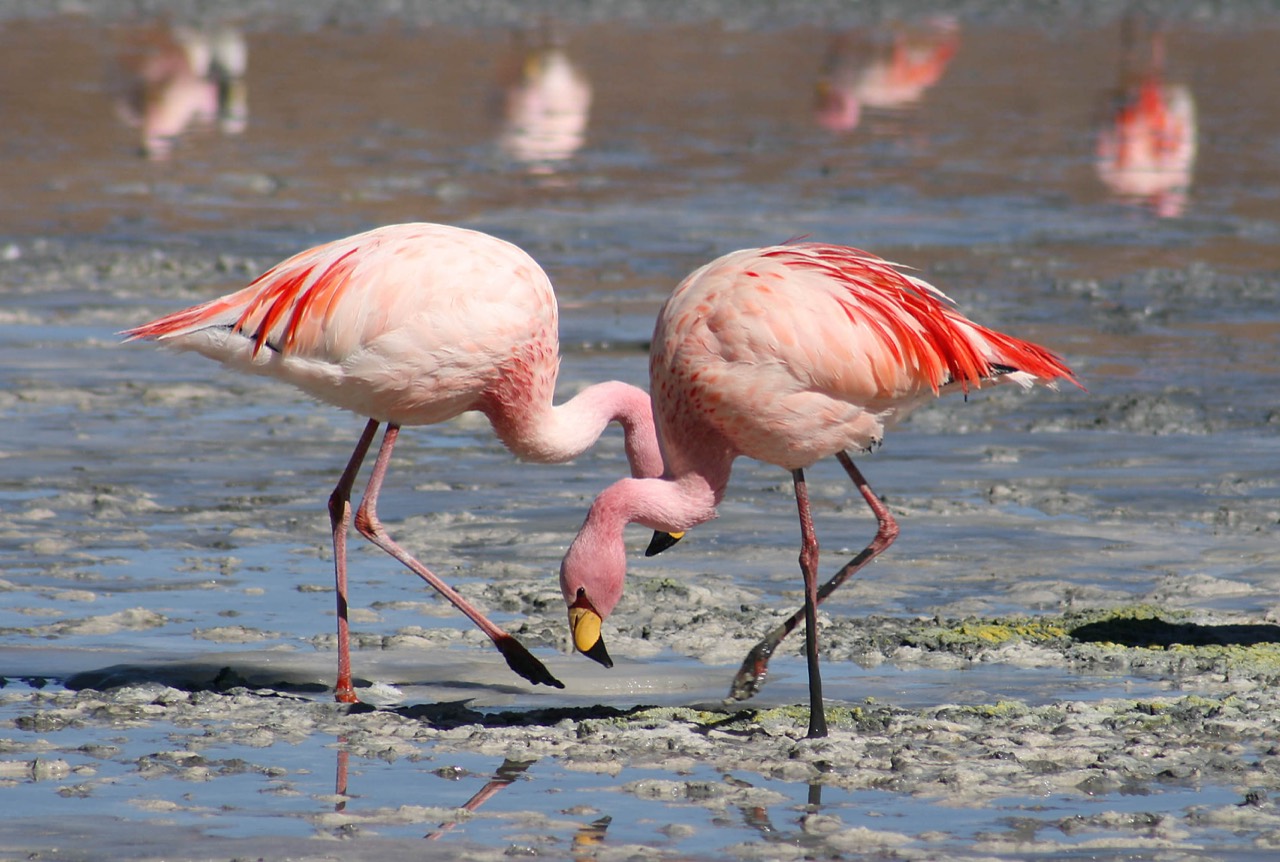
Birds
FFlamingo
Family Phoenicopteridae — six living species in Phoenicopterus, Phoeniconaias and Phoenicoparrus
Six species of filter-feeding waders — pink from diet, not from a paintbox, and not one IUCN badge.
Americas, Africa, southern Europe and Asia — saline, alkaline and brackish lakes and lagoons · Kenya and Tanzania overlap lesser-flamingo lakes (geography, not a flamingo grant)
Open guide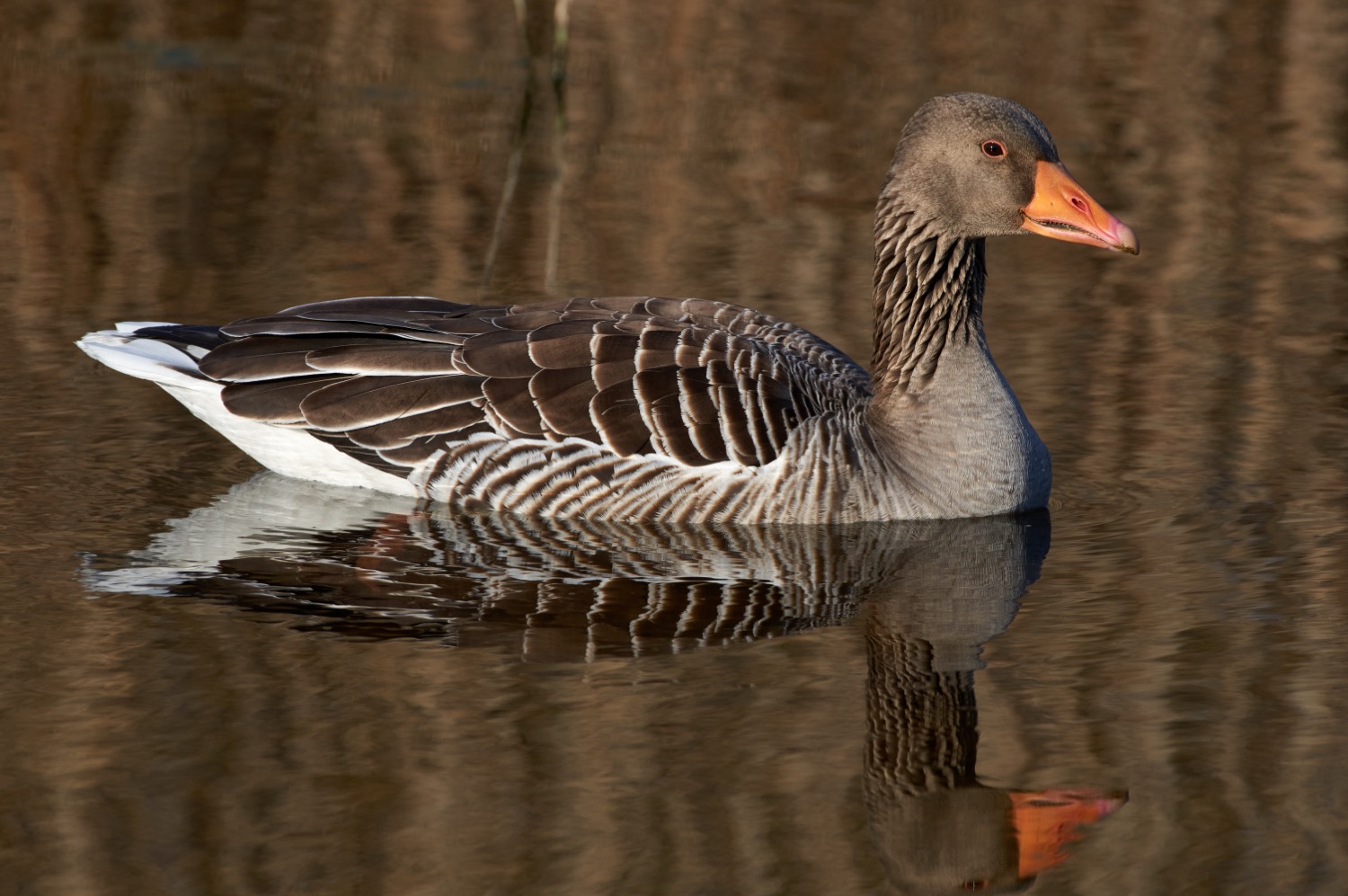
Birds
GGoose
Family Anatidae (Anser and Branta)
Large, social grazing waterfowl famous for V-formation migrations
Europe · Asia
Open guide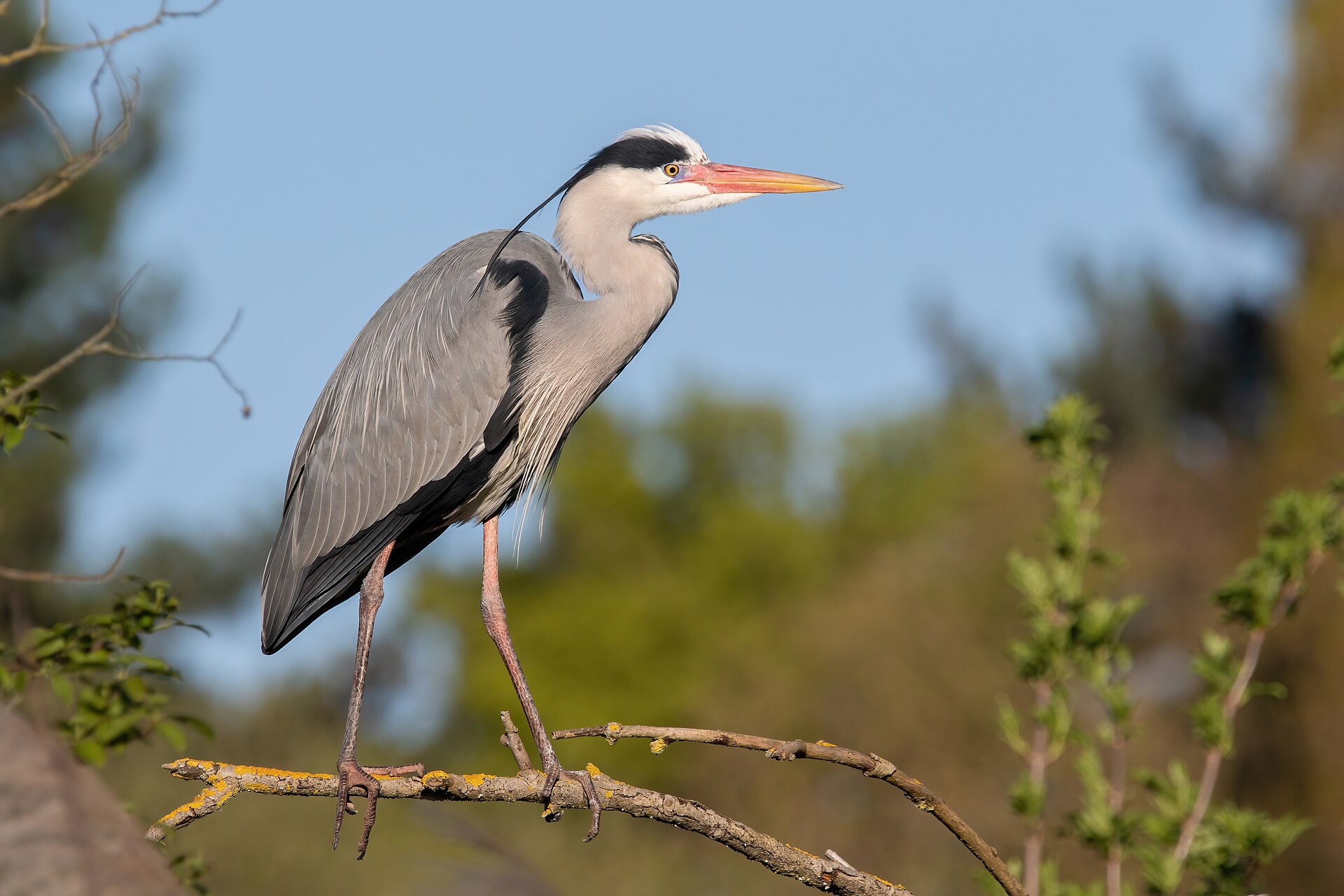
Birds
GGrey Heron
Ardea cinerea
The patient grey angler of Britain's rivers, canals and garden ponds.
United Kingdom · Europe
Open guide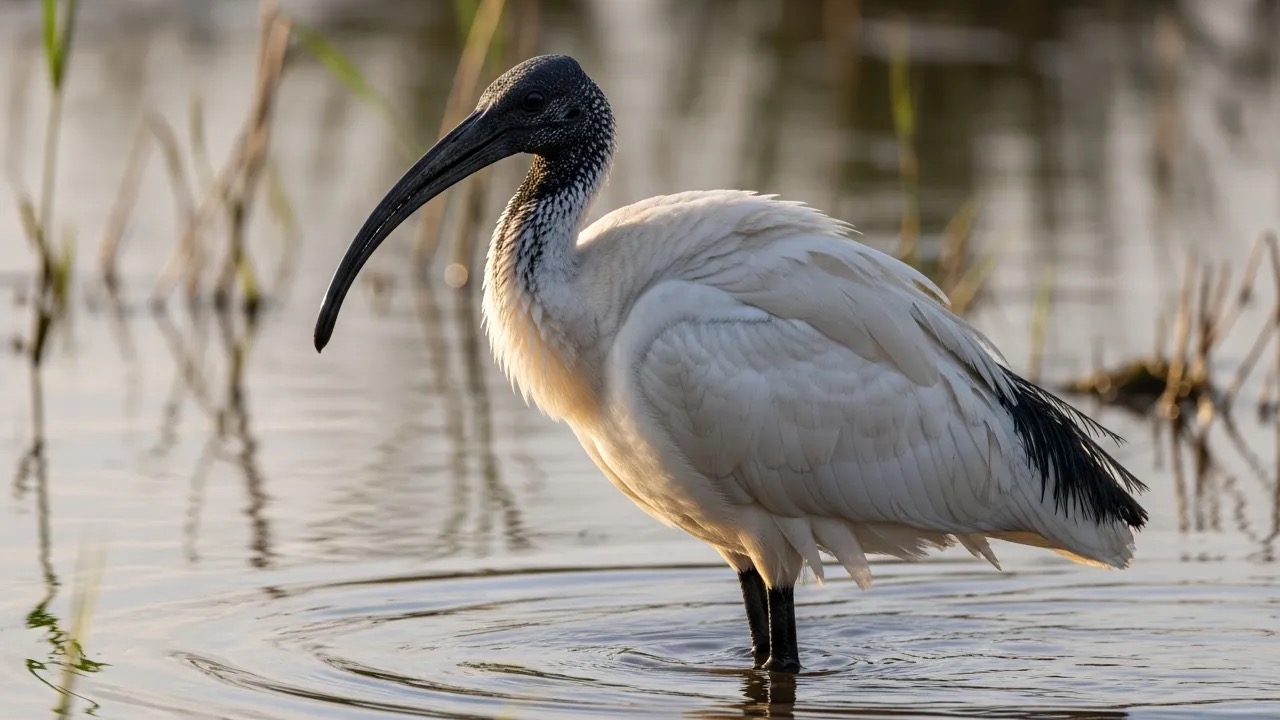
Birds
IIbis
Threskiornis aethiopicus
The long-billed wading bird of marsh and river
Africa · Asia
Open guide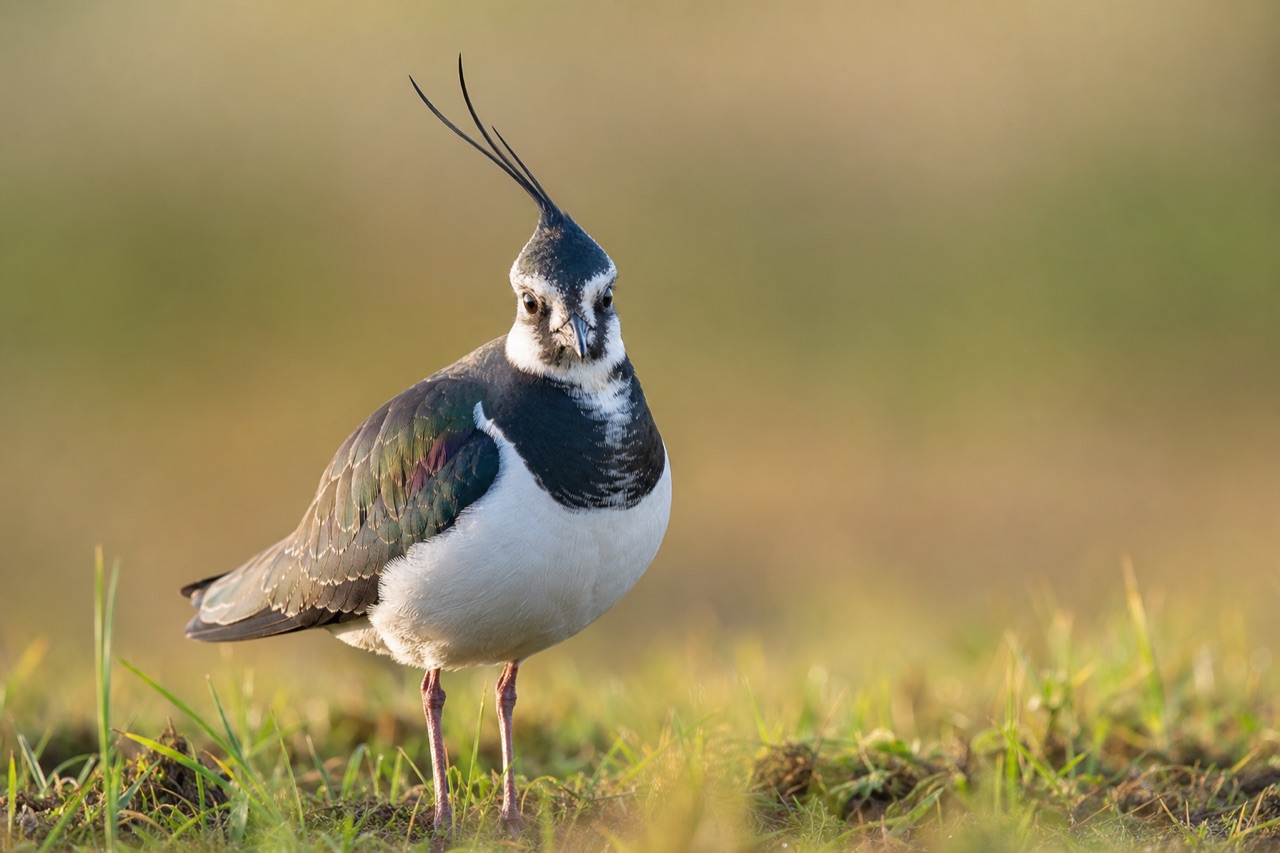
Birds
LLapwing
Vanellus vanellus (Linnaeus, 1758) — family Charadriidae
Peewit over the wet meadow — and a farmland collapse still unfolding.
Farmland, wet meadows and moorland across Eurasia · Steeply declining British breeder; winter visitor flocks on lowland fields
Open guide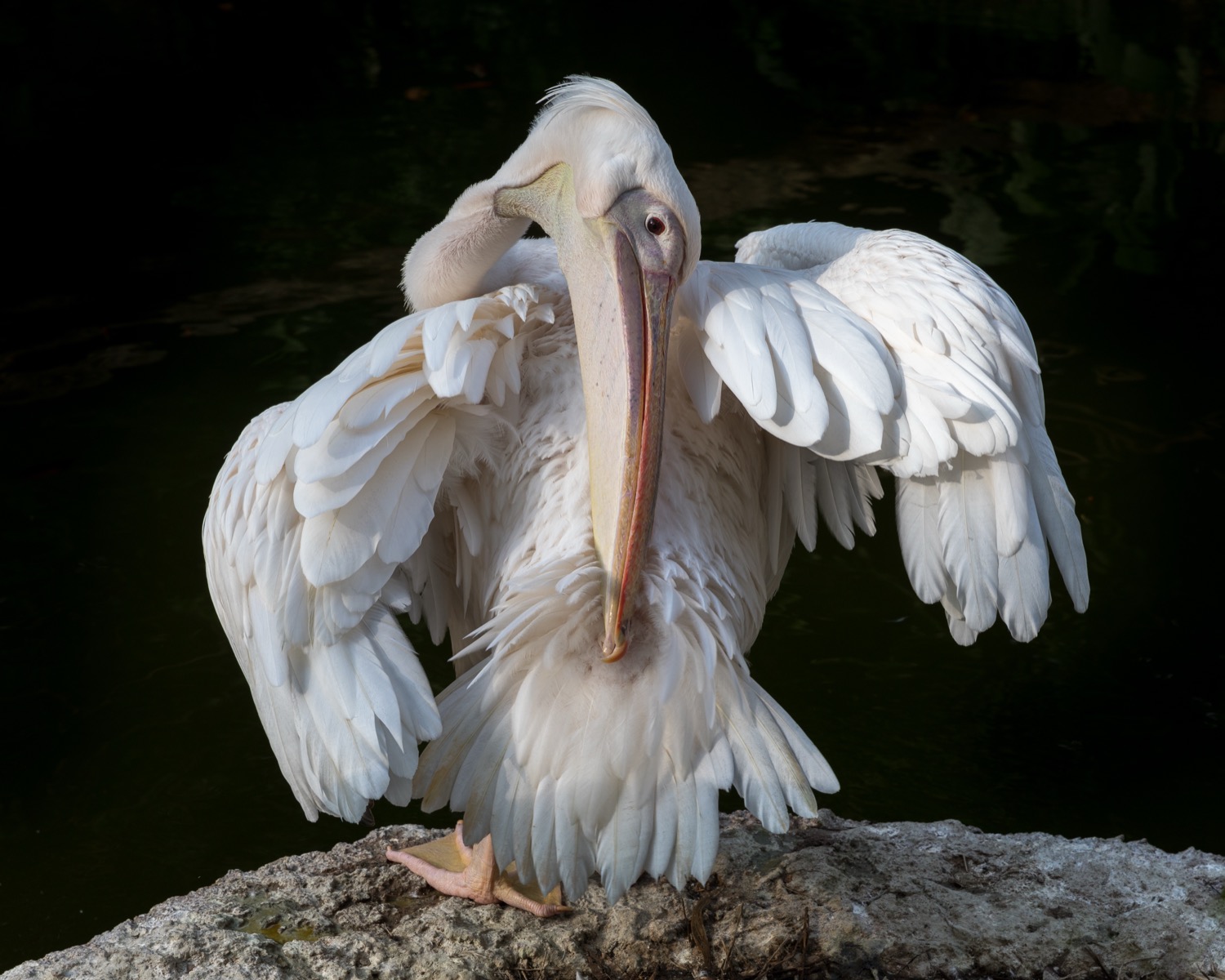
Birds
PPelican
Pelecanus (family Pelecanidae)
The big-billed fishers of the world's waters
The Americas · Europe
Open guide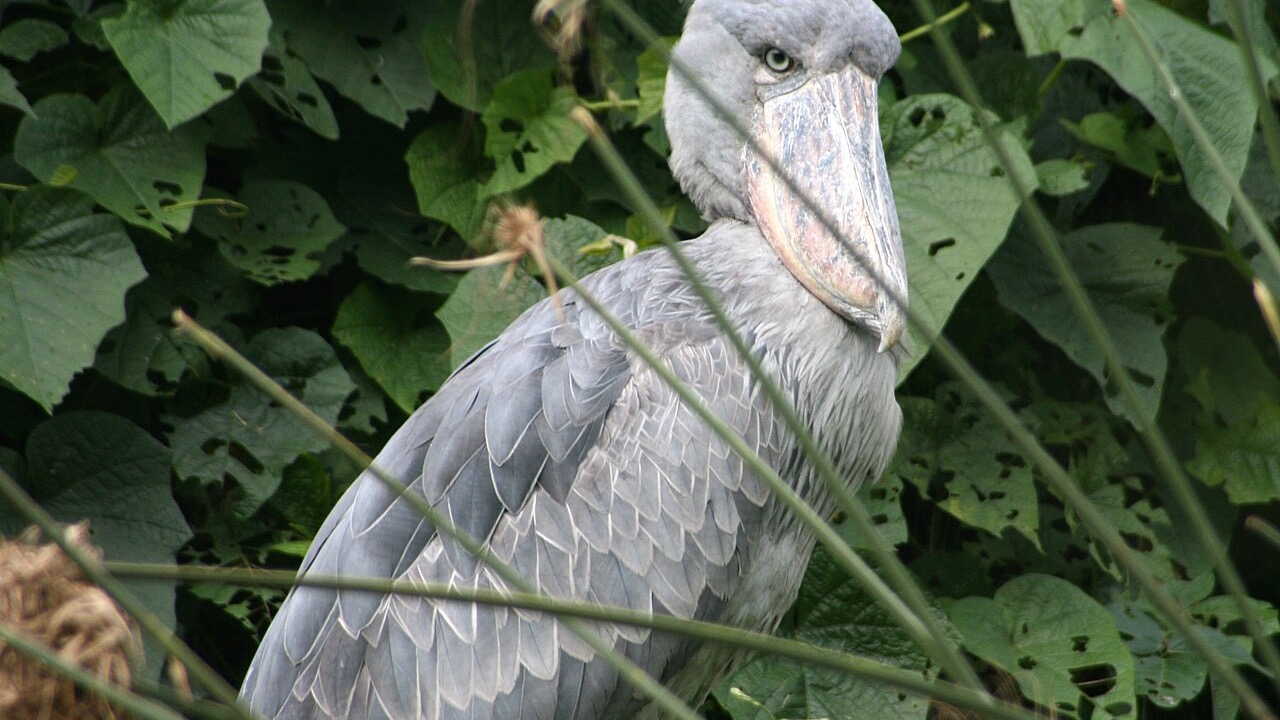
Birds
SShoebill
Balaeniceps rex
The prehistoric swamp sentinel — Africa's shoe-billed giant that waits like a statue for lungfish
Uganda · South Sudan
Open guide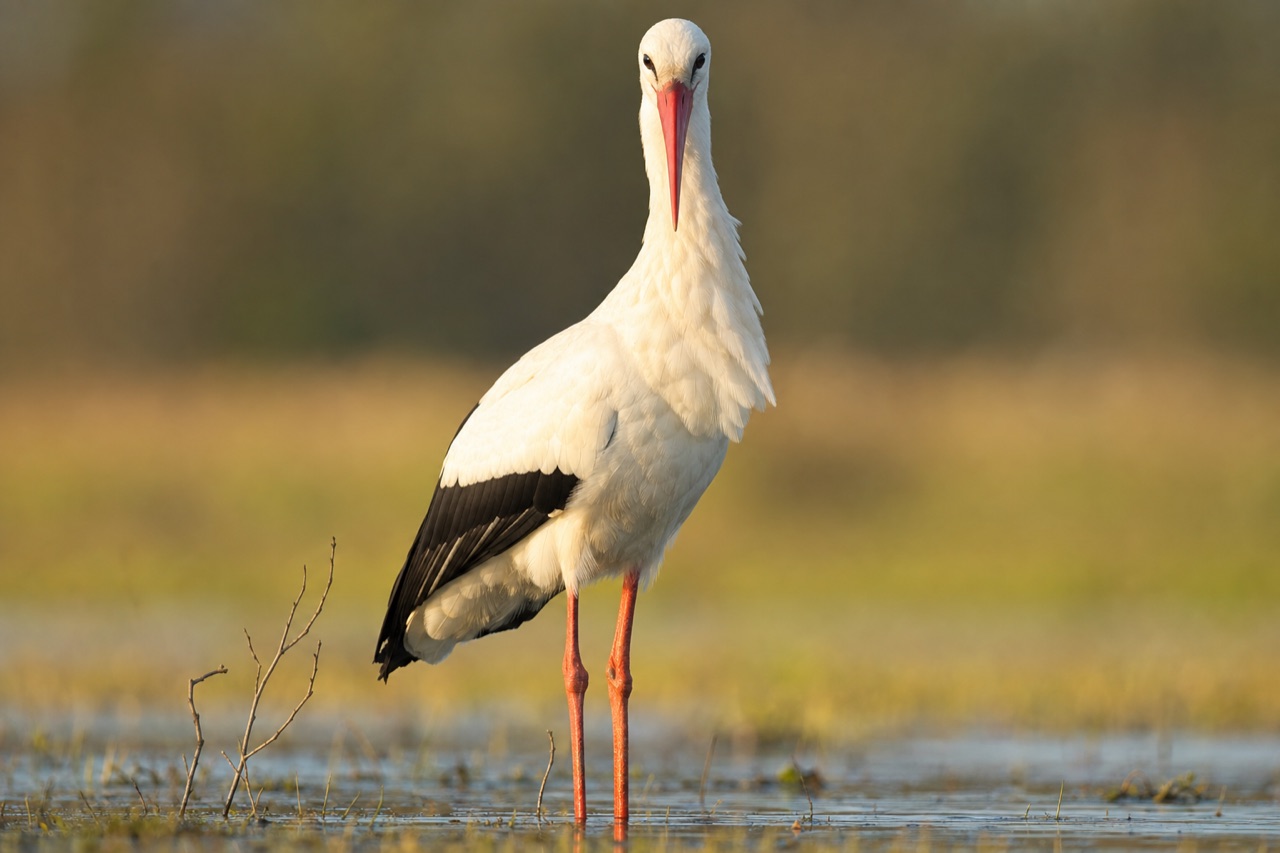
Birds
SStork
Family Ciconiidae — 19 species in 6 genera
Nineteen species of long-legged soaring birds — most of which have no voice at all.
Europe, Africa, Asia, the Americas and Australasia · Wetlands, floodplains, grassland and, increasingly, farmland and landfill
Open guide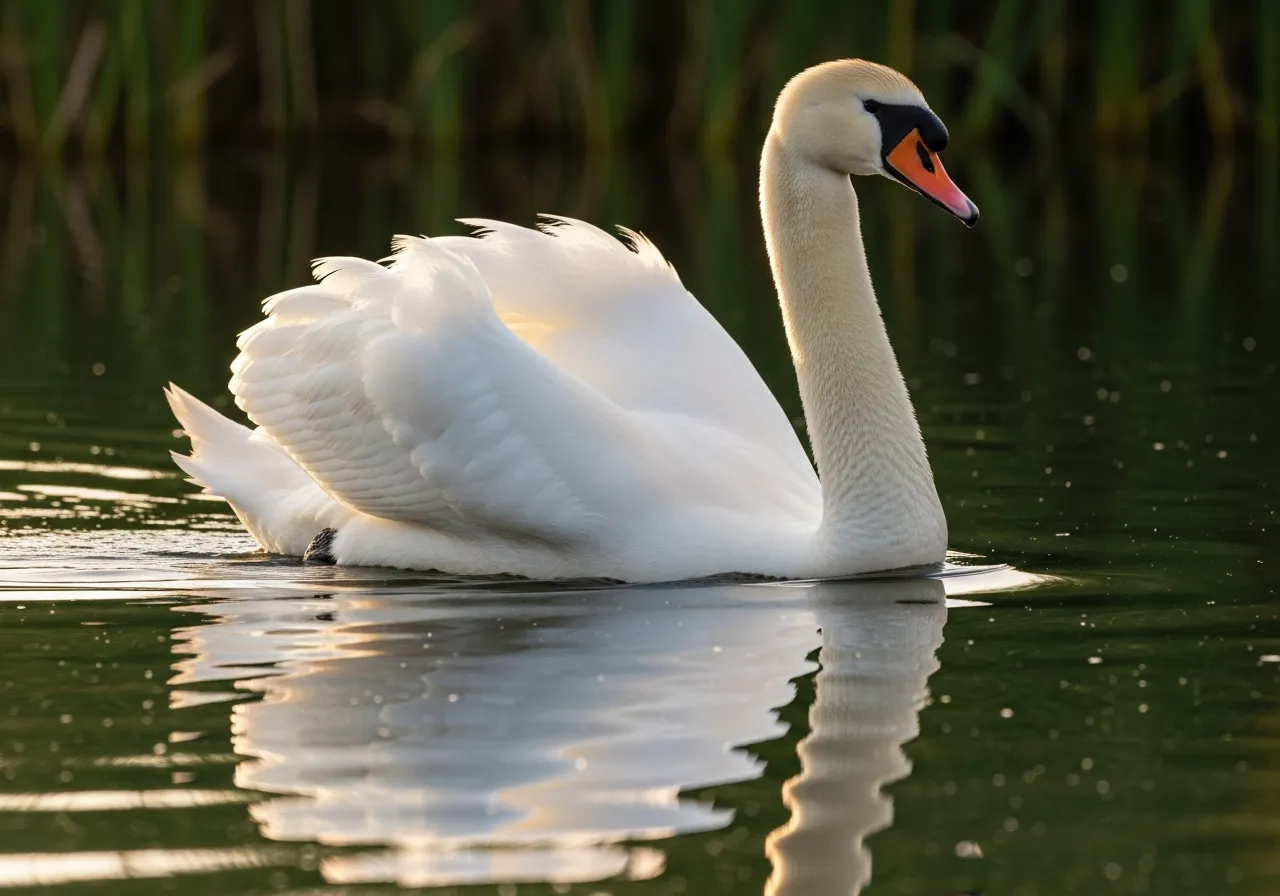
Birds
SSwan
Cygnus
The largest of the waterfowl, famed for grace, devotion and lifelong pair bonds.
Europe · Asia
Open guideConservation: what this group faces
Wetlands are being lost faster than any other major habitat type, and waterbirds go with them. Drainage for agriculture, water abstraction, pollution and coastal development are the primary drivers. Because many waterbirds migrate long distances, protection has to be coordinated along an entire flyway — a bird that breeds in a protected reserve and refuels at an unprotected estuary is not protected. Lead poisoning from spent ammunition and lost fishing tackle remains a substantial and entirely preventable cause of death.
Waterbirds & wildfowl: frequently asked questions
What is a waterbird?
What is the difference between a heron and a stork or crane?
Why are flamingos pink?
What is the difference between a dabbling duck and a diving duck?
Are waterbirds endangered?
Should I feed bread to ducks?
Other types of bird
-
Birds of prey
Raptors and owls — hook-billed hunters with forward-facing eyes and gripping talons.
-
Garden birds
The species most likely to turn up on a feeder, lawn or hedge in Britain and northern Europe.
-
Seabirds
Ocean specialists that feed at sea and return to land mainly to breed.
-
Parrots & macaws
Hook-billed, highly intelligent birds — and the group hit hardest by the pet trade.
-
Flightless birds
Species that traded flight for size, speed or swimming — and the ones invasive predators hit hardest.
-
Tropical & forest birds
Canopy specialists of rainforest and tropical woodland, where bird diversity peaks.
-
Gamebirds
Pheasants, grouse and quail — ground-feeding birds bred, released and shot in enormous numbers.
-
Farmed & domestic birds
Birds kept by people — and the welfare questions that come with the largest animal industry on Earth.