Birds · 6 species guides
Flightless Birds
Flightless birds are species that have lost the ability to fly, including ostriches, emus, cassowaries, kiwi, penguins and the kākāpō; flight loss has evolved independently many times, usually on islands or continents without ground predators, which is why the group is disproportionately threatened today.
- Sternum
- Ratites — ostrich, emu, rhea, cassowary, kiwi — lack the keeled breastbone that anchors flight muscles. Penguins keep the keel, because they still fly, underwater.
- Wings
- Reduced to vestigial in ratites and almost invisible in kiwi. Penguins have stiff paddle-like flippers that cannot fold.
- Bones
- Penguins have dense, solid bones rather than the air-filled bones of flying birds — the change that makes diving possible and flight impossible.
- Legs
- Heavy and muscular. Ostriches reach around 70 km/h; cassowaries carry a 12 cm dagger-like inner claw and are genuinely dangerous.
Flight is expensive. It demands a large keeled sternum, powerful flight muscles, light hollow bones and a body kept small enough to lift. Where nothing on the ground is hunting you, all of that cost buys very little — and evolution reliably takes the discount. Flightlessness has arisen independently many times over, in unrelated lineages, on islands and isolated continents across the world.
The consequence is now the group's defining problem. Flightless birds are typically slow-breeding, ground-nesting and unafraid, because nothing selected for fear. When rats, cats, stoats, pigs and dogs arrive, those traits become fatal within decades. The dodo, the moa and the great auk were all flightless, and the survivors — the kākāpō, kiwi, takahē — persist mainly on islands where predators have been removed.
Key facts
- Flightlessness has evolved independently many times, almost always where ground predators were absent.
- Penguins are not flightless in the strict sense — they use the same wing-powered flight underwater, with dense bones and stiff flippers as the adaptation.
- Ratites (ostrich, emu, rhea, cassowary, kiwi) lack the keeled sternum that anchors flight muscles; that keel is what a flying bird cannot do without.
- The ostrich is the largest living bird at up to 156 kg, and the fastest bird on land at around 70 km/h.
- Kiwi are the only birds with nostrils at the tip of the bill, and lay an egg up to around 20% of the female's body weight — proportionally among the largest of any bird.
- Introduced mammalian predators are the dominant threat. The kākāpō recovered from 51 birds in 1995 to over 240 only because every individual is monitored on predator-free islands.
How to recognise them
The features that separate this group in the field, in the order they are usually most useful.
- Sternum
- Ratites — ostrich, emu, rhea, cassowary, kiwi — lack the keeled breastbone that anchors flight muscles. Penguins keep the keel, because they still fly, underwater.
- Wings
- Reduced to vestigial in ratites and almost invisible in kiwi. Penguins have stiff paddle-like flippers that cannot fold.
- Bones
- Penguins have dense, solid bones rather than the air-filled bones of flying birds — the change that makes diving possible and flight impossible.
- Legs
- Heavy and muscular. Ostriches reach around 70 km/h; cassowaries carry a 12 cm dagger-like inner claw and are genuinely dangerous.
- Where they live
- Overwhelmingly islands or isolated landmasses — New Zealand, Australia, New Guinea, Madagascar, the Southern Ocean — where large ground predators were historically absent.
6 flightless birds guides
Search or filter by conservation status. Every guide carries sourced facts, IUCN status and FAQs.
Common names, scientific names and places are searchable.
Showing 1–6 of 6 guides
Birds
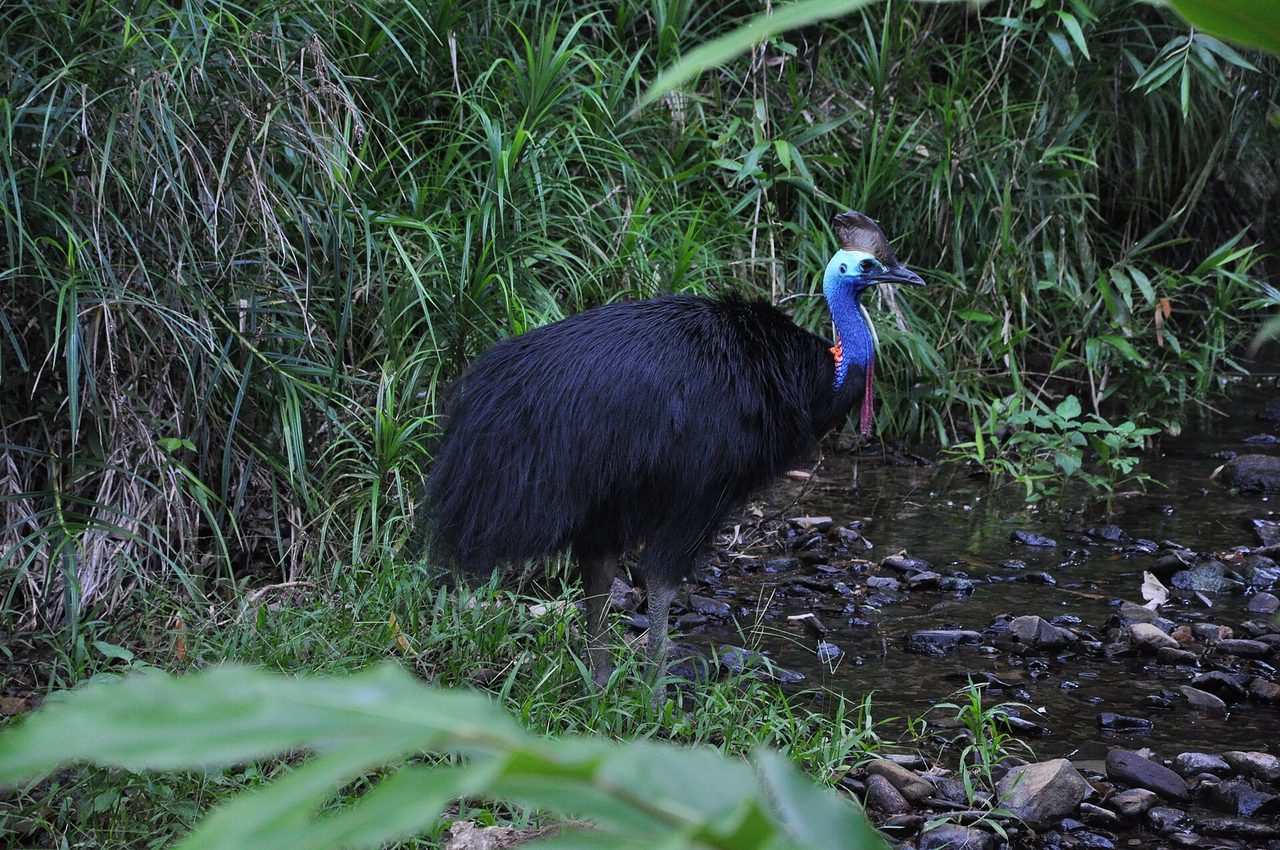
CCassowary
Casuarius spp.
The rainforest's living gardener — a flightless giant that reshapes forests one seed at a time
Papua New Guinea · Indonesia (West Papua, Maluku Islands)
Open guide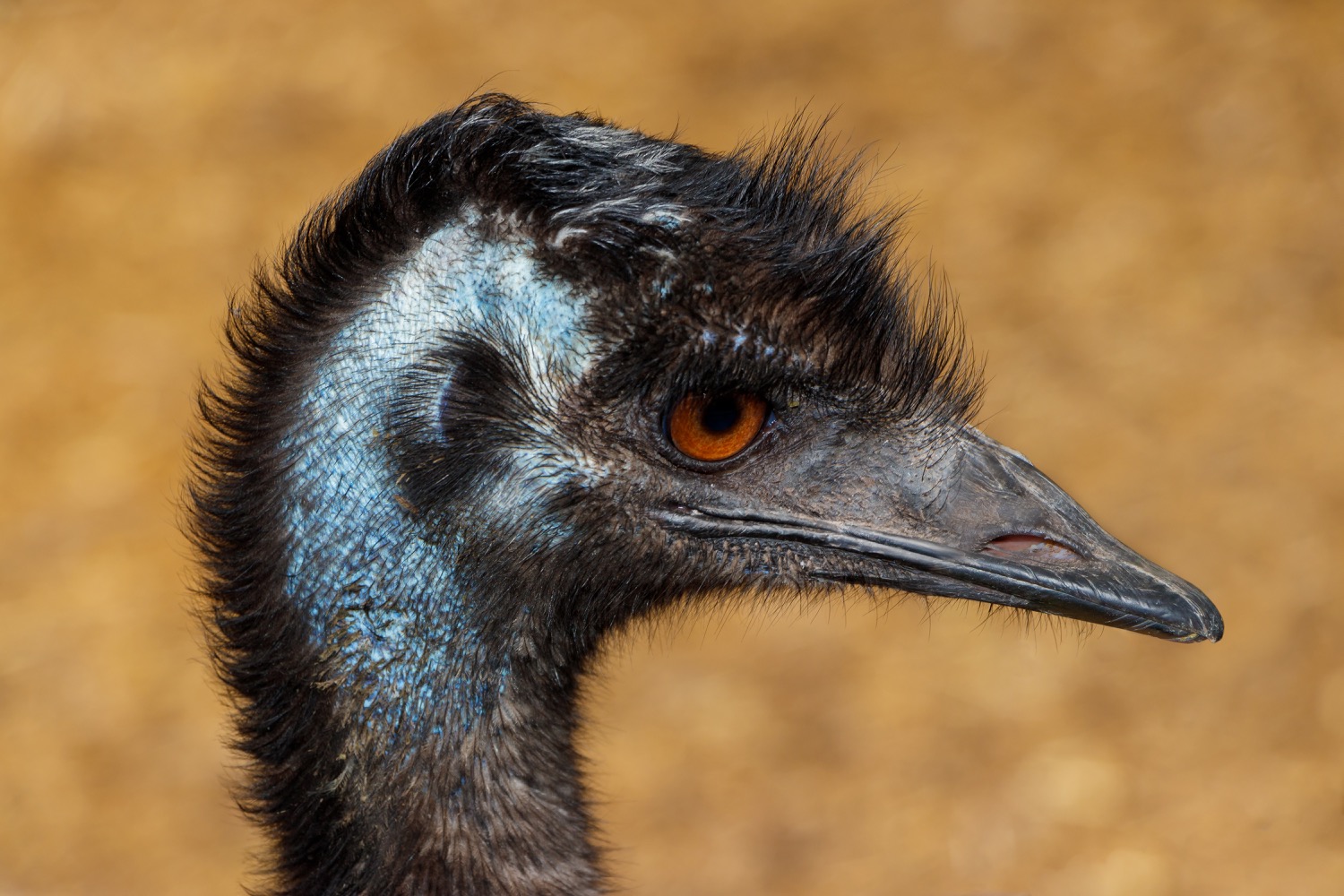
Birds
EEmu
Dromaius novaehollandiae
Australia's largest bird — a flightless wanderer where doting fathers raise the chicks.
Australia
Open guide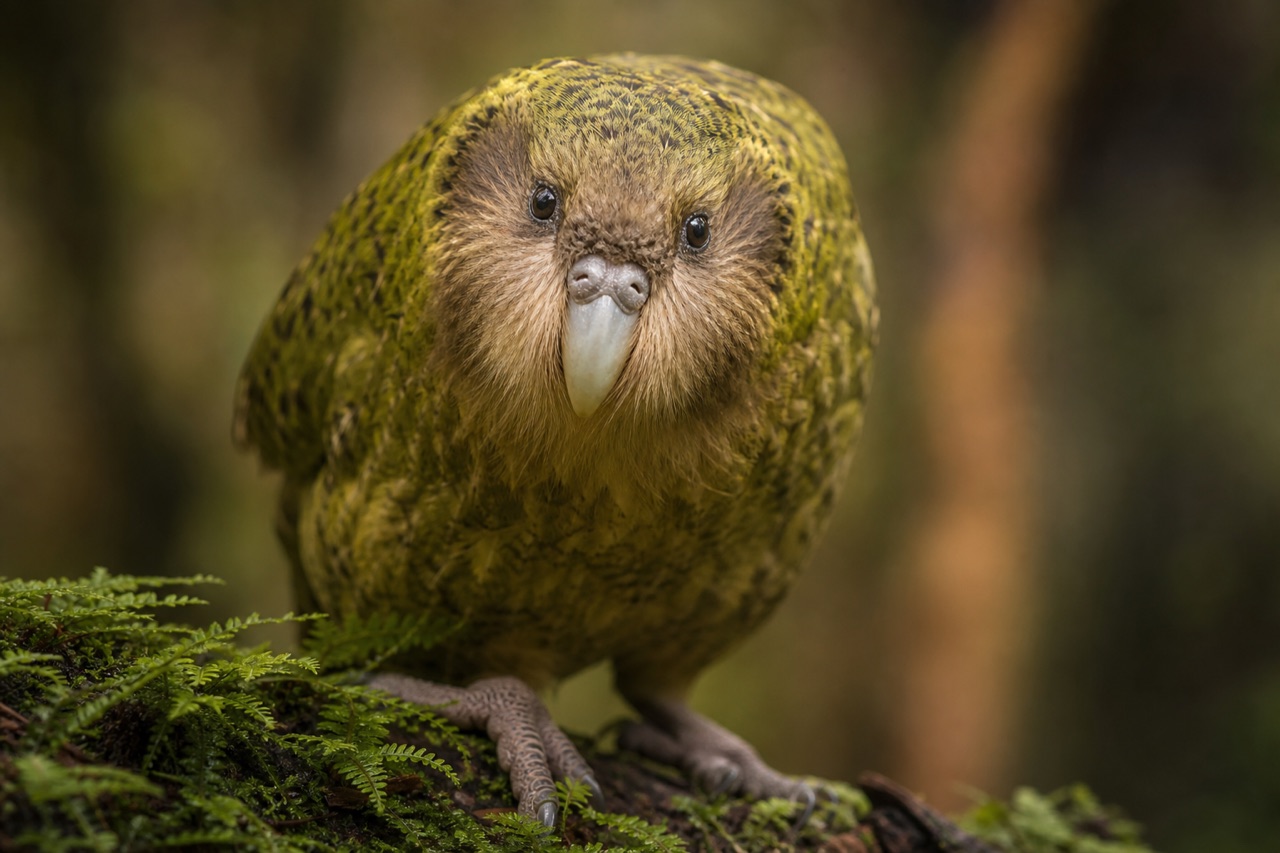
Birds
KKakapo
Strigops habroptilus (Gray, 1845) — family Strigopidae
The world's only flightless parrot: nocturnal, booming, and managed bird by bird.
New Zealand — predator-free offshore islands only · Extinct across the mainland
Open guide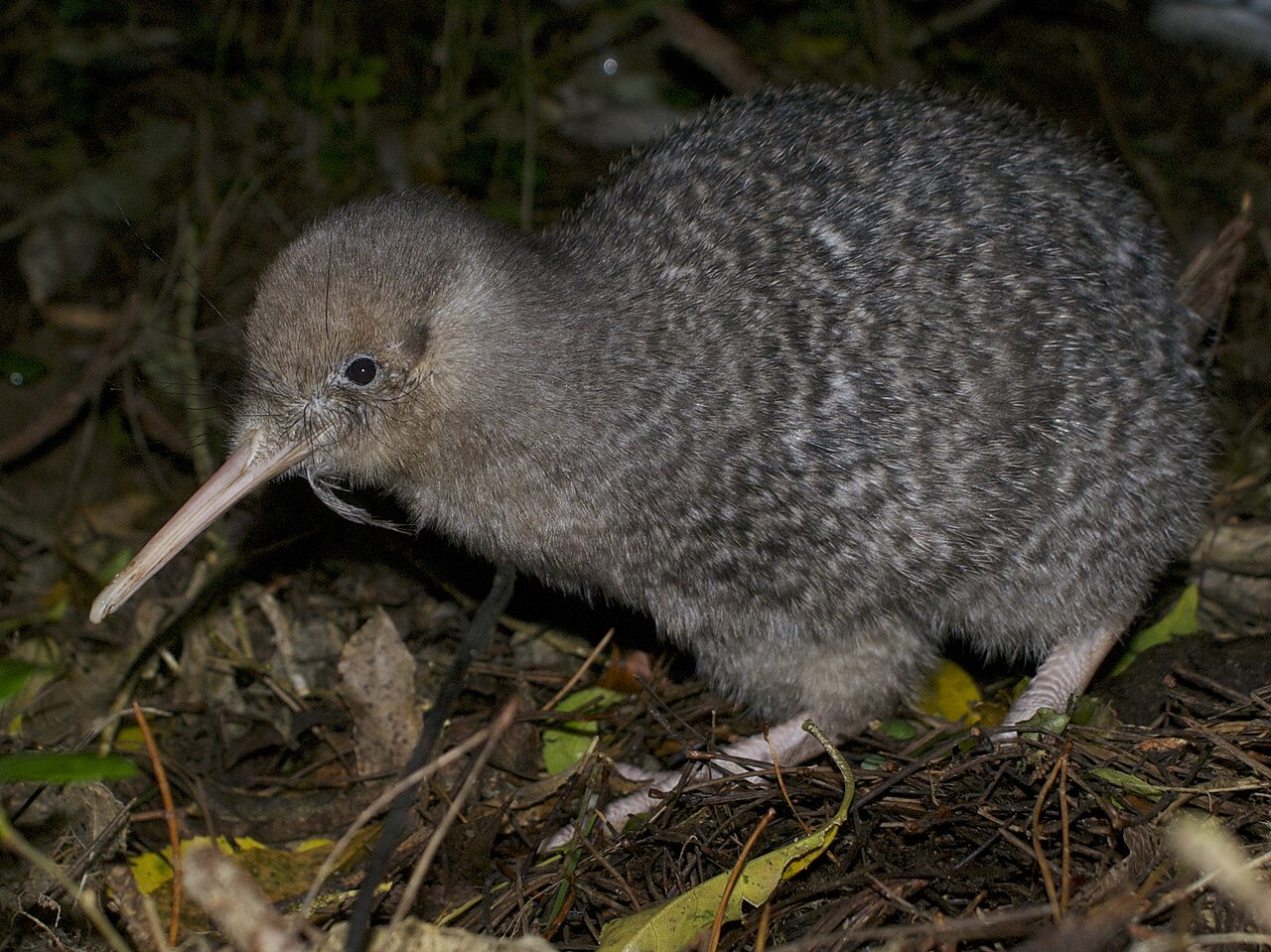
Birds
KKiwi
Apteryx spp.
New Zealand's ancient, flightless icon — a bird that evolved to live like a mammal
New Zealand
Open guide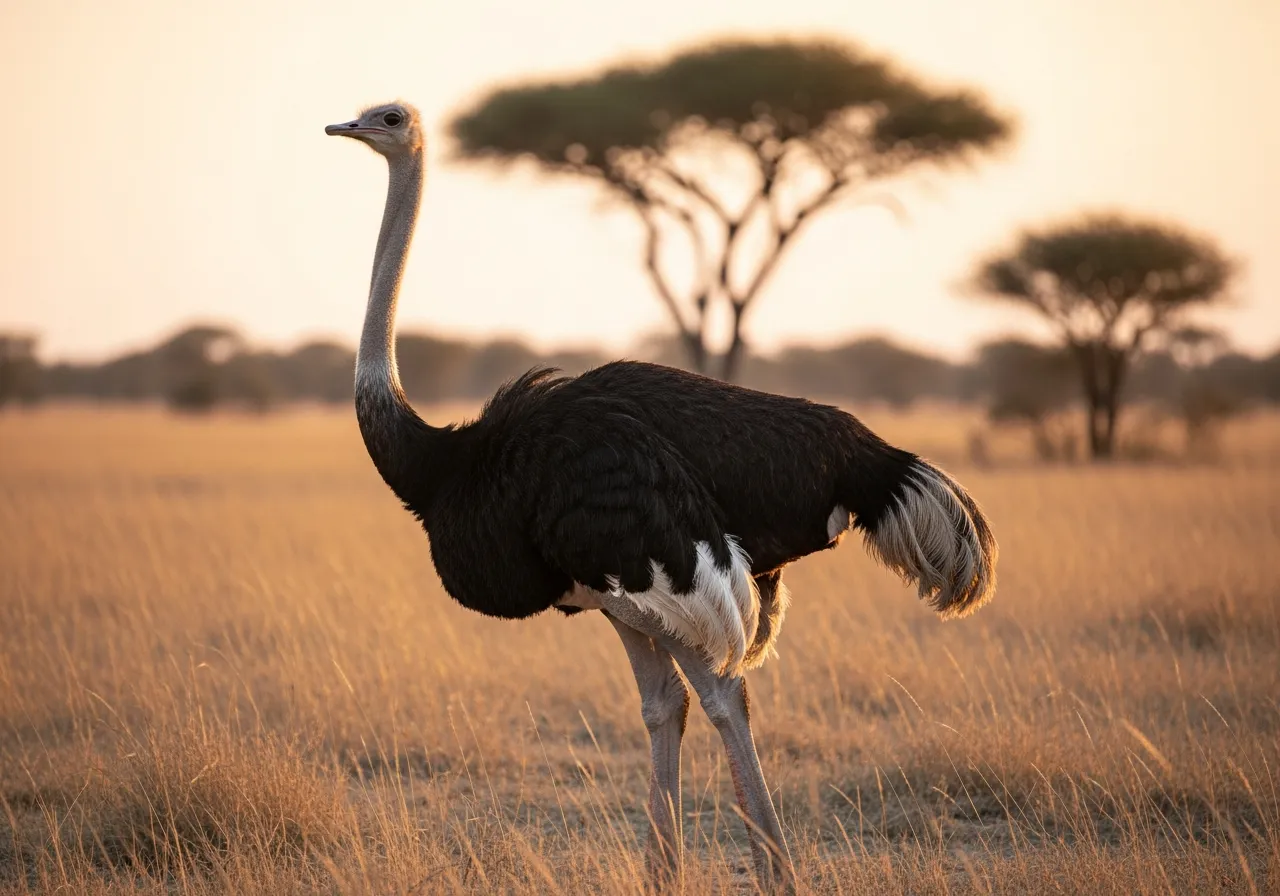
Birds
OOstrich
Struthio camelus
The world's largest bird — flightless, fast, and built for the open savanna.
Sub-Saharan Africa · East Africa
Open guide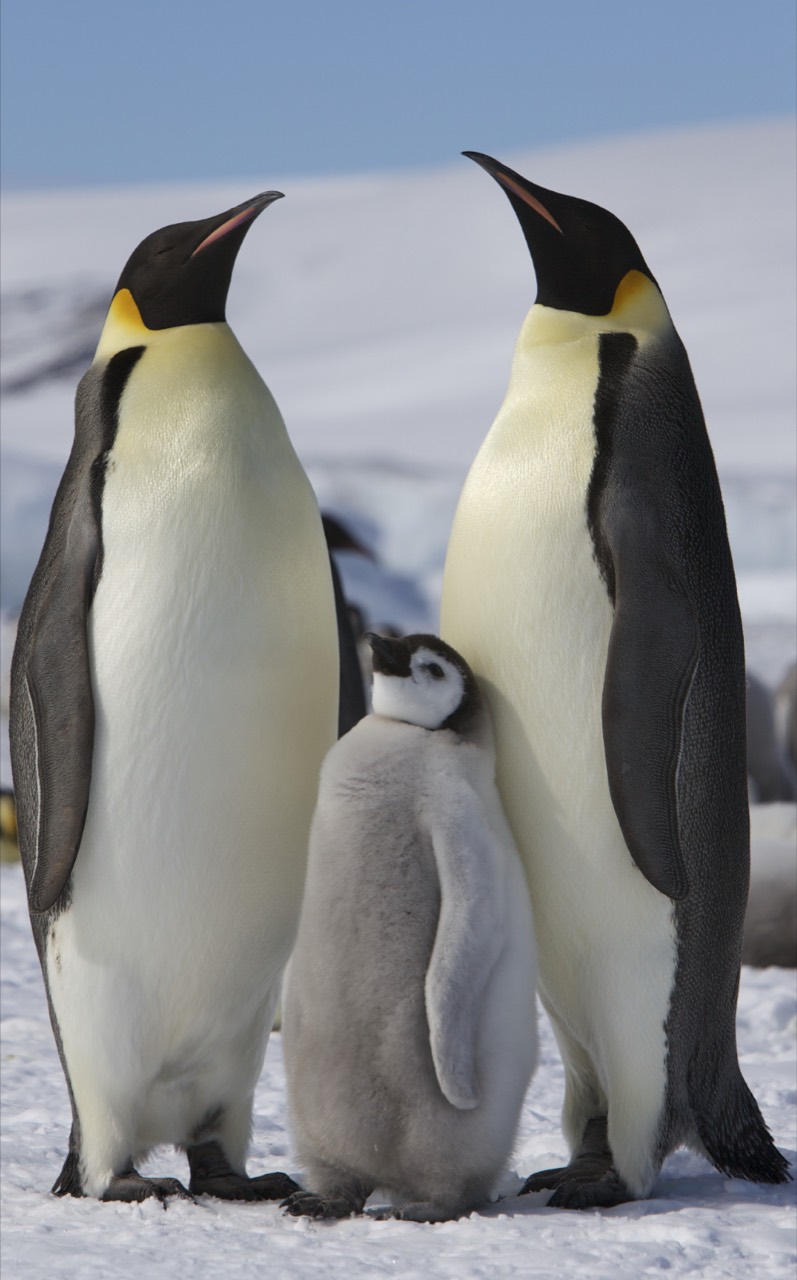
Birds
PPenguin
Spheniscidae
Flightless seabirds of the southern seas, now squeezed by warming oceans and vanishing ice.
Antarctica · Southern Hemisphere
Open guideConservation: what this group faces
Flightless birds are the single most extinction-prone bird group, and introduced predators are almost always the reason. The same three traits — ground nesting, slow breeding, no fear response — that were assets in a predator-free environment become fatal within decades once mammals arrive. The interventions that work are well proven: eradicating predators from islands, fencing mainland sanctuaries, and translocating populations to safe sites. The kākāpō is the reference case, recovered from 51 birds to over 240 through exactly that combination.
Flightless birds: frequently asked questions
Why did some birds lose the ability to fly?
Are penguins flightless?
What is the largest flightless bird?
Are flightless birds more likely to go extinct?
Which flightless birds are still alive?
Is a cassowary dangerous?
Other types of bird
-
Birds of prey
Raptors and owls — hook-billed hunters with forward-facing eyes and gripping talons.
-
Garden birds
The species most likely to turn up on a feeder, lawn or hedge in Britain and northern Europe.
-
Waterbirds & wildfowl
Ducks, geese, swans, herons and other birds tied to rivers, lakes and wetlands.
-
Seabirds
Ocean specialists that feed at sea and return to land mainly to breed.
-
Parrots & macaws
Hook-billed, highly intelligent birds — and the group hit hardest by the pet trade.
-
Tropical & forest birds
Canopy specialists of rainforest and tropical woodland, where bird diversity peaks.
-
Gamebirds
Pheasants, grouse and quail — ground-feeding birds bred, released and shot in enormous numbers.
-
Farmed & domestic birds
Birds kept by people — and the welfare questions that come with the largest animal industry on Earth.