Mammals · 44 species guides
Hoofed Animals: Deer, Elephants & Antelope
Hoofed animals — ungulates — are mammals that walk on hooves or hoof-like toes, including deer, elephants, rhinos, horses, cattle, camels, giraffes, zebras, antelope and pigs; the group spans several evolutionary lineages united by herbivory and adaptations for running, grazing or browsing, from the savannahs of Africa to the tundra and farmland of temperate regions.
- Antlers versus horns
- Deer grow antlers — branched, bony, shed and regrown each year. Antelope, cattle and rhinos have permanent horns of keratin on bone cores. Antlers are absent in roe deer females; red deer stags carry large branched antlers.
- Red deer versus roe deer
- Red deer are much larger with a pale rump patch and, in stags, branched antlers. Roe deer are small and compact with a white rump patch shaped like an inverted heart and short antlers with typically three points per side in mature bucks.
- Rhino horn and lip
- White rhinos have a wide flat lower lip for grazing; black rhinos have a pointed prehensile upper lip for browsing. White rhinos are generally larger and hold the head lower. All rhinos have one or two horns of compressed keratin, not bone.
- Antelope body shape
- Gazelles are small and elegant with ringed horns in many species. Impala have lyre-shaped horns in males and a distinctive black stripe on the hindquarters. Wildebeest are heavy-shouldered with curved horns and a shaggy mane.
Hoofed animal is the everyday term for ungulates — mammals whose weight is borne on hooves or hoof-like toes. The category spans several unrelated lineages that converged on a similar lifestyle: even-toed ungulates such as deer, cattle, antelope, pigs and camels; odd-toed ungulates such as horses, rhinos and tapirs; and elephants, which stand apart as the largest land mammals alive.
What people notice first varies sharply by region and season. In Britain, deer — red, roe and introduced fallow — are the hoofed mammals most often seen. In Africa, antelope, zebra and wildebeest dominate the savannah image. In Asia, rhinos and elephants carry the heaviest conservation urgency. The confusion pairs — red deer versus roe deer, antelope versus gazelle, rhino species — are where a type page earns its keep, because the differences are in horn shape, size and behaviour rather than in anything a casual observer can name at a glance.
Key facts
- Hoofed animals span several evolutionary lineages — even-toed, odd-toed and elephants — united by herbivory and hoofed feet.
- Deer grow antlers that are shed annually; cattle, antelope and rhinos have permanent horns of keratin.
- Red deer are much larger than roe deer, with a different rump patch and antler structure — the two most common British deer.
- White and black rhinos are distinguished by lip shape, not colour — both can appear grey or dark.
- Elephants and rhinos are among the most heavily targeted mammals for ivory and horn trade, despite international bans.
- Domestic horses, cattle, sheep and goats are ungulates whose wild ancestors and conservation status differ sharply from their domestic forms.
How to recognise them
The features that separate this group in the field, in the order they are usually most useful.
- Antlers versus horns
- Deer grow antlers — branched, bony, shed and regrown each year. Antelope, cattle and rhinos have permanent horns of keratin on bone cores. Antlers are absent in roe deer females; red deer stags carry large branched antlers.
- Red deer versus roe deer
- Red deer are much larger with a pale rump patch and, in stags, branched antlers. Roe deer are small and compact with a white rump patch shaped like an inverted heart and short antlers with typically three points per side in mature bucks.
- Rhino horn and lip
- White rhinos have a wide flat lower lip for grazing; black rhinos have a pointed prehensile upper lip for browsing. White rhinos are generally larger and hold the head lower. All rhinos have one or two horns of compressed keratin, not bone.
- Antelope body shape
- Gazelles are small and elegant with ringed horns in many species. Impala have lyre-shaped horns in males and a distinctive black stripe on the hindquarters. Wildebeest are heavy-shouldered with curved horns and a shaggy mane.
- The confusion pairs
- Red deer versus roe deer: size, rump patch and antler form. White rhino versus black rhino: lip shape and head carriage, not coat colour. Antelope versus gazelle: gazelle is a subgroup — all gazelles are antelopes, not all antelopes are gazelles. Donkey versus horse: donkeys have longer ears, a narrower body and a cross-shaped shoulder stripe in many individuals.
44 hoofed animals guides
Search or filter by conservation status. Every guide carries sourced facts, IUCN status and FAQs.
Common names, scientific names and places are searchable.
Showing 1–24 of 44 guides
Mammals
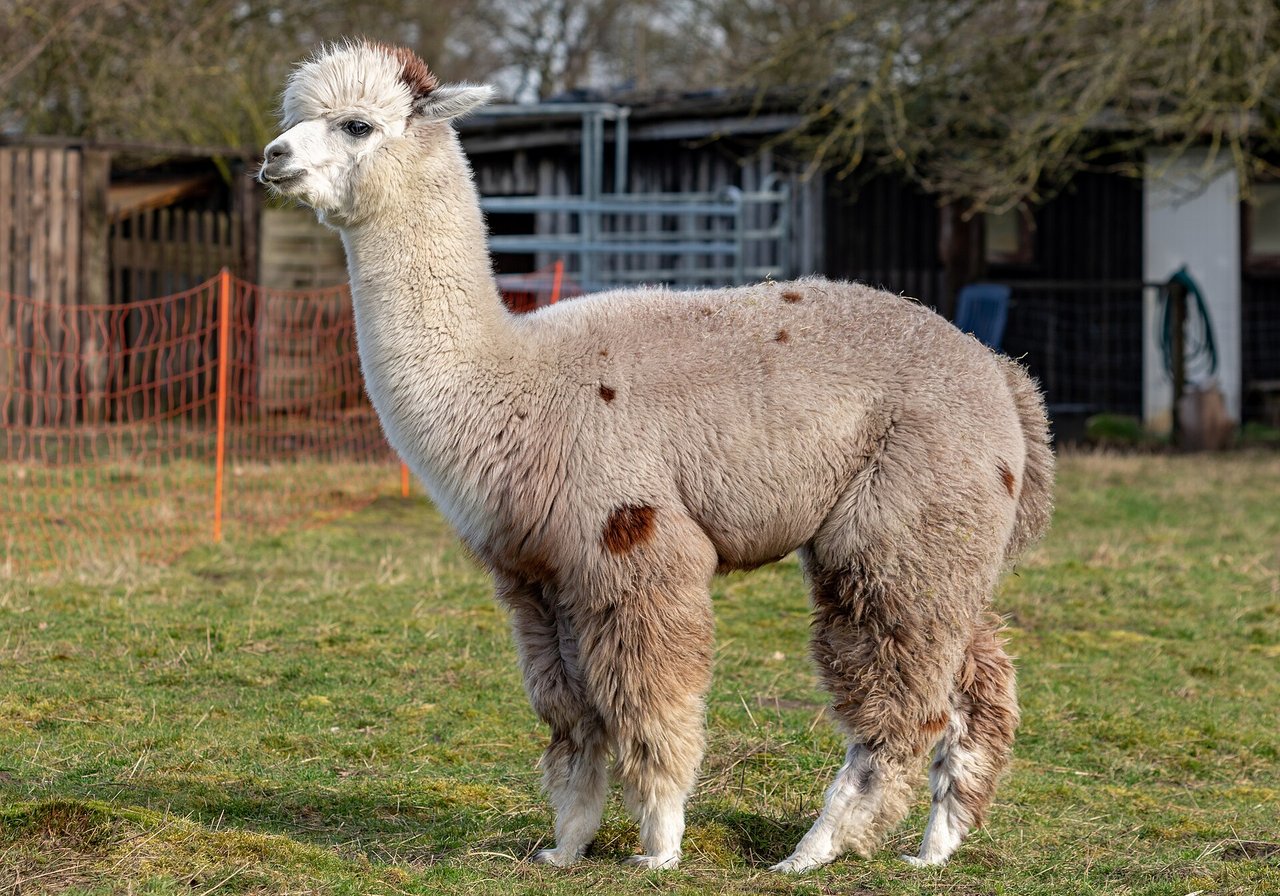
AAlpaca
Vicugna pacos (Linnaeus, 1758)
The Andes' woolly camelid — domesticated for millennia, prized for its fleece.
Peru · Bolivia
Open guide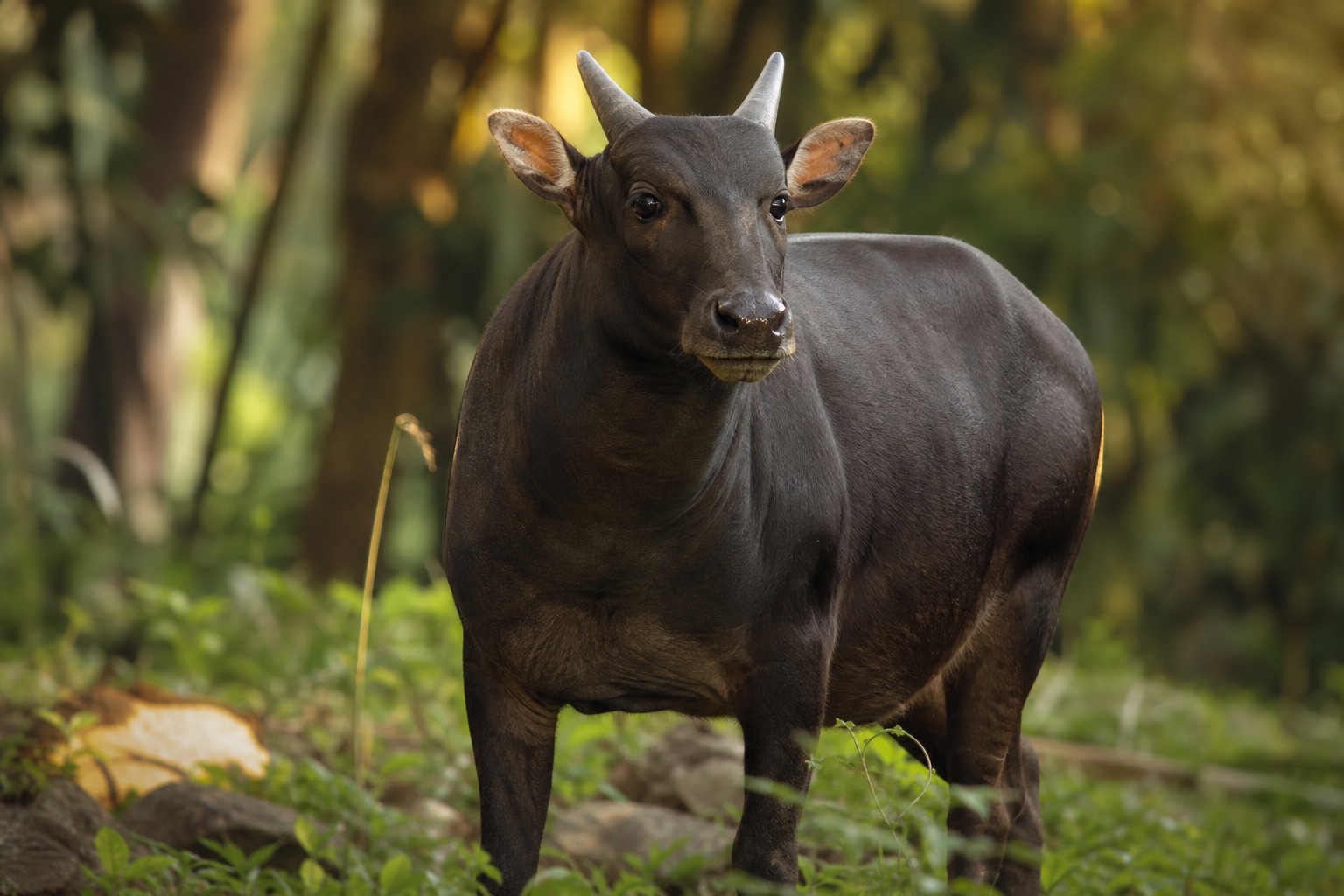
Mammals
AAnoa
Bubalus depressicornis and B. quarlesi — dwarf buffalo of Sulawesi
The smallest wild cattle on Earth — endemic to Sulawesi and declining in both forest types.
Sulawesi, Indonesia · Endemic — lowland and mountain forests
Open guide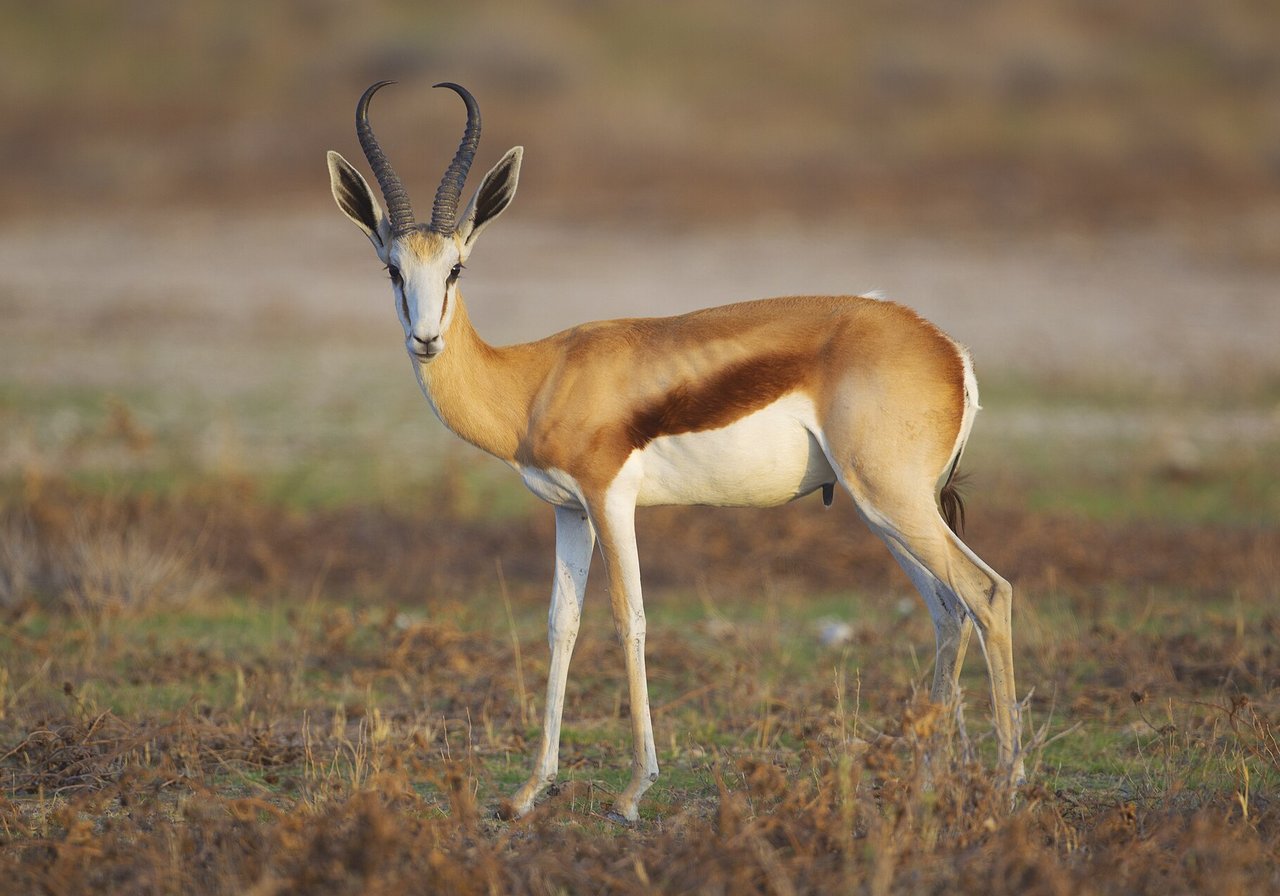
Mammals
AAntelope
Family Bovidae, subfamilies Antilopinae, Alcelaphinae, Hippotraginae and others — ~90 species
The hoofed heart of the savanna — ninety species, one extraordinary family.
Africa · Asia
Open guide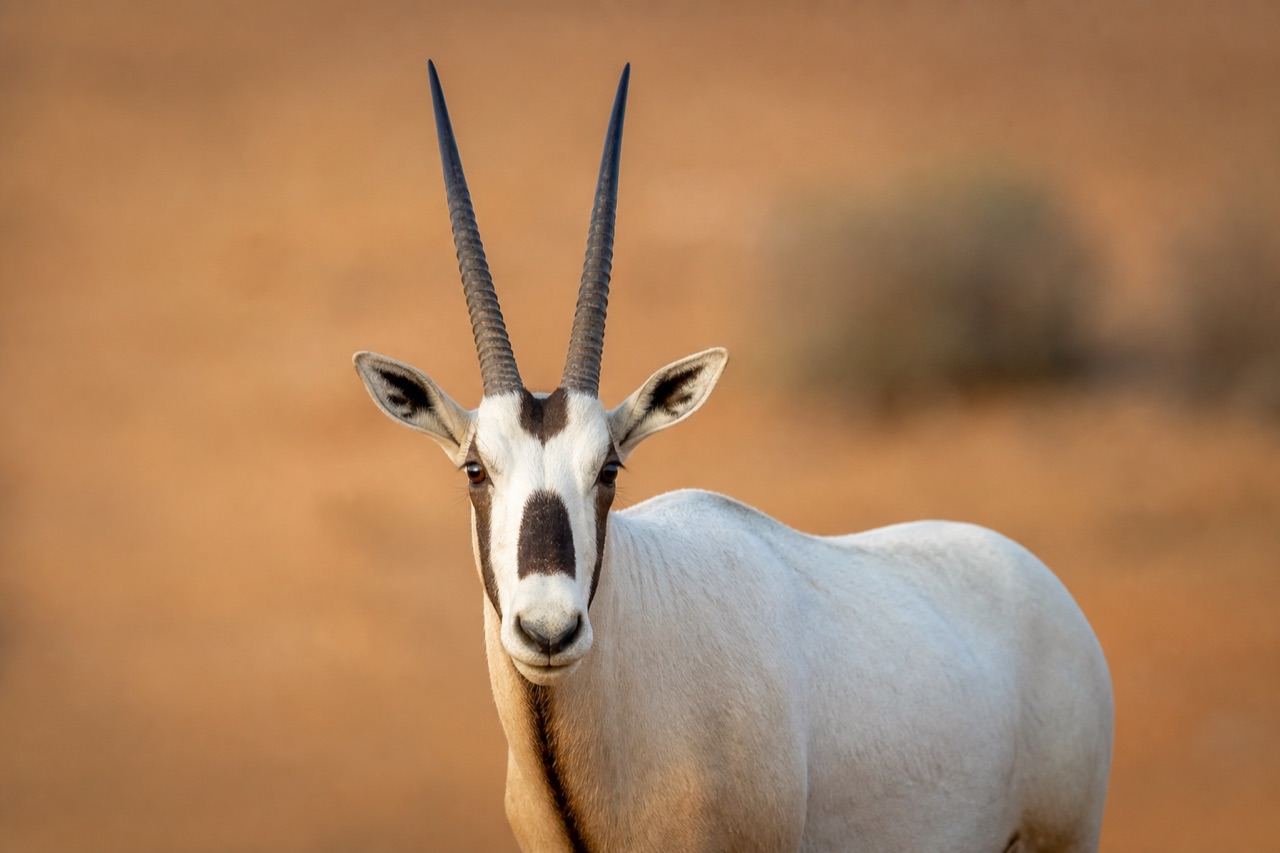
Mammals
AArabian Oryx
Oryx leucoryx (Pallas, 1777) — family Bovidae
The antelope that went extinct in the wild and came back — a case study in what captive breeding can achieve.
Arabian Peninsula — desert and gravel plains of Oman, Saudi Arabia, UAE and Jordan
Open guide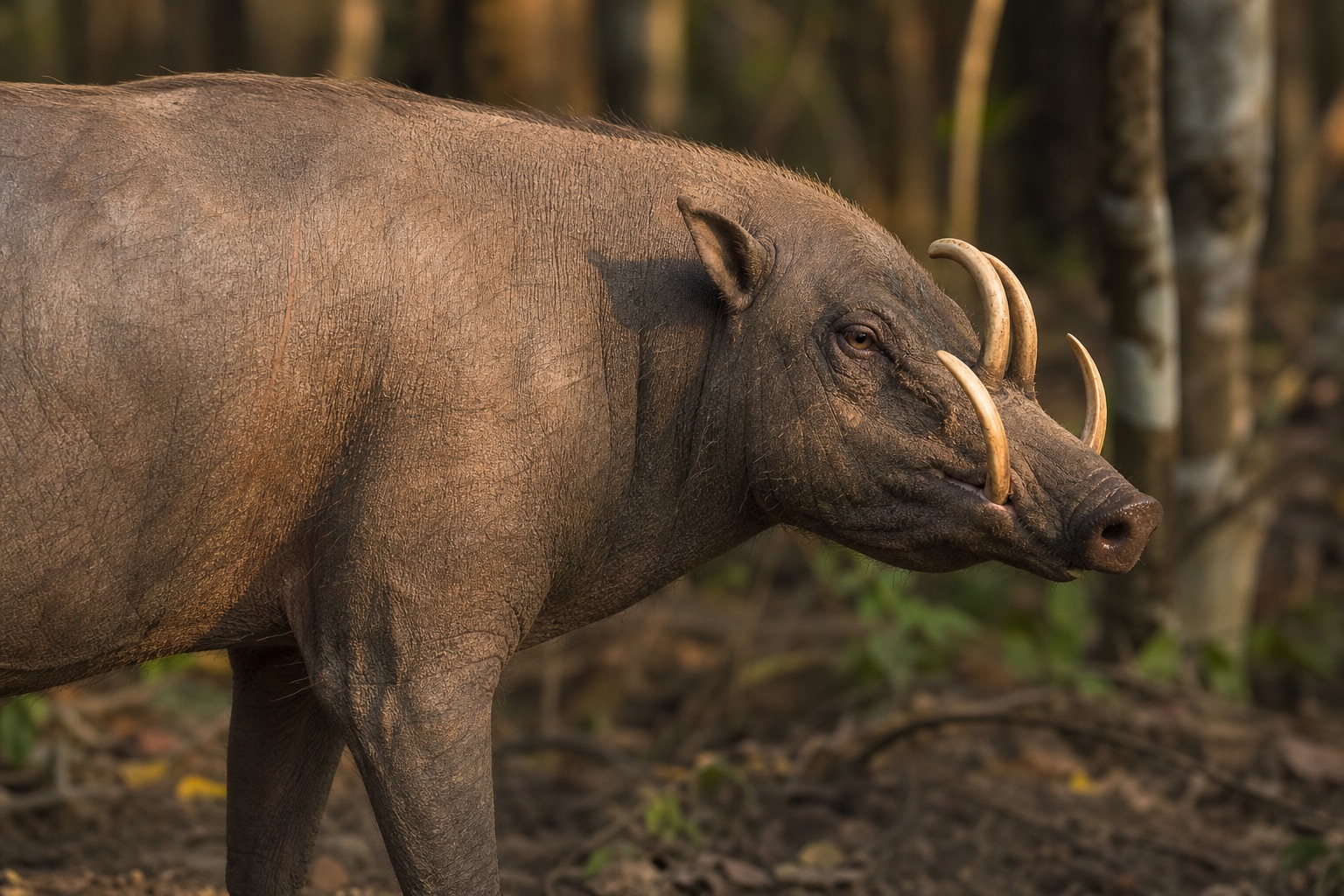
Mammals
BBabirusa
Babyrousa babyrussa and related species — family Suidae
The pig whose upper tusks grow through the roof of its own snout.
Sulawesi and nearby Indonesian islands · Wallacea — forest and wetland
Open guide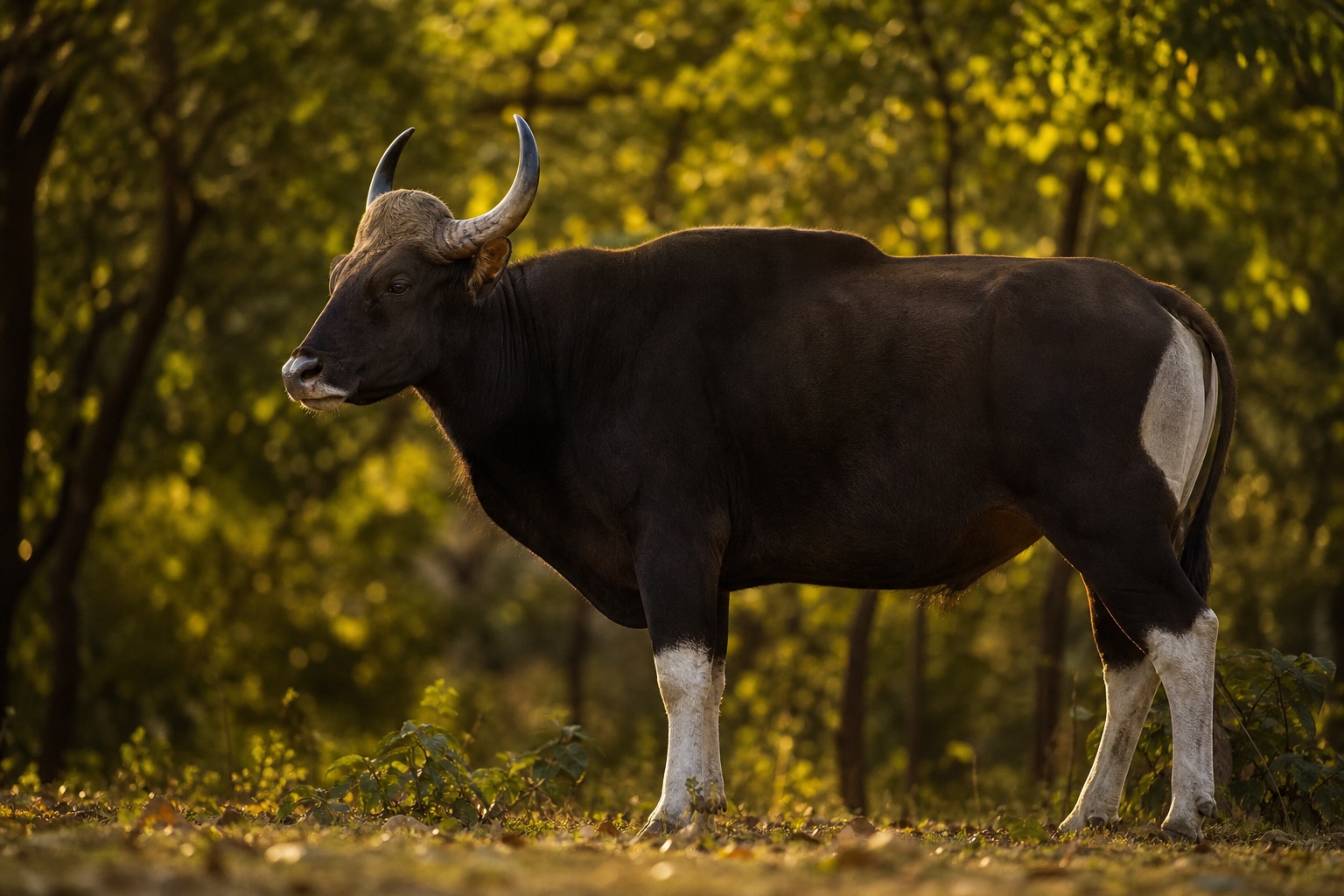
Mammals
BBanteng
Bos javanicus (Hardwicke, 1825) — family Bovidae
The wild cattle whose clone made headlines in 2003 — while the species itself kept declining.
Borneo · Java
Open guide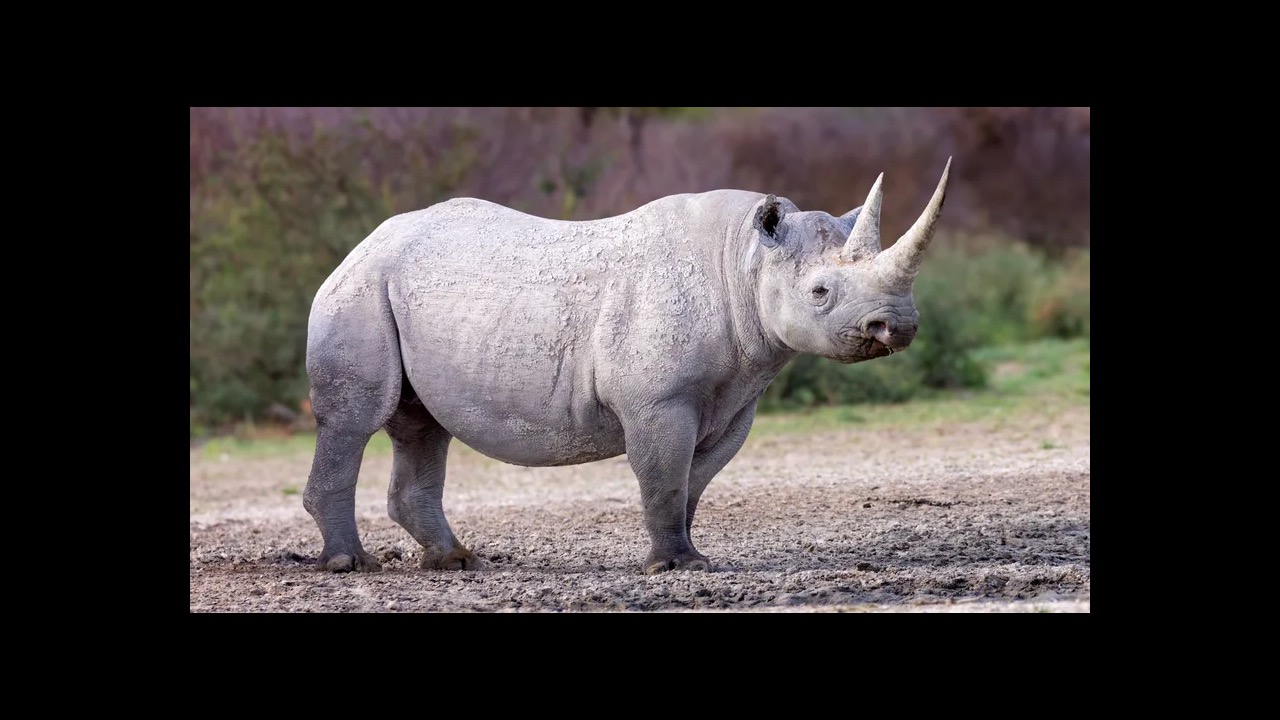
Mammals
BBlack Rhinoceros
Diceros bicornis
Africa's hook-lipped browser in crisis
Africa
Open guide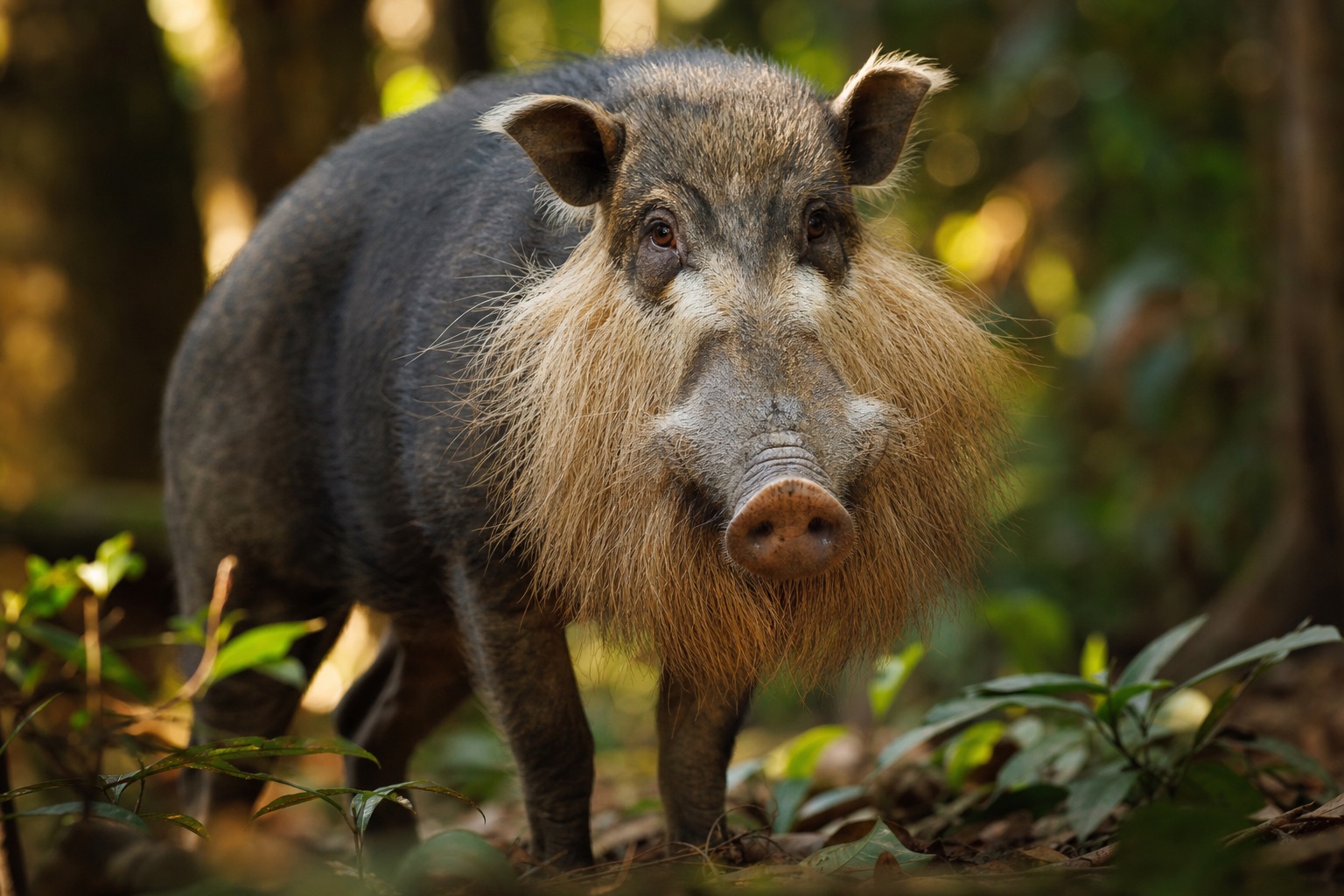
Mammals
BBornean Bearded Pig
Sus barbatus (Müller, 1838) — family Suidae
Famous for mass migrations — populations crashed after African swine fever arrived around 2020.
Borneo · Sumatra, Malay Peninsula and smaller islands
Open guide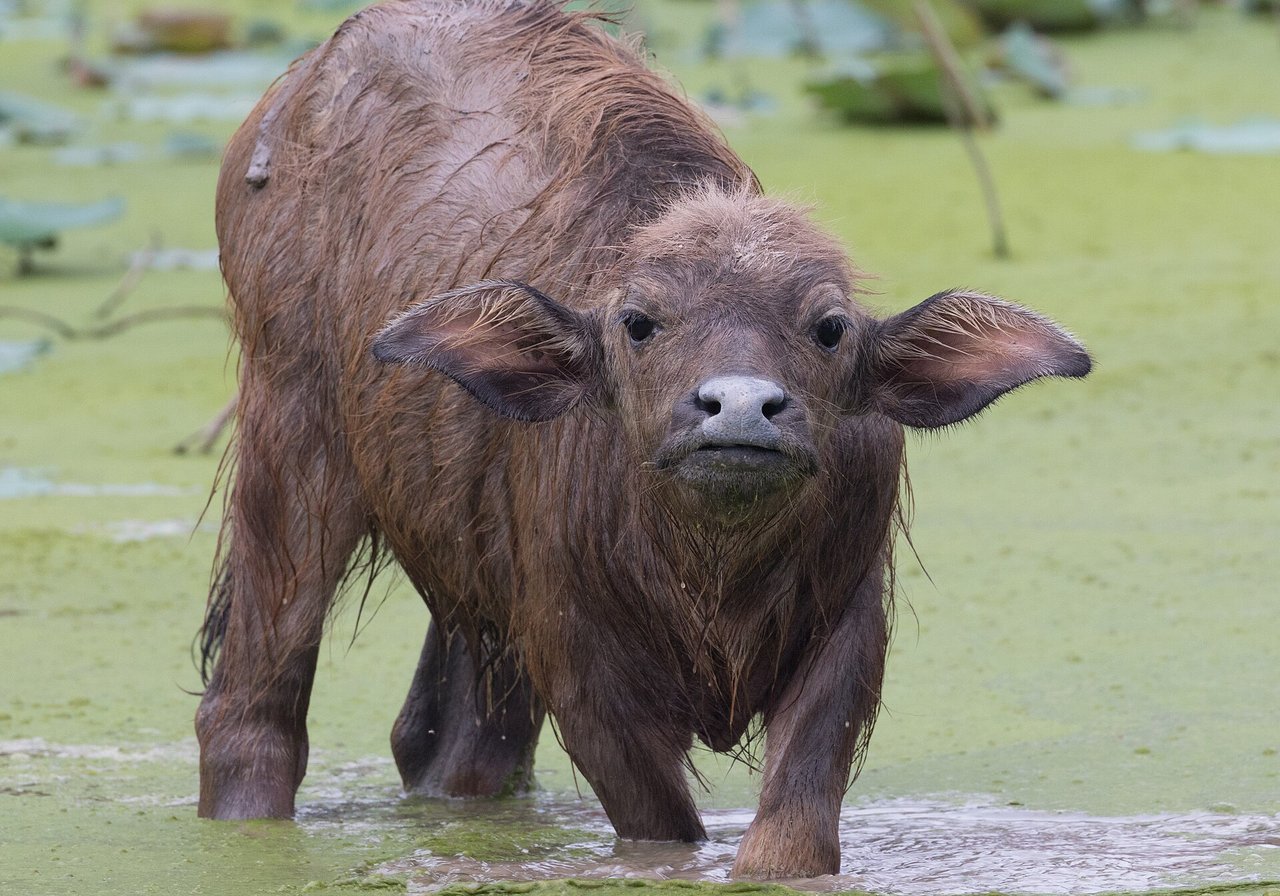
Mammals
BBuffalo
Syncerus caffer (Sparrman, 1779)
Africa's formidable bovid — herd power, horn boss and savanna dominance.
Sub-Saharan Africa
Open guide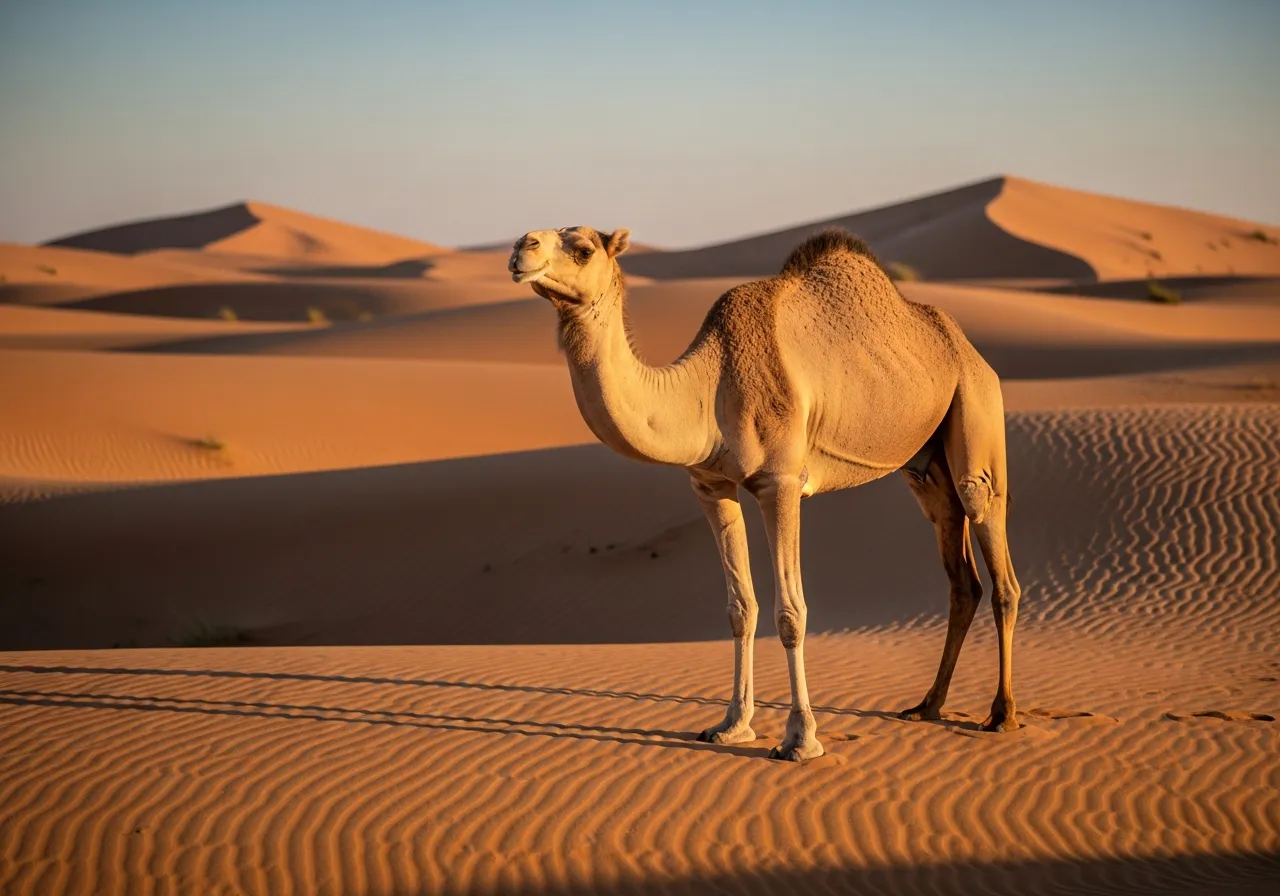
Mammals
CCamel
Camelus dromedarius, C. bactrianus & C. ferus
The desert's living water-tank, fuelled by fat-filled humps.
North Africa & the Sahel · Arabian Peninsula & Middle East
Open guide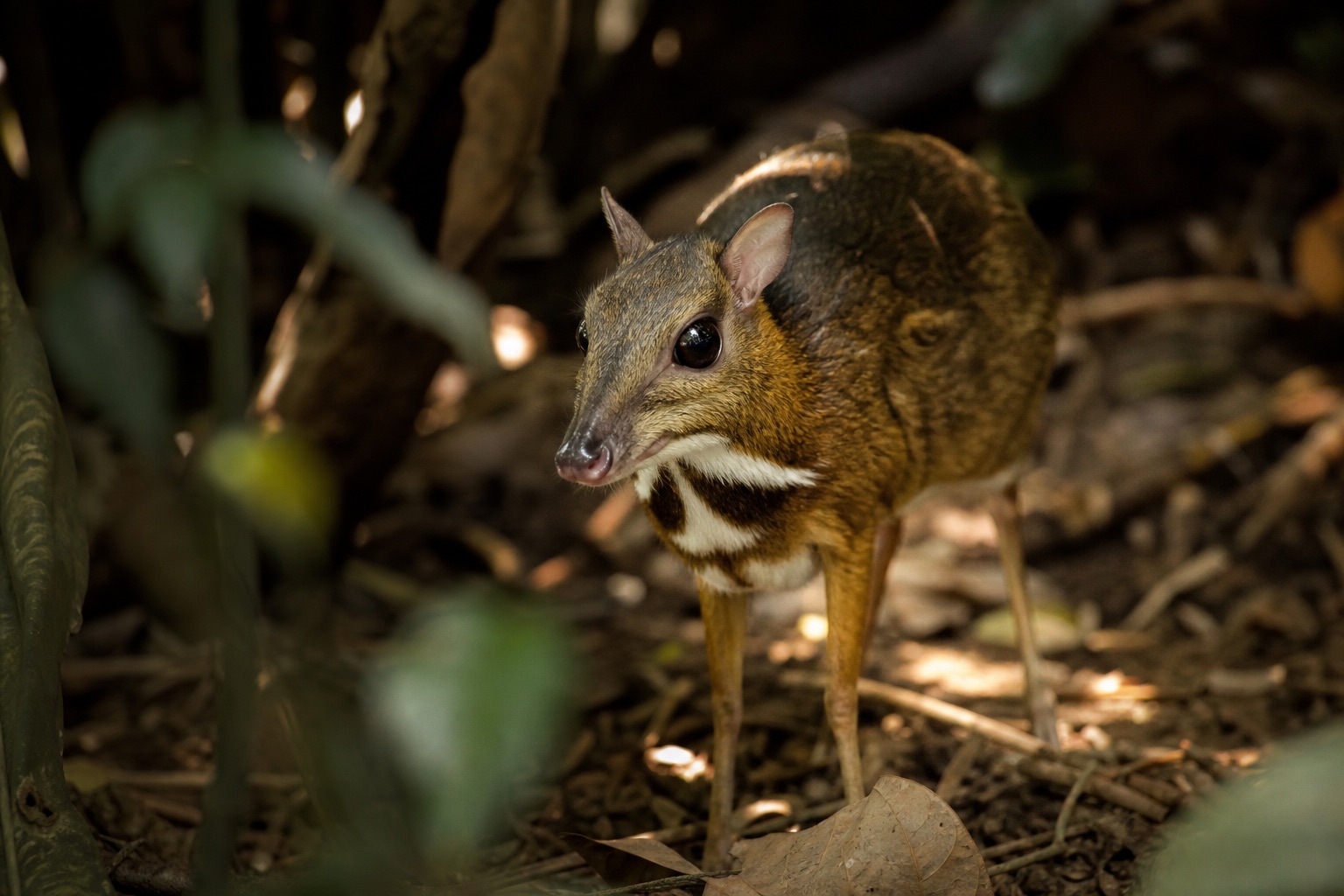
Mammals
CChevrotain
Tragulus spp.; silver-backed form Tragulus versicolor (Thomas, 1910) — family Tragulidae
Mouse-deer that are not deer — and one species filmed again in Vietnam after nearly thirty years unseen.
Southeast Asia · Vietnam, Laos, Borneo and Sundaland forests
Open guide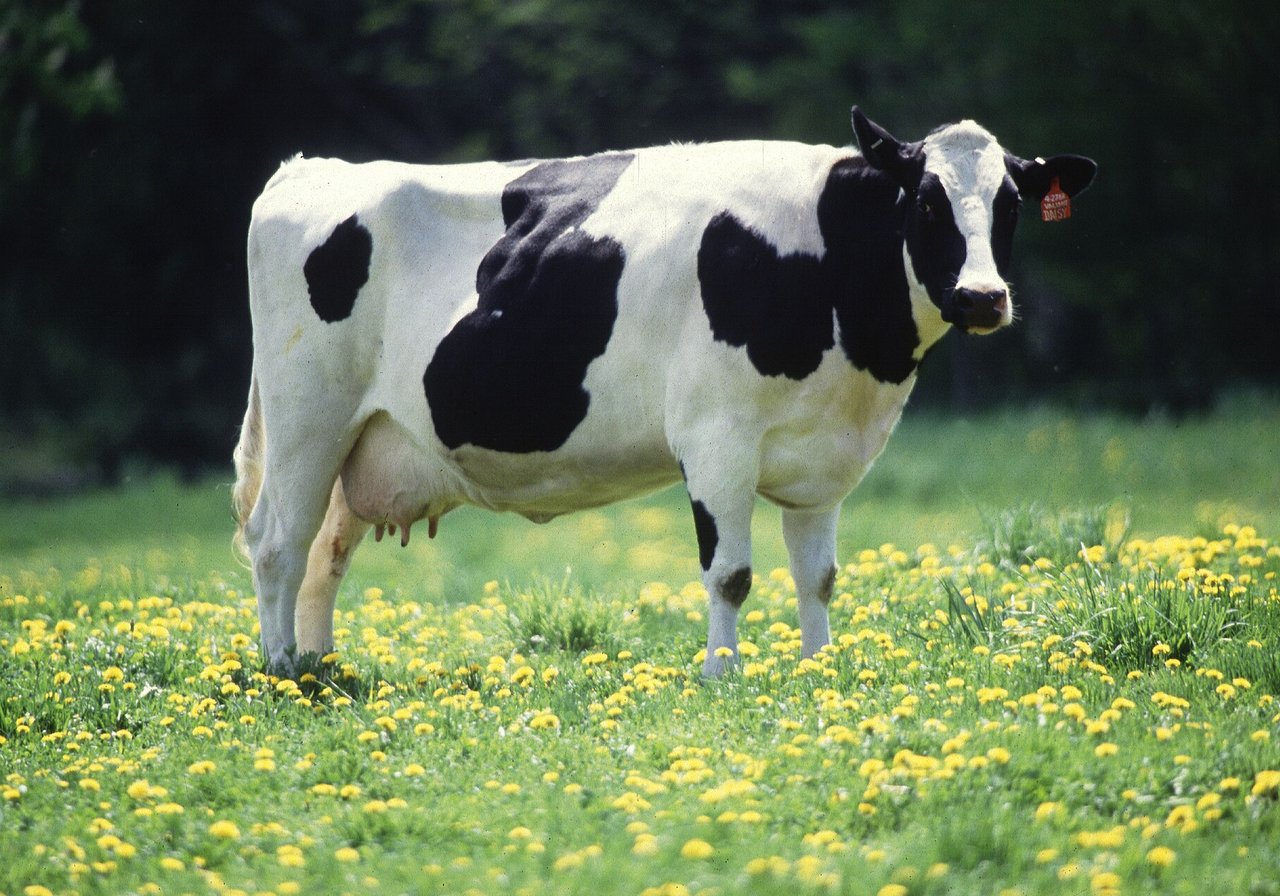
Mammals
CCow
Bos taurus (Linnaeus, 1758) — domestic cattle; wild aurochs extinct
The herd animal behind milk and meat — sentient, social and failed by industrial dairying.
Worldwide — domestic; domesticated from wild aurochs in Eurasia
Open guide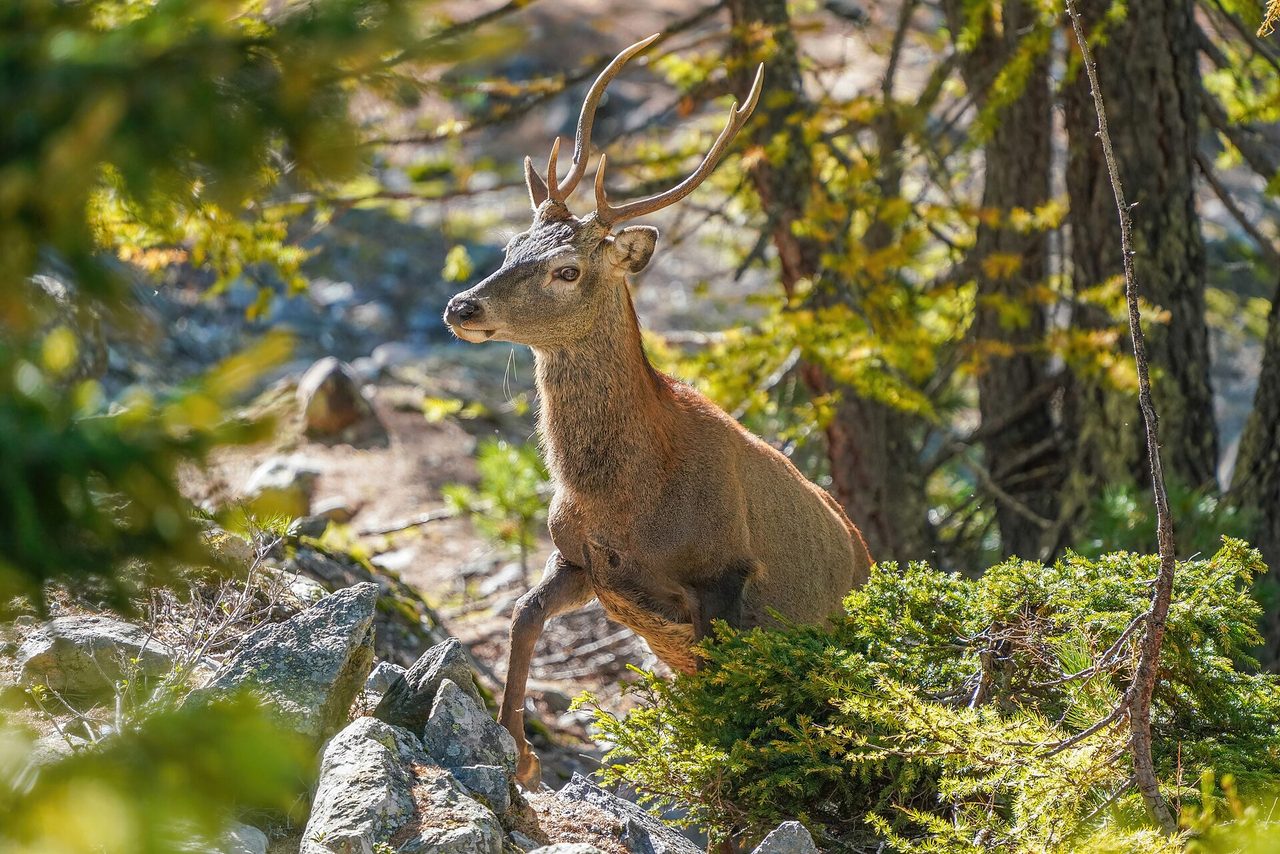
Mammals
DDeer
Cervidae
The world's antlered ruminants, from common woodland deer to species that survive only in captivity.
Worldwide
Open guide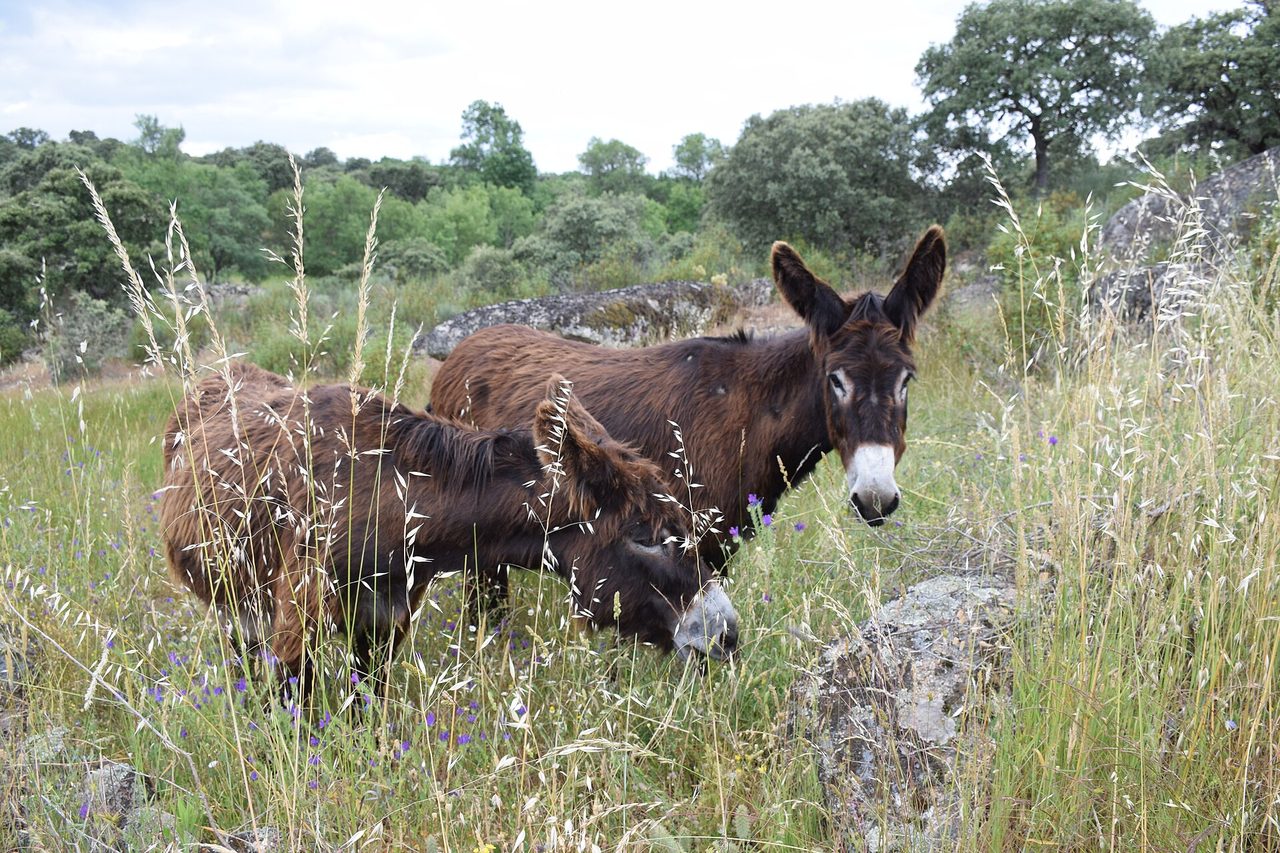
Mammals
DDonkey
Equus asinus (Linnaeus, 1758)
The patient backbone of rural transport — domestic companions and wild ancestors under pressure.
Worldwide — domestic; wild ancestor in North-east Africa
Open guide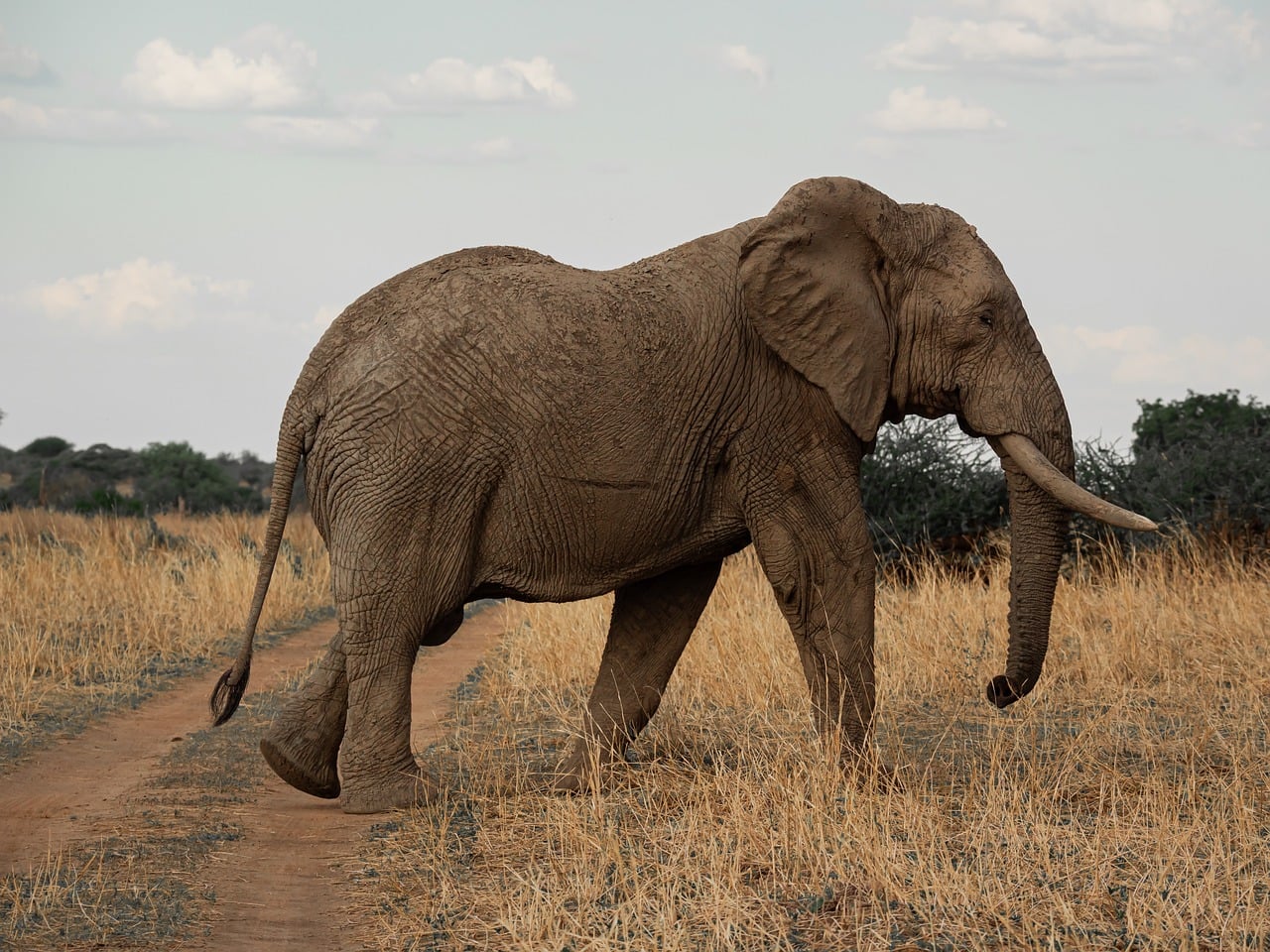
Mammals
EElephant
Elephantidae — Elephas maximus, Loxodonta africana, Loxodonta cyclotis
Three living species — not one elephant, and not one Red List badge.
Indonesia · Malaysia
Open guide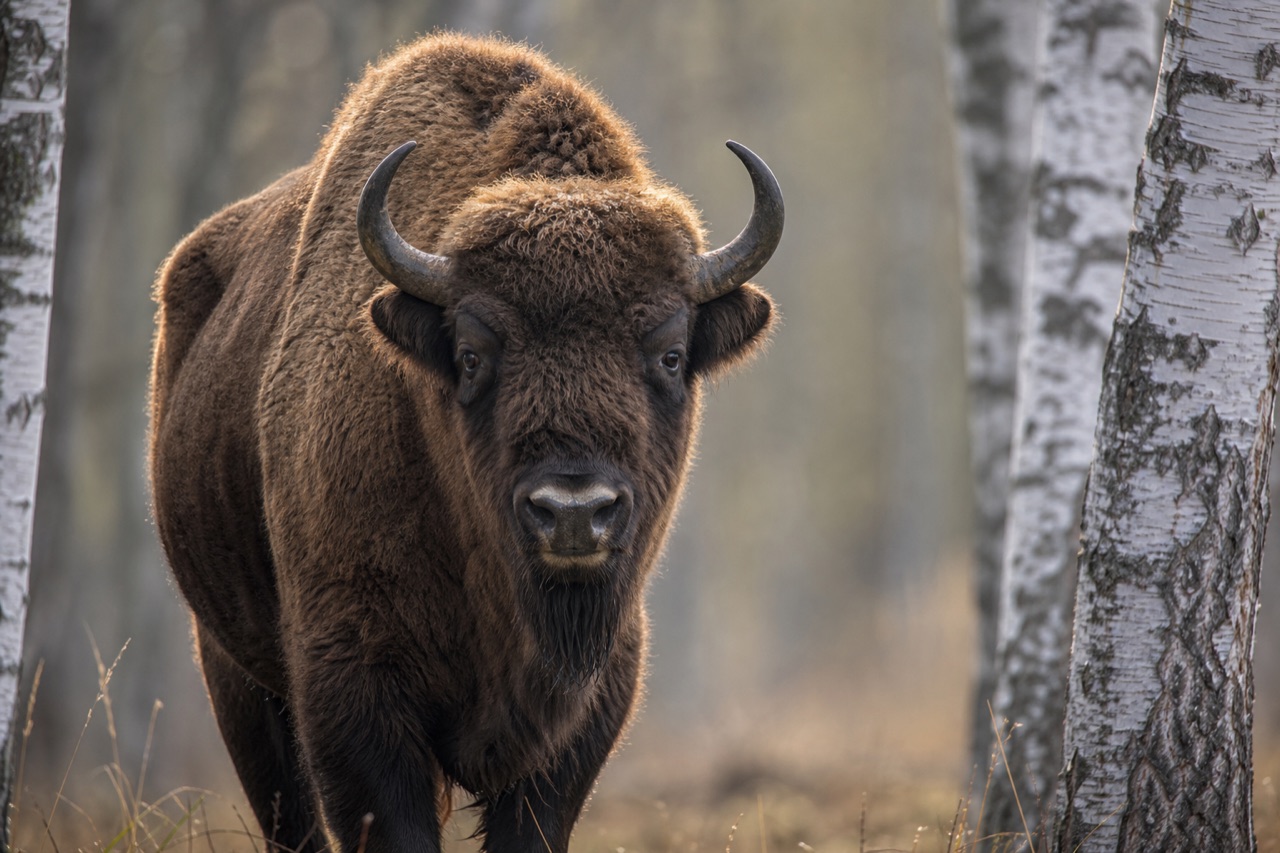
Mammals
EEuropean Bison
Bison bonasus (Linnaeus, 1758) — family Bovidae
Europe's largest land mammal, hunted to extinction in the wild and rebuilt from fifty-four survivors.
Poland, Belarus, Russia, Romania, Ukraine and reintroduced populations across Europe
Open guide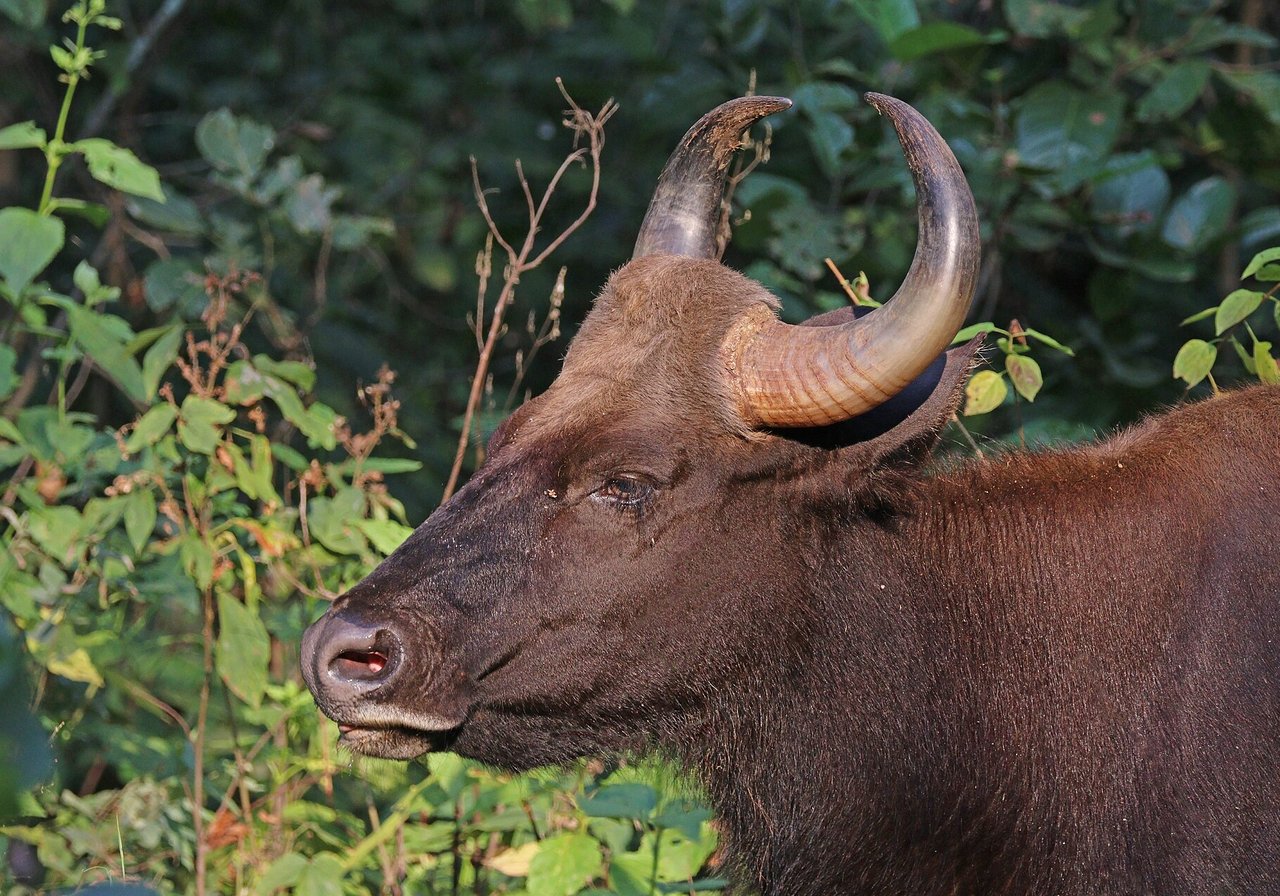
Mammals
GGaur
Bos gaurus (Hamilton, 1827)
The largest wild cattle on Earth — forest bison of India and South-east Asia.
India · Nepal
Open guide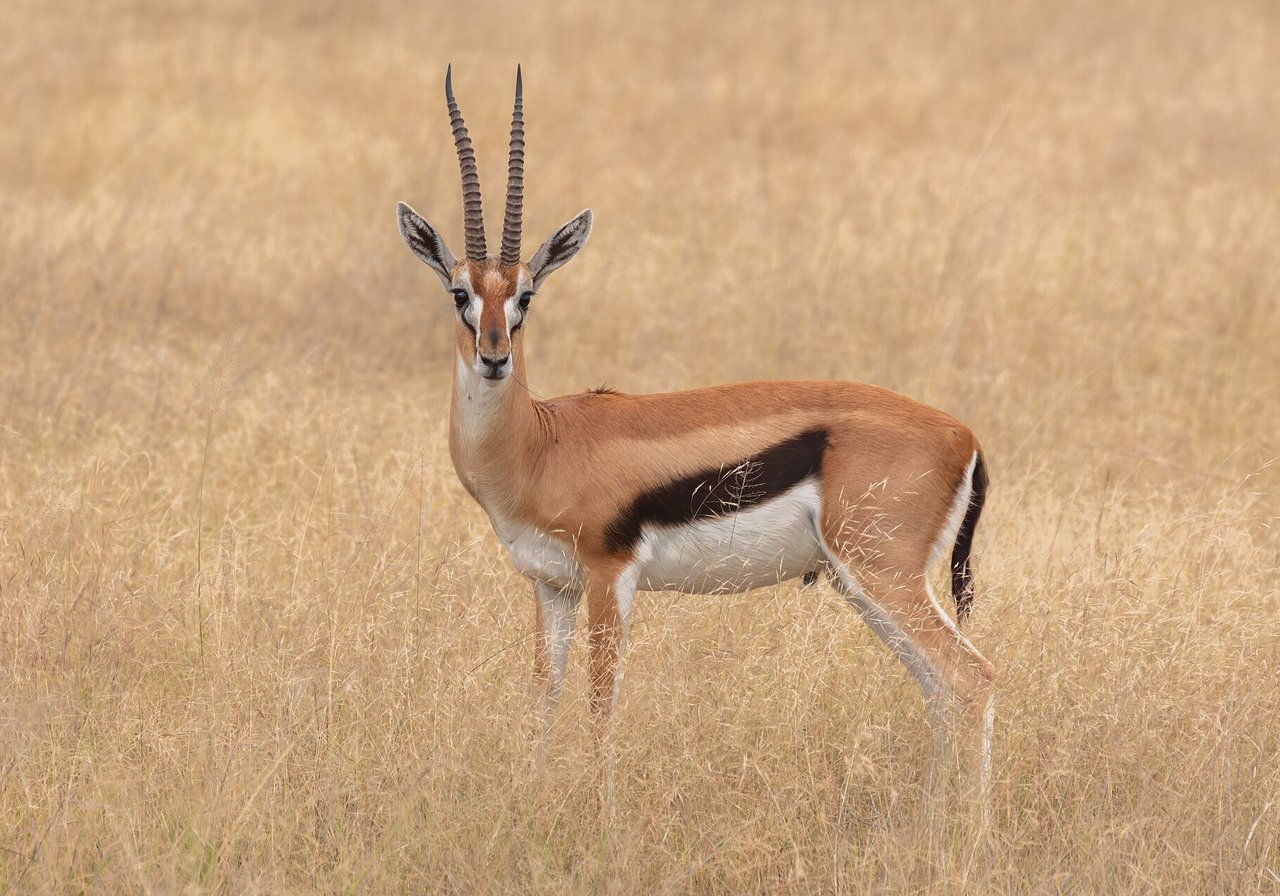
Mammals
GGazelle
Eudorcas thomsonii (Barchell, 1833)
The small antelope of the plains — swift, abundant and central to the predator's menu.
Kenya · Tanzania
Open guide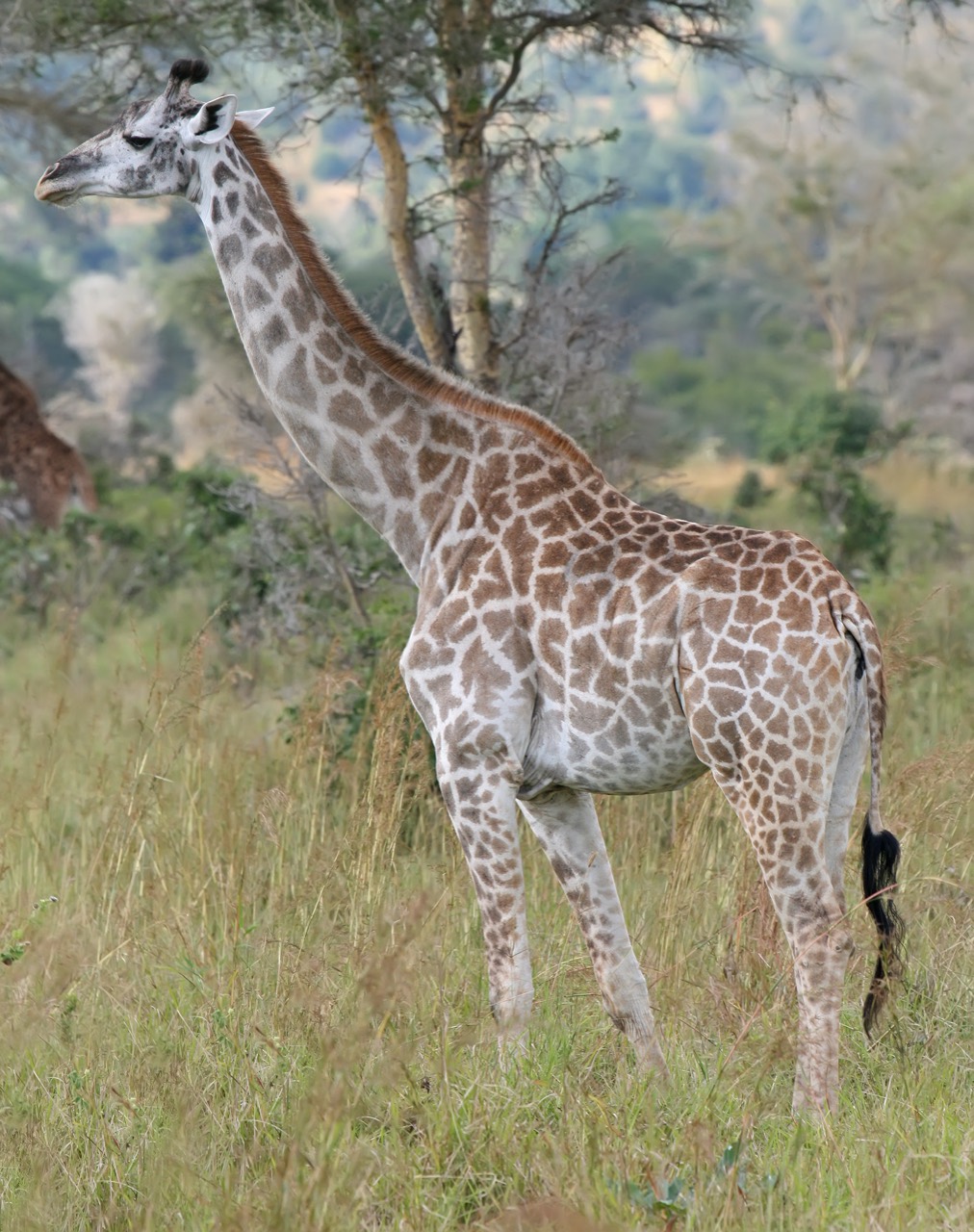
Mammals
GGiraffe
Giraffa spp. — four species (IUCN SSC Giraffe and Okapi Specialist Group, August 2025)
Four species of the tallest land mammal — a 2016 Vulnerable badge, a 2025 split, and no WARN giraffe programme.
Sub-Saharan Africa — savanna, open woodland and arid country · Kenya, Tanzania, Uganda, Rwanda and South Africa overlap WARN partner countries (geography, not a giraffe grant)
Open guide
Mammals
GGoat
Capra hircus (Linnaeus, 1758) — domestic goat; wild bezoar ibex ancestor
Climbers, browsers and companions — smarter than their reputation, failed by tethering and neglect.
Worldwide — domestic; wild ancestors in Middle East and Central Asia
Open guide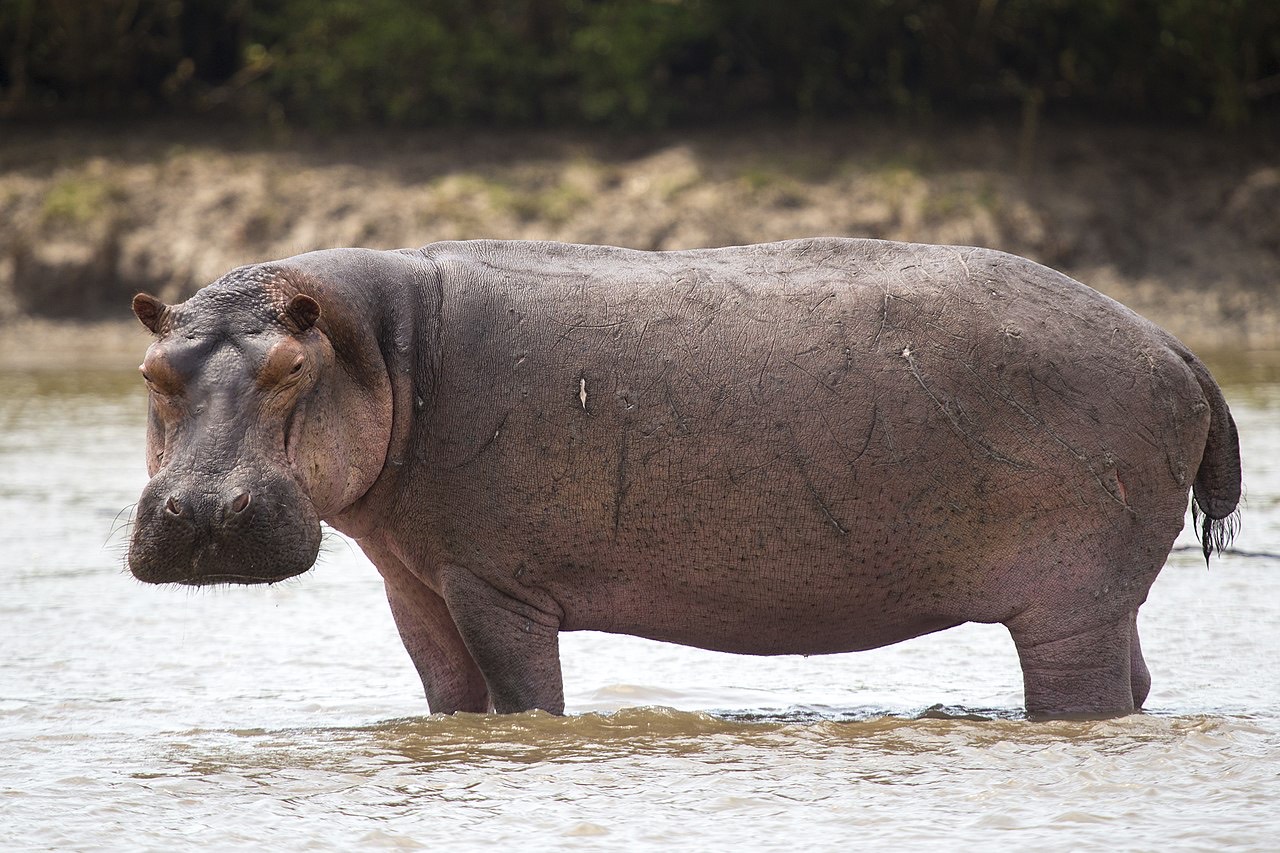
Mammals
HHippopotamus
Hippopotamus amphibius
Africa's deadliest large herbivore, a semi-aquatic giant facing habitat loss and tooth-ivory trade.
Kenya · Tanzania
Open guide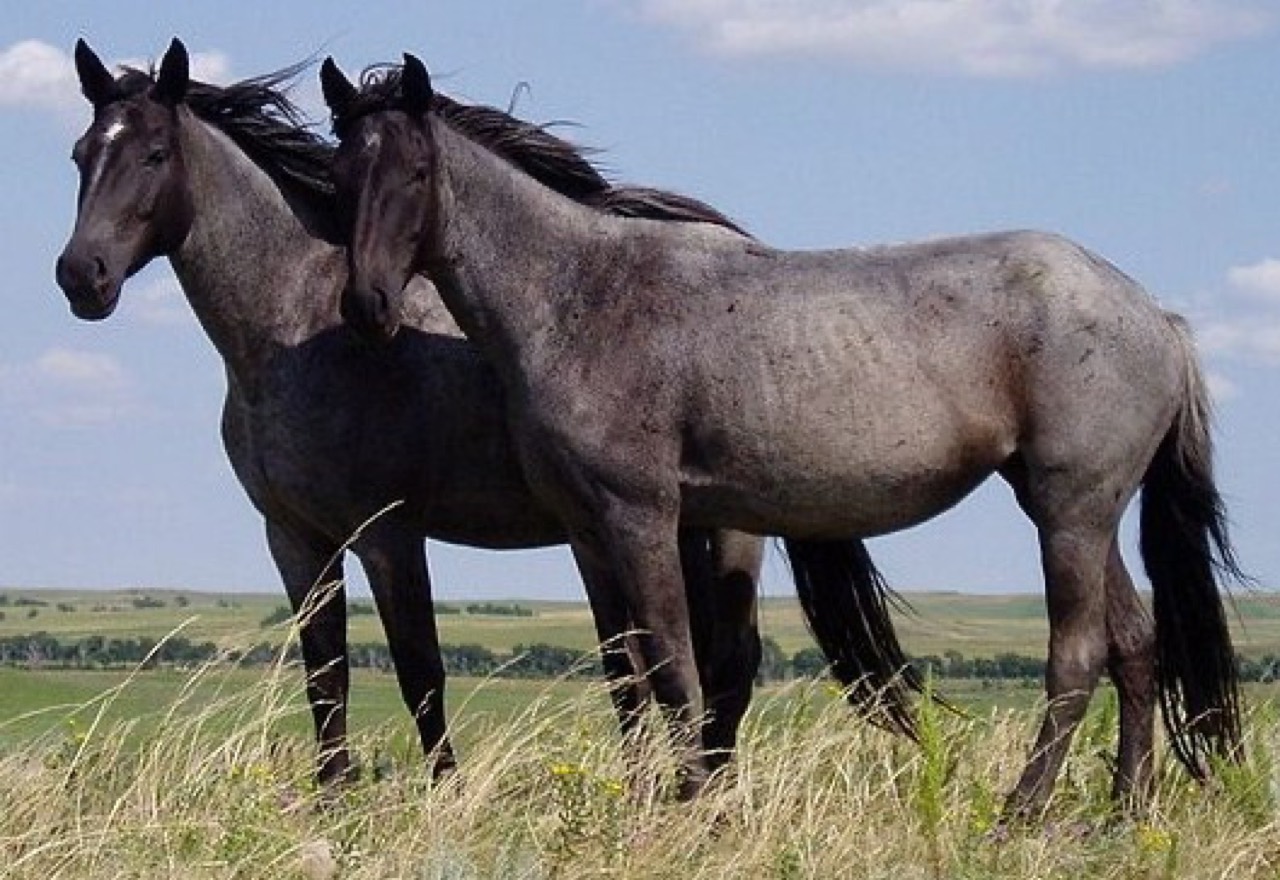
Mammals
HHorse
Equus ferus caballus
One subspecies across every breed — companion, sport horse and working cart horse alike.
Pakistan
Open guide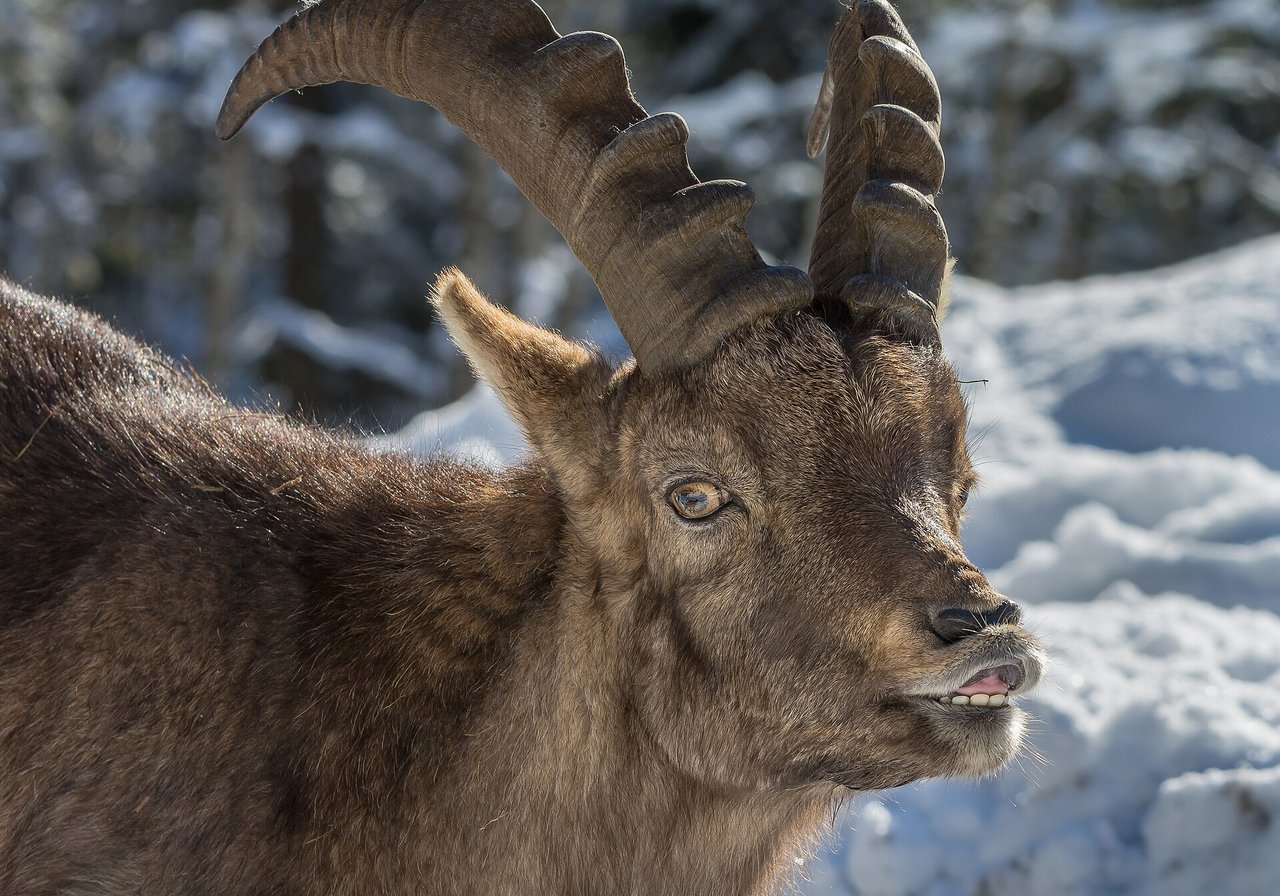
Mammals
IIbex
Capra ibex (Linnaeus, 1758)
The cliff kings of the mountains — horns, gravity and thin air.
Alps · Central Asia
Open guide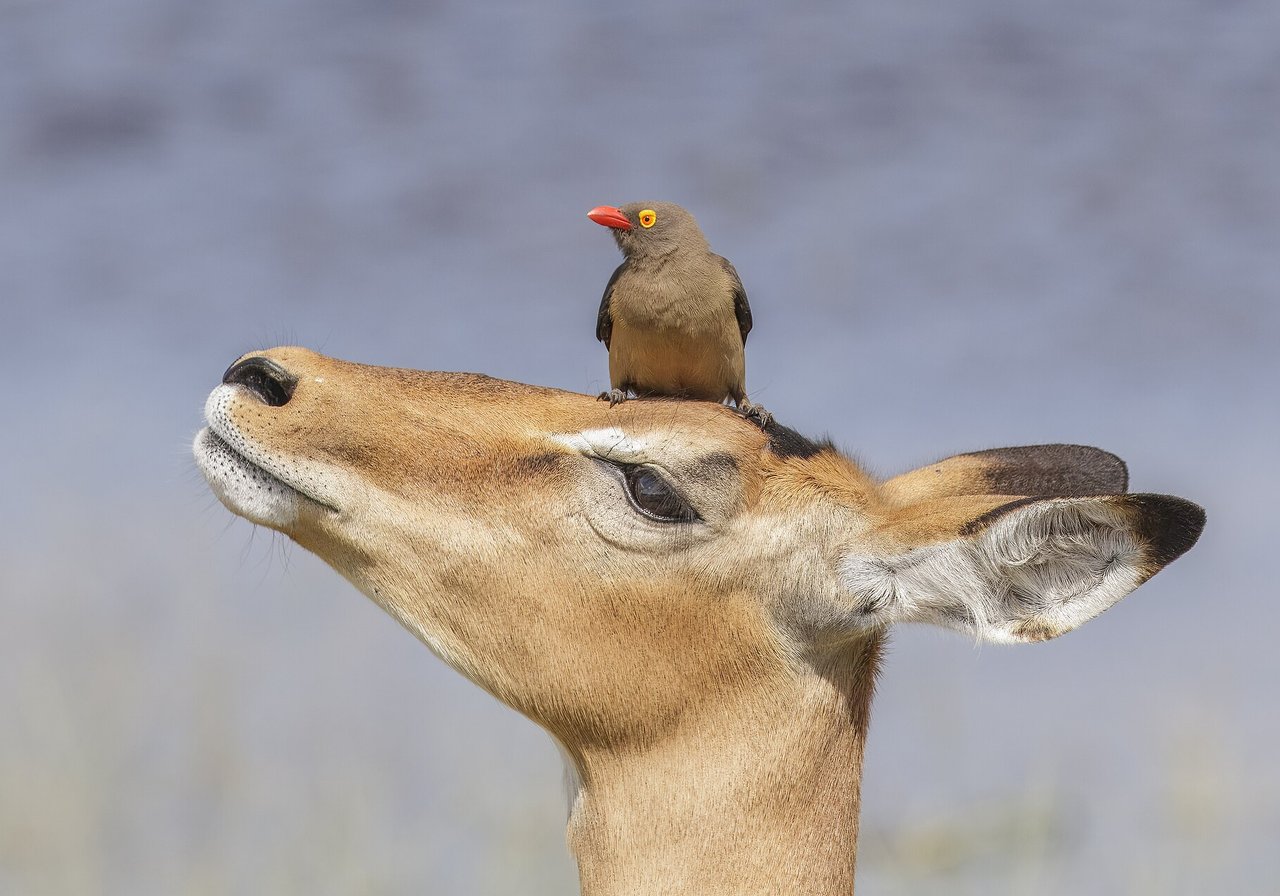
Mammals
IImpala
Aepyceros melampus (Lichtenstein, 1812)
The savanna's most abundant antelope — graceful, athletic and everywhere lions look first.
East Africa · Southern Africa
Open guideConservation: what this group faces
Hoofed animals are caught between habitat loss and direct exploitation. Forest elephants and Asian rhinos lose range to logging and agriculture while simultaneously facing poaching for ivory and horn. Saiga antelope collapsed through hunting and disease; Arabian oryx were restored from captive breeding after extinction in the wild. Even common species such as giraffe have declined substantially across Africa, with some subspecies Critically Endangered. Livestock-dominated landscapes can support wild ungulates only where corridors, seasonal range and water access remain — otherwise domestic cattle and sheep displace them by competition.
Hoofed animals: frequently asked questions
What is a hoofed animal?
What is the difference between antlers and horns?
How do you tell a red deer from a roe deer?
What is the difference between a white rhino and a black rhino?
Are elephants hoofed animals?
Are hoofed animals endangered?
Other types of mammal
-
Big cats
Large predatory cats — tigers, lions, leopards, jaguars, cheetahs and their close relatives.
-
Bears
Heavy-bodied omnivores — from polar bears on sea ice to pandas in bamboo forest.
-
Primates
Apes, monkeys, lemurs and lorises — the order that includes our closest living relatives.
-
Marine mammals
Whales, dolphins, seals, sea lions, walruses, manatees and otters tied to the sea.
-
Rodents
Gnawing mammals — from mice and squirrels to beavers, capybaras and porcupines.
-
Bats
The only mammals capable of true powered flight — from insect-hunting pipistrelles to fruit bats.
-
Marsupials
Pouched mammals — kangaroos, koalas, opossums and gliders from Australia and the Americas.
-
Canids
Dogs, wolves, foxes, jackals and their wild relatives — the dog family.
-
Small carnivores
Stoats, badgers, otters, mongooses, raccoons and other compact hunters and scavengers.