Mammals · 23 species guides
Primates: Apes, Monkeys & Identification
Primates are the mammal order that includes lemurs, lorises, tarsiers, monkeys and apes — characterised by grasping hands and feet, nails rather than claws on most digits, forward-facing eyes with depth perception, and relatively large brains; great apes such as chimpanzees, gorillas, orangutans and bonobos are our closest living relatives.
- Tail presence
- Apes have no tail. Monkeys do, but only some New World monkeys have fully prehensile tails. Baboons and macaques carry non-grasping tails. A tail alone does not confirm a monkey — check the body plan.
- Face and muzzle
- Old World monkeys and apes tend to have narrower, more downward-facing nostrils close together. Most New World monkeys have wider, sideways-facing nostrils. Proboscis monkeys are the extreme case, with a large pendulous nose in males.
- Locomotion
- Gibbons brachiate — swing arm-over-arm beneath branches. Orangutans are largely arboreal and solitary. Gorillas and chimpanzees knuckle-walk on the ground. Lemurs often leap vertically between supports.
- Size and build
- Gorillas are the largest primates. Gibbons are small apes with very long arms. Tarsiers are tiny with enormous eyes and elongated ankle bones for leaping. Aye-ayes have rodent-like incisors and a long probing middle finger.
Primates are defined by a set of features that reflect life in trees: grasping hands and feet, nails instead of claws on most digits, forward-facing eyes that give depth perception, and a brain size that — in many lineages — supports complex social behaviour and tool use. The order splits broadly into strepsirrhines — lemurs, lorises and bushbabies — and haplorhines, which include tarsiers, monkeys and apes.
Apes versus monkeys is the distinction most people need first. Apes — gibbons, orangutans, gorillas, chimpanzees and bonobos — lack tails and have broader chests and more upright posture. Monkeys have tails, though not all tails are equal: a howler monkey uses its prehensile tail as a fifth hand, while a baboon's tail is not grasping. Great apes share a recent common ancestor with humans; the conservation stakes for chimpanzees, gorillas and orangutans are therefore unusually direct — their forests are being cleared at a rate that outpaces protection.
Key facts
- Primates split into strepsirrhines — lemurs, lorises, bushbabies — and haplorhines, which include tarsiers, monkeys and apes.
- Apes lack tails; monkeys have them, but only some New World species have fully prehensile tails.
- Great apes — chimpanzees, bonobos, gorillas and orangutans — are our closest living relatives and share a large fraction of our DNA.
- Gibbons are apes, not monkeys — they are the small, long-armed brachiators of Southeast Asian forests.
- Madagascar's lemurs evolved in isolation and include some of the most endangered primates on Earth.
- Habitat loss and the bushmeat and pet trades are the dominant threats across primate range countries.
How to recognise them
The features that separate this group in the field, in the order they are usually most useful.
- Tail presence
- Apes have no tail. Monkeys do, but only some New World monkeys have fully prehensile tails. Baboons and macaques carry non-grasping tails. A tail alone does not confirm a monkey — check the body plan.
- Face and muzzle
- Old World monkeys and apes tend to have narrower, more downward-facing nostrils close together. Most New World monkeys have wider, sideways-facing nostrils. Proboscis monkeys are the extreme case, with a large pendulous nose in males.
- Locomotion
- Gibbons brachiate — swing arm-over-arm beneath branches. Orangutans are largely arboreal and solitary. Gorillas and chimpanzees knuckle-walk on the ground. Lemurs often leap vertically between supports.
- Size and build
- Gorillas are the largest primates. Gibbons are small apes with very long arms. Tarsiers are tiny with enormous eyes and elongated ankle bones for leaping. Aye-ayes have rodent-like incisors and a long probing middle finger.
- The confusion pairs
- Ape versus monkey: no tail and broader chest in apes. Chimpanzee versus bonobo: bonobos are slimmer, more upright, with a central parting and pinker lips; chimpanzees are more robust with darker faces. Lemur versus monkey: lemurs have a wet nose and often a fox-like face; monkeys have dry noses.
23 primates guides
Search or filter by conservation status. Every guide carries sourced facts, IUCN status and FAQs.
Common names, scientific names and places are searchable.
Showing 1–23 of 23 guides
Mammals
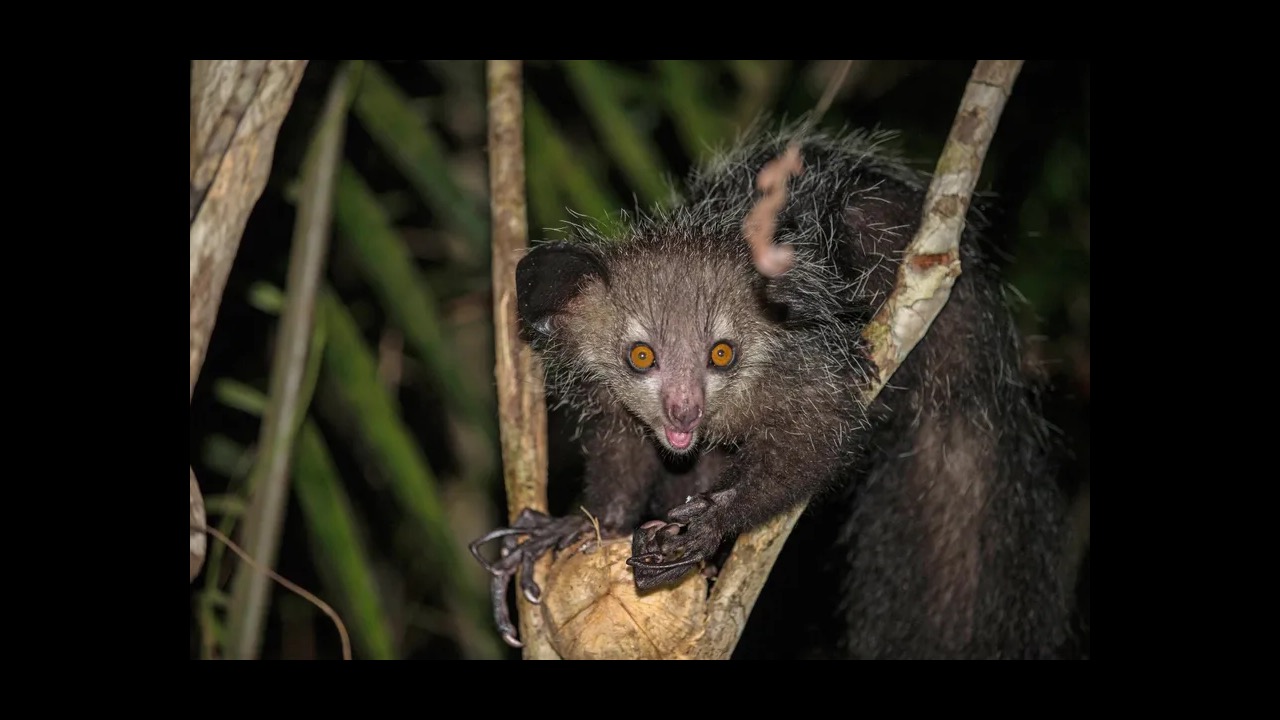
AAye-aye
Daubentonia madagascariensis
Madagascar's nocturnal oddity
Africa
Open guide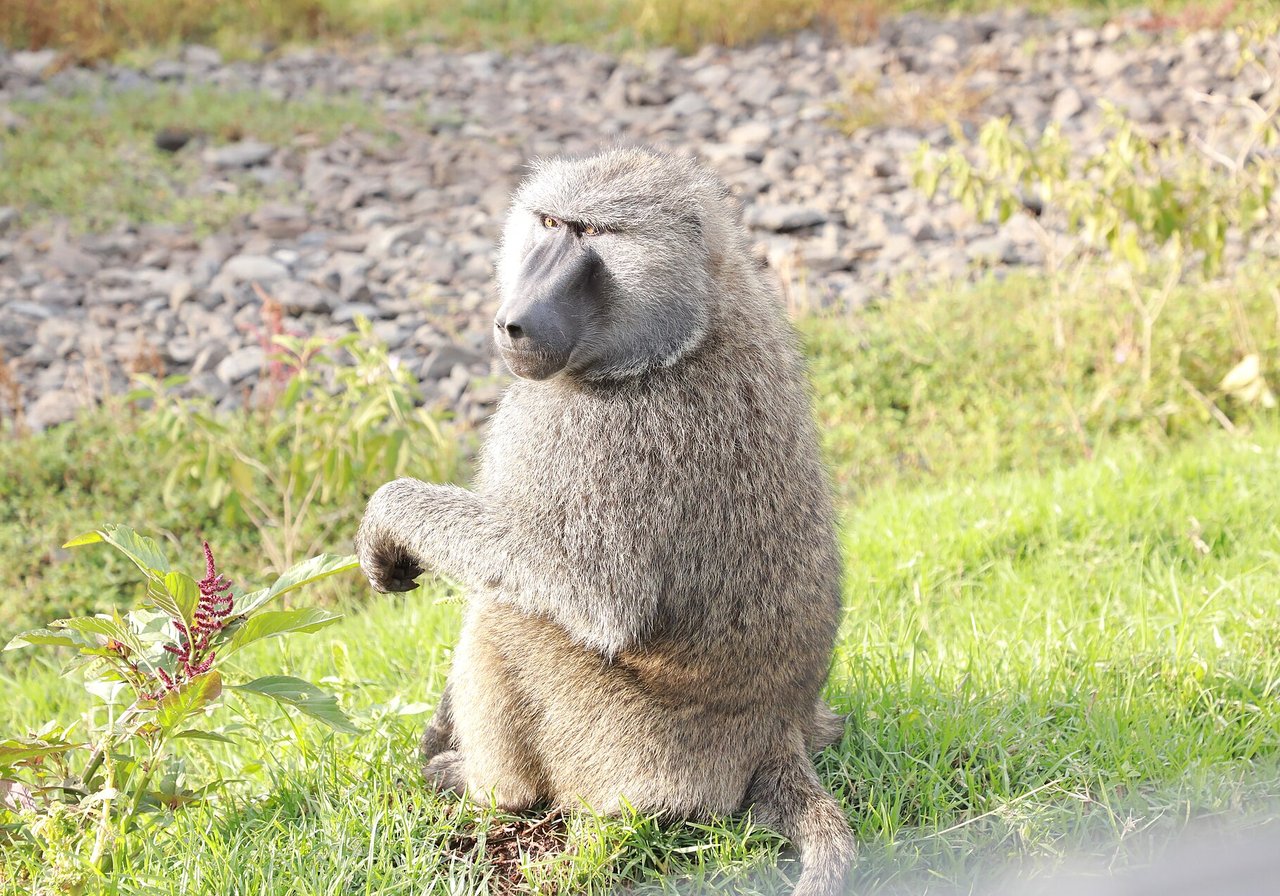
Mammals
BBaboon
Genus Papio — 6 species: hamadryas, olive, yellow, chacma, Guinea and Kinda baboon
Africa's largest monkey — powerful, social and adaptable across savanna and desert.
Sub-Saharan Africa · Arabian Peninsula (hamadryas baboon)
Open guide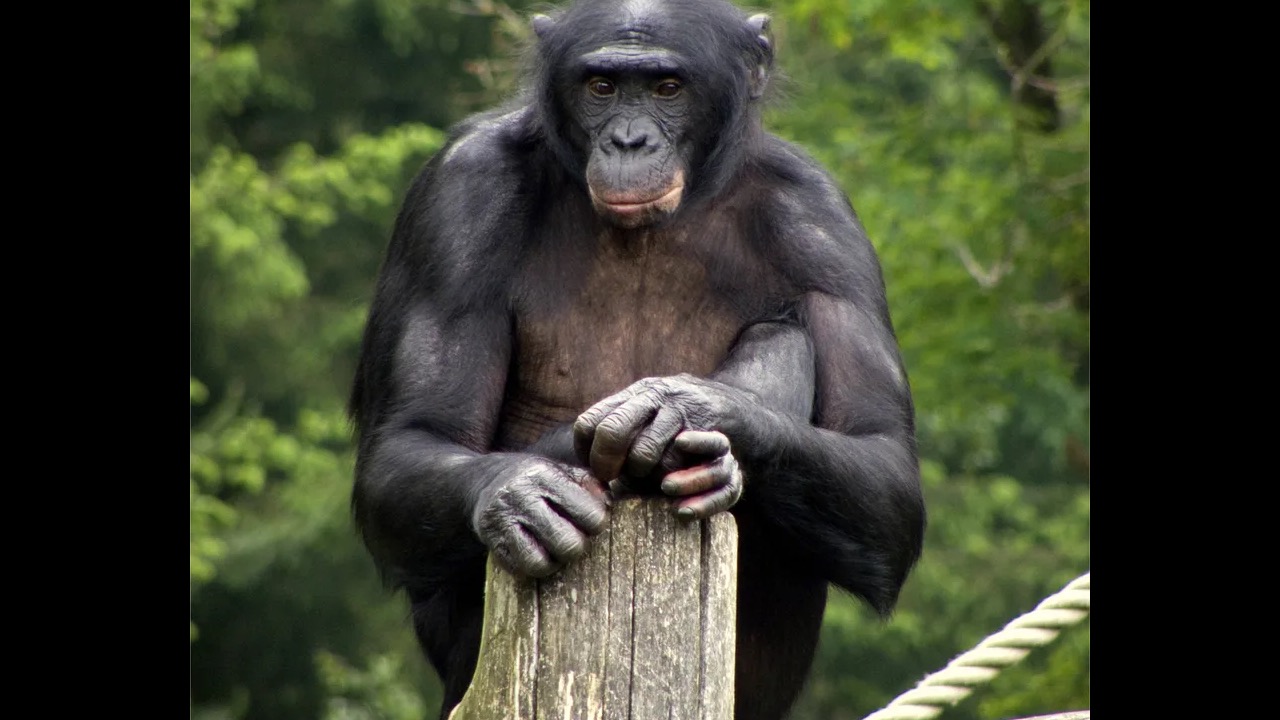
Mammals
BBonobo
Pan paniscus
The peaceful ape of the Congo Basin
Africa
Open guide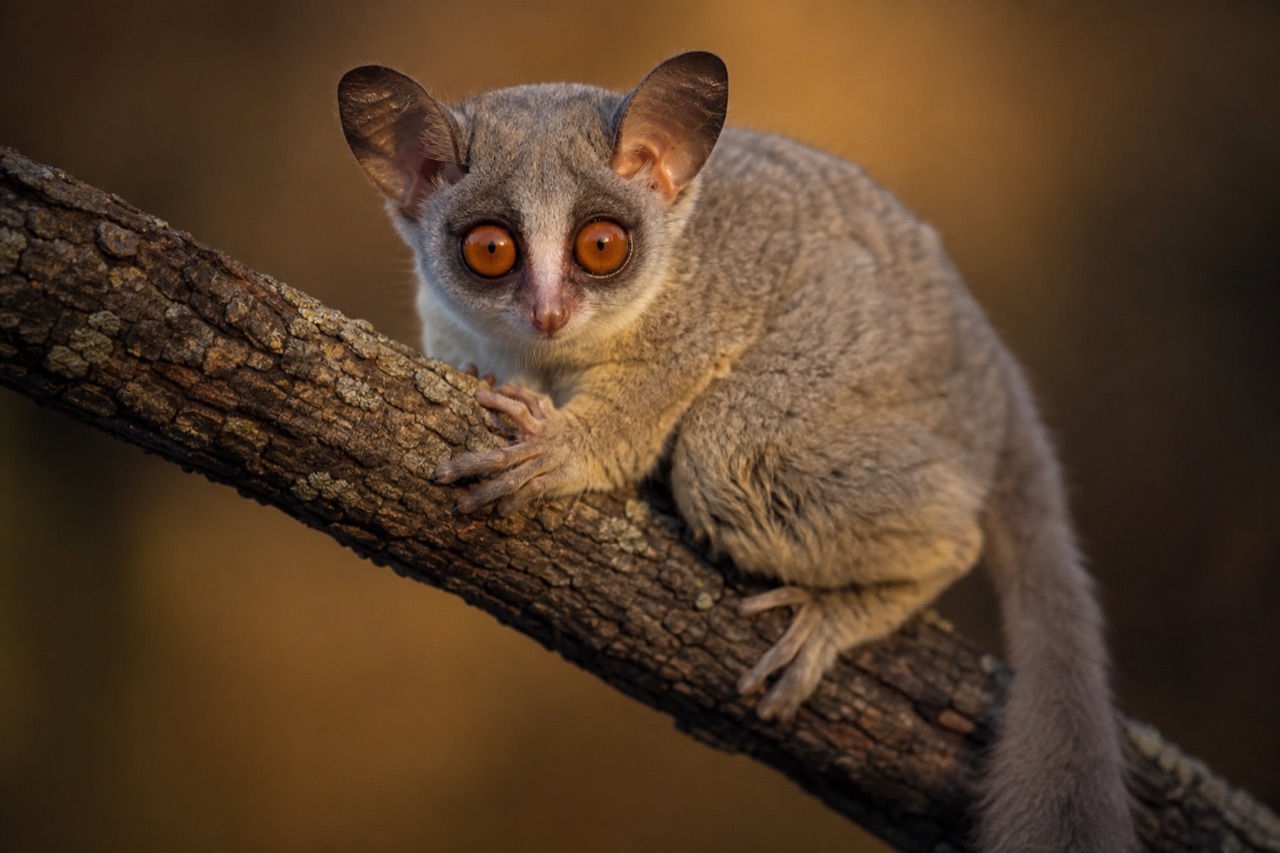
Mammals
BBushbaby
Galago senegalensis (É. Geoffroy, 1796) — family Galagidae
A primate the size of a squirrel with eyes too big for its face and legs that can leap six metres.
Sub-Saharan Africa · Savanna woodland, forest edge and riverine bush
Open guide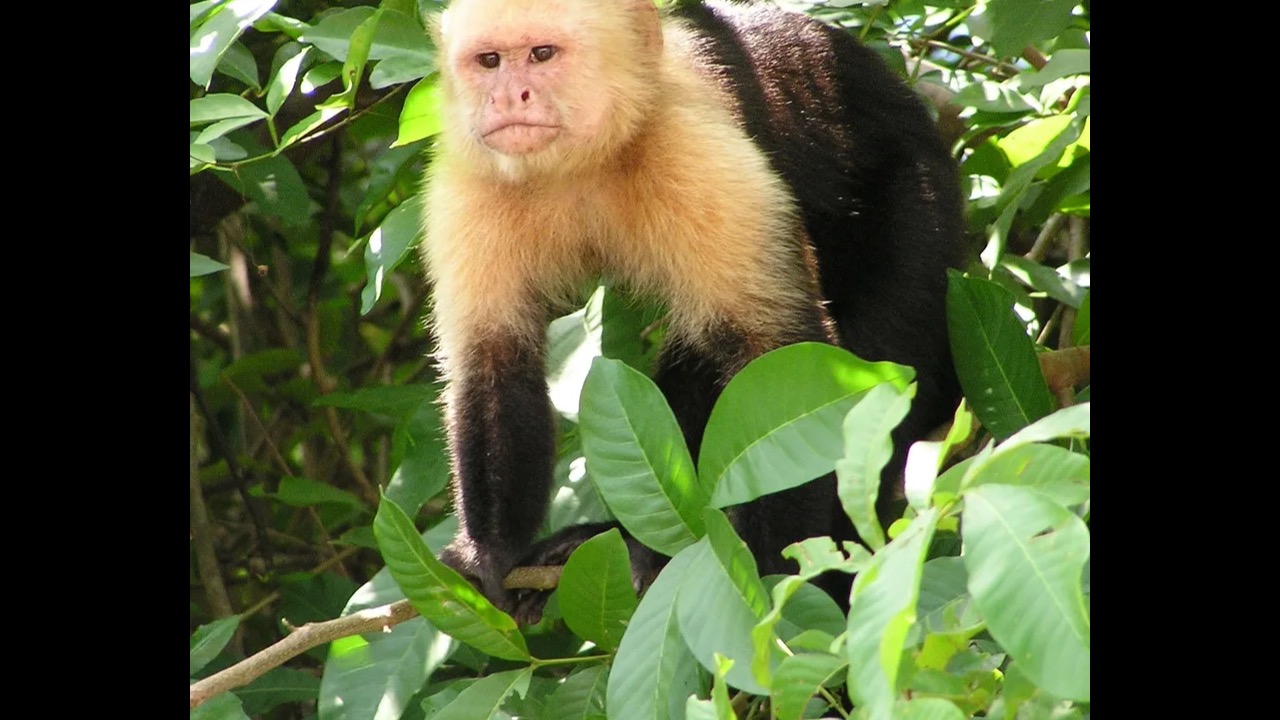
Mammals
CCapuchin Monkey
Cebus capucinus
The clever New World monkey
North America · South America
Open guide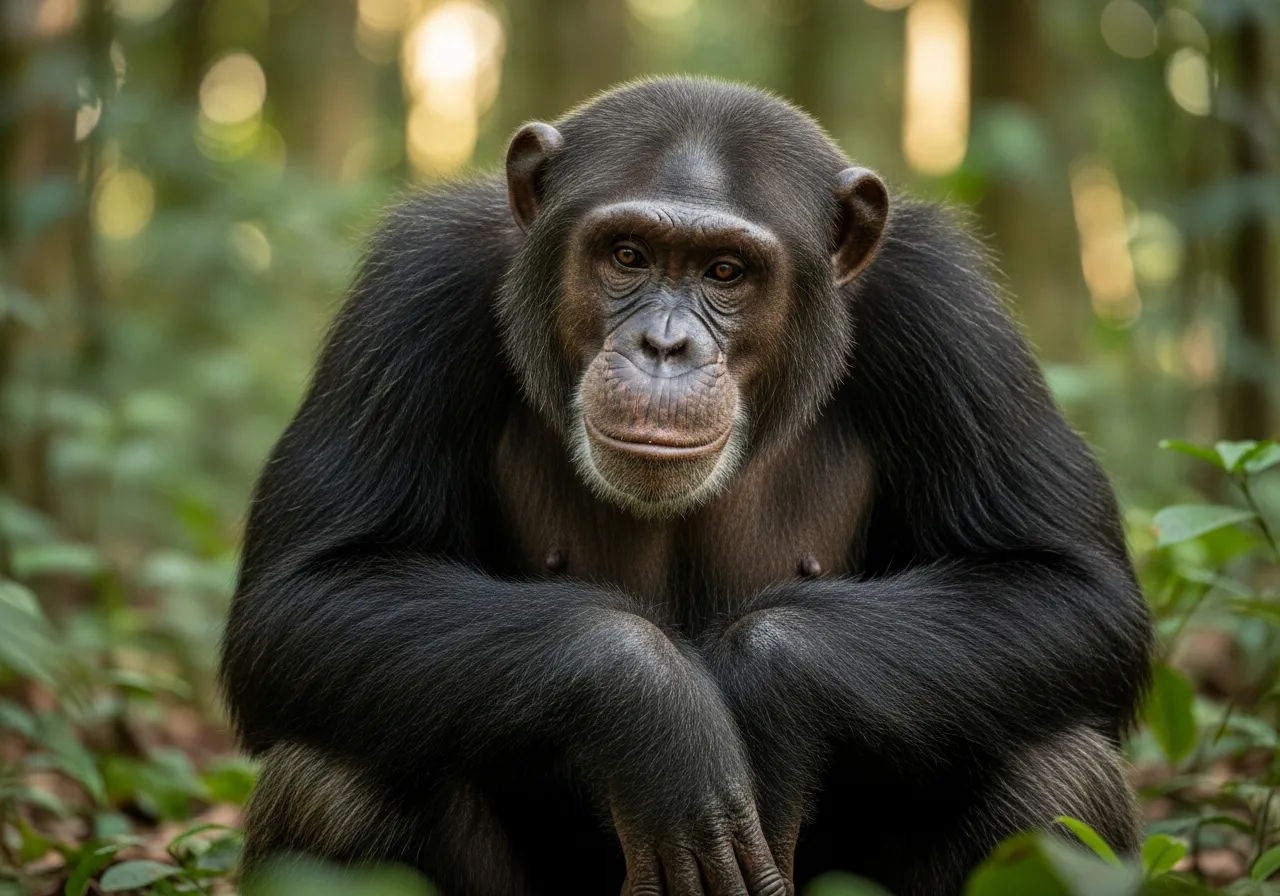
Mammals
CChimpanzee
Pan troglodytes
Our closest living relatives, sharing tools, culture and roughly 98-99% of our DNA.
West Africa · Central Africa
Open guide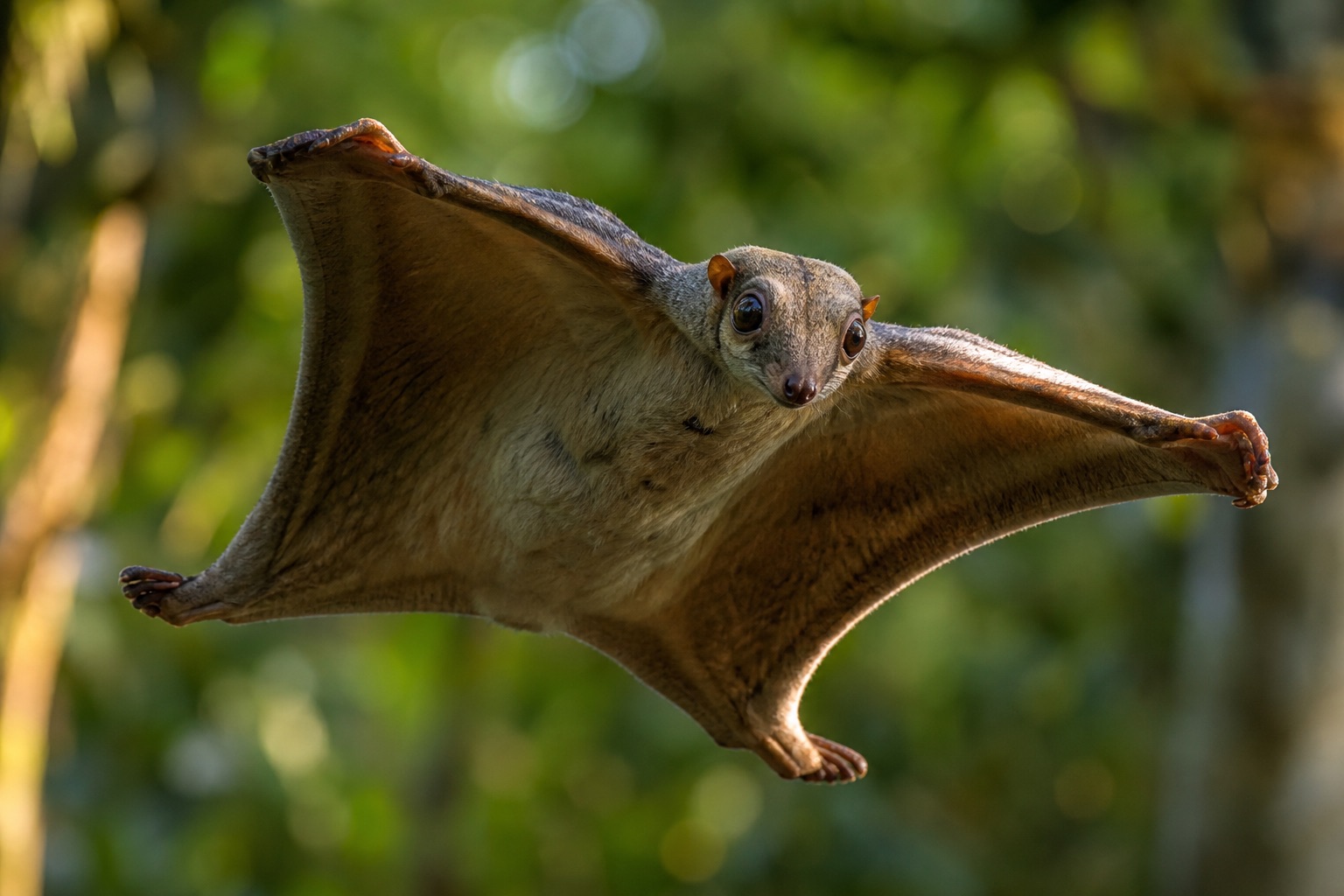
Mammals
CColugo
Galeopterus variegatus (Audebert, 1799) — order Dermoptera
The flying lemur that neither flies nor is a lemur — and has the most extensive gliding membrane of any mammal.
Borneo · Sumatra
Open guide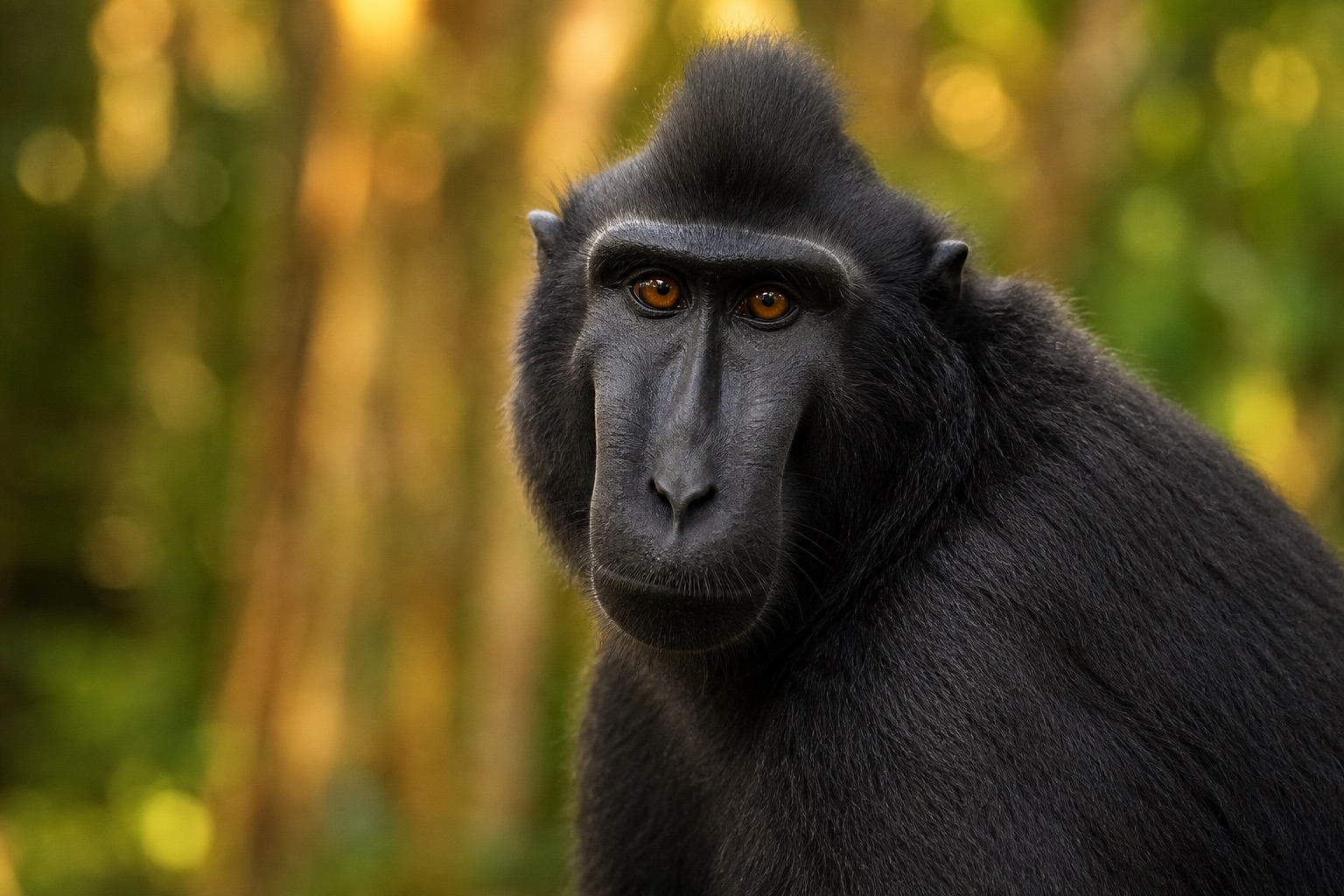
Mammals
CCrested Black Macaque
Macaca nigra (Desmarest, 1822) — family Cercopithecidae
A Critically Endangered monkey that became famous for a selfie it did not benefit from.
Sulawesi, Indonesia · Wallacea — northeastern peninsula forests
Open guide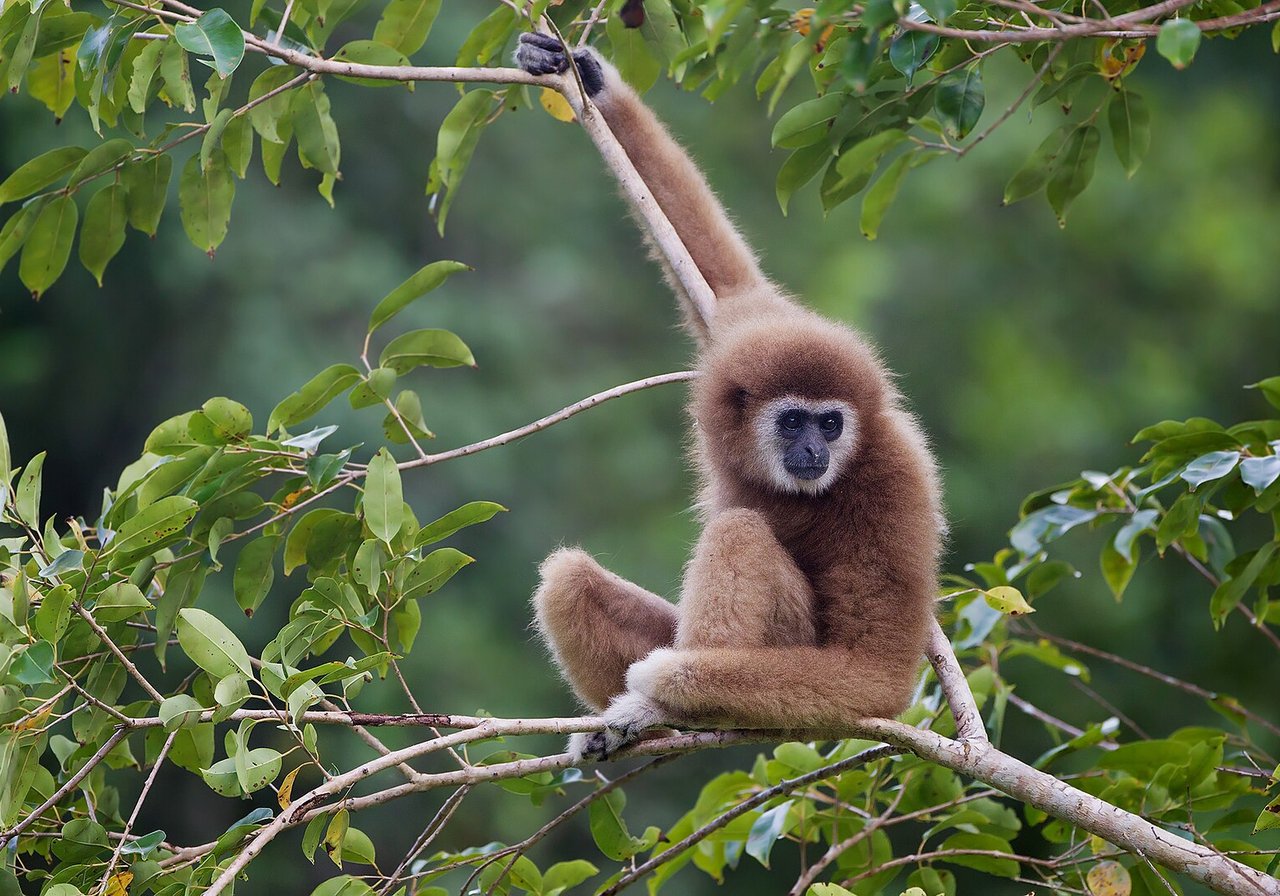
Mammals
GGibbon
Family Hylobatidae — ~20 species in 4 genera (Hylobates, Hoolock, Nomascus, Symphalangus)
The singing lesser apes of Asian rainforest — acrobats of the canopy, vanishing as forests fall.
South-east Asia · China
Open guide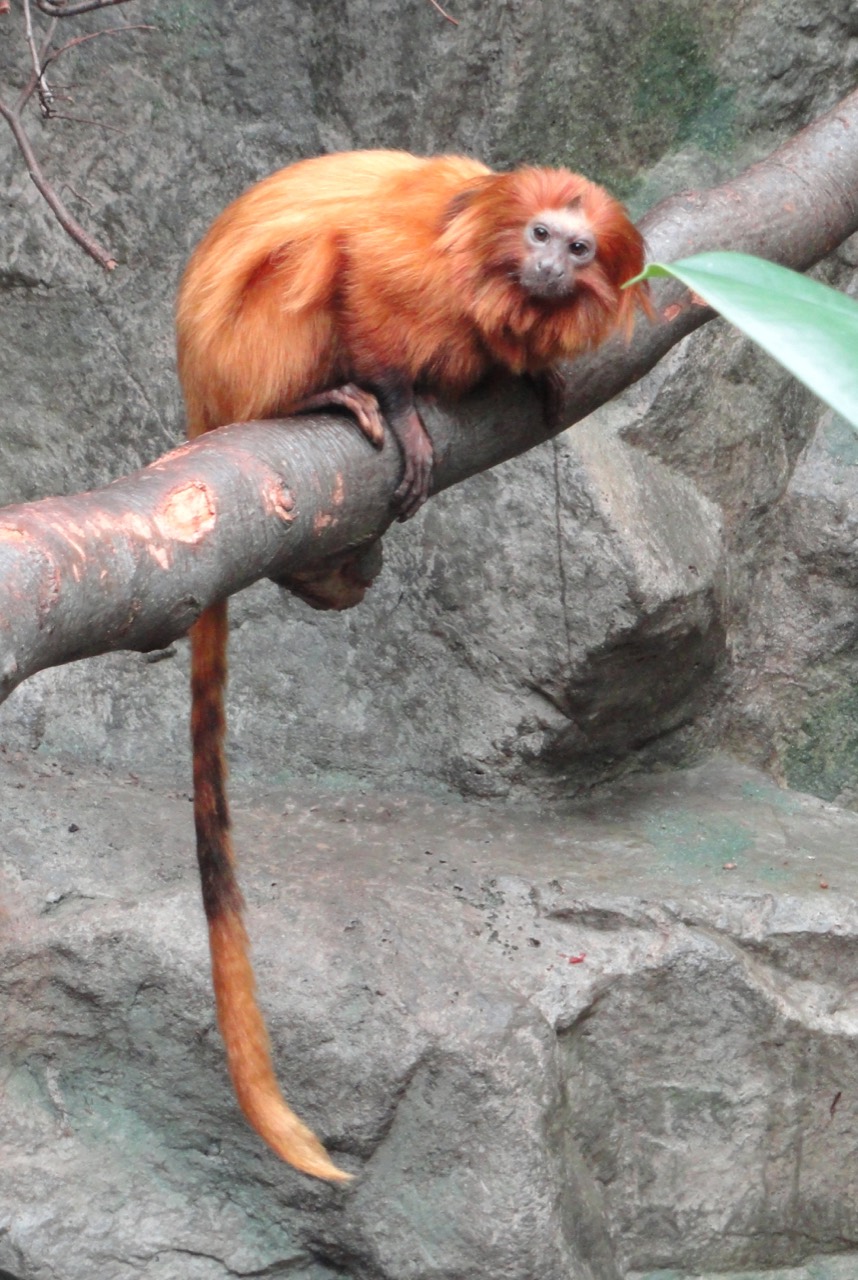
Mammals
GGolden Lion Tamarin
Leontopithecus rosalia
A flame-coloured monkey pulled back from the edge of extinction by Brazil's forest corridors.
Brazil
Open guide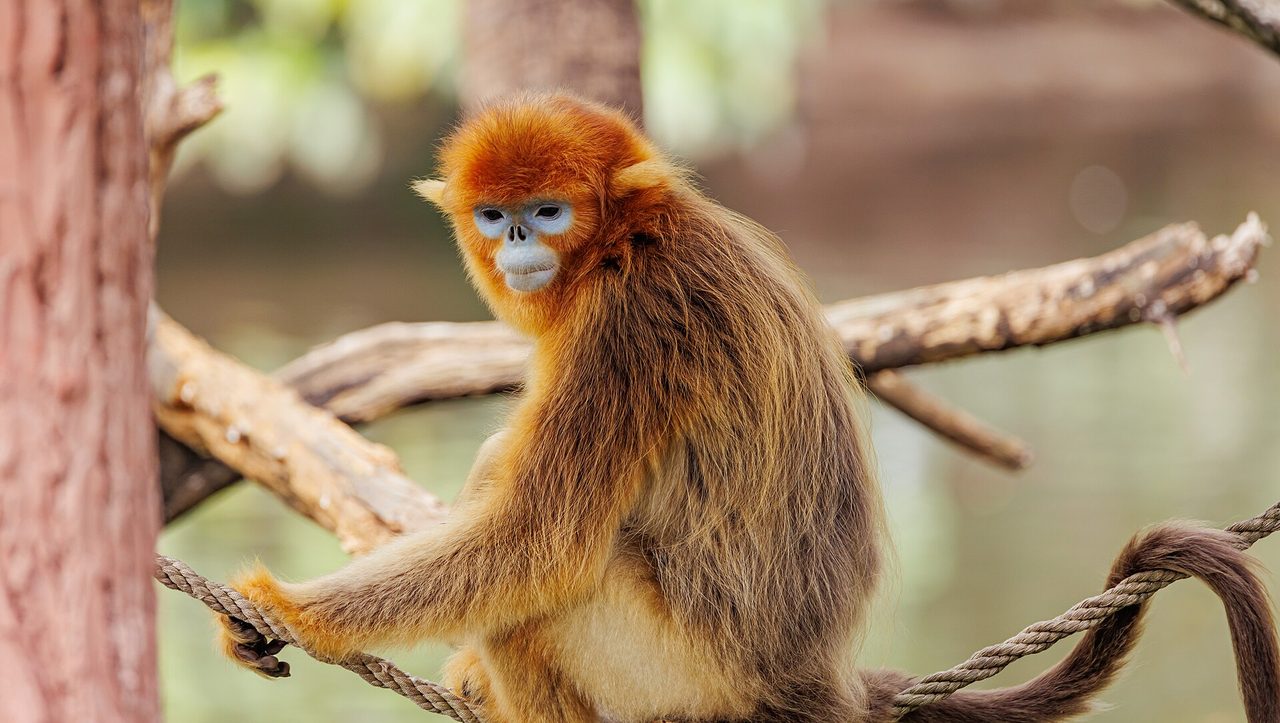
Mammals
GGolden Snub-Nosed Monkey
Rhinopithecus roxellana (Milne-Edwards, 1870)
China's blue-faced mountain ghost — a cold-hardy monkey that survives where snow covers the forest floor.
China (Sichuan, Gansu, Shaanxi, Hubei)
Open guide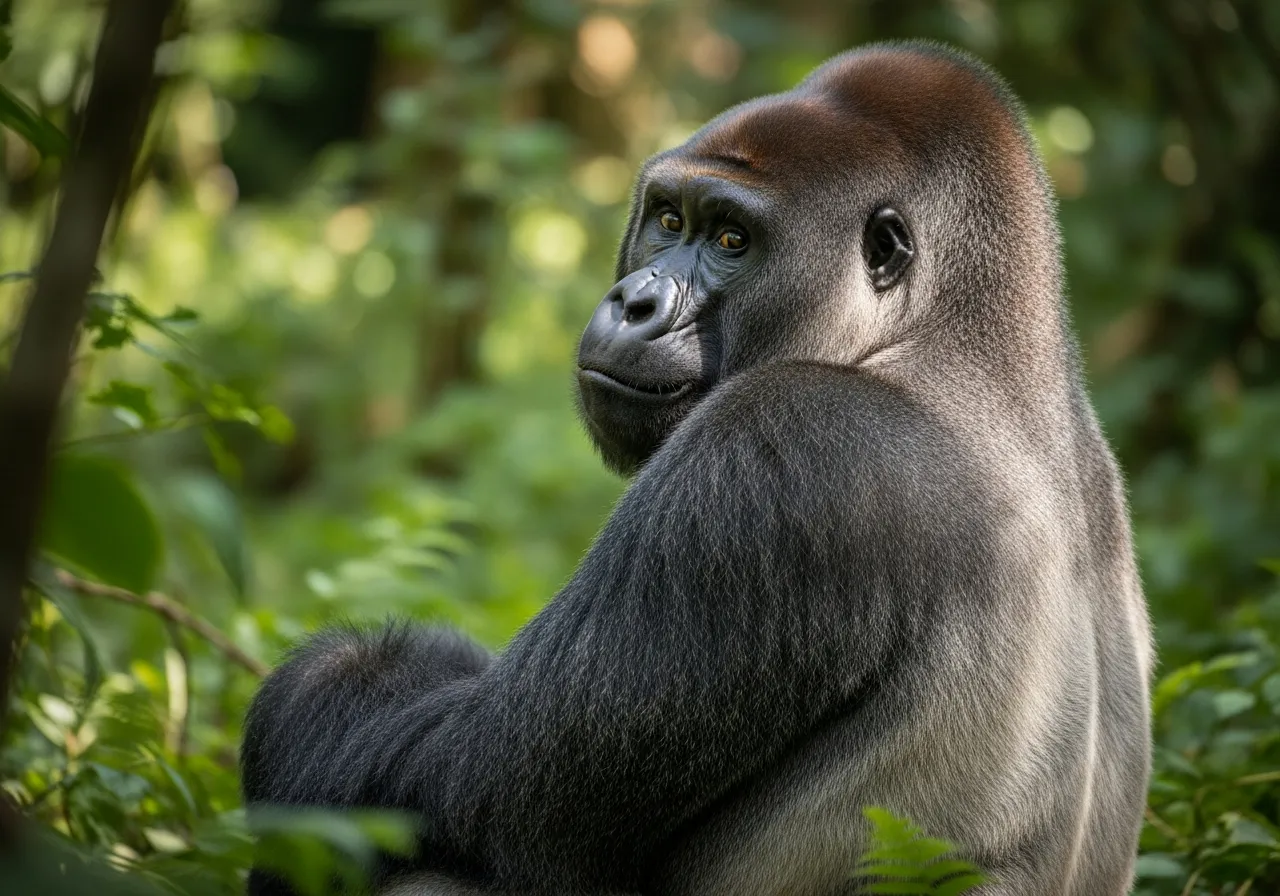
Mammals
GGorilla
Gorilla gorilla (Savage, 1847) — Western Gorilla; Gorilla beringei (Matschie, 1903) — Eastern Gorilla
The largest primate alive — and our close cousin, now fighting for survival.
Democratic Republic of the Congo · Gabon
Open guide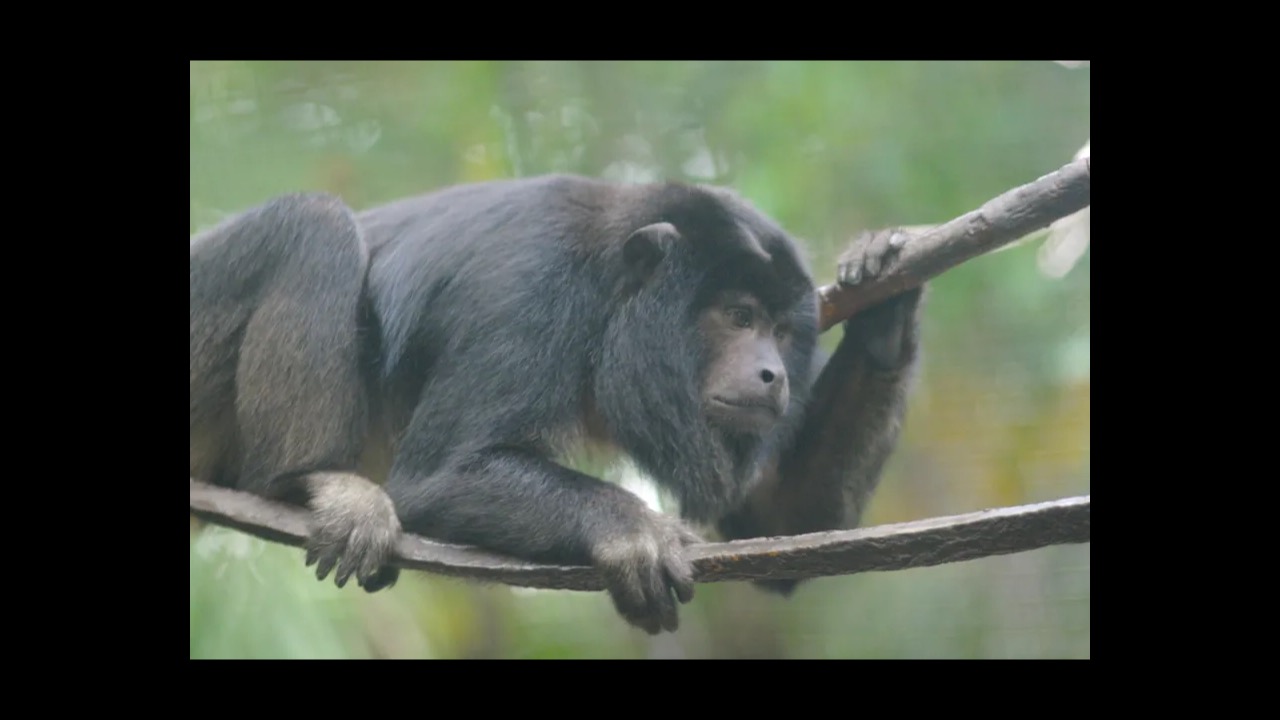
Mammals
HHowler Monkey
Alouatta spp.
The loudest land animal in the Americas
North America · South America
Open guide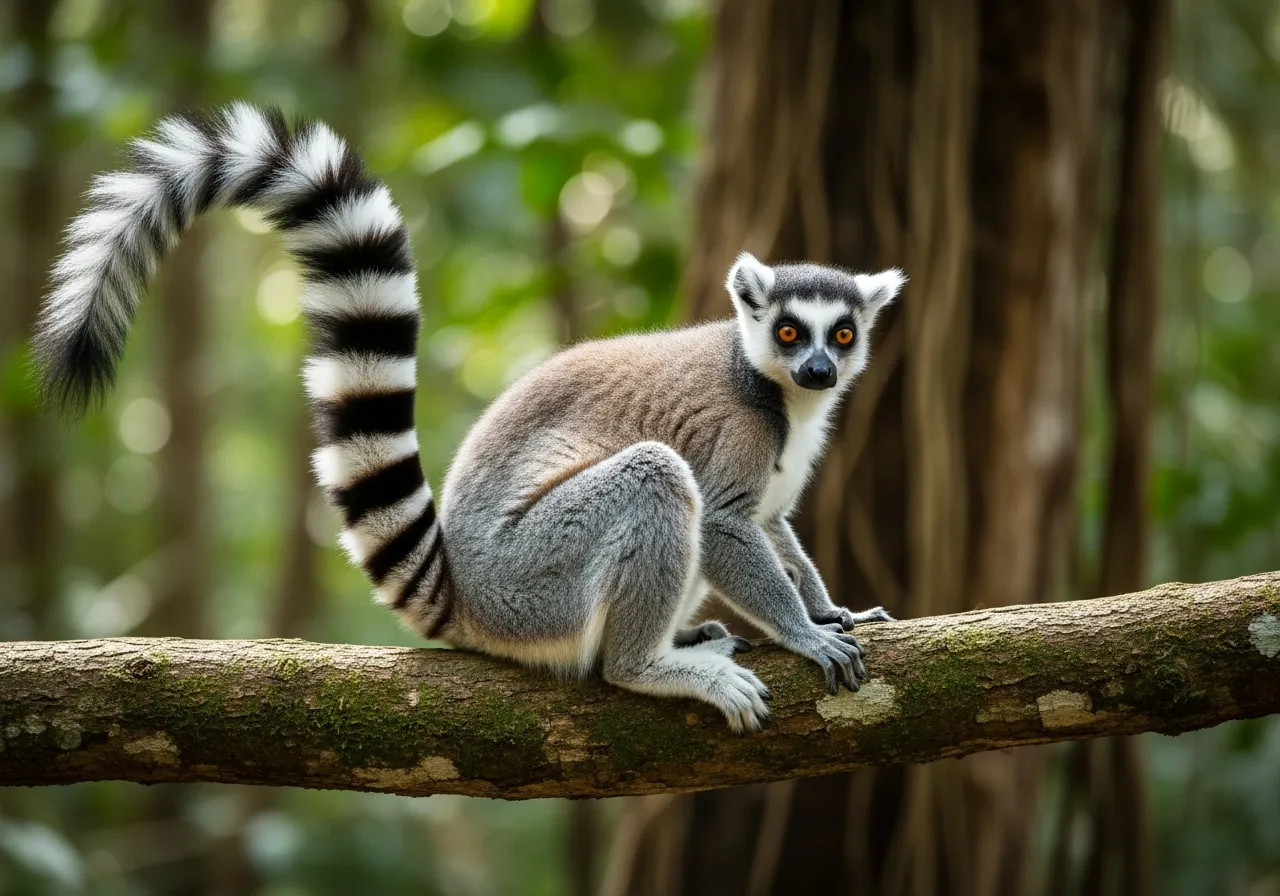
Mammals
LLemur
Infraorder Lemuriformes
Madagascar's primate dynasty — and the most endangered mammals on Earth.
Madagascar
Open guide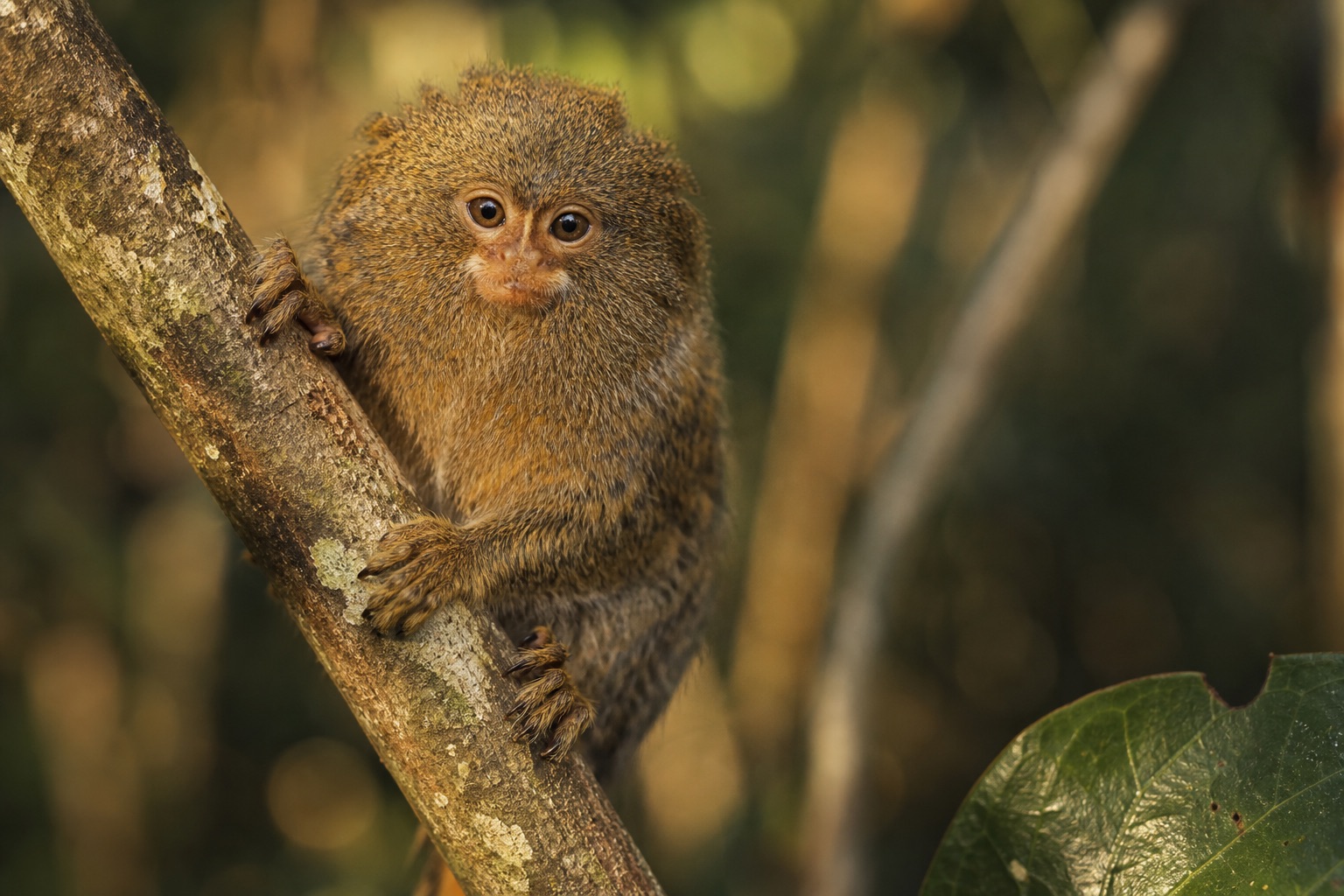
Mammals
MMarmoset
Family Callitrichidae — marmosets and tamarins (genera Callithrix, Cebuella, Mico and others)
The pygmy marmoset is the smallest monkey on Earth — and one of the most heavily traded primate pets.
Central and South America · Atlantic Forest and Amazon basin
Open guide
Mammals
MMonkey
Infraorder Simiiformes — ~260+ species in families Cebidae, Callitrichidae, Cercopithecidae and others
Tailed primates of forest, savanna and city — intelligent, social and overwhelmingly wild.
Central America · South America
Open guide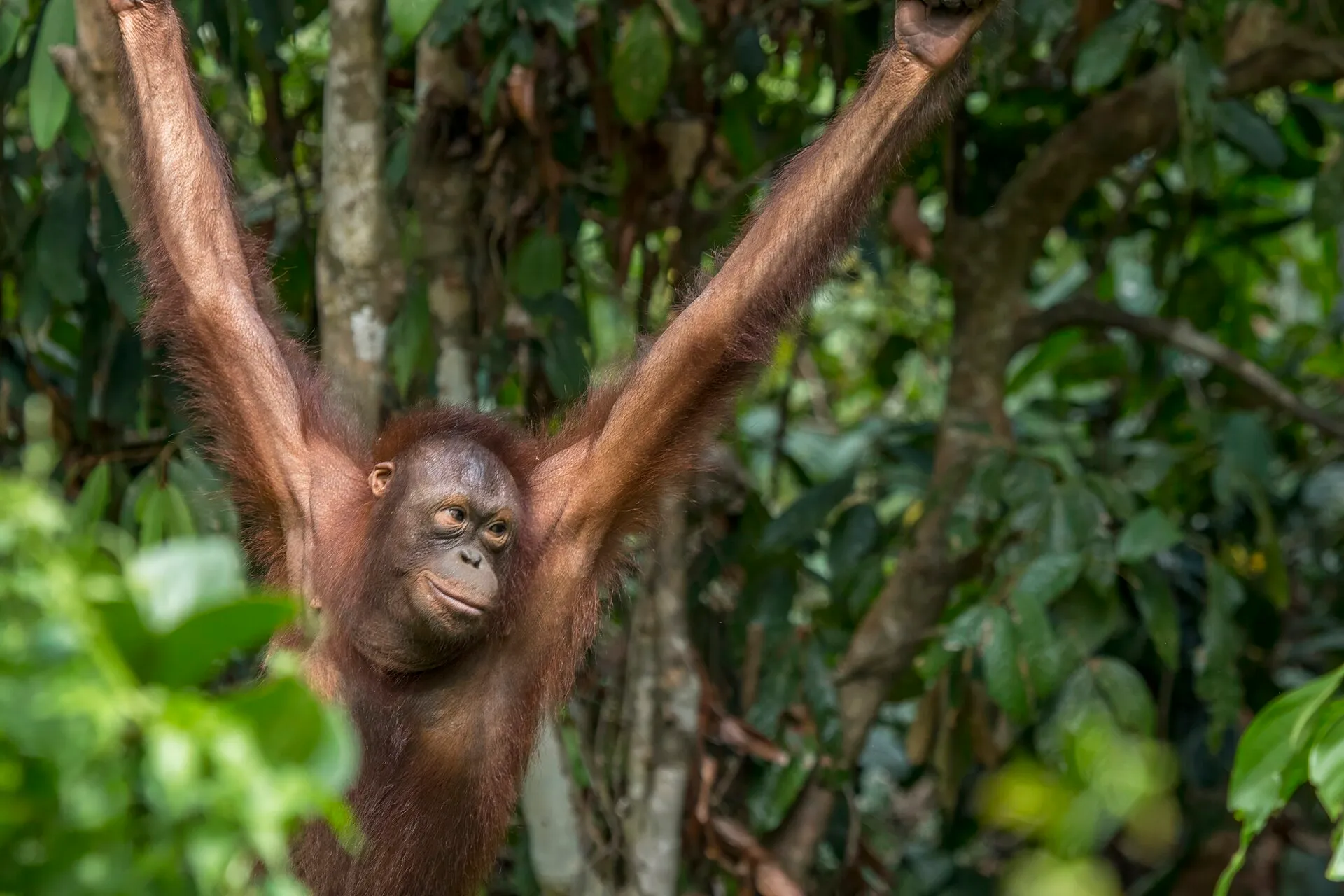
Mammals
OOrangutan
Pongo pygmaeus (Linnaeus, 1760), Pongo abelii (Lesson, 1827), Pongo tapanuliensis (Nurcahyo, Meijaard et al., 2017)
Asia’s great apes: forest specialists facing habitat loss and slow recovery.
Indonesia · Malaysia
Open guide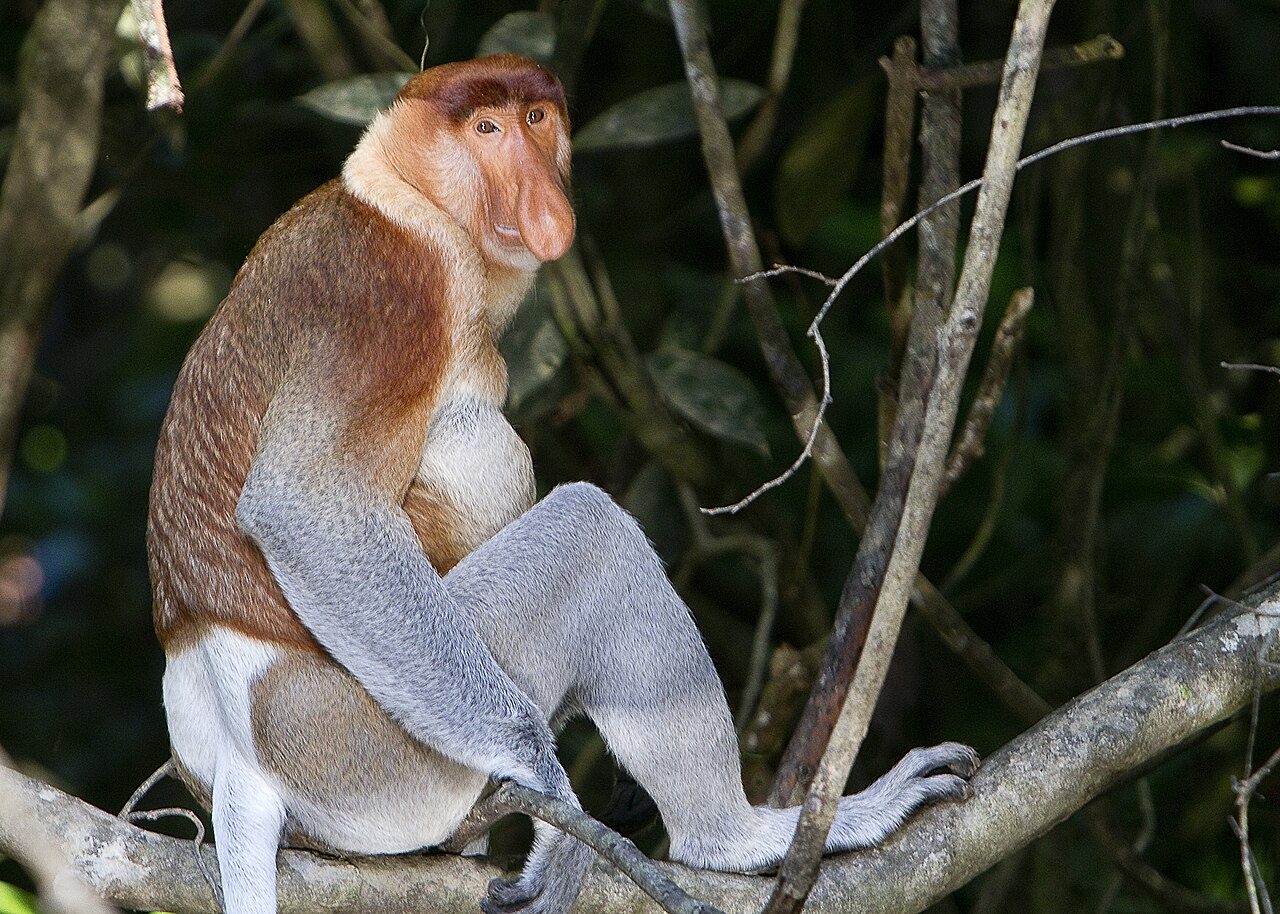
Mammals
PProboscis Monkey
Nasalis larvatus
Borneo's big-nosed mangrove swimmer, found nowhere else on Earth.
Indonesia · Malaysia
Open guide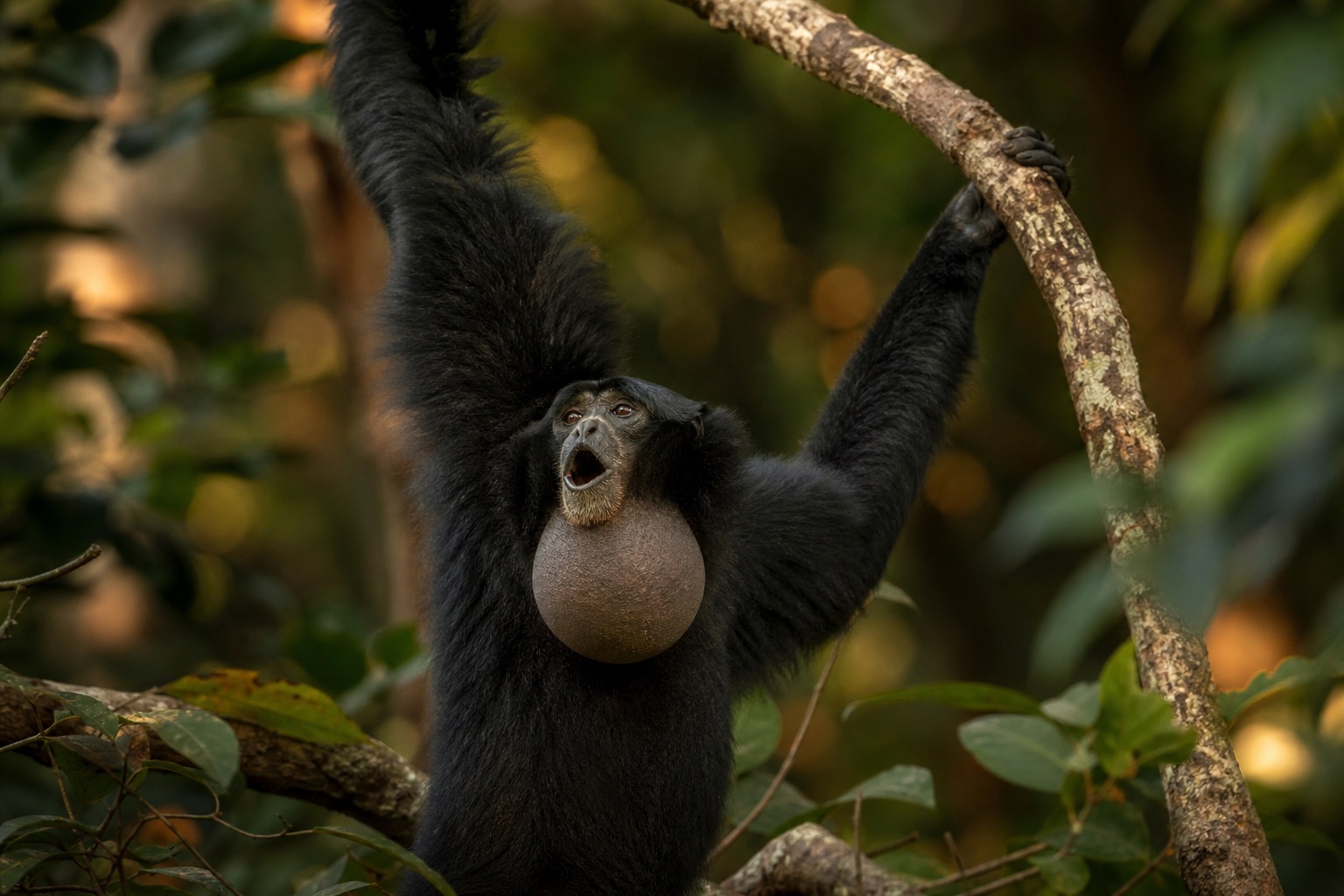
Mammals
SSiamang
Symphalangus syndactylus (Illiger, 1811) — family Hylobatidae
The largest gibbon — paired duets amplified by an inflatable throat sac.
Sumatra · Malay Peninsula and southern Thailand
Open guide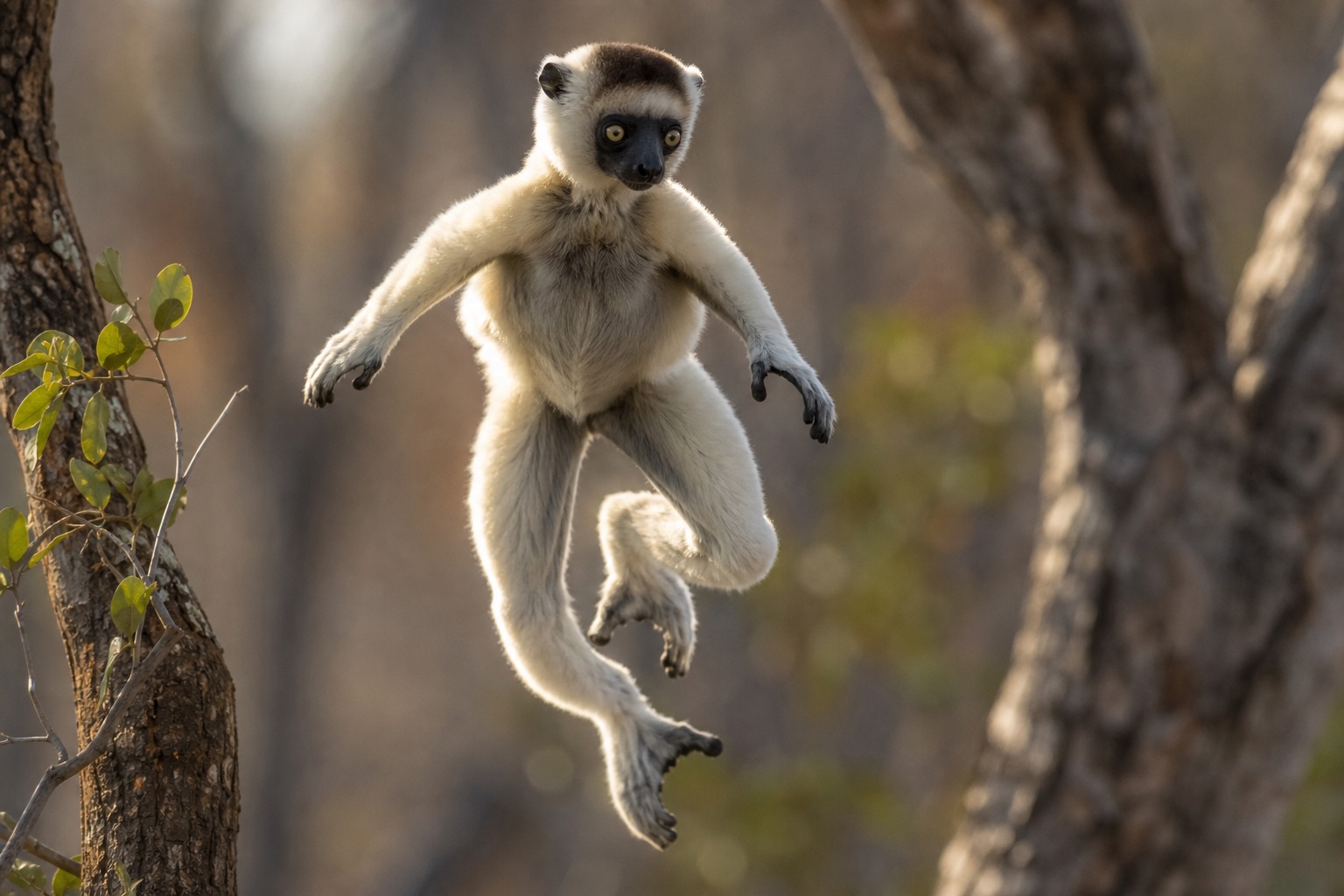
Mammals
SSifaka
Genus Propithecus — nine recognised species
The lemur that dances sideways on two legs — and several species are now Critically Endangered.
Madagascar · Dry deciduous and spiny forest in the west and south
Open guide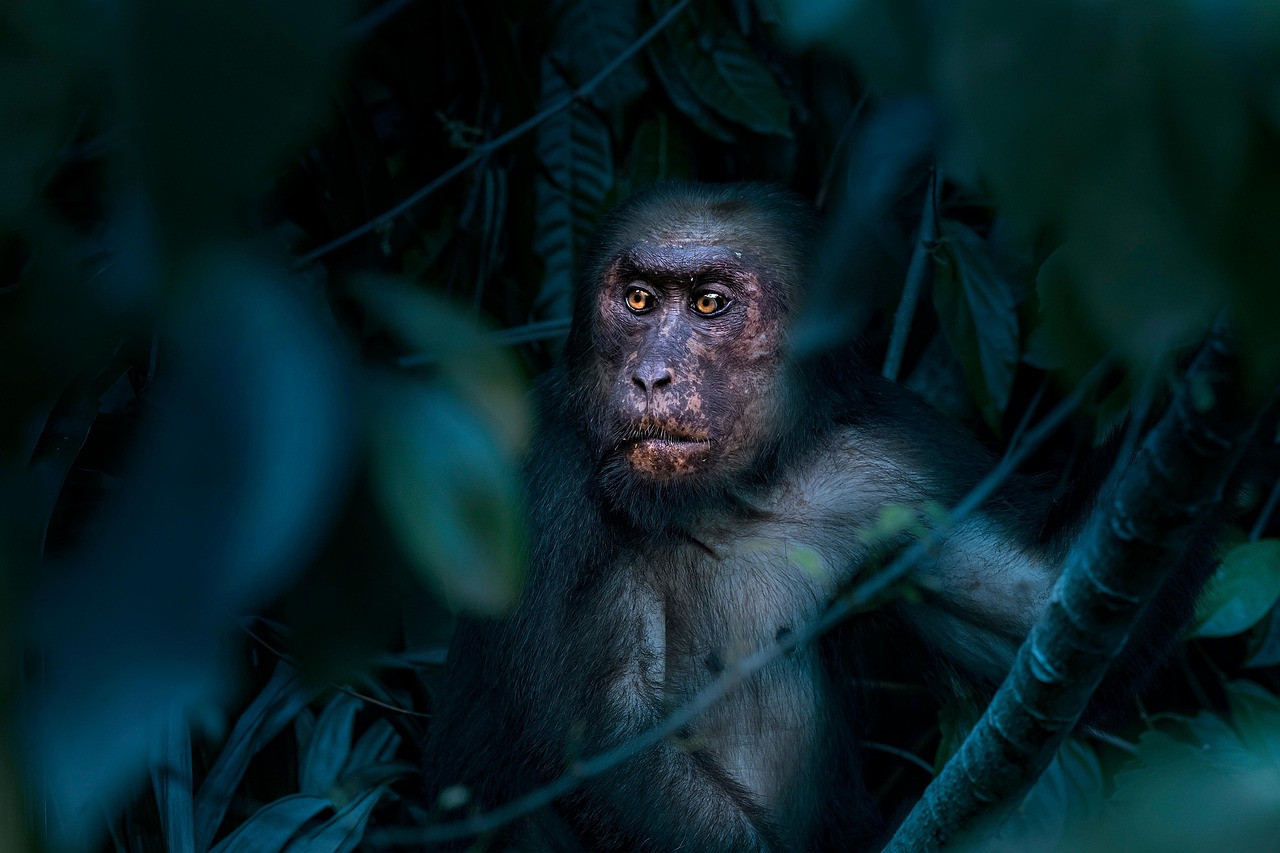
Mammals
SSlow Loris
Nycticebus spp. (and Xanthonycticebus pygmaeus, the pygmy slow loris, since 2022)
Viral pet videos are fuelling the extinction of the world's only venomous primate.
Indonesia · Malaysia
Open guide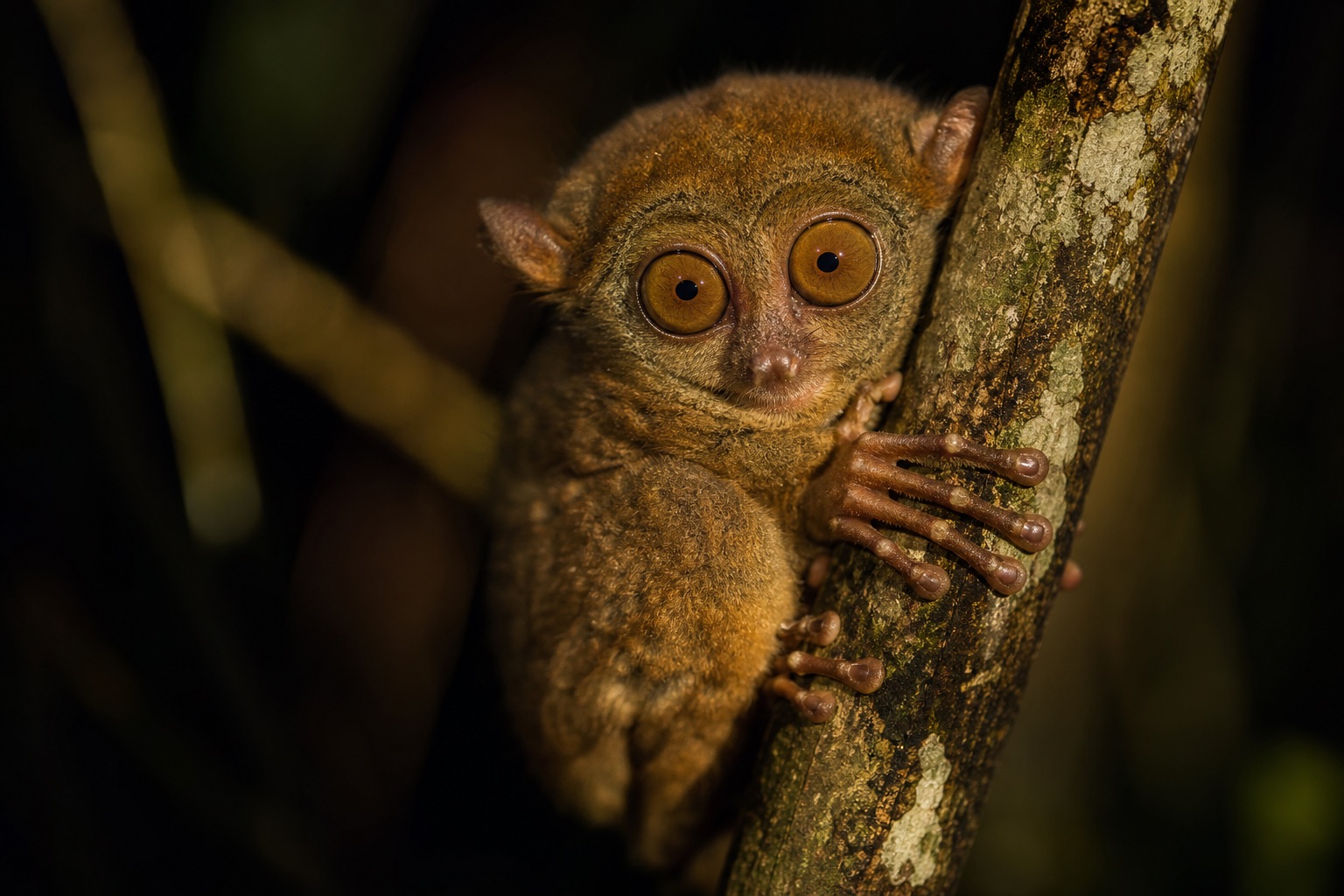
Mammals
SSpectral Tarsier
Tarsius tarsier (Erxleben, 1777) — family Tarsiidae
Each eye weighs more than its brain — and it sings in ultrasound humans cannot hear.
Sulawesi, Indonesia · Wallacea — primary and secondary forest
Open guide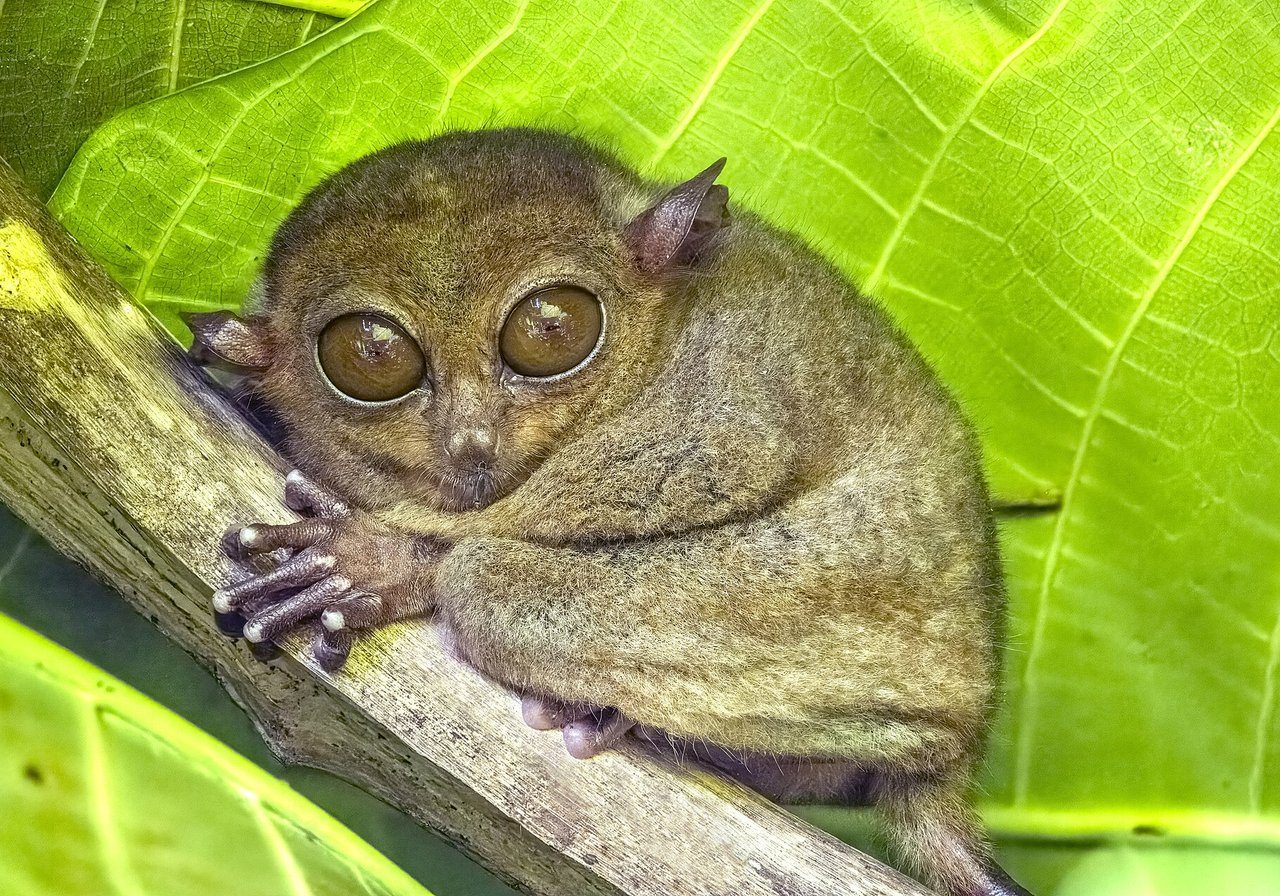
Mammals
TTarsier
Tarsiidae
Tiny nocturnal hunters with enormous eyes and an island-by-island conservation story.
Philippines · Indonesia
Open guideConservation: what this group faces
Primates are overwhelmingly forest animals, and forest clearance is the threat that cuts across every region — from orangutan habitat in Borneo and Sumatra to gorilla range in the Congo Basin to lemur forest in Madagascar. Bushmeat hunting removes adults faster than populations can replace them, particularly where logging roads open previously inaccessible forest. The pet trade adds a second pressure, especially for infant chimpanzees and orangutans, which cannot be returned to the wild once habituated to humans. Protecting connected forest blocks matters more than protecting isolated fragments for most species.
Primates: frequently asked questions
What is the difference between an ape and a monkey?
Which primates are most closely related to humans?
What is a lemur?
What is the difference between a chimpanzee and a bonobo?
Are primates endangered?
What is a tarsier?
Other types of mammal
-
Big cats
Large predatory cats — tigers, lions, leopards, jaguars, cheetahs and their close relatives.
-
Bears
Heavy-bodied omnivores — from polar bears on sea ice to pandas in bamboo forest.
-
Marine mammals
Whales, dolphins, seals, sea lions, walruses, manatees and otters tied to the sea.
-
Hoofed animals
Deer, elephants, rhinos, horses, cattle, antelope and other ungulates — grazers and browsers on hoof.
-
Rodents
Gnawing mammals — from mice and squirrels to beavers, capybaras and porcupines.
-
Bats
The only mammals capable of true powered flight — from insect-hunting pipistrelles to fruit bats.
-
Marsupials
Pouched mammals — kangaroos, koalas, opossums and gliders from Australia and the Americas.
-
Canids
Dogs, wolves, foxes, jackals and their wild relatives — the dog family.
-
Small carnivores
Stoats, badgers, otters, mongooses, raccoons and other compact hunters and scavengers.