Mammals · 15 species guides
Big Cats: Tigers, Lions & Identification
Big cats are large predatory members of the cat family Felidae, including tigers, lions, leopards, jaguars, cheetahs, snow leopards, clouded leopards, cougars, lynxes and smaller spotted cats such as the ocelot and fishing cat; they share retractile claws, forward-facing eyes and a carnivorous diet built around ambush or pursuit hunting.
- Spots versus rosettes
- Leopards and jaguars both carry rosettes — spots with a pale centre — but a jaguar's rosettes often contain smaller dots inside. Cheetahs have solid black spots, not rosettes, and a distinctive black "tear line" from eye to mouth.
- Build and head
- Lions are the only social big cat and the only one with a marked mane in males. Tigers are heavier through the shoulders with transverse stripes. Cheetahs are slender with a small head and long legs built for speed rather than power.
- Tail and proportions
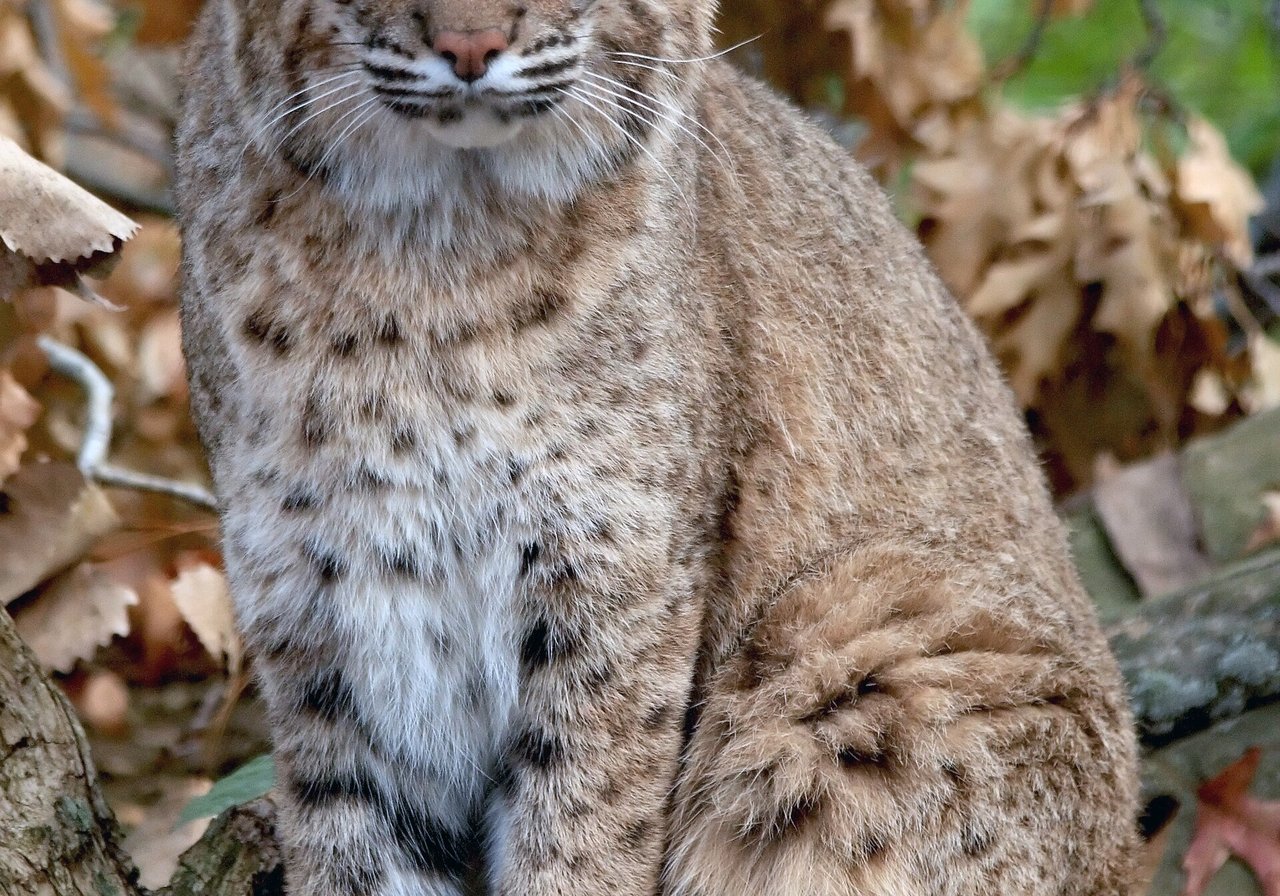
- Snow leopards have an exceptionally long, thick tail used for balance on slopes. Clouded leopards have the longest canine teeth relative to body size of any cat. Lynxes have tufted ears and short tails; bobcats are the smaller North American lynx.
- Geography as a first filter
- Jaguars are American; leopards are African and Asian. Cougars range across the Americas but never carry rosettes — they are uniform tawny or greyish. Fishing cats and Pallas's cats are Asian specialists with distinctive faces.
Big cat is an everyday category rather than a scientific one. It usually means the large, predatory members of Felidae — the cat family — though where the line is drawn varies considerably. Cheetahs and clouded leopards are included by most people despite being in separate genera from lions and tigers; the sand cat and Pallas's cat are included because they are unmistakably cats, even though both are small.
What unites the group is design rather than a single evolutionary branch. Retractile claws, binocular vision, flexible spines built for short bursts of power, and a skull and dentition shaped for killing vertebrate prey describe a tiger as well as a bobcat. The confusion pairs — leopard versus jaguar, cheetah versus leopard, cougar versus jaguar — are among the most common identification problems in mammals, which is why they belong on a dedicated page rather than buried in a long species list.
Key facts
- Big cat is an everyday category, not a clade — cheetahs and clouded leopards sit in separate genera from lions and tigers.
- All cats share retractile claws, forward-facing eyes and a skull built for killing vertebrate prey, but hunting style varies from ambush to pursuit.
- Leopards and jaguars both have rosettes; jaguars often show dots inside the rosettes, and the two species never overlap in the wild.
- Cheetahs are the only big cat that cannot fully retract its claws — an adaptation for traction during high-speed chases.
- Lions are the only big cats that live in stable social groups; all others are largely solitary outside the breeding season.
- Tigers are the largest living cats; several subspecies are Critically Endangered, with habitat loss and poaching the dominant threats.
How to recognise them
The features that separate this group in the field, in the order they are usually most useful.
- Spots versus rosettes
- Leopards and jaguars both carry rosettes — spots with a pale centre — but a jaguar's rosettes often contain smaller dots inside. Cheetahs have solid black spots, not rosettes, and a distinctive black "tear line" from eye to mouth.
- Build and head
- Lions are the only social big cat and the only one with a marked mane in males. Tigers are heavier through the shoulders with transverse stripes. Cheetahs are slender with a small head and long legs built for speed rather than power.
- Tail and proportions
- Snow leopards have an exceptionally long, thick tail used for balance on slopes. Clouded leopards have the longest canine teeth relative to body size of any cat. Lynxes have tufted ears and short tails; bobcats are the smaller North American lynx.
- Geography as a first filter
- Jaguars are American; leopards are African and Asian. Cougars range across the Americas but never carry rosettes — they are uniform tawny or greyish. Fishing cats and Pallas's cats are Asian specialists with distinctive faces.
- The confusion pairs
- Leopard versus jaguar: rosette pattern and continent. Cheetah versus leopard: solid spots and tear lines versus rosettes. Cougar versus jaguar: no rosettes, smaller head, longer tail. Ocelot versus jaguar: much smaller, chain-like spotting on the coat.
15 big cats guides
Search or filter by conservation status. Every guide carries sourced facts, IUCN status and FAQs.
Common names, scientific names and places are searchable.
Showing 1–15 of 15 guides
Mammals
BBobcat
Lynx rufus (Schreber, 1777)
North America's adaptable mid-sized cat — tufted ears, bobbed tail, widespread success.
United States · Southern Canada
Open guide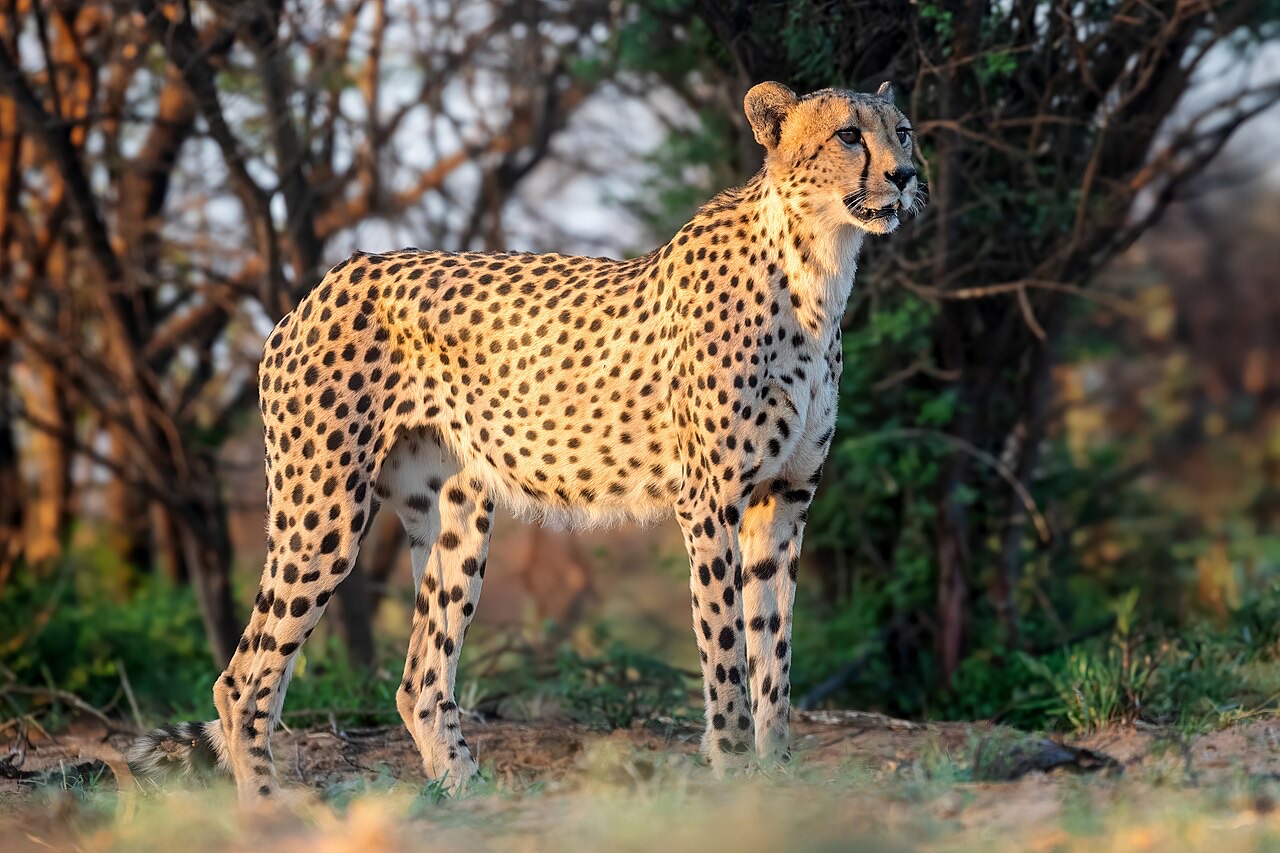
Mammals
CCheetah
Acinonyx jubatus
The fastest land animal on Earth, racing toward a fragile future.
Kenya · Tanzania
Open guide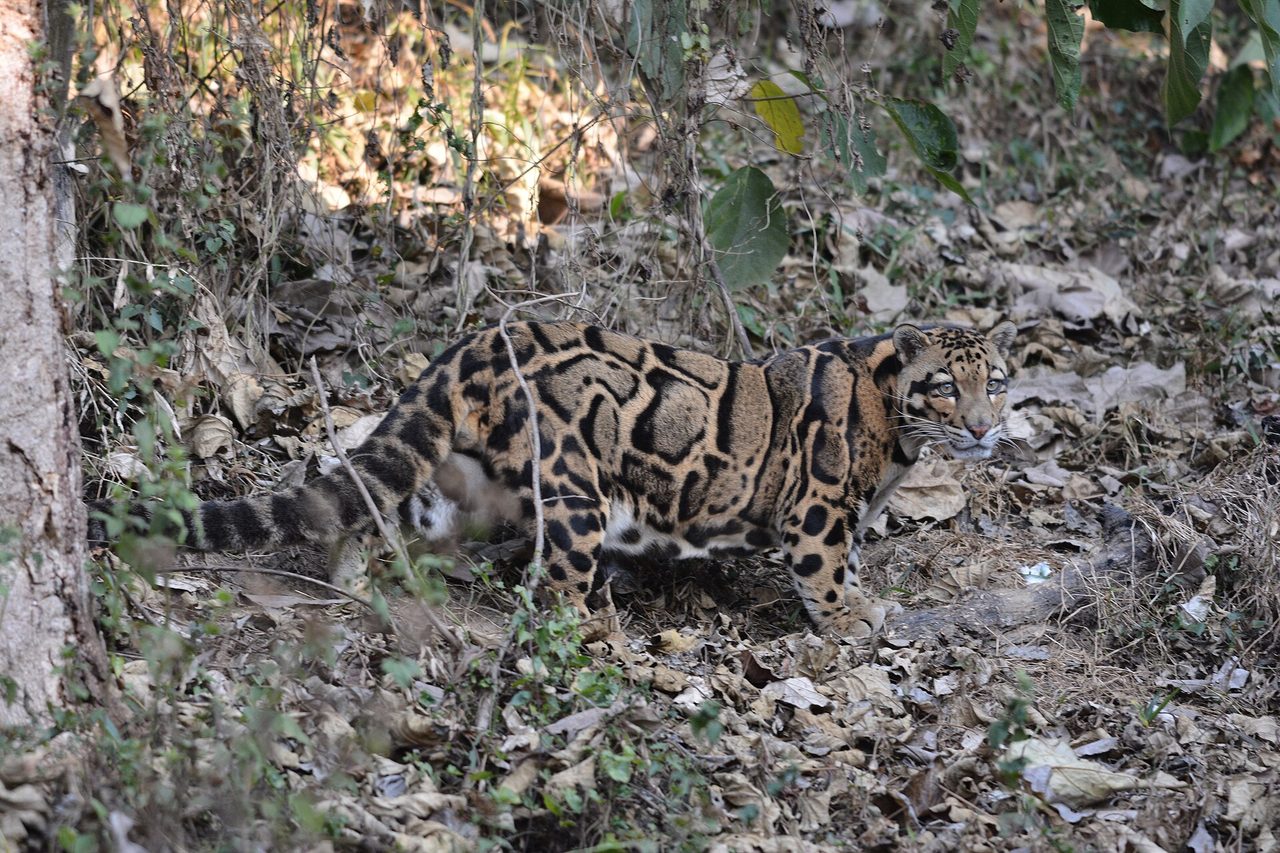
Mammals
CClouded Leopard
Neofelis nebulosa & Neofelis diardi
The forest ghost with a sabre-tooth's smile and an acrobat's ankles.
Indonesia · Malaysia
Open guide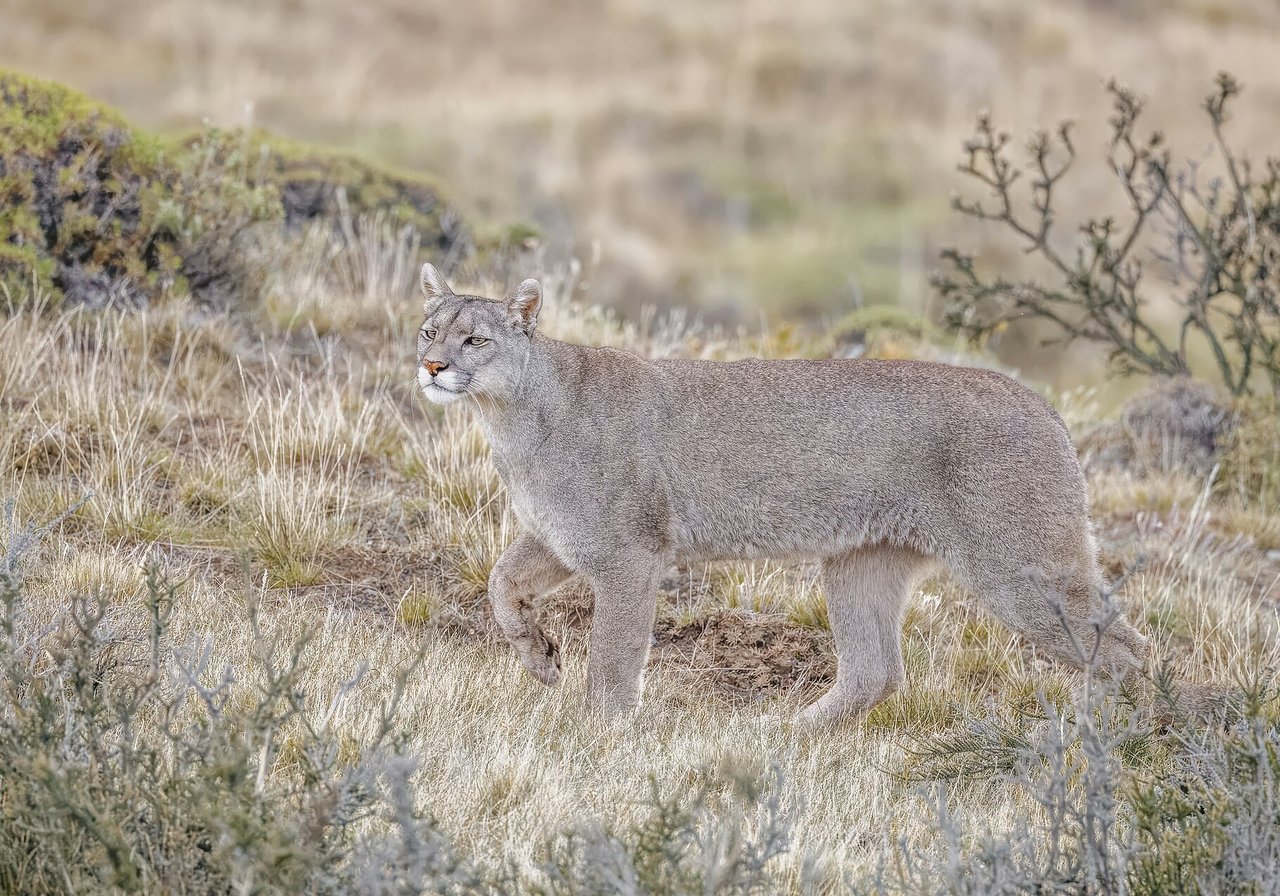
Mammals
CCougar
Puma concolor (Linnaeus, 1771)
The Americas' silent stalker — more widespread than any other wild cat.
Western North America · Central America
Open guide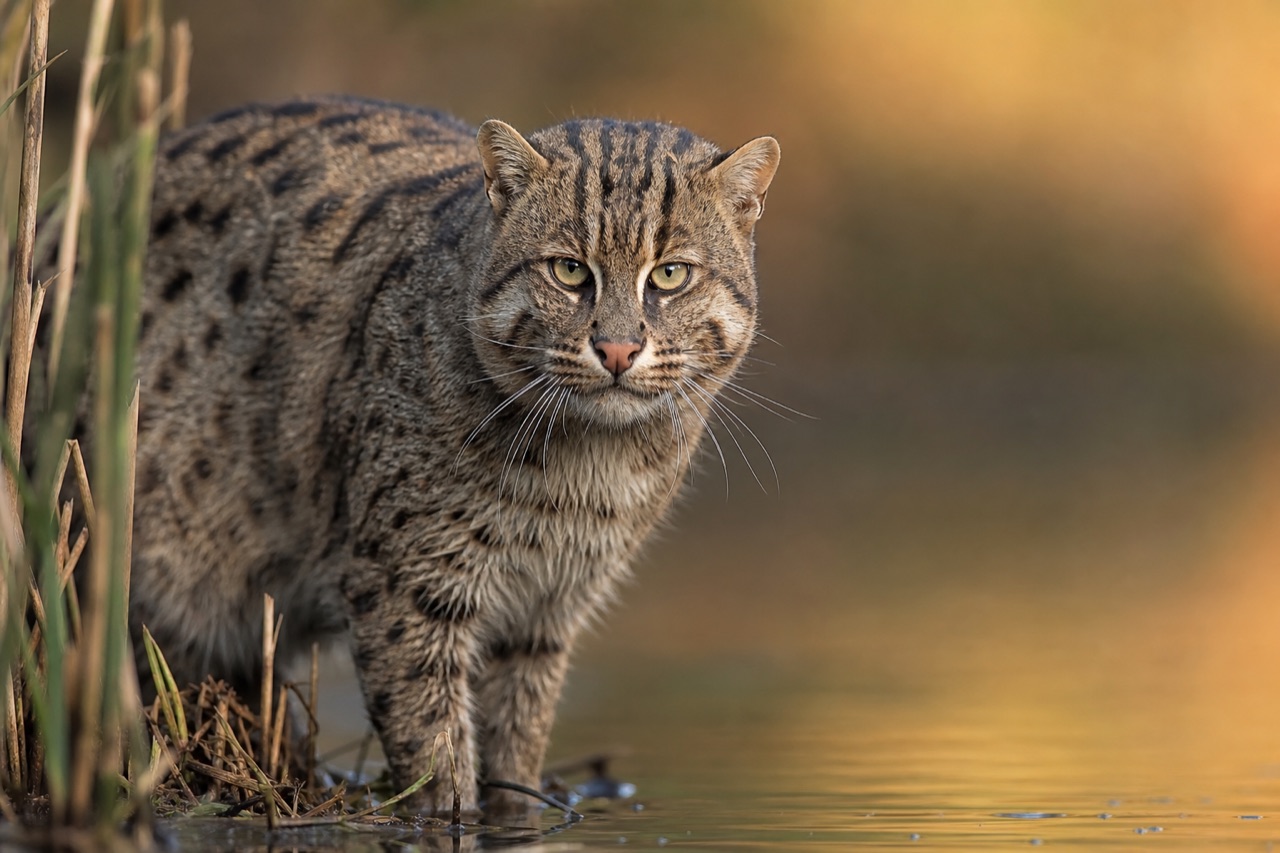
Mammals
FFishing Cat
Prionailurus viverrinus (Bennett, 1833) — family Felidae
A cat that swims on purpose, hooks fish with its claws, and is losing its habitat faster than surveys can track.
South Asia · Southeast Asia — wetlands, mangroves and marsh
Open guide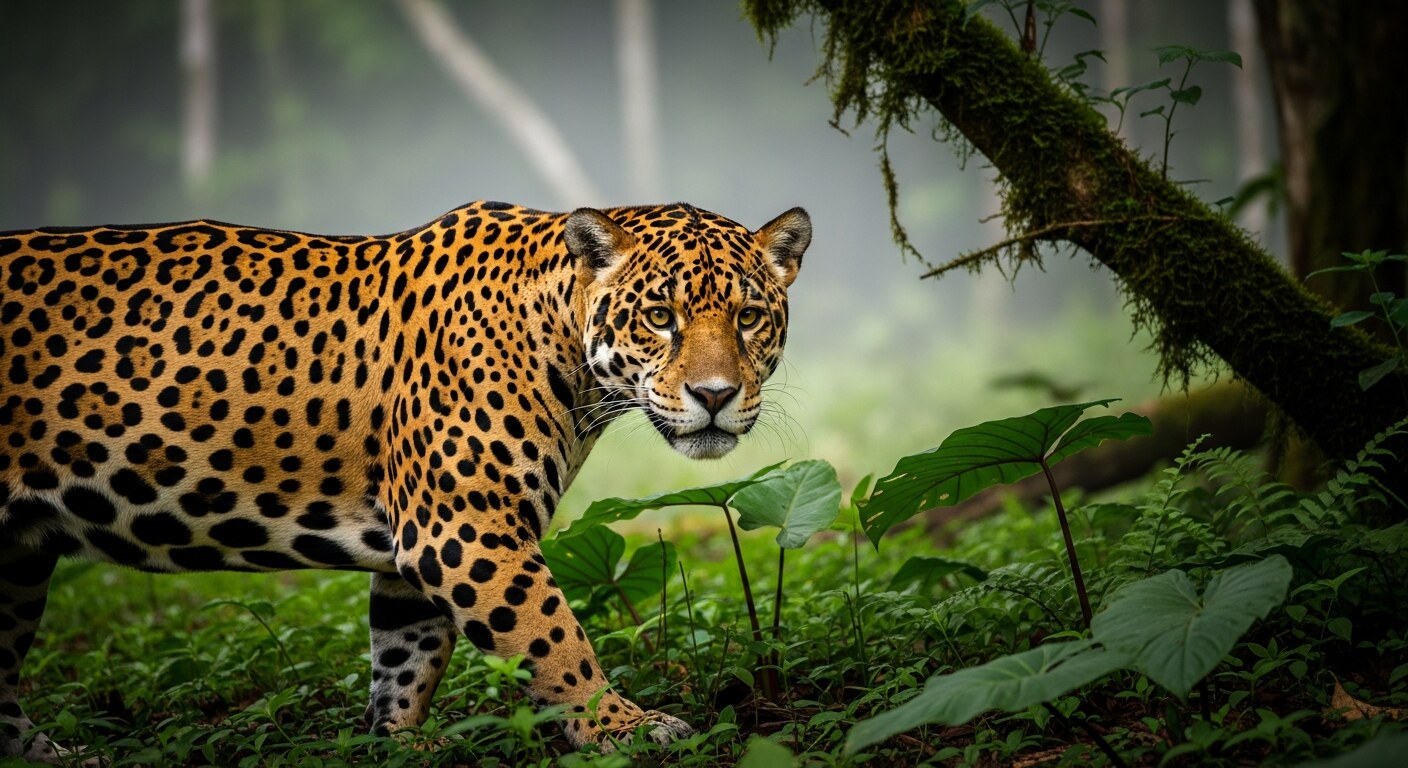
Mammals
JJaguar
Panthera onca
The Americas' largest cat — and the hardest bite of any big cat on Earth.
Brazil · Colombia
Open guide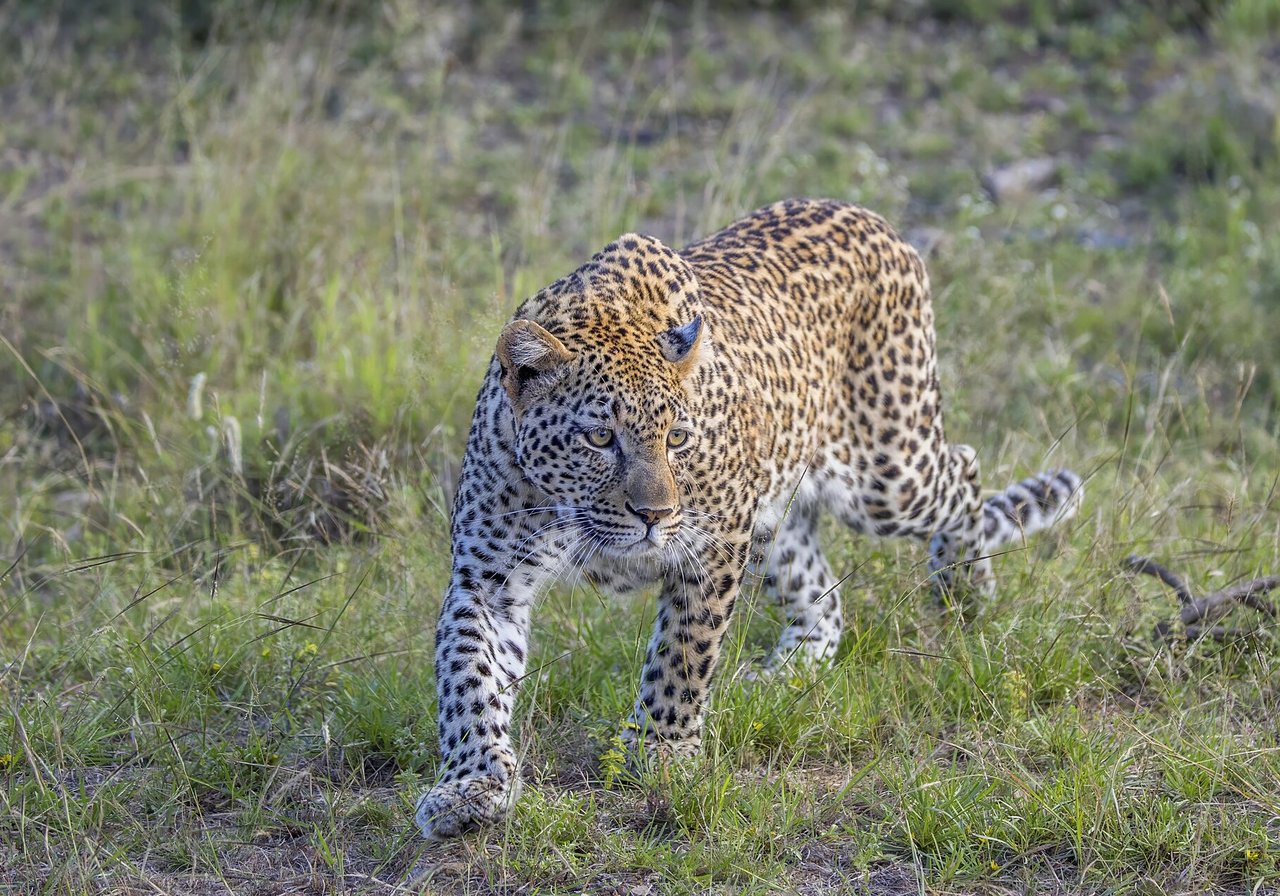
Mammals
LLeopard
Panthera pardus (Linnaeus, 1758) and clouded-leopard lineage (Neofelis)
The most adaptable big cat — rosetted hunters from African savanna to Himalayan forest.
Africa · Middle East
Open guide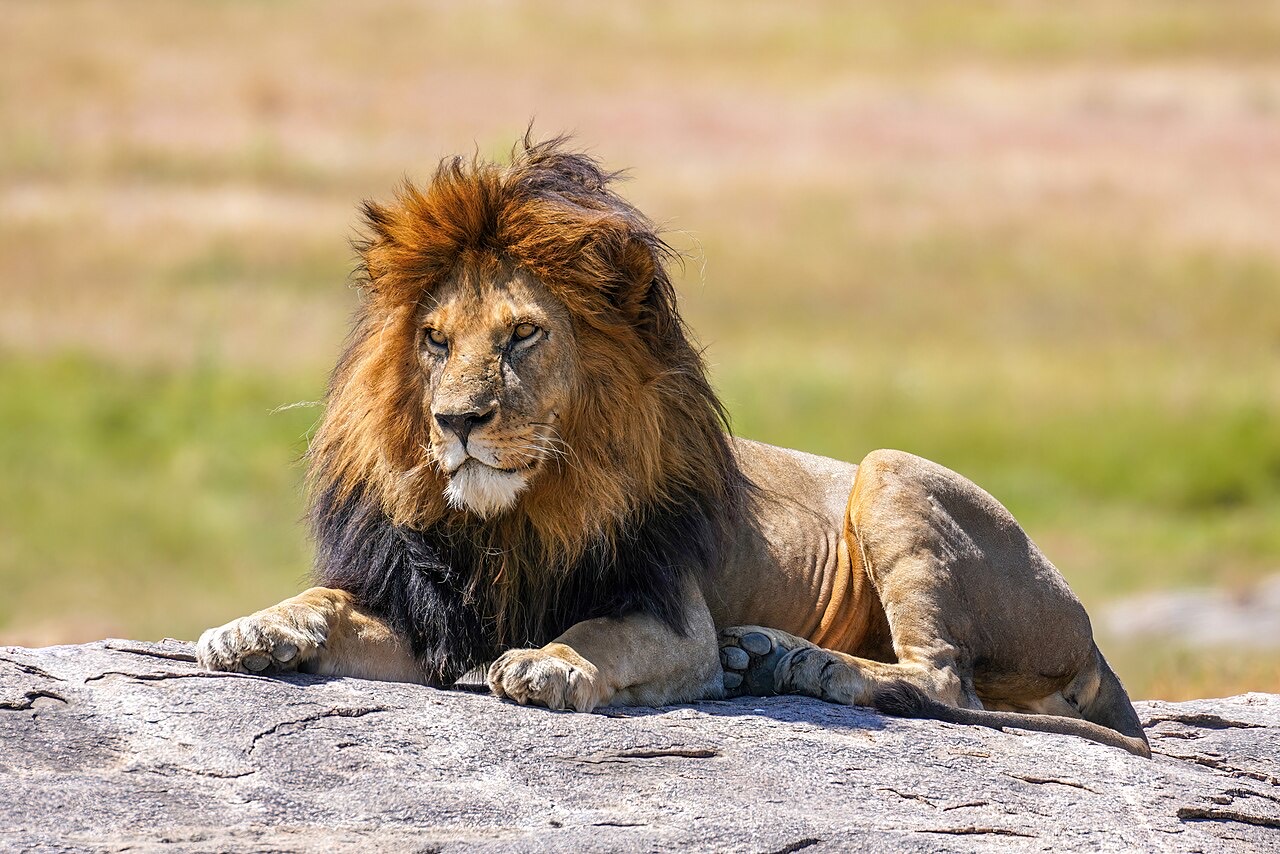
Mammals
LLion
Panthera leo (Linnaeus, 1758)
The only social big cat — Vulnerable, declining, and not a domesticated animal.
Kenya · Tanzania
Open guide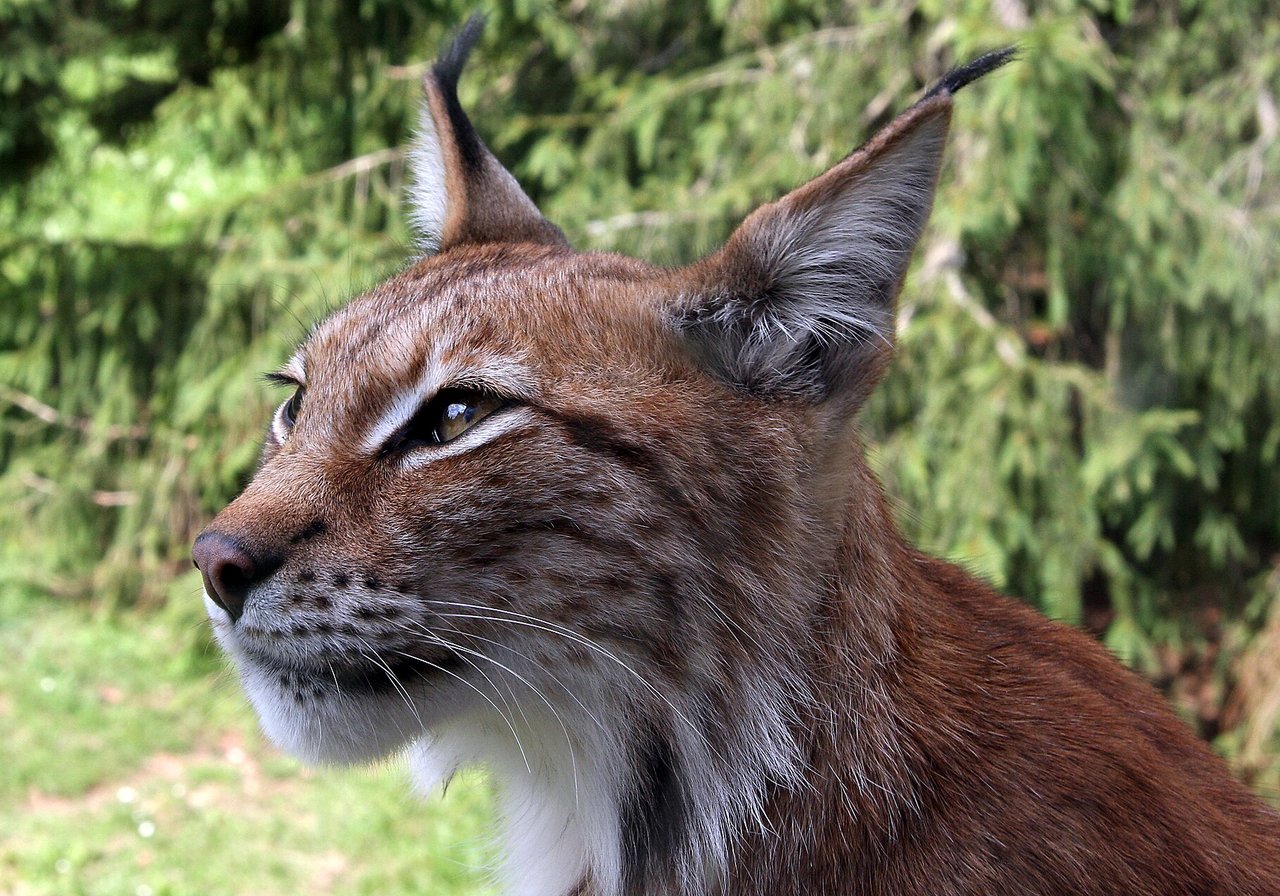
Mammals
LLynx
Lynx lynx (Linnaeus, 1758)
Europe's largest cat — tufted, secretive and recovering across the north.
Northern Europe · Russia
Open guide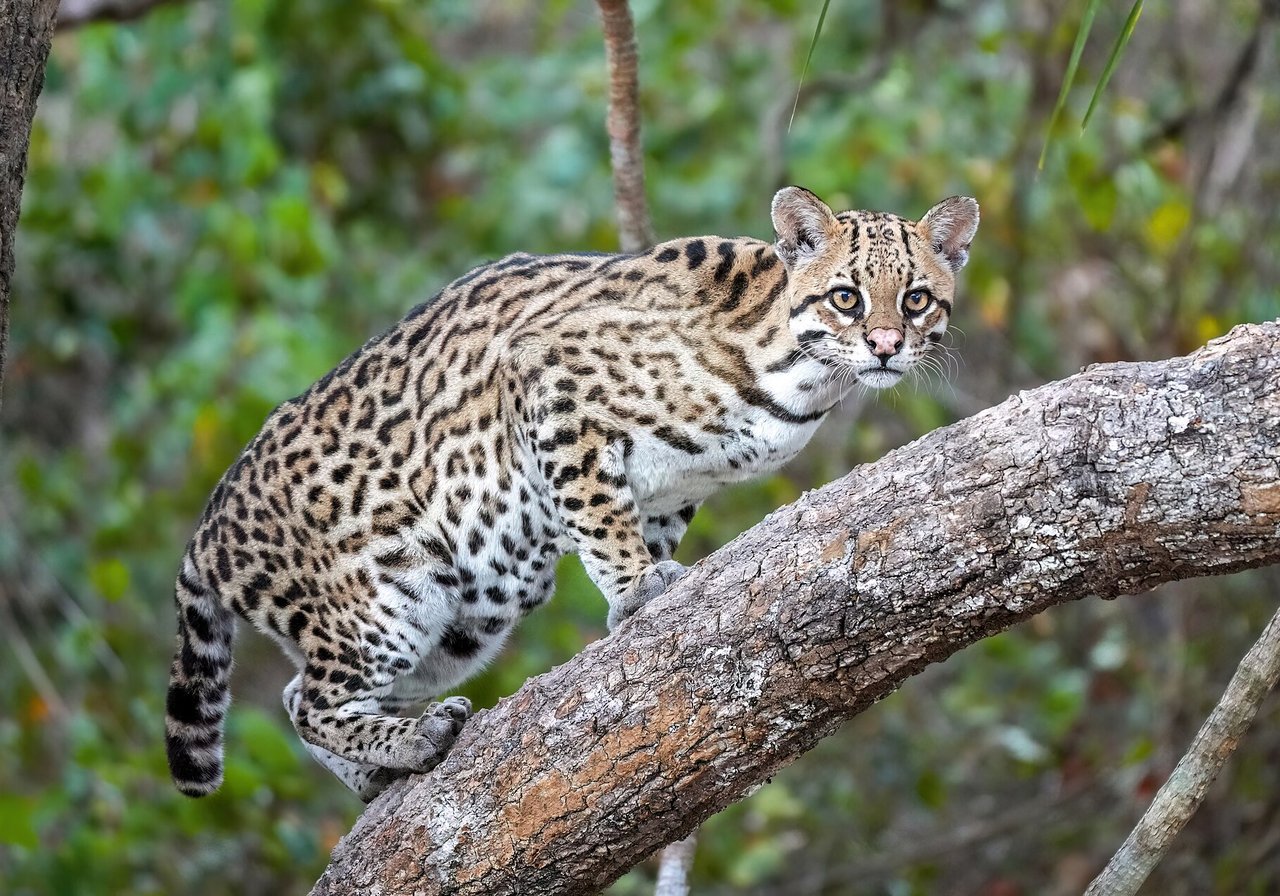
Mammals
OOcelot
Leopardus pardalis (Linnaeus, 1758)
The spotted cat of the Neotropics — once common as a fur coat, now fighting habitat loss.
Mexico · Central America
Open guide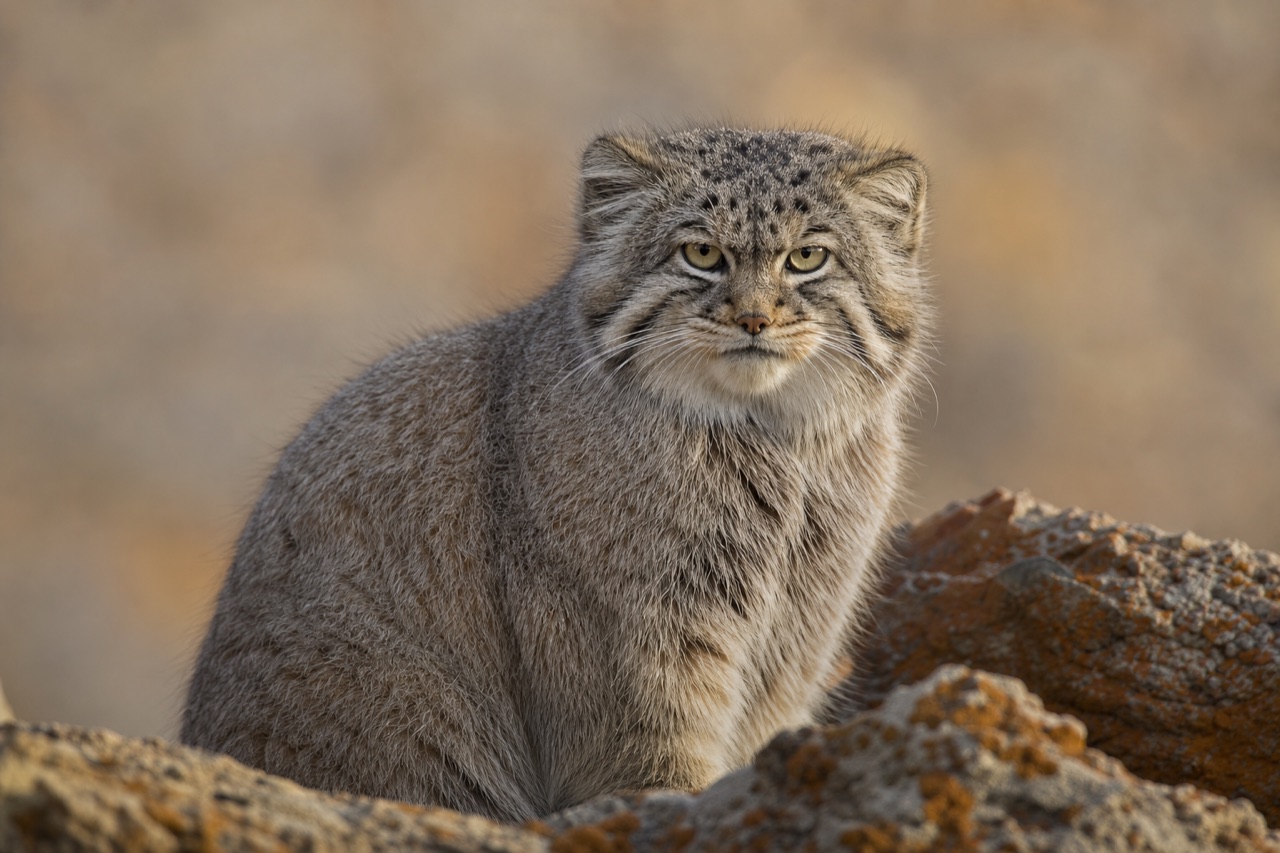
Mammals
PPallas's Cat
Otocolobus manul (Pallas, 1776) — family Felidae
A house-cat-sized feline with the face of a stuffed toy and a life spent low to the ground.
Central Asian steppe and semi-desert · From the Caspian region through Mongolia to western China
Open guide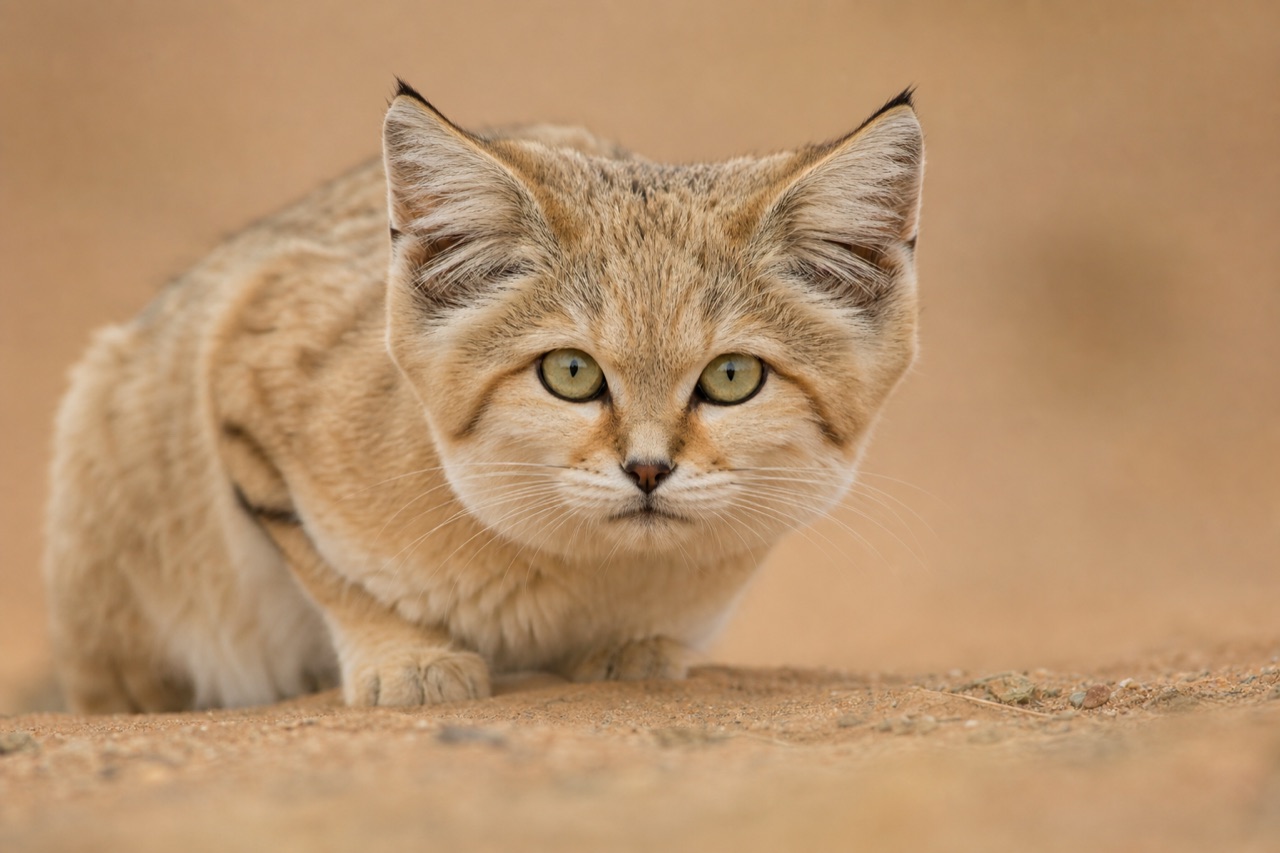
Mammals
SSand Cat
Felis margarita (Harrison, 1968) — family Felidae
A cat that does not need to drink, burrows to escape heat, and leaves almost no trace on the dunes.
Sahara Desert · Arabian Peninsula
Open guide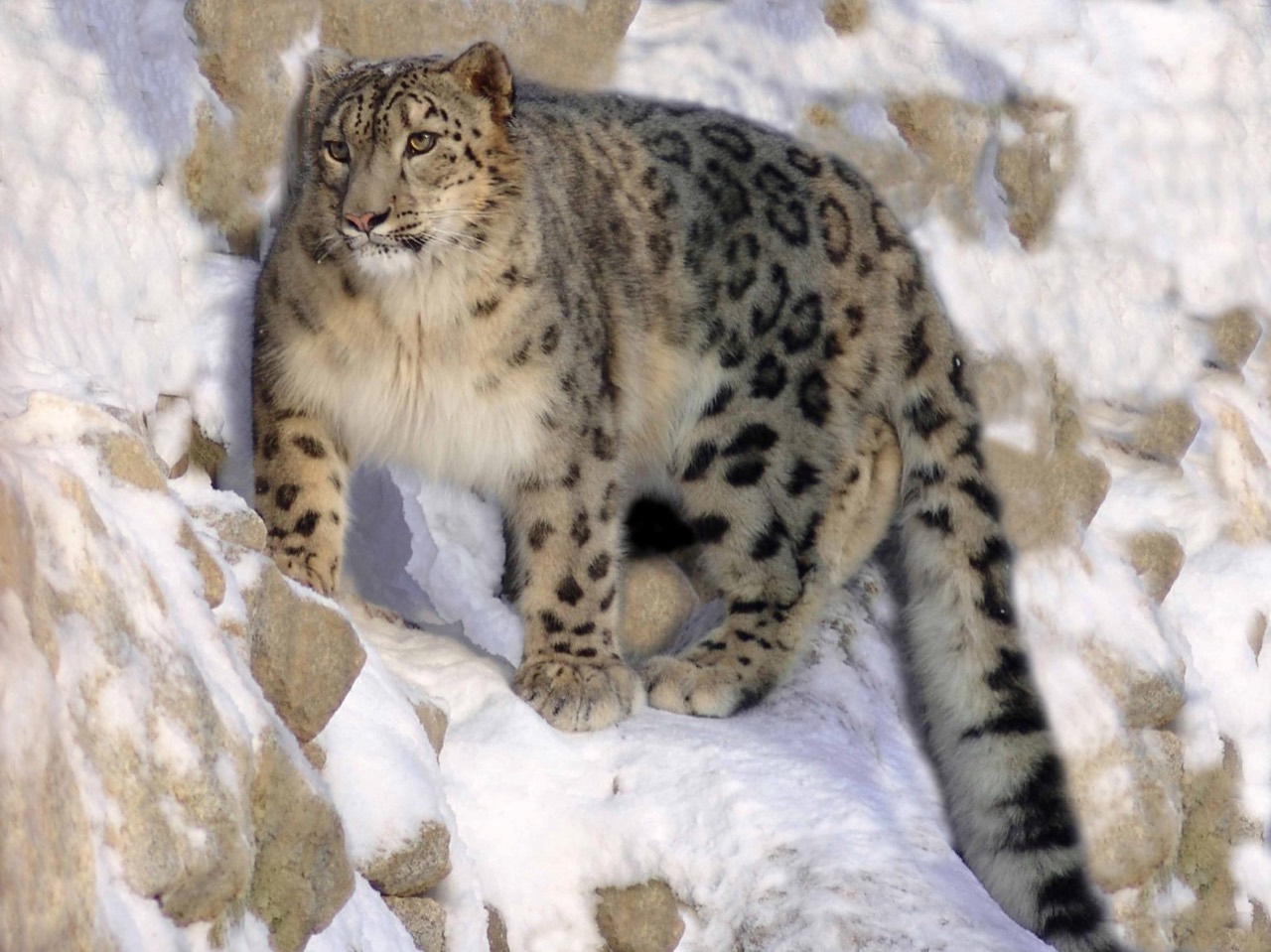
Mammals
SSnow Leopard
Panthera uncia
The pale ghost of the high mountains, hunting where the air runs thin.
Pakistan
Open guide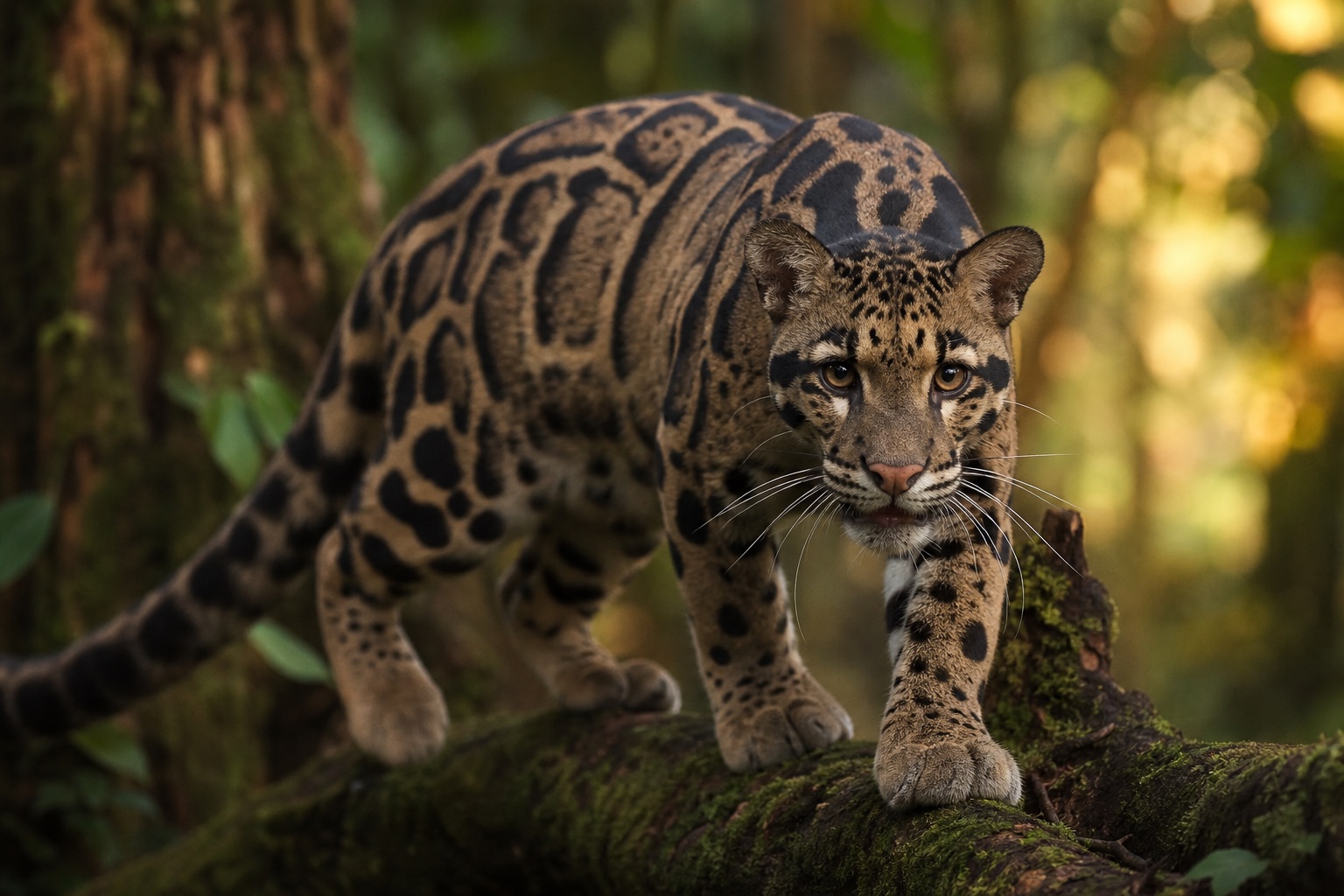
Mammals
SSunda Clouded Leopard
Neofelis diardi (Cuvier, 1823) — family Felidae
A separate species since 2006 — clouded spots and sabre-like teeth in forests cleared for plantations.
Borneo · Sumatra
Open guide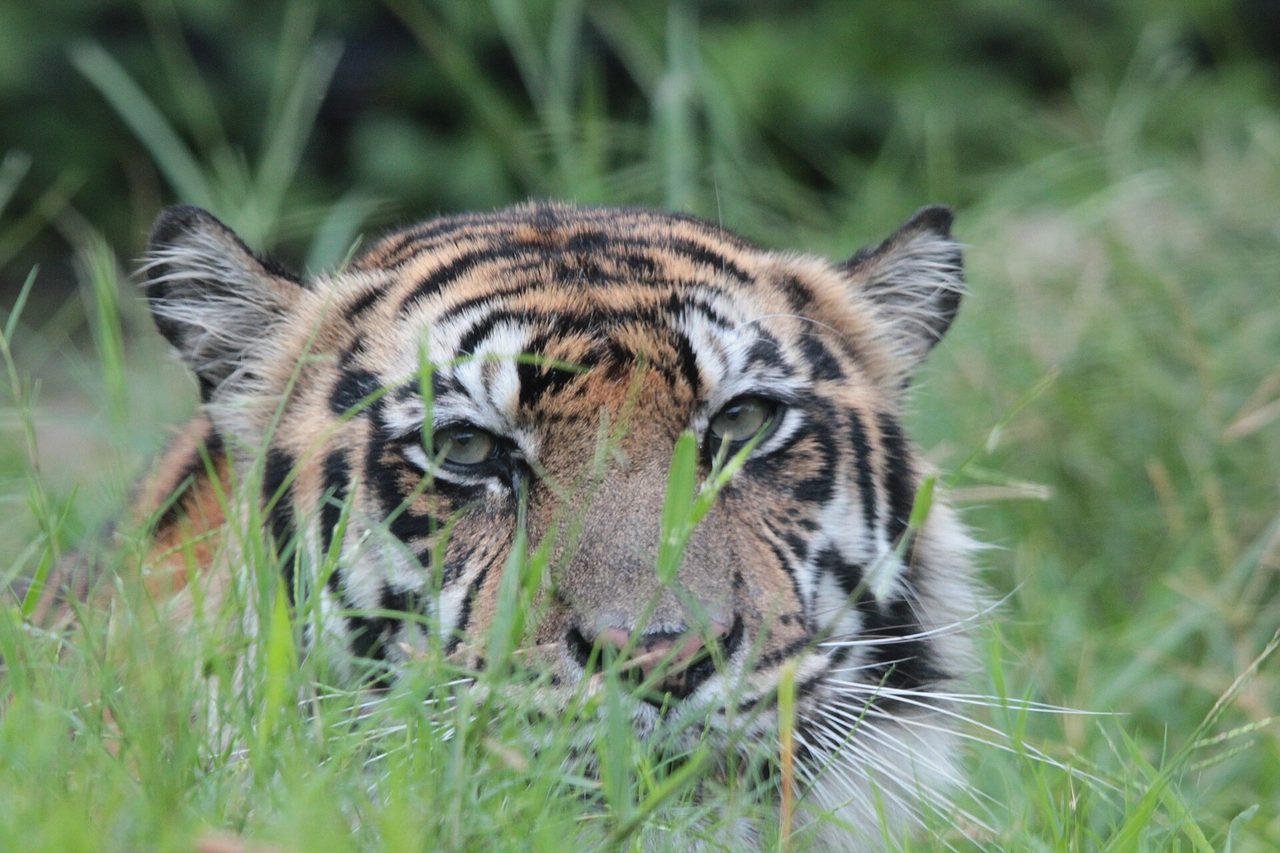
Mammals
TTiger
Panthera tigris (Linnaeus, 1758)
Asia's largest cat — Endangered as a species, Critically Endangered in WARN's range countries.
Indonesia · Malaysia
Open guideConservation: what this group faces
Big cats sit at the top of food chains on land, which makes them sensitive to everything happening below them. Prey depletion from bushmeat hunting and livestock conflict removes the base their populations need; habitat fragmentation then isolates the survivors into groups too small to persist. Tigers, snow leopards and several smaller cats are Endangered or Critically Endangered, with poaching for skins and traditional-medicine markets still driving losses where enforcement is weak. Protected areas help, but a cat that ranges across a landscape larger than many countries needs connectivity between reserves, not fences around isolated pockets.
Big cats: frequently asked questions
What counts as a big cat?
What is the difference between a leopard and a jaguar?
Is a cheetah a big cat?
What is the largest big cat?
Are big cats endangered?
What is the difference between a cougar and a jaguar?
Other types of mammal
-
Bears
Heavy-bodied omnivores — from polar bears on sea ice to pandas in bamboo forest.
-
Primates
Apes, monkeys, lemurs and lorises — the order that includes our closest living relatives.
-
Marine mammals
Whales, dolphins, seals, sea lions, walruses, manatees and otters tied to the sea.
-
Hoofed animals
Deer, elephants, rhinos, horses, cattle, antelope and other ungulates — grazers and browsers on hoof.
-
Rodents
Gnawing mammals — from mice and squirrels to beavers, capybaras and porcupines.
-
Bats
The only mammals capable of true powered flight — from insect-hunting pipistrelles to fruit bats.
-
Marsupials
Pouched mammals — kangaroos, koalas, opossums and gliders from Australia and the Americas.
-
Canids
Dogs, wolves, foxes, jackals and their wild relatives — the dog family.
-
Small carnivores
Stoats, badgers, otters, mongooses, raccoons and other compact hunters and scavengers.