Mammals · 11 species guides
Bears: Species, Identification & Conservation
Bears are large omnivorous mammals in the family Ursidae, including polar bears, brown and grizzly bears, American and Asian black bears, giant pandas, sun bears, sloth bears and spectacled bears; they share a heavy build, plantigrade feet, a short tail, a keen sense of smell and a diet spanning meat, fish, fruit, nuts and vegetation by species and season.
- Shoulder hump
- Brown and grizzly bears carry a prominent shoulder hump of muscle for digging. American black bears lack the hump and have a straighter profile from ears to rump.
- Ears and face
- Black bears have taller, more pointed ears and a straighter facial profile. Brown bears have dish-shaped faces and smaller, rounder ears set wider apart. Polar bears have a long neck and elongated head.
- Colour is unreliable
- American black bears can be brown, cinnamon or even blonde — colour alone does not identify them. Brown bears range from pale to almost black. Use shape and hump instead.
- Claws and tracks
- Brown and grizzly bear claw marks in tracks extend well beyond the toe pads; black bear claw marks sit closer to the pads. Front tracks of a black bear are more rounded.
Bears are among the most recognisable mammals on Earth — heavy-bodied, plantigrade, with a short tail, small eyes and a sense of smell that outperforms almost any other carnivore. All eight living species belong to Ursidae, though they split into distinct lineages long ago. Polar bears are marine specialists; giant pandas are bamboo specialists; sloth bears feed largely on insects; the rest are broad omnivores whose diet shifts with season and latitude.
That flexibility is part of why bears matter in conservation. A bear that can eat berries, fish, carrion and small mammals can persist in varied landscapes — but it also brings them into conflict with people, who share those same resources. Almost every bear species faces pressure from habitat loss, and several from direct persecution or trade. Understanding which bear you are looking at — and the confusion pairs such as grizzly versus black bear, or brown bear versus grizzly — is the starting point for both identification and the conservation conversation.
Key facts
- All living bears belong to Ursidae — eight species split across polar, brown, black, panda, sun, sloth and spectacled lineages.
- Bears are plantigrade — they walk on the soles of their feet — which contributes to their distinctive flat-footed track and heavy gait.
- A grizzly bear is a brown bear; the name describes inland North American populations with a grizzled coat, not a separate species.
- Giant pandas are bears, not raccoons — genetic work confirmed their place in Ursidae despite their specialised bamboo diet.
- Polar bears are the most carnivorous bears, adapted to hunting seals on sea ice; their survival is tightly linked to Arctic ice extent.
- Almost every bear species faces habitat loss; several also face hunting, trade or conflict killing where they overlap with livestock and orchards.
How to recognise them
The features that separate this group in the field, in the order they are usually most useful.
- Shoulder hump
- Brown and grizzly bears carry a prominent shoulder hump of muscle for digging. American black bears lack the hump and have a straighter profile from ears to rump.
- Ears and face
- Black bears have taller, more pointed ears and a straighter facial profile. Brown bears have dish-shaped faces and smaller, rounder ears set wider apart. Polar bears have a long neck and elongated head.
- Colour is unreliable
- American black bears can be brown, cinnamon or even blonde — colour alone does not identify them. Brown bears range from pale to almost black. Use shape and hump instead.
- Claws and tracks
- Brown and grizzly bear claw marks in tracks extend well beyond the toe pads; black bear claw marks sit closer to the pads. Front tracks of a black bear are more rounded.
- The confusion pairs
- Grizzly versus black bear: shoulder hump, face shape and claw length in tracks. Brown bear versus grizzly: grizzly is a brown bear subspecies — the name refers to the grizzled coat and inland North American populations, not a separate species. Spectacled bear versus black bear: pale facial markings around the eyes, found only in the Andes.
11 bears guides
Search or filter by conservation status. Every guide carries sourced facts, IUCN status and FAQs.
Common names, scientific names and places are searchable.
Showing 1–11 of 11 guides
Mammals
BBear
Family Ursidae — 8 living species across North America, South America, Europe and Asia
Eight living species — from polar ice to Andean cloud forest, not one Red List badge.
Indonesia · Malaysia
Open guide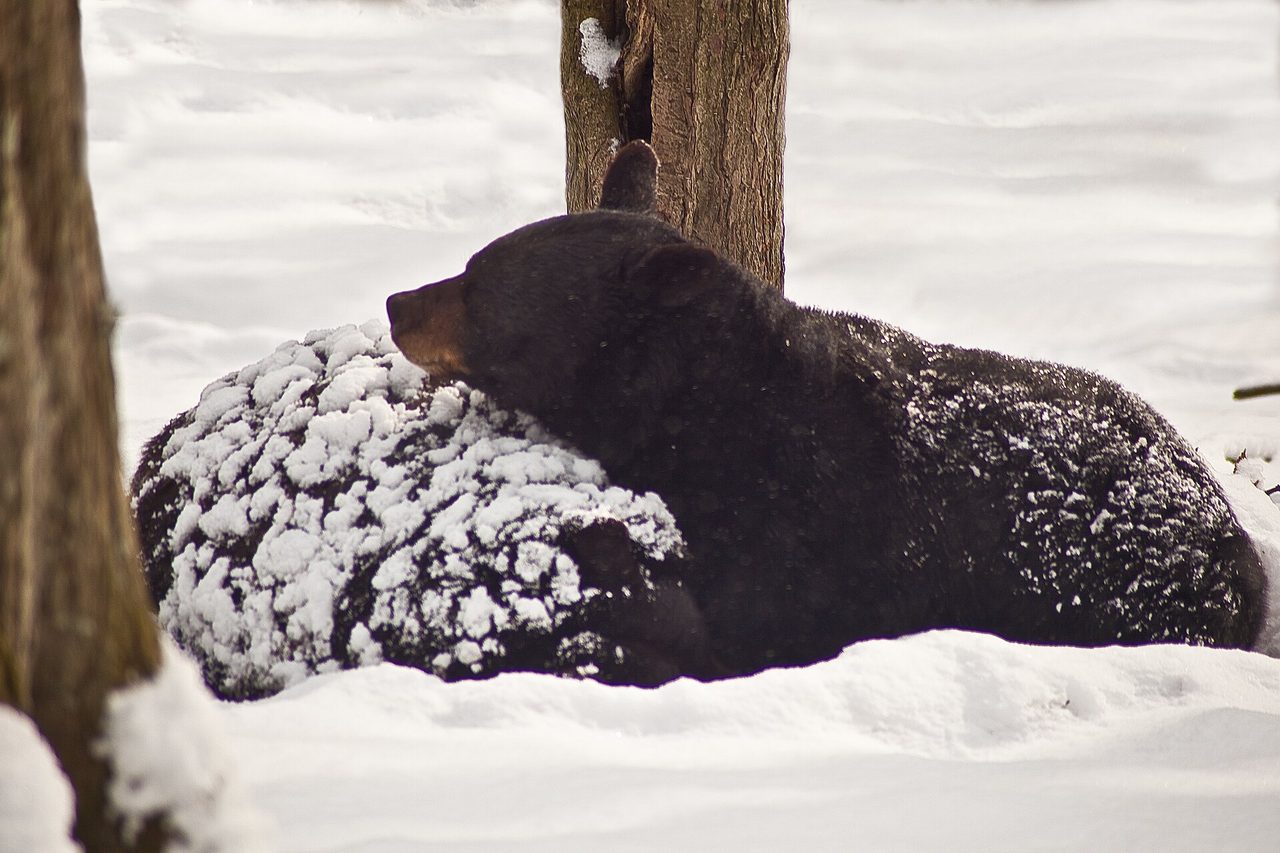
Mammals
BBlack Bear
Ursus americanus (Pallas, 1780)
North America's most common bear — adaptable, omnivorous and widely misunderstood.
North America · Canada
Open guide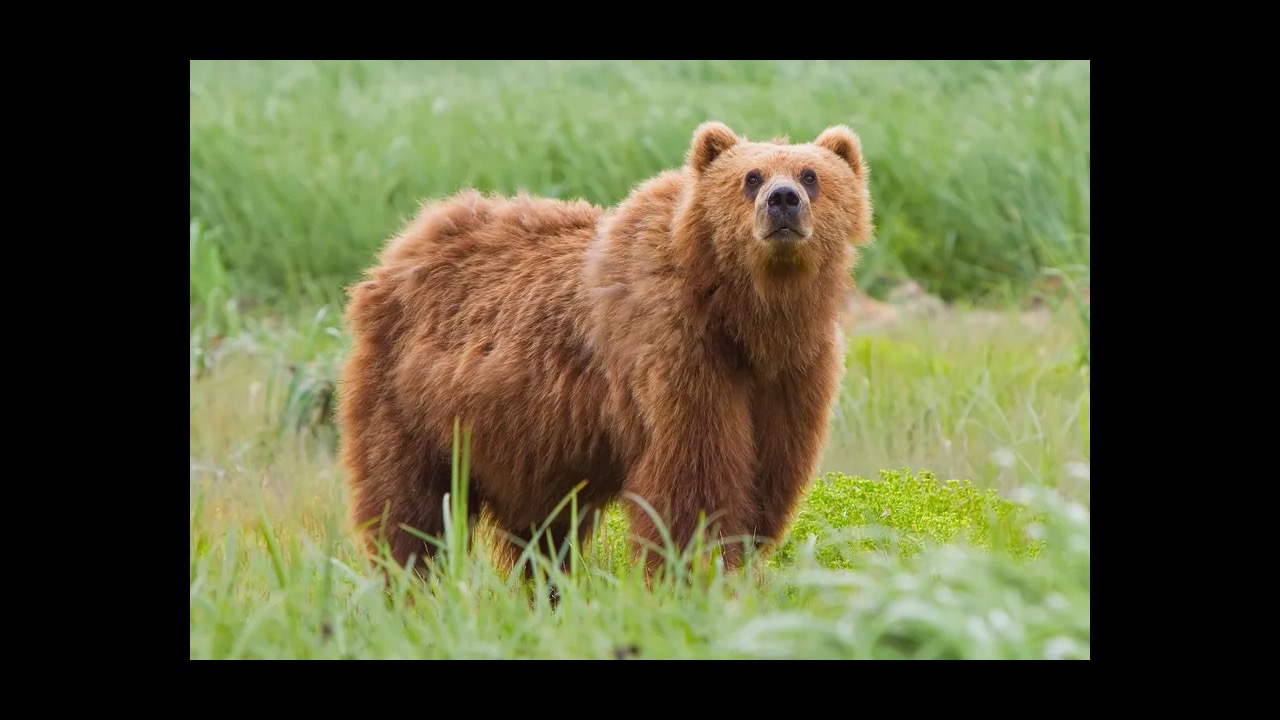
Mammals
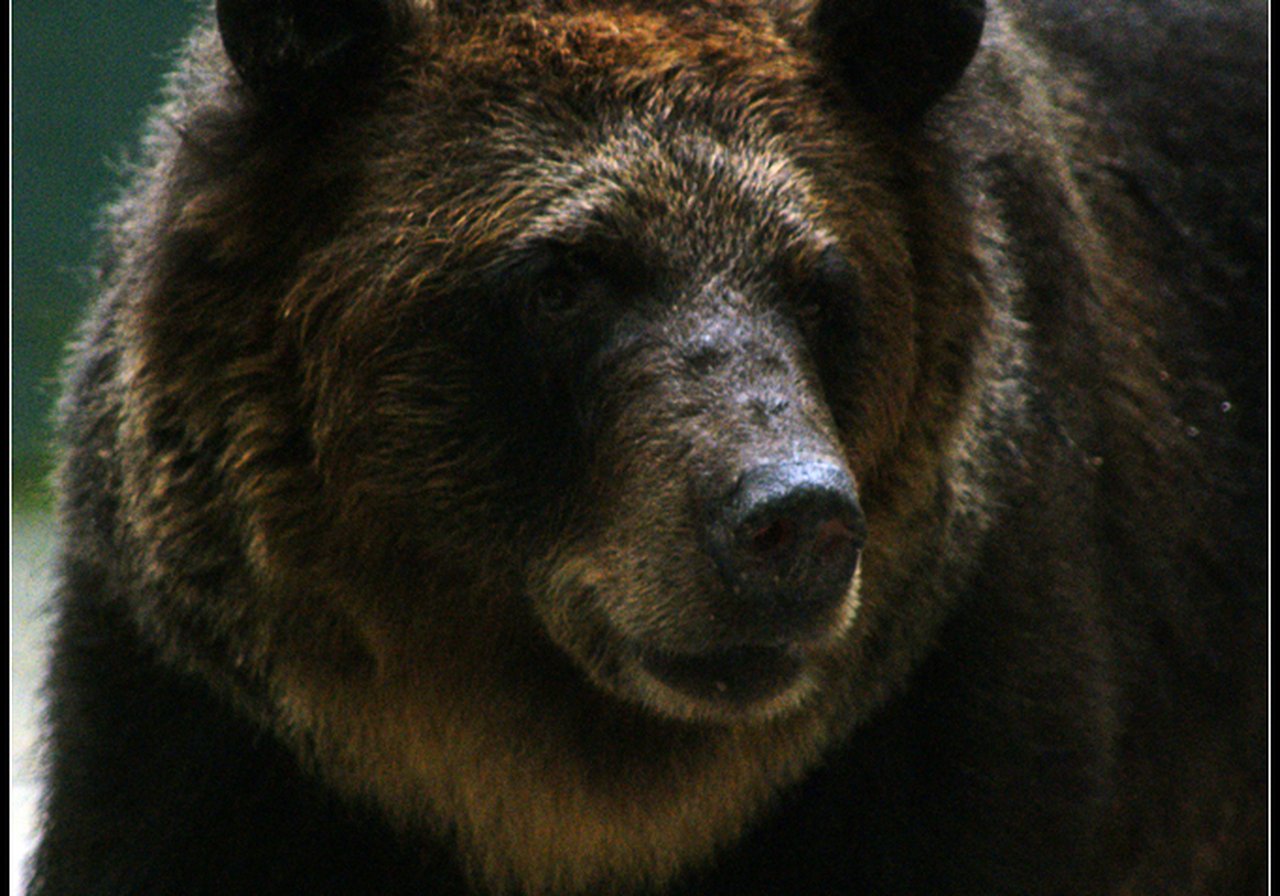
BBrown Bear
Ursus arctos
The widespread bear of the Northern Hemisphere
North America · Europe
Open guide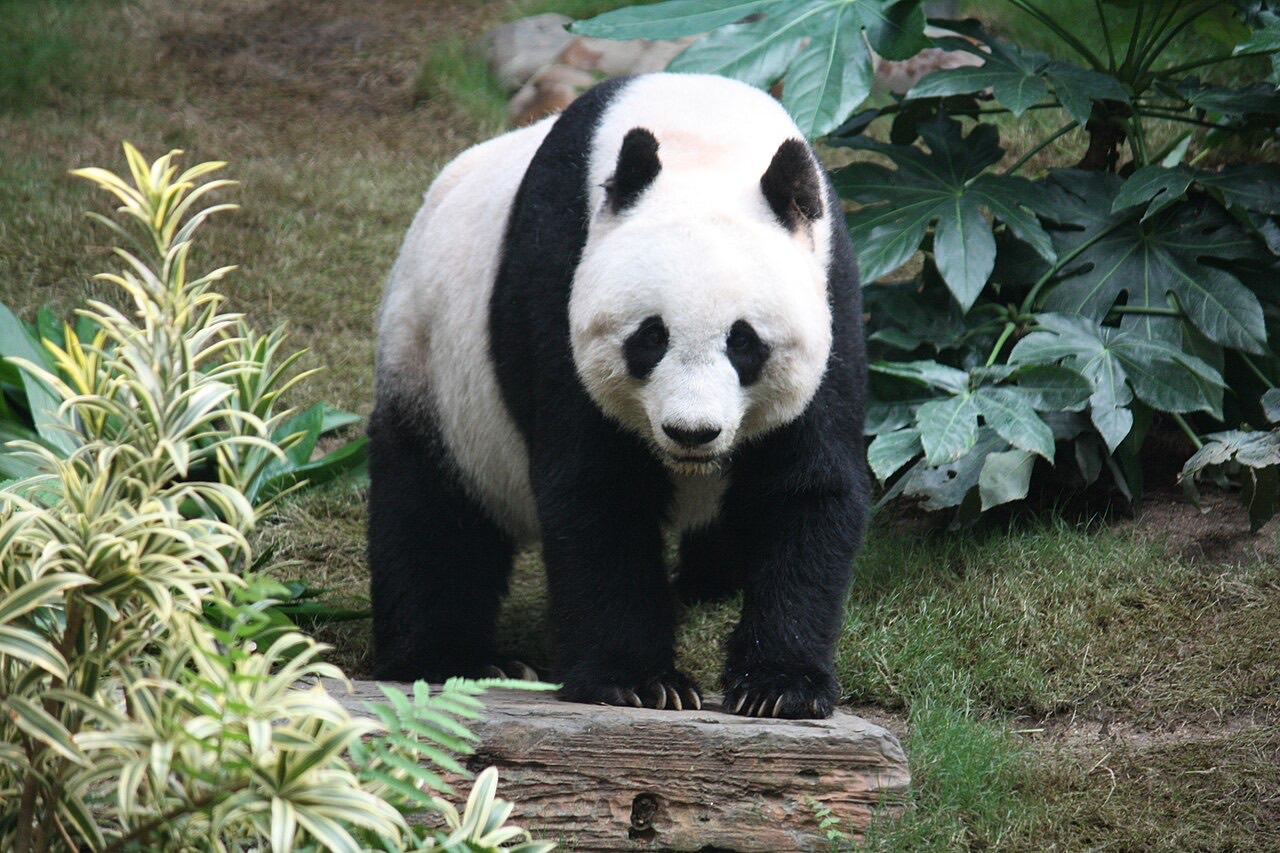
Mammals
GGiant Panda
Ailuropoda melanoleuca
The bamboo-eating bear whose recovery became a conservation symbol.
China
Open guide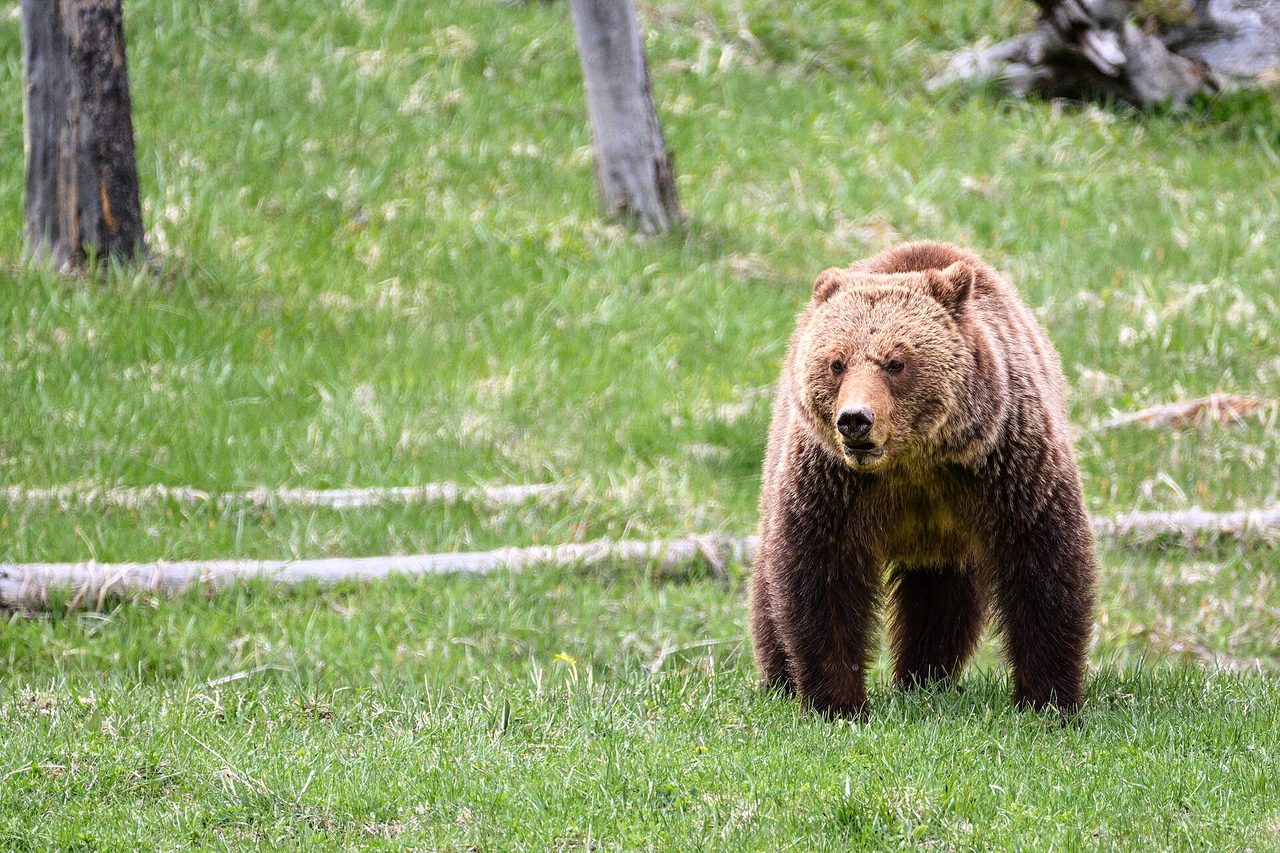
Mammals
GGrizzly Bear
Ursus arctos horribilis (Ord, 1815)
North America's iconic brown bear — powerful, omnivorous and fiercely protected.
Western Canada · Alaska
Open guide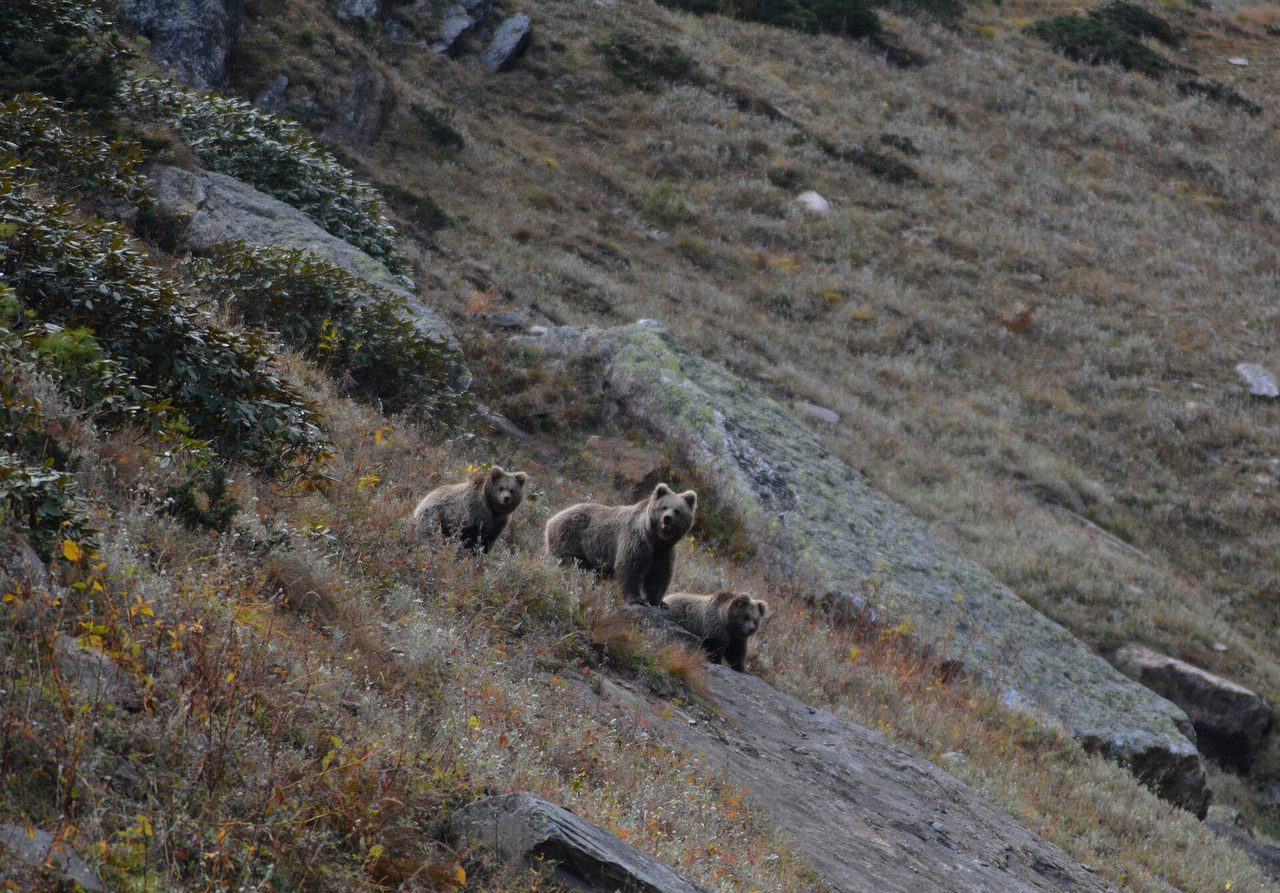
Mammals
HHimalayan Brown Bear
Ursus arctos isabellinus
The vanishing giant of Pakistan's roof-of-the-world plateaus.
Pakistan
Open guide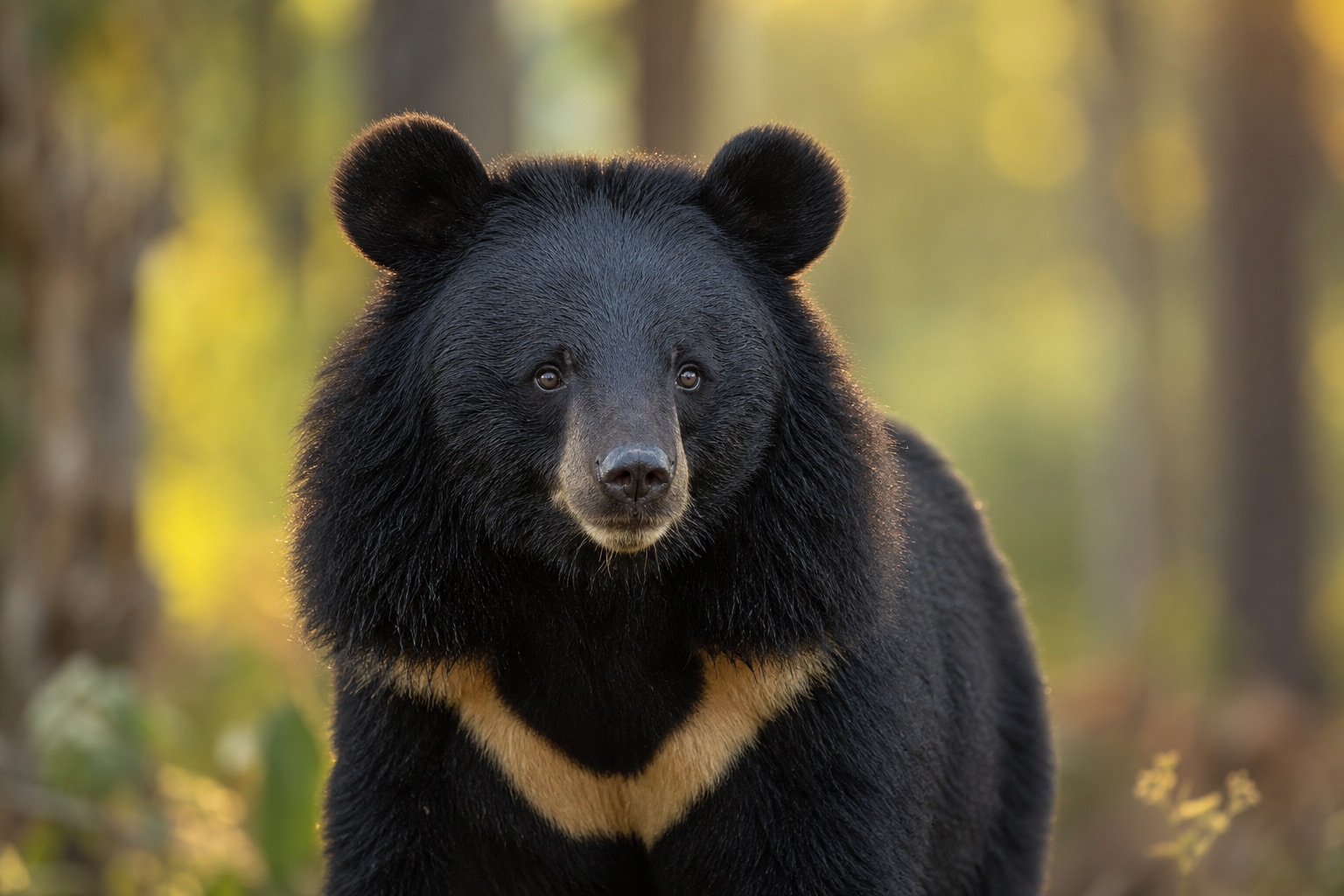
Mammals
MMoon Bear
Ursus thibetanus (G. Cuvier, 1823) — family Ursidae
The bear kept in crush cages for decades so bile can be drained from its gallbladder — and the species WARN exists to help retire.
South and Southeast Asia · East Asia
Open guide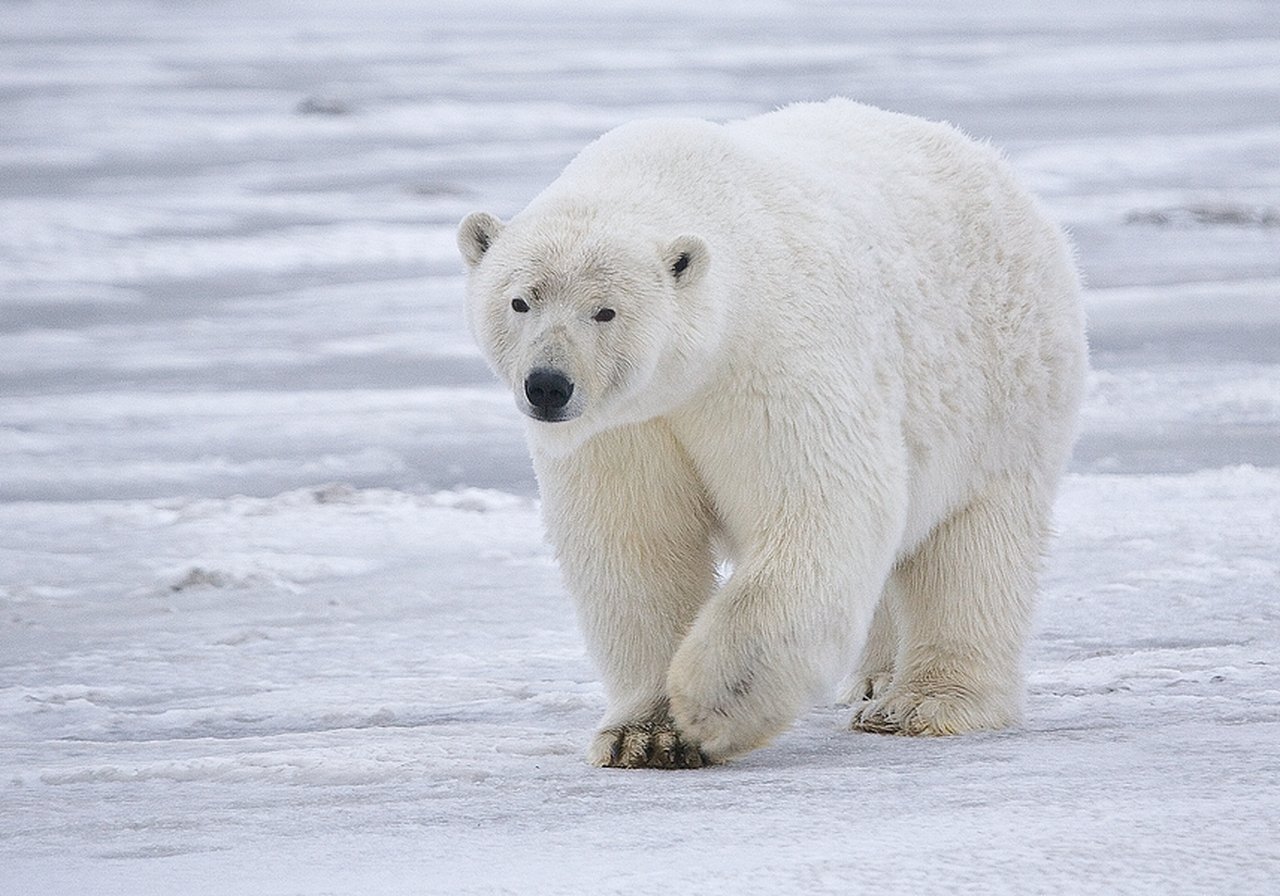
Mammals
PPolar Bear
Ursus maritimus (Popham, 1774)
The Arctic's apex predator — built for ice that is disappearing.
Arctic Canada · Greenland
Open guide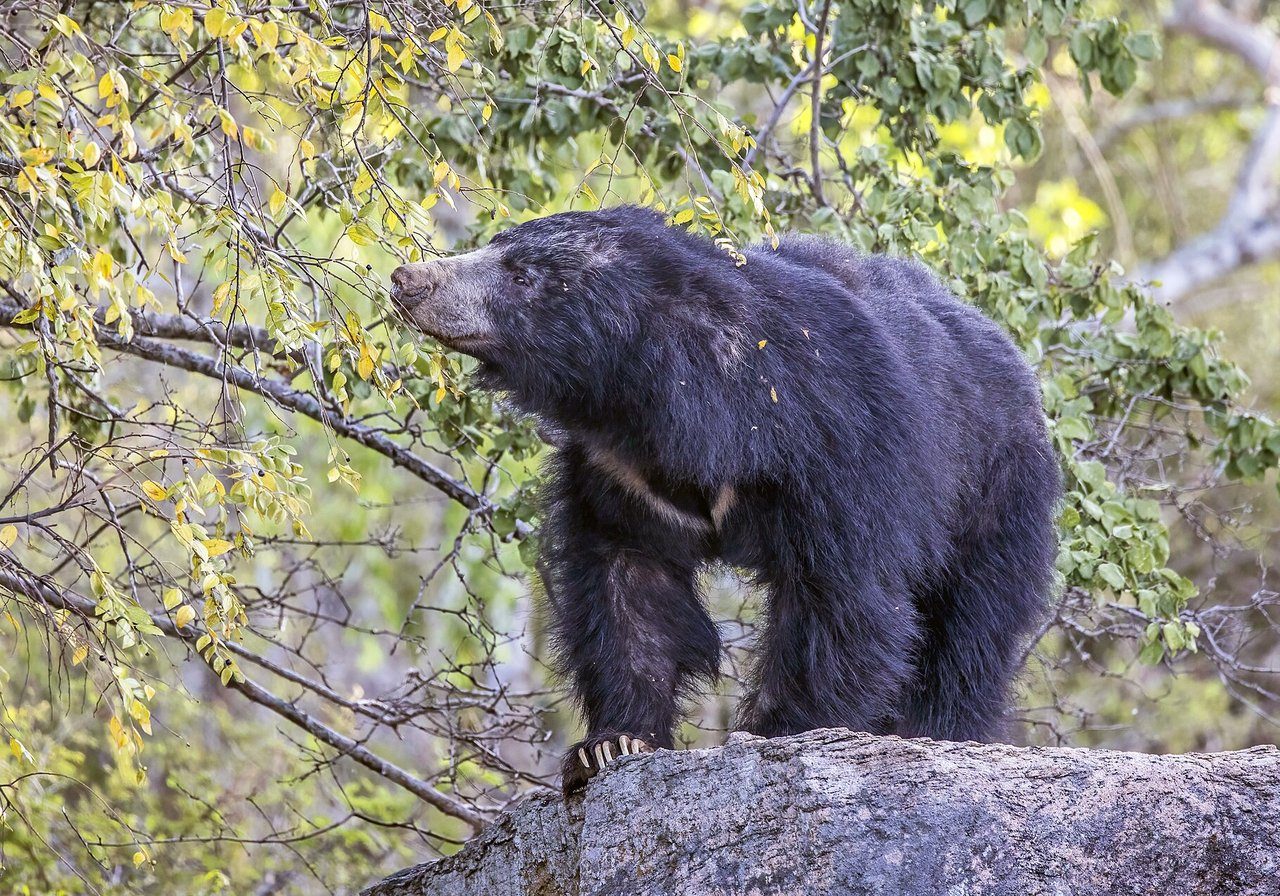
Mammals
SSloth Bear
Melursus ursinus (Cuvier, 1793)
India's shaggy insect-eater — long-clawed, termite-loving and increasingly squeezed.
India · Nepal
Open guide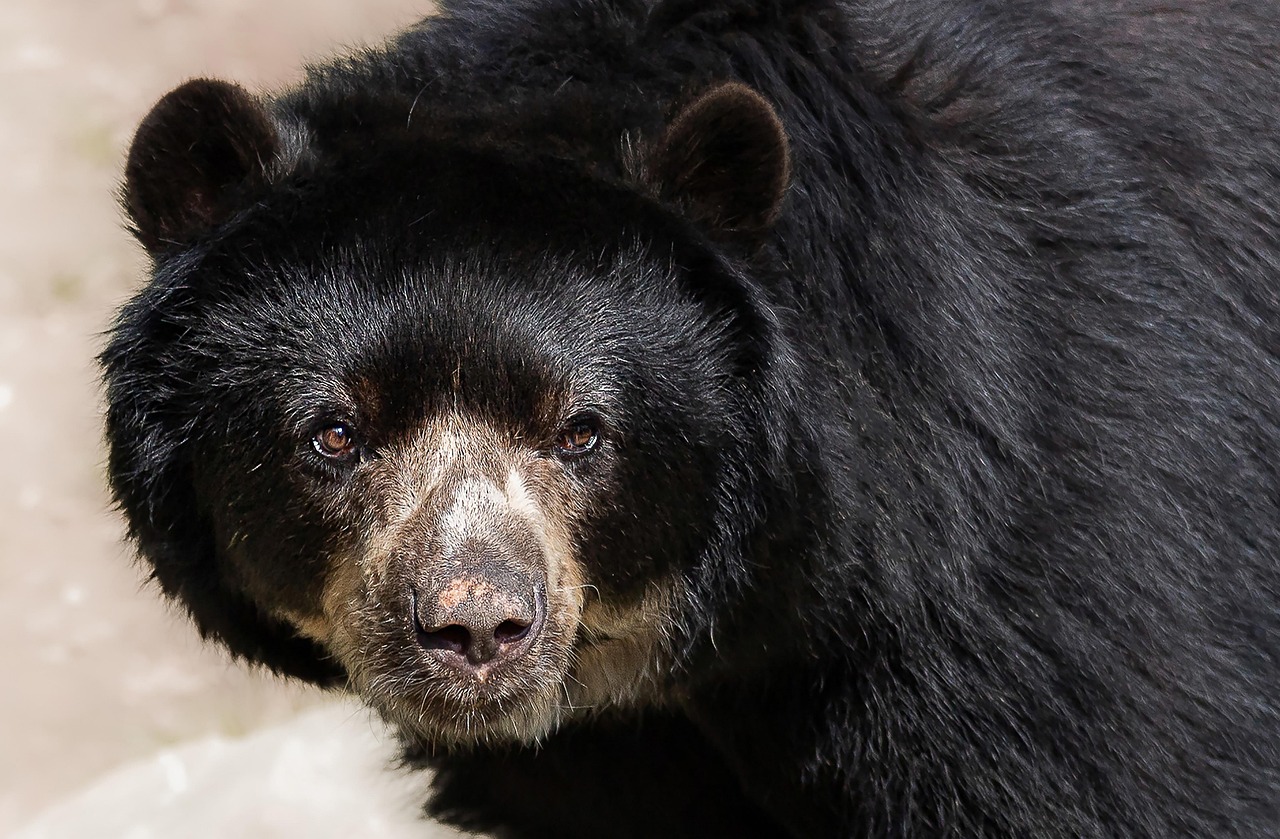
Mammals
SSpectacled Bear
Tremarctos ornatus (F. Cuvier, 1825)
South America's only bear — losing its cloud forest to coca, cattle, and roads.
Colombia · Peru
Open guide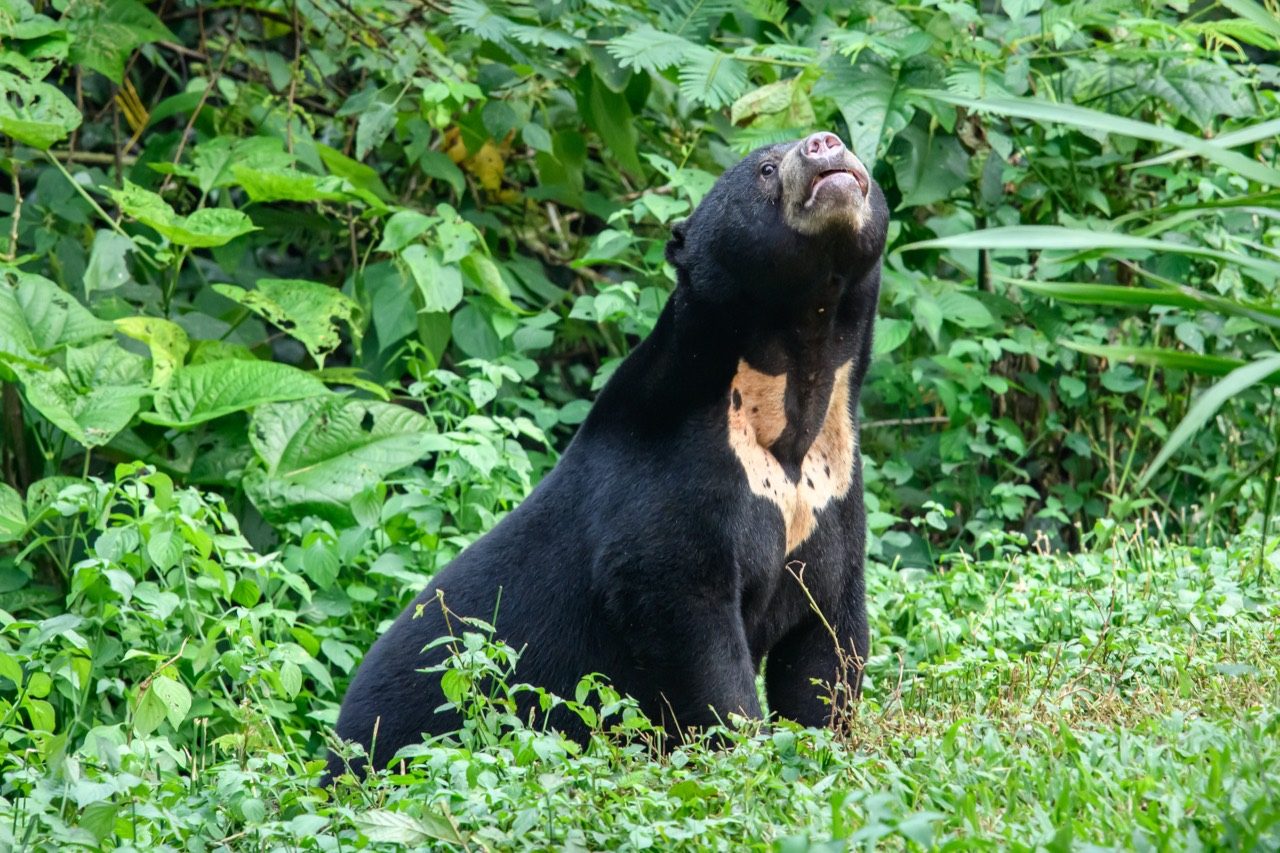
Mammals
SSun Bear
Helarctos malayanus (Raffles, 1821)
The smallest bear on earth — kept in cages for bile, or taken as cubs for pets.
Indonesia · Malaysia
Open guideConservation: what this group faces
Bears need large home ranges, seasonal food sources and denning sites — requirements that overlap directly with forestry, agriculture and human settlement. Habitat loss is the common thread across species, from Andean cloud forest for spectacled bears to lowland forest for sun bears. Polar bears face a distinct and accelerating threat from Arctic sea-ice loss, which removes the platform they use to hunt seals. Conflict killing — when bears raid crops, beehives or livestock — remains a major source of mortality where prevention measures such as electric fencing and secure food storage are not in place.
Bears: frequently asked questions
How many species of bear are there?
What is the difference between a grizzly and a black bear?
Is a grizzly bear a different species from a brown bear?
Are giant pandas really bears?
Which bear is the largest?
Are bears endangered?
Other types of mammal
-
Big cats
Large predatory cats — tigers, lions, leopards, jaguars, cheetahs and their close relatives.
-
Primates
Apes, monkeys, lemurs and lorises — the order that includes our closest living relatives.
-
Marine mammals
Whales, dolphins, seals, sea lions, walruses, manatees and otters tied to the sea.
-
Hoofed animals
Deer, elephants, rhinos, horses, cattle, antelope and other ungulates — grazers and browsers on hoof.
-
Rodents
Gnawing mammals — from mice and squirrels to beavers, capybaras and porcupines.
-
Bats
The only mammals capable of true powered flight — from insect-hunting pipistrelles to fruit bats.
-
Marsupials
Pouched mammals — kangaroos, koalas, opossums and gliders from Australia and the Americas.
-
Canids
Dogs, wolves, foxes, jackals and their wild relatives — the dog family.
-
Small carnivores
Stoats, badgers, otters, mongooses, raccoons and other compact hunters and scavengers.