Mammals · 11 species guides
Canids: Wolves, Foxes & Wild Dogs
Canids are mammals in the dog family Canidae, including wolves, foxes, jackals, coyotes, African wild dogs, dholes and domestic dogs; they share a long muzzle, non-retractile claws, a bushy tail and typically omnivorous or carnivorous diets, and range from the Arctic fox to the maned wolf of South American grassland.
- Muzzle and ears
- Canids have elongated muzzles and typically upright, triangular ears — unlike the rounded ears of most bears or the flat faces of felids. Foxes have more pointed muzzles than wolves; fennec foxes have disproportionately large ears for heat dissipation.
- Tail
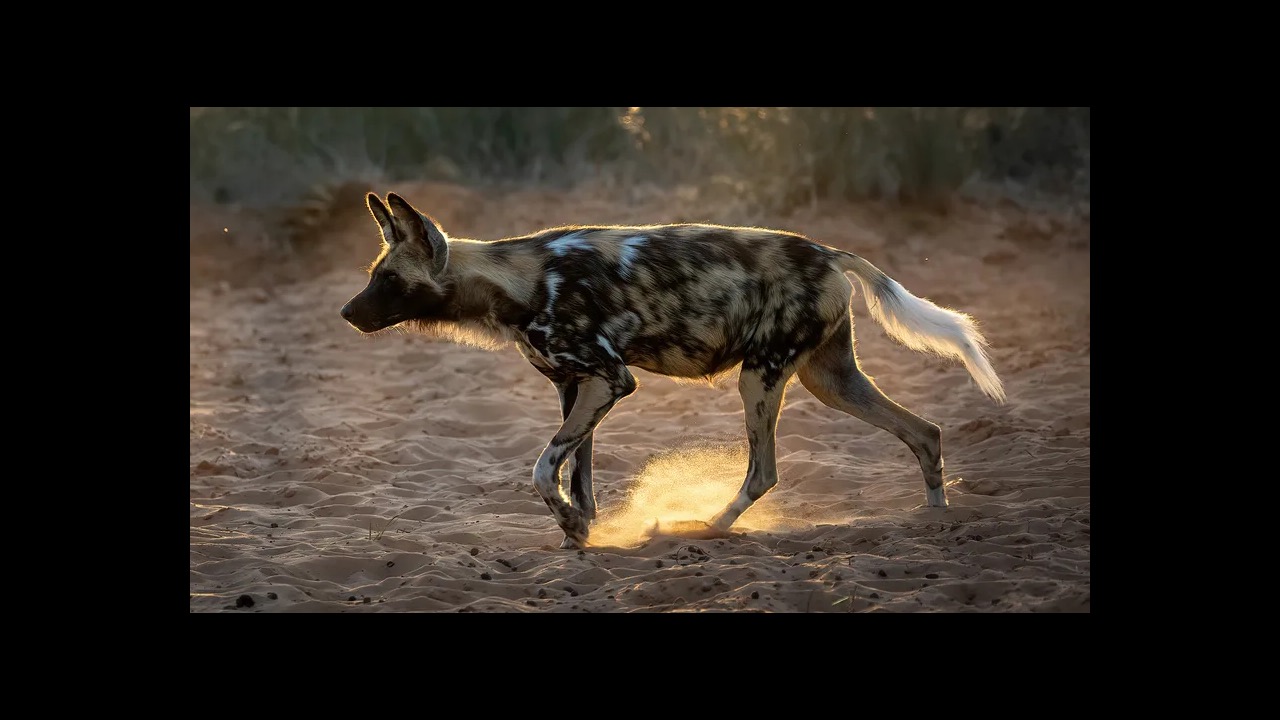
- Most canids carry a bushy tail, often with a pale tip in red foxes. African wild dogs have large rounded ears and a bushy tail with a white tip, but a mottled coat unlike any fox or wolf.
- Wolf versus fox
- Wolves are much larger and heavier, running with a straight tail. Red foxes are smaller with a white-tipped bushy tail and more delicate build. Arctic foxes are compact with a thick winter coat that can be white or blue-grey.
- Social hunting species
- Grey wolves and African wild dogs hunt cooperatively in packs. African wild dogs have large rounded ears and a patchwork coat of black, tan and white — unmistakable once seen. Dholes — Asian wild dogs — are reddish with a darker tail.
Canids are the dog family — Canidae — and they are among the mammals people know best, largely because one species, the grey wolf, was domesticated into the dog thousands of years ago. Wild canids share a general body plan: long muzzle, non-retractile claws, upright ears and a bushy tail. They are intelligent, social in many species, and adaptable across climates from Arctic tundra to urban streets.
The group is broader than wolves and foxes. African wild dogs and dholes hunt in packs with cooperative strategies distinct from wolves. The maned wolf of South America is a tall, long-legged fox-like canid that eats fruit as well as small prey. Jackals occupy scavenger and hunter niches across Africa and Asia. Understanding canids means understanding both their ecological roles as predators and scavengers, and the human relationship that runs from persecution to domestication — street dogs alone number in the hundreds of millions worldwide.
Key facts
- Canids belong to Canidae — the dog family — and share a long muzzle, non-retractile claws and typically a bushy tail.
- Domestic dogs descend from grey wolves; they were the first animal domesticated by humans, though the timing and location remain debated.
- African wild dogs and dholes hunt cooperatively in packs, but are not closely related to each other or to wolves beyond all being canids.
- The maned wolf of South America is a canid despite its name — it is not a wolf and eats substantial quantities of fruit.
- Foxes are canids, not small dogs in a separate family — the red fox is the most widespread wild carnivore in Britain.
- Persecution, habitat loss and disease — including rabies and distemper — have reduced wild canid populations across much of their range.
How to recognise them
The features that separate this group in the field, in the order they are usually most useful.
- Muzzle and ears
- Canids have elongated muzzles and typically upright, triangular ears — unlike the rounded ears of most bears or the flat faces of felids. Foxes have more pointed muzzles than wolves; fennec foxes have disproportionately large ears for heat dissipation.
- Tail
- Most canids carry a bushy tail, often with a pale tip in red foxes. African wild dogs have large rounded ears and a bushy tail with a white tip, but a mottled coat unlike any fox or wolf.
- Wolf versus fox
- Wolves are much larger and heavier, running with a straight tail. Red foxes are smaller with a white-tipped bushy tail and more delicate build. Arctic foxes are compact with a thick winter coat that can be white or blue-grey.
- Social hunting species
- Grey wolves and African wild dogs hunt cooperatively in packs. African wild dogs have large rounded ears and a patchwork coat of black, tan and white — unmistakable once seen. Dholes — Asian wild dogs — are reddish with a darker tail.
- The confusion pairs
- Wolf versus coyote: coyote is not in this list — where only wolf and fox occur, wolf is substantially larger with a broader muzzle and heavier build. Red fox versus grey fox: grey fox is not listed; red fox has white tail tip and black "stockings" on lower legs. Jackal versus fox: jackals are heavier with a shorter bushy tail and occur in Africa and Asia, not in typical red fox range in northern Europe.
11 canids guides
Search or filter by conservation status. Every guide carries sourced facts, IUCN status and FAQs.
Common names, scientific names and places are searchable.
Showing 1–11 of 11 guides
Mammals
AAfrican Wild Dog
Lycaon pictus
Africa's cooperative pack hunter
Africa
Open guide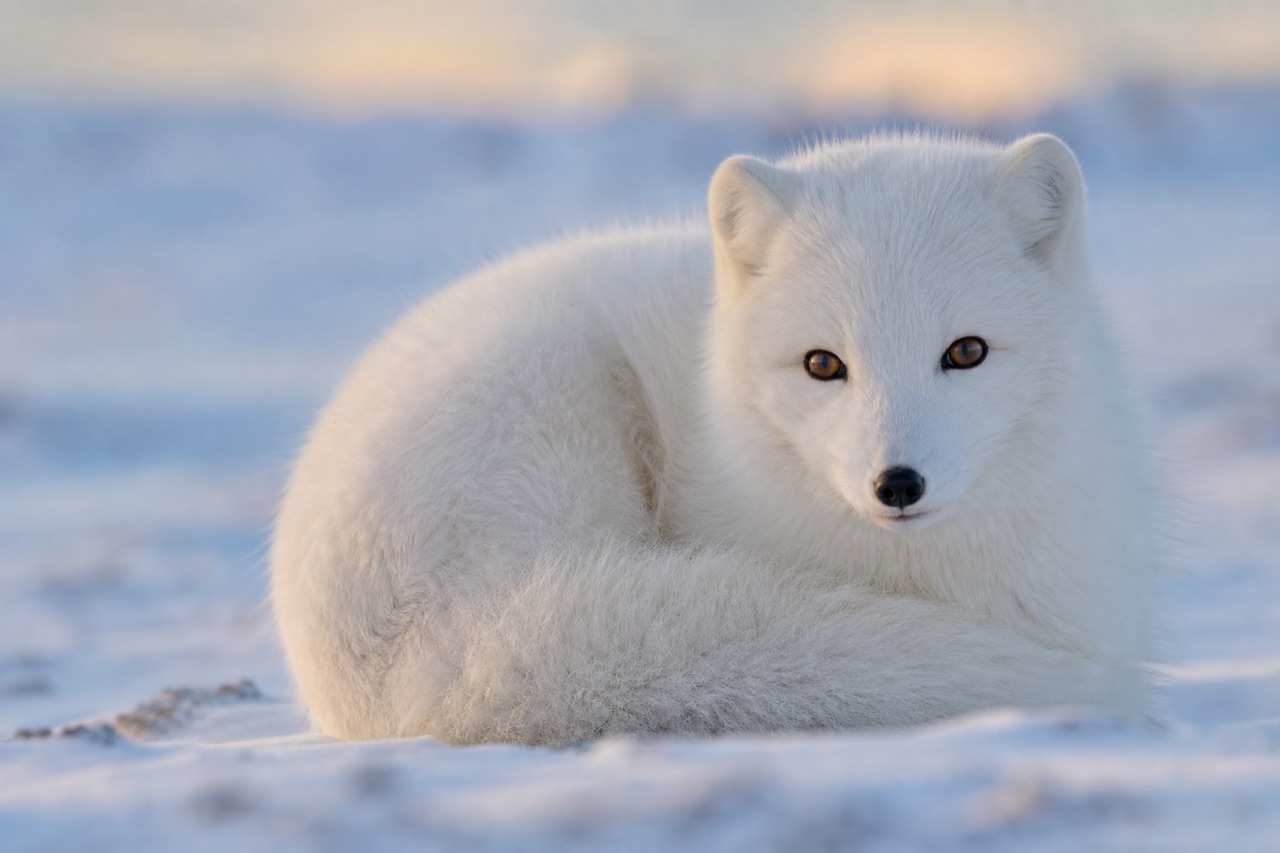
Mammals
AArctic Fox
Vulpes lagopus (Linnaeus, 1758) — family Canidae
The warmest coat of any mammal, a coat that changes colour, and a species being pushed north by its bigger cousin.
Arctic tundra of Eurasia, North America, Greenland, Iceland and Svalbard · Sea ice in winter
Open guide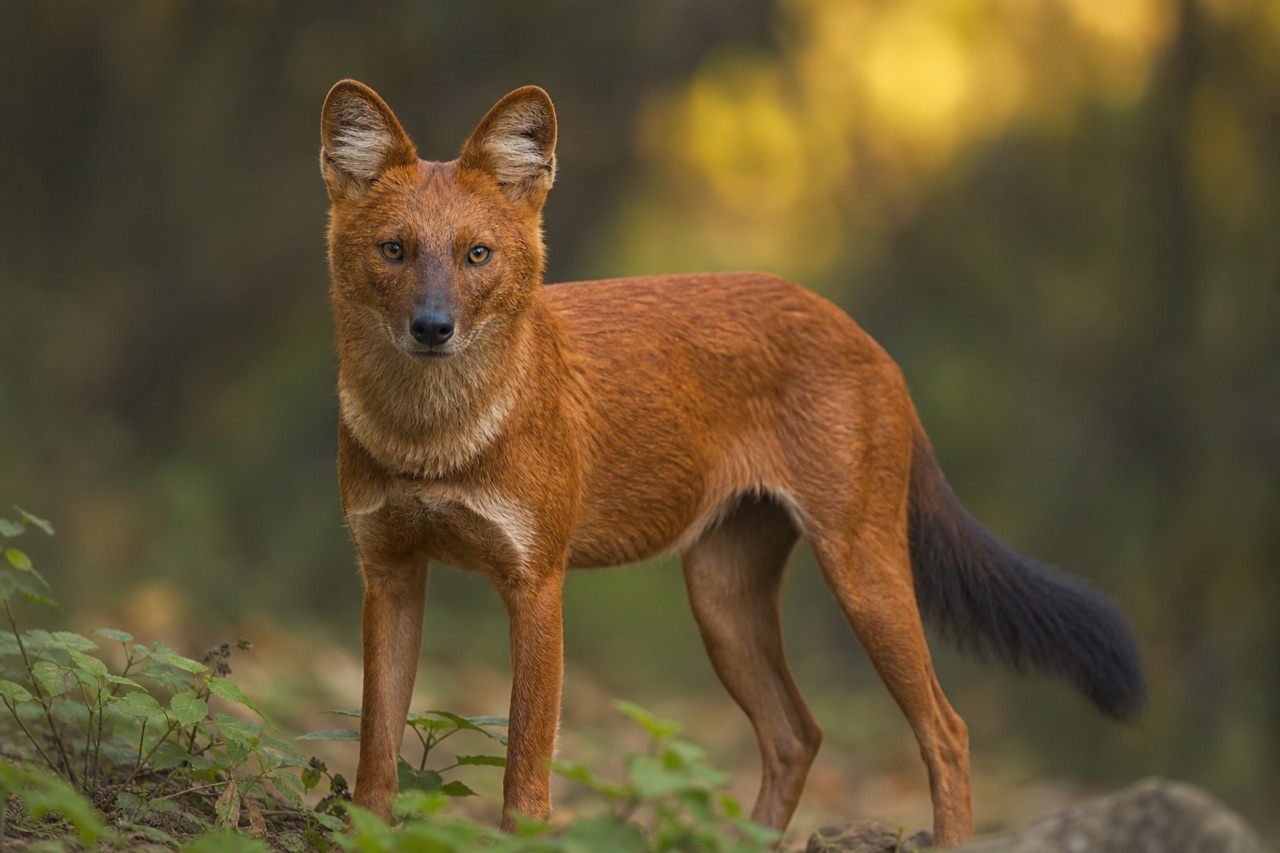
Mammals
DDhole
Cuon alpinus (Pallas, 1811) — family Canidae
Asia's forgotten wild dog — hunts in packs, whistles instead of barks, and is disappearing without most people noticing.
South Asia · Southeast Asia
Open guide
Mammals
DDog
Canis lupus familiaris (Linnaeus, 1758)
One species across every breed — companion, working dog and street dog alike.
Pakistan · Indonesia
Open guide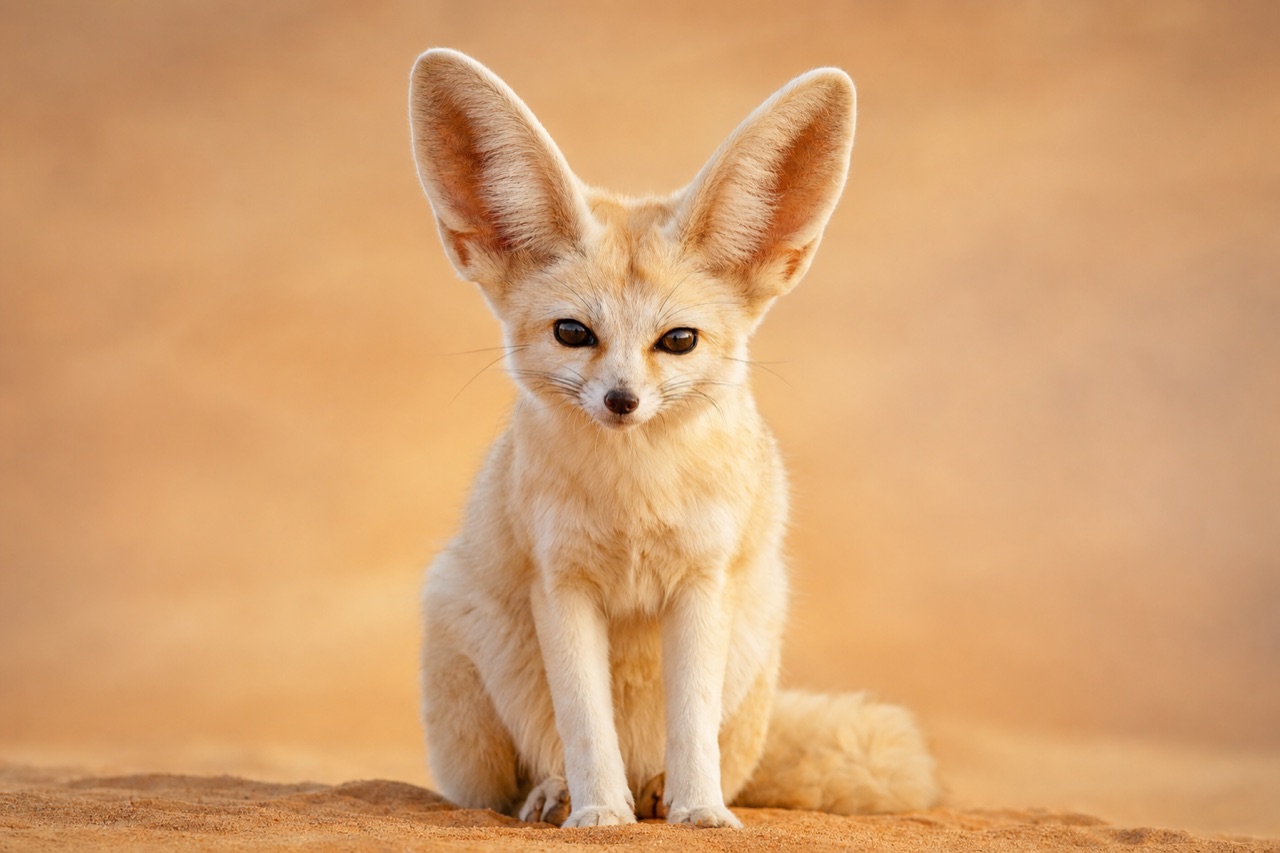
Mammals
FFennec Fox
Vulpes zerda (Zimmermann, 1780)
Among the smallest living foxes — desert ears, concentrating kidneys, and a pet-trade demand that does not make a house fox.
North Africa · Sahara sand seas to northern Sinai
Open guide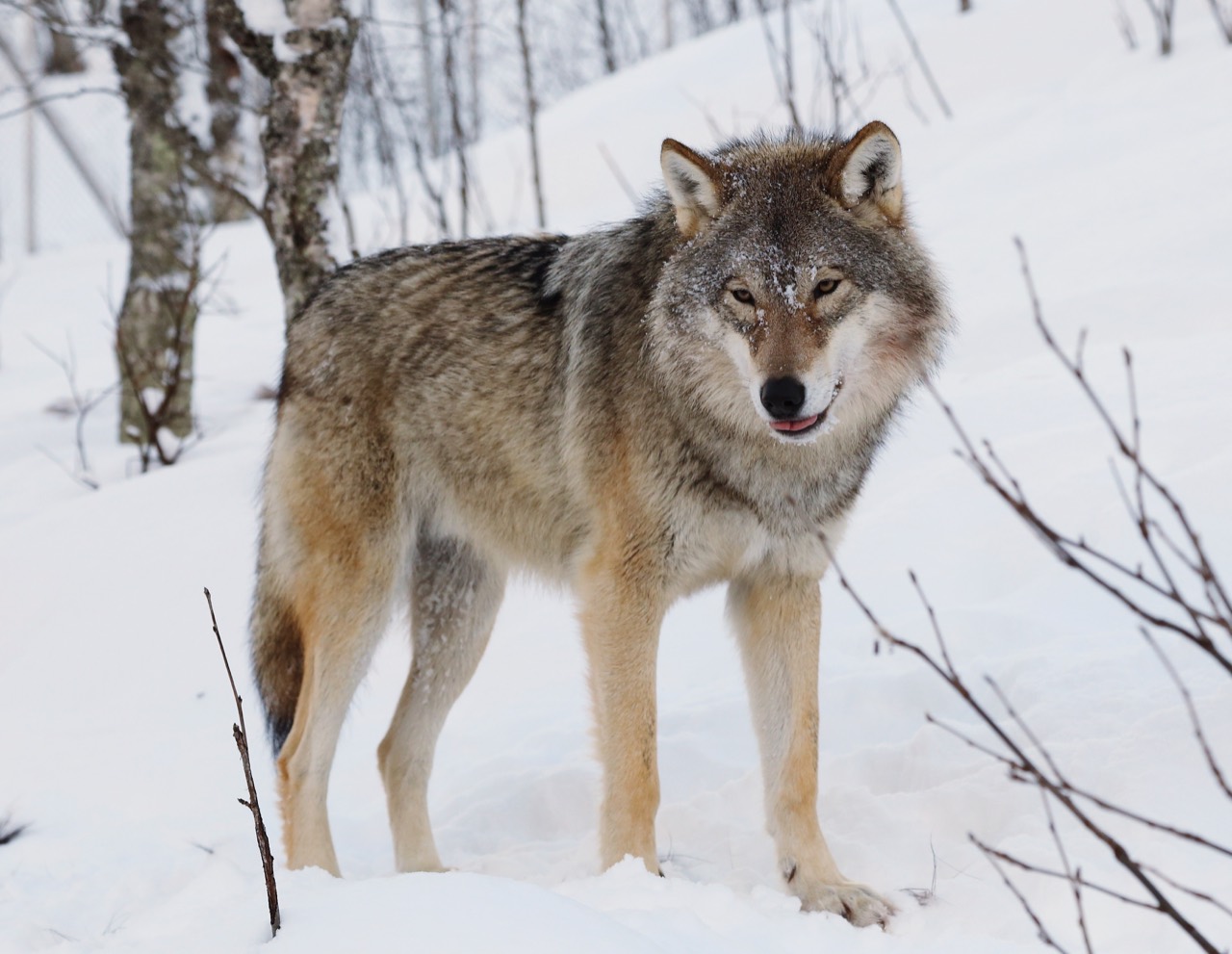
Mammals
GGrey Wolf
Canis lupus
The original wolf, ancestor of every dog, persecuted to the brink and slowly clawing its way back.
North America · Europe
Open guide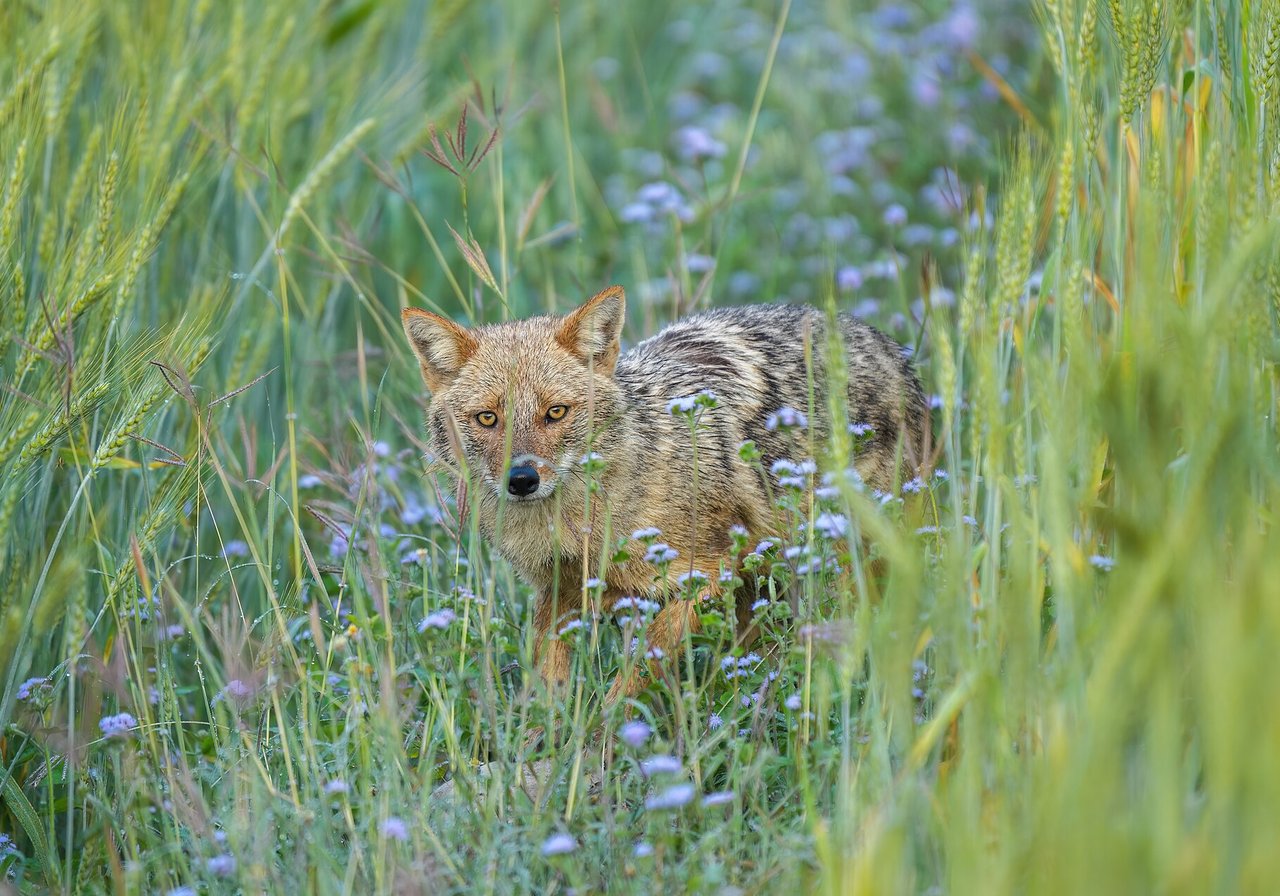
Mammals
JJackal
Canis aureus (Linnaeus, 1758)
The adaptable wild canid — from African savanna to Pakistani scrubland.
Africa · Middle East
Open guide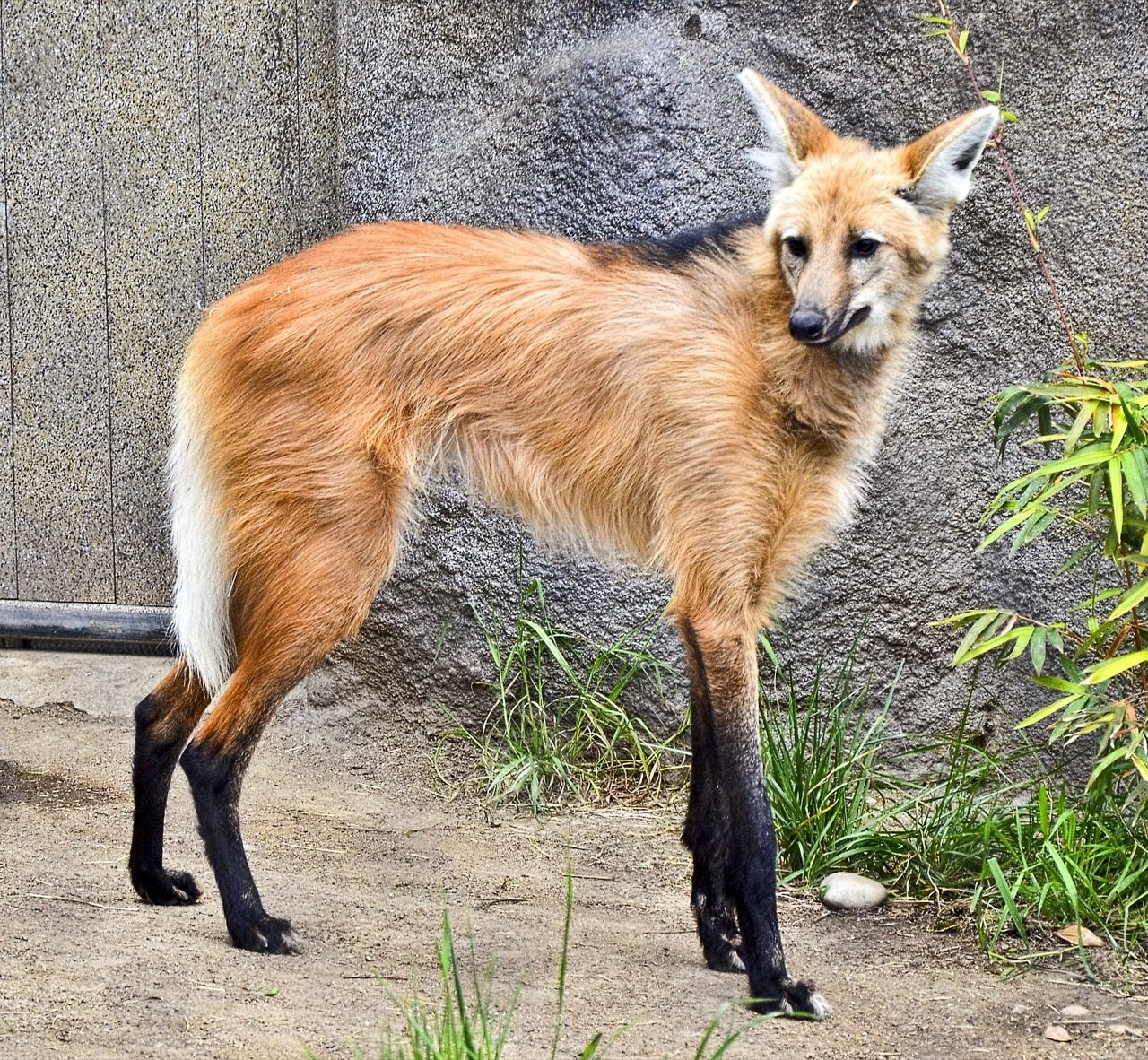
Mammals
MManed Wolf
Chrysocyon brachyurus
The tallest wild dog on Earth — a fox-faced ghost of the Brazilian grasslands.
Brazil
Open guide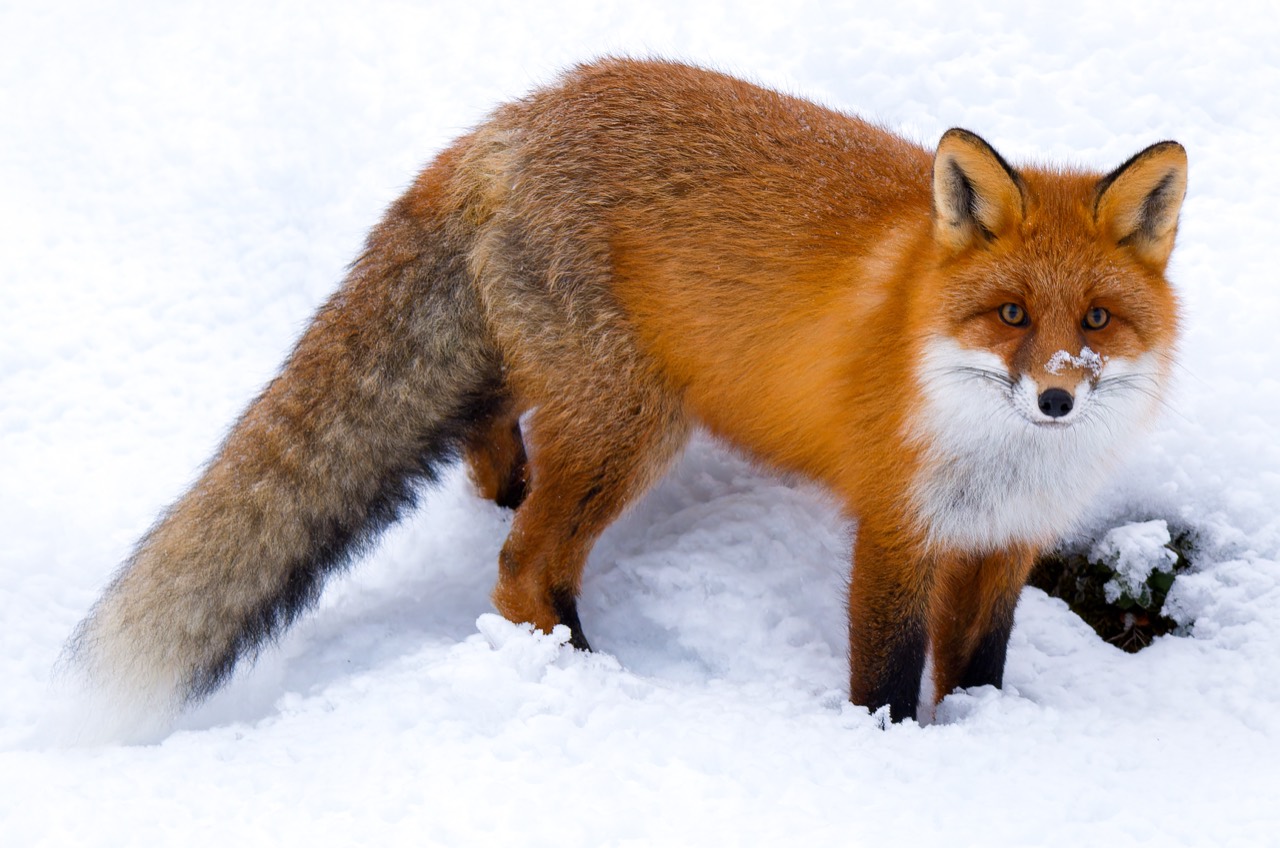
Mammals
RRed Fox
Vulpes vulpes
The world's most widespread wild carnivore — equally at home in forests, farmland and city streets.
Northern Hemisphere
Open guide
Mammals
SStreet Dog
Canis lupus familiaris (Linnaeus, 1758)
An estimated 200 million street dogs live worldwide — and mass culling kills them without ever controlling their numbers.
Pakistan · Vietnam
Open guide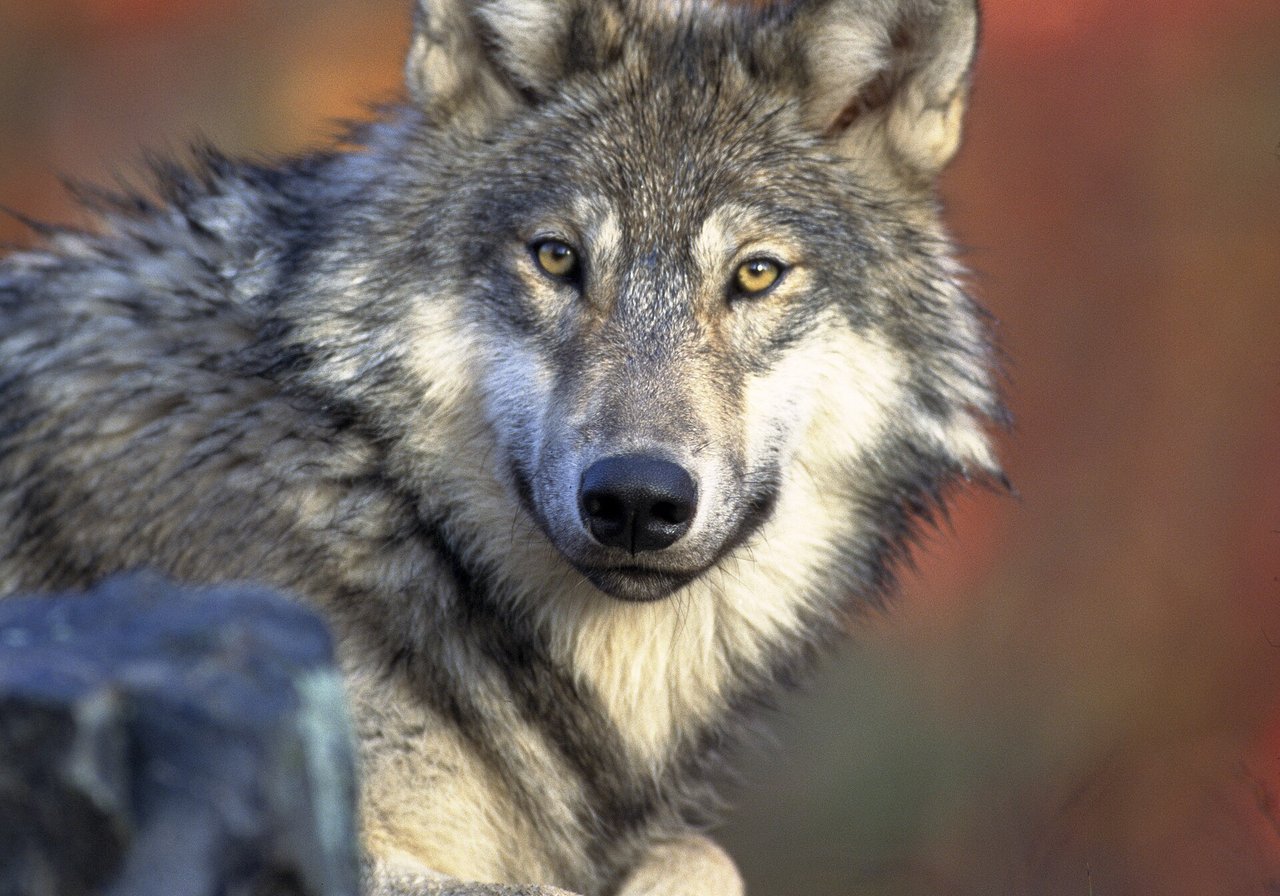
Mammals
WWolf
Canis lupus (Linnaeus, 1758) and related subspecies
The wild ancestor of dogs — pack hunters restored to Yellowstone and still persecuted.
North America · Europe
Open guideConservation: what this group faces
Wild canids occupy a difficult position — valued as symbols of wilderness yet persecuted when they kill livestock. Wolves were eradicated from much of western Europe and North America before partial recovery through legal protection and reintroduction. African wild dogs and dholes are Endangered across much of their range, losing ground to habitat fragmentation and disease transmitted from domestic dogs. Rabies and distemper outbreaks can eliminate entire packs. Coexistence measures — livestock guarding dogs, compensation schemes and non-lethal deterrents — are better documented than applied across most range countries.
Canids: frequently asked questions
What is a canid?
Are dogs descended from wolves?
What is the difference between a wolf and a fox?
What is an African wild dog?
What is a dhole?
Are canids endangered?
What are the types of dogs?
Other types of mammal
-
Big cats
Large predatory cats — tigers, lions, leopards, jaguars, cheetahs and their close relatives.
-
Bears
Heavy-bodied omnivores — from polar bears on sea ice to pandas in bamboo forest.
-
Primates
Apes, monkeys, lemurs and lorises — the order that includes our closest living relatives.
-
Marine mammals
Whales, dolphins, seals, sea lions, walruses, manatees and otters tied to the sea.
-
Hoofed animals
Deer, elephants, rhinos, horses, cattle, antelope and other ungulates — grazers and browsers on hoof.
-
Rodents
Gnawing mammals — from mice and squirrels to beavers, capybaras and porcupines.
-
Bats
The only mammals capable of true powered flight — from insect-hunting pipistrelles to fruit bats.
-
Marsupials
Pouched mammals — kangaroos, koalas, opossums and gliders from Australia and the Americas.
-
Small carnivores
Stoats, badgers, otters, mongooses, raccoons and other compact hunters and scavengers.