Mammals · 17 species guides
Small Carnivores: Badgers, Otters & Mongooses
Small carnivores are compact meat-eating mammals outside the big cat and bear size classes, including stoats, weasels, badgers, otters, mongooses, meerkats, raccoons, ferrets, martens, civets, hyenas and relatives such as the binturong and kinkajou; they occupy predator and scavenger roles across every continent and include some of the most adaptable mammals in human-dominated landscapes.
- Mustelid body plan
- Stoats and weasels are long and low with short legs — built to enter burrows. Otters are elongated with webbed feet and dense fur. Badgers are heavy-set and low-slung with a striped face. Pine martens are arboreal with a bushy tail and yellow throat patch.
- Stoat versus weasel
- Stoats are larger with a black tip to the tail in most populations. Weasels are smaller and lack the black tail tip. Both turn white in winter in northern populations, but the stoat's black tail tip remains visible against snow.
- Otter features
- Otters have streamlined bodies, webbed feet and dense waterproof fur. River otters have a long tapered tail; sea otters float on their backs and use tools to break open shellfish. Giant otters of South America are social and vocal.
- Social species
- Meerkats stand upright on hind legs as sentinels — a distinctive posture. Hyenas have robust builds and sloping backs; spotted hyenas have powerful jaws. Raccoons have bandit-mask facial markings and dexterous front paws.
Small carnivore is an everyday grouping for the compact hunters and scavengers that sit below bears and big cats in size — stoats, badgers, otters, mongooses, raccoons and many others. Taxonomically they belong to several orders: mustelids (stoats, weasels, badgers, otters), herpestids (mongooses, meerkats), procyonids (raccoons), viverrids (civets, binturongs) and hyaenids (hyenas). What unites them in popular usage is size, diet and the roles they play as predators of rodents, fish and invertebrates, or as opportunistic scavengers.
Several species in this group are among the most adaptable mammals alive. Raccoons thrive in cities across North America and beyond. Badgers persist in British farmland despite persecution. Meerkats — mongooses of southern African grassland — are social sentinels with a profile far exceeding their ecological weight. Hyenas, though larger, are included here because most people group them with carnivores rather than with big cats, despite their closer genetic relationship to cats than to dogs.
Key facts
- Small carnivores belong to several taxonomic families — mustelids, herpestids, procyonids, viverrids and hyaenids — united by size and diet rather than shared ancestry.
- Hyenas are more closely related to cats than to dogs, despite their dog-like appearance and their grouping with carnivores in everyday usage.
- Stoats can turn white in winter in northern populations; the black tail tip distinguishes them from weasels even in white pelage.
- Sea otters use tools — rocks — to break open shellfish, one of the few mammal examples of consistent tool use in the wild.
- European badgers live in social underground setts that may be occupied for decades and passed between generations.
- Persecution, road mortality and habitat loss affect many small carnivores; badger culling and bovine tuberculosis policy remain contentious in Britain.
How to recognise them
The features that separate this group in the field, in the order they are usually most useful.
- Mustelid body plan
- Stoats and weasels are long and low with short legs — built to enter burrows. Otters are elongated with webbed feet and dense fur. Badgers are heavy-set and low-slung with a striped face. Pine martens are arboreal with a bushy tail and yellow throat patch.
- Stoat versus weasel
- Stoats are larger with a black tip to the tail in most populations. Weasels are smaller and lack the black tail tip. Both turn white in winter in northern populations, but the stoat's black tail tip remains visible against snow.
- Otter features
- Otters have streamlined bodies, webbed feet and dense waterproof fur. River otters have a long tapered tail; sea otters float on their backs and use tools to break open shellfish. Giant otters of South America are social and vocal.
- Social species
- Meerkats stand upright on hind legs as sentinels — a distinctive posture. Hyenas have robust builds and sloping backs; spotted hyenas have powerful jaws. Raccoons have bandit-mask facial markings and dexterous front paws.
- The confusion pairs
- Stoat versus weasel: black tail tip and larger size in stoat. Badger versus raccoon: badgers have a striped face and low-slung body; raccoons have a masked face and ringed tail. Otter versus seal: otters have visible legs and often swim on their back at the surface; seals are flippered with no visible limbs. Civet versus genet: genet is not listed; civets are heavier with a longer tail and occur in Africa and Asia.
17 small carnivores guides
Search or filter by conservation status. Every guide carries sourced facts, IUCN status and FAQs.
Common names, scientific names and places are searchable.
Showing 1–17 of 17 guides
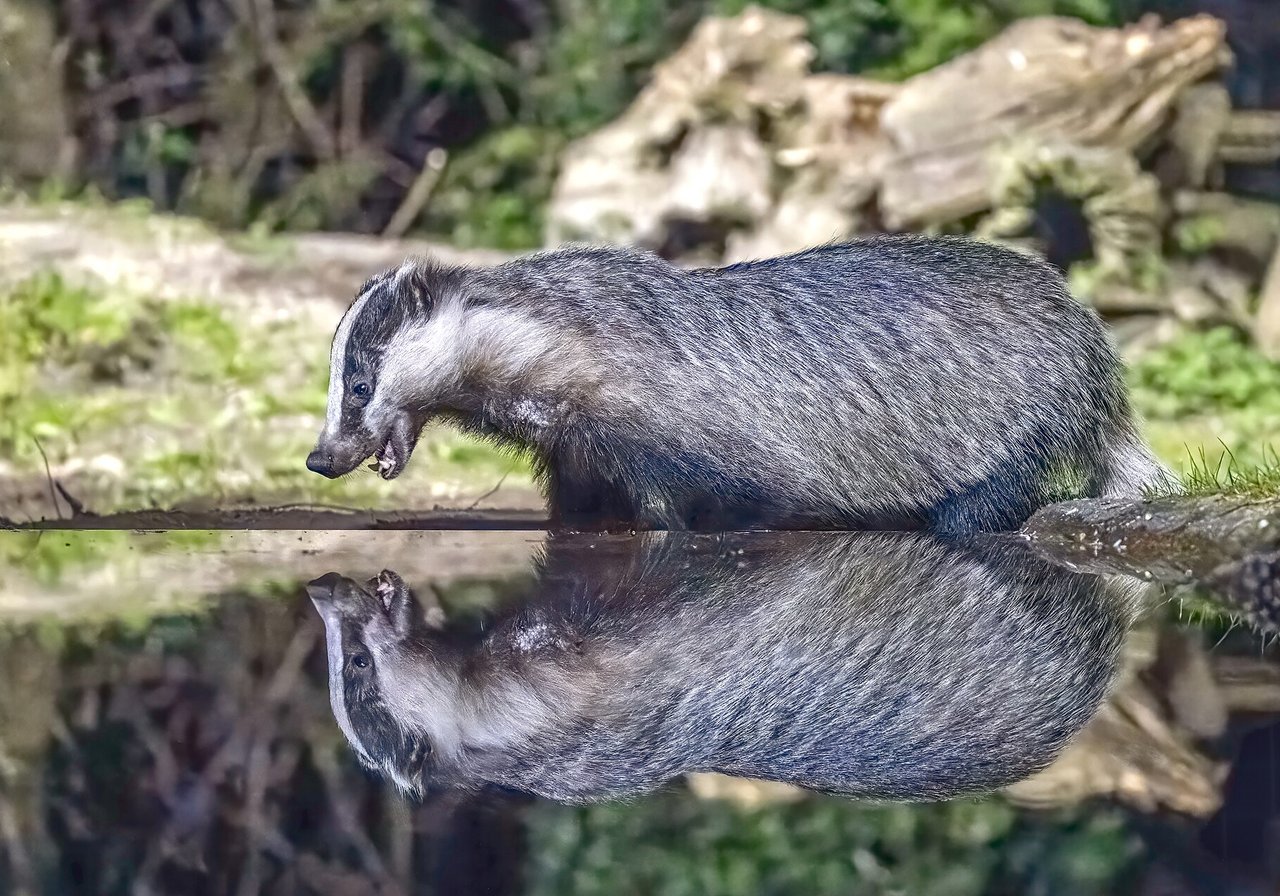
Mammals
BBadger
Meles meles (Linnaeus, 1758)
The burrow architect of Old World woodlands — social underground and solitary above ground.
Europe · Western Asia
Open guide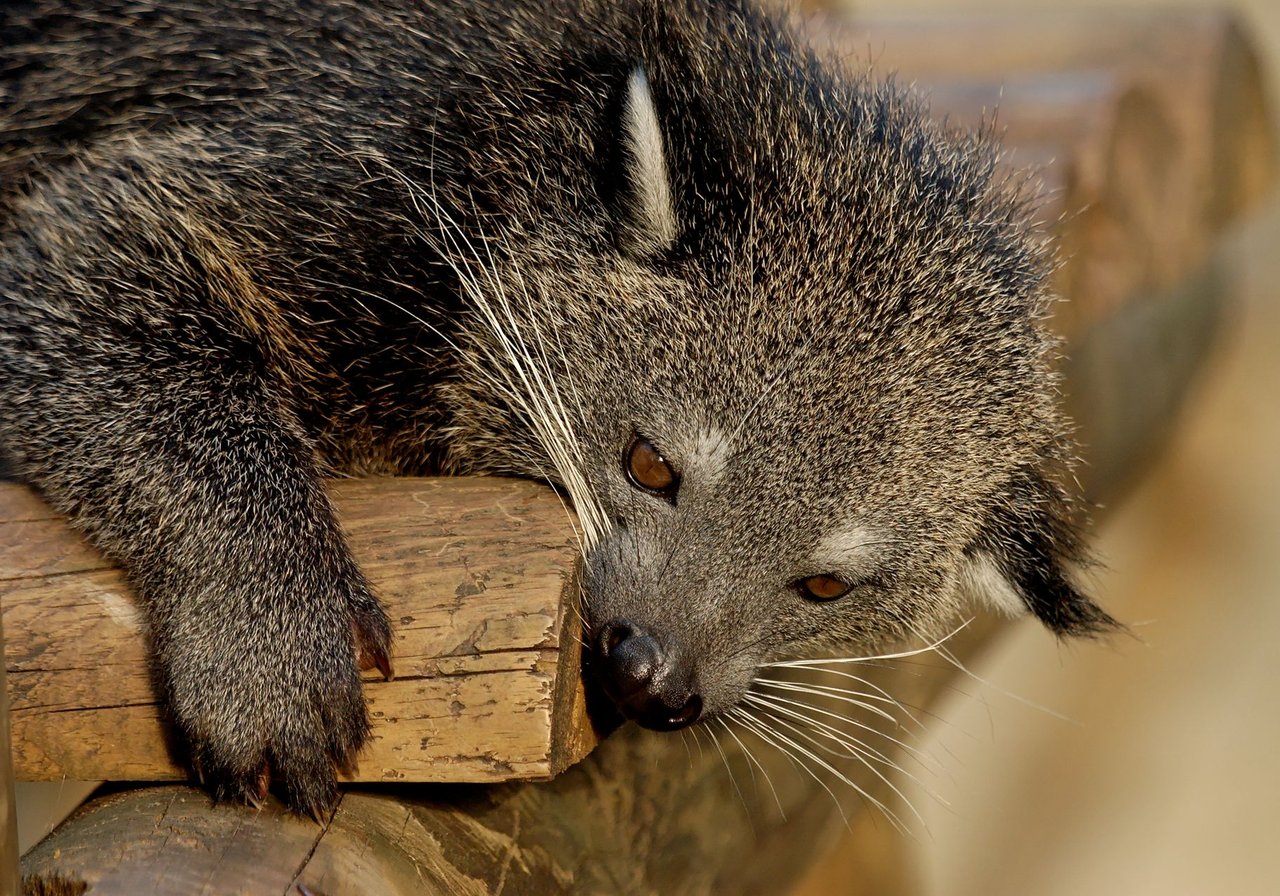
Mammals
BBinturong
Arctictis binturong (Raffles, 1821)
The bearcat of the canopy — shaggy, prehensile-tailed and vanishing with the forest.
South-east Asia · India
Open guide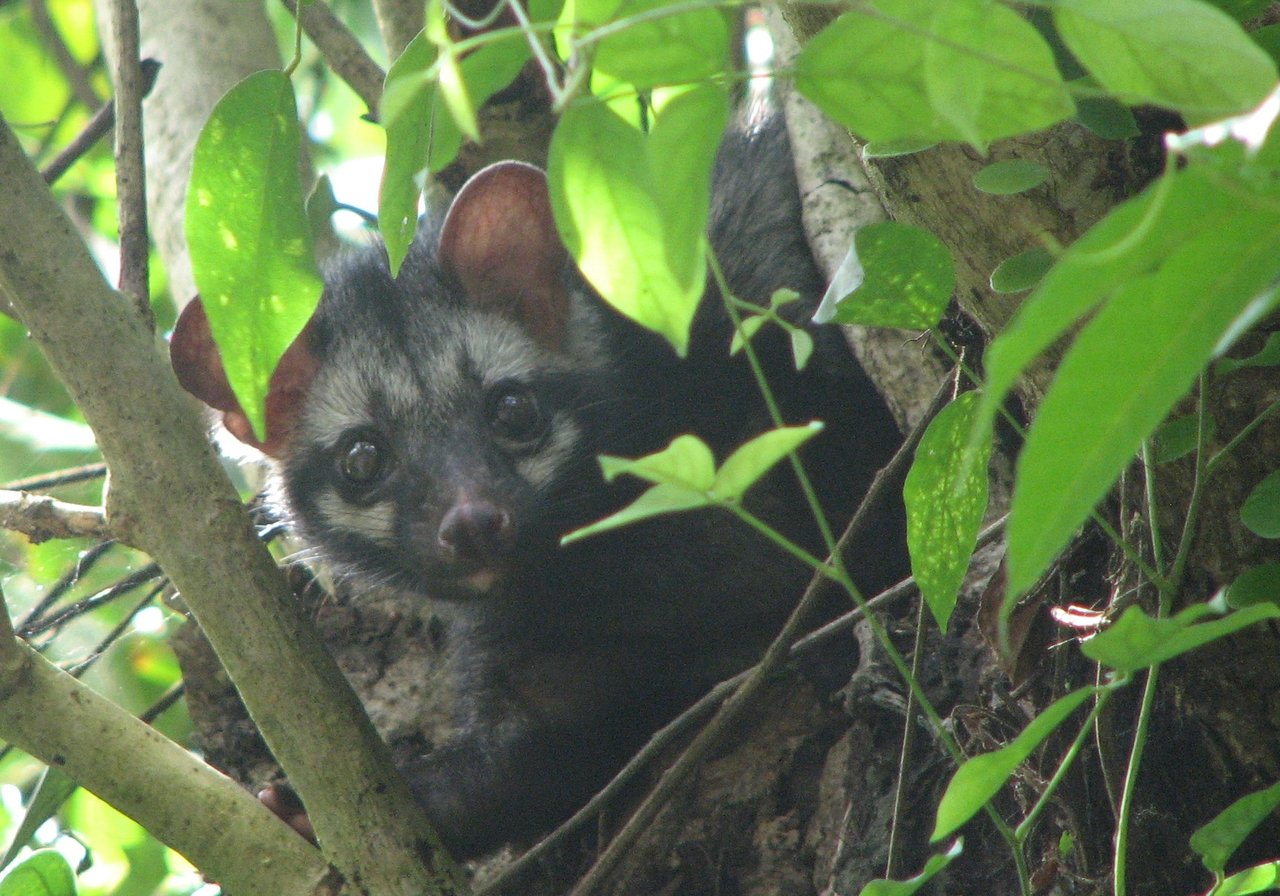
Mammals
CCivet
Civettictis civetta (Schreber, 1776)
Africa's masked night wanderer — famous for musk, misunderstood as a species.
Sub-Saharan Africa
Open guide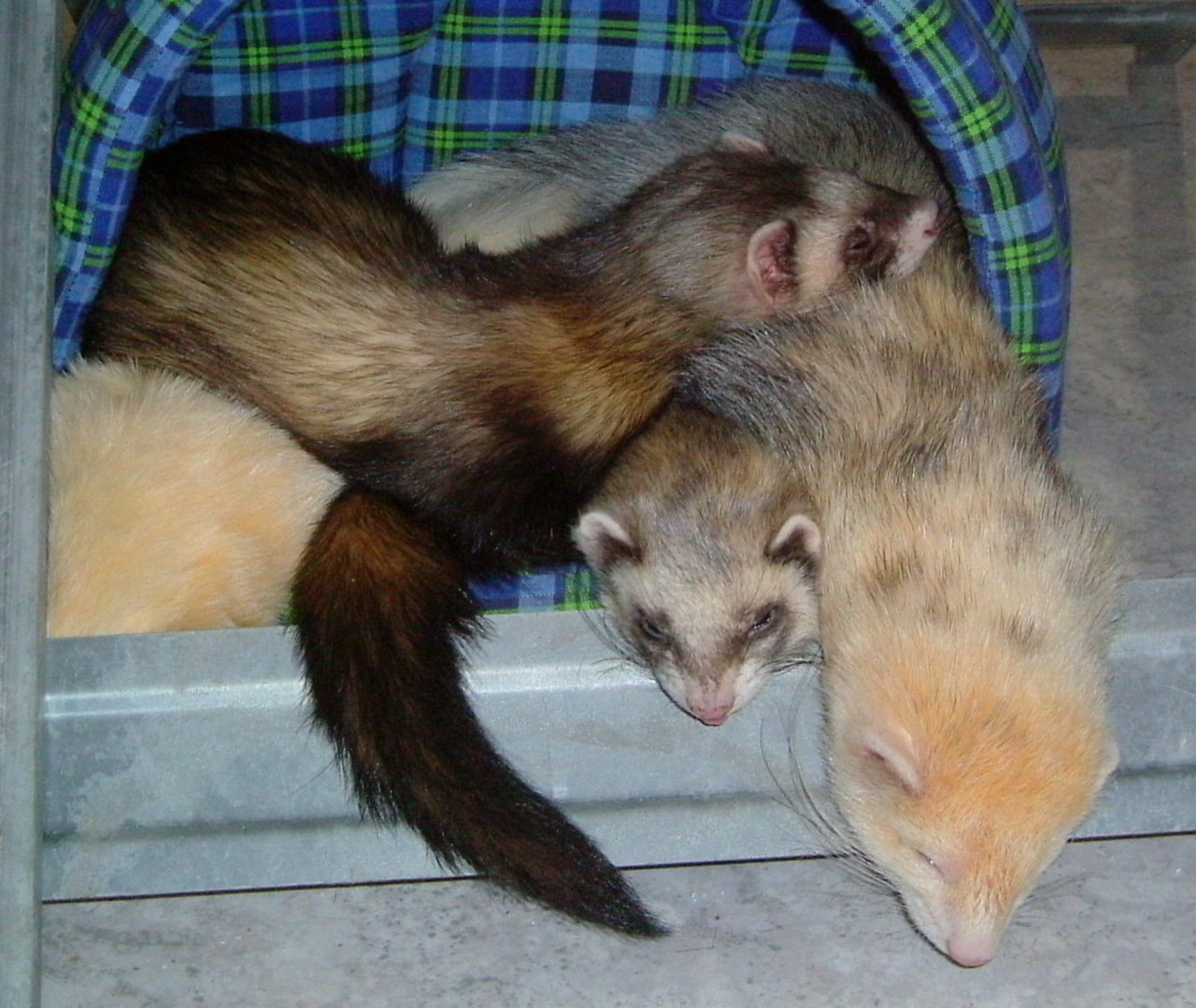
Mammals
FFerret
Mustela furo
The long, playful, domesticated polecat that has shared human homes and warrens for over two thousand years.
Worldwide (as a domestic pet and working animal) · Europe
Open guide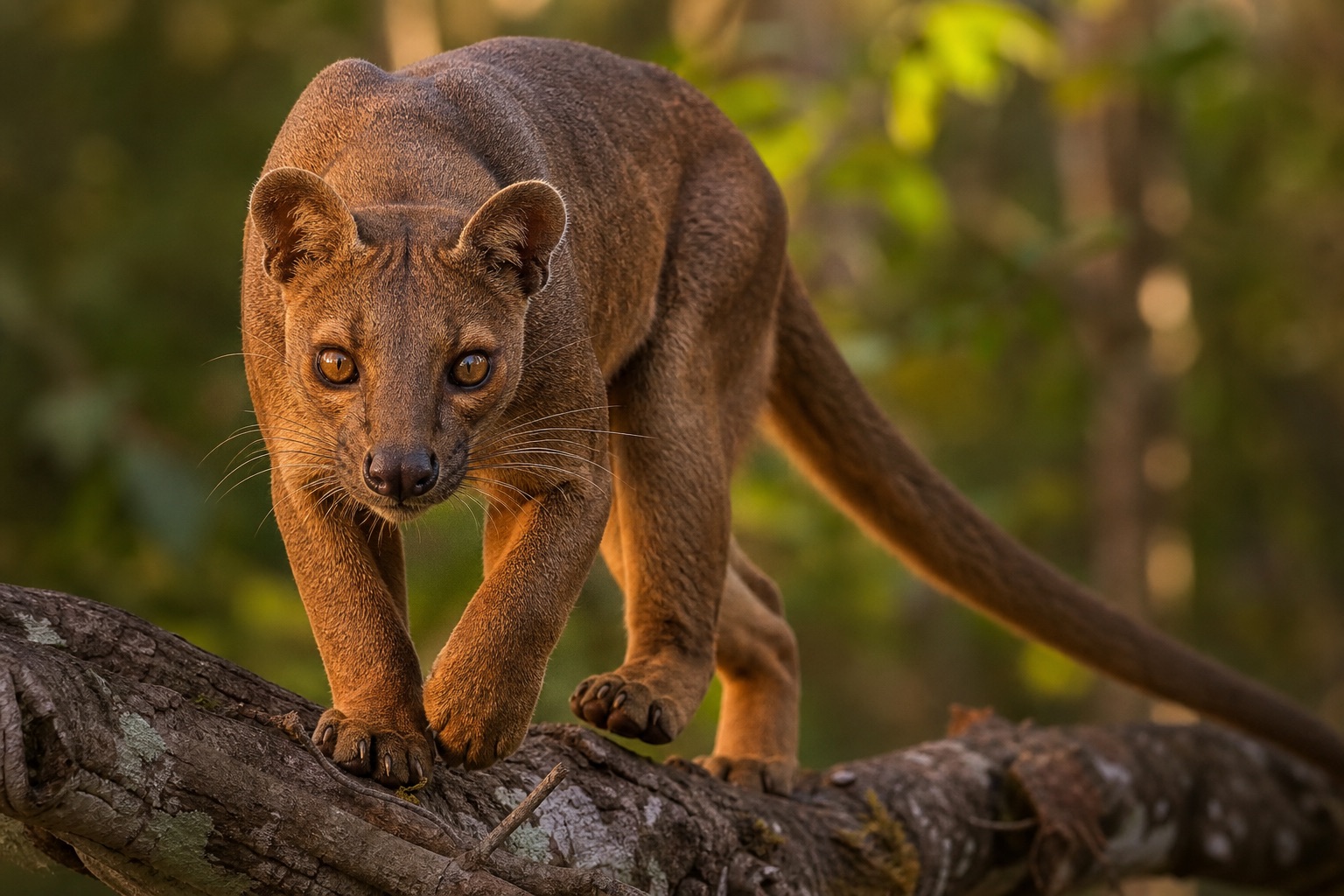
Mammals
FFossa
Cryptoprocta ferox (Bennett, 1833) — family Eupleridae
Madagascar's top predator — looks like a cat, related to mongooses, and eats lemurs.
Madagascar · Remaining forest across the island
Open guide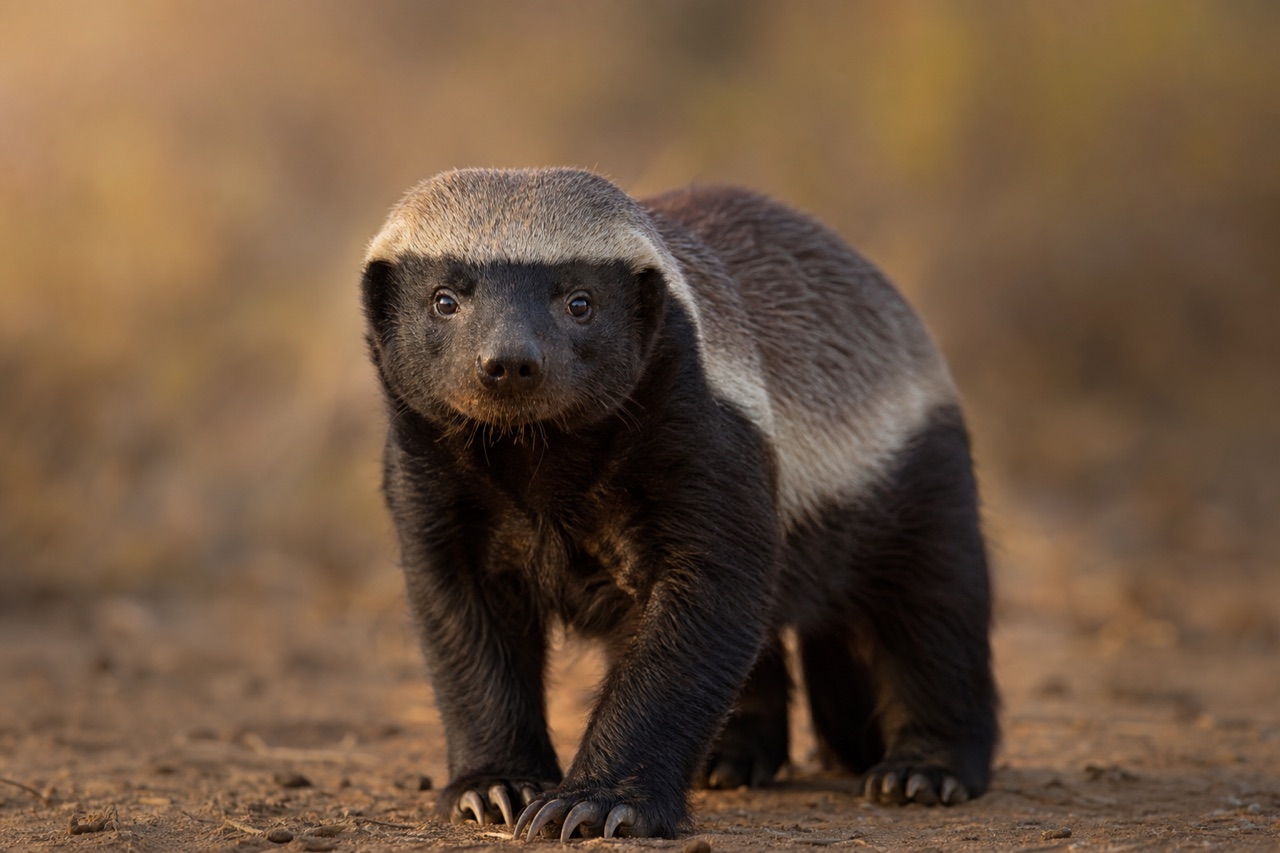
Mammals
HHoney Badger
Mellivora capensis (Schreber, 1776) — family Mustelidae
Loose skin, a venom tolerance and a reputation that is mostly, awkwardly, deserved.
Sub-Saharan Africa · Arabian Peninsula
Open guide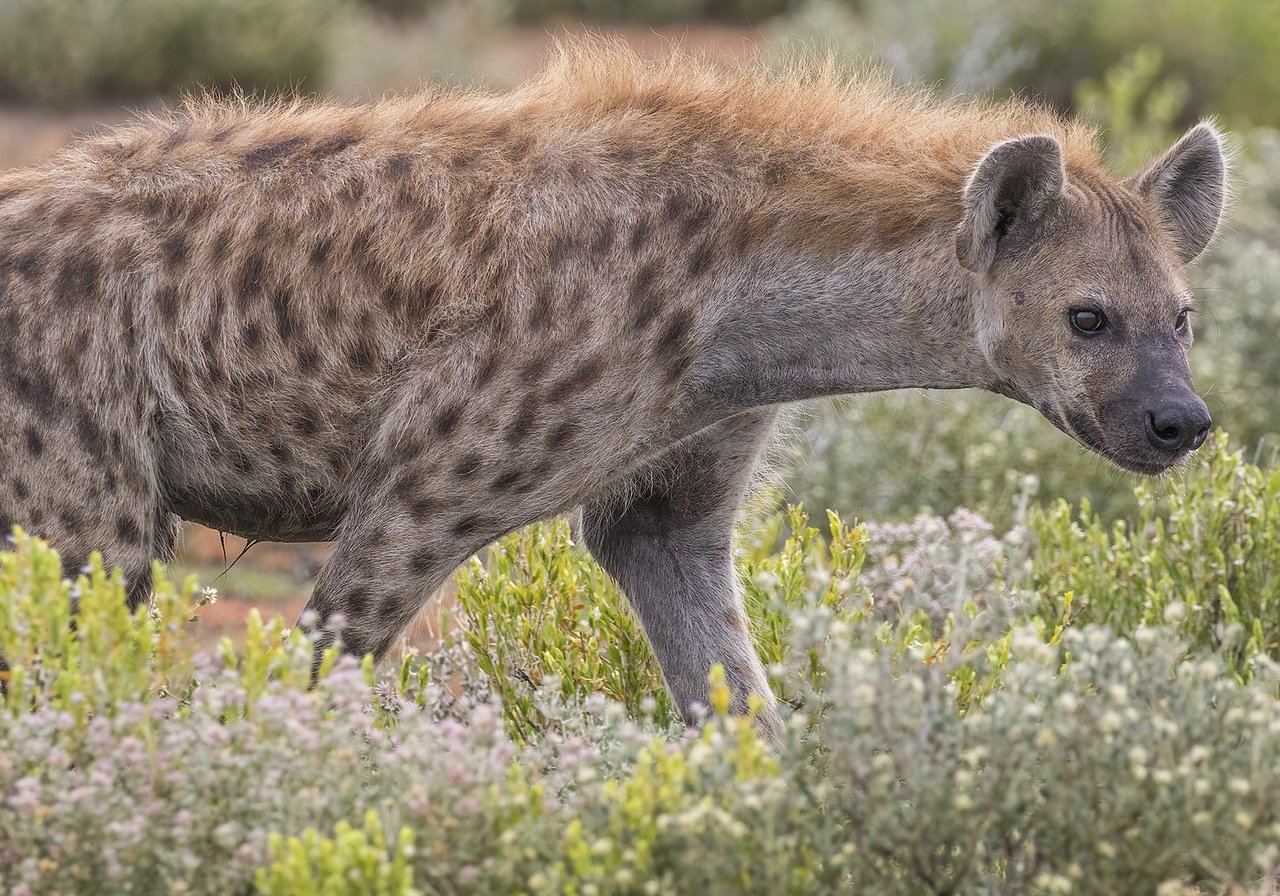
Mammals
HHyena
Crocuta crocuta (Erxleben, 1777)
Africa's misunderstood predator — matriarchal, vocal and far more successful than lions at hunting.
Sub-Saharan Africa
Open guide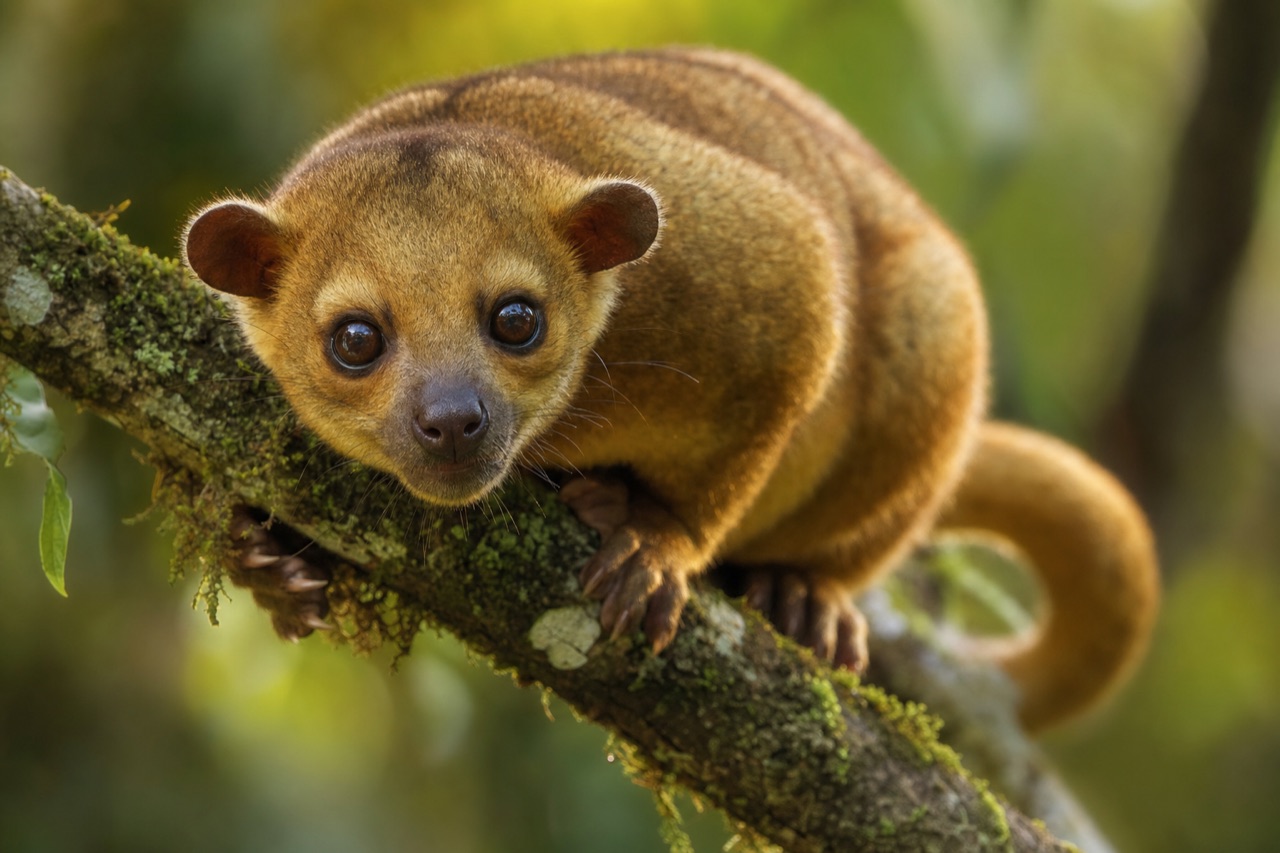
Mammals
KKinkajou
Potos flavus (Schreber, 1774)
A raccoon relative with a prehensile tail — fruit, night canopy, and a pet-trade demand that does not make a house monkey.
Southern Mexico through Central America to Bolivia · Closed-canopy tropical forest
Open guide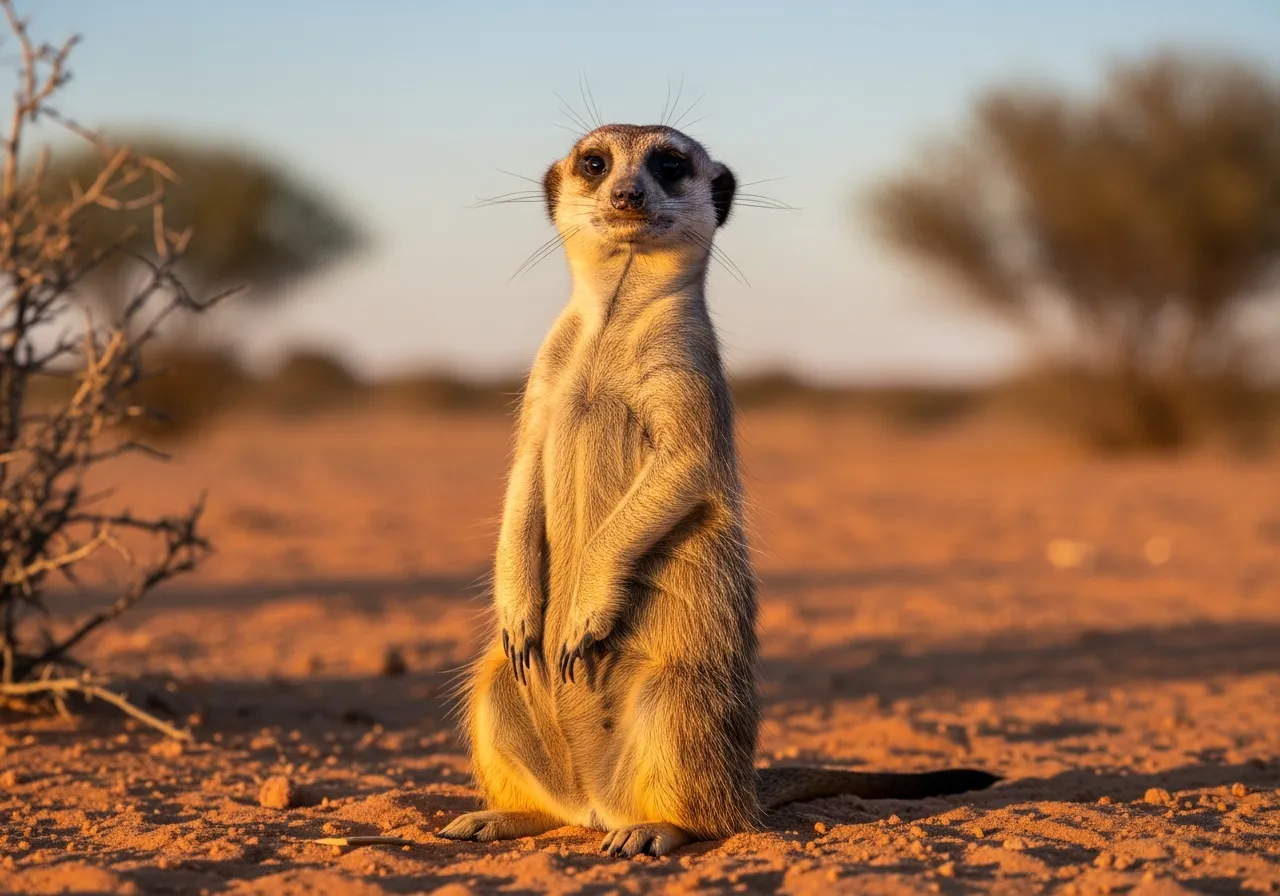
Mammals
MMeerkat
Suricata suricatta
The Kalahari's cooperative sentinel, where every member takes a turn standing guard.
Southern Africa · Kalahari Desert
Open guide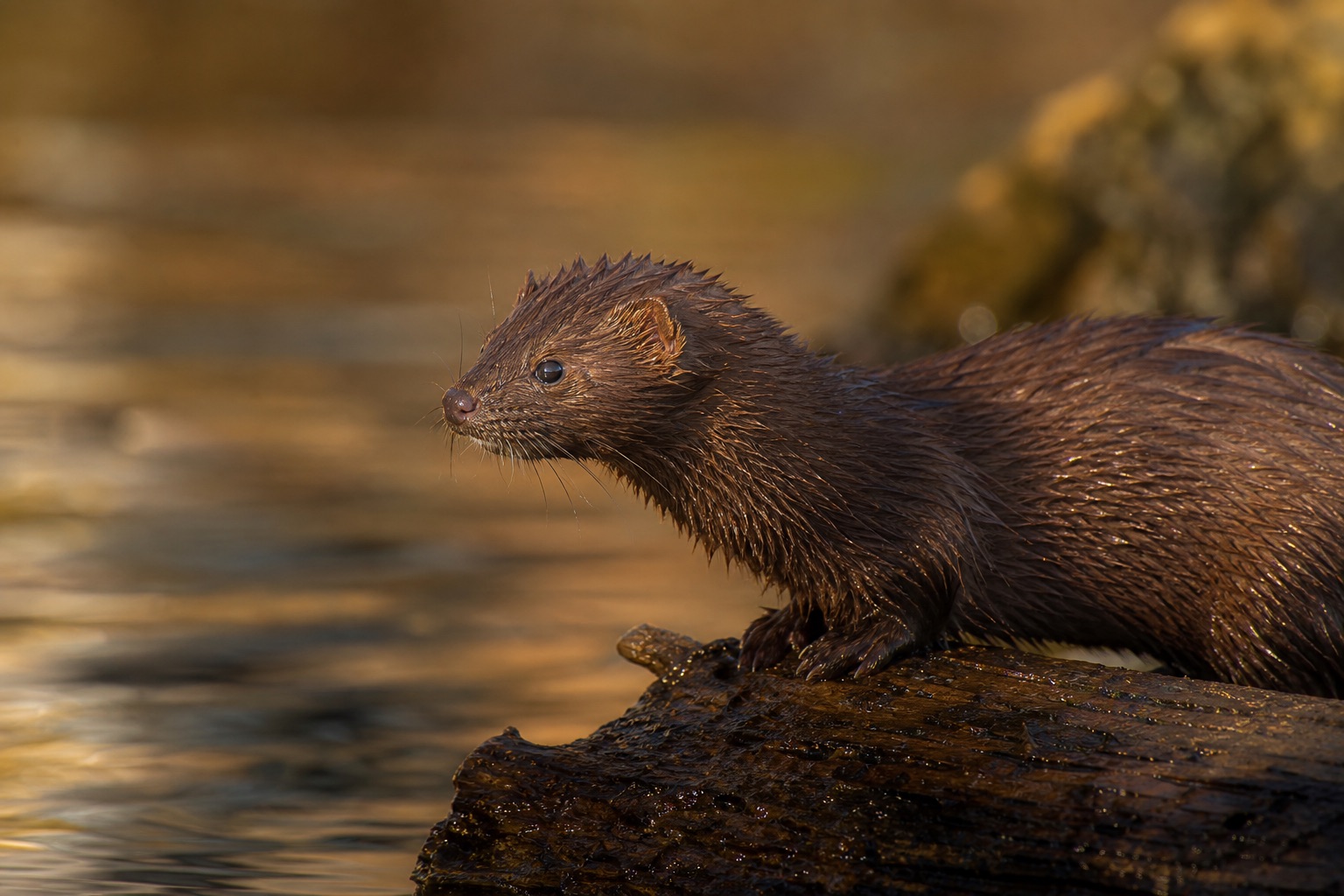
Mammals
MMink
Neogale vison (Schreber, 1777) — family Mustelidae
Secure in North America, devastating in Europe — fur farming turned a river predator into a continent-scale invasive.
Native: North America · Invasive: Europe, Asia, South America and Iceland
Open guide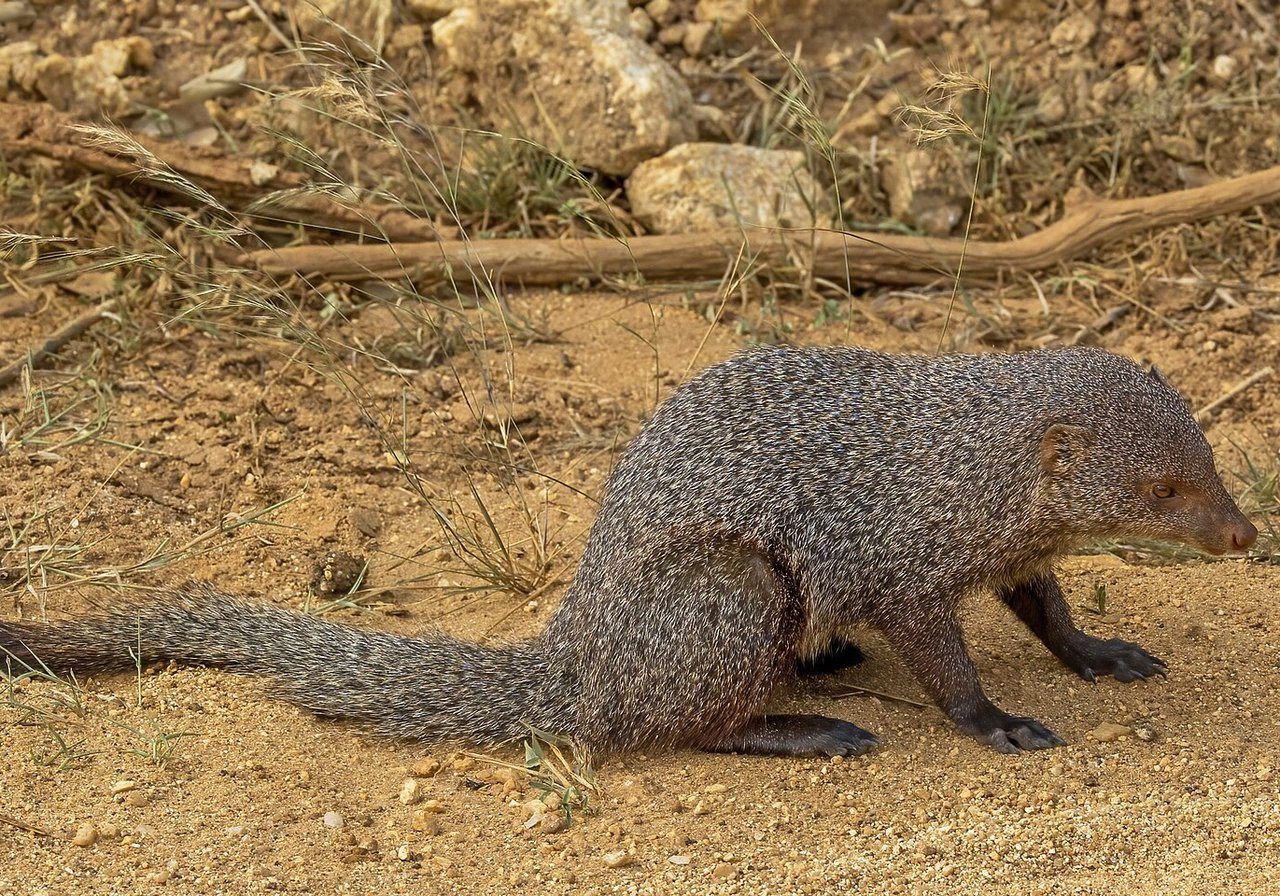
Mammals
MMongoose
Herpestes javanicus (É. Geoffroy Saint-Hilaire, 1818)
Swift snake hunters of the tropics — from Pakistani scrub to Malaysian rainforest edge.
South Asia · South-east Asia
Open guide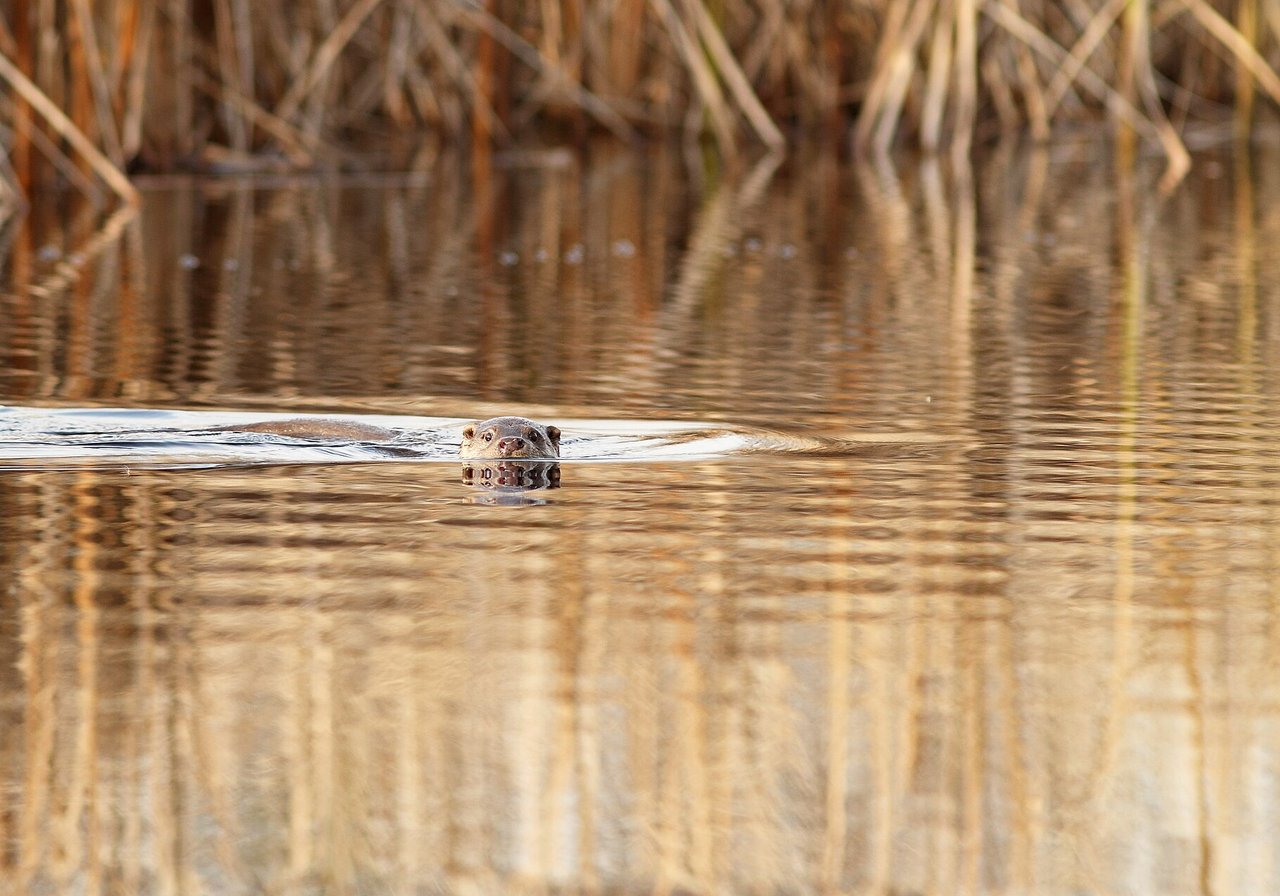
Mammals
OOtter
Subfamily Lutrinae — 13 species of aquatic mustelids worldwide
River acrobats and kelp-forest hunters — mustelids built for water on every continent.
Every continent except Australia and Antarctica
Open guide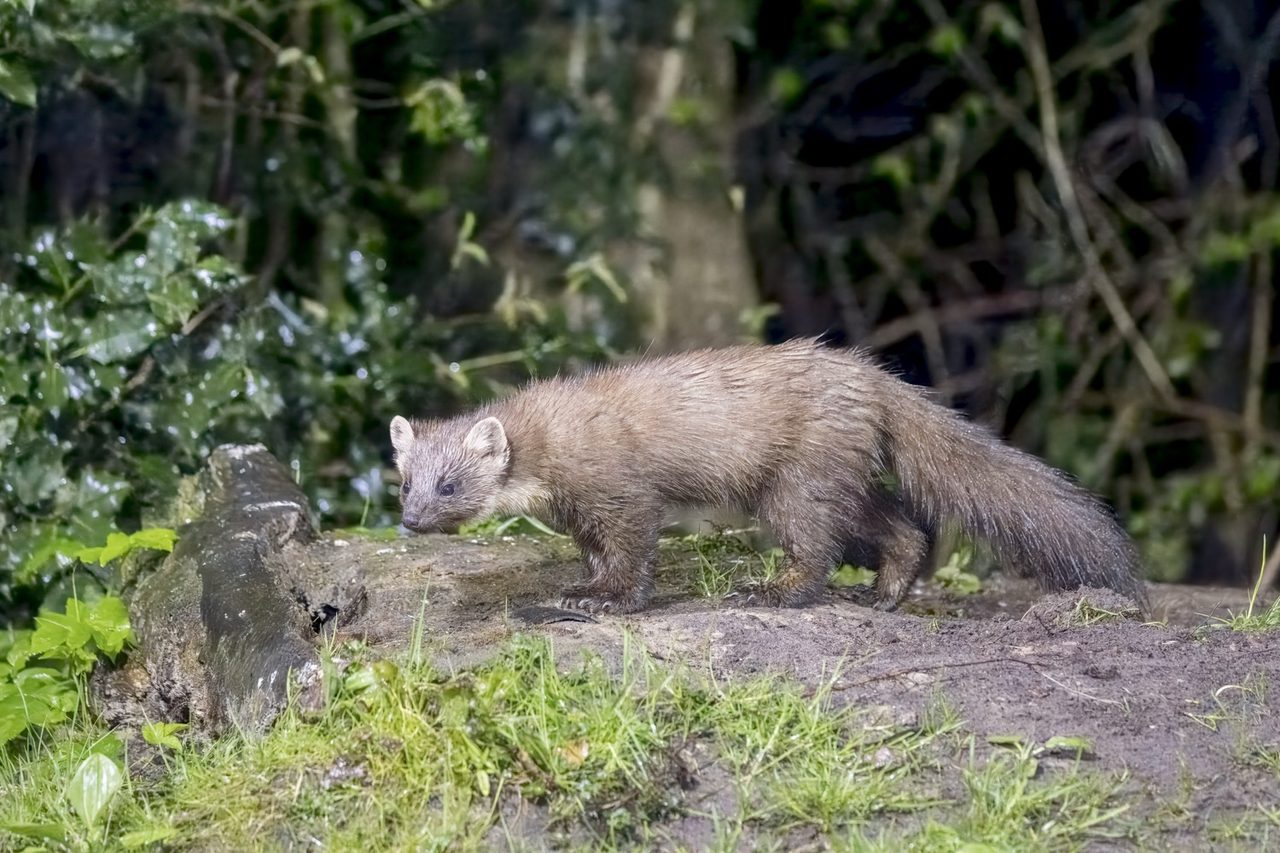
Mammals
PPine Marten
Martes martes
The cat-sized tree-climber bringing red squirrels back to British woods.
United Kingdom · Ireland
Open guide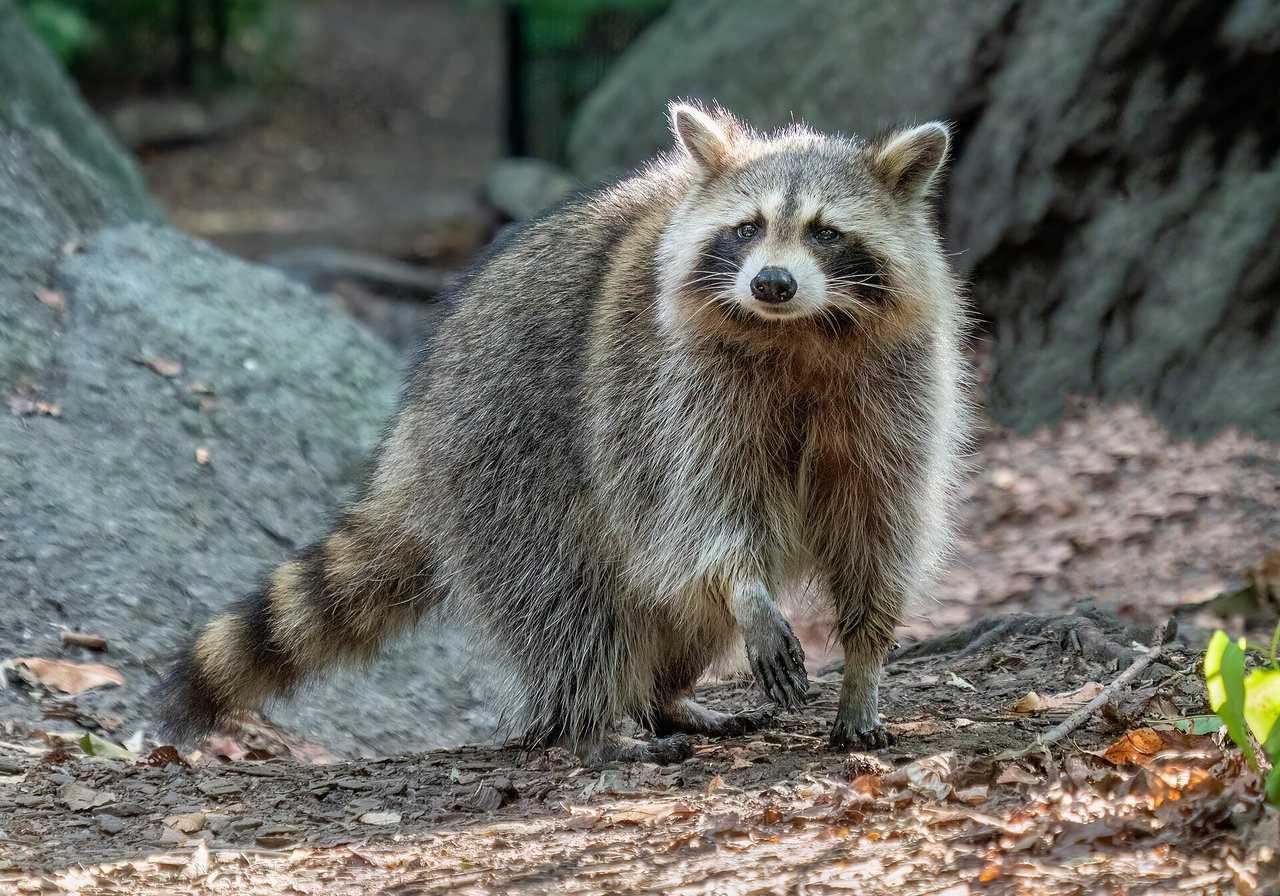
Mammals
RRaccoon
Procyon lotor (Linnaeus, 1758)
The masked omnivore of the Americas — clever, adaptable and increasingly urban.
North America · Central America
Open guide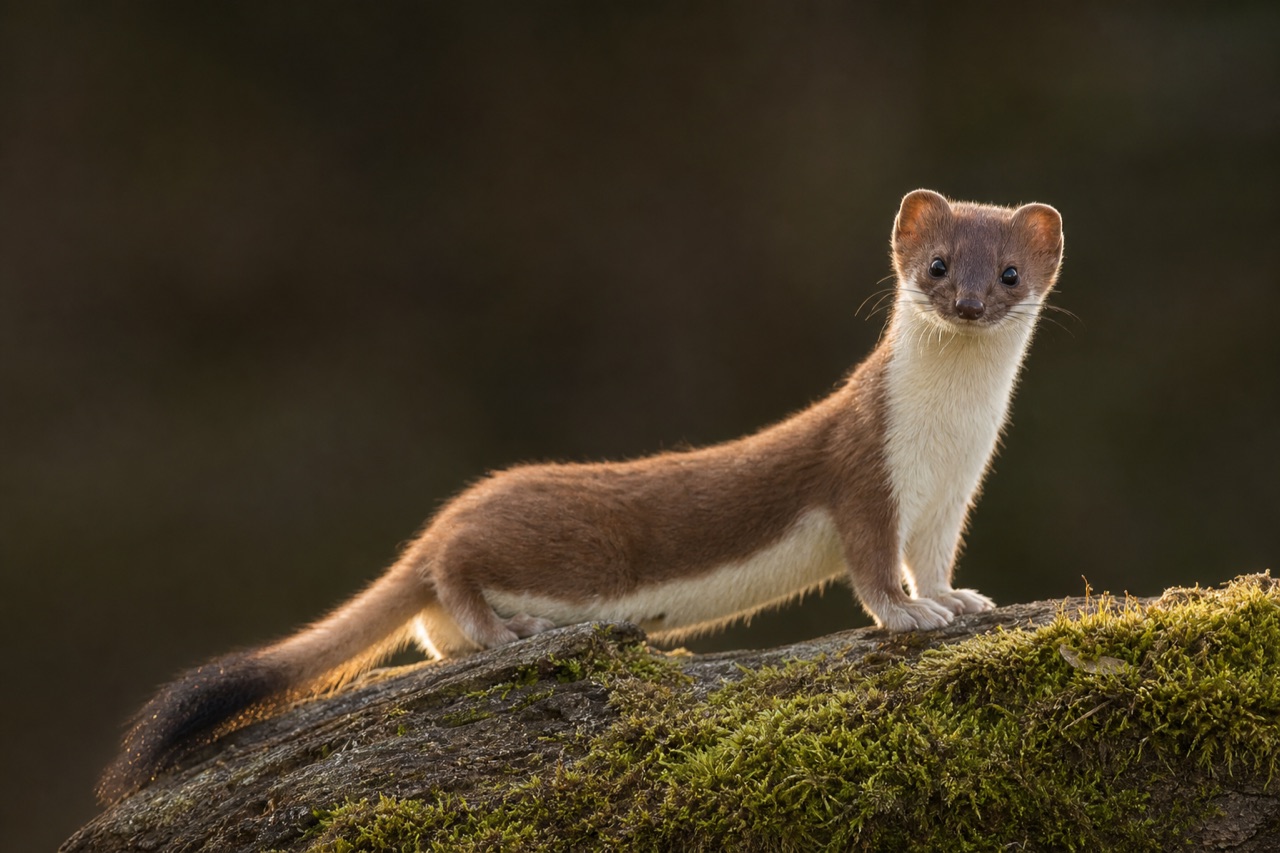
Mammals
SStoat
Mustela erminea (Linnaeus, 1758) — family Mustelidae
A weasel that turns white in winter, kills prey ten times its weight, and once trimmed royal robes.
Eurasia and North America · Tundra, moorland, farmland and woodland edge
Open guide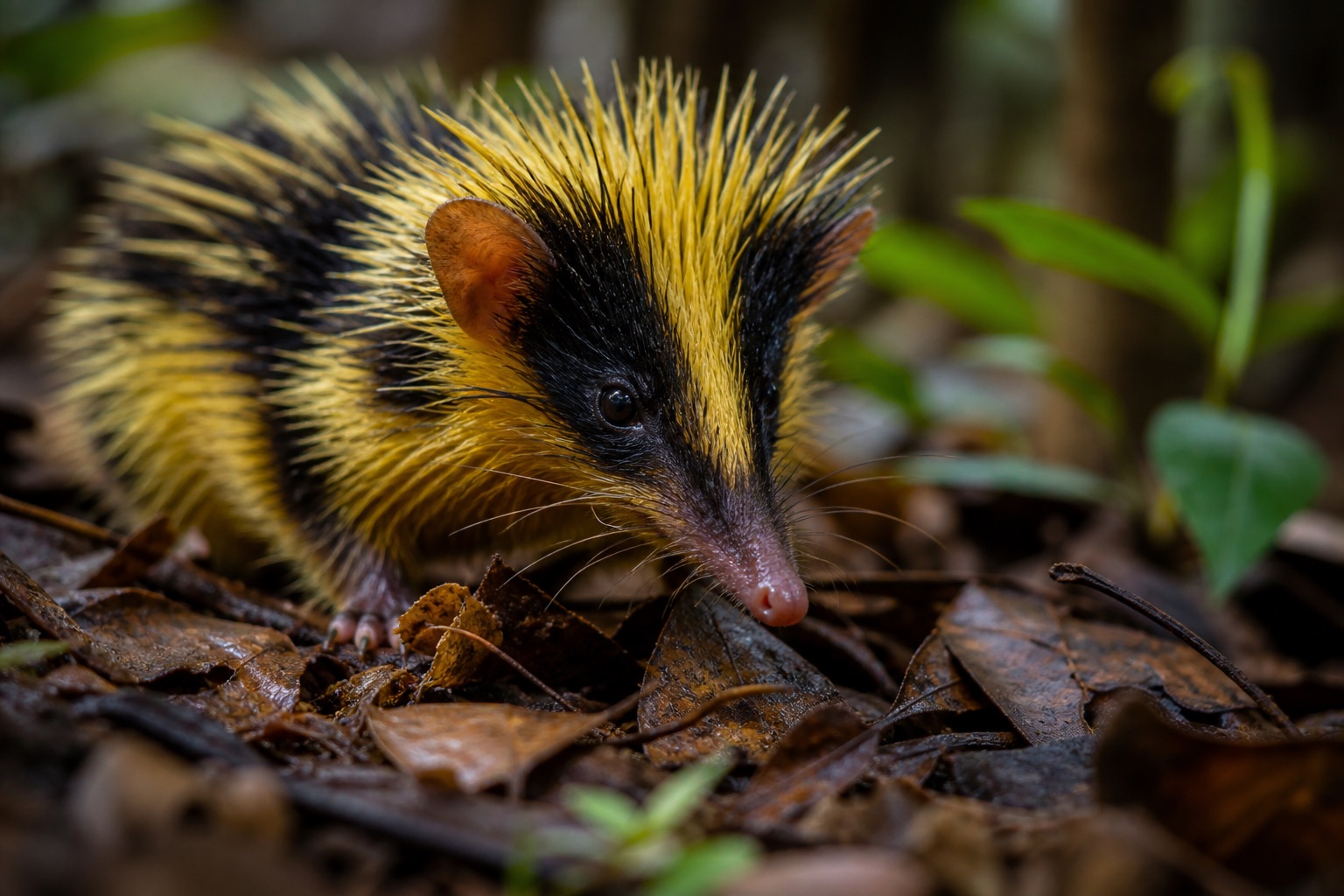
Mammals
TTenrec
Order Tenrecidae — around 30 species in Madagascar and the Comoros
Madagascar's answer to everything — shrews, hedgehogs, otters and moles, all in one island family.
Madagascar · Also the Comoros — but the radiation is overwhelmingly Malagasy
Open guide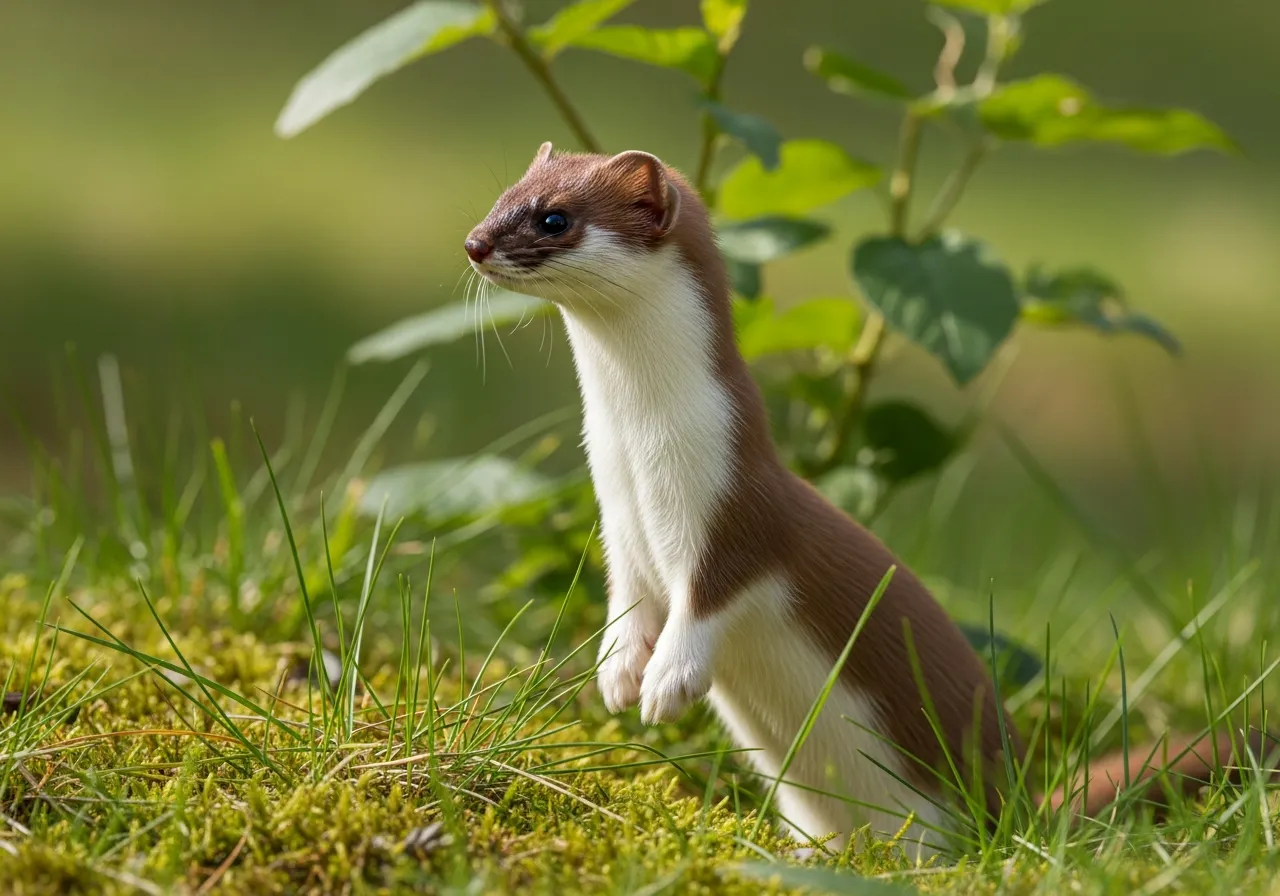
Mammals
WWeasel
Mustela nivalis
The world's smallest carnivore, slim enough to chase a vole down its own burrow.
Europe · Asia
Open guideConservation: what this group faces
Small carnivores are often overlooked in conservation planning because many species remain common in parts of their range, but several face serious declines. Giant otters are Endangered across South America, lost to habitat degradation and hunting. The binturong and several civets are threatened by deforestation and capture for the pet trade. In Britain, badgers are caught in a long-running conflict over bovine tuberculosis policy, while pine martens are recovering following centuries of persecution. Road mortality affects otters, badgers and pine martens wherever roads cross their territories.
Small carnivores: frequently asked questions
What counts as a small carnivore?
What is the difference between a stoat and a weasel?
Are hyenas dogs or cats?
What is a meerkat?
Do sea otters use tools?
Are small carnivores endangered?
Other types of mammal
-
Big cats
Large predatory cats — tigers, lions, leopards, jaguars, cheetahs and their close relatives.
-
Bears
Heavy-bodied omnivores — from polar bears on sea ice to pandas in bamboo forest.
-
Primates
Apes, monkeys, lemurs and lorises — the order that includes our closest living relatives.
-
Marine mammals
Whales, dolphins, seals, sea lions, walruses, manatees and otters tied to the sea.
-
Hoofed animals
Deer, elephants, rhinos, horses, cattle, antelope and other ungulates — grazers and browsers on hoof.
-
Rodents
Gnawing mammals — from mice and squirrels to beavers, capybaras and porcupines.
-
Bats
The only mammals capable of true powered flight — from insect-hunting pipistrelles to fruit bats.
-
Marsupials
Pouched mammals — kangaroos, koalas, opossums and gliders from Australia and the Americas.
-
Canids
Dogs, wolves, foxes, jackals and their wild relatives — the dog family.