Mammals · 10 species guides
Marsupials: Kangaroos, Koalas & Opossums
Marsupials are mammals whose young are born at a very early stage and typically complete development in a pouch or attached to a teat, including kangaroos, koalas, opossums and sugar gliders; most species live in Australia and nearby islands, with opossums representing the group in the Americas, united by reproductive strategy rather than body shape or diet.
- Hind limbs and locomotion
- Kangaroos and wallabies move by hopping on elongated hind limbs with a heavy tail for balance. Koalas climb slowly with grasping hands and feet adapted for gripping bark. Opossums walk on all fours and can climb, often with a prehensile tail.
- Pouch
- Female kangaroos, koalas and opossums have a pouch — though it may be less visible in some species. In kangaroos the opening faces forward; in koalas it faces backward, keeping dirt out while climbing.
- Koala features
- Koalas have a large round head, prominent black nose, round fluffy ears and no visible tail. They are arboreal and slow-moving, feeding almost exclusively on eucalyptus leaves.
- Opossum features
- American opossums have a pointed white face, bare rat-like tail and fifty teeth — more than any other land mammal in their range. They are opportunistic omnivores often seen at night near human habitation.
Marsupials are defined by reproduction, not appearance. A marsupial young is born at a very early developmental stage — in a kangaroo, roughly the size of a jelly bean — and crawls to the pouch, where it attaches to a teat and completes development. That strategy allows the mother to invest in gestation briefly and in lactation intensively, which may have helped marsupials persist alongside placental mammals across varied environments.
Most marsupials live in Australia and nearby islands, where the group diversified over millions of years into forms that fill roles occupied by placentals elsewhere — kangaroos as large grazers, sugar gliders as gliding omnivores, koalas as folivores. The Virginia opossum and its relatives represent marsupials in the Americas. The group does not include the platypus, which is a monotreme — a mammal that lays eggs — though both are often grouped in popular usage as strange mammals from the southern hemisphere and beyond.
Key facts
- Marsupials are defined by giving birth to underdeveloped young that complete development in a pouch or attached to a teat.
- Most marsupials live in Australia and nearby islands; opossums are the main marsupial group in the Americas.
- Kangaroos hop on elongated hind limbs; the tail acts as a third leg when sitting and a balance rod when moving.
- Koalas are not bears — they are folivorous marsupials specialised on eucalyptus, which is toxic to most other mammals.
- The platypus is not a marsupial — it is a monotreme, an egg-laying mammal in a separate lineage.
- Many Australian marsupials face habitat loss, road mortality and predation from introduced foxes and cats.
How to recognise them
The features that separate this group in the field, in the order they are usually most useful.
- Hind limbs and locomotion
- Kangaroos and wallabies move by hopping on elongated hind limbs with a heavy tail for balance. Koalas climb slowly with grasping hands and feet adapted for gripping bark. Opossums walk on all fours and can climb, often with a prehensile tail.
- Pouch
- Female kangaroos, koalas and opossums have a pouch — though it may be less visible in some species. In kangaroos the opening faces forward; in koalas it faces backward, keeping dirt out while climbing.
- Koala features
- Koalas have a large round head, prominent black nose, round fluffy ears and no visible tail. They are arboreal and slow-moving, feeding almost exclusively on eucalyptus leaves.
- Opossum features
- American opossums have a pointed white face, bare rat-like tail and fifty teeth — more than any other land mammal in their range. They are opportunistic omnivores often seen at night near human habitation.
- The confusion pairs
- Kangaroo versus wallaby: wallabies are not in this list, but kangaroos are larger with longer legs and a more upright posture — wallaby confusion applies where both occur. Koala versus bear: koalas are marsupials, not bears — smaller, arboreal, with a large nose and no tail. Opossum versus rat: opossums have a pointed white face, bare prehensile tail and slow shambling gait; rats are smoother-furred with scaly tails.
10 marsupials guides
Search or filter by conservation status. Every guide carries sourced facts, IUCN status and FAQs.
Common names, scientific names and places are searchable.
Showing 1–10 of 10 guides
Mammals
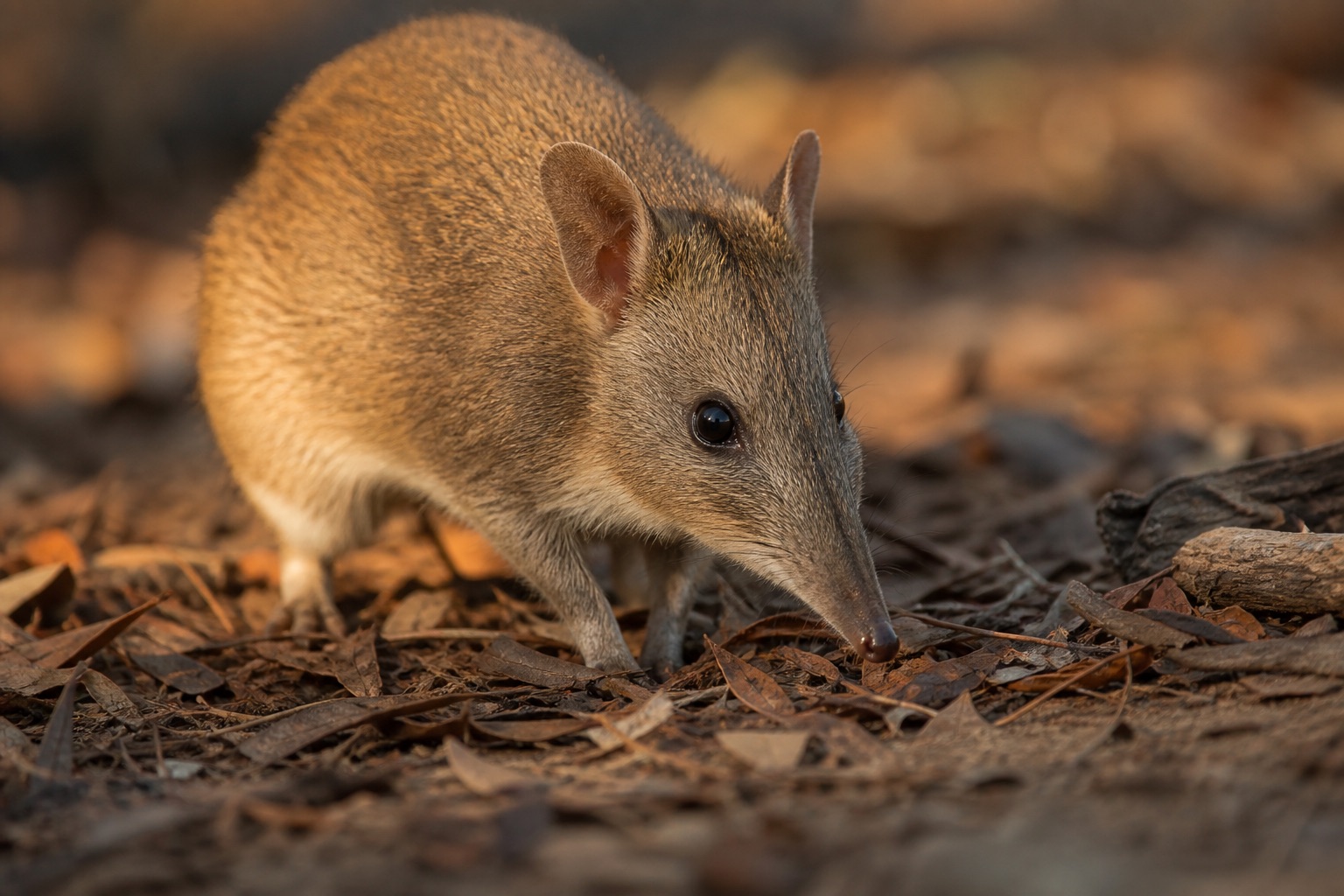
BBandicoot
Order Peramelemorphia — bandicoots and bilbies (family Peramelidae and others)
Marsupials with the shortest pregnancies on Earth — and a placenta more like a placental mammal than most pouched animals.
Australia · New Guinea and nearby islands
Open guide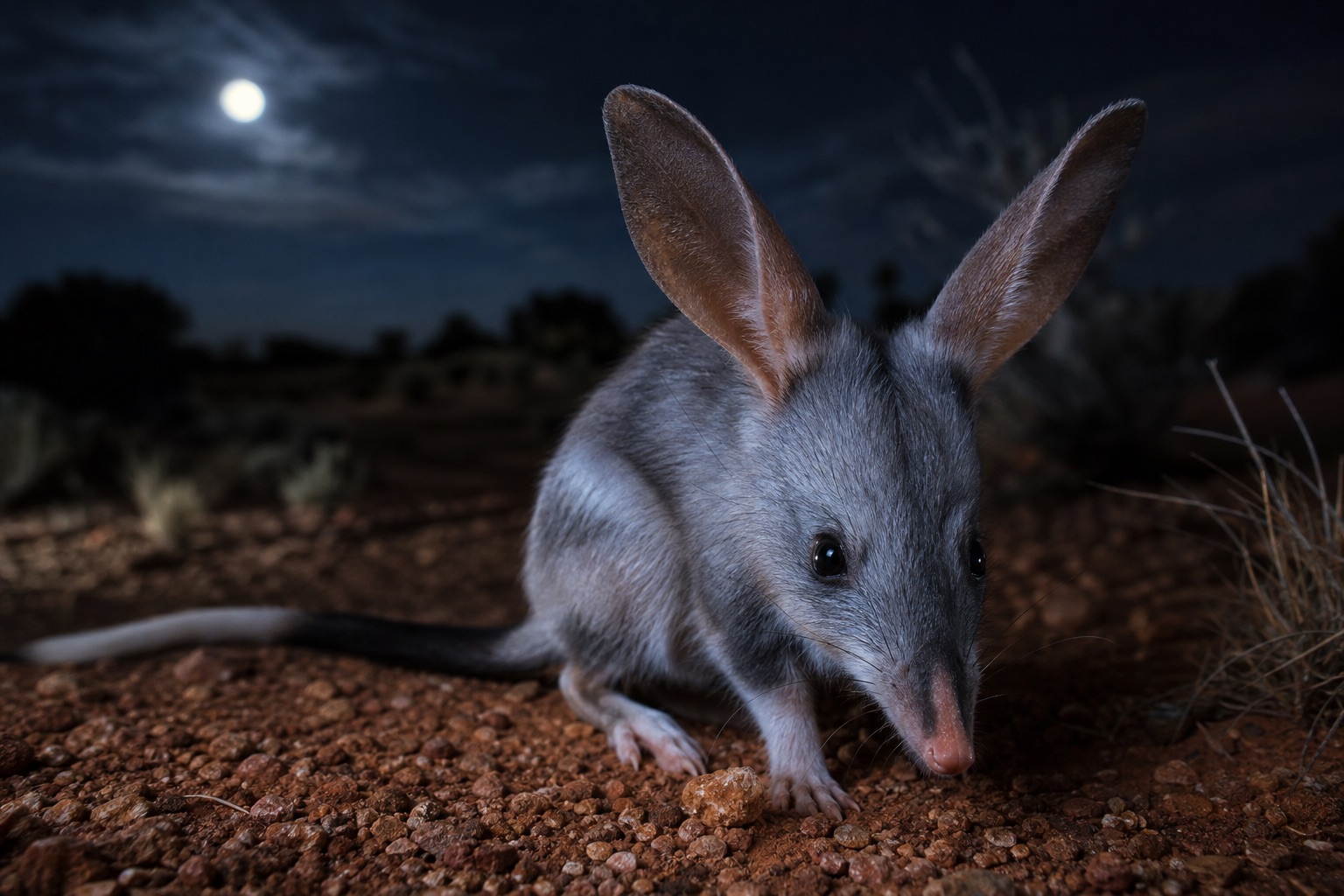
Mammals
BBilby
Macrotis lagotis (Reid, 1837) — family Thylacomyidae
Australia's Easter Bilby — a rabbit-eared marsupial that burrows through the desert while the real rabbits eat it out of house and home.
Arid and semi-arid central and western Australia · Reintroduced populations in fenced sanctuaries
Open guide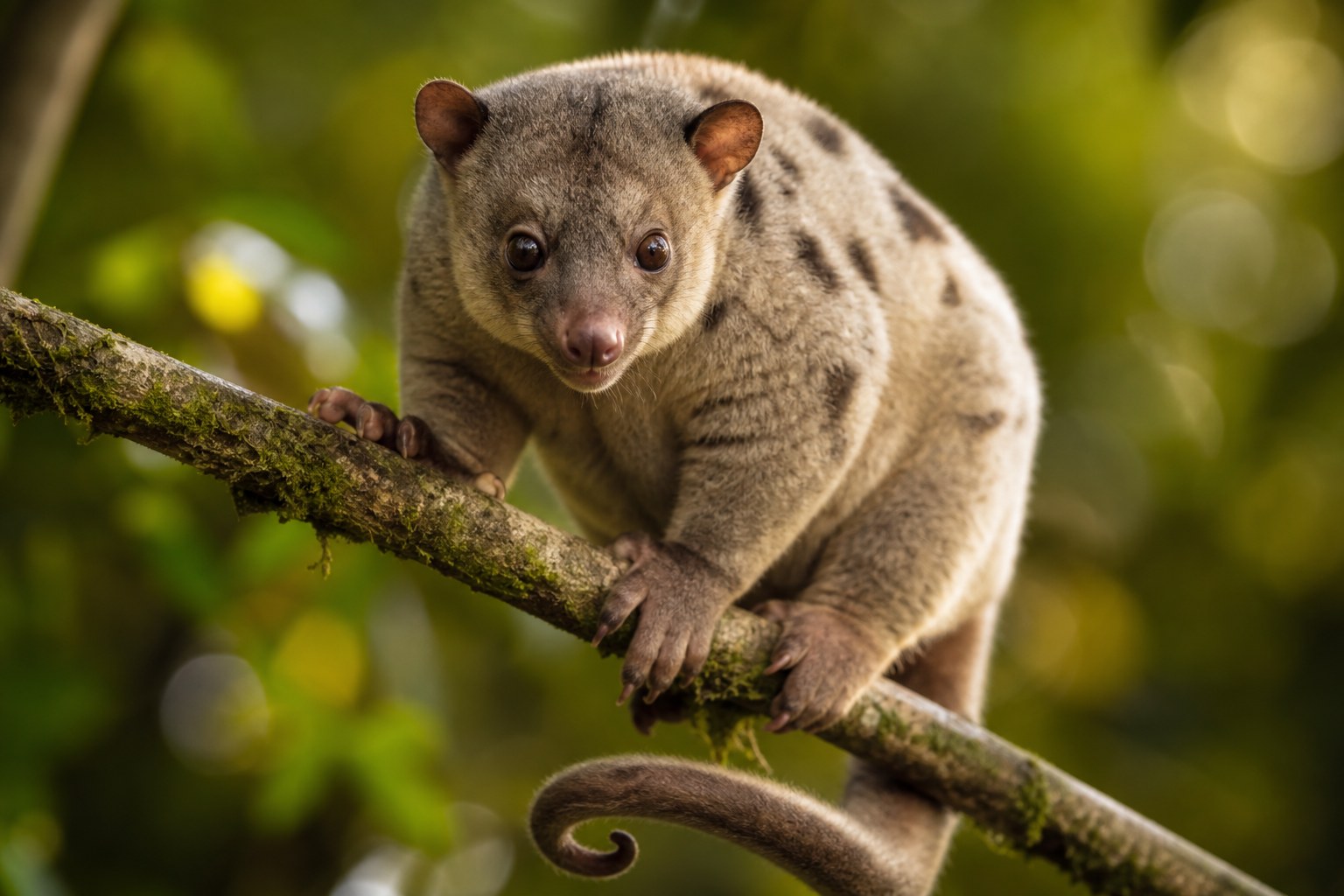
Mammals
GGrey Cuscus
Phalanger orientalis (Pallas, 1766) — family Phalangeridae
A marsupial that people keep mistaking for a monkey, a sloth and a possum — and it is the third of those.
New Guinea · Moluccas, Timor and the Solomon Islands
Open guide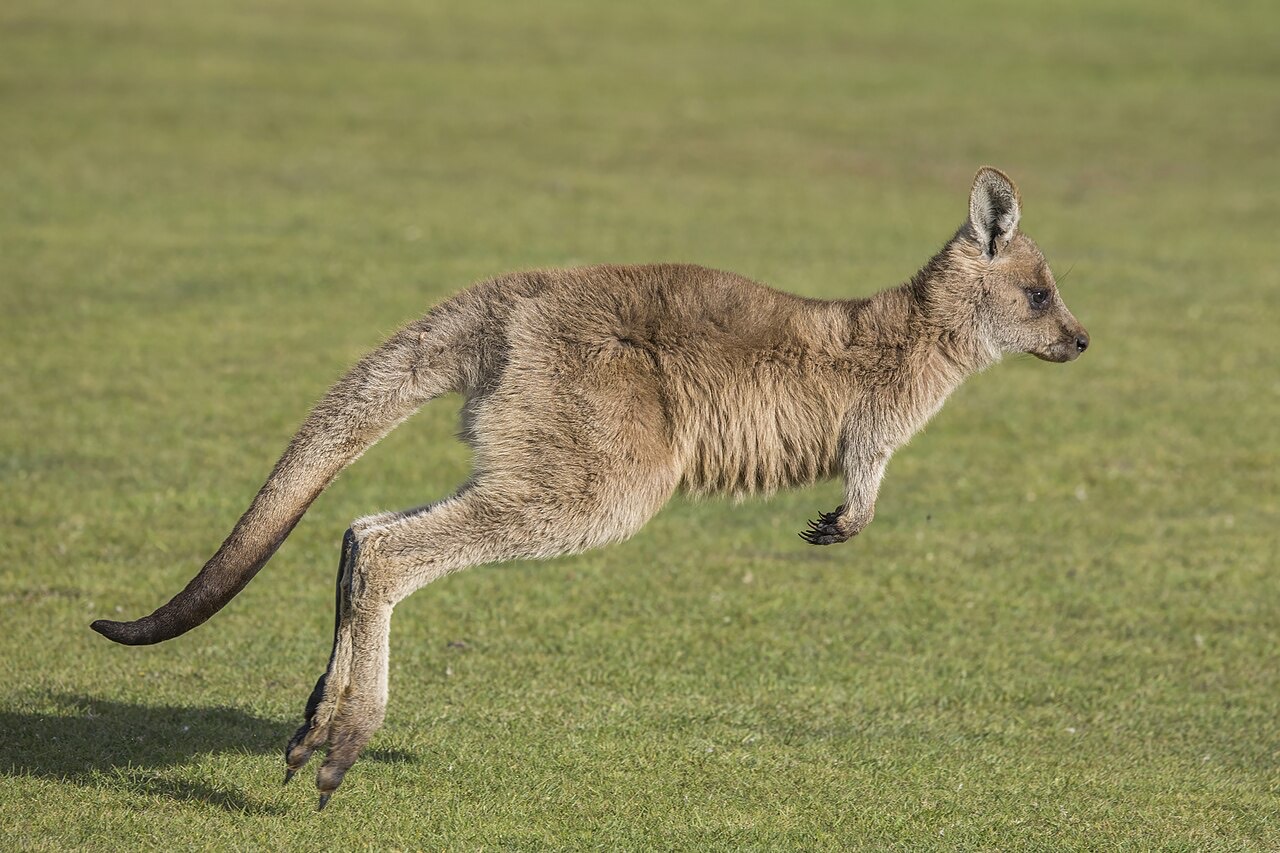
Mammals
KKangaroo
Macropus and Osphranter spp.
The world's largest marsupial, hopping across Australia with a joey in the pouch.
Australia
Open guide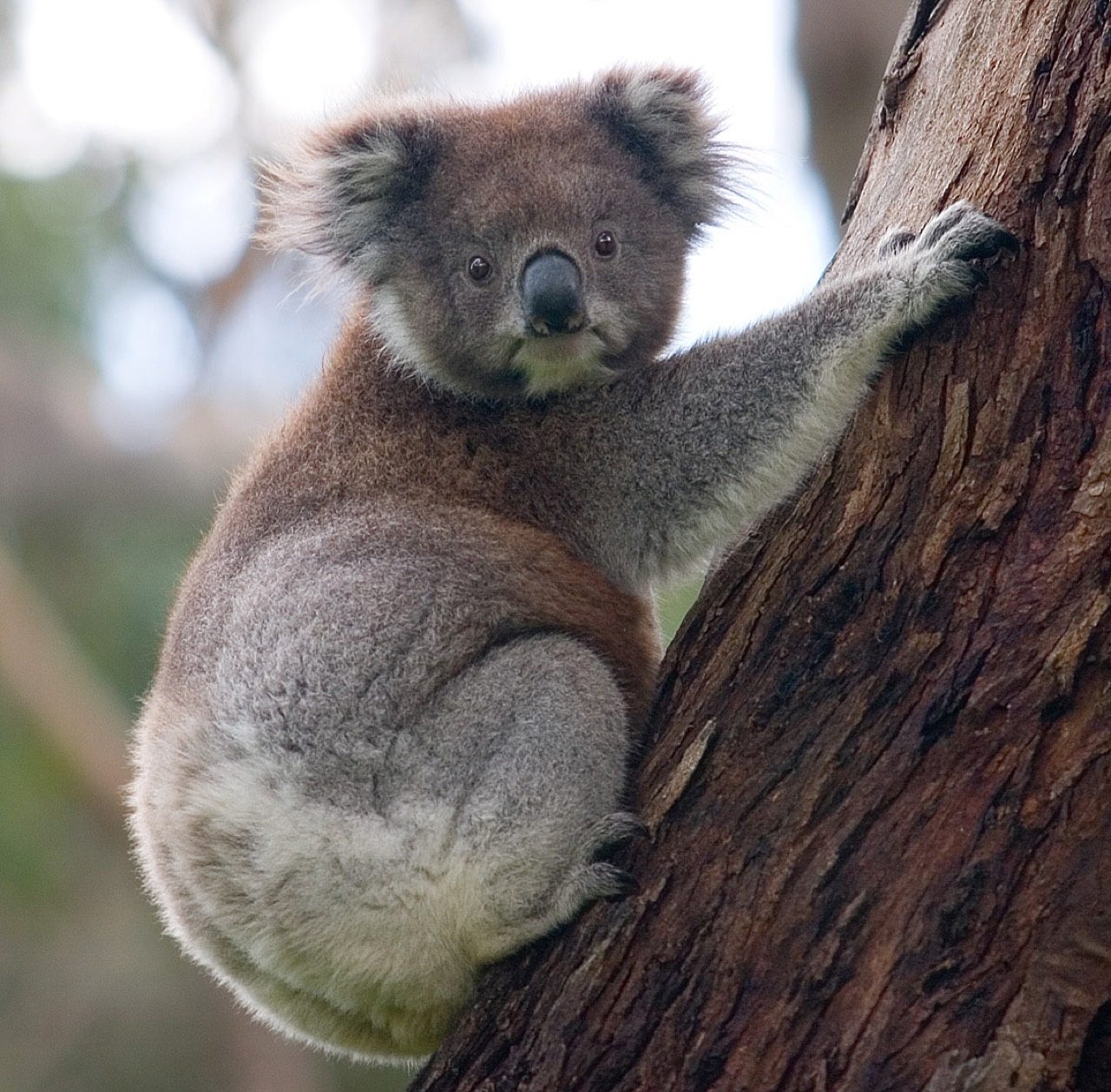
Mammals
KKoala
Phascolarctos cinereus
Australia's eucalyptus specialist, a tree-dwelling marsupial under pressure from habitat loss and bushfire.
Australia
Open guide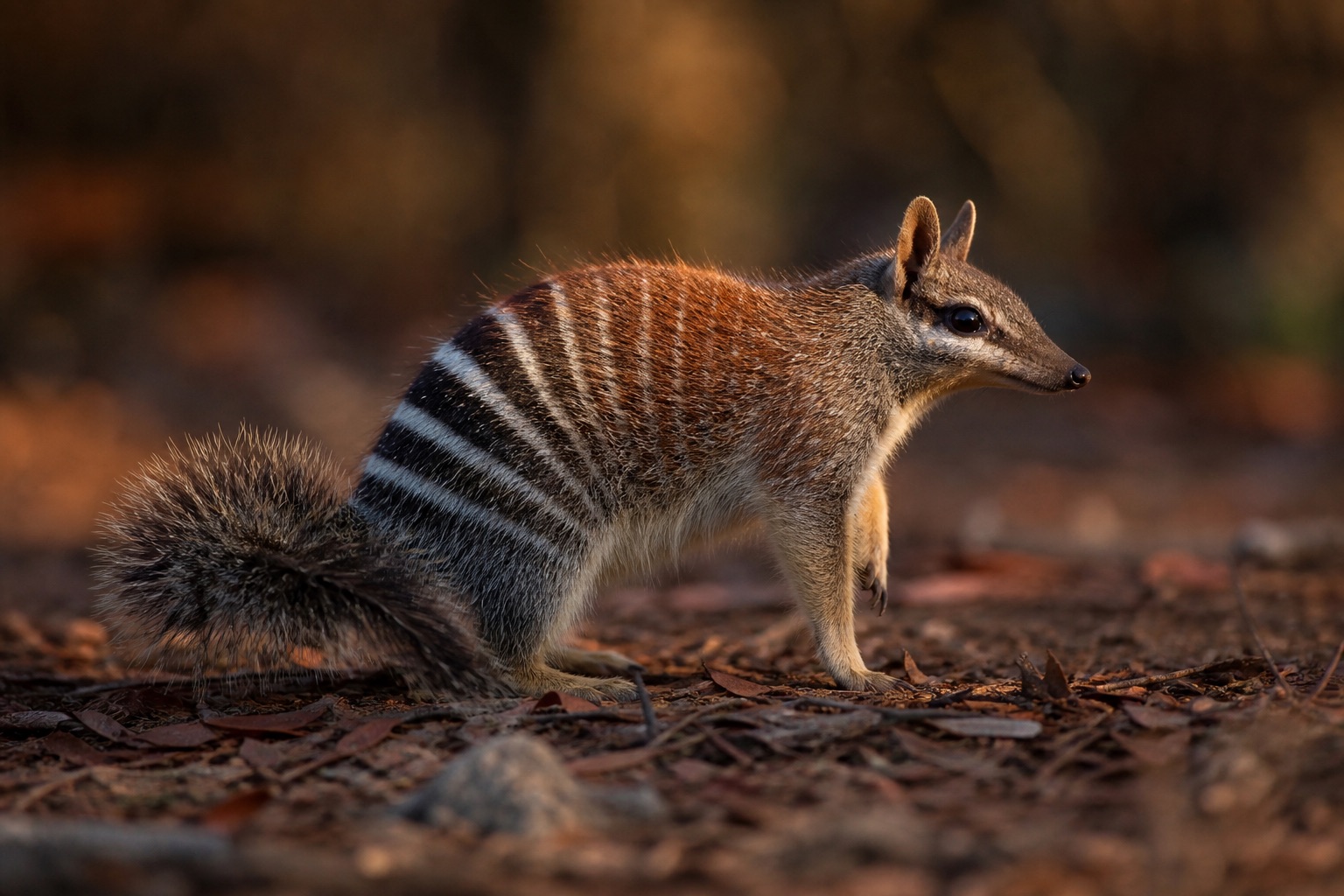
Mammals
NNumbat
Myrmecobius fasciatus (Waterhouse, 1836) — family Myrmecobiidae
Western Australia's mammal emblem eats almost nothing but termites — and was down to roughly 300 animals before recovery work began.
South-western Western Australia · Reintroduced sites in South Australia and New South Wales
Open guide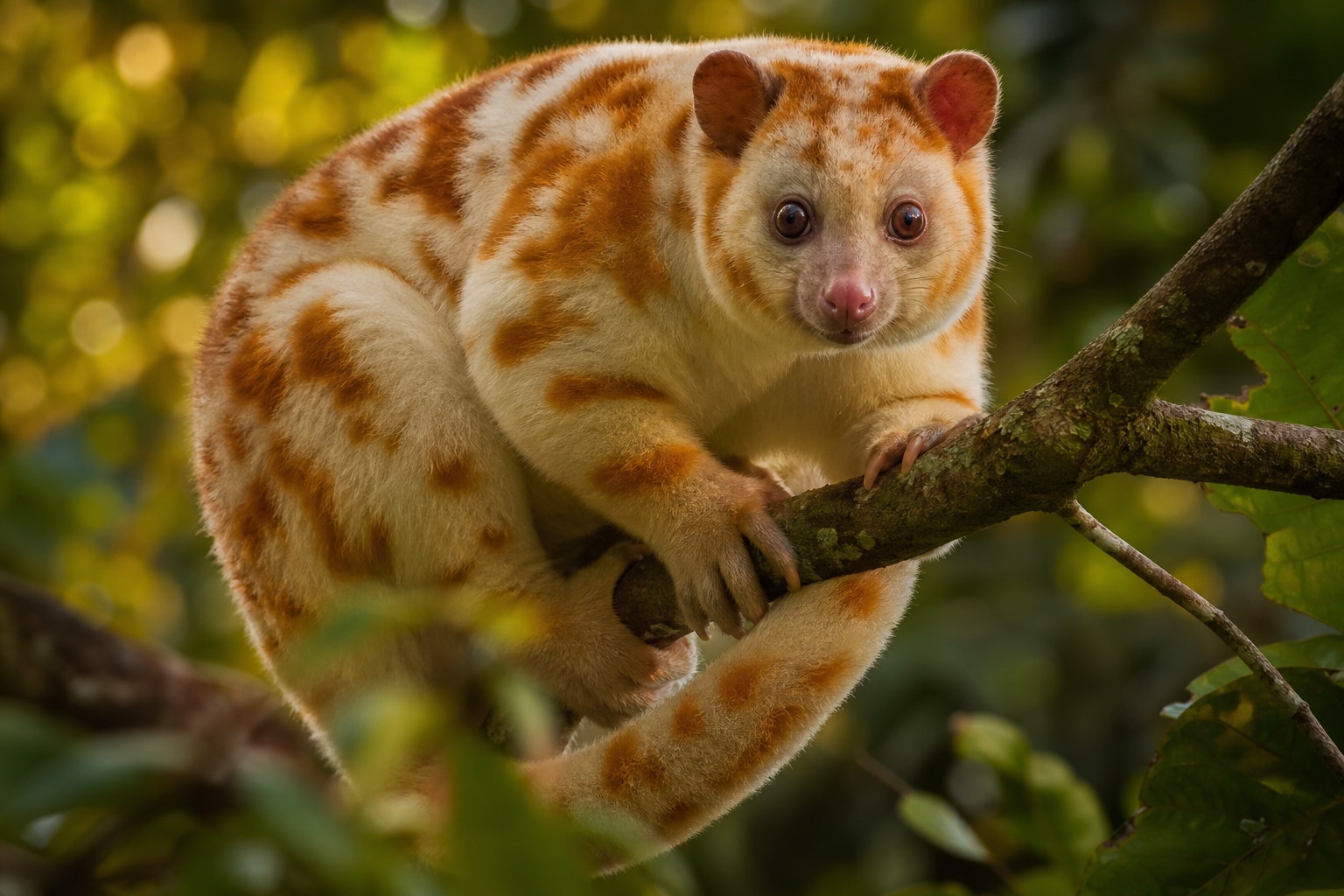
Mammals
SSpotted Cuscus
Spilocuscus maculatus (É. Geoffroy, 1803) — family Phalangeridae
A marsupial possum where only the male wears the spots — and both sexes are slower than they look.
New Guinea · Cape York Peninsula, Australia
Open guide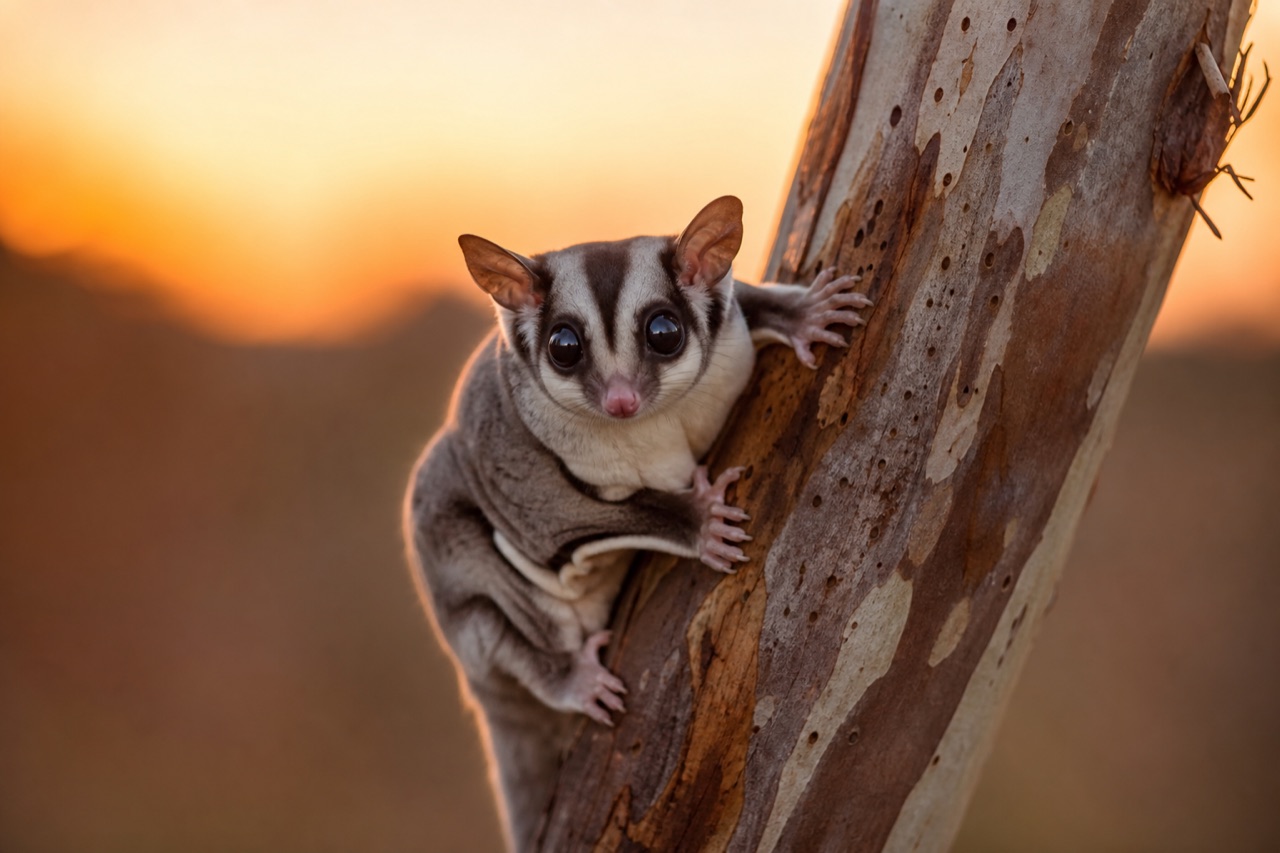
Mammals
SSugar Glider
Petaurus breviceps (Waterhouse, 1839) — family Petauridae
A possum that glides — membrane, big eyes, and a pet trade that exports trouble.
Eastern and northern Australia · Southern New Guinea
Open guide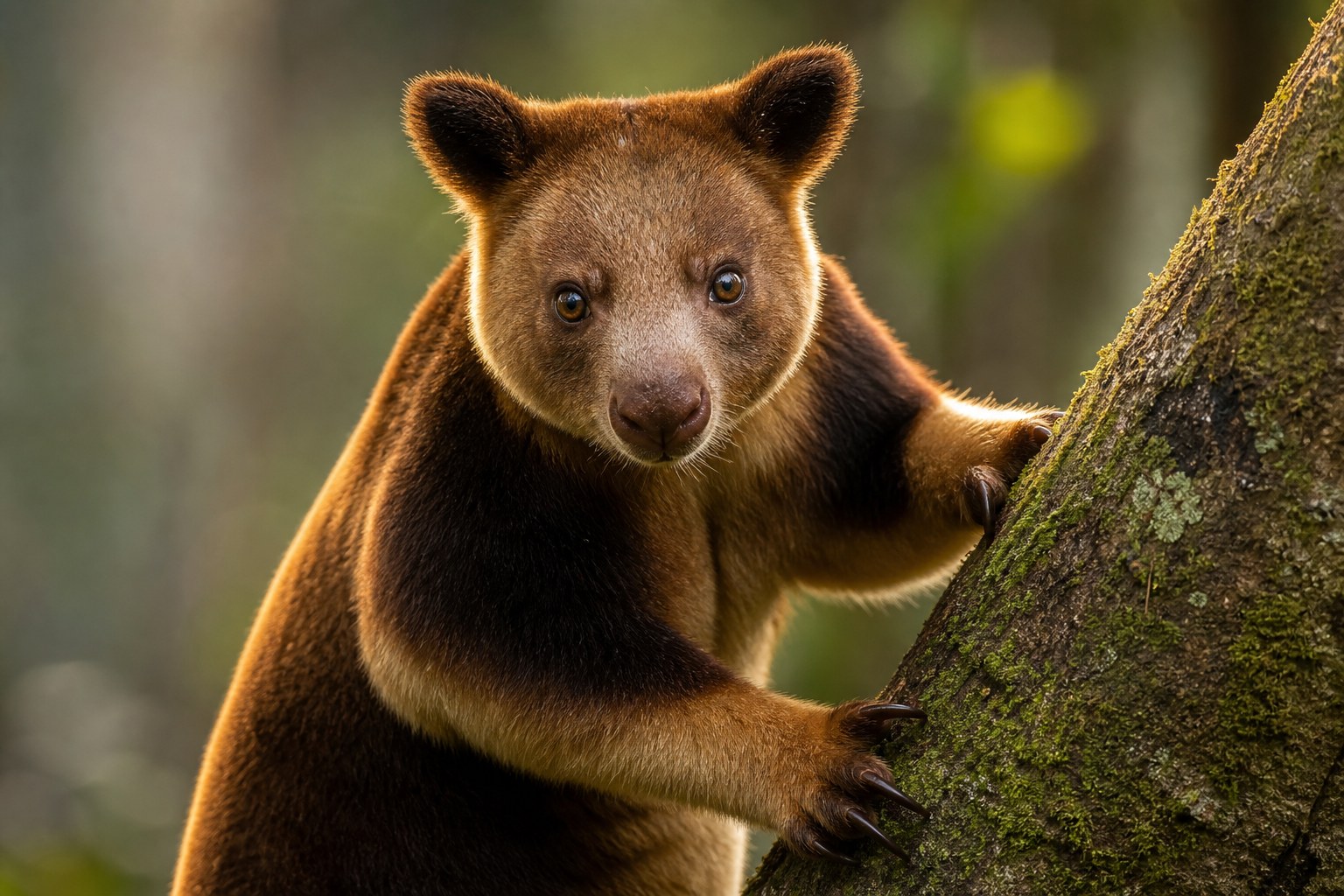
Mammals
TTree Kangaroo
Genus Dendrolagus (Müller, 1840) — around 14 species
Kangaroos whose ancestors left the trees for the ground, then went back up again.
New Guinea · Far north Queensland, Australia
Open guide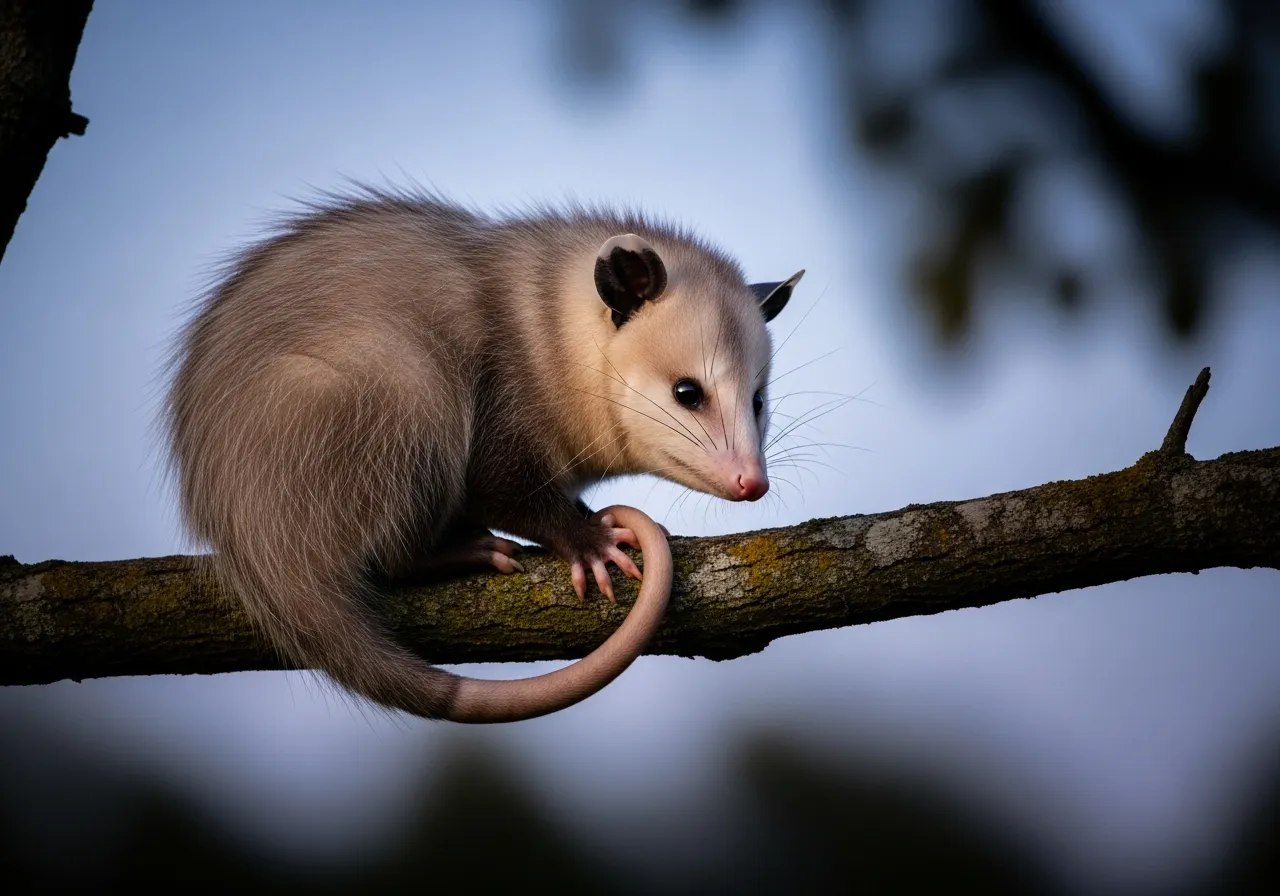
Mammals
VVirginia Opossum
Didelphis virginiana
North America's only marsupial — the unflappable, tick-munching survivor that 'plays dead' when life gets too scary.
North America · United States
Open guideConservation: what this group faces
Australian marsupials face a combination of habitat loss and introduced predators that placental mammals in the same landscapes often tolerate better. Foxes and feral cats hunt species that evolved without mammalian predators of that size, and many ground-dwelling marsupials have declined sharply as a result. Koala populations are under pressure from eucalyptus forest clearance and chlamydial disease. Road mortality is a substantial source of death for kangaroos and koalas in fragmented landscapes. Predator-proof fencing and island sanctuaries have been essential for recovering species pushed to the edge of extinction.
Marsupials: frequently asked questions
What is a marsupial?
Is a koala a bear?
What is the difference between a kangaroo and a wallaby?
Are opossums marsupials?
Is a platypus a marsupial?
Are marsupials endangered?
Other types of mammal
-
Big cats
Large predatory cats — tigers, lions, leopards, jaguars, cheetahs and their close relatives.
-
Bears
Heavy-bodied omnivores — from polar bears on sea ice to pandas in bamboo forest.
-
Primates
Apes, monkeys, lemurs and lorises — the order that includes our closest living relatives.
-
Marine mammals
Whales, dolphins, seals, sea lions, walruses, manatees and otters tied to the sea.
-
Hoofed animals
Deer, elephants, rhinos, horses, cattle, antelope and other ungulates — grazers and browsers on hoof.
-
Rodents
Gnawing mammals — from mice and squirrels to beavers, capybaras and porcupines.
-
Bats
The only mammals capable of true powered flight — from insect-hunting pipistrelles to fruit bats.
-
Canids
Dogs, wolves, foxes, jackals and their wild relatives — the dog family.
-
Small carnivores
Stoats, badgers, otters, mongooses, raccoons and other compact hunters and scavengers.