Mammals · 22 species guides
Marine Mammals: Whales, Seals & Dolphins
Marine mammals are mammals that depend on the sea for feeding, breeding or both, including whales, dolphins, porpoises, seals, sea lions, walruses, sea otters, manatees and dugongs; they evolved from land ancestors separately in several lineages and share adaptations such as streamlined bodies, insulation and, in cetaceans, the ability to hold their breath for extended dives.
- Cetacean fluke and blow
- Whales and dolphins surface to breathe through a blowhole. Baleen whales have two blowholes; toothed cetaceans have one. The tail fluke is horizontal, powering up-and-down strokes — unlike a fish tail, which moves side to side.
- Dolphin versus porpoise
- Dolphins tend to have longer beaks, curved dorsal fins and cone-shaped teeth. Porpoises have shorter faces, triangular dorsal fins and spade-shaped teeth. Porpoises are generally less acrobatic at the surface.
- Seal versus sea lion
- True seals — grey seal, elephant seal — have hind flippers that point backward and cannot rotate under the body; they wriggle on land. Sea lions and fur seals can walk on all fours by rotating hind flippers forward and have visible external ear flaps.
- Baleen versus toothed whale
- Baleen whales — blue, humpback, fin, grey — filter feed with keratin plates and lack teeth as adults. Toothed whales — sperm whale, orca, dolphins — hunt with teeth. The sperm whale has a single blowhole angled forward and to the left.
Marine mammal is a habitat grouping, not a single evolutionary branch. Whales and dolphins descended from hoofed land mammals; seals and sea lions from bear-like carnivores; manatees and dugongs from elephants; sea otters from weasel-like ancestors. What they share is a life tied to water — and the adaptations that life demands: streamlined bodies, thick blubber or dense fur for insulation, and, in cetaceans, nostrils migrated to the top of the head as a blowhole.
The identification problems in this group are practical. A dorsal fin at sea could be a dolphin, a porpoise or a shark — behaviour and shape separate them. On a beach, a seal and a sea lion look similar until you watch them move: sea lions can walk on all fours with hind flippers rotated forward; true seals wriggle and cannot rotate the hind flippers underneath. Those distinctions matter for conservation too, because the threats differ — bycatch and ship strikes for whales, entanglement and disturbance for seals, habitat loss for manatees.
Key facts
- Marine mammals evolved from land ancestors in at least four separate lineages — cetaceans, pinnipeds, sirenians and otters.
- Whale and dolphin tail flukes move up and down; fish tails move side to side — a reliable distinction at sea.
- True seals cannot walk on land; sea lions and fur seals rotate their hind flippers forward and have external ear flaps.
- Baleen whales filter feed; toothed cetaceans — including orcas and sperm whales — hunt with teeth.
- Ship strikes, entanglement in fishing gear and ocean noise are major modern threats to cetaceans worldwide.
- Manatees and dugongs — the sirenians — are vulnerable to boat strikes and loss of seagrass habitat in warm coastal waters.
How to recognise them
The features that separate this group in the field, in the order they are usually most useful.
- Cetacean fluke and blow
- Whales and dolphins surface to breathe through a blowhole. Baleen whales have two blowholes; toothed cetaceans have one. The tail fluke is horizontal, powering up-and-down strokes — unlike a fish tail, which moves side to side.
- Dolphin versus porpoise
- Dolphins tend to have longer beaks, curved dorsal fins and cone-shaped teeth. Porpoises have shorter faces, triangular dorsal fins and spade-shaped teeth. Porpoises are generally less acrobatic at the surface.
- Seal versus sea lion
- True seals — grey seal, elephant seal — have hind flippers that point backward and cannot rotate under the body; they wriggle on land. Sea lions and fur seals can walk on all fours by rotating hind flippers forward and have visible external ear flaps.
- Baleen versus toothed whale
- Baleen whales — blue, humpback, fin, grey — filter feed with keratin plates and lack teeth as adults. Toothed whales — sperm whale, orca, dolphins — hunt with teeth. The sperm whale has a single blowhole angled forward and to the left.
- The confusion pairs
- Seal versus sea lion: hind-flipper mobility and ear flaps. Dolphin versus porpoise: beak length, dorsal fin shape and teeth. Manatee versus dugong: manatees have a rounded tail paddle; dugongs have a fluked tail like a whale. Sea otter versus seal: otters have visible hind limbs and often float on their backs.
22 marine mammals guides
Search or filter by conservation status. Every guide carries sourced facts, IUCN status and FAQs.
Common names, scientific names and places are searchable.
Showing 1–22 of 22 guides
Mammals
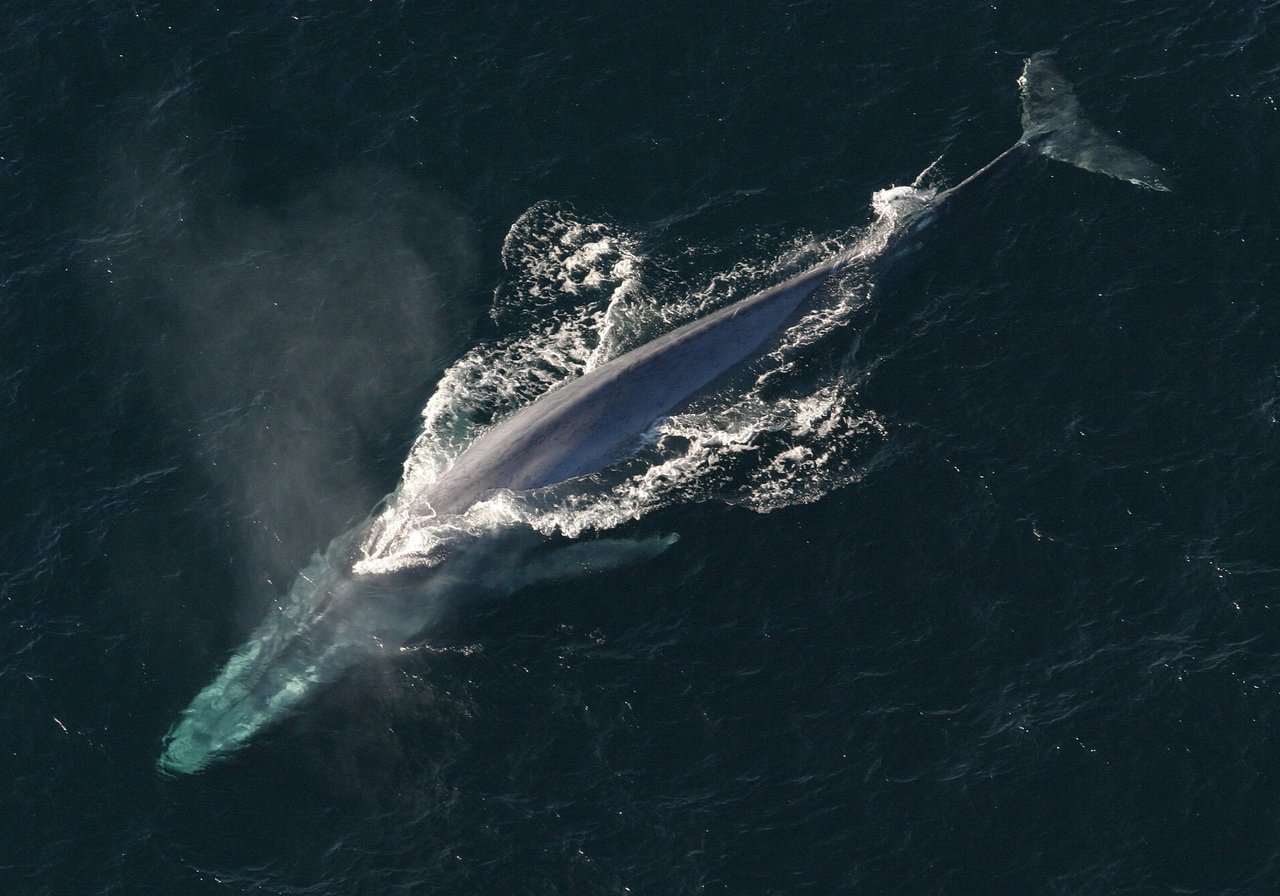
BBlue Whale
Balaenoptera musculus (Linnaeus, 1758)
The largest animal ever known — a colossal filter-feeder recovering from the whaling era.
All oceans — Arctic to Antarctic; migratory between feeding and breeding grounds
Open guide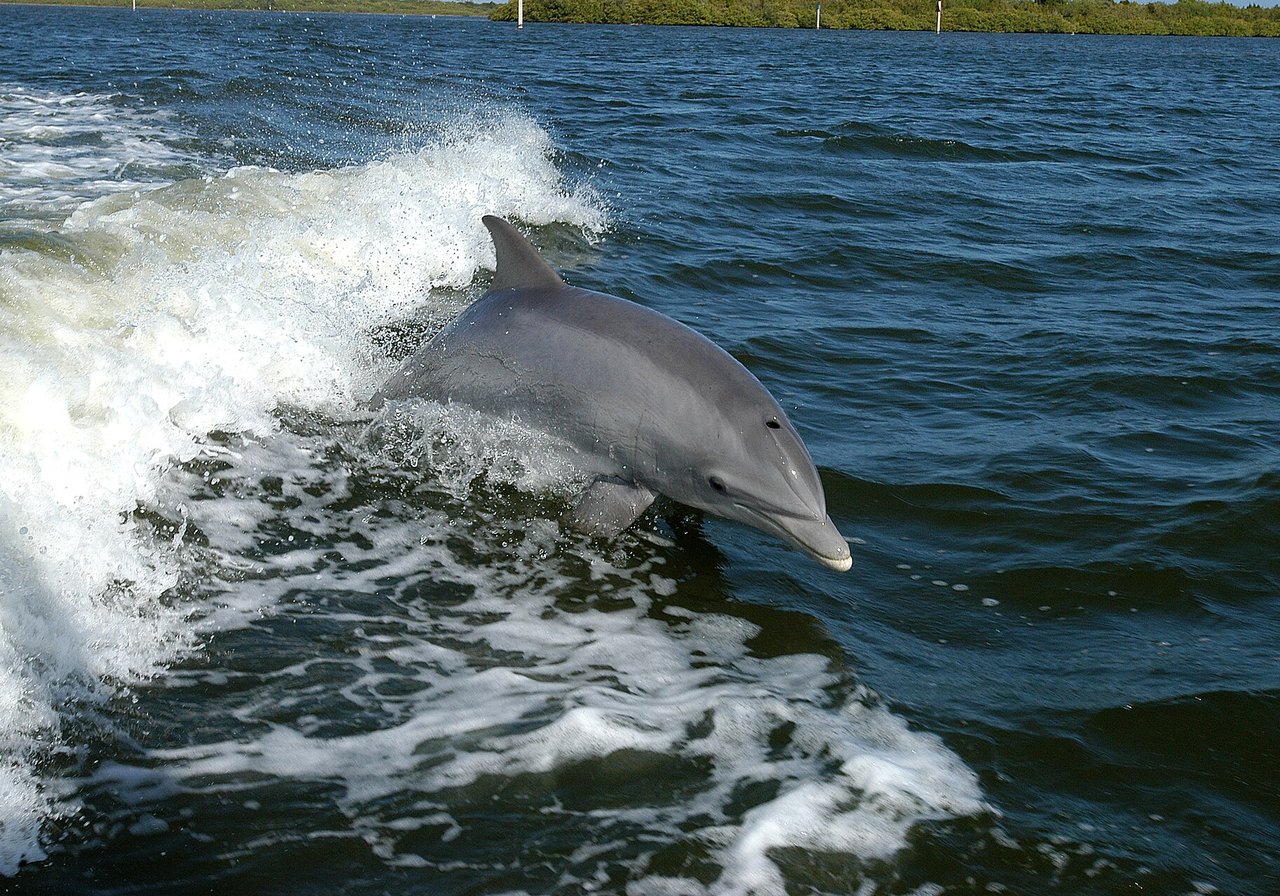
Mammals
DDolphin
Family Delphinidae — oceanic dolphins including Tursiops truncatus (common bottlenose) and Delphinus delphis (common dolphin)
Oceanic dolphins of the open sea — social, echolocating and not river specialists.
All oceans · some rivers (separate WARN river-dolphin guides)
Open guide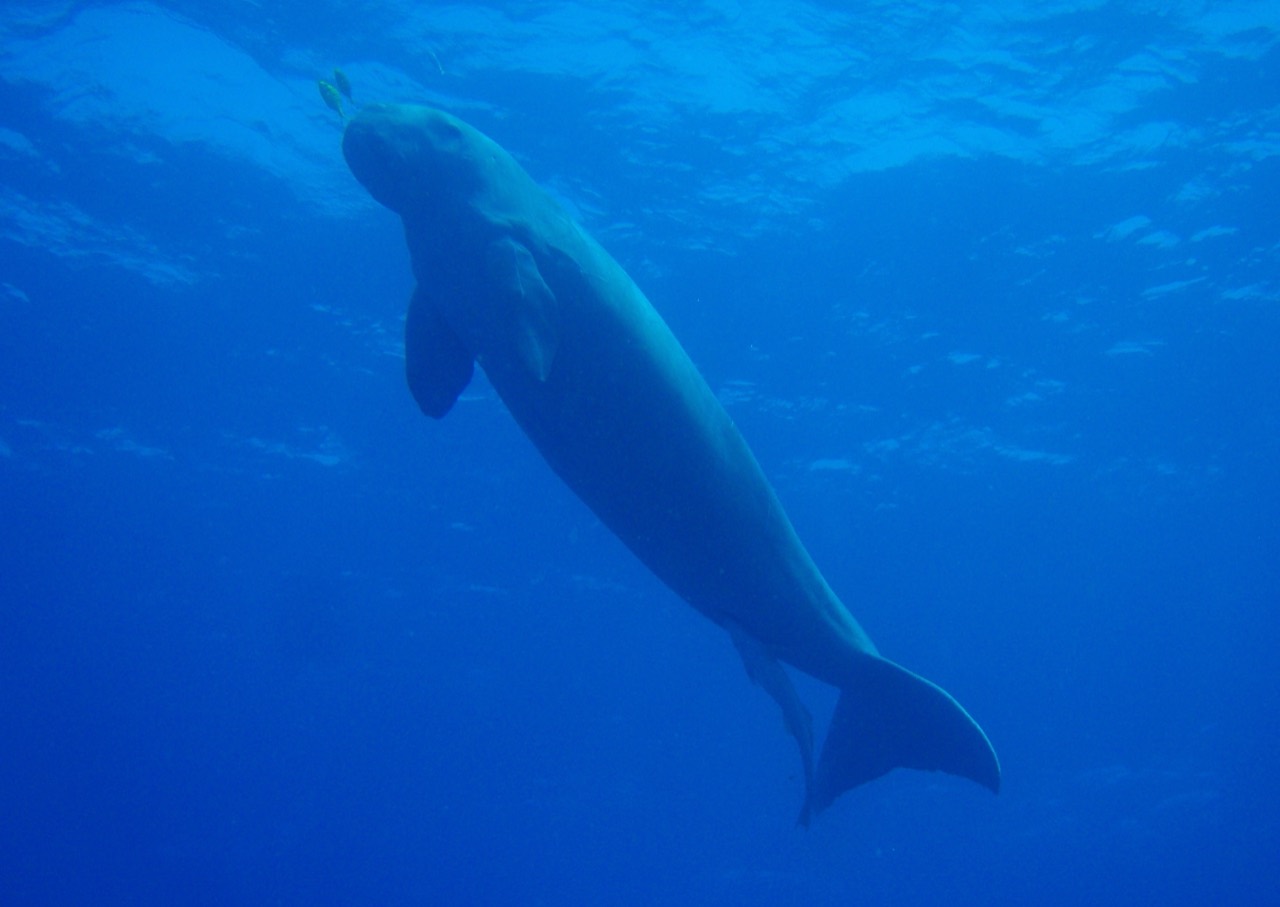
Mammals
DDugong
Dugong dugon
The gentle sea cow that mowed the seagrass meadows long before sailors mistook it for a mermaid.
Indonesia · Malaysia
Open guide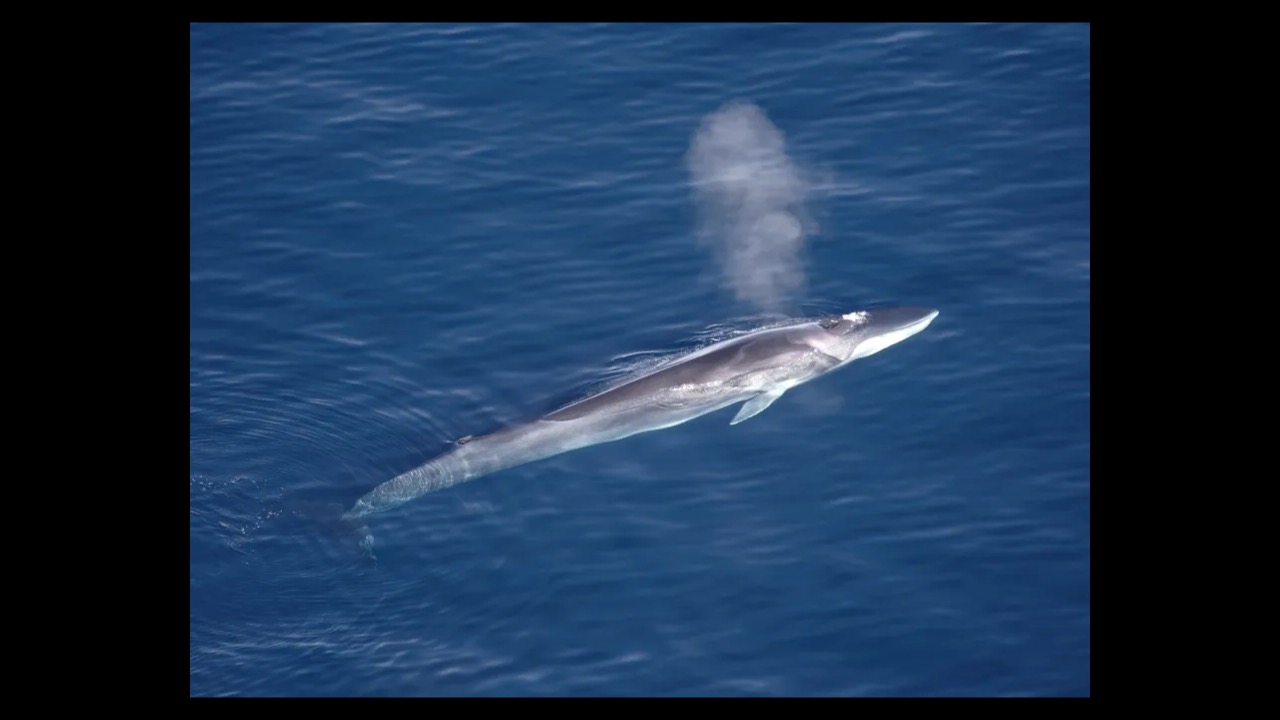
Mammals
FFin Whale
Balaenoptera physalus
The sleek greyhound of the seas
Africa · Asia
Open guide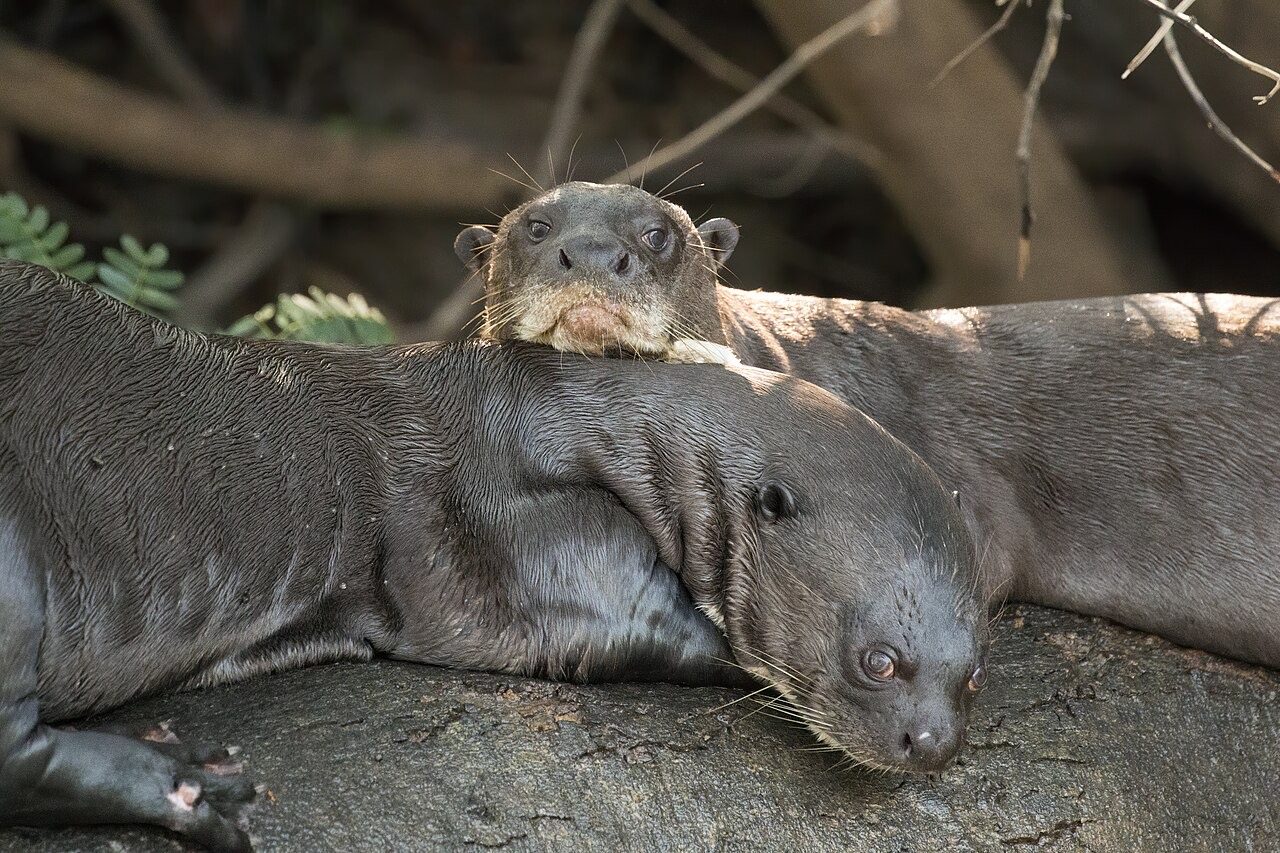
Mammals
GGiant Otter
Pteronura brasiliensis
The Amazon's "river wolf" — the longest otter on Earth and one of its most endangered.
Brazil · Colombia
Open guide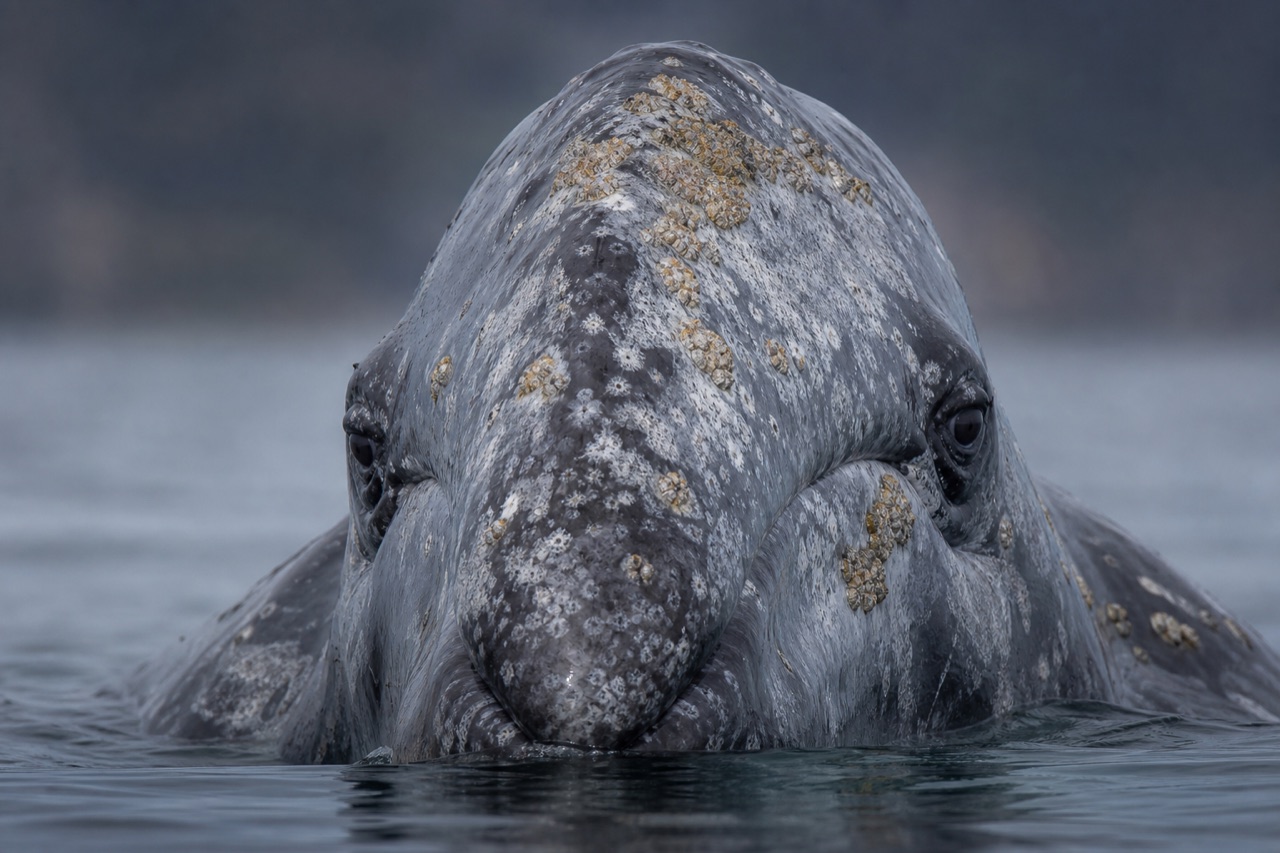
Mammals
GGray Whale
Eschrichtius robustus (Lilljeborg, 1861) — family Eschrichtiidae
One of the longest migrations of any mammal, and a whale that feeds by rolling on the seabed.
North Pacific — eastern population from Mexico to the Arctic · Small, severely depleted western population off Russia
Open guide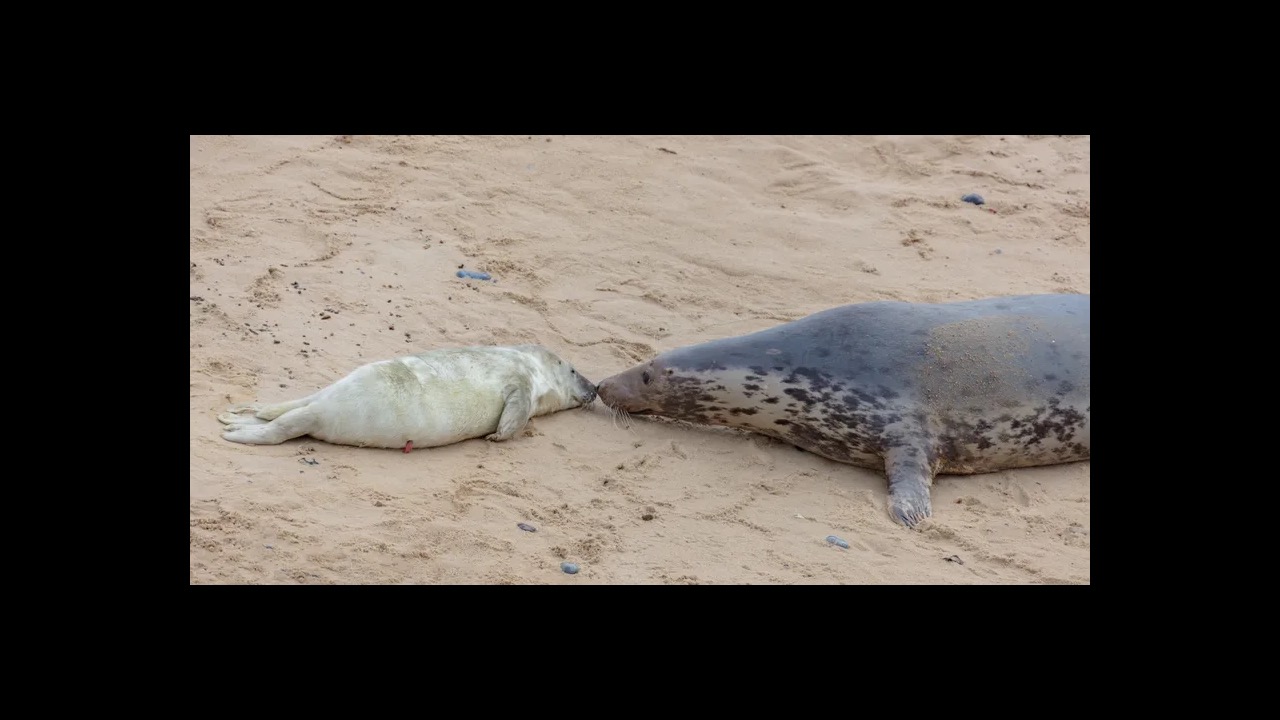
Mammals
GGrey Seal
Halichoerus grypus
The horse-faced seal of the Atlantic
Europe · North America
Open guide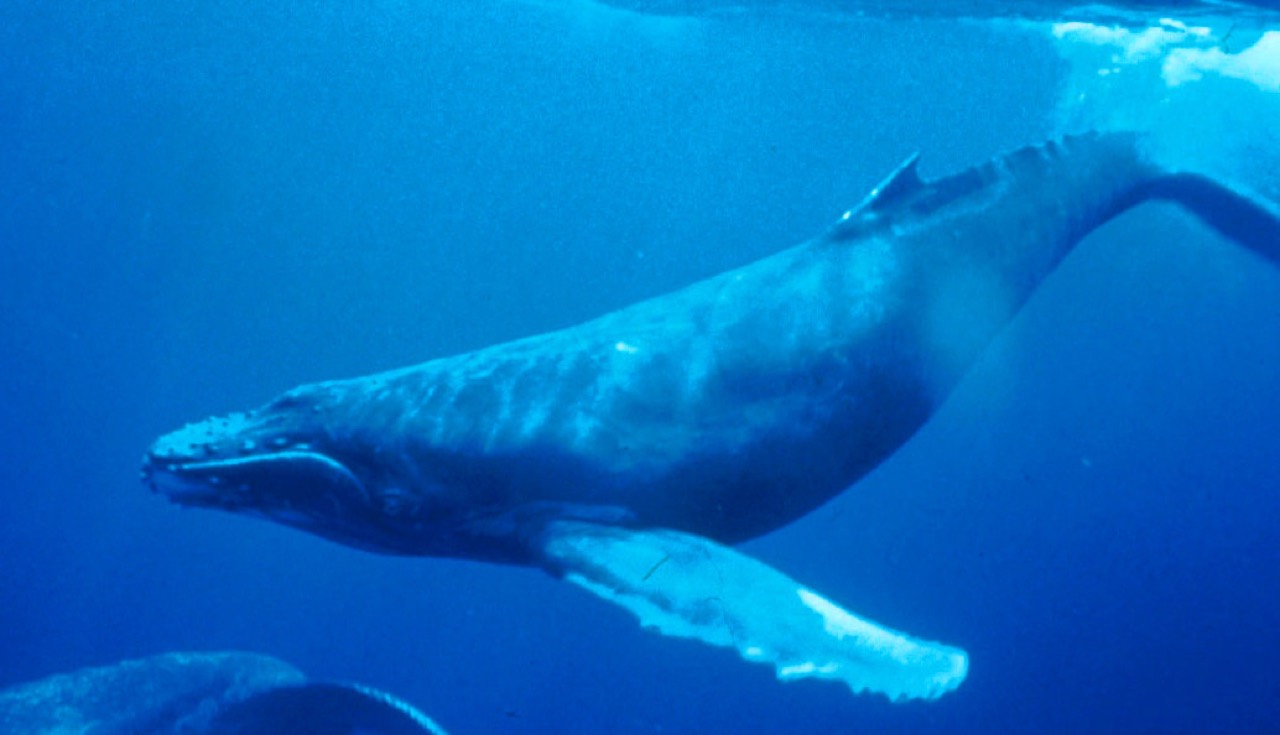
Mammals
HHumpback Whale
Megaptera novaeangliae
The ocean's great singer, leaping back from the brink of whaling.
Brazil
Open guide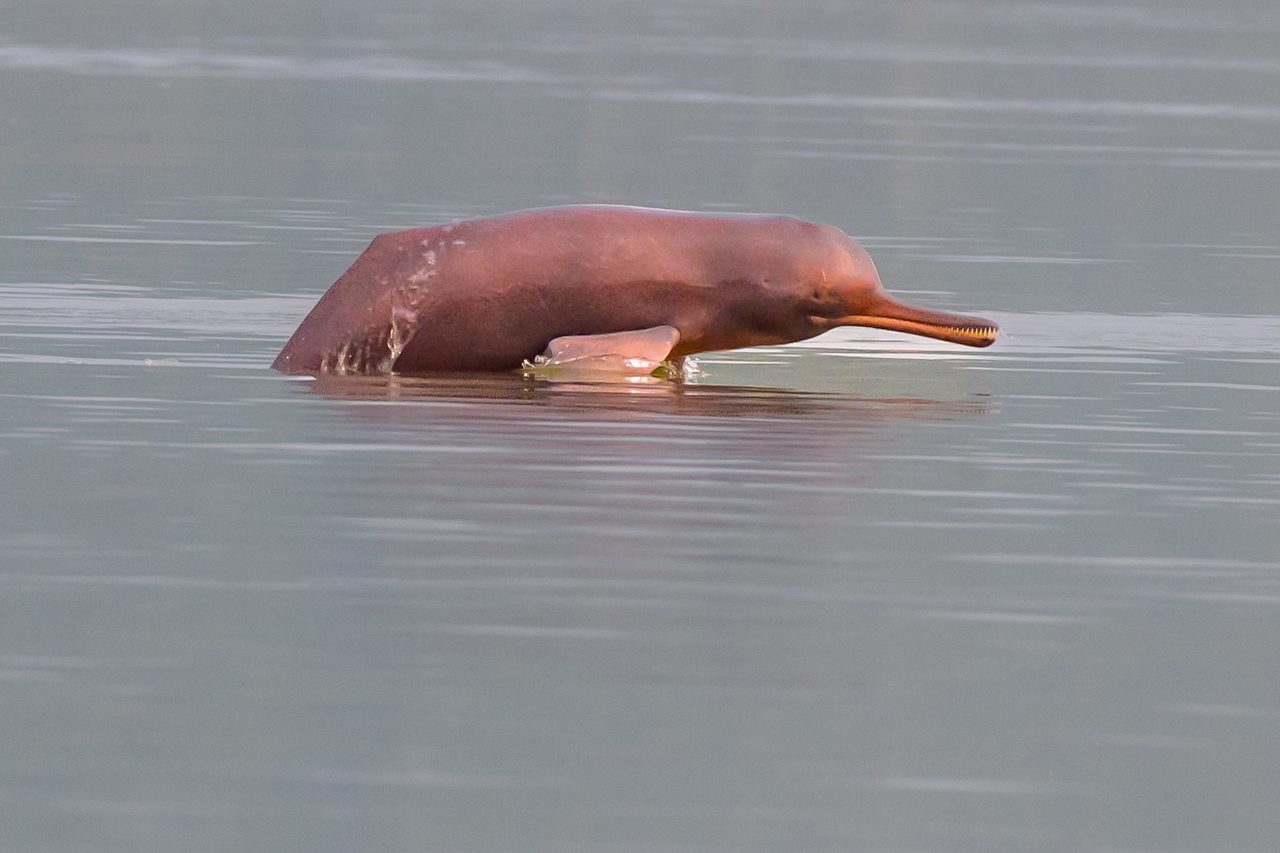
Mammals
IIndus River Dolphin
Platanista minor
A nearly blind freshwater dolphin that swims on its side through the murk of the Indus.
Pakistan
Open guide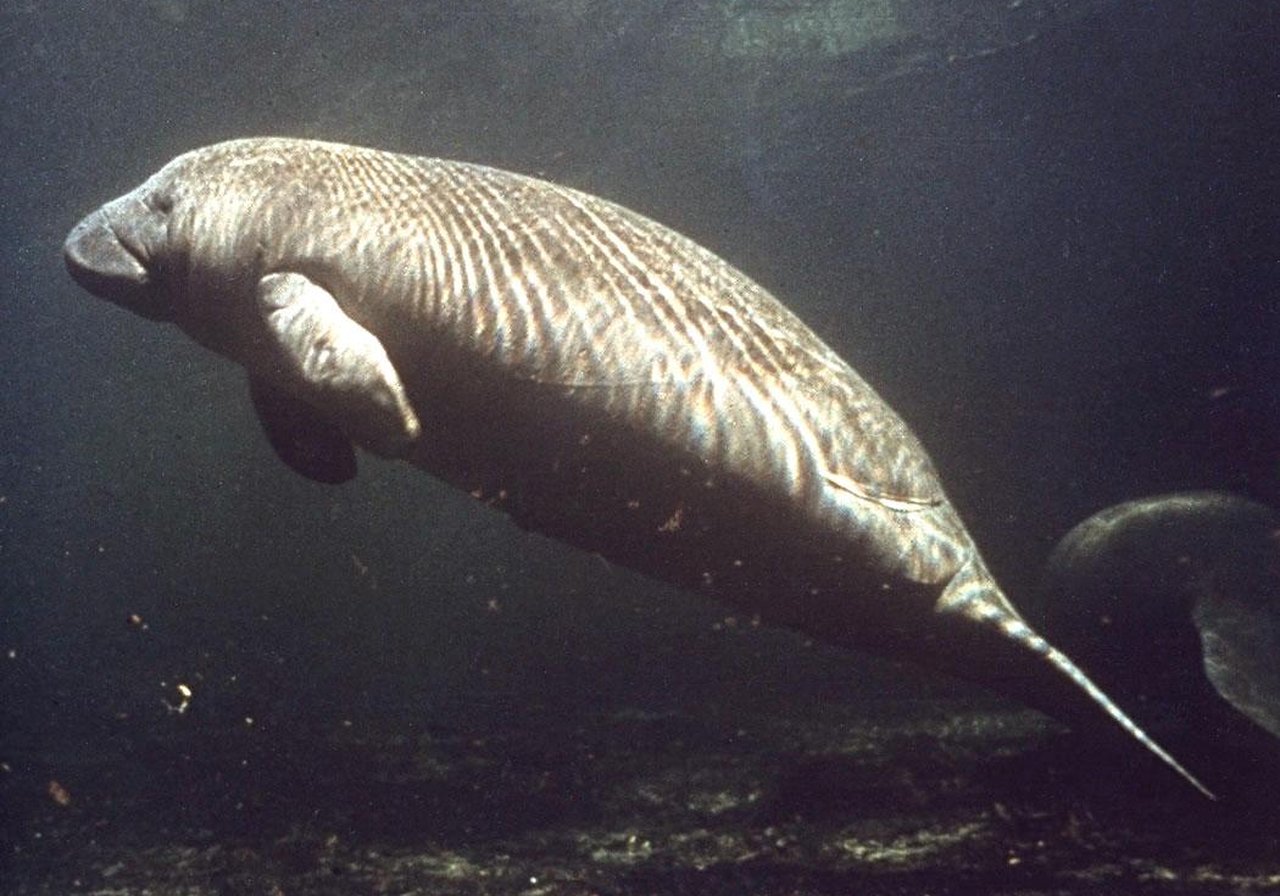
Mammals
MManatee
Trichechus manatus, T. inunguis and T. senegalensis — three living species
Gentle sirenians of warm shallows — slow, plant-eating and vulnerable to boats.
Caribbean · Gulf of Mexico
Open guide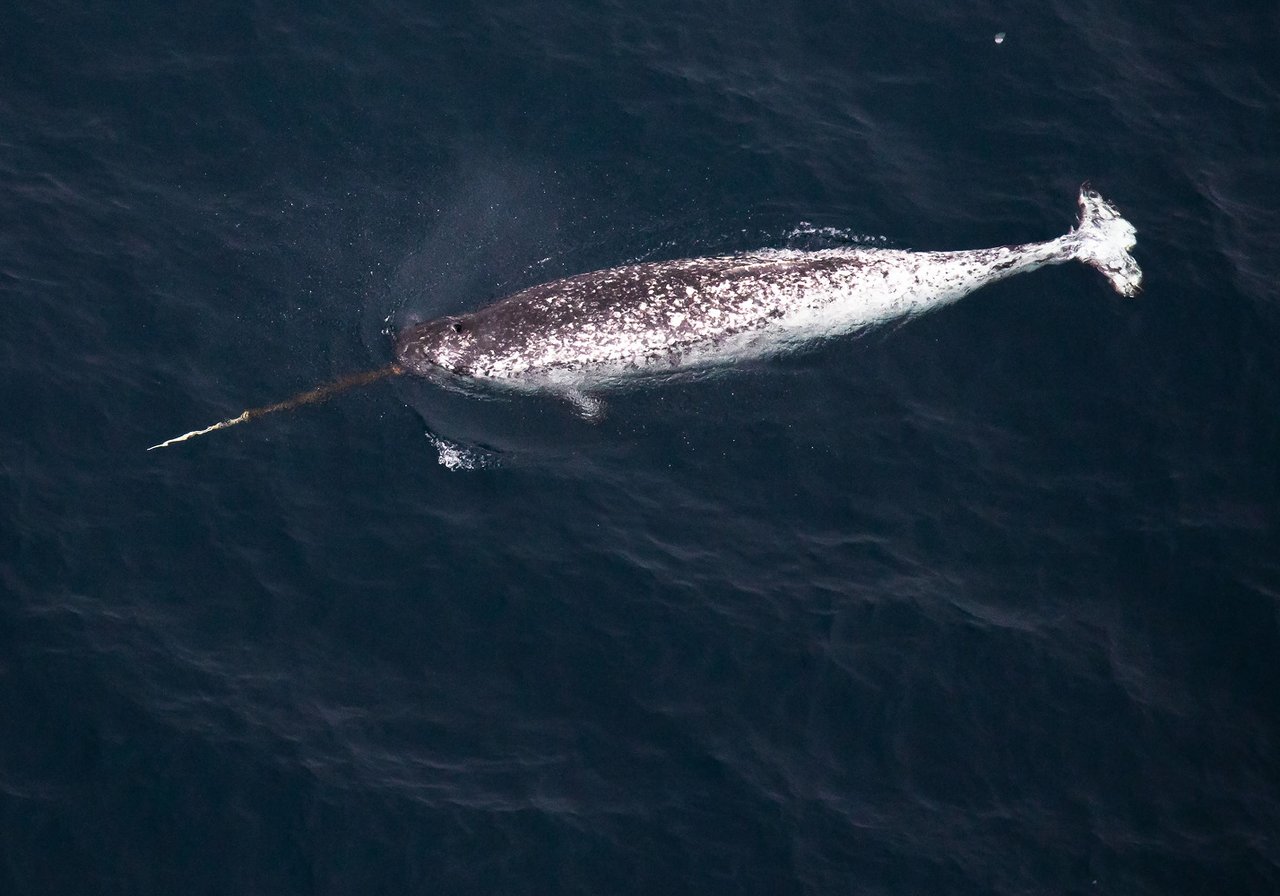
Mammals
NNarwhal
Monodon monoceros (Linnaeus, 1758)
An Arctic toothed whale whose tusk is a tooth — Least Concern on paper, still tied to sea ice.
High Arctic — Canada, Greenland, Svalbard; Russian Arctic poorly surveyed
Open guide
Mammals
NNorthern Elephant Seal
Mirounga angustirostris
The deep-diving seal giant
North America · Oceans
Open guide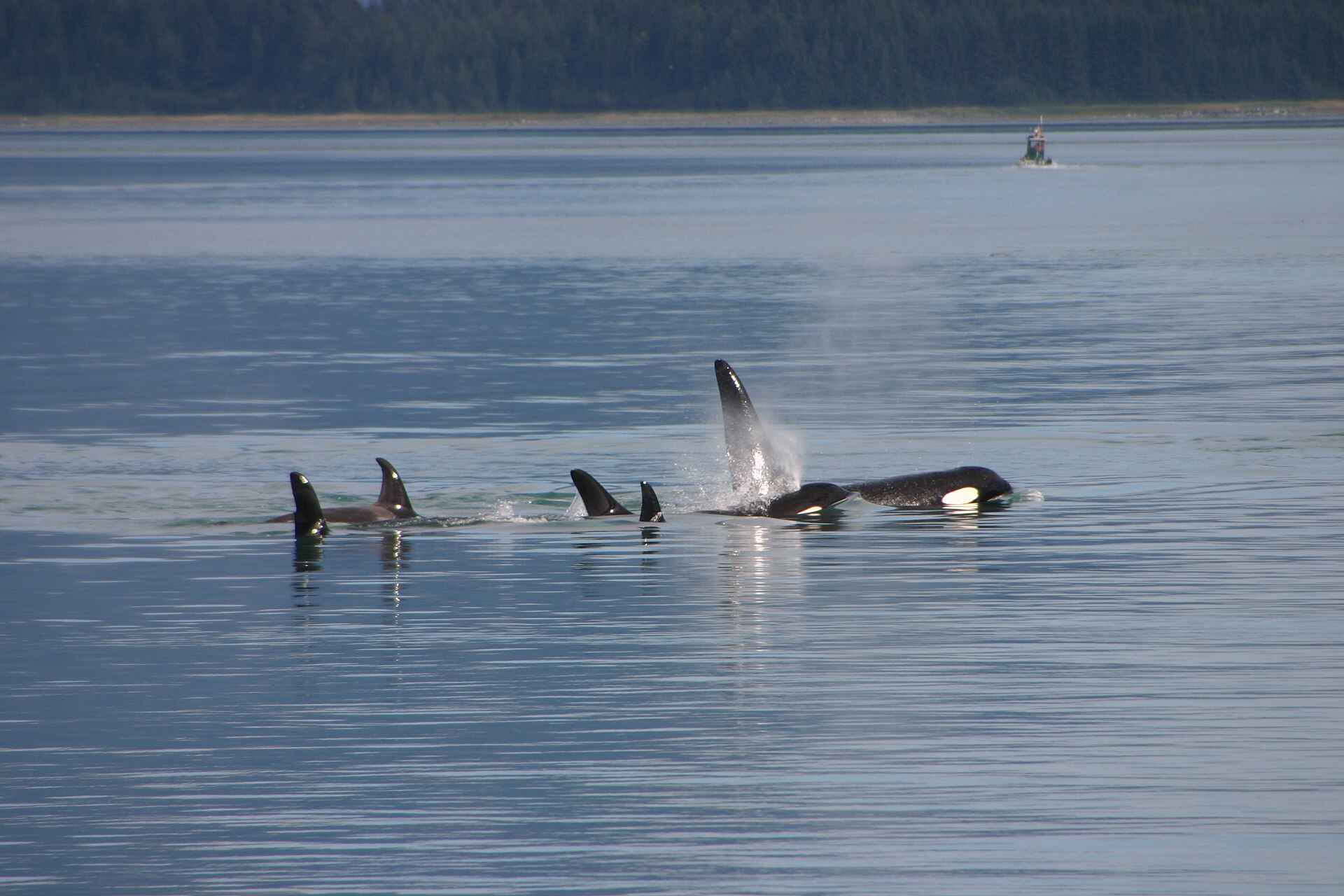
Mammals
OOrca
Orcinus orca (Linnaeus, 1758)
The largest oceanic dolphin — black-and-white apex predators with pod-specific cultures, not one global census.
Global oceans
Open guide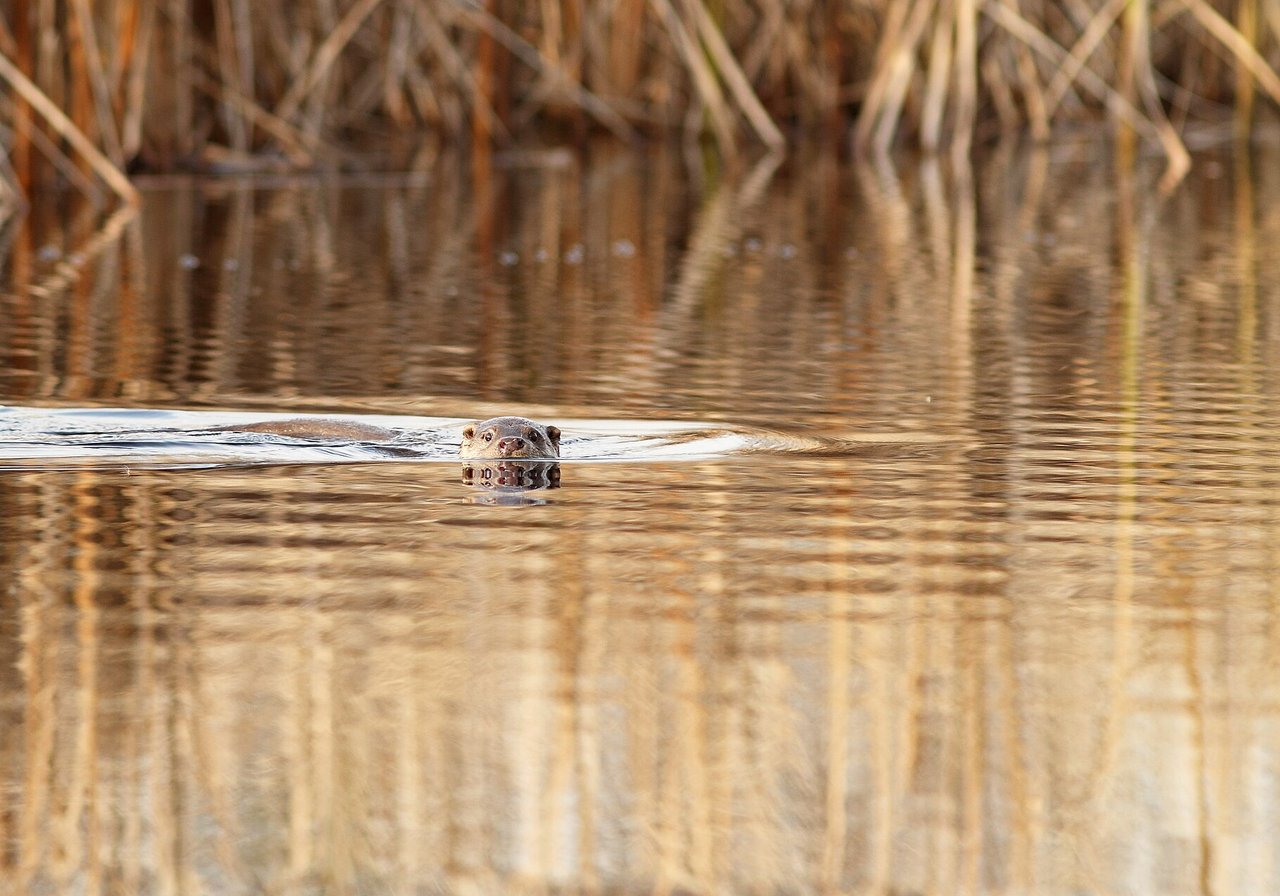
Mammals
OOtter
Subfamily Lutrinae — 13 species of aquatic mustelids worldwide
River acrobats and kelp-forest hunters — mustelids built for water on every continent.
Every continent except Australia and Antarctica
Open guide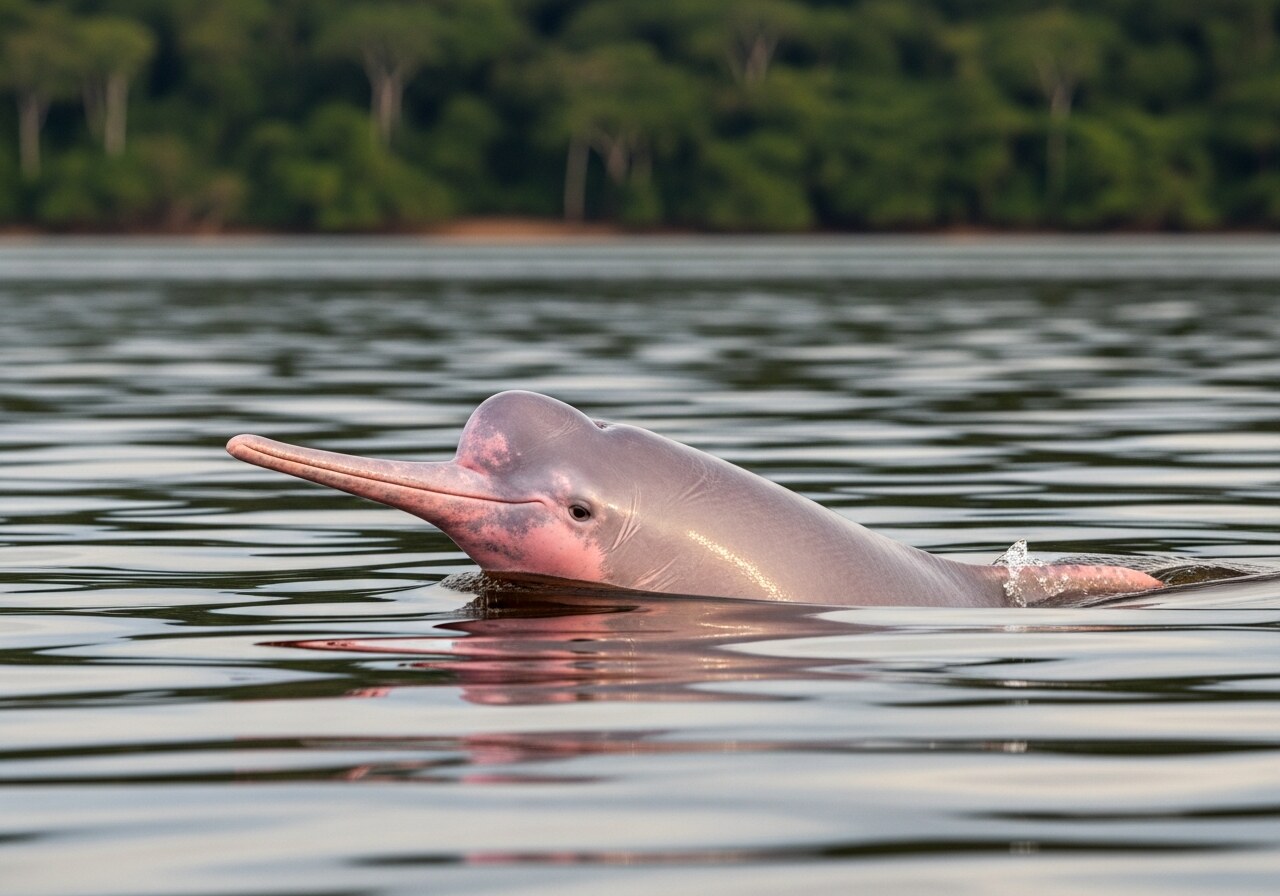
Mammals
PPink River Dolphin
Inia geoffrensis
The blushing ghost of the flooded forest — and one of the world's most imperilled freshwater dolphins.
Brazil · Colombia
Open guide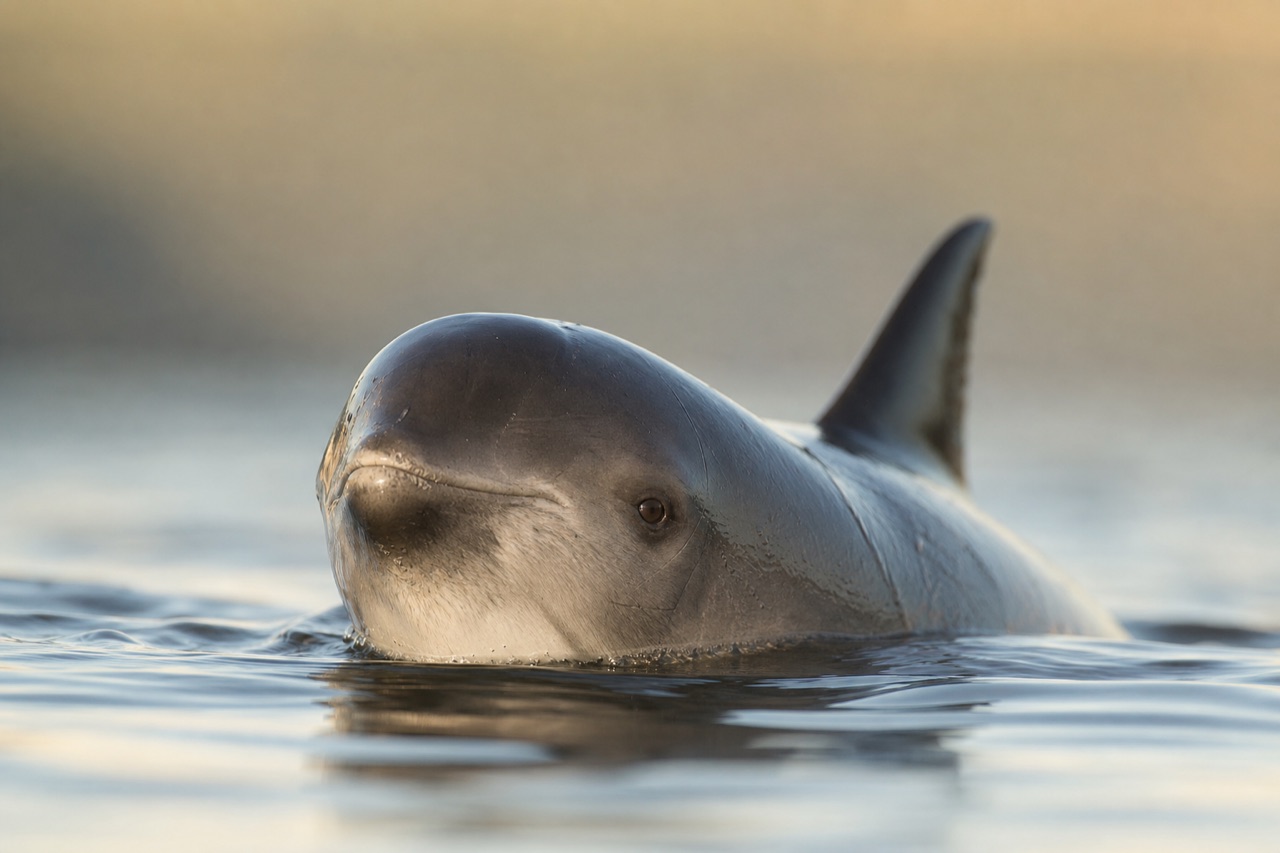
Mammals
PPorpoise
Family Phocoenidae — seven species, including Phocoena phocoena
Not small dolphins — a separate family, with spade-shaped teeth and no beak.
Coastal temperate and cold waters of the Northern Hemisphere and South America · Shallow seas, estuaries and some rivers
Open guide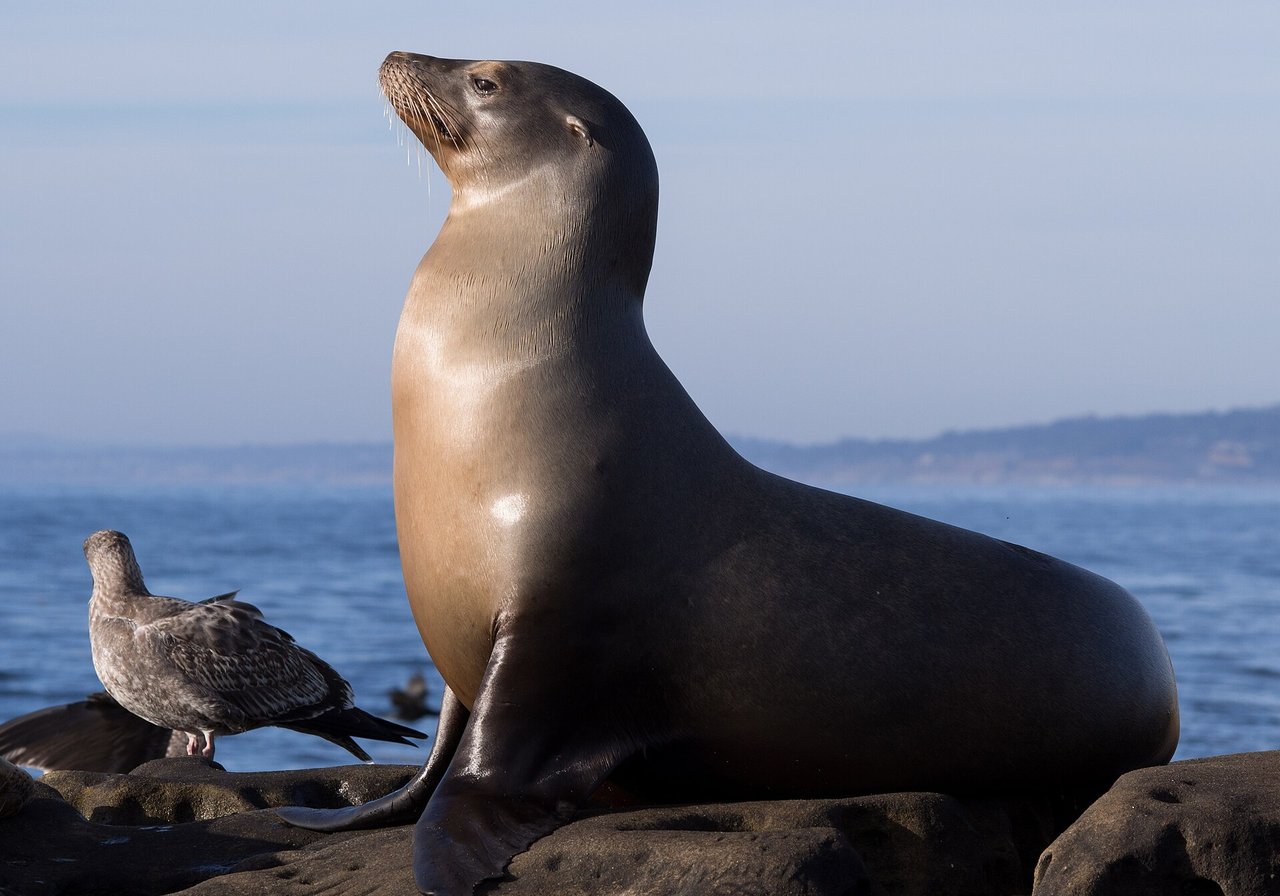
Mammals
SSea Lion
Family Otariidae — ~16 species of eared seals (sea lions and fur seals)
Agile eared seals of rocky coasts — vocal, social and quick on land.
Pacific coasts of Americas · Australia
Open guide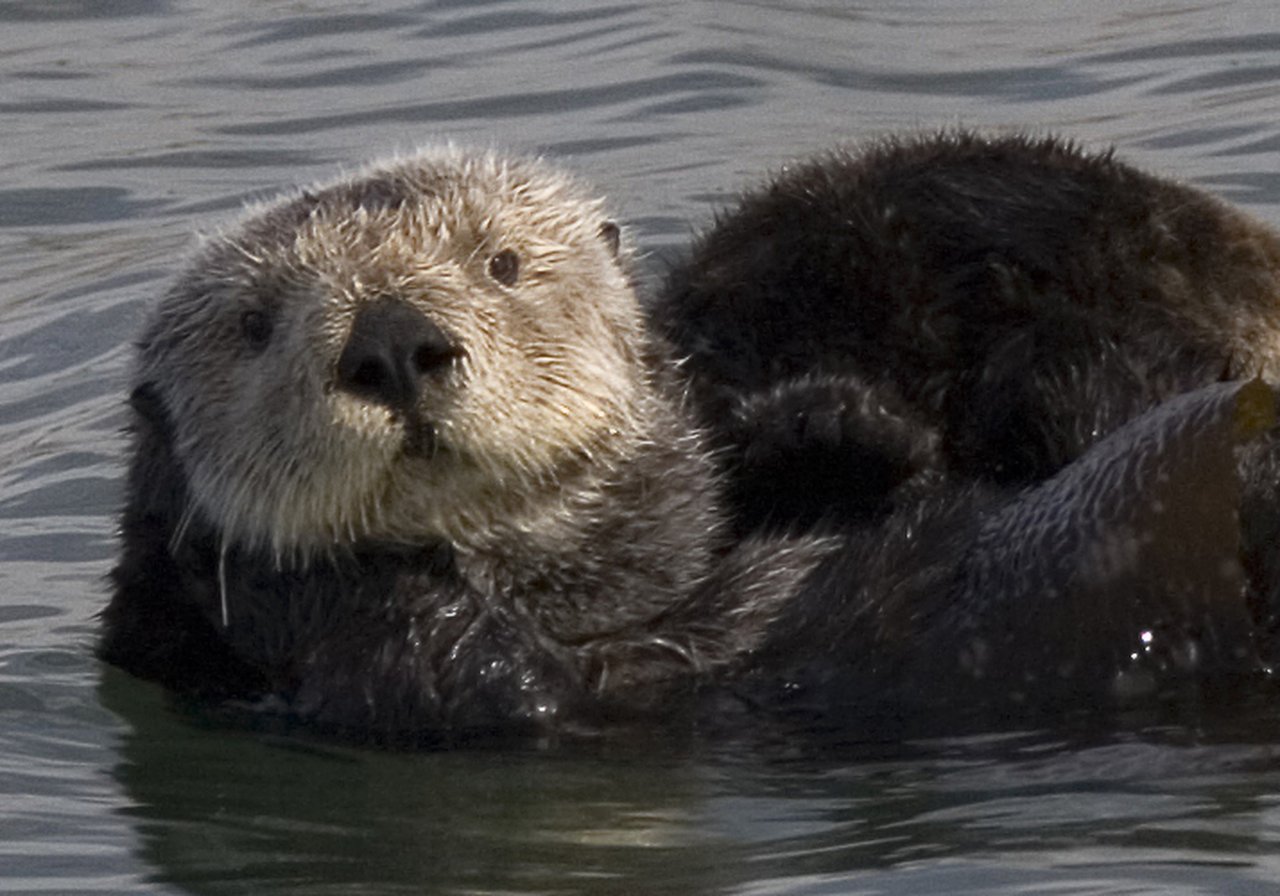
Mammals
SSea Otter
Enhydra lutris (Linnaeus, 1758)
Kelp-forest gardeners with the densest fur on Earth — Endangered keystone predators.
North Pacific — California, Alaska, British Columbia, Russia, Japan
Open guide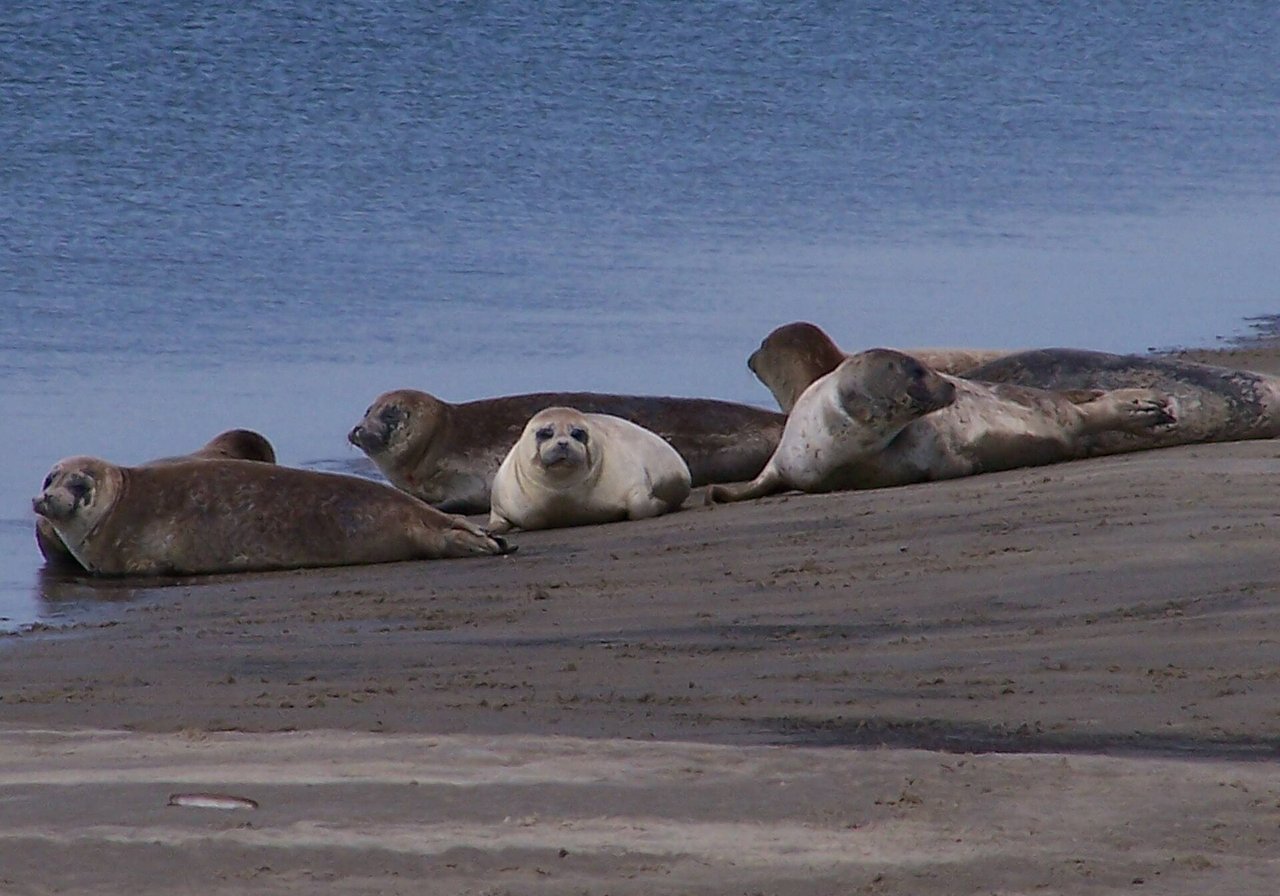
Mammals
SSeal
Family Phocidae — ~19 species of true (earless) seals worldwide
Streamlined mammals of ice and ocean — adapted for deep dives and harsh shores.
Arctic · North Atlantic
Open guide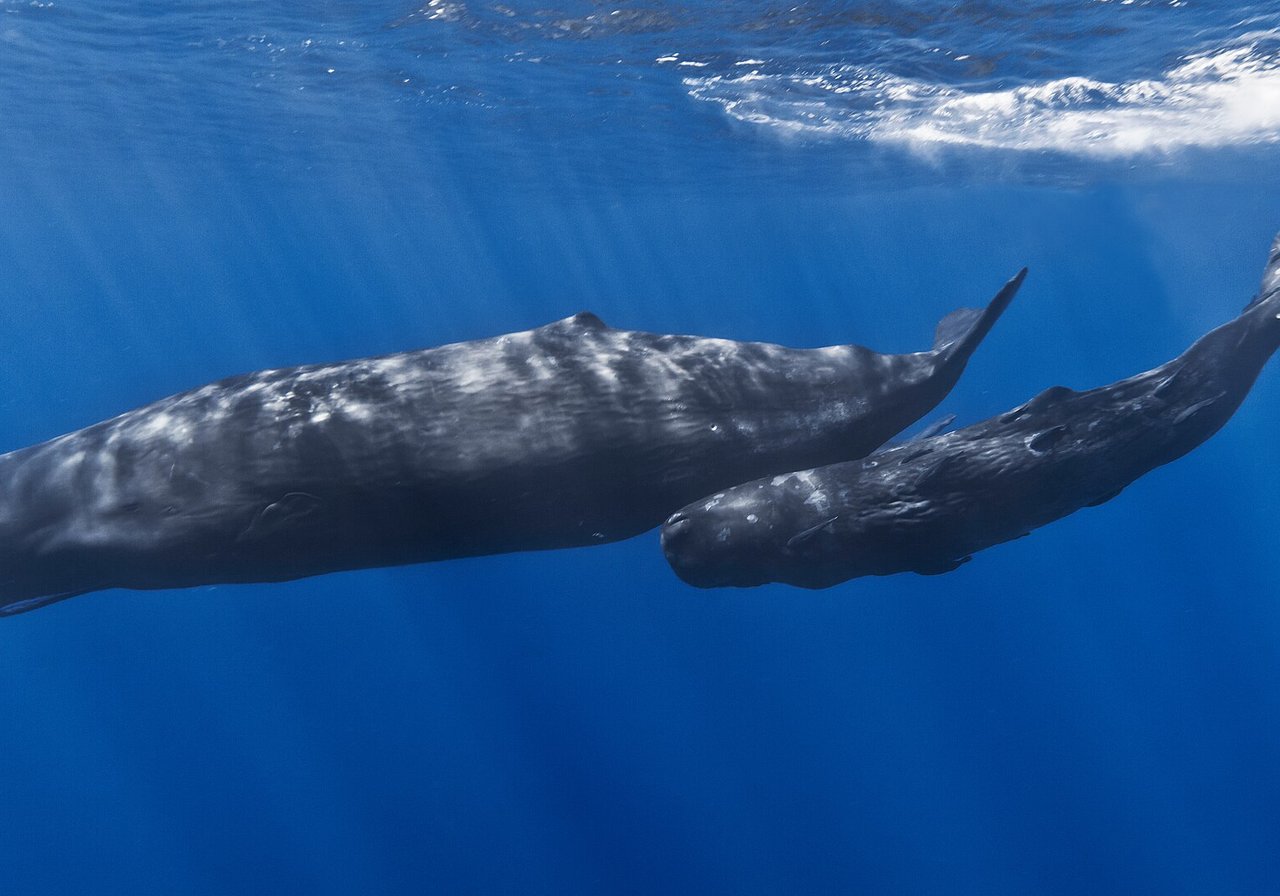
Mammals
SSperm Whale
Physeter macrocephalus (Linnaeus, 1758)
Deep-sea hunters with the largest brain on Earth — masters of the abyss.
All deep oceans — from poles to equator
Open guide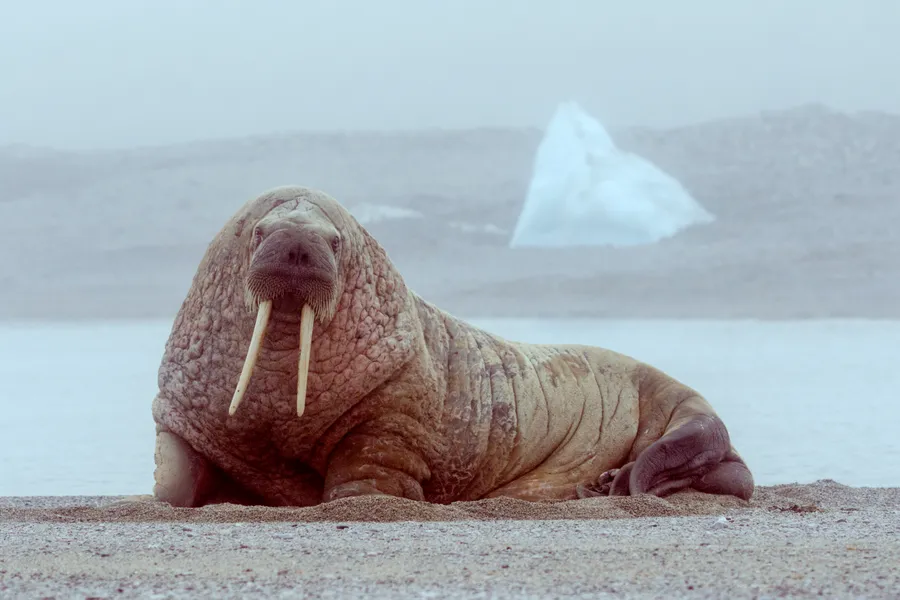
Mammals
WWalrus
Odobenus rosmarus
The tusked giant of the Arctic ice.
Arctic Ocean · Bering and Chukchi Seas
Open guide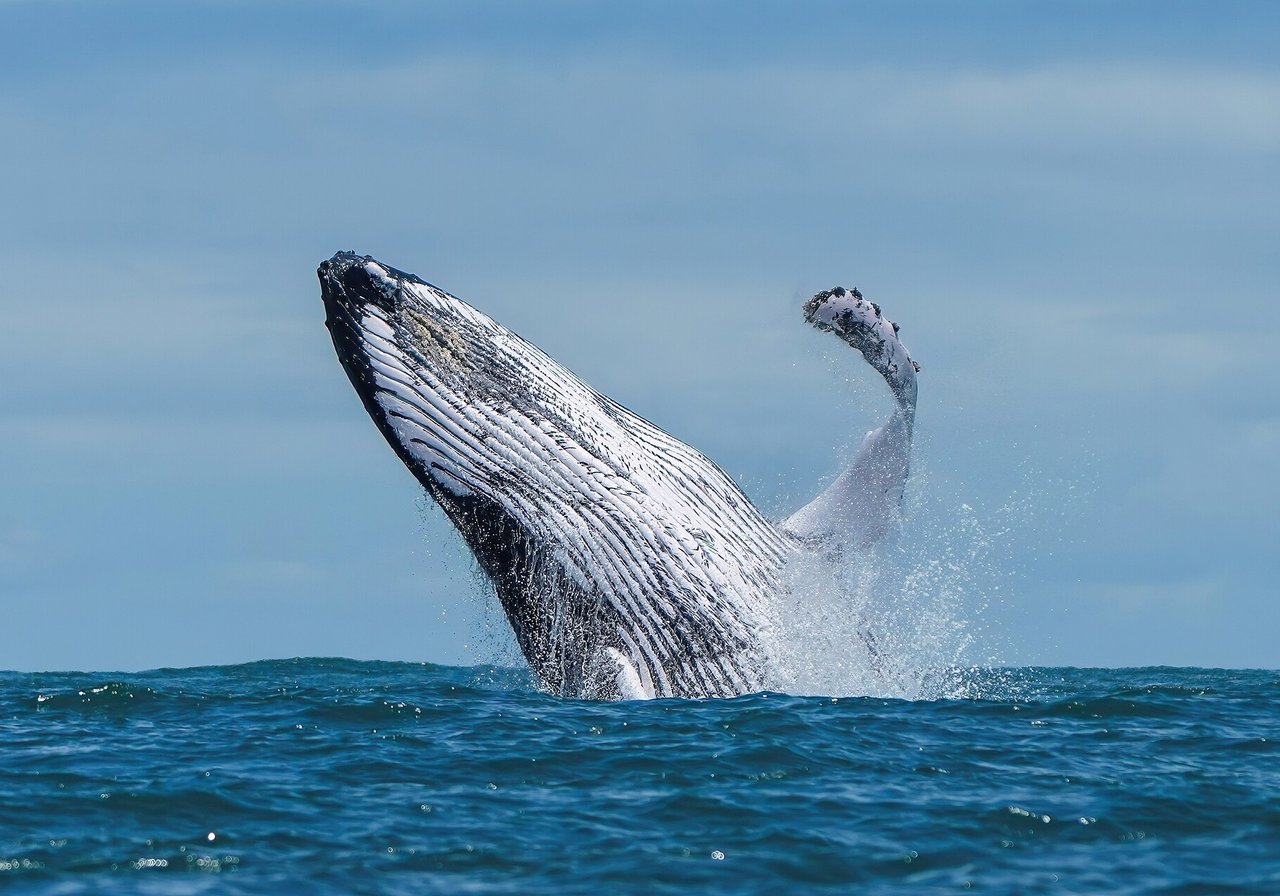
Mammals
WWhale
Infraorder Cetacea — ~90 species of baleen and toothed whales
Giants of the deep — baleen filter-feeders and toothed hunters of every ocean.
All oceans from Arctic to Antarctic
Open guideConservation: what this group faces
Marine mammals face a stack of human pressures that operate at different scales. Entanglement in fishing gear and ship strikes kill whales and manatees directly; ocean noise from shipping and seismic surveys disrupts communication and navigation in cetaceans; plastic ingestion affects species from albatrosses' marine equivalents to filter-feeding whales. River dolphins — pink and Indus — are among the most endangered mammals alive, confined to degraded river systems. Protected areas at sea help, but migratory species need safe passage along entire routes, not just reserves at one end.
Marine mammals: frequently asked questions
What is a marine mammal?
What is the difference between a seal and a sea lion?
What is the difference between a dolphin and a porpoise?
Are whales fish?
What is the largest marine mammal?
Are marine mammals endangered?
Other types of mammal
-
Big cats
Large predatory cats — tigers, lions, leopards, jaguars, cheetahs and their close relatives.
-
Bears
Heavy-bodied omnivores — from polar bears on sea ice to pandas in bamboo forest.
-
Primates
Apes, monkeys, lemurs and lorises — the order that includes our closest living relatives.
-
Hoofed animals
Deer, elephants, rhinos, horses, cattle, antelope and other ungulates — grazers and browsers on hoof.
-
Rodents
Gnawing mammals — from mice and squirrels to beavers, capybaras and porcupines.
-
Bats
The only mammals capable of true powered flight — from insect-hunting pipistrelles to fruit bats.
-
Marsupials
Pouched mammals — kangaroos, koalas, opossums and gliders from Australia and the Americas.
-
Canids
Dogs, wolves, foxes, jackals and their wild relatives — the dog family.
-
Small carnivores
Stoats, badgers, otters, mongooses, raccoons and other compact hunters and scavengers.